
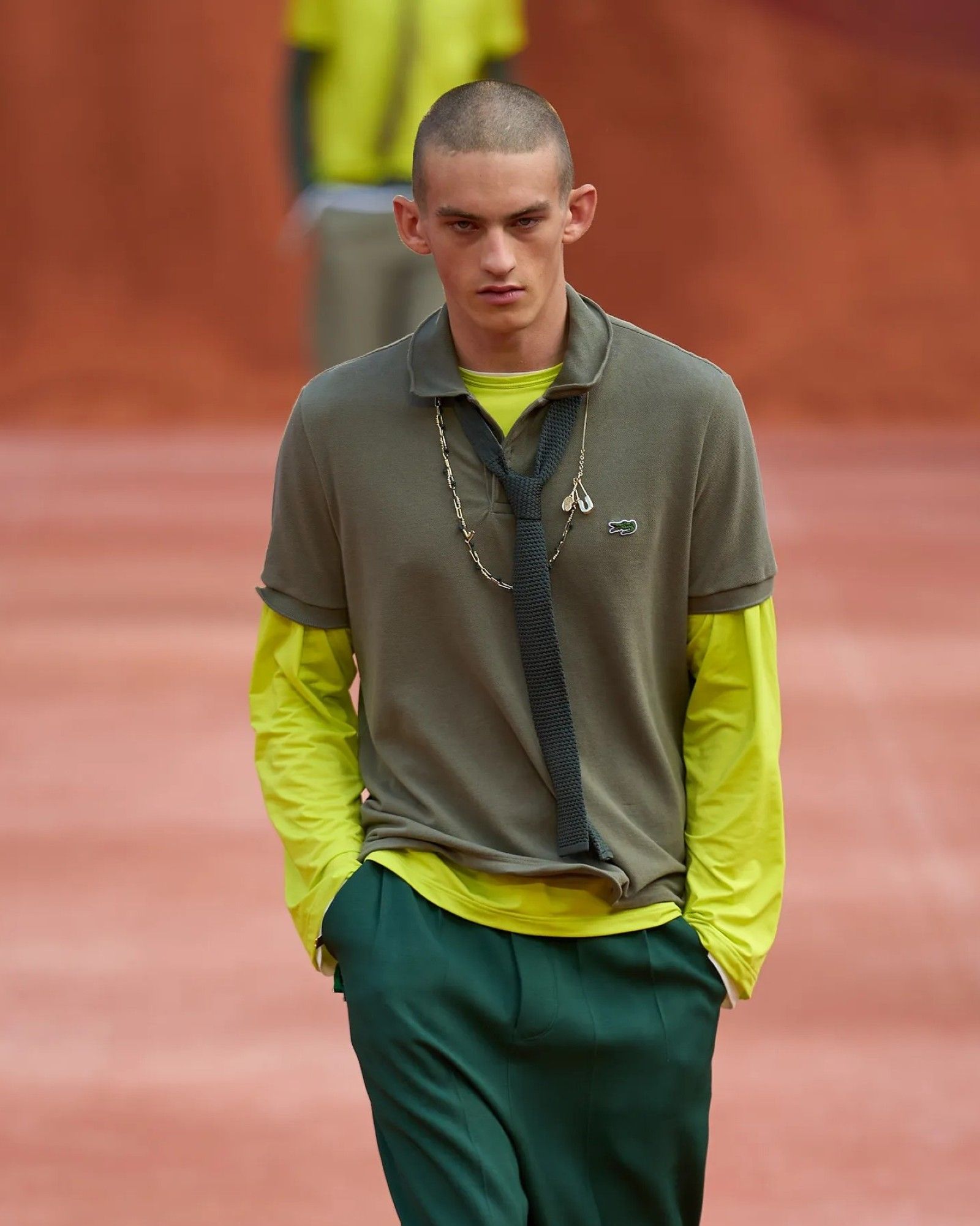
2026 is the year of the "t-skirt" Looking put-together is so out of fashion lately
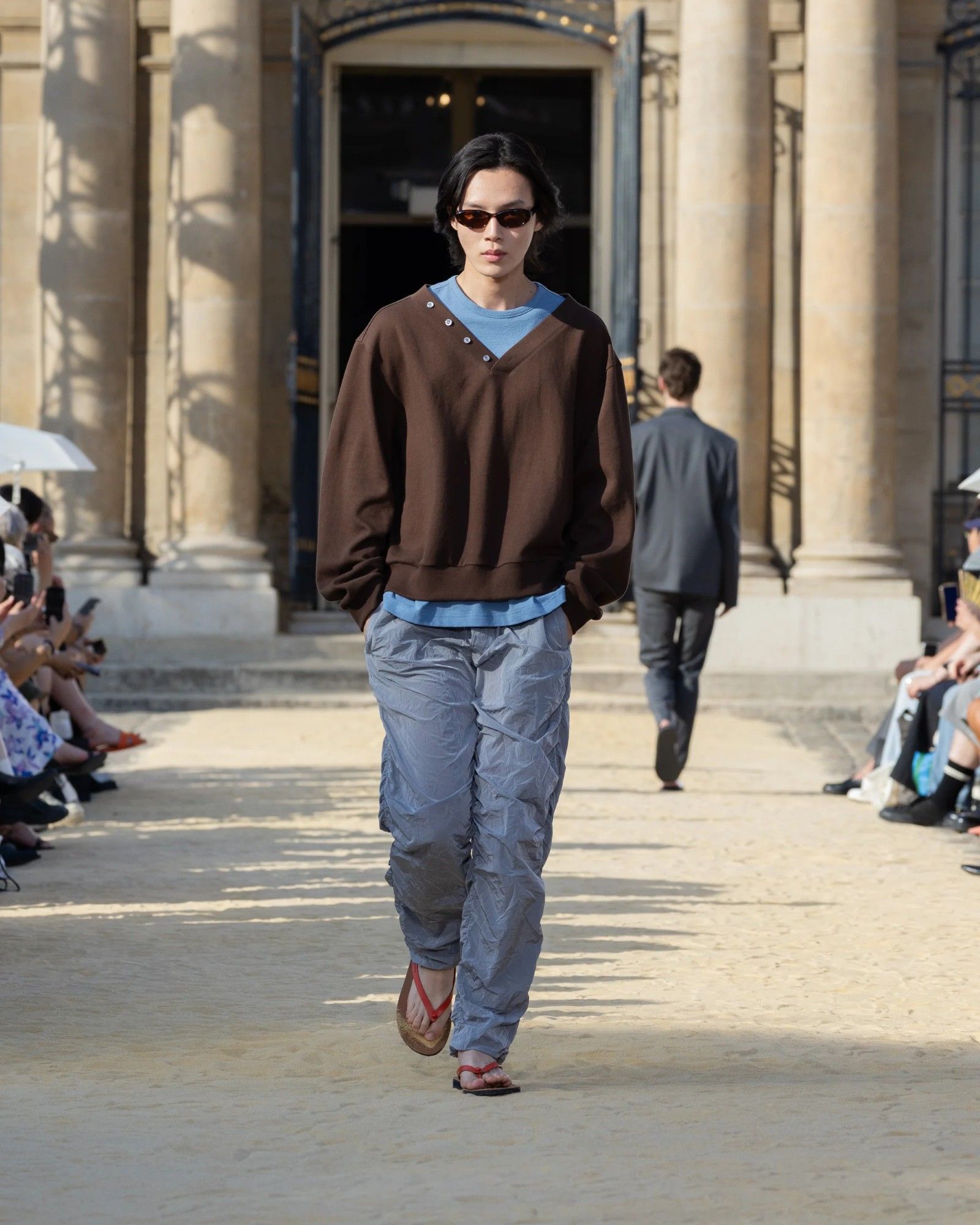
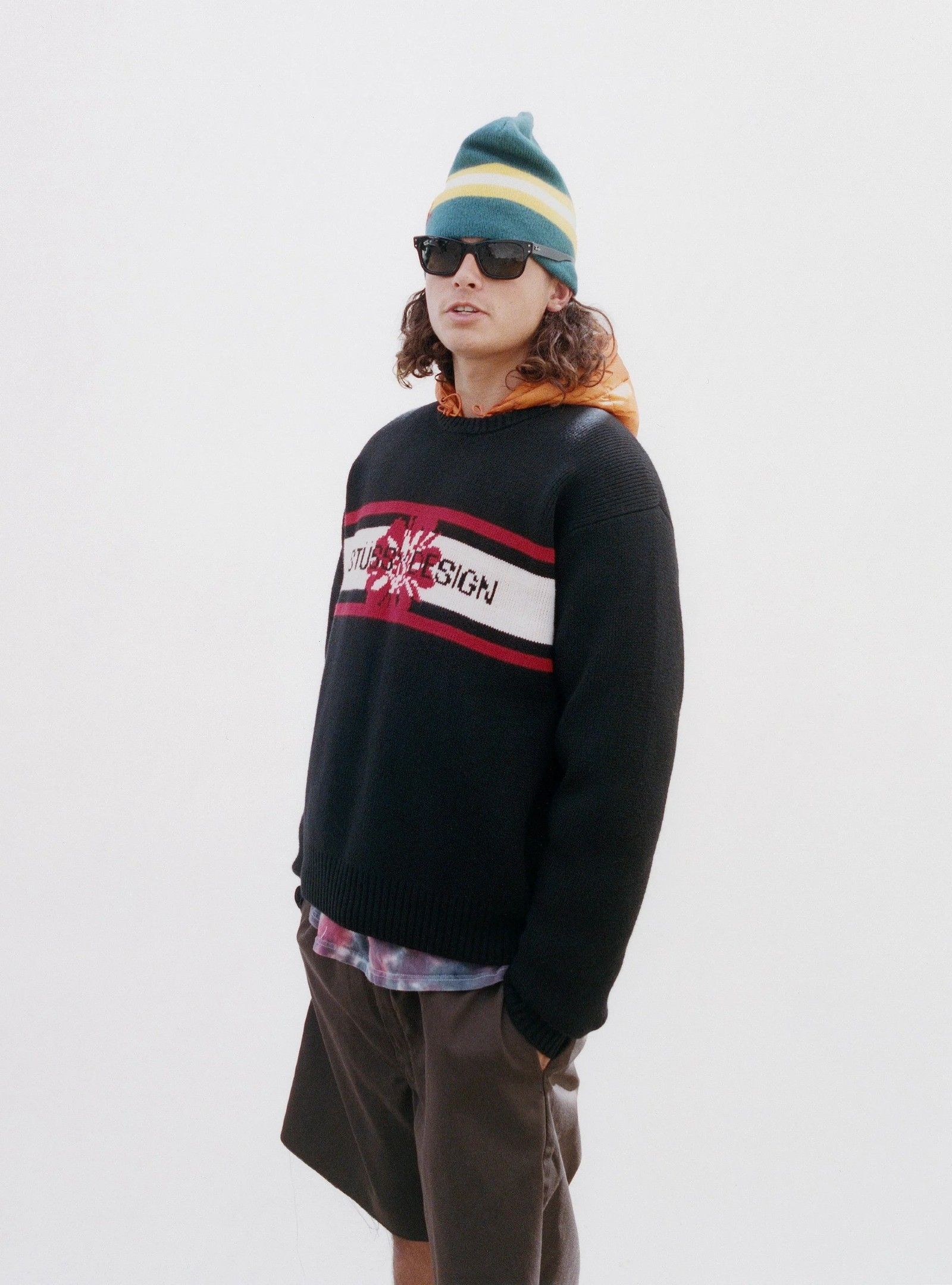
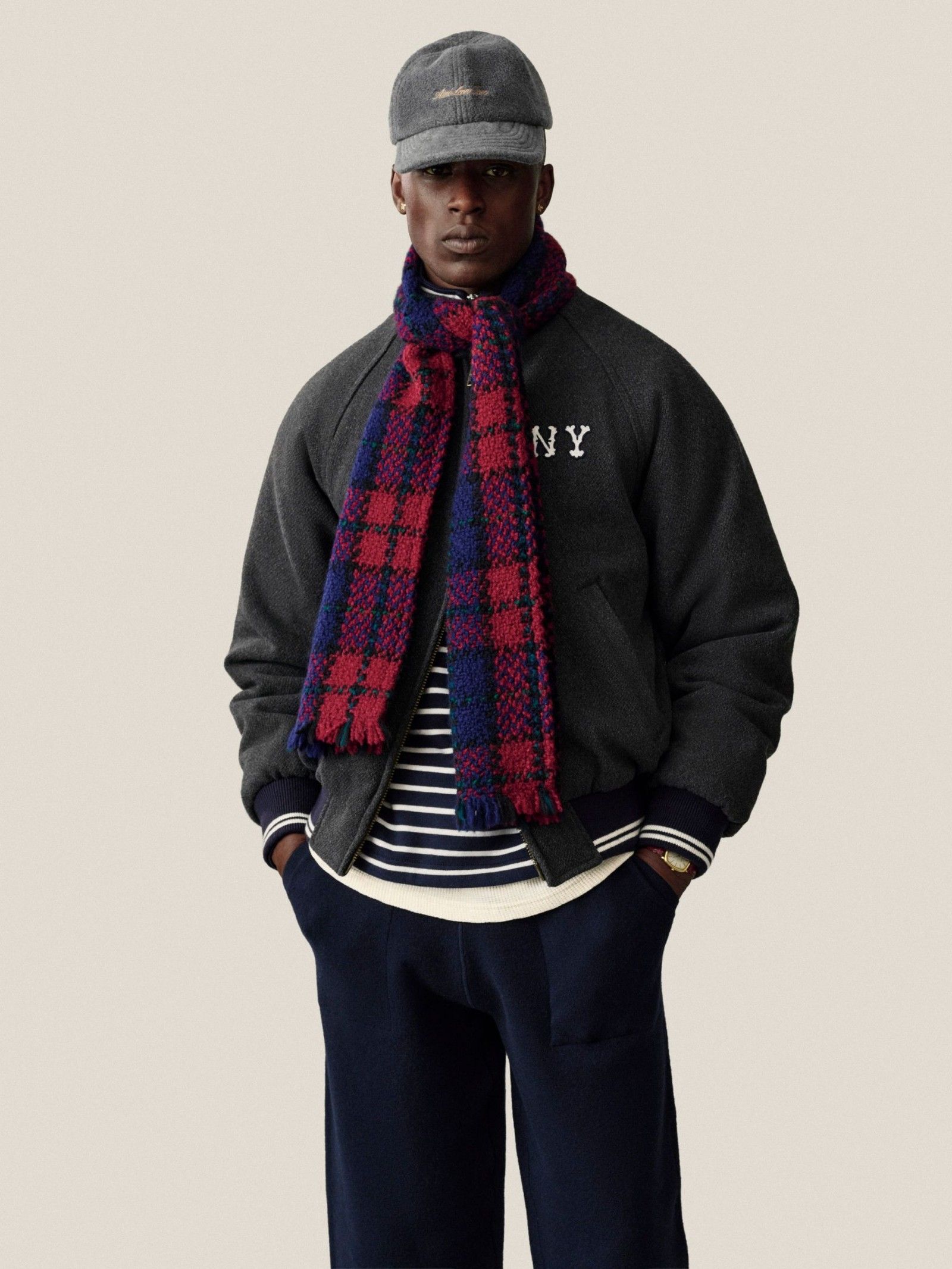
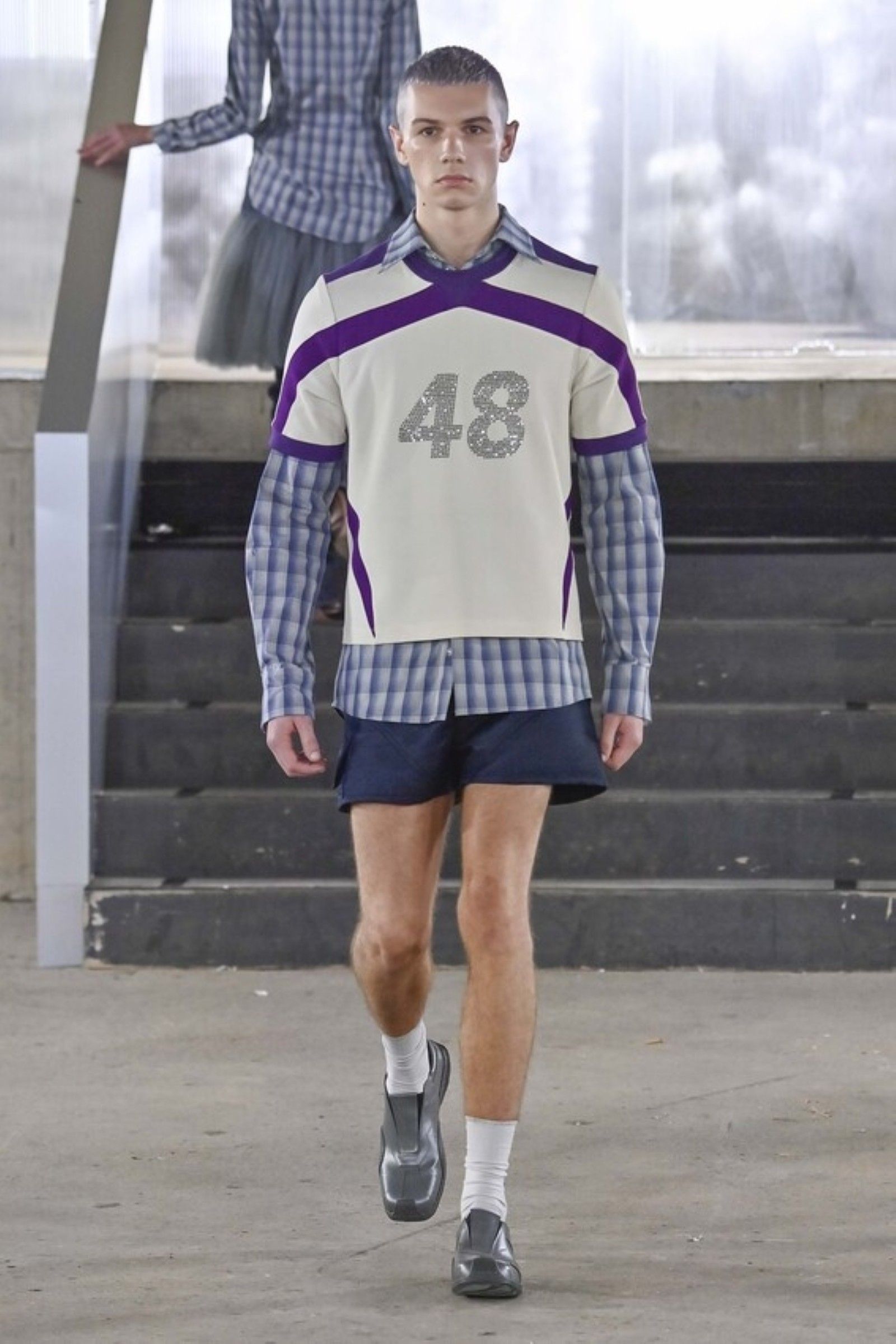
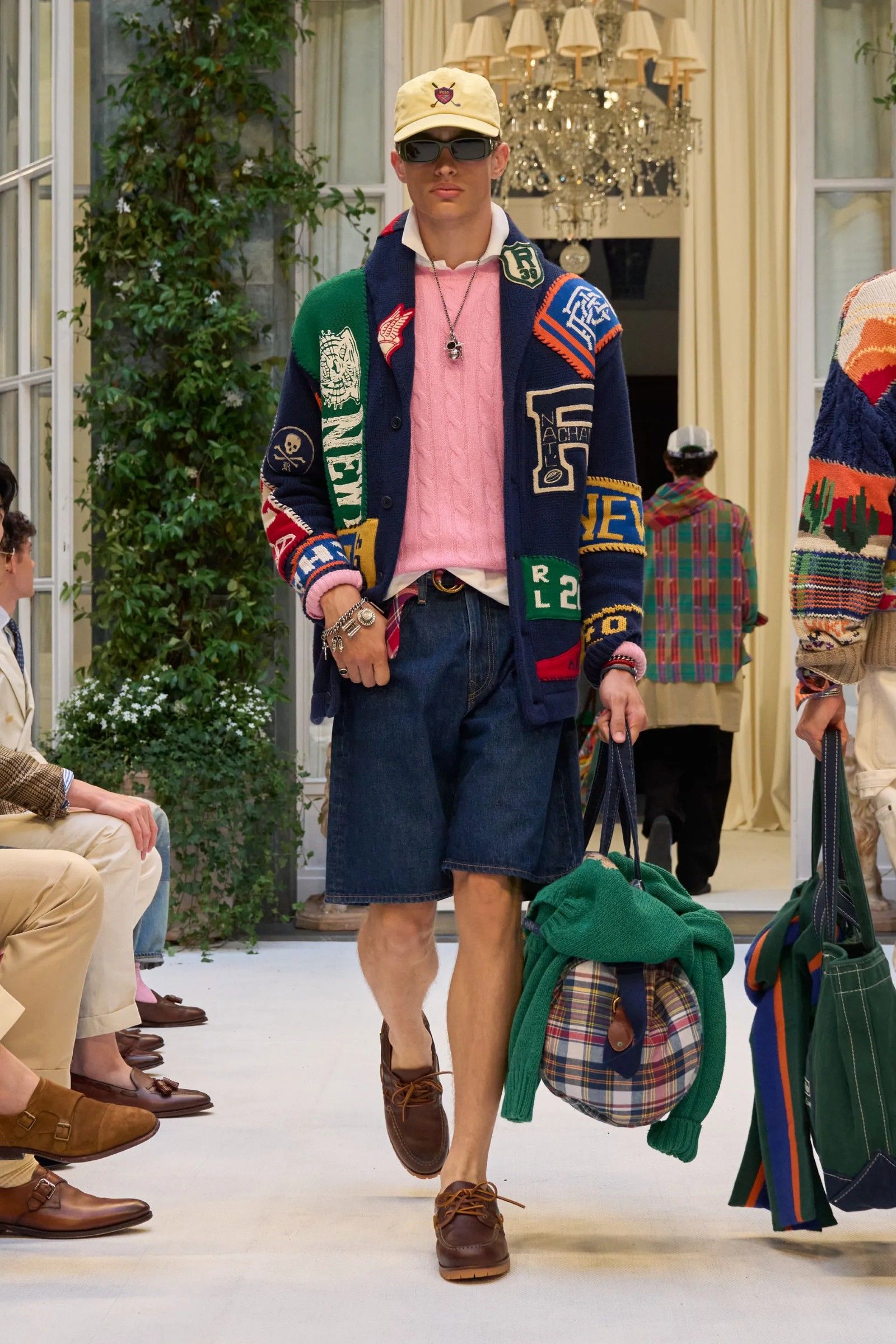
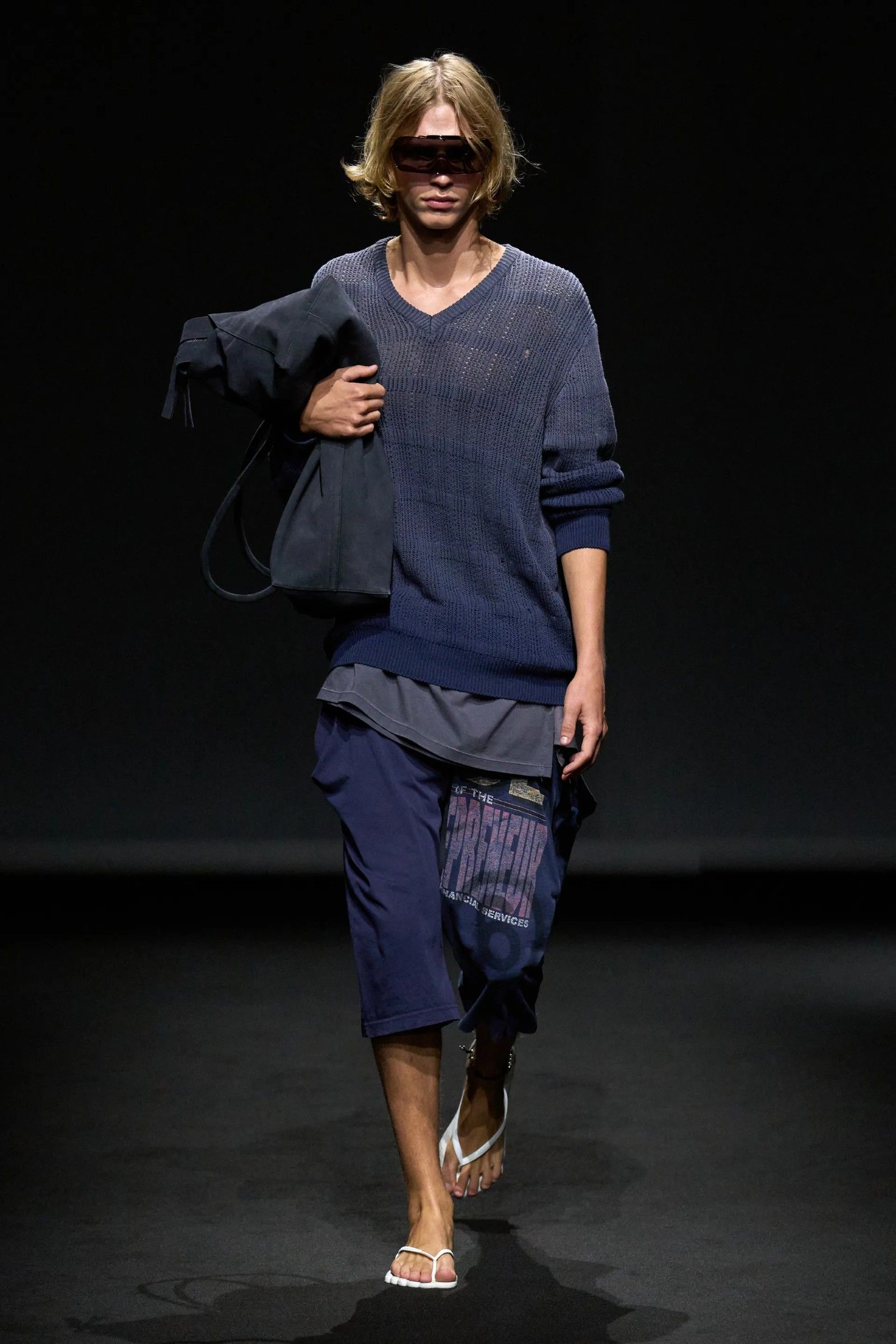
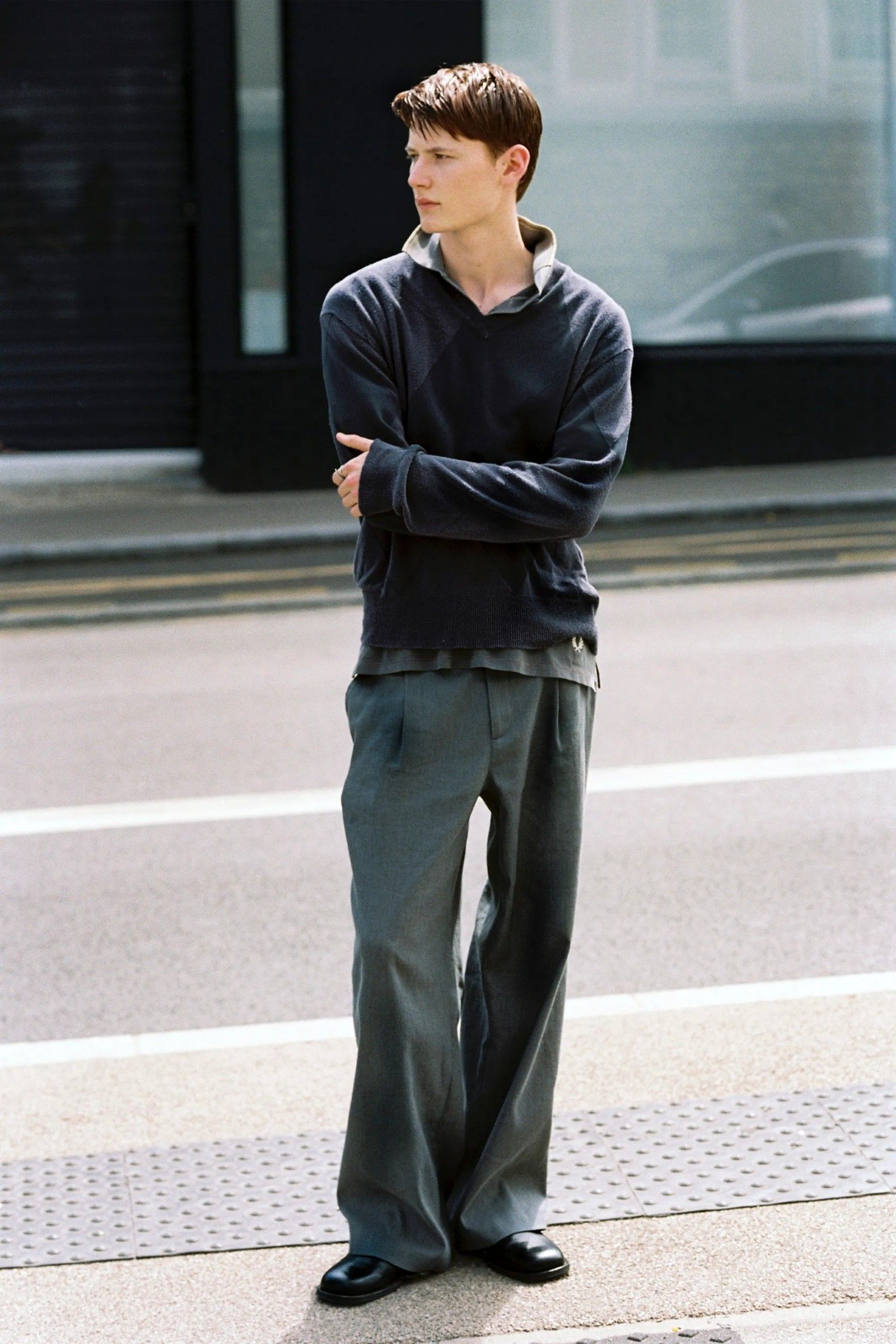
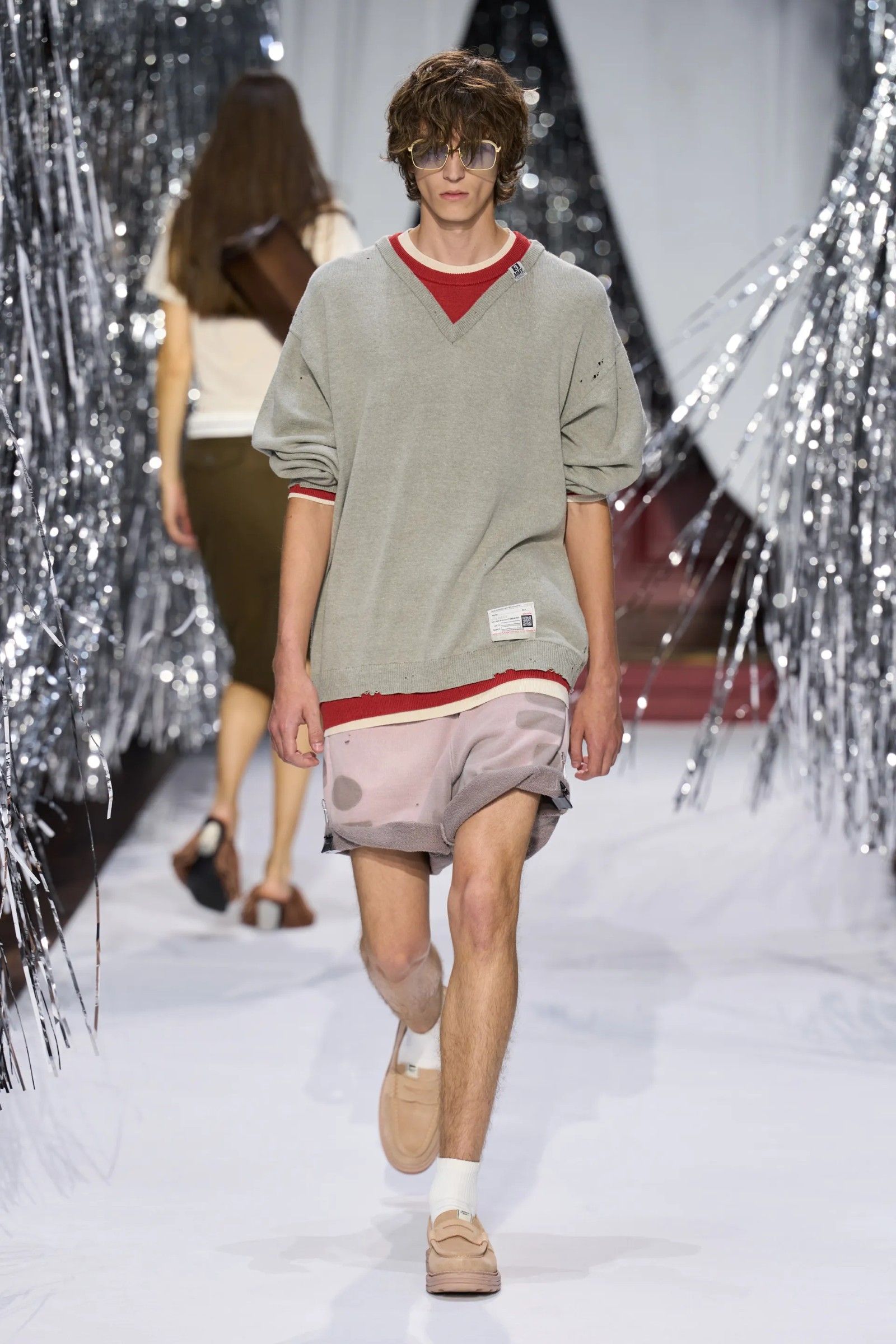
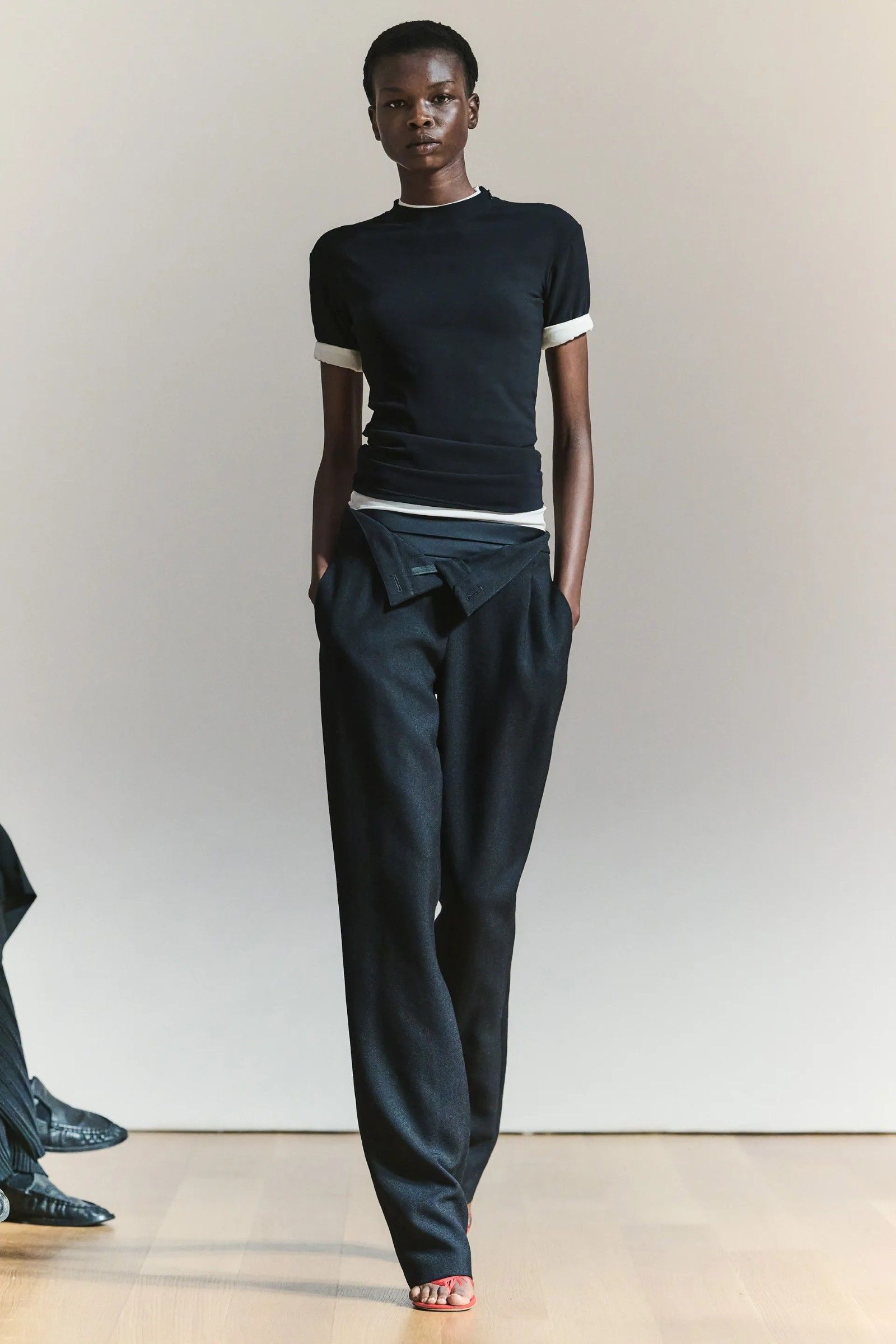
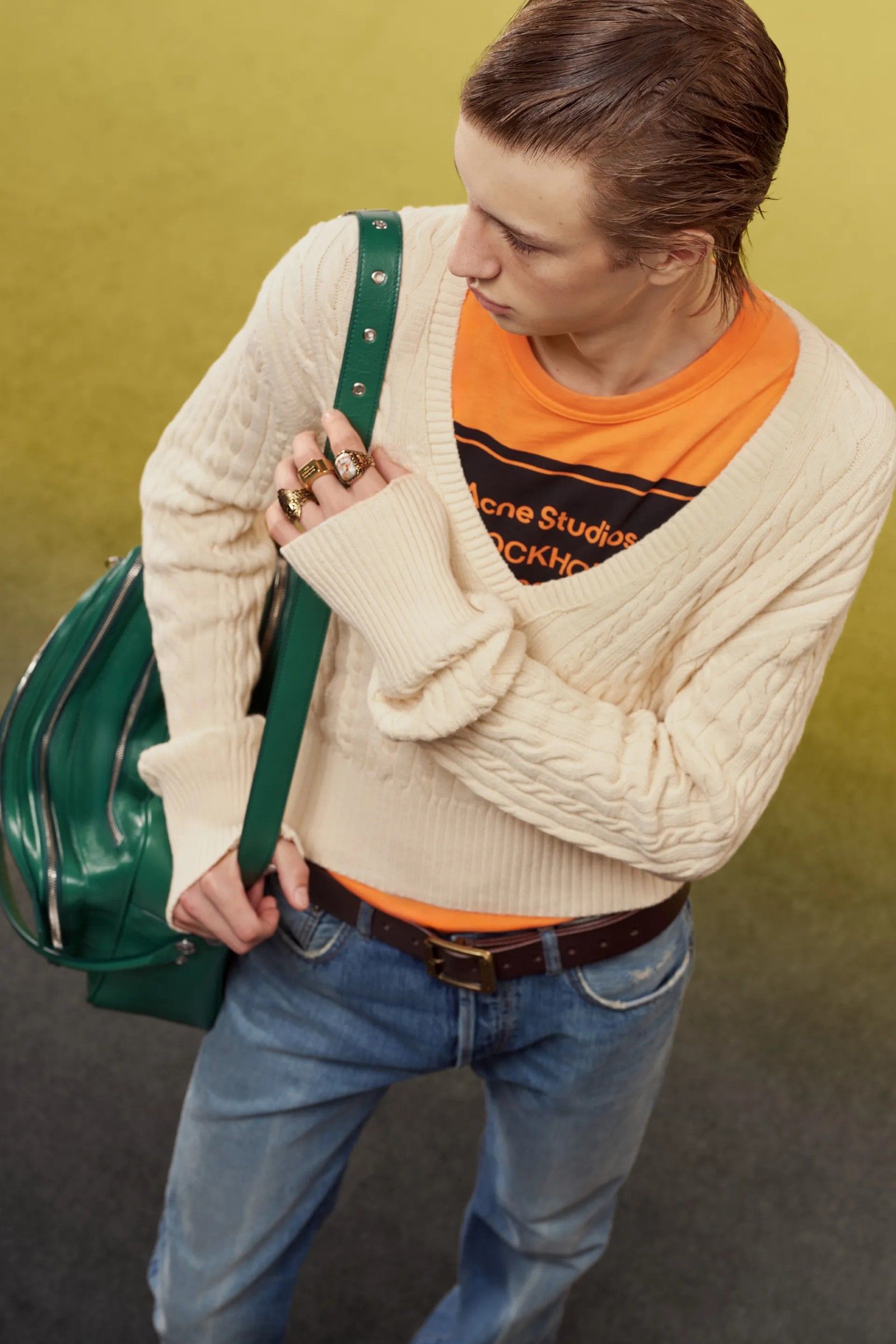
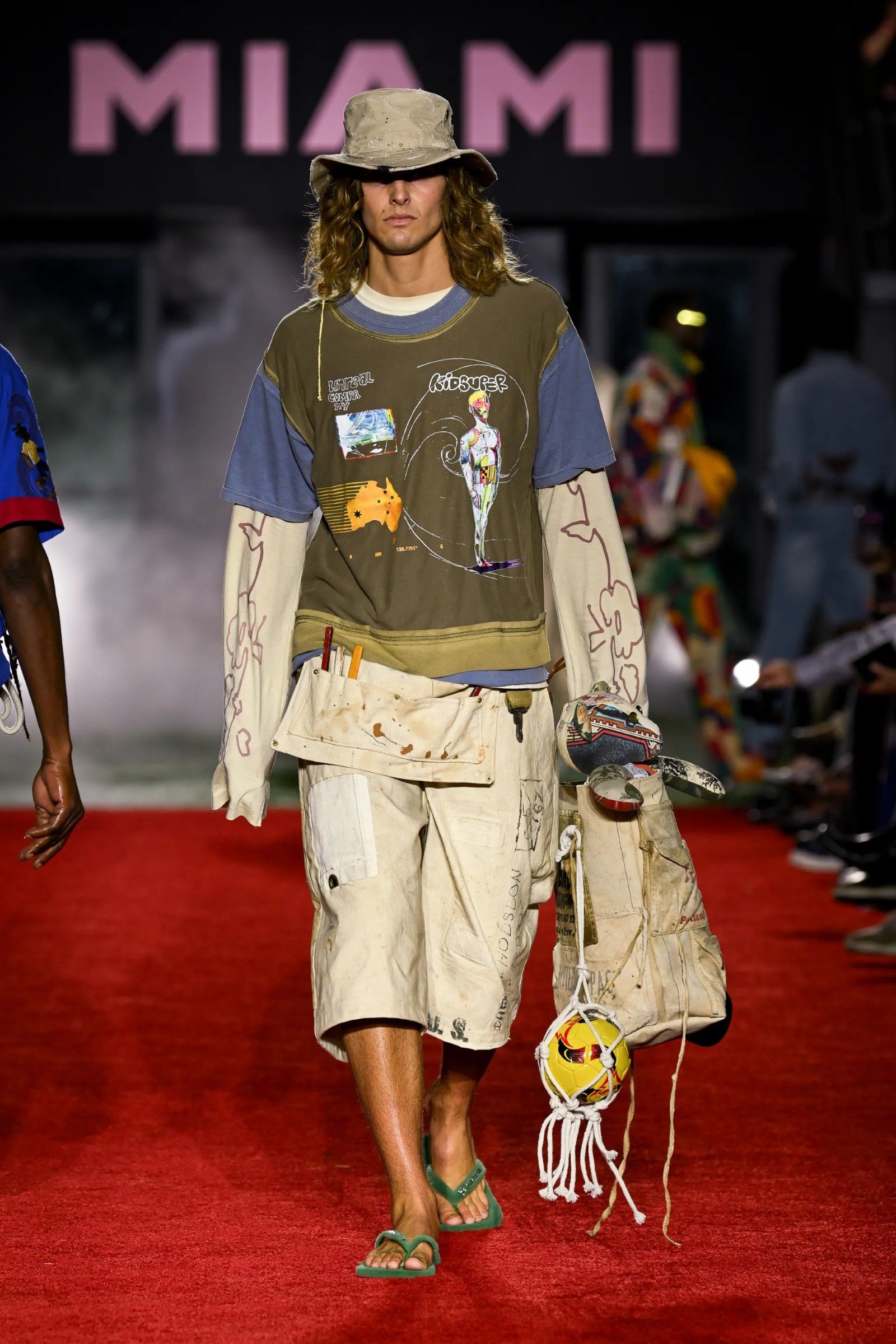
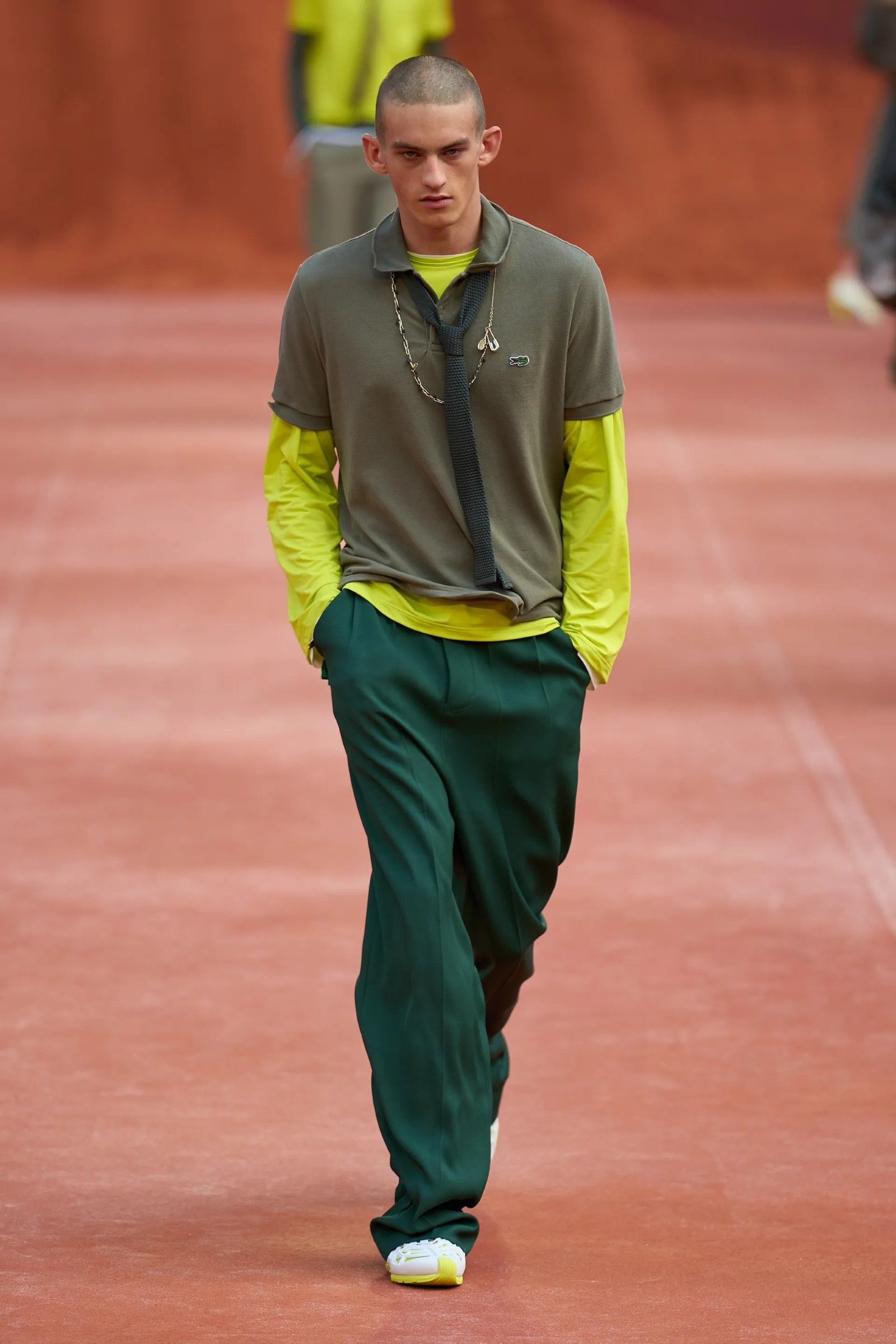
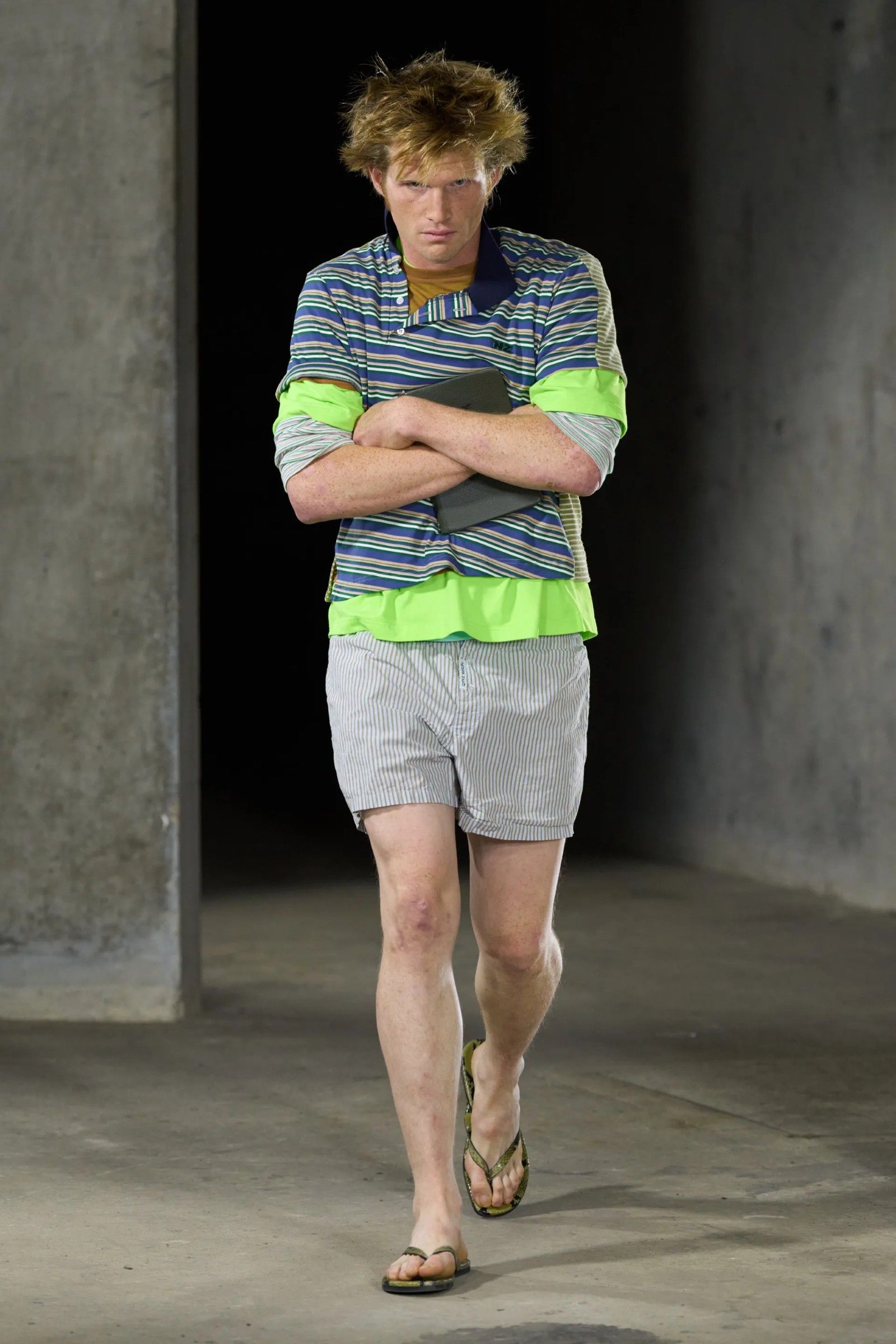
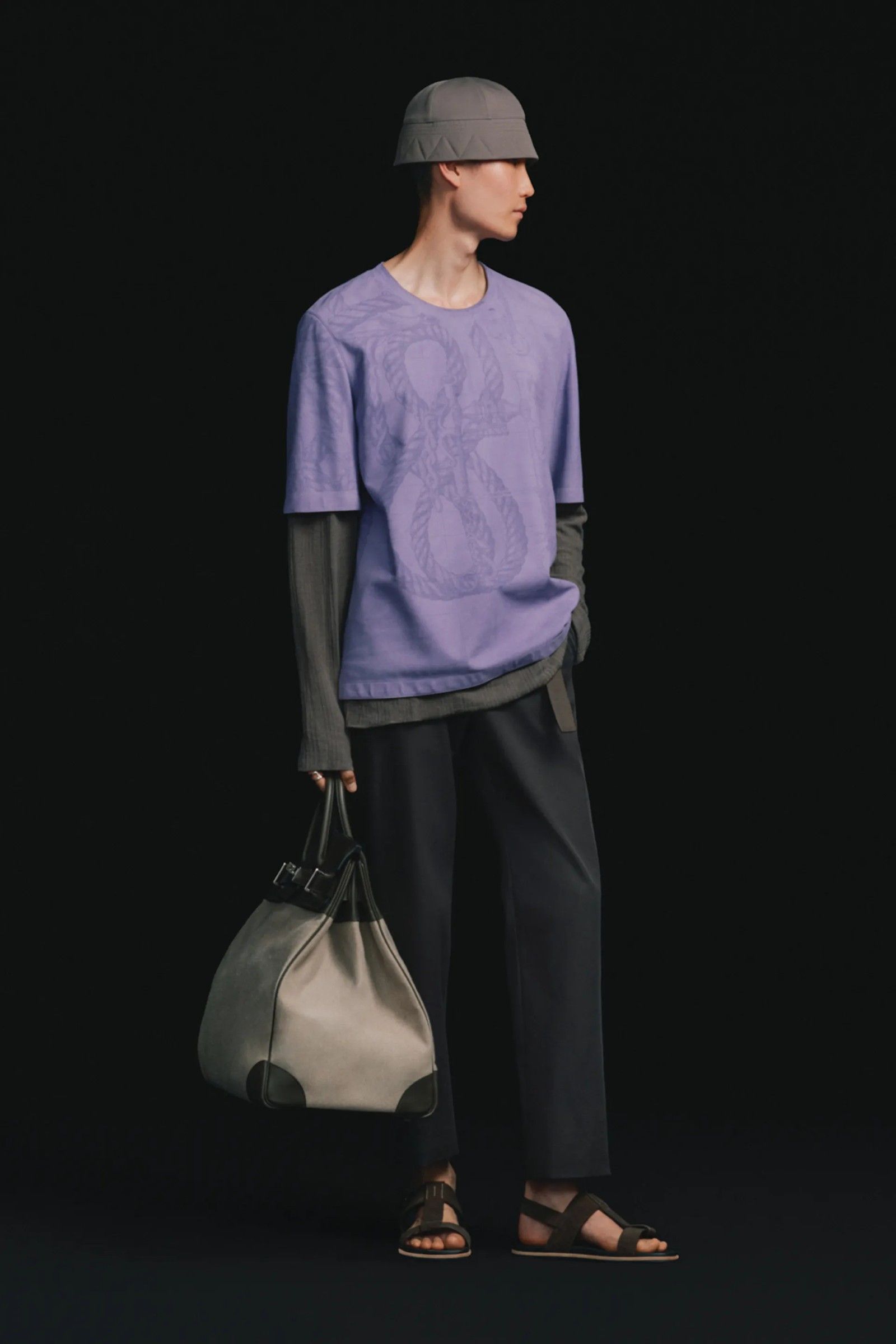
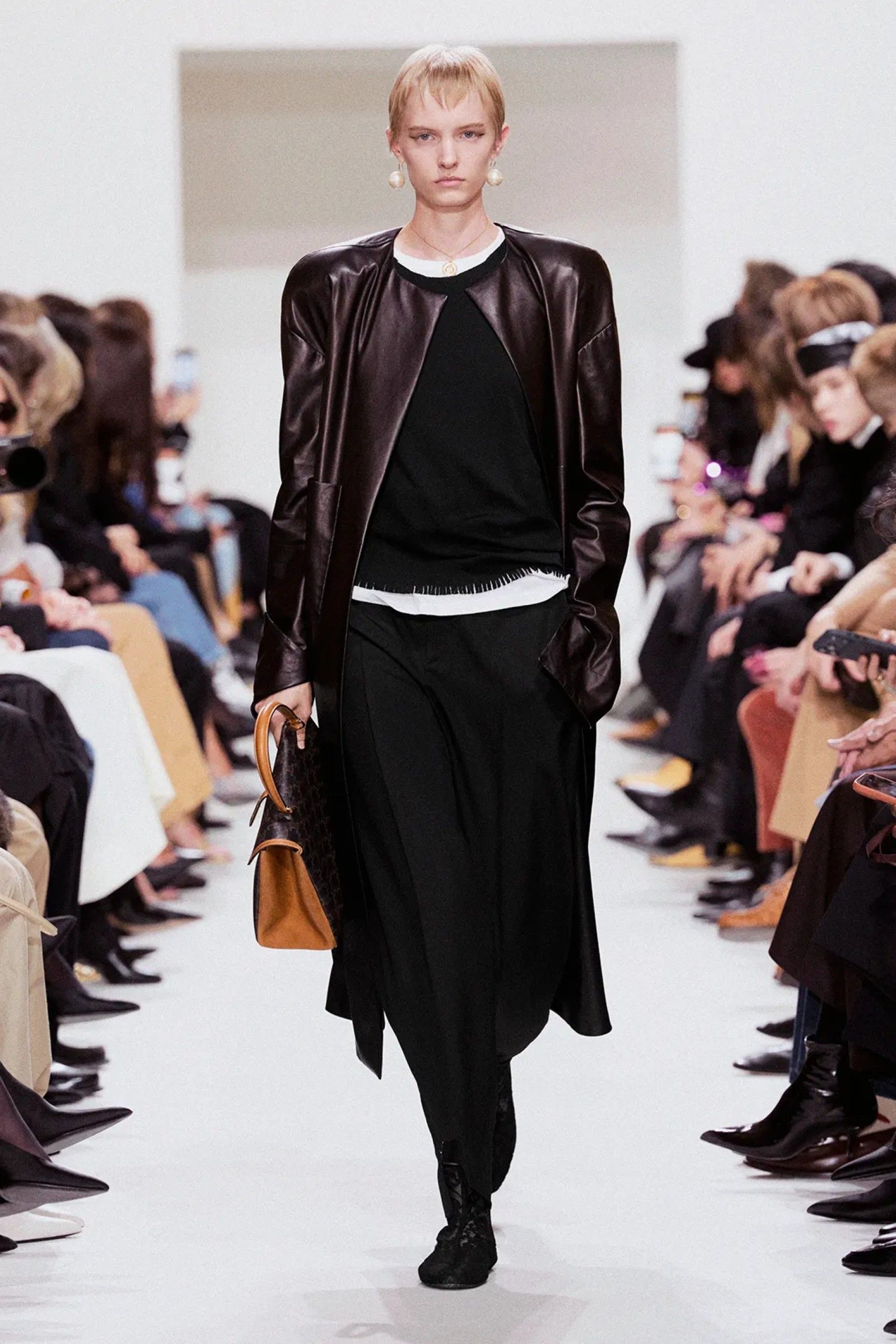
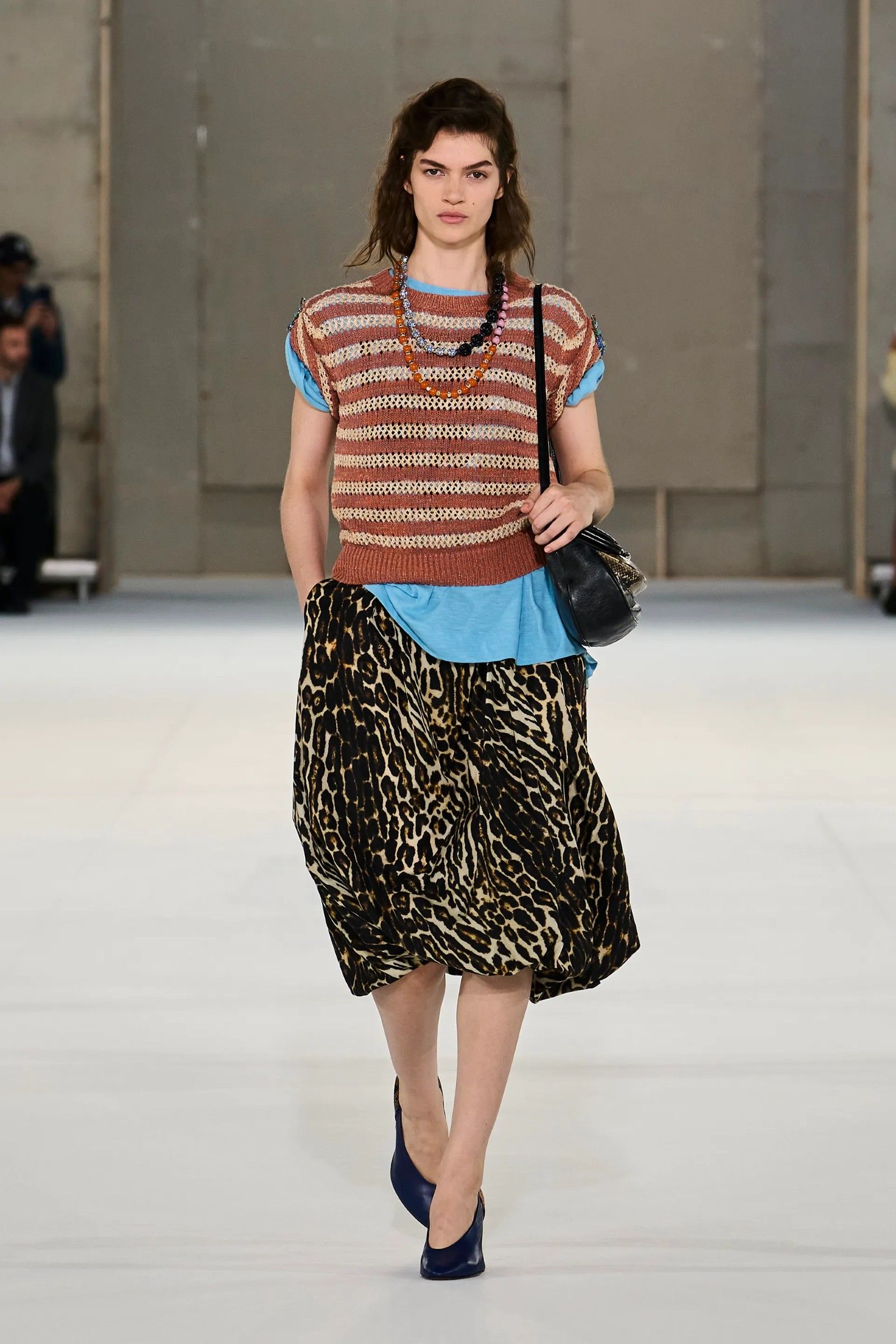
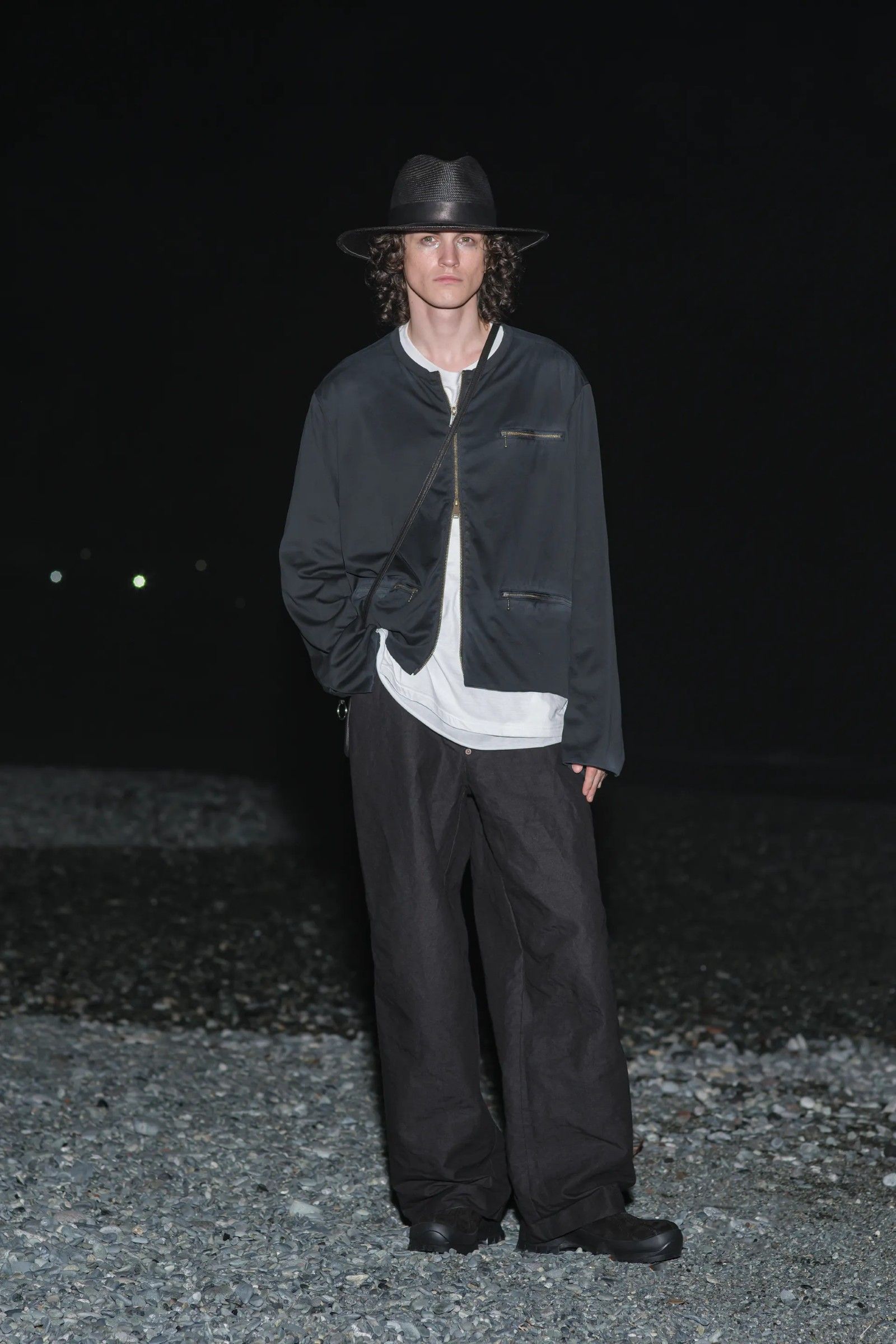
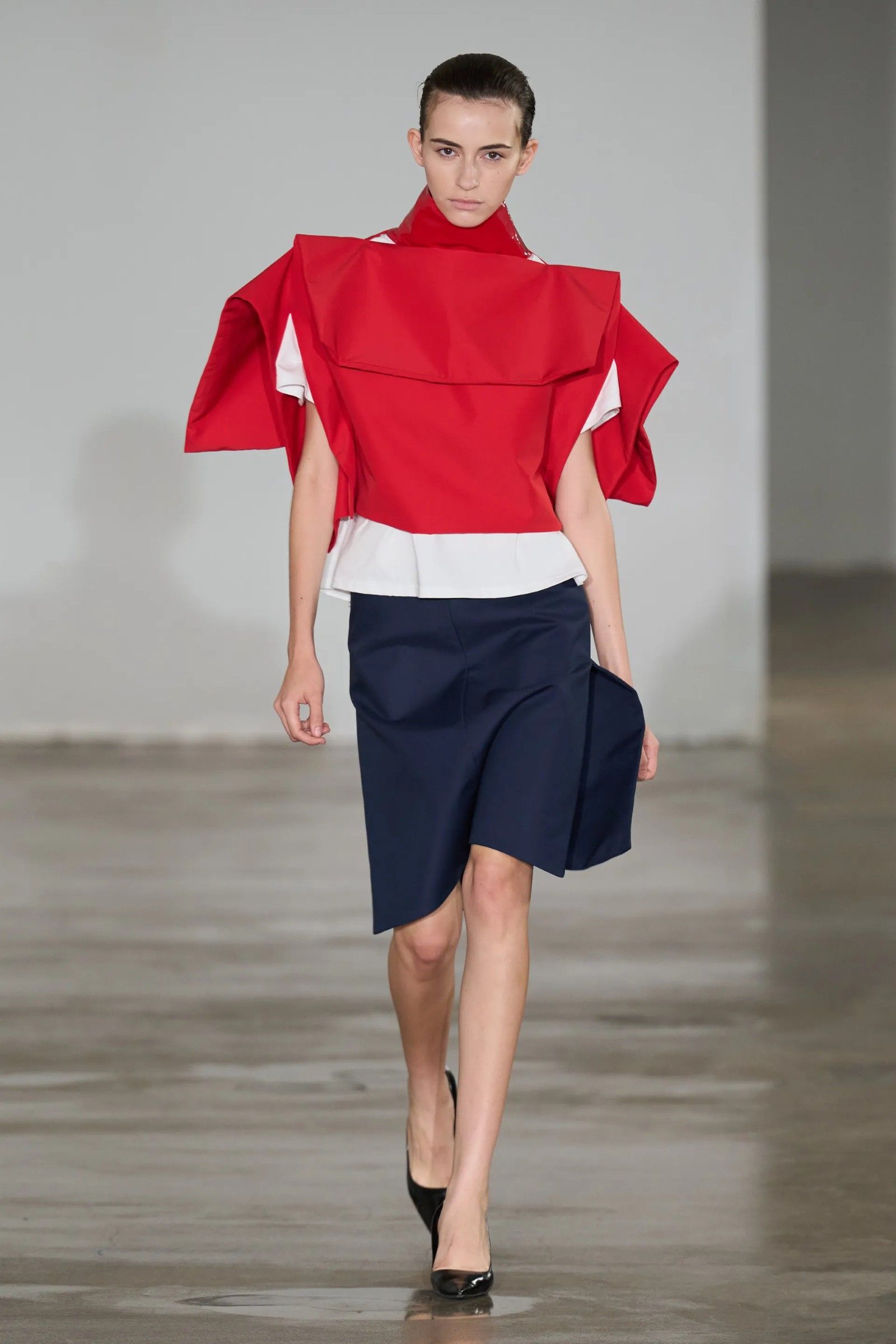
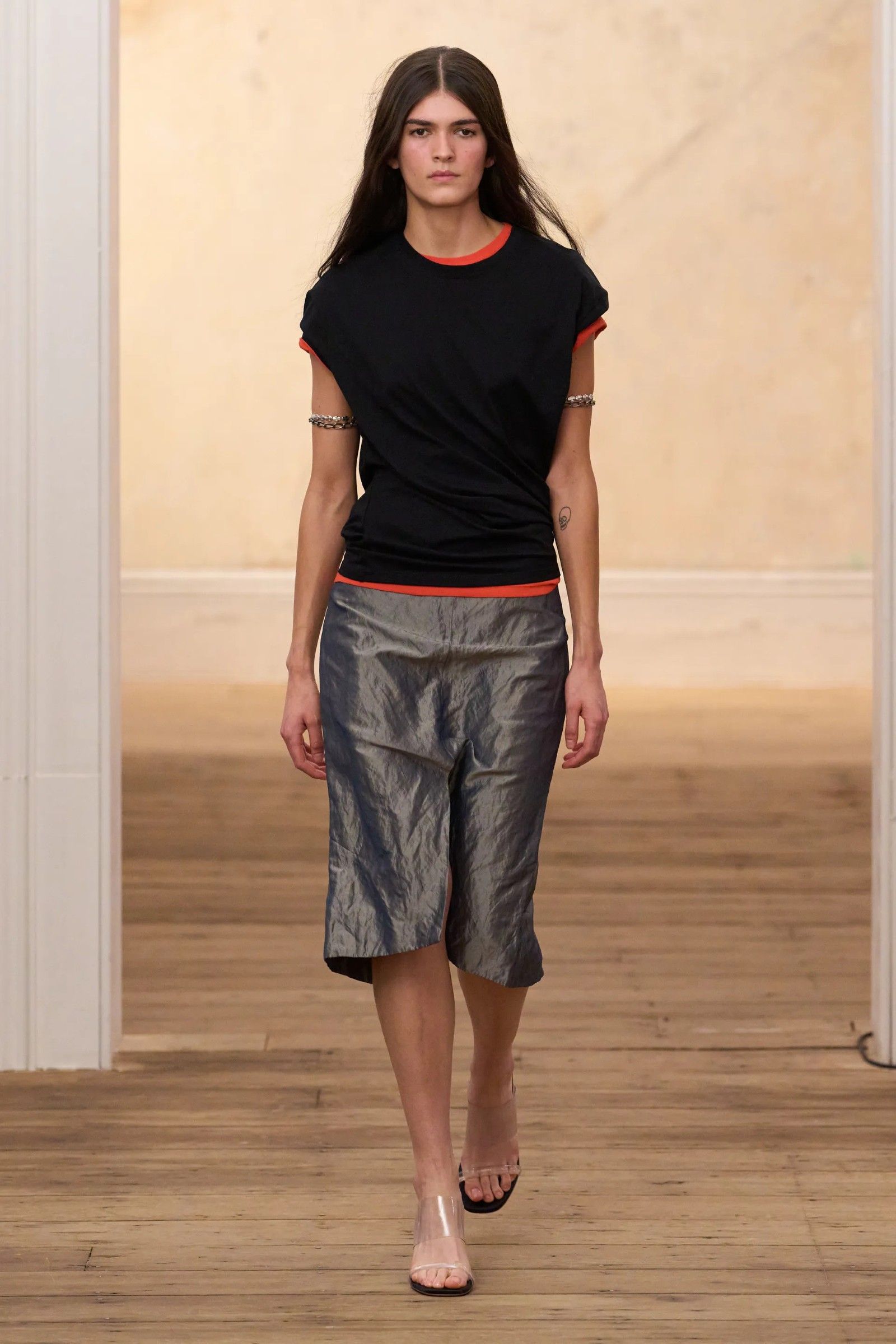
When your mother used to dress you as a child, one of her classic instructions was surely to tuck your T-shirt (or shirt) into your trousers. Inevitably, as the day wore on, that T-shirt would come untucked. And finally, when you were old enough to dress yourself, keeping it tucked in felt like a surrender, an acceptance of conformism. It follows that leaving it untucked, peeking out from beneath the hem of a sweater or sweatshirt, lends a sense of wonderful, aesthetic nonchalance. With their gift for beautiful words, the French called this feeling "insouciance," the Italians "sprezzatura," the English "effortlessness." And it is precisely this detail — the T-shirt left untucked, its hem extending beyond the hem of the top — that is becoming an increasingly recognizable hallmark of today's styling. But why?
A matter of waist… or taste
In an article discussing the trend in connection with an interview, Jacob Gallagher of the New York Times calls it the "T-skirt", since that strip of T-shirt peeking out from beneath the sweater's hem resembles a little skirt or apron, without actually being either. It's a clever play on words, and one of Gallagher's interviewees explicitly links the trend to fashion's love of accentuating the waistline — whether through cummerbunds, fabric elements wrapped around the hips, high waists, dropped waists, or belts. We would add one further step: the preppy-skate aesthetic, steeped in grunge and indie sleaze, that hovers around Celine's designs and its menswear designer Edouard de Weissenbruch, one of the most exciting "persons of interest" to emerge within fashion circles over the past year.
It is clear that Celine and de Weissenbruch's wardrobe are not the origin but merely the most visible manifestation of a styling detail that has existed for far longer. Its current rise has much to do with the perpetual pursuit of effortless style, with the appeal of contrasting layering pioneered by Miu Miu some time ago, and perhaps also as an interpretation of the waist-accentuation trend for those who prefer not to — with a certain visible effort — let their boxer waistband peek above their trousers. Rather than a bottom-up approach, the T-shirt emerging from beneath the sweater works top-down and achieves the same result from the opposite direction.
There is also one further point worth raising here: the question of color contrast. The hem of a T-shirt peeking out from beneath a sweater, even more than accentuating the waistline, creates a visual break between the sweater or sweatshirt and the trousers. In a sense, it makes an outfit more complex and less basic through a deliberate kind of confusion not unlike what we've seen with collars or bags. Now, for years and years most T-shirts used as a base layer were white or otherwise neutral. Today we are seeing deliberately "wrong" color combinations — a red or purple T-shirt under a grey V-neck sweater, or a blue one under a green sweater, and so on. An anarchic approach to color, rooted more in harmonious clash than in pure restraint, with which many brands have experimented recently, Prada and Dries Van Noten chief among them.
But where have we seen it?
One particularly curious detail is that during the last fashion month, this trick was employed by brands operating at the very top end of the market, within the world of elevated streetwear, or among independent labels. Celine, of course, is the example we have already given (even if it did not apply this detail systematically), but others are perhaps even more interesting. At the level of pure luxury, Hermès included a look of this kind in its latest menswear lookbook, and Dries Van Noten played with the element in its womenswear collection, as did Ralph Lauren in its menswear.
In the realm of more niche fashion, we cannot fail to mention LII, an exceptionally young designer on a meteoric rise and possessed of supreme talent; the likes of Undercover and Maison Mihara Yasuhiro in the area that draws on punk influences, where we also find Natasha Zinko, Acne Studios, and Our Legacy. It is highly telling that the two coolest brands at New York Fashion Week, Eckhaus Latta and Brandon Maxwell, both included it in their respective shows, albeit interpreted in different ways, while among the super-indie labels we highlight Agro Studio and System, seen in London and Paris respectively. But perhaps the show where this element was expressed to its fullest potential was the brilliantly conceived SS27 collection from Lacoste, designed by Pelagia Kolotouros, a designer from whom we hope to receive many more surprises in the future.
What to read next

"Maxxing" has been named the word of 2026
The announcement was made by Dictionary.com, which every year draws up a ranking of the latest linguistic trends