
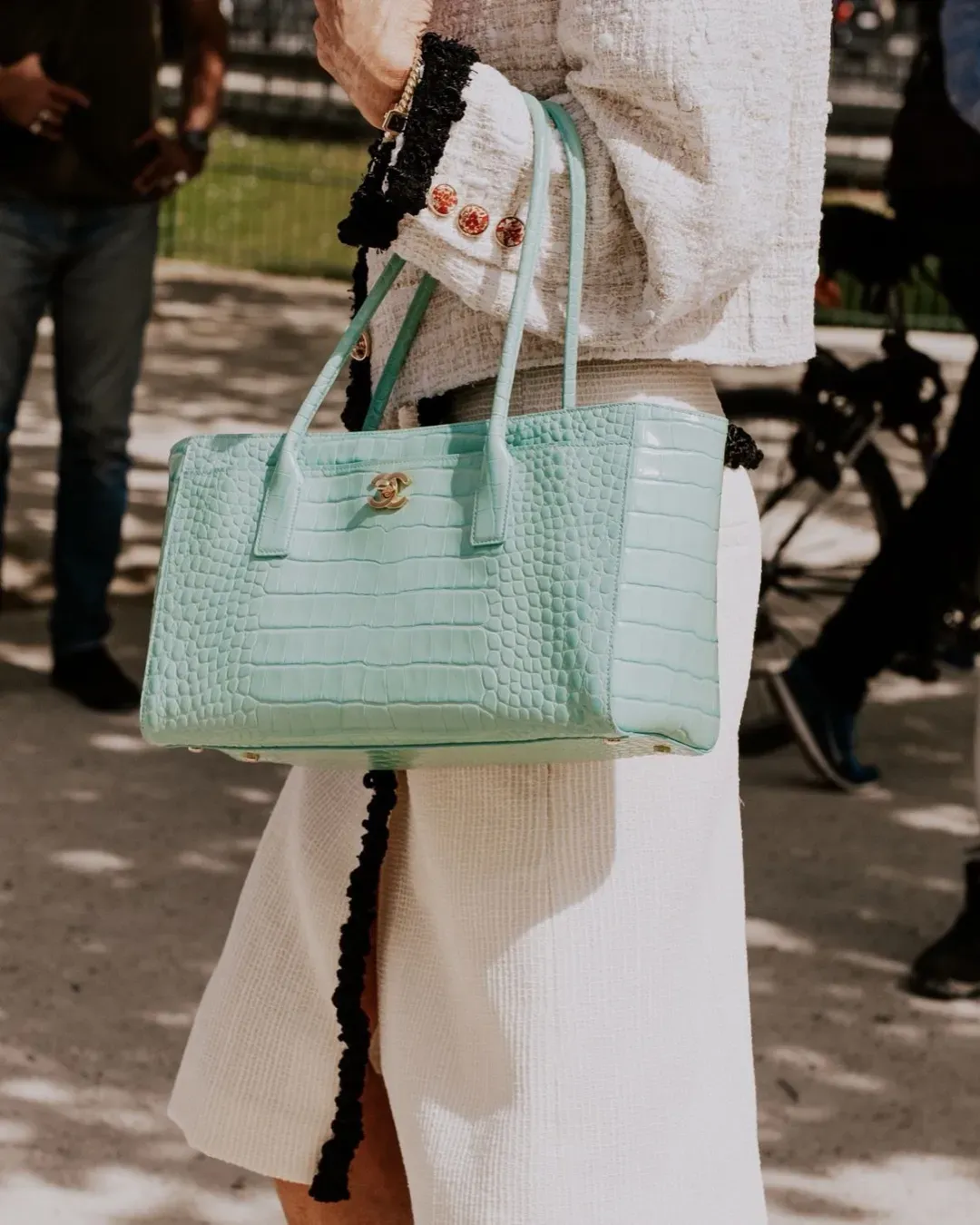
In Italy, luxury handbags are the new stocks And a new report states that the main owners are under-40s
The Ipsos Doxa – Affide 2026 Report has been released, analysing Italians' relationship with valuable objects. According to the study, 35% of the country's citizens own at least one luxury handbag, and among those under 40 this figure exceeds 40%. The analysis also finds that more than 60% of luxury handbag owners recognise an economic value in these products – not merely aesthetic or sentimental.
The idea that a handbag can represent an investment asset is increasingly popular. Back in 2016, the American e-commerce platform Baghunter compared the performance of the iconic Birkin bag – made by French fashion house Hermès – between 1980 and 2015 against gold and the S&P 500 stock index, which tracks the 500 largest publicly listed companies in the United States. According to the analysis, the Birkin had up to that point delivered an average annual return of 14.2%, compared to 11.6% for the S&P 500 and 1.9% for gold.
«It's not a bag. It's a birkin»
The most coveted handbag brands cited in the Ipsos Doxa – Affide 2026 Report are Chanel, Gucci, Louis Vuitton and, of course, Hermès, which produces what is today considered the most famous, expensive and sought-after handbag in the world: the Birkin – the other best-known model from the French house is the Kelly, inspired by actress Grace Kelly.
Last year, the very first Birkin bag created by Hermès in 1985 for French actress and singer Jane Birkin, after whom it is named, sold at auction for 8 million euros. More broadly, sales of Birkin and Kelly bags on the secondary market have been growing for years, even though pre-owned – or pre-loved, as the saying goes – examples can fetch up to four times their original price. At auction, prices climb even higher: in 2017, a Birkin made three years earlier, in crocodile leather and set with several diamonds, sold for $388,000, while in 2022 a similar model reached $450,000.
Jane Birkin – who died in 2023 and who owned five Birkins over the course of her life – used these bags with casual indifference, stuffing them to the brim and plastering them with stickers in support of social or political causes. The way Jane Birkin treated a product of such high monetary value, while drawing some criticism, was seen by industry insiders as the right way to wear a luxury handbag: not necessarily as a precious item to be preserved, but as a casual accessory.
Why handbags are considered safe financial assets
For some years now, luxury handbags have been regarded as genuine "safe-haven assets" – that is, products purchased with the aim of protecting one's wealth, given that their value is more stable than that of traditional financial assets. Compared to clothing, luxury handbags are also less susceptible to trends and seasonal shifts. According to a 2023 study by British consultancy firm Knight Frank, these investments – when made judiciously – can yield returns comparable to those from real estate or works of art.
The secondary market also plays a major role in driving prices up: here, Hermès, Chanel and Louis Vuitton are generally the most in-demand brands, followed by Gucci, Saint Laurent, Bottega Veneta, Prada and Dior – all considered fairly safe investments as well. According to experts, however, it pays to focus on each brand's iconic models, such as Gucci's Jackie or Bamboo, Dior's Lady, or the highly coveted Birkin and Kelly from Hermès.
For buyers of second-hand luxury goods, condition and proof of authenticity also make a significant difference. Among the most counterfeited handbags in the world are precisely the Hermès Birkin and Kelly, alongside the most famous models from other luxury houses: last year, for instance, Francesca Pascale – former partner of Silvio Berlusconi and now an LGBTQ+ rights activist – revealed in an interview with Repubblica that in 2013 former Tourism Minister Daniela Santanchè had given her a Birkin and a Kelly, which she later discovered to be fakes when she took them in for repair at the brand's Milan boutique.
What to read next

These are the secondhand handbags that are worth the most in 2026
Searches for the Chloé Paddington have risen by 610%, but the real star of the secondhand market is Chanel
Hermès to present its first couture collection next January
This announcement sounds like the ultimate culmination of its artisanal philosophy
Jelly has never been so cool
In the era of AI and hypertech, we're going back to real matter