
Hard times continue for Kering And the creative reshuffle certainly isn't helping
Yesterday saw the release of Kering's latest third-quarter results, a difficult quarter for almost everyone (even the usually unshakeable Hermès), but one that proved harder for the French group than for most. Group revenues remained stable at around 3.345 billion euros, essentially flat at current exchange rates but down -1% at constant currency. While the overall group results fell within analysts' expectations, Gucci was down 6% on a comparable basis, delivering worse results than forecast.
As the Financial Times reports, this caused Kering's shares to fall ten percentage points on the stock market, and it has become clear that Luca De Meo's turnaround will take longer than expected, particularly given the creative reshuffle that has seen Saint Laurent and McQueen lose their creative directors — a move that rumour has it is also imminent at Balenciaga. But how did Kering's business actually perform?
A Breakdown by Sector
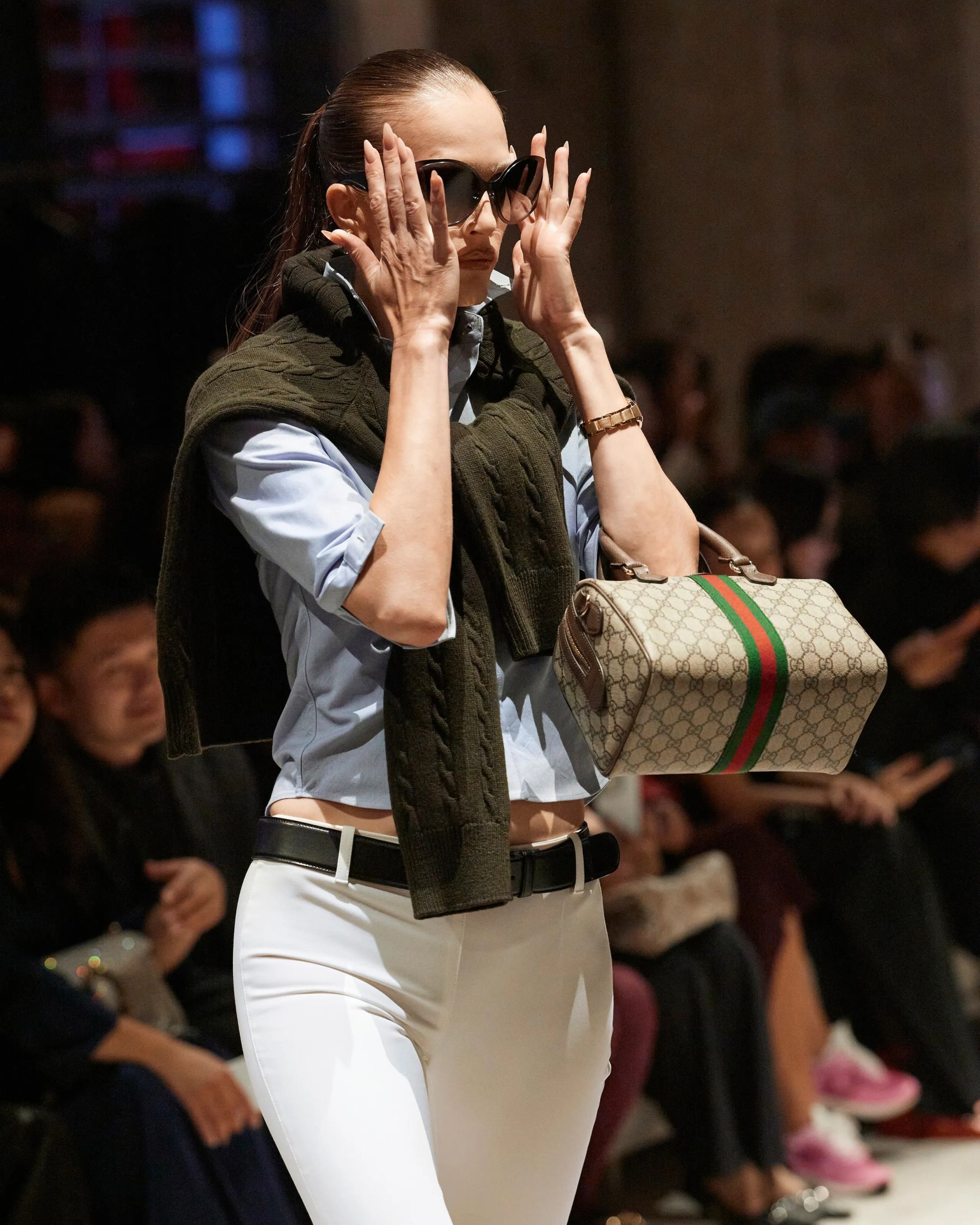
The core division of the Kering empire, Fashion & Leather Goods, lost -3% in revenue on a comparable basis during the quarter, posting revenues of 2.743 billion. Bottega Veneta, Saint Laurent and Brioni performed well, while the company's own press release acknowledges difficulties with ready-to-wear and footwear at Balenciaga, even as bags hold up. Then there is the Gucci question: revenues came in at around 1.291 billion euros, down -6%, with no sign of recovery in China, at least for now. Strip out the mega-brand, however, and sales at the other labels rose 2%.
Jewellery was a bright spot, with profits up +11% to 239 million, Boucheron and Pomellato both in good shape, as was eyewear, up +4% on a comparable basis across all geographic regions. The group will also close a further twenty boutiques on top of the 105 already shuttered worldwide. The underlying issue appears to be that those who do walk into stores tend to buy — and often spend more than usual — but overall footfall is declining.
What Now?
Luca de Meo, who has been CEO for just over a year, reiterated that Gucci's recovery remains the absolute priority. The group is working across all back-office functions — product, quality, pricing and time-to-market — with particular focus on bags. The most recent collections are showing encouraging signs, but clearly it is not yet enough to return the group to full profitability. Right now, a major bet is being placed on the Chinese market through dedicated social media content, timing tied to local occasions and greater autonomy for local teams, while investment in communications and clienteling is set to increase in the coming months.
November will also bring the new concept store on Avenue Montaigne in Paris, and, most importantly, the GucciCore line (from the New York show), on which the group appears to be counting heavily to attract a broader audience. Management also confirmed the goal of improving the operating margin for the year, even though the target of returning to revenue growth within the year is no longer mentioned — and that says a great deal. With new creative directors and executives on the way, the future looks more uncertain than ever. But one thing is clear: if there is to be a year of transformation, this is not it.
What to read next

Even Hermès has been hit by the luxury crisis
Growth over the past few months is slightly below expectations, but the real issue is the stock
Three business lessons we can learn from the Coperni crisis
The brand could soon be acquired by one of three potential buyers, but the picture is very complex
Kering Academy for Excellence, the first academic year gets underway
With a ceremony attended by Luca De Meo, CEO of Kering