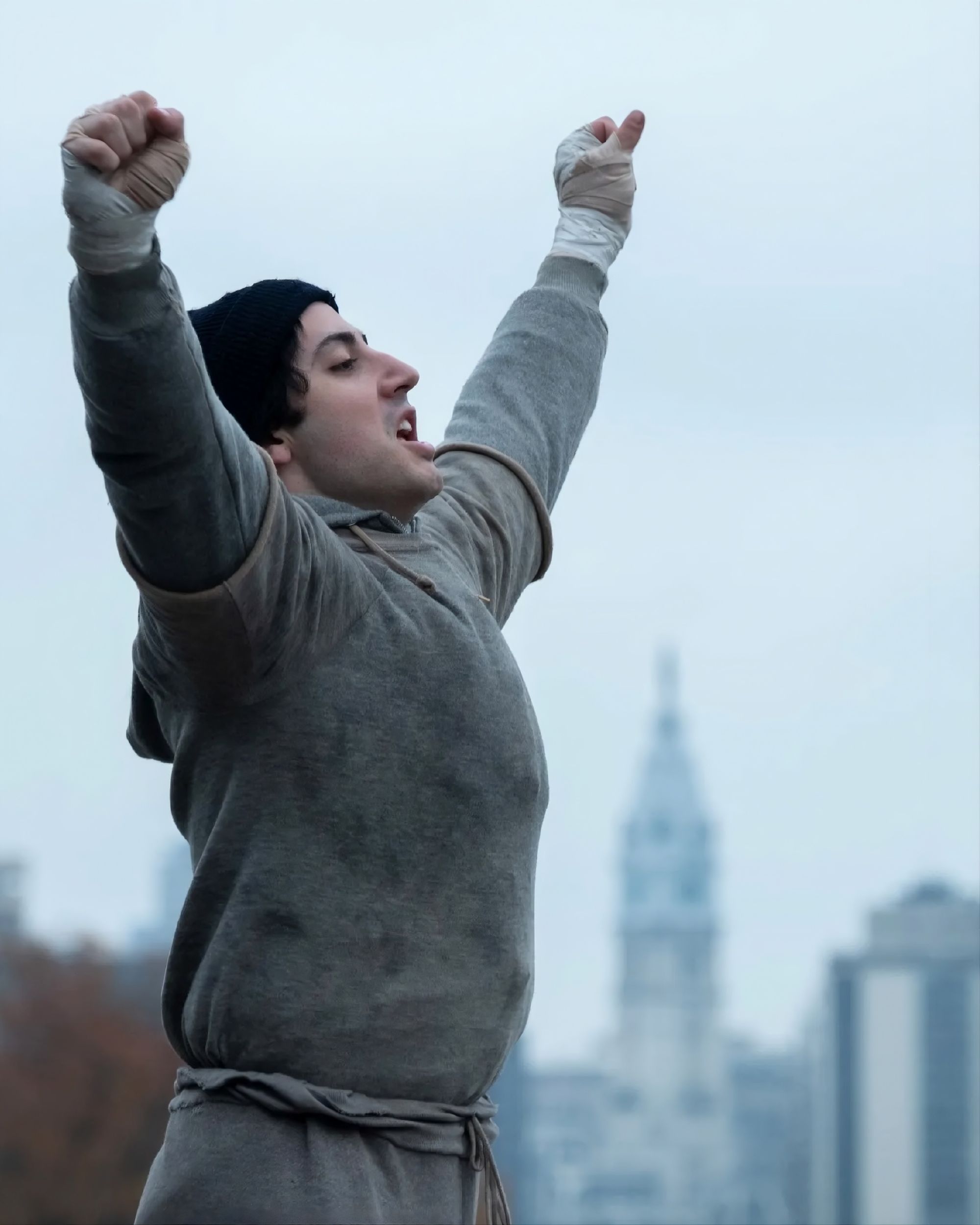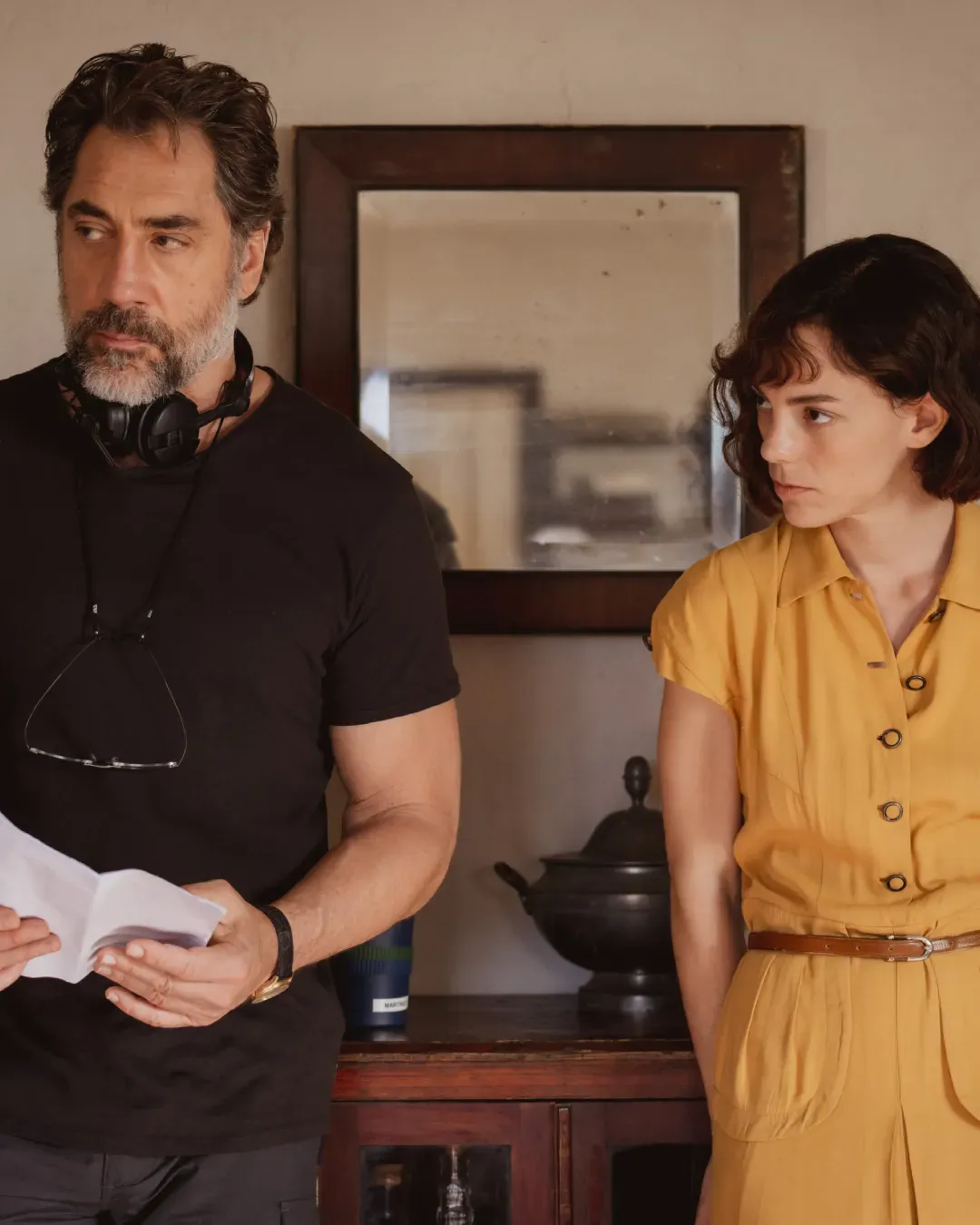
















"Fjord" is an impressive piece of writing Cristian Mungiu's film, winner of the Palme d'Or at Cannes, arrives in cinemas on November 19
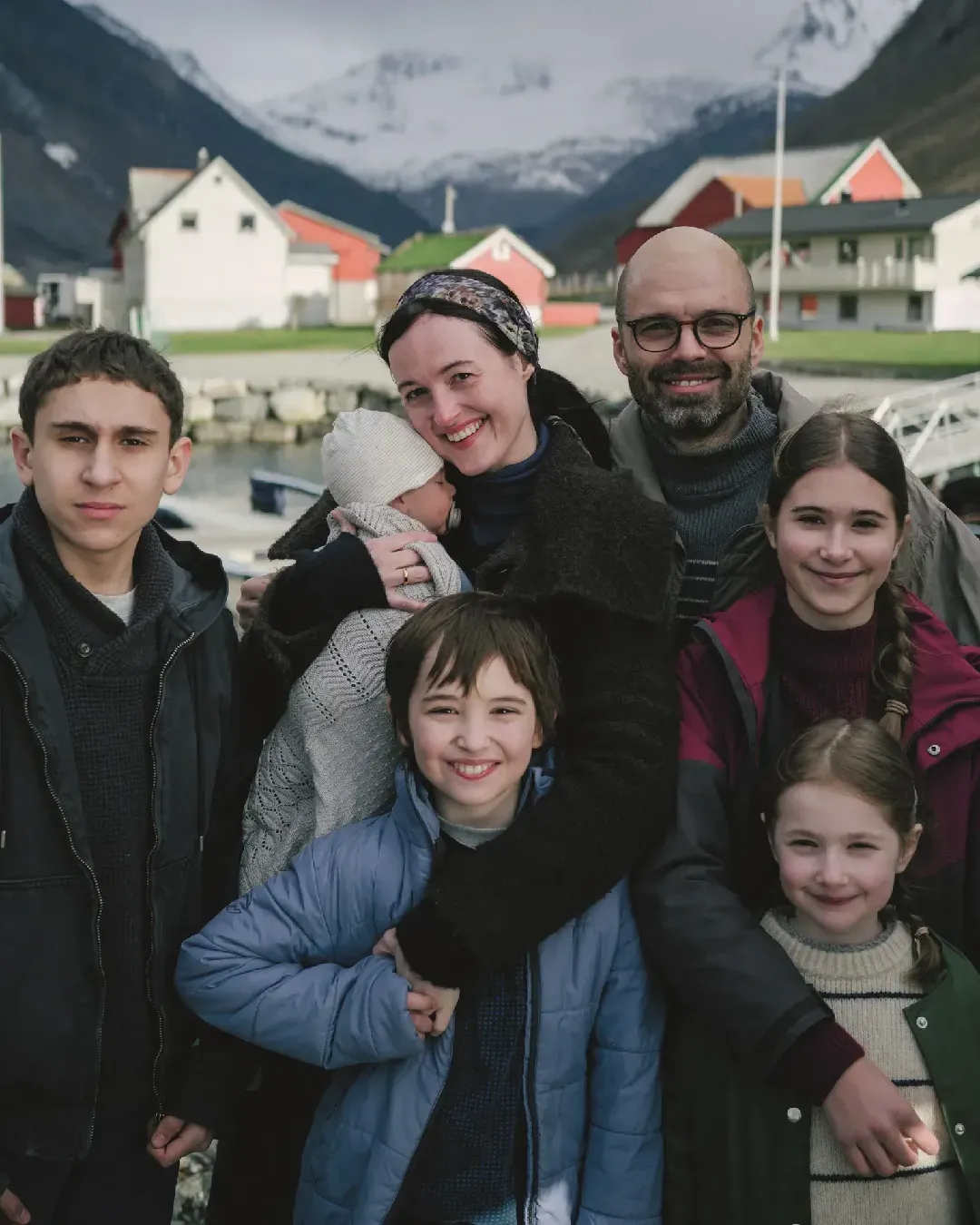
Every time Cristian Mungiu competes at the Cannes Film Festival, he wins a prize. Only with R.M.N. in 2022 did he leave empty-handed, but his career is marked by a series of accolades received on the Croisette, including two Palmes d'Or — the first in 2007 for 4 Months, 3 Weeks and 2 Days. The second comes nearly twenty years later with Fjord, in which he brings together Romanian actor Sebastian Stan (performing in his native language for the first time) and Norwegian actress Renate Reinsve. The nationalities of the protagonists are crucial to the story Mungiu sets in motion: an evangelical Christian family that relocates from Bucharest to Northern Europe, finding itself at odds with local customs and ways of life, shaken by the interference of the new community in which they find themselves — and by whom they will ultimately be taken to court.
Stan's character, the patriarch Mihai Gheorghiu, is accused of mistreatment by the school his children attend. The suspicion centers on inappropriate and violent behavior, prompting the immediate involvement of social services seeking to remove custody of the children from the family. But to what extent was this intervention driven by prejudice against a foreign family, and to what extent does it stem from genuine concern for the children's wellbeing? It is along this double line that Fjord unfolds, scene by scene, with writing so precise that Mungiu leaves nothing unexpressed — indeed, he lays all his cards on the table in order to give the audience the tools to take a stance. Or, alternatively, to take none at all.
Because Fjord does not tell the viewer what to think. Which side to take, whom to root for, or even where the truth lies. This is the film's most powerful weapon, and above all the most powerful quality of Mungiu's writing. A work whose clarity of facts serves as a device to call into question every attitude and every line spoken by its characters — each and every one of them. There is the conservatism of a fervently religious family, and the sense of entitlement felt by their new neighbors to intervene and decide how the children should be raised and educated. The reactionary and the progressive coexist in a disorienting friction, handled admirably by the author's screenplay, which manages to create an ambiguity so subtle as to be not immediately perceptible to the audience's eye and ear. A delicate ambivalence that creeps in slyly, hinting at possible controversy without the viewer even realizing it.
In a cinema where everything is increasingly dogmatic out of fear of misinterpretation, Fjord manages to offer the viewer a moment of doubt. Drawing on the greatness of a cinema that proves itself precisely when it is unafraid to stand in the way, the film is sustained by the talent of an auteur who strips away all that is superfluous to be, on a directorial level, as lucid as possible — as cold as the fjord in which the protagonists come to live. Both his direction and the performances it elicits are measured and precise, in a successful pairing of Sebastian Stan and Renate Reinsve (in their second collaboration following A Different Man in 2024). A Palme d'Or that is both art and politics, understood as the igniting of a conscience: the acknowledgment that even within our own convictions, short circuits can occur.
What to read next
In "The Debut" Julianne Moore gives a masterclass in acting
The film, premiering at the Rome Film Fest, hits theaters on January 1, 2027
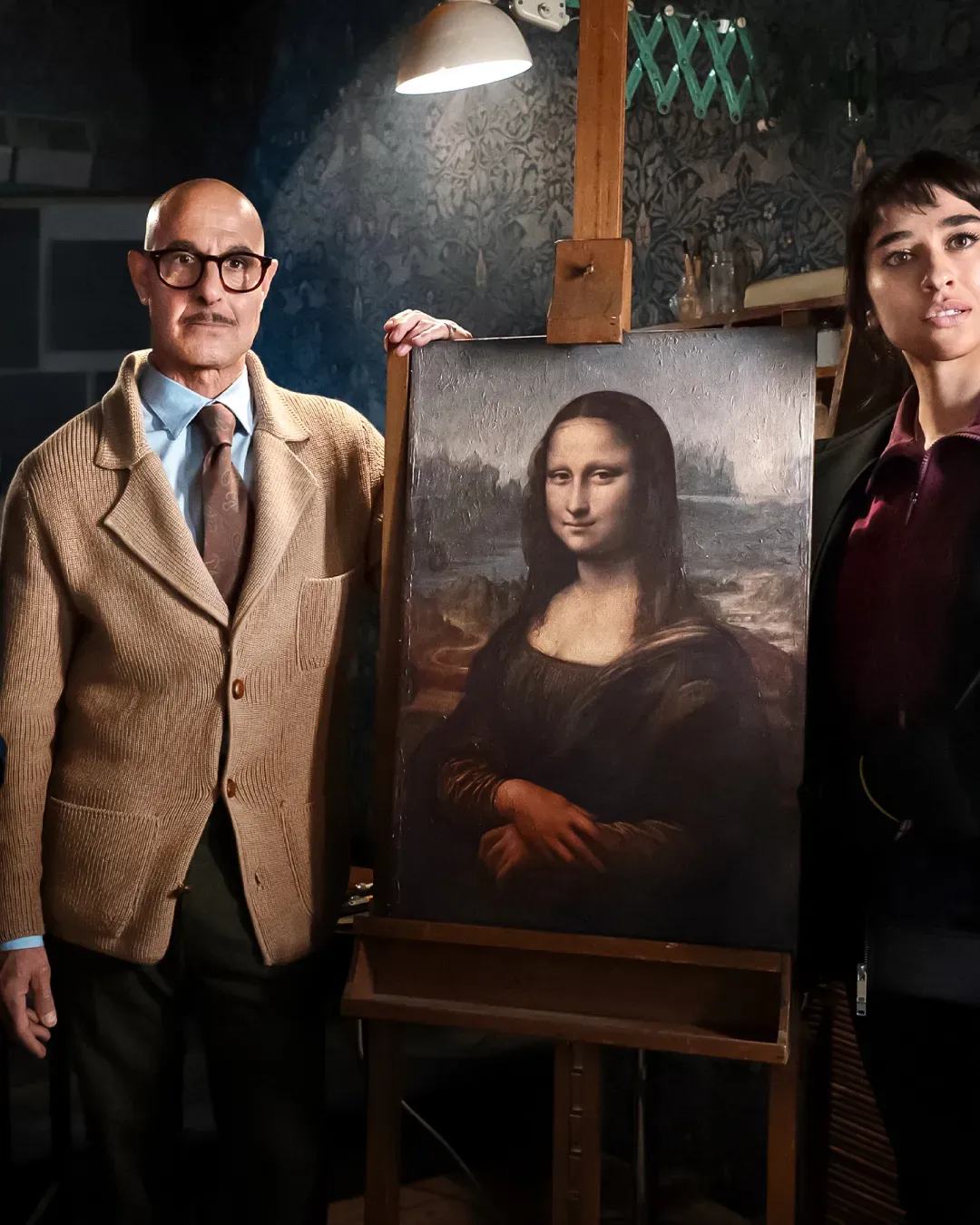
"Masterplan" is everything a heist movie shouldn't be
The film starring Stanley Tucci, Simona Tabasco and Victor Belmondo is available on Prime Video
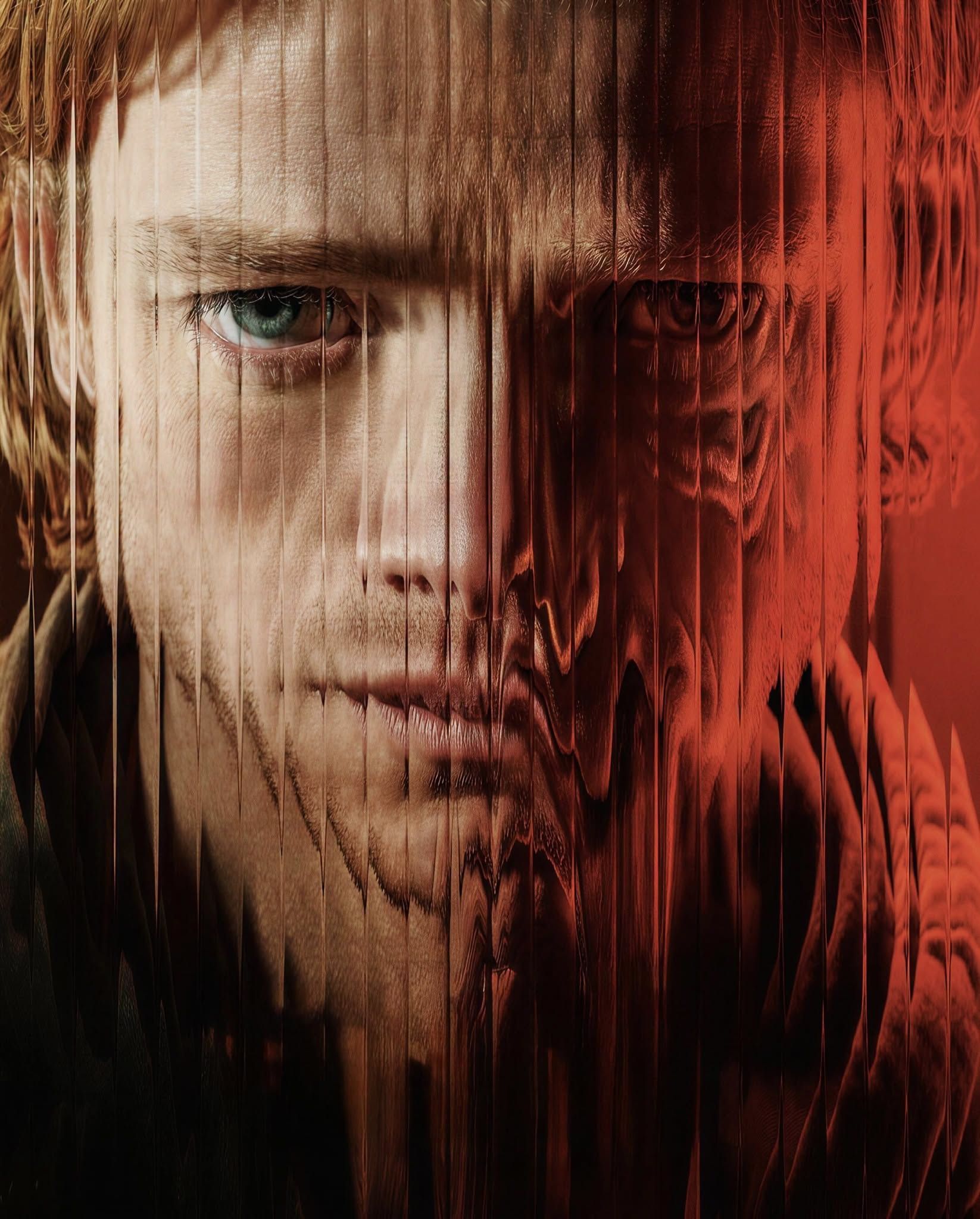
Clayface is the first truly horror superhero film
The lead is Tom Rhys Harries, and the story concept comes from Mike Flanagan of "The Haunting"