
Understanding Gen Z's obsession with the Middle Ages It's not just Knightcore
If while scrolling you've ever stumbled upon a get ready with me followed immediately by a tutorial on how to make chainmail, don't worry — it's not a glitch in the system: Gen Z is transforming TikTok into its digital fiefdom, bringing the medieval era back to the center of pop culture.
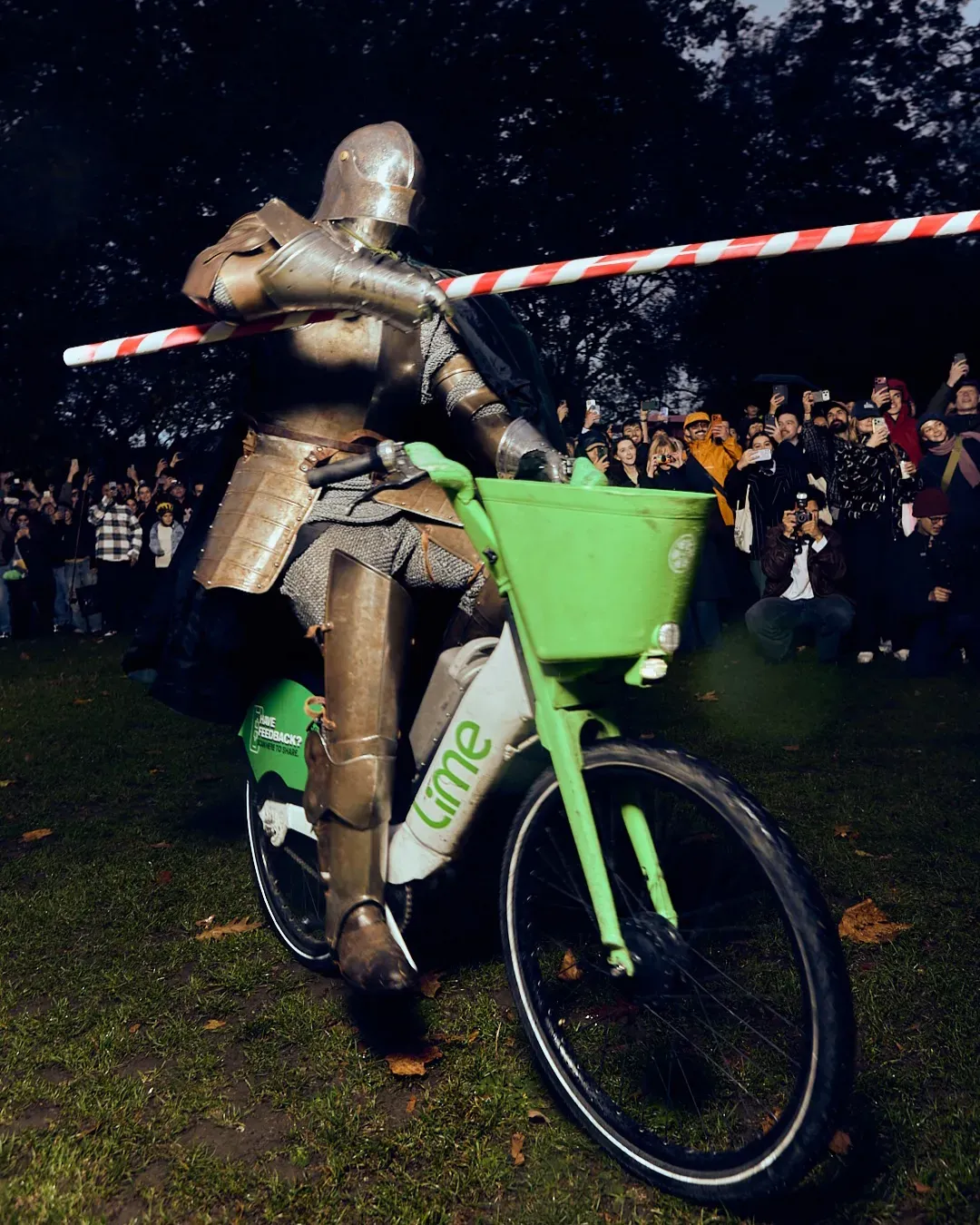
Evidence of this obsession is everywhere: in London, two young people in armor faced off in a jousting event (the quintessential medieval tournament) — not on horseback, but on a Lime bike. Around Halloween, instead of the usual parties, some young people are organizing lavish costume banquets as if they were at the court of King Arthur, and to define the concept of the "ideal date," they post memes drawing on scenes from medieval-set films, historical paintings, and images of ladies and knights.
But why does the most technologically advanced and hyperconnected generation in history want to go back to the Middle Ages?
Gen Z's "weirdval"
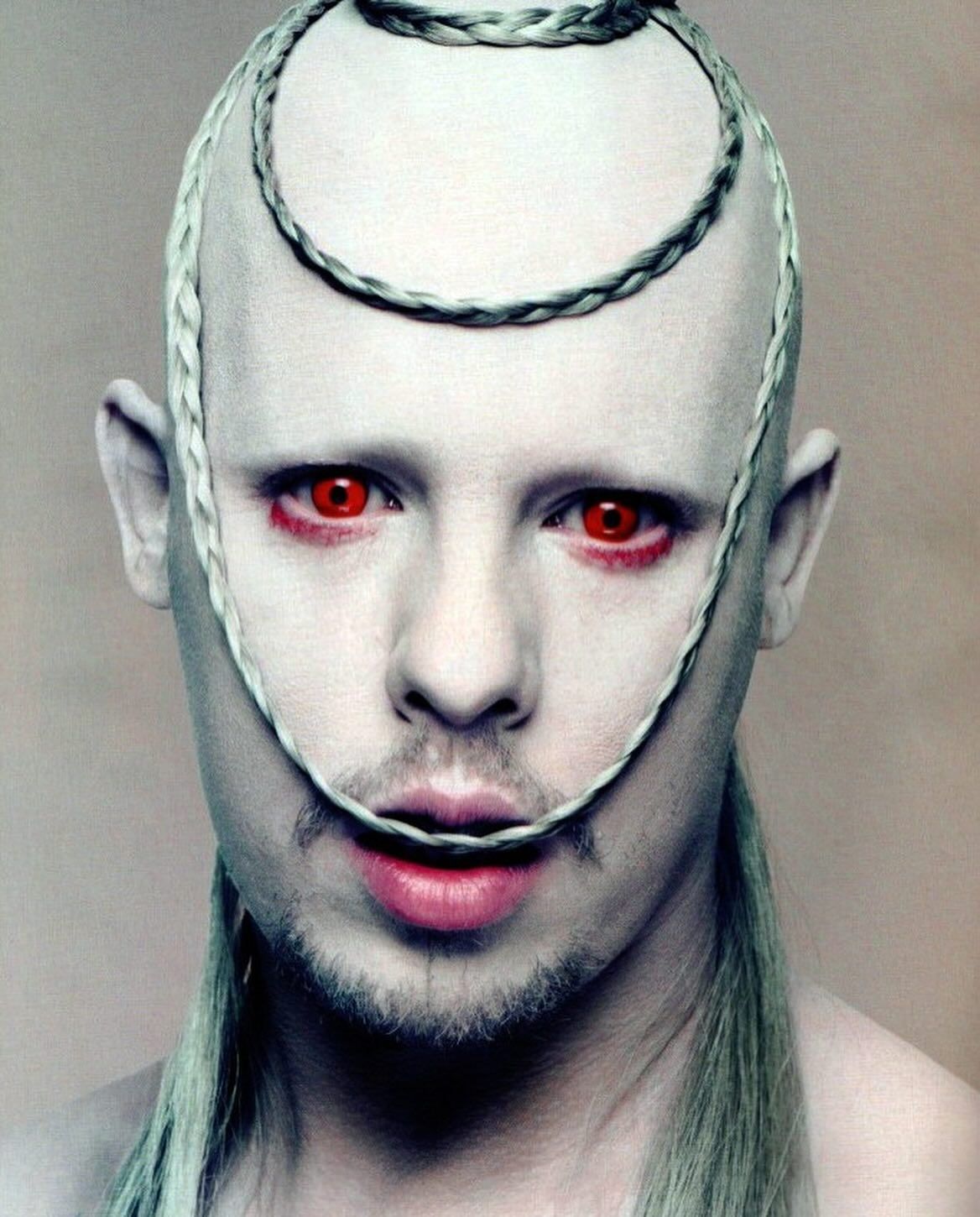
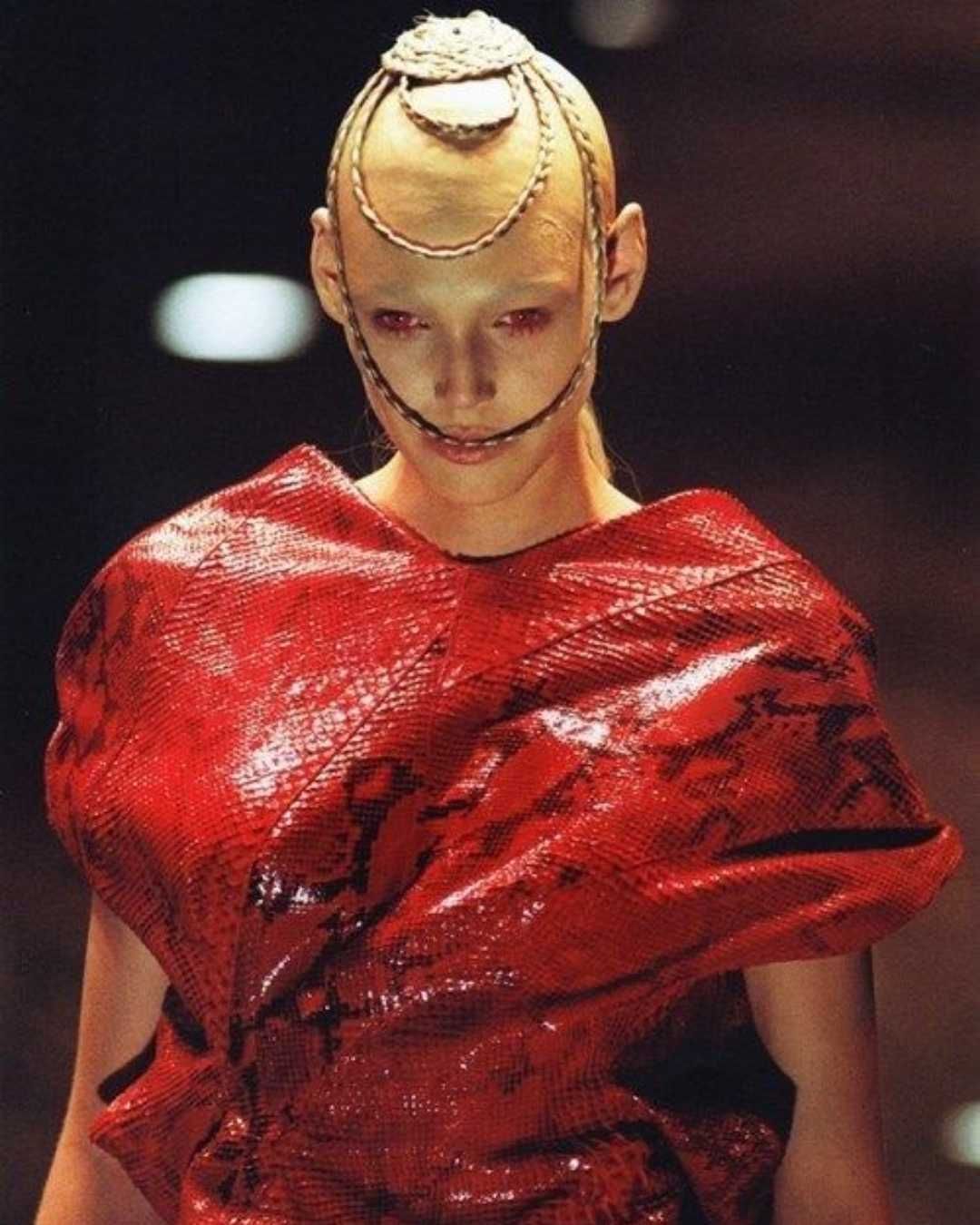
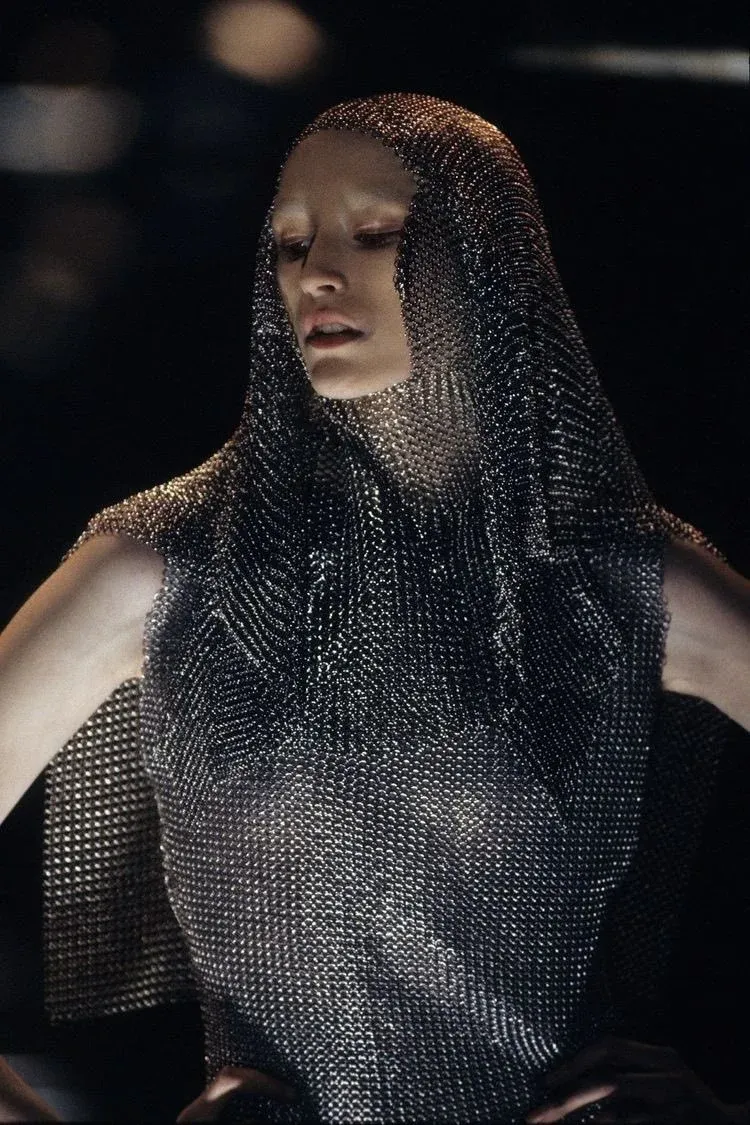
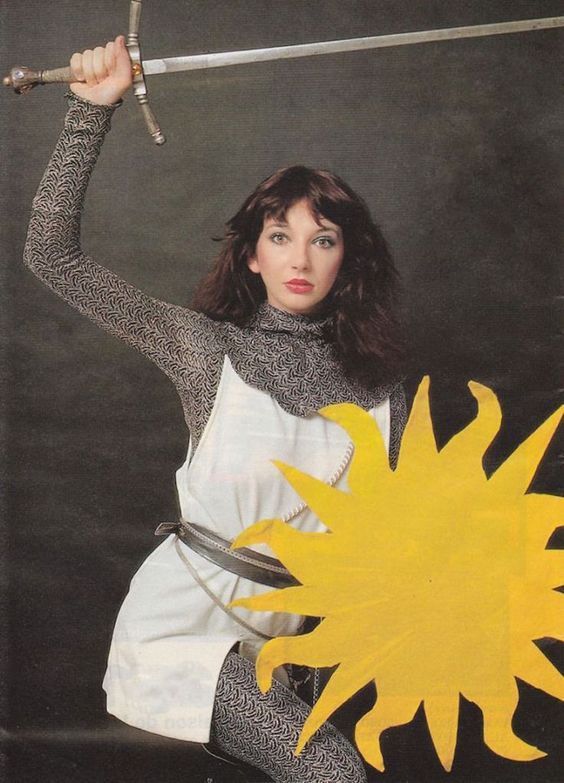
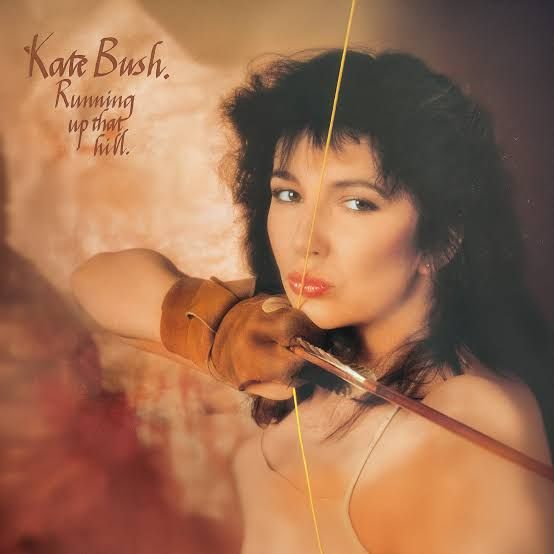
Cyclically, the historical and aesthetic forms of the Middle Ages return to colonize pop culture, inspiring new narratives: from the ethereal atmospheres of Kate Bush's videos to Alexander McQueen's Joan show in 1998, all the way to the animated universe of Shrek. When analyzing the relationship between Generation Z and this period, it is more accurate to speak of new forms of medievalism.
The passion for the Middle Ages manifests in a wide range of aesthetic expressions. As early as 2025, Pinterest had recorded the rise of castlecore, while on TikTok the term weirdval (or weird-medieval) had begun to spread — a trend that incorporates details from the classic narrative archetypes of the Middle Ages, such as knights, ladies, wizards, and witches, into everyday wear.
What does Y2K have to do with it?
More recently, the medieval revival seems to have taken a very specific direction: in the runway shows of Anna Sui and Rodarte, as well as in various TikTok "niches," medieval Y2K is increasingly making its mark. This is an aesthetic that weaves together the technology and pop-camp extravagance of the 2000s with the fantasy of medieval tales and legends: a visual alchemy that evokes cult films like Ella Enchanted with Anne Hathaway or A Knight's Tale with Heath Ledger, as well as phenomena like bardcore (or tavern wave), a microgenre of music that involves reimagining pop songs in a medieval style.
Today the trend is spreading across various areas of interest for Generation Z. In the contemporary pop music scene, one need only look, for example, at the music video for Party, in which Troye Sivan transforms into a queer knight. The style of Phoebe Bridgers' latest era is also decidedly medievalcore, though with a more melancholic atmosphere than her colleague Sivan. In the visual for Lost Boys, the singer-songwriter plays an elfin creature riding on a motorcycle driven by an armored knight.
Video games and immersive experiences
Gen Z's passion for this aesthetic finds particularly fertile ground in the world of video gaming. As highlighted by some industry magazines, gamers' attention is progressively shifting away from classic High Fantasy settings (in the style of The Witcher or Skyrim) toward a genuine pursuit of historical-reconstructive simulation. In this regard, the rediscovery of the medieval world goes beyond virtual reality and translates into live experiences: this is demonstrated by the growing participation of young people in large-scale international immersive festivals such as the Loxwood Joust in West Sussex, England. At this event, the audience doesn't merely watch chivalric tournaments or banquets — dressed in themed outfits, they actually live inside a kingdom reconstructed down to the finest detail.
The knightcore phenomenon
Gen Z seems particularly fascinated by the figure of the knight. On TikTok, the trend goes by the name of knightcore and takes shape through various expressions: from creators proudly showing off their warrior costumes for Halloween or their collections of darts, daggers, and metal armor, to edits that revive memorable images from fashion history.
Among the most beloved visual references are the Versace FW98 campaign, shot by Steven Meisel, in which Oroton garments come to life in a mystical, medieval atmosphere, and the celebrated editorial published in The Face in 1998 that immortalizes Alexander McQueen with bloodshot eyes.
For women, moreover, the trend becomes a symbol of emancipation, finding its fullest expression in the phrase «the feminine urge to be a knight». It is a visual manifesto conveyed through specific evocative images: historical paintings of Joan of Arc, Fiona Apple's 1997 photographs in New York, and the final duel in Tim Burton's Alice in Wonderland.
The new feast of fools
In the collective Western imagination, the Middle Ages are often dismissed as an era defined by censorship, oppressive control, and the systematic punishment of pleasure and diversity. The historical reality, however, presents a far more complex picture: it was a period marked by scientific discoveries, cultural ferment, and, above all, by grassroots movements of revolt.
Medievalcore is not a simple nostalgic escape into the past or just another Halloween costume, but a response to the existential crises of our time. Much as happened with medieval forms of self-organization — from the guilds and trade corporations born to protect workers to the student movements of the first Universities that challenged central powers (such as the historic University of Paris strike of 1229) — new generations today want to reclaim the spaces that have been taken from them. And they are ready to do so, sword in hand.
What to read next

How many nepo babies are there in Hollywood?
Spoiler: a lot, but it depends on how we define the category of industry offspring
"Maxxing" has been named the word of 2026
The announcement was made by Dictionary.com, which every year draws up a ranking of the latest linguistic trends