












Was the sale of Villa Gucci in Rome a missed opportunity for Kering? Thousands of people queued up and a social media boom from which the brand did not benefit
Much has been said in recent days about the sale and clearance of the historic Rome residence of the Gucci family on the Camilluccia, in Rome, which, following a potential sale (after years on the market, the property listing has disappeared from the portals of agency Barnes International), was stripped of all its furnishings, accessories and personal effects that had filled it for decades. All these pieces that once decorated the home of Italy's most notorious millionaire family have ended up at the Mercatino dell'usato secondhand market on Viale Somalia, in the Quartiere Africano, promoted through the shop's Facebook page as well.
Needless to say, the news exploded everywhere, and this morning, for instance, La Repubblica reported crowds of thousands of collectors, vintage enthusiasts and curious onlookers queuing outside the Mercatino's premises. On sale are antique pieces such as tables and chests of drawers, but also unimaginable collectibles like a leather folding camping chair bearing the Gucci logo, a pistol holster with the brand's logo, vintage bags and clothing in abundance, vases and sweatshirts in the brand's iconic colours, catch-all trays, and a myriad of printed and promotional brand materials. Leggo, which covered the sale in greater detail, also revealed that all these pieces are on sale at very low prices. Which naturally raises the question: was this clearance a missed opportunity for the brand?
The Gucci family's life in a museum?
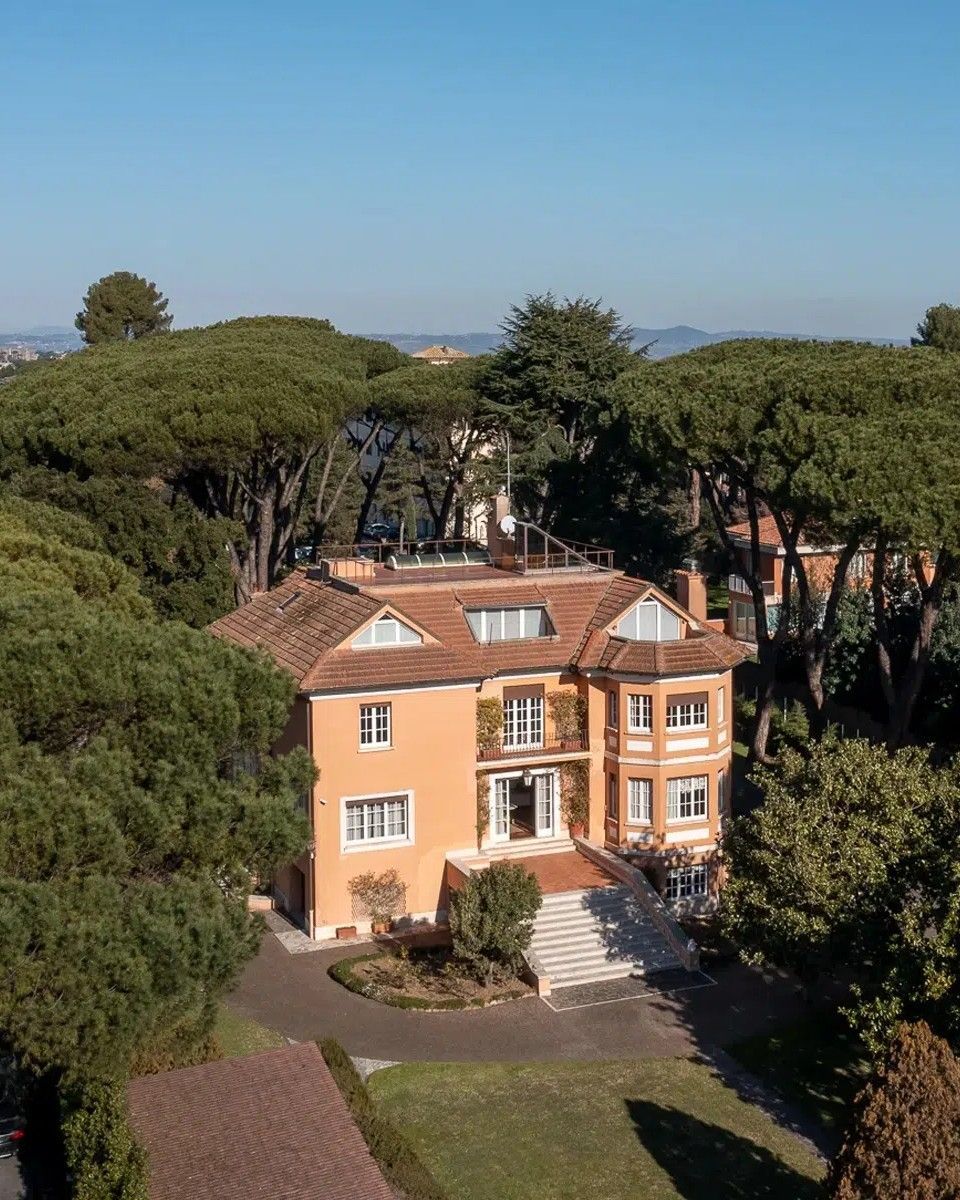
Villa Gucci in Rome is not merely a repository of period pieces but also a time capsule in its own right. The property spans approximately two thousand square metres, with two independent buildings set within a private park of two and a half hectares. It includes a swimming pool, reception rooms, a billiard room and a belvedere with views over the centre of Rome. Commissioned by Aldo Gucci following his move from Florence to the capital, the villa was built from the 1940s onwards and completed in 1951.
Somewhere between a Tuscan villa and an English country house, featuring a grand staircase leading to a panoramic terrace, the villa was practically on discount: last April, after three years on the market, the price had dropped to 11.5 million euros. And indeed someone bought it, given that the Gucci heir who owned it, Alessandro Gucci, contacted the managers of the Viale Somalia market directly, entrusting them with the consignment sale of furniture, accessories and memorabilia. A rather prosaic, down-to-earth approach, one might say, suggesting a desire to empty the villa quickly, much as one would do with a flat inherited from a grandparent.
Now, perhaps the Gucci family heirs had no wish to think about how to valorise this legacy, yet the very attention this clearance has attracted has highlighted how the Italian public remains (perhaps morbidly) fascinated by the dynasty's story, by their way of living and of embodying the brand in all its extremes. It is easy to imagine how this kind of mausoleum of the Gucci dynasty's private life could have become a branding tool if, say, Kering had purchased it outright for a fraction of the sum it typically spends on a single show.
A missed opportunity
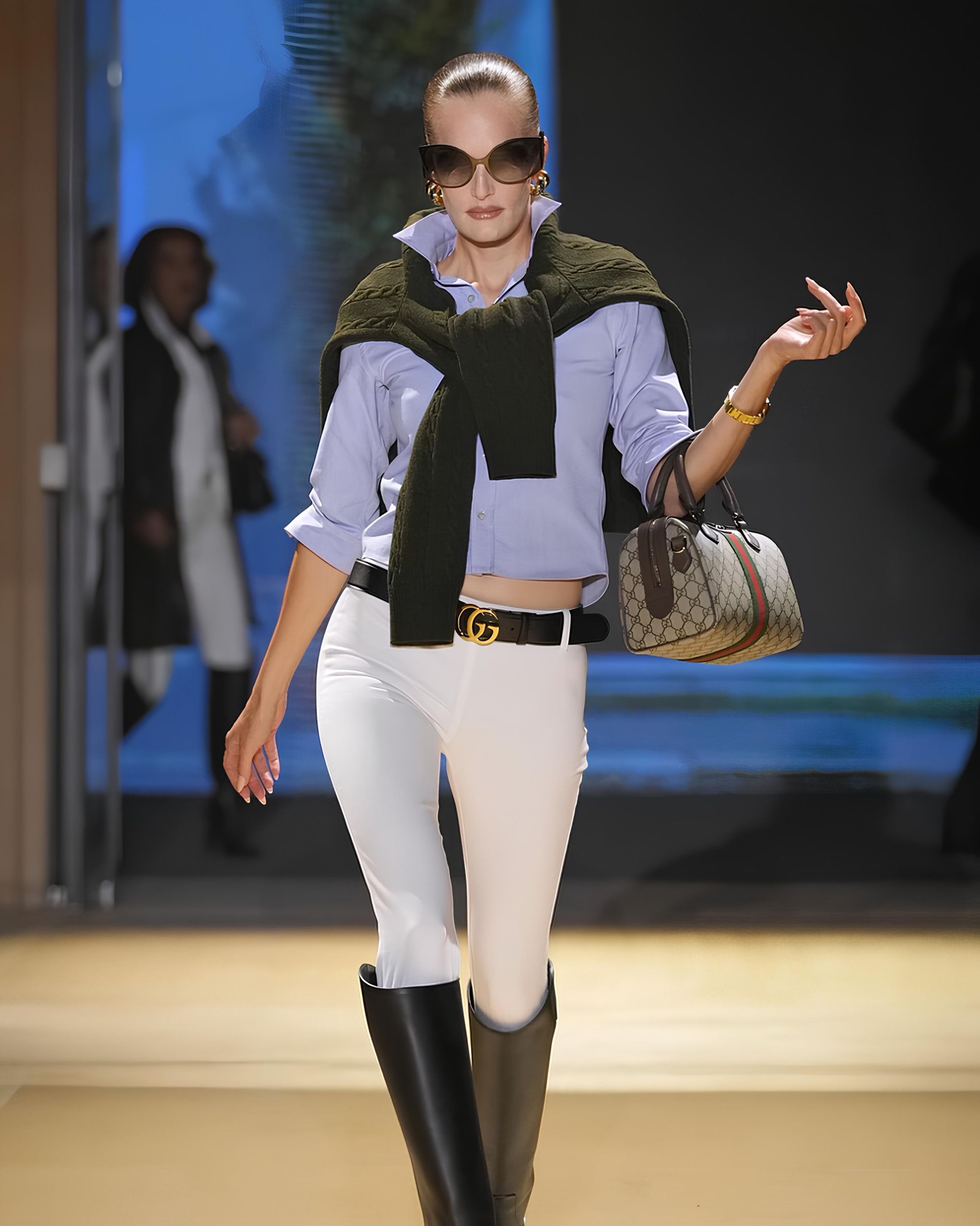
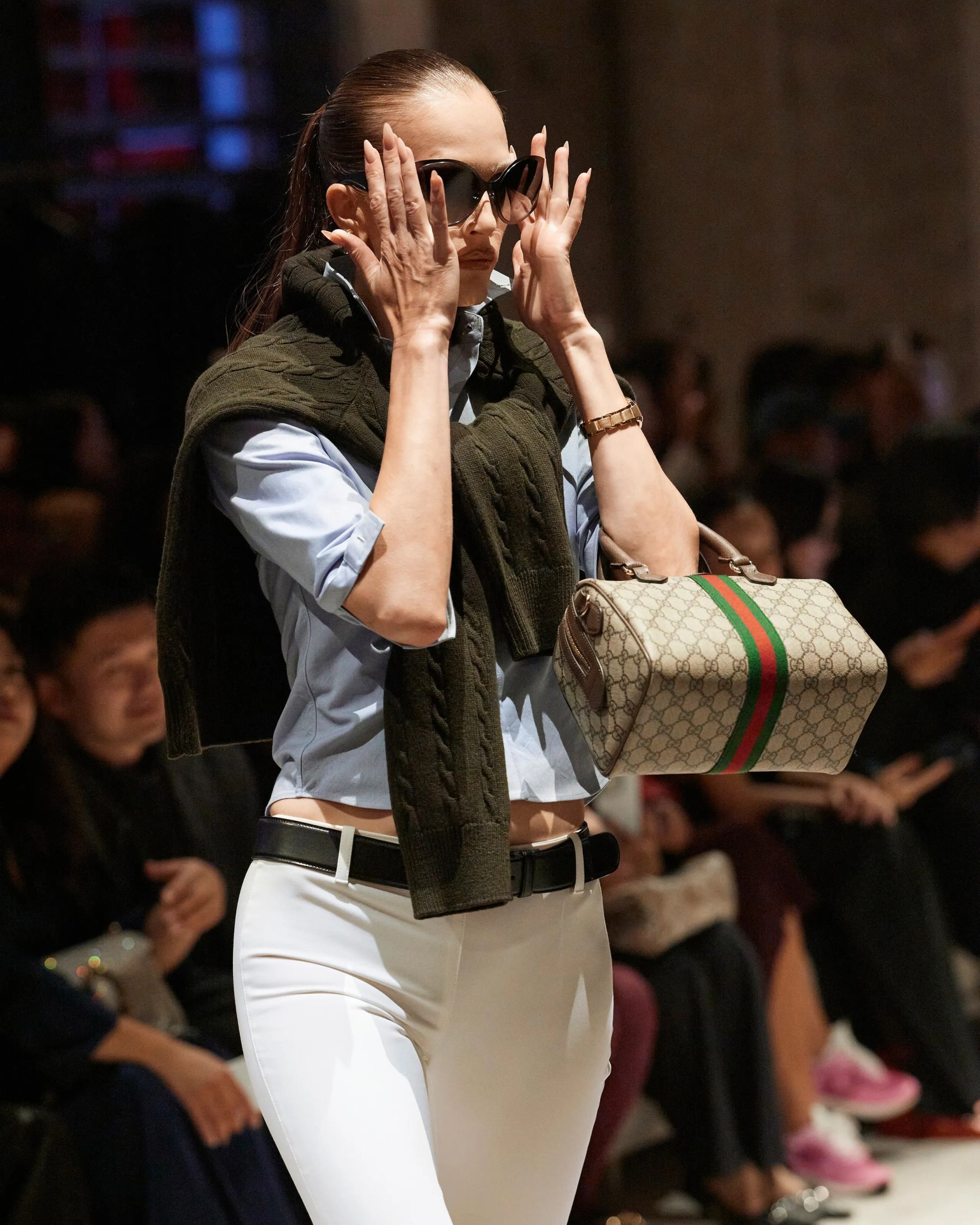
Gucci today is a brand that commands unique global resonance but has become mired in a complicated identity crisis. Since his arrival, Demna has sought to rebuild this identity by reconnecting it to fundamental archetypes of wealth and to the semi-ironic representation of privilege that we now find in archival footage and in the narrative surrounding the Maurizio Gucci–Patrizia Reggiani couple, in the family intrigues and betrayals. A tragic soap opera that actually happened, and one that should be woven into the brand's narrative with respect, rather than disowned.
The Guccis were, in many respects, the Borgias of Italian fashion (even the author of House of Gucci, Sara Gay Forden, has said as much), and perhaps it is not appropriate to speculate on what are, all things considered, their private affairs. But it would be entirely valid to turn them into museum material in order to show us their daily life and lifestyle, as has already been done in the cases of the Getty Castle in America, Villa Necchi in Milan, or the Château de Monte-Cristo and the Musée Nissim de Camondo in France. Beyond its historical interest, it would also be an excellent way to showcase Gucci's heritage through the brand's own products that the founding family had chosen for themselves.
Something similar has been done by Zegna with Casa Zegna in Trivero, now at the heart of the oasis and part of the FAI's heritage properties. Something similar has also been done with Dior's flagship store on Avenue Montaigne, which transformed the brand's historic home into an immersive, multi-layered experience. A location of this kind quickly becomes a monument worth visiting, and the size of the property would have easily allowed for the creation of a small on-site boutique, perhaps a restaurant, as well as a cultural stronghold for the brand in the capital, distinct from the historic shop on Via Condotti.
The only player who might today be interested in such an operation, however, is Kering itself. Had the group purchased the property, it could have turned it into a visitable museum, a venue for its own shows, and a foothold for anchoring its reputation to the brand's Italian identity and history. True, the wooden clocks and period writing desks are not Gucci pieces, but they represent the surroundings within which the brand's original creators had chosen to live — and, when all is said and done, is that not precisely the upper-bourgeois world evoked by the brand in its latest show?
What to read next
Kering Academy for Excellence, the first academic year gets underway
With a ceremony attended by Luca De Meo, CEO of Kering
For Demna, buckles are the new logos
Gucci's creative director goes all in on the brand's iconic horsebit