
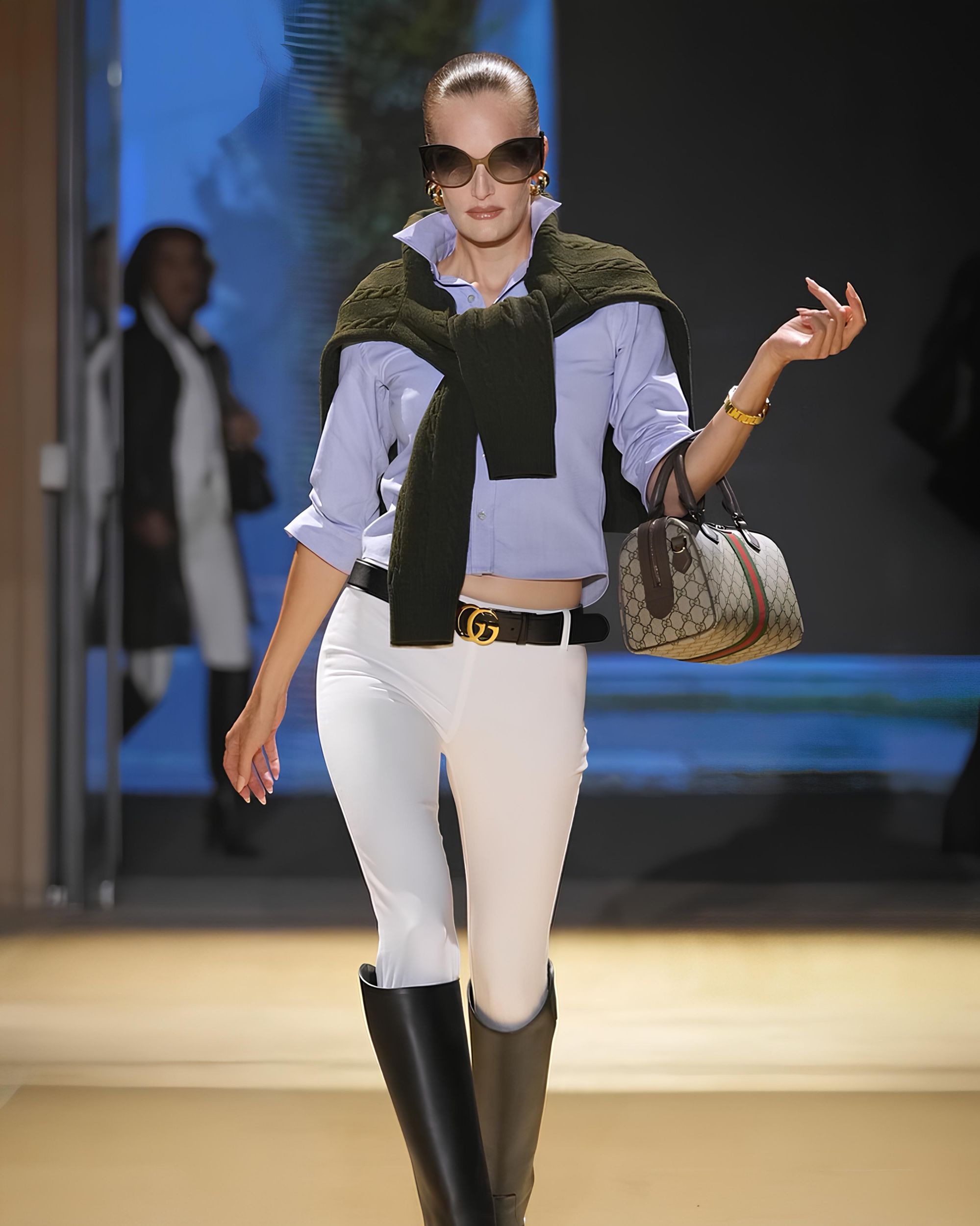
The guys and dolls of Gucci's SS27 collection For the historic Florentine brand, fun has finally made its return
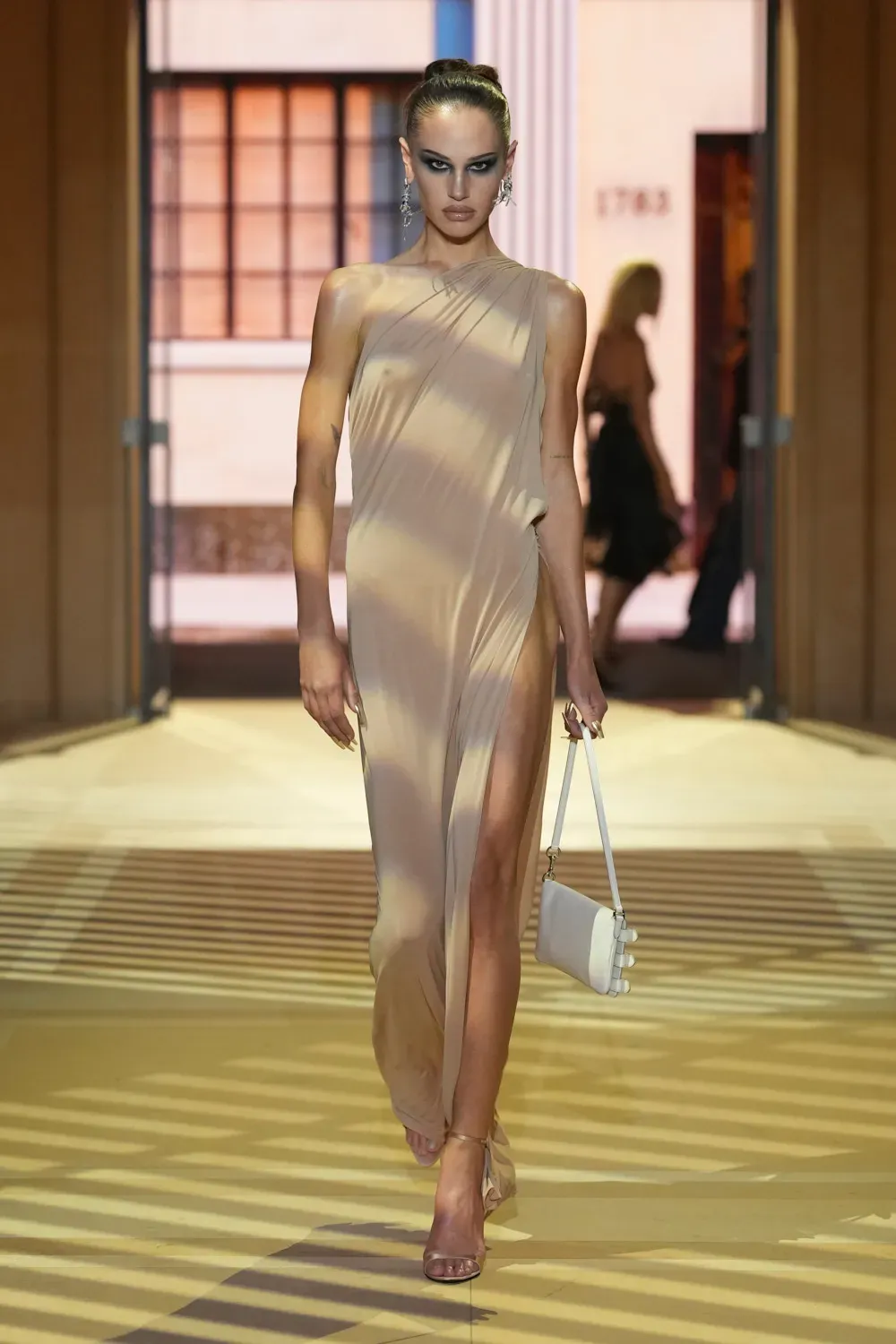
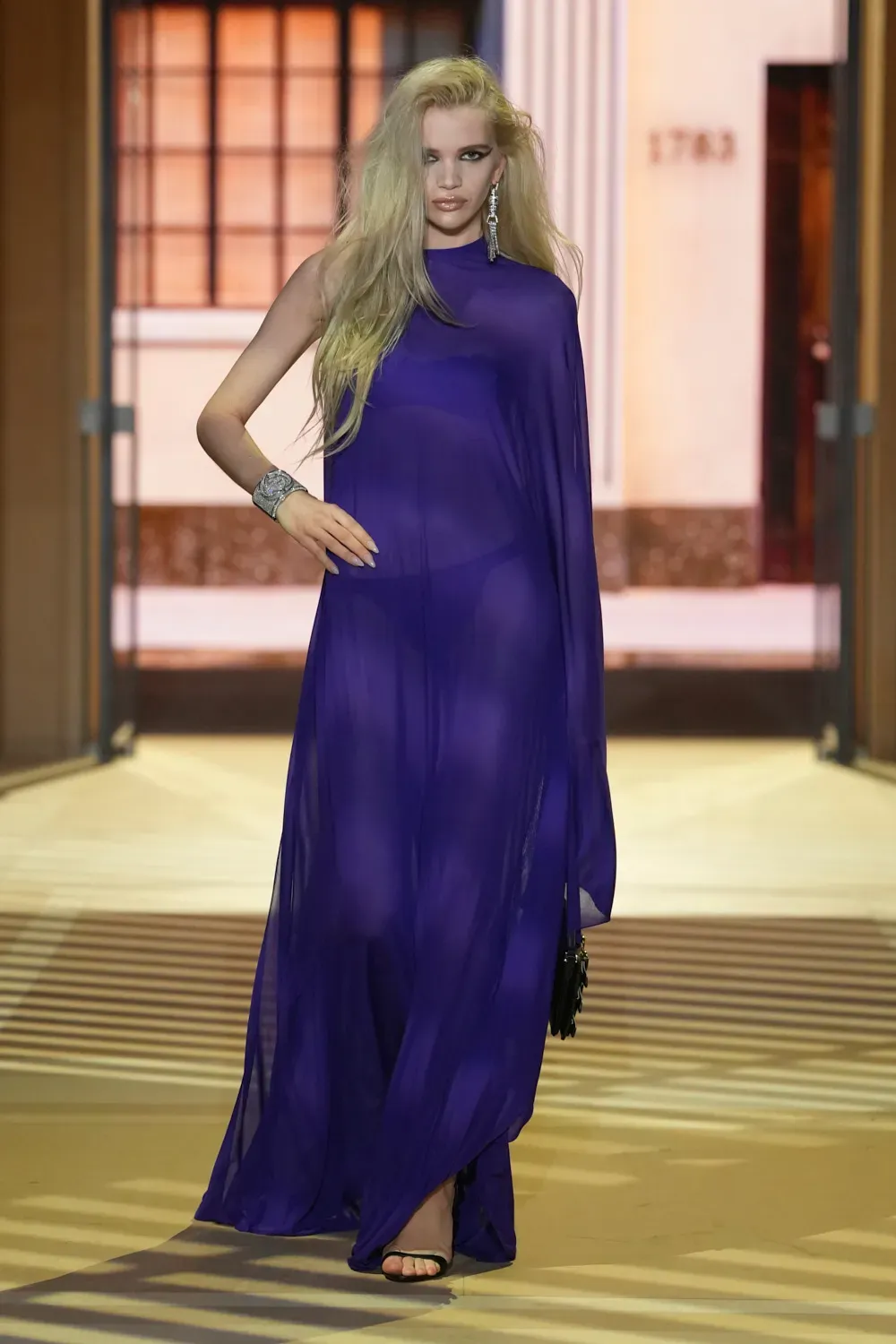
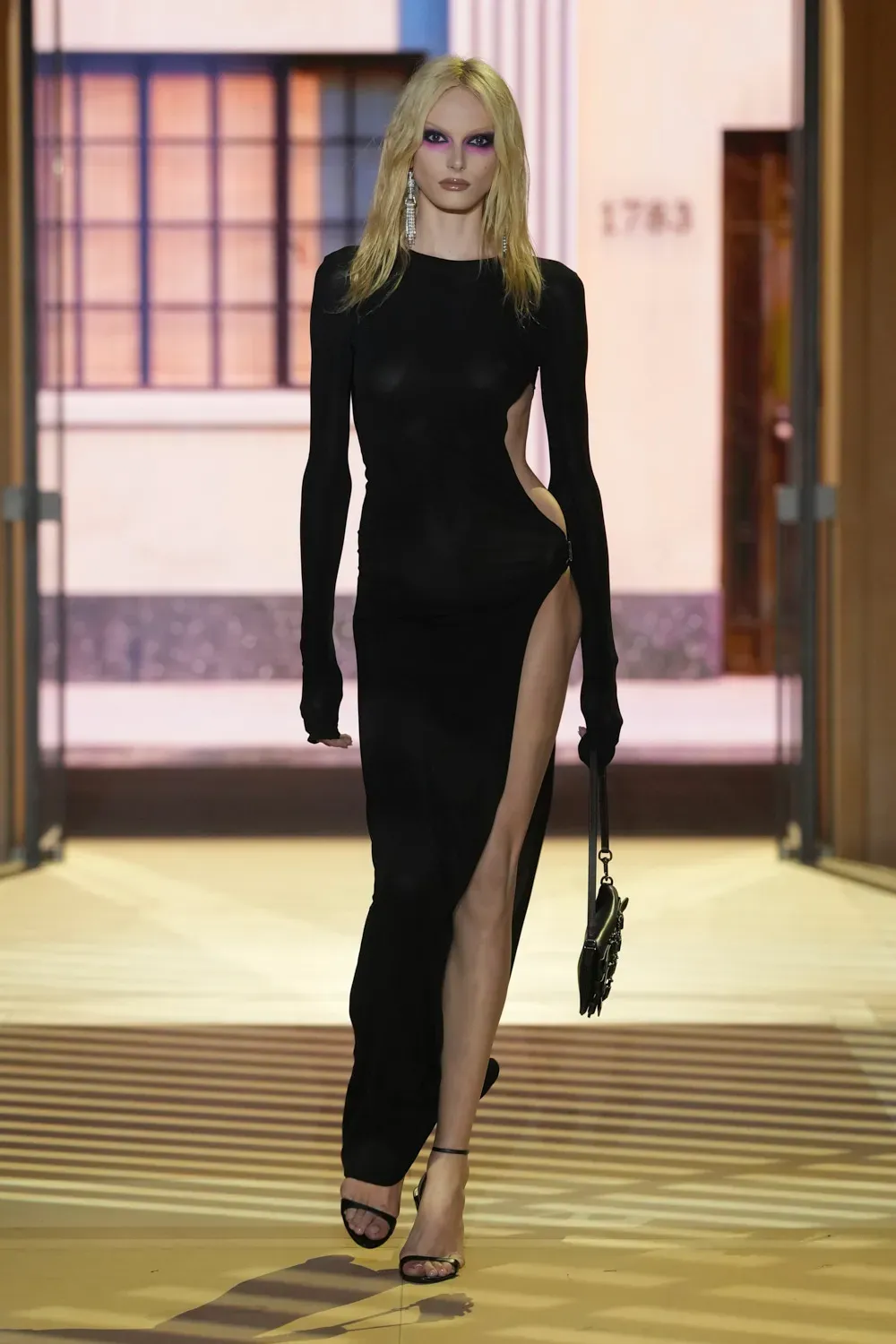
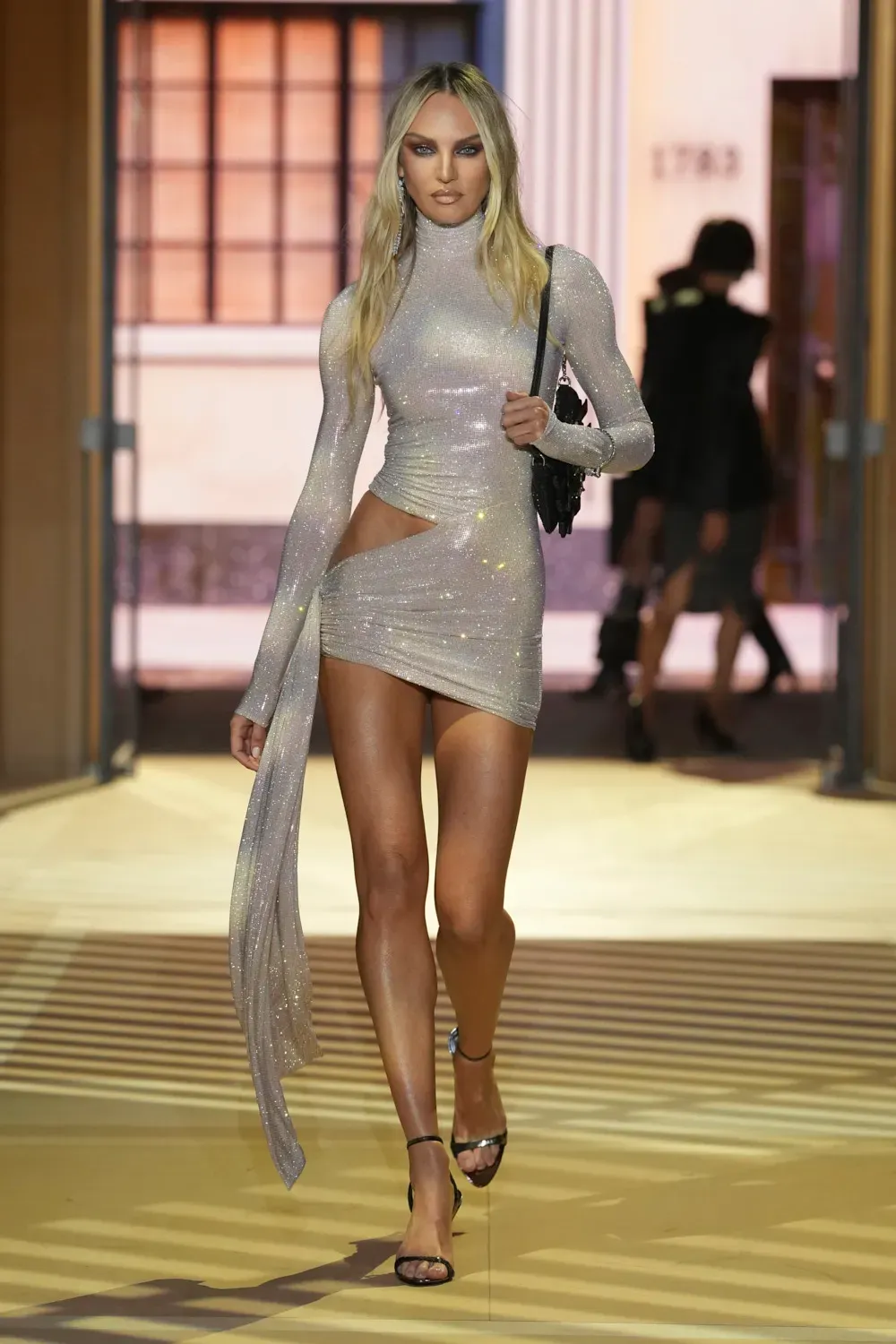
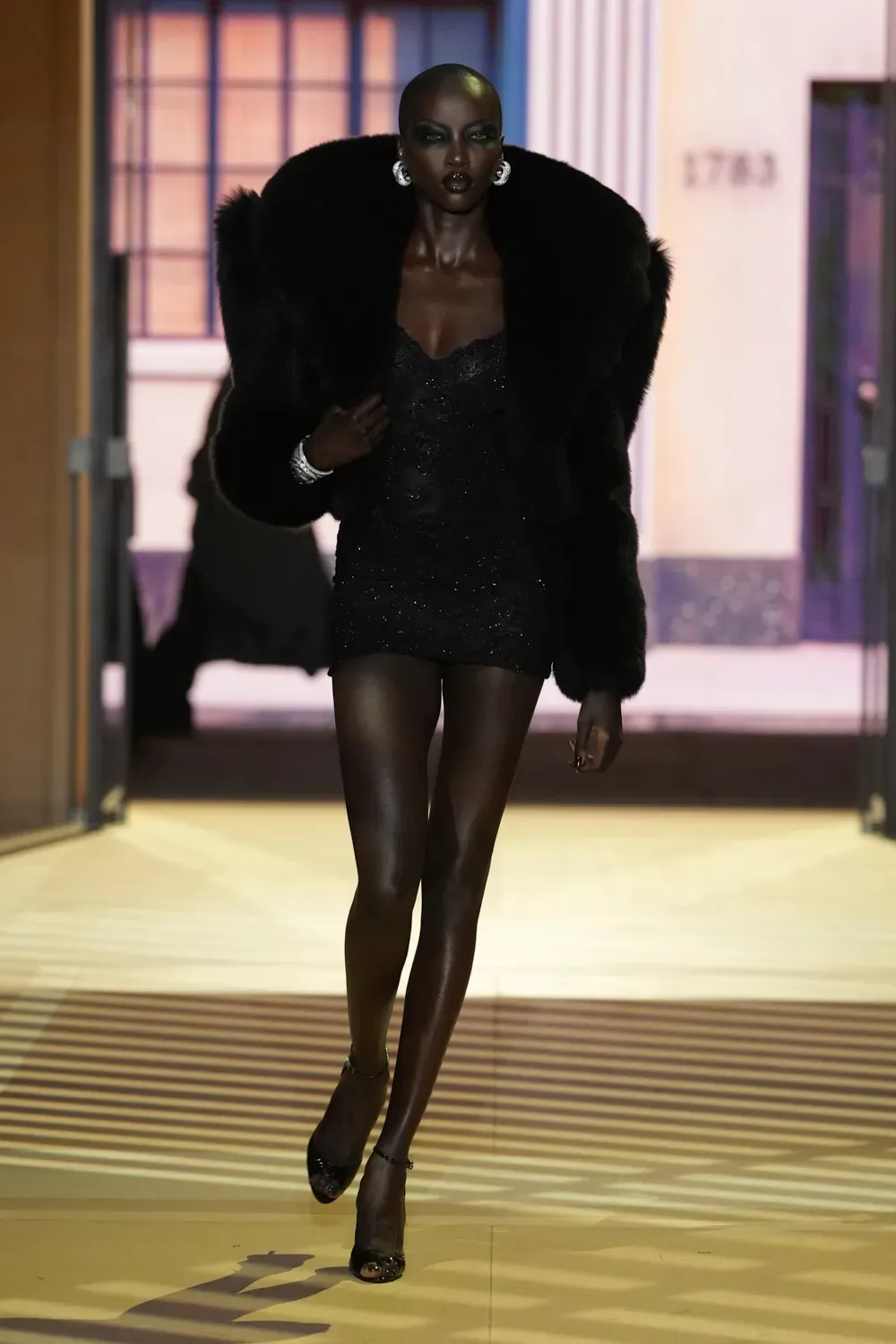
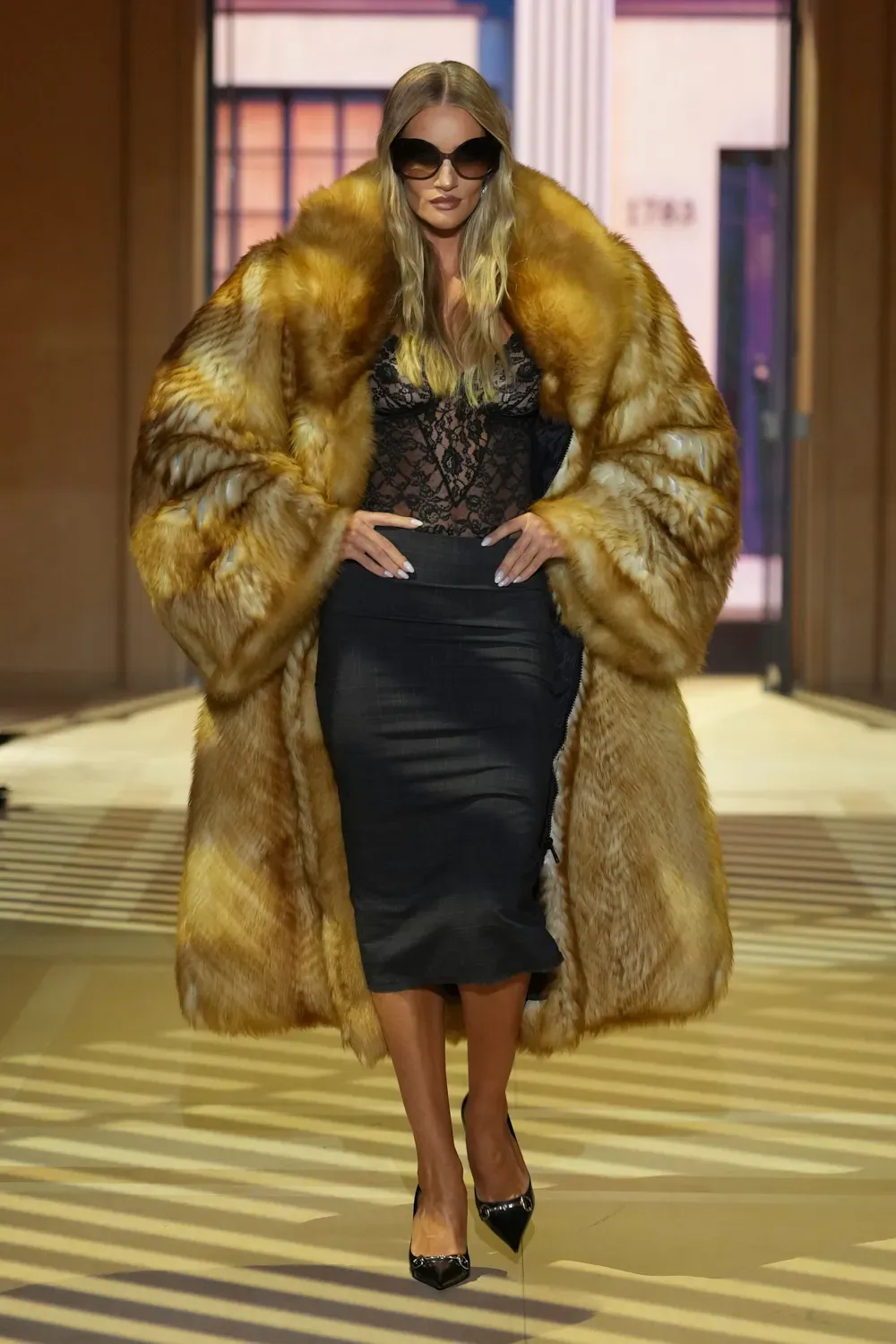
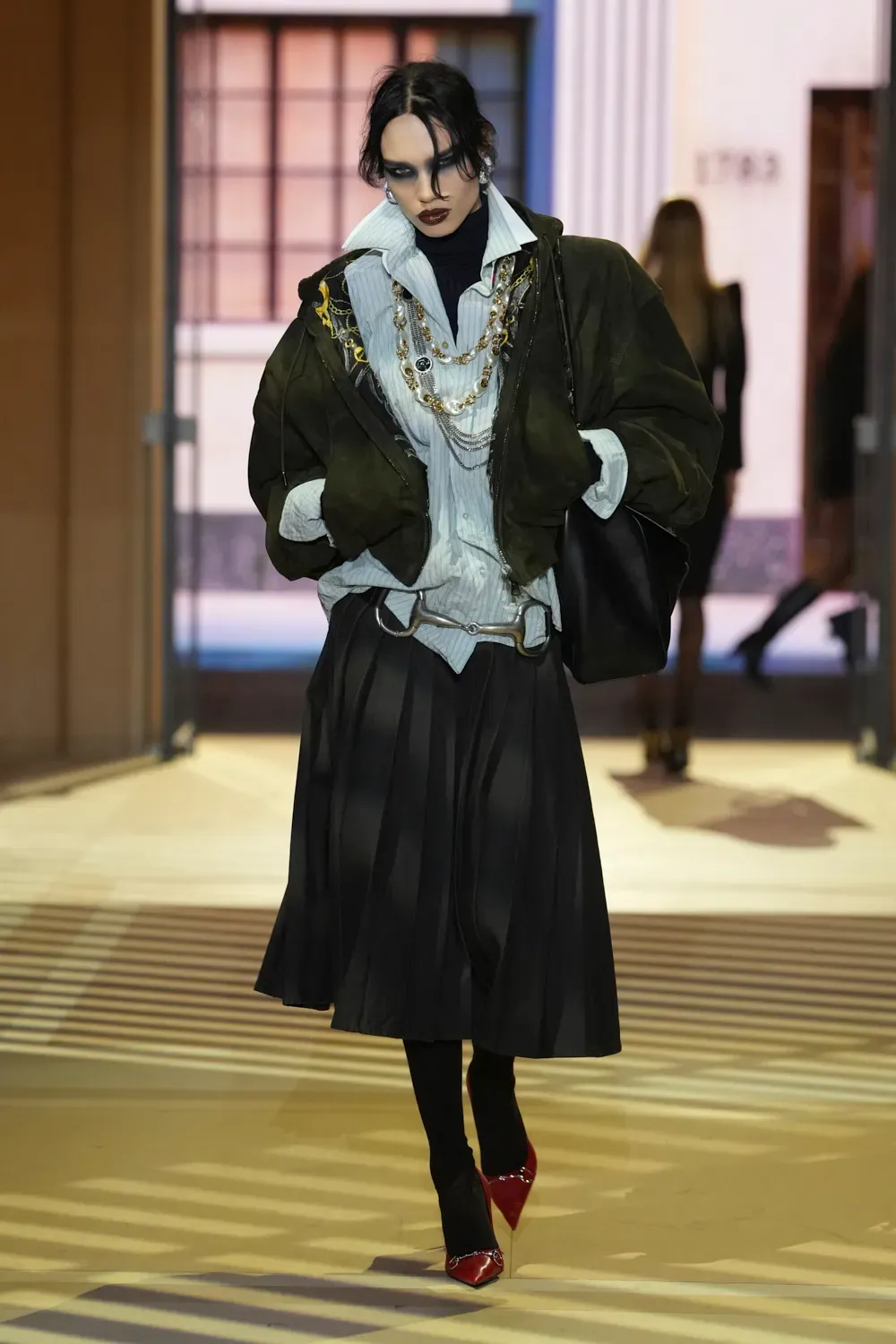
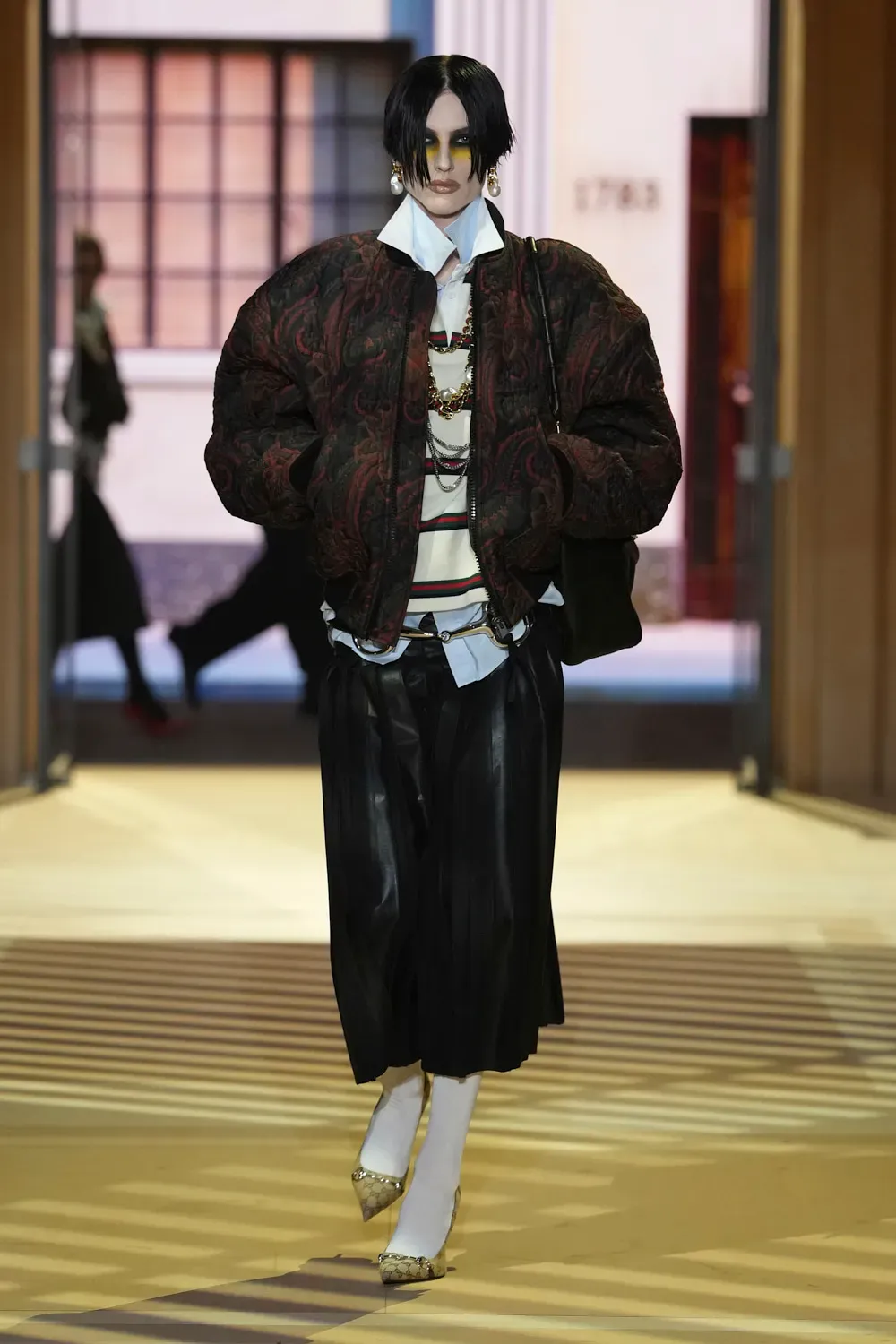
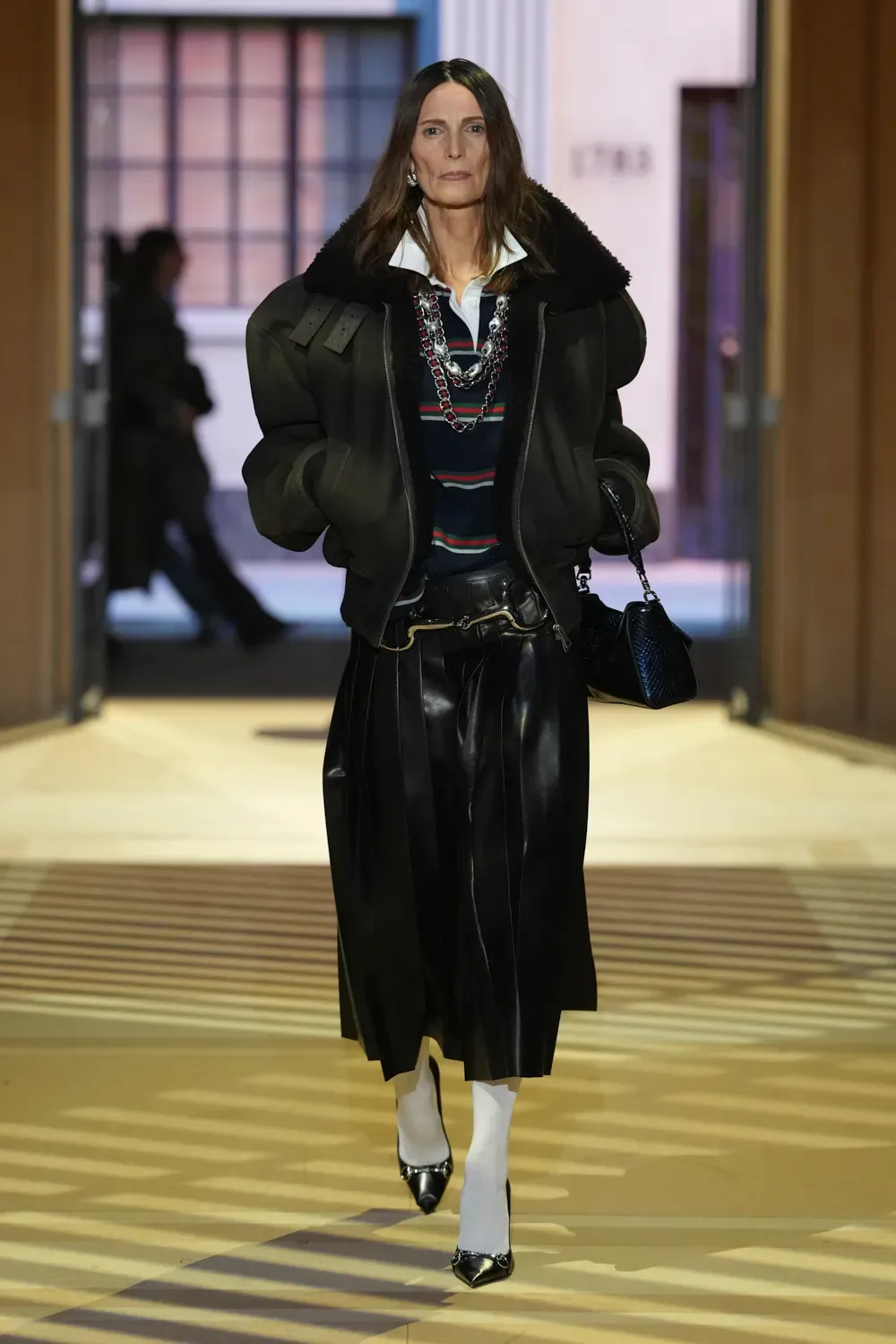
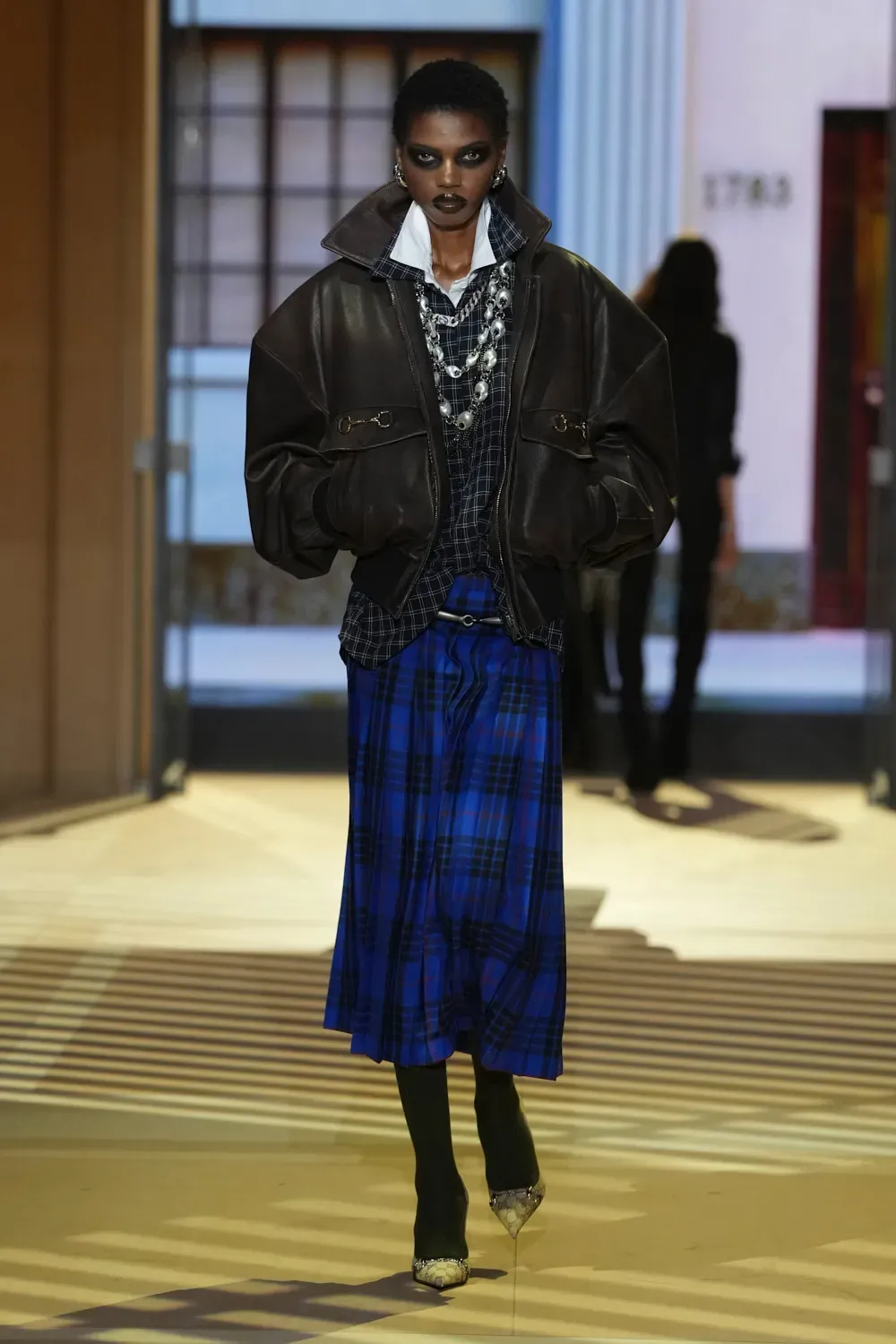
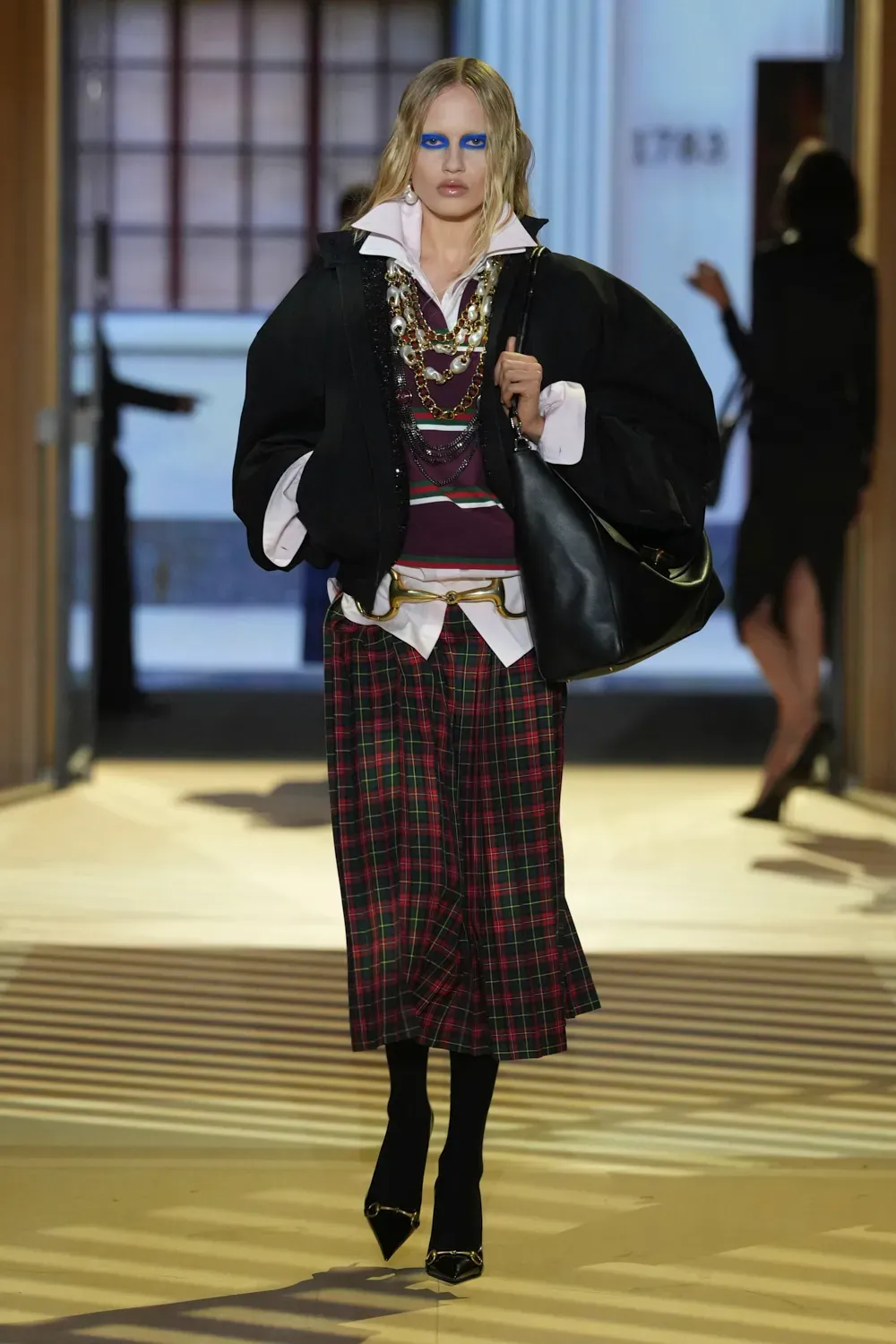
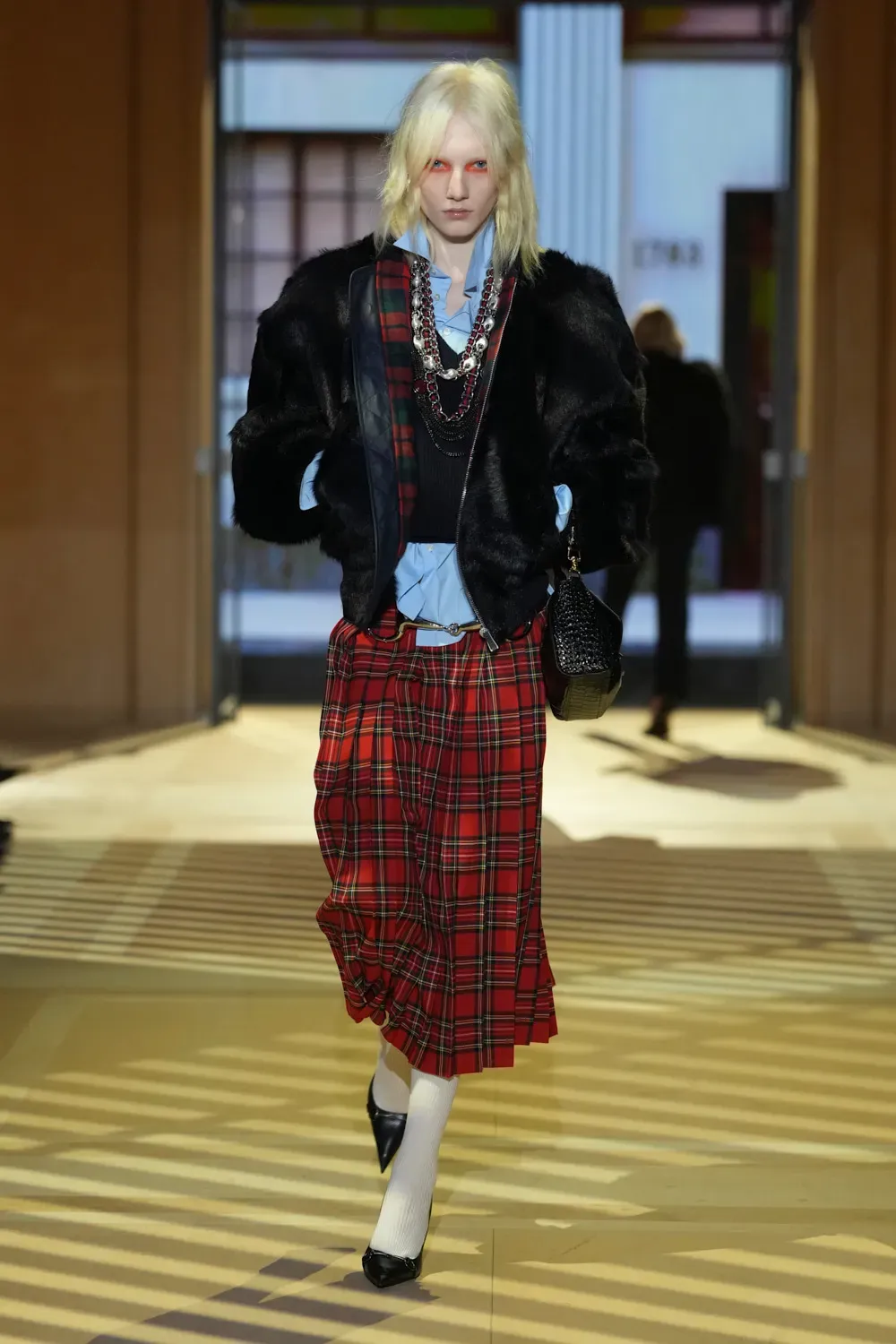
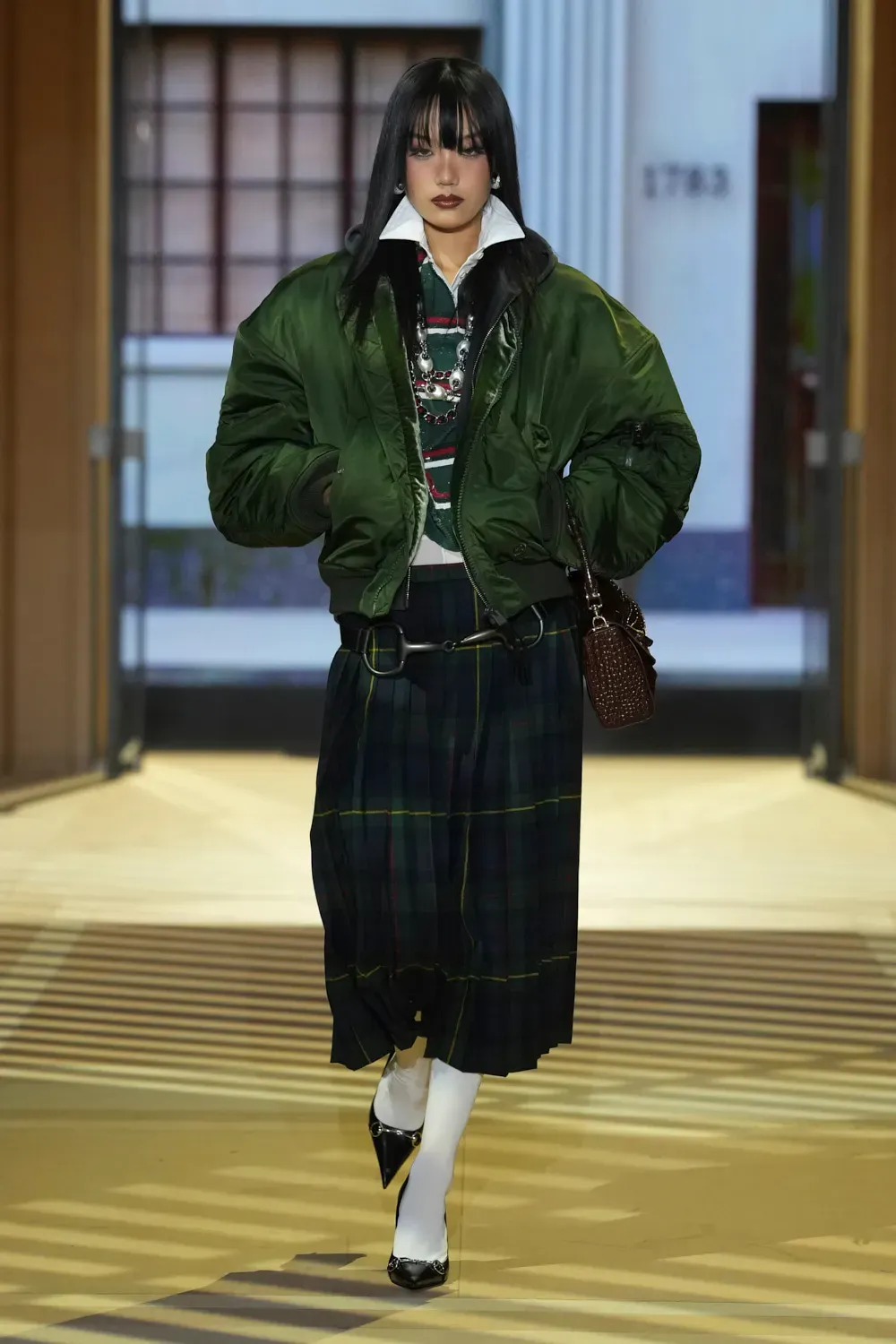
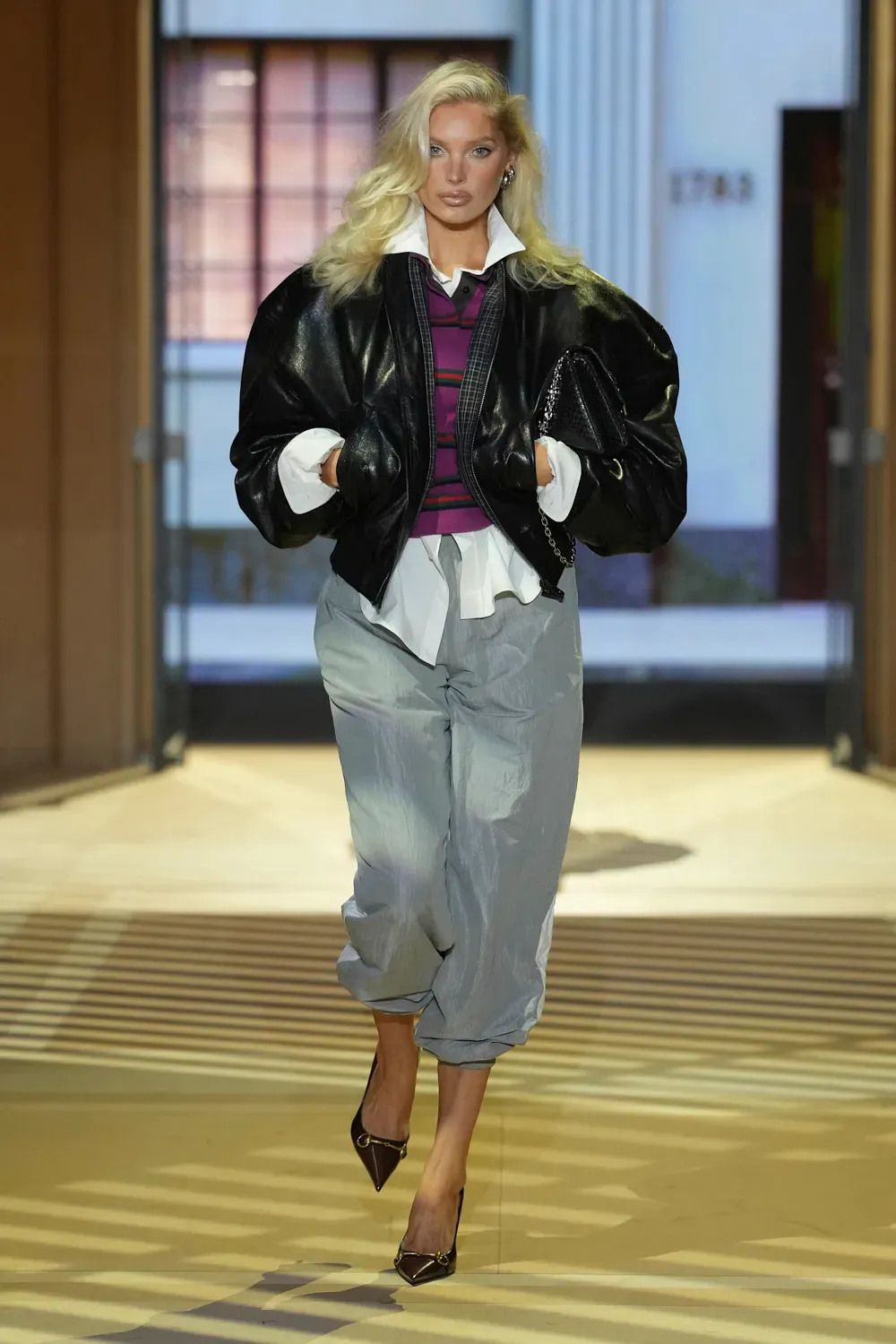
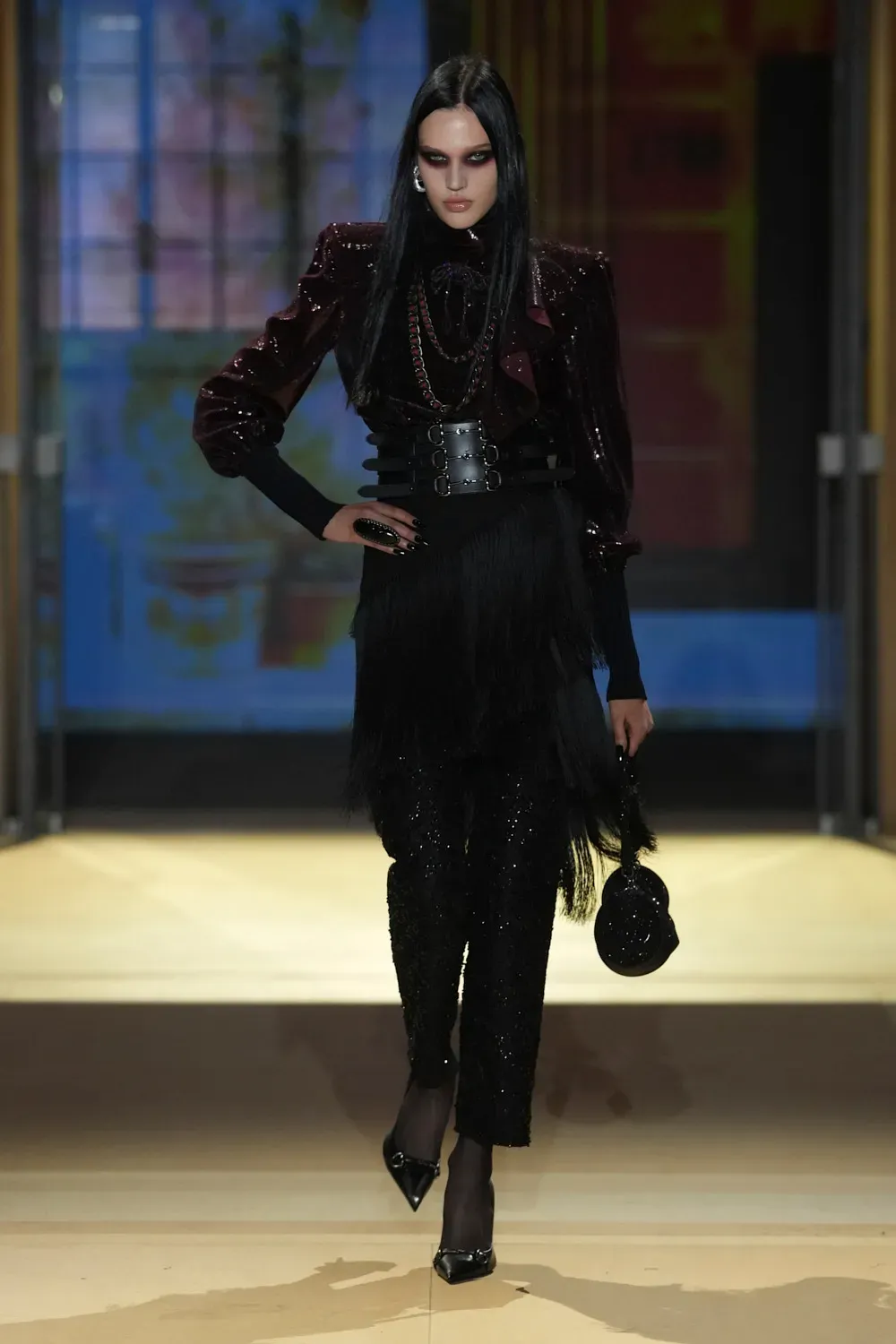
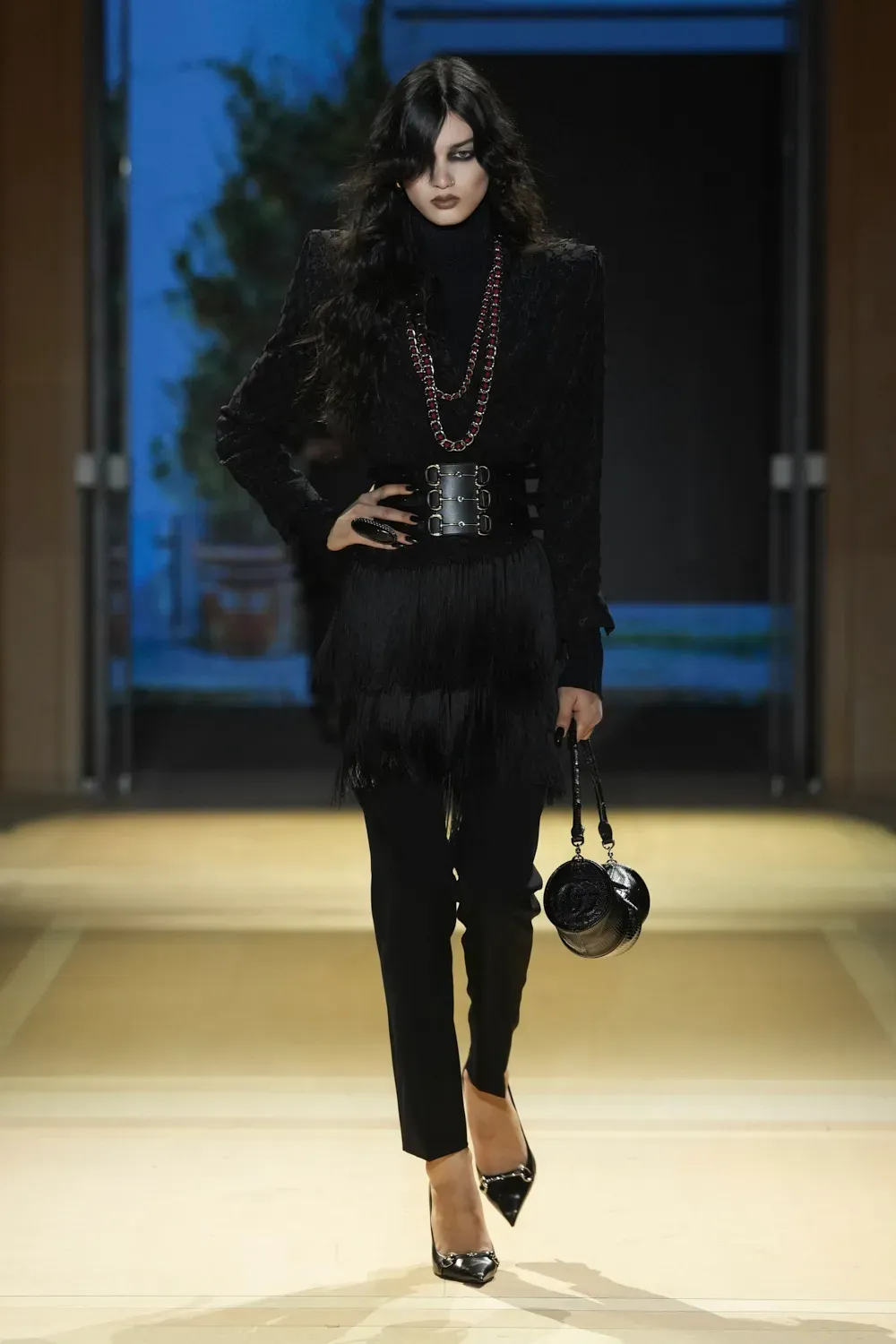
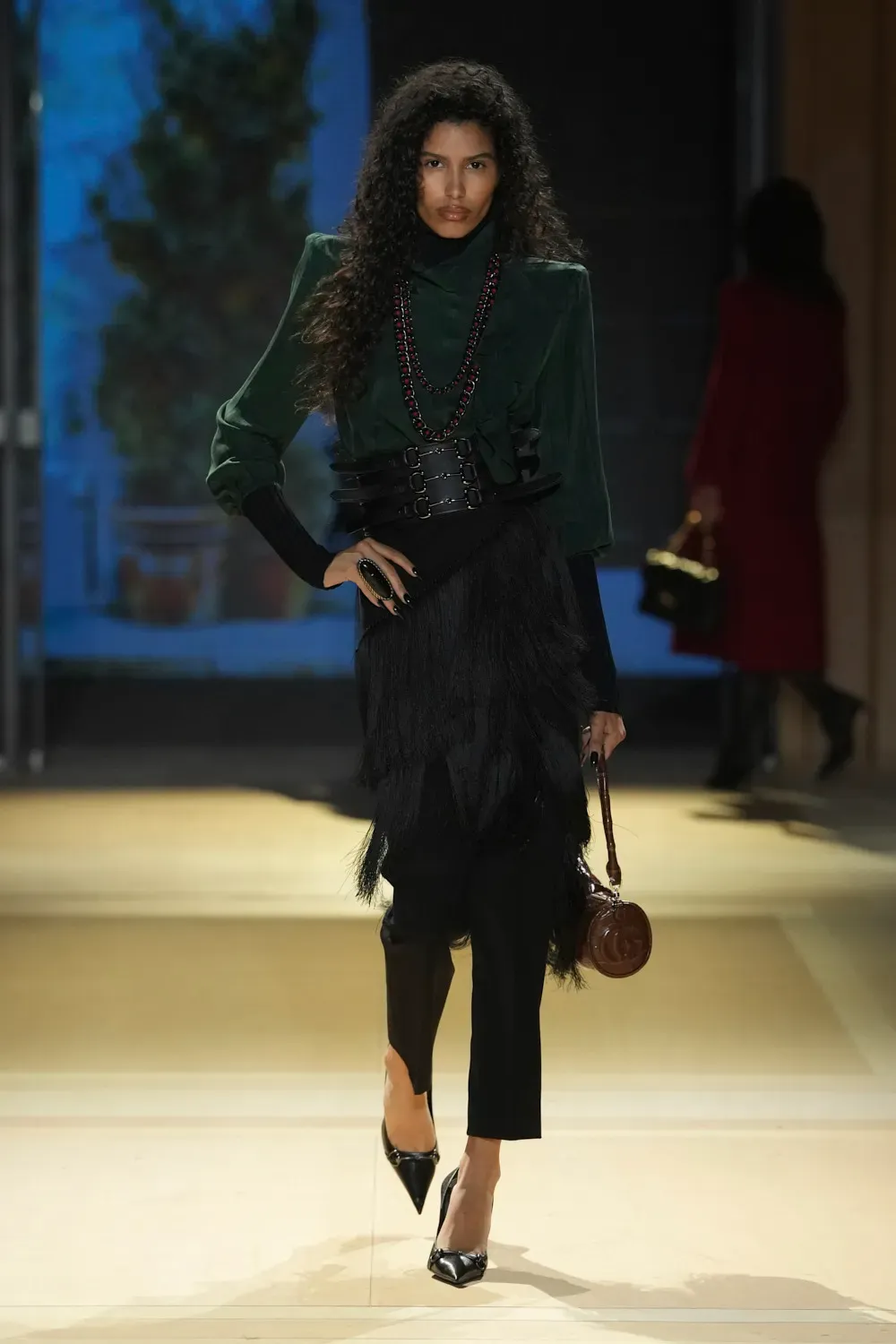
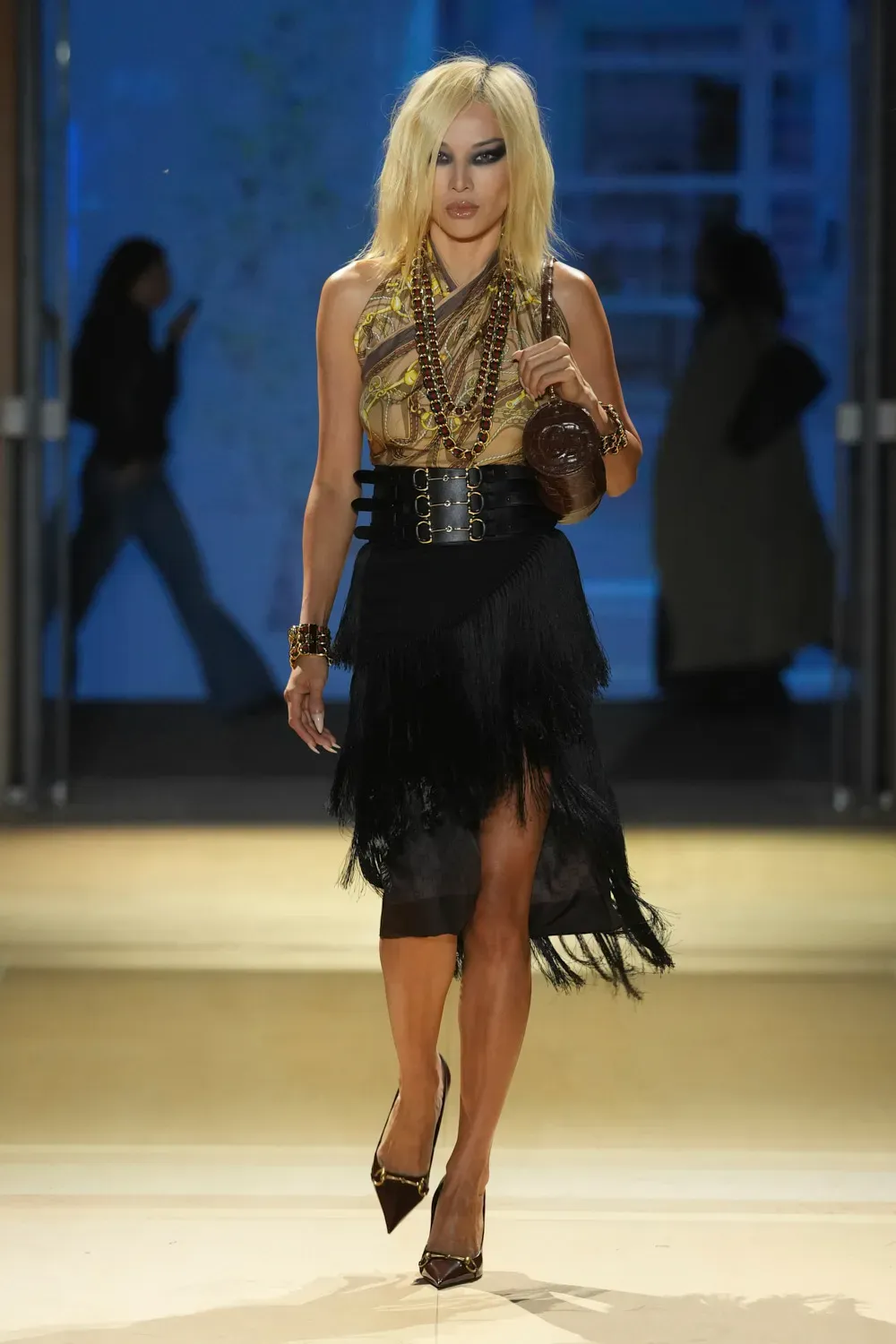
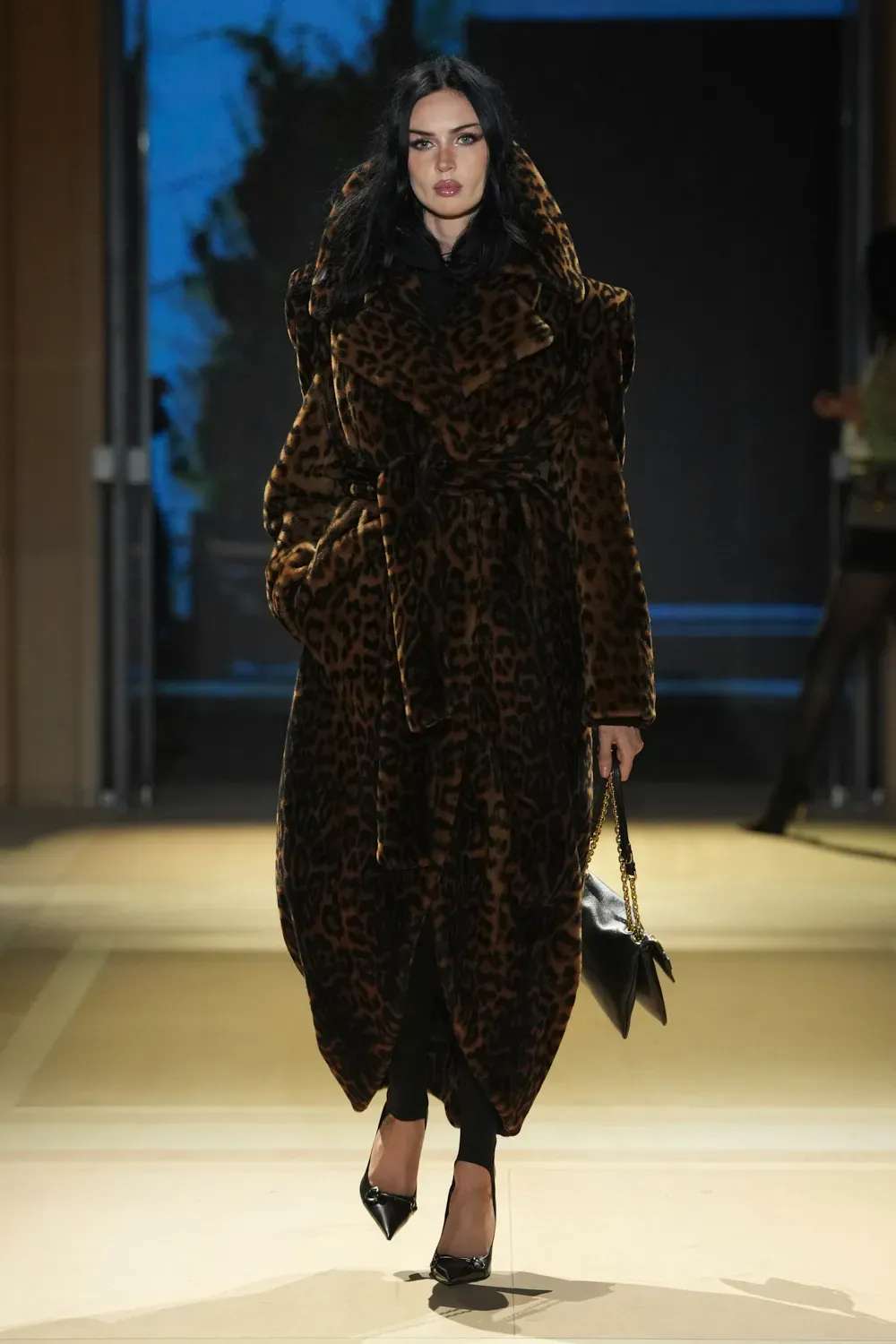
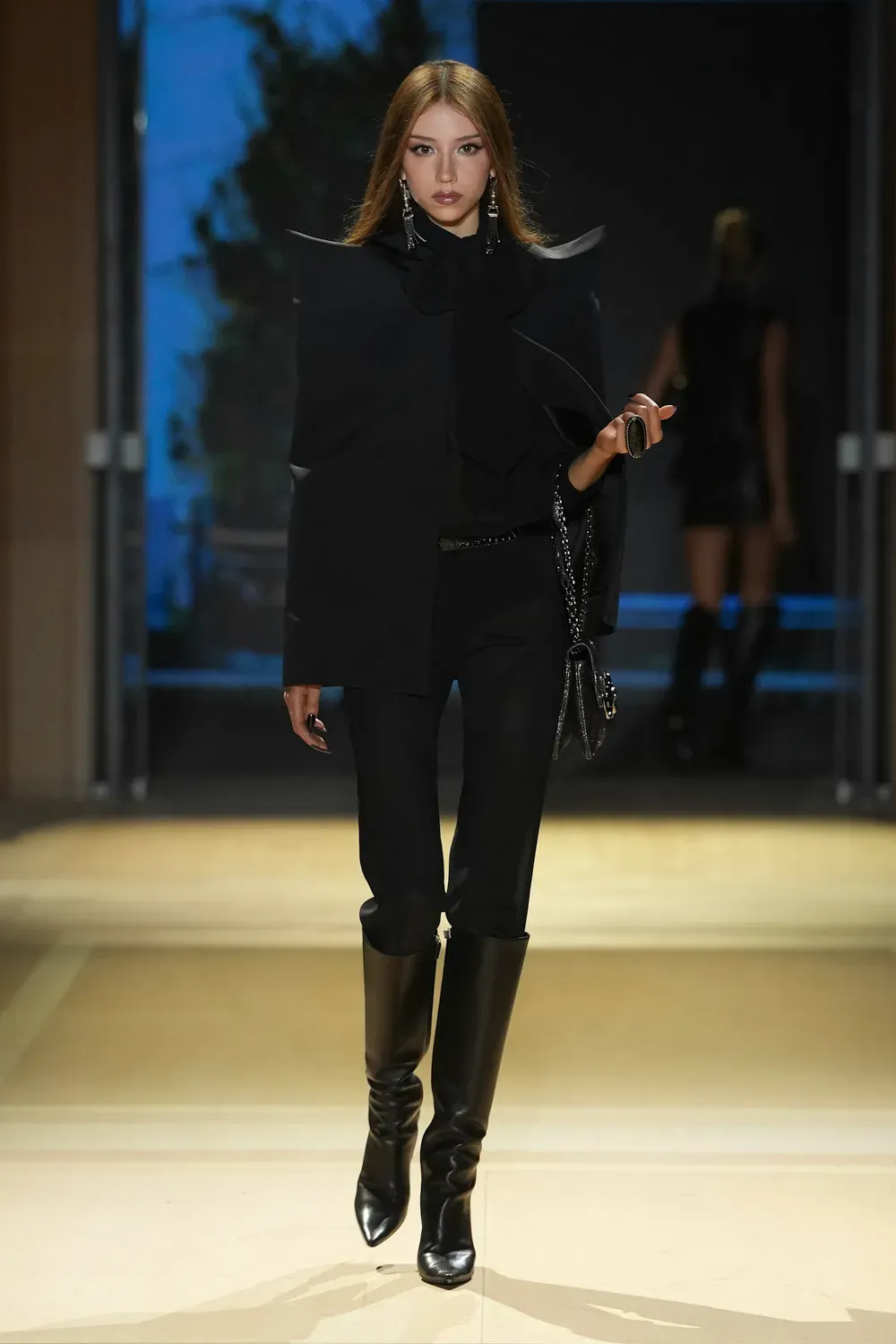
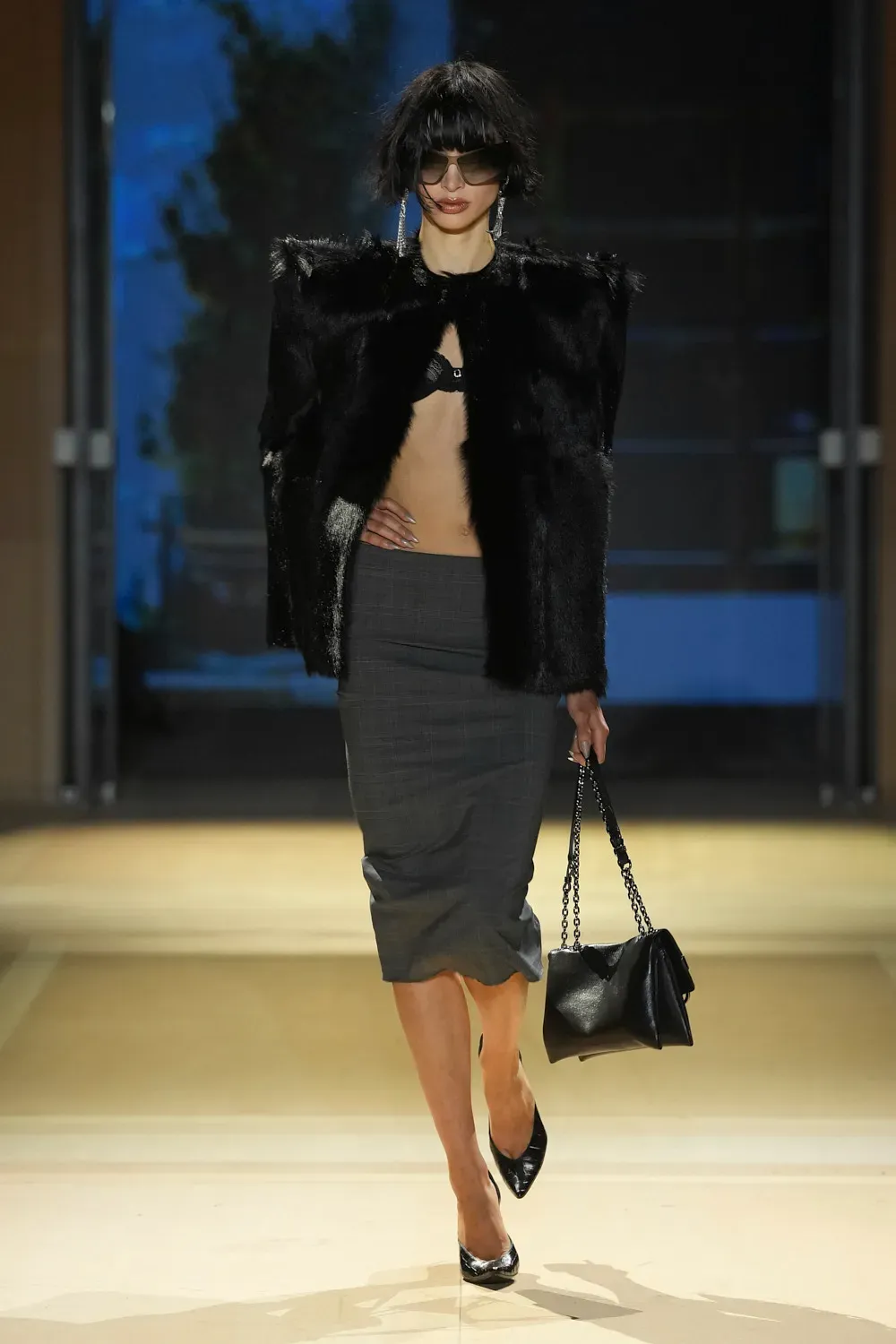
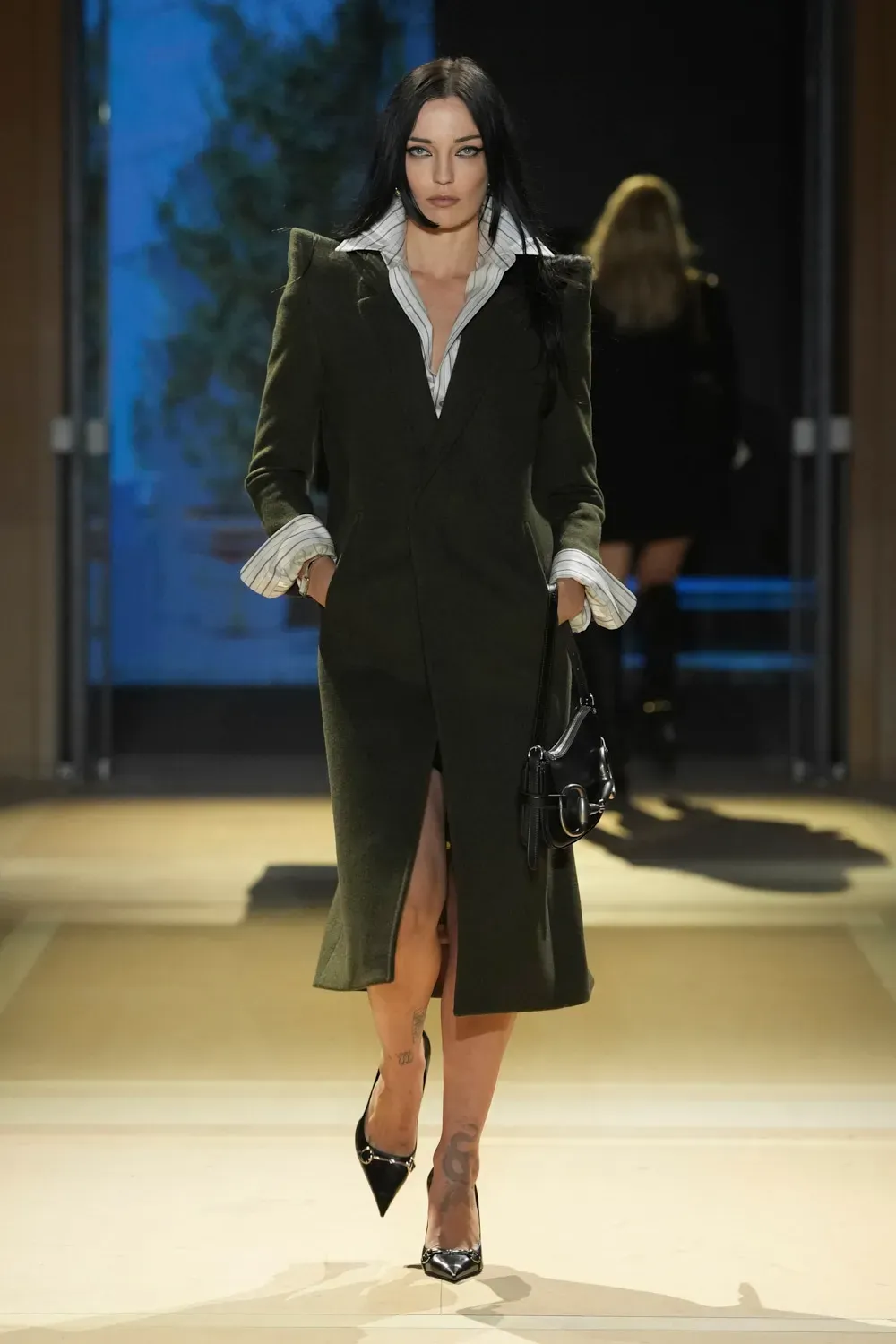
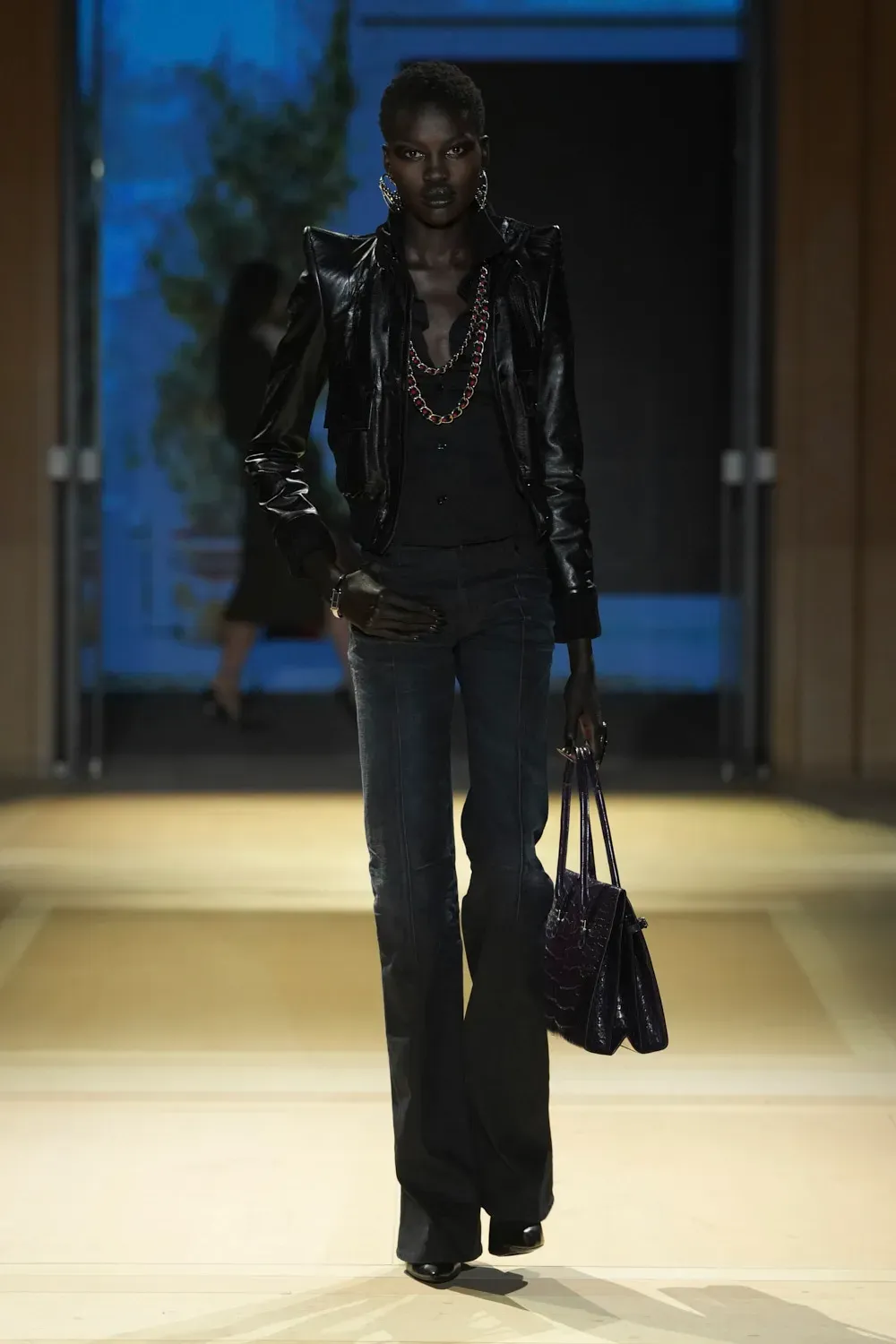
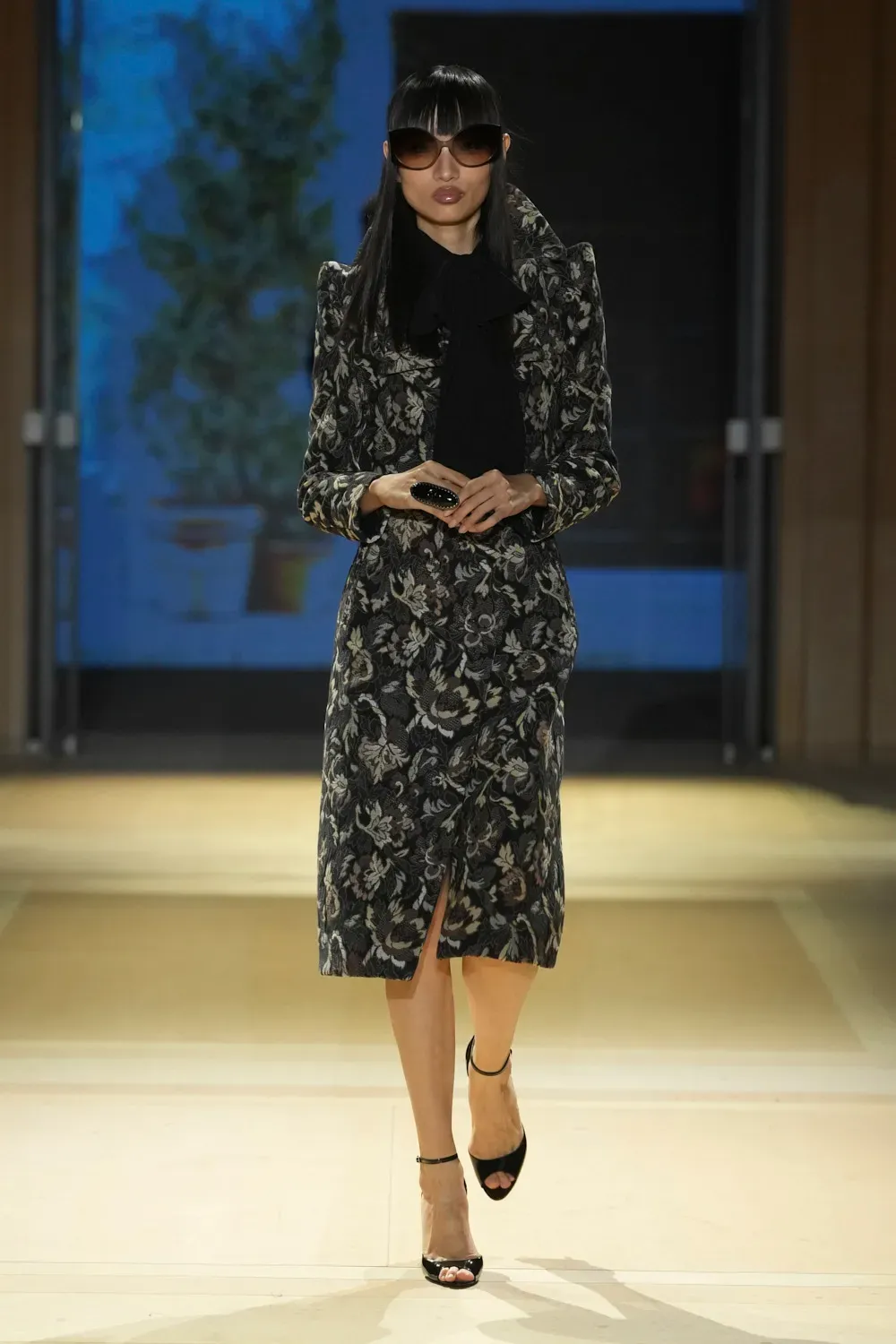
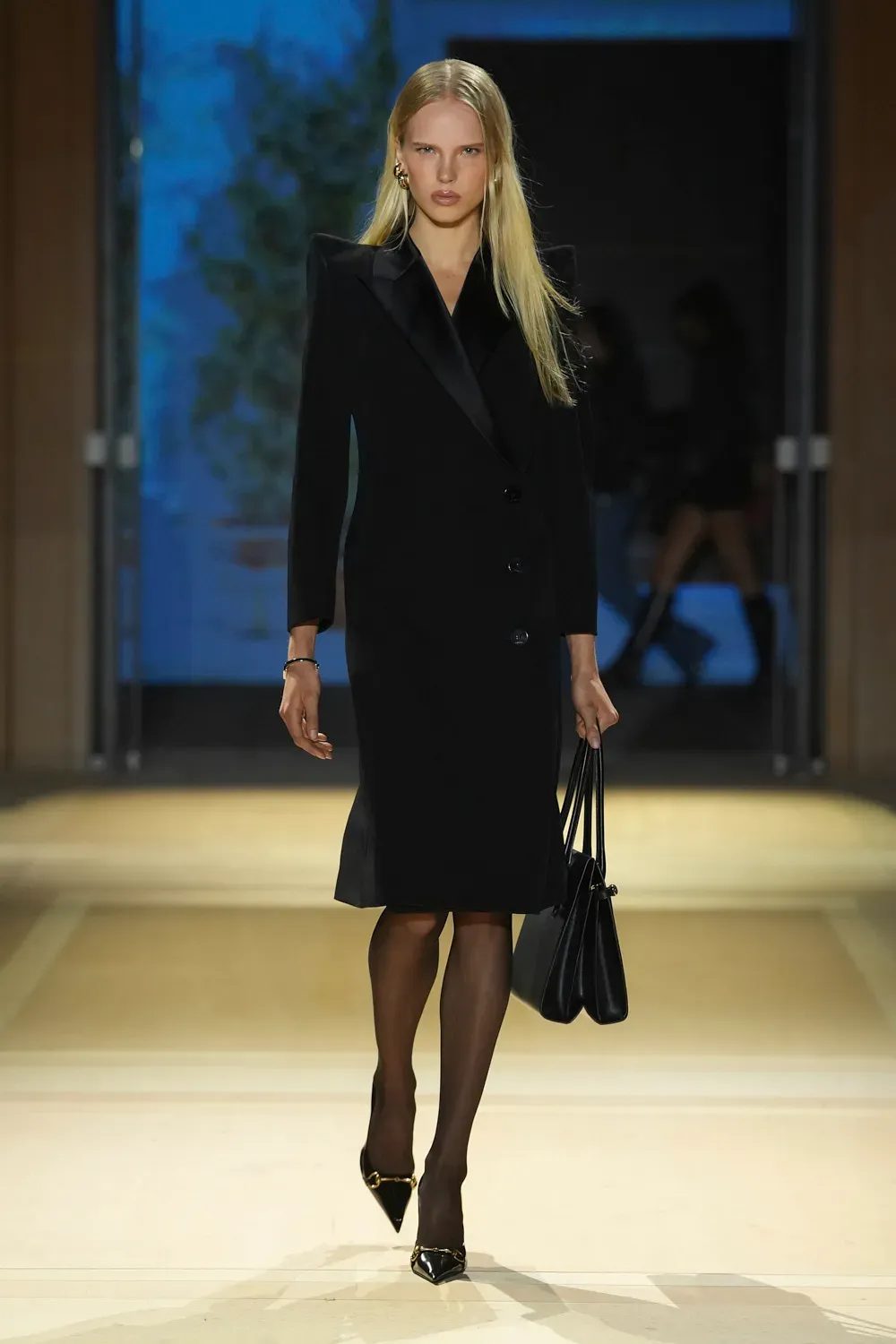
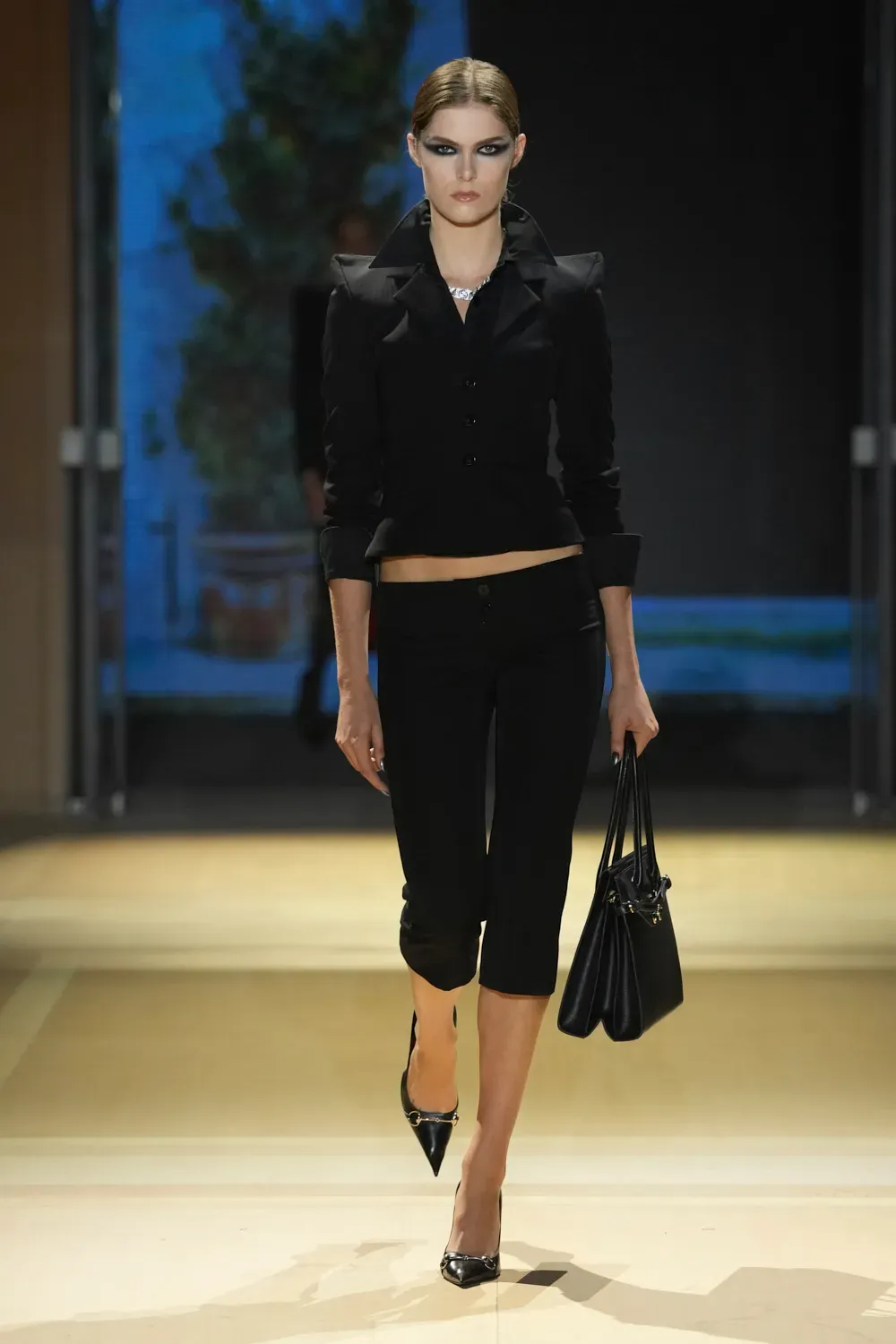
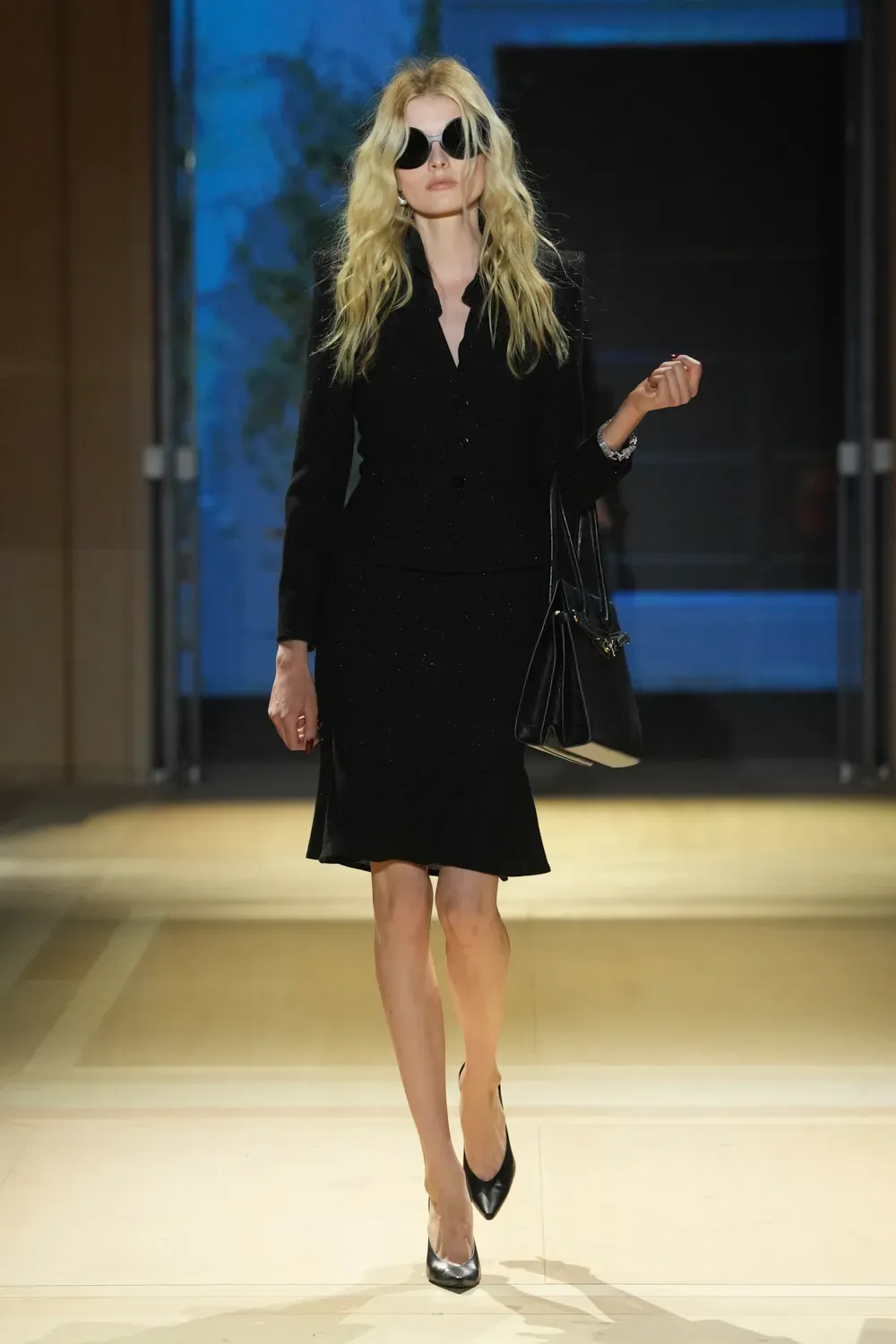
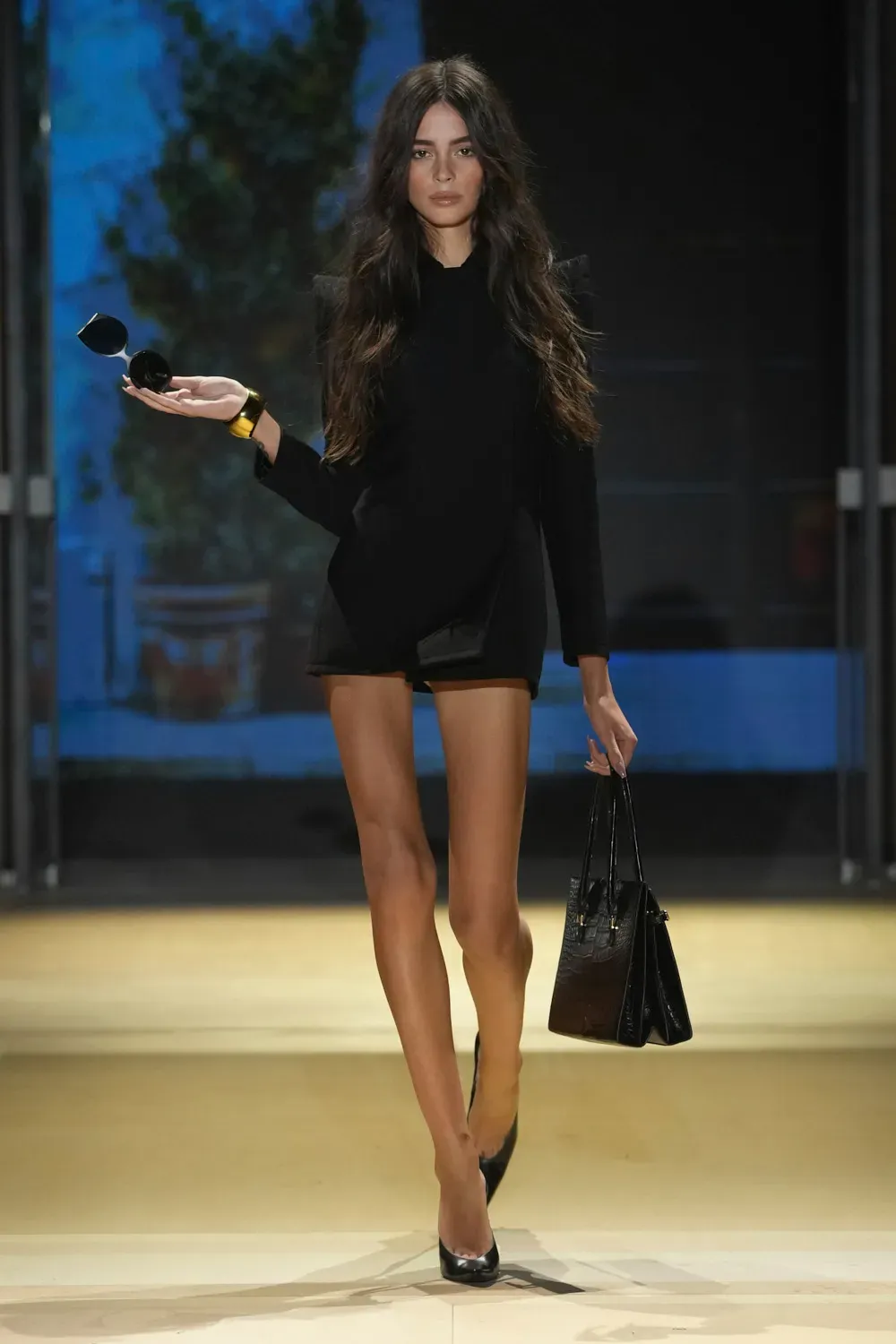
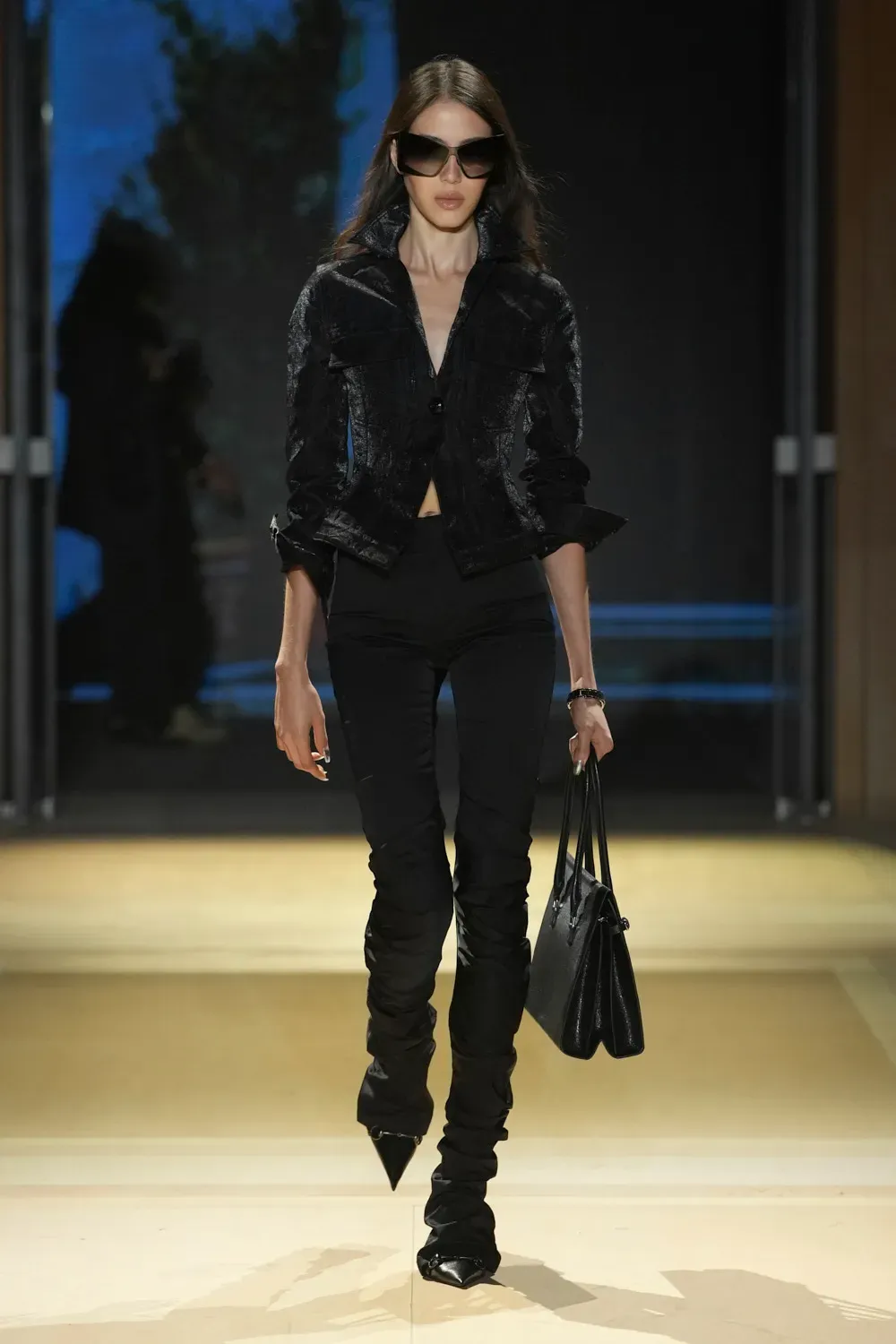
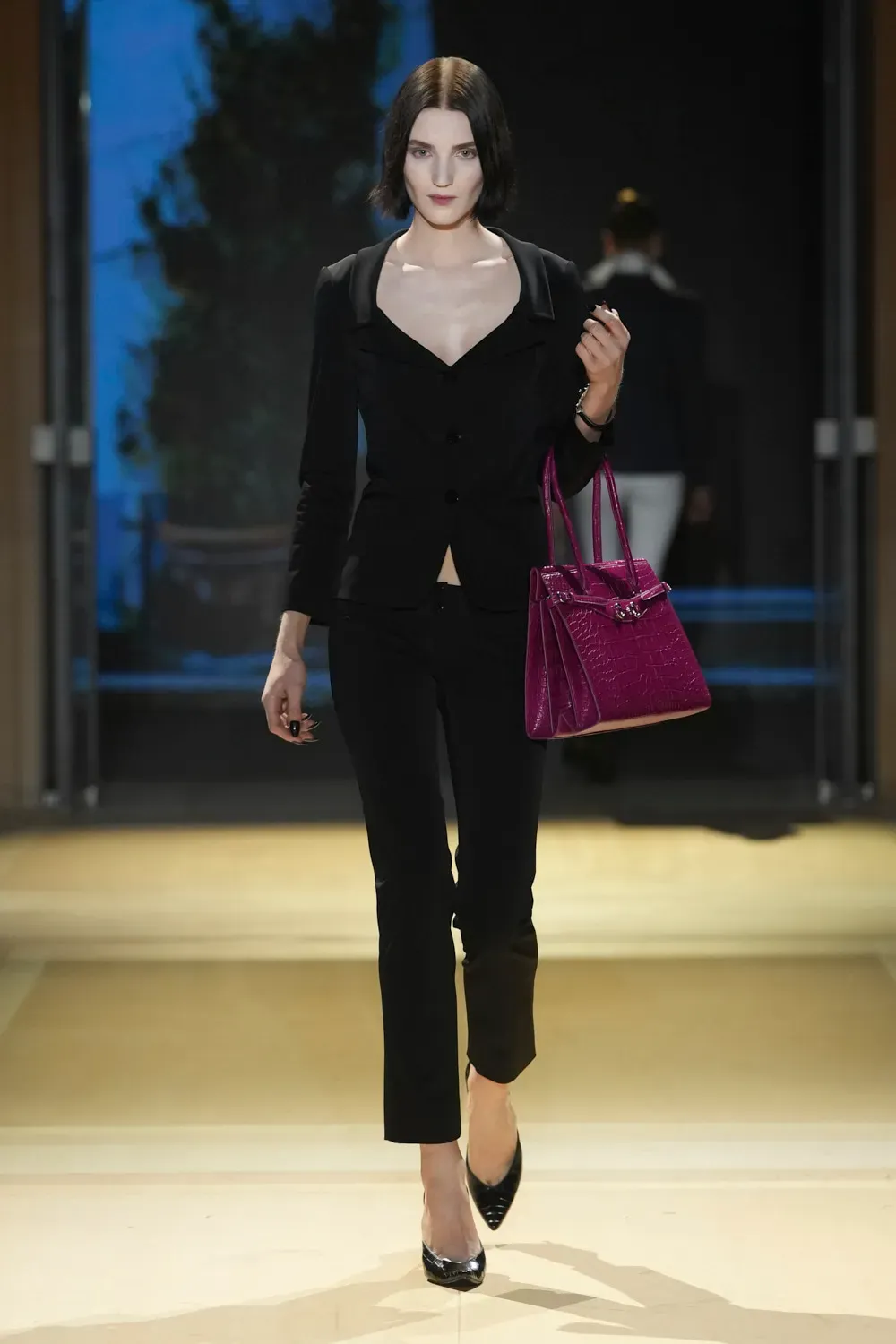
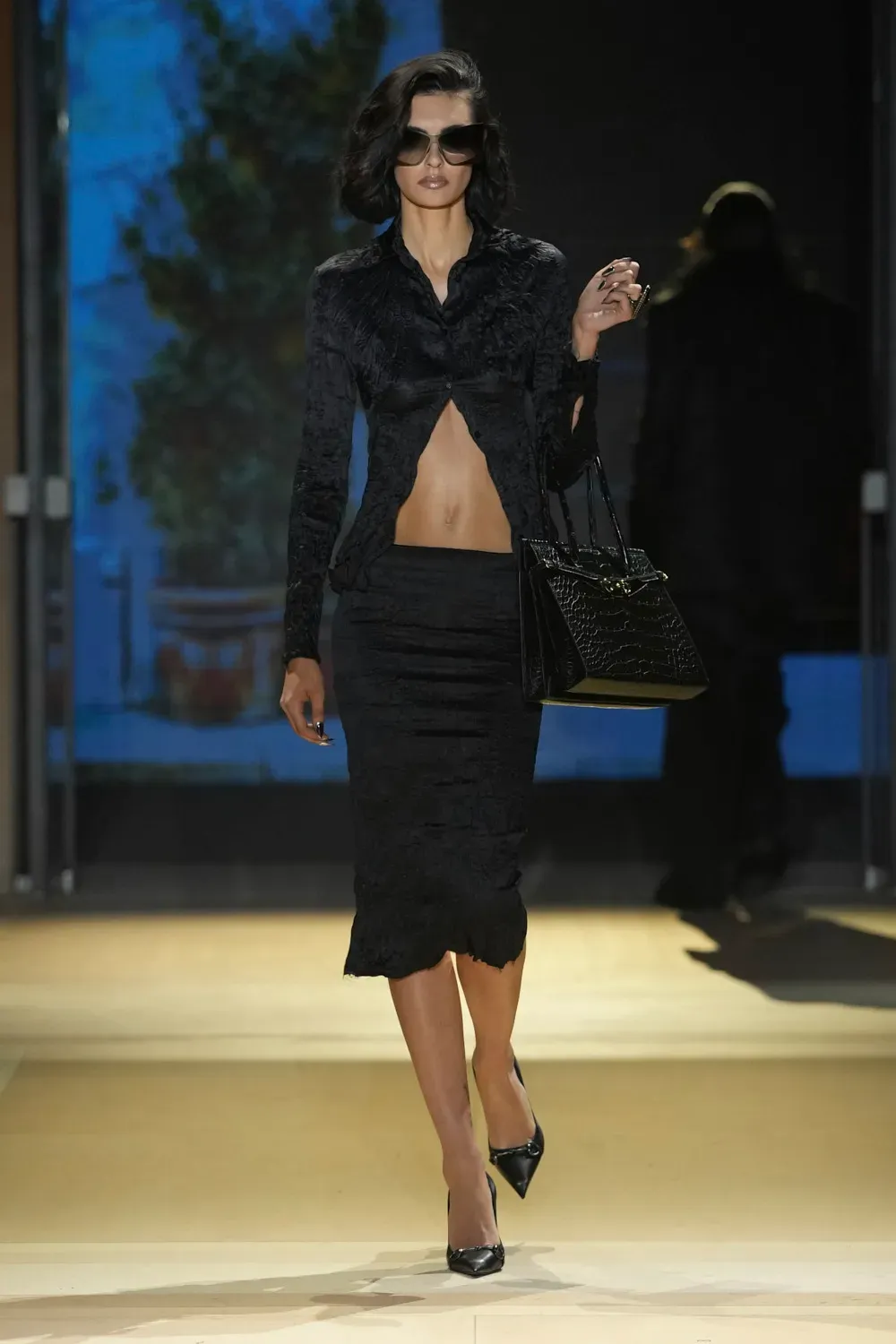
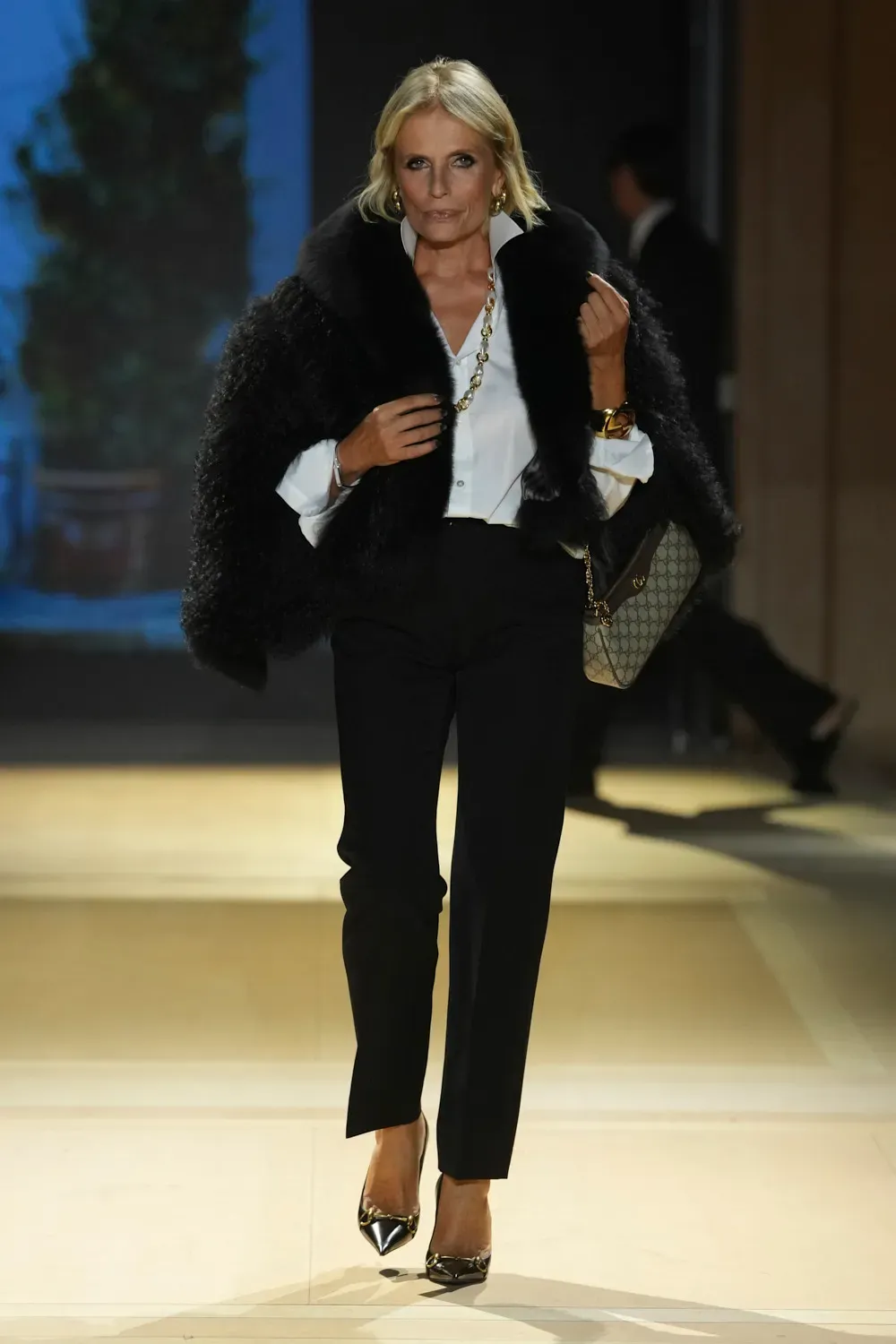
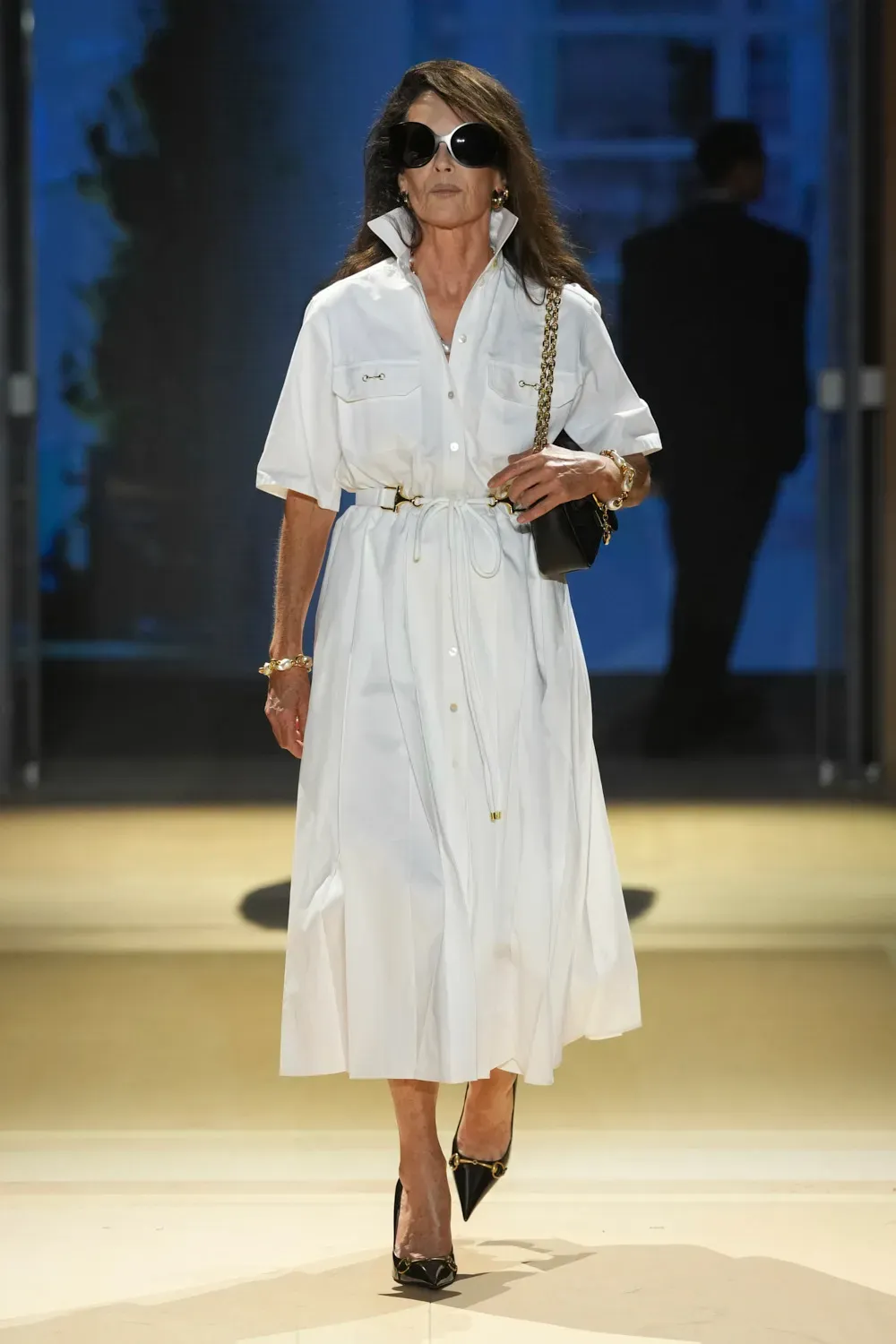
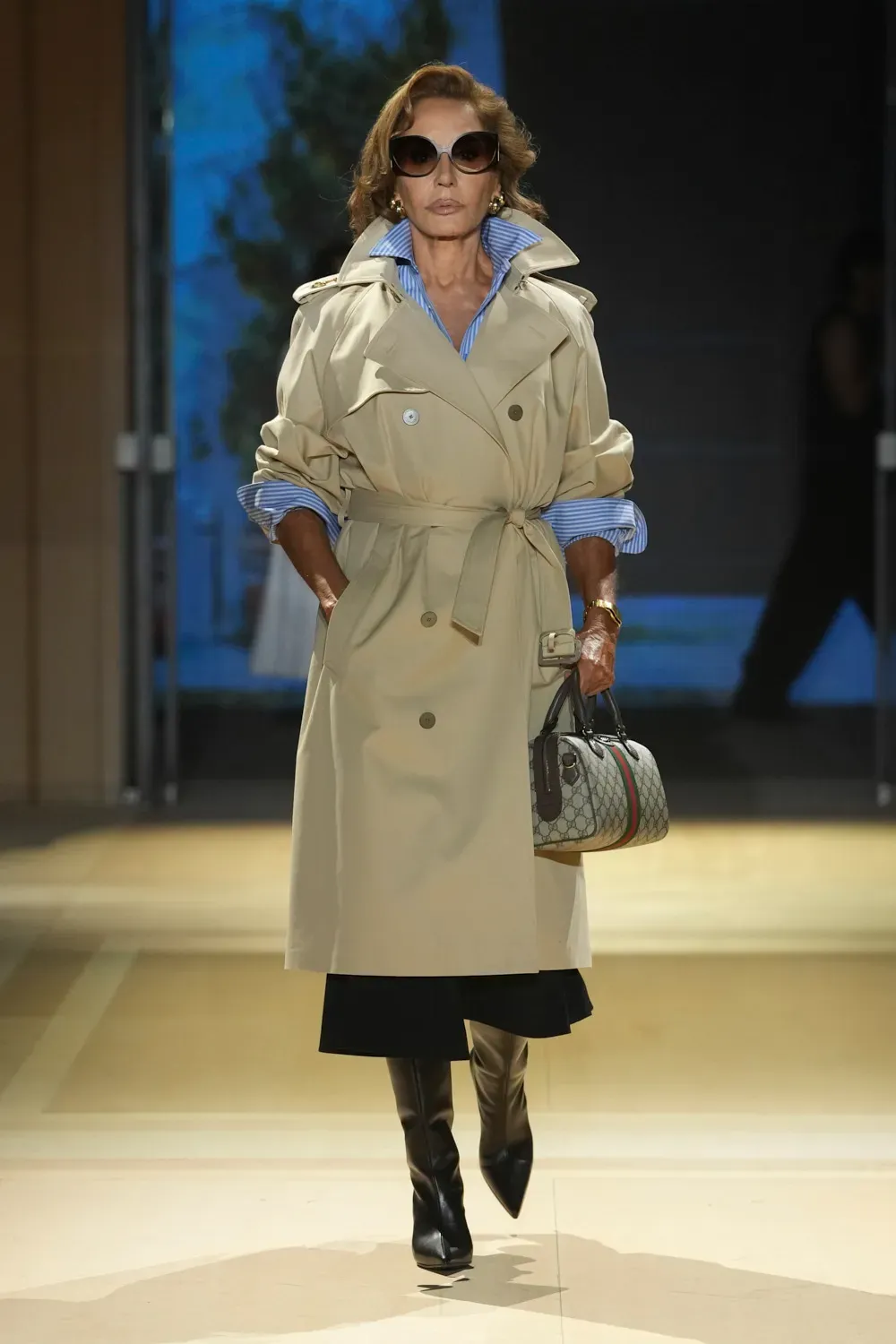
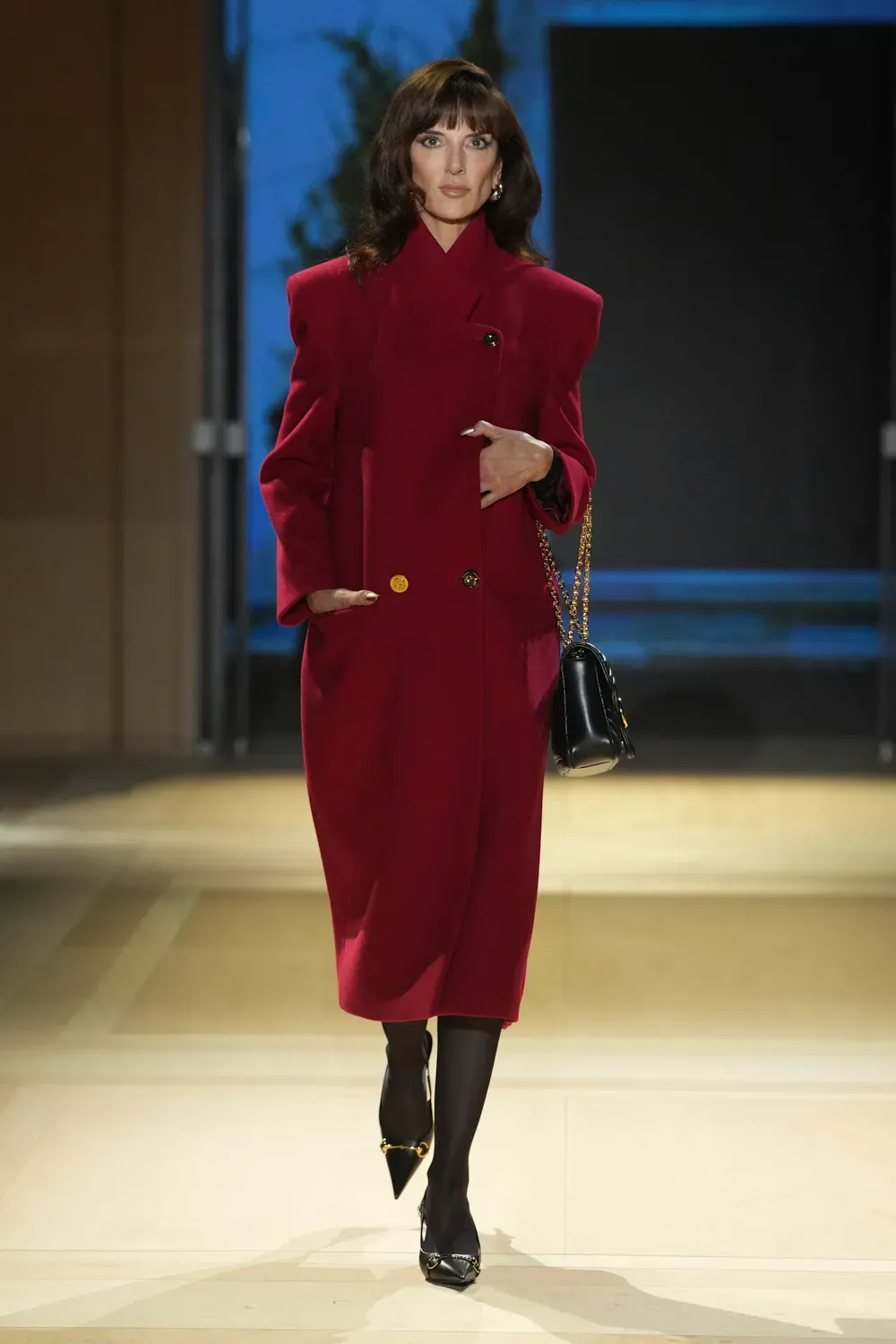
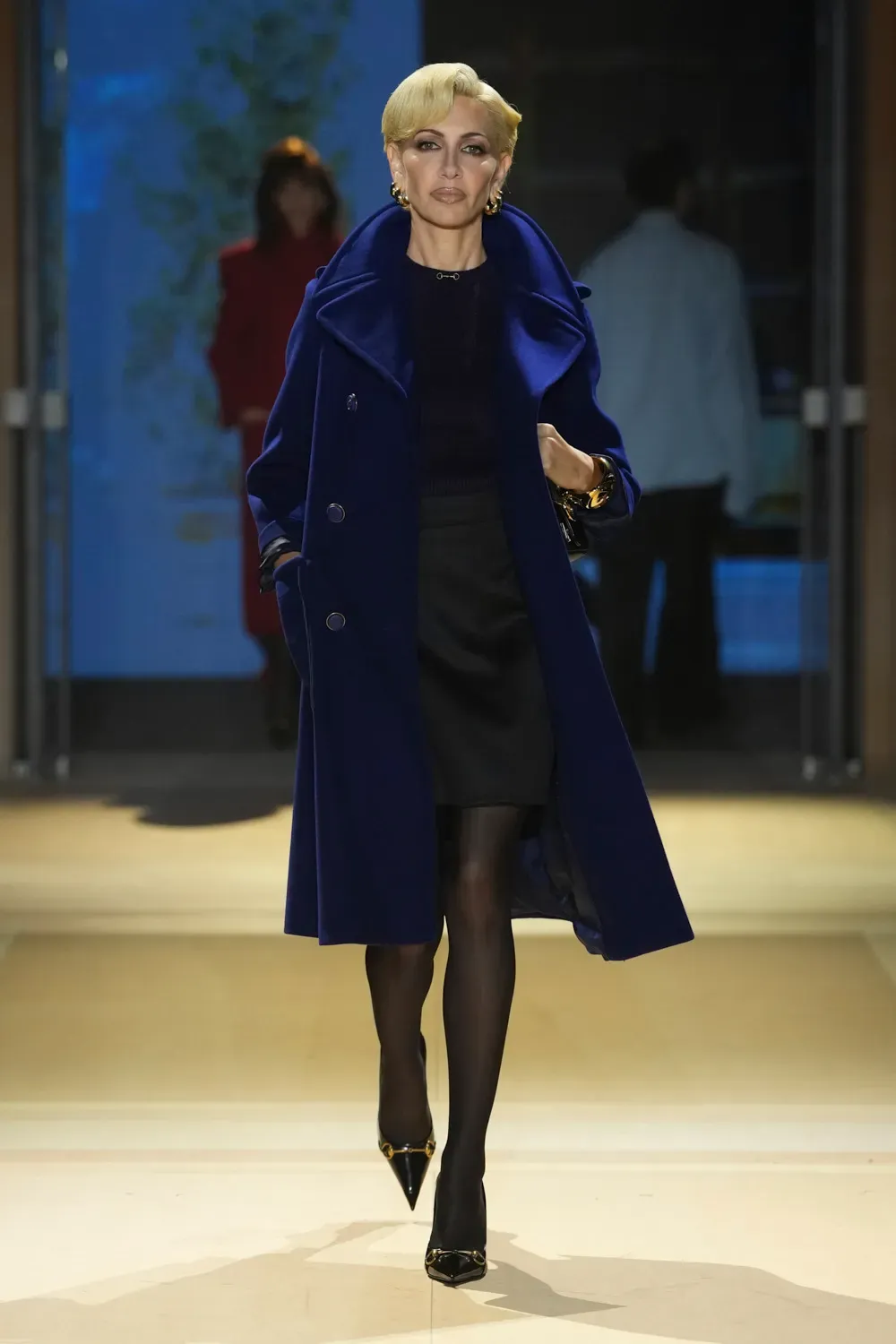
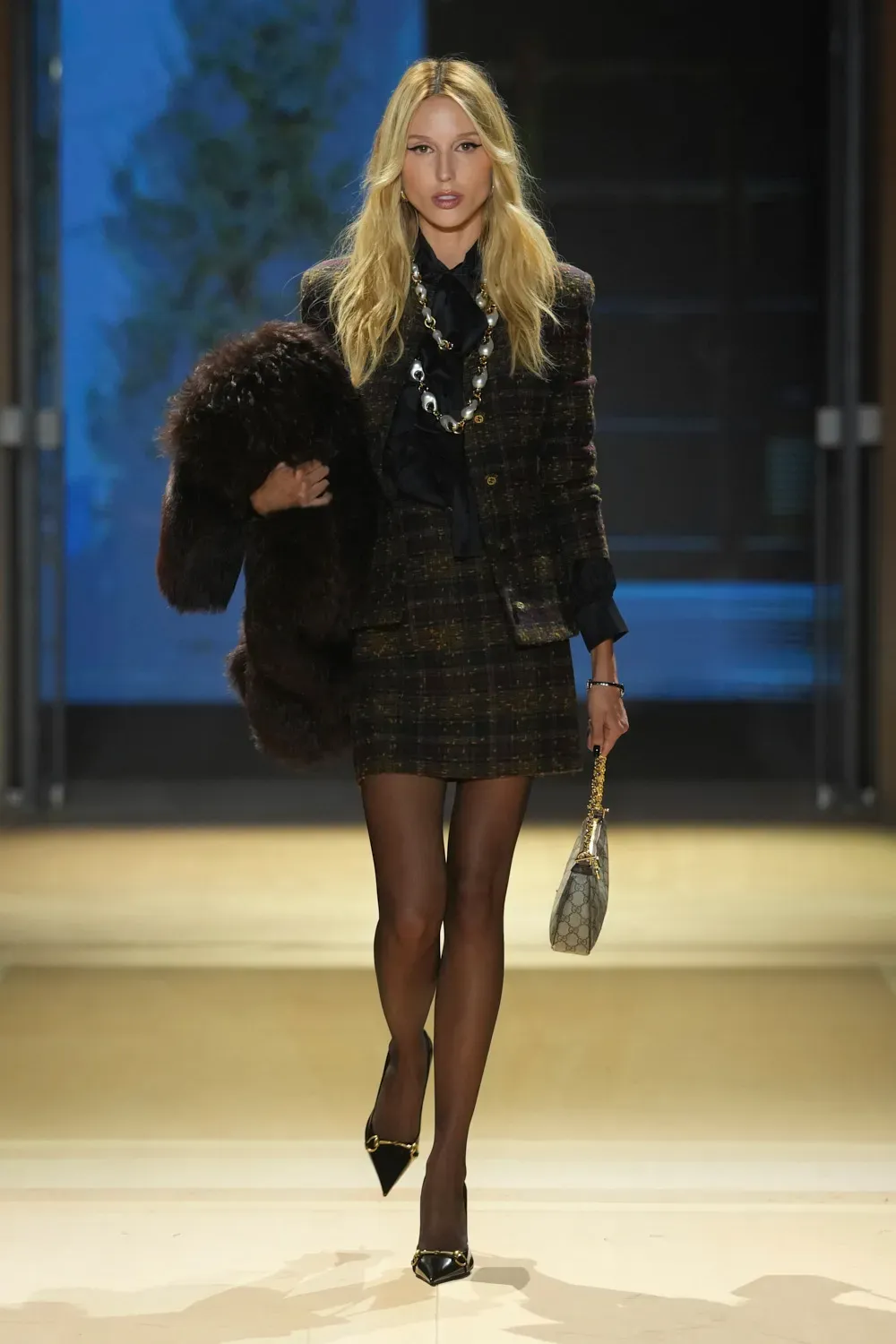
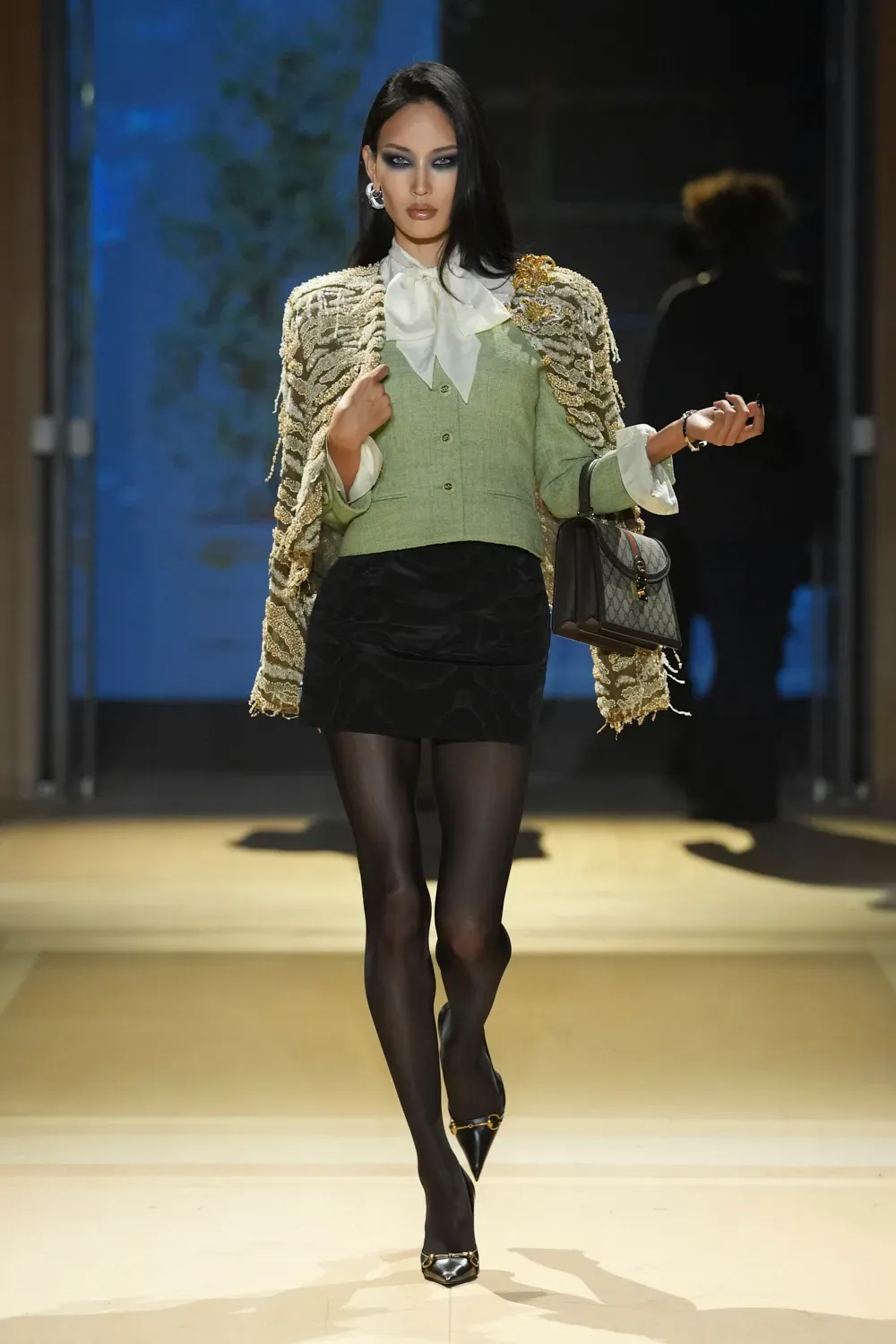
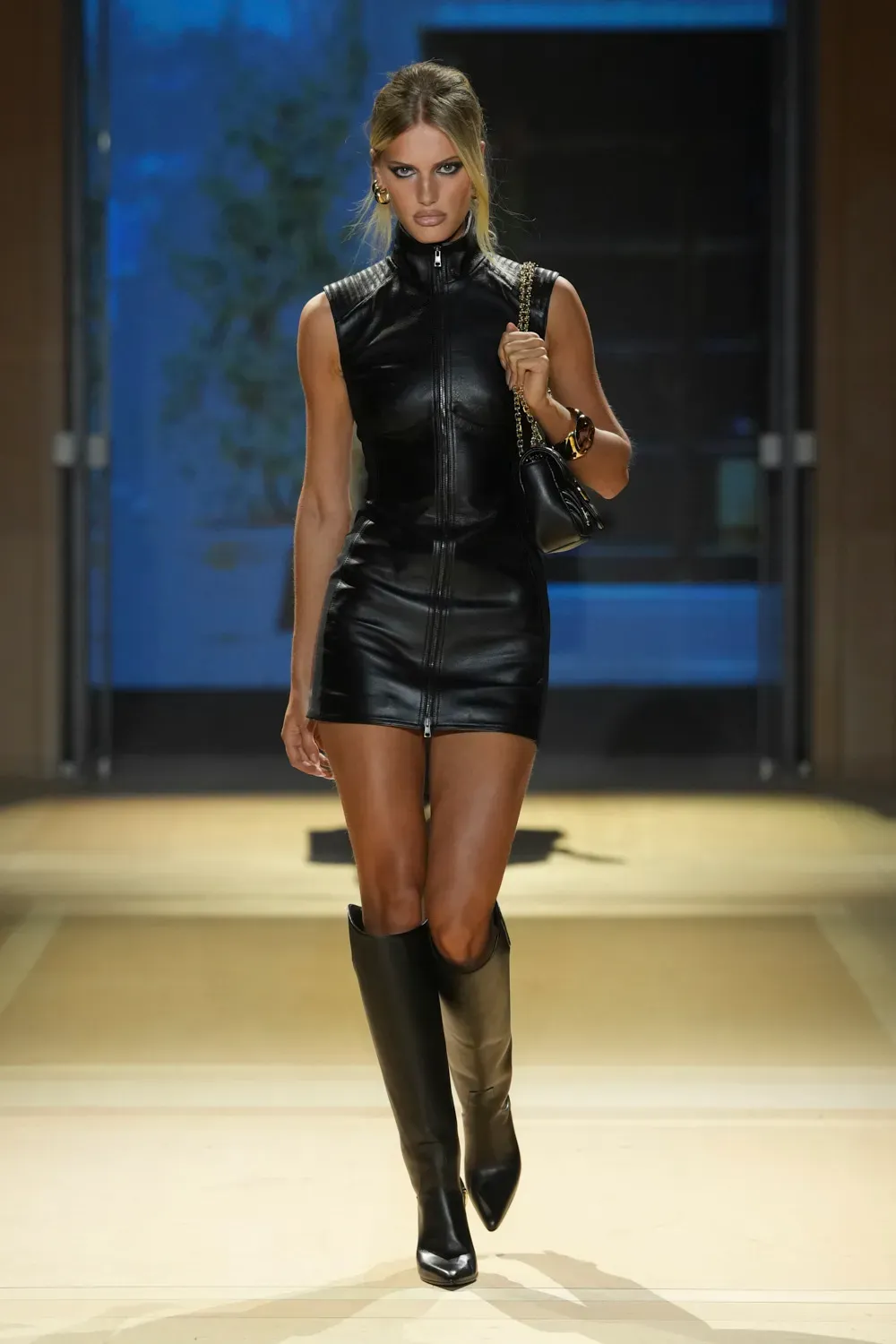
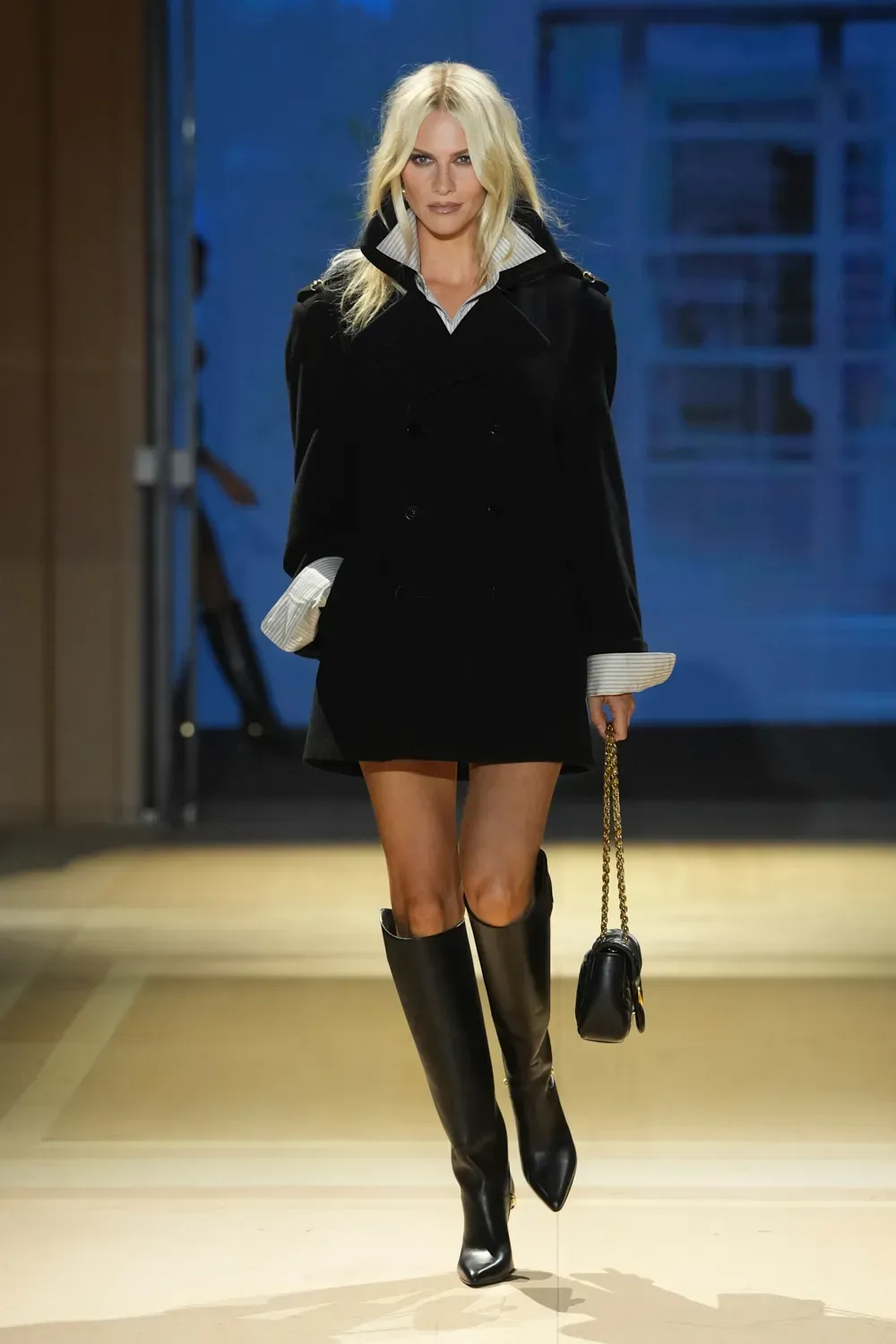
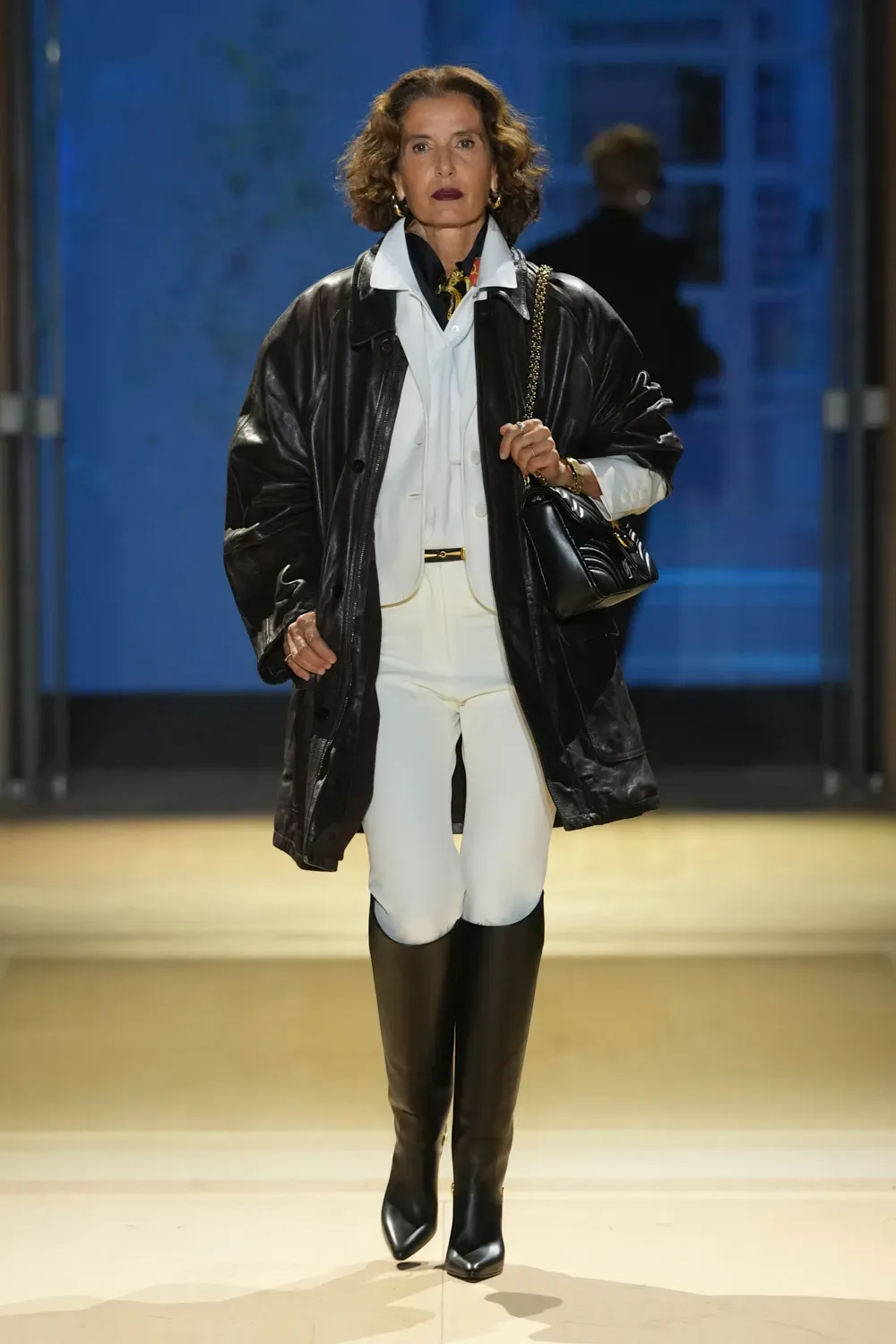
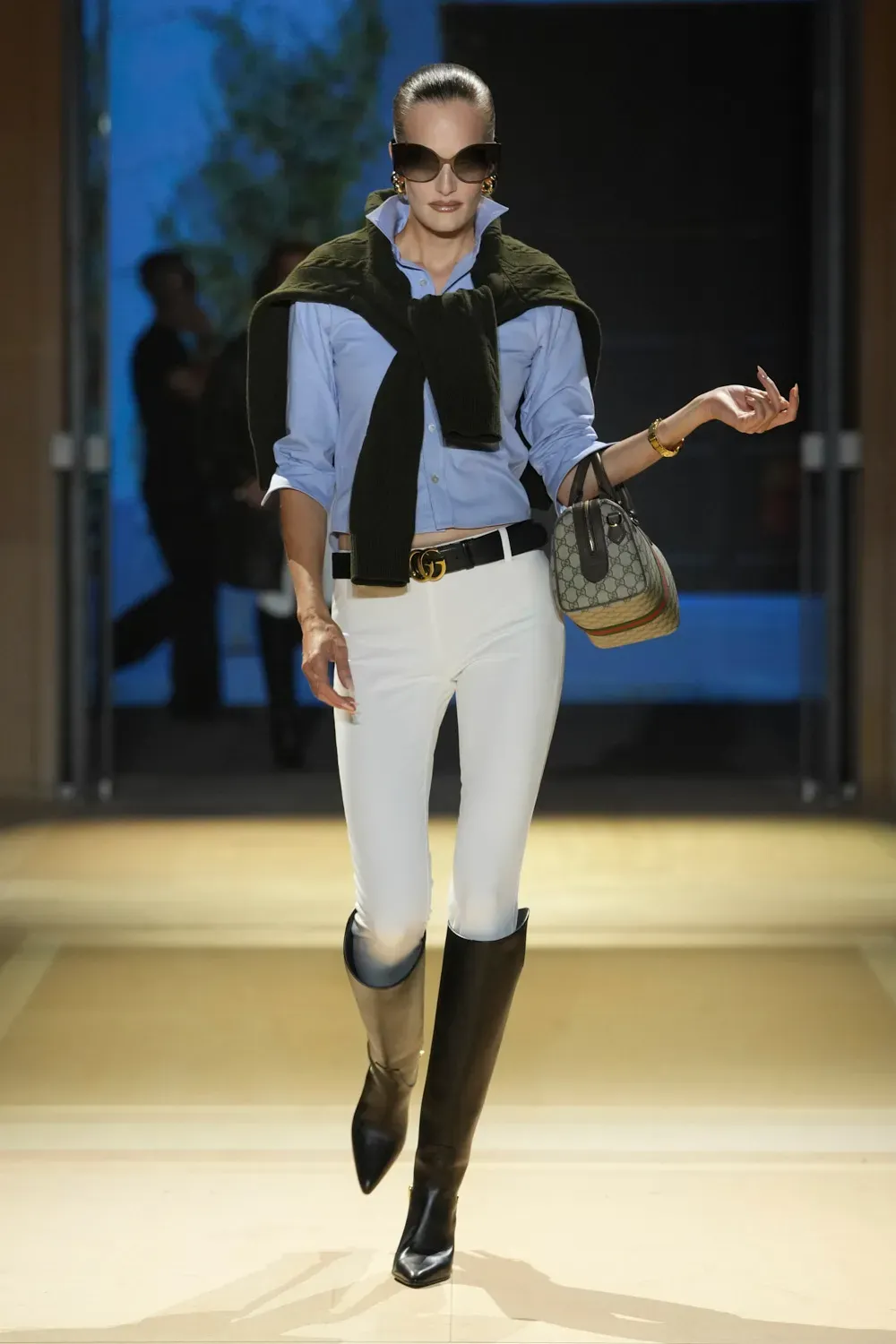
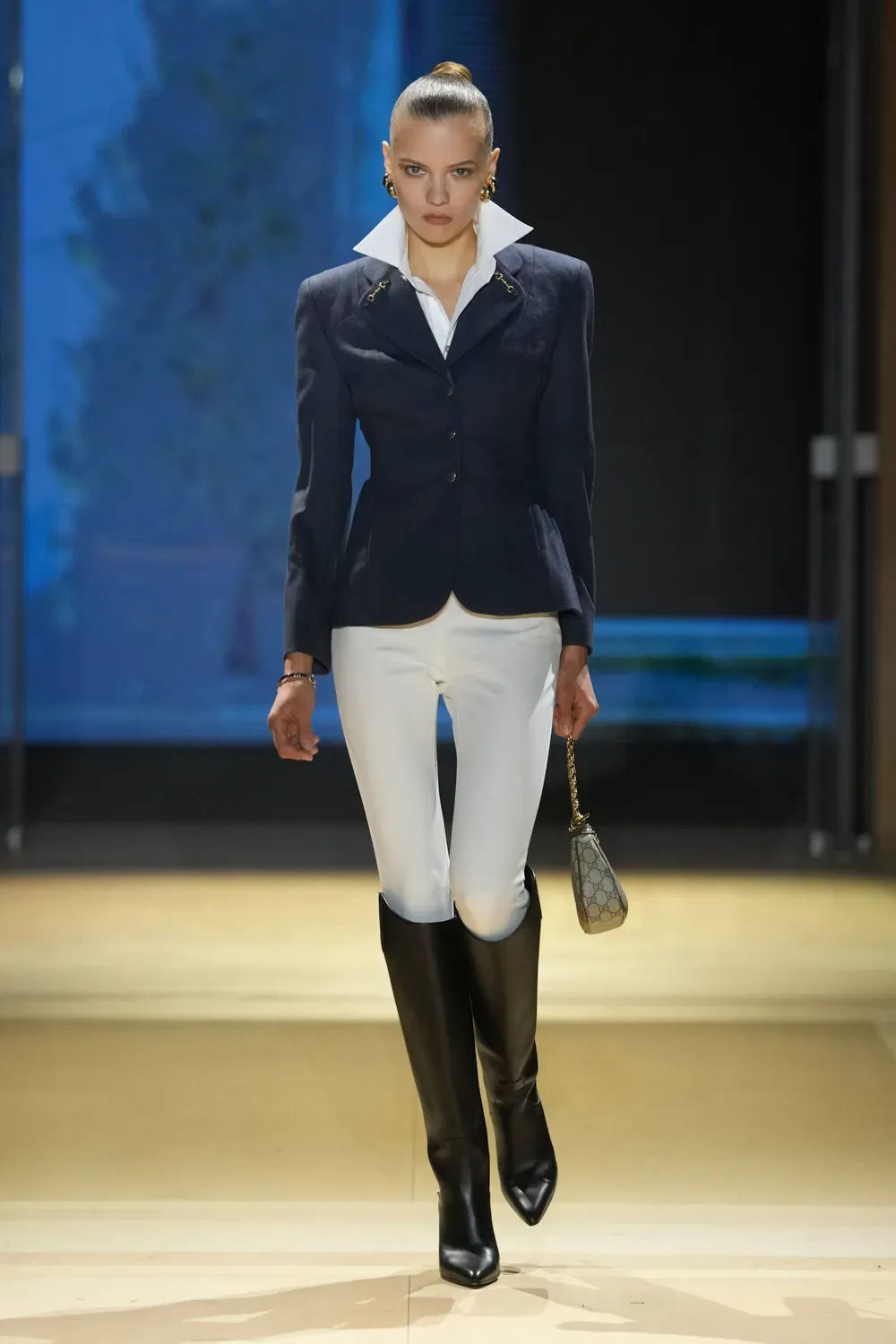
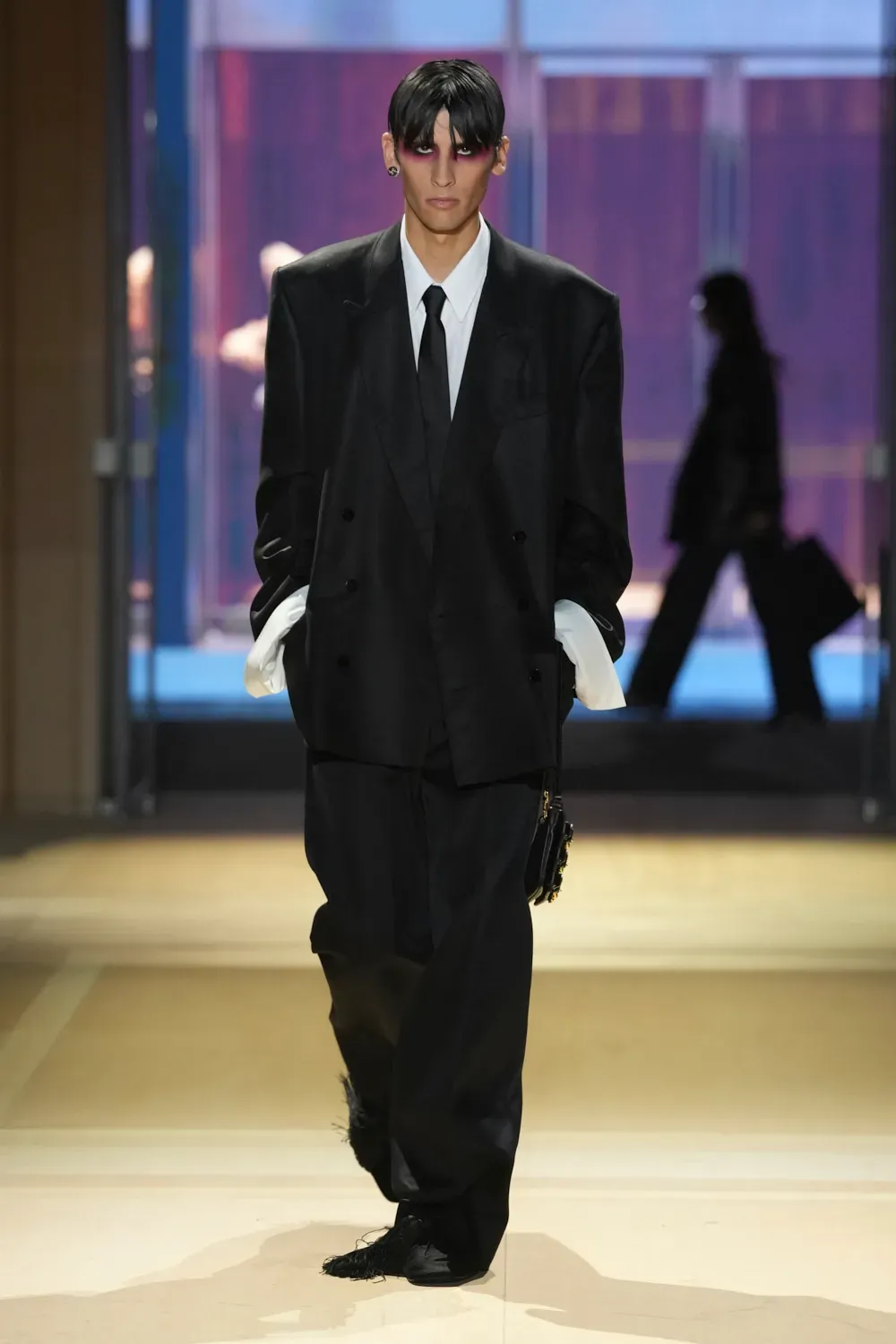
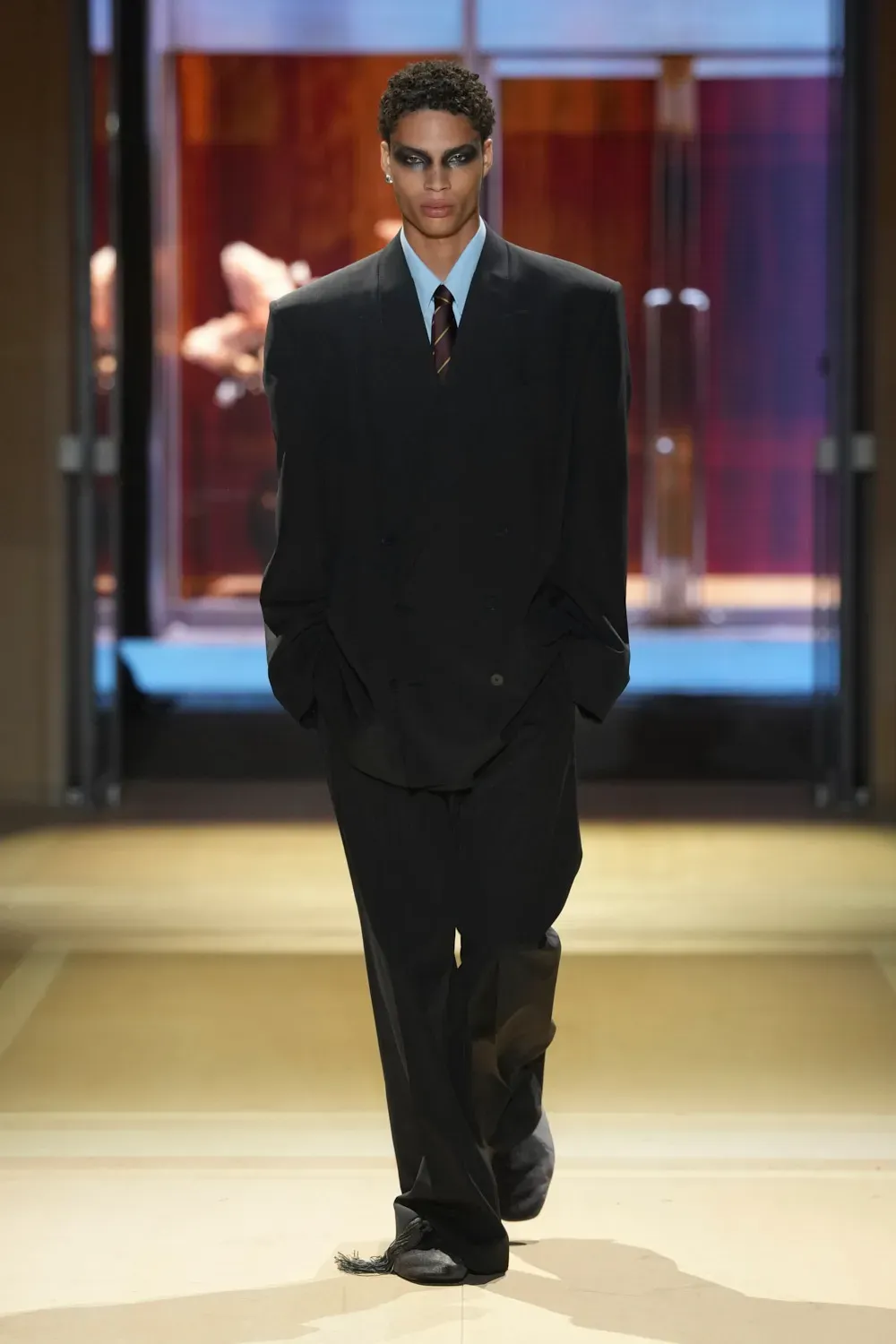
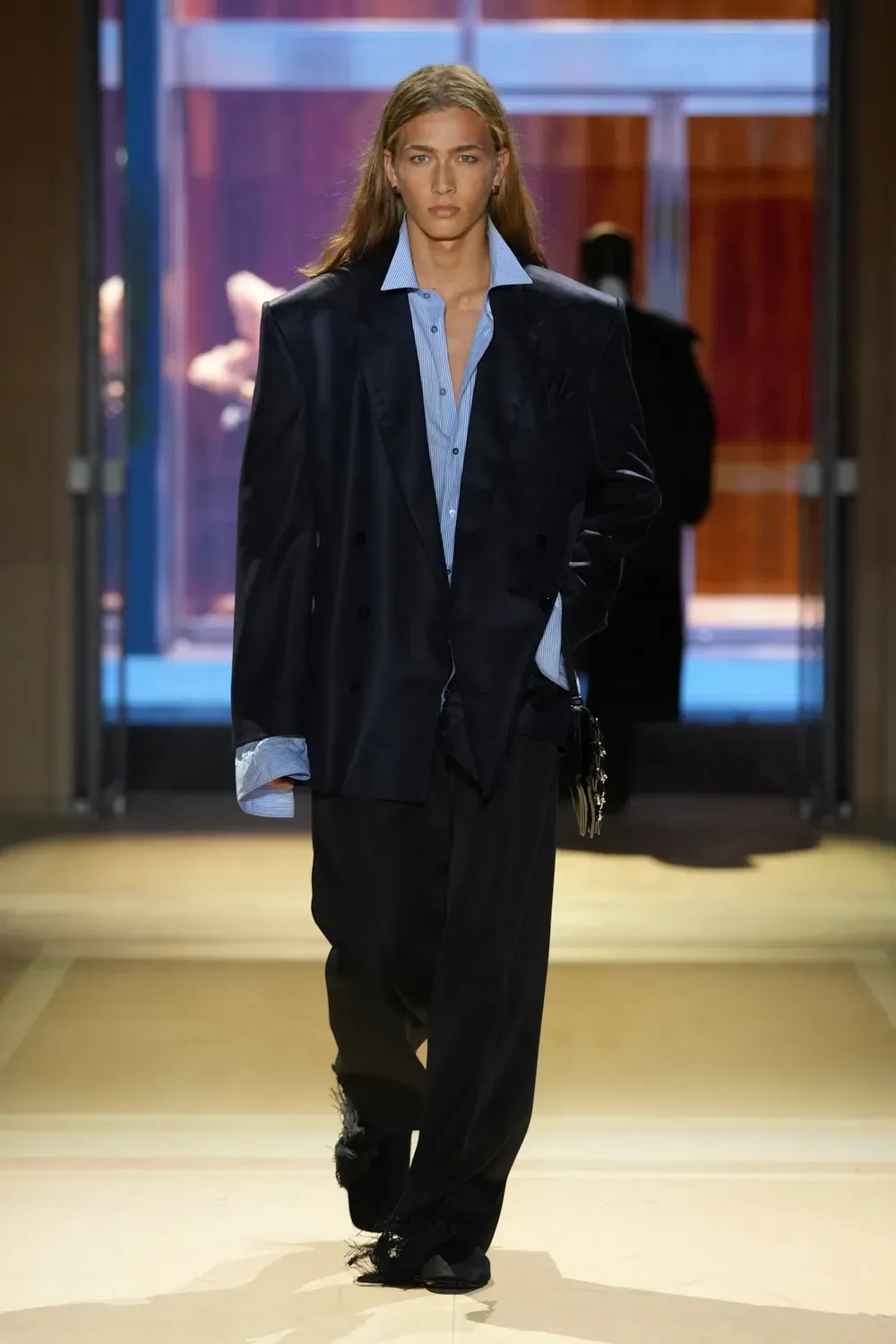
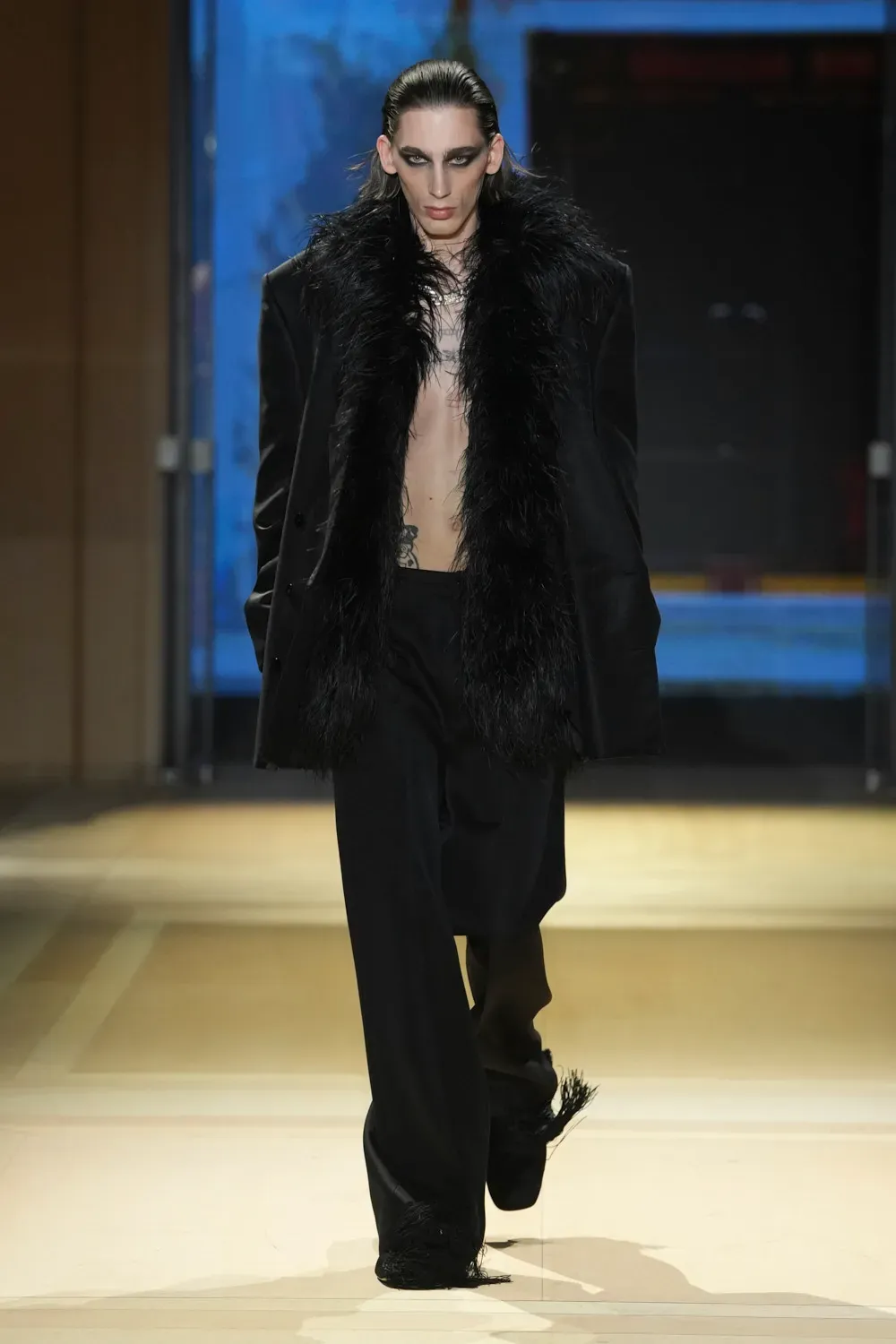
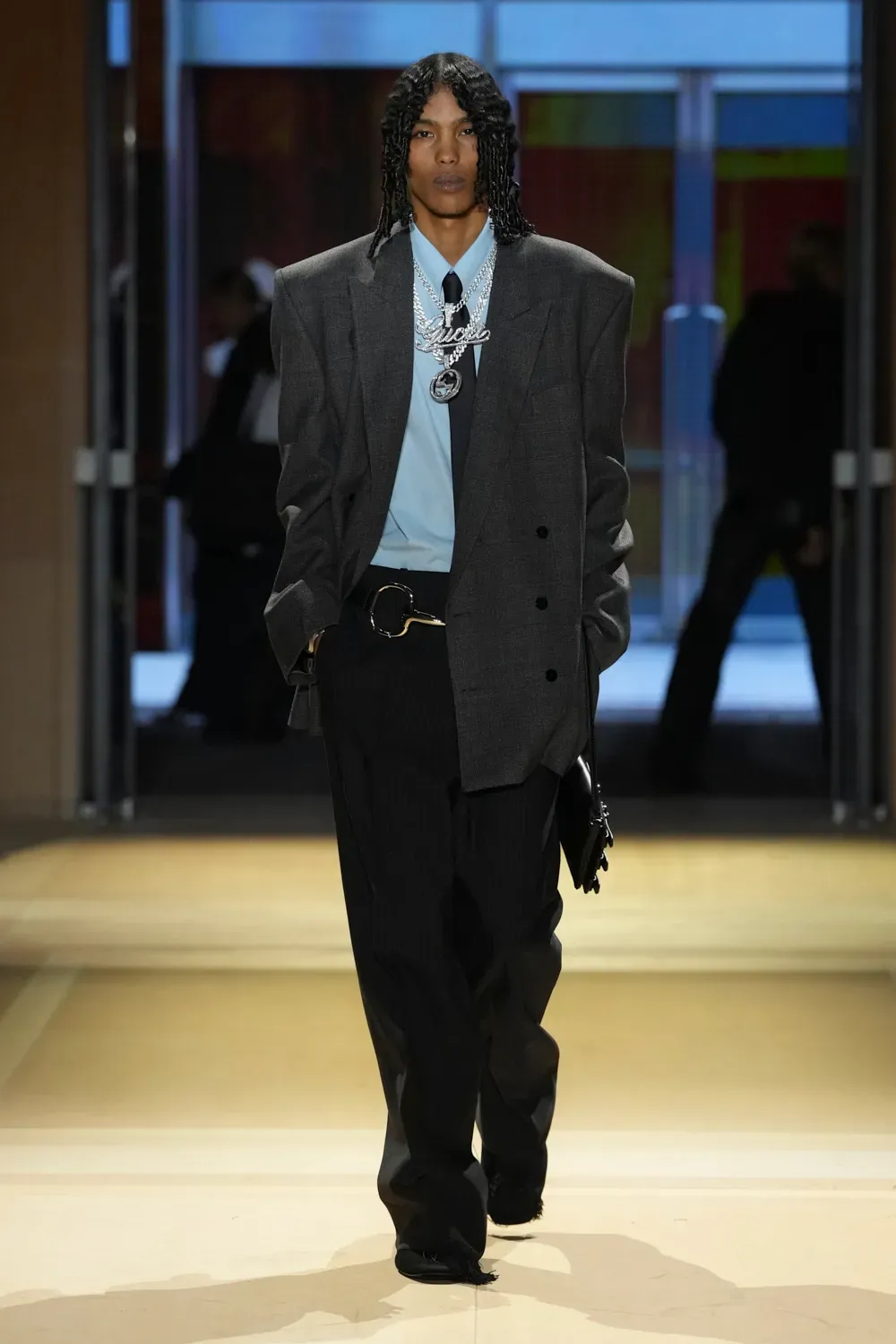
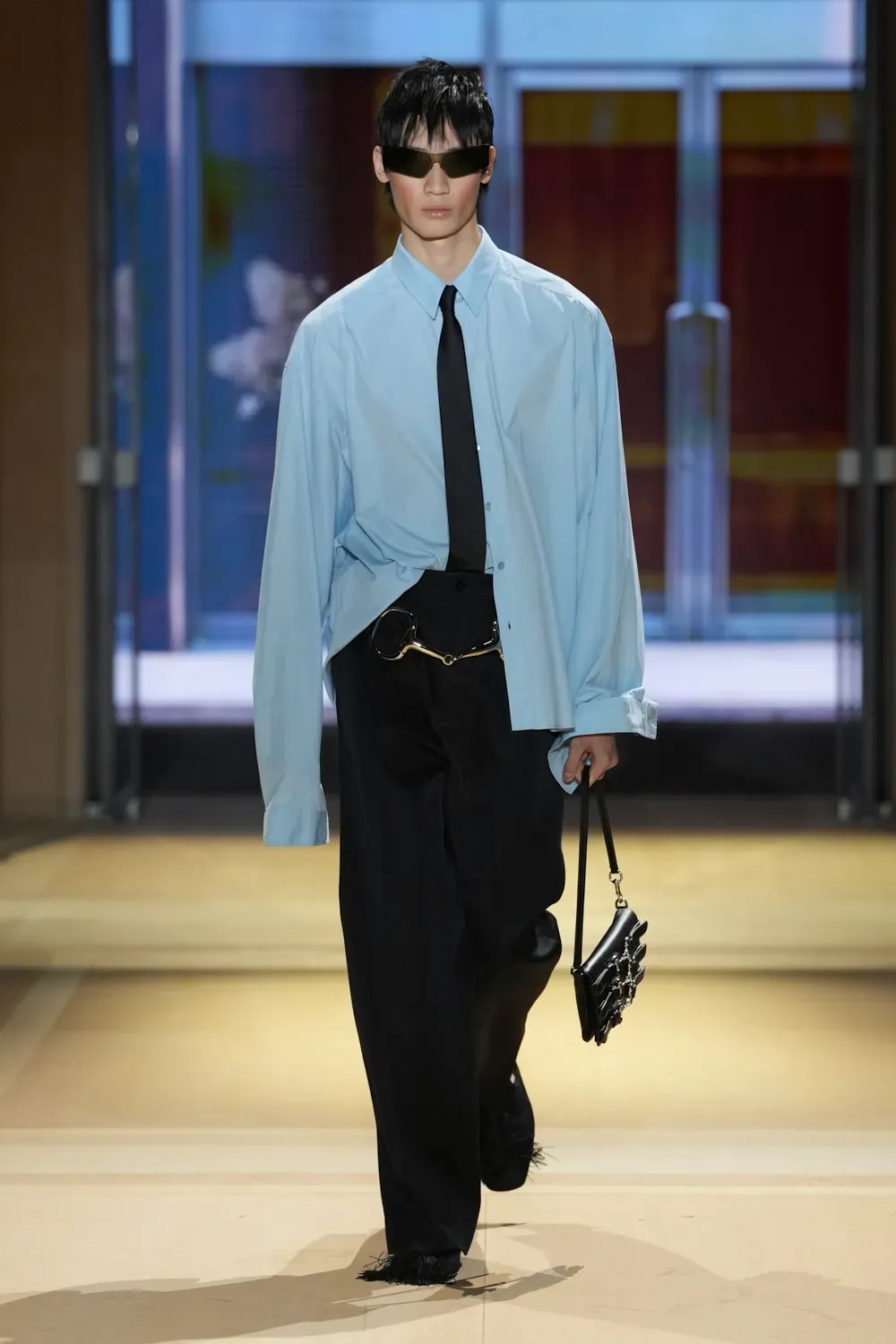
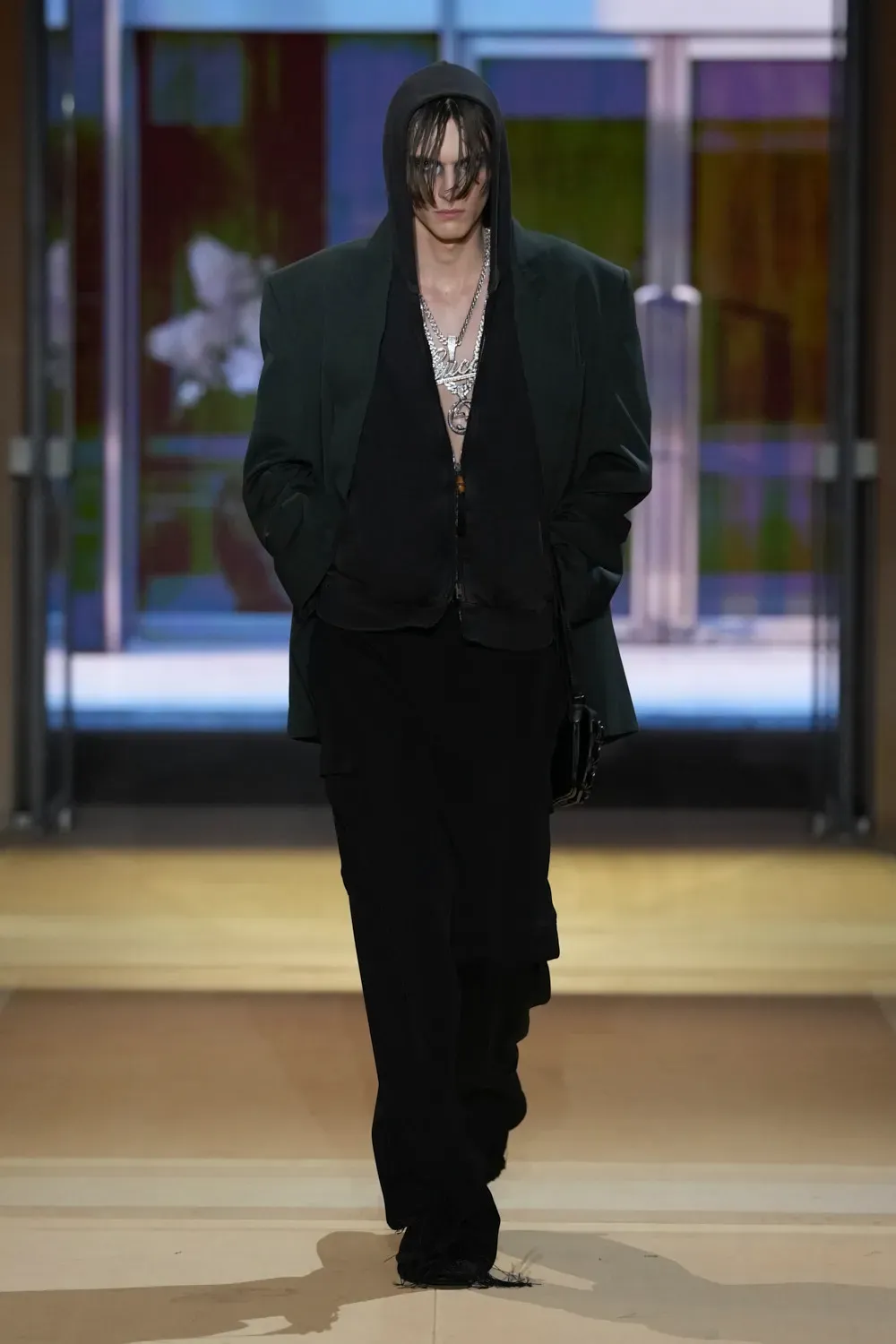
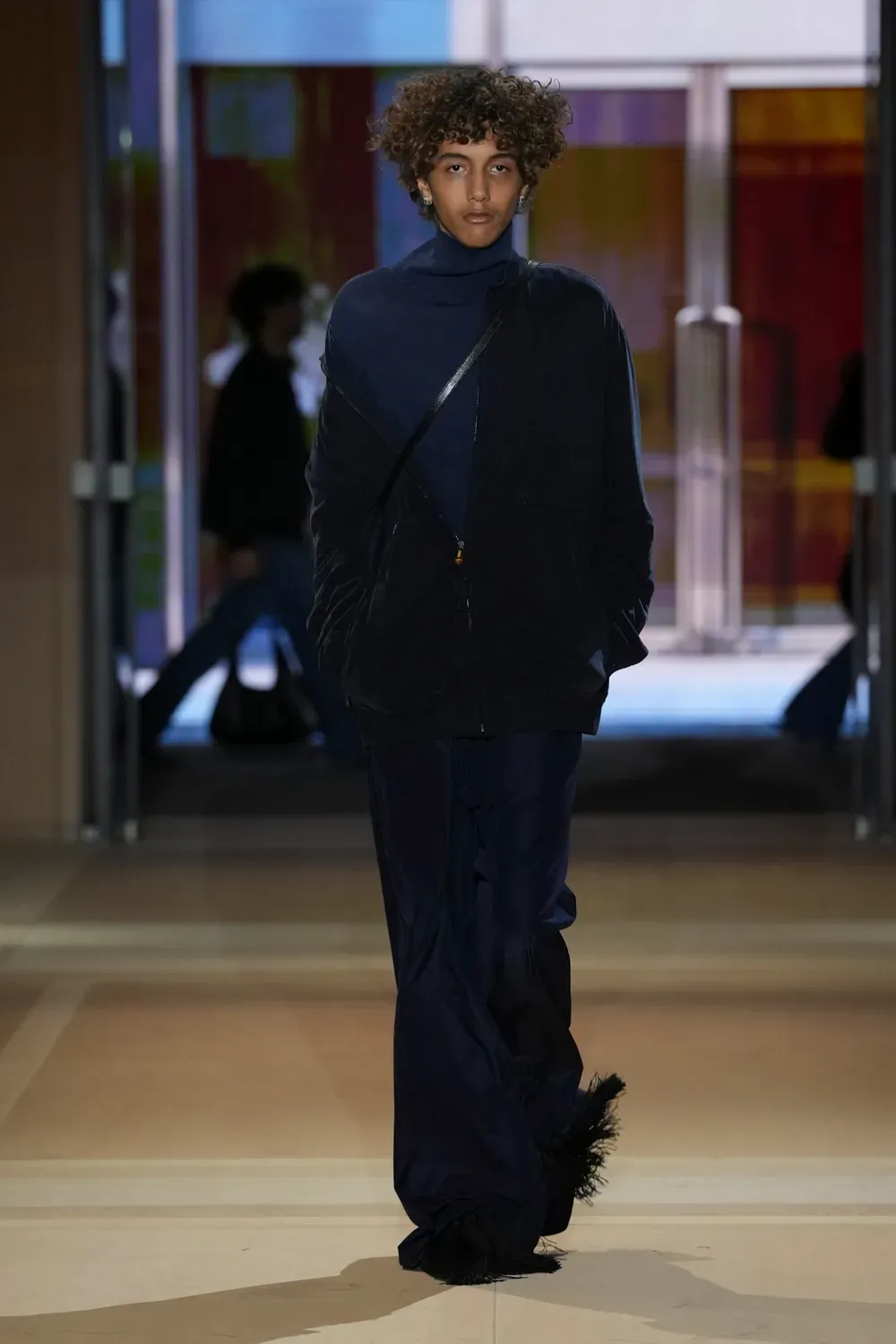
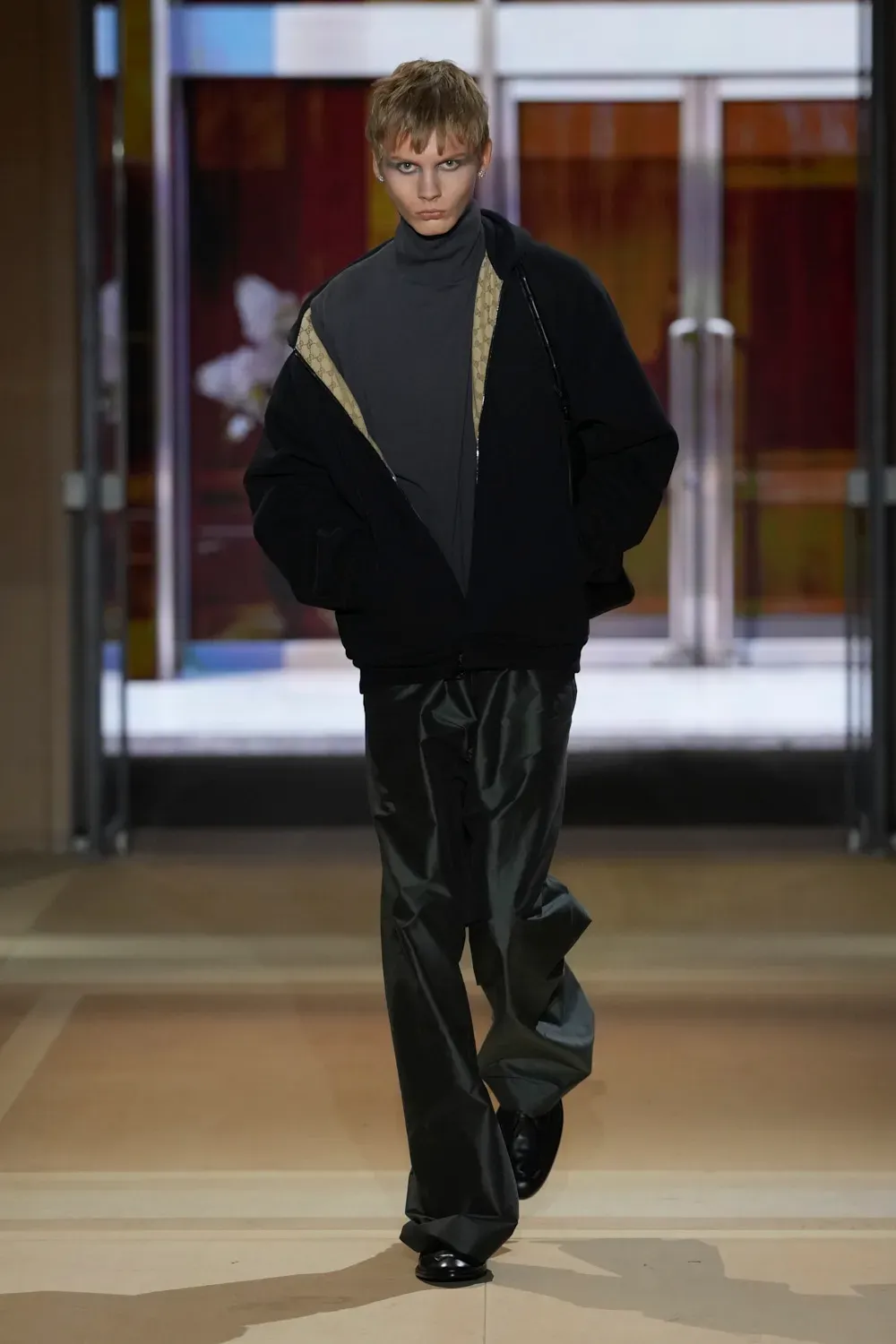
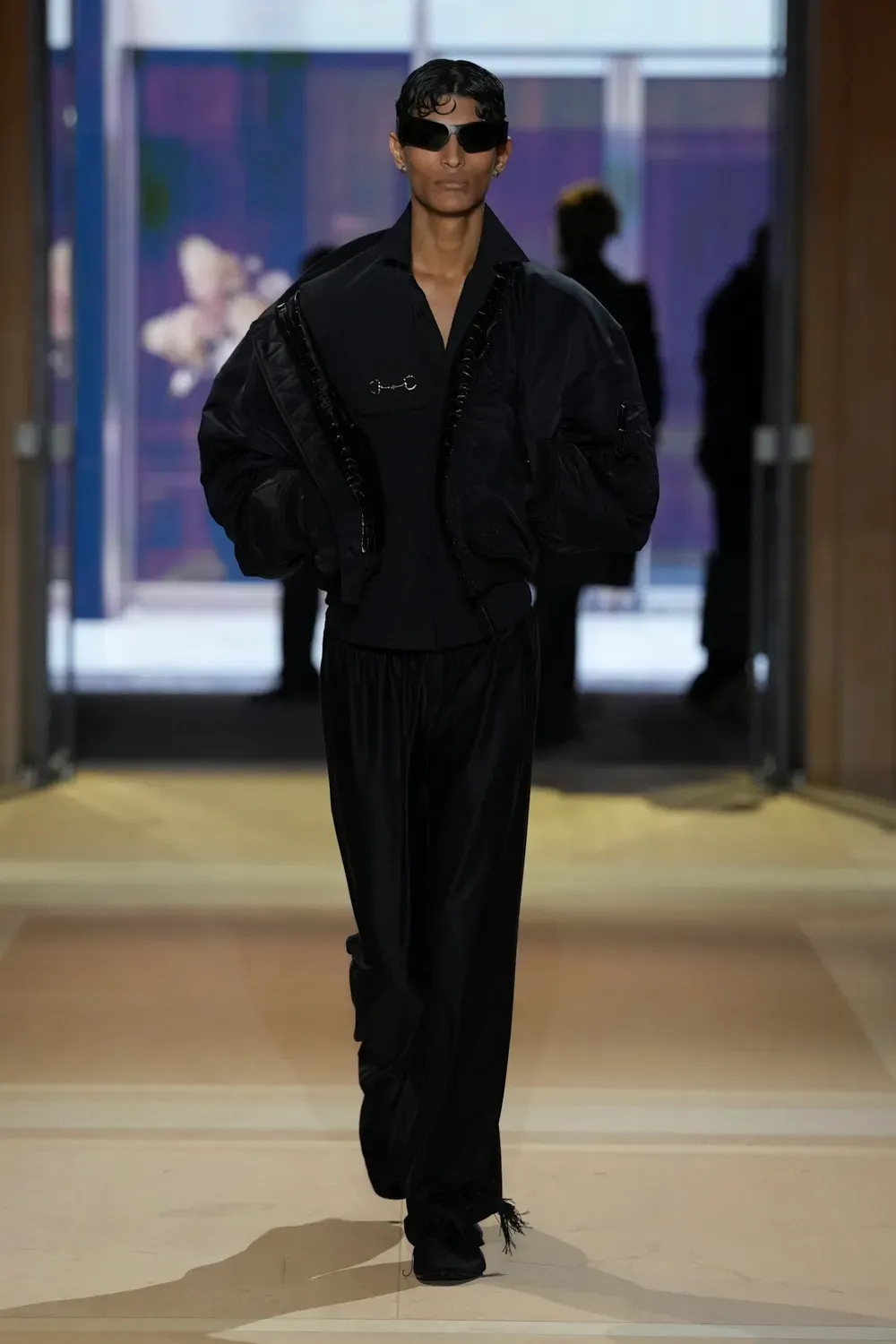
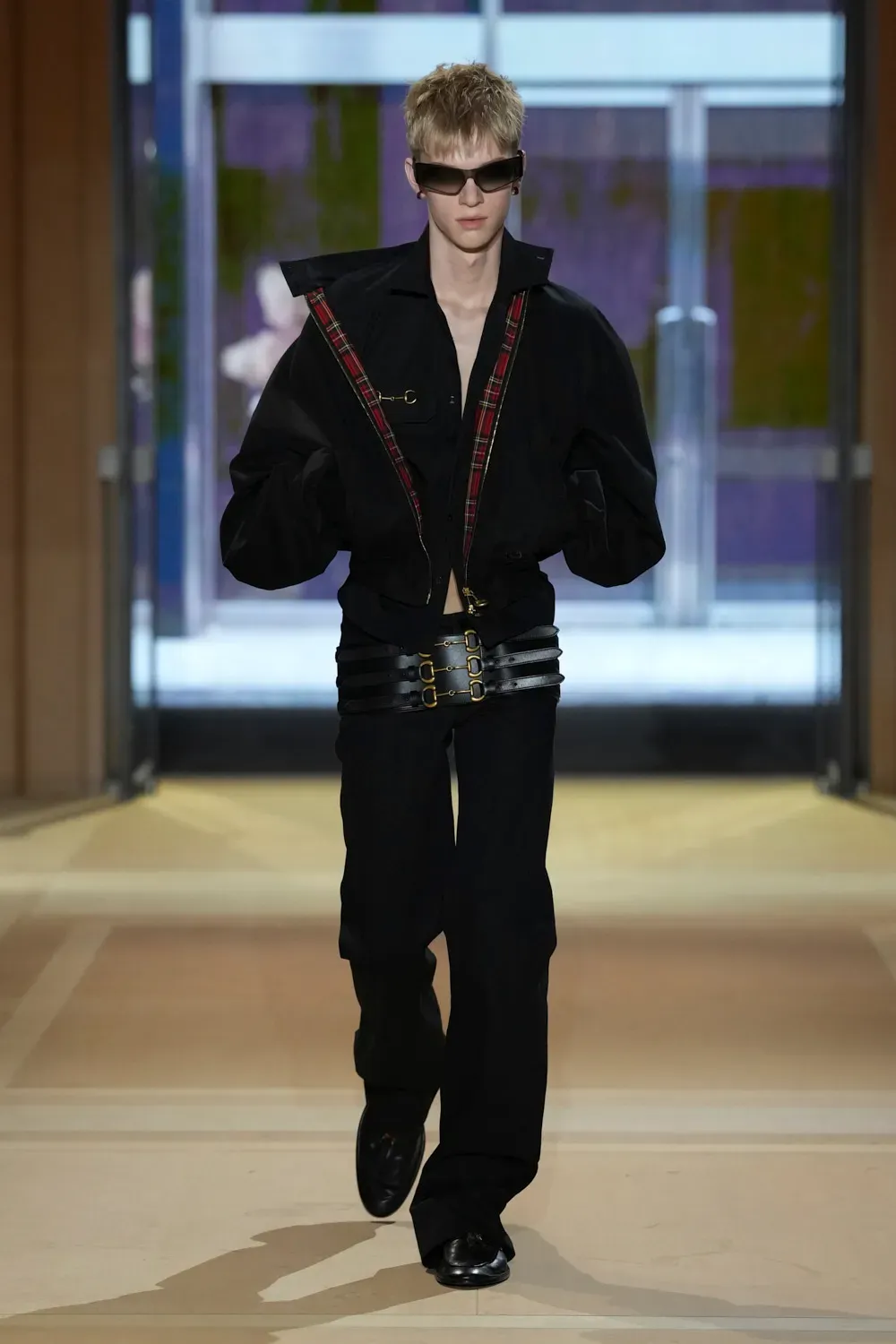
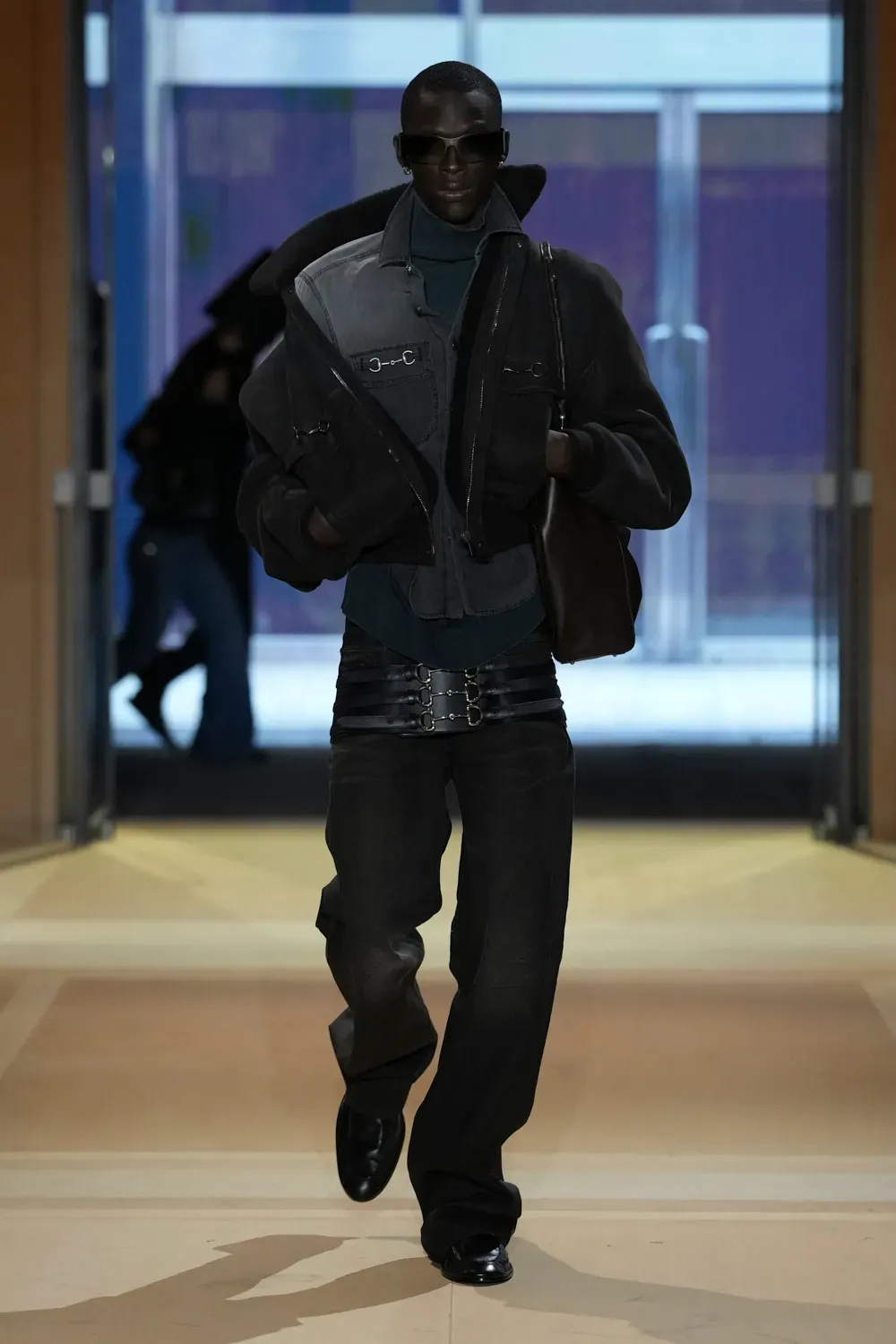
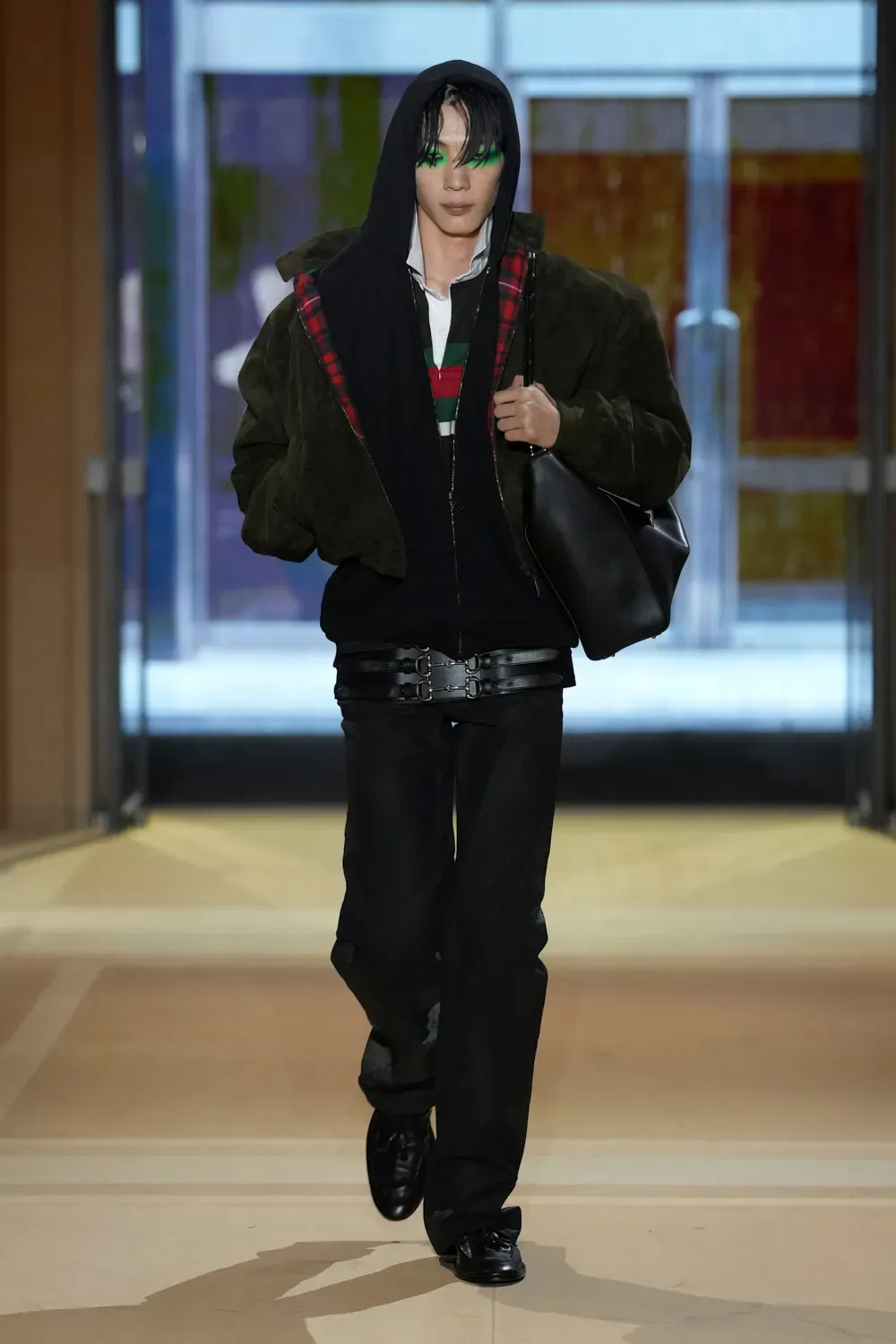
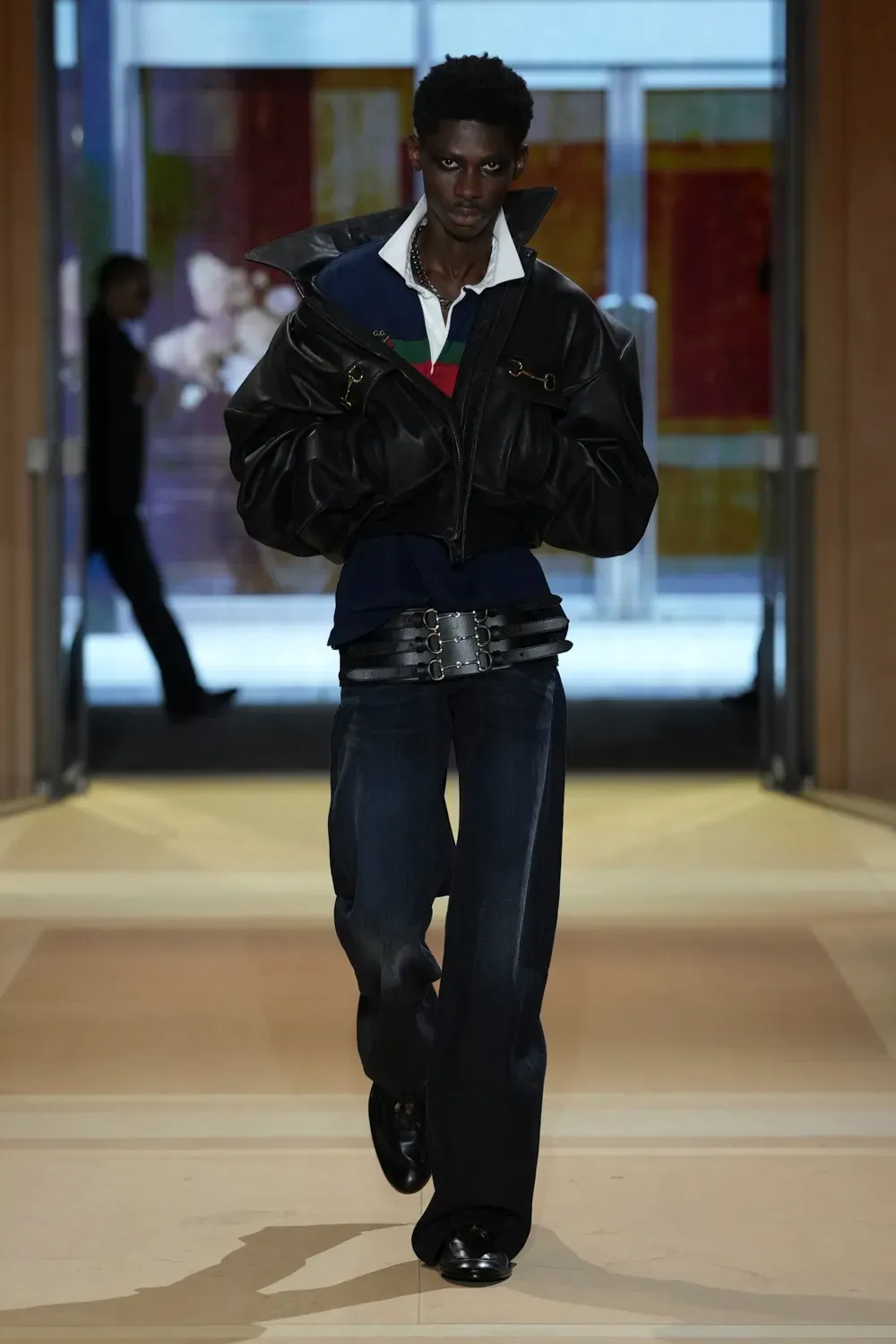
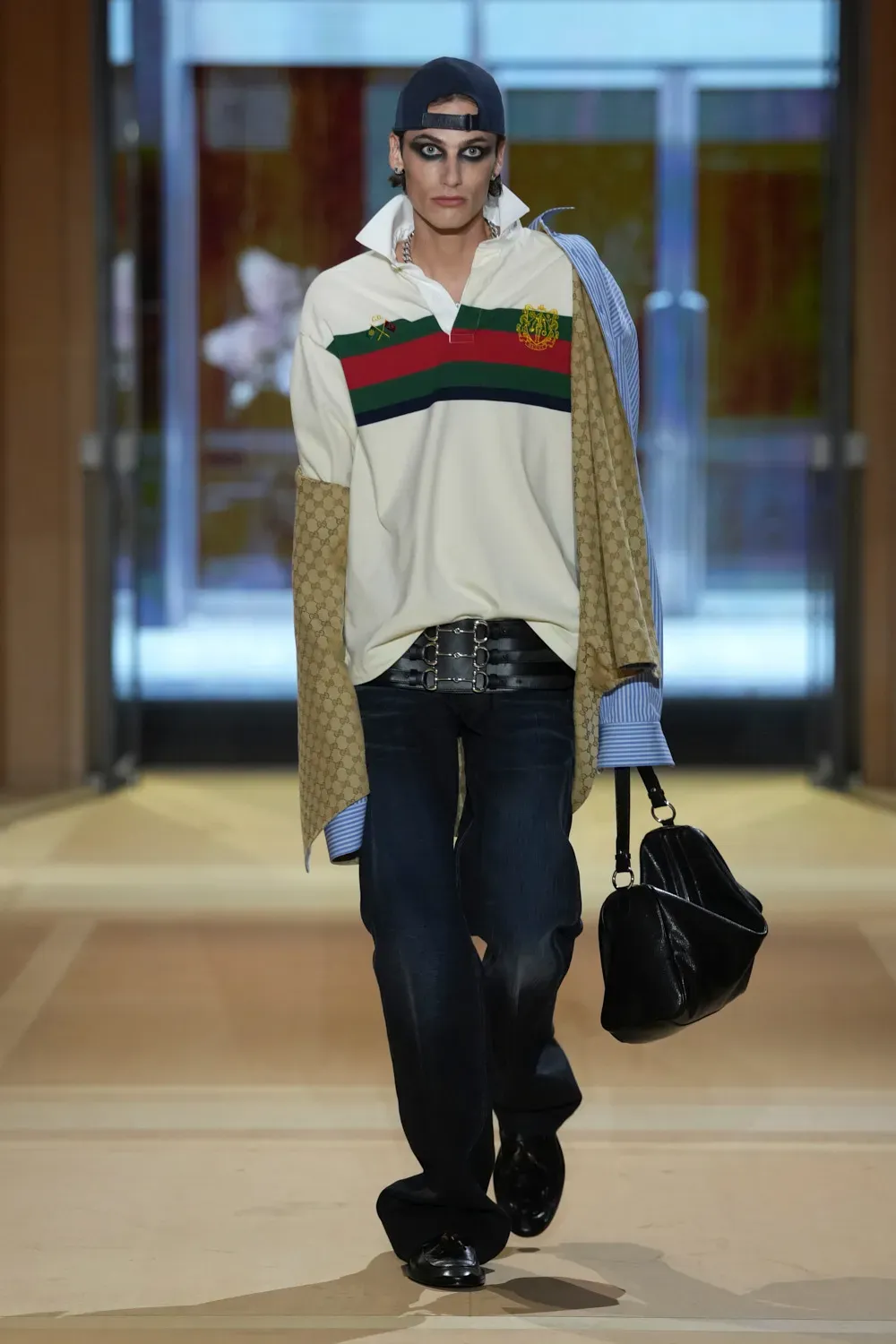
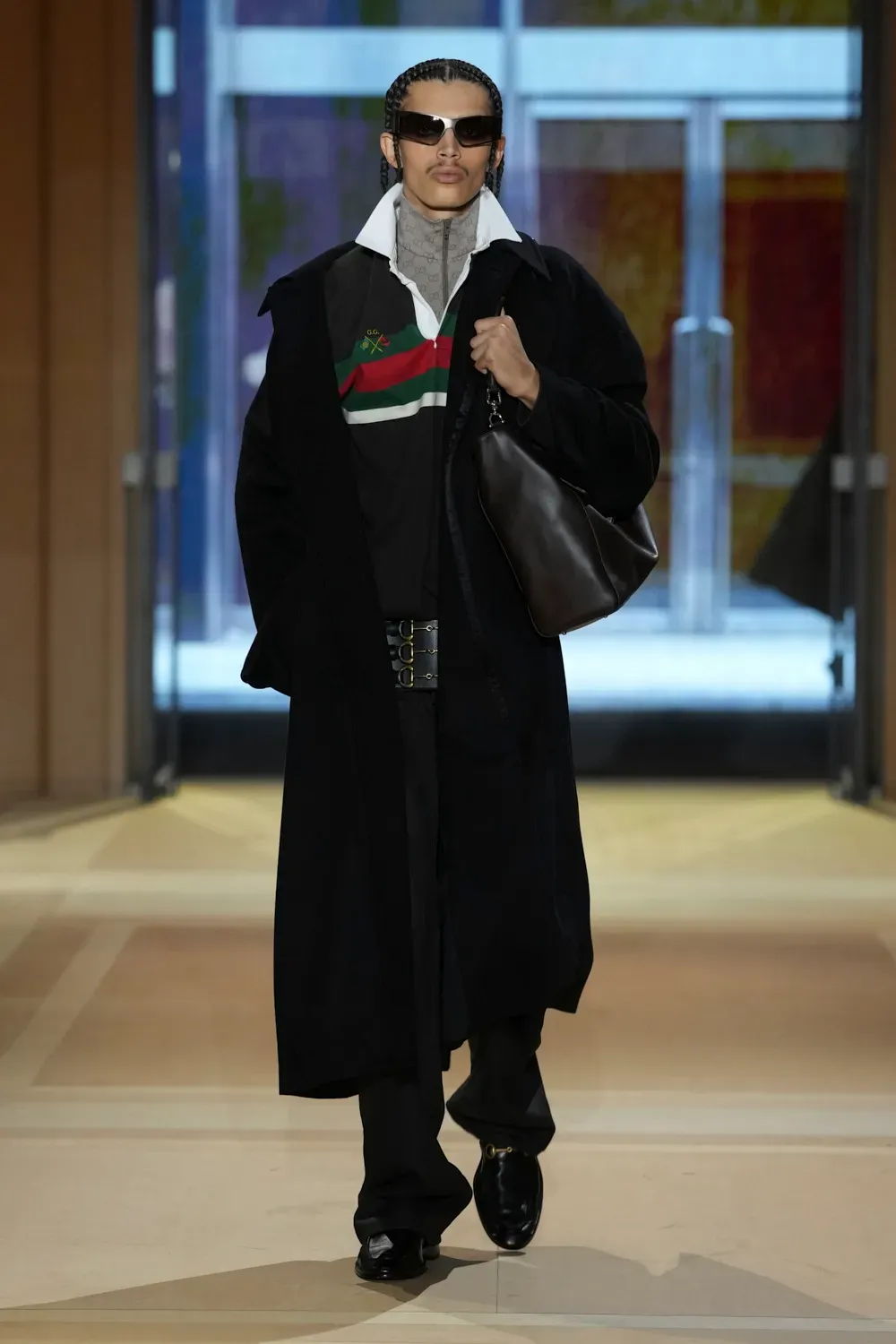
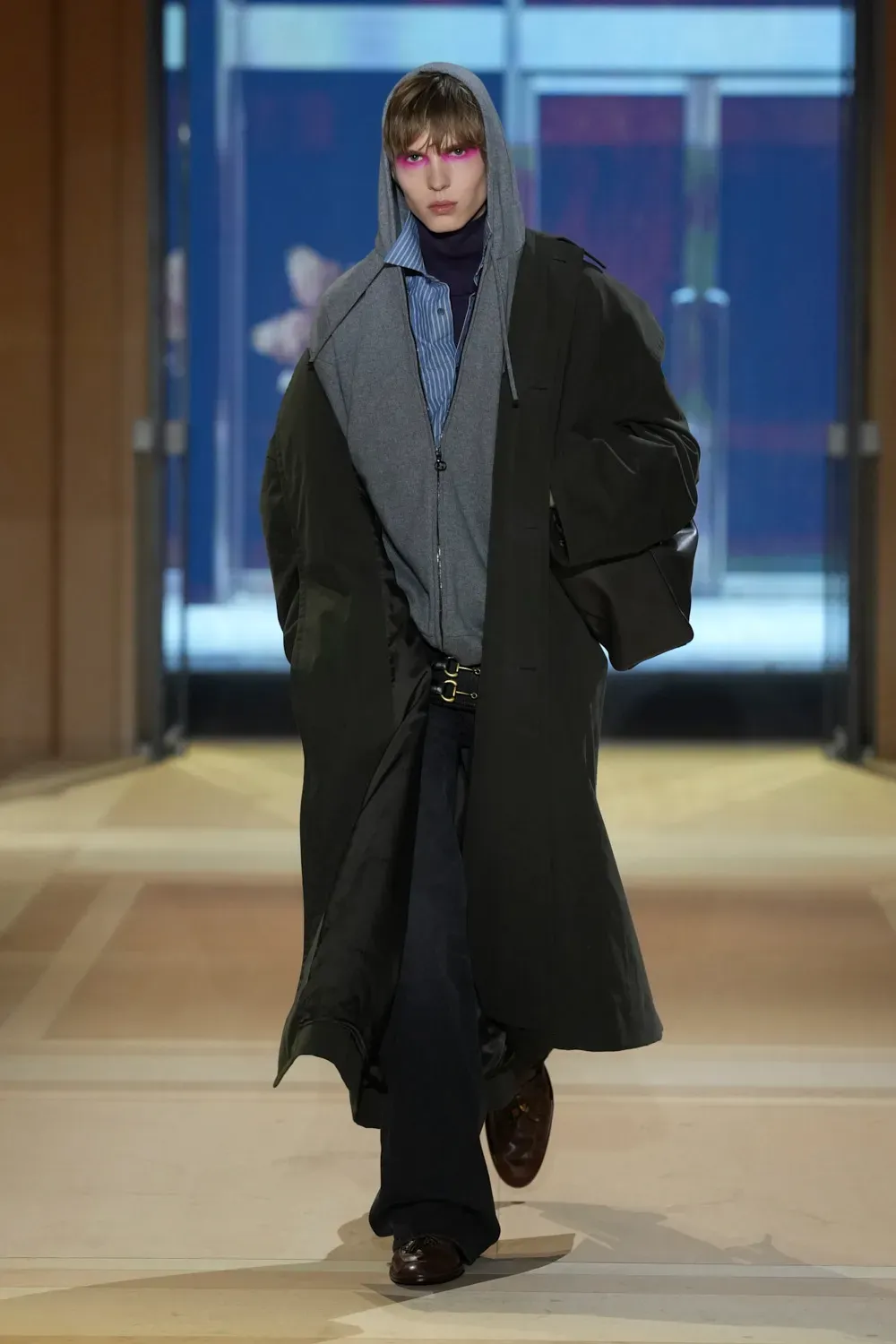
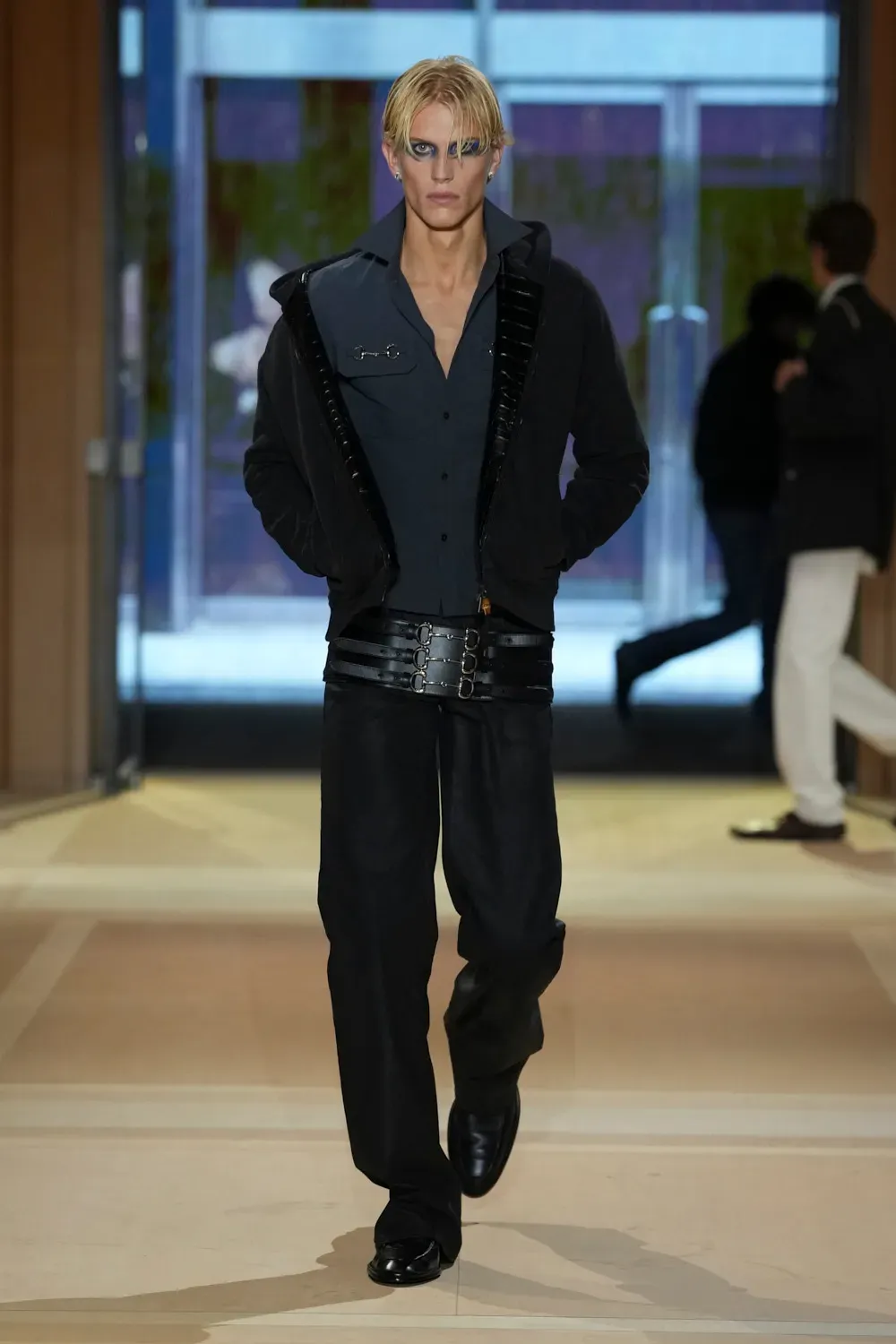
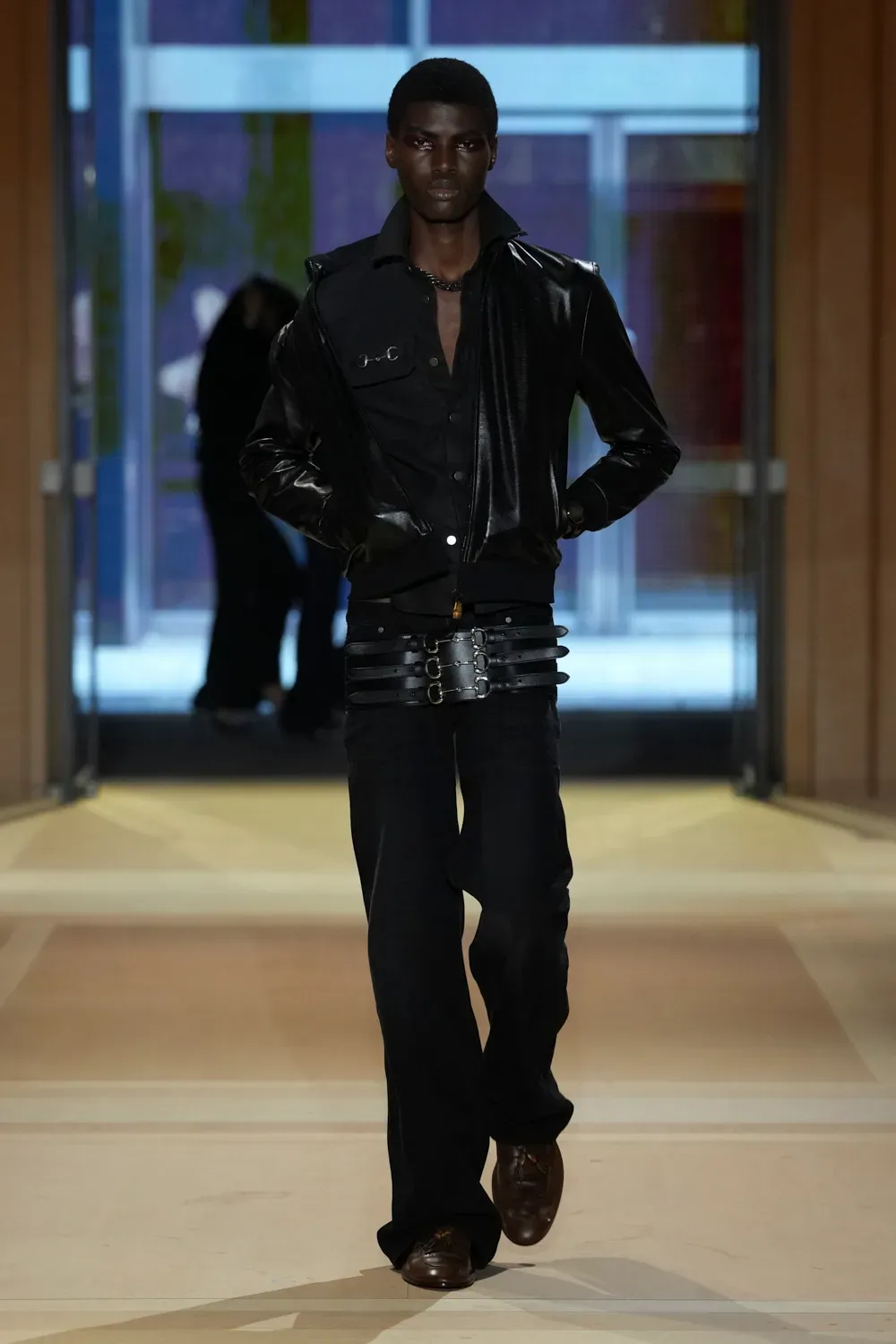
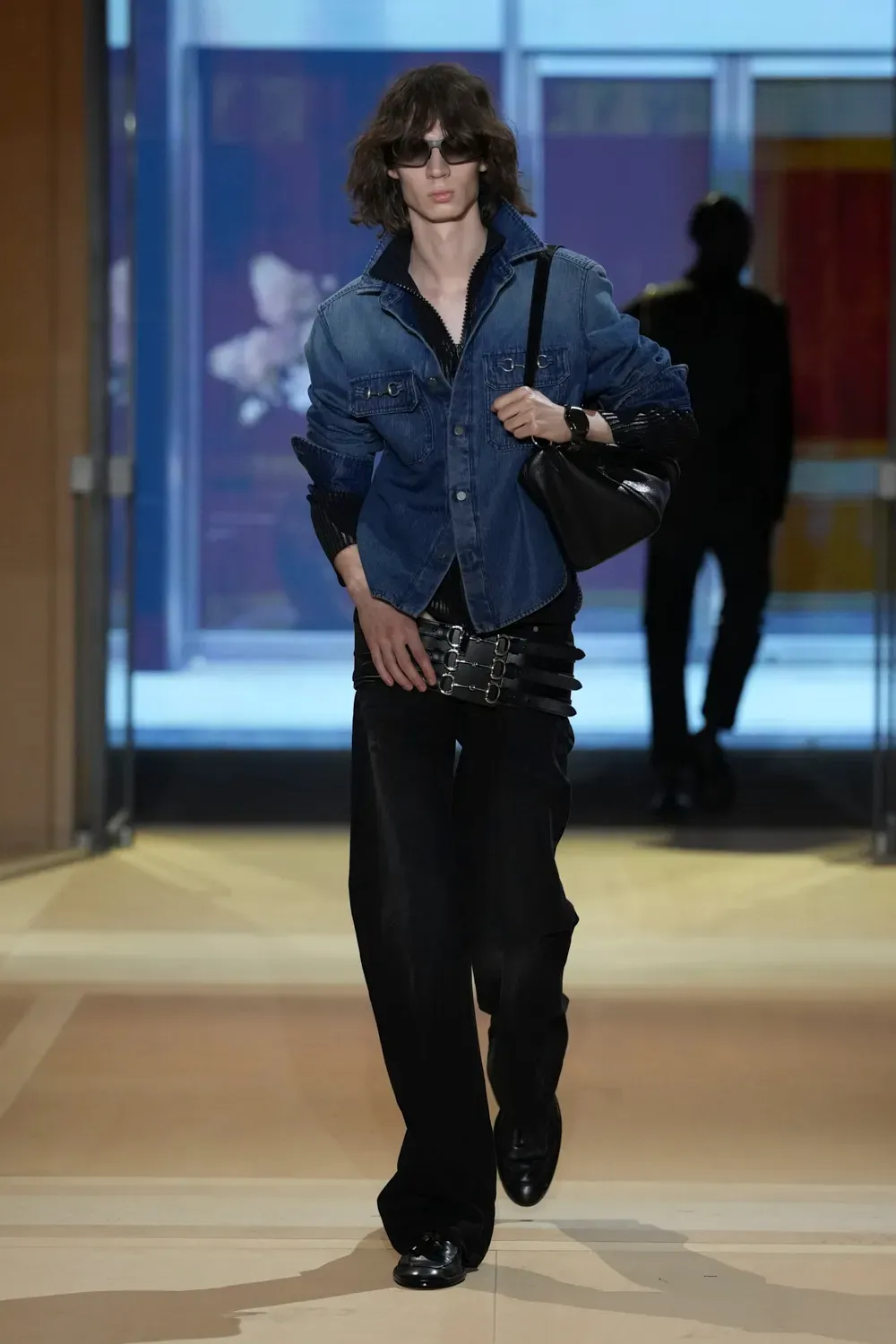
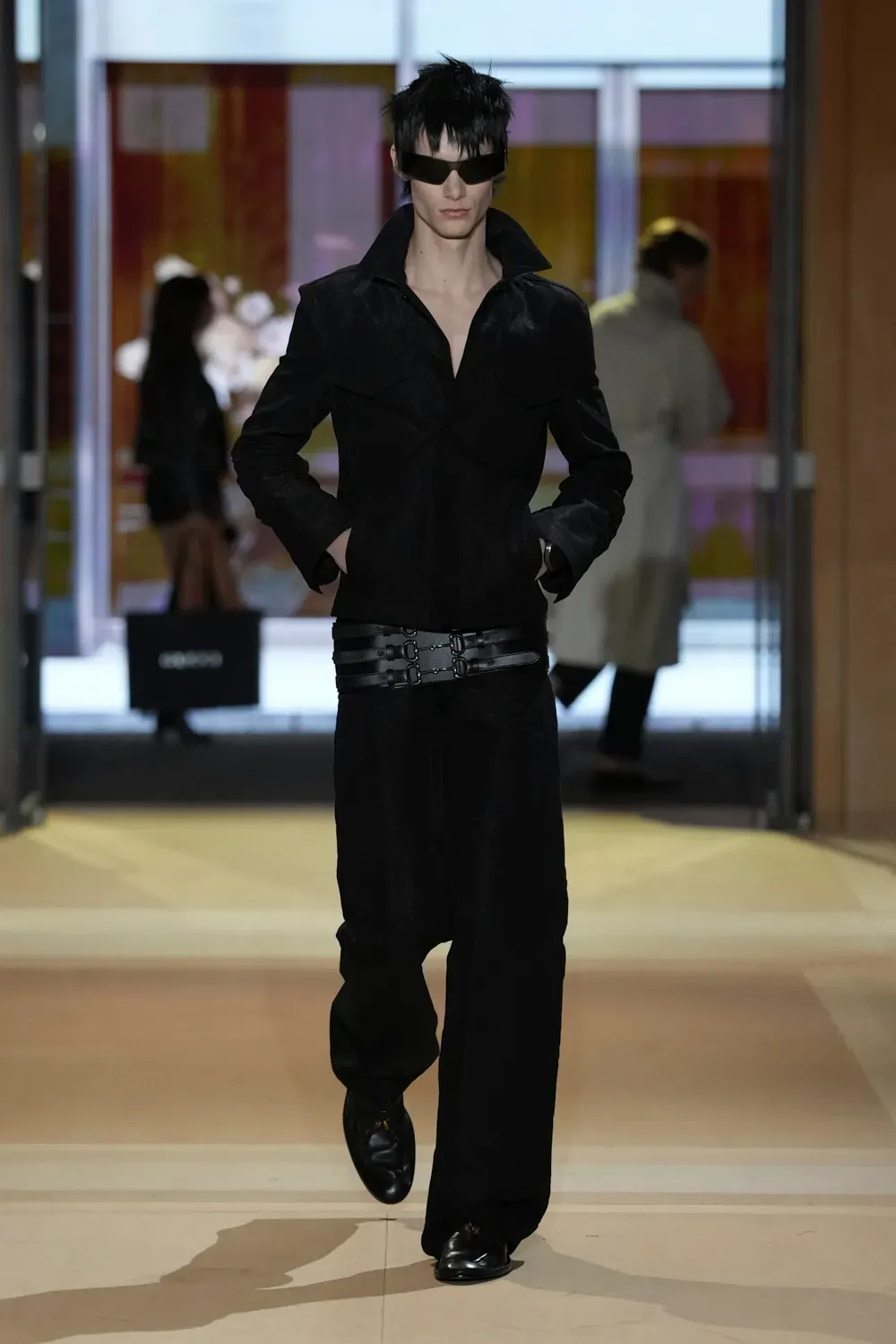
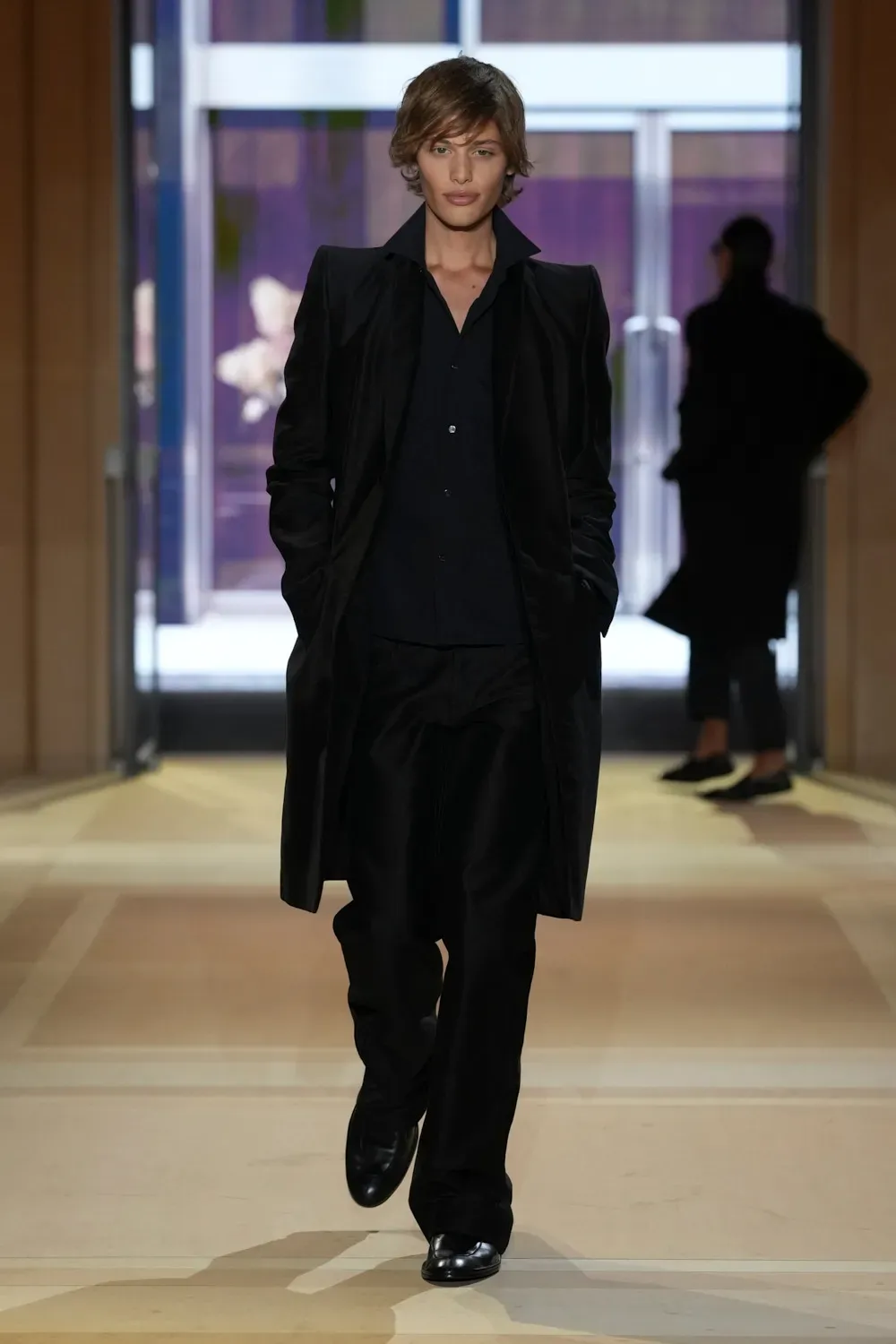
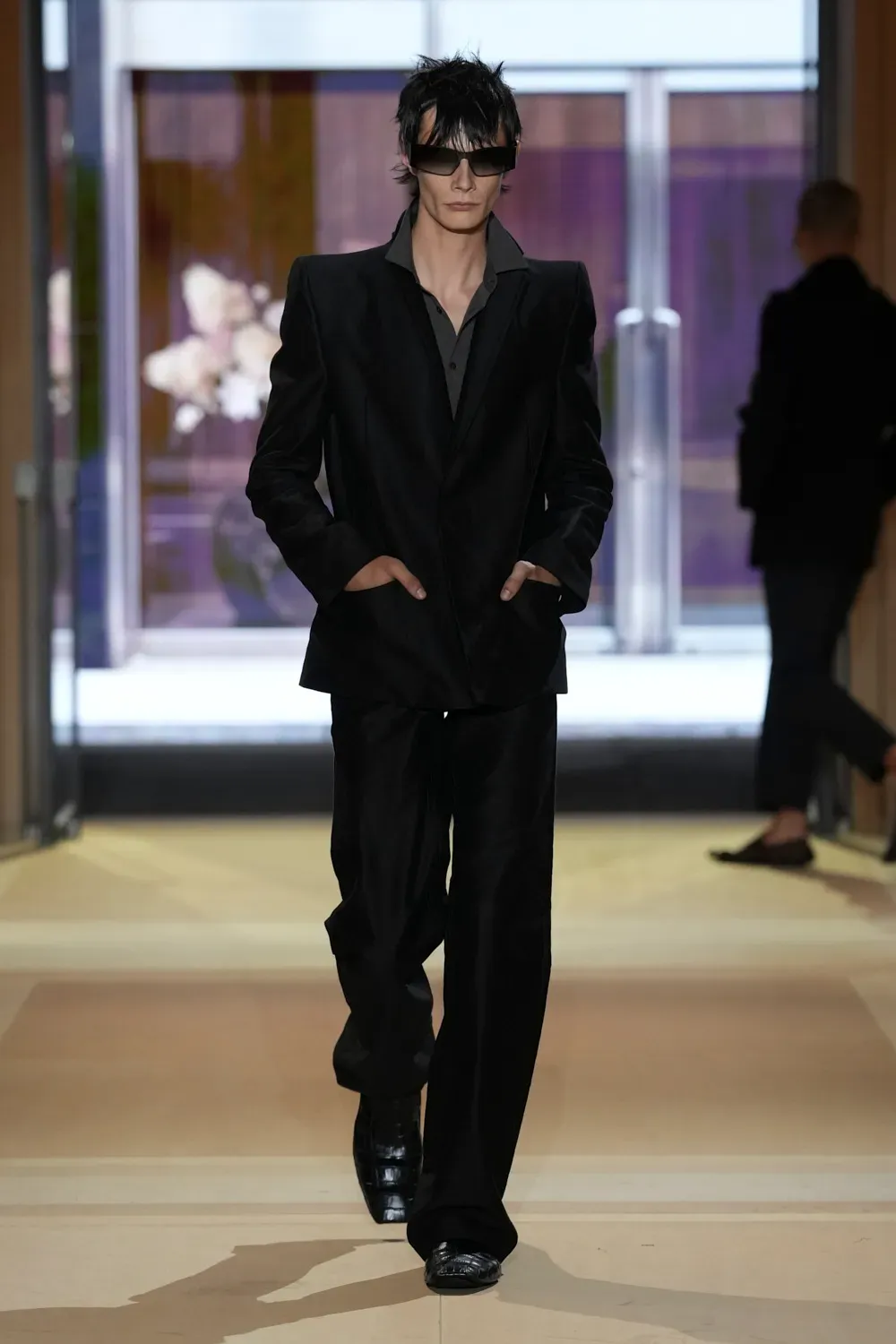
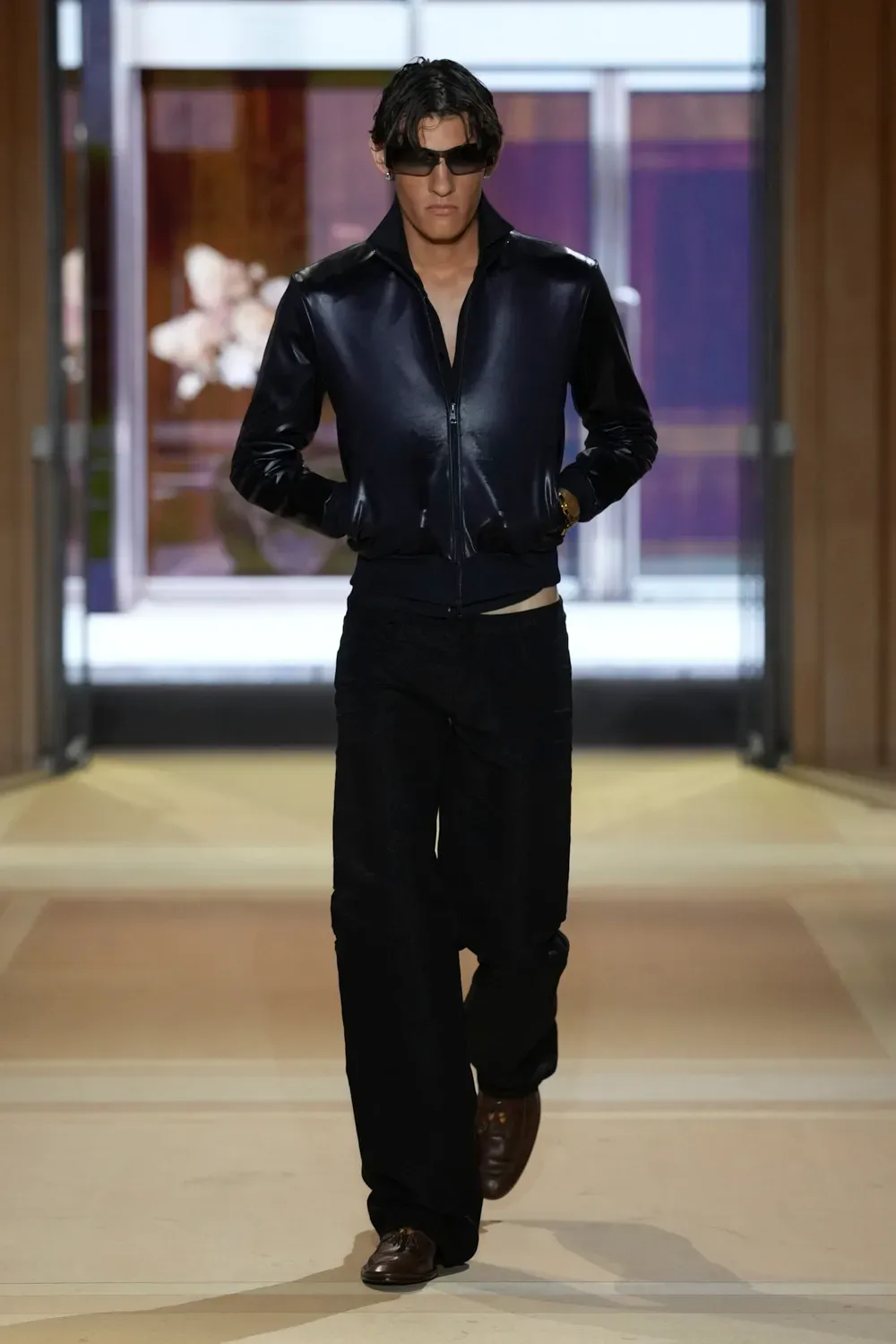
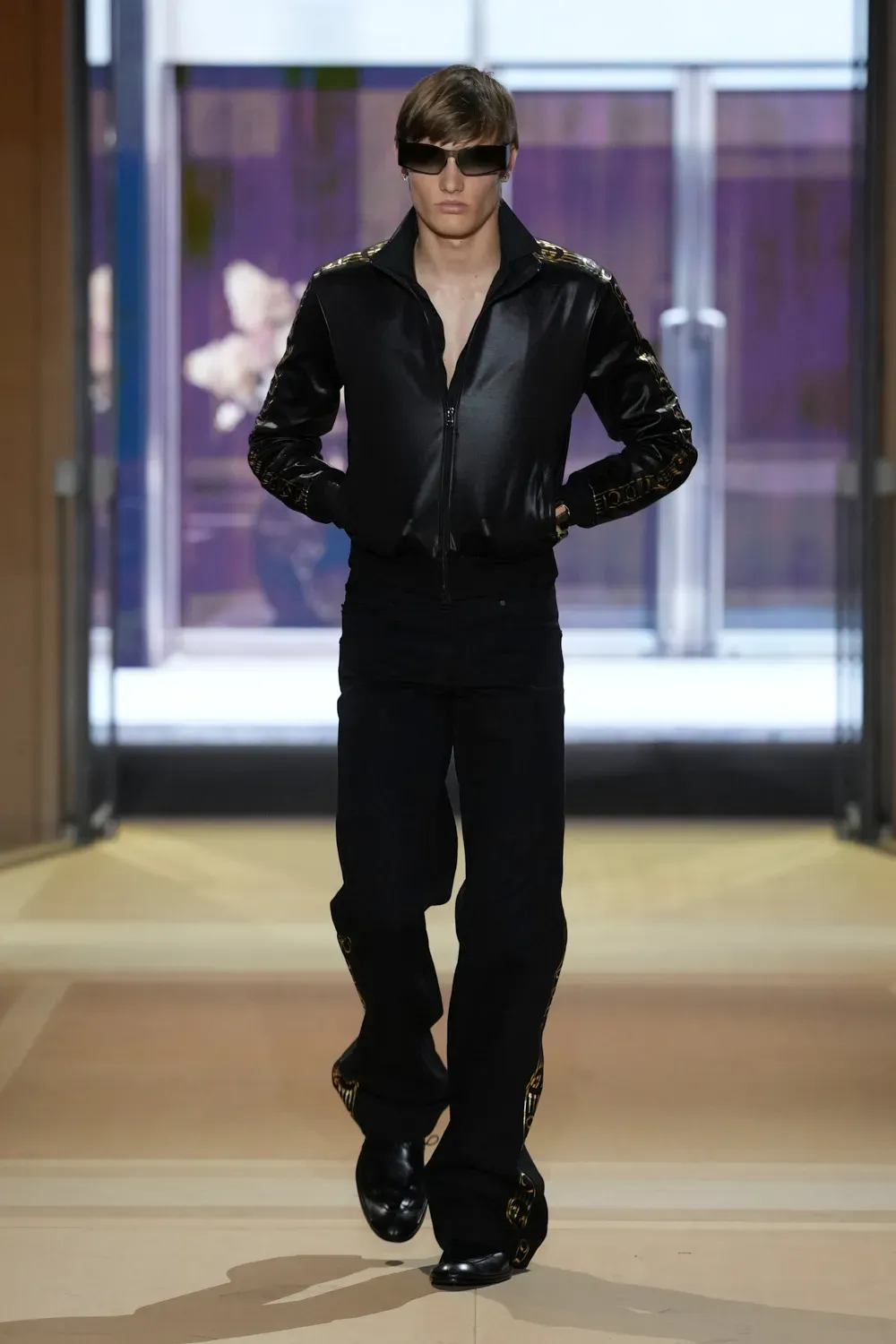
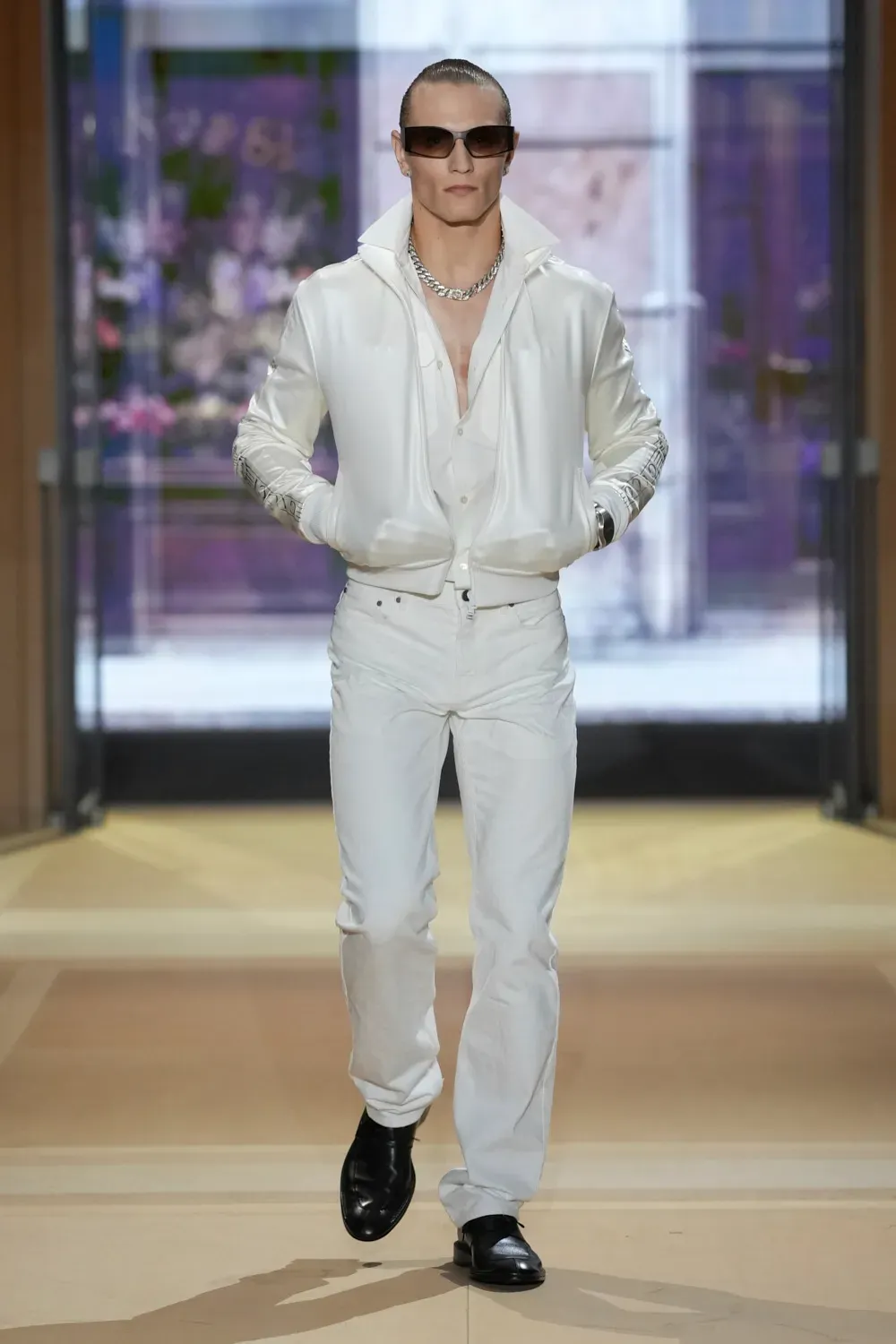
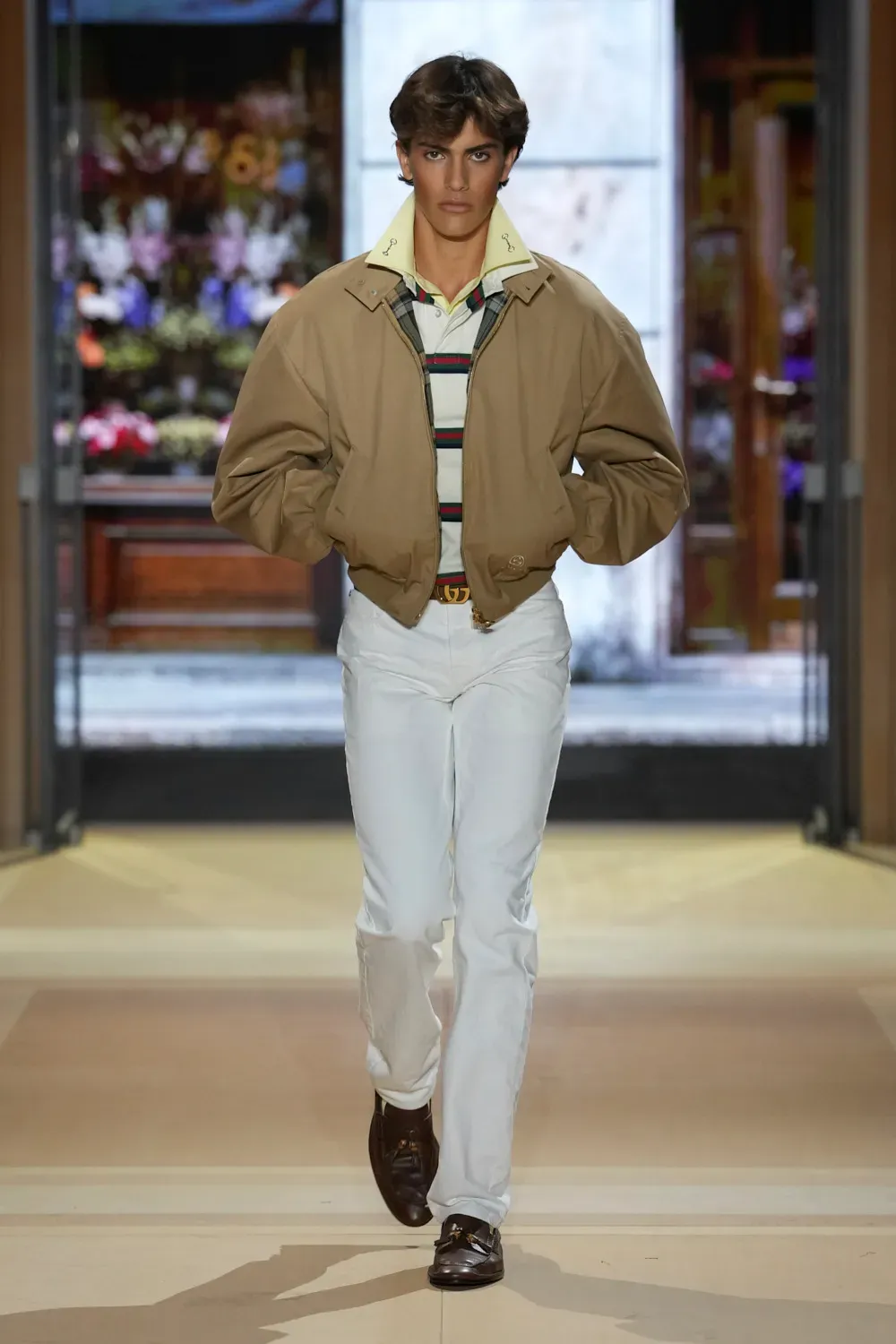
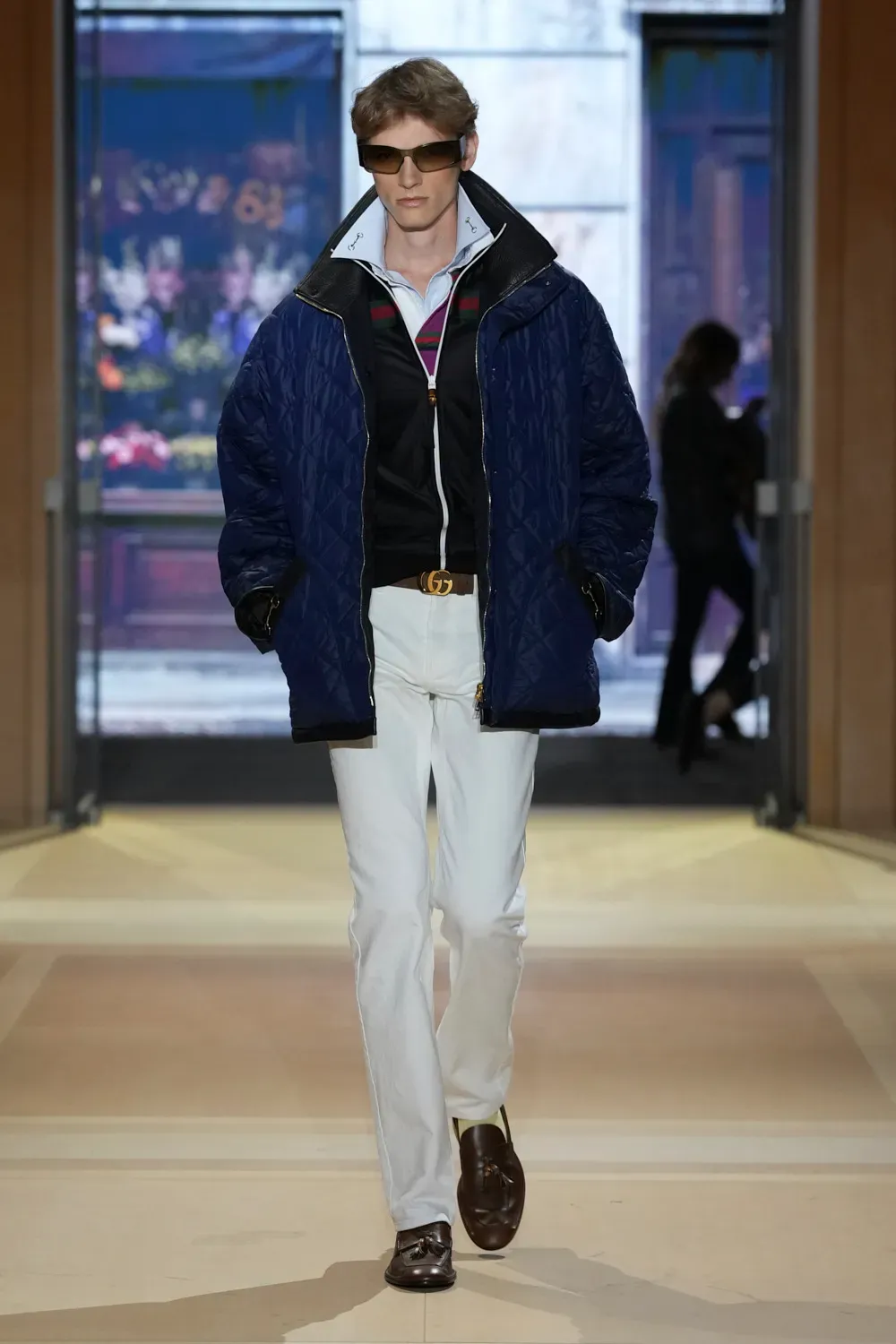
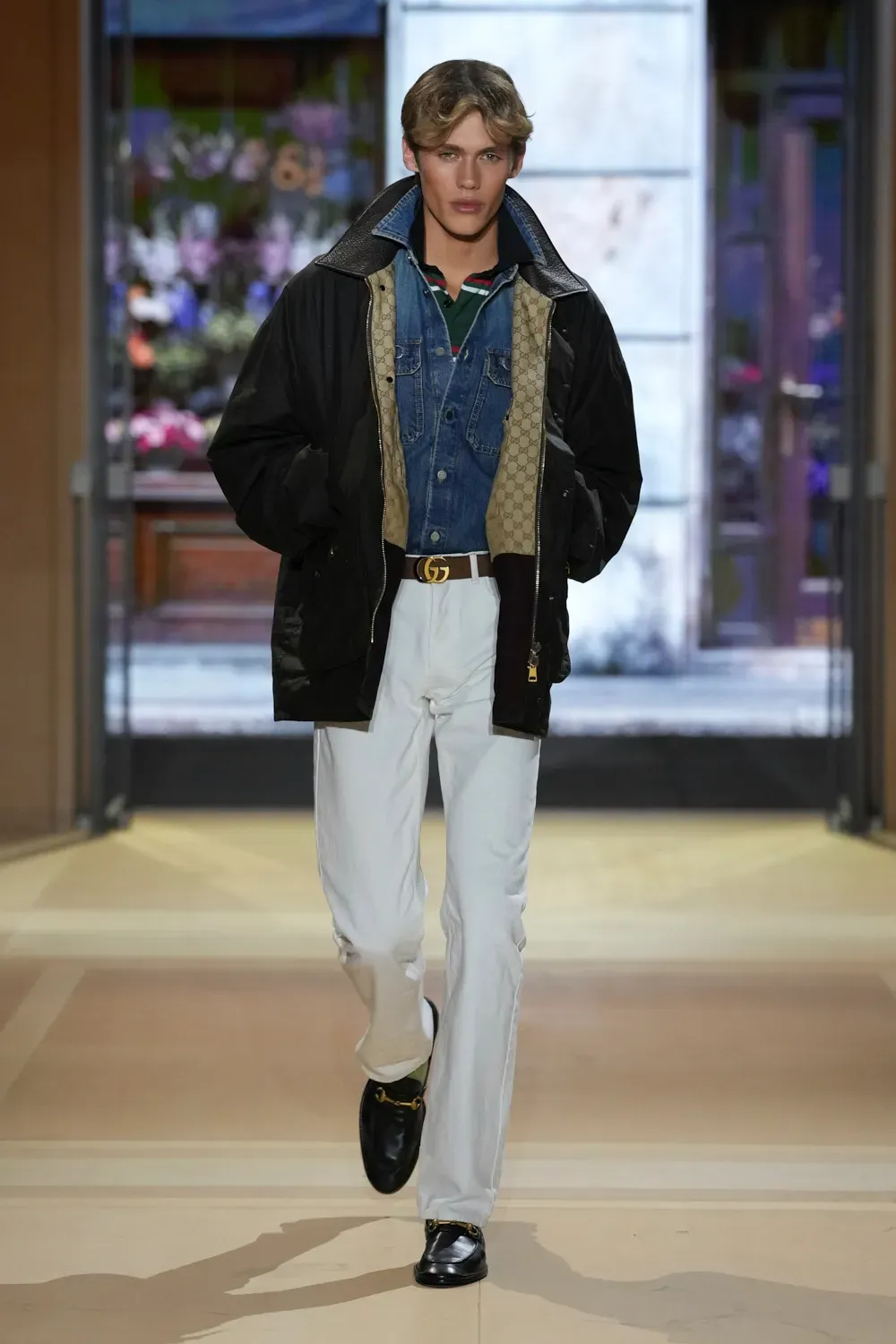
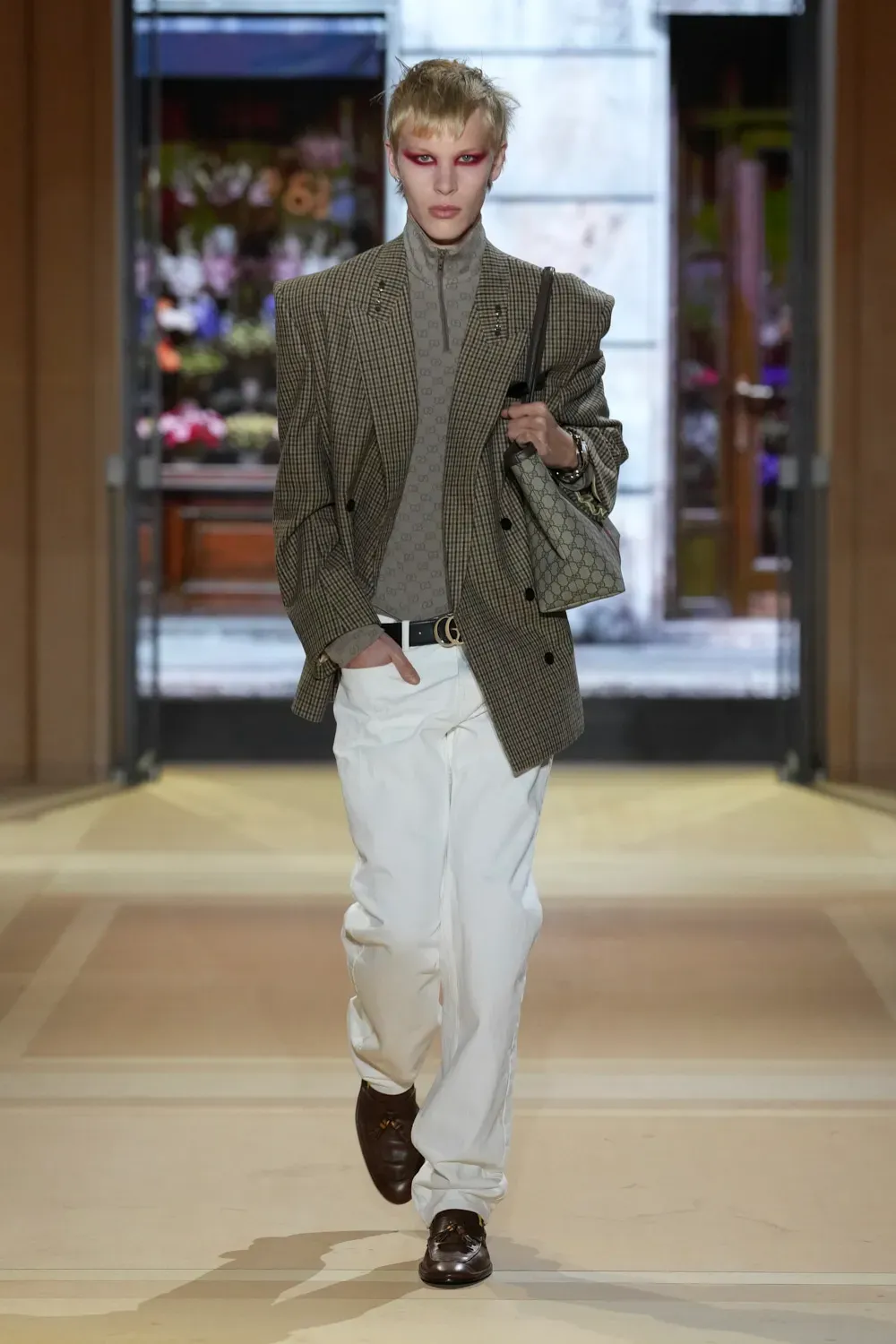
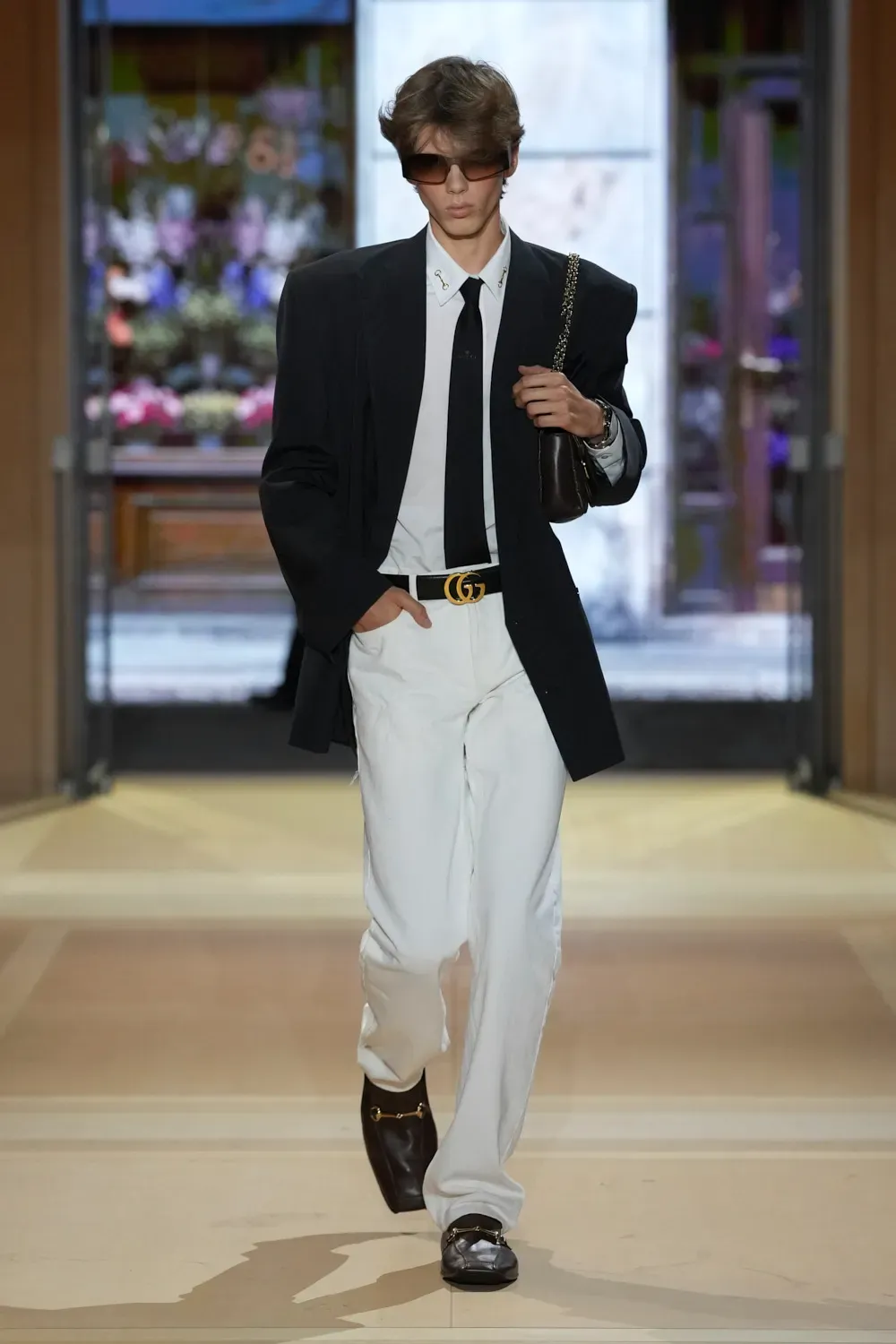
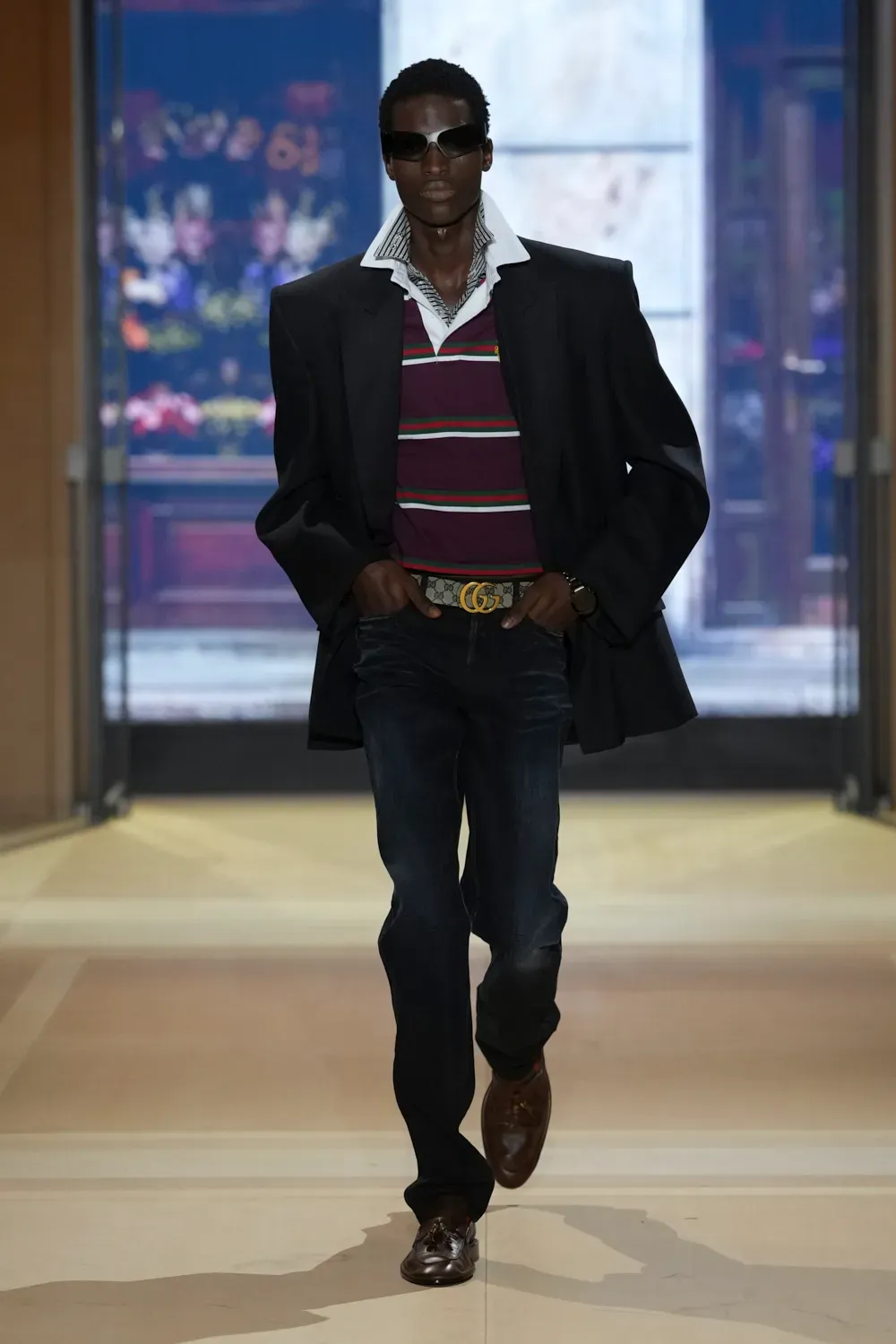
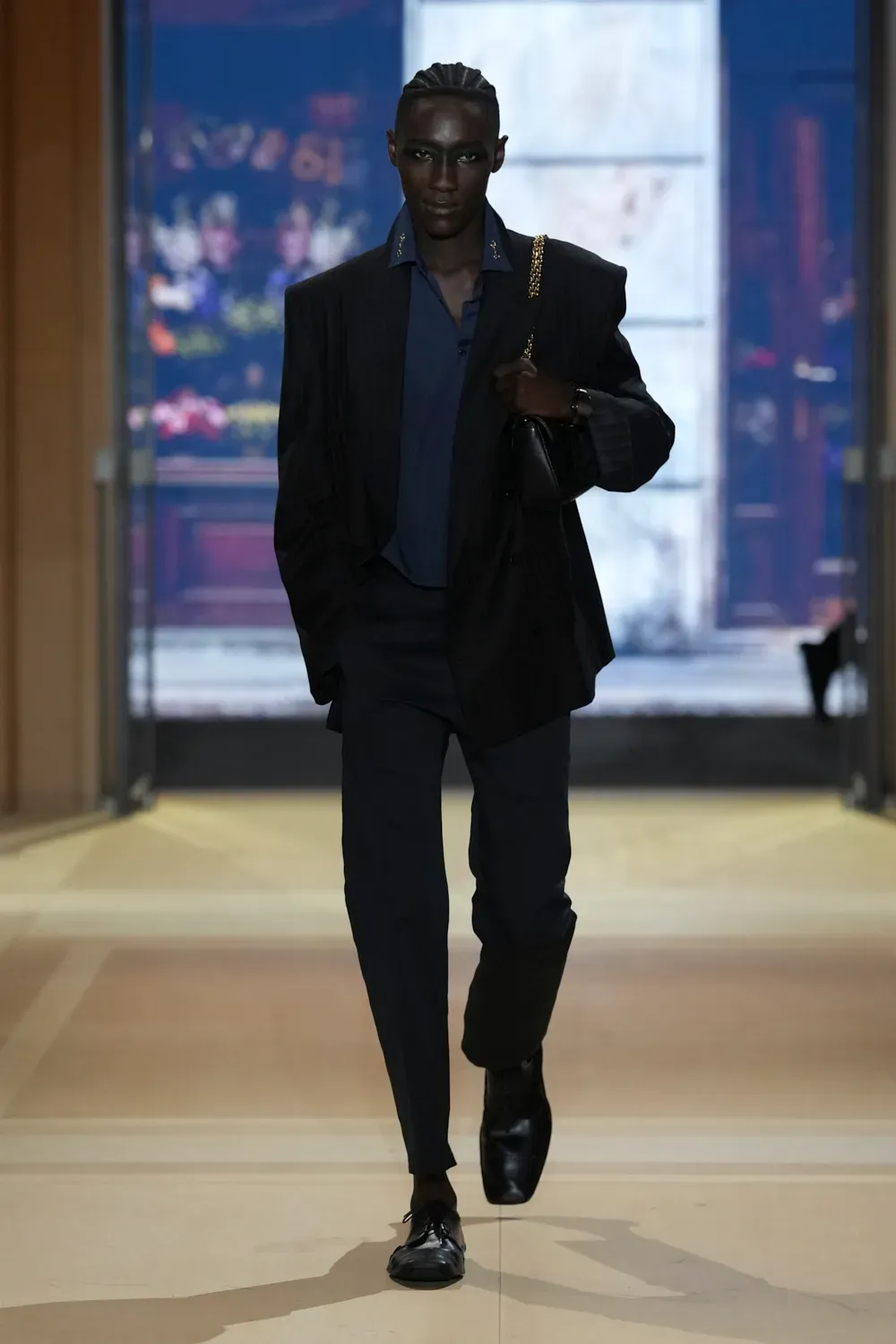
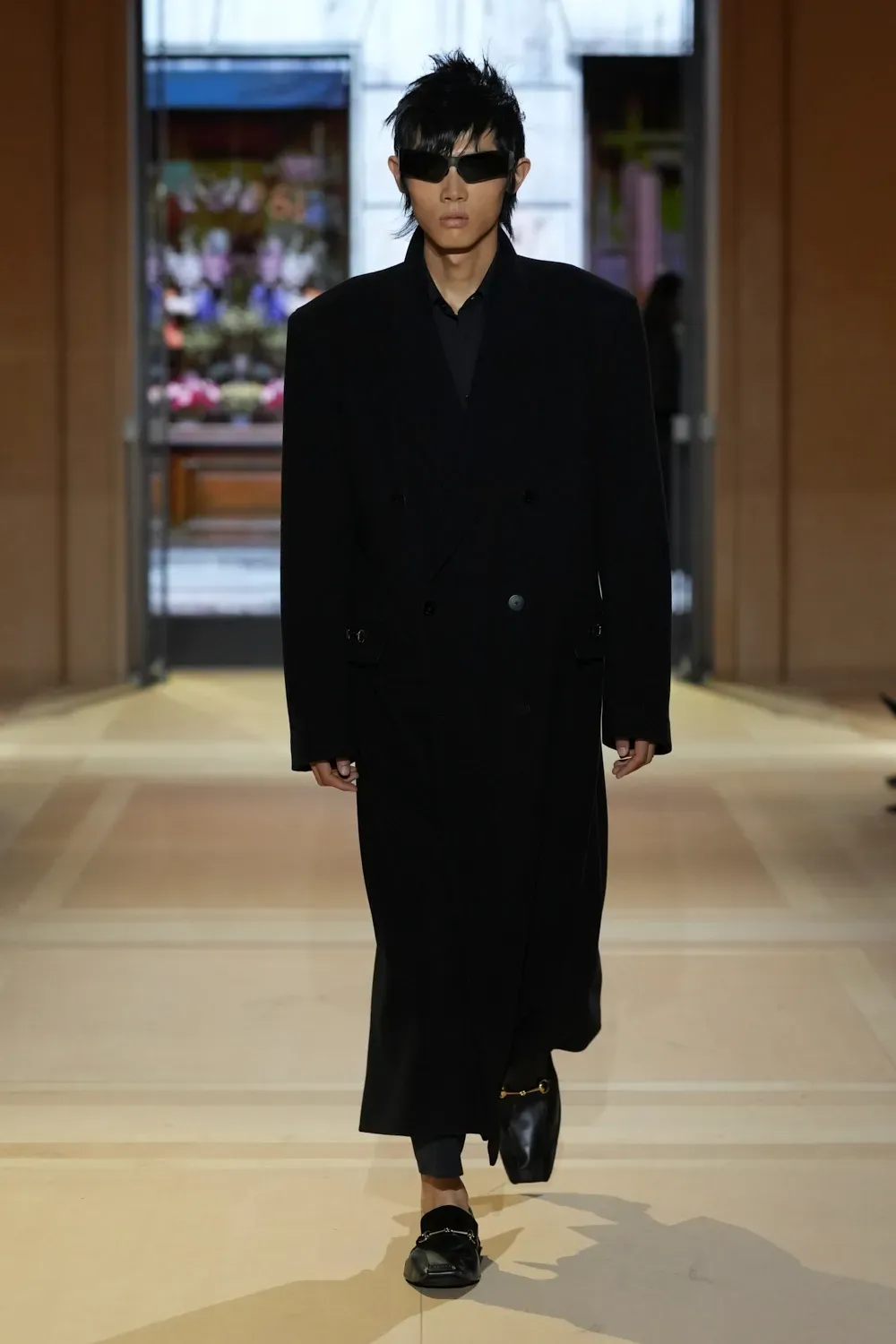
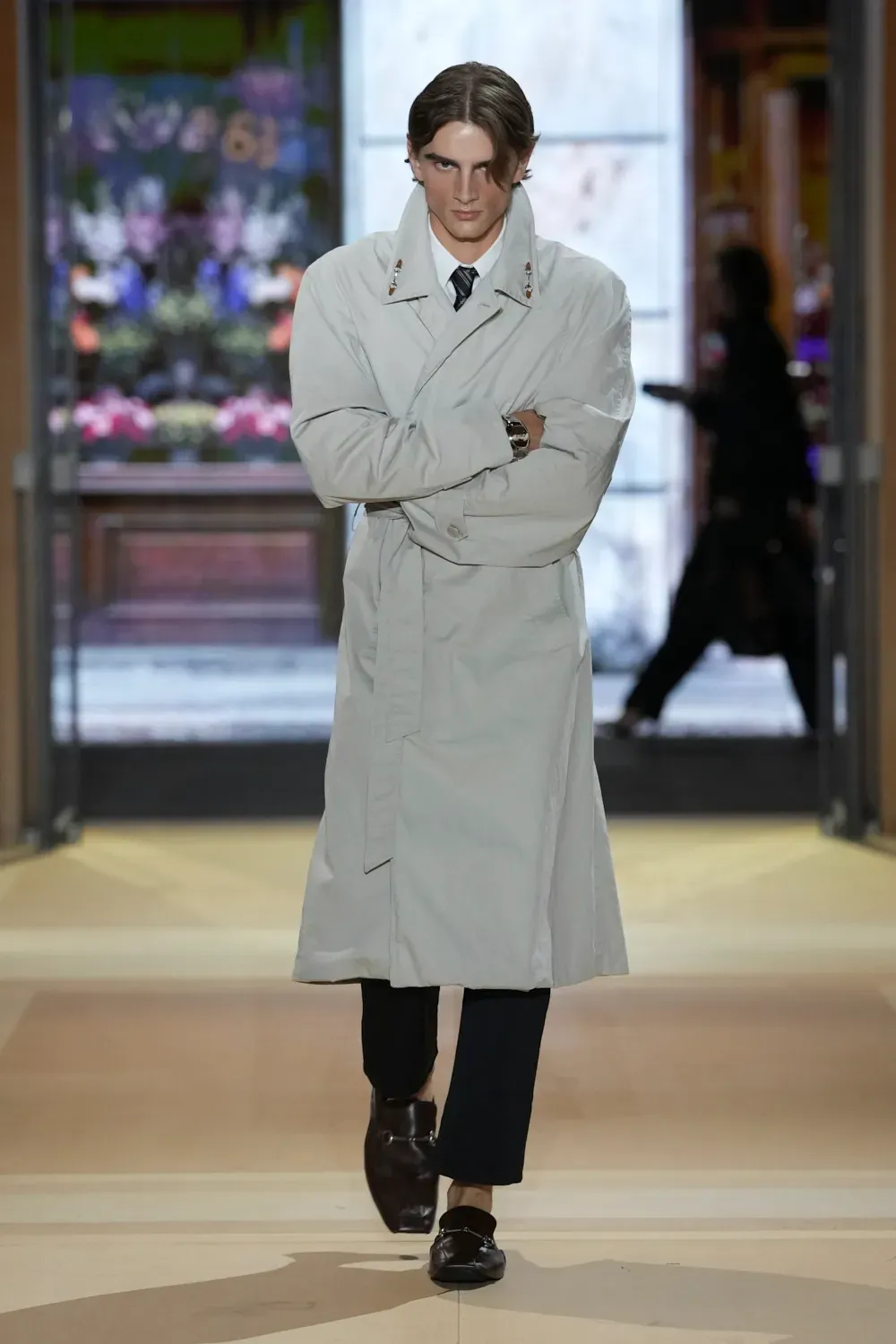
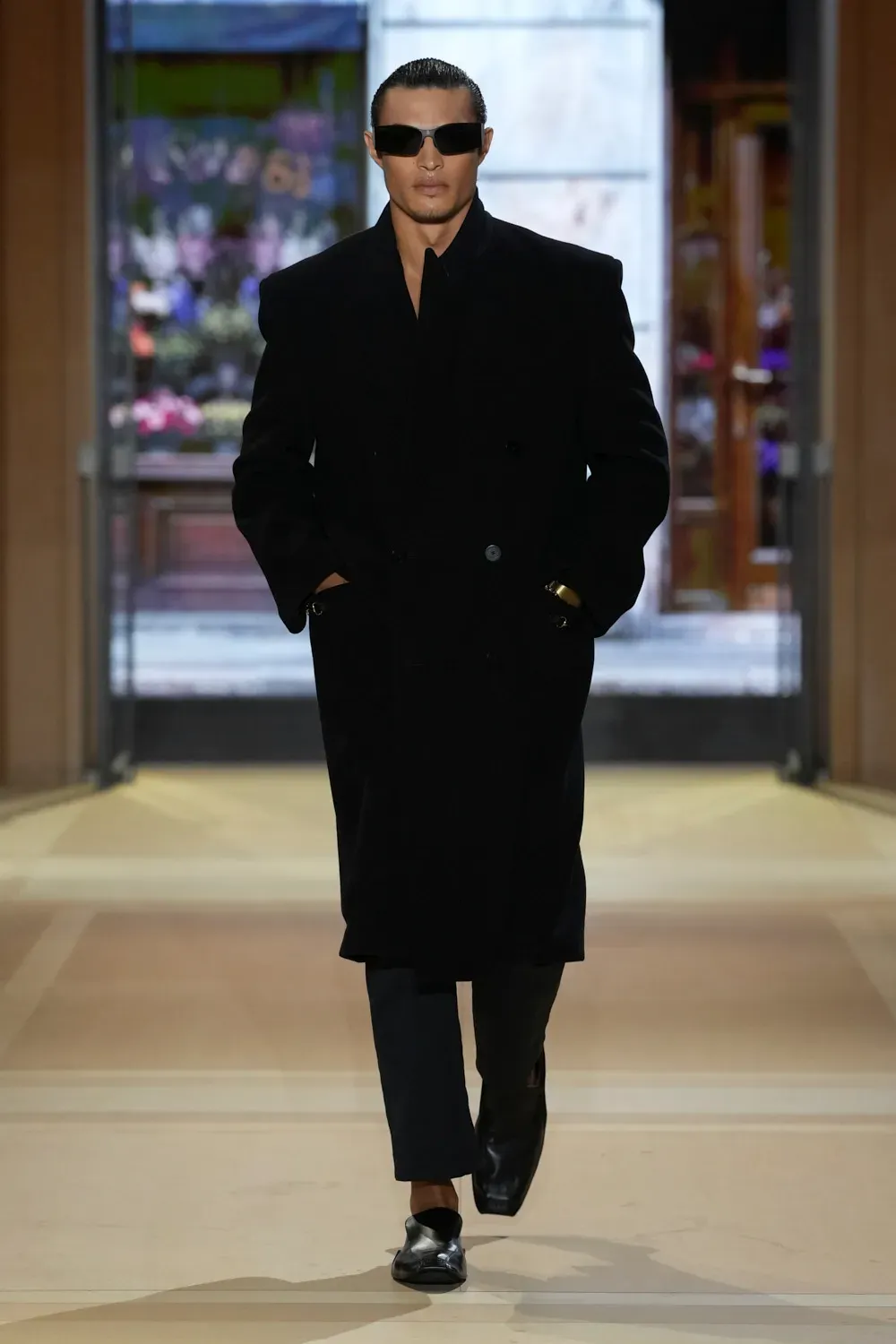
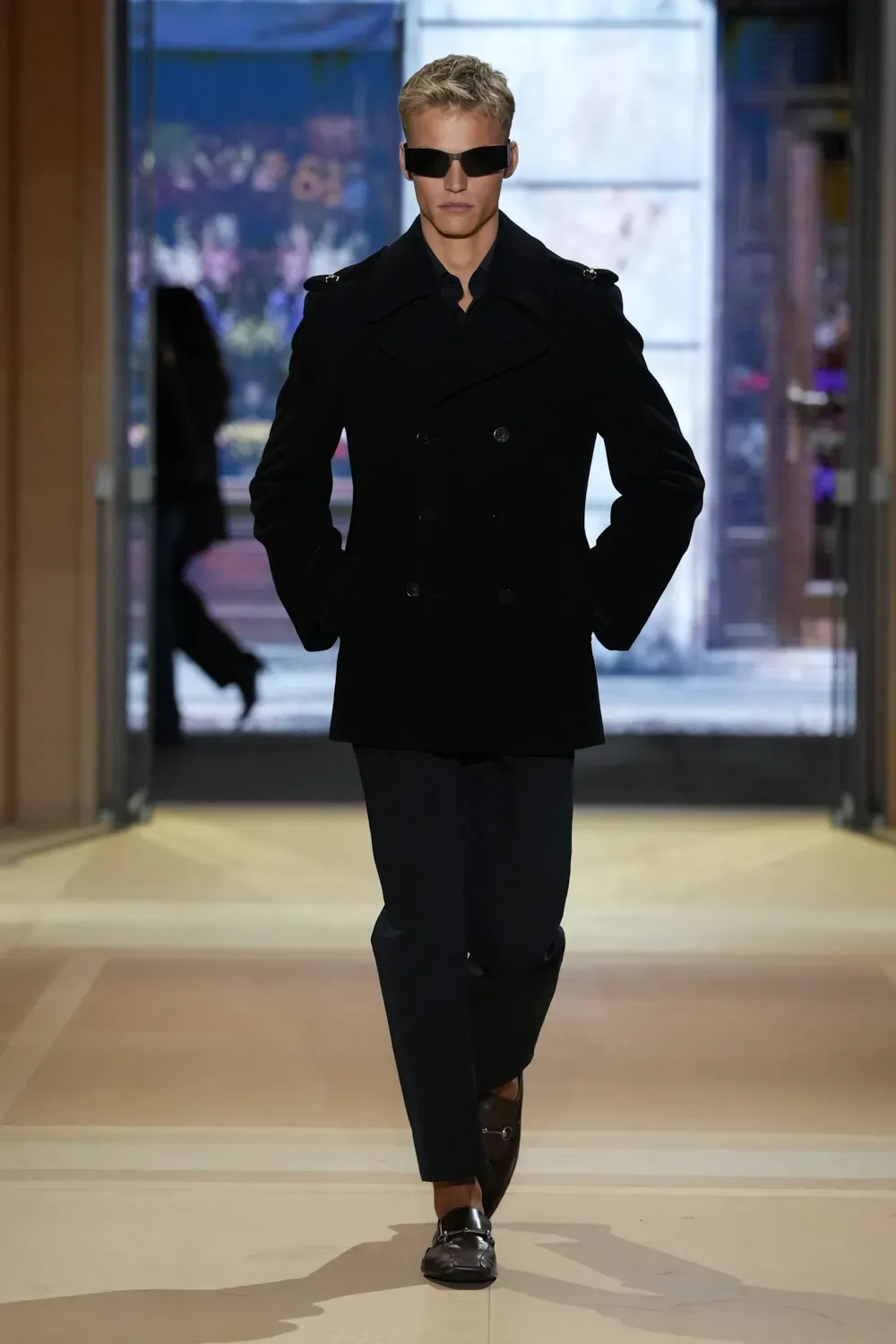
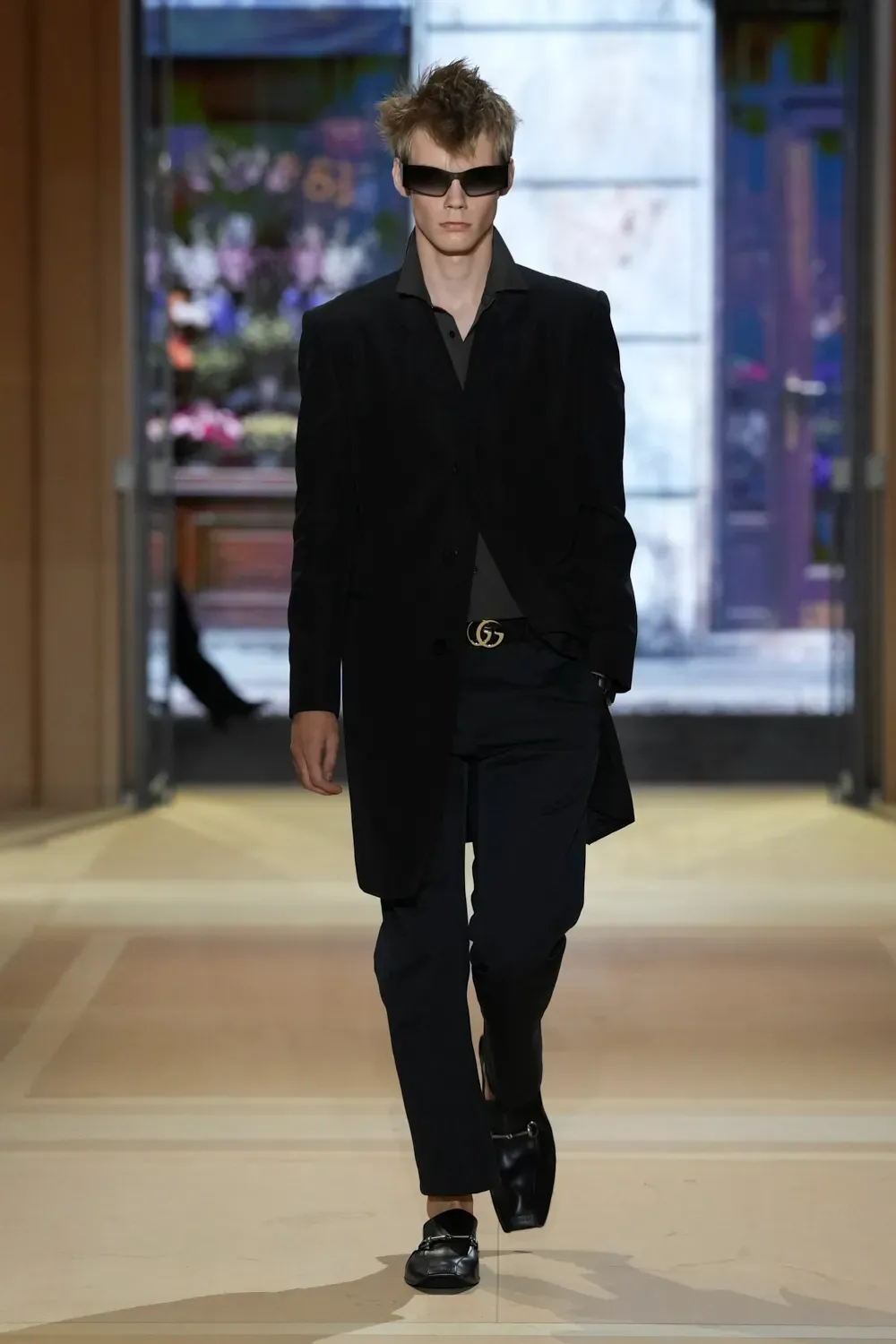
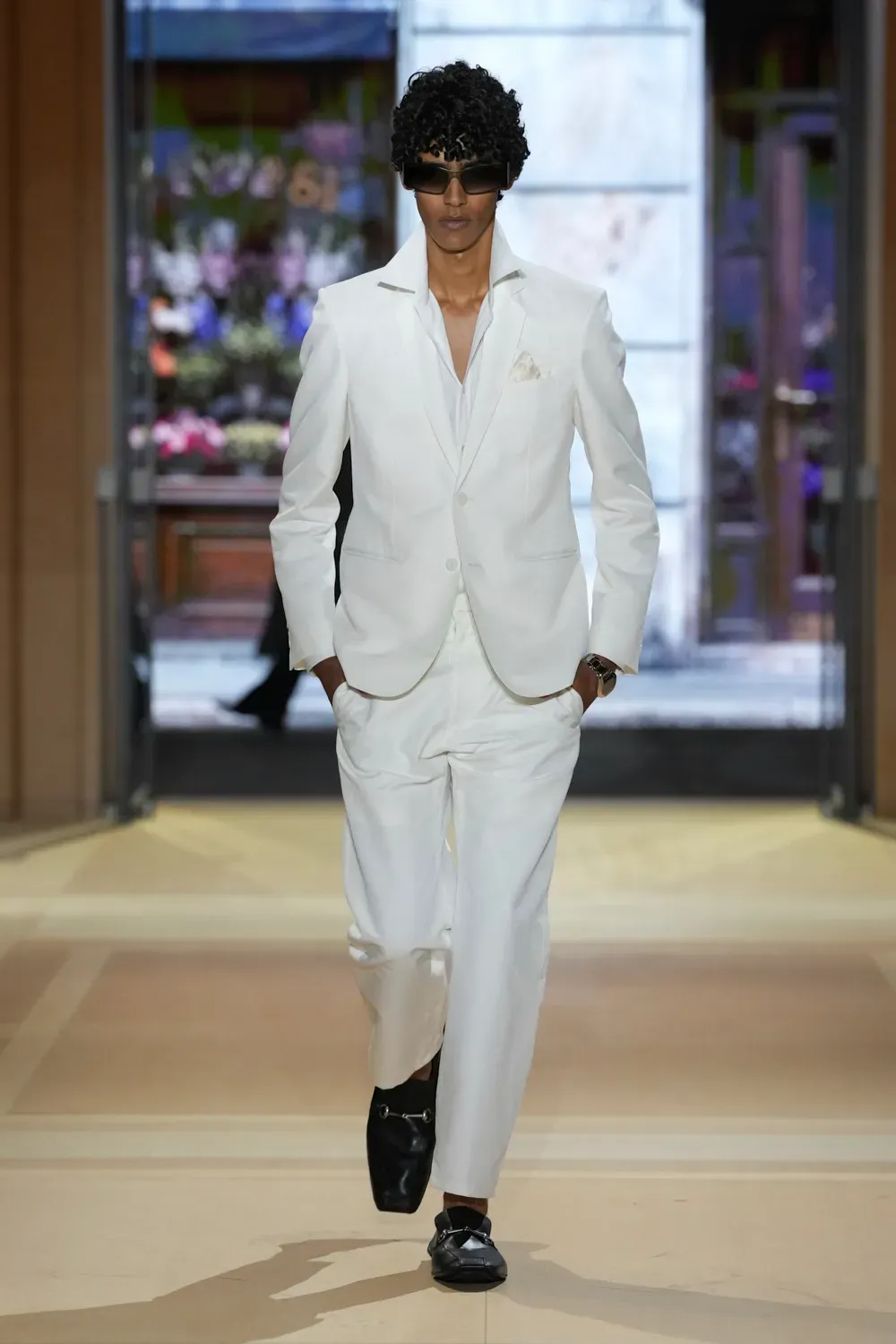
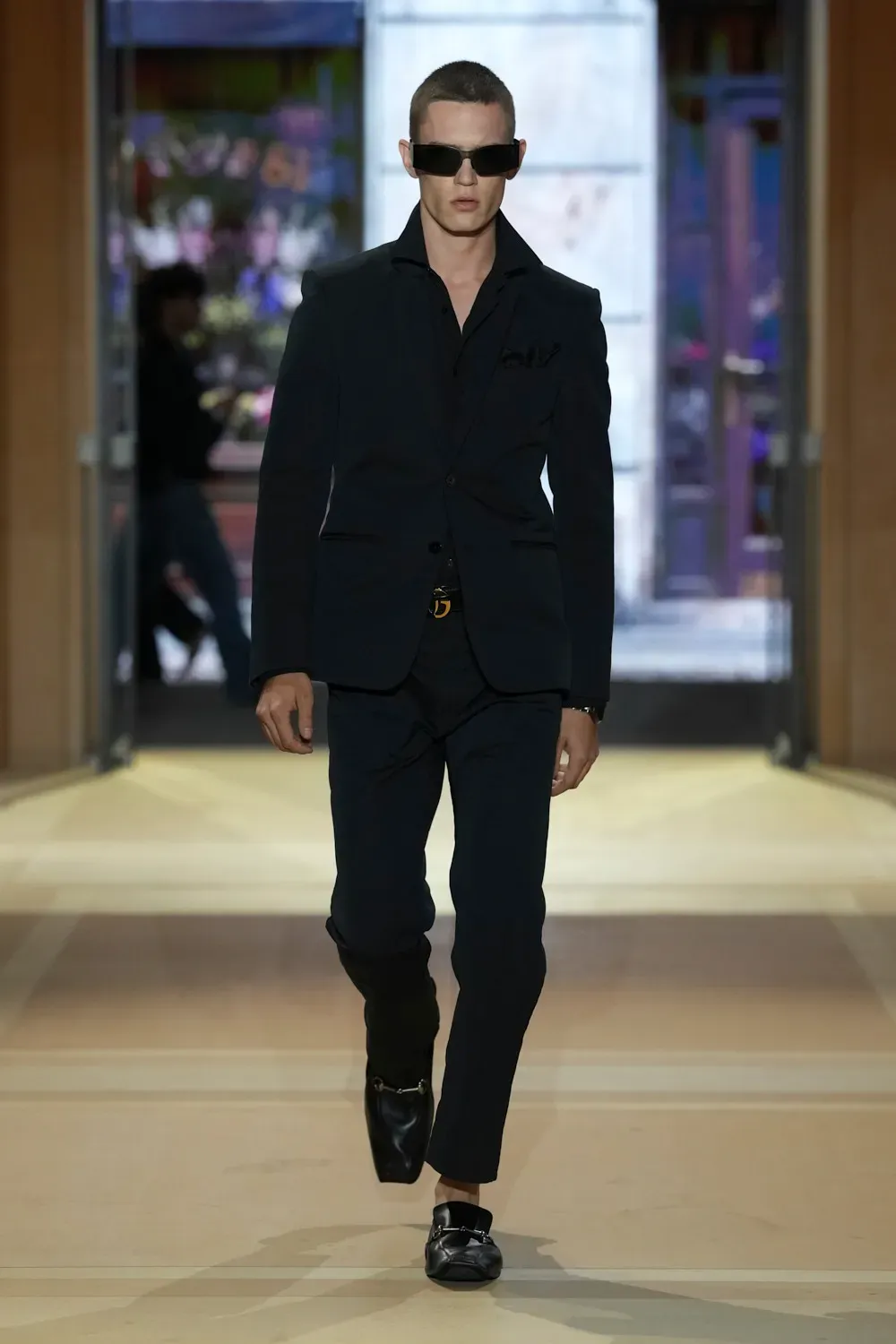
The fun is back at Gucci, at last. For this Gucci SS27 show, Demna decided to give the audience a welcome dose of irony: the runway was set as a boutique of the brand, with the various models playing its customers. The entrance to the runway simulated a street where rain and sunshine alternated, while mischievous bossa nova notes accompanied the show. A mood that is finally lighter, less gloomy — and you can feel it, because this is the collection in which Demna has declared he has developed his own vision for the brand.
This was also the show in which Demna set aside ultra-clingy dresses and very dark, oversized office suits in favour of new touches of colour, squarer silhouettes, and deliberately excessive styling. Was the show revolutionary? We would say no — but that was never the point. Demna's aim, it seems to us, was to restore a little of the brand's original panache. "Gucci is luxury that wants to be seen," Demna wrote in his show notes. "It is about the tension between propriety and sensuality." Indeed, in this show, the poses and mannerisms were almost more important than the clothes: more or less flamboyant, the women who walked the runway were all heavily made-over, heavily made-up, heavily teased-hair vamps.
The collection itself, full of oversized horsebit details, corset belts, mega furs, layered raised collars, and squared shoulders, was very familiar — almost classical, one might say. The point, however, was to define an attitude, a precise verve, a swagger that was also somewhat theatrical (and perhaps it was no coincidence that Isabella Ferrari walked the runway), drawing on the quintessentially Milanese archetype of the sciura — all sunglasses, jewellery, and self-satisfied ease. Things were different on the menswear side of the collection, which also opened the show: in place of the upper-class ladies came square-jawed playboys, early-2000s reality TV heartthrobs, androgynous dandies dressed almost entirely in dark tones, or in rugby polo shirts decorated with one or another of the brand's logos — horsebit, bamboo, knights, and so on.
Demna's reading of the brand is highly personal but also accurate: Gucci operates within the perimeter of an upper-bourgeois respectability that is gradually subverted by "eccentricity, danger or sex appeal." Its allure lies not in codes that, beyond individual branding and iconic designs, have no concrete existence, but in personality, in grit, in the glamour that brings together "aristocracy and pop culture, Florence and Hollywood, good taste and bad taste (whatever that means), heritage and mass desire, belonging and rebellion."
Those who expect the most dazzling feats of couture from Gucci make the mistake of believing that all fashion is the same fashion — and are perhaps being a little pedantic. Gucci is luxury, joie de vivre, hedonism, and character. The brand's appeal lies precisely in its being synonymous with luxury in all its possible incarnations: it can go over the top, and it does, because its mission is earthly, not metaphysical or abstract. And if in the previous two collections it was a darkness of tone that prevailed, in this one Gucci's innate vitalism has returned, thanks precisely to its rediscovered character. We can only hope that from here on, Demna is on the right path.