
Singapore seizes $2.4 Billion in assets, including Chanel, Hermès, and Louis Vuitton bags Now available at auction
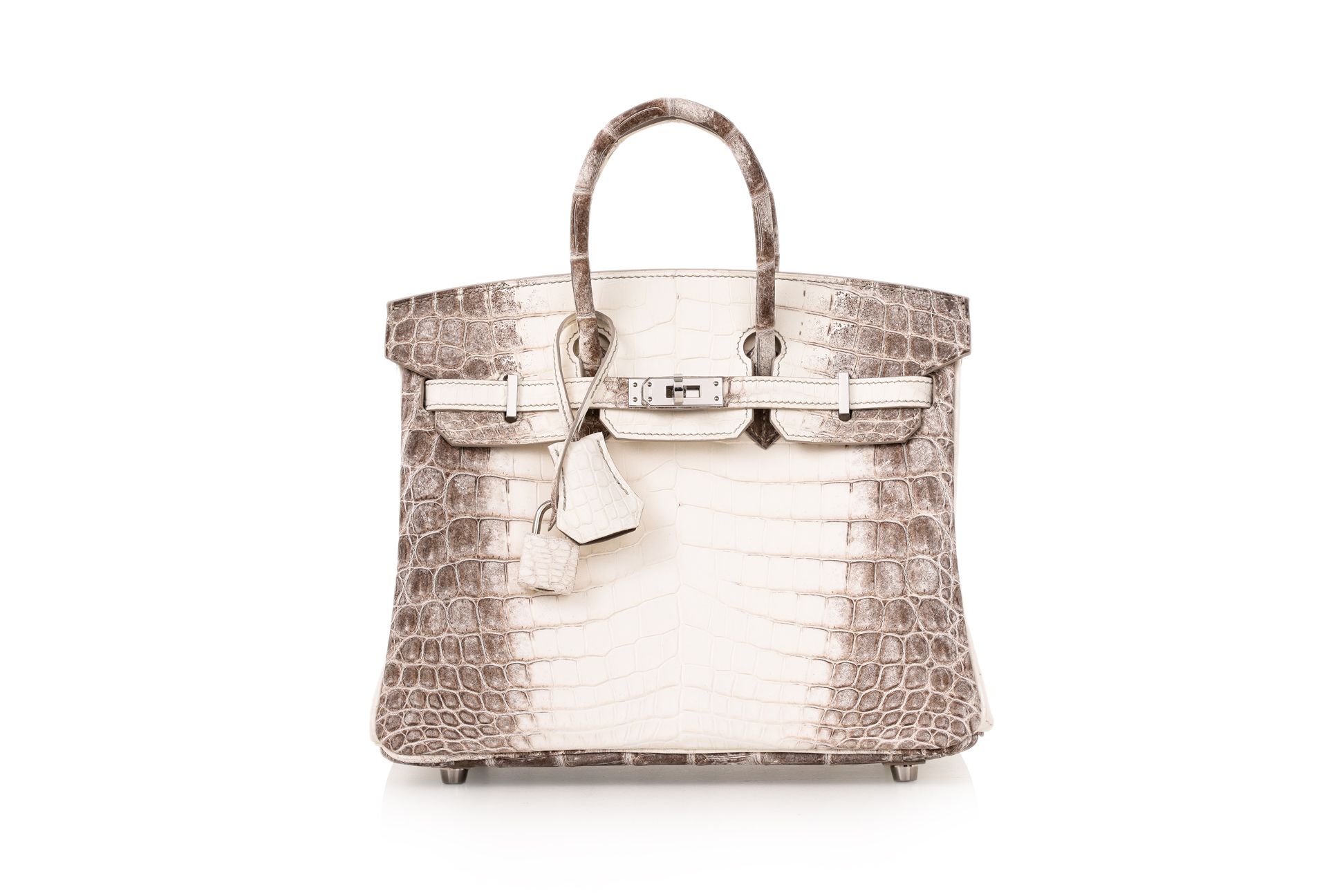
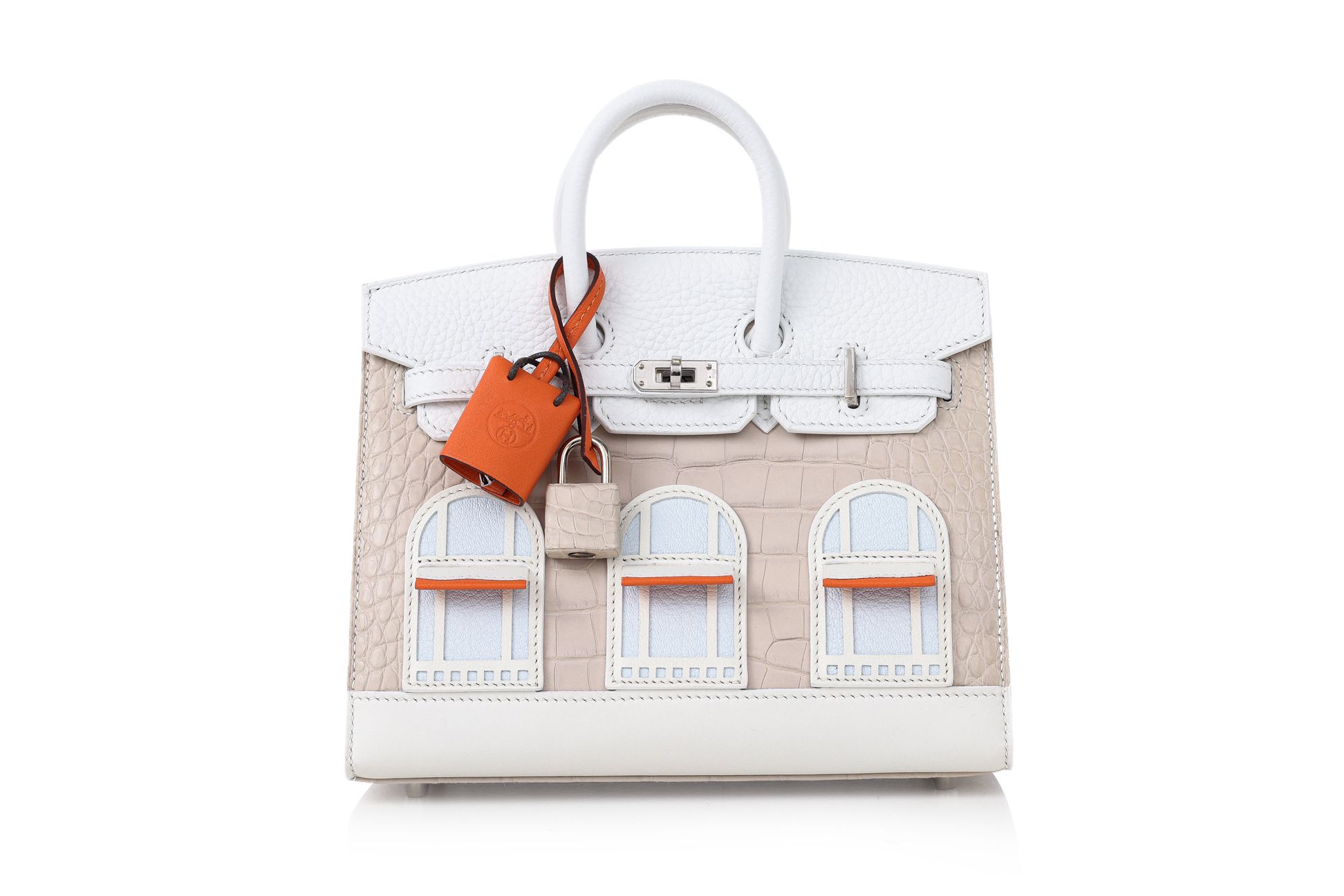
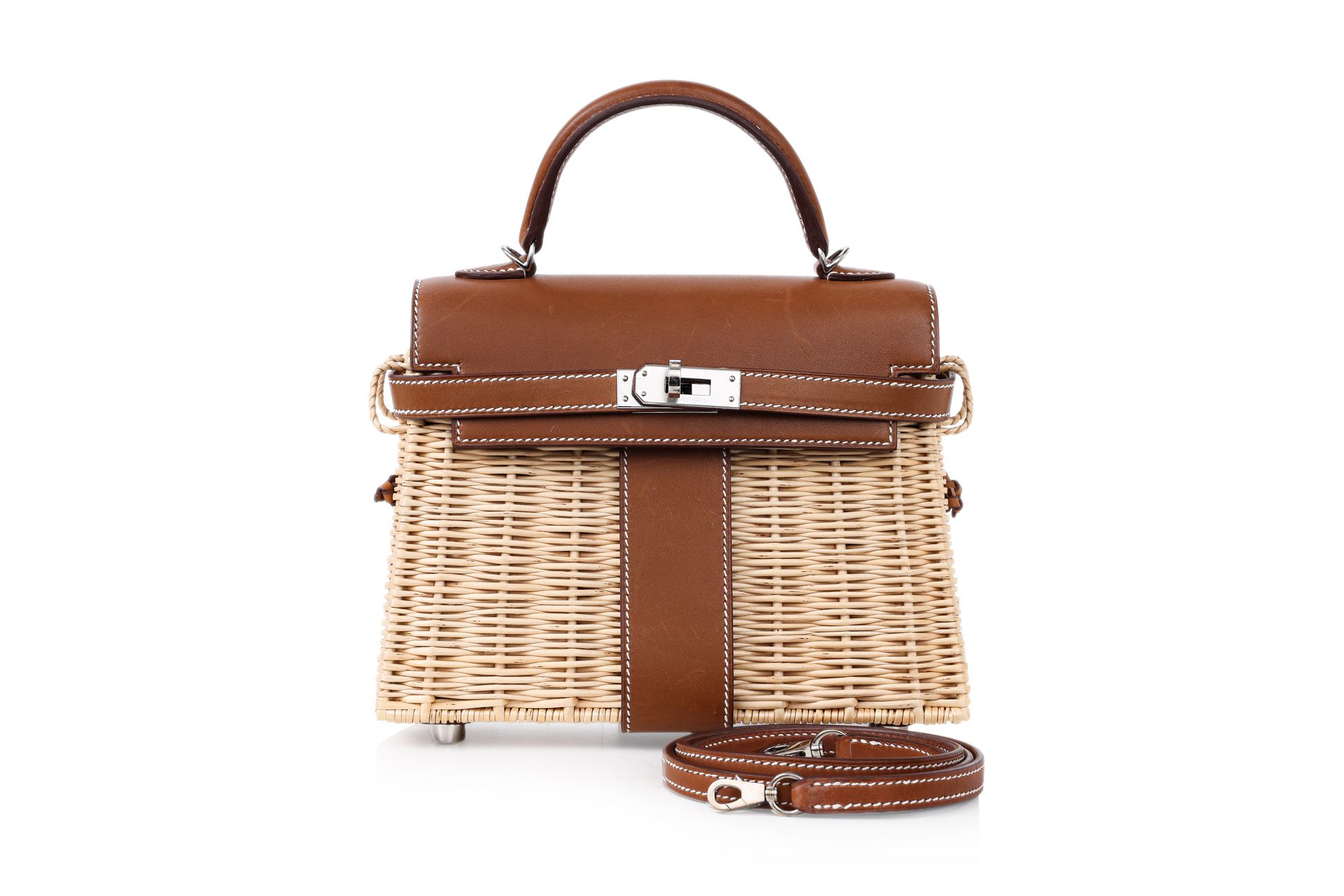
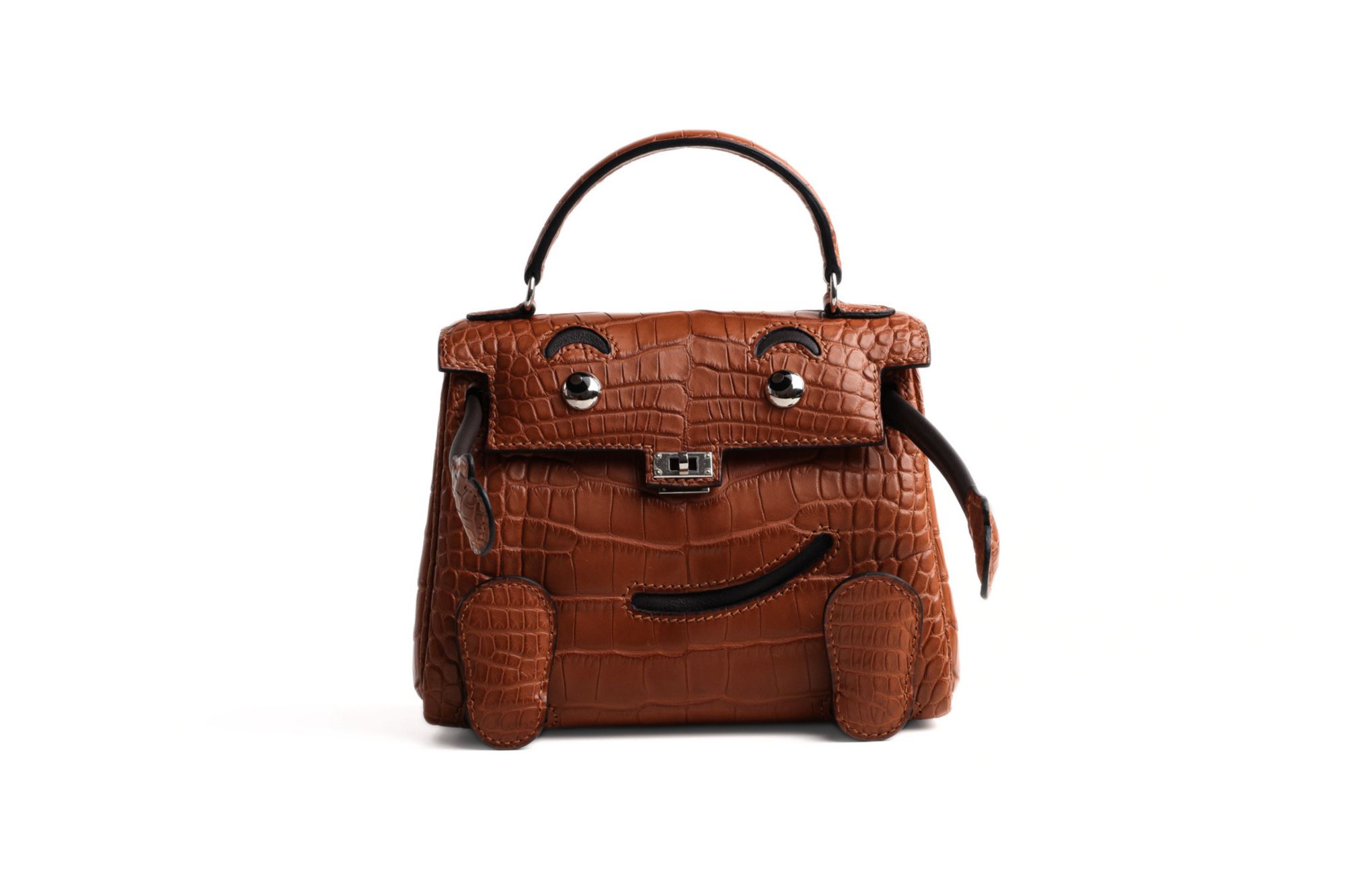
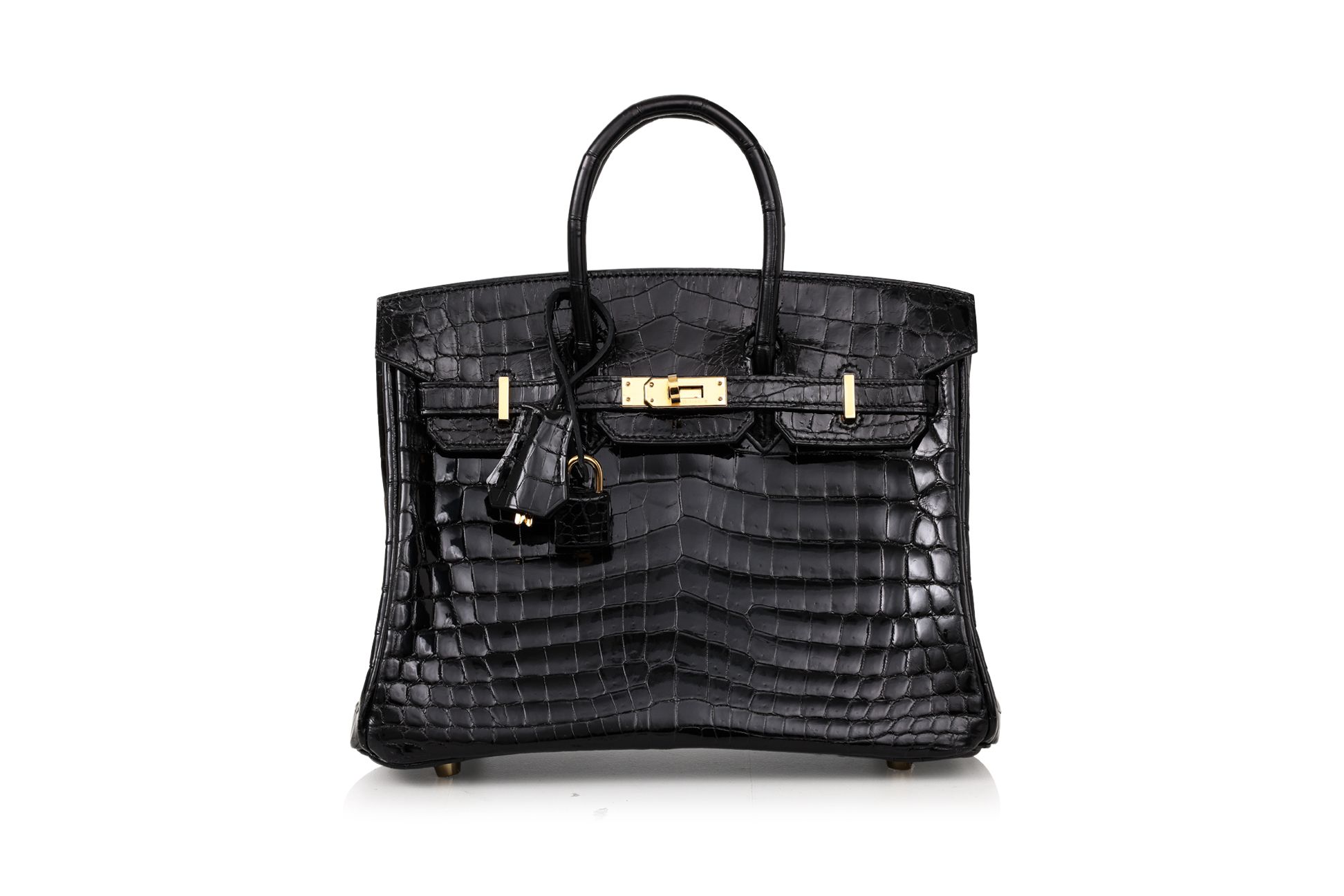
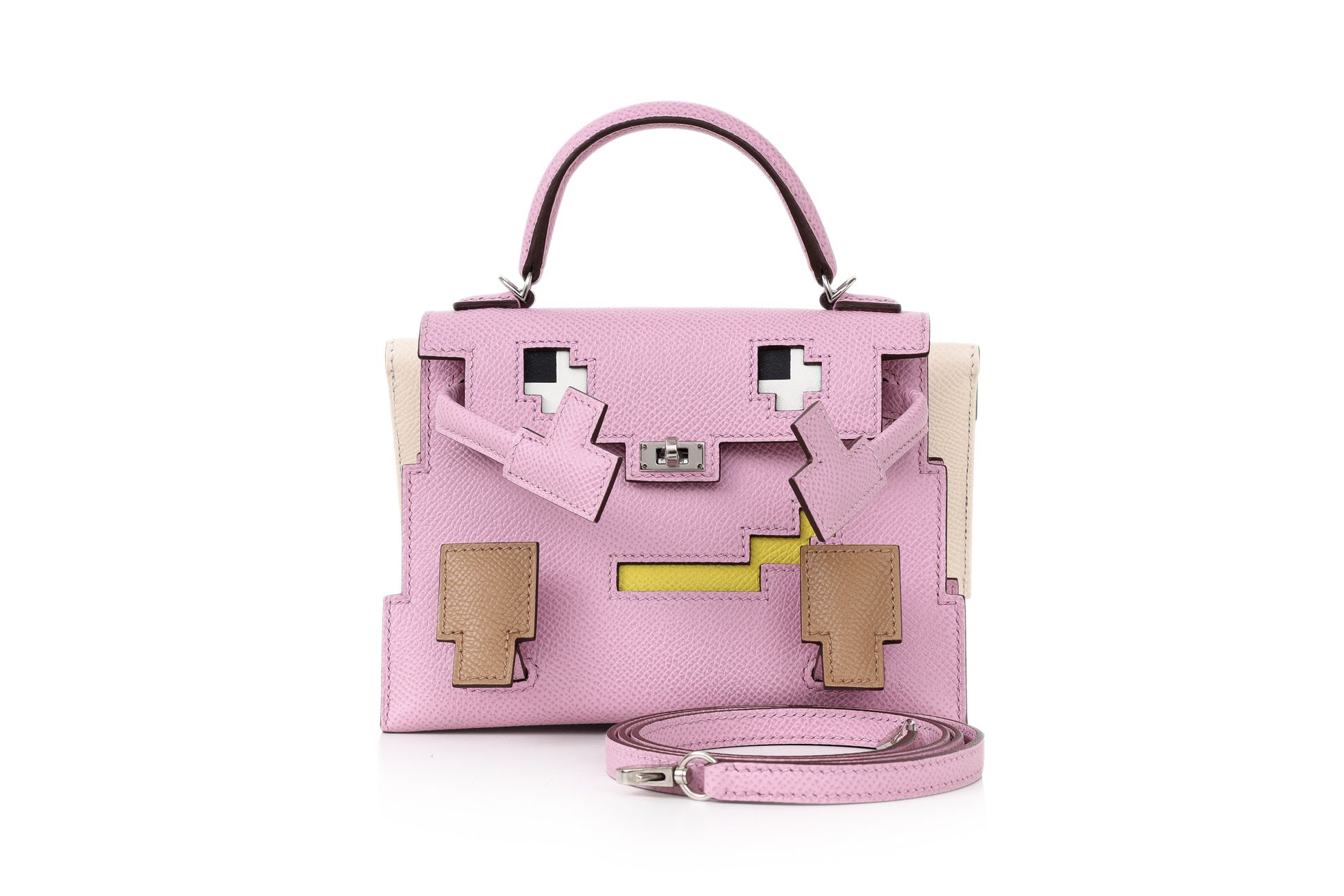
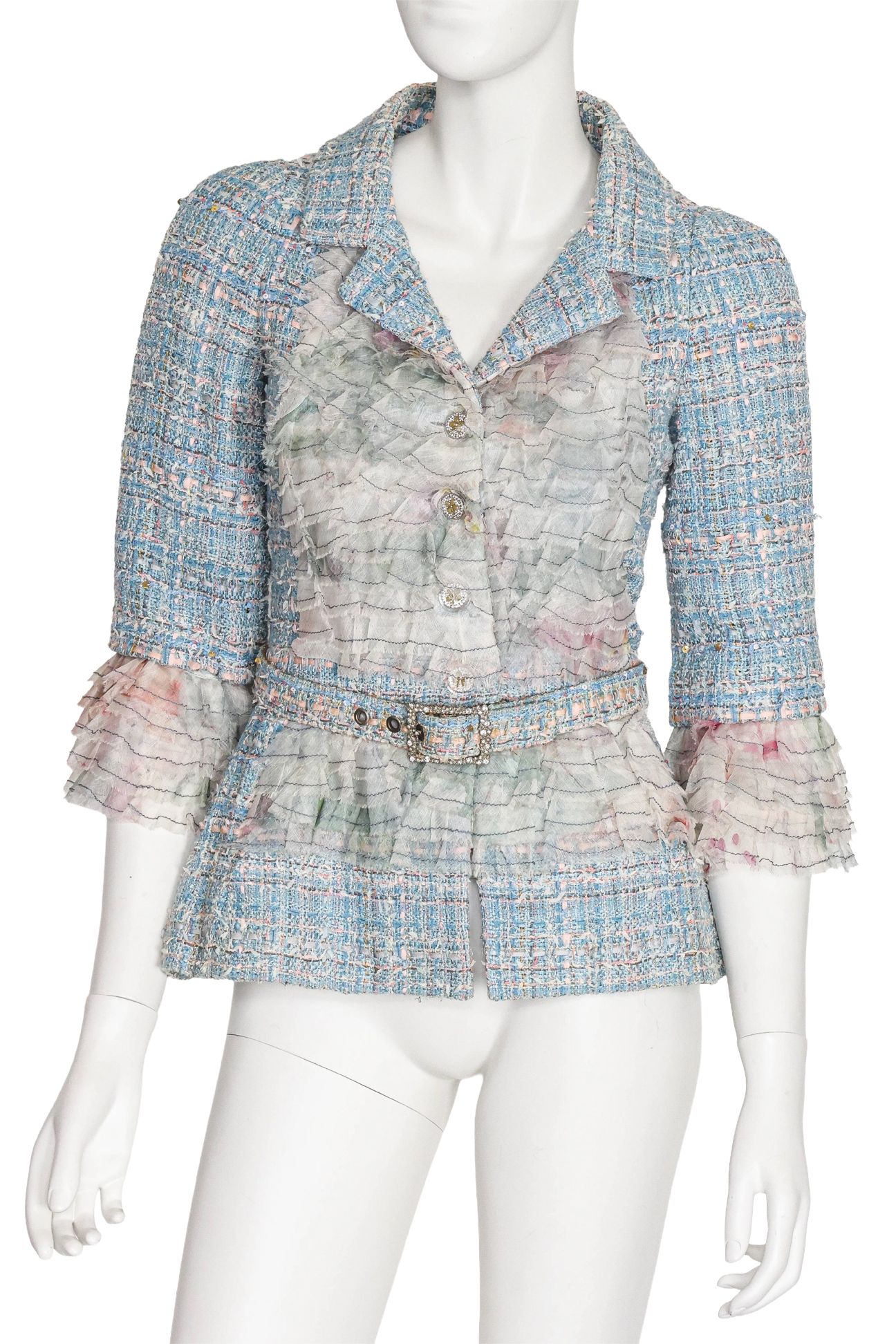
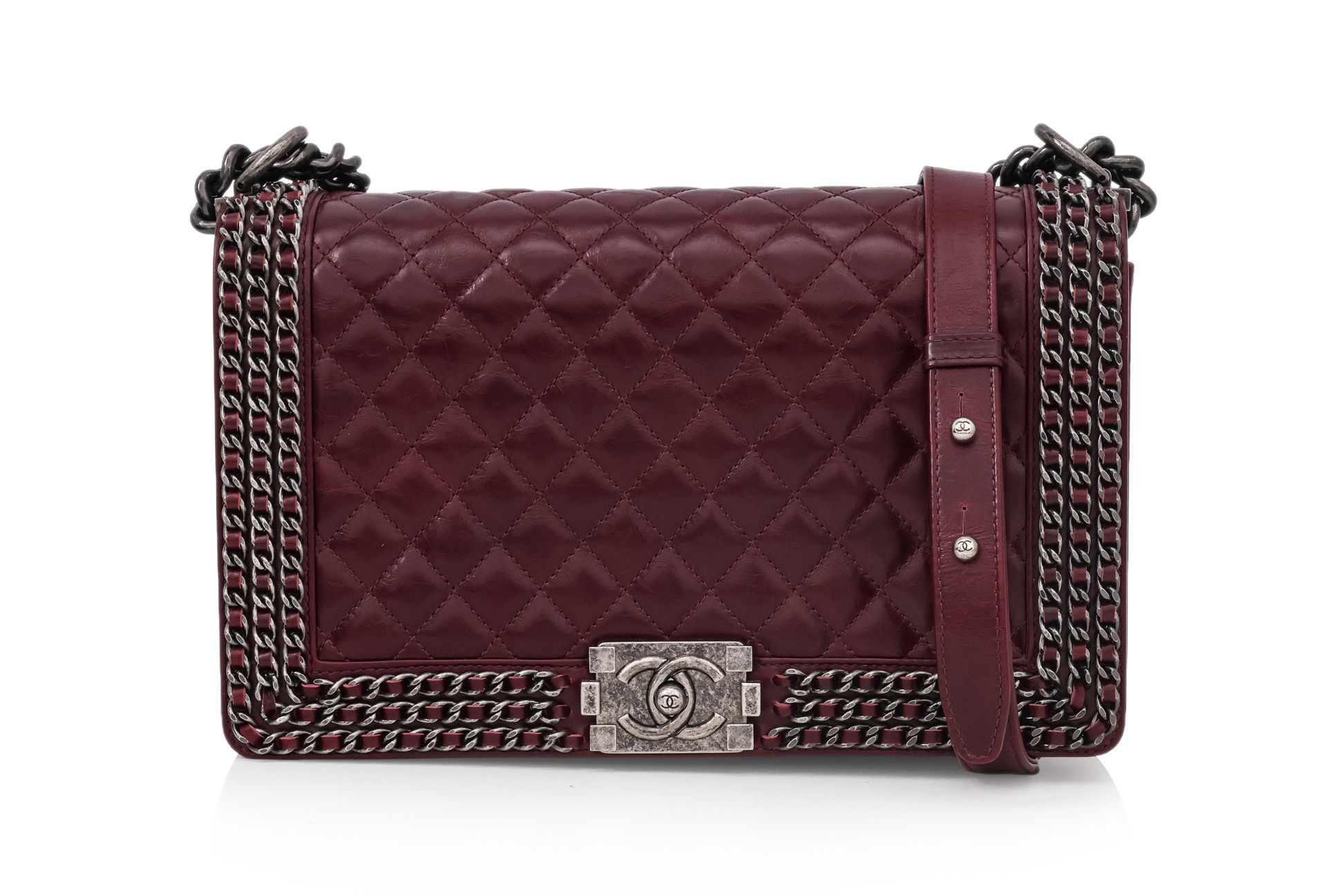
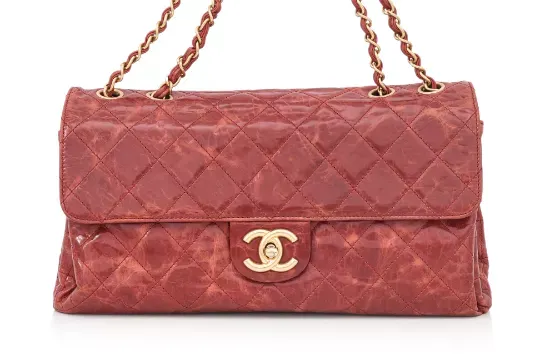
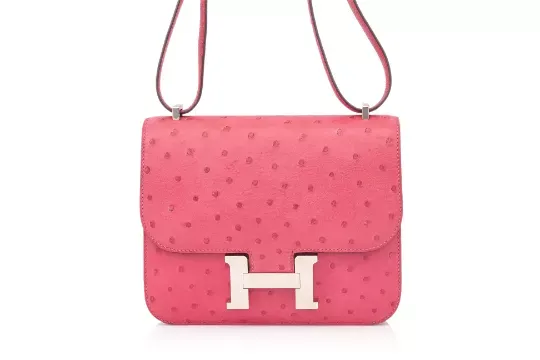
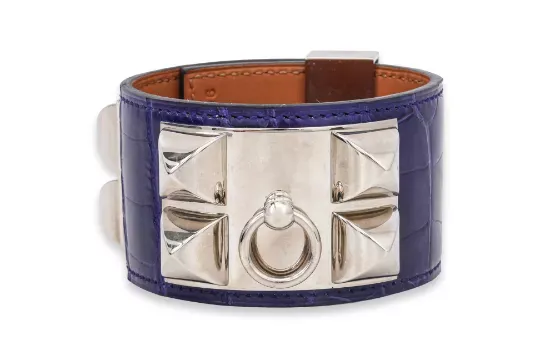
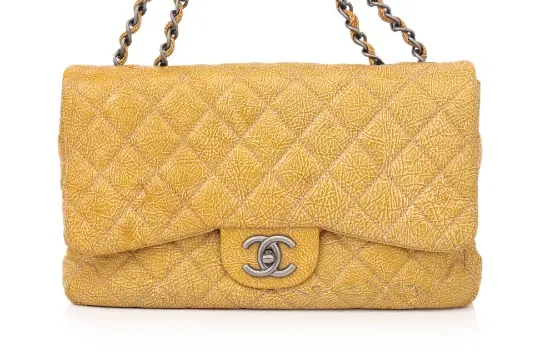
In Singapore, the immense treasure seized during the largest anti-money laundering operation in the country's history is about to be gradually resold. Stored under high security in a secret warehouse following dramatic raids, hundreds of exceptional handbags, fine jewelry, rare watches, and gold bars will be sold off through a series of fifteen online auctions. All proceeds generated by this extraordinary operation will go directly into the city-state's public coffers.
The finale of a financial scandal
This court-ordered liquidation marks the end of a major criminal saga that kept the city-state on edge for nearly three years. The case truly erupted in the summer of 2023, culminating more than five years of extensive investigations into suspicious money movements. Authorities uncovered a network originating from China whose ten ringleaders used a multitude of passports issued by Turkey, Cambodia, Cyprus, or Vanuatu to cover their tracks. Through a complex network of shell companies, fake Macao real estate sales contracts, and forged financial statements, the group managed to funnel more than two billion euros of criminal origin back into the legal financial system. This staggering sum led to the conviction of the ten suspects, who received prison sentences ranging from thirteen to seventeen months before being permanently deported.
The dual role of exceptional goods
Acquiring high-end items served a twofold strategy to conceal these colossal funds. On the one hand, fine jewelry, luxury leather goods, and prestige watches provided an extremely compact financial reserve that was negotiable anywhere in the world and easy to transport - leaving no paper trail with banks in the process. On the other hand, this ostentatious lifestyle - featuring exclusive residences on Sentosa Island, sports cars, and rare wines - fashioned the ideal persona of wealthy expatriates. This illusion of affluence inspired blind trust from private banks, making it easy to open corporate accounts and even infiltrate the exclusive circle of family offices.
The network took full advantage of a legal loophole. While banking institutions and gold dealers were required to subject their clients to strict verification checks, the secondhand luxury resale market still escaped anti-money laundering requirements altogether. Because purchases were settled from bank accounts that had already passed initial screening, resellers of leather goods, artwork, or sports cars had no legal obligation to report these suspicious transactions.
A custom schedule to protect market values
Given the unprecedented volume of seized property, managing this treasure required unprecedented logistics. Kept under tight security, hundreds of Chanel and Hermès bags, timepieces by Patek Philippe and Richard Mille, and fine jewelry pieces patiently await their turn under the hammer. Under the direction of Deloitte and auction house Hotlotz, the strategy involves staggering the sale across fifteen sessions scheduled from September 2026 to May 2027. This rigorous planning addresses a simple economic reality: flooding the market with so many rare items all at once would risk oversaturating it and driving prices down, which would automatically reduce the revenue intended for the state treasury.
Ahead of the auctions, a meticulous inventory was entrusted to French legal expert Jérôme Lalande, a regular advisor to the Paris Court of Appeal according to investigative outlet Glitz. His thorough inspection made it possible to filter out around fifty highly sophisticated Chinese counterfeits mixed in among the authentic items, which are set to be destroyed immediately. The expert assessment also confirmed the extraordinary caliber of the rest of the collection, which includes rare exotic leathers and brand-new items that were never worn, though some required restoration due to initial storage conditions.
French luxury houses in the auction spotlight
The first phase of these sales gathers more than six hundred exceptional pieces, evenly split between luxury leather goods and fine jewelry. Top French fashion houses take center stage, sparking immediate enthusiasm among collectors worldwide. Chanel stands out with highly sought-after collector pieces ranging from classic models to creative minaudières shaped like spheres or quilted leather perfume bottles.
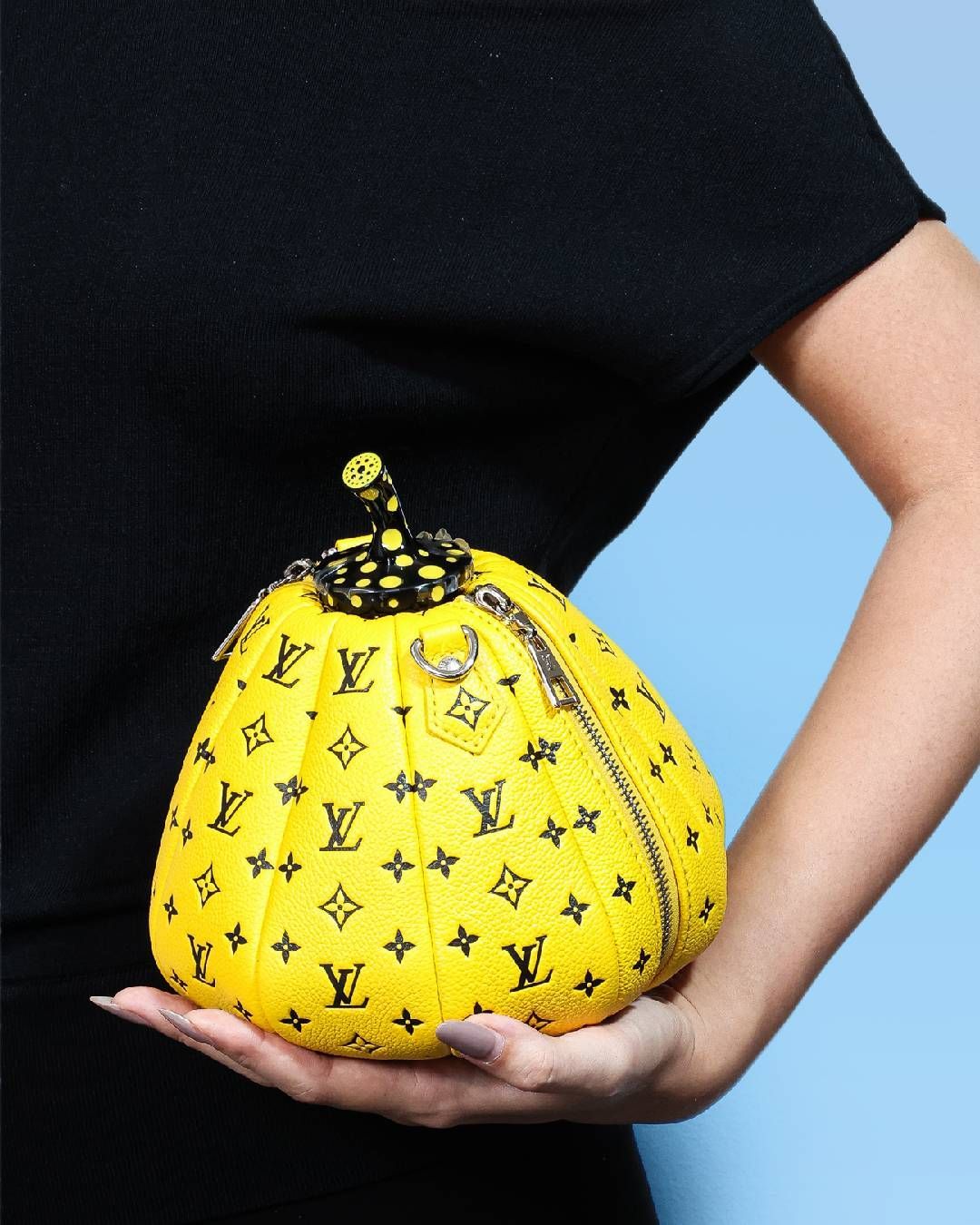
For its part, Dior draws every eye with rare variations of its iconic Lady Dior bag, including a limited edition designed in collaboration with feminist artist Judy Chicago, as well as a model crafted in Nile crocodile leather. Finally, Louis Vuitton delivered one of the biggest highlights of this first session with a piece created in collaboration with artist Yayoi Kusama, who passed away last August. The pumpkin-shaped bag saw its value skyrocket during early bidding. Despite the presence of these museum-grade items, the auction house ensured broad accessibility by offering entry-level lots, allowing the general public to acquire fine jewelry from major Italian and French brands.
With the current session running through November 3 featuring ready-to-wear pieces, accessories, and leather goods from Chanel, Louis Vuitton, and Gucci, the sale of this extraordinary treasure is only just beginning. Enthusiasts and collectors already have their eyes on the next key milestone: the exclusive sale dedicated to exceptional Hermès bags, scheduled for November 9 through November 26. Additional sessions dedicated to high watchmaking, fine wines, and jewelry will fill out the calendar through spring 2027.
Success for luxury, failure for real estate
The frenzy surrounding the fashion and jewelry items is amplified by the case's high-profile media coverage. In-person viewing slots and online traffic have exploded, prompting competing international auction houses to organize parallel sessions during the same timeframe.
This resounding success contrasts sharply with the struggles facing the real estate portion of the seizure. While luxury goods are selling like wildfire, dozens of high-end apartments scattered across Singapore's most desirable neighborhoods remain hopelessly without buyers. The main reason lies in the city-state's tax policy: to curb real estate speculation, authorities introduced a massive 60% tax surcharge on residential purchases by foreign buyers. This measure has deterred the international clientele targeted for these exceptional properties, effectively stalling the resale of tens of millions of euros in real estate holdings.
By orchestrating this historic liquidation over nearly nine months, Singapore is successfully turning an unprecedented financial scandal into a profitable operation for its public treasury. Far more than a routine judicial liquidation, this extended series of auctions has also prompted the city-state to close its regulatory loopholes, completely overhauling oversight in the secondhand luxury market and the monitoring of financial flows.
What to read next

Was the sale of Villa Gucci in Rome a missed opportunity for Kering?
Thousands of people queued up and a social media boom from which the brand did not benefit
But what exactly does the Chief Brand Creative Officer at Louis Vuitton do?
The brand has just appointed one, even though it already has two creative directors
Even Hermès has been hit by the luxury crisis
Growth over the past few months is slightly below expectations, but the real issue is the stock