
























The summer family film is "The End of Oak Street" Ready to be chased by some dinosaurs?
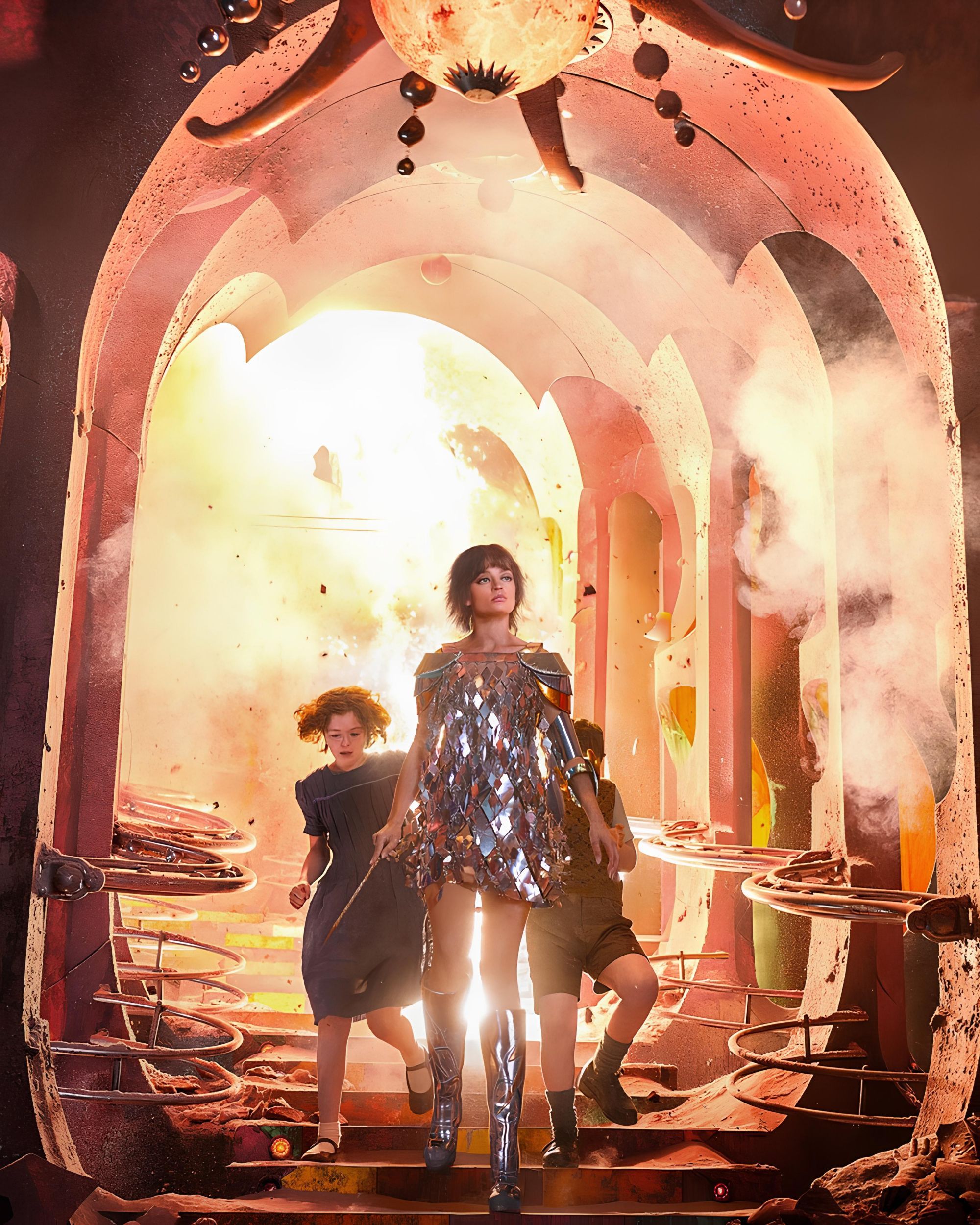
When David Robert Mitchell talks about The End of Oak Street, he describes it as a family movie. Coming from the director and screenwriter of It Follows and Under the Silver Lake, that might sound strange, but it is actually the most accurate description. First of all, because it features a family as its protagonist. And secondly, because it has a story and a pace that can be enjoyed comfortably alongside one's relatives, young and old alike — perhaps having to explain to the little ones that no, it is highly unlikely that dinosaurs could one day roam freely in your backyard, which is precisely what happens in Mitchell's film.
That said, if the American filmmaker wanted to make a family movie — and, to be precise, a family movie with dinosaurs — it is worth noting how he remained true to himself right to the end, scattering a few unsettling and frightening elements throughout The End of Oak Street, most notably the many poor corpses left abandoned on the sides of pavements, devoured by the prehistoric creatures.
@warnerbros “The most thrilling dinosaur movie in ages.” Get tickets now to The End of Oak Street, NOW PLAYING only in theaters and IMAX.
original sound - Warner Bros.
Mitchell doesn't hold back: while the film's packaging seems to follow a well-established and easily recognisable genre, it is these scattered touches of terror that give the picture its personality, allowing it to stand out in the landscape of both family films and dinosaur movies. A voracity that never lets the viewer get too comfortable — one can never quite know which direction the story will turn — maintaining a restlessness that seeps through the blockbuster framework of The End of Oak Street, making it the film's most compelling quality.
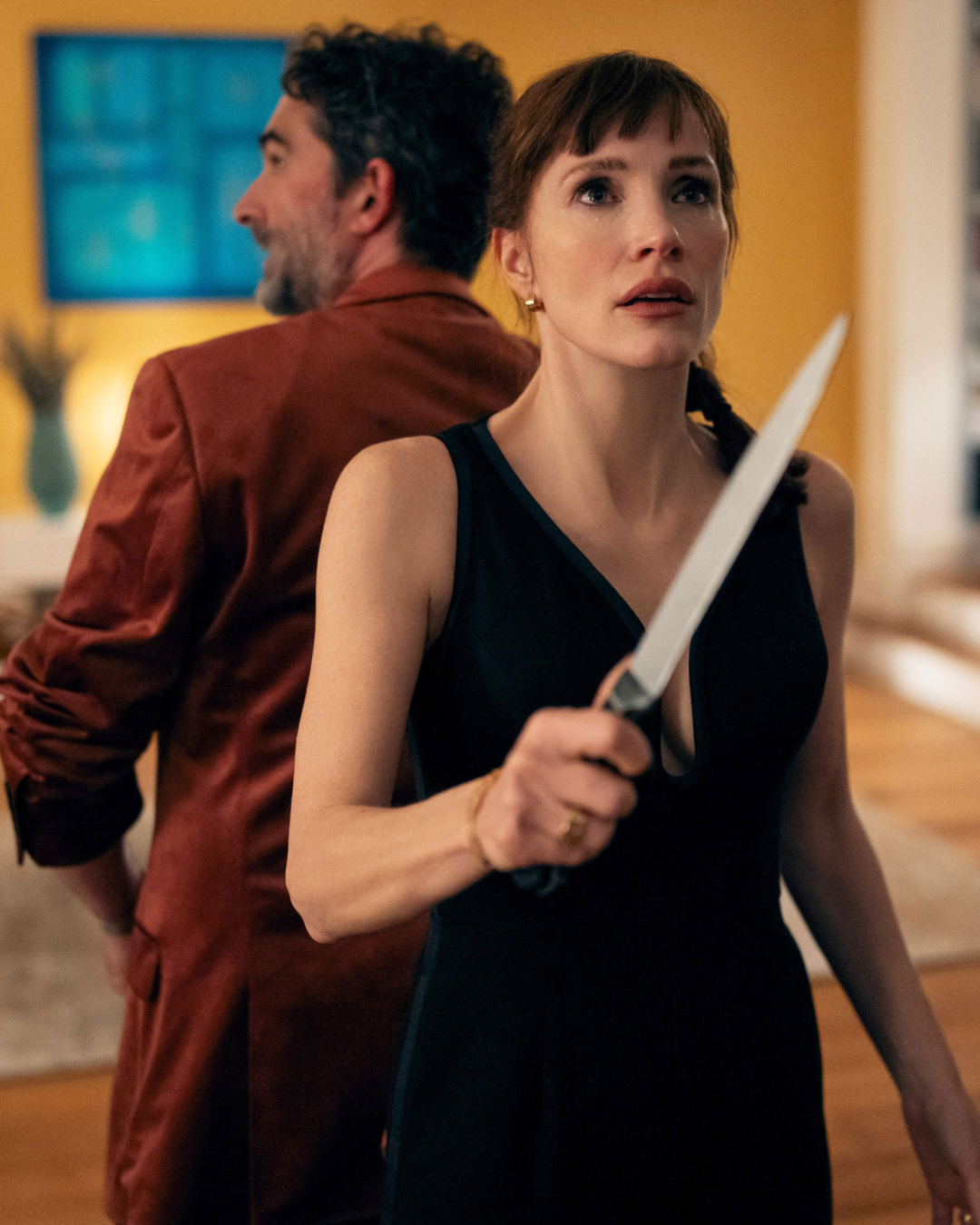
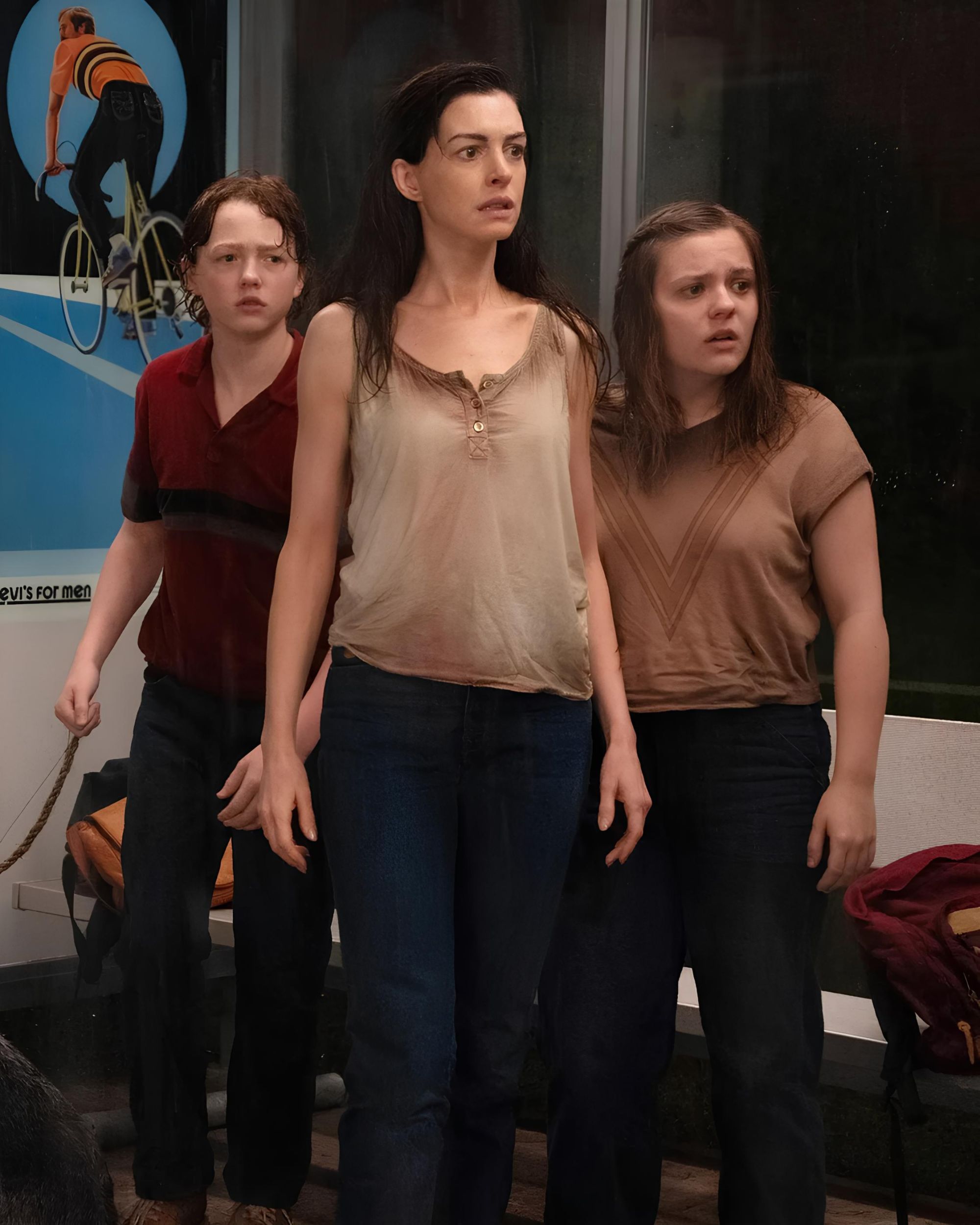
The violence and ferocity of the dinosaurs are the most entertaining element of the film. The breathless sprints of the family led by Anne Hathaway and Ewan McGregor, accompanied by their on-screen children Maisy Stella and Christian Convery, guide viewers through the temporal glitch that has shifted their neighbourhood from their 1980s suburb back into the distant past. A space-time displacement that sets the adventure in motion, and whose ever-escalating danger David Robert Mitchell handles with great skill.
Oak Street is getting a lot of comparisons to the Jurassic films, but there’s a big difference.
— Nick de Semlyen (@NickdeSemlyen) August 16, 2026
In Jurassic, the dinos are treated sympathetically as animals just doing their thing - the films go out of their way to not show them being killed by humans.
In Oak St, meanwhile,… pic.twitter.com/4XjMZuE0I0
Not a great deal happens in The End of Oak Street. Or rather, things do happen, but there are never lengthy preambles, convoluted explanations, or the need to repeatedly set the mood by stretching out scenes and sequences. From one moment to the next, a strange omen descends upon the protagonists' driveway, which quickly transforms into a sense of threat and almost immediately into a desperate struggle for survival. These shifts in atmosphere help draw the viewer into the story, making them feel the same tension in which the characters are immersed, as a mission of self-protection and self-rescue gets underway — one the audience participates in from their armchair, yet actively, watching to see what fates and solutions the characters will arrive at.
While Jurassic Park is the benchmark any filmmaker has had to contend with since 1993 when making a dinosaur movie, the Steven Spielberg title that actually comes closest to The End of Oak Street is E.T. the Extra-Terrestrial, which puts a family in crisis at its centre — as his stories so often have, previously exploring parental difficulties in Close Encounters of the Third Kind as well — with Mitchell following this narrative lineage of the American master. One of the themes dearest to Spielberg's artistic vision, and one from which the director draws more than from his dinosaur film — though the creatures here, like those in John Hammond's park, are large and ravenous, and above all leave behind mountains of dung.
A short film, colourful in a way rarely seen these days, that has fun watching the protagonist family dash back and forth trying not to be torn limb from limb, and that arrives at a conclusion simple in its surreality — one we are happy to accept without overthinking it or looking for reasons to pick it apart. It is also scored by the ever-impeccable Michael Giacchino, who excels at blending epic, sci-fi, a touch of drama, and always a great deal of imagination — the very same imagination that lies at the heart of The End of Oak Street.
What to read next
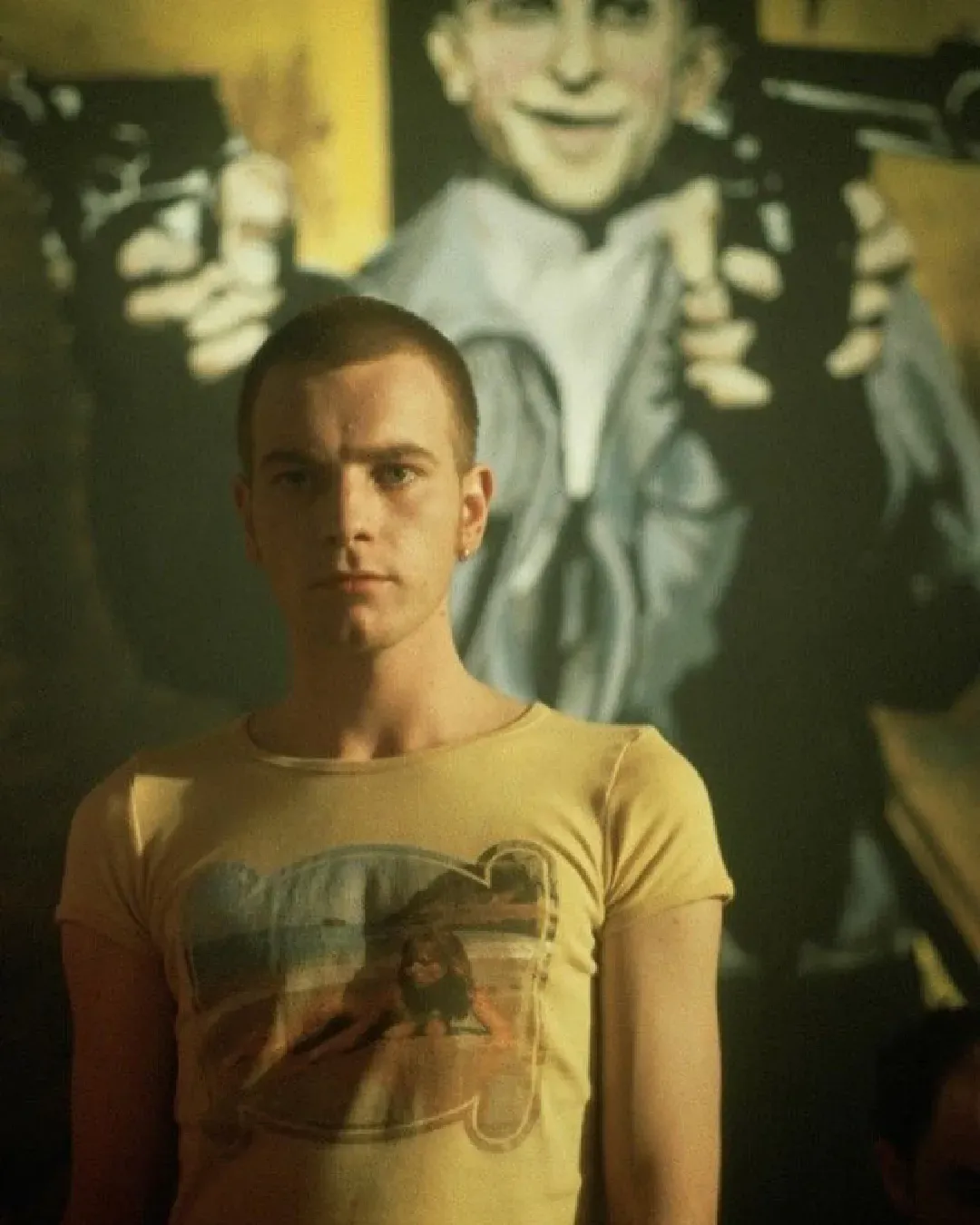
5 trends that Trainspotting anticipated Back in 1996
There is much more to the film than the famous Helmut Lang tank top
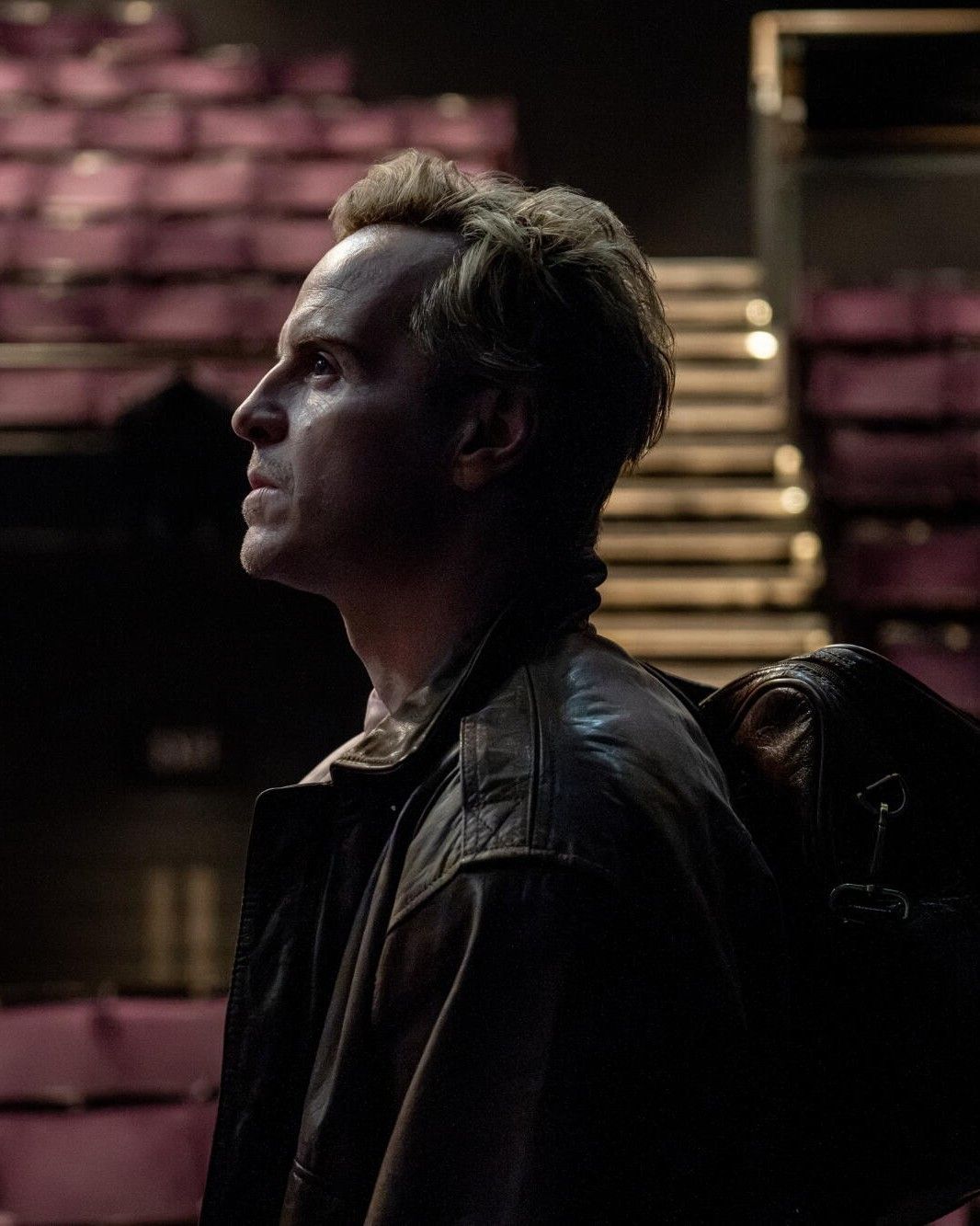
Andrew Scott gives the best performance of his career in "Elsinore"
Simon Stone's film tells the true story of actor Ian Charleson and his production of "Hamlet"
"Il rumore delle cose" by Paolo Genovese opens the 2026 Rome Film Festival
The film, adapted from Genovese's novel of the same name, is nonetheless the usual Italian drama