







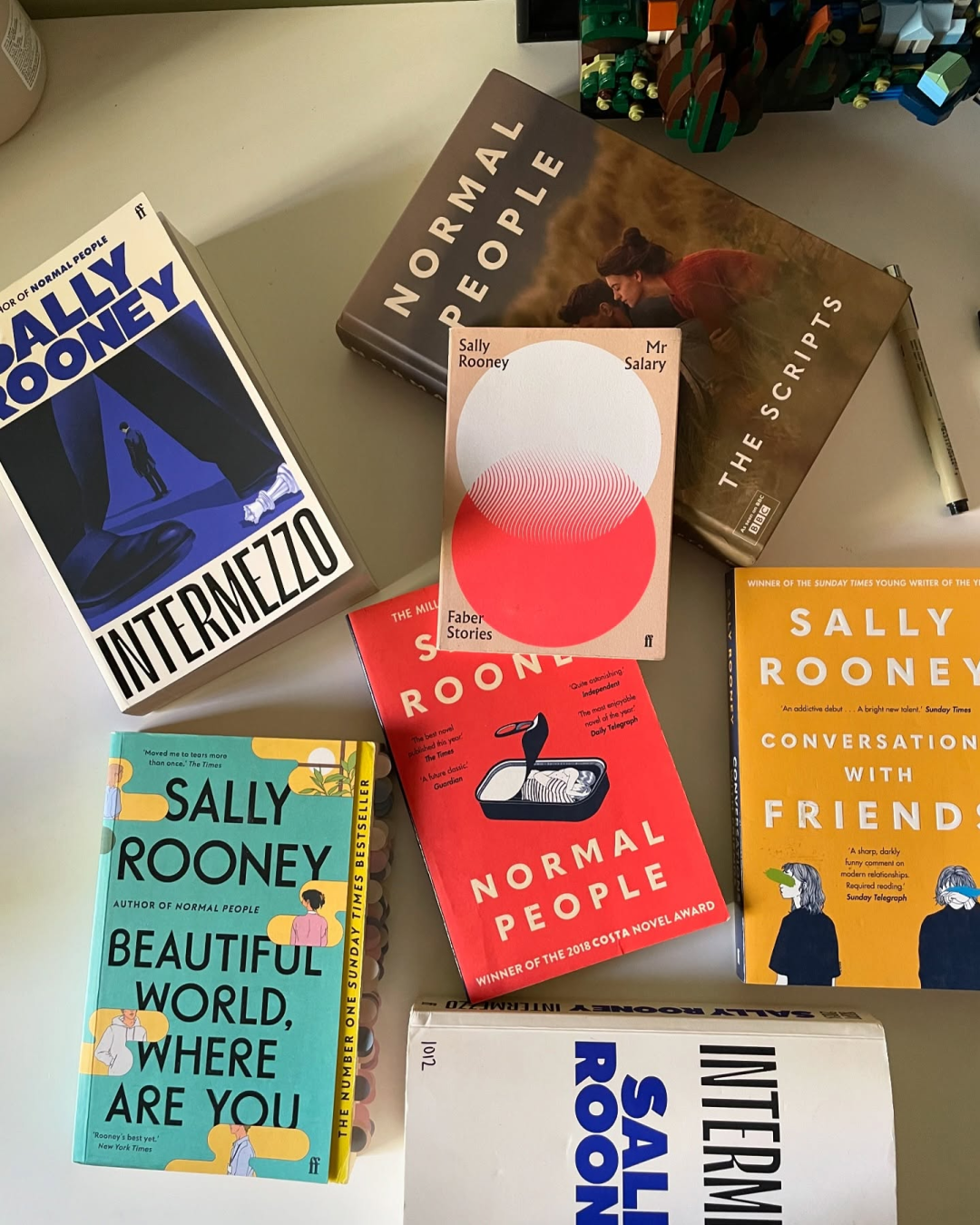
Sally Rooney's books have been banned in the United Kingdom The writer risks arrest for supporting the Palestinian cause
Bad news for British readers of Sally Rooney: her novels will no longer be distributed in the United Kingdom. It was not a publishing decision that removed the Irish author from bookshop shelves, but a provision of the Terrorism Act: Rooney wants to direct her royalties to Palestine Action, a British direct-action and pro-Palestinian protest movement declared illegal and terrorist by the British government in 2025. For this reason, her publisher Faber can no longer pay her, and the writer risks being arrested on charges of financing terrorism — a short circuit that not only removes her works from English shelves but effectively bars her from entering the country.
How did it come to this?
The news of recent days is nothing more than the chronicle of an ending Rooney knew would come — a new piece in a political and legal dispute that has for years been drawing in the British government, the author, and her pro-Palestinian political positions. As far back as 2021, the writer refused to grant Hebrew translation rights for her novel Beautiful World, Where Are You to Israeli publishers (in keeping with the BDS movement), and in 2024, during an interview to mark the launch of her latest work Intermezzo, Rooney openly described Israeli military attacks on Gaza as a "genocide" for the first time. But the turning point in the affair came in June 2025, when Palestine Action activists raided the Royal Air Force base at Brize Norton, daubing military aircraft with red paint to protest British military support for Israel.
In response, in July 2025, the UK government added Palestine Action to the list of illegal terrorist organisations under the Terrorism Act. Subsequently, Huda Ammori, co-founder of Palestine Action, filed an appeal with the British Home Office. The matter was then brought before the Supreme Court: Ammori argues that equating the collective's acts of non-violent protest with terrorism offences constitutes a regulatory abuse that unlawfully restricts freedom of expression and the right to political dissent.
Rooney's role in the Palestine Action case
we love you Sally Rooney the only novelist with a spine
— nour (@bad__bisi) October 14, 2026
Rather than retreating in the face of these legal measures, Sally Rooney doubled down on her position, writing op-eds first in the Guardian and then in the Irish Times in which she asserts her political stance and declares her intention to donate to Palestine Action both the proceeds from her book sales and the royalties from the BBC television adaptations of Normal People and Conversations with Friends. This is precisely where the law comes into play: under Article 15 of the British counter-terrorism legislation, it is prohibited to provide money with the knowledge or suspicion that it may be used for terrorist purposes, with penalties of up to 14 years' imprisonment.
As a result, this provision does not only affect the author herself — it also puts publisher Faber (which distributes Rooney's works in England and Ireland) and the British television productions in an impossible position, as they can no longer pay royalties to Rooney without committing a criminal offence. For this reason, last November the writer submitted a formal witness statement to the Court in support of the appellants, demonstrating how the provisions of Article 15 represented an extreme intrusion by the State into the realm of artistic freedom and expression and created an irresolvable legal deadlock, thereby forcing her publisher to withdraw her works from the British market and inevitably preventing future publications as well.
The legal journey has been turbulent. In February 2026, the High Court initially ruled in Ammori's favour, declaring the ban "unlawful." Subsequently, in June 2026, the Court reversed its ruling, finding the government's conduct to be lawful instead. On 30 July 2026, the UK Supreme Court officially granted Ammori permission to bring a final appeal, deeming the human rights argument worthy of a definitive ruling. This legal dispute has led to the freezing of approximately 2,500 individual charges related to demonstrations of support for the group, pending the Supreme Court's final judgment, expected between 4 and 5 November 2026.
Faced with this dramatic situation, Faber stated in a recent press release: "The current British legislation has created a situation in which Faber cannot transfer to Sally Rooney the earnings from sales in the United Kingdom. Selling a writer's work and being unable to transfer the earnings is an untenable situation for a publisher." The publisher also announced that books already on the British market may be purchased until stocks run out without needing to be returned, and that Faber will continue with pride to distribute copies of the novels in other countries. According to the Guardian, following these statements, numerous English librarians rushed to acquire the last remaining copies because the public does not want to stop reading Sally Rooney's works.
A political matter
@dumbbirchtree If you do not learn from history, you are doomed to repeat it. #sallyrooney #books #foryou #britishpolitics original sound - Isobel | PhD student
For the British government, the Irish writer has become a systemic threat: her open pro-Palestinian activism has ended up weighing more heavily than the economic, commercial and cultural value generated by her books. In England alone, Rooney has sold over three million copies, generating millions of pounds for the publishing industry and the British economy (not to mention the extraordinary success of the television series adapted from her novels). In the face of this scandal, Amnesty International UK has raised the alarm over the risk of a chilling effect: the Rooney case shows how British anti-terrorism law is becoming a tool of political sanction, capable of imposing a form of indirect censorship on anyone who chooses not to align themselves with the government's agenda. The UK's open support for Israel has thus triggered, from 2025 onwards, a chain reaction in the worlds of culture and entertainment, prompting figures such as Tilda Swinton and Paul Weller to stand alongside Palestine Action against the British authorities' attempt to criminalise peaceful dissent and stifle freedom of expression.
At a historical moment when conforming to market and institutional rules so often appears to be the most comfortable and profitable choice, Sally Rooney's stance is a reminder of how rare and profoundly courageous it has become to maintain ethical consistency while promising readers the greatest possible transparency. The writer refuses the convenient separation between commercial success and ethical-political responsibility, demonstrating that cultural resistance is measured not only in words, but also in the willingness to personally bear the economic and professional cost of one's convictions. We thought the era of banned books belonged to a long-superseded past — and yet here we find ourselves in a present where novels are once again being blacklisted and pulled from shelves, not only for what is written between their pages, but for the political opinions and conscience of those who wrote them.
What to read next
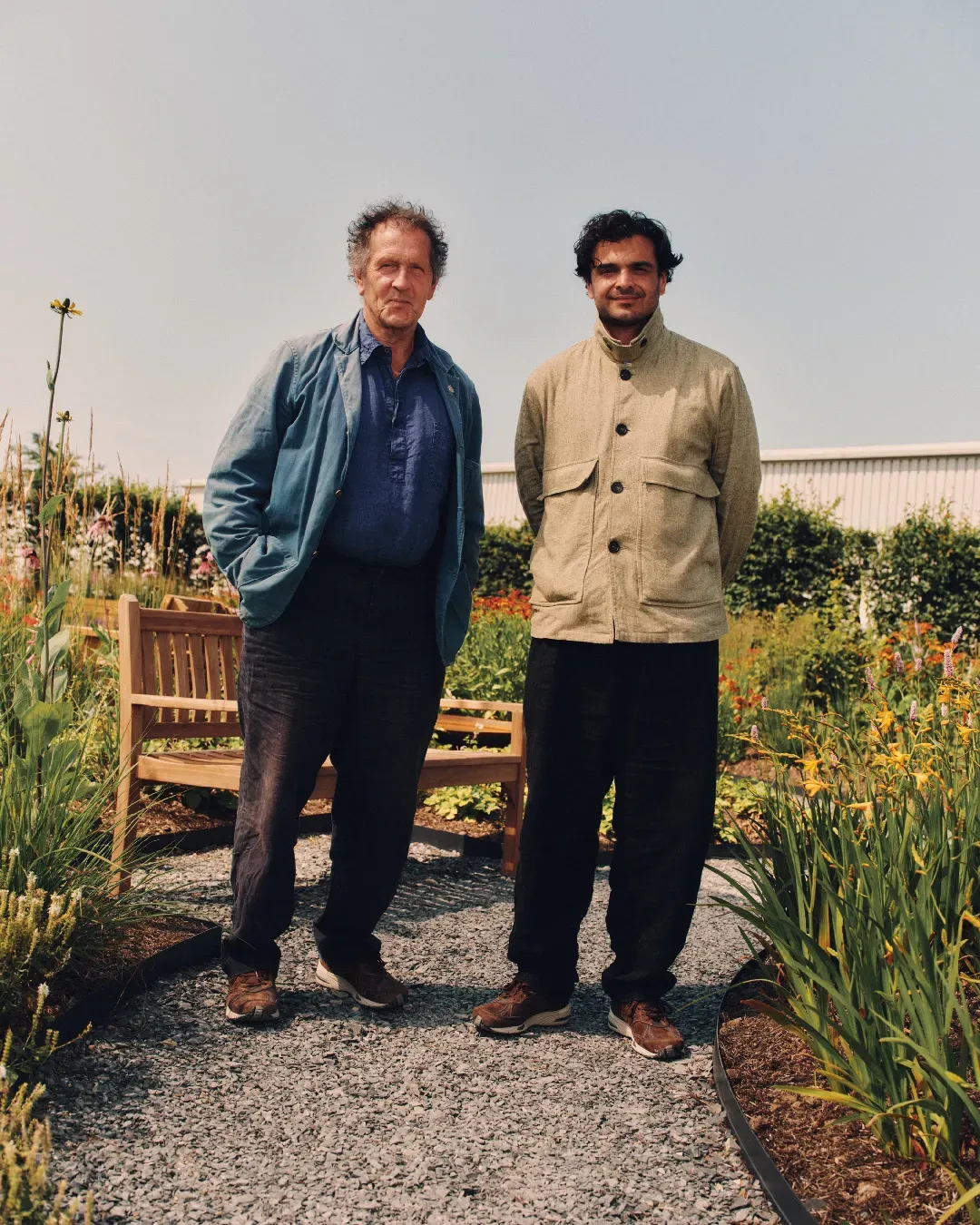
New Balance unveils The Flimby Garden
A garden dedicated to all the people who contribute to the brand's Made in UK
Is it okay to modify old books to make them more contemporary?
Someone even mentioned “TikTok” in a 2006 novel
Hosted By: Olga Campofreda
What I learned from Simone de Beauvoir’s wardrobe (yes, more on fashion and literature)