
Is it okay to modify old books to make them more contemporary? Someone even mentioned “TikTok” in a 2006 novel
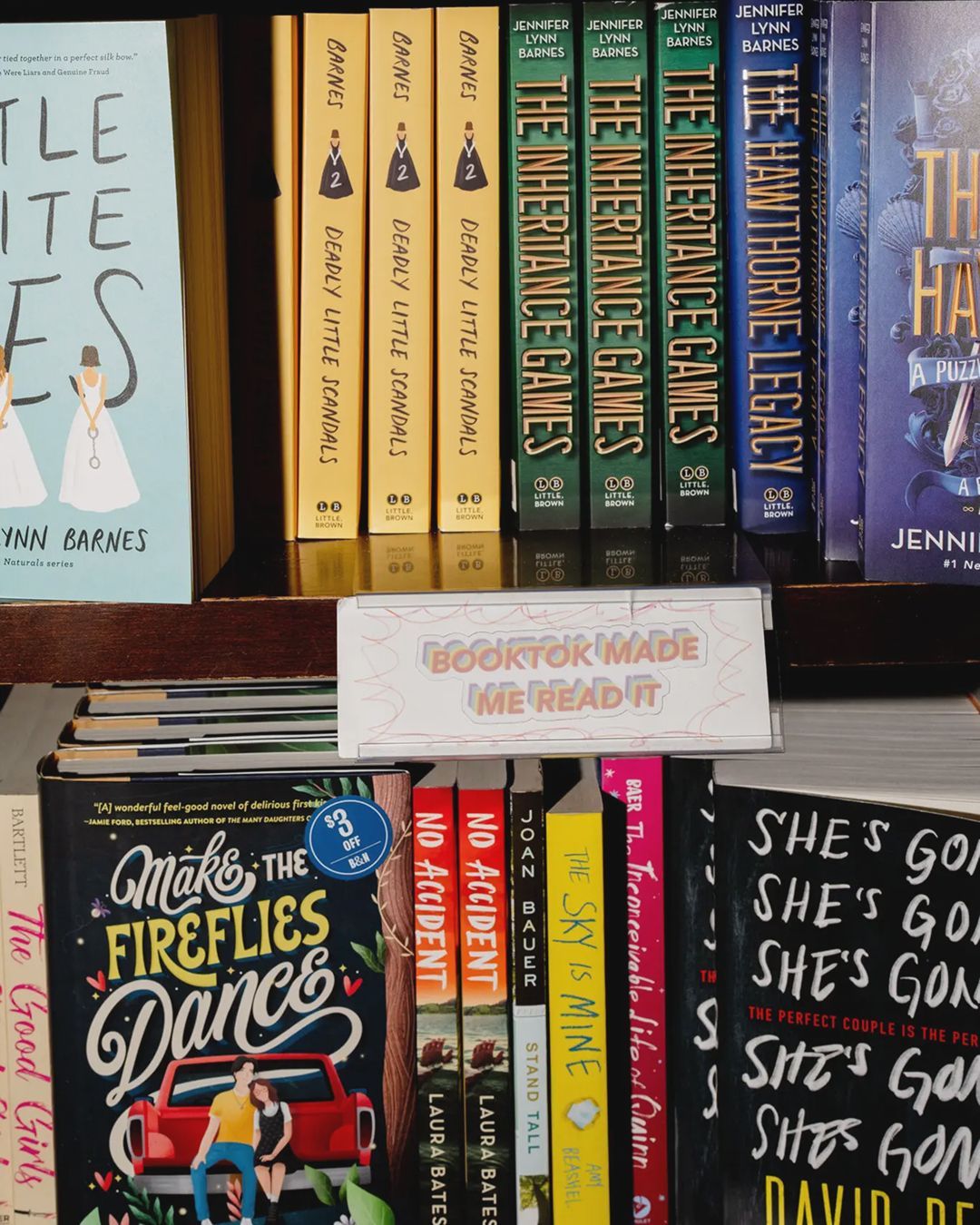
TikTok has become one of the main promotional channels for the publishing industry. Within the user community known as BookTok, millions of readers share book recommendations, reviews, and opinions, contributing to the success of a wide variety of titles. Some are new releases, while others were published years ago but have found new popularity thanks to word-of-mouth on social media. This phenomenon has prompted many publishers to bring long-published novels back to bookstores, often targeting younger readers directly.
The growing interest in books published in the past has reignited the debate over how certain works are republished, especially to appeal to younger readers and reach the BookTok community. Increasingly, publishers - particularly for books aimed at a specific segment of the market - choose to update certain cultural references found in the original texts, making them theoretically easier for contemporary readers to understand.
What does the practice of "modernizing" certain books involve?
One case that has attracted particular attention involves the young adult novel Pretty Little Liars by Sara Shepard. In a recent reprint, as reported by the New York Times, a joke that referred to the American reality TV show Fear Factor in the 2006 edition was changed to include a reference to TikTok. Other elements tied to the early 2000s were also replaced with references closer to the everyday experiences of today's teenagers - for example, mentions of Instagram, Snapchat, and contemporary music artists.
The practice, which updates certain elements of the narrative setting without altering the plot or characters, is particularly common in children's and young adult fiction. In this market, publishers consider it important to maintain a certain level of proximity between the context depicted in a book and the reality experienced by its readers. This approach is therefore different from so-called sensitivity editing, which instead focuses on modifying words or expressions considered offensive or no longer culturally and socially appropriate.
An approach that doesn't convince everyone
For many professionals in the publishing industry, updating certain references can help a book maintain its narrative effectiveness. According to this view, when a particularly young reader encounters references to television shows, technologies, or celebrities that have become outdated, they risk losing their connection to the story. For this reason, some publishers argue that the practice can create new commercial opportunities for works that might otherwise appear excessively dated in today's market.
The criticisms directed at the new edition of Pretty Little Liars, however, show that many readers view these interventions as a form of alteration of the original work. For some, the cultural references of a specific era represent an important part of a book's identity; changing them therefore means modifying the historical context in which the story was conceived and told.
Those who consider the practice controversial and forced often argue that reading a novel published decades ago also means engaging with the customs, technologies, and cultural phenomena of that particular period. According to critics, updating these aspects risks flattening the reading experience.
What to read next

The rise and rise of burner accounts
Anonymity is the new luxury, but you can't quit social media
Sally Rooney's books have been banned in the United Kingdom
The writer risks arrest for supporting the Palestinian cause
The student revolt is happening simultaneously IRL and on TikTok
An analysis of a growing phenomenon