





















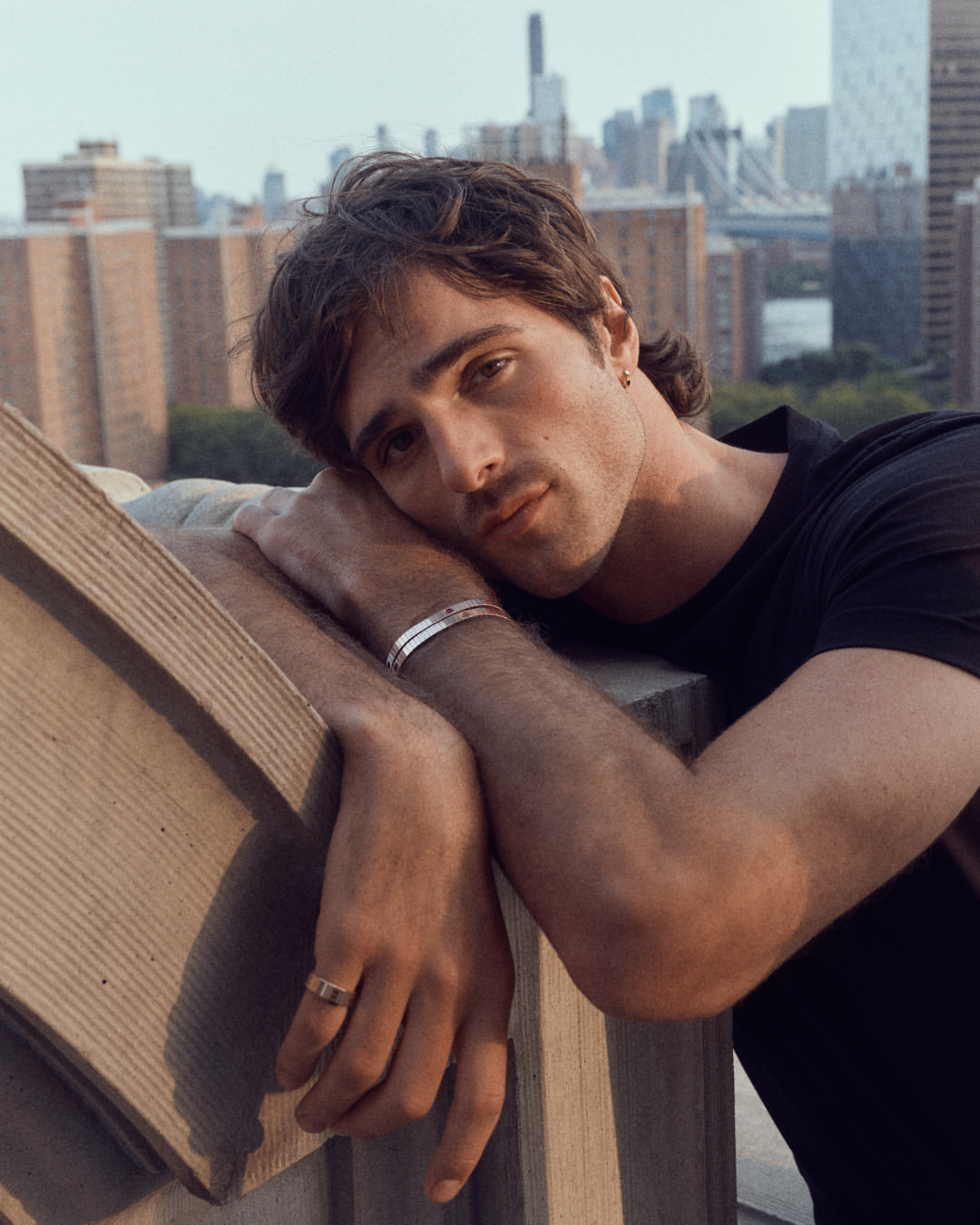
While luxury stumbles, Richemont hits it out of the park The owner of Cartier closes the first quarter with a +20% surge in sales
After the Haute Couture week, luxury usually allows itself a few weeks of breathing room before the "September madness." At the same time, however, July is also the month of financial results from the major conglomerates. While there is great anticipation to understand how LVMH and Kering are performing amid new changes at the creative and managerial helm, the first group to upend expectations was Richemont. The conglomerate that owns Cartier and Van Cleef & Arpels closed the first quarter of its fiscal year, ending June 30, with a 20% increase in sales, reaching €6.33 billion.
Richemont's Results
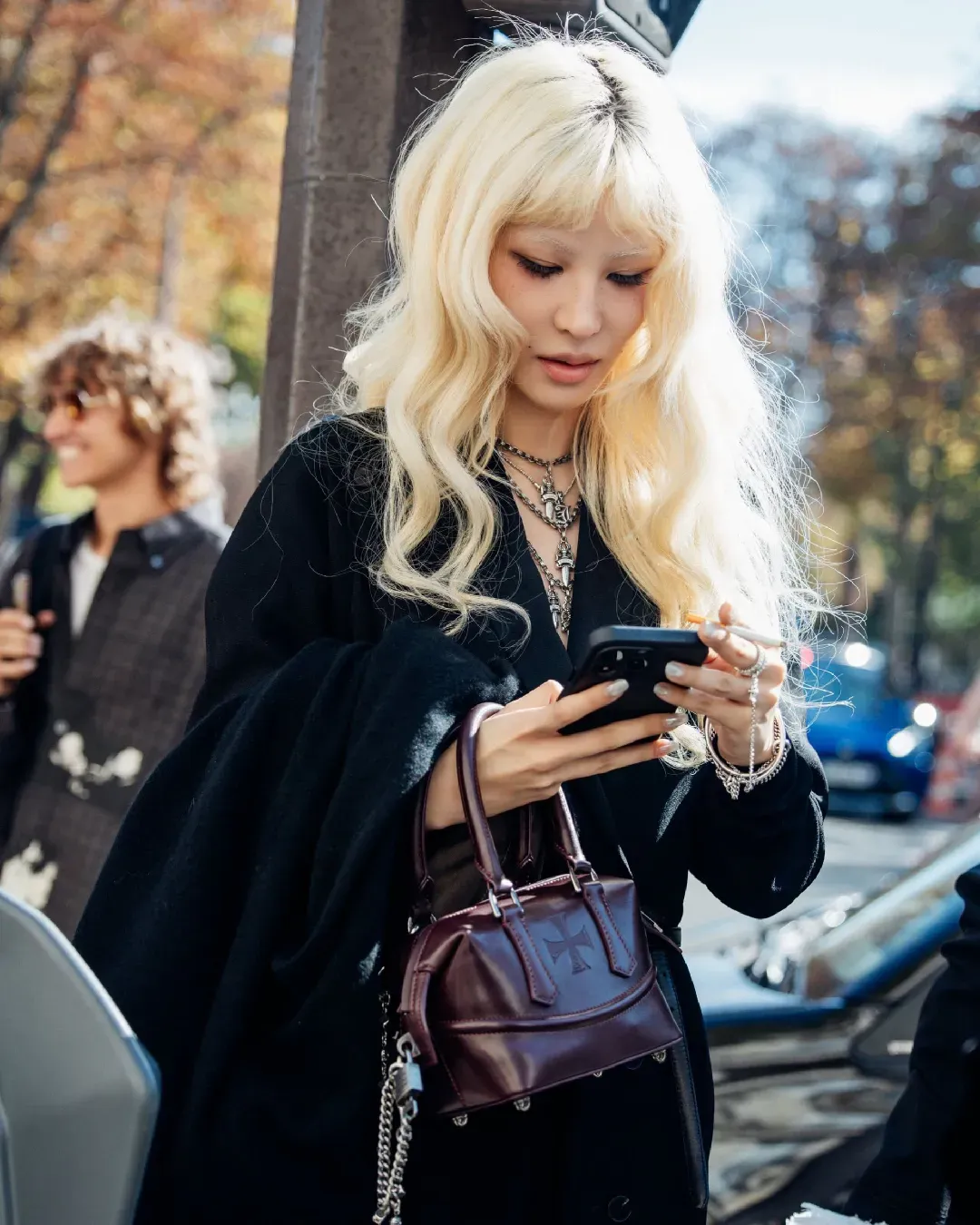
@jisoo #JISOO in Paris with #Cartier #지수 #까르띠에 #GrandDinerLouvre
Your Love - JISOO
The high jewellery Maisons were the group's primary sources of revenue, according to the report. Sales from Buccellati, Cartier, Van Cleef & Arpels, and Vhernier combined rose 24%, marking the seventh consecutive quarter of double-digit growth with total sales exceeding €4.7 billion.
Growth was driven above all by the US market, which is becoming increasingly central to luxury, where Richemont recorded a 27% surge. After several difficult months, the Middle East also returned to growth (+3%), supported by local demand despite tourist flows continuing to feel the effects of geopolitical tensions in the region. The resilience of Asia-Pacific also came as a surprise: while China continues to slow, growth recorded in other Asian markets managed to almost entirely offset the decline, while Japan confirmed itself as one of the quarter's top performers, even surpassing analyst expectations.
On the business side, the Specialist Watchmakers division also showed significant acceleration, growing 8% thanks primarily to the strong performances of Vacheron Constantin, Jaeger-LeCoultre, and A. Lange & Söhne. The fashion and accessories segment also grew, with Maisons such as Alaïa, Chloé, Peter Millar, Gianvito Rossi, Montblanc, and Watchfinder & Co. rising 9% with positive results across most markets. For Bernstein analysts, Richemont's report "shattered expectations," as BoF also highlights, making an upward revision of estimates for the rest of the fiscal year likely.
How Is Luxury Faring in 2026?
@gucci High Jewelery
— Kering (@KeringGroup) July 14, 2026
Unveiling the new collection of one-of-a-kind designs.
New expressions of craftsmanship, nature, and heritage. pic.twitter.com/Nsmq9a8x2x
It would almost seem as though the luxury crisis that swept the entire industry in recent years is now water under the bridge — or at least for most of the major conglomerates. On one side there is Chanel, returning to positive results partly thanks to the effect of Matthieu Blazy's first collections; the Prada Group, which was never truly touched by the crisis and is ready to launch its Versace 2.0 in September; and LVMH, which appears to be slowly putting its loss-making quarters behind it. On the other side, however, is Kering, which, despite the efforts of its new CEO and the new guard of rockstar creative directors, continues to fail to reverse course — and is dragging along brands that are becoming increasingly difficult to revive.
Richemont's success, however, could signal a new phase for luxury, or it may simply represent an exception. The jewellery sector, after all, tends to be far less exposed to the fluctuations that affect fashion, proving historically more resilient. It is no coincidence that, at the start of the year, Luca de Meo declared that, as part of Kering's revival plan, a dedicated division would be created to bring the group's jewellery production in-house, viewing it as a far more solid and predictable value proposition than fashion. To determine whether Richemont's performance is truly the first sign of a recovery for the entire sector or merely an isolated case, we will need to wait a few more days, when the results from the other major luxury groups will also arrive.
What to read next
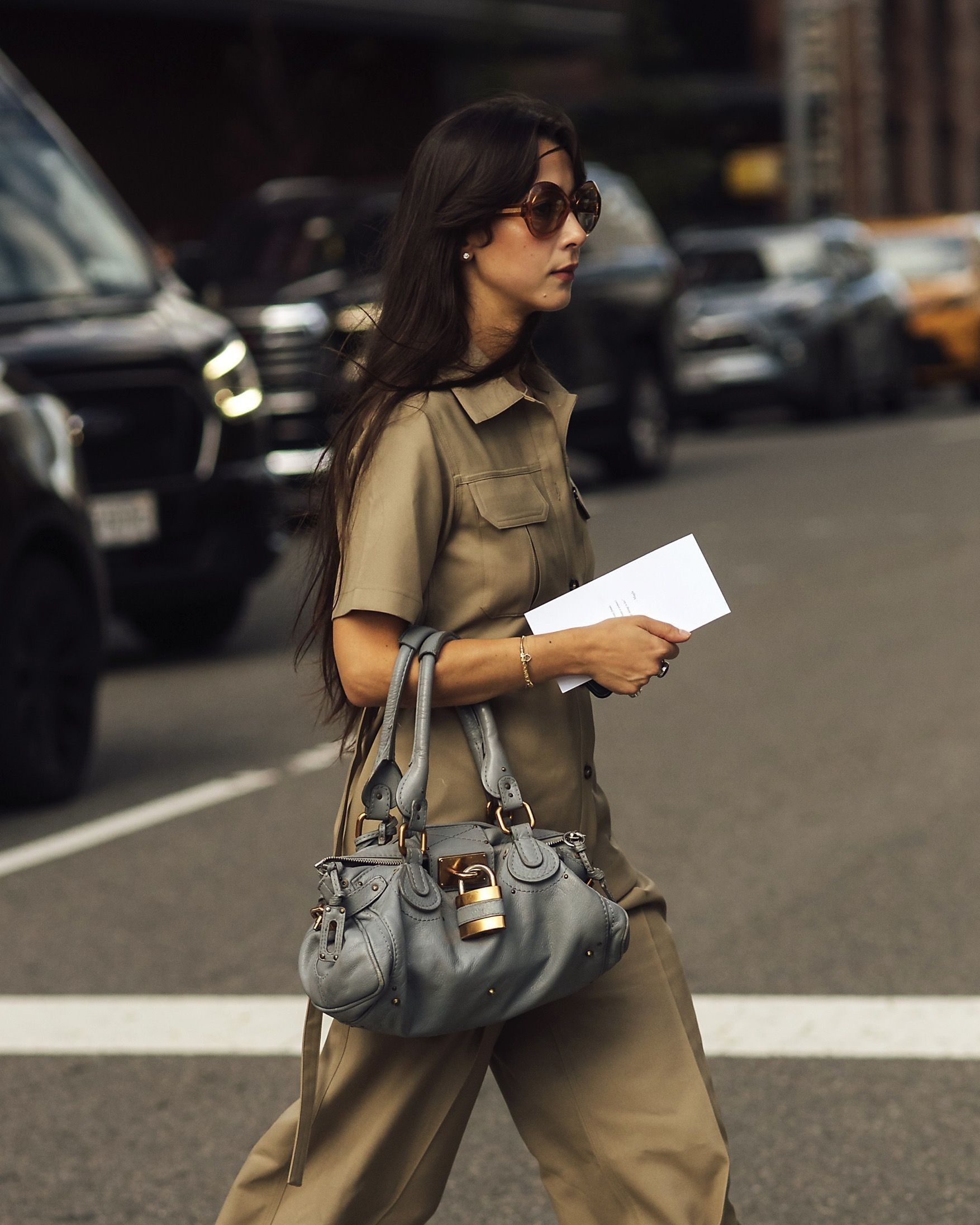
These are the secondhand handbags that are worth the most in 2026
Searches for the Chloé Paddington have risen by 610%, but the real star of the secondhand market is Chanel
Will the new EU regulations on unsold goods really help independent brands?
Yes, but there's a catch
LVMH's fashion division keeps getting worse
Third-quarter results showed a -5% decline driven by the Chinese market