















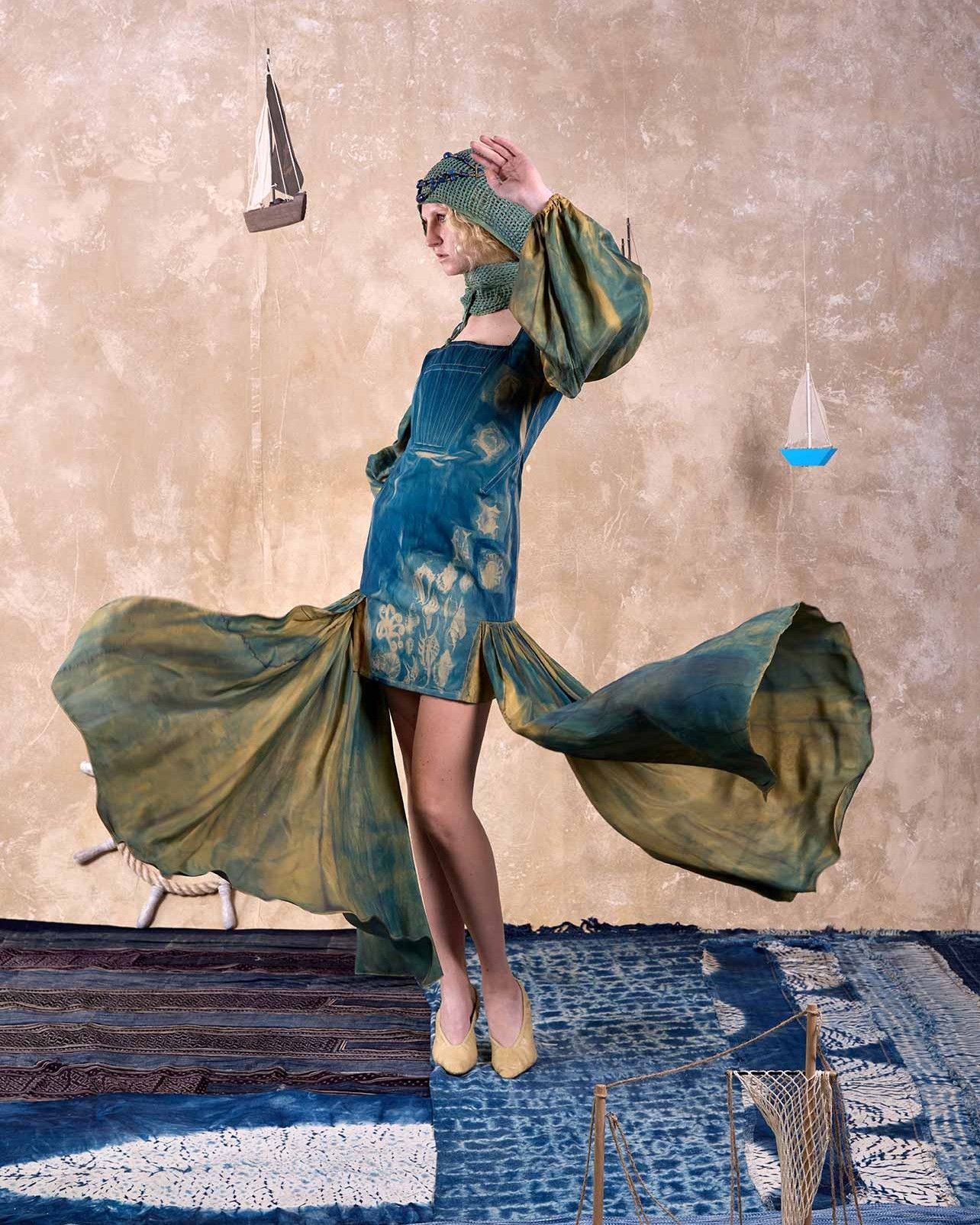









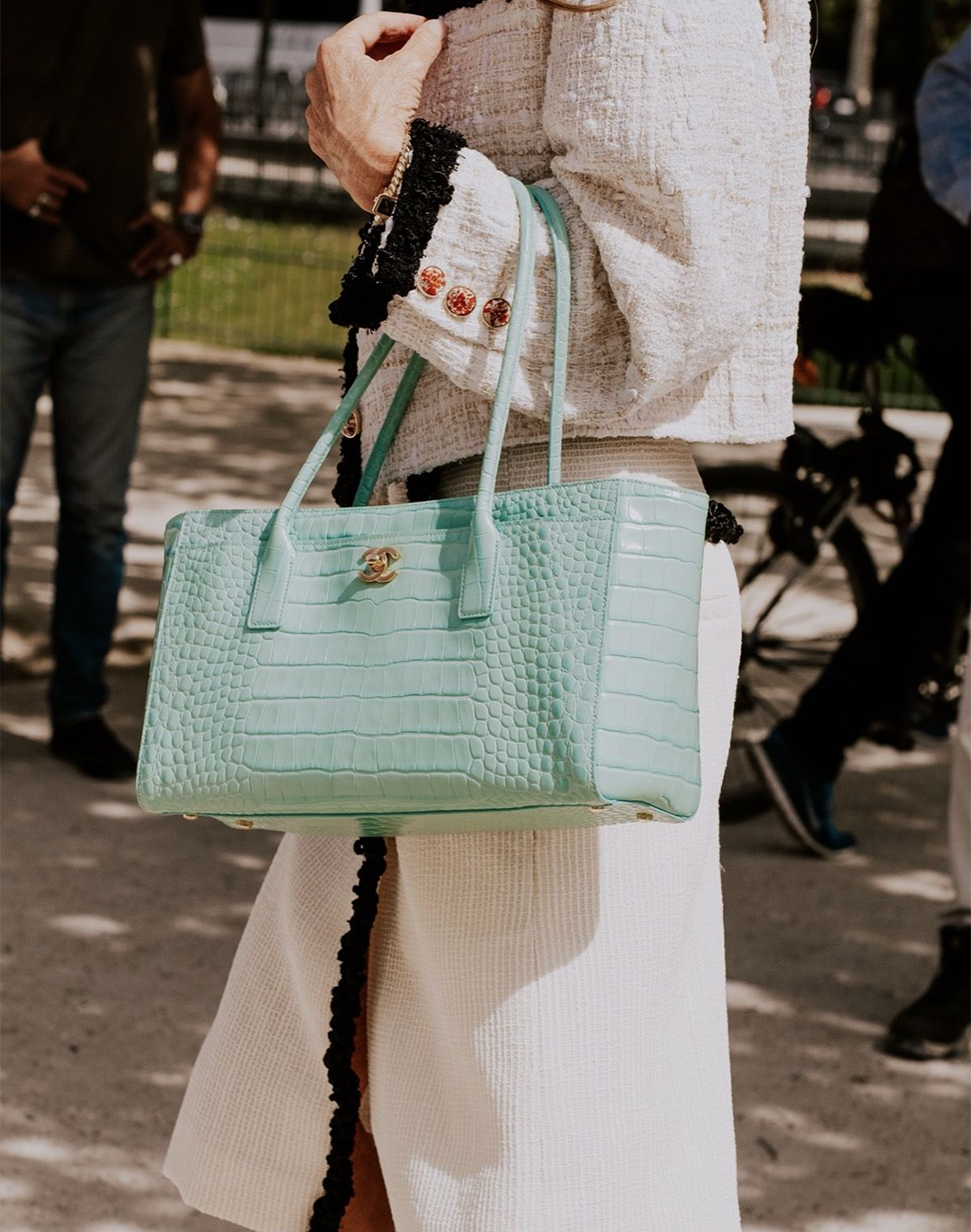
Will luxury brands become exclusive to the few again? 60% of buyers consider independent brands more exclusive than traditional Maisons
Something is changing in the phantasmagoric world of luxury. According to the new The State of Luxury report by McKinsey and Business of Fashion, both in the United States and in China, customers are increasingly defining exclusivity based on how relevant, difficult to replicate, and recognized by the "right people" a product is, rather than on mere scarcity. One could say that it is not only the industry that is changing, but also the consumer, who is now increasingly skeptical of artificially engineered scarcity. When a product is not backed by quality and an authentic identity, scarcity ceases to be a value and becomes a marketing strategy — or worse, a justification.
In the United States, customers want to feel special
In the United States, exclusivity is increasingly synonymous with privileged access. Around 45% of customers highlight early access to new collections or limited editions as the primary element that makes a brand truly exclusive. In a market fueled by both high spenders and aspirational customers, feeling "close" to a brand has become a value in itself. Early access, limited collections, and personalized services are the main tools brands use to build a sense of belonging. However, as purchasing power increases, so do expectations. Wealthier customers place greater importance on VIP programs, private lounges, and personal recognition — exclusivity is no longer about owning a rare object, but about being recognized by the brand as a privileged customer.
True luxury is tailor-made
@trobsssss now I need to figure out what to do with her #weddingdress #dior #diorhautecouture #unboxings L.Boccherini, Minuet from String Quartet No.5 in F major - AllMusicGallery
The Chinese market, on the other hand, shows a different side of the coin. Here, desire revolves less around the brand itself and more around the quality of the experience and the aesthetic identity that brand is able to embody — especially at a time when homogenization lurks behind trends and micro-trends, even in the luxury segment. The report highlights that the primary driver of exclusivity in China is tailor-made service, followed by private appointments and personal relationships with sales assistants. More than getting a product before others, what matters is being treated in a unique way.
The shopping experience thus becomes a tangible demonstration of one's status, in which the store transforms into a place of personal recognition. Unlike in the United States, loyalty programs also lose value as wealth increases: wealthier customers prefer a direct and highly personalized relationship with the brand over standardized benefits.
How do you stay exclusive in 2026?
@valeriasytnik Finally had a chance to visit the new store in Paris. And bought something special #therow #therowstore #paris #shopping Bout To Lose It - Eljé
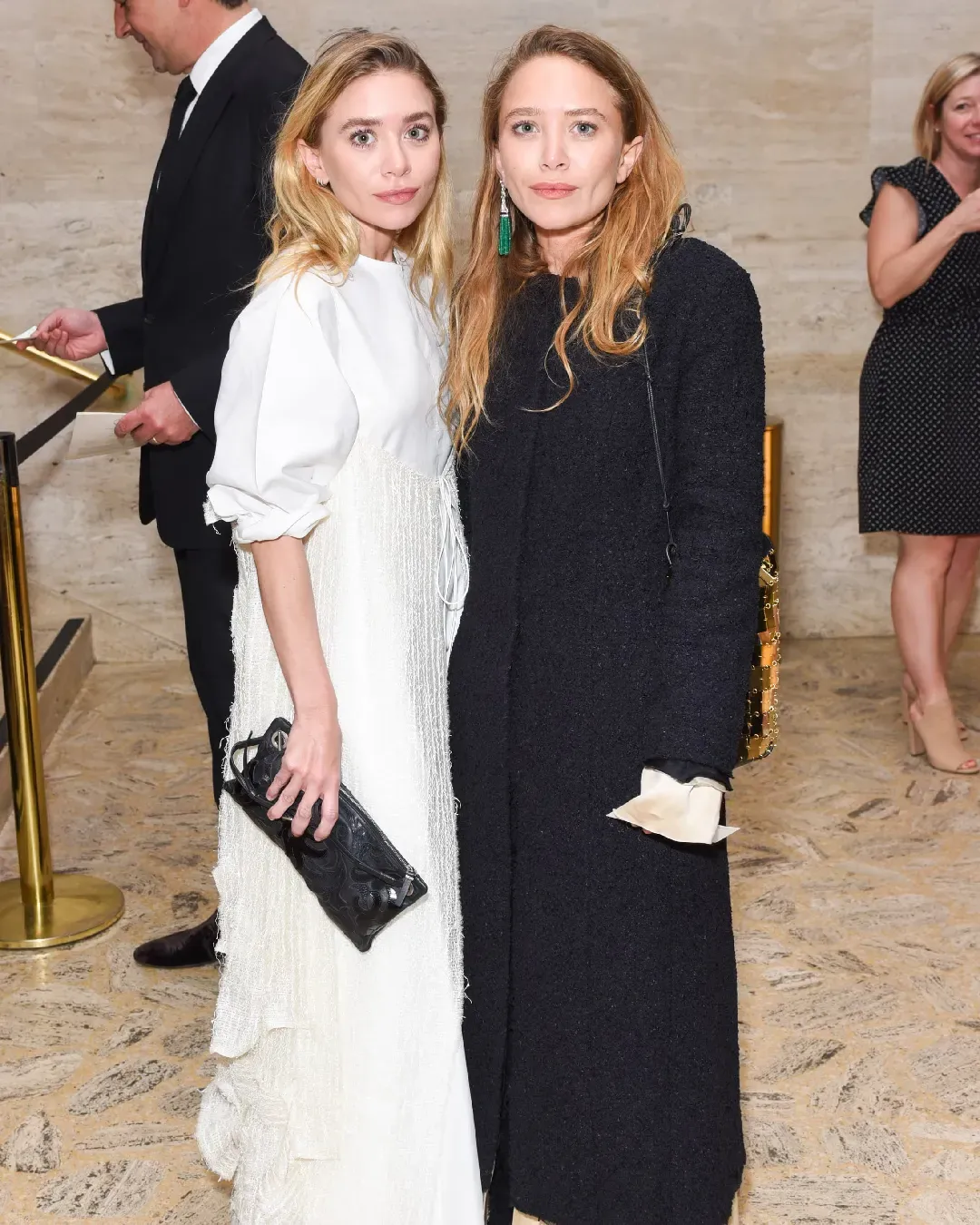
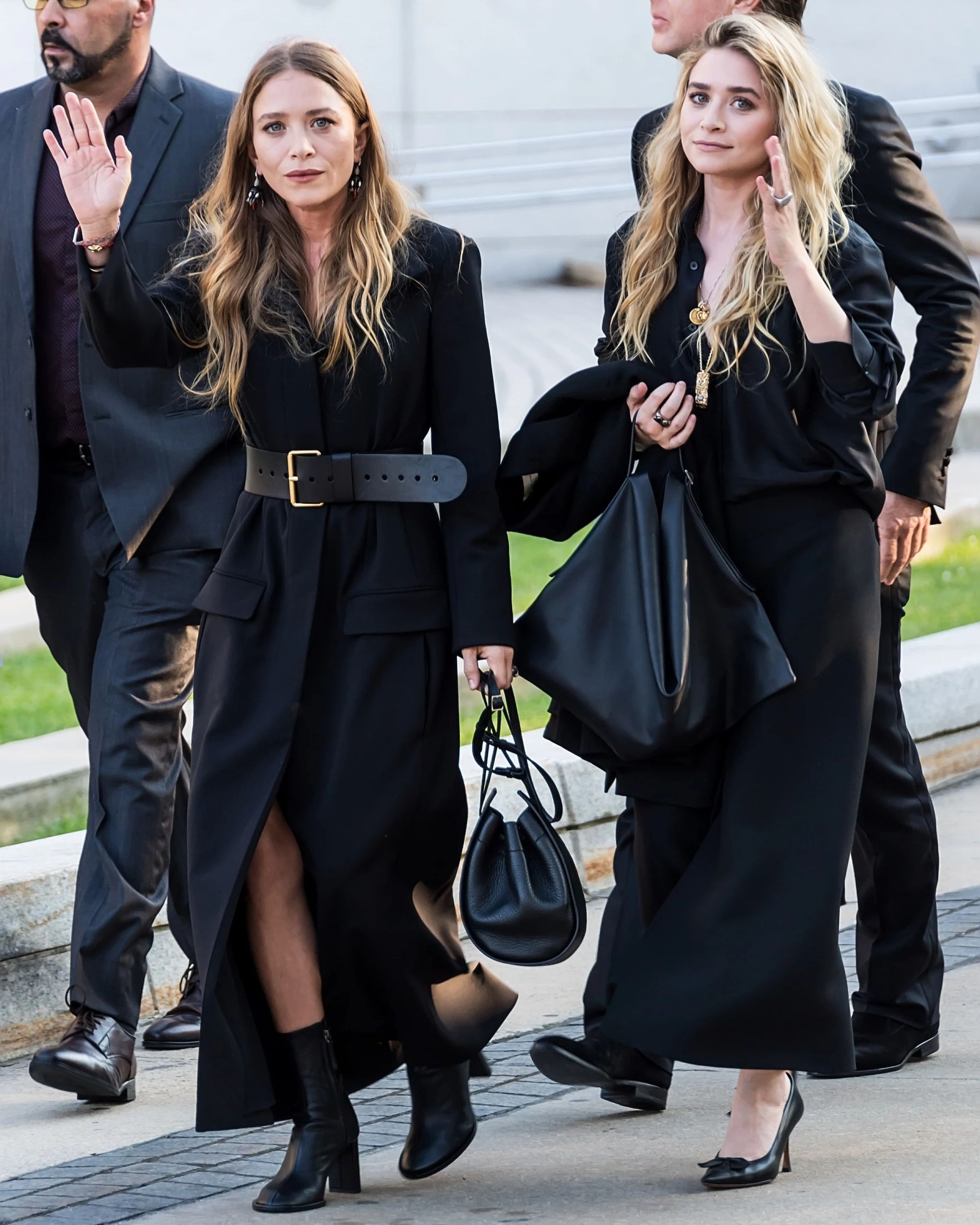
Both in the United States and in China, over 60% of respondents now consider independent brands more exclusive than the major traditional maisons. Exclusivity is increasingly associated with originality, cultural relevance, and a universe that remains relatively unsaturated. For the major luxury brands, therefore, the challenge is no longer about limiting access to their products, but about managing to keep their heritage desirable and culturally relevant. Among the most emblematic cases, The Row stands out, having become the manifesto of quiet luxury. The Olsen sisters' brand built its success on a philosophy diametrically opposed to ostentation, grounded in extreme quality, clean lines, and a recognizability reserved for "the few."
Polène, meanwhile, has tapped into that segment of aspirational consumers priced out by the relentless price increases of traditional maisons. Minimalist design, controlled distribution, and a complete absence of discounts have allowed the French brand to build a premium image without chasing hype-driven logic. Finally, there is Coach, which in recent years has reignited its growth by speaking directly to Gen Z and Millennials through carefully calibrated pricing that has allowed the brand to recover desirability without sacrificing volume.
These examples, together with the market's recent adjustments, demonstrate how the very concept of luxury is undergoing a profound transformation. The real challenge for major groups is no longer simply selling a product, but preserving that sense of uniqueness that has fueled desire for decades. The wider a brand expands its audience, the harder it becomes to keep the perception of exclusivity intact.
Tailor-made services, personal relationships, and customer recognition are becoming central elements in building desire. If scarcity and price were once enough to make an object special, today it is cultural meaning and the ability to make the customer feel truly "seen" that make the difference. One question remains: in a world where luxury is increasingly visible, shared, and accessible, what will truly make a brand exclusive?
What to read next
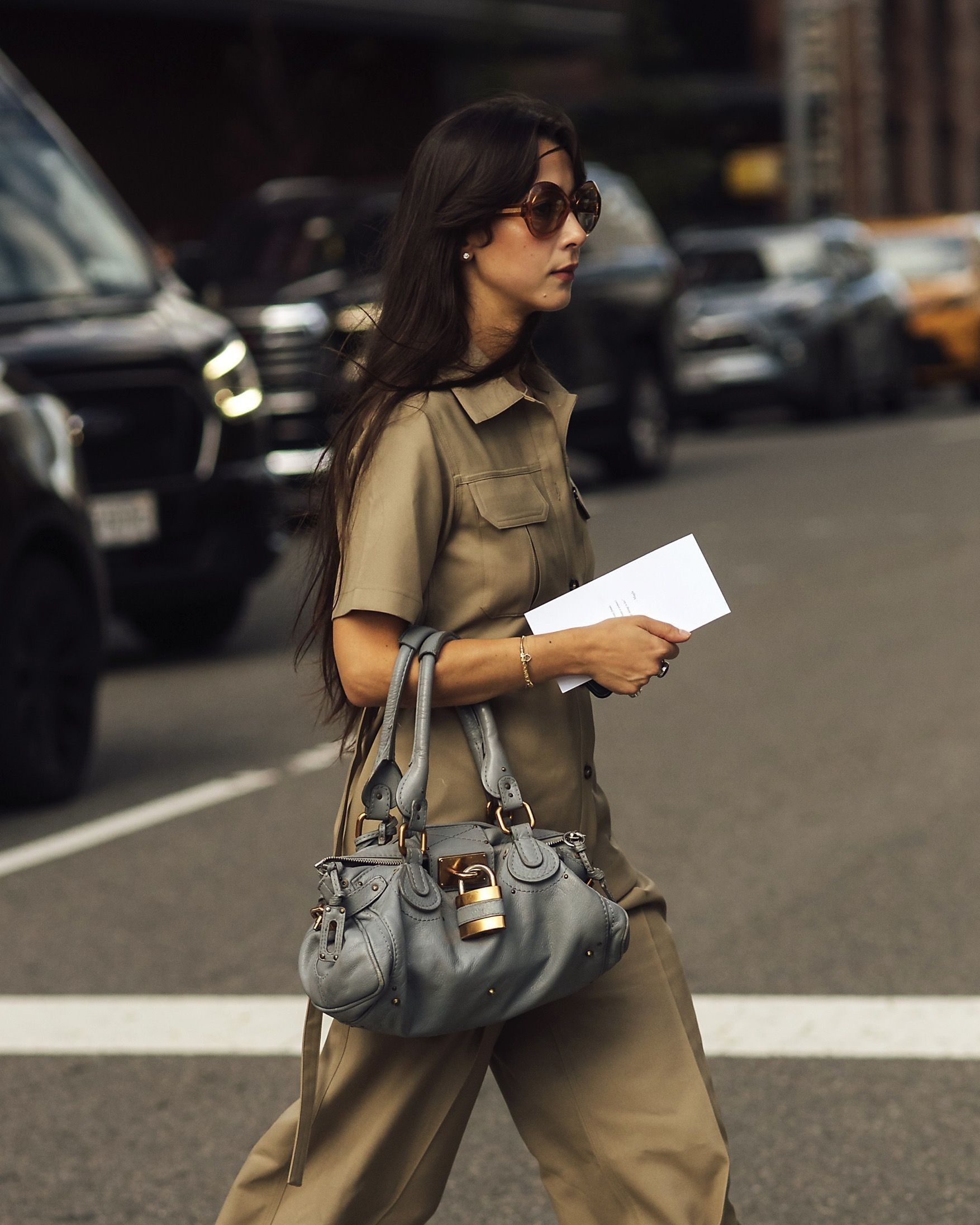
These are the secondhand handbags that are worth the most in 2026
Searches for the Chloé Paddington have risen by 610%, but the real star of the secondhand market is Chanel
Will the new EU regulations on unsold goods really help independent brands?
Yes, but there's a catch