



















Italy is still stuck on "Berlusconi Summer" A world of bandanas, white shirts, and serenades with Apicella
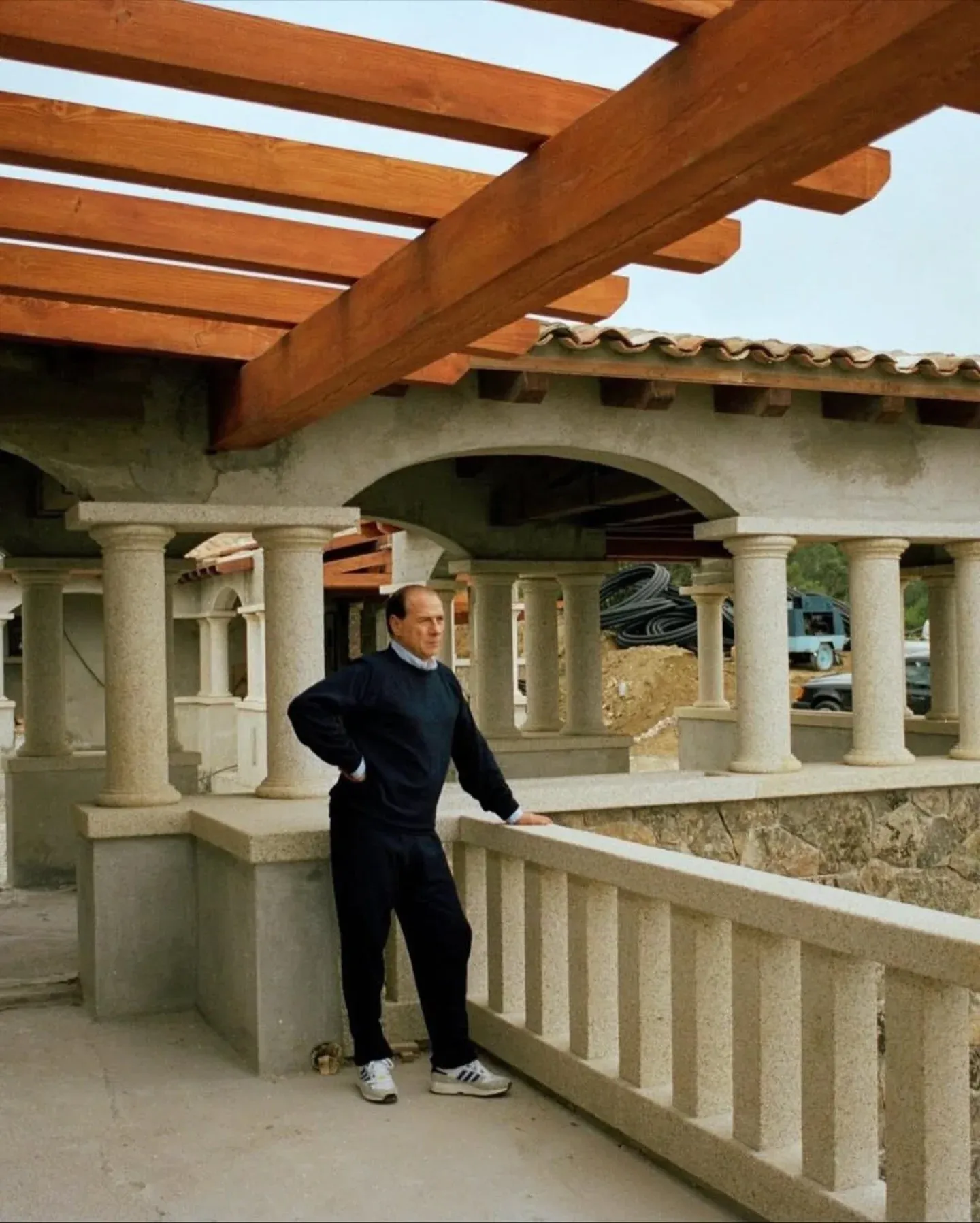
Amid the many troubling news stories stirring up this summer, the sale of Villa Certosa to the Qatari sheikh a few weeks ago felt more than ever like the end of an era. The Porto Rotondo villa was indeed one of the principal symbolic sites of the mythology Silvio Berlusconi built around himself over his long decades at the top of Italian politics — somewhere between a pleasure garden and a royal palace.
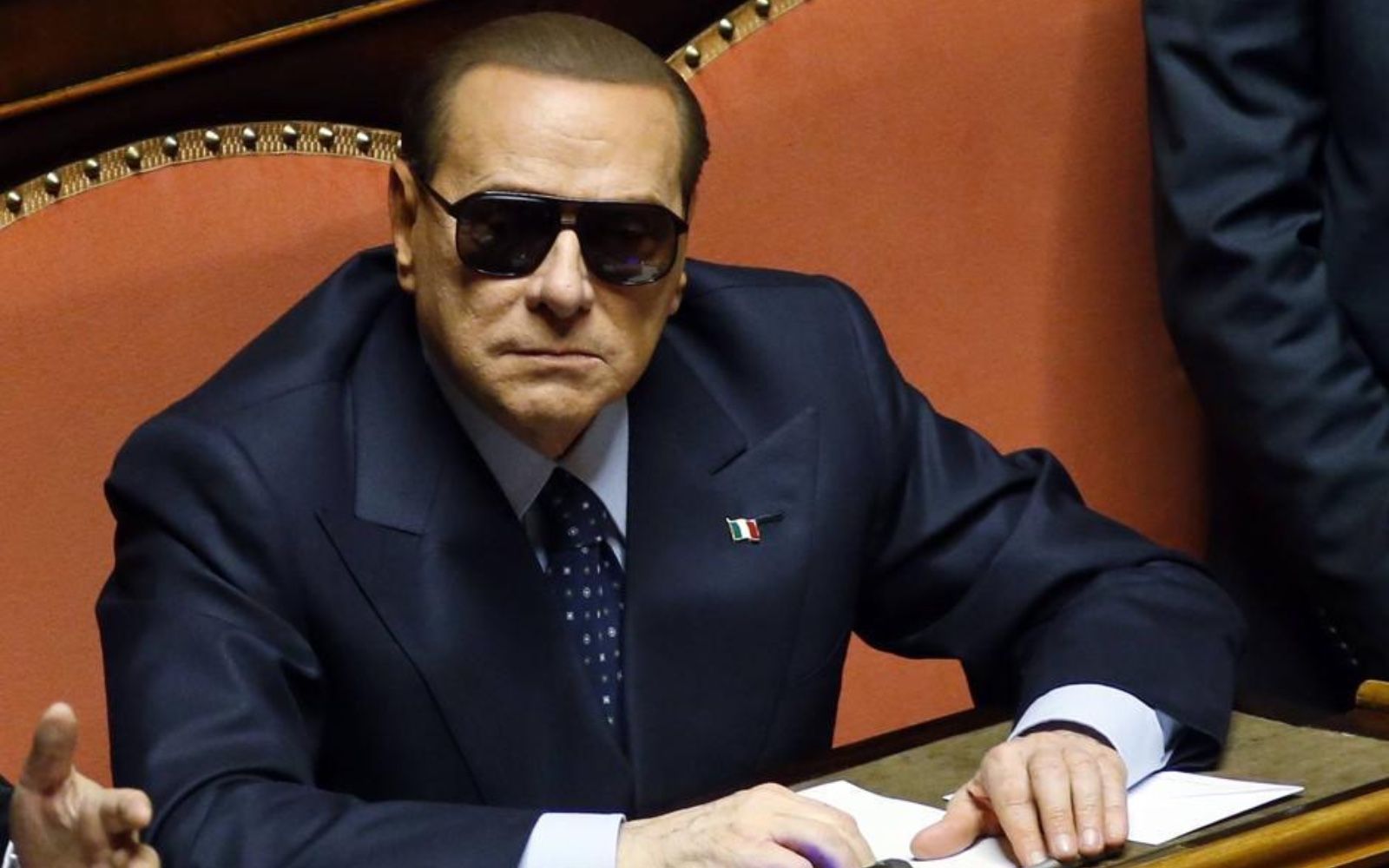
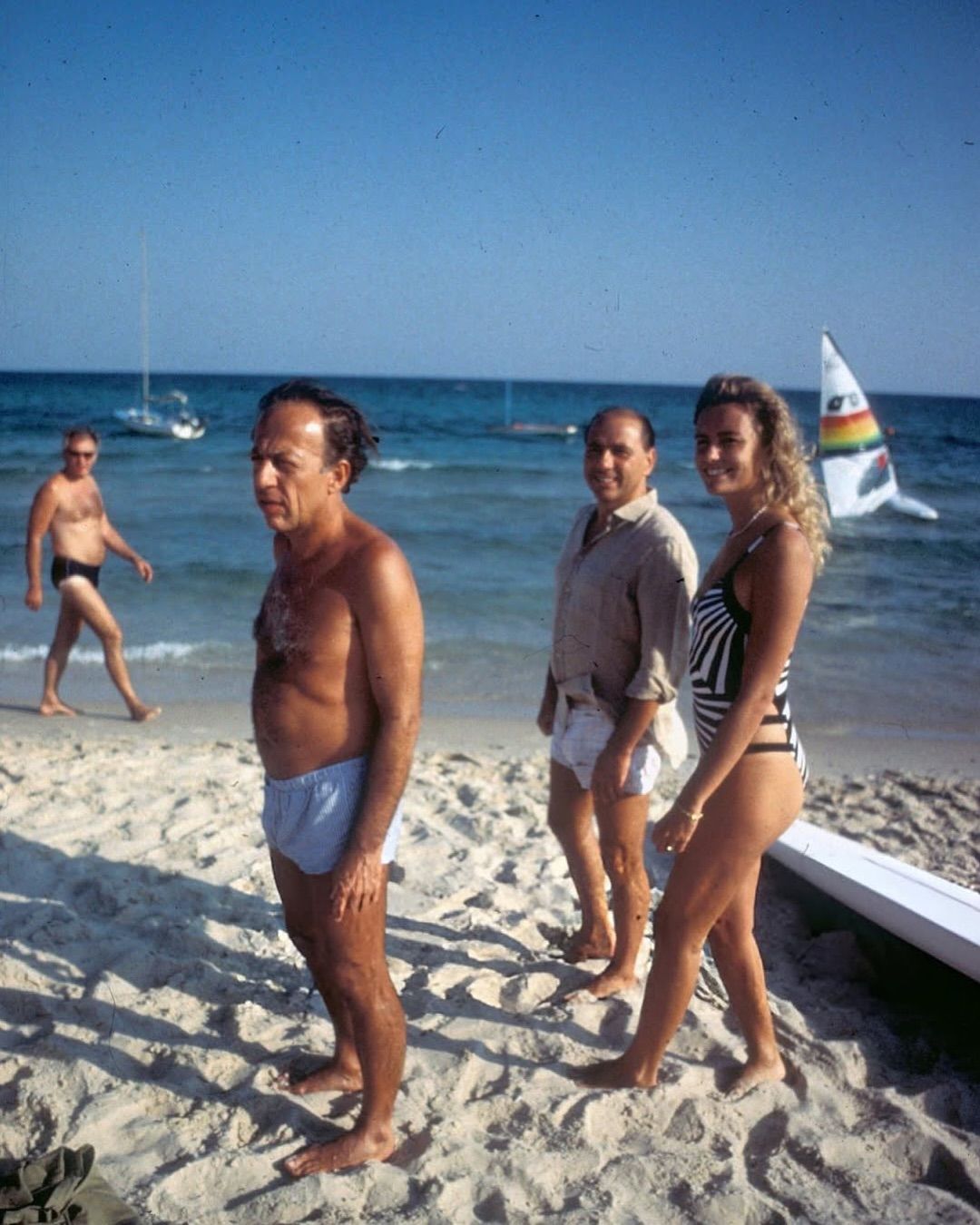
Much of Berlusconi's charisma was also built on his highly aspirational lifestyle, which replaced Gianni Agnelli's as the benchmark for the average Italian's idea of the good life. Indeed, summer was the season in which Berlusconi shone brightest. Which is precisely why pop culture today has set aside the Cavaliere's political and cultural legacy — with all its bunga bunga and shady dealings — to remember instead his opulent and gleefully excessive indulgences, the true culmination of a distinctly Italian upper-bourgeois hedonism. But why do we so love remembering Silvio Berlusconi's summers?
A Politician at the Beach
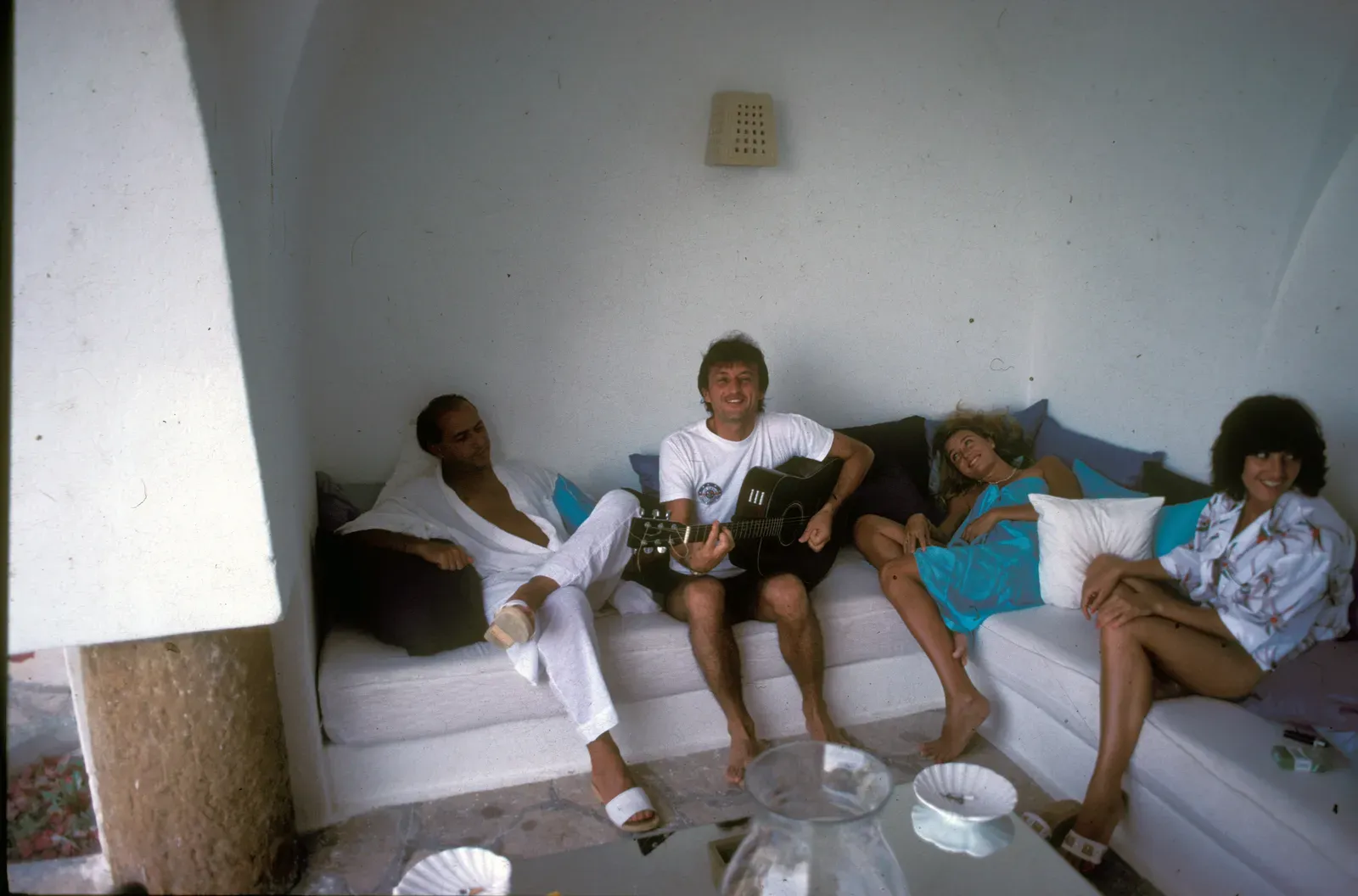
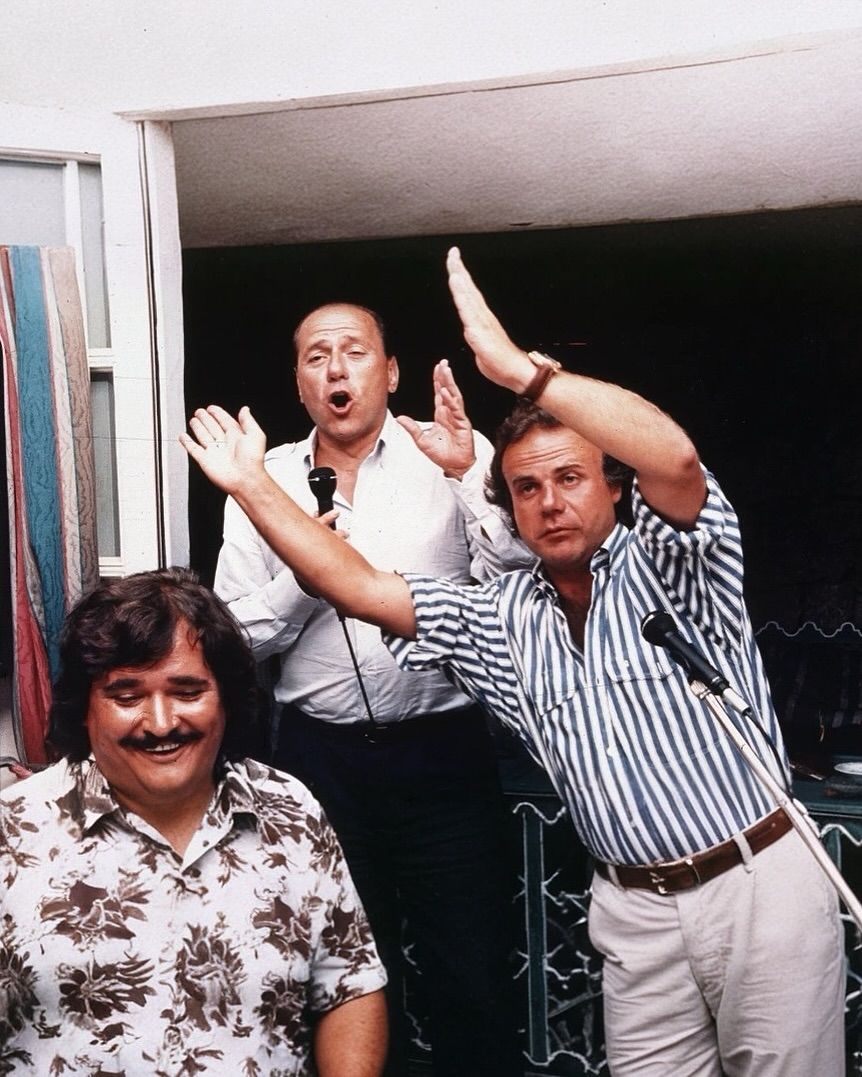
Among the founding myths of the Berlusconi legend are his early days on cruise ships. One of Berlusconi's first jobs, when he was still a university student in Milan, was as a singer and entertainer on cruise ships. Together with his lifelong friend Fedele Confalonieri, he performed as a singer on board to entertain passengers during their summer holidays. This period is frequently cited in his biography as one of the first stages on which he developed his skills as a showman and communicator.
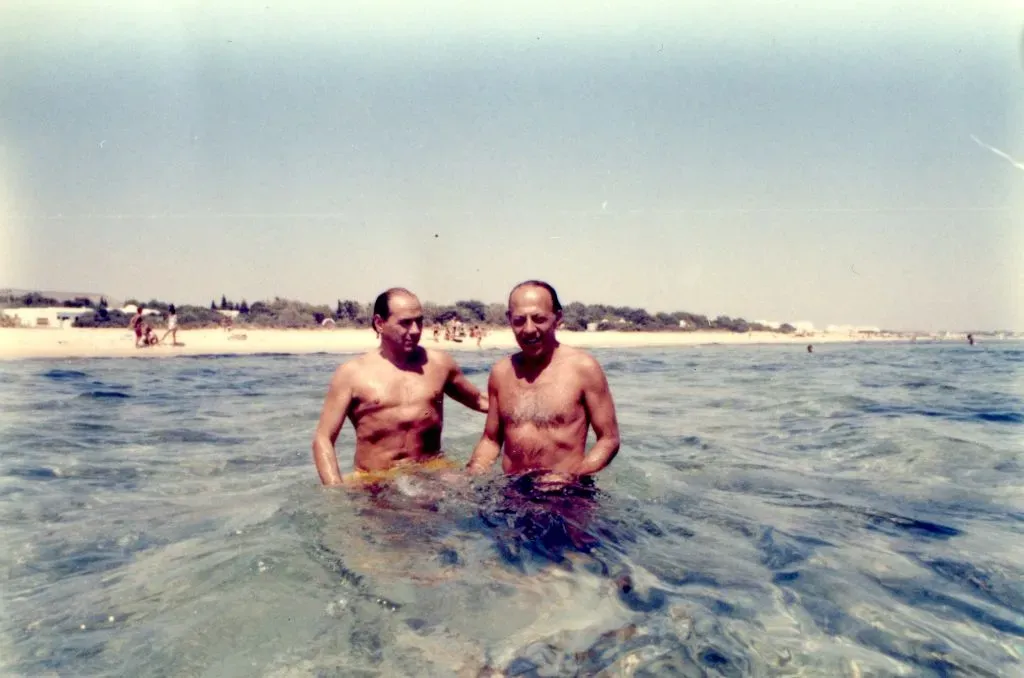
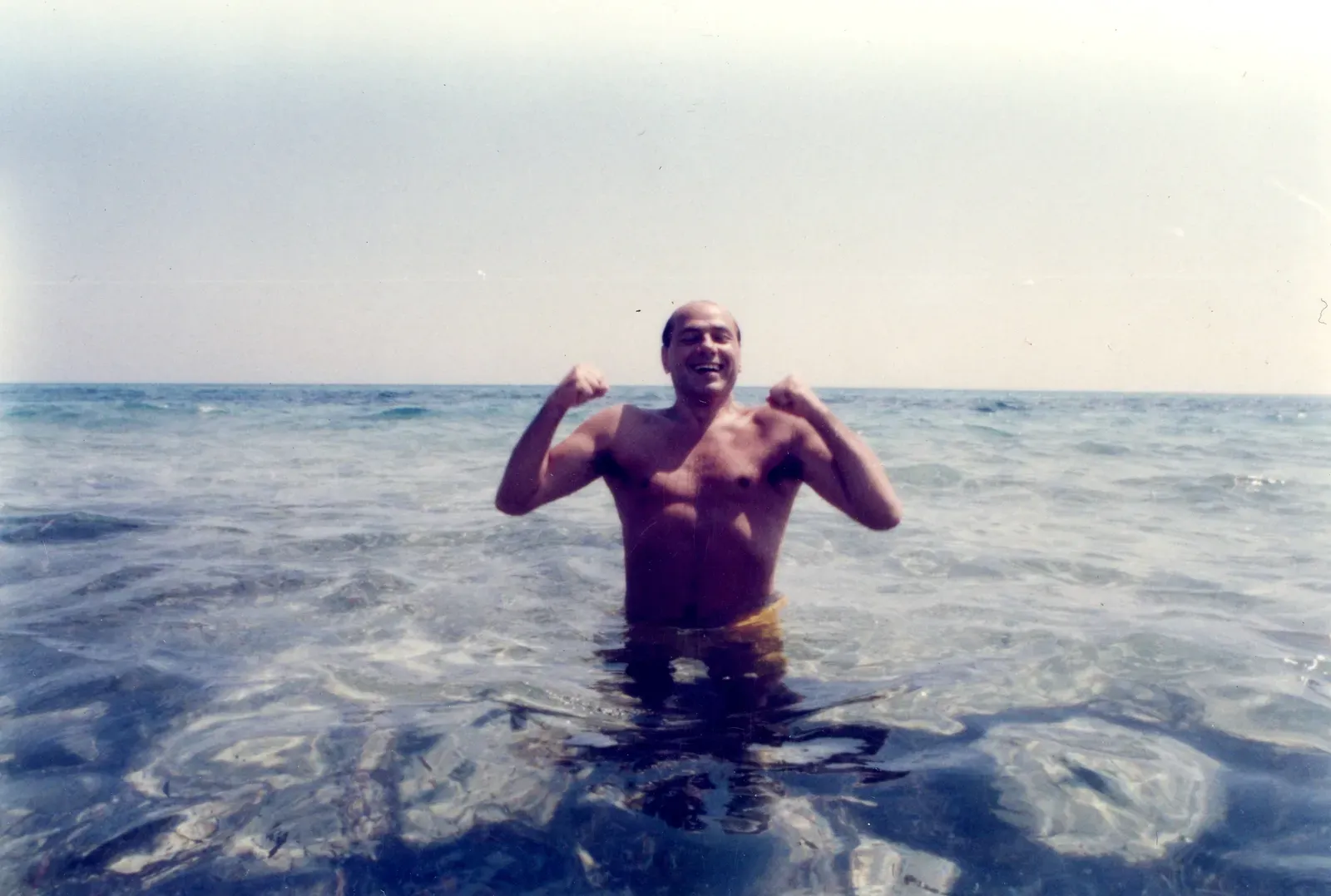
Beyond those crowd-pleasing abilities, however, the Berlusconi myth was also built on his impressive physical presence in his younger years (during the Second Republic era, businessmen were still very much grey and serious figures), and other famous photographs show him at the beach in Hammamet flexing his arms in a pose that today we might attribute to some looksmaxxer.
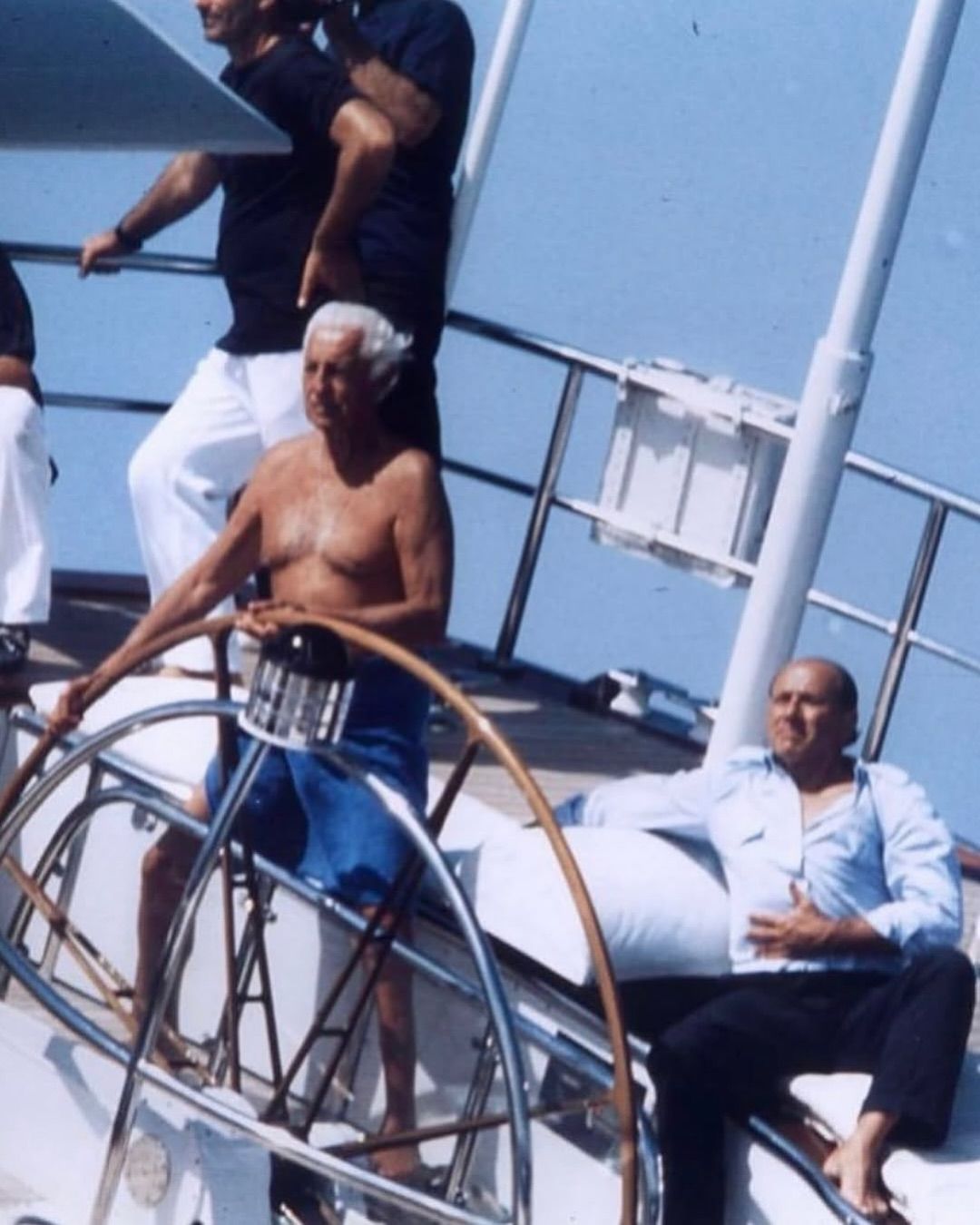
Then there is Berlusconi's connection to sailing. From the shots showing him alongside Gianni Agnelli and Luca Cordero di Montezemolo on the 36-metre yacht Extra Beat — famous for depicting a swaggering, bare-chested Agnelli at the helm and a Berlusconi in shirt and trousers clinging to the cockpit cushions — to the Cavaliere's celebrated boats, such as the 42-metre ketch named Principessa Vaivia, first lent and then sold to Ennio Doris against a backdrop of a dreamlike Sardinia, and the 48-metre vessel Morning Glory, which had previously belonged to Rupert Murdoch.
Legend has it that the two men met in a secret encounter aboard this luxurious boat to discuss a possible sale of Mediaset to the international media titan Sky, but that by the end of the meeting, not only had Berlusconi kept his network — he had also talked Murdoch into selling him the boat. But as noted at the outset, the true "sanctuary" of Berlusconi's summer myth was Villa Certosa.
A Summer in Sardinia
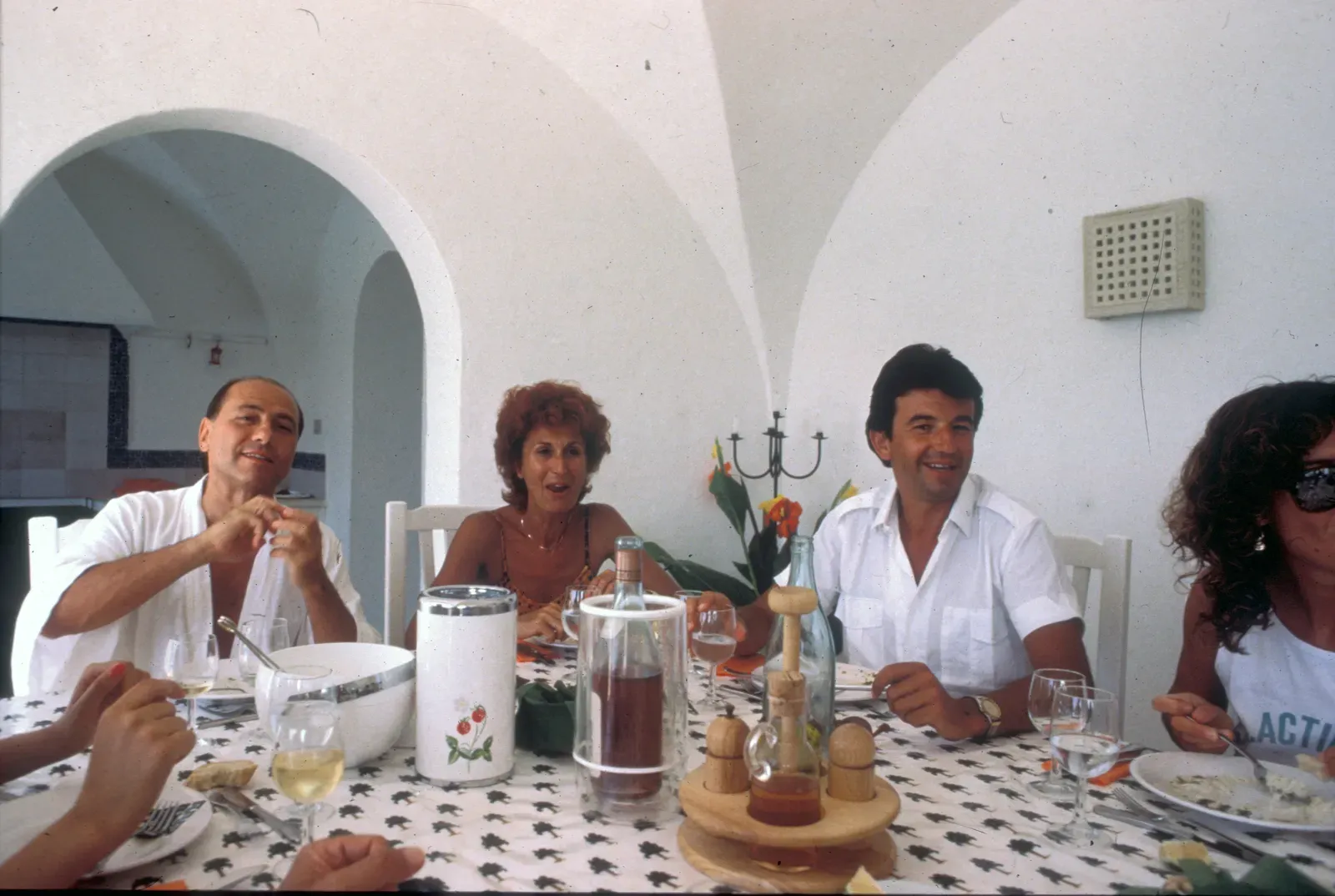
Villa Certosa, Silvio Berlusconi's vast residential complex overlooking the sea of the Gallura in Sardinia, was the summer stage of Berlusconism — a place where holidays blended with soft political power (Berlusconi was, after all, the ultimate boss of the "friends with a house by the sea" so beloved by Italians) in a vortex of politics, glamour, and extravagance that Paolo Sorrentino immortalised so brilliantly in the Loro diptych.
When Rome emptied out in August, the Cavaliere would receive heads of state, ministers, political allies, and journalists there, blending affairs of government with relaxation with a naturalness that, at the time, left almost everyone astonished — except the guests themselves. On the political level, Berlusconi had legitimised the idea of an informal centre of power not entirely unlike the historical concept of the "summer palace," which stretches from the mythical Ecbatana of the Persian Empire through to Castel Gandolfo for the Popes, Balmoral for the British royals, and the lesser-known Marivent Palace in Majorca. It was precisely for this reason that, in 2004, the villa was officially recognised as an "alternative seat" for security purposes, effectively on a par with Palazzo Chigi.
The complex comprises seven villas, guest annexes, gardens, and a series of architectural follies, including artificial lakes with swans, an amphitheatre, a fake nuraghe, a bunker, a thalassotherapy circuit with cascading pools, and the celebrated artificial volcano. The latter, activated for the first time on a Ferragosto night, was so convincing that it triggered the civil protection alarm among the neighbours.
Berlusconi, a passionate gardening enthusiast, personally tended to the plants, which included hundreds of palms, hibiscus, and above all cacti — one of which had been nicknamed "Tremonti's brain". But the true informality of the villa was embodied by its owner and the outfits he chose when welcoming foreign heads of state as his guests.
A President in a Bandana
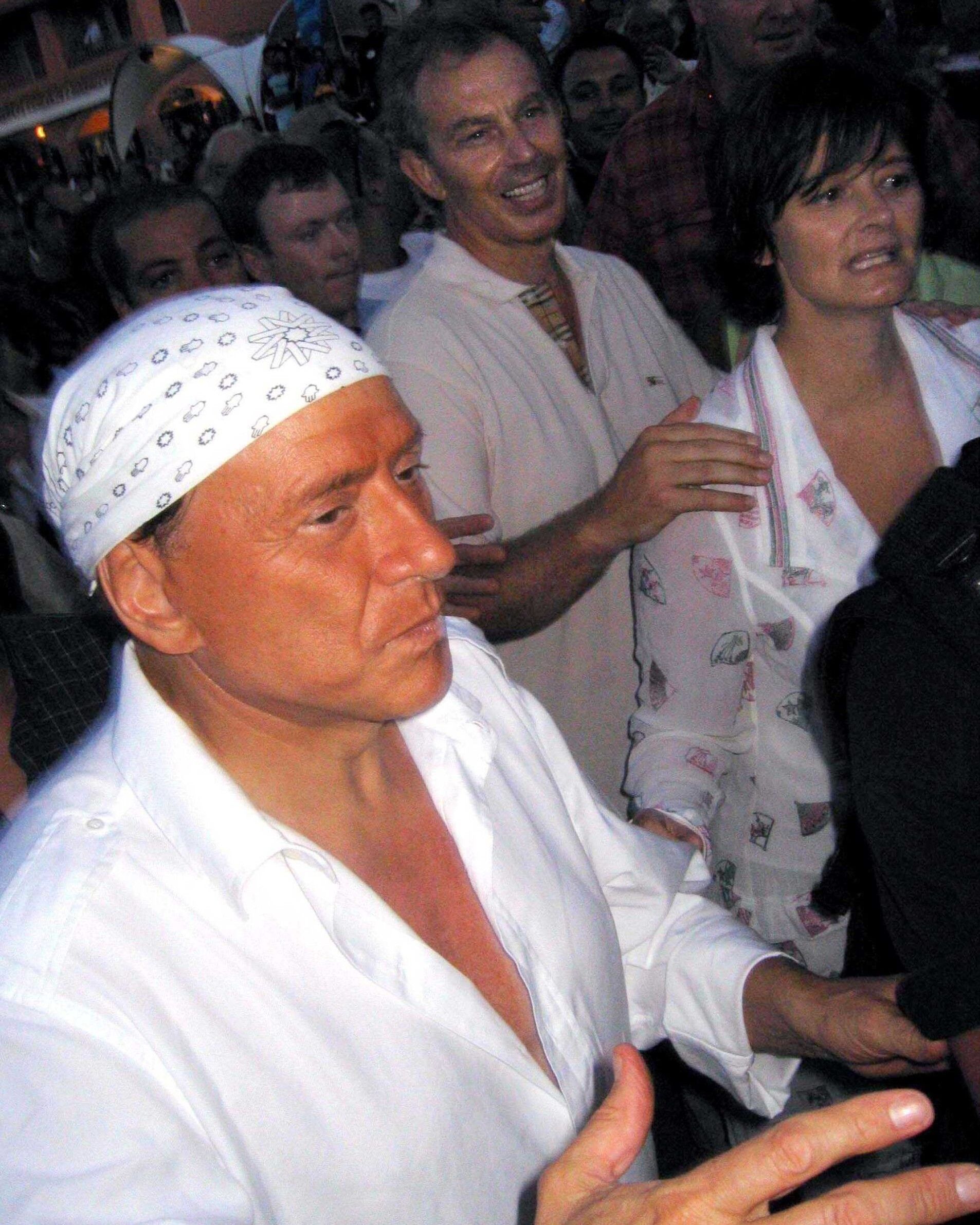
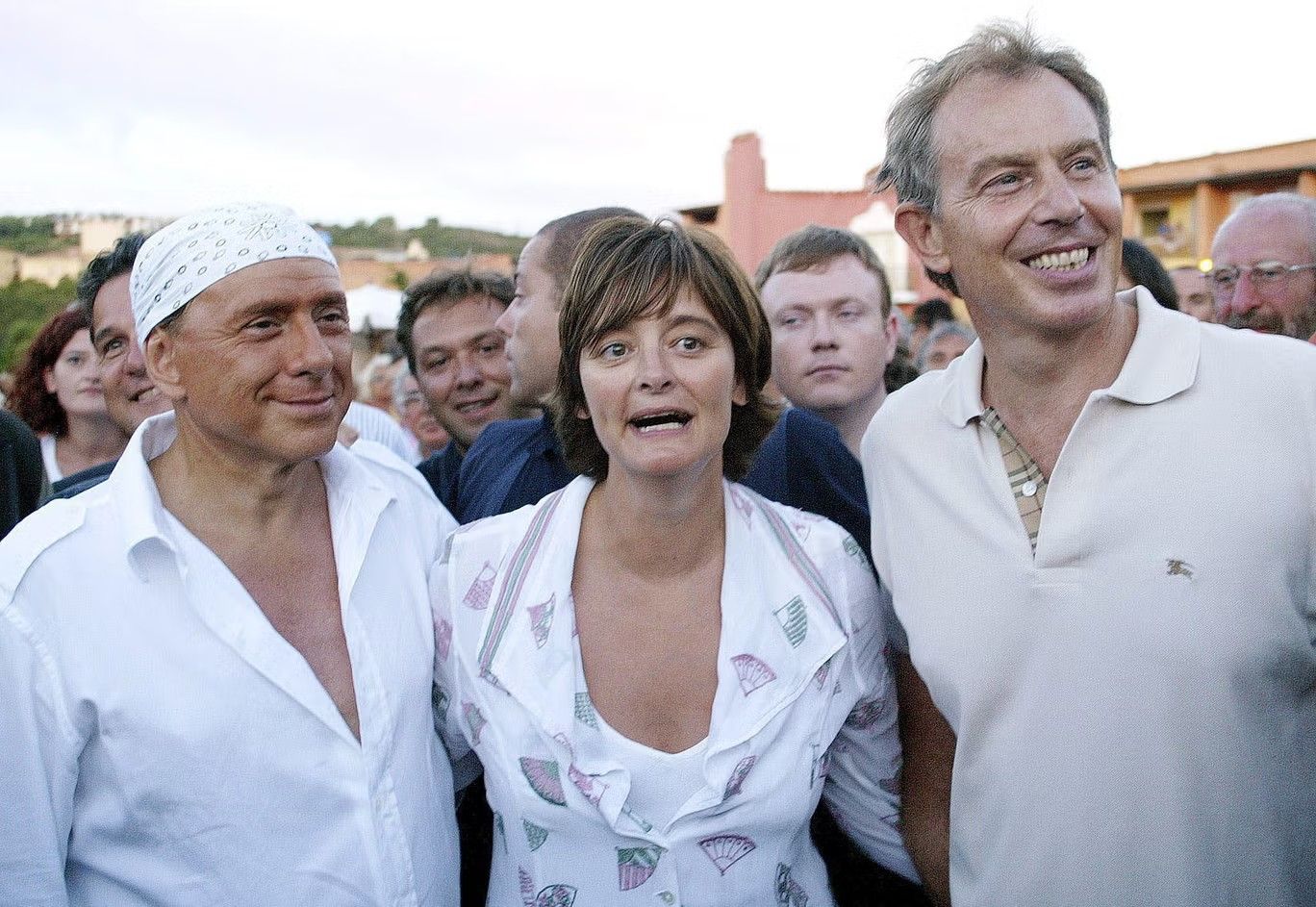
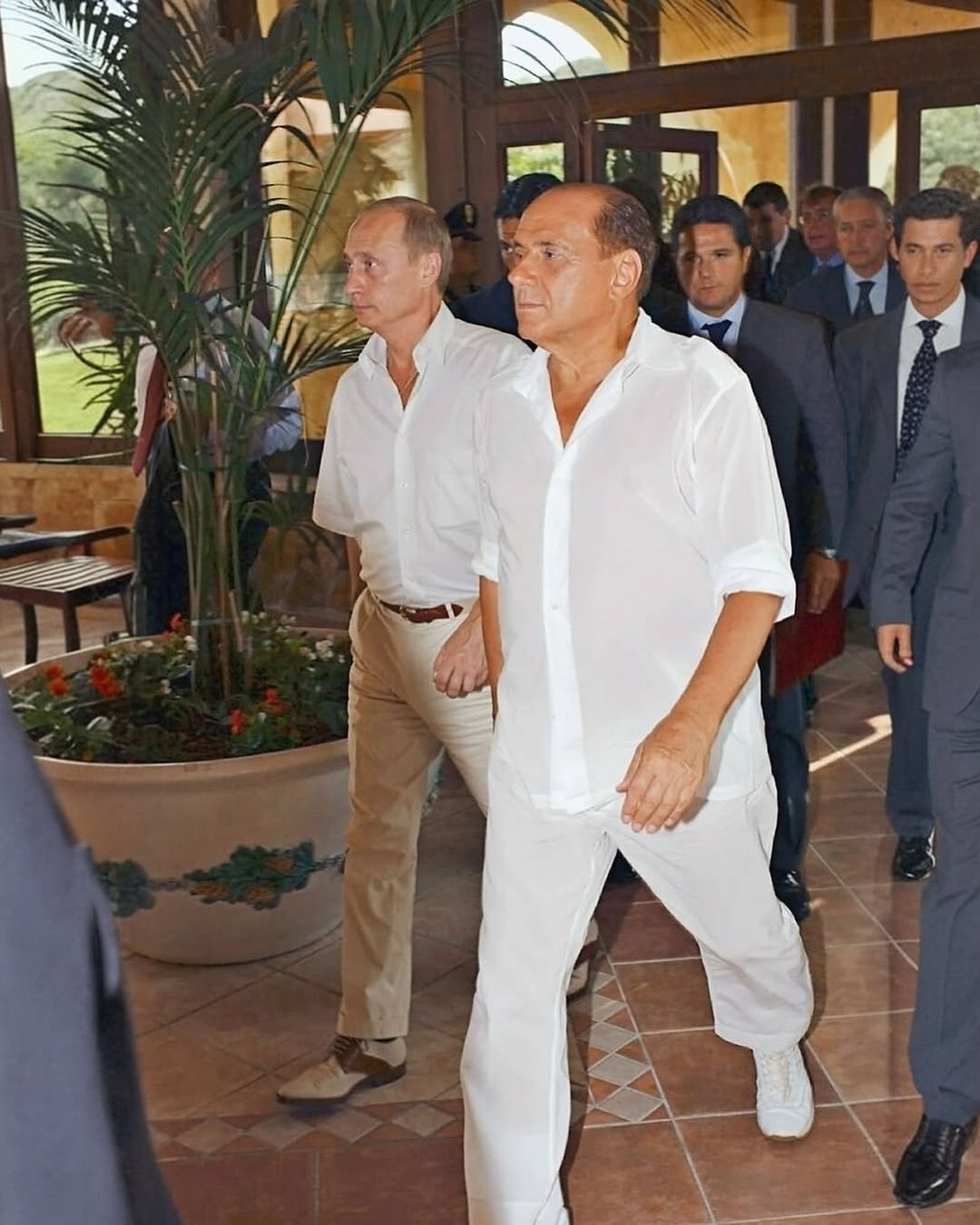
In Sardinia, Berlusconi allowed himself considerable freedom with his looks, which remained as controversial as they are, today, iconic. The white bandana tied around his head during Tony Blair's visit in August 2004 immediately passed into legend: it was meant to conceal the signs of a recent hair transplant, but it became the symbol of an entire summer. With that kerchief on his head, his all-white look, and his ever-ready smile, the Cavaliere seemed like the meeting point between a millionaire entrepreneur and a pirate. And perhaps it was precisely that look that popularised the idea of the all-white summer outfit among the finance bros of this country.
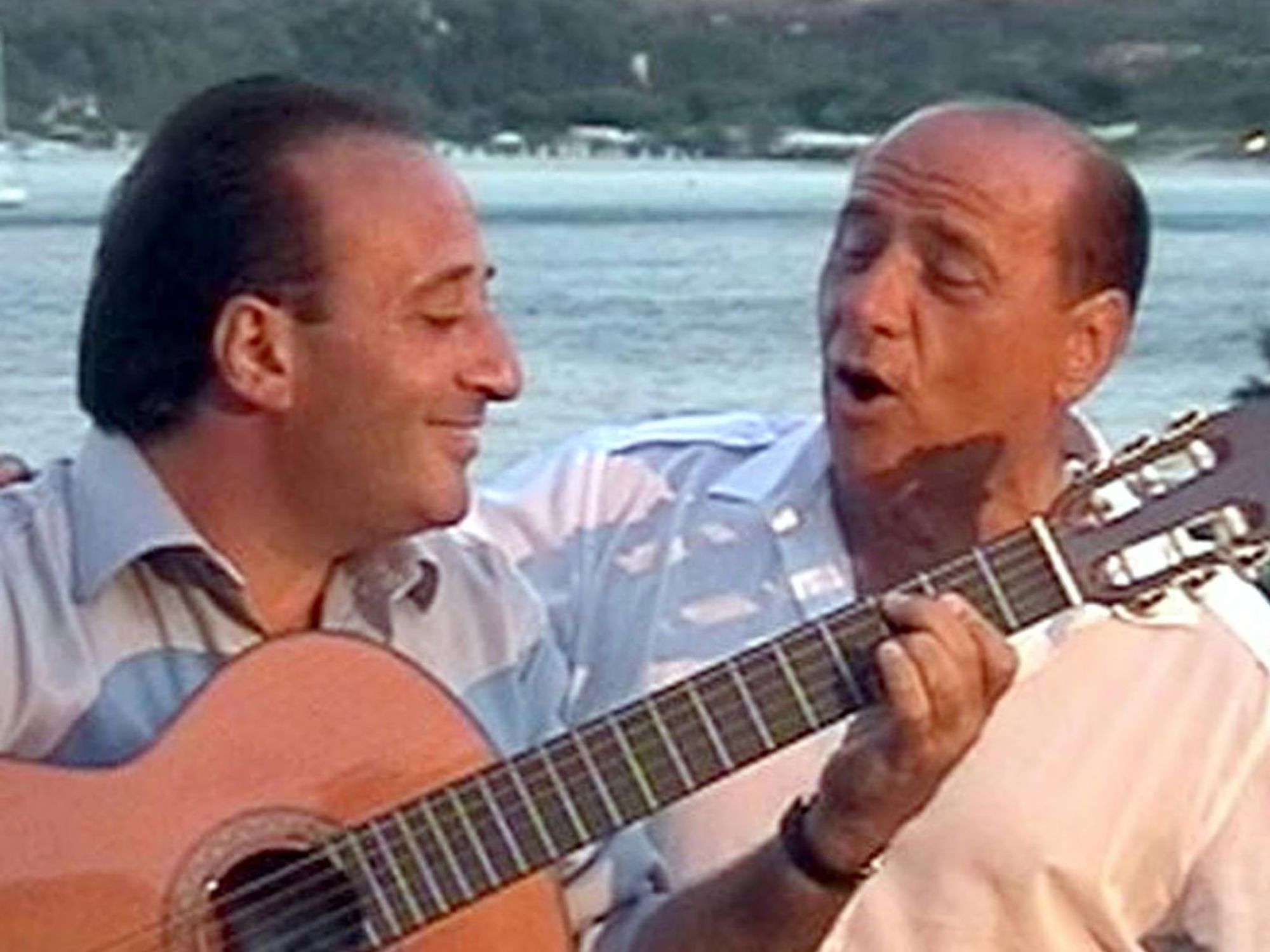
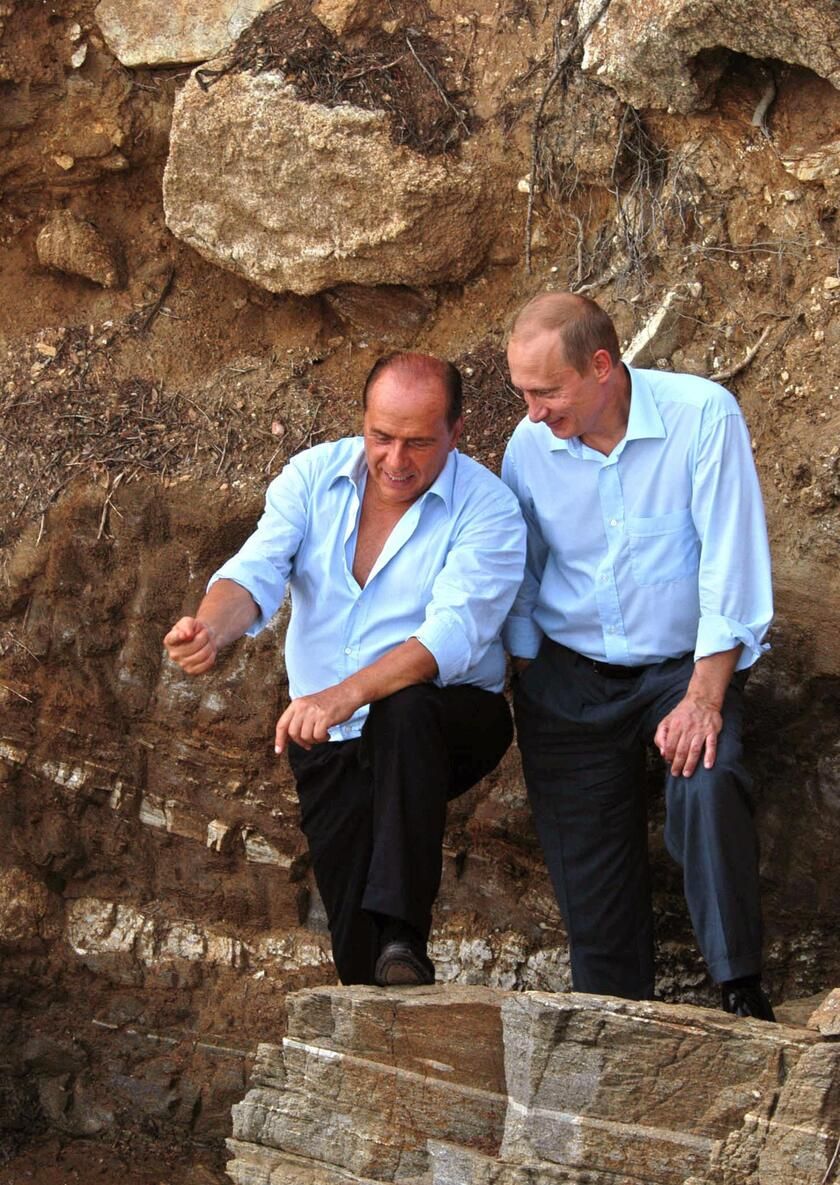
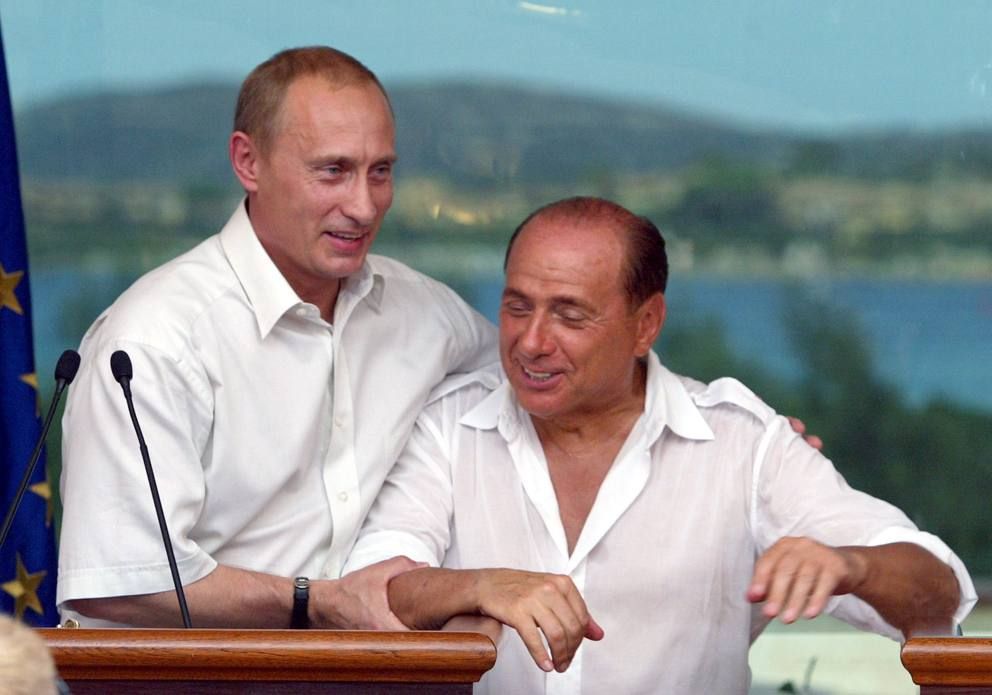
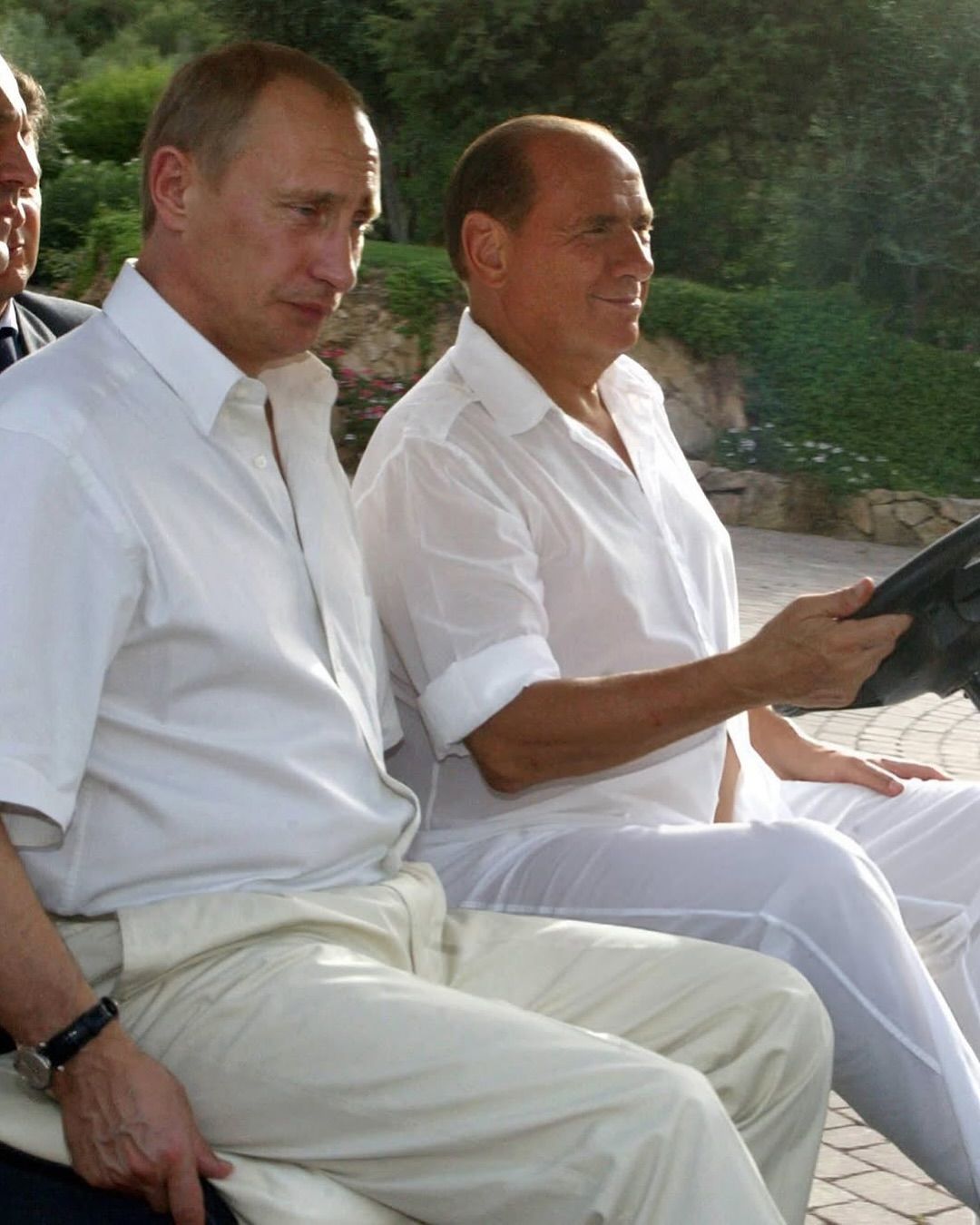
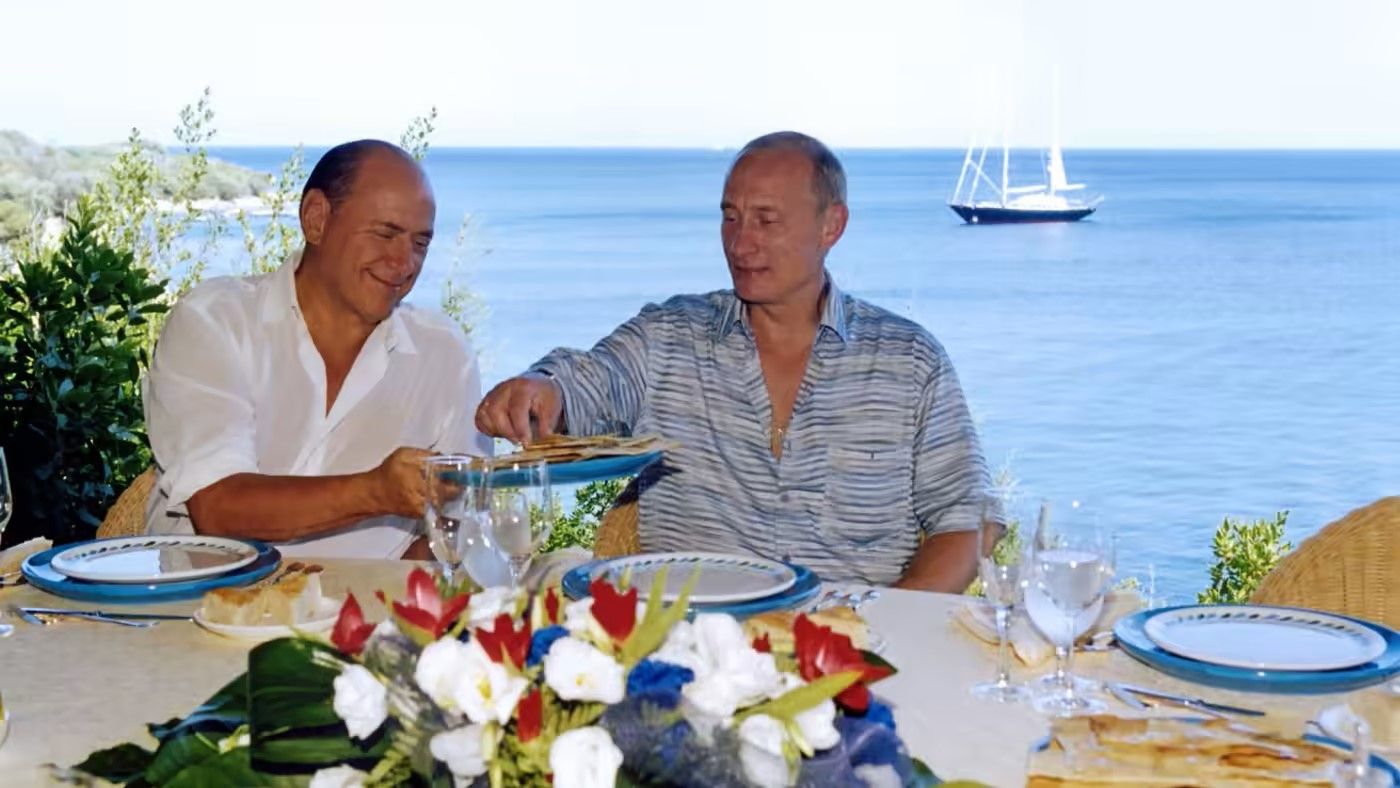
Illustrious guests were never in short supply. George W. Bush, Hosni Mubarak, José María Aznar, and José Zapatero all passed through. Tony Blair, despite the resistance of his wife Cherie — who acted as a photographic shield — was eventually won over and was honoured with fireworks that spelled out a giant "W TONY" across the sky. Vladimir Putin was perhaps the most devoted guest: he arrived in 2003 complete with Russian warships in tow and returned on several occasions. The evenings were enlivened by the songs of Mariano Apicella, the Neapolitan singer-songwriter with whom Berlusconi happily duetted, including on the celebrated "Meglio 'na canzone."
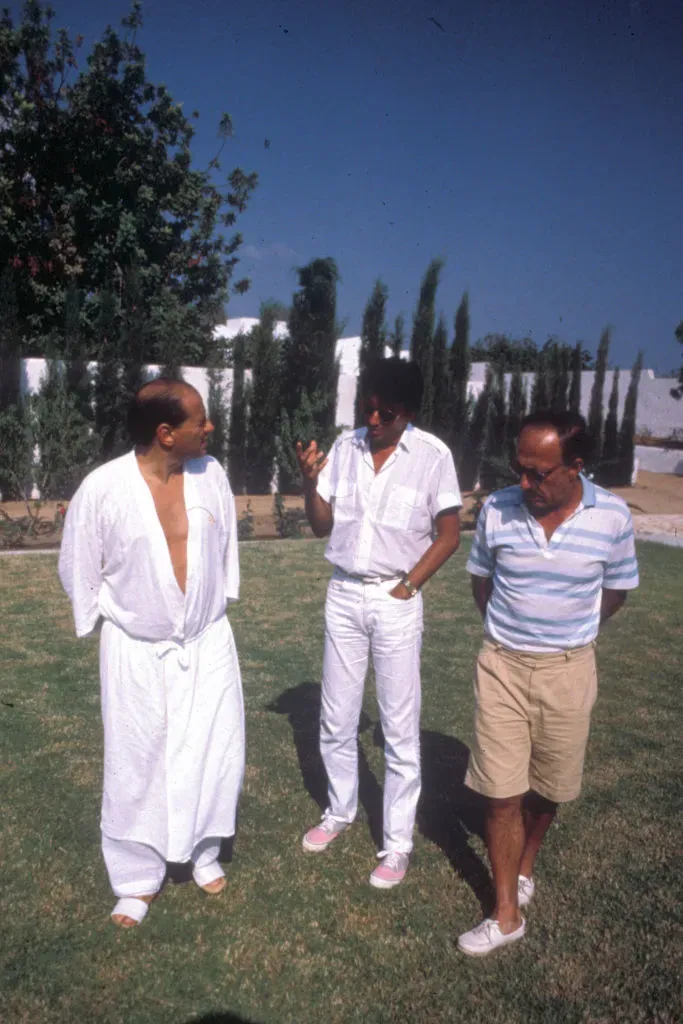
On these occasions, the aesthetic vocabulary of the President on holiday was on full display: invariably a shirt — white, light blue, or navy blue — with long trousers that may or may not have matched (he sometimes mixed different shades of blue), and only in a handful of photographs, a short-sleeved shirt. But the myth of Villa Certosa inevitably includes more Boccaccian dimensions.
The Zappadu Affair and the Hot Summer of 2007
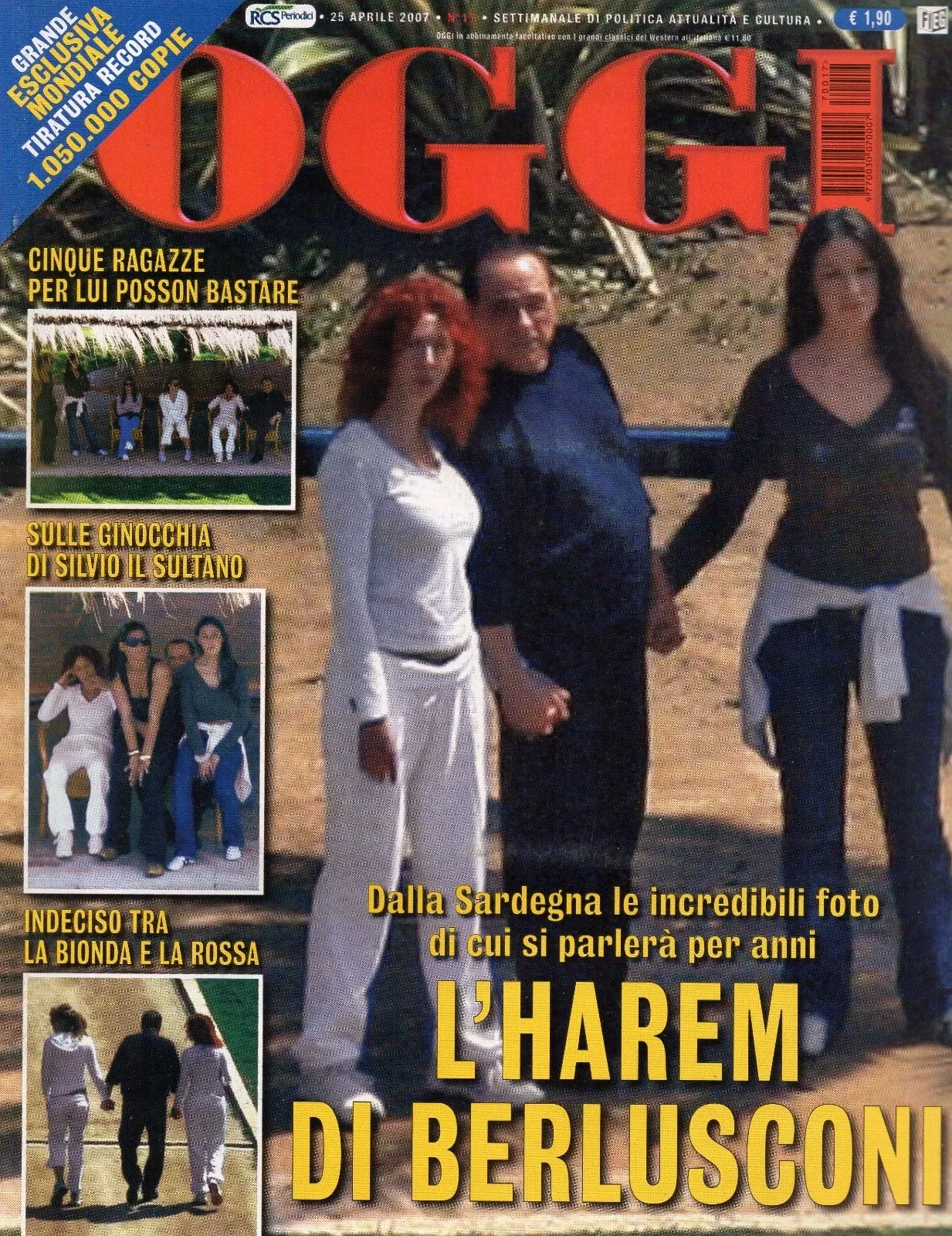
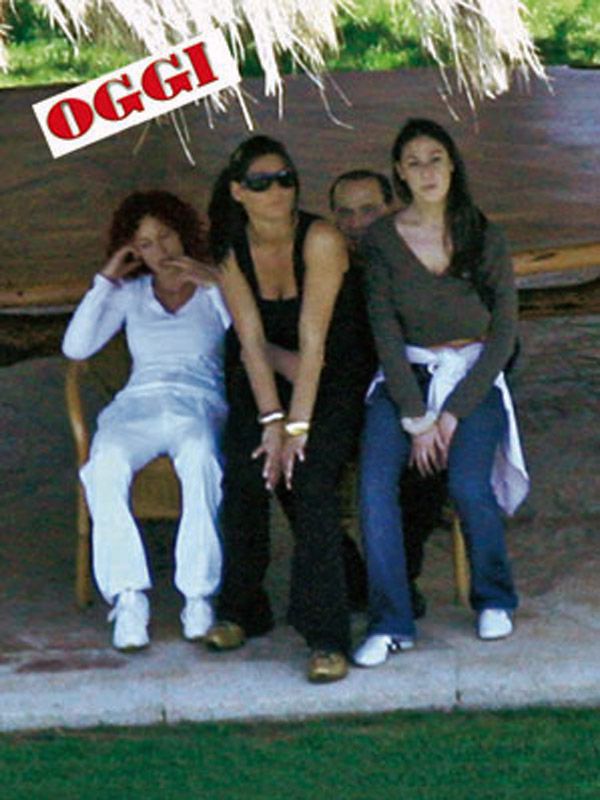
At Easter 2007, Antonello Zappadu managed to capture Silvio Berlusconi sitting on a garden bench, surrounded by three much younger women, one of whom was holding his hand. The images, published by the weekly magazine Oggi under the headline Berlusconi's Harem, went around the world and set off one of the most sensational media storms of the 2000s. They showed girls in bikini tops and thongs, as well as the iconic shot of Czech Prime Minister Mirek Topolánek, then serving as President of the European Union, completely naked by the pool in the company of several young female guests. Zappadu also documented the use of government aircraft to transport friends and invitees, a fact that prompted the judiciary to open an investigation.
The scandal had an extraordinary international resonance, making the front pages of major British, American, Latin American, Chinese, and Czech newspapers. Even two Nobel laureates — José Saramago and Mario Vargas Llosa — weighed in publicly, the latter thanking the photographer for bringing to light what he described as a troubling blurring of power and private life.
On the legal front, Zappadu embarked on a long odyssey of trials for trespassing, privacy violations, and subsequently fraud. Most of the charges were dropped or expired under the statute of limitations; he himself claimed to hold around five thousand photographs taken between 2006 and 2009, many of them kept in Colombia. In 2018, during one of the final trials in Tempio Pausania, Berlusconi was heard as the injured party; the two men met in the courtroom, greeted each other cordially, and exchanged a few words. Zappadu was acquitted on all counts, while Emilio Fede, who had attacked him harshly on television, ended up convicted of defamation.
Right up until the end, Berlusconi continued to use the villa as a strategic base. In the summer of 2021, amid olive trees and ornamental lakes, he attempted to weave the web that might make him President of the Republic, inviting the leaders of the right — and beyond — one by one. Giorgia Meloni, Ignazio La Russa, Matteo Salvini, and others took part in that tour aboard an electric golf cart driven by the Cavaliere himself, who, as La Russa recounted, tore around the bends like a Formula 1 driver, heedless of Marta Fascina's warnings.
Now that Villa Certosa is preparing for a new life under the Qatari flag, its status as a legendary site of Italian pop culture has not changed, though it is perhaps slightly dimmed. With its sale, an era has truly closed — one in which summer à la Berlusconi represented a concentrated blend of dreams, excess, ambition, and irony entirely bound to its decade. A place where, for twenty years, the Italian summer had a flavour all its own: part diplomatic, part circus, and utterly unforgettable.
What to read next
Here are the most powerful families in Milan
And how do they manage inheritance and succession
What happened to Paolo Sorrentino's "Loro"?
The mysterious disappearance of the Silvio Berlusconi biopic from streaming platforms