






























Erling Haaland’s deepfake memes are benefiting the Norwegian striker Here's how simple, tongue-in-cheek videos are contributing to the soccer player's popularity
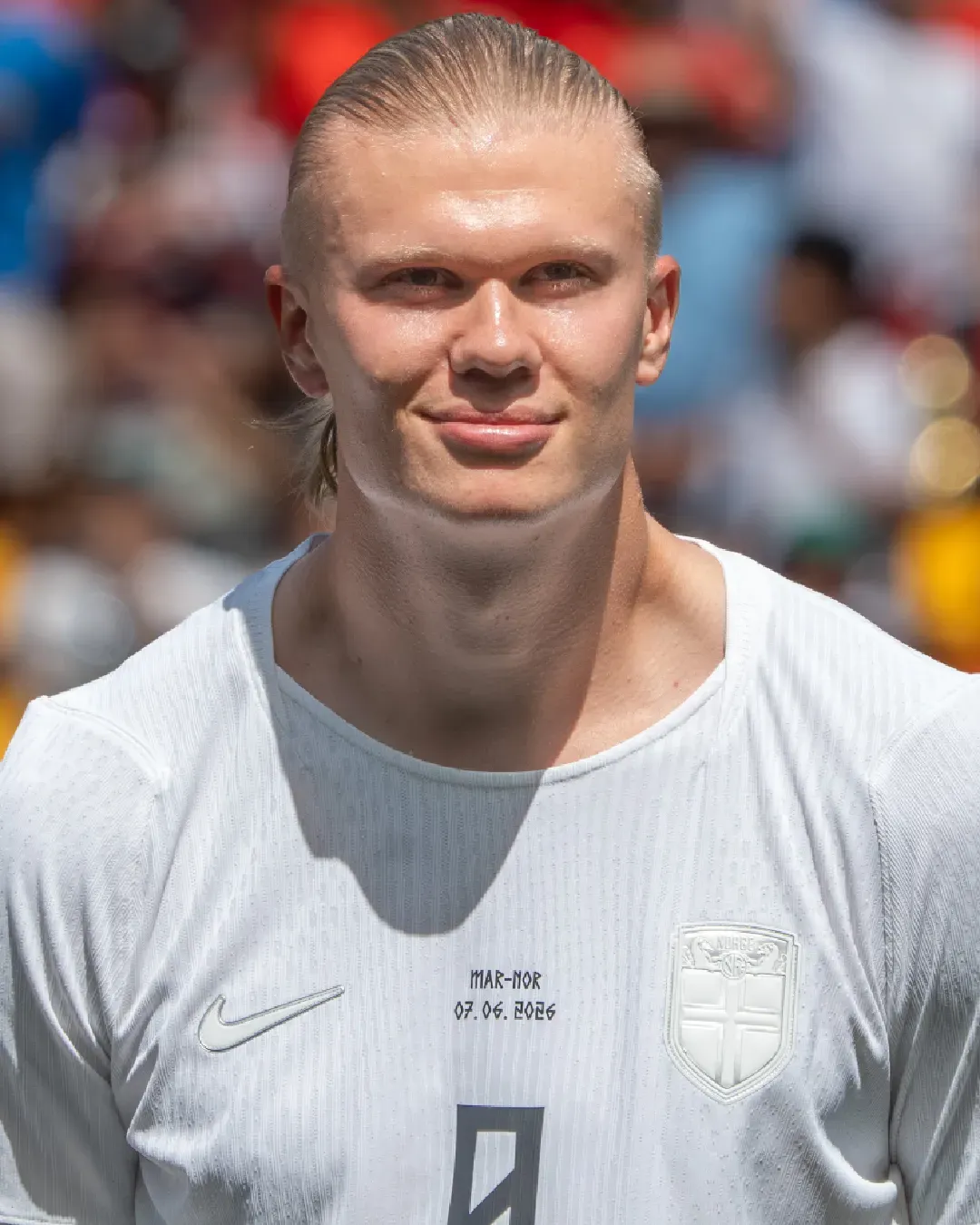
«One thing to do today…search my name on Google» wrote Erling Haaland on X on Friday, July 10, 2026: when searching the name of the Norwegian men's national football team striker, a series of illustrated Vikings rowing appears on the search results page. It is a reference to the rowing imitation that Norwegian fans and players have been using to stand out at the ongoing Football World Cup in North America – a way of celebrating Norway's victories, which have taken the team all the way to the quarter-finals.
Because of his popularity, Haaland has long been the subject of ironic videos and memes, as well as various advertising campaigns – all of which have helped make him widely known even among a general audience. Social networks, then, have done the rest: in Erling Haaland's case, fans increasingly contribute to amplifying the narrative built around the footballer, using artificial intelligence to create content centred on the Norwegian striker. This has led to the creation of videos, images and invented content that are perceived as credible, as they are consistent with the image that the public associates with that same athlete.
The Erling Haaland meme
One thing to do today… search my name on Google
— Erling Haaland (@Erling) July 9, 2026
Recently, a video that appeared to show Erling Haaland eating while sitting at a table near a mirror went viral on social networks. At one point, the footballer turns around, sees his own reflection and gets scared: many users, even after news spread that it was a fake, continued to share the content – because, in some ways, the scene was consistent with Haaland's public image: a spontaneous, genuine character, far removed from the typical formality of celebrities.
The original clip from which the content was created had been published on TikTok in mid-June by the Chinese comedy duo Jin Long and Qiu Qiu. The video was then modified using AI, replacing the original protagonist with a depiction of the Norwegian footballer.
Understanding the phenomenon known as "continued influence"
Similar phenomena have already occurred in recent years. However, recent research has highlighted a still underestimated aspect: even when a video generated with artificial intelligence is clearly false and identified as such, it can still influence the way people perceive a certain personality or a particular situation.
The possible consequences of deepfake videos on public debate are a source of serious concern. Until now, much of the researchers' attention has focused on the risk that these tools could be used to damage people's reputations, spread false content or influence political opinions by presenting fabricated information as real. Now, however, we know that even a video identified as false can have an effect on audiences and influence the way people evaluate a topic, event or public figure – this phenomenon is known as "continued influence".
However, the case involving Haaland shows that, in certain contexts, this trend can also have positive effects on the perception of a celebrity: more generally, people's tendency to more easily believe things that do not contradict an idea they have already formed, and things they perceive as familiar because they have encountered them somewhere before, is well known and widely documented. This explains why, even when faced with a clearly false deepfake such as the one showing Haaland getting scared by his own reflection, many users continued to share it, helping to reinforce the perception of a spontaneous and likeable footballer.