

































What is the uncanny valley? Google, Veo 3 and the artificial intelligence that thinks it is real
Google has unveiled the new Veo 3, an artificial intelligence model capable of generating highly realistic videos. This technology can create animated clips with a level of definition, visual coherence, and attention to detail that is surprisingly advanced compared to previous standards. Since its presentation, Veo 3 has been considered more powerful than other similar tools, particularly when compared to Sora by OpenAI, launched at the end of 2024. The direct comparison between the two highlighted the level achieved in a short time in this field: Veo 3 produces even more believable results than all the main competing tools, which are already very sophisticated. A recurring way to evaluate the effectiveness of these systems is to request the creation of a video of «Will Smith eating spaghetti», a format that has now become a meme among AI enthusiasts. If in 2023 the resulting images appeared rough, grainy, and unrealistic, today the same prompt yields a scene almost indistinguishable from a real recording. Despite its advanced capabilities, using Veo 3 is still extremely simple: just write a text description to obtain a coherent and detailed clip. To support this tool, Google also introduced Flow, a video editor that automatically modifies content generated with Veo 3 using only written commands.
@impossibleaicinema AI asks the people of Ancient Rome what life was like! #ancientrome #historytime #roman #ancienthistory #streetinterview original sound - Impossible AI
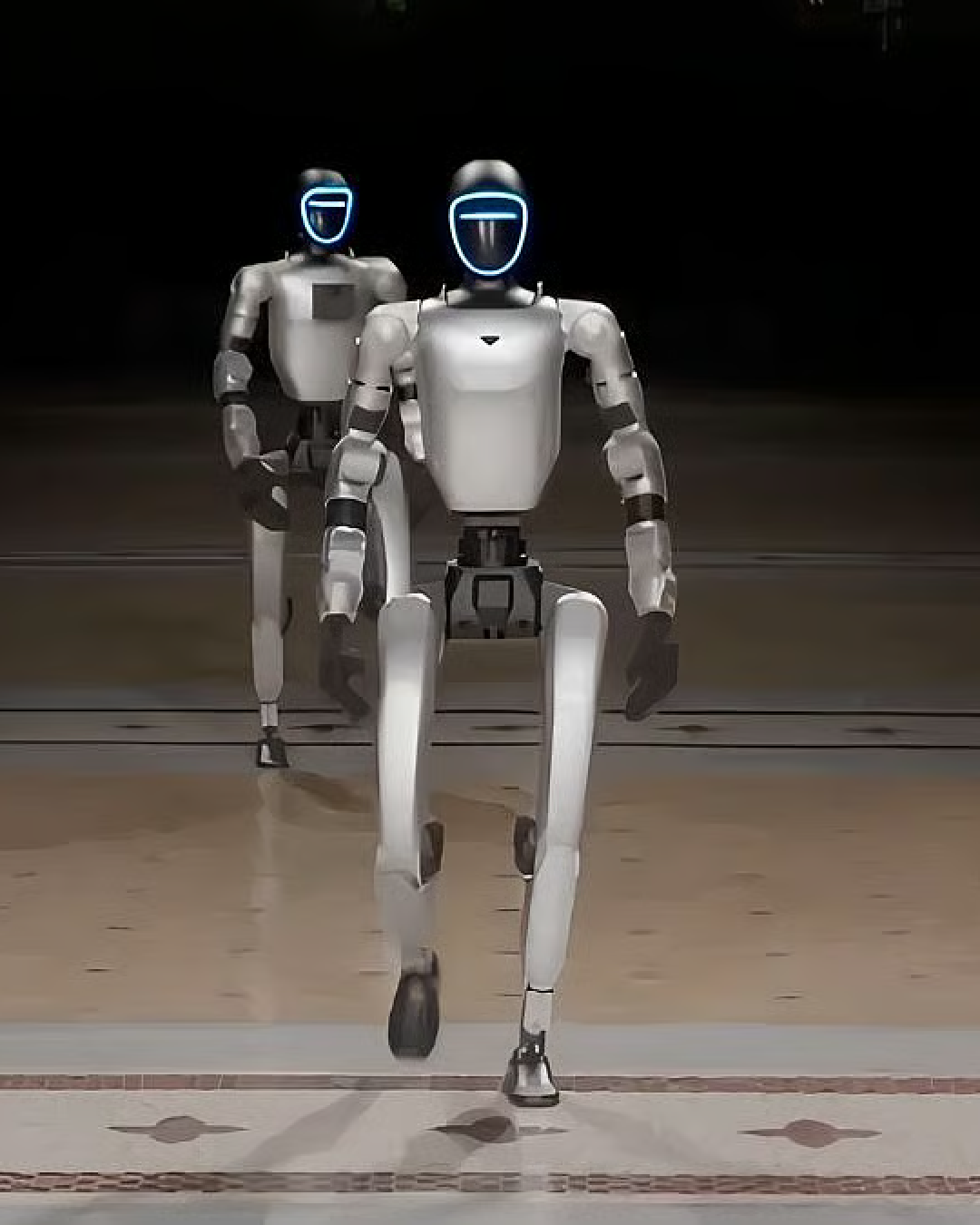
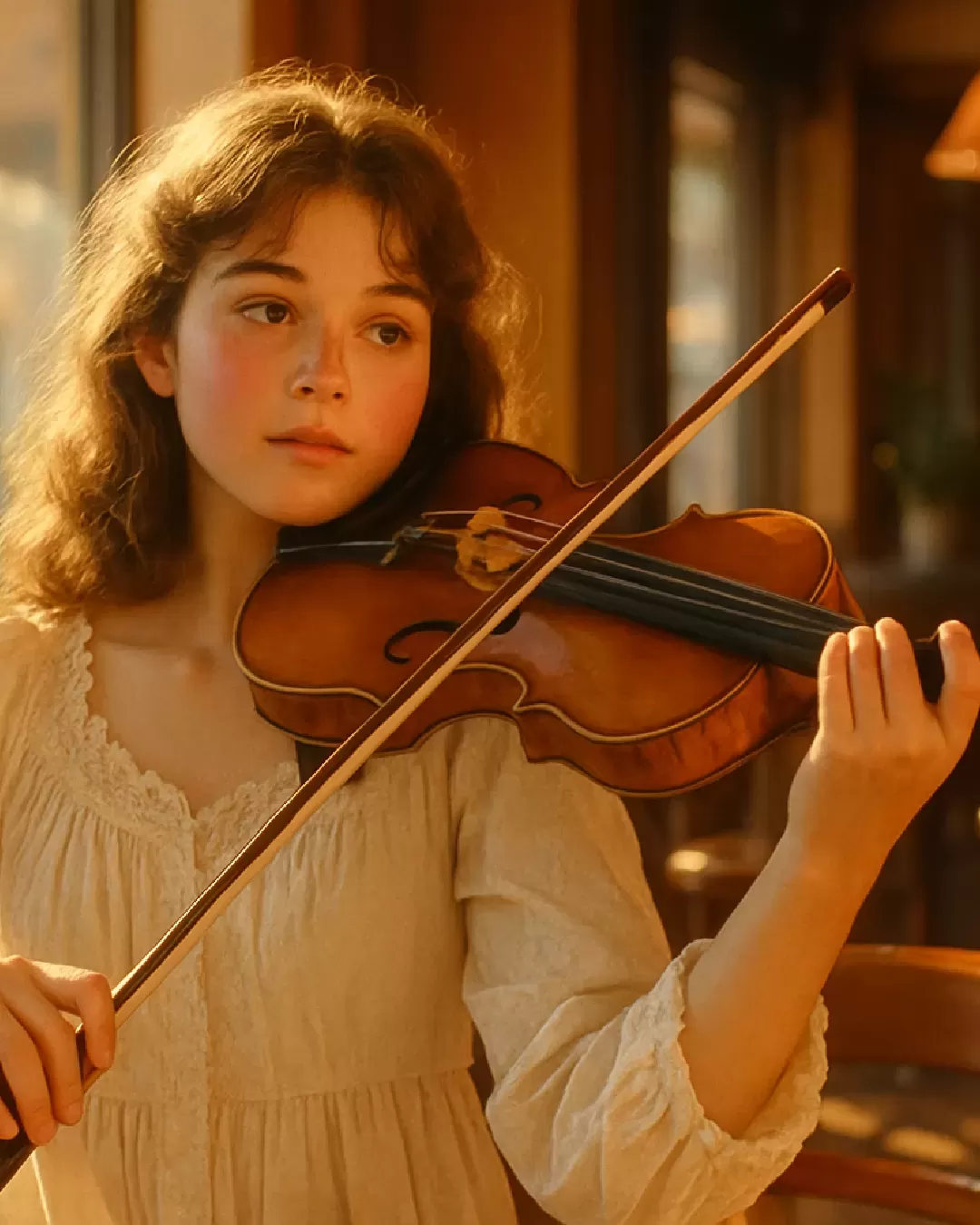
One of the most interesting features of Google’s new tool is the ability to add sound elements within the clips: through simple text inputs, it is potentially possible to predict complex ambient noises and even dialogues between generated characters. This approach allows for fully finished video content without any audio recording or later dubbing. Unsurprisingly, following the launch, major social networks were quickly filled with content generated using Veo 3. For example, some of these videos faithfully mimic the format and tone of news broadcasts, showing realistic images, captions, and speakers; others reproduce vox pop-style interviews, like those commonly seen on TikTok and Instagram. In this context, a particularly discussed subgenre is that of videos where fictional AI-generated characters deny being artificial, fueling a sense of ambiguity and disorientation. Faced with this phenomenon, many people have started using the English term uncanny valley, referring to the particular discomfort felt when something artificial appears surprisingly human. In this sense, videos made with Veo 3 that show individuals answering questions as if they were real, or defending themselves against accusations of not being real, have caused quite a bit of unease among users.
The film and television industries, as well as animation and other branches of audiovisual production, are viewing these technologies with growing concern, as they could radically change the market. In 2023, the Hollywood actors’ and writers’ strike also addressed the increasing use of AI. The ability to create complex scenes at low cost, without relying on sets, actors, or technical crews, could bring economic benefits to production studios, but also negative consequences for those working in the sector. A recent example of widespread use of these tools was seen at the Liberato concert at the Circus Maximus in Rome on May 31: during the event, much of the projected visuals were clearly generated using AI. The choice somewhat divided the audience. Some spectators later criticized the aesthetic result on social media, judging it to be chaotic and inconsistent with the style that had distinguished the artist’s previous live performances. It is still unclear how quickly such technologies will be adopted on a large scale, or whether they will completely or partially replace human contribution, but the concern within the industry is real. More than an immediate threat, Veo 3 and similar tools are seen as signs of a major change underway, which in the coming years could radically redefine how visual content is produced.