







«We should excite people with honest stories», interview with Salomon's creative director Heikki Salonen told us how the brand means to expand from the world of performance to that of style



Salomon is a brand that, in recent years, starting from around the 2017 boom of the gorpcore trend, has managed to step out of the niche of hiking enthusiasts to rightfully enter the universal fashion lexicon. Known primarily for its footwear, the brand founded in Annecy way back in 1947 by François Salomon is increasingly coming down from the French Alps to populate cities, as well as the wardrobes of an audience ever more passionate about fashion and lifestyle.
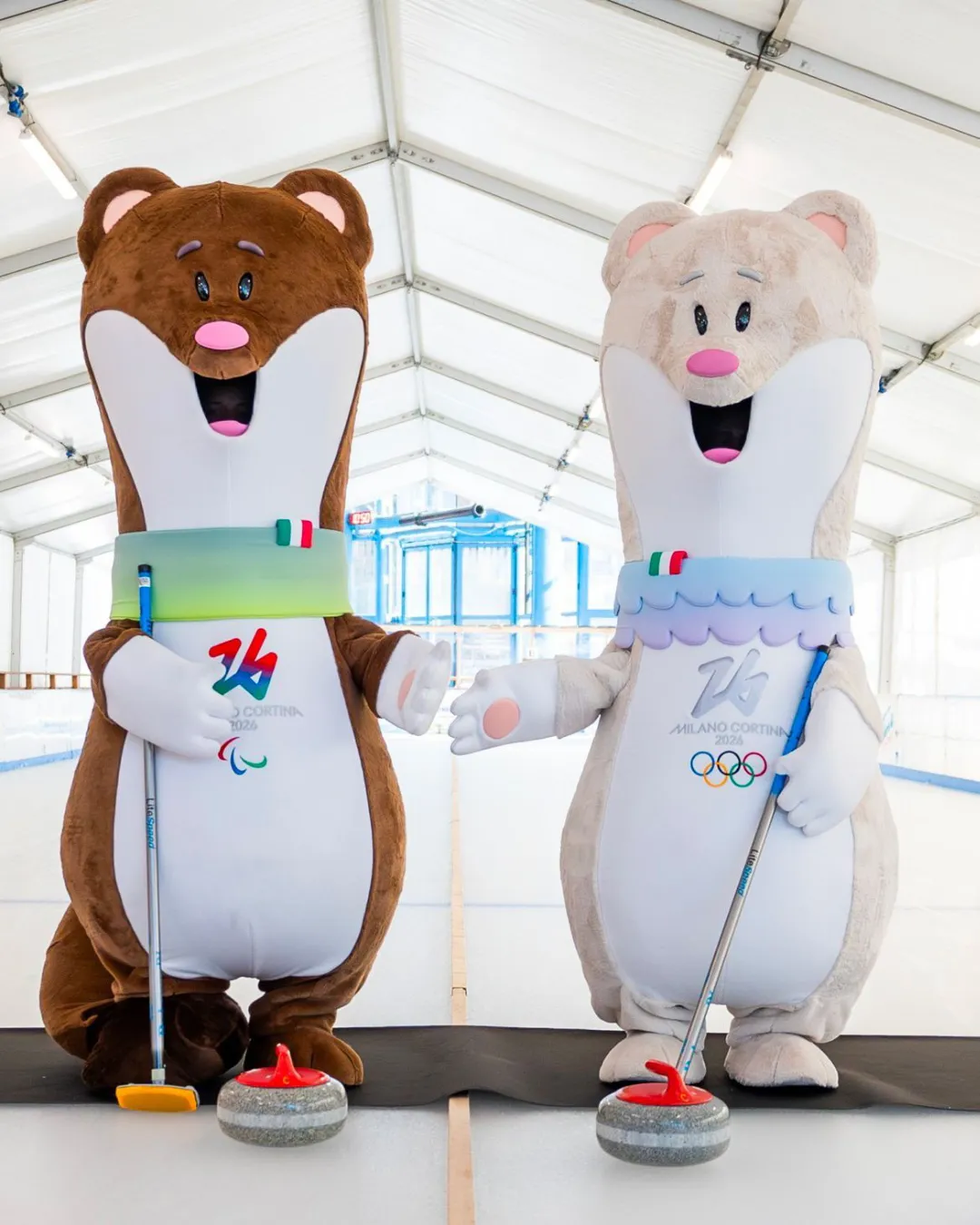
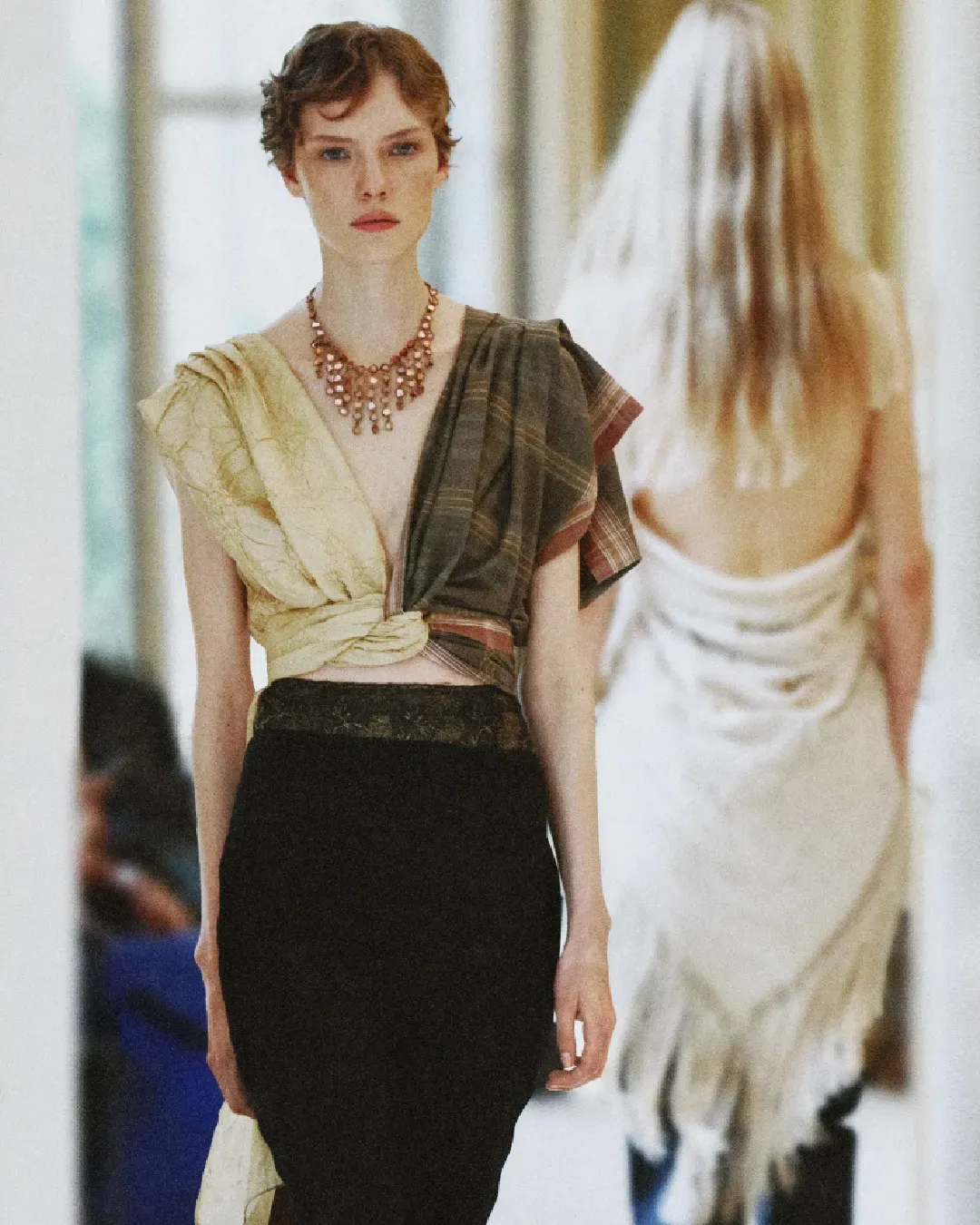
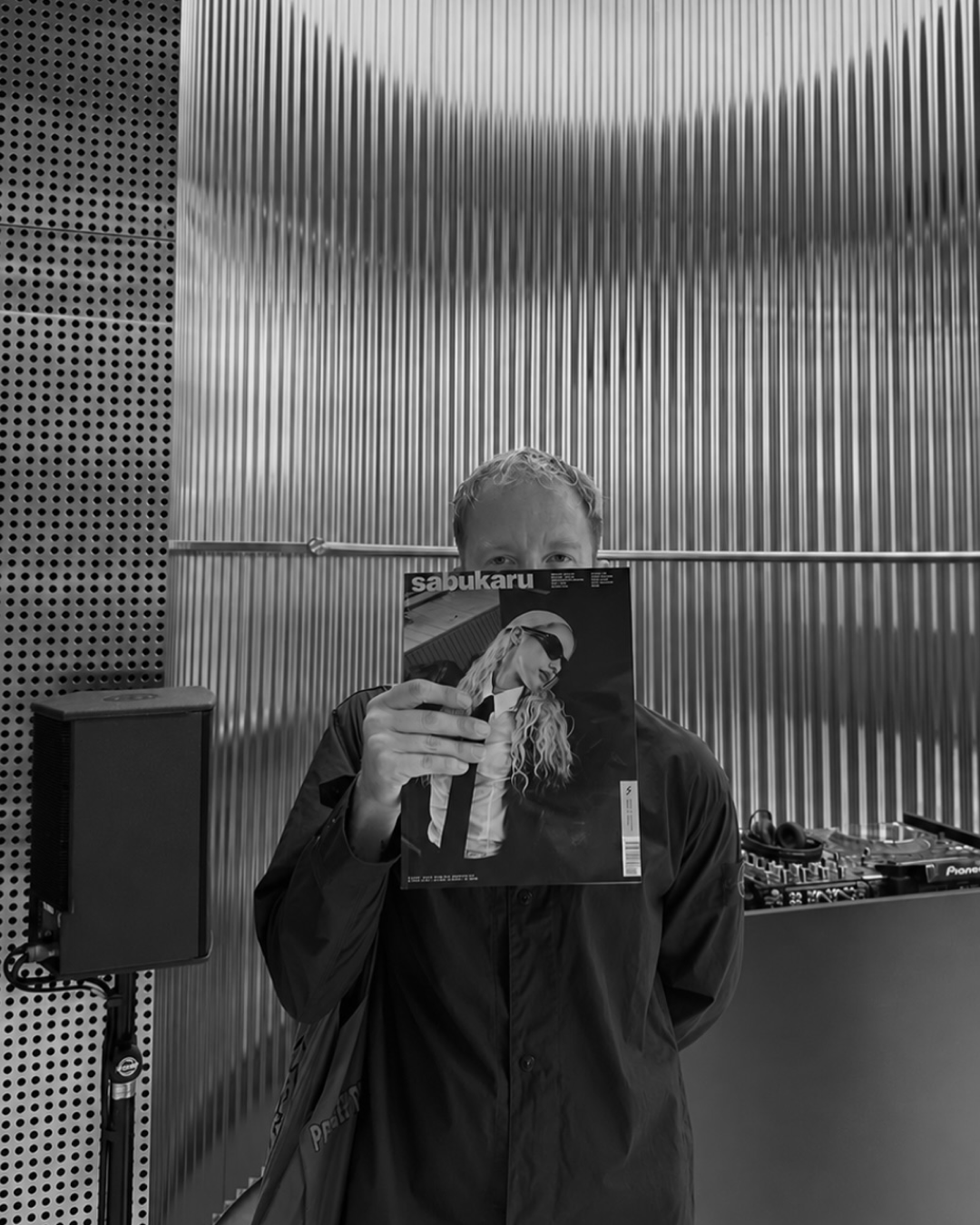
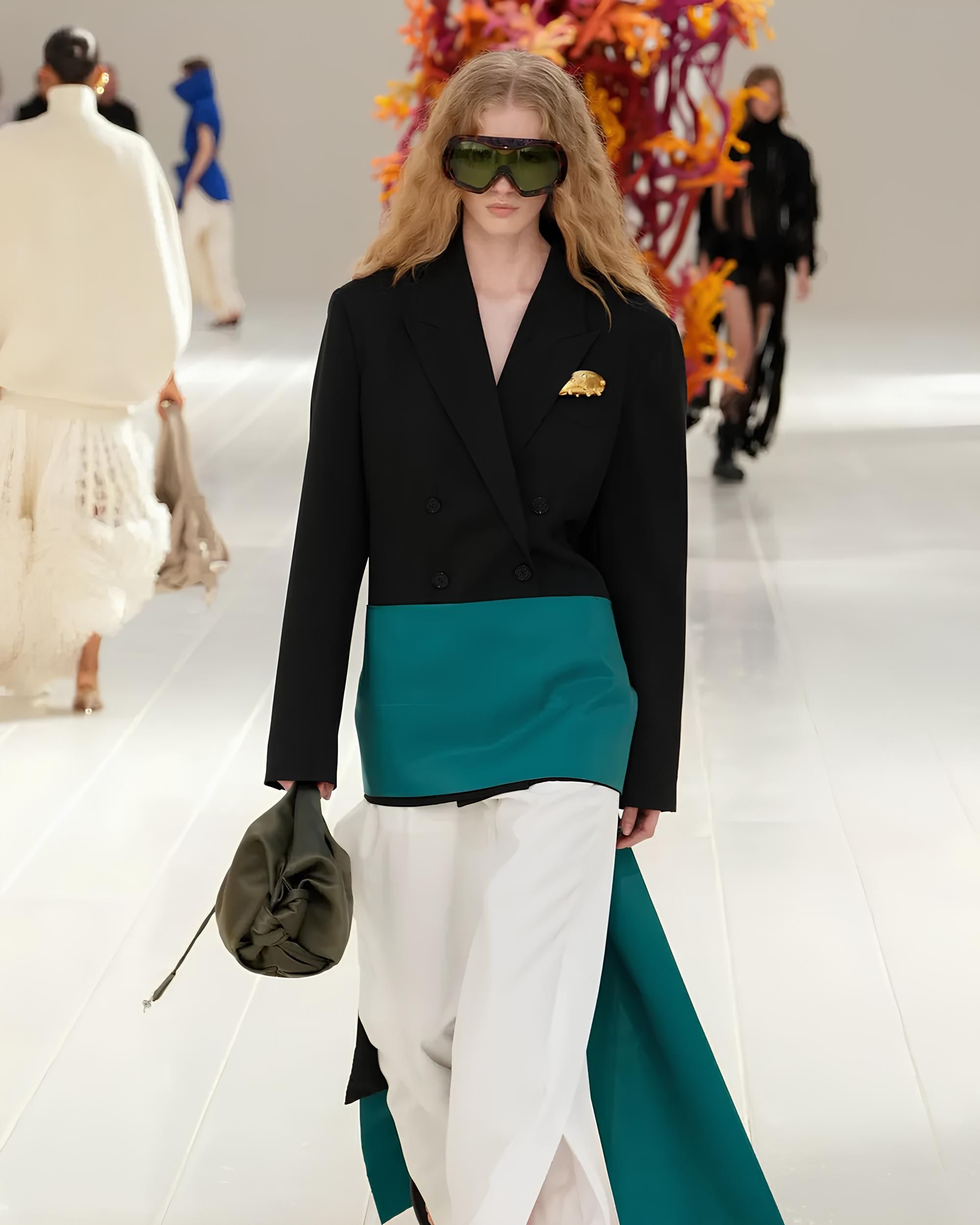
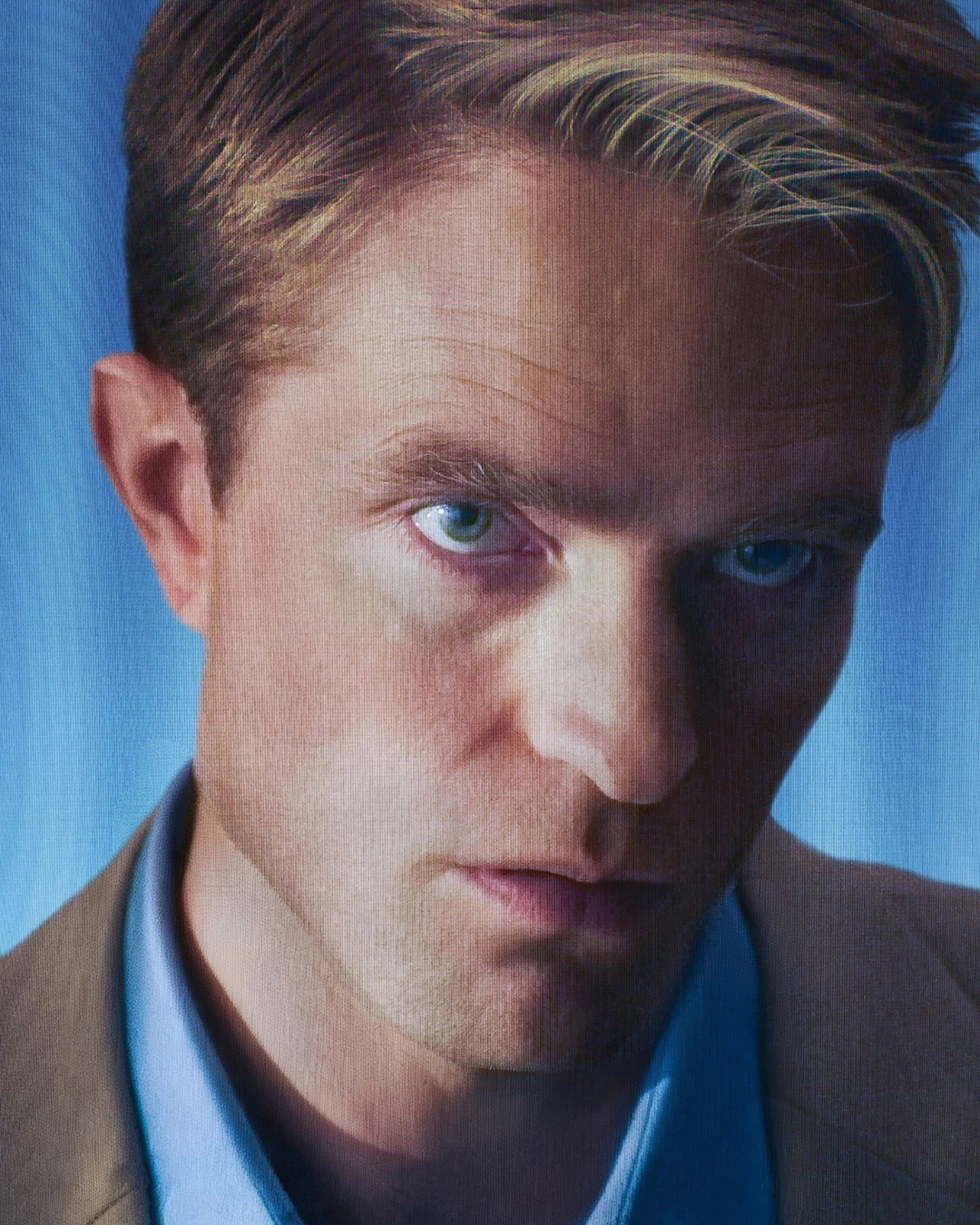
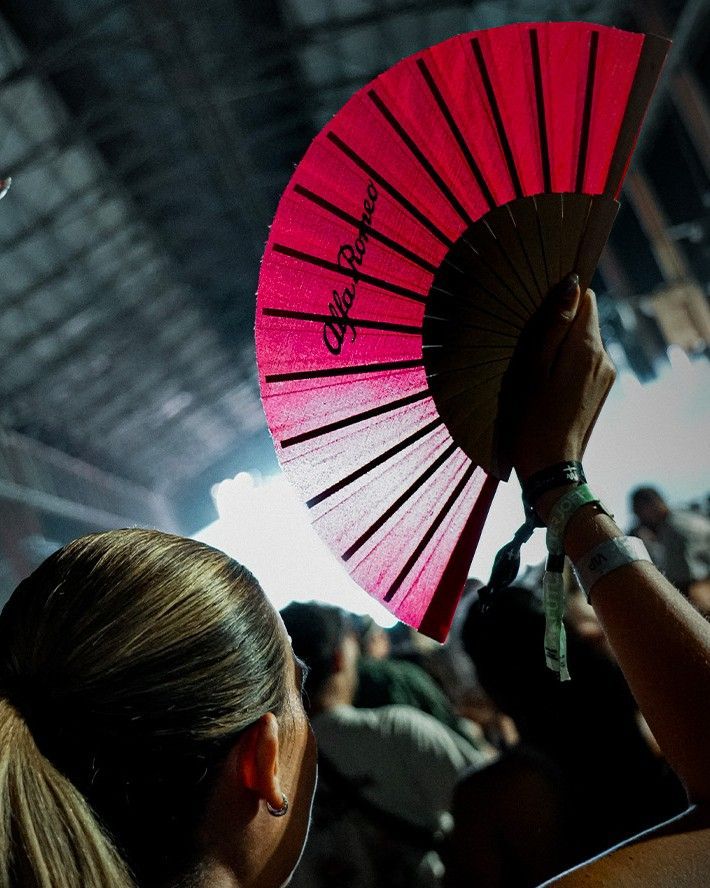
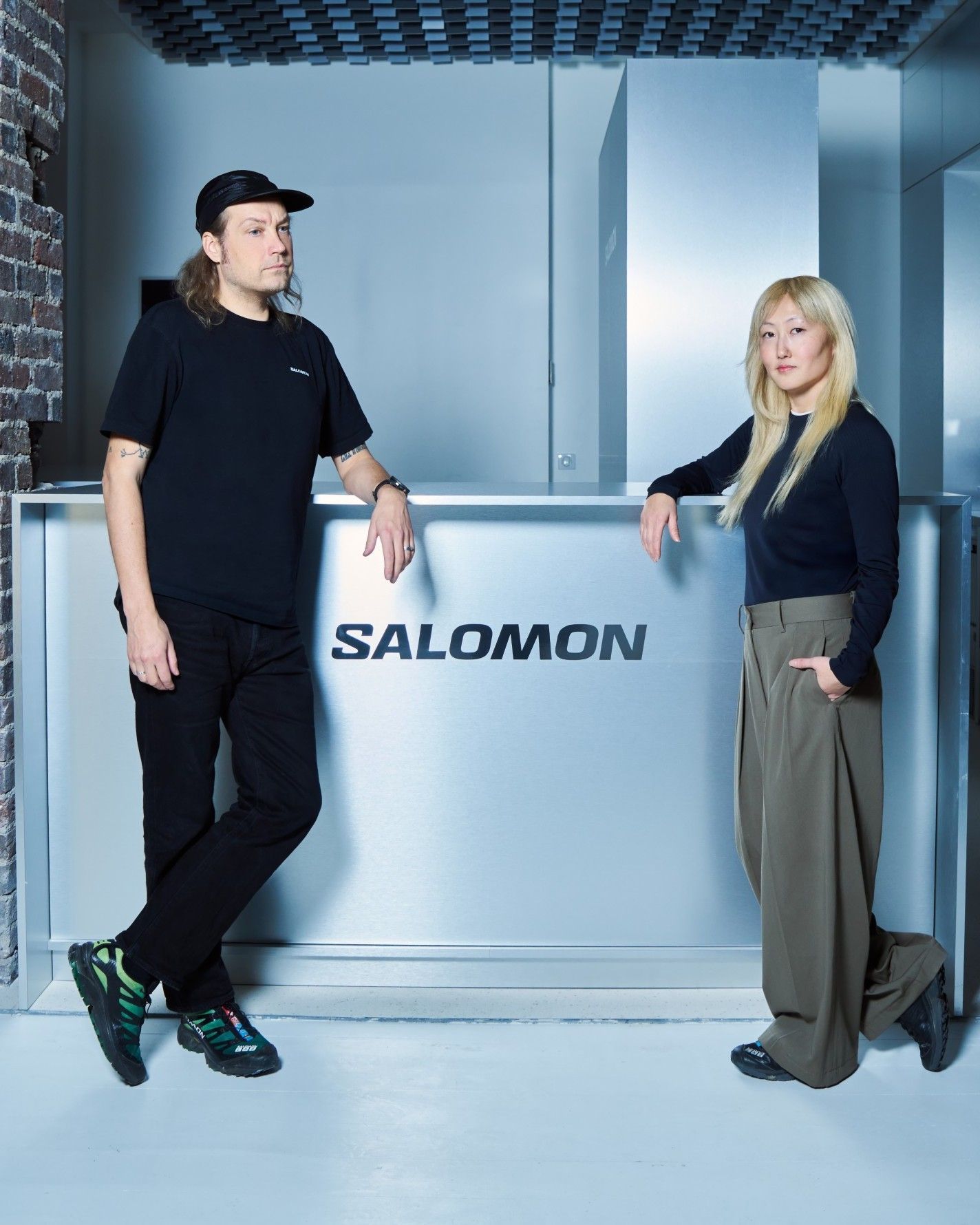
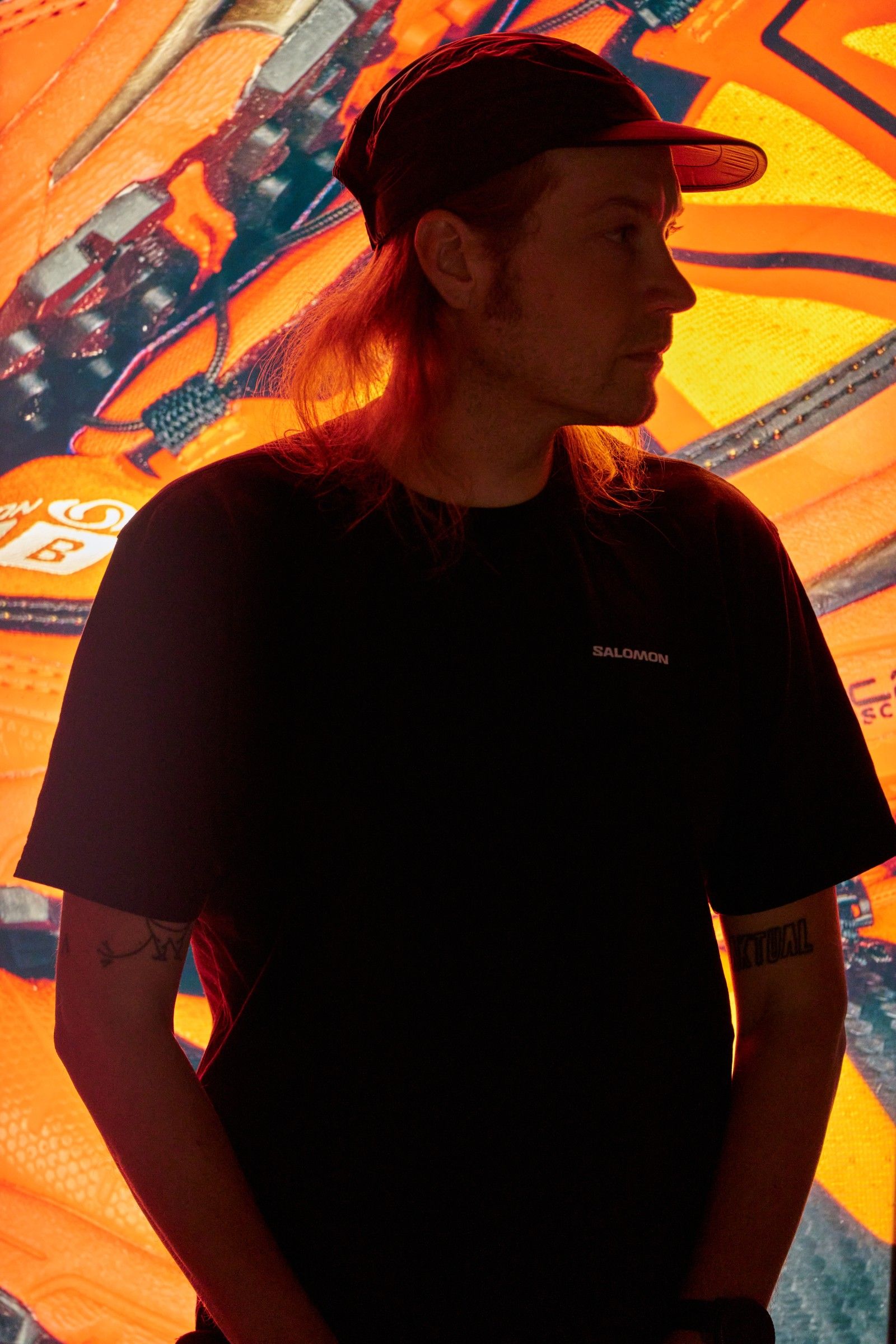
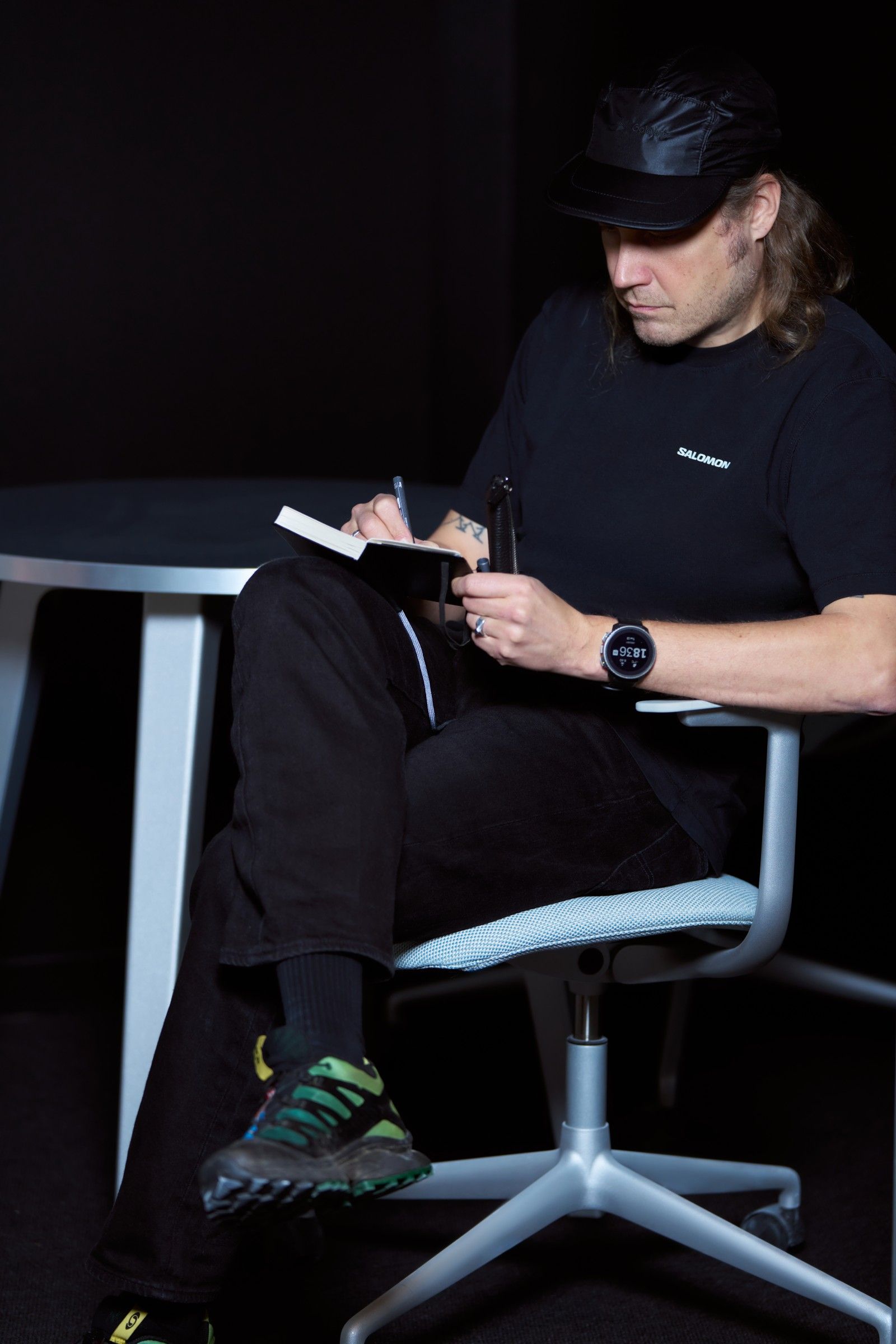
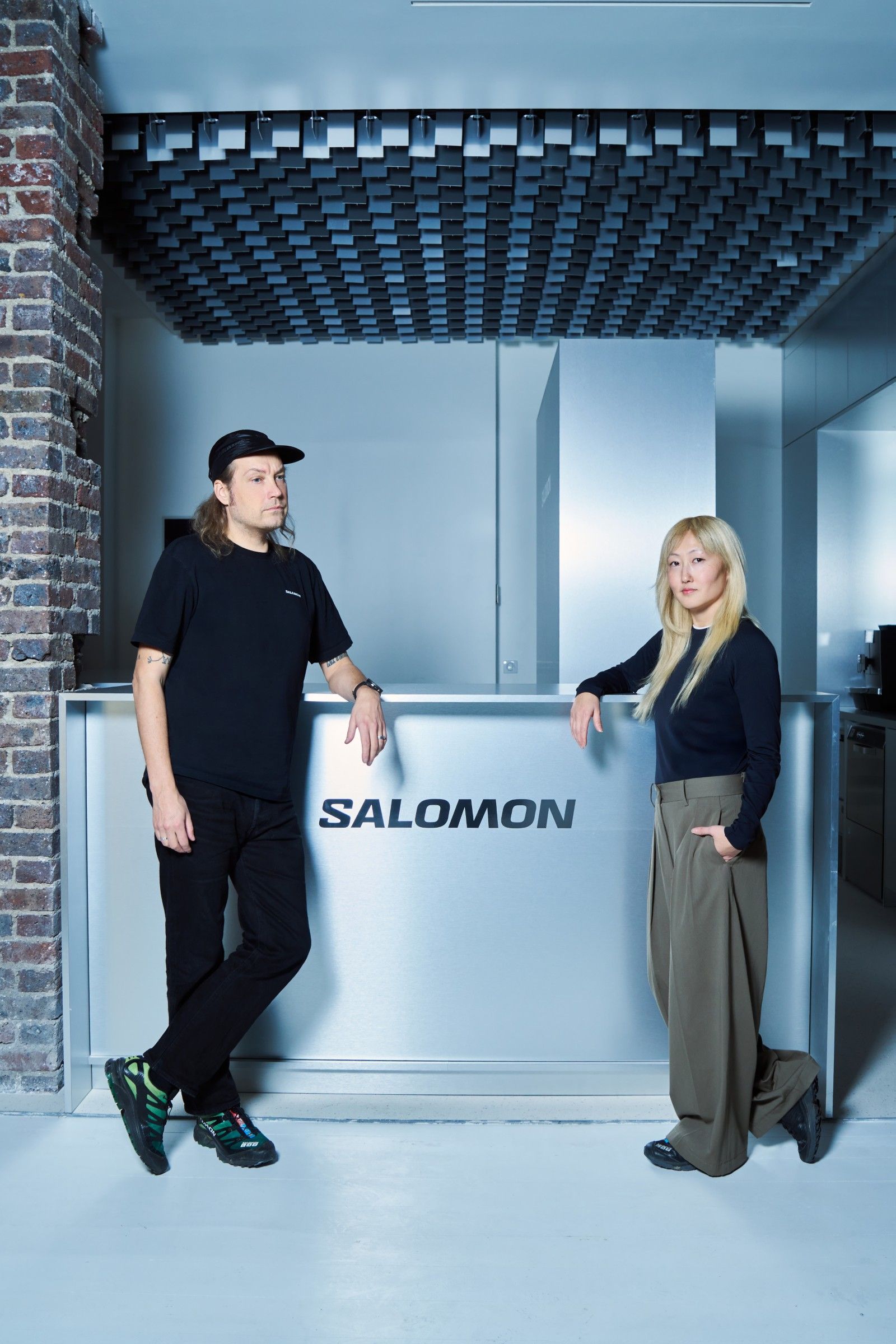
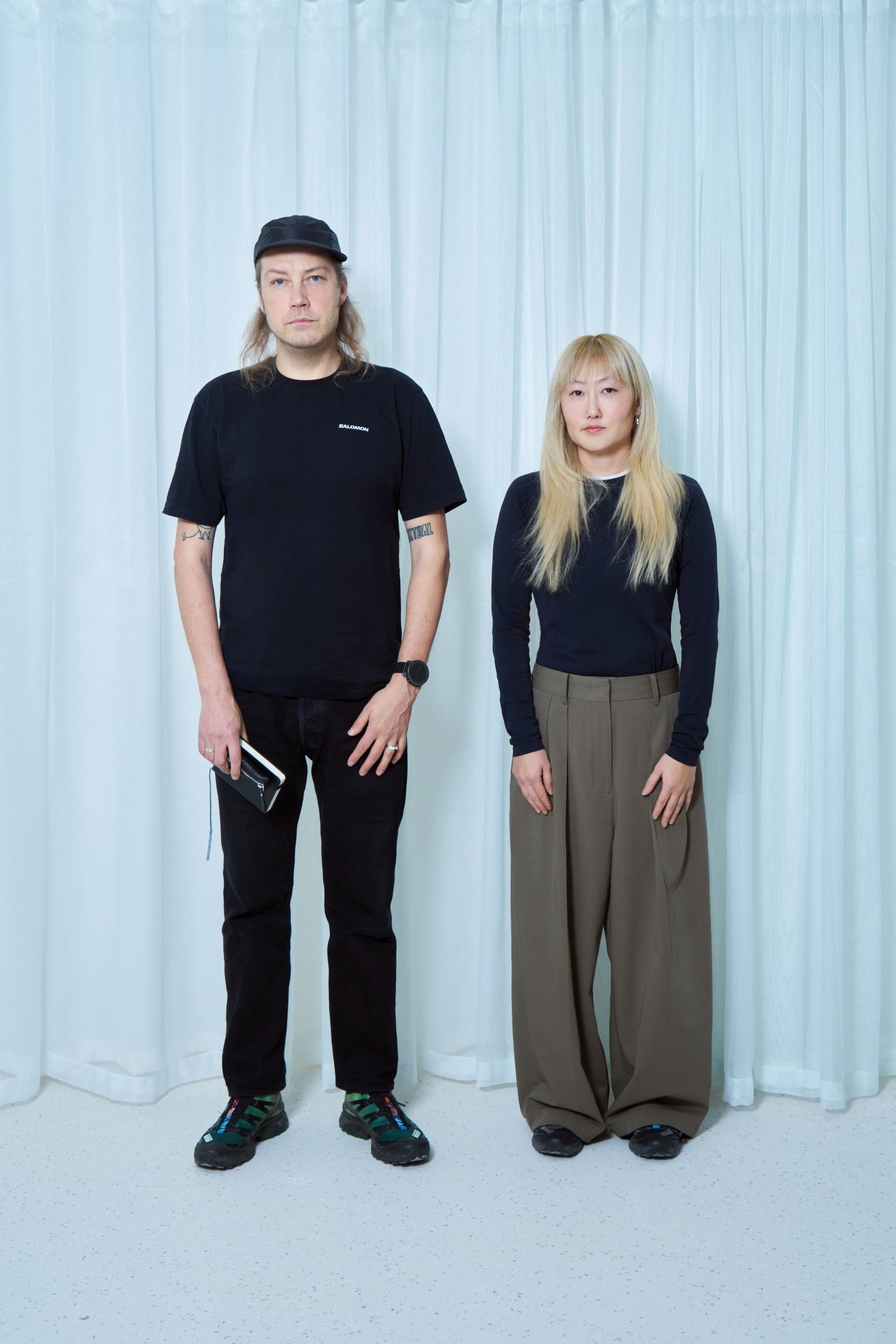
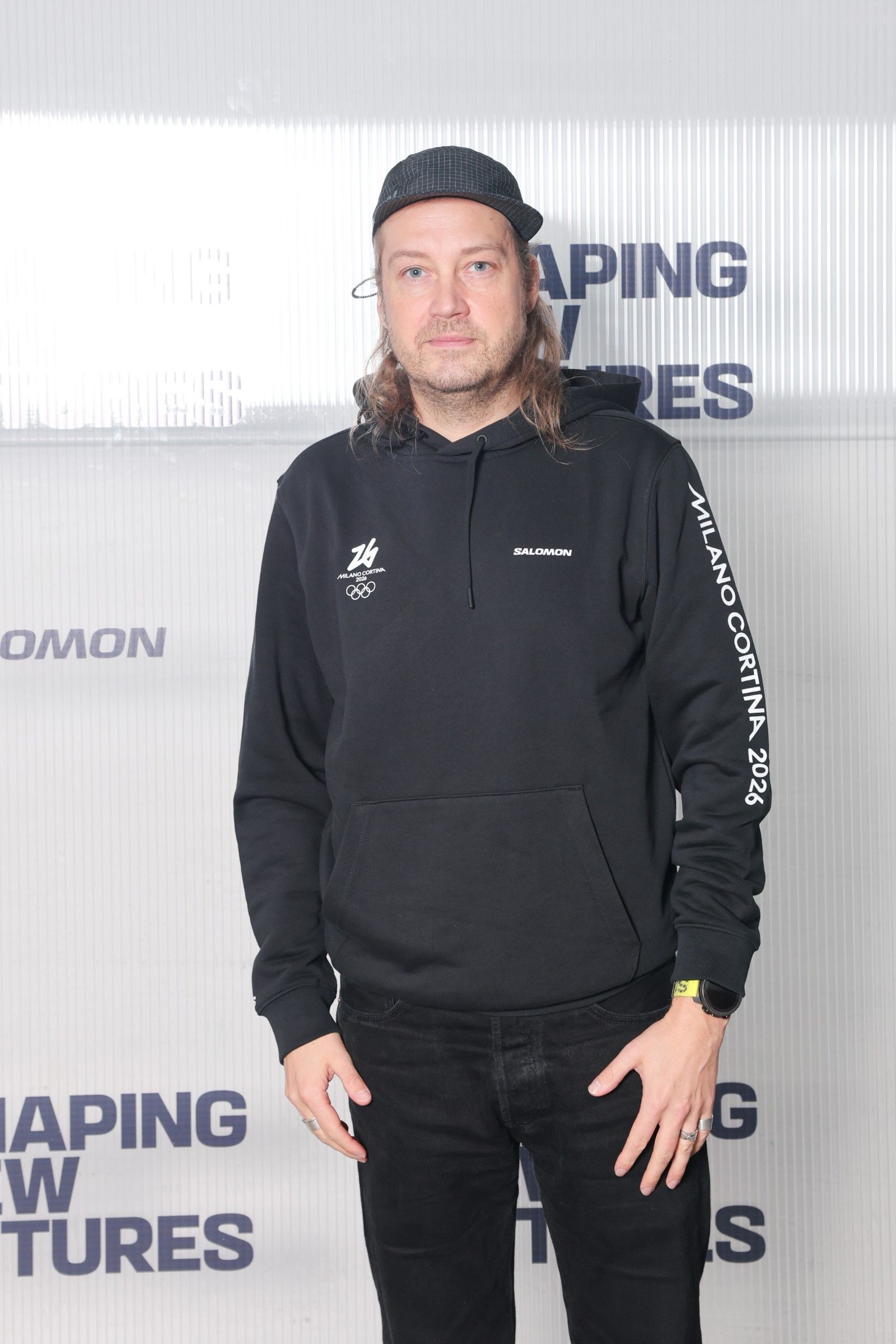
And it is precisely for this reason that the brand has recently welcomed a new creative director, Heikki Salonen, the Finnish designer whom fashion insiders have known for years as the creative director behind MM6 Maison Margiela. As he himself told us, his tenure began just three weeks ago, but his immersion into the brand’s archives and world is in full swing. And so it is for this reason that Salonen participated in the opening event of SHAPING NEW FUTURES: A Salomon Experience, a multi-disciplinary project created to tell the role of the brand within the Milan Cortina 2026 Winter Olympic Games, of which Salomon is the official Premium Partner for the first time.
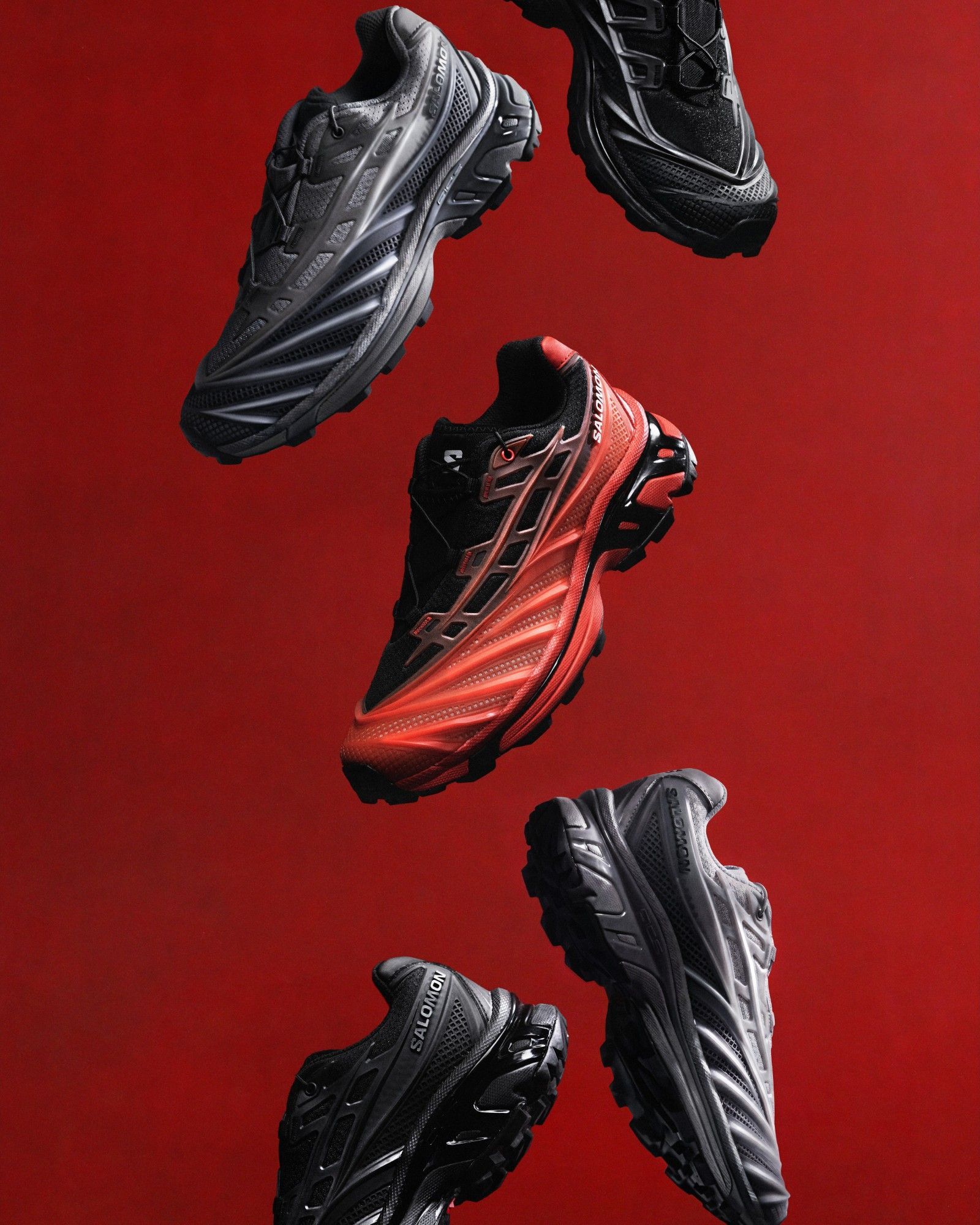
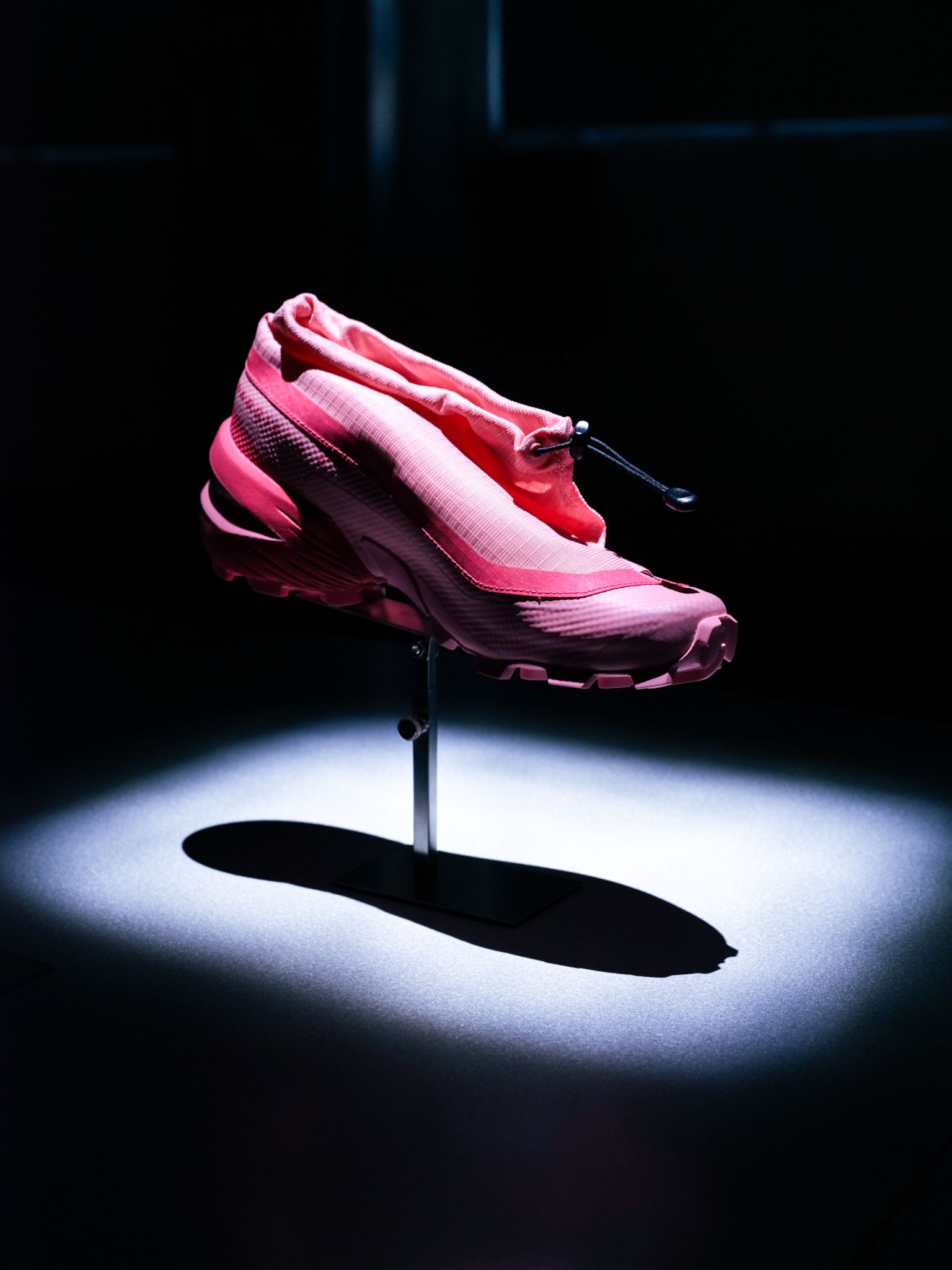
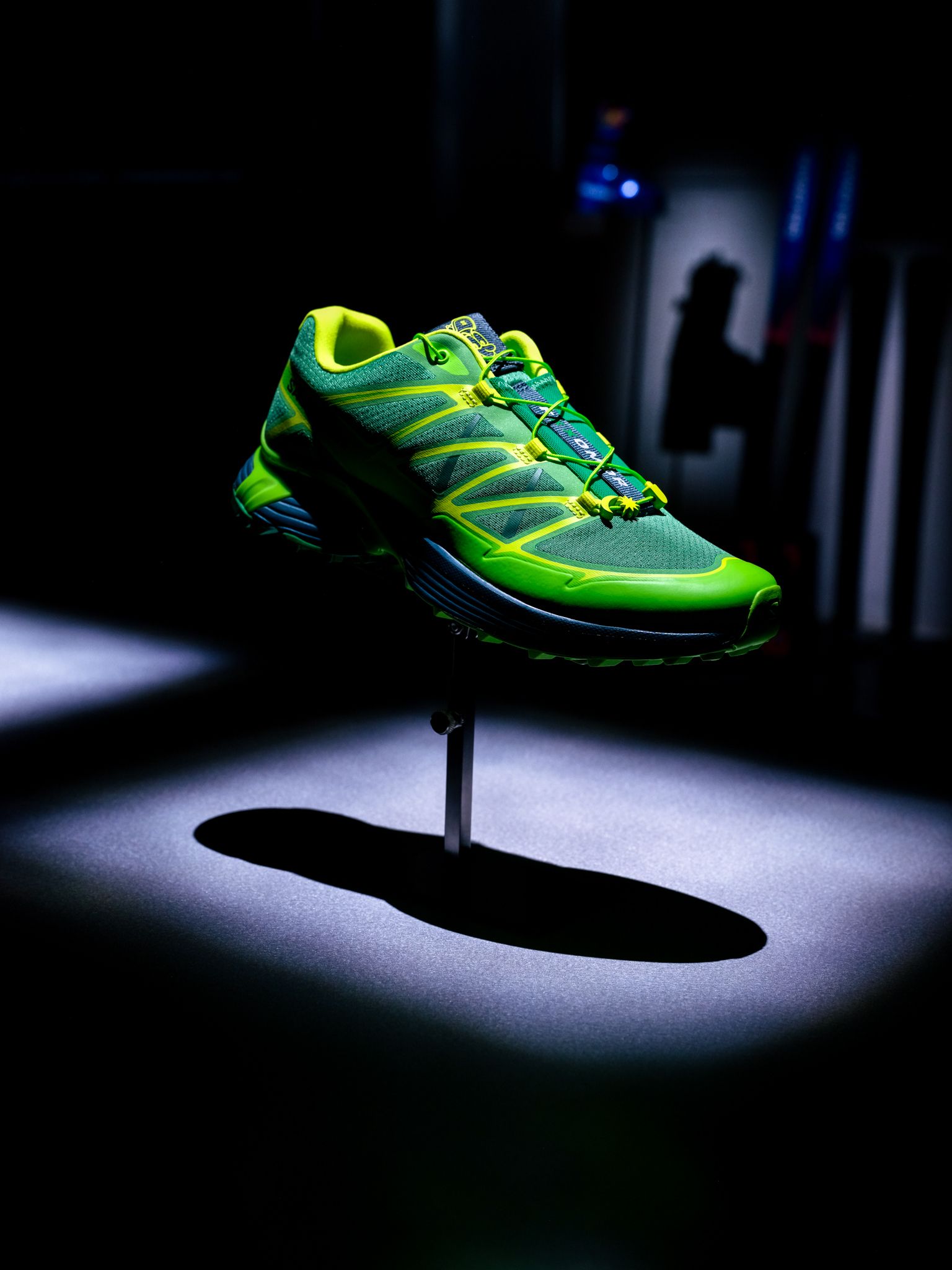
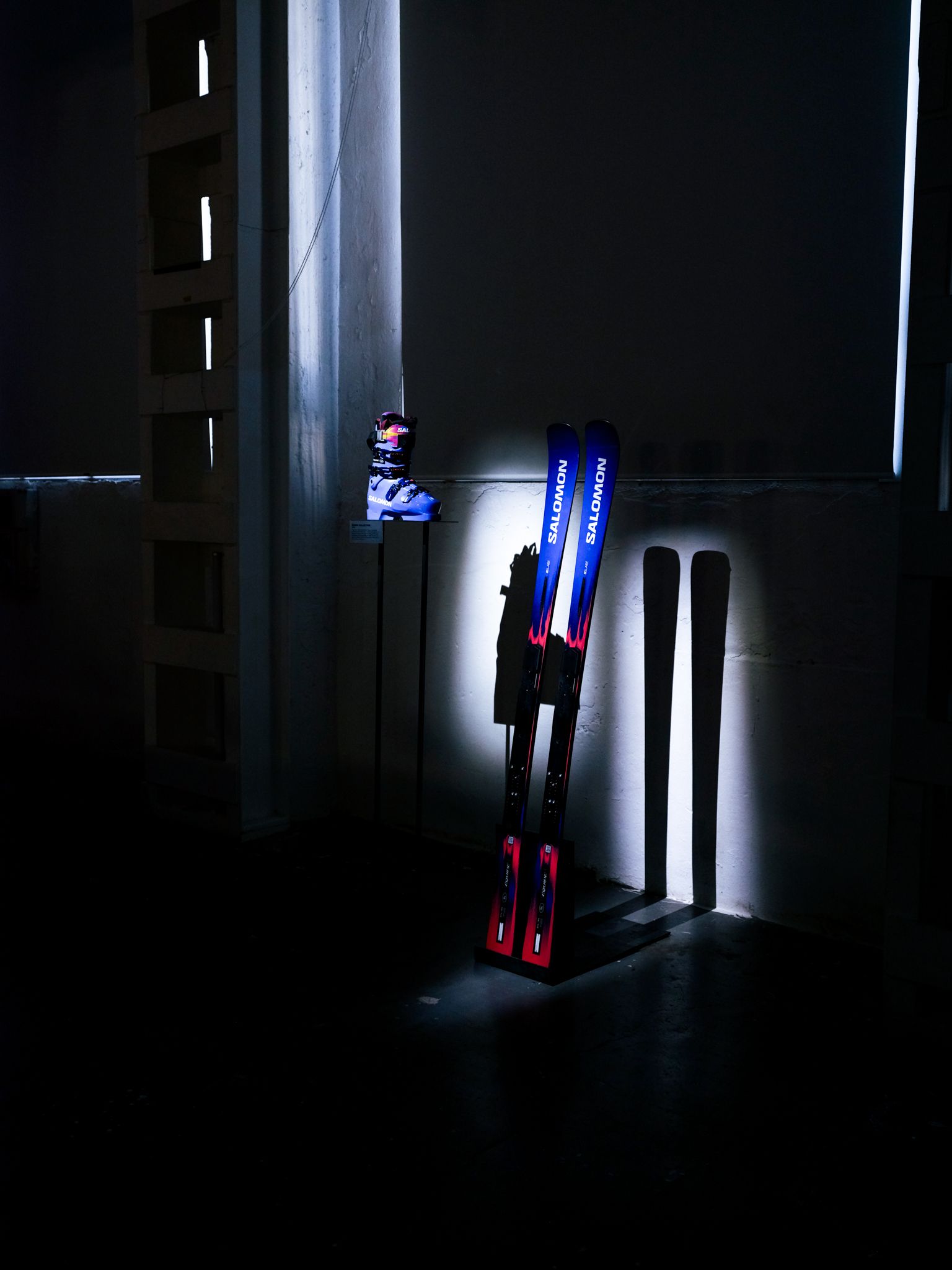
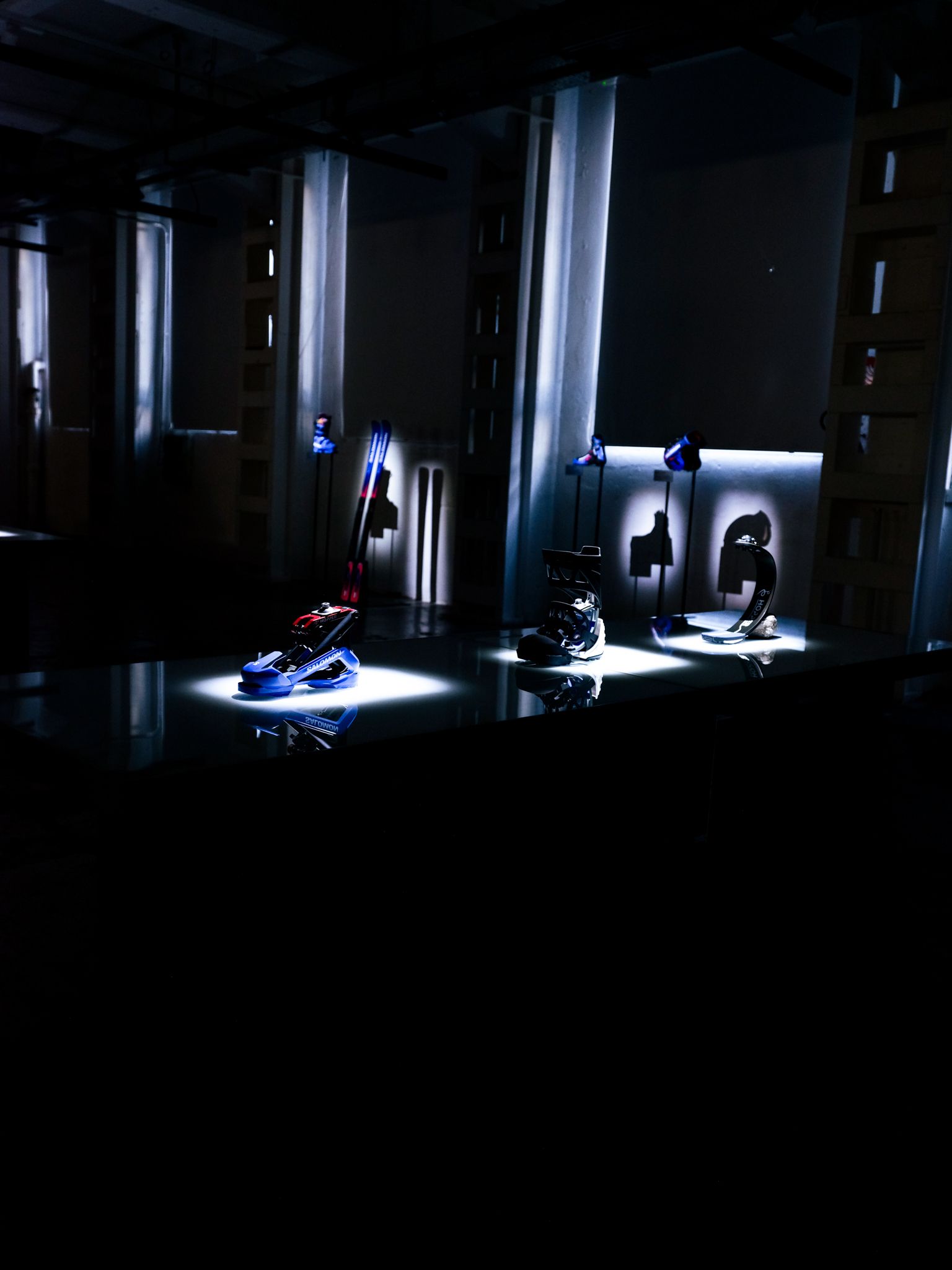
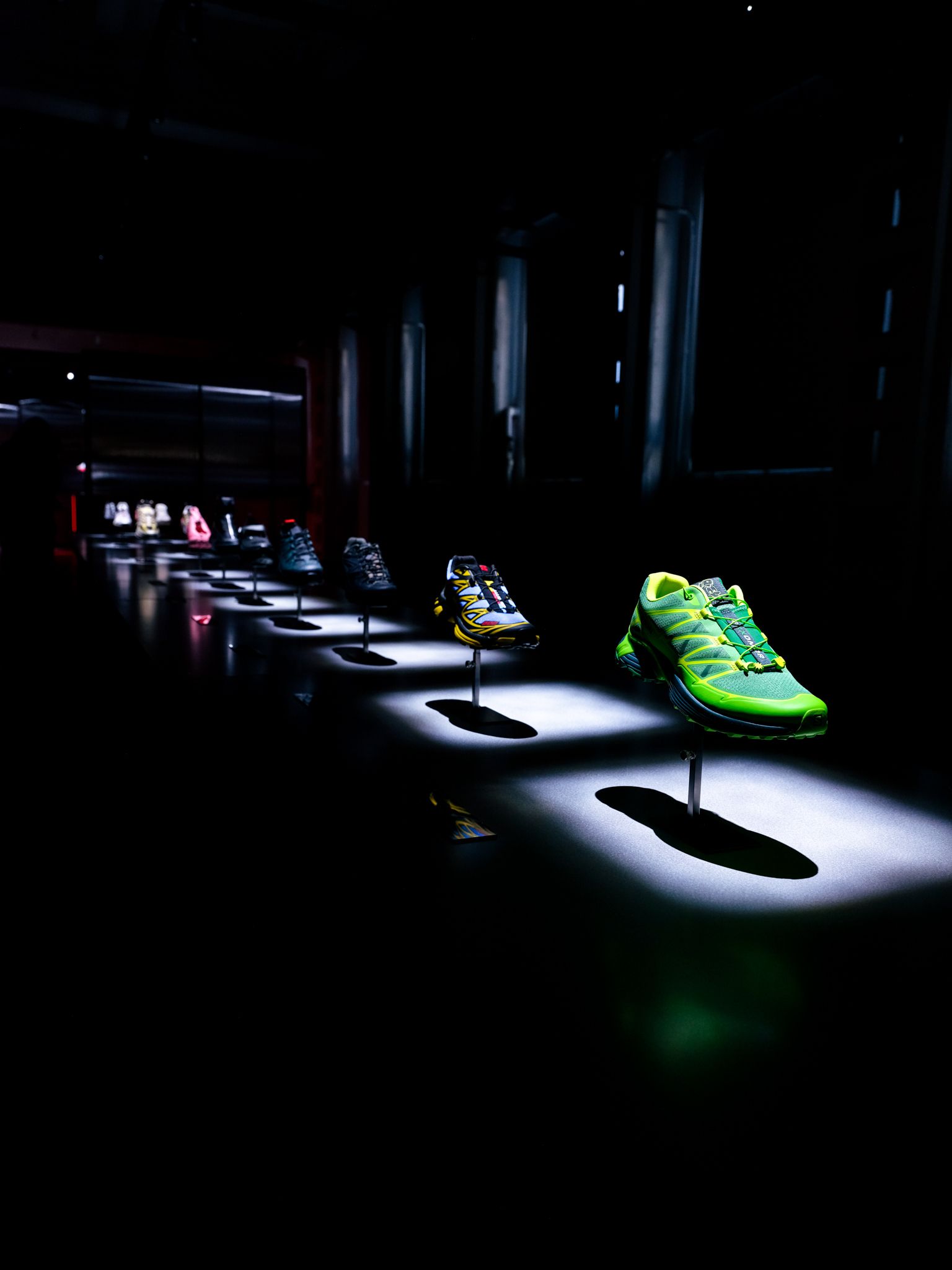
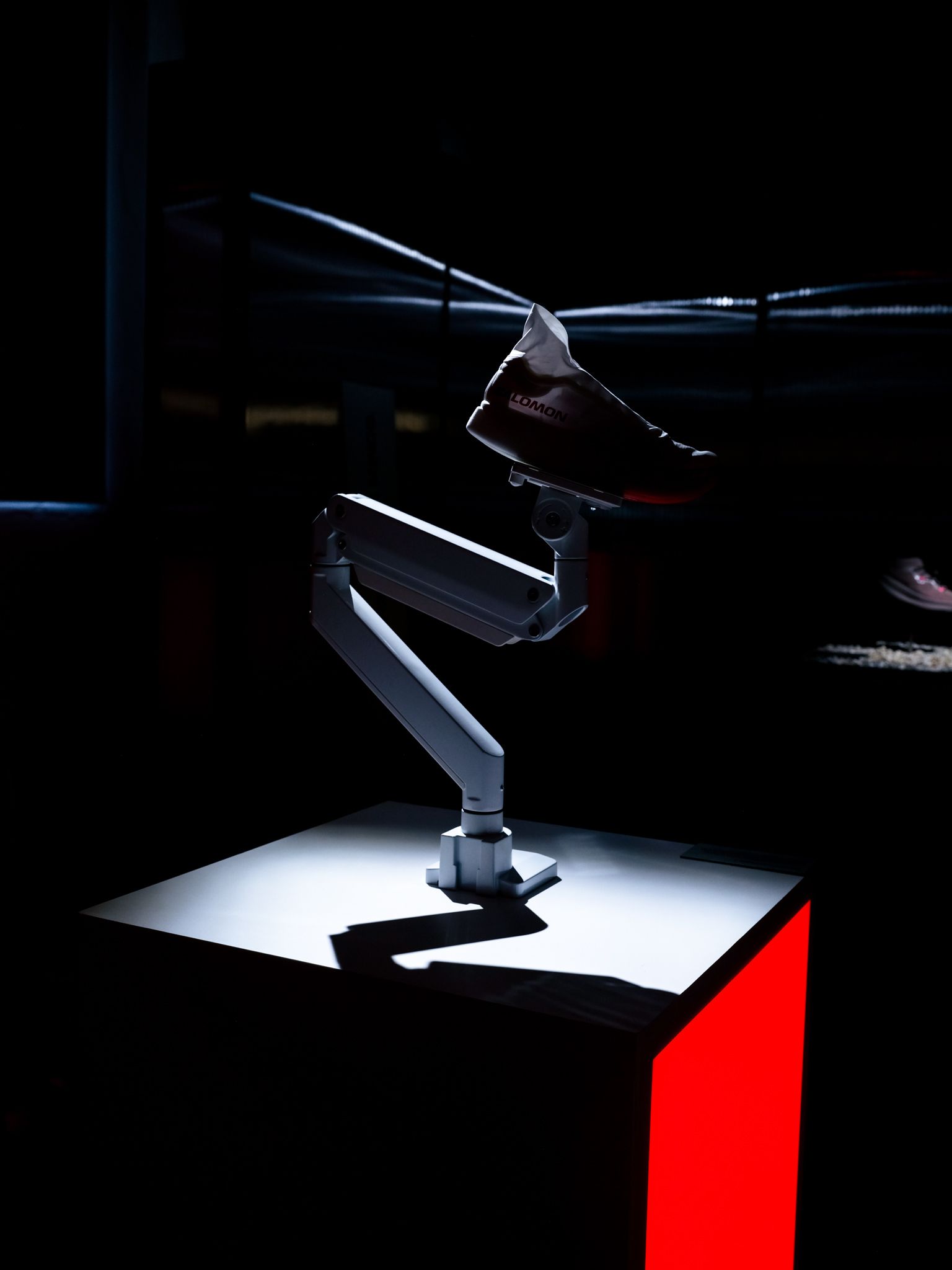
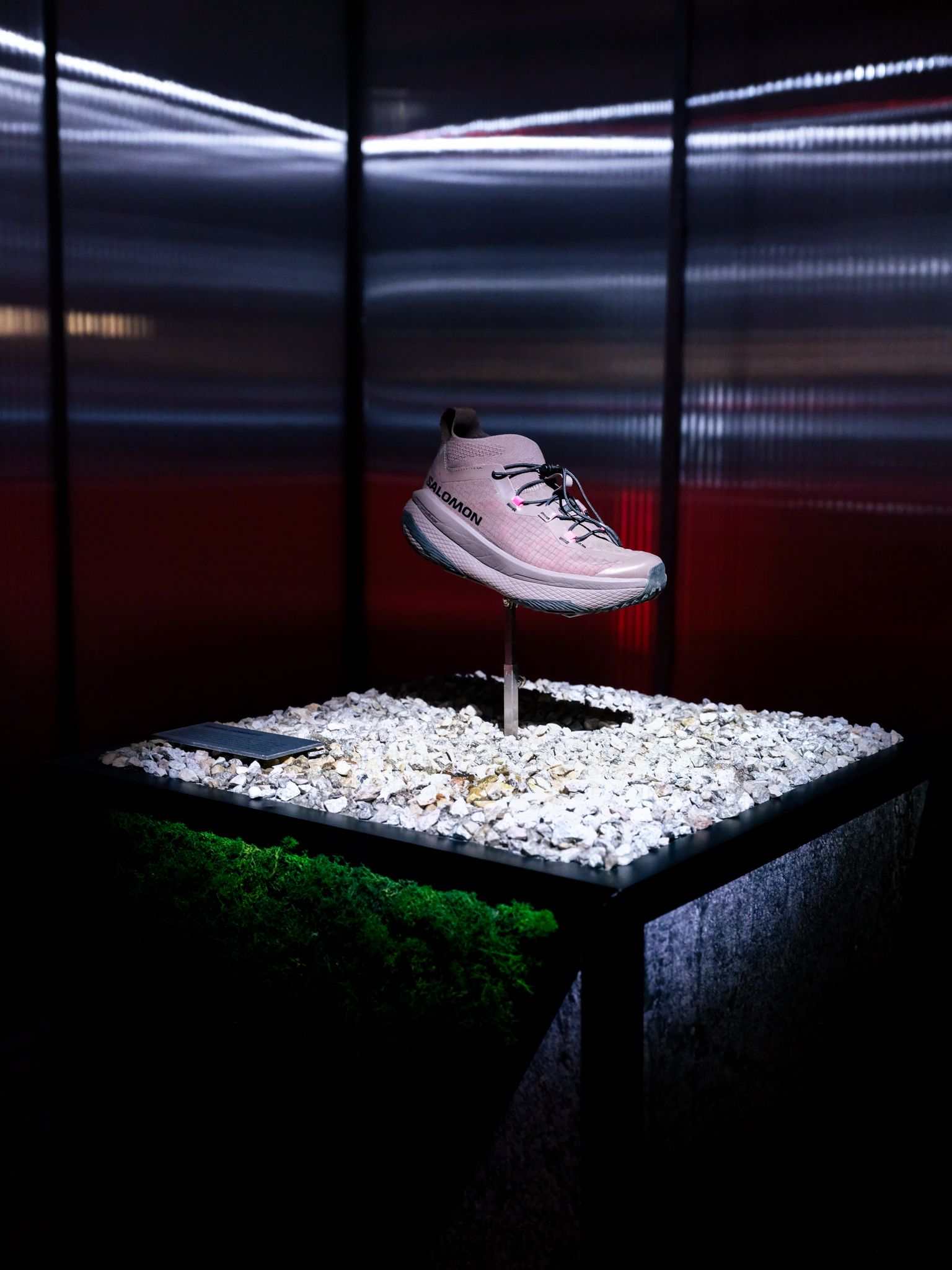
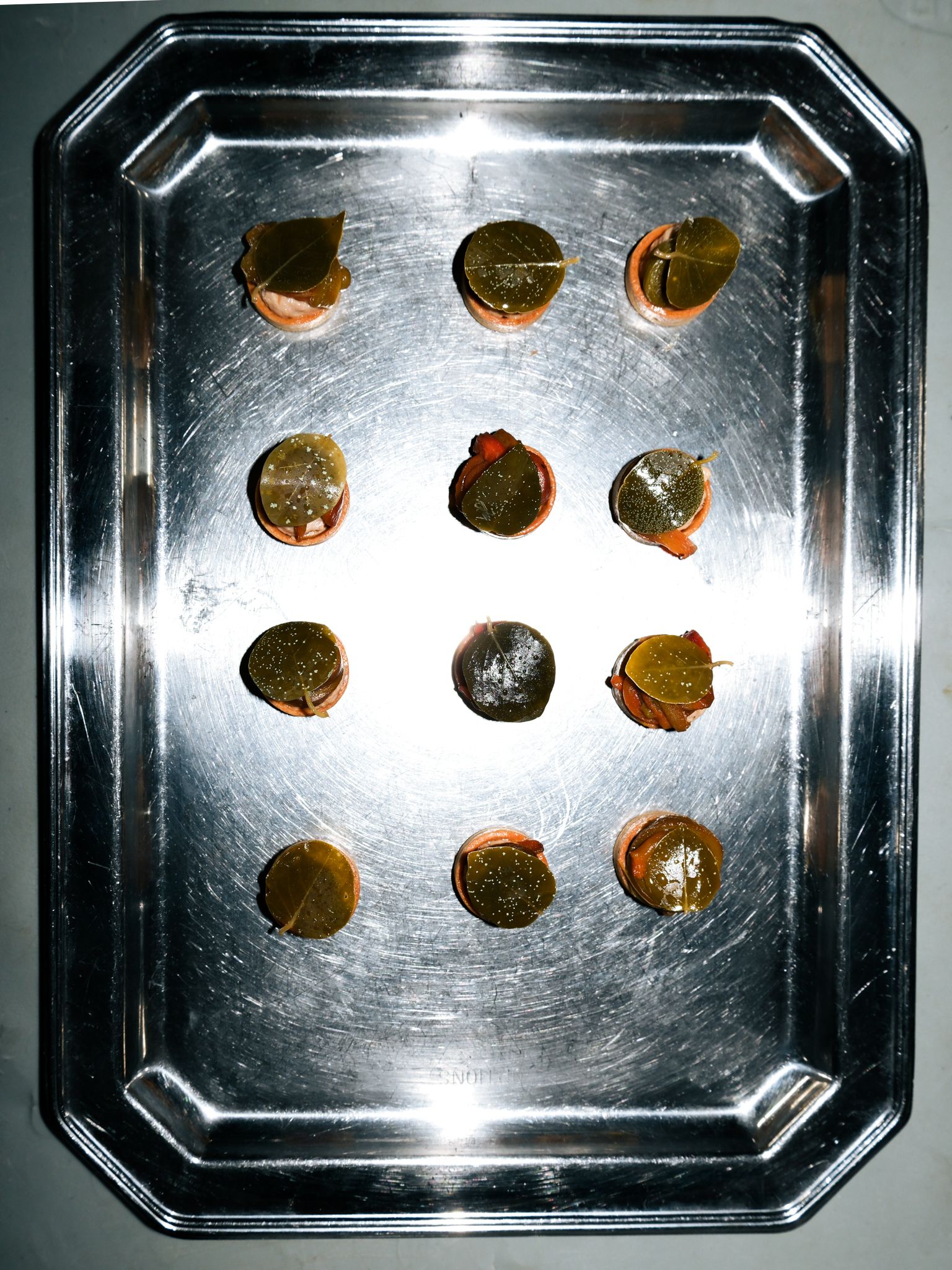
The event had a culinary declination signed by We Are Ona, founded by the visionary Luca Pronzato, who curated an installation consisting of an inclined and reflective table, shaped like a ramp dominating the venue. But it also offered an experiential path through Salomon’s most important collections including the S/LAB PHANTASM 3 and GRAVEL RUNNING lines; the Sportstyle and S/LAB EQUIPE collections and also through the Olympic and Paralympic uniforms designed by the brand for volunteers and torchbearers. The brand also signed a collectible version of its legendary XT-6 sneaker decorated with the Olympic logo which was also made available to the public for the occasion.
But if this year’s Winter Olympic Games reaffirmed Salomon’s cultural relevance in the world of sport and technical performance, it is Heikki Salonen’s presence that tells the brand’s future ambitions, namely to bring the focus on product and design for which it has become famous also in the lifestyle world and to consecrate Salomon as a brand not only devoted to performance excellence but also to style.
For this reason we met Salonen at the opening of the event and discussed with him his vision for the brand.
Which aspect of Salomon attracted you at first? As a designer, what potential did you see in the brand?
Heikki Salonen: What I love is when brands have many identities. Salomon is an 80-year-old company: it's done bindings, vests, shoes, skis. It has an amazing history and legacy. With inline skates, it went through so many different eras: it was relevant in the '80s, in the '90s, it created sports. Now it's starting to take over some market share in fashion, which is maybe what I love most: it wasn't planned, it happened naturally. That's how good things happen, because they're honest. It's not the brand deciding they're fashion; it's the consumers deciding. That was the trigger for me: I don't want to turn Salomon into a fashion brand. I want to create Salomon products that can be seen as fashion items, but they are truly performance items.
What would you say are the main differences between working with a brand focused on performance and working with a straight-up fashion brand, both in terms of your work and your workflow?
Heikki Salonen: I've been here only three weeks, so I don't know the differences exactly yet. For me, I try to change as little as possible. I'm a big believer in teamwork and in creating together. When we see something together that really brings emotion, and everybody in the room goes, "Wow, that's it. That's amazing," it brings the energy to continue. Whether it's a performance product or a fashion product, that's what you should always aim for. When you nurture that feeling of excitement, you can go a long way. What's beautiful about it is that you can then let the ideas go free. You can send the product to market without a target group or anything, it's just a beautiful product. Then it might be that all the cool kids want it, or it might be that all the hardcore runners want it. That's something good fashion and good performance share.
Aesthetically speaking, what's your personal vision for the brand? Where do you want to take it?
Heikki Salonen: I wish that in the future, when people see Salomon products, they recognize them without seeing the logo. I think that's already happening with the shoes at the moment. I want to make sure that will happen with bags, apparel, all the clothing, everything we do. It should carry the Salomon attitude: that weird sense of utility mixed with style and design.
What's your favorite Salomon silhouette right now?
Heikki Salonen: I'm always very bad with favorites. I said the same at Margiela: every time we talked about collections, I said I don't do favorites. There's no favorite silhouette, no favorite look. Many people say that, but I think it's unfair. If you're not proud of everything you do, it shouldn't be in the collection. That said, what I'm super excited about is triggering in Salomon the emotion that people see things separately—there's shoes, there's bags, there's apparel. I wish people start to see them as one system, one idea, one true soul. I hate when we have these different teams. I want to bring everybody together because that's life. You can't go out with just shoes: you need trousers, and then you need to carry something.
Salomon is very technical, while up until now your work was more oriented toward design or luxury. When you switched the focus on the product, did something change for you or in your work?
Heikki Salonen: You spend time a little bit differently on the product, but for me it's still the same: the biggest thing is the end consumer. When they go to a store, they get attracted, they want to touch it, try it on, and spend as much as they want on the product. Creating that personal relationship with the clothing is super important, I think, both in performance and in fashion. Pieces have to have a reason to be alive.
At least what can we expect when your first collection drops?
Heikki Salonen: I wish we don't work in collections anymore. Somehow I'd love to do more just great products and start building our wardrobe and our vision of working. Whether it's fashion or performance, I think doing collections can be a little bit wasteful sometimes. Sometimes it makes sense, but now I feel Salomon is in a place where we could just do great products. Sometimes it can be just one jacket, sometimes a silhouette, sometimes a shoe, sometimes five different pairs of shoes that share the same values. We should excite people with honest stories, not formatting things too much.