































Is Disney no longer interested in animated films? New CEO Josh D'Amaro is ready to launch a new expansion strategy
Recently, Disney announced the appointment of Josh D’Amaro as the new chief executive officer of the group. D’Amaro, who previously led the division overseeing the company’s theme parks, replaces Bob Iger, who has been a central figure in the company’s recent history. Iger in fact led Disney for much of the past twenty years, further contributing to its global expansion. The choice of his successor was particularly anticipated: Iger, now 74, had left the company in 2020, only to return as CEO two years later, making the handover a widely discussed topic within the industry.
D’Amaro, who is nearly 55 years old, was leading the company’s Experiences division, which includes the group’s hotels, cruise ships, and theme parks. In recent years, this segment has been one of Disney’s main economic engines. His appointment, however, also signals a desire to focus on continuity – the company is no stranger to promoting executives who have built most of their careers within the group: D’Amaro has worked at Disney for over 25 years and knows its internal dynamics in depth. It can therefore be said that the choice of the new CEO was cautious and fully in line with the approach promoted by his predecessor.
How Disney will change with the arrival of D’Amaro
@guide2wdw Disney just announced Bob Iger’s (new) replacement: Josh D’amaro. Here are 2 big reasons it will go better than the last time Iger stepped down. Disney Experiences Chairman Josh D'Amaro will take over as CEO on March 18, ending a 20+ year streak of Bobs at the helm. But for theme park fans, the bigger story isn't the name change. It's D'Amaro's background and track record. For the first time ever, Disney will be run by a true parks person. D'Amaro spent his entire Disney career in the parks/experiences division, starting at Disneyland in 1998. In recent years, he’s made some very positive moves as the head of parks and experiences. According to the Wall Street Journal, he was instrumental in bringing Bruce Vaughn back to lead Imagineering. He also oversaw a massive expansion of Disney Cruise Line’s fleet, and most importantly, he’s been guiding a $60 billion investment into Parks and Experiences over the next decade. His elevation to CEO signals that level of investment will remain a priority. Now some will say: Bob Chapek ran parks before becoming CEO, and that didn't go well. But Chapek's background was actually in consumer products, not parks, and it showed. He had operational expertise but struggled as a creative leader, and his cost-cutting approach reportedly damaged the company's creative culture according to sources like CNBC. Here's what makes this transition different: Dana Walden will be promoted to President and Chief Creative Officer, and she could be the secret sauce for the next era of Disney. Chapek never had a true counterweight covering his blind spots. Walden has a stellar reputation with Hollywood's creative talent, an area where D'Amaro doesn't have deep experience. Both leaders have great track records, and they clearly value creativity. That direction has me optimistic for Disney's future. But what do you think? Did Disney make the right call, or should they have found someone else named Bob? #DisneyParks #DisneyWorld #disney #DisneyCruiseLine #Imagineering Succession Main Theme (From "Succession") - Geek Music
In recent years, Disney’s economic strategy has increasingly moved away from cinema and streaming. Films and Disney+ subscriptions now weigh less on the company’s balance sheet, while the Experiences division has become the main source of revenue, generating around 60 percent of total income. And it is precisely this growing imbalance that underpins the choice of the new chief executive officer.
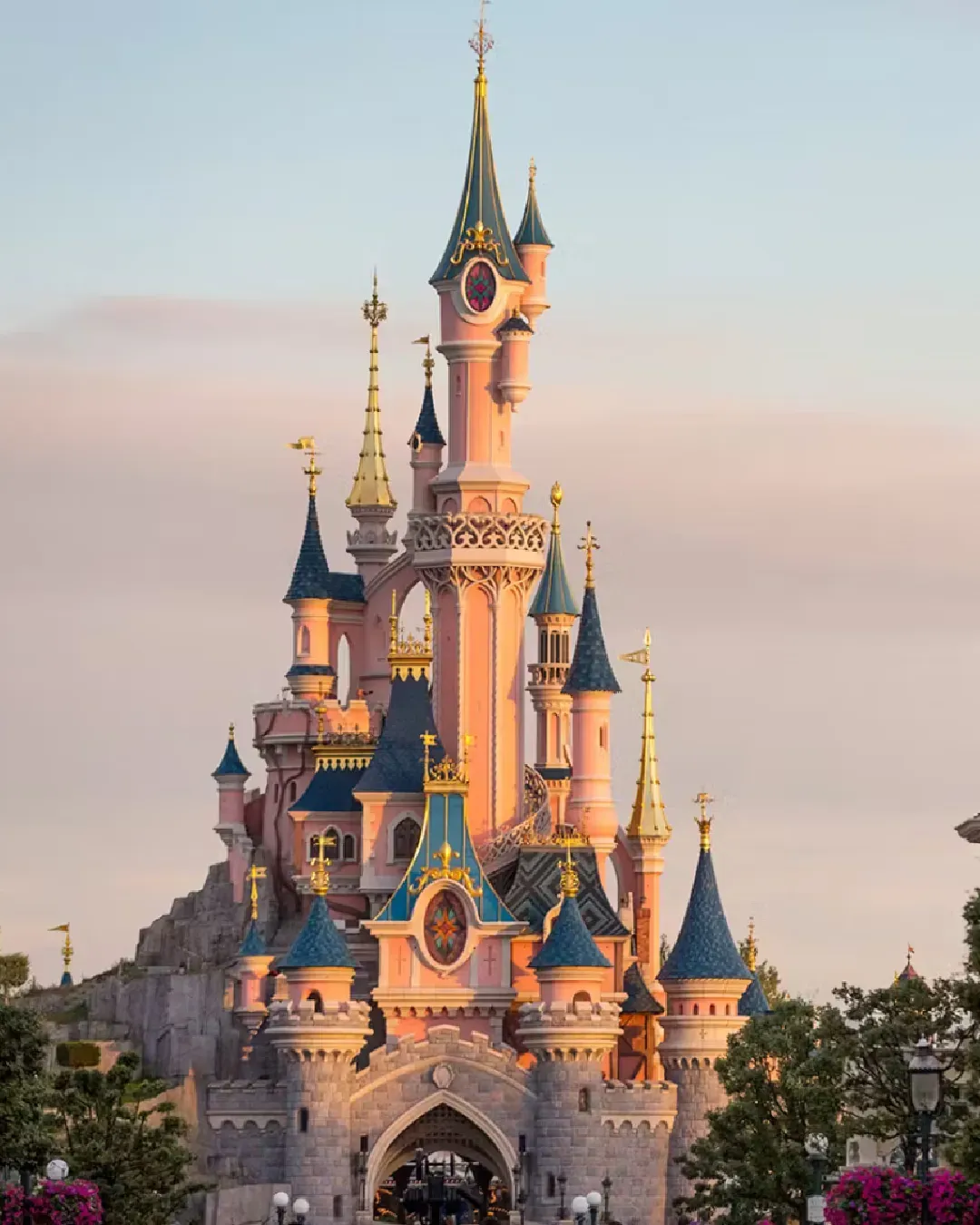
D’Amaro’s appointment therefore reinforces a stance already evident within the group: the further expansion of the company’s physical and tourism-related activities. Not by chance, a few months ago Disney approved the construction of a new theme park in Abu Dhabi, the thirteenth worldwide, with the aim of consolidating its presence in the Middle East. Alongside this initiative are investments of 60 billion dollars in new resorts, and a plan to double the Disney-branded cruise ship fleet by 2031.
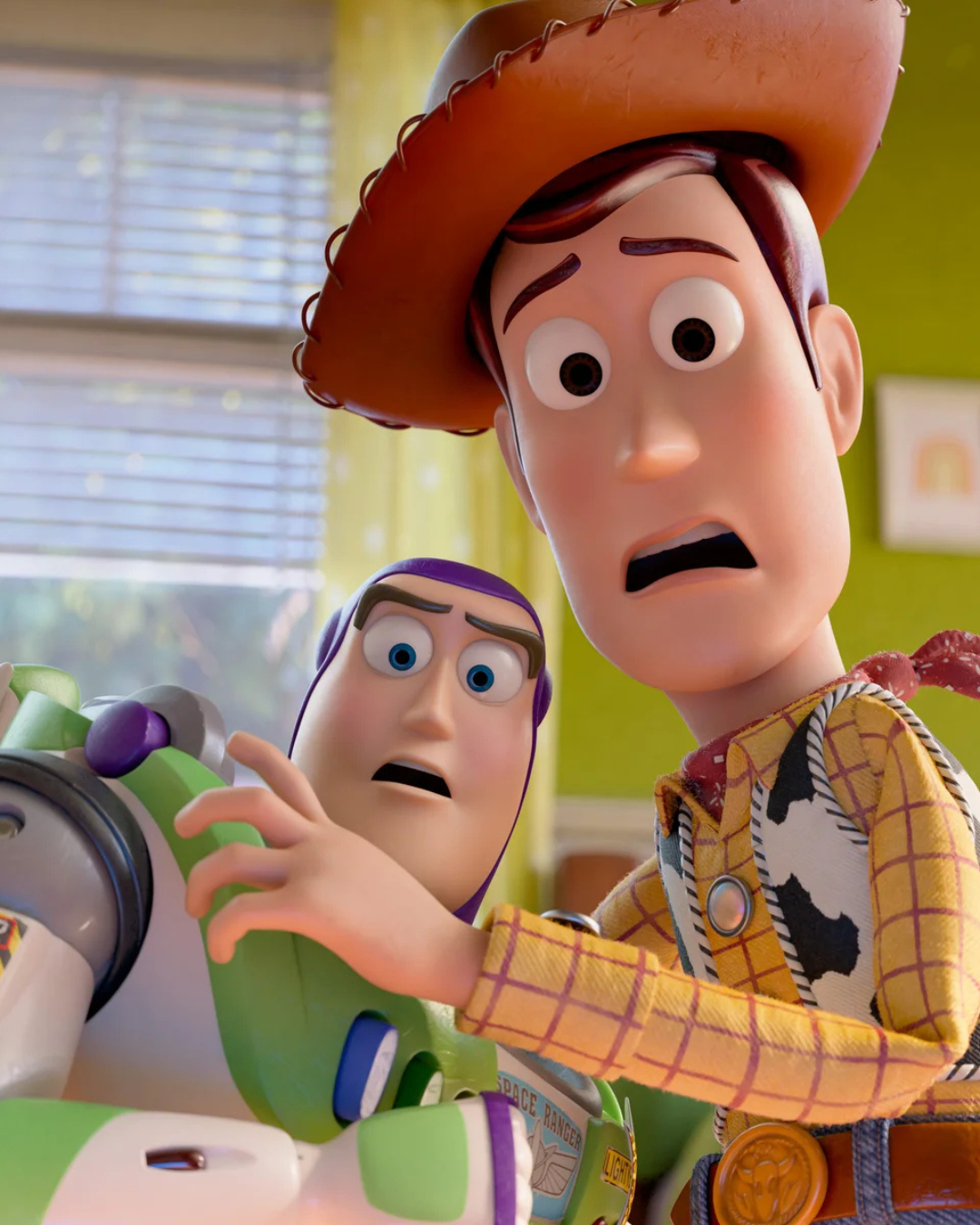
Against this backdrop, the production of new animated products appears set to lose centrality within the company, despite being the strand that made Disney so famous. The company has for some time been going through a complex phase on the creative front, and D’Amaro, having built his career in the management of parks and cruises, does not have particularly strong ties to the U.S. film industry. His mandate therefore seems oriented more toward enhancing already consolidated assets than toward rediscovering the company’s intellectual properties.
Disney and the crisis of its narrative universes
@fluffieduffie It’s D’amaro, I miss pronounced it every chance I got in this video ig #disney #bobiger #joshdamaro #ceo #hollywood original sound - Harlan Duffy
Launching new narrative products capable of becoming successful franchises is a complex and costly operation, even for Disney: its most recent attempts have often fallen short of expectations, with a few exceptions such as Frozen and Inside Out. Faced with these results, the company has preferred to focus on enhancing characters and creative universes that are already well established, largely giving up on experimentation and developing a growing aversion to entrepreneurial risk. The other candidate for the role of Disney CEO was Dana Walden, former president of the Entertainment division. Her appointment, however, would have implied a more pronounced strategic orientation toward the development of new intellectual properties, concentrating much of the resources on this front and thus adopting a more ambitious vision, with all the possible consequences that entails.
But the state of the film industry itself – particularly unstable at the moment – does not help either. D’Amaro’s arrival at Disney coincides with a period of major transformation in the entertainment sector, marked by large-scale financial operations – such as the competition between Netflix and Paramount to acquire Warner Bros. Discovery – and by the rise of artificial intelligence, which presents new opportunities but also many concerns among industry professionals.