




































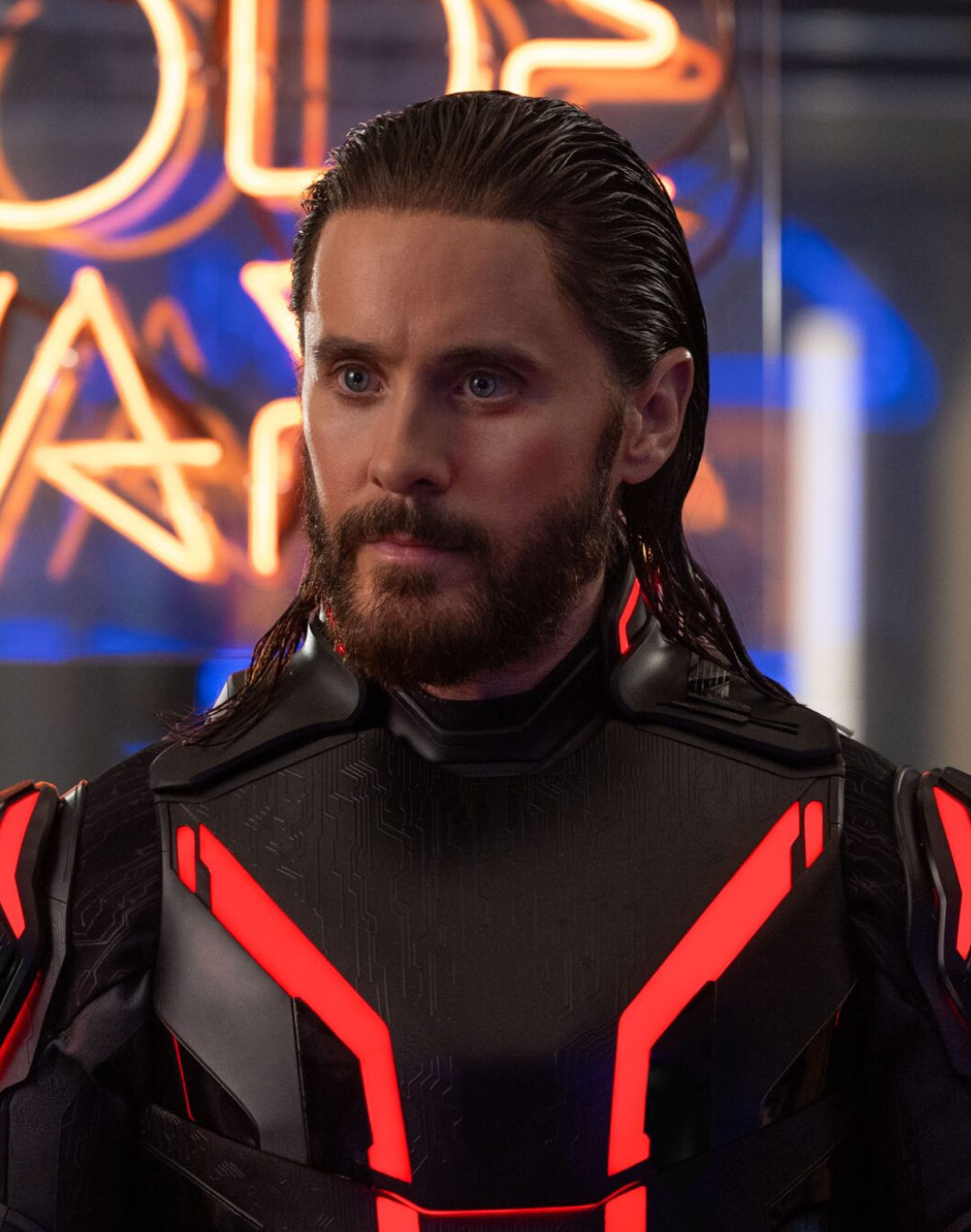
Tron is back Starring Jared Leto, Greta Lee, and Evan Peters
In 1982, Tron could only be seen as a breaking point between everything that had come before in cinema and computing, and everything that would come after. The film by Steven Lisberger, co-written with Bonnie MacBird, was Disney’s first experiment in making extensive use of computer graphics, taking both audiences and characters inside the Grid — the network within (and even beyond) which all the stories of the franchise would unfold. In 2010 came a sequel, Tron: Legacy, though its greatest impact came from the Daft Punk soundtrack rather than from any real innovation, especially in terms of the technological advancement of cinema or the digital era — despite its intriguing idea of network-born creations capable of feeling more human than humans themselves.
That same concept returns in the third chapter, arriving a full fifteen years later. After a string of approved projects that eventually faded into oblivion — such as the “legacy” of Sam (Garrett Hedlund), son of creator Flynn (the iconic Jeff Bridges), who does not appear in this new installment — Tron: Ares finally hits theaters with Jared Leto as the lead and also serving as producer. Alongside him are Greta Lee of Past Lives and Evan Peters of the now-defunct X-Men franchise, competing over a formula capable of transferring digital world codes and programs into physical reality. Turning what is usually just strings and numbers into organic matter; a true revolution that would forever change the way we perceive our world, upending it from every possible angle.
As Tron: Ares represents the zero degree of narrative depth — much like the games created by Flynn himself — Joachim Rønning’s direction makes it remarkably easy to decipher the story, the characters, and their development throughout the film. On one side stands an antagonist, Dillinger, the grandson of the original villain played by Peters, who seeks to sell the discovery to investors with dangerous commercial interests in producing soldiers and weapons. On the other side stands the moral compass, Lee’s Eve Kim, who wishes to use the invention for good, also as a tribute to her late sister’s memory.
Between these two opposing forces fighting for control of the ENCOM corporation (their colors? Red for the villains, blue for the heroes) stands the program created to obey every command of young Dillinger — Jared Leto’s Ares. The true protagonist, following the classic hero’s journey arc, who, upon leaving his native dimension (the Grid), begins to rebel against his orders after becoming suddenly fascinated by the human world and by humanity’s capacity for empathy.
@tesla_ninja Optimus tries to start a fight at Tron: Ares movie premiere #optimus #tesla #tron #teslatok original sound - tesla_ninja
A notion he grasps when he comes into direct contact with humans — one of the key elements that make him the center of the narrative, symbolizing a literal passage from a known cosmos into an unknown one. The references attached to his character are fitting (if not predictable): from Pinocchio to Frankenstein, Ares is simply a “creature” dreaming of becoming a real boy. Thus, Tron: Ares flattens itself into a story so formulaic that it runs on autopilot, advancing without creativity and with a certain visual and graphical messiness in its most intense moments.
At the same time, though, it fulfills its purpose — thrusting us once again into the familiar network, now enhanced by new technological feats and a soundtrack this time by Nine Inch Nails. A blockbuster that continues to expand an already vast universe while fully embracing its own predictability. Fast and agile as entertainment cinema demands, complete with the inevitable nods to the past — and a touch of love for Depeche Mode.
What to read next
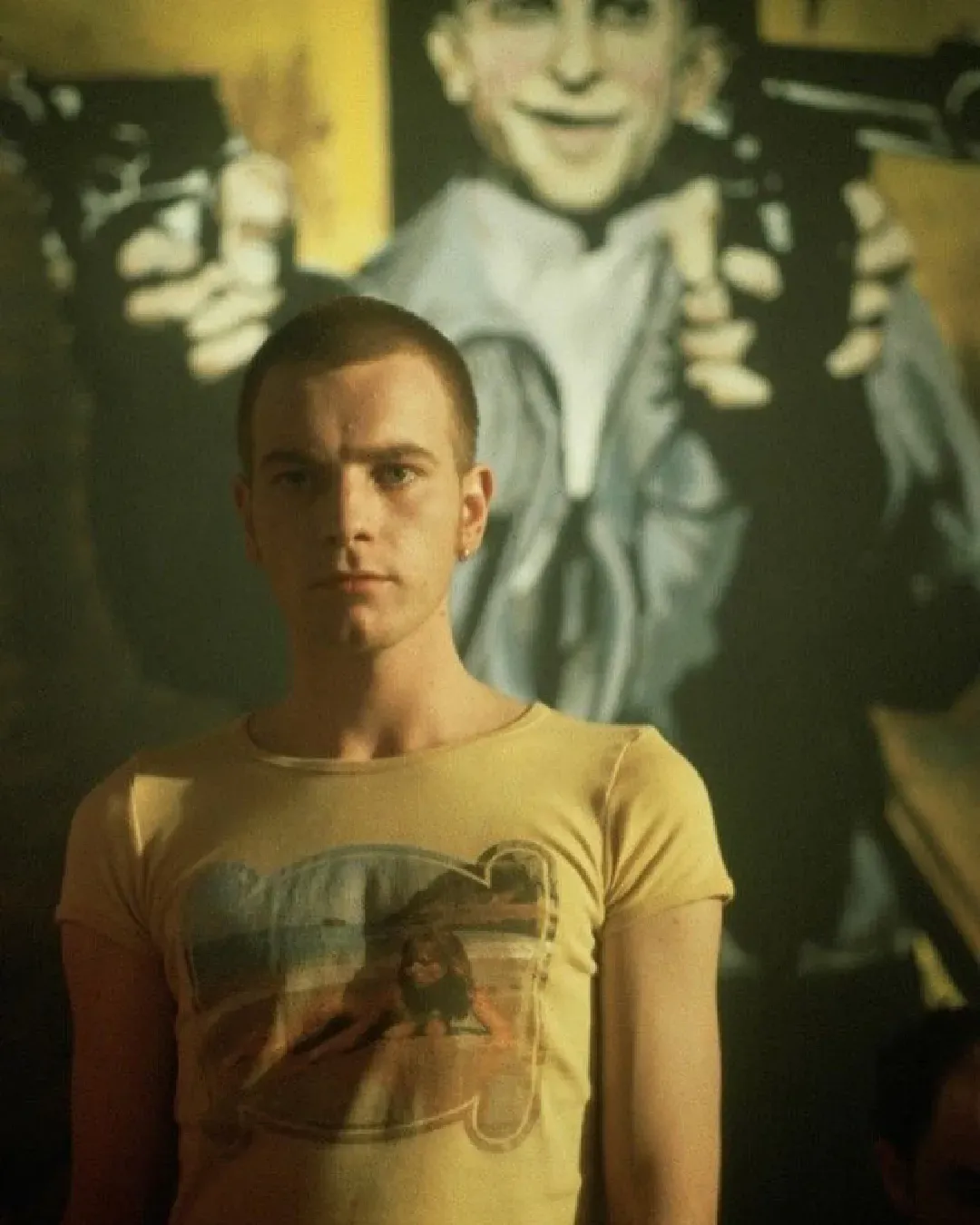
5 trends that Trainspotting anticipated Back in 1996
There is much more to the film than the famous Helmut Lang tank top
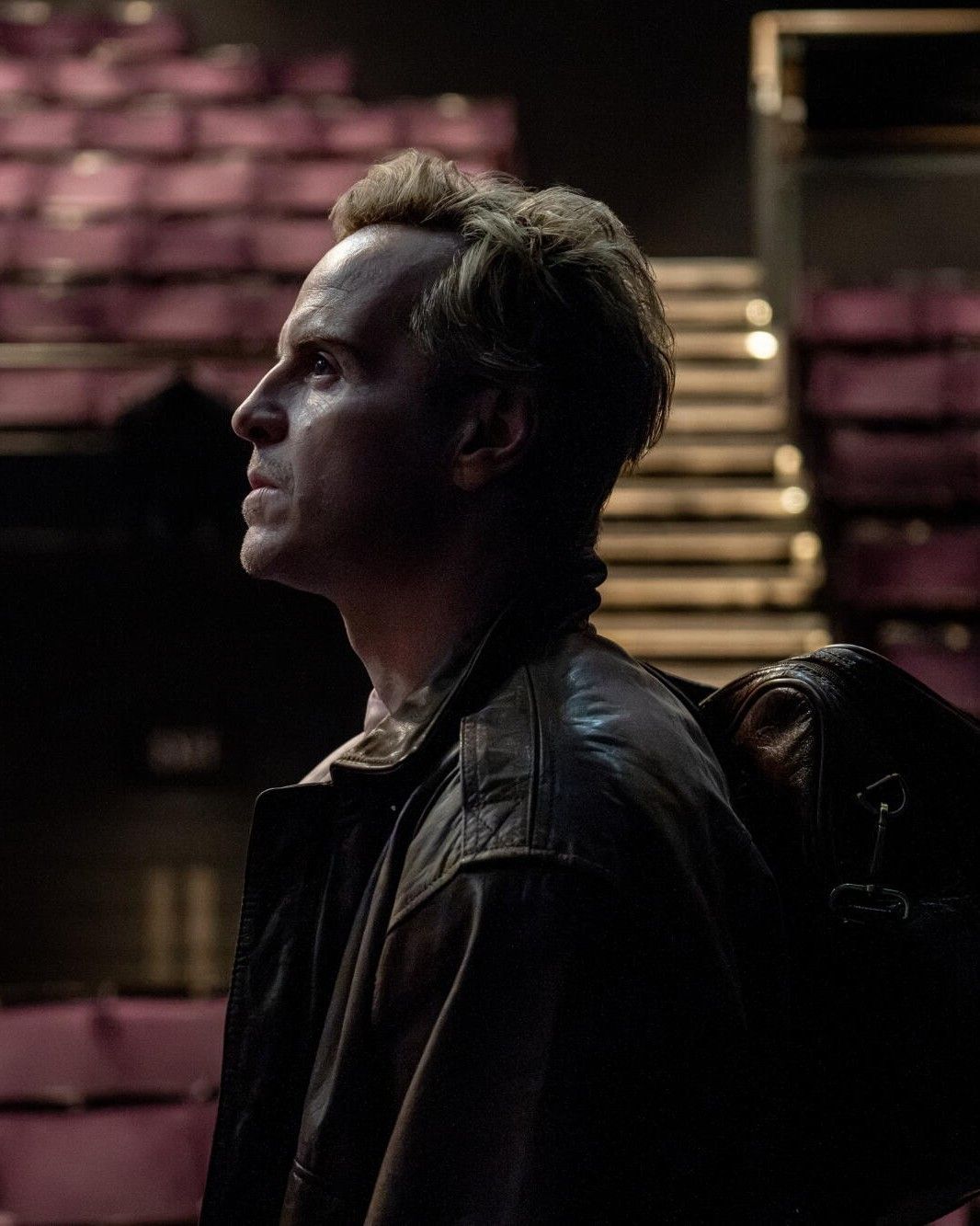
Andrew Scott gives the best performance of his career in "Elsinore"
Simon Stone's film tells the true story of actor Ian Charleson and his production of "Hamlet"

"Il rumore delle cose" by Paolo Genovese opens the 2026 Rome Film Festival
The film, adapted from Genovese's novel of the same name, is nonetheless the usual Italian drama