




























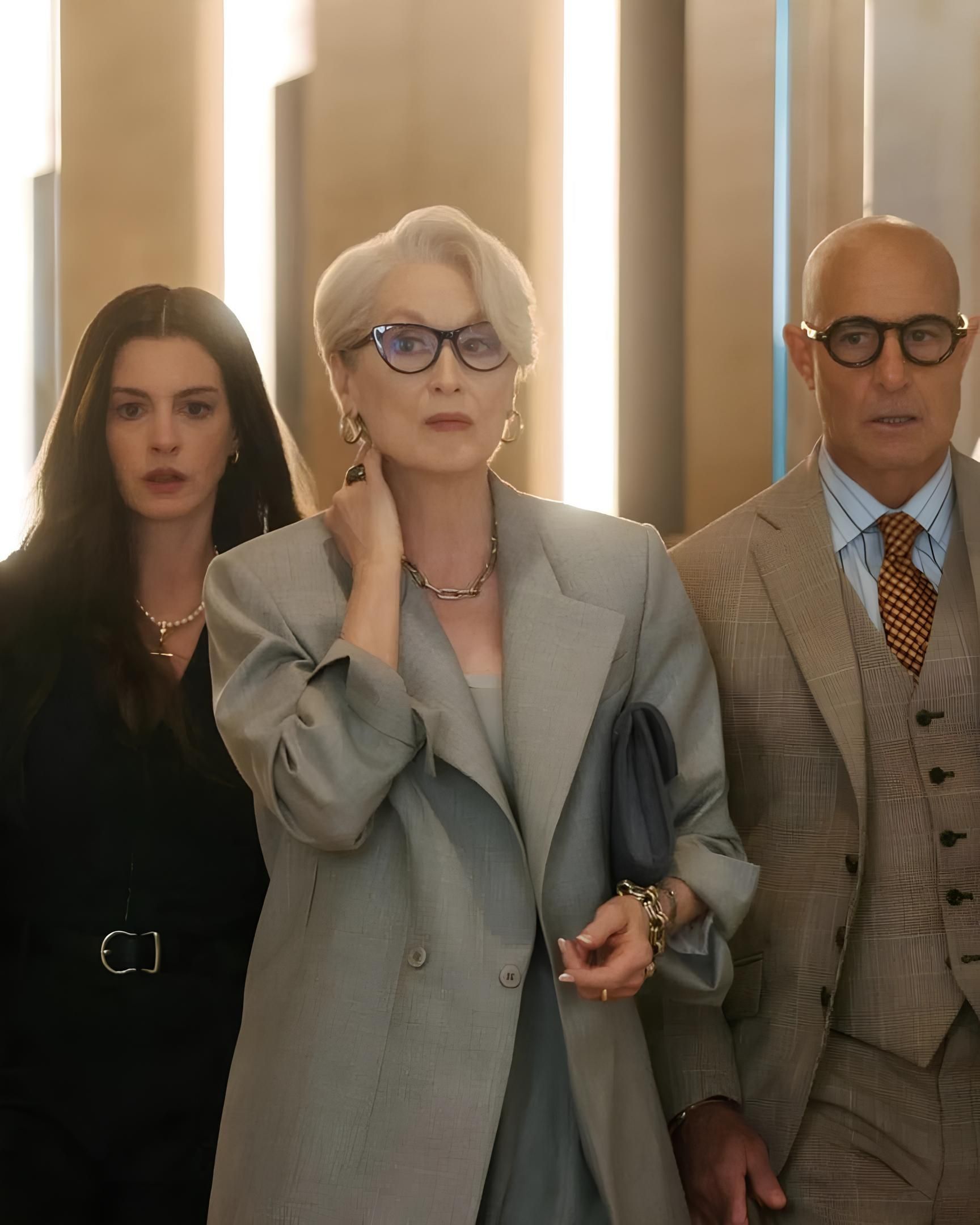
No one seems to get the new trailer for “The Devil Wears Prada 2” It is due to a lack of media literacy
The trailer for The Devil Wears Prada 2 has been released and has confused a lot of people. Why does Miranda behave as if she doesn't know Andrea and Emily, the characters from the first film? Why doesn't she remember her habit of calling all her assistants “Emily”? Many users online, especially on X/Twitter, quickly jumped to one conclusion: Miranda Priestly surely suffers from dementia or Alzheimer's.
An interpretation that is actually quite superficial and above all very literal, lacking nuance, which led many other users to say that this initial and erroneous reading of the film's trailer represents the serious problem of media literacy affecting contemporary audiences, who need everything explained explicitly step by step and who no longer seem able to apply critical thinking to what they see or to perceive the psychological nuances of a story or its subtexts.
But so what was there to understand in the trailer for The Devil Wears Prada 2? And above all, why is media literacy so important?
Why doesn't Miranda remember Andy in the trailer?
At the end of the first The Devil Wears Prada, we see Andy Sachs heading to her new job at a New York newspaper and pausing for a moment in front of the Runway headquarters, the magazine around which the entire film revolves. Right at that moment, she sees Miranda Priestly leaving the office and getting into the car on the other side of the street.
In a moment of affection, Andy waves hello, but Miranda gives no sign of having even seen her: she pauses for a second and gets into the car. Andy continues walking, but once alone in the car, Miranda removes her sunglasses and smiles, showing that she had recognized Andy but hadn't wanted to give her the satisfaction of returning the greeting. This remains consistent with Miranda's character: an extremely proud woman who would never show anyone her vulnerability under any circumstances.
This trait of hers, which is then the key to the character's personality, has its continuation in the plot of the second film, set twenty years later, at a time when Miranda will need Andy and Emily to save the Runway magazine from the crisis of print media. It makes sense that a character who already in the first film treated her assistants as interchangeable figures (one “moment” from the first film is when, for example, she calls Andy by her own name) now pretends not to even know these characters.
What does media literacy have to do with it?
Media literacy (in Italian called “alfabetizzazione mediatica” or “competenza mediale”) is, in its technical definition, the ability to access, analyze, evaluate, create, and act using all forms of communication. So the ability to find media content, know how to analyze it and assess its credibility and meaning; but also to understand the logic behind its creation (for example, someone who posts cringe things on Instagram lacks media literacy) and how to behave and interact with it.
Normally, the term comes up when talking about fake news, phishing emails, and AI. Those lacking this kind of competence toward media tend to believe sensationalist news, leave embarrassing comments under public posts, mistake AI-generated photos and reels for real news, don't think to verify news sources, and in general are easily gullible and manipulable.
If we go back to the technical definition of media literacy, then we could say that the users who honestly thought Miranda suffered from senile dementia managed to “access” the media but were not able to analyze or evaluate it. In short, they failed to grasp the context and continuity of the story, the ironic tone of the narration, taking the trailer literally and ignoring its subtext.
Has the public become stupider or more distracted?
it truly concerns me the amount of people i’ve seen tweet like “omg does miranda have dementia”. Is media literacy dead??? she’s acting all superior bc she’s probably butt her by andy and lowkey, shes the editor in chief why would she remember an assistant from 20 years ago https://t.co/nOAChPVxJj
— yaz (@20buckleys) February 2, 2026
The problem of media literacy is very widespread. Have you ever reflected on the fact that in the latest season of Stranger Things the various characters stop multiple times during the story to stand in a circle and recap everything that has happened so far? Or that a film or series has to explain the entire plot to the audience without leaving any explanations to visual narration? On the internet there is always a large portion of the audience that "misunderstands", and it's never clear whether in good faith or bad faith.
It's a practice that studios have adopted to deal with an audience that is increasingly on their phones while watching a film but that is destroying the subtext of the film, that is, the distance between what the characters say and what they mean, and also the difference between what happens in the film and what the underlying message is. Sinners is not about vampires but about political and identity dynamics; American Psycho is not an ode to consumerism and hedonism but a demonstration that you need to be literal sociopaths to succeed in that world.
If in theory watching a film or reading a book is an activity, in the sense of active effort to interact with the text and its meanings; in practice our media consumption as a society has become increasingly passive and fragmented. We need constant summaries, bullet points, explanations, and justifications to explain things that once we would have figured out on our own. It would perhaps be old-fashioned to blame “those damn phones,” so our advice will be more proactive. A simple: “Use your brain”.
Takeaways
- The trailer for The Devil Wears Prada 2 caused confusion because Miranda appears not to recognize Andy and Emily and forgets her habit of calling all her assistants “Emily”, leading many users to hypothesize dementia or Alzheimer’s — a literal and superficial interpretation lacking context.
- This reaction highlights a widespread deficit in media literacy: audiences struggle to grasp satire, character continuity, and subtext, limiting themselves to merely accessing the content without analyzing or critically evaluating it.
- In the first film, Miranda deliberately ignores Andy’s wave out of pride and cruelty, a trait consistent with her personality that in the sequel manifests as pretending not to know her former assistants, who are now necessary to save Runway from the print media crisis.
- Low media literacy fosters passive and fragmented film consumption, leading studios to insert explicit explanations and recaps to compensate for a distracted audience or one unable to perceive nuances, making it advisable to promote a more conscious and active approach to engaging with audiovisual content.
What to read next
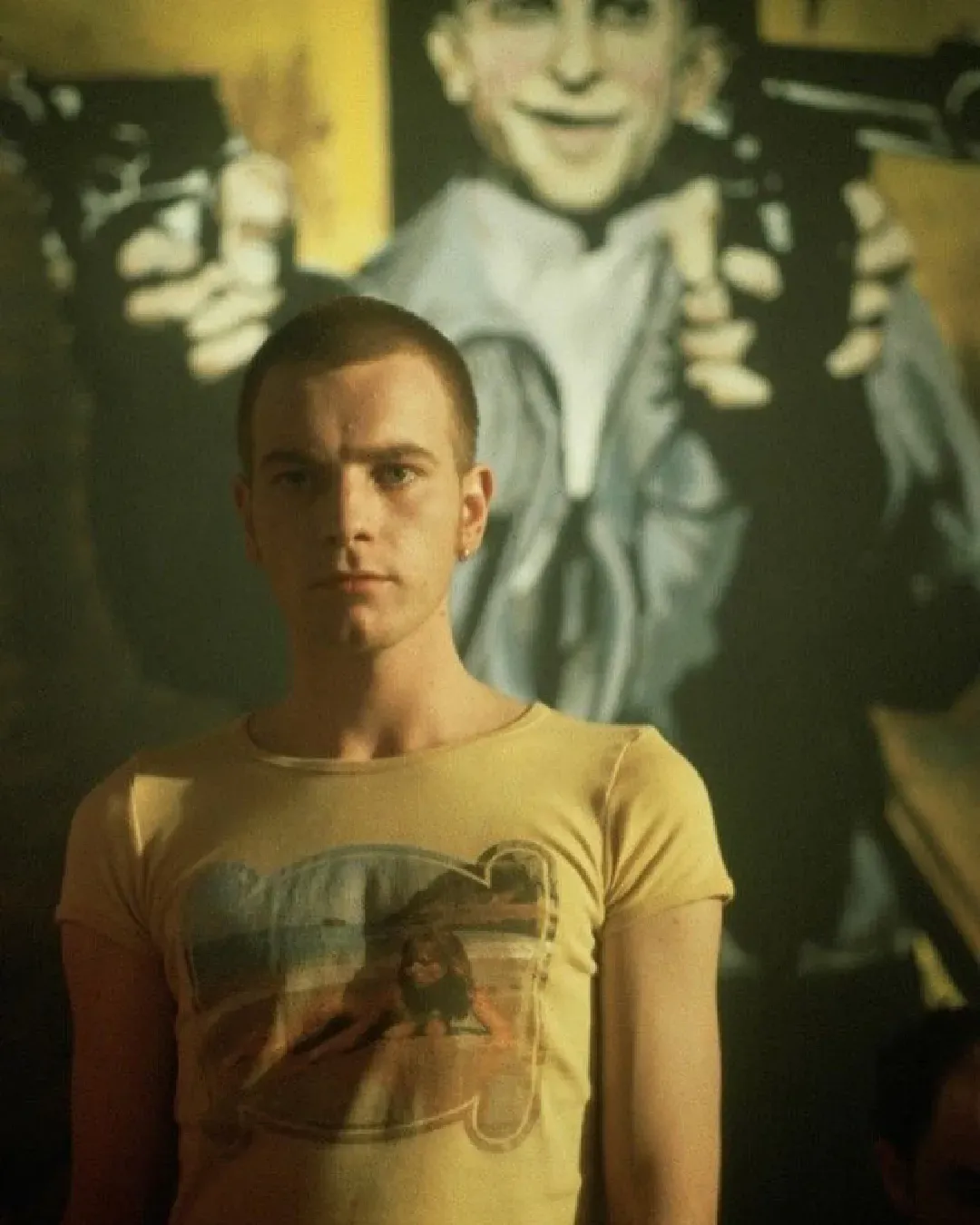
5 trends that Trainspotting anticipated Back in 1996
There is much more to the film than the famous Helmut Lang tank top
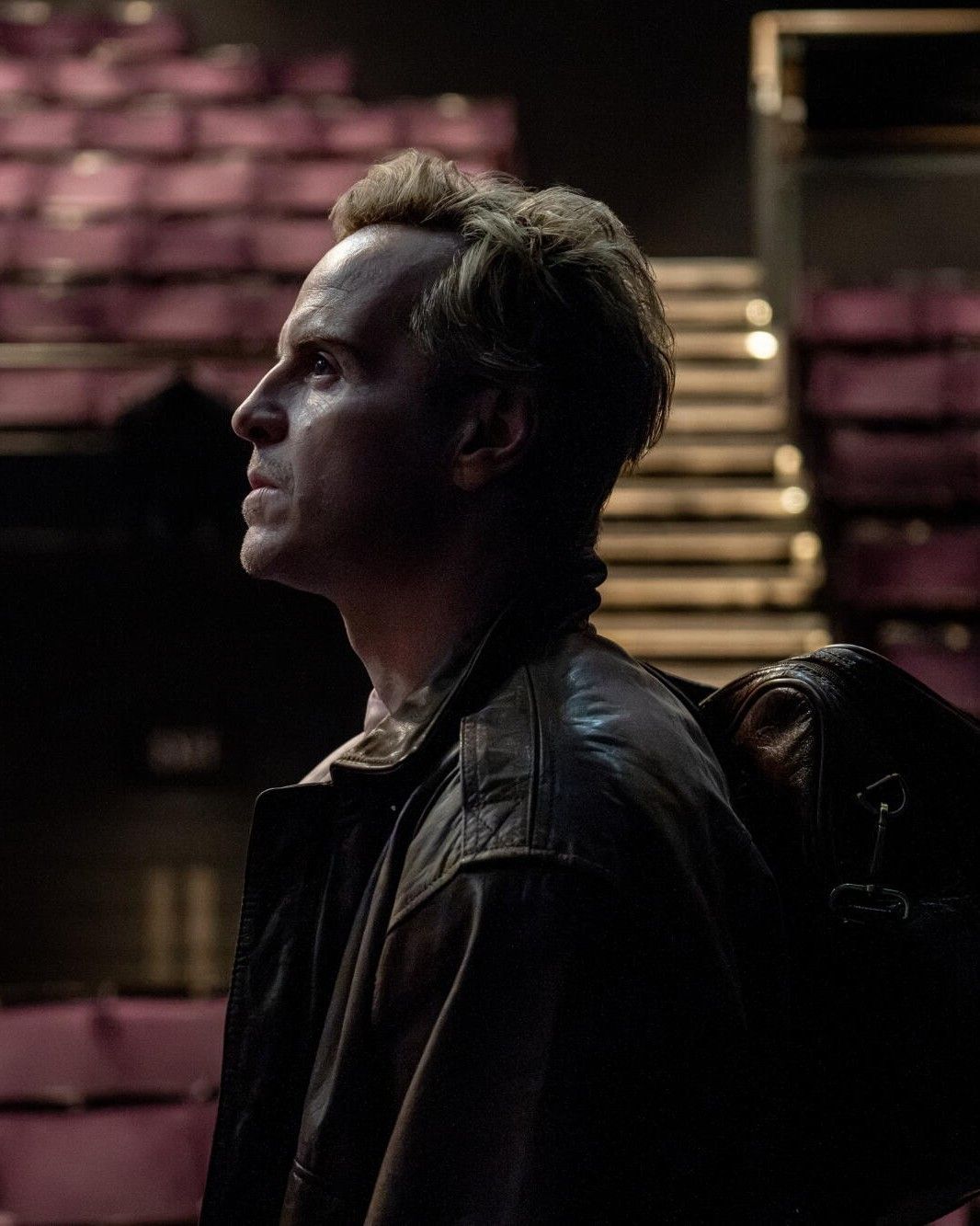
Andrew Scott gives the best performance of his career in "Elsinore"
Simon Stone's film tells the true story of actor Ian Charleson and his production of "Hamlet"
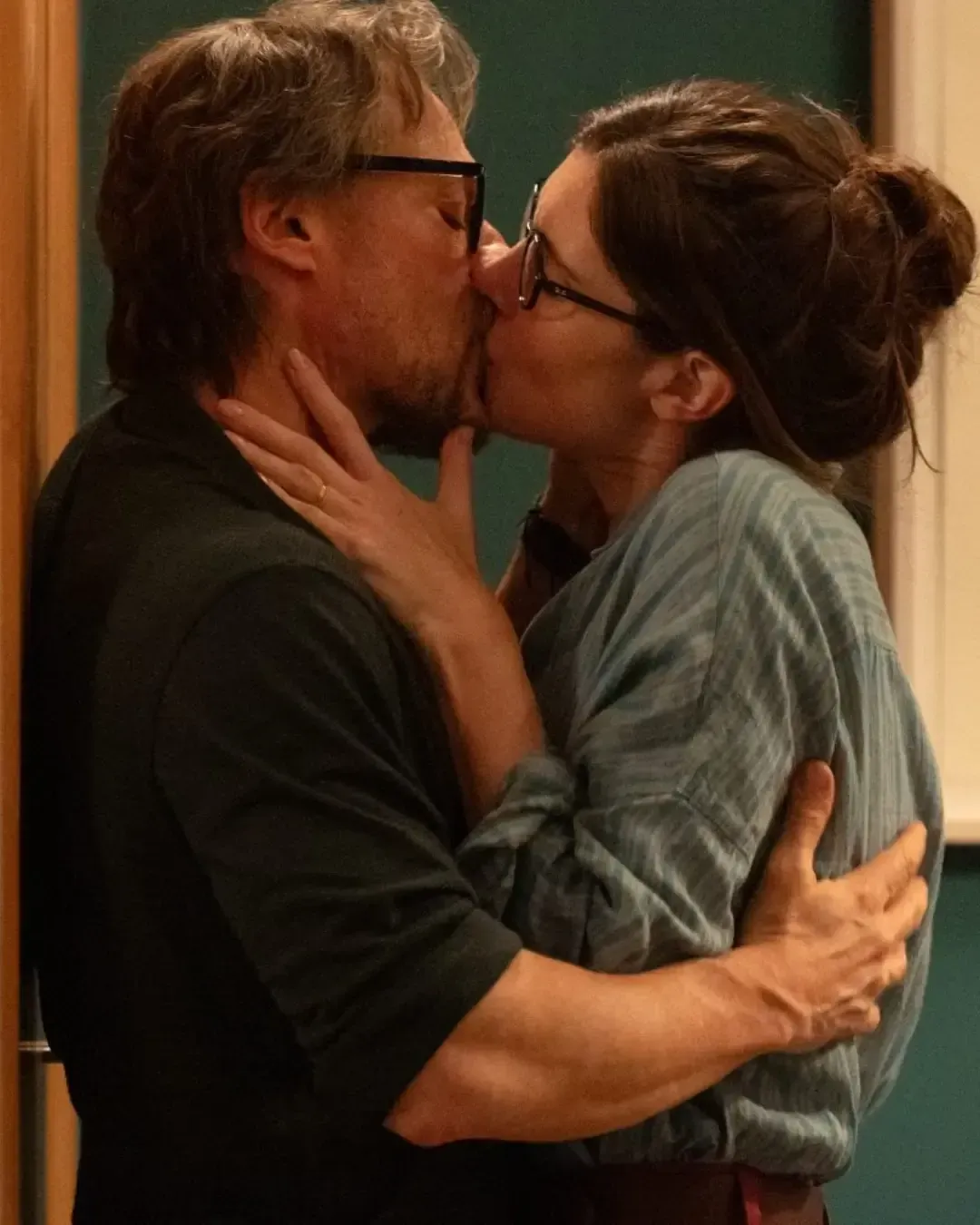
"Il rumore delle cose" by Paolo Genovese opens the 2026 Rome Film Festival
The film, adapted from Genovese's novel of the same name, is nonetheless the usual Italian drama