























The secret life of the costumes in "Hamnet" How the costumes in Chloé Zhao's film reveal the inner lives of the protagonists
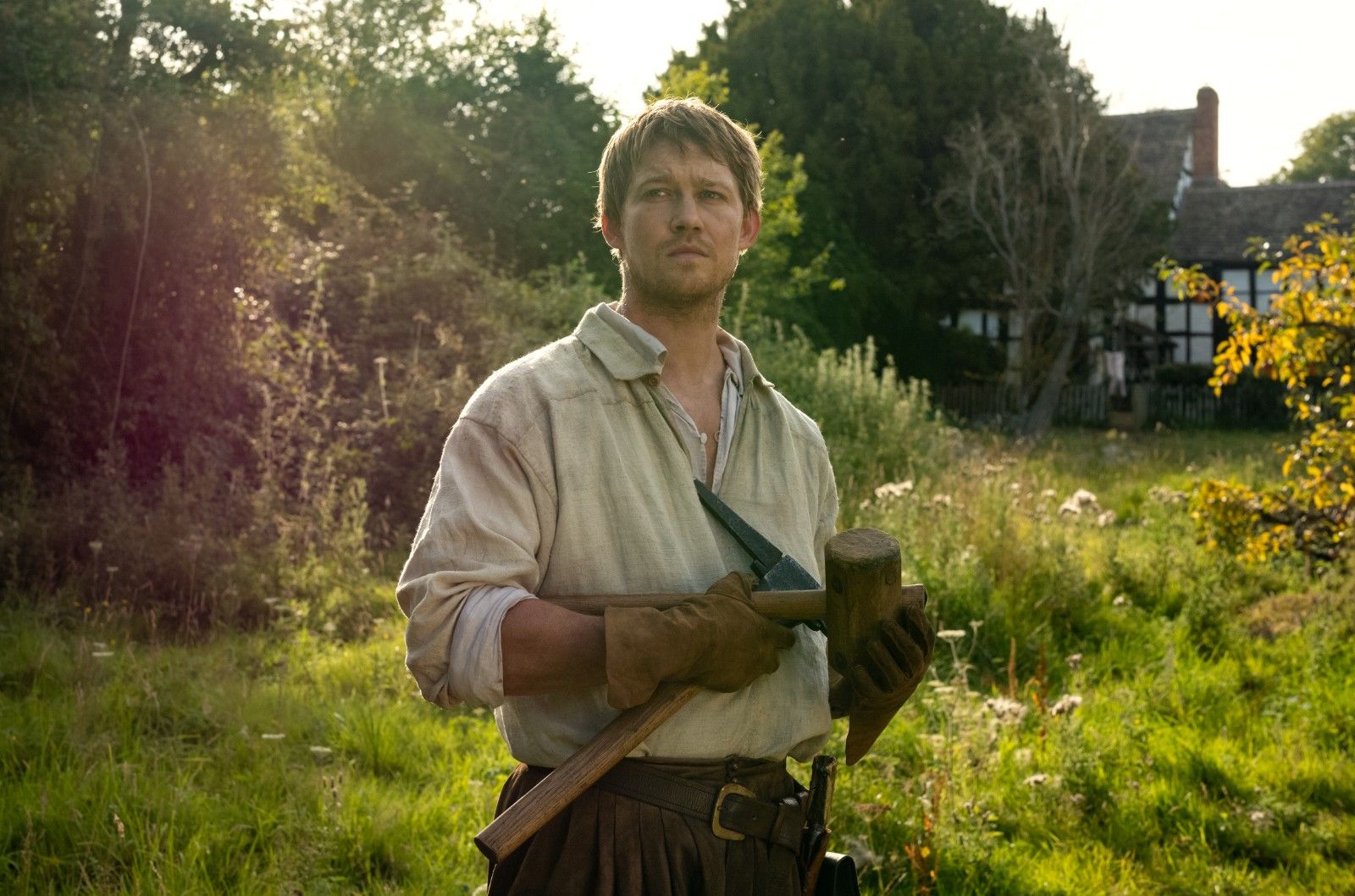
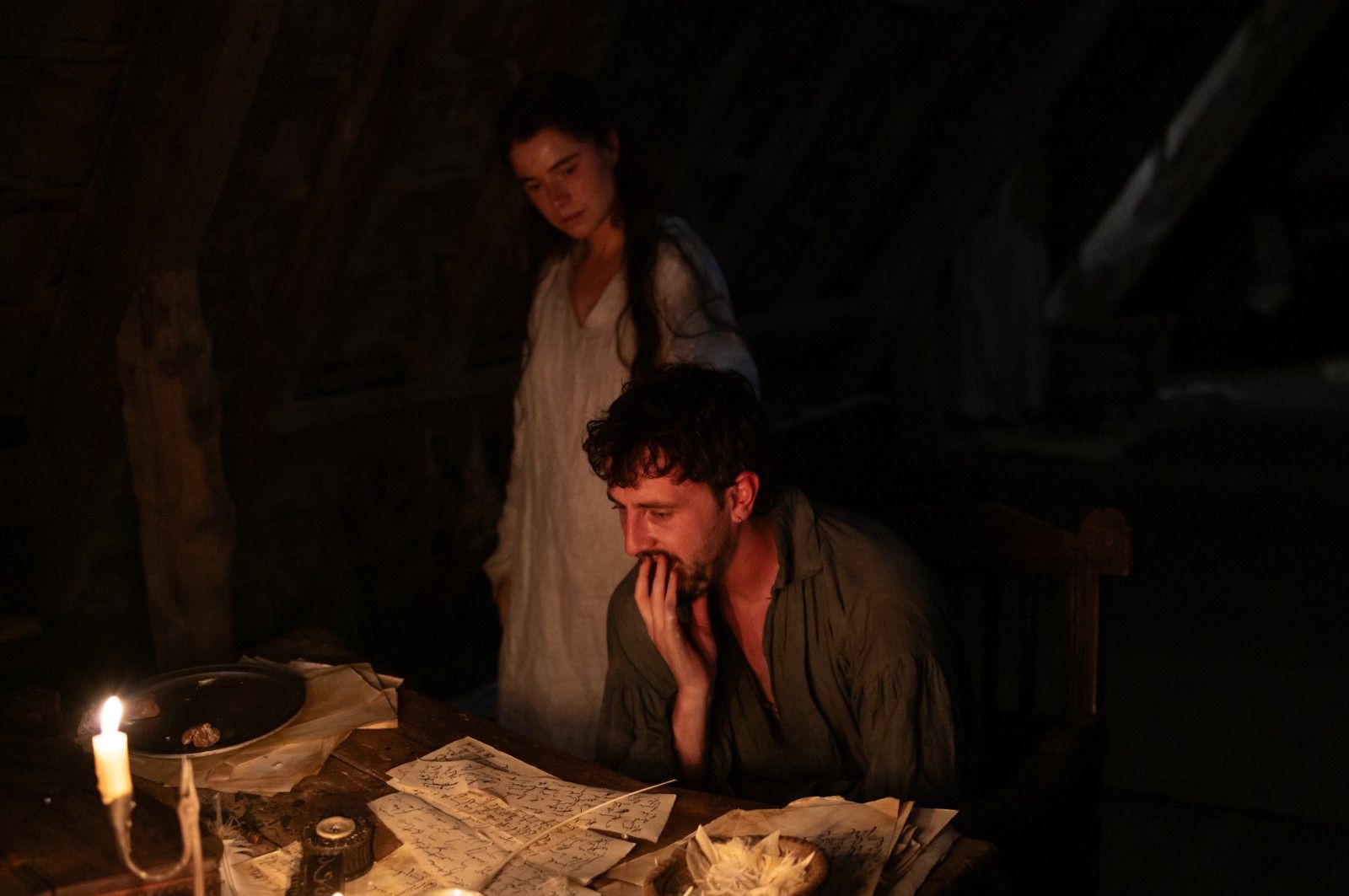
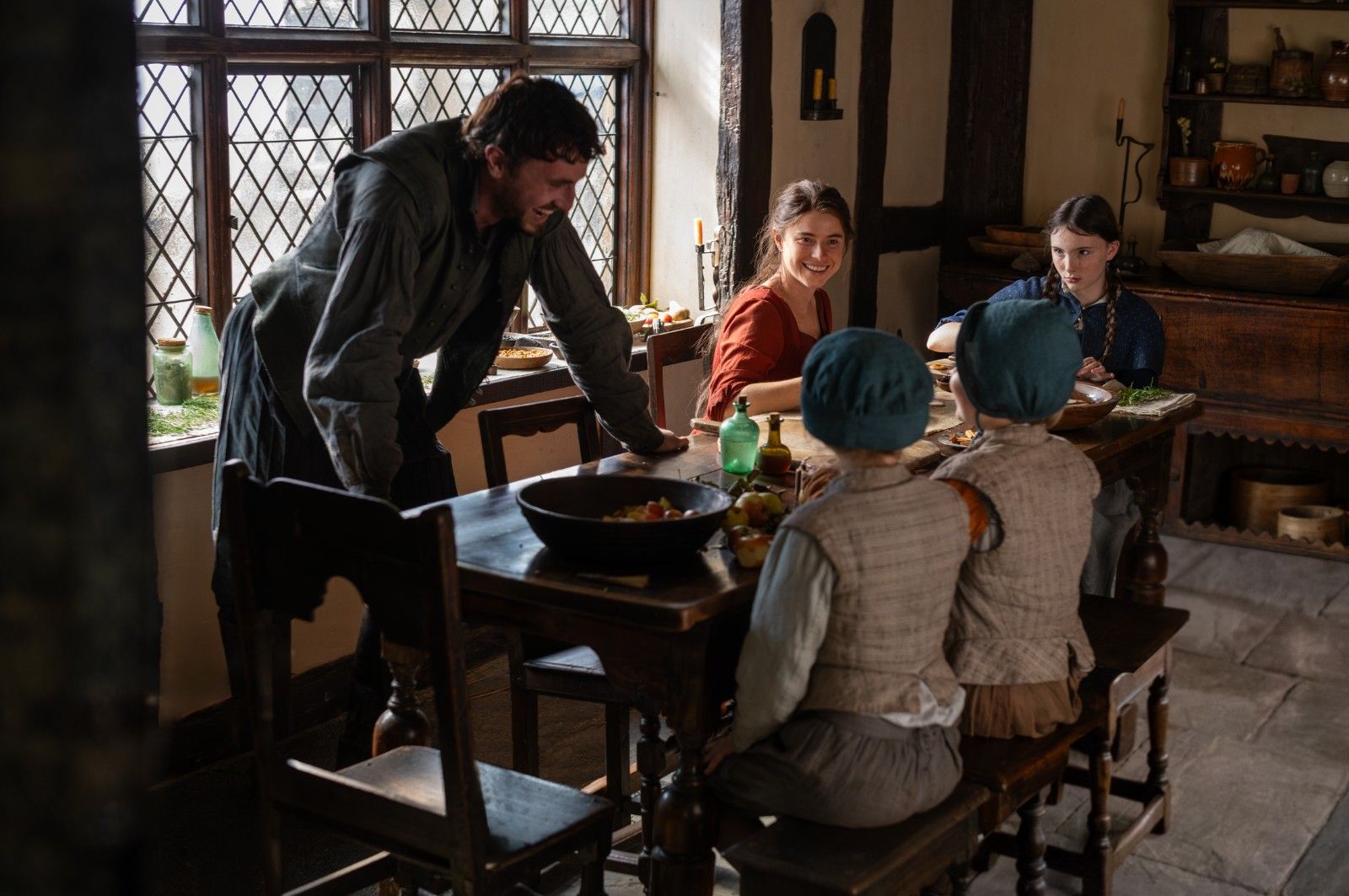
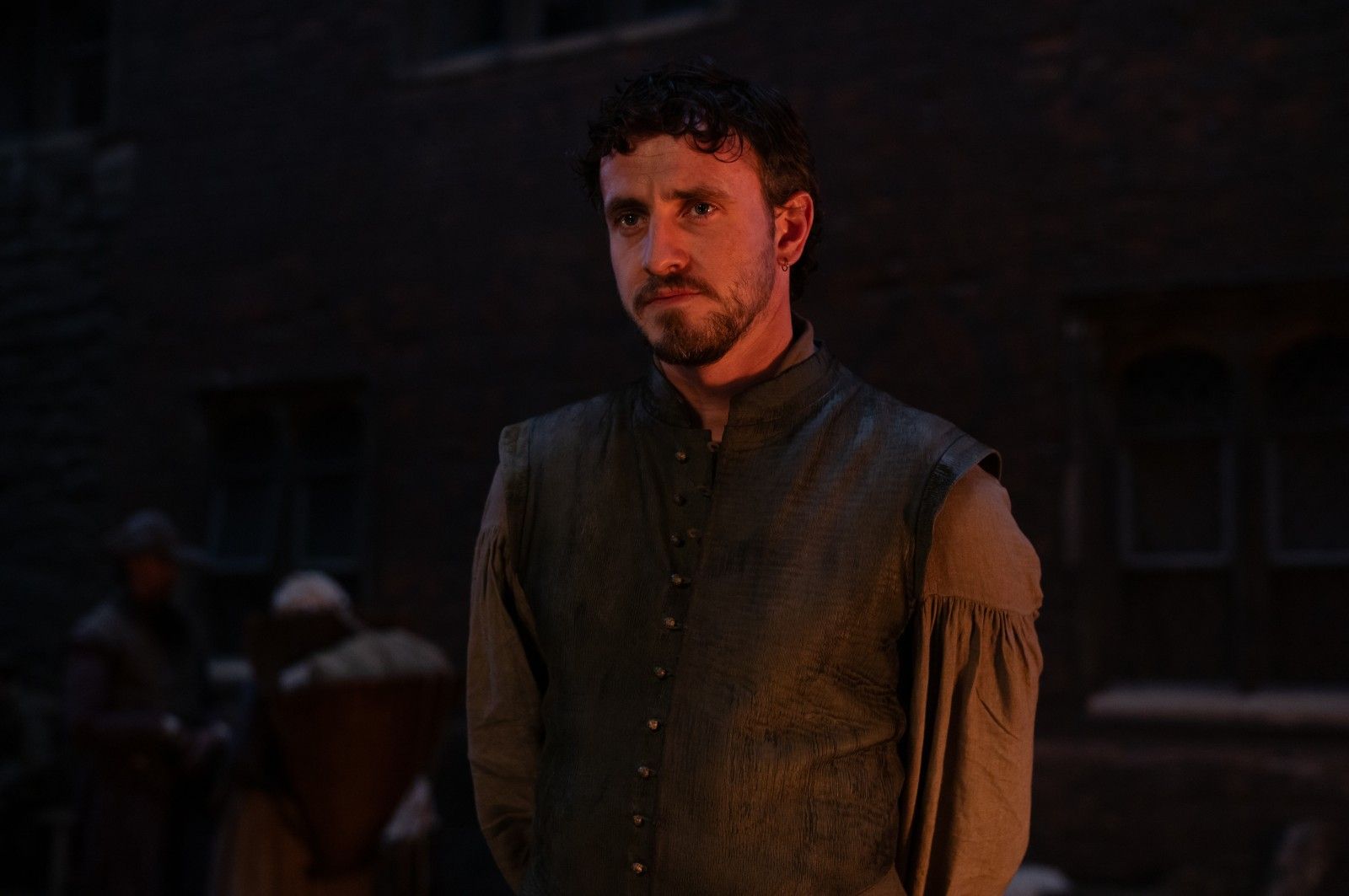
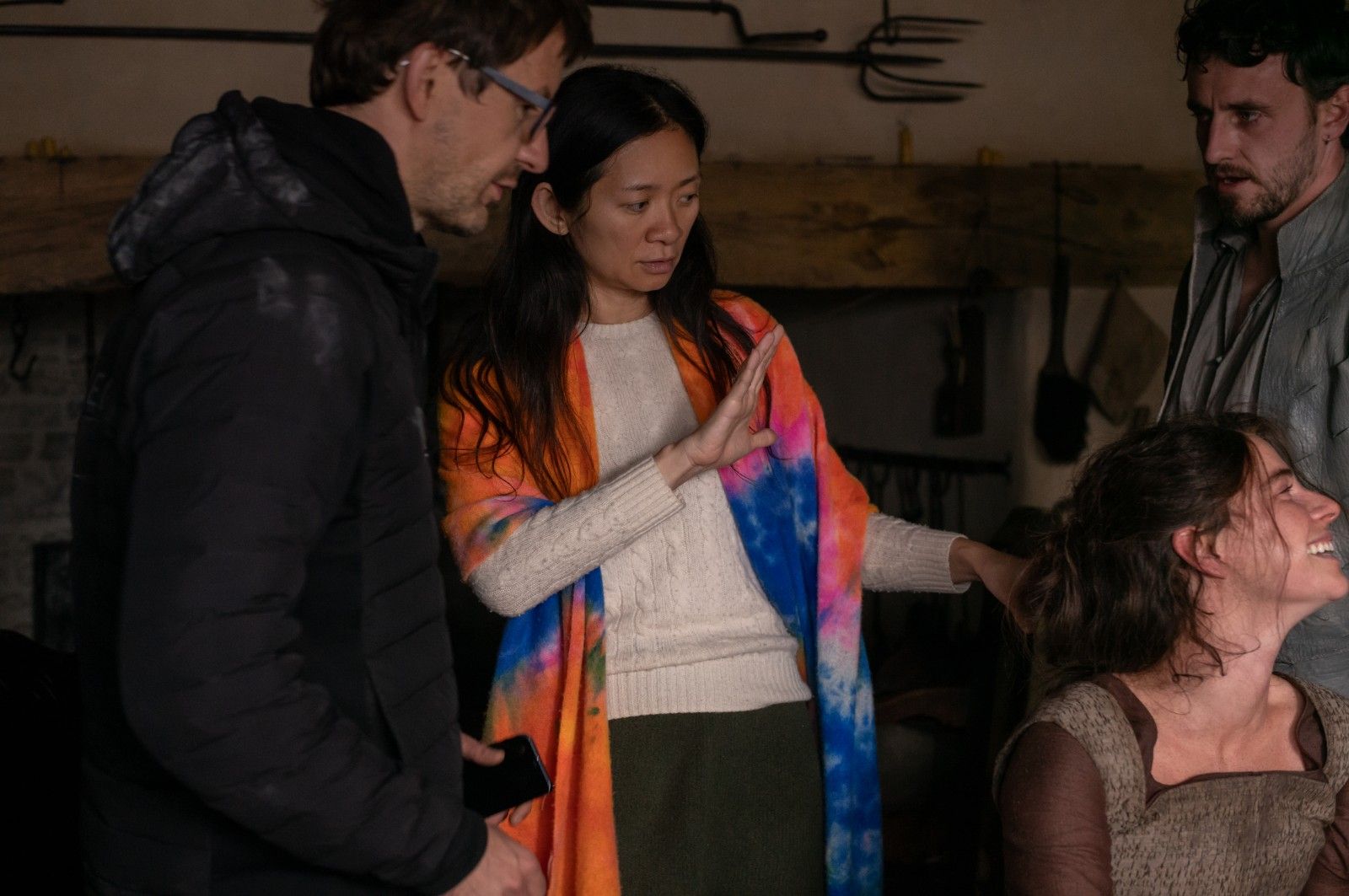
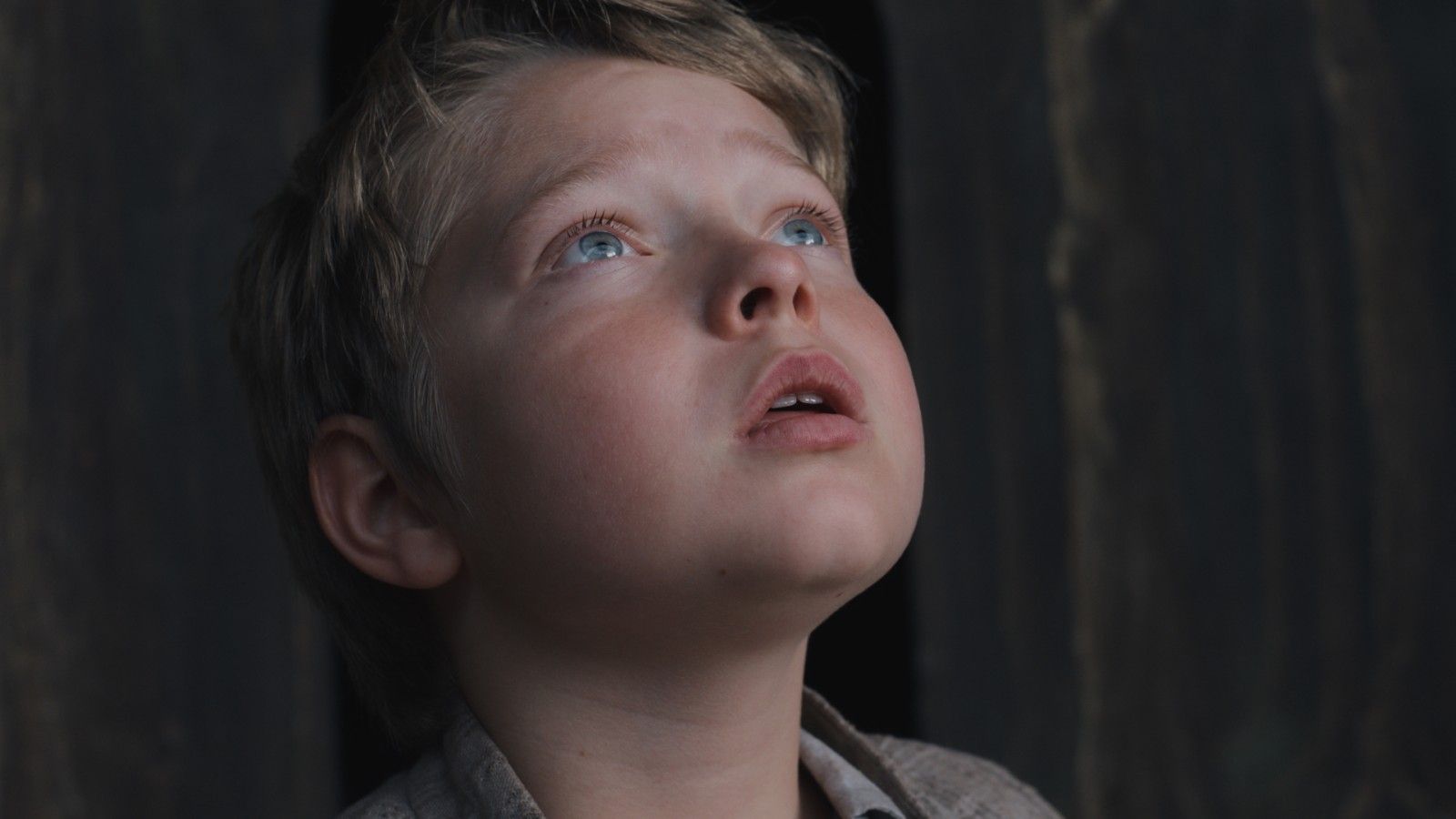
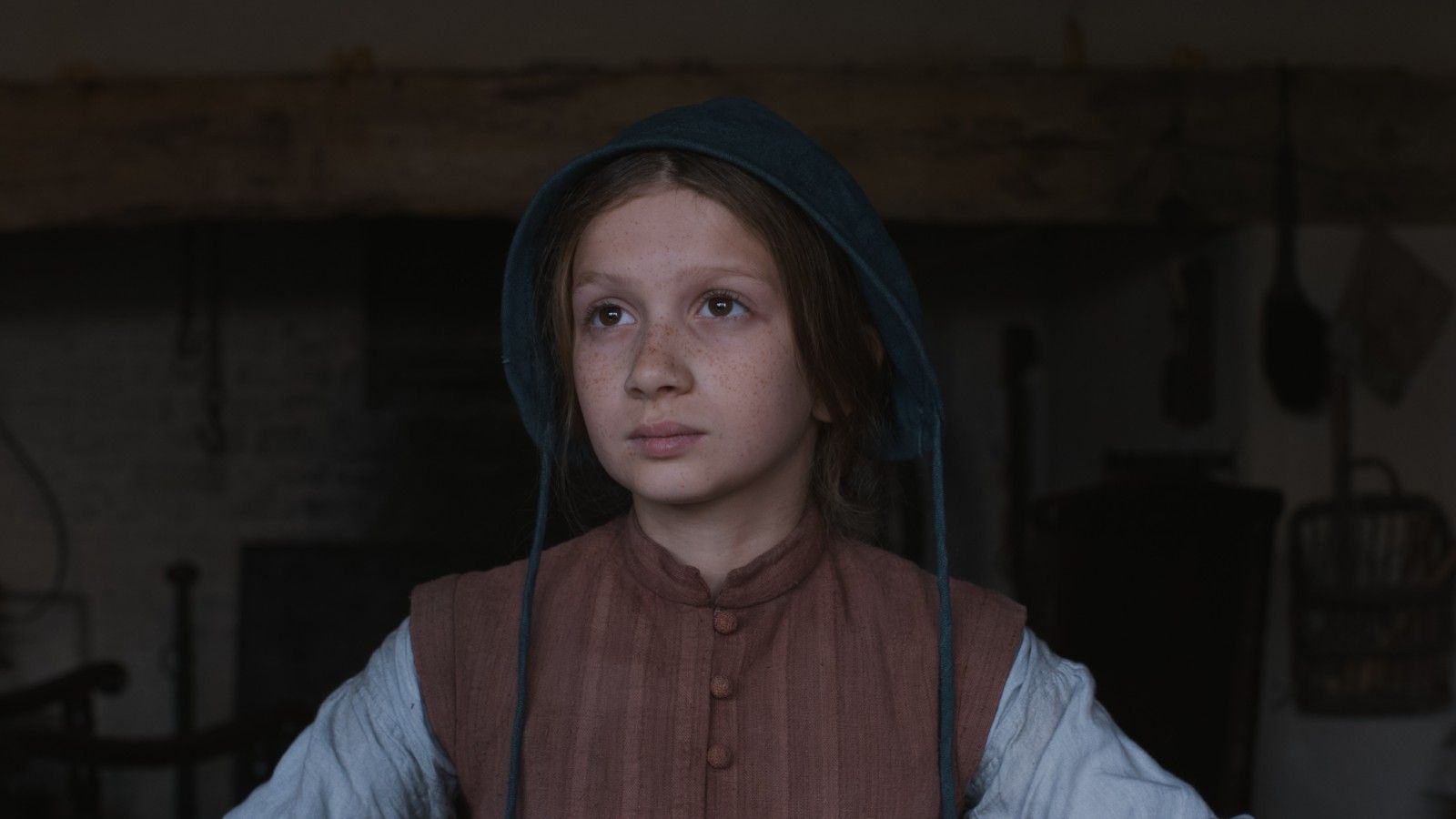
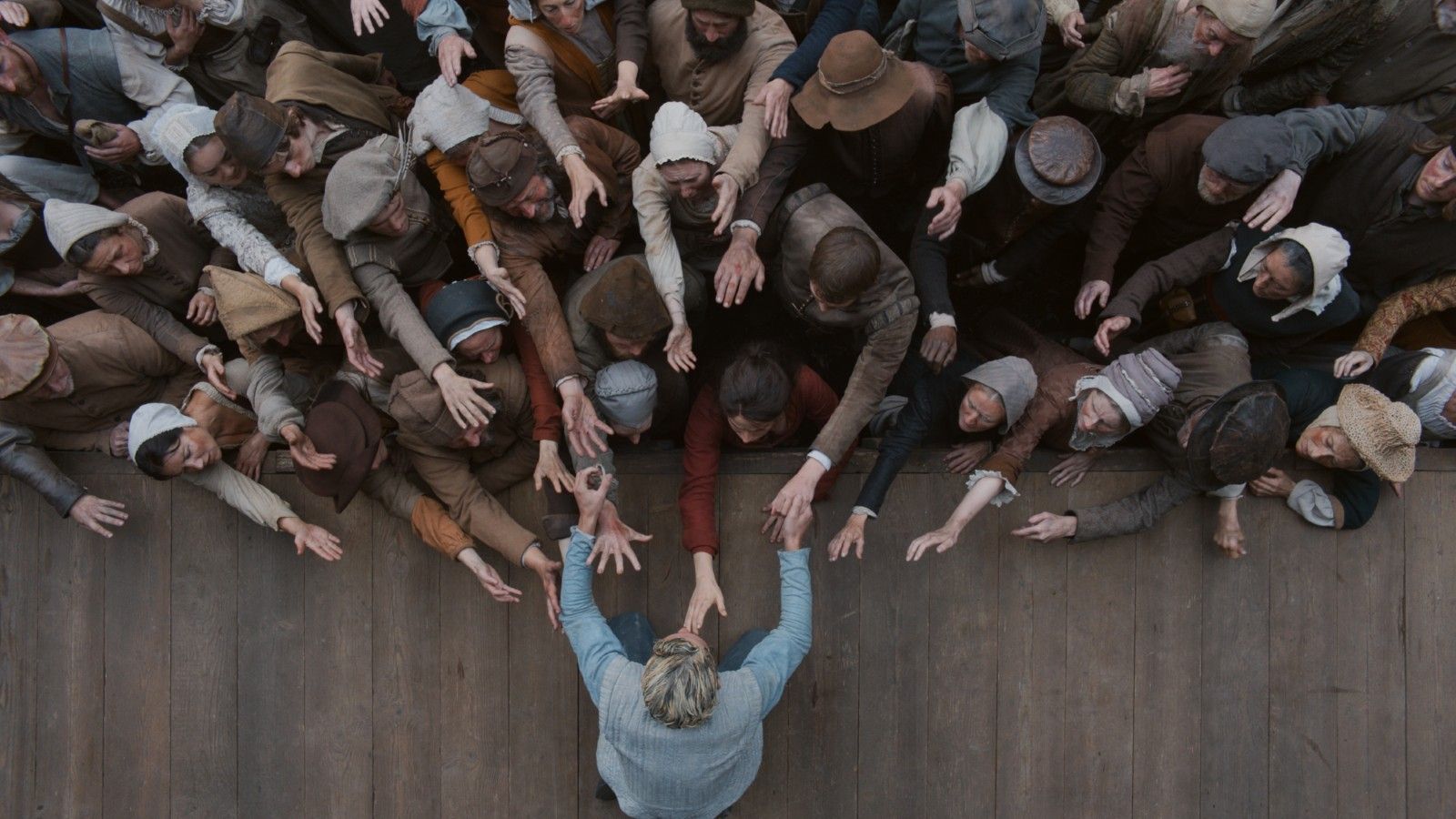
The year is coming to an end and we already know one of its best films: Hamnet, directed by the visionary filmmaker Chloé Zhao, an adaptation of the 2020 novel of the same name by Maggie O'Farrell, which tells the intimate and troubled life of the Shakespeare family and how, starting from the pain of grief, one can find inspiration to create an art capable of making us transcend death.
In the film, which will be released in Italy on February 5 and has already won Best Picture and Best Actress at the latest Golden Globes and been nominated for an Oscar,, Paul Mescal plays William Shakespeare, portrayed not as the legendary bard, but as a young man tormented by his past and literary ambitions; while Jessie Buckley brings to life Agnes Hathaway, his wife, a strong woman connected to nature. Together, the two must face the tragic death of their eleven-year-old son, Hamnet, due to the plague. An event that, according to the novel's fiction, would later inspire the creation of the famous tragedy Hamlet.
It is clear that the film is not a simple period drama but a poetic meditation on grief and the ability of art to sublimate it. And all the poetry of the film comes not only from the masterful performances of the actors (there is already talk of an Oscar for Jessie Buckley) but also from a very strong technical department, starting from the director, to the cinematography by Łukasz Żal, and especially from the costume designer Malgosia Turzanska, who did not limit herself to a simple historical reconstruction but made the costumes of Hamnet a fundamental conduit for the narrative.
What role do the costumes play in the plot of Hamnet?
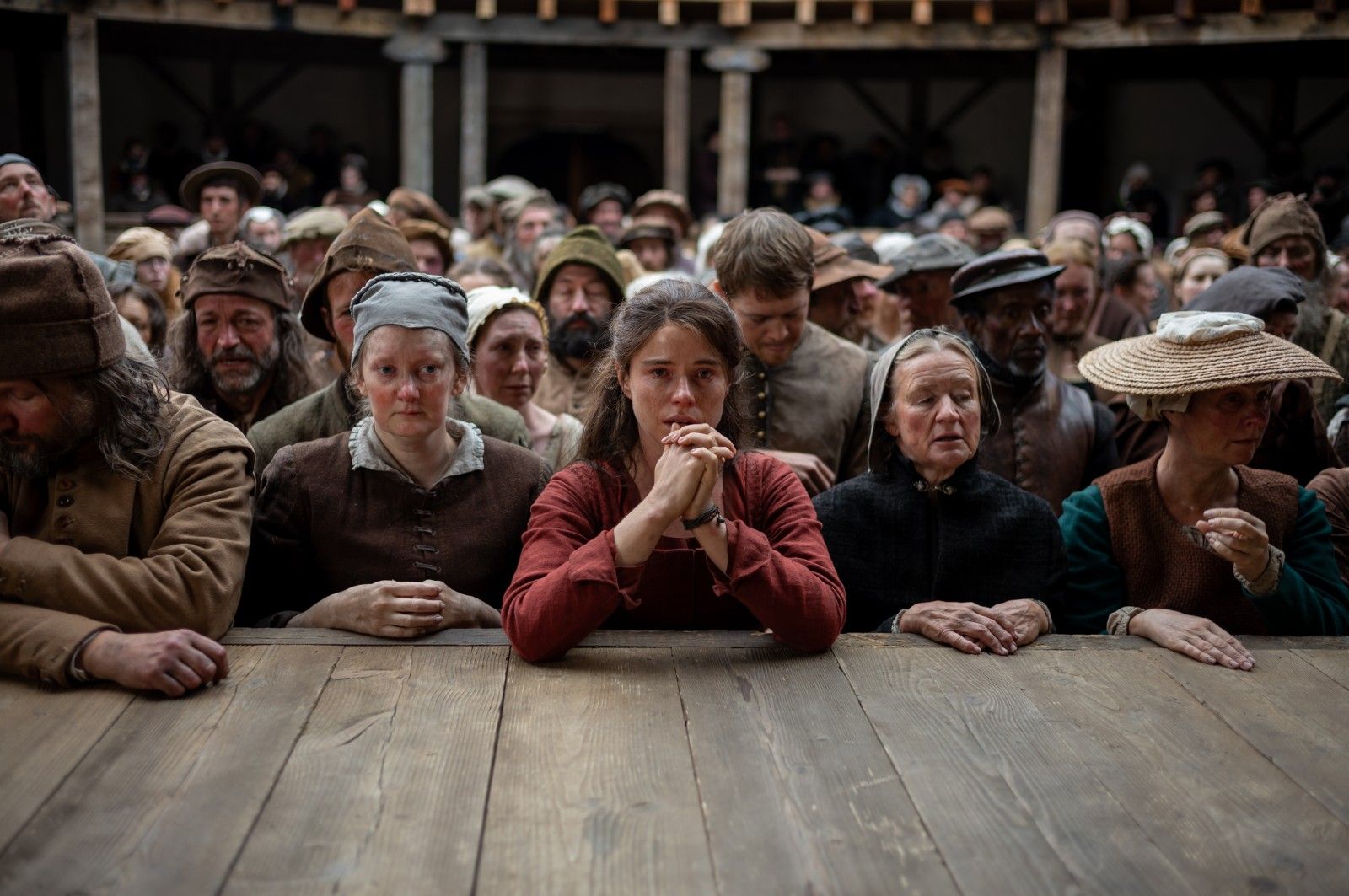
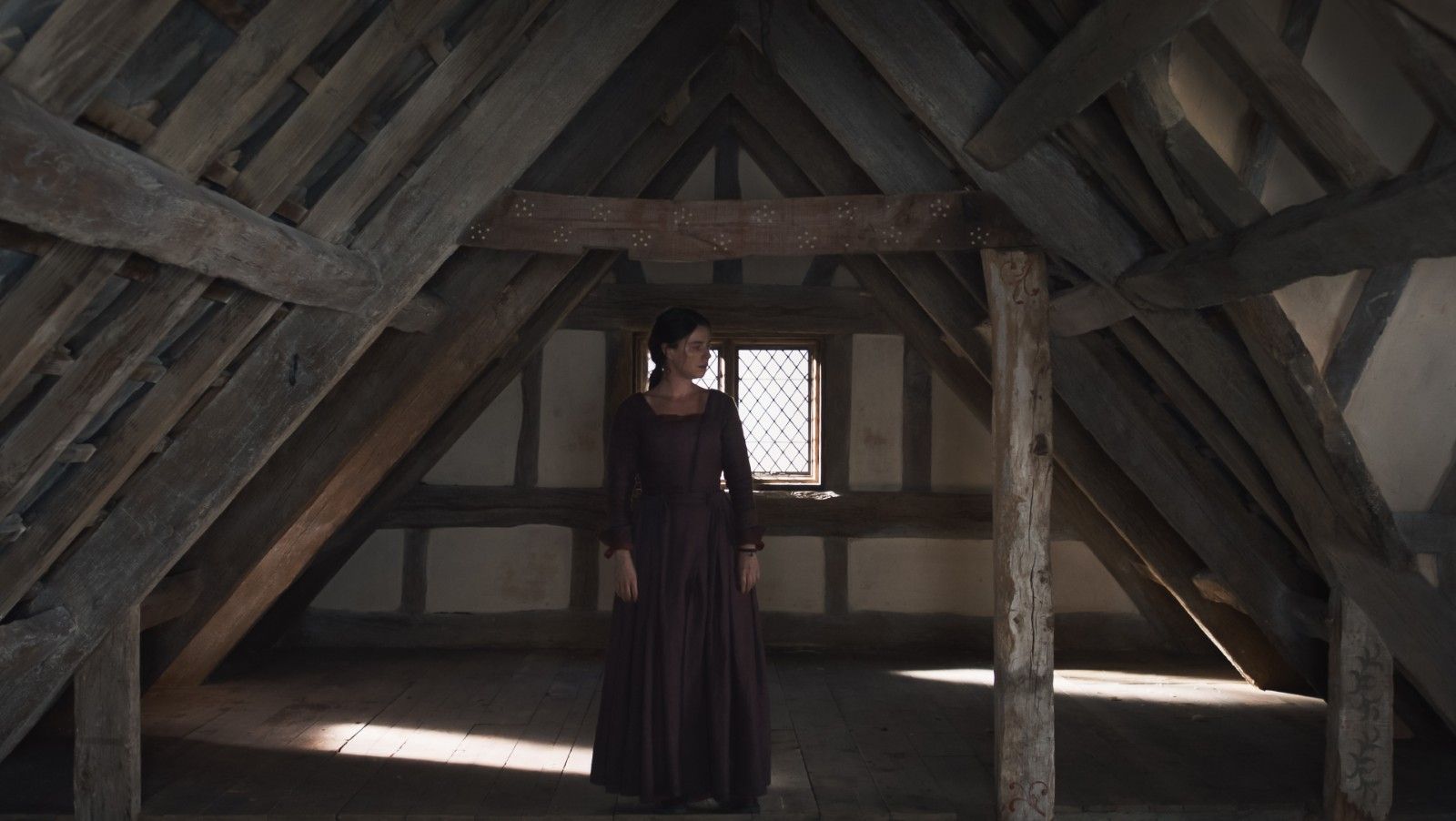
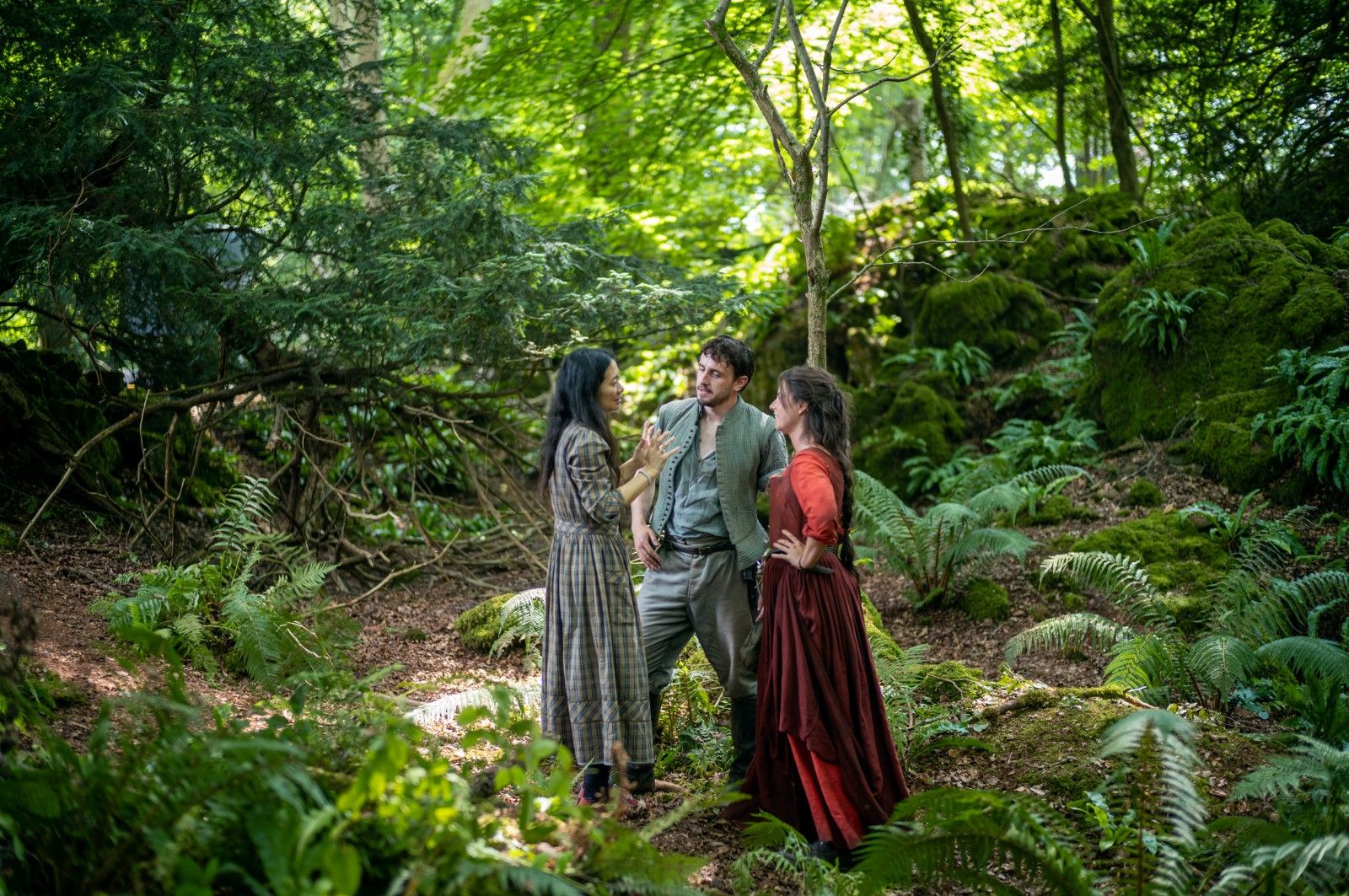
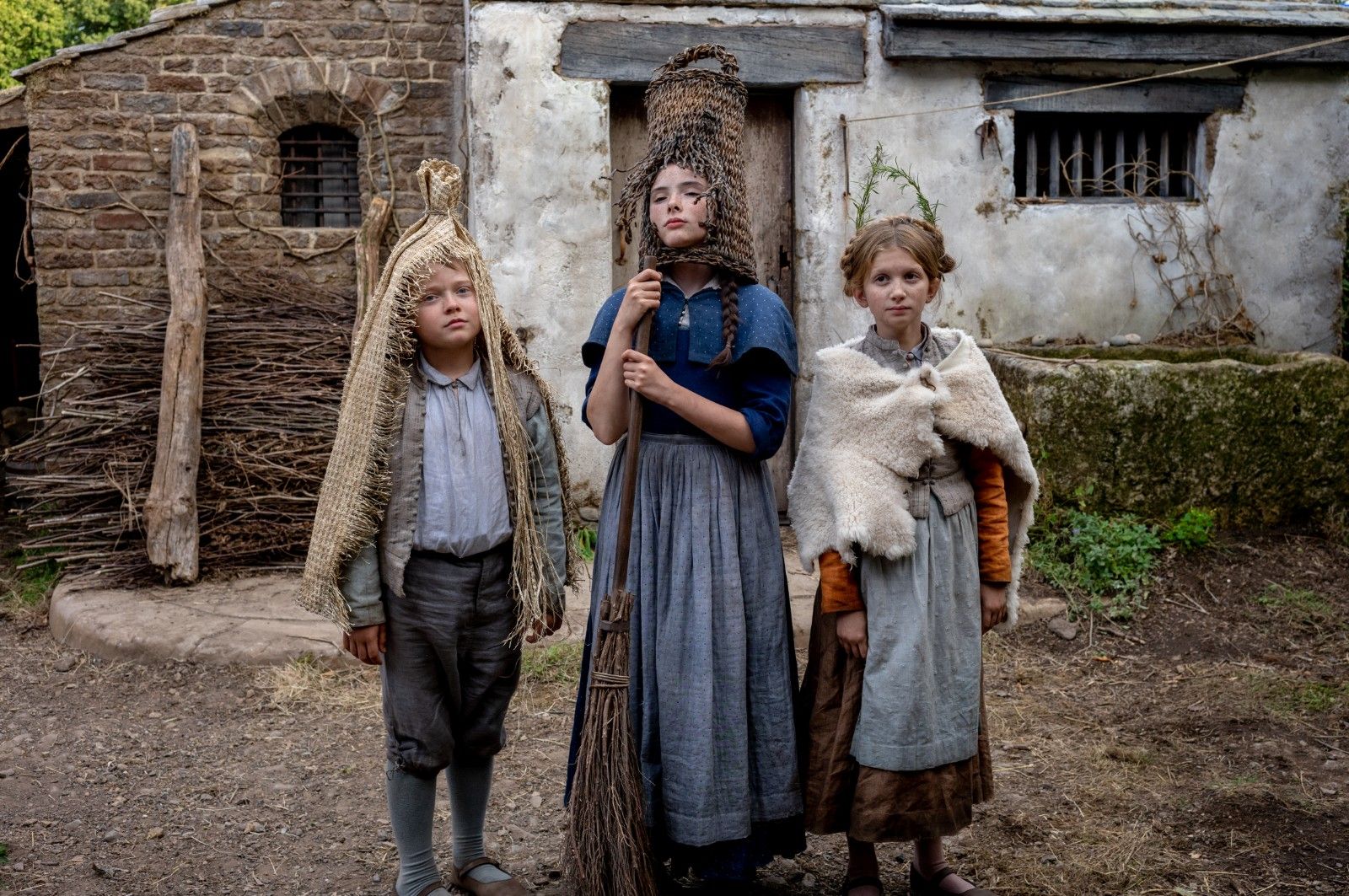
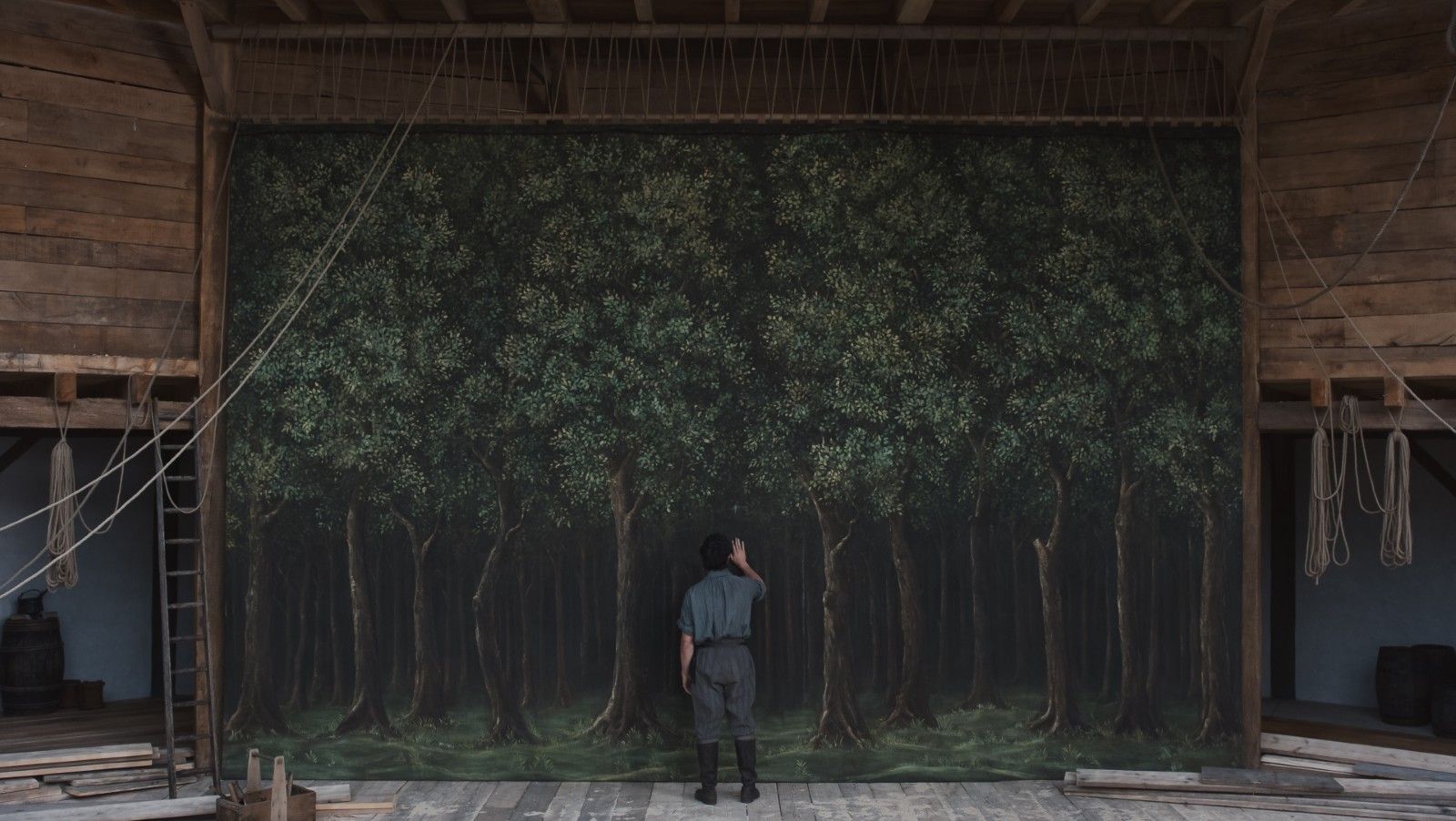
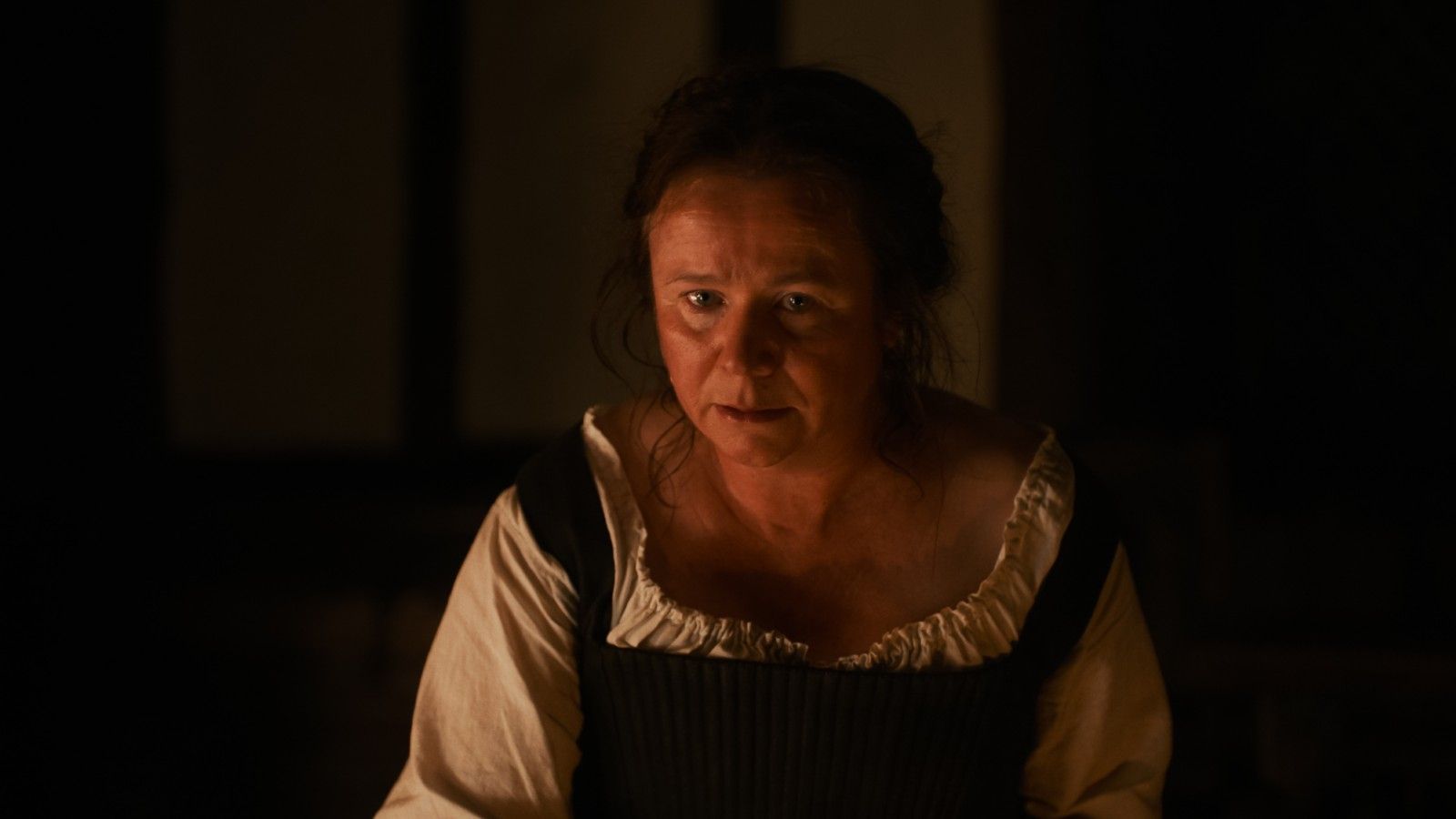
To ensure that the costumes played a role in shaping the emotional and narrative tone, serving as a visual extension of the characters and their inner world, costume designer Malgosia Turzanska adopted an approach that preferred breaking some historical rules to give more space to the flow of the story. First of all, since the clothes are almost part of the scenes and equally instrumental in evoking the elegiac and “natural” world of the 1500s, she integrates the costumes with environments such as primordial forests, dark houses, and wooden theaters to symbolize the transition from rural to urban life, from joy to loss.
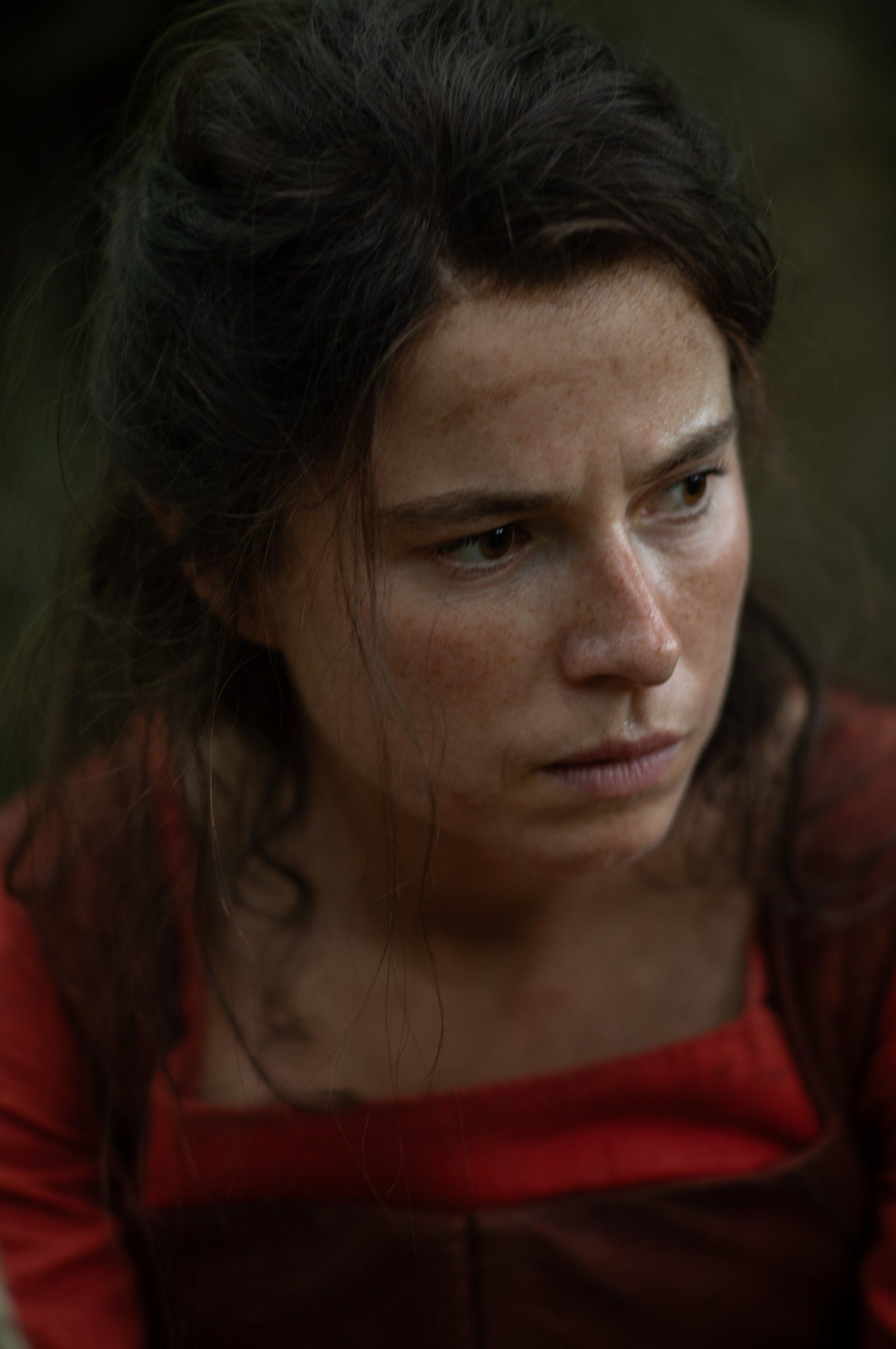
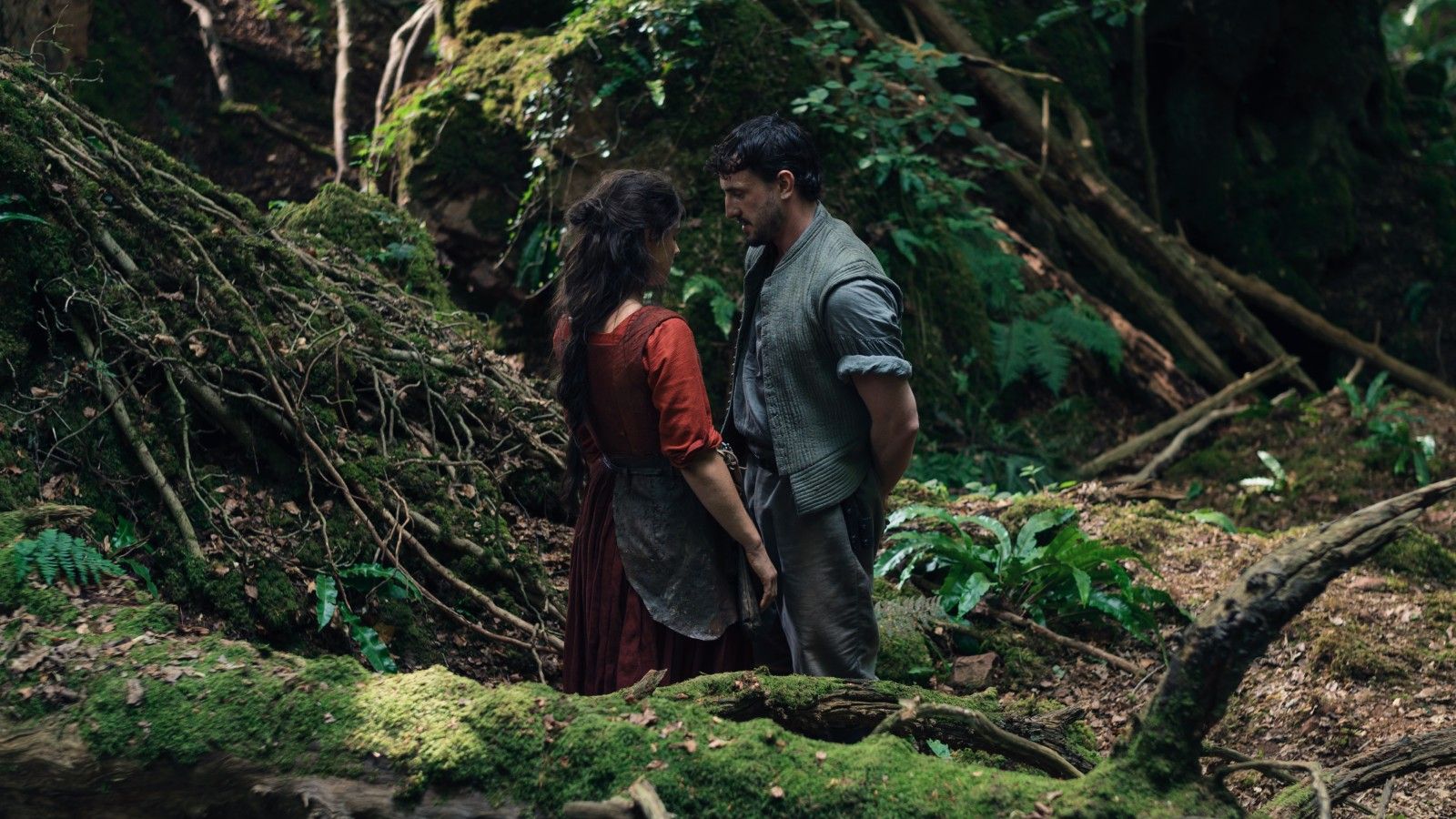
For example, the color palettes shift from vibrant and organic to dull and desaturated after Hamnet's death, but with flashes of intense vitality represented in the theatrical costumes of Hamlet to show how beauty and art can emerge from destruction and sadness. All colors are used to reflect the characters' emotional states: earthy tones as well as grays, blues and greens echo the mild contemplative beauty of the English rural landscape, its woods and rivers; gradually the colors do not change but their shade becomes increasingly darker, with garments in gray, rust and plum representing feelings macerated by grief while vitality, transformation and poetic passion are announced on screen by red and orange elements.
In many accounts of her creative process, Turzanska has also spoken about the texture of the costumes, produced and colored with materials such as mushroom-derived leather laser-engraved to create irregular textures, iron gall ink derived from oak galls and rust for dyeing the garments, African bark cloth from trees and cracking clay, which add tactile layers that, on one hand, make the clothes authentically lived-in, and on the other, associate the costumes themselves with the elements of the natural landscape following the same themes of decay and rebirth that dominate the film's story.
Paul Mescal's costumes for William Shakespeare
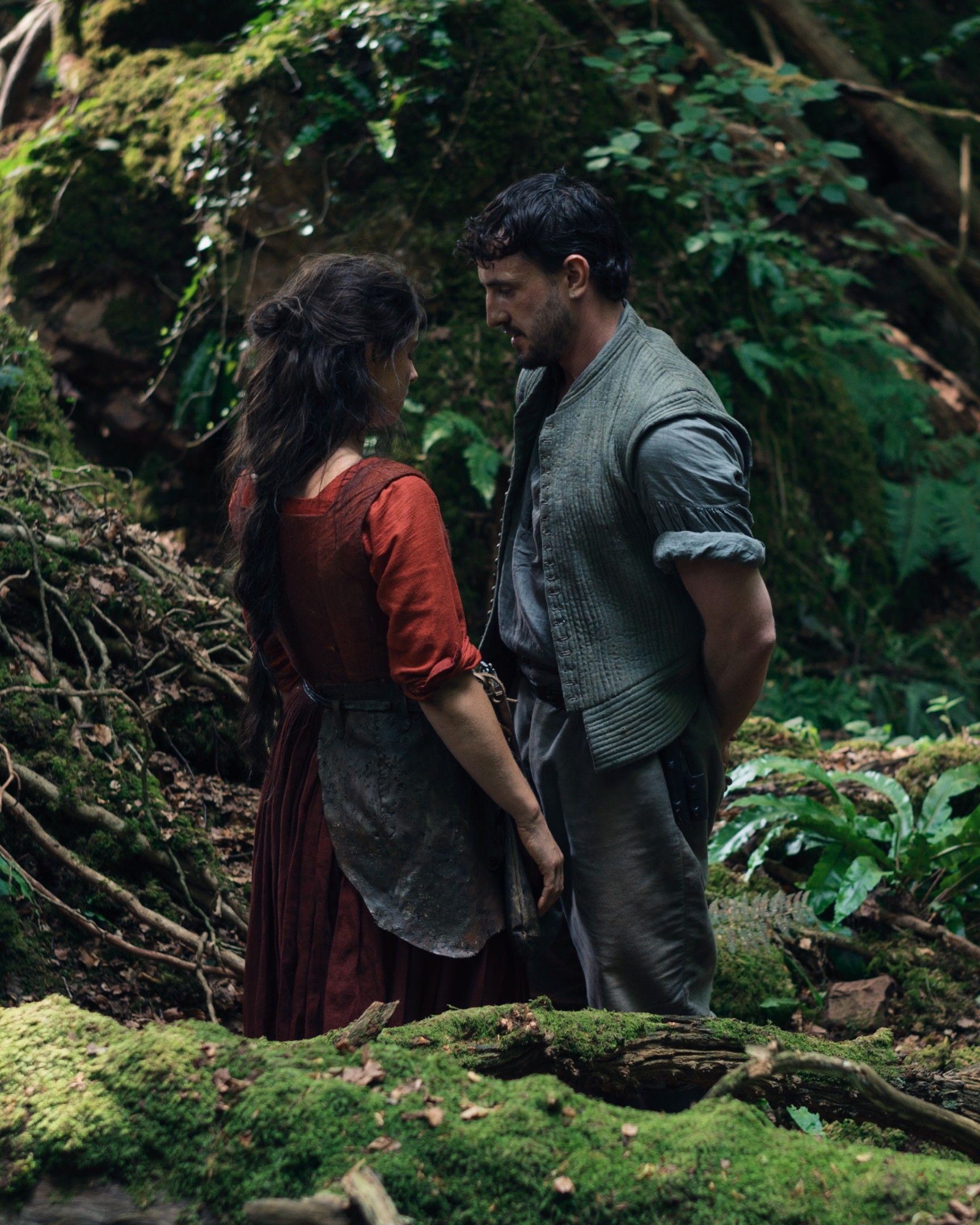
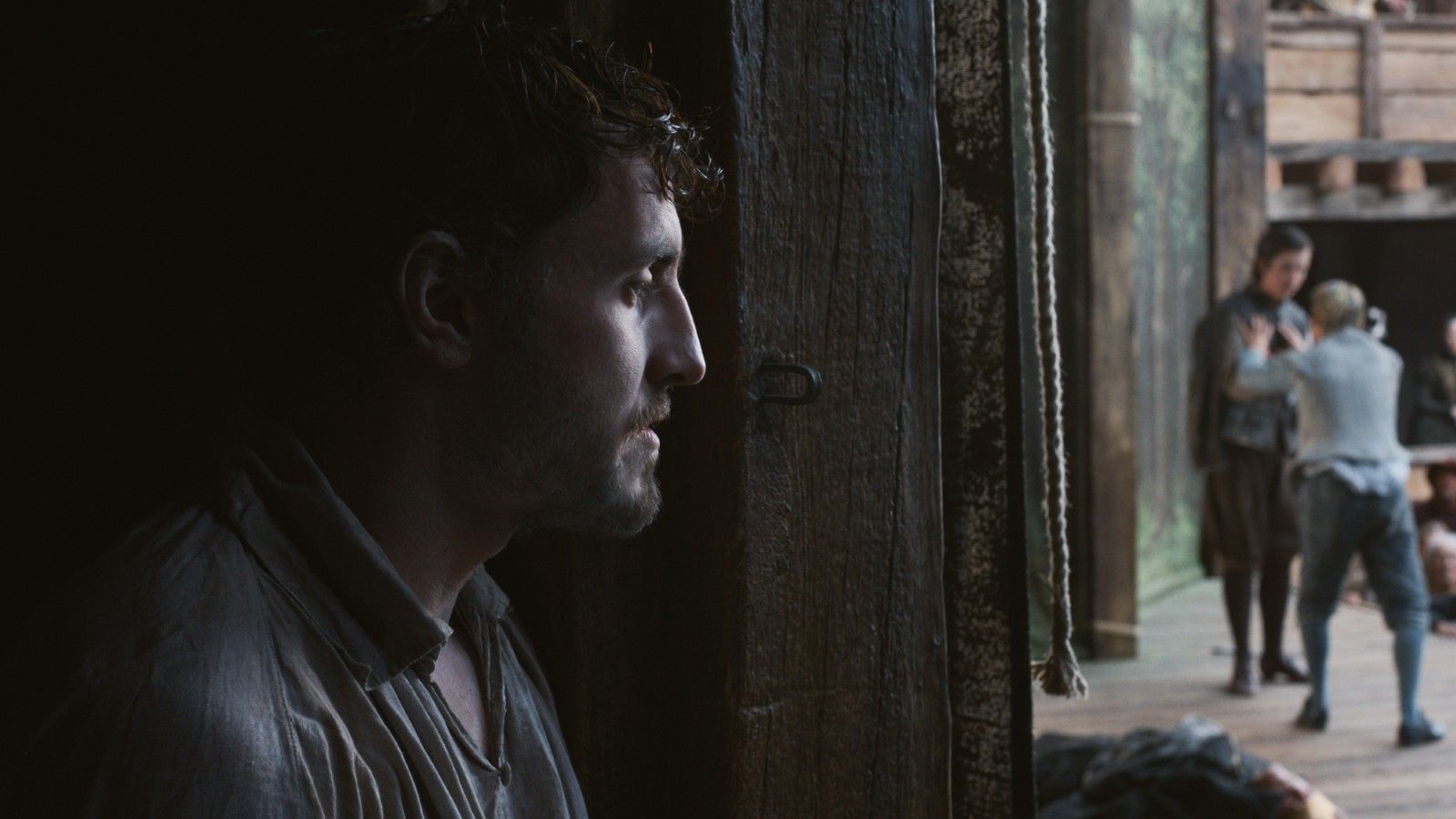
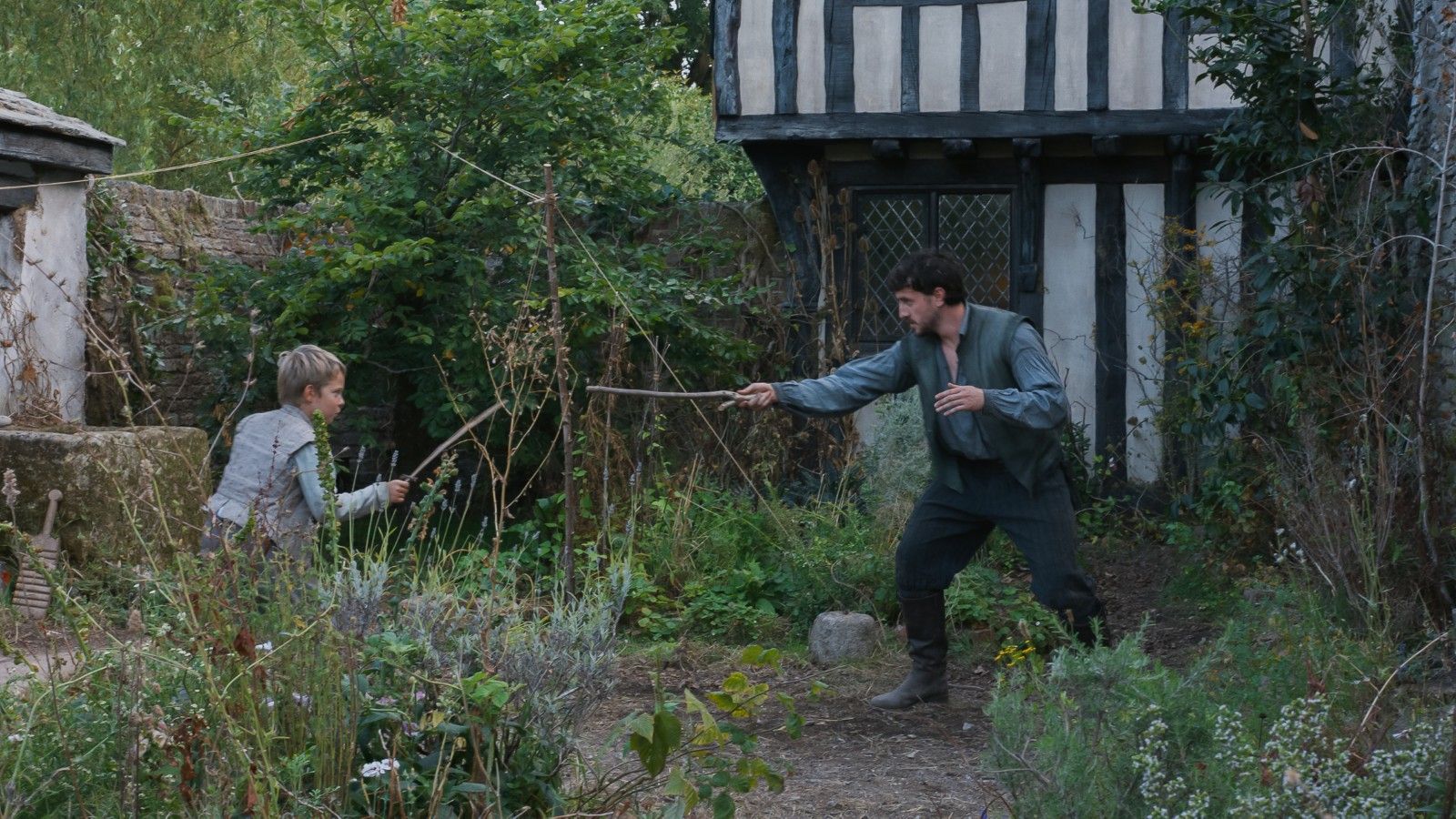
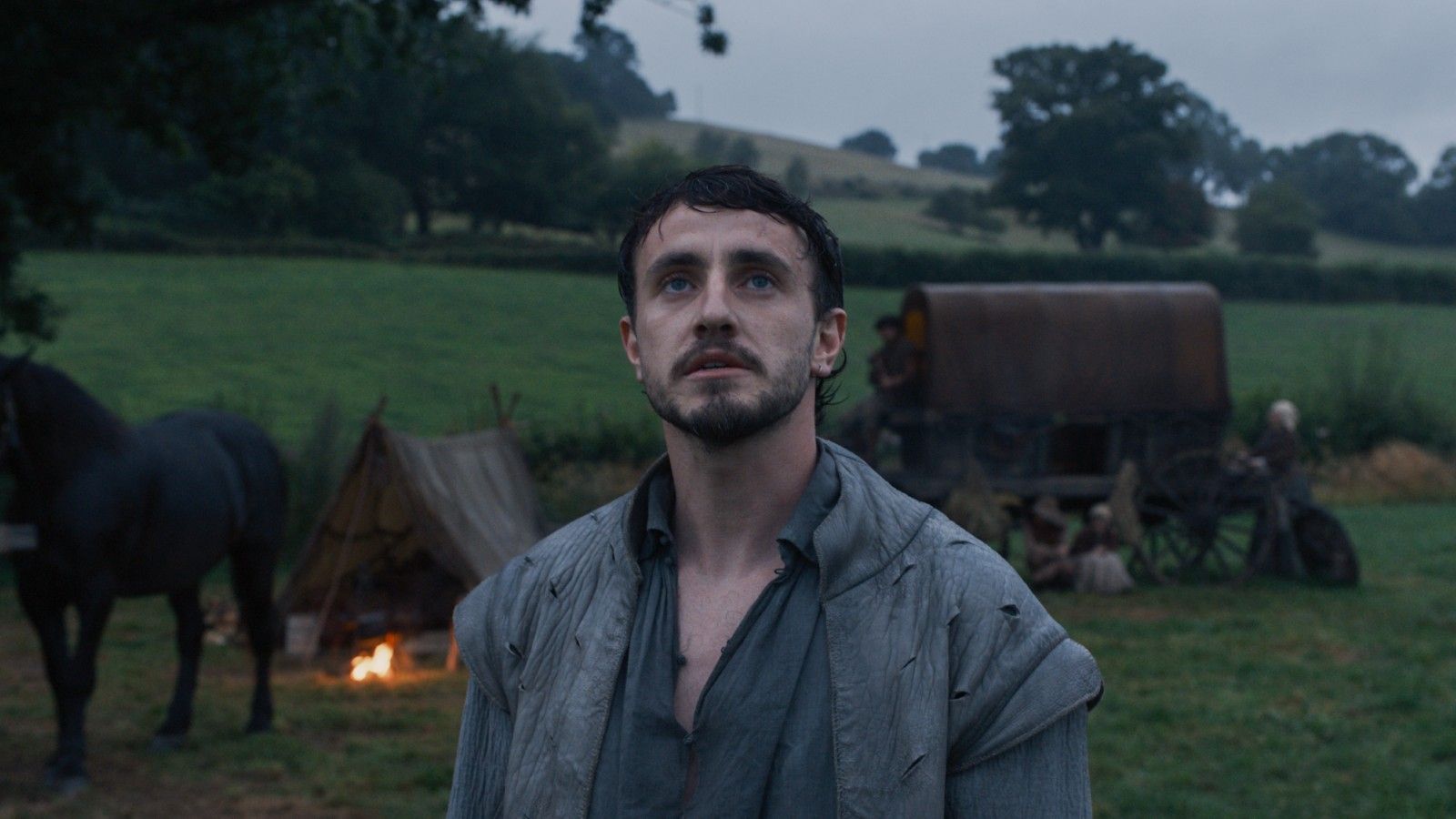
The costumes worn by Paul Mescal for the role of William Shakespeare, or Will, were born from a mix of inspirations. In the film, the playwright is marked by a violent childhood with an abusive and angry father and right here, at the beginning of the film, we see paddings and quilted jackets inspired by vintage sports equipment to symbolize a "cushion" against paternal traumas, creating a sense of hidden vulnerability under rigid layers of fabric.
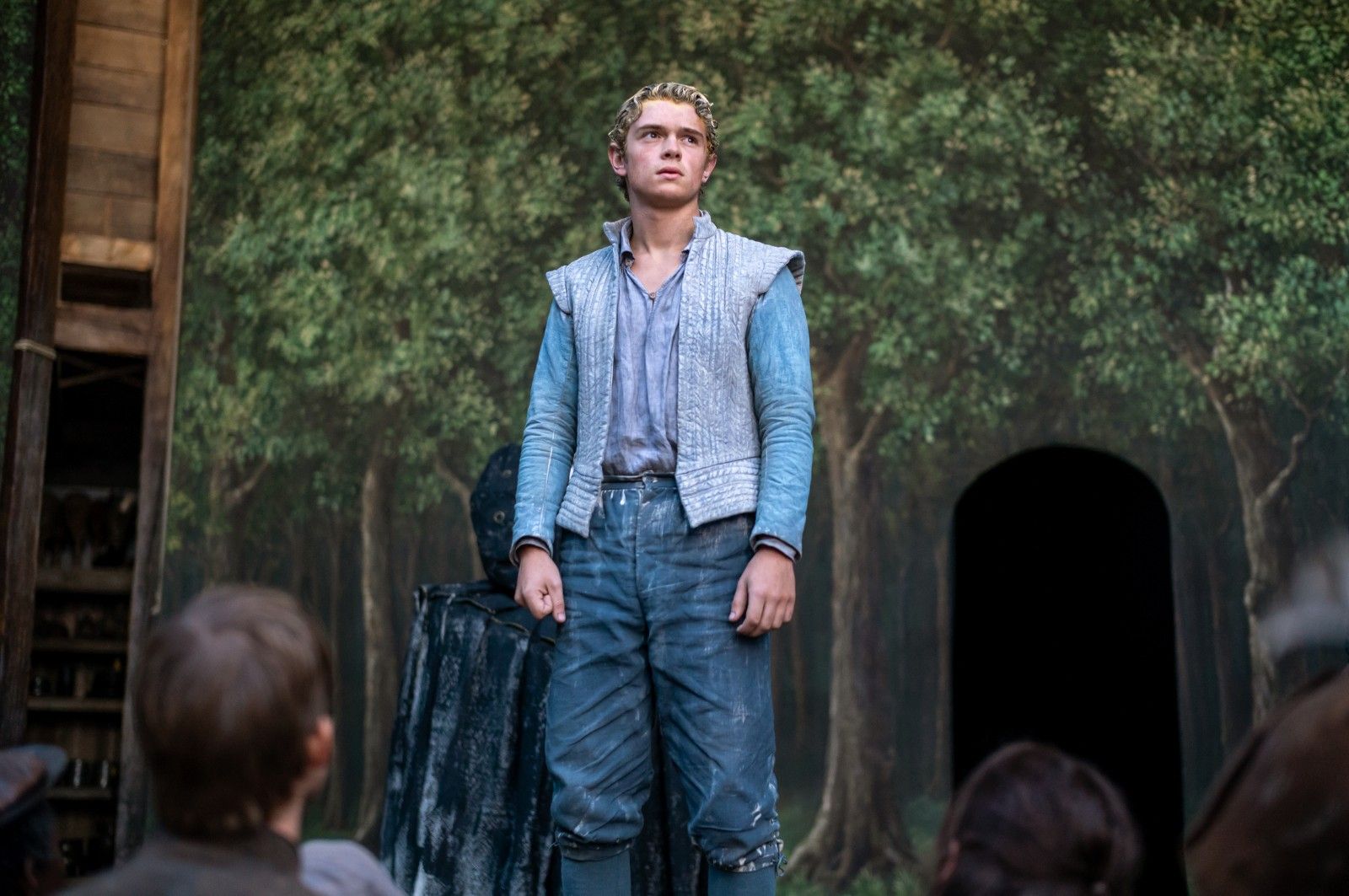
The dominant colors of the costumes are grays and blues, and many were dyed with iron gall ink (a real historical mixture that was probably the very one used by Shakespeare to write) so that Will literally “wore” his poetic and writerly vocation. The blue colors and the ink are also linked to the omnipresent waters of the rivers like the Avon and the Thames where, throughout the film, we see Will swimming to process his own emotions.
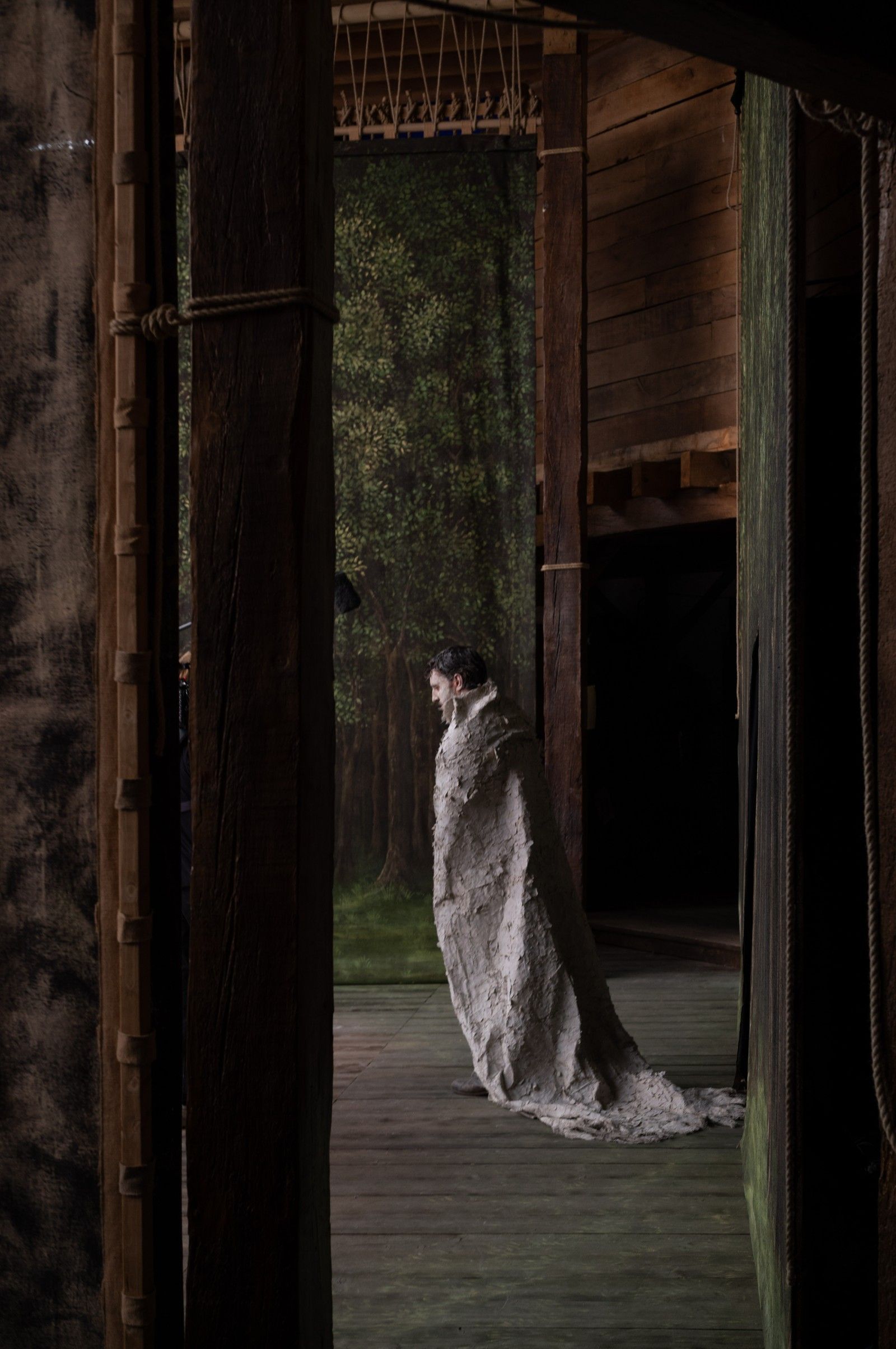
Many of Will's garments feature cuts truly inspired by historical Elizabethan clothes and the techniques called “pinking” and “slashing” that represent symbolic wounds that widen together with the character's pain. As the plot advances, the cuts start to appear for the first time to represent his own doubts about paternity after the birth of daughter Susanna and then become large tears after the son's death. In the film's climax, during the staging of Hamlet, Mescal wears a linen shroud covered in clay that dries and cracks, crumbling like an earth-made chrysalis representing the emergence from pain and artistic catharsis.
Jessie Buckley's costumes for Agnes Hathaway
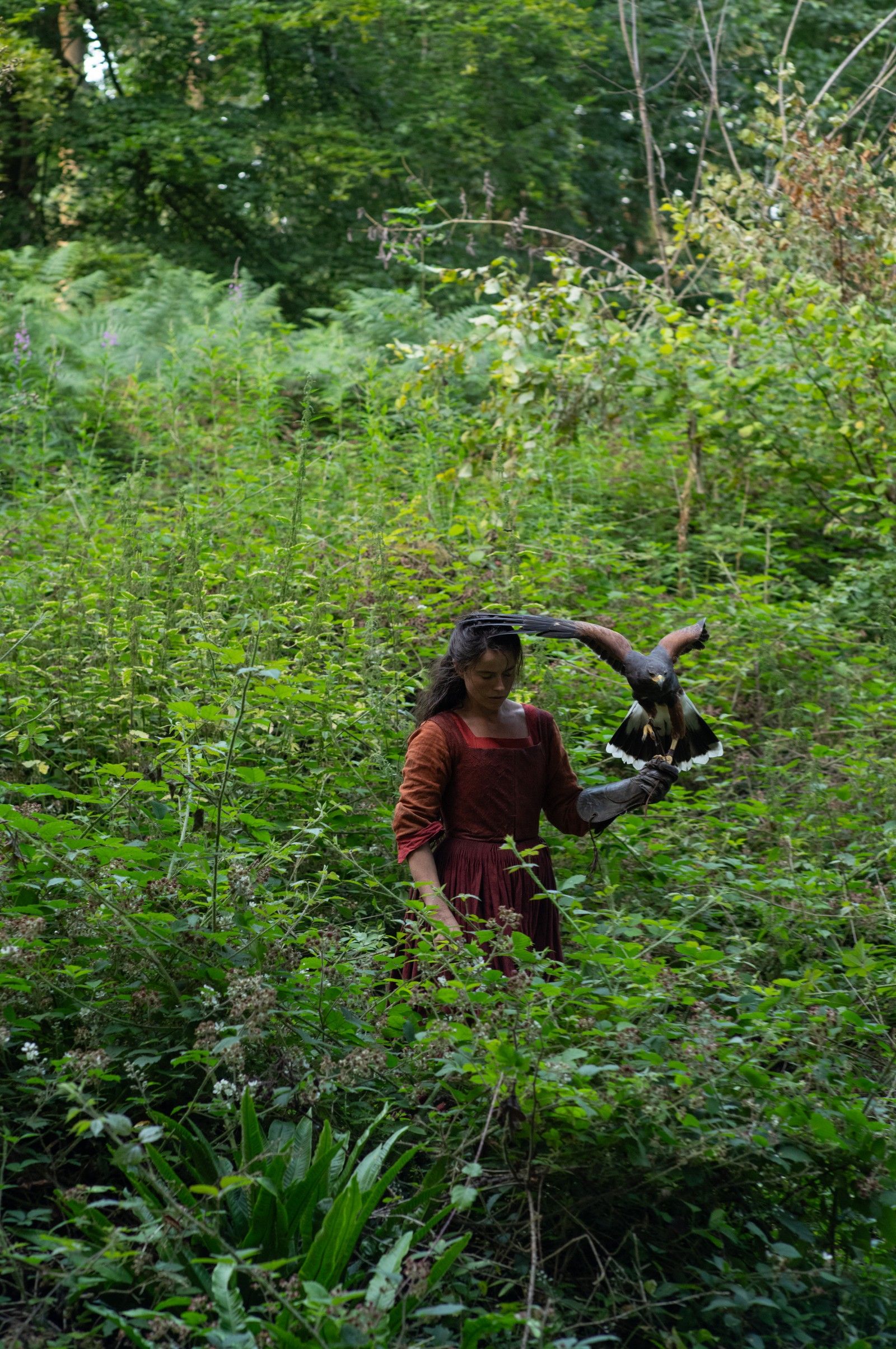
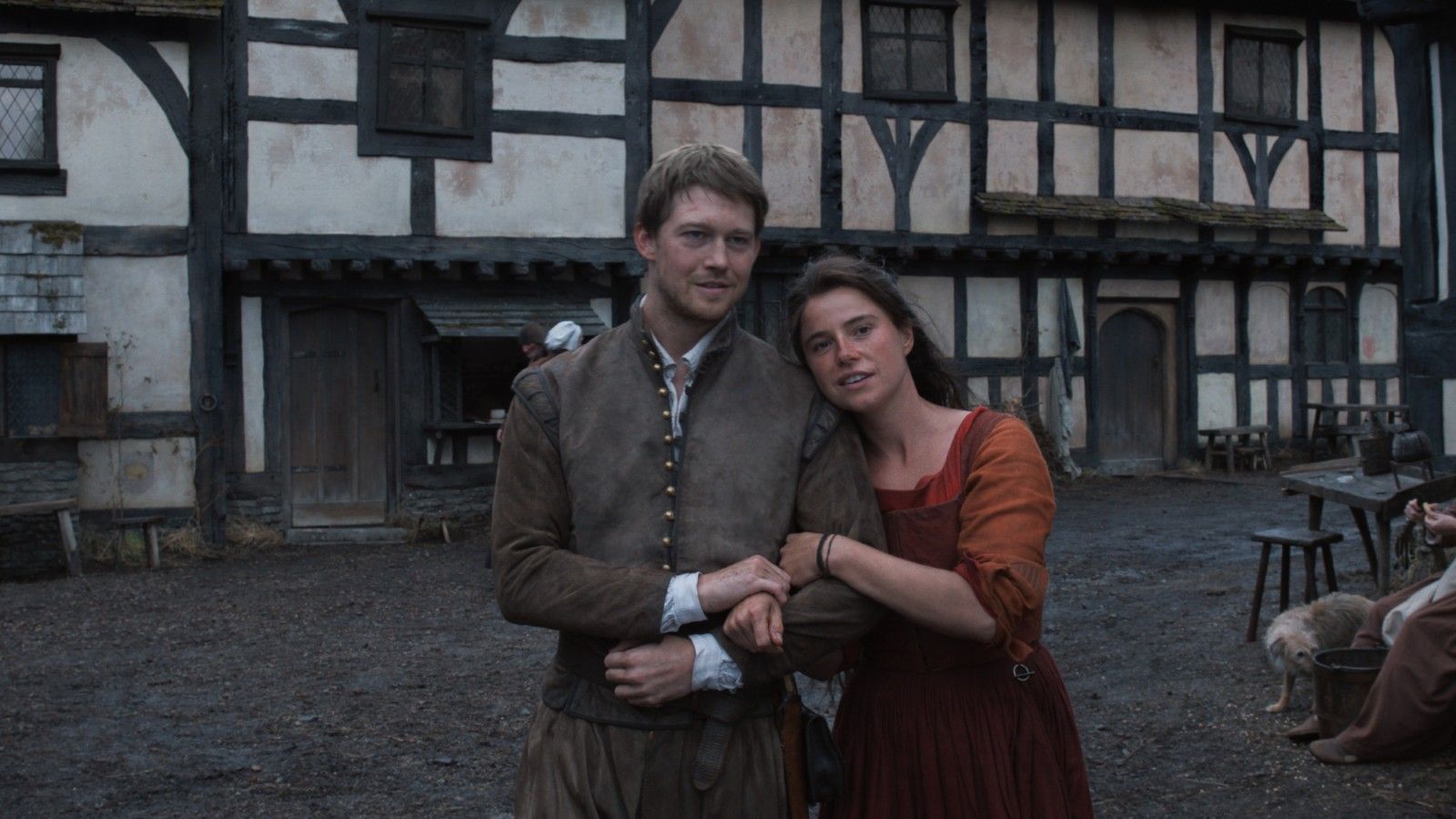
If the protagonist of the film is William Shakespeare, the true emotional center is his wife Agnes, played by Jessie Buckley. Hers are the most spectacular costumes because her character is the one most linked to the natural world and most loaded with symbolism: at the beginning of the film the costumes are dominated by reds, orange tones and rust to symbolize her intense vitality and her joy especially in contrast with the duller and browner palettes that surround her and with the dark colors and shadows of the Shakespeare house.
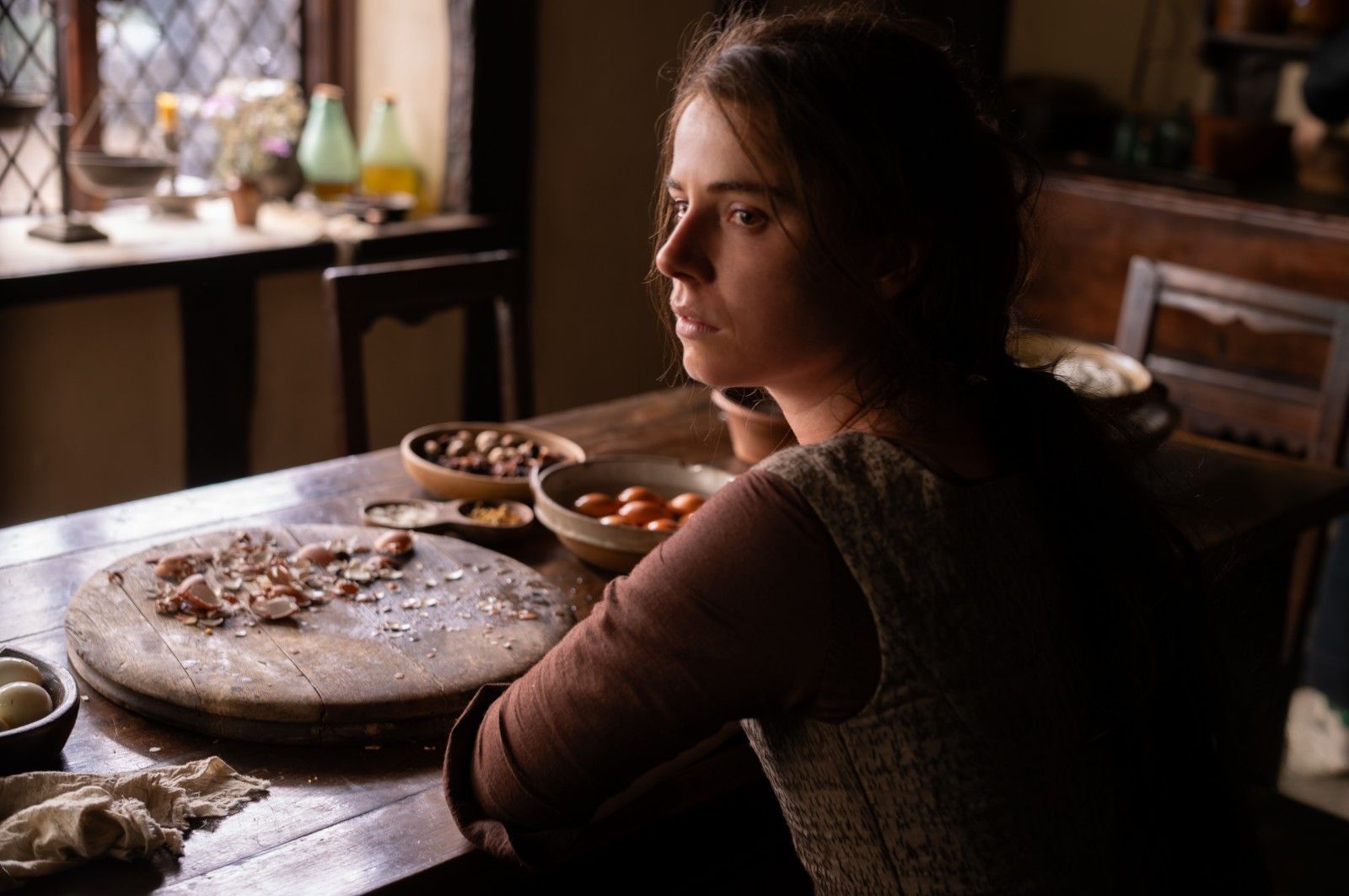
Here too, as for Will's clothes, texture was a fundamental part of the storytelling. For several dresses, always with the idea of tactually conveying the roughness of the yarns and their resemblance to the natural elements of the landscape, bark cloth was used, whose origin is certainly not English but African, and specifically Ugandan. It is there that for centuries the Baganda people have produced it from various tree barks, the most famous of which is the Mutuba tree.
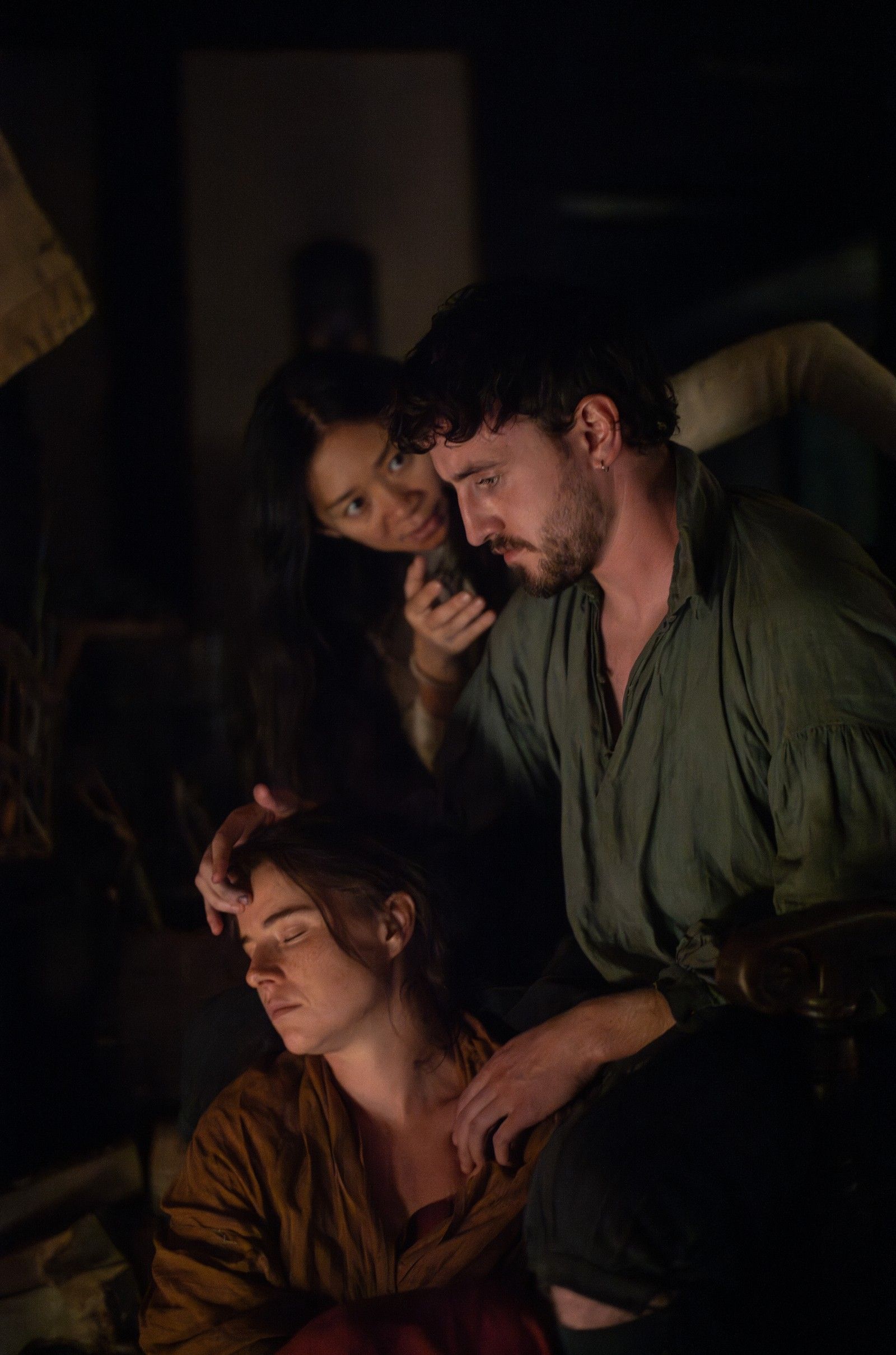
The result is a series of garments with fibrous and granular consistency, with irregular embroideries that recall the organic forms of veins and roots, but without rigid structures to represent the free spirit of the character. The colors of the garments are dark and earthy reds that make the character camouflage with the ground when she is in nature but stand out as an element in domestic contexts. As the plot advances, the colors pass from the bright tones of motherhood to plum and purplish browns after the death of the firstborn, with very rough fabrics that recall moss or crusted materials and more elongated proportions in the volumes to convey the depression that “dries” what was once vital.
In the finale, when Buckley's character goes to London to see the theatrical premiere of Hamlet, she returns however to wearing the red dress with which we had seen her initially to symbolize the accomplished processing of grief and the return of life and color in her life. An entire evolution that elevates Agnes to the emotional fulcrum of the film and makes her clothes perhaps the most explicit symbol of resilience against loss and tragedy.