























“The Bride!” may not be perfect but it doesn’t have to be Maggie Gyllenhaal writes and directs her second feature film starring Jessie Buckley
Dr. Frankenstein has his creature. A creature that soon ceased to belong to Mary Shelley. Frankenstein has increasingly distanced himself from his original creator, as demonstrated by the latest adaptation of the novel first published in 1818, where the iconic name no longer refers solely to the writer’s story, but to the personal version delivered by director and screenwriter Guillermo Del Toro. If Mary Shelley’s invention has in some way been taken from her, entirely entrusted to Victor Frankenstein and to all those who have reinterpreted it over time, then it seems only fair that something be returned to her. It is from this idea that The Bride! is born.
The “new” wife of Frankenstein
Written and directed by Maggie Gyllenhaal, in her second feature after her directorial debut in 2021 with The Lost Daughter, the actress-turned-director revisits the character originally conceived in 1935 for The Bride of Frankenstein, where - despite appearing in the film’s title - the character only shows up in the final sequence of James Whale’s feature.
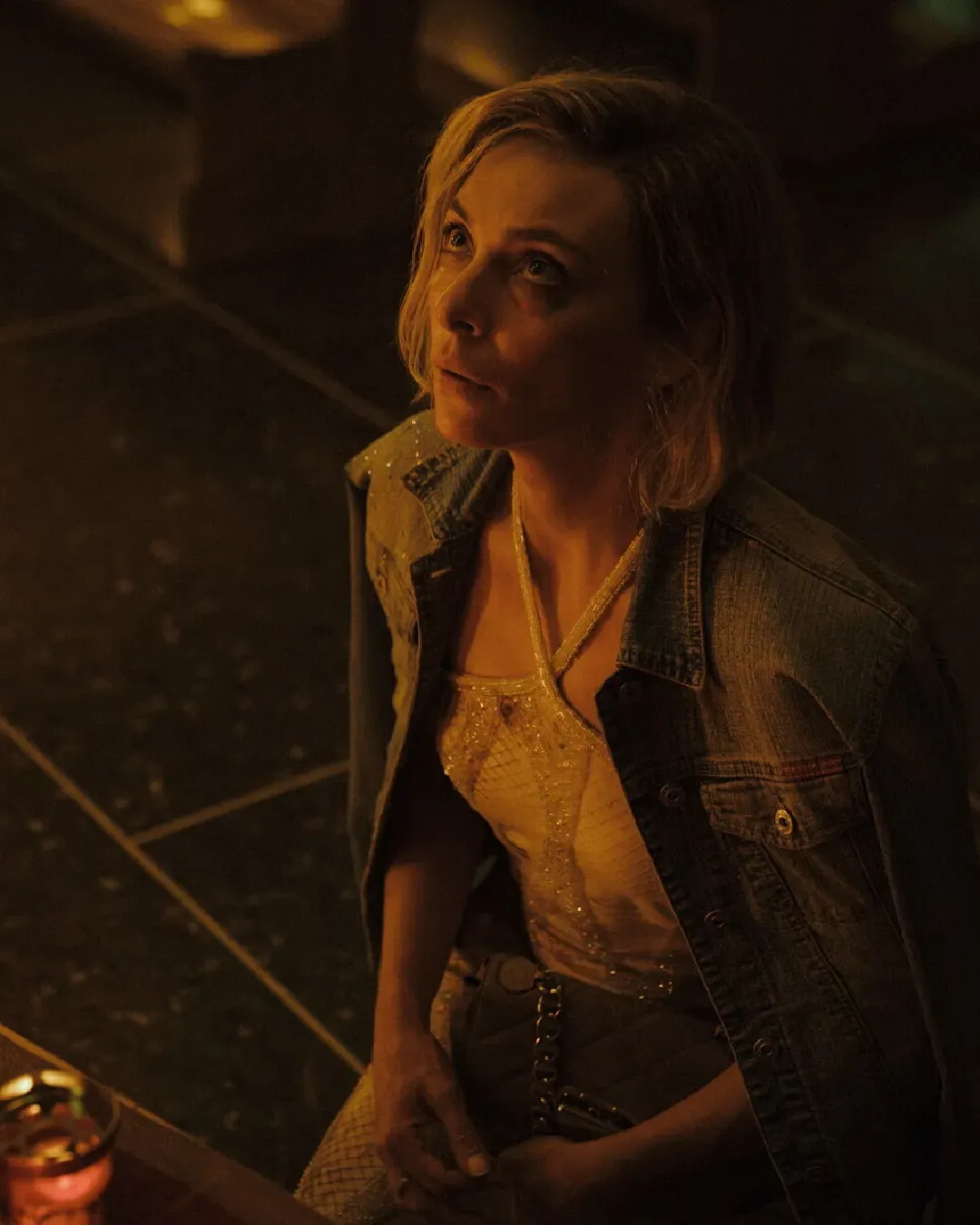
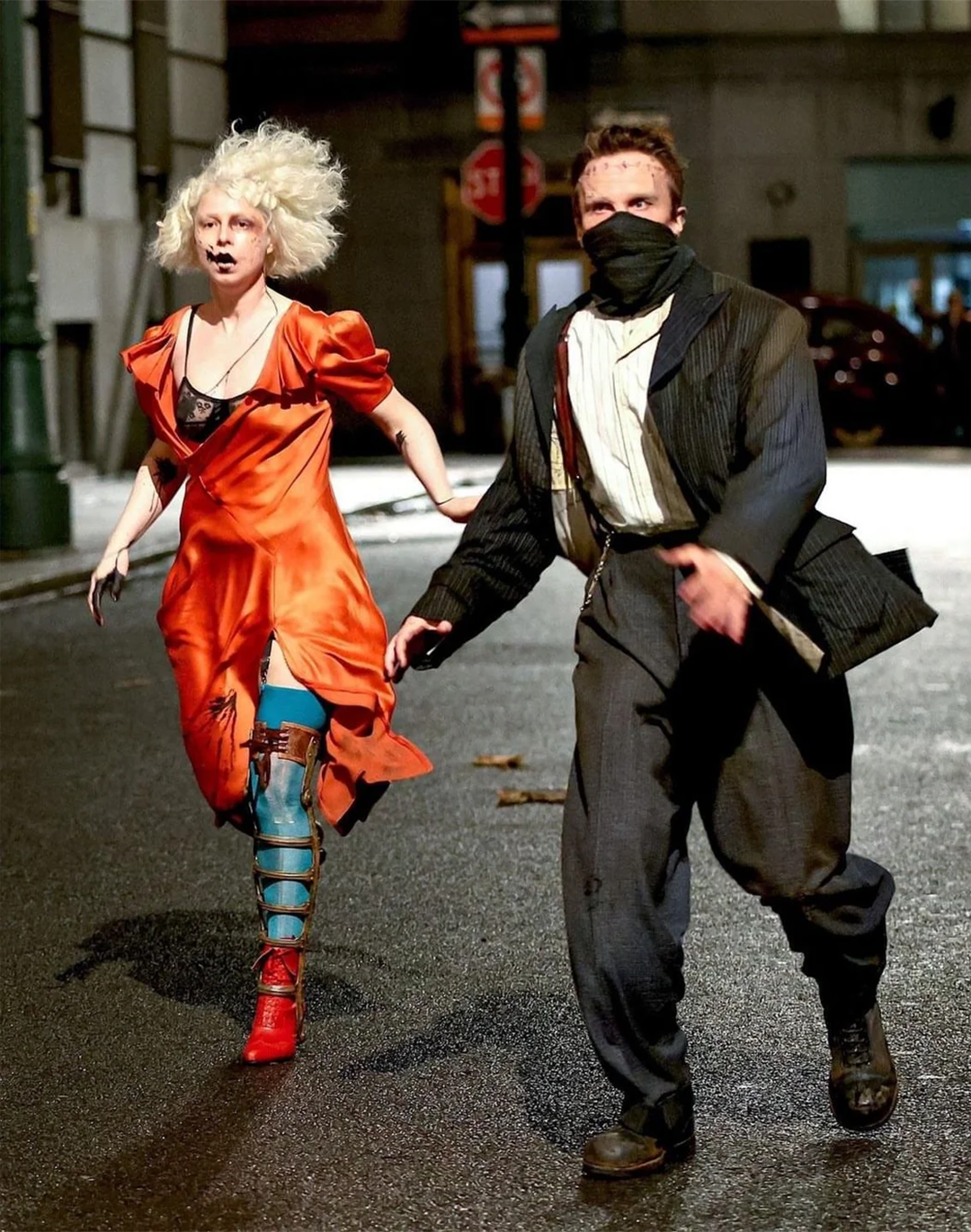
A paradox that is hardly unlikely in a cinema long dominated by the male gaze, which steps aside here in this reclaiming of the spotlight by the feminine, framed through a gothic and vengeful lens in which the protagonist, played by Jessie Buckley, becomes almost a vigilante. If in Del Toro’s Frankenstein the author had imagined the creature as a body assembled from fallen soldiers, reinforcing themes (particularly historical and political) long central to his filmography, Gyllenhaal instead fills her protagonist with the souls of many women victims who were murdered and silenced.
Meet The Bride & Frank #TheBride #CameraTest #FirstLook#JessieBuckley #ChristianBale
— Warner Bros. (@warnerbros) April 4, 2024
Niko Tavernise pic.twitter.com/5xo3P7Rhge
It is no coincidence that the setting of The Bride! is Chicago in 1936, against the backdrop of gangster crime syndicates who used to cut the tongues of those who “sang too much.” A universe imagined by the screenwriter and director in which violence is the norm, where costumes are languid and sensual, and where the protagonist becomes a vessel for the injustices and abuses suffered by those who tried to rebel but were forbidden from uttering four simple words: “I would prefer not to.”
It is precisely this pursuit of independence and self-determination that lies at the heart of The Bride!. The reason why the character spends the entire film searching for her real name - she who was killed and brought back to life by a mad scientist (Annette Bening), chosen as the companion for a Frankenstein (Frank, played by Christian Bale) who has been alone for far too long.
Between cinema and theatre
@warnerbrosuk Come alive as the cast & filmmakers of #TheBrideMovie discuss the electrifying epic Book your tickets now! #FilmedForIMAX #ChristianBale #JessieBuckley #MaggieGyllenhaal original sound - Warner Bros. UK
The Bride! is a love story, but it is one on multiple levels. It is a love story for the monster searching for a companion (and not just sex), for oneself in learning to claim the right to raise one’s voice, and for a collective built on support and sisterhood, which in the film reaches its most extreme consequences - a sign and result of a prison that women experience every day in plain sight. For this reason even Buckley’s body, the bride herself, as well as the search for a name, becomes a simulacrum that reverberates by leaping back and forth through time. Back to the writer Mary Shelley, to the 1930s setting of the film, and forward into the present, where the theme resonates like a megaphone that can no longer be ignored.
@warnerbrosanz homegirl's here to stay #TheBrideMovie original sound - warnerbrosanz
In doing so, Gyllenhaal merges cinema and theatre into a chaotic version of a reckless and monstrous Bonnie and Clyde. The emphasis of Jessie Buckley intensifies with every movement of her head and neck, with every word spoken and endlessly repeated through its synonyms; a desperate cry not unlike the improvised outburst heard in Hamnet, though here more constant and relentless. A possession (between Mary Shelley, Ida, Penelope, the Bride, the victims - all contained within her) whose mechanisms direction and writing do not underline; they simply let it express itself. Granting freedom of movement to the performer - whether physical or verbal - who is magnificent while surrendering to the fumes of her own madness.
Intoxicated by it is a Frankenstein enamoured with classic Hollywood, with black-and-white dreams danced to reassuring melodies and fearless tap dancing. A Christian Bale deeply moving beneath the scars and stitches of his character, more human than the (human) monsters that surround him. A creature who has learned to walk in the world, but not how to defend himself from the cruelty around him. One who loves the essence of his bride, not the rest (even if he finds her far too beautiful for him). To whom he can only ask, “Who are you?” while she herself is searching for the answer, hidden beneath a boulder of lies and abuses that will not end up crushing her.
Maggie Gyllenhaal pulled it off
What Joker: Folie à Deux failed to achieve in terms of imagery, the film by Maggie Gyllenhaal attempts to revisit - succeeding, even while presenting too many distortions and fractures, excesses that slip beyond control and flaws reminiscent of the grotesque features of its own Frankenstein. Yet, like the protagonist’s blood-ink, something remains attached and becomes impossible to ignore. Just as it is impossible to ignore the incandescent madness of The Bride!.