
































Should design influence our emotions? From dopamine decor to emotional design, we design to evoke feelings
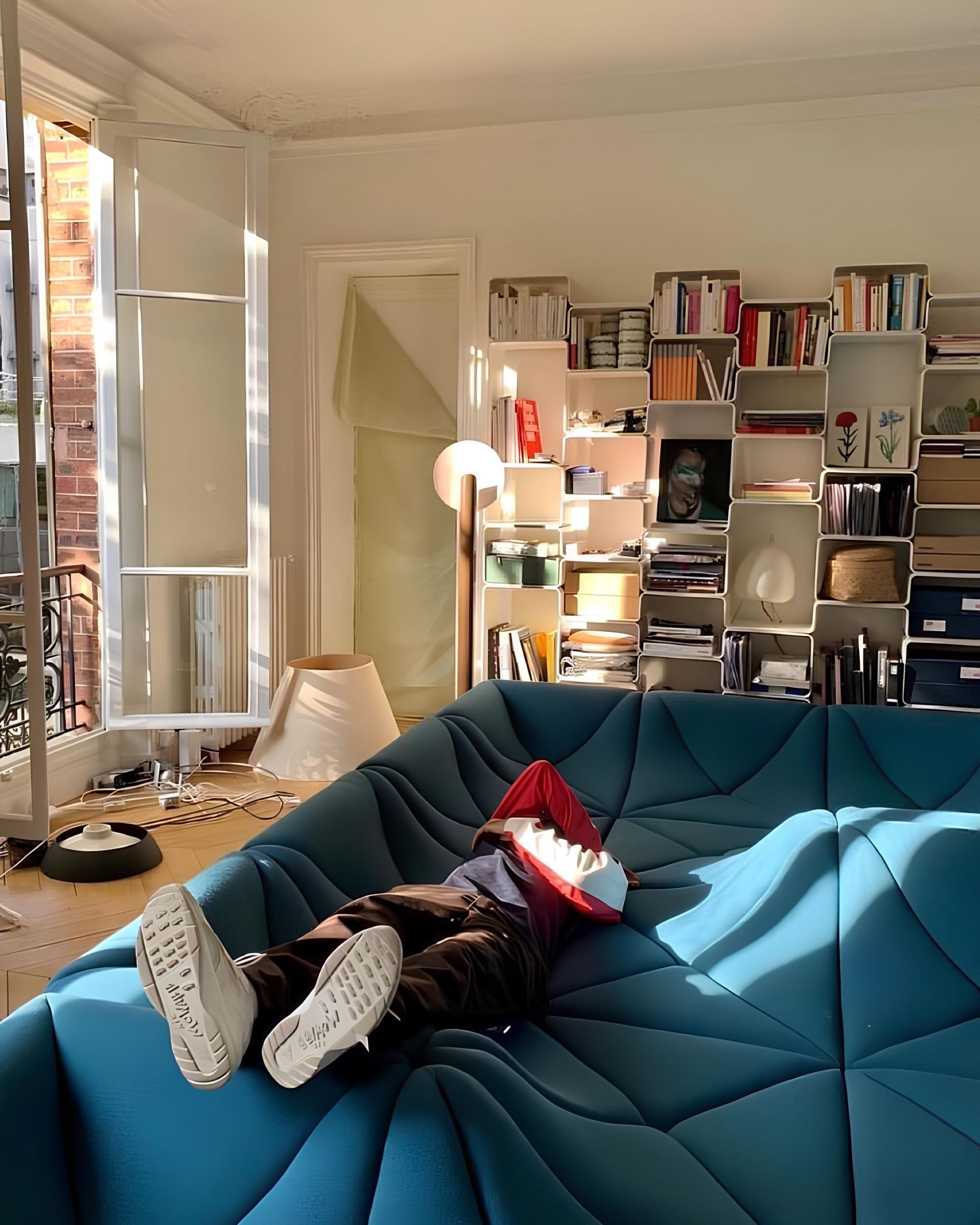
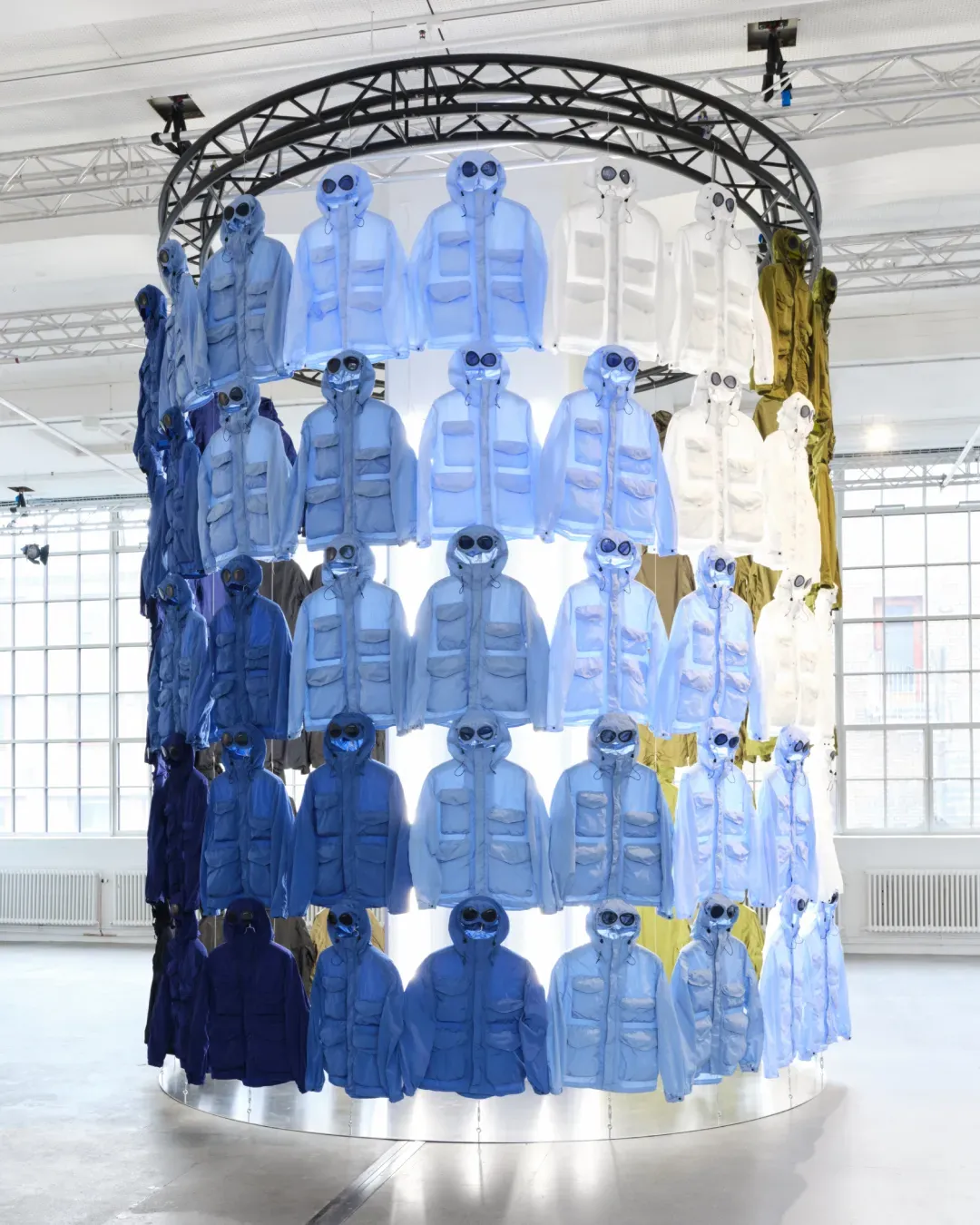
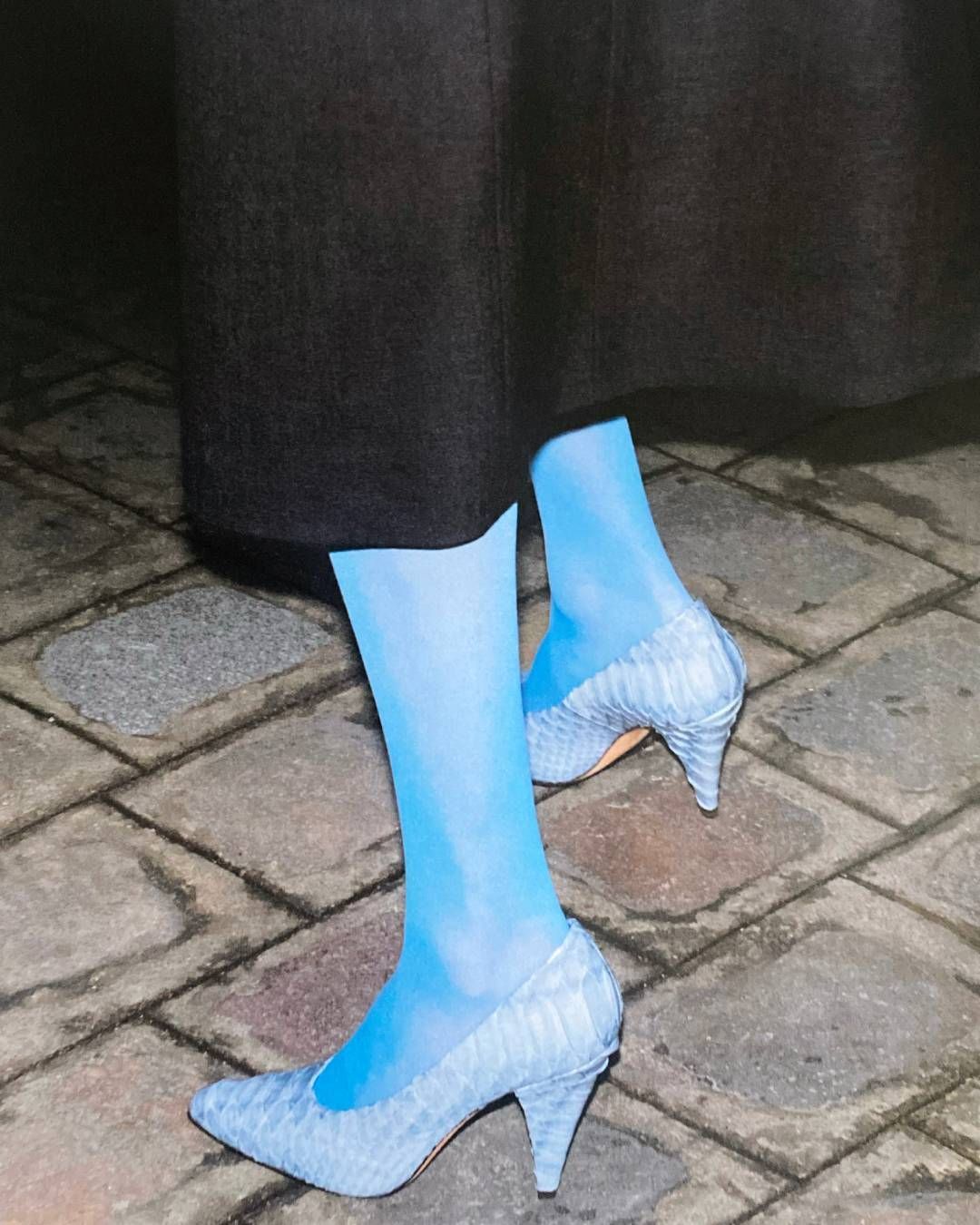
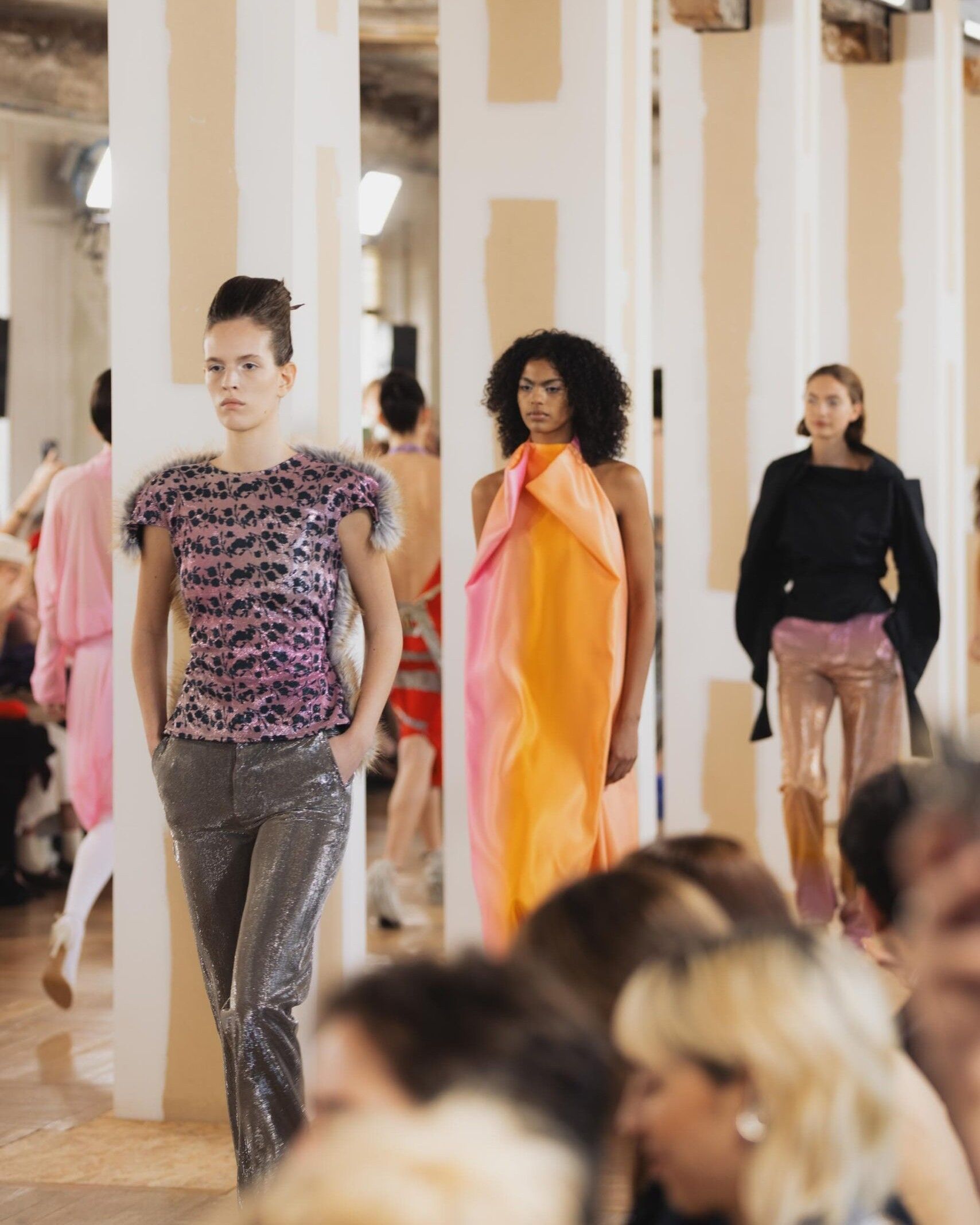
The spaces we live in have begun to shift in tone almost imperceptibly, as if something had slowly moved beneath the surface. After a long period dominated by neutral palettes, matte surfaces, and controlled minimalism, colour is back — but not as a mere aesthetic choice or stylistic variation. It came back because it was needed. Saturated environments, glossy surfaces, bold contrasts, materials that reflect and multiply light: what is today defined as dopamine decor has established itself as one of the most prominent directions in contemporary design — but reducing it to a trend means missing the point.
What is happening goes deeper and concerns the way design relates to people. In a context marked by instability, widespread anxiety, and constant overload, designing no longer means simply building functional spaces or coherent objects, but intervening directly in how we feel within those spaces. Design no longer works only on form, but on perception, on immediate impact — on that hard-to-define feeling that makes us say "I feel good here" before we even understand why. But why is that?
Understanding "emotional" design
@mjbiagioni Does the dopamine decor trend mean I have found a way to justift my shopping addiction?! #colourfulhomedecor #dopaminedecor #interiortiktok #colourfulhome #maximalistdecor #loftapartment original sound - The PrintableConcept
What we are describing is not a new mechanism, but today it has become central. Donald Norman had already put it in writing when he spoke of emotional design, explaining how our experience is guided by different levels — from the first visceral impact to more conscious reflection. And it is precisely on that first level that contemporary design seems to concentrate with greater intensity, building environments that work before they are even understood, that attract before they are used.
In this sense, the spread of dopamine design is no accident — nor is it solely the result of social media, even if that is where it finds its ideal ground. Bold colours, glossy surfaces, and recognisable forms work perfectly in the digital space, but what we see online is only the visible manifestation of a broader shift. It is the reflection of a need that has migrated, one that has begun to concern the body, perception, and direct experience.
The home is perhaps the place where this shift is most visible. After the pandemic, it definitively ceased to be a simple container and transformed into a space overloaded with functions and expectations, where work, rest, socialising, and self-care continuously overlap. In this scenario, designing environments that "make us feel good" is no longer a luxury or an aesthetic indulgence, but a form of adaptation. Dopamine decor fits precisely here, offering a visual grammar that prioritises perceptual pleasure, sensory stimulation, and the construction of an experience that does not pass through sight alone but engages the body as a whole.
It is not just a matter of colour. It is a matter of materials, light, and rhythm. Velvets, chromed surfaces, soft fabrics, reflections, continuous variations that keep attention alive and build a more direct relationship with space. Even when it seems spontaneous, everything is calibrated. Pleasure, in contemporary design, is designed.
Designing for emotions — but which emotions?
And this is precisely where the conversation becomes more complex. Because while it is true that design can improve our emotional state, it is equally true that it can steer it. Psychology has long maintained that we make decisions based on what we feel far more than we are willing to admit. This means that designing to generate an emotional response is never neutral. An environment that puts us at ease, an object that feels right at first glance, a space that welcomes us without friction — all of this influences our behaviour, often without us even noticing.
In the digital realm this is evident, between interfaces designed to hold attention and systems that anticipate desires and needs. But today these logics are increasingly entering the physical space as well. Design stops being representation and becomes a device — something that does not merely exist but acts, that modulates experience, that builds conditions. At this point the question becomes inevitable: Is design as an emotional response a form of care or a form of compensation? Are we designing spaces that genuinely help us live better, or environments that allow us to suspend, even if only for a moment, our relationship with a more complex context?
"Dopamine Decor " really communicates the sense of desperate self delusion present in modernity. pic.twitter.com/Ga7HoDQraM
— Nomos Events (@NomosEvents) December 15, 2025
The return of colour, after all, can be read as a reaction to a long period in which minimalism promised order and wellbeing through subtraction, only to often leave behind a sense of distance, abstraction, and emptiness. Today that promise seems less sufficient, and design returns to being more direct, more embodied, more immediate — without, however, relinquishing control. Because even behind the aesthetics of joy, behind the apparent lightness, there is a precise structure, a deliberate construction.
Perhaps this is the most interesting point of all. In a moment when everything is unstable, design tries to restore a sense of stability — even a temporary one — by building environments in which everything seems to work, in which the experience is coherent, in which chaos remains outside, at least for a while. It is not a solution, but it is a form of mediation. Design does not resolve crises, but absorbs them, translates them, makes them liveable.
And so, rather than asking whether dopamine design is a trend or the right answer, it is worth pausing to consider what it is telling us. If we need spaces that make us feel good, it is because outside those spaces something no longer feels quite so good. And perhaps, more than an aesthetic, that is the clearest signal of the moment we are living through.