


























Gustaf Westman's secret to success A slap in the face to minimalism
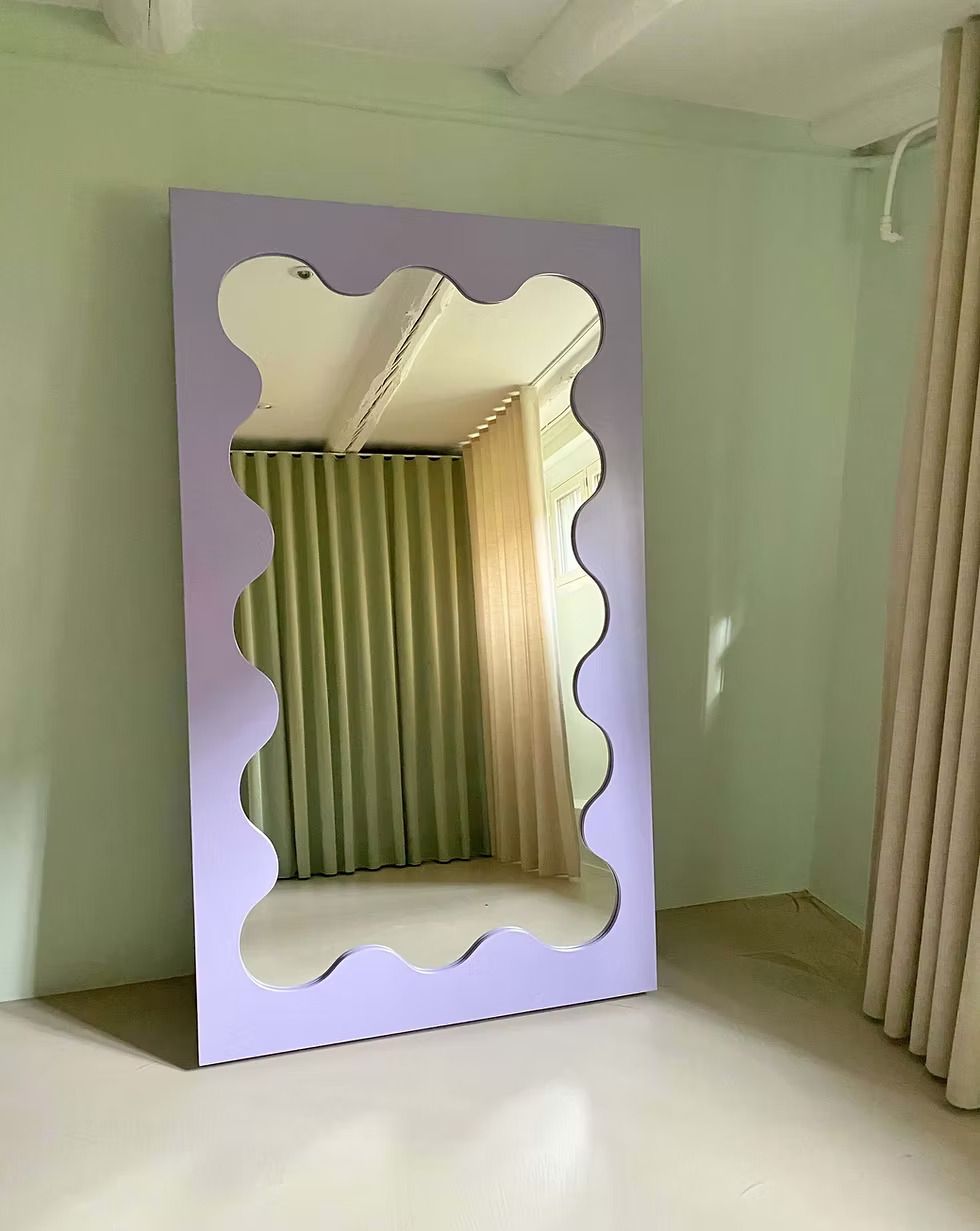
In the world of contemporary design, where neutrality and minimalism are often the reflection of a collective anxiety for order and efficiency, Gustaf Westman represents a gentle deviation. His furniture seems to come from a parallel universe where form is playful, color is therapeutic, and irony is a building material. Everything in his visual language speaks of empathy and lightness, from round chairs to tables reminiscent of melted candies, to mirrors that reflect reality through a filter of serenity.
Gustaf Westman is influencer central but i must admit his baguette carrier has a hold on my mind space….. pic.twitter.com/Avctnr83jd
— Grace (@gracecamille_) July 12, 2025
Swedish, born in 1993, Westman has quickly become one of the most recognizable names in new Scandinavian design. His success is not an algorithmic accident, but the perfect synthesis of a solid architectural education, an innate sense of humor, and a deep cultural awareness. His design, futuristic, soft, made of pastel curves and glossy surfaces, has become a viral aesthetic, shared by millions on social media, but also a generational manifesto. While the world races toward digitalization and abstraction, Westman creates objects that explicitly invite physical contact and affection.
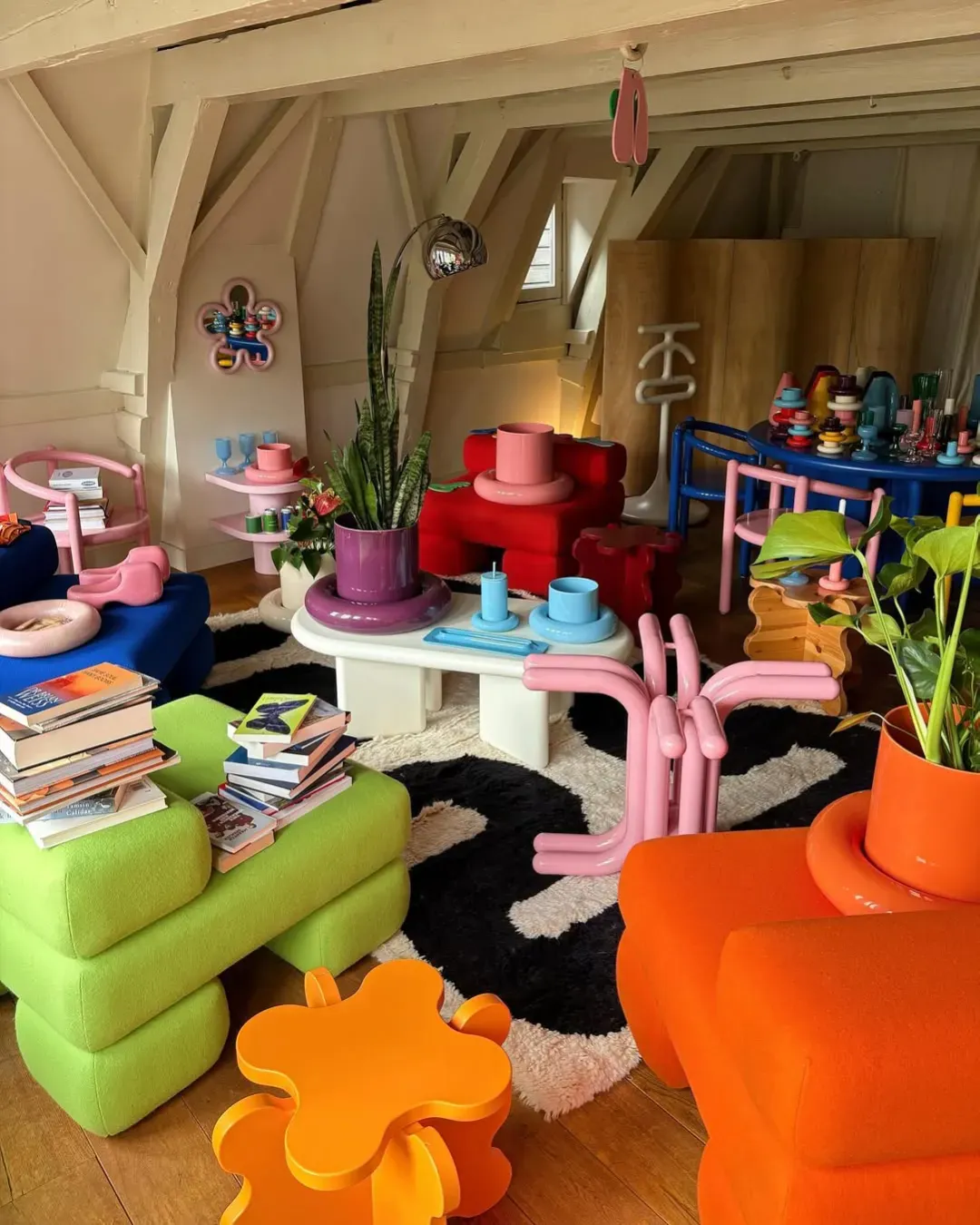
His home-studio in Stockholm, a labyrinth of rounded shapes and cream, lilac, and aqua tones, is the perfect synthesis of this vision: an interior that welcomes rather than imposes. Westman has revived the material empathy of Nordic masters like Alvar Aalto and Verner Panton, but reinterpreted it with an ironic, pop attitude, described by many as a kind of «Dopamine Dressing» applied to interiors: no perfect lines or cold surfaces, only objects that evoke an immediate emotional reaction.
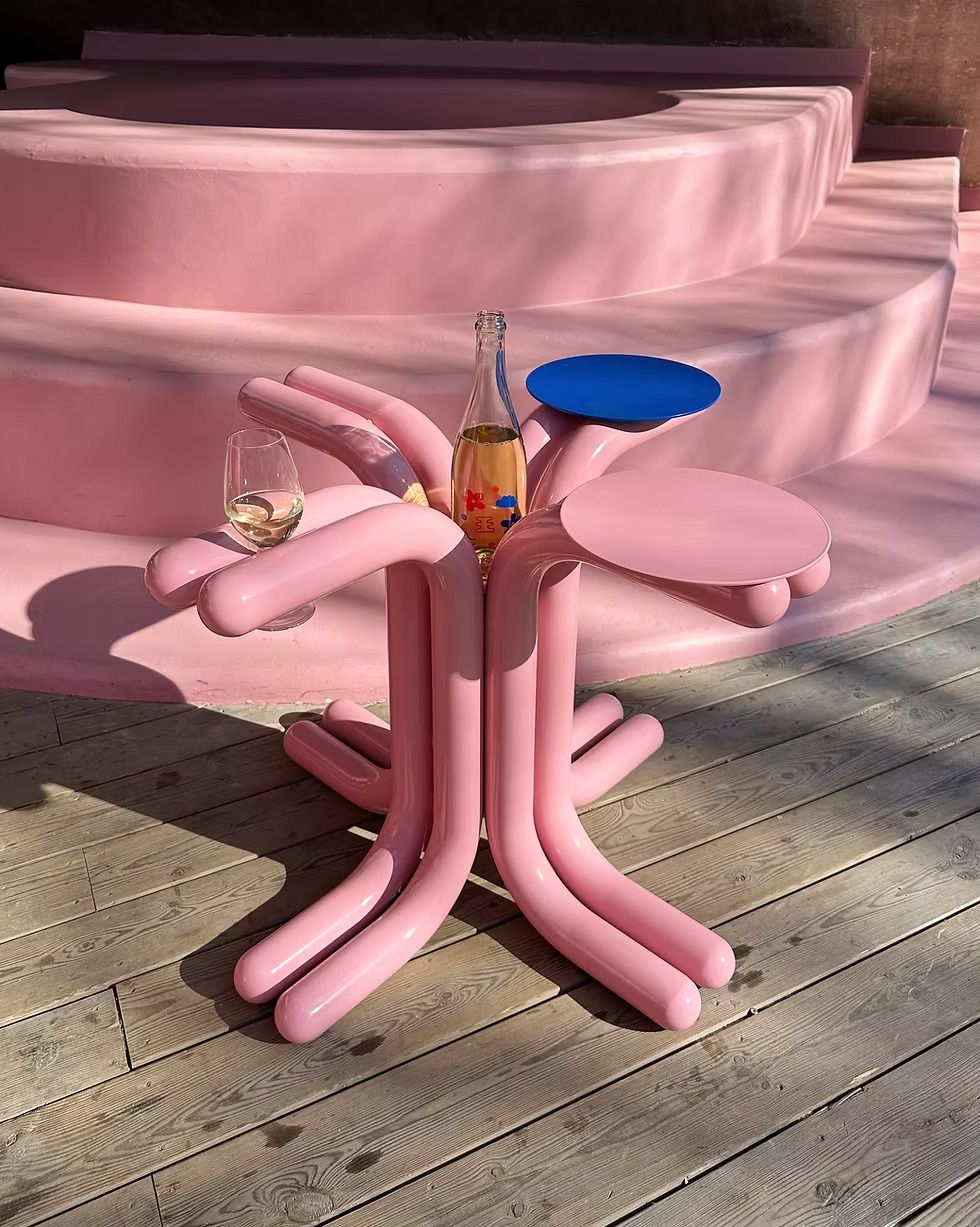
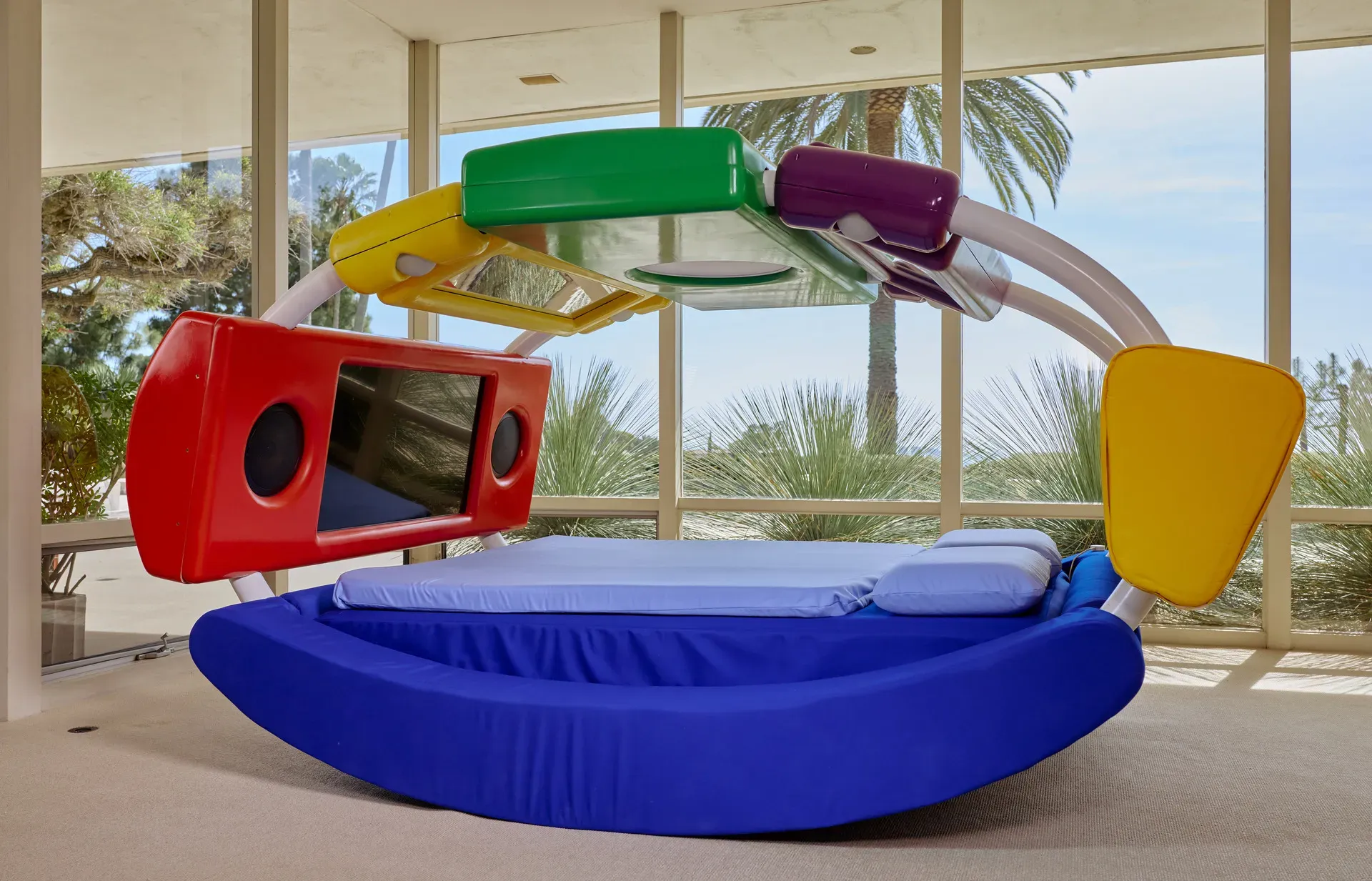
His most iconic pieces, from the Curvy Mirror (which has become a cult object on platforms like Instagram and TikTok) to the Wine Table, the lacquered wooden chairs, and the Bed for Feeld, all share one quality: they seem designed to be loved. The latter, created for the dating app Feeld, is a colorful, sensual, and deliberately unconventional bed, symbolizing Westman’s way of conceiving design as a space of emotional and bodily freedom. Far from any functionalist rigidity, Westman builds tactile and affective experiences.
The year 2025 marked the moment when his aesthetic became a mass phenomenon thanks to his collaboration with IKEA. The collection, known as VINTERFINT x Gustaf Westman, or simply a seasonal collection that incorporated his style, brought his accessible softness into millions of homes. Pastel vases, decorations full of irony, and small objects seemingly designed for those seeking a moment of visual relief.
@gustafwestman Personally I think this is how IKEA always should serve their food :)
originalljud - Gustaf Westman
This democratization is central. Westman has never hidden his goal: to create environments that make people feel good, beyond distinctions of taste or status. Confirming this trend, data from Pinterest Predicts 2025 recorded a notable increase in global searches for terms such as «dopamine interiors» and «soft design», indicating that the desire for softer, more human spaces is a social macro-trend rather than a fleeting fashion.
Behind his apparent lightness lies a deeper tension: the pursuit of a design that can be inclusive, emotional, and, in a broader sense, healing. In an era marked by climate anxiety, economic precarity, and digital isolation, Westman offers an aesthetic that does not judge. His curves do not hide flaws, they embrace them. This is his form of rebellion: to oppose the harshness of the world by creating objects that invite us to breathe and relax.
@gustafwestman See the VIP guest in the end!!
A-Punk - Vampire Weekend
In our post-pandemic lives, the home has once again become an extension of the self, not a cold showcase for online display. And Westman’s design is a successful paradox: it looks forward with the same sweetness with which it remembers the past. There’s the nostalgia of ’90s toys (the so-called «Kidcore»), the organic shapes of modernist masters, but also the awareness that true modernity today means building relationships and well-being, not just objects. For this reason, his world is not merely a trend but a declaration of contemporary poetics in an age where everything is sharp and performative. Because choosing softness is a political act.
Takeaways
- Westman’s design is a form of visual empathy, transforming everyday objects into emotional experiences.
- Softness is the new luxury, symbolizing a collective need for well-being and lightness.
- Choosing sweetness is a political act, a creative response to the harshness of the contemporary world.