
























Why has casting for shows become so important? From creative quirk to marketing tool
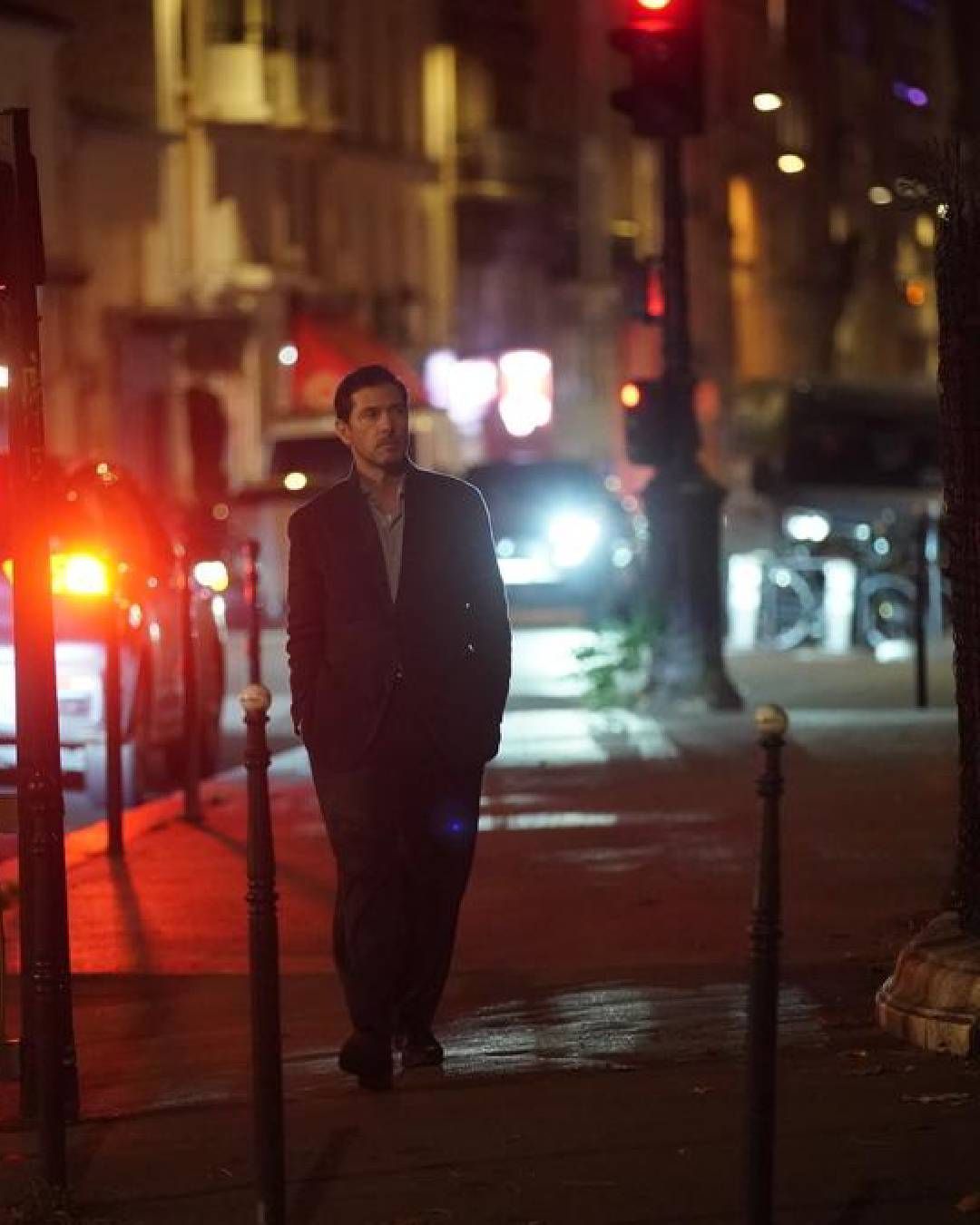
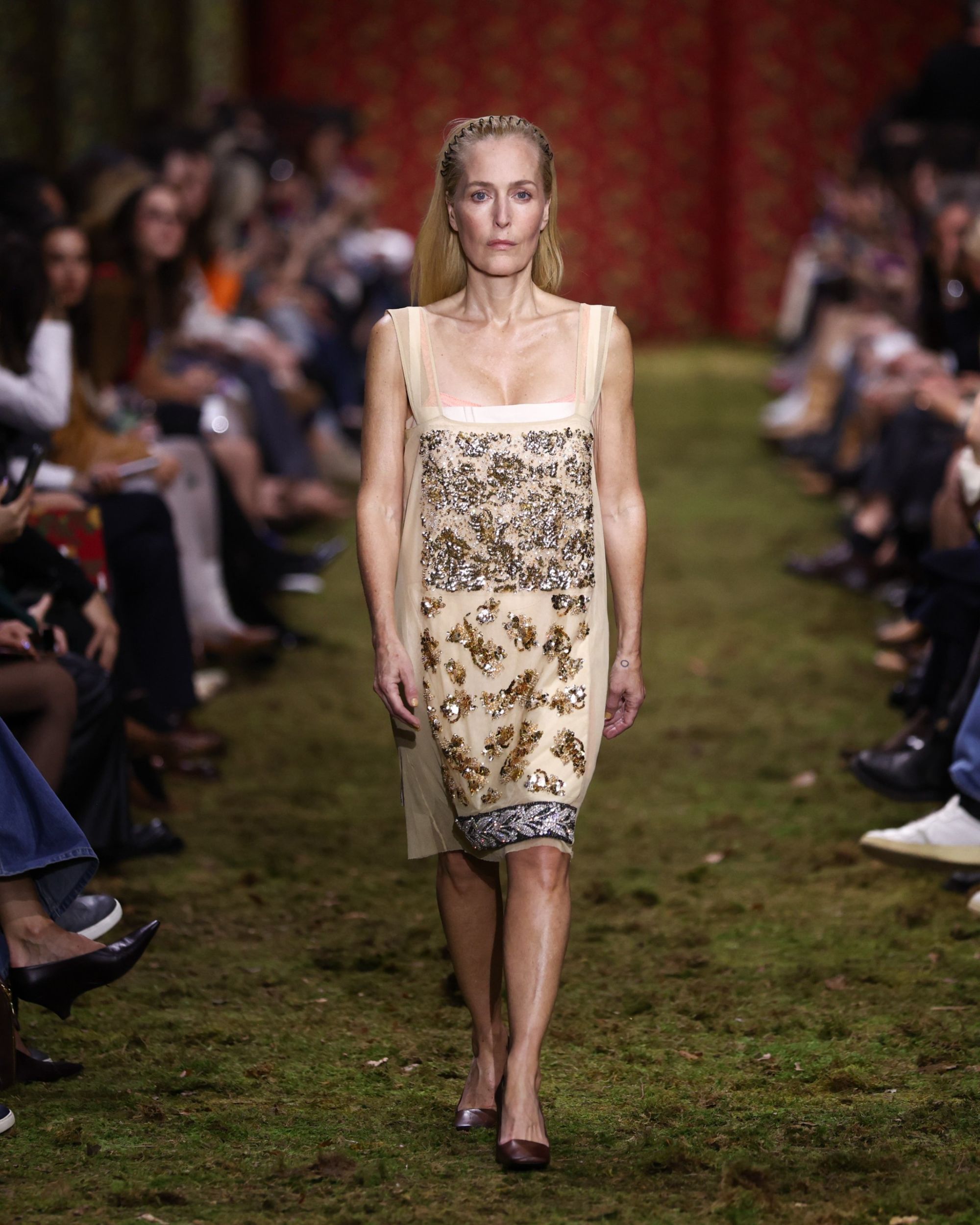
Gillian Anderson and Chloë Sevigny at the Miu Miu show. Fakemink and Nettspend at Gucci. Billy Idol and Rhian Teasdale from Wet Leg at Ann Demuelemeester. Marilyn Manson at Enfants Riches Déprimès. Rema at Diesel. Daphne Guinness, Michele Lamy, and Brian Johnson at Matières Fécales. Mel B from the Spice Girls closing the Natasha Zinko show. These are just some of the stars from film, art, and music who, during this fashion month, were part of the casting for various runway shows between London, Rome, and Paris. But why, over the past few seasons, has the inclusion of guest stars in show castings—and more generally the castings themselves—become so important?
Casting as brand expression
@nssmagazine Come with us backstage at Matières Fécales FW26 in Paris #matieresfecales #pfw #tiktokfashion #pfw Century - EsDeeKid
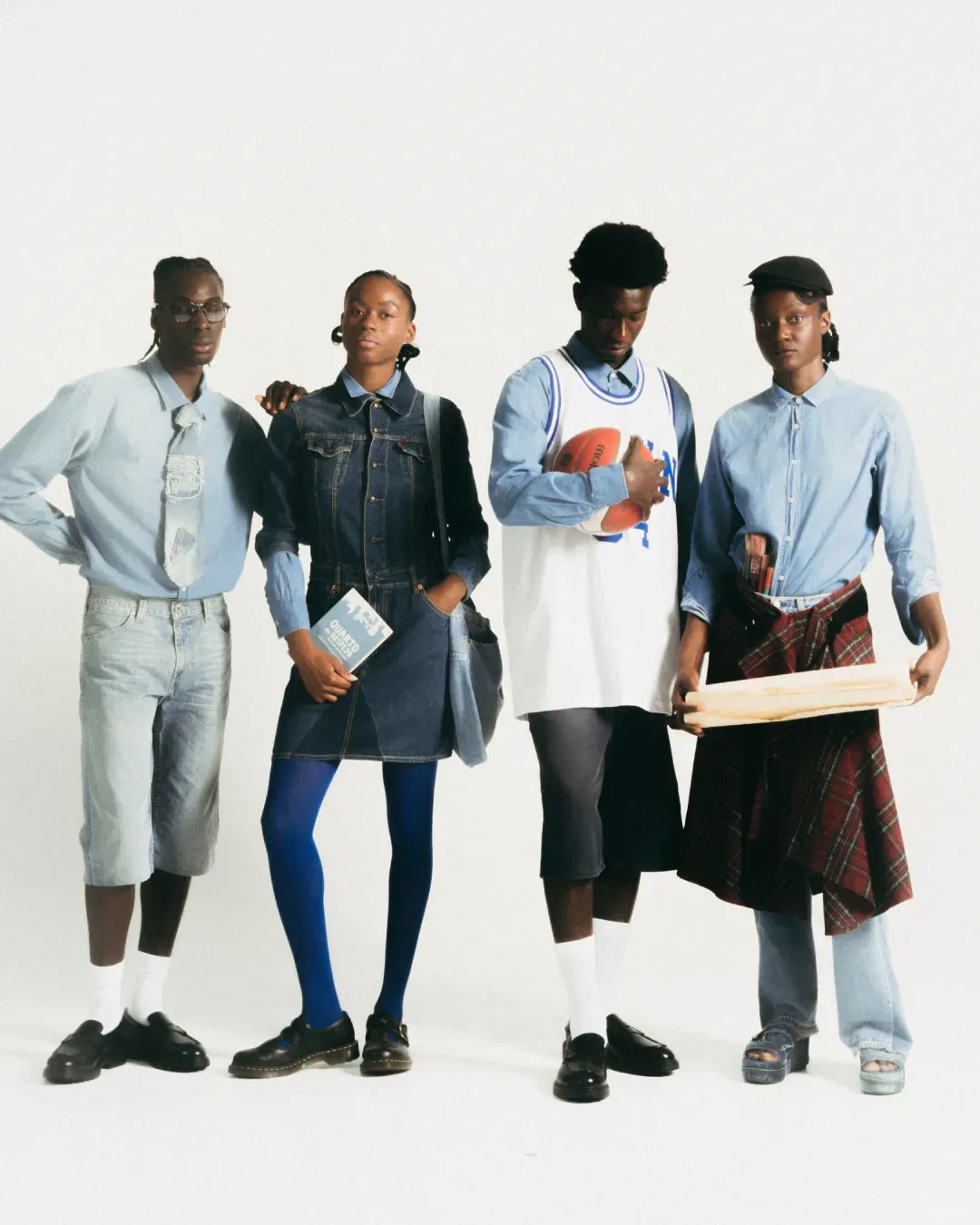
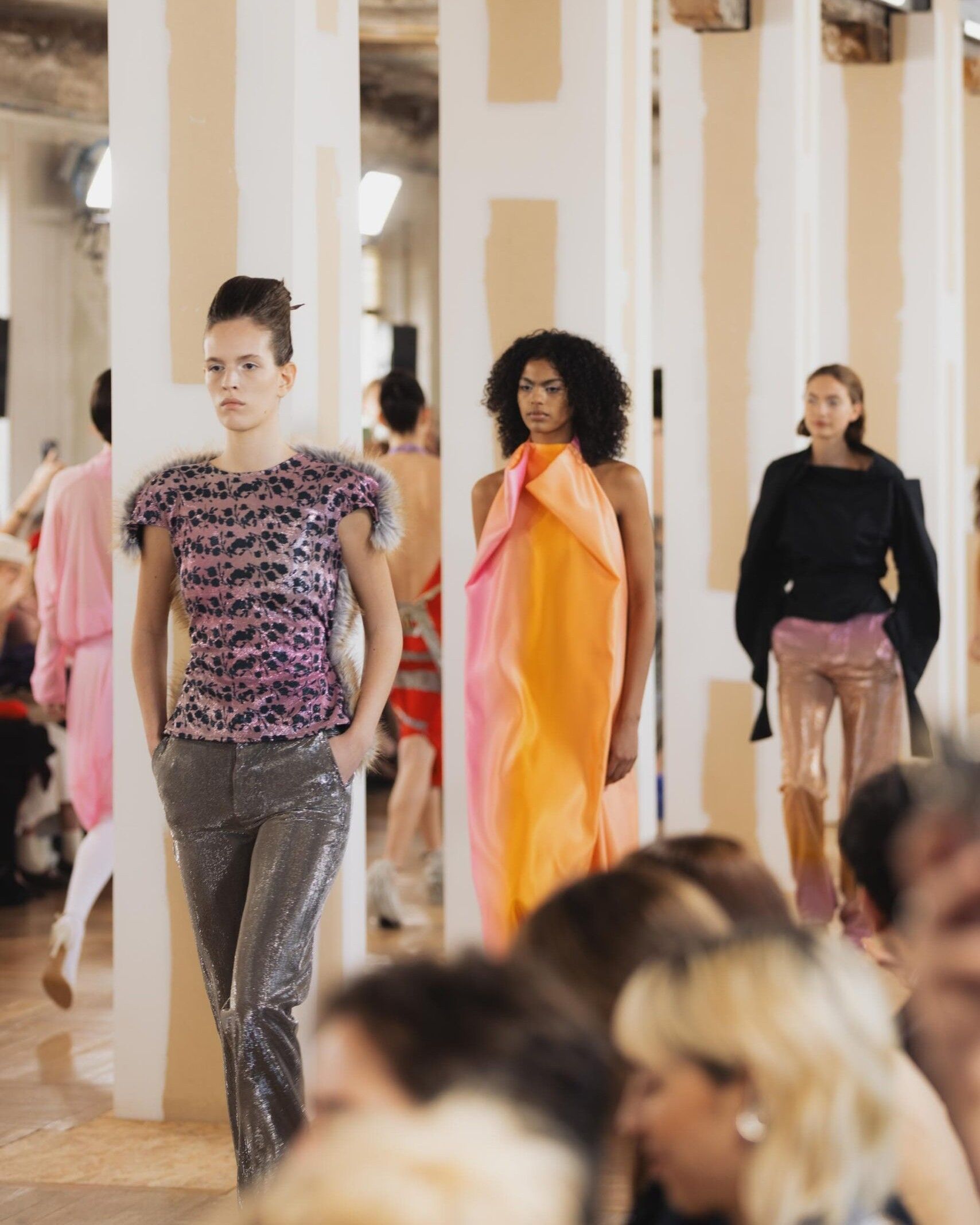
The faces a brand chooses represent its archetypes. An equation that may not have been obvious in the past, when the parameter for walking in a show was simply “being beautiful.” But a show’s casting is also a signal, and its expansion and diversification correspond to the signals the brand wants to send to its markets: fashion’s interest in Asian and Indian markets has brought Asian and Indian models to the runway, the attempt to seduce more mature audiences has led brands to select older models, perhaps even with white hair.
Faces and bodies symbolize traits and attitudes, and increasingly, the expressive casting of shows serves to indicate who a given brand is addressing. This function of representation and identification is so important that when Dolce&Gabbana presented an all-white male cast in their latest men’s collection—a choice tied to the show’s concept—the lack of inclusion of other minorities made several commentators from other countries and ethnicities feel “rejected.” The message here is that a show’s casting is no longer neutral: if models were once simple, negligible “supports” for the clothes, today they are also a mirror of an audience ready to protest if it doesn’t see itself reflected.
The casting for Gucci by Demna was part of the show’s narrative just as much as the clothes or the music; Conner Ives’ all-trans-women cast was a political gesture but also a philosophical statement. And these are just two examples. Often the signals are more immediately aimed at welcoming certain audience segments: Miu Miu and Zegna, by using co-ed casts for shows that are theoretically womenswear and menswear respectively, subtly signal that their creations are actually wearable by audience groups beyond the traditional target. Celebrities play a similar role.
Investing in a known face
@nssmagazine Gillian Anderson just walked Miu Miu
It’s been practically since the ’90s that show castings no longer include only models: think of the times Basquiat or Lee McQueen walked for Comme des Garçons, the indie rock singers Hedi Slimane recruited for Dior Homme and Saint Laurent shows, or the time Dolce&Gabbana filled the FW17 show cast with nobles and descendants of royal houses. But if these were isolated (though frequent) cases, today the presence of guest stars on the runway is not just a regular occurrence but one of the main ways to determine a show’s success, both in terms of visibility and branding.
A 2022 study, for example, spoke of the “Bella Effect” that occurred every time Bella Hadid was in a show’s cast: her mere presence created an average 29% increase in a brand’s Earned Media Value. But a similar effect is produced by the presence of any star capable of capturing social media attention: seeing an actor or singer at a show always creates a “moment” that often lives on for a very long time on social platforms. The few minutes Gillian Anderson and Chloë Sevigny spent walking for Miu Miu yesterday, for example, will be reshared for months to come, and in some ways their presence was an excellent investment in visibility and EMV compared to anonymous models.
On the branding level, finally, certain celebrities bring a specific characterization to the brand they walk for. In many ways, they are brands in themselves, and their presence suggests correlations whose logic is the same as that guiding the choice of ambassadors. Their presence (it would be long to list all cases) simply answers the question “Who is the brand for?” by using very well-known faces to place a certain designer within a macro-area of pop culture and establish a sense of belonging. An effect that lately is also replicated by including niche figures but unknown to most, which we could divide between specialists and unknowns.
Specialists and unknowns
There are many ways a show can achieve virality, which is today’s marketing directors’ Holy Grail. As mentioned, celebrities are the most obvious and, in some ways, blatant method. But in this fashion month there were cases like the novelist Constance Debré walking for Givenchy; Carolina Herrera’s last show whose cast consisted of New York gallerists and artists; at Eckhaus Latta there was a GQ editor, Samuel Hine; at Lueder the English DJ Princess Julia. Even the looksmaxxer Clavicular made an appearance at New York Fashion Week. They are all “specialists,” representatives of a cultural environment perhaps unknown, but who position a brand within a certain intellectual milieu.
Another key point in casting is the “character actors”—unknown faces that capture online attention and curiosity, dragging along a cross-sectional audience of the curious. The best example seen this season is in Gucci’s casting, which included football player Gavin Weiss, who quickly became the protagonist of videos describing his workouts and interviews in Vogue. The same applies to models like Bhavitha Mandava and Awar Odhiang in the early shows of Chanel’s Blazy era, both of whom quickly went viral.
@ideservecouture Awar Odhiang closed the Chanel show in the coolest way ever #chanel #fashion #pfw the fairy - Ophelia Wilde
In all these cases, the models—who in some instances have become celebrities in their own right on social media—have collectively proven to be much more than “absurdly beautiful,” to quote Zoolander. Today their role, especially at the editorial and runway level, is to act as interpreters and embodiments of each brand, and it is therefore much more expanded compared to the times when John Galliano or McQueen had to give specific instructions to models on how to walk and what “characters” to embody.
The fact is that often the attention to casting and the set surpasses, in reviews, that given to the clothes. We could read this on one hand as a more holistic aesthetic approach to reading a show, and on the other as yet another case of fashion where banal products take a backseat to the surrounding elements of guests, extravagant shows, and casts. Could this trend be a way for brands to differentiate themselves and assert their prestige in an era of overly similar collections?