
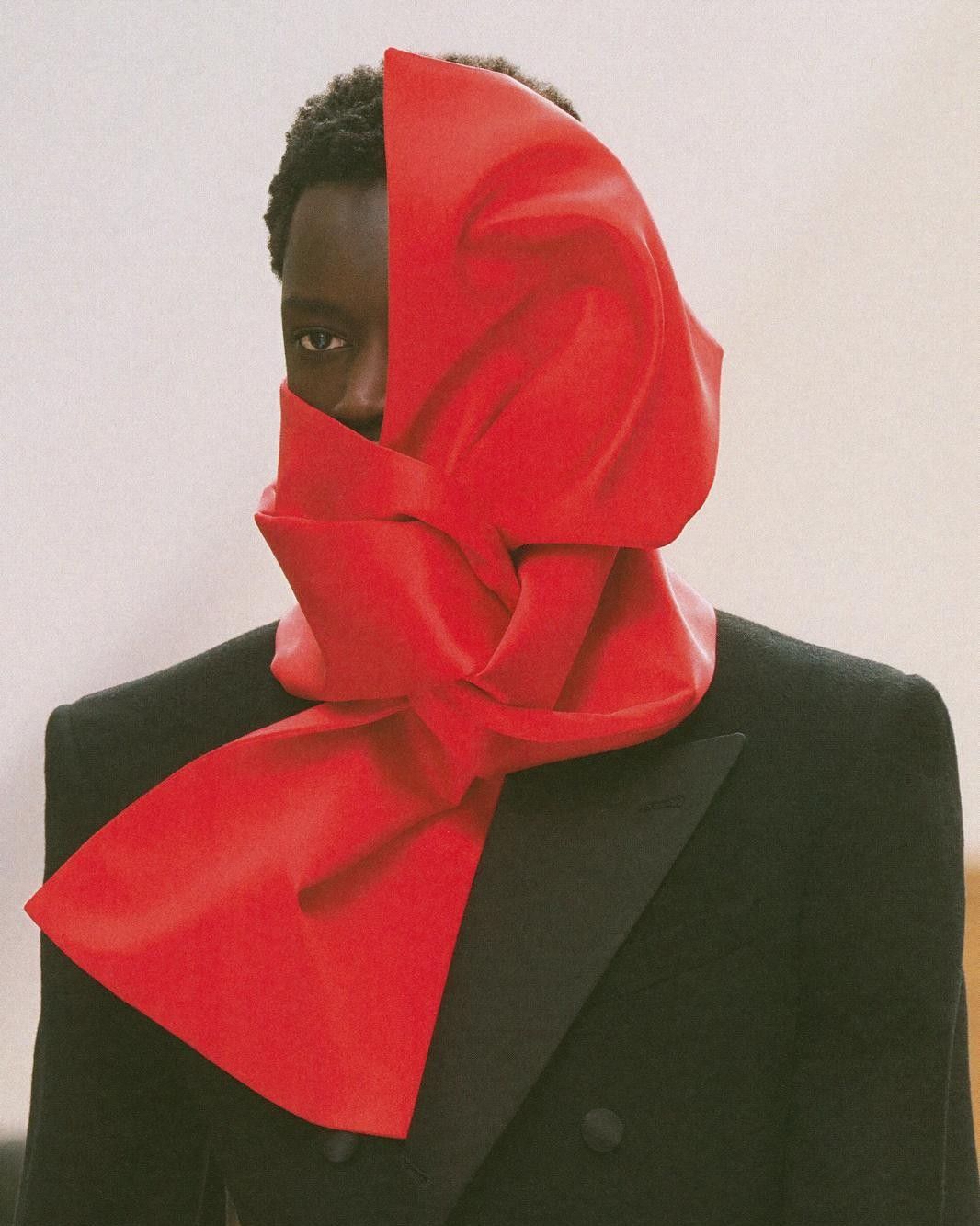
How are scarves evolving on the runway? The new scarves have an architectural design
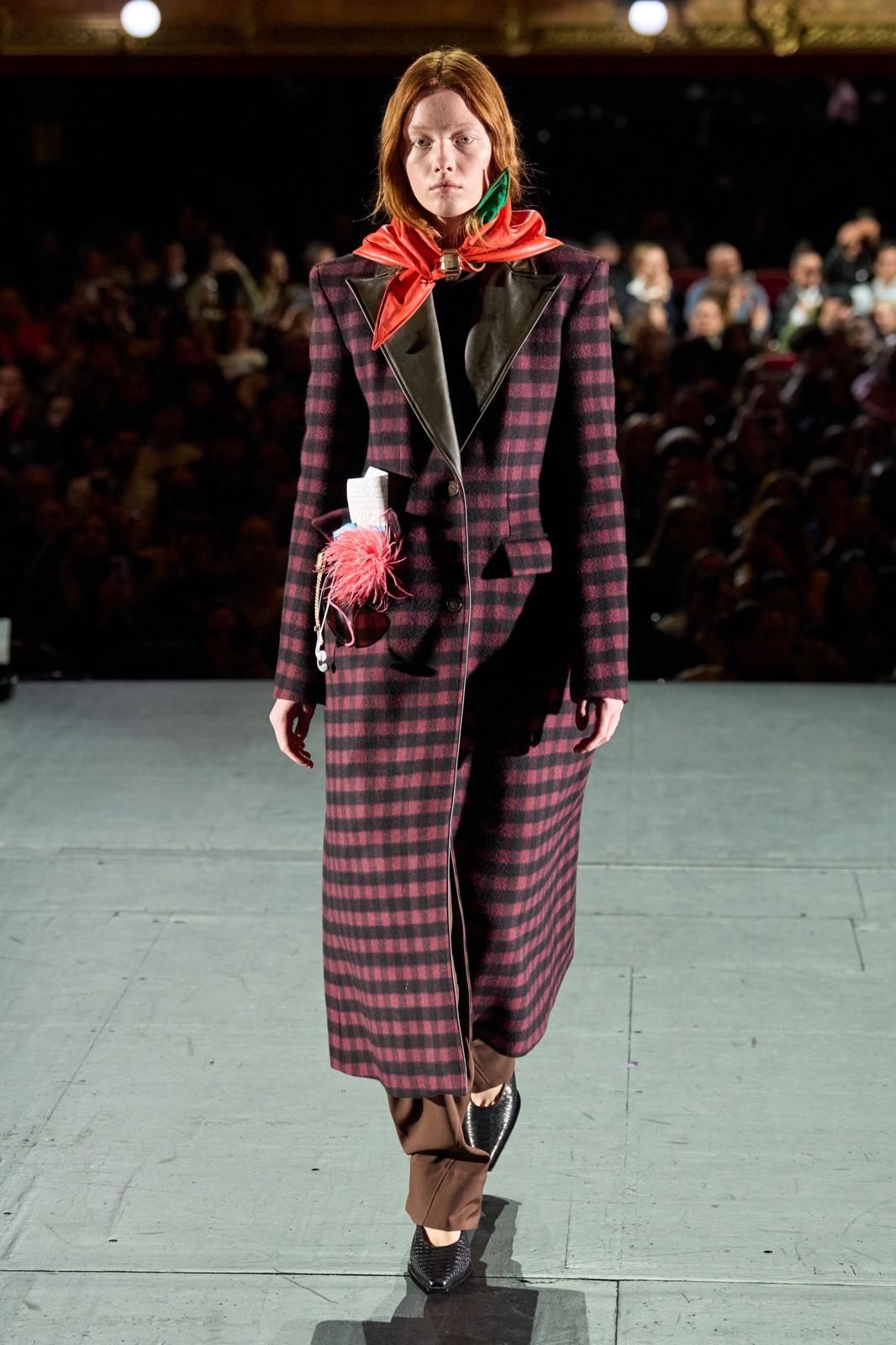
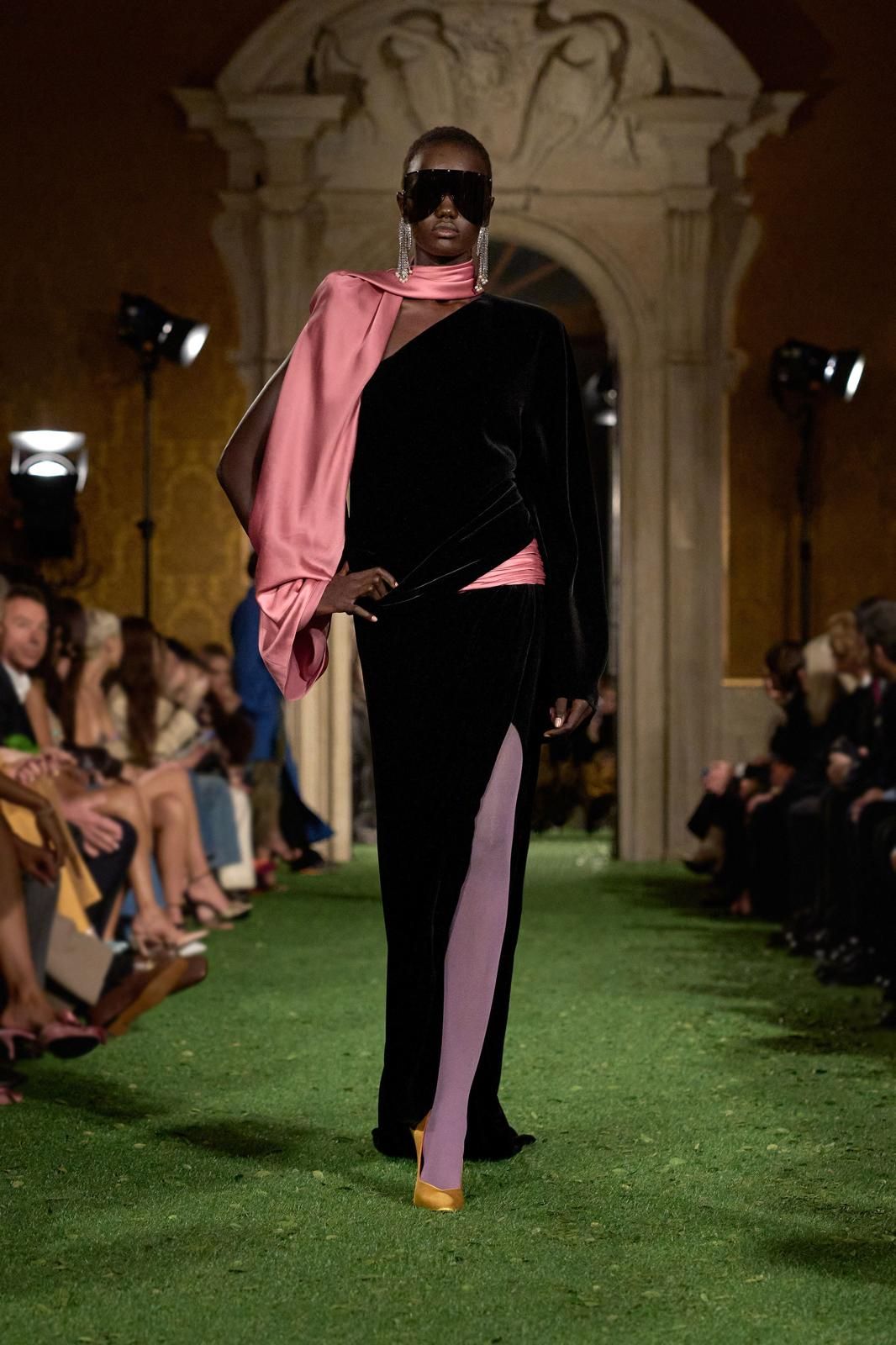
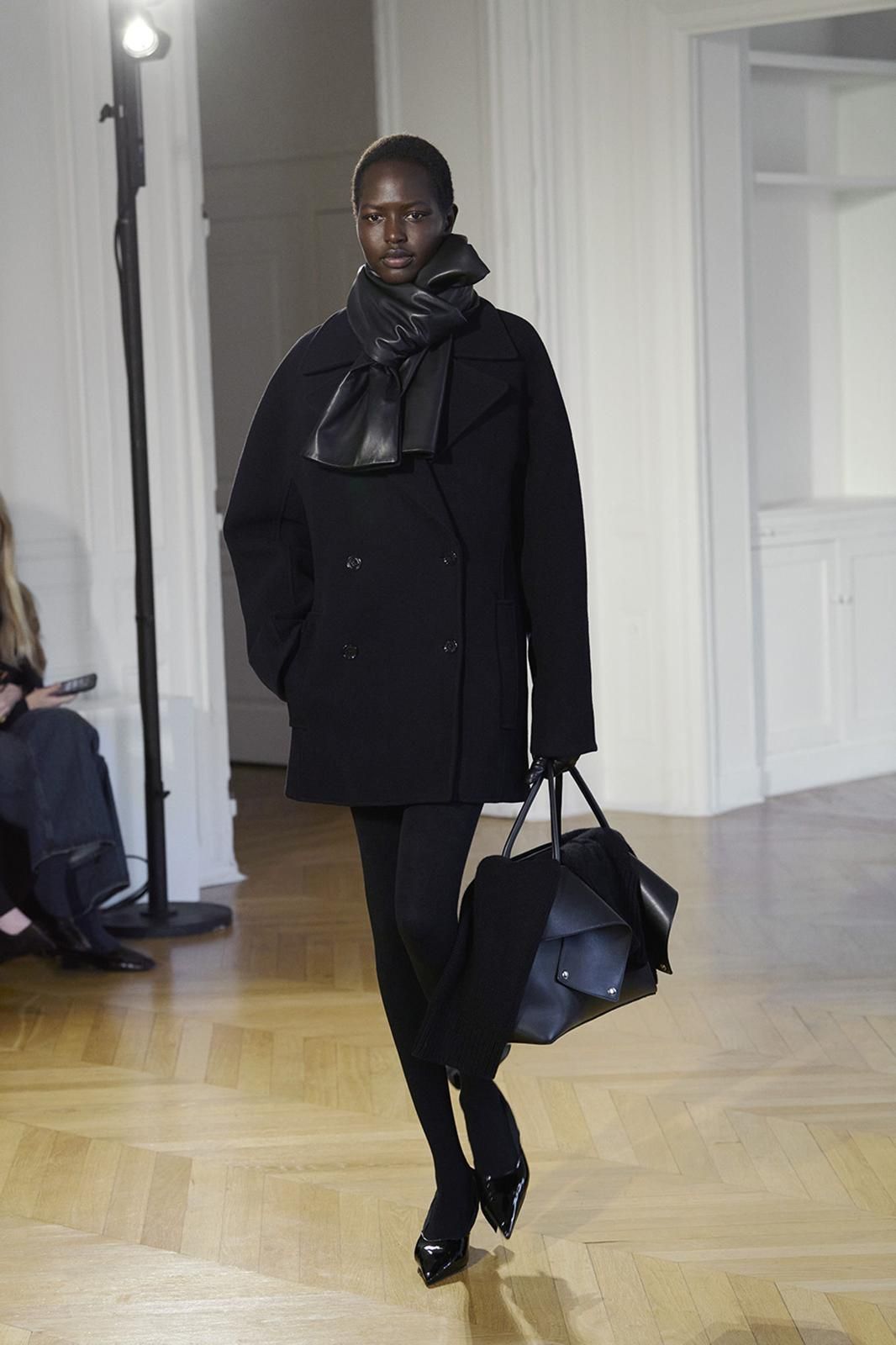
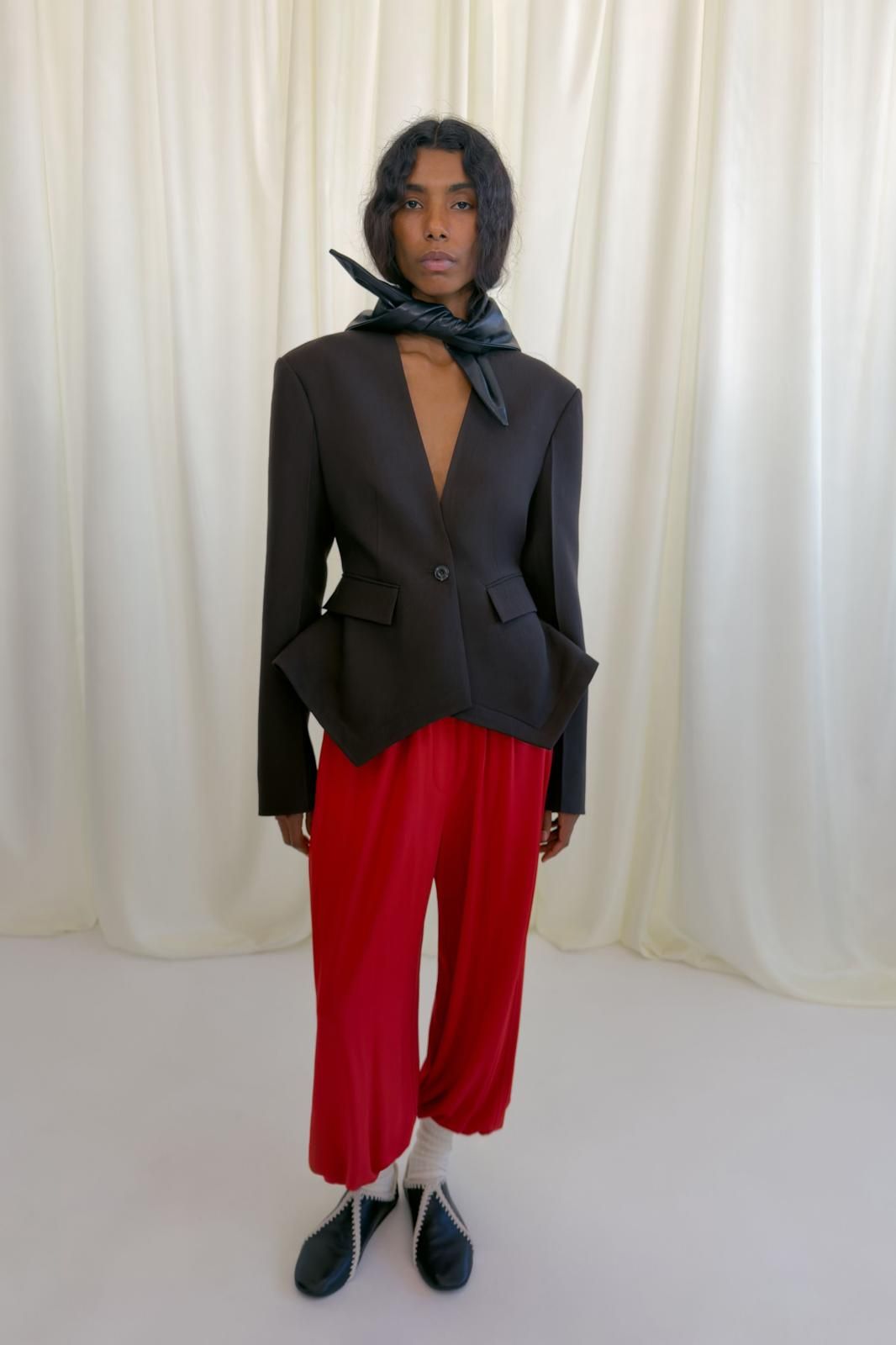
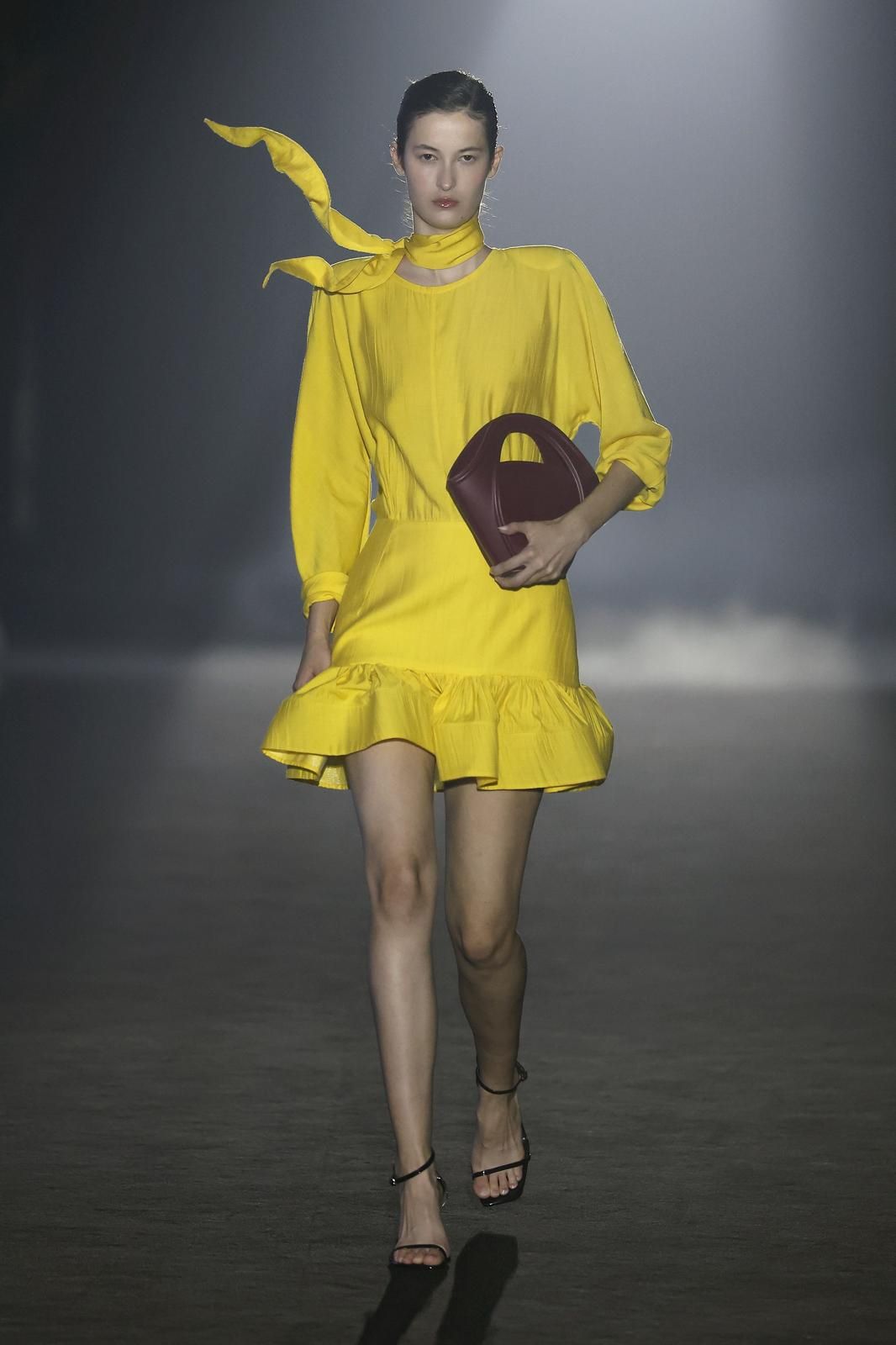
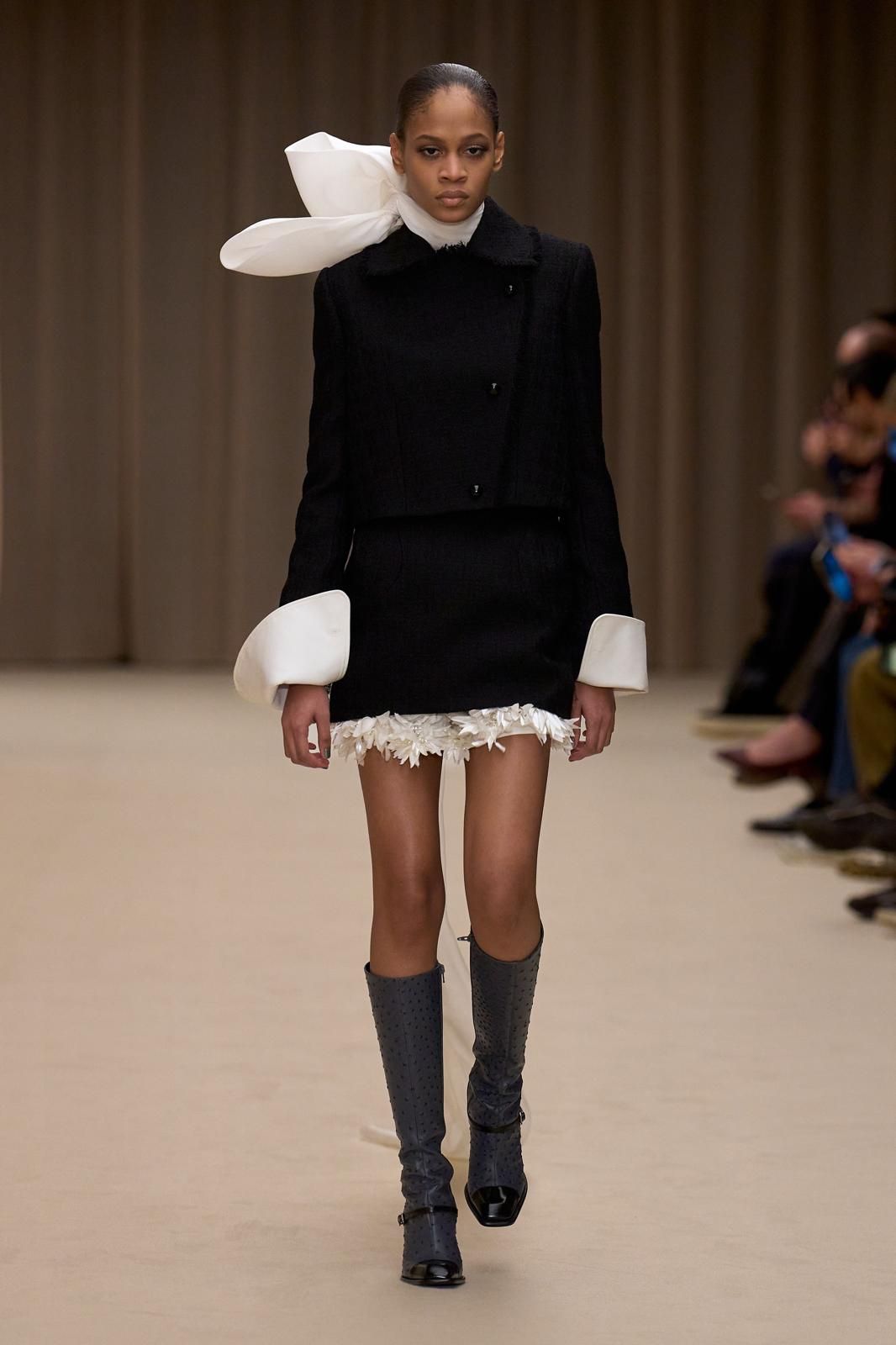
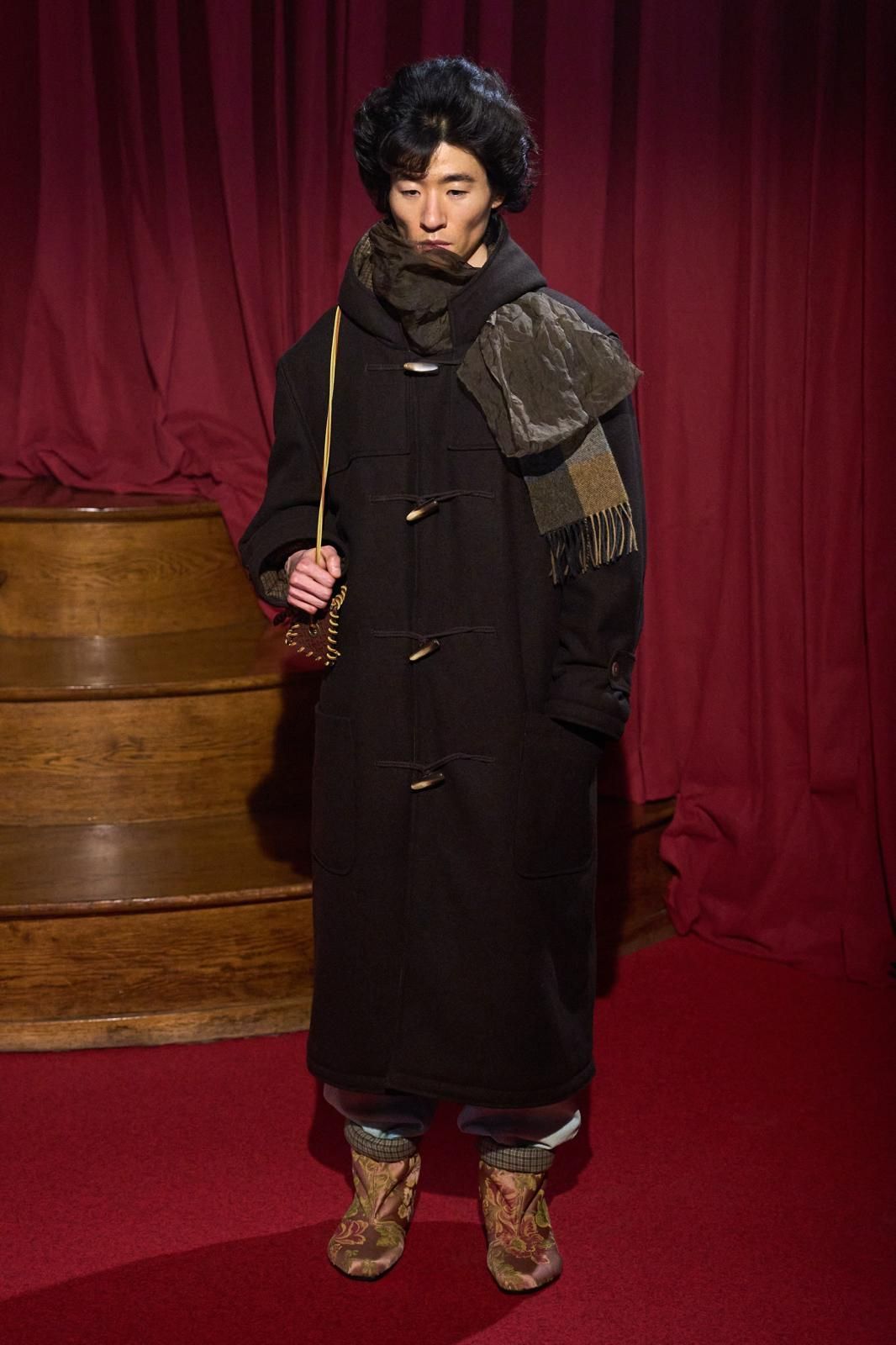
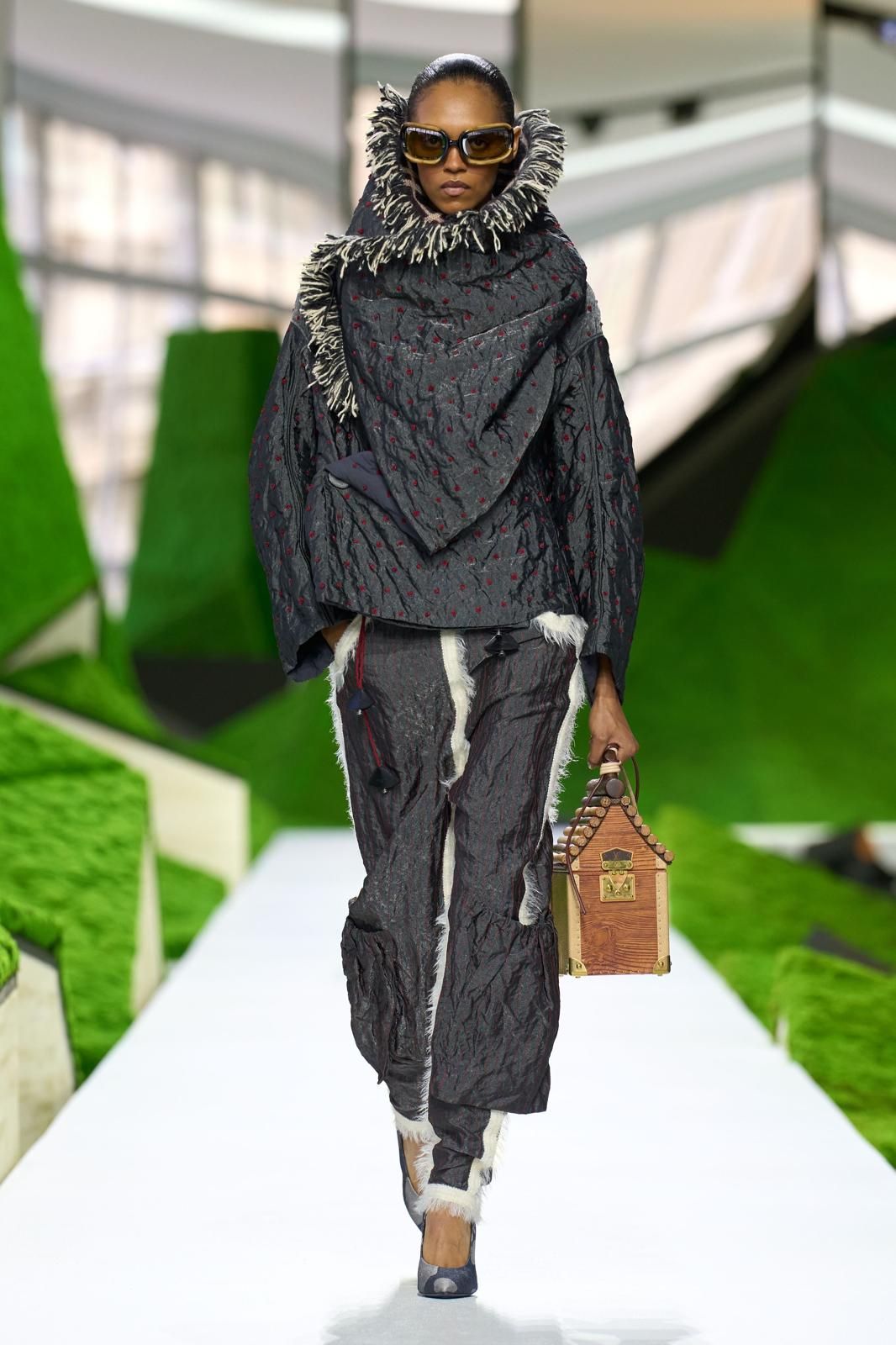
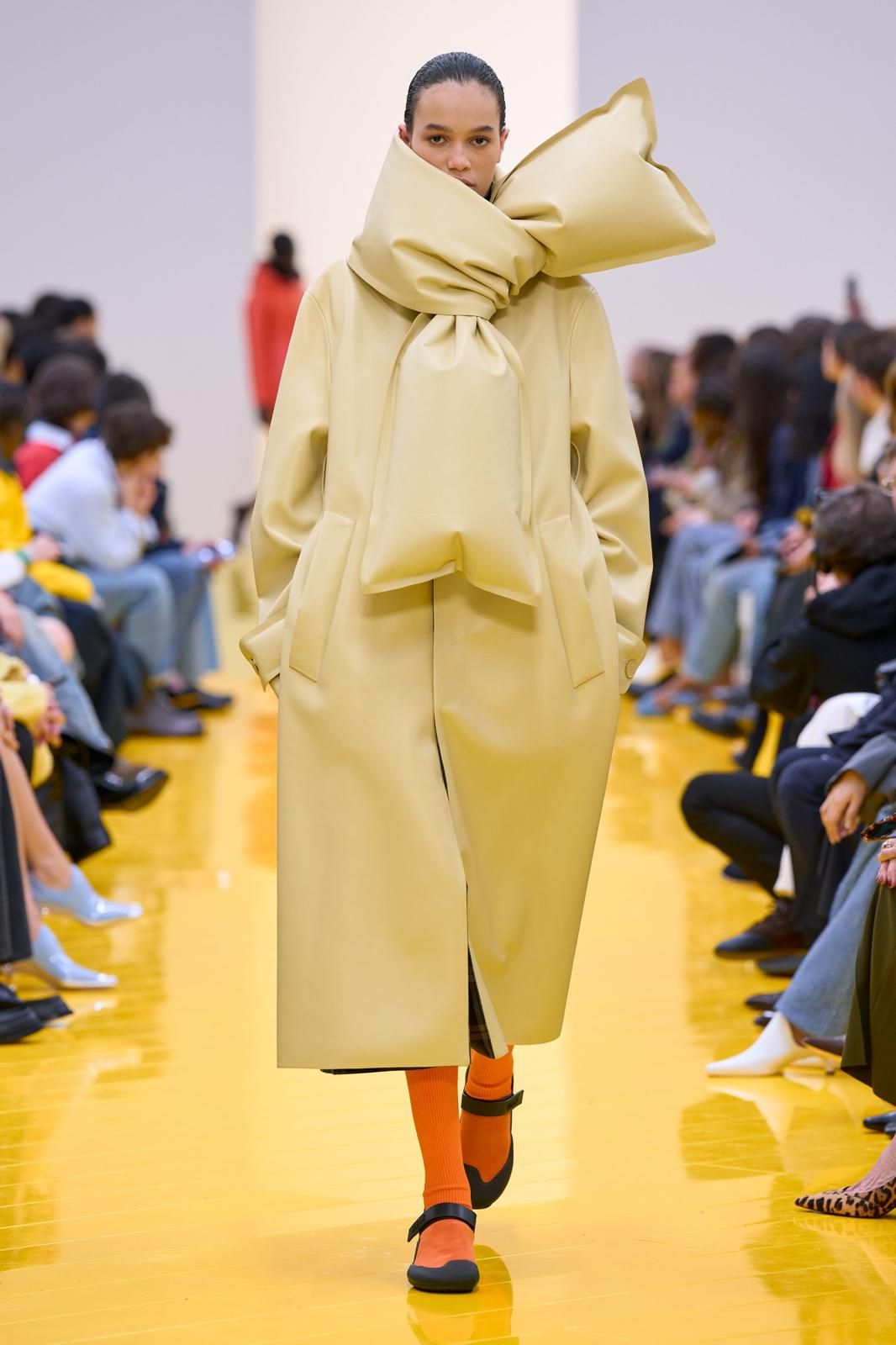
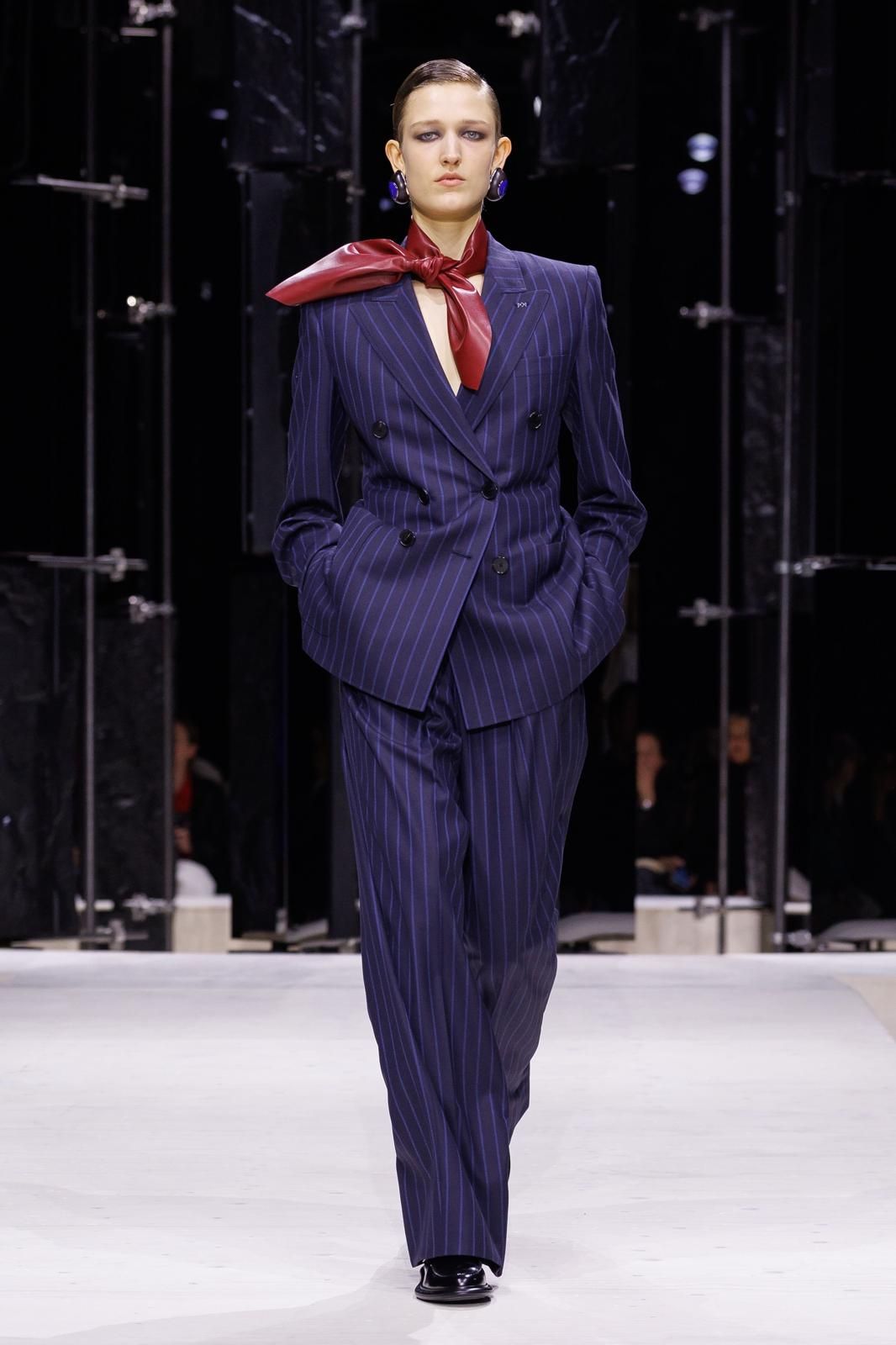
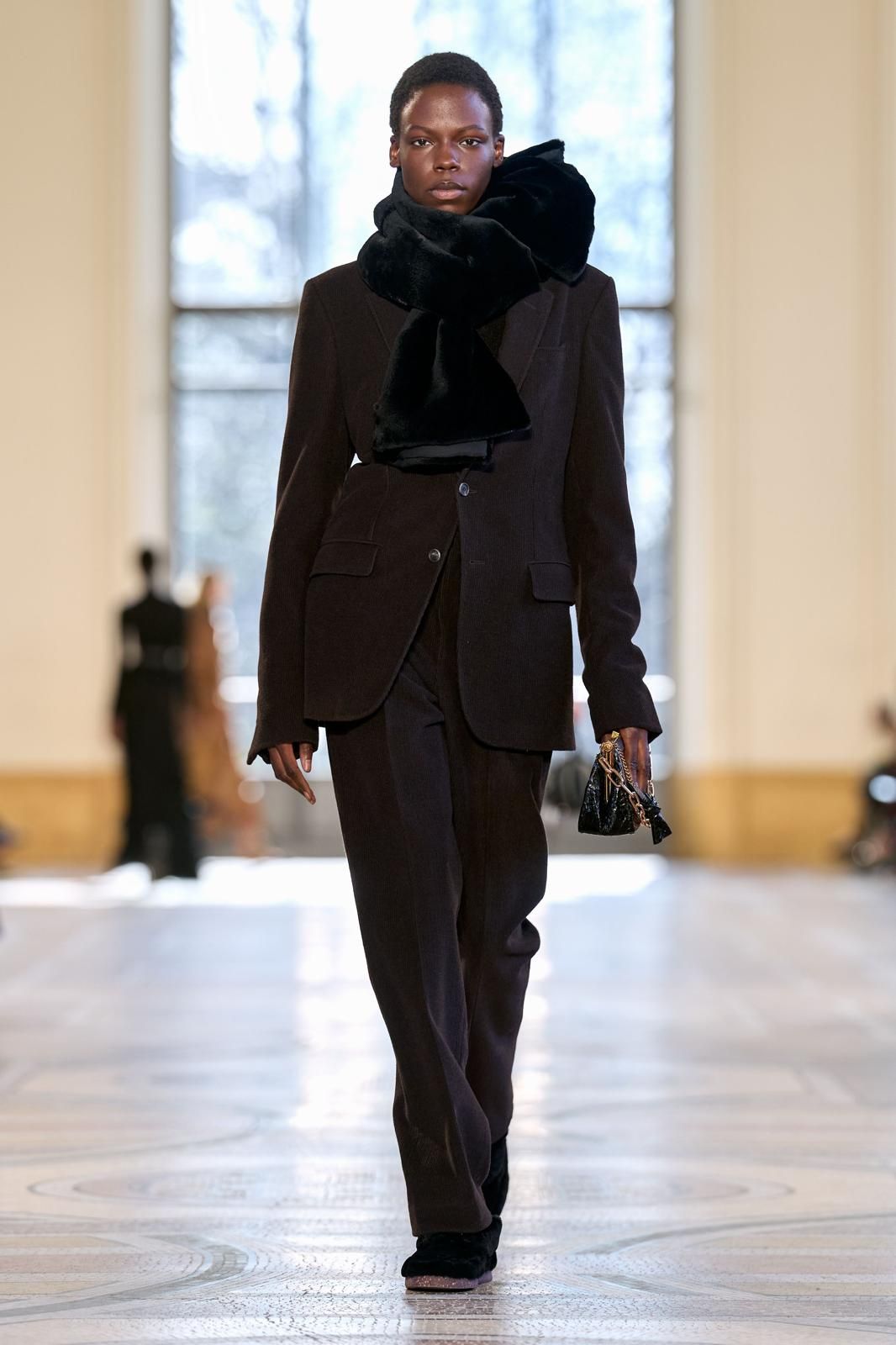
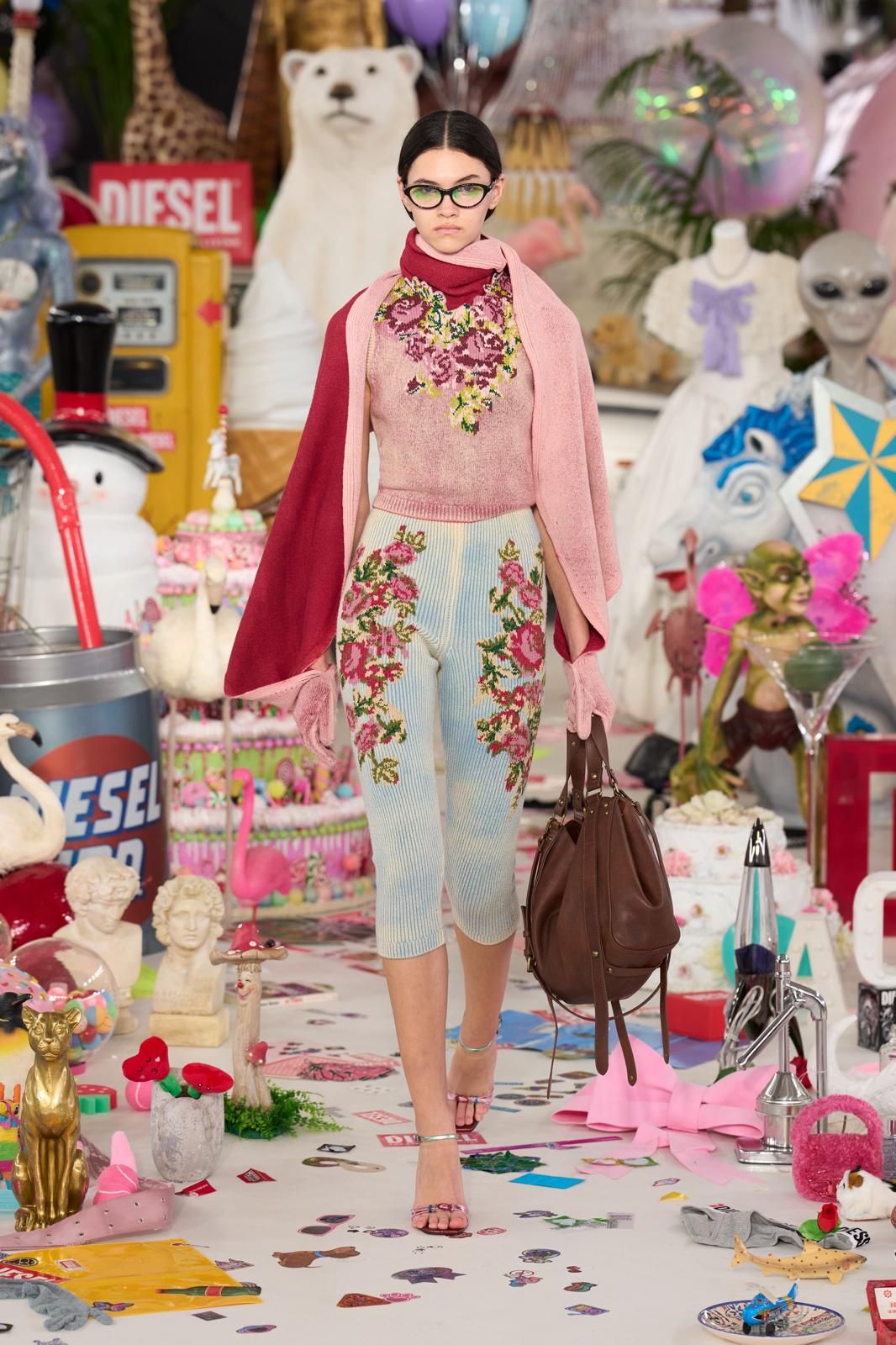
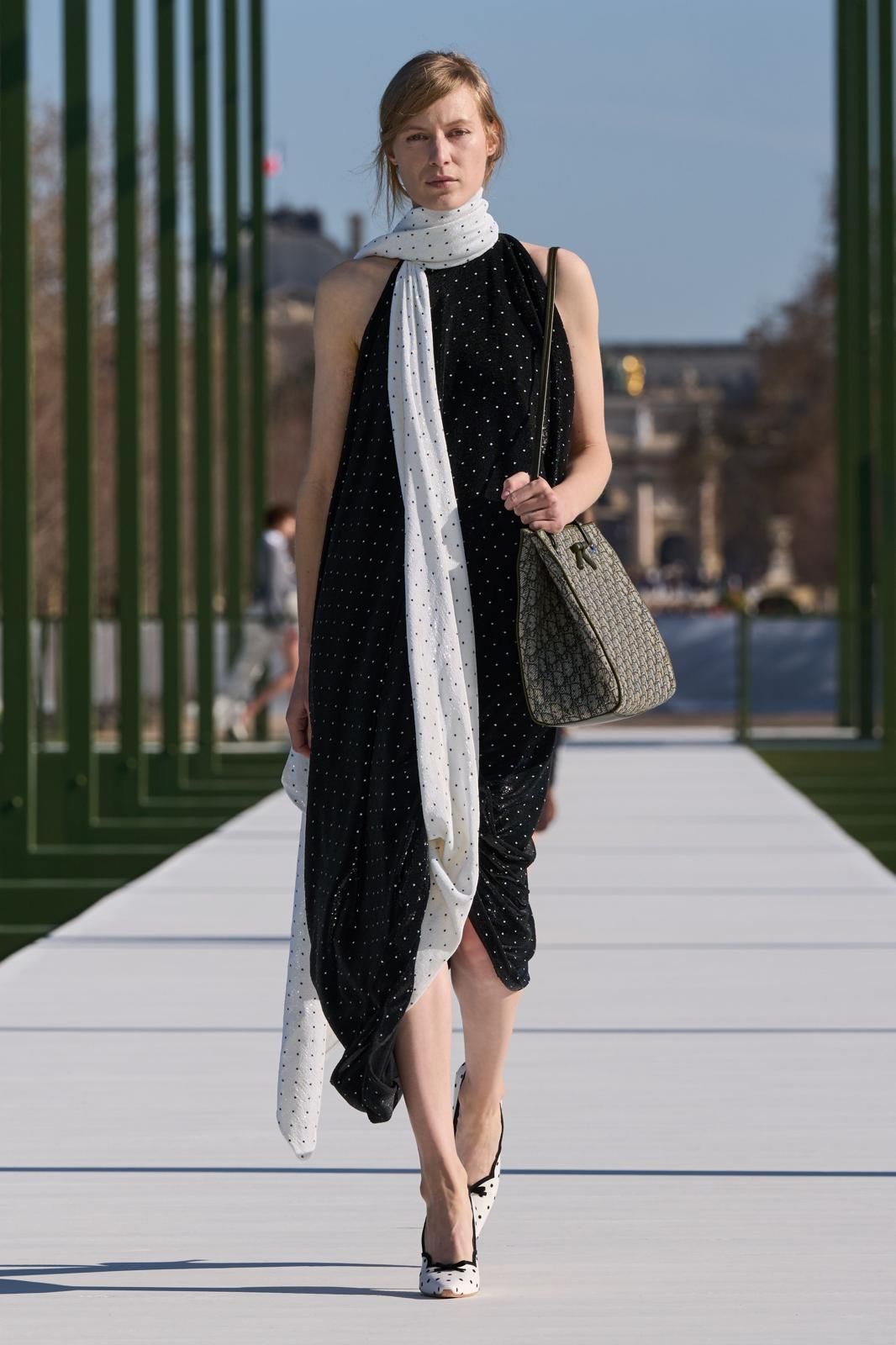
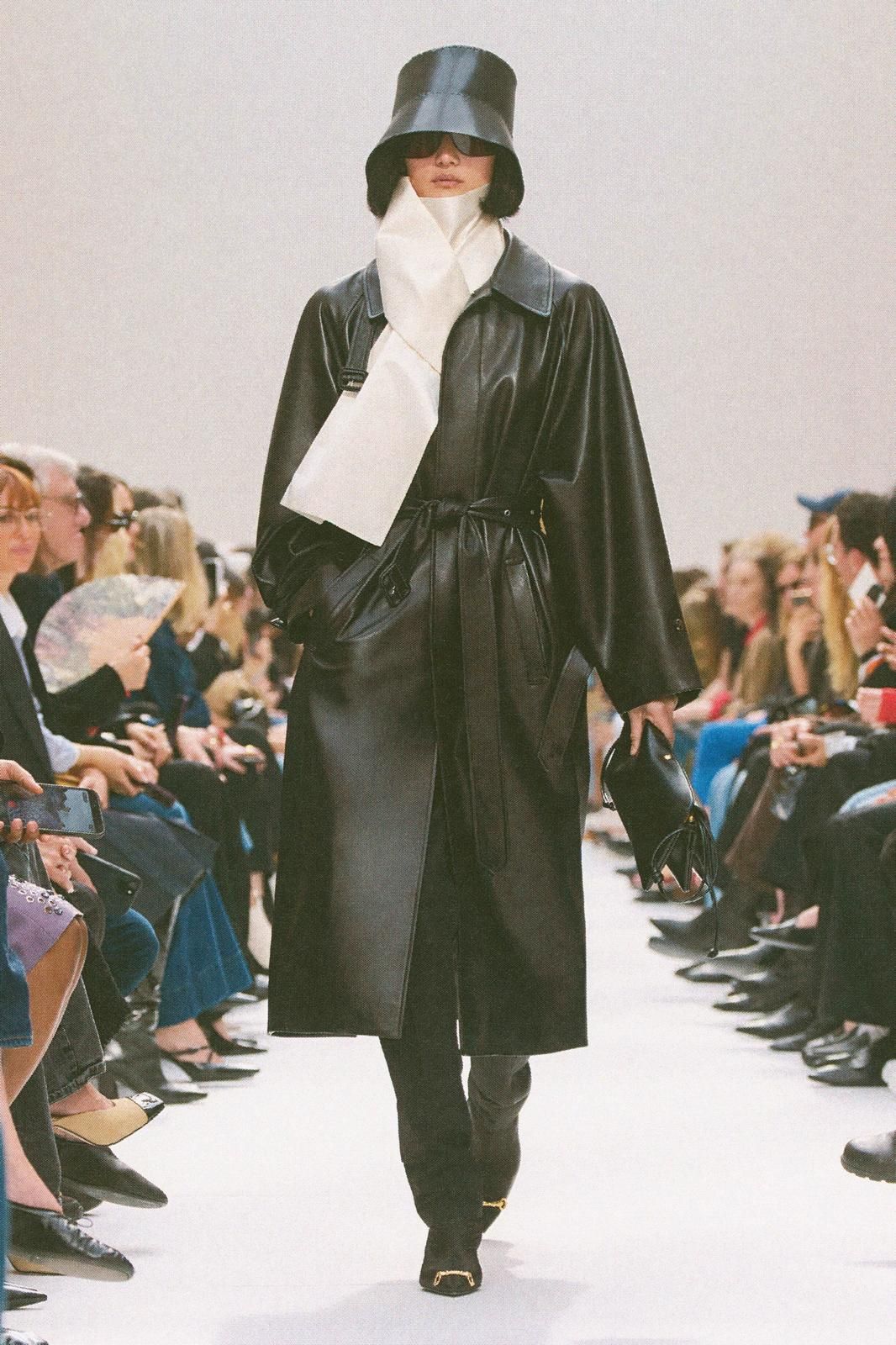
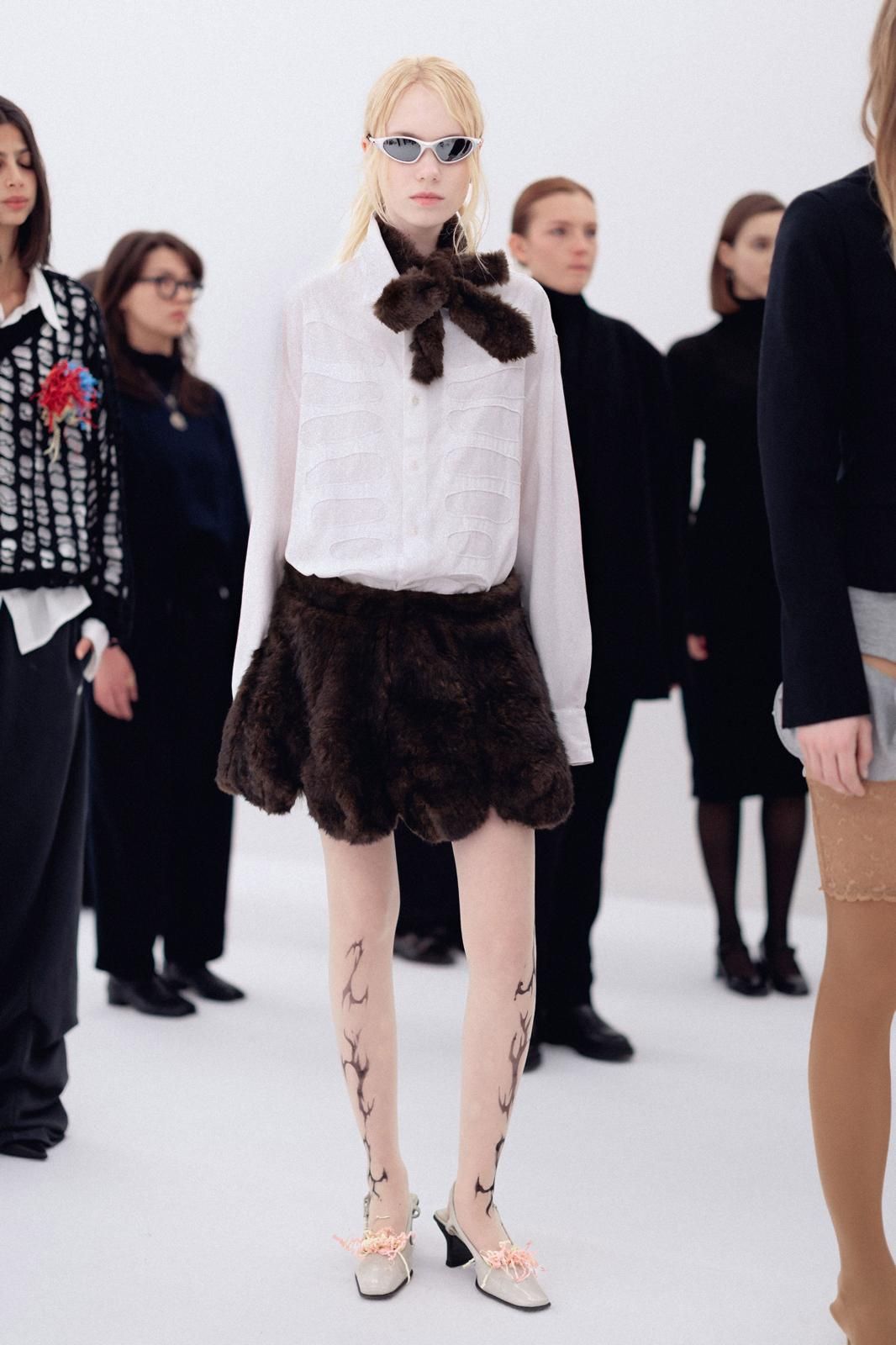
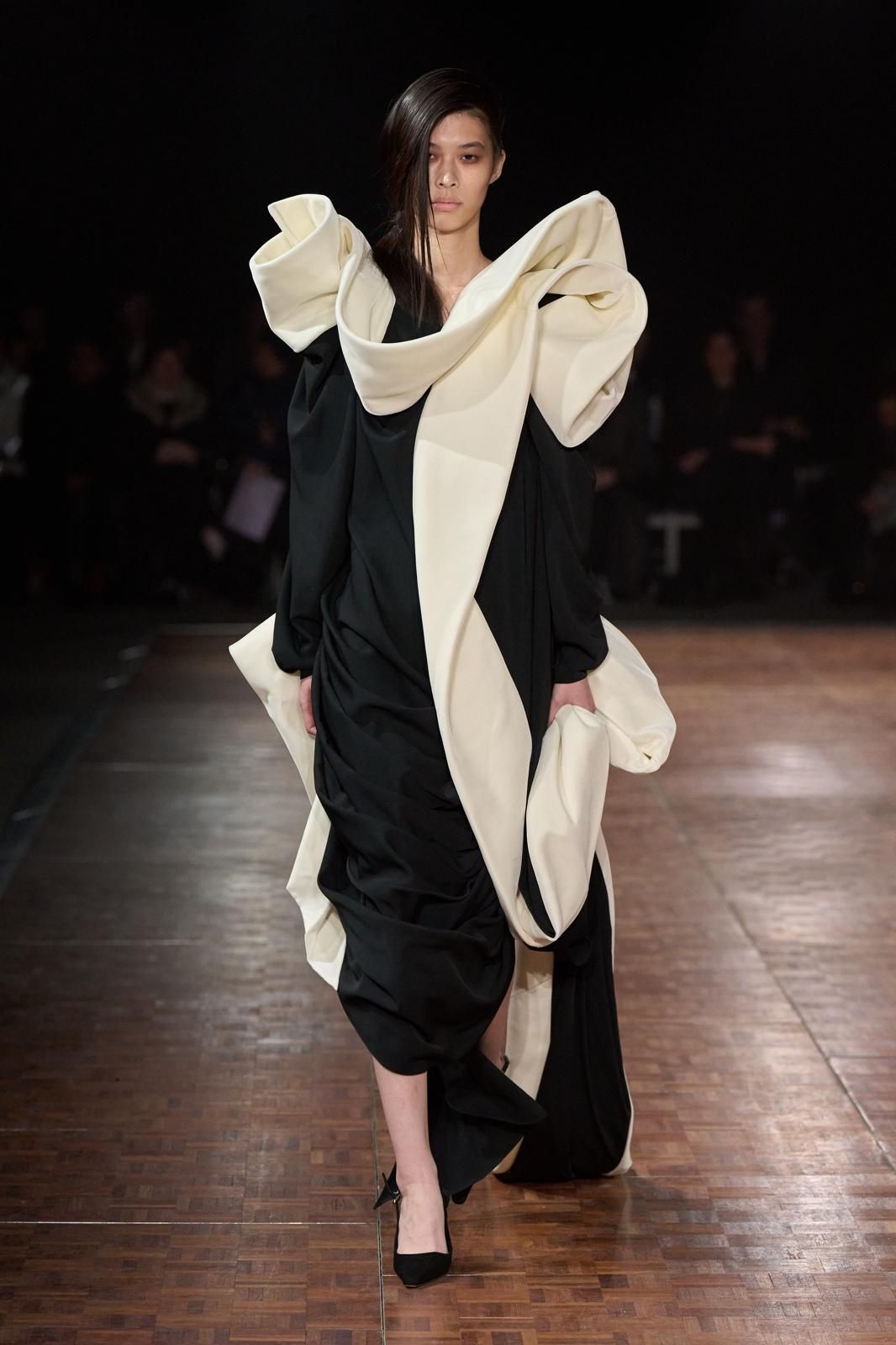
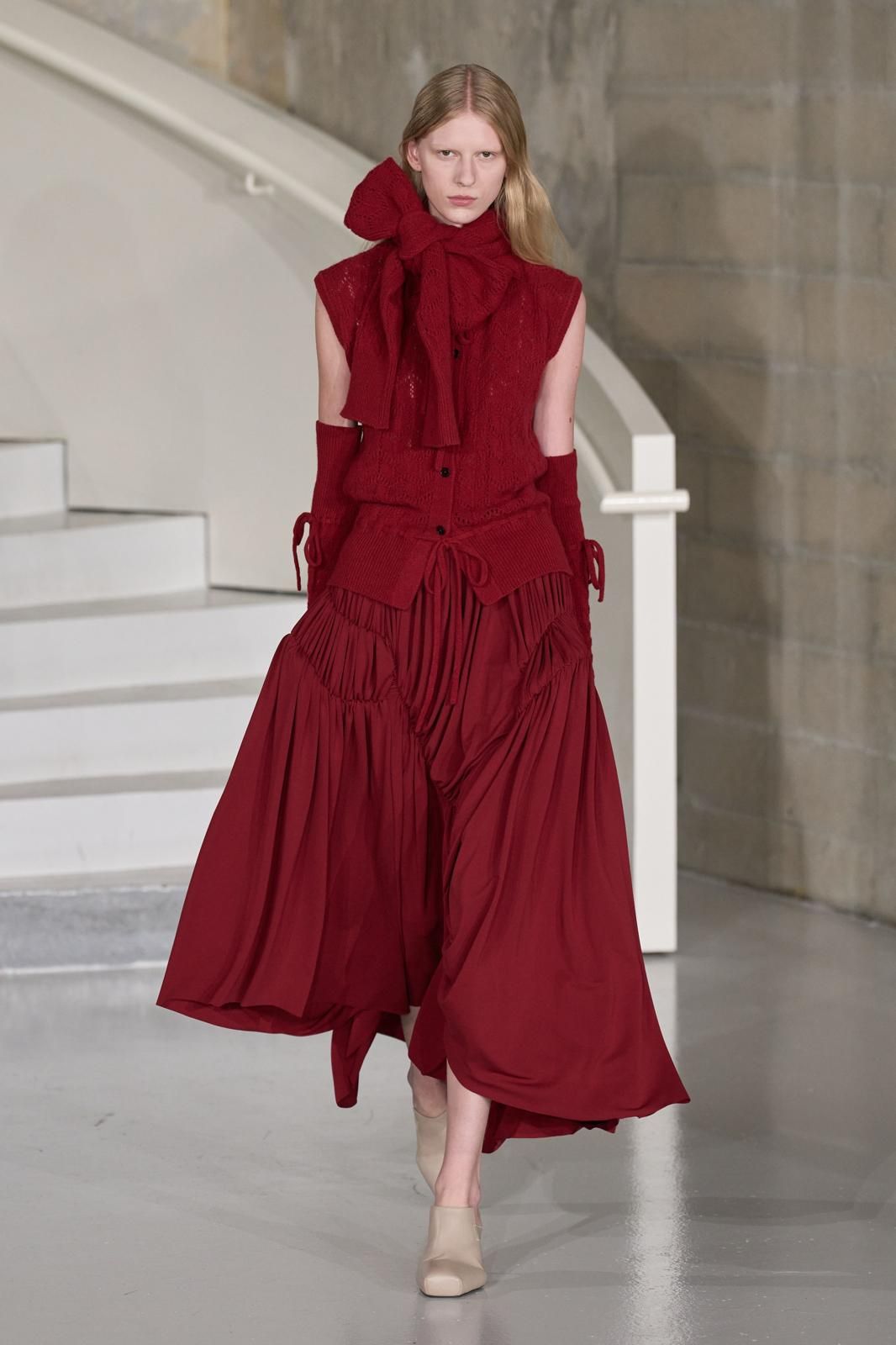
Forget the scarf as a functional accessory to wear for protection against the wind or to crumple into your bag as soon as the sun comes out. In the recent fashion weeks, we have witnessed a sort of “genetic mutation” of the quintessential cold-weather garment, which has become a shape-shifting piece. Soft in fabric, sculptural in form, the scarf ceases to be a mere complement and becomes the gravitational center of the entire silhouette.
If in past seasons we saw extremely high collars and throat latches designed to hide the face and create a barrier with the world, today the scarf replaces the rigid structure of the antisocial jacket, offering the same sense of "refuge" but with a different attitude — less functional and more conceptual. So how has “scarf-centrism” manifested itself in contemporary fashion?
Bow Scarf
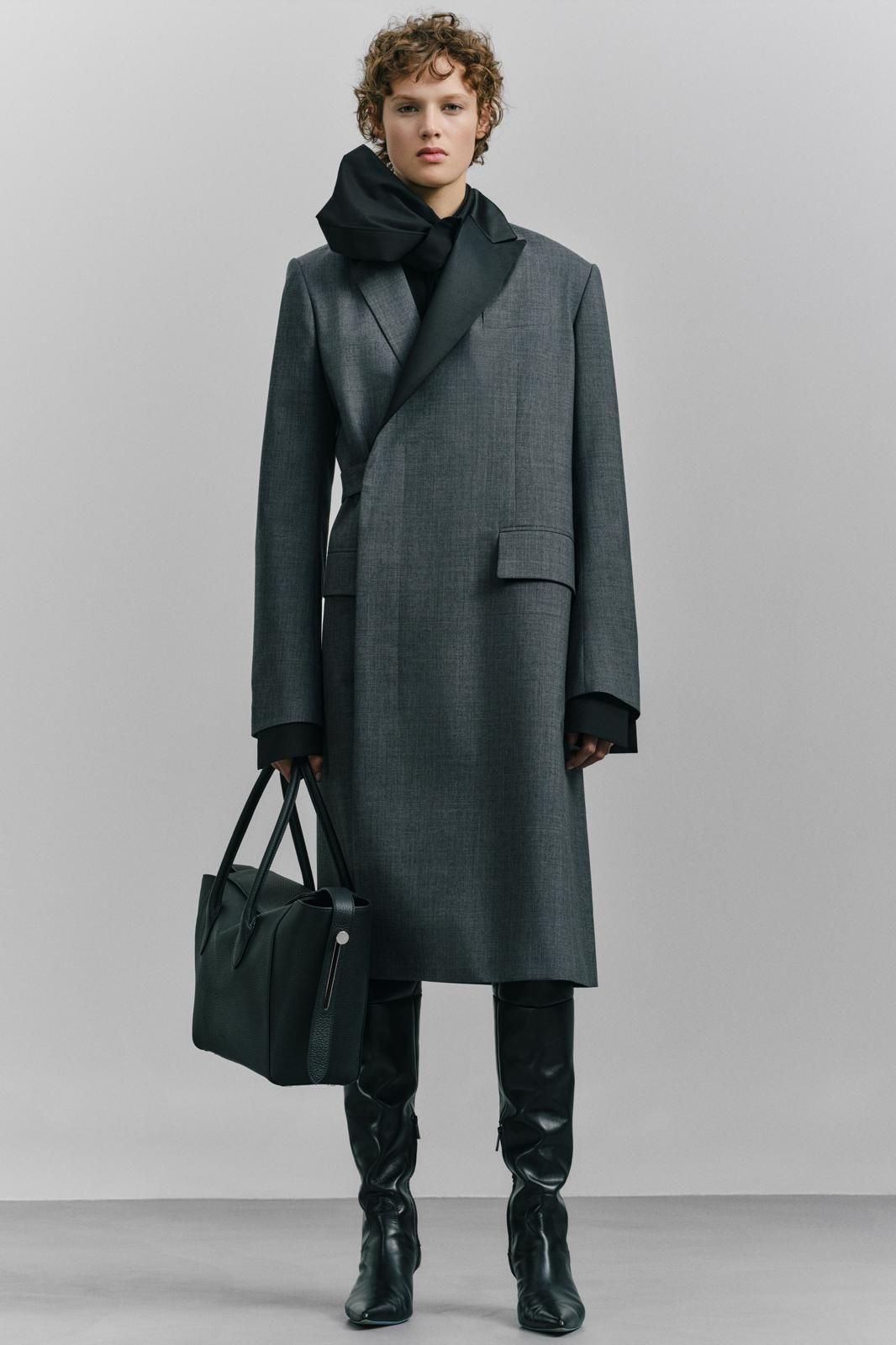
Among the undisputed protagonists of the latest runways stands out the bow scarf. Brands like Alain Paul and McQueen choose to preserve the bon ton soul of the scarf, while transfiguring it: in the first case, the accessory is born from a soft coquette-style pullover; for McQueen, instead, Seán McGirr creates architectural knots that seem to reference both the foulards knotted on the side by the cursed poets of the Romantic period and Victorian lavallière ties. For Gabriela Hearst and Toteme, on the other hand, the scarf is the pivot of metropolitan minimalism: worked in dense textures such as leather and velvet, it is worn high and enveloping around the neck, creating a sculptural focal point on monochromatic bases.
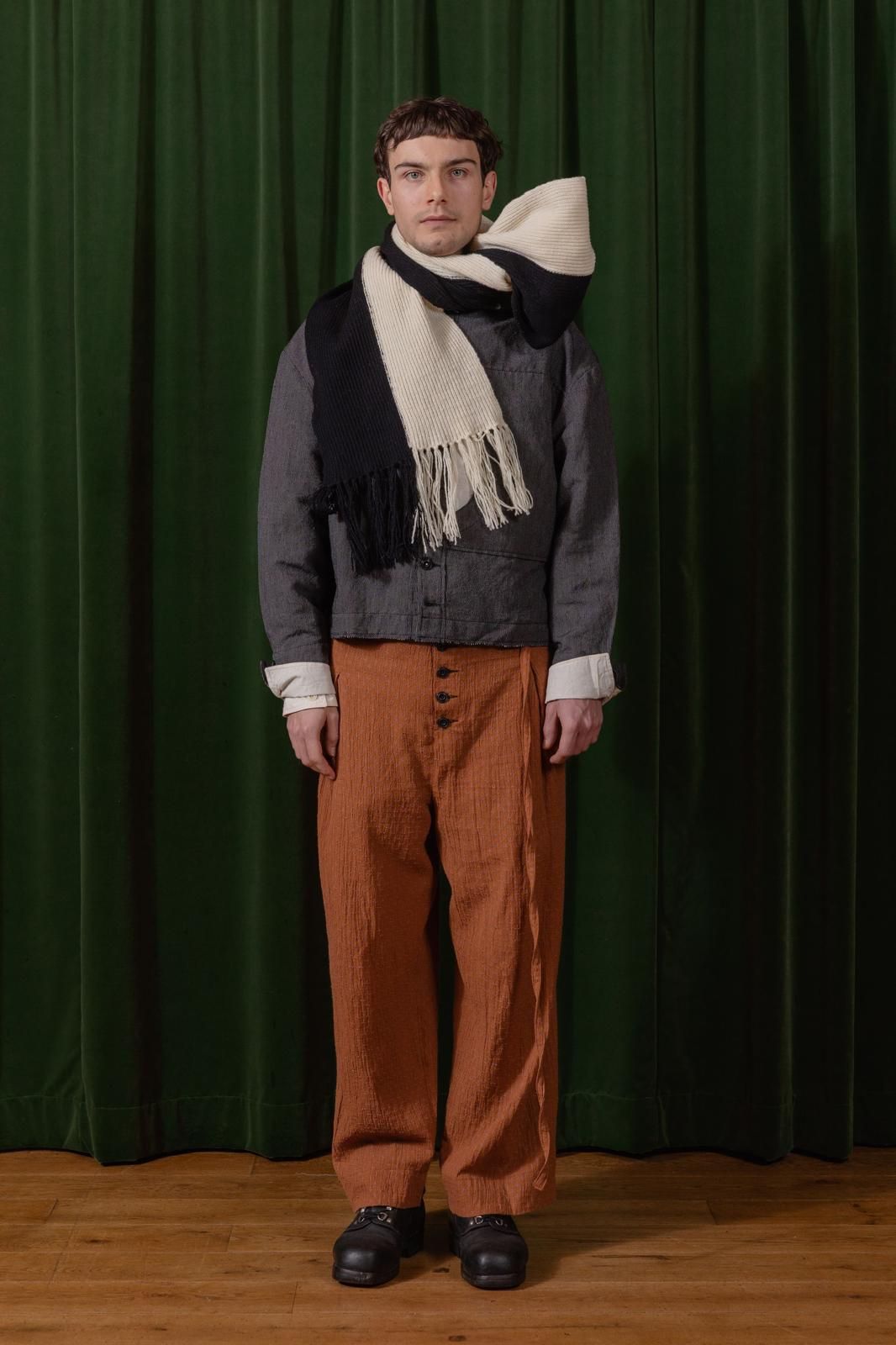
While Tíscar Espadas intertwines two scarves of contrasting tones in a single knot, at Sacai the accessory becomes the object of a deconstruction process: for FW26, the brand proposes bow scarves that give the illusion of being fragments of workwear coats and jackets reassembled around the neck. Of great impact is the vision of Michael Rider for Celine, who in the latest winter collection elevates the scarf to a haute couture piece: made in a sculptural satin with an haute couture feel, these scarves seem to almost climb up the models’ faces, knotted and deliberately crumpled into asymmetrical volumes.
The result is a magnetic balance: the sartorial rigor of impeccably cut trenches and jackets finds its counterpoint in these “living” accessories, capable of giving character to the silhouette. The success of the bow scarf is also confirmed on fashiontok, where the bow scarf is broken down and explained through tutorials by creators who use chunky versions of the piece. In particular, the wool scarf from Acne Studios — for years one of the most purchased winter items by Gen Z — has become the key piece for these experiments: thanks to its material consistency and oversized dimensions, it lends itself perfectly to being shaped.
No-Gravity Foulard
The extreme evolution of this trend is represented by the “zero gravity” foulards. The new creative duo McCollough – Hernandez at the helm of Loewe, for their first winter collection, created padded oversized scarves similar to cushions that seem to stand up on their own. In a particularly striking look, this architectural accessory completely wraps the model’s neck, blending chromatically with a minidress in the same check print.
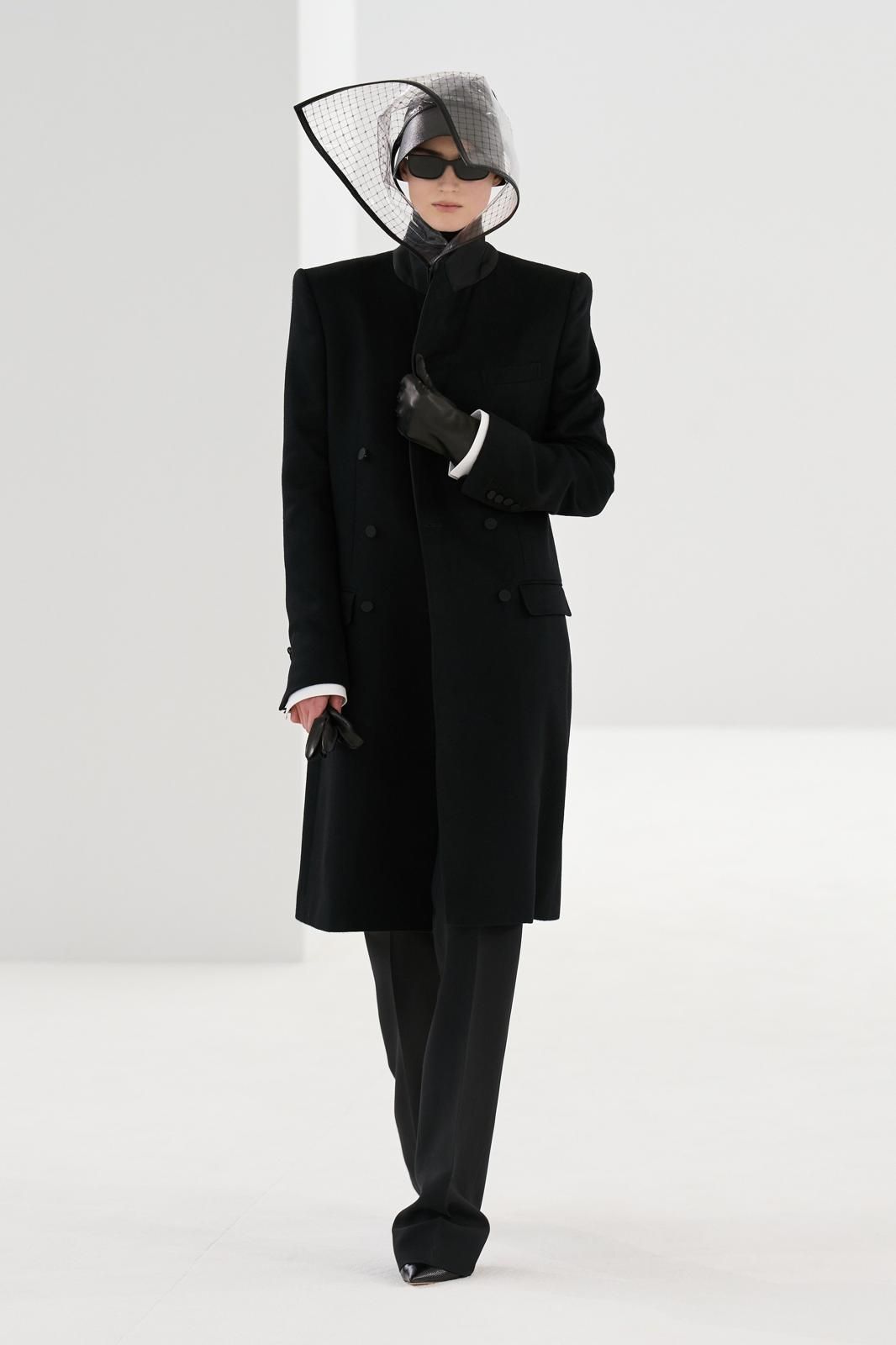
Sarah Burton at Givenchy, on the other hand, proposes rigid foulards in leather, sometimes knotted at the neck and paired with pinstriped suits with a masculine cut or tied to the belt loop of a pair of jeans, with the idea of creating accessories that can break the basic nature of normcore outfits. Similarly, Nanushka and Zoomer send down the runway leather knotted bandanas, while Haider Ackermann goes even further, conceiving for his latest collection at Tom Ford a plasticized foulard, transforming a functional element against the rain into a piece imbued with allure and secrecy.
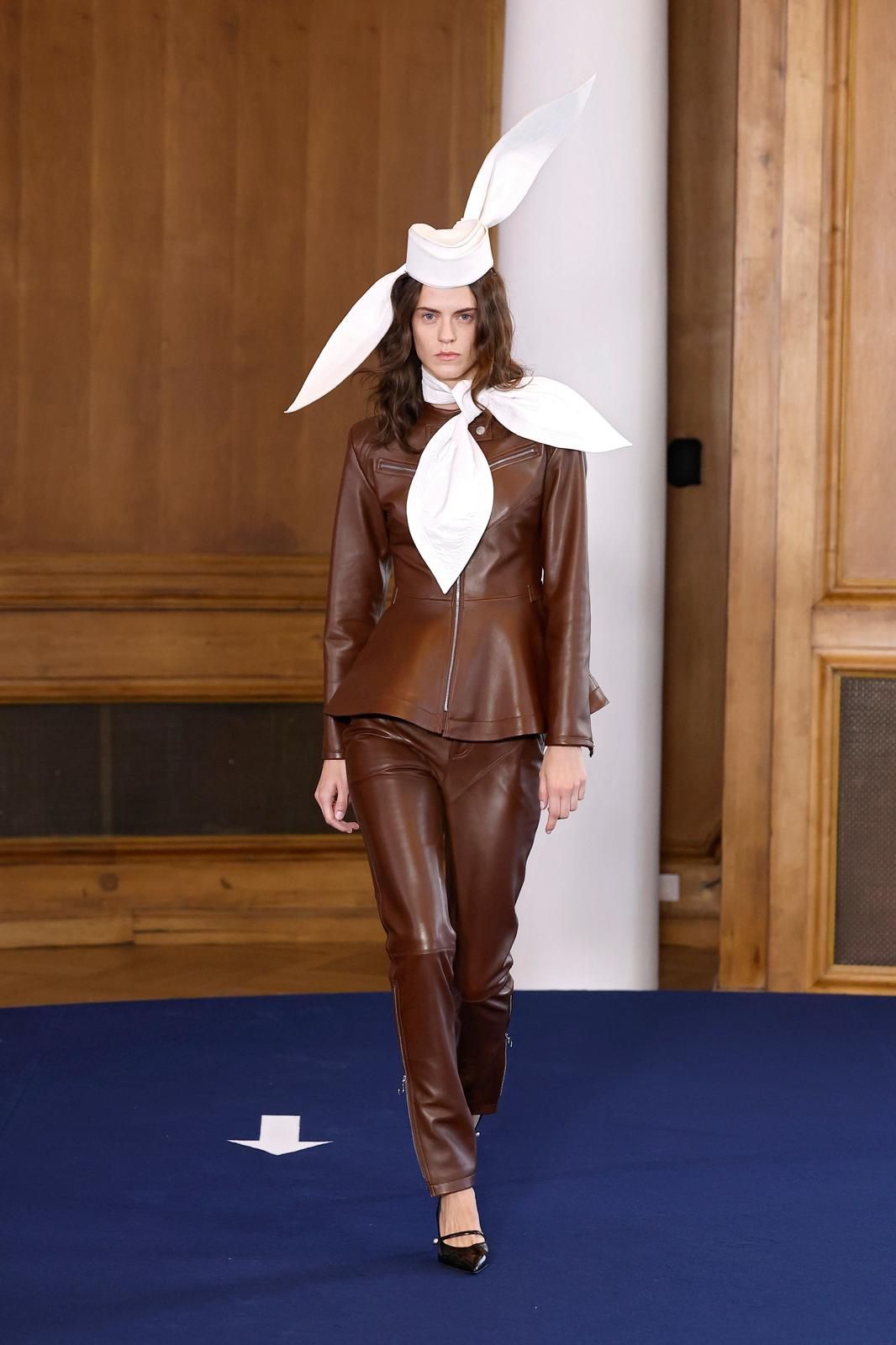
The Spanish scene also embraces the trend with Palomo Spain and Moisés Nieto, who elevate the architectural foulard to a standout accessory in their respective Spring/Summer collections: in the first case the scarves resemble rabbit ears, while in the second the foulards are self-supporting, almost as if they had been constructed with an internal wire soul. The knot in this case becomes plastic, “embalmed” by a gust of wind.
Scarves or Not Scarves?
In a sartorial sleight of hand, some maisons have introduced on the runway “scarves that are not scarves”: hybrid elements that blend in until they almost disappear into the look. Alessandro Michele at Valentino explores this ambiguity with silk stoles that follow 1980s silhouettes, fluidly transforming into the sleeves of the garments themselves. A concept taken up by Jonathan Anderson, who at the Jardin des Tuileries sent down polka-dot dresses where the integrated scarf wraps around the neck before mutating into a scenic train or a draped knot on checked dressing-gown jackets.
Nicolas Ghesquière also adopts a similar trick at Louis Vuitton, incorporating shawls of the same fabric into his jackets, while Magliano chooses a more poetic and disheveled path: his crumpled scarves emerge from side slits in duffle coats, as if they wanted to escape control and hide rebelliously inside the outerwear. Uniting mimicry and architectural transformation of the piece is the New York brand Area: here some garments are entirely made of scarves that frame the body while defying gravity.
What to read next

Now Phoebe Philo Wants You to Dress Avant-Garde
With Collection F, the designer plays with silhouettes in an entirely new way
5 key trends from Paris Fashion Week SS27 Women's
What we'll be wearing next summer, according to the fashion of the Ville Lumière
The best street style looks from Paris Fashion Week SS27 Women's
La Ville Lumière steps back into the spotlight