





















Giambattista Valli has bought back his brand for just one euro A symbolic figure, which effectively wipes the brand’s debts clean
Giambattista Valli has always been something of a beacon of Italian fashion in Paris. For this reason, the entire industry was very disappointed when the designer had to cancel his show for two consecutive seasons at Paris Fashion Week due to what were clearly economic problems. Now things should have improved because, as has already happened with several brands in the past, Giambattista Valli has regained full control of his Maison. Excellent news, but the background is more interesting than it seems, as reported by Fabiana Giacomotti in Il Foglio: the designer reportedly reacquired his brand for the symbolic price of one single euro.
But what does this mean?
An agreement for one euro
As Giacomotti explains, Artémis, the investment fund of the Pinault family that also controls Kering, returned the brand to Valli for the symbolic price of one single euro. The real cost of the operation, however, was actually the cancellation of a debt accumulated by the brand that had exceeded €44 million, against a turnover that, in the latest available balance sheet from 2018, did not reach €20 million.
Clearly, if Valli had repurchased the brand as it was, without this “debt waiver”, he would have gone into immediate bankruptcy. But François-Henri Pinault’s decision allowed Valli, who held a 4% stake in the company, to regain full ownership after what we could describe as an hard reset of its finances. According to the journalist, this generosity is due to the influence of Salma Hayek, Pinault’s wife and a longtime supporter of the Roman designer. Now the designer will return to Haute Couture on a smaller and more sustainable scale, as it should be.
How did we get here?
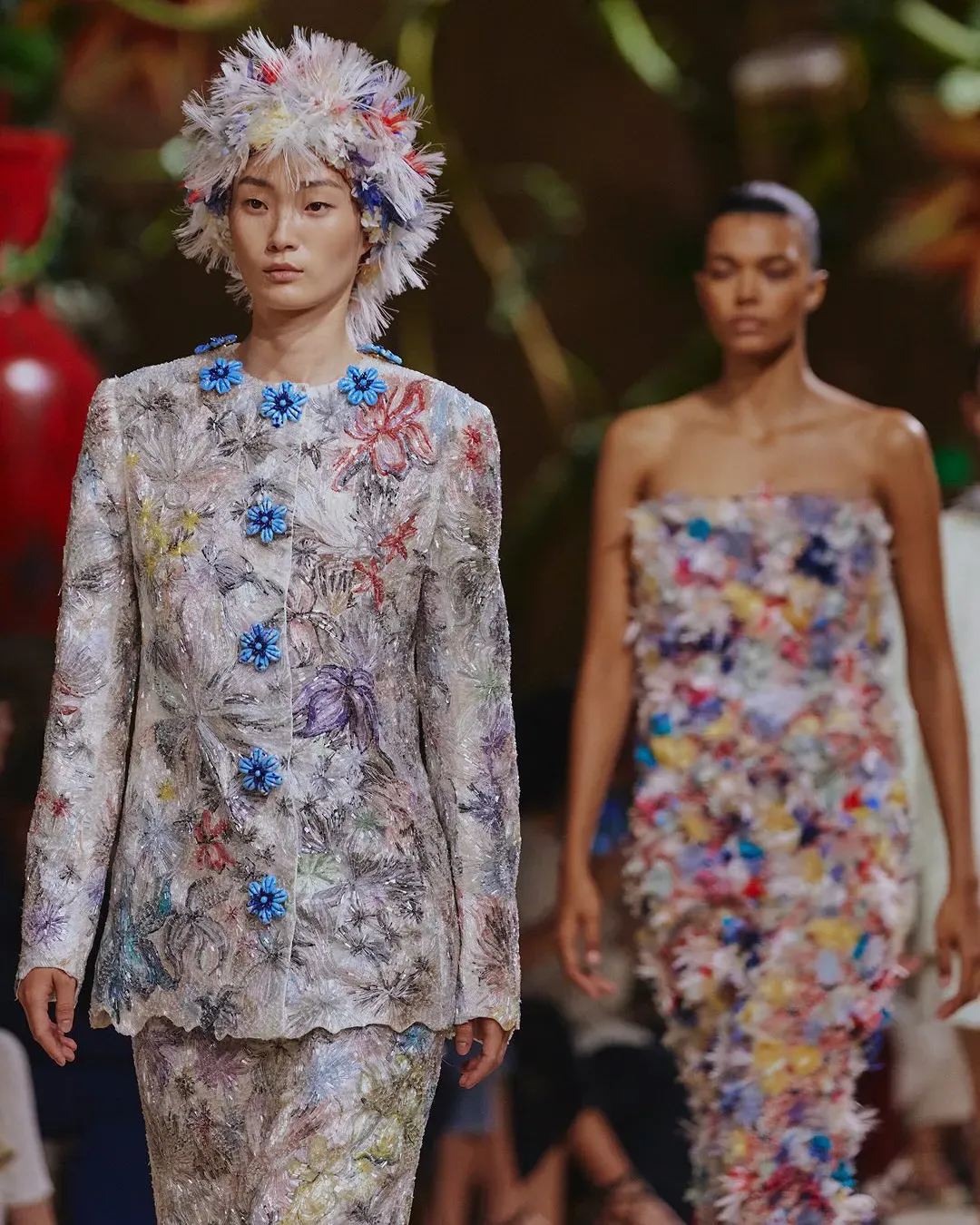
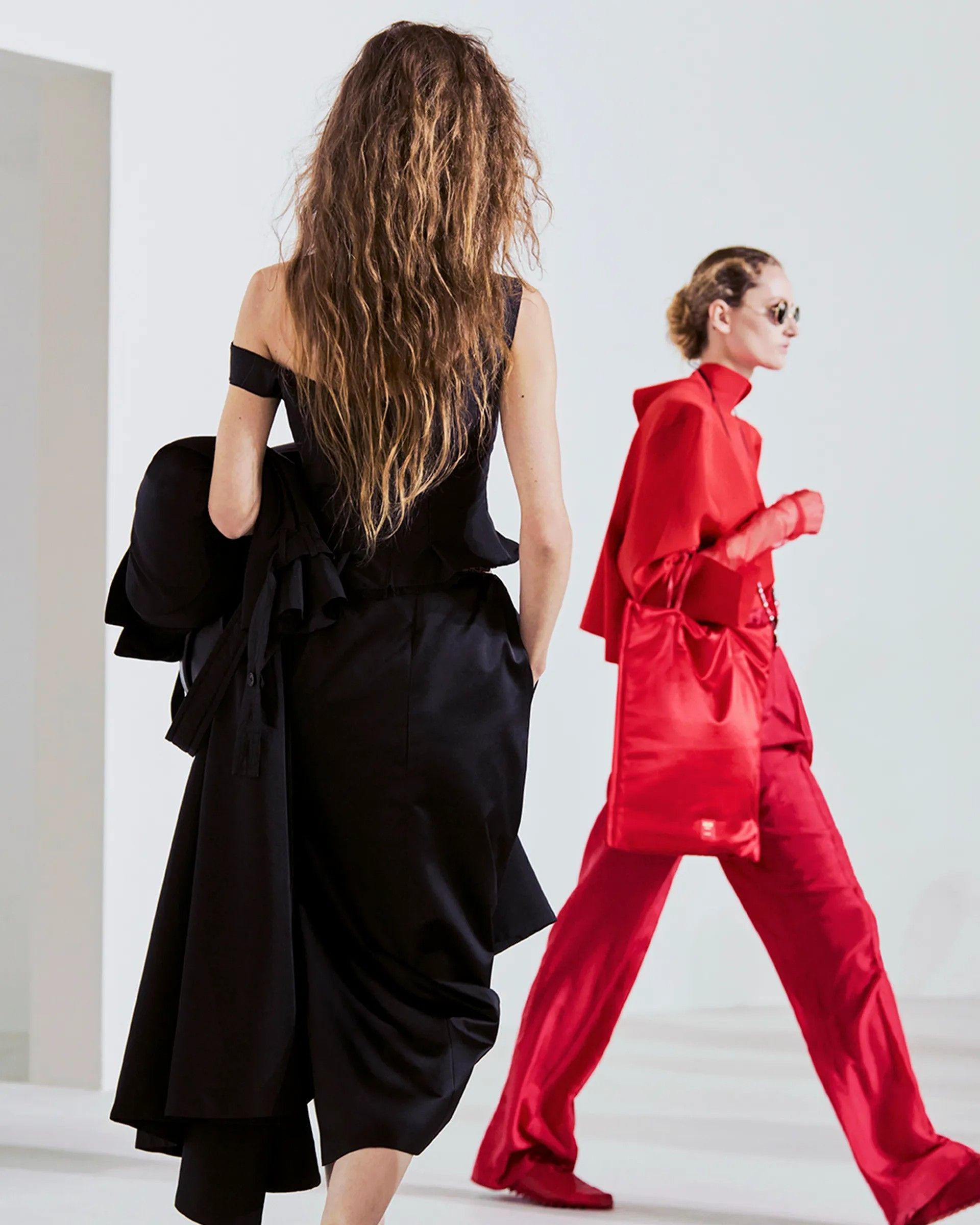
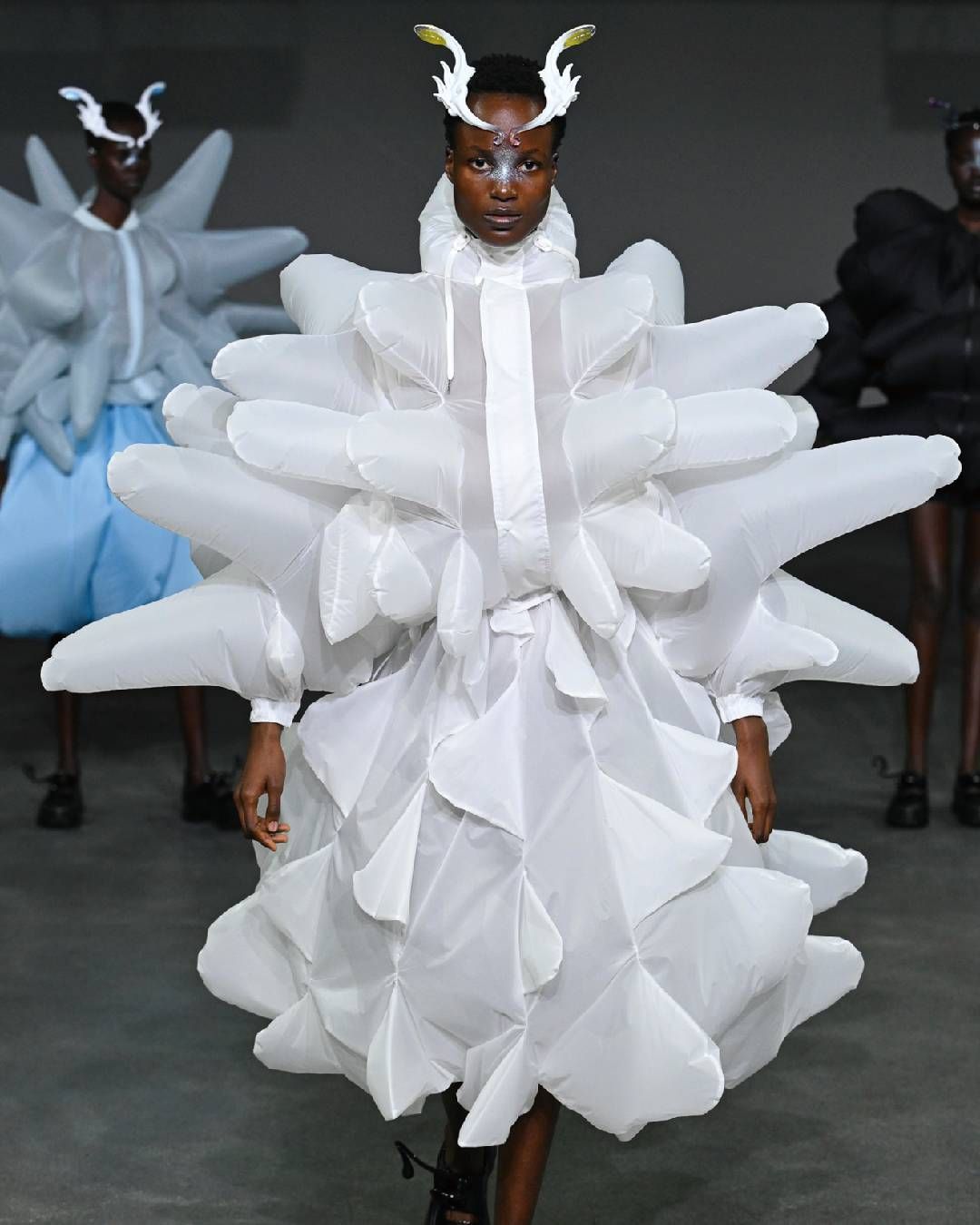
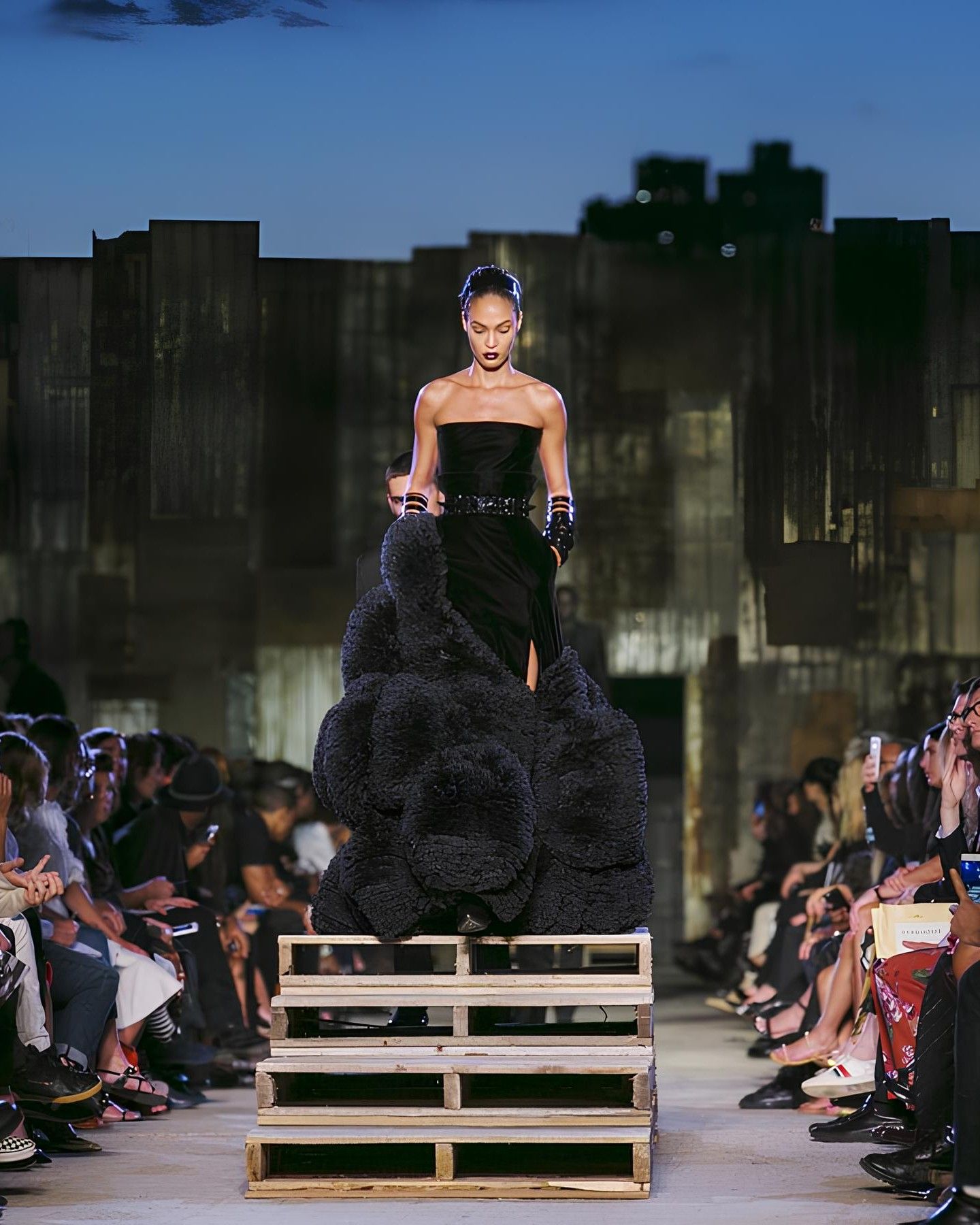
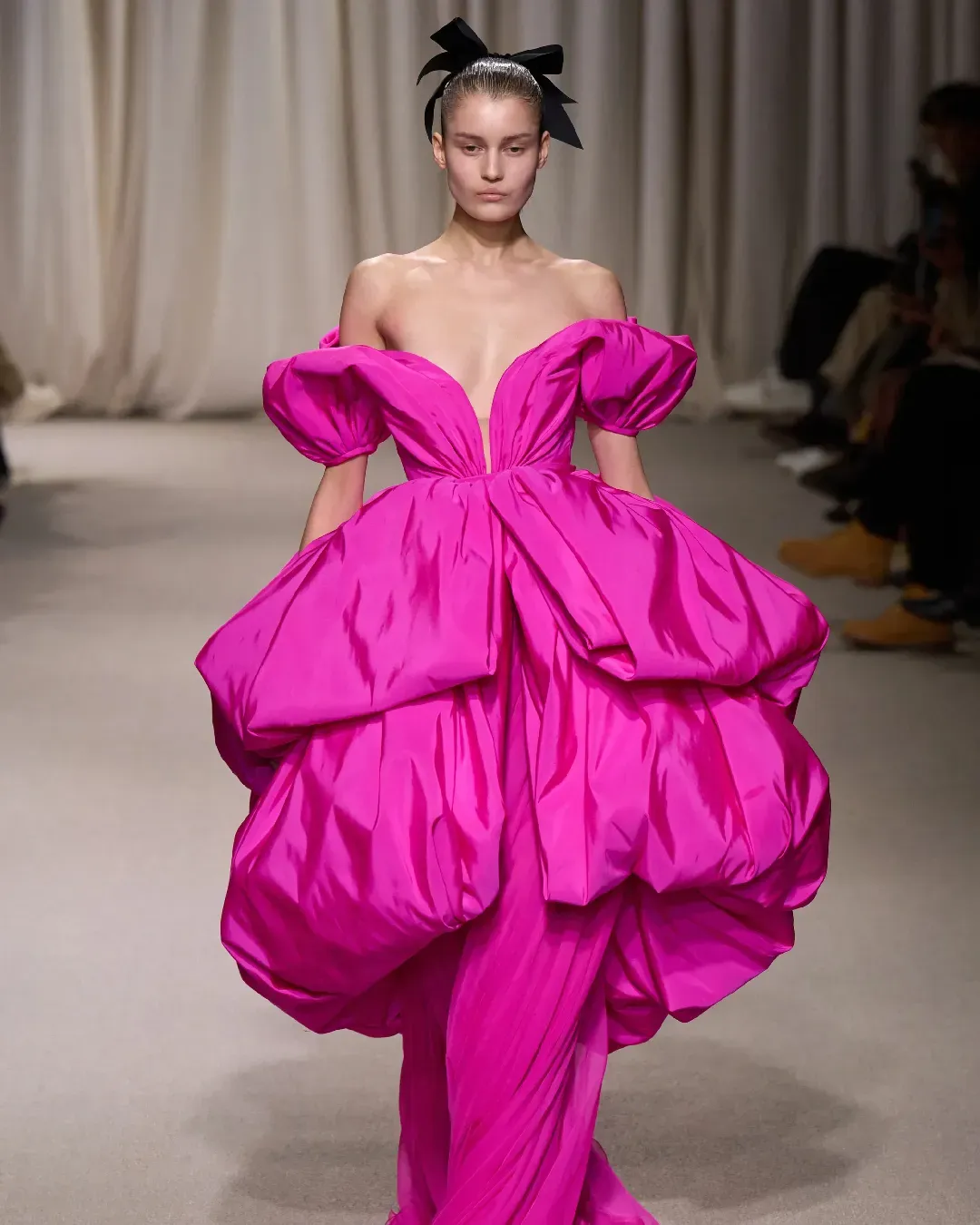
@giolannes walking for Giambattista Valli in Paris @tola som original - bryanrei10
The brand was founded in 2005 in Paris. At that time Valli, after completing his studies at IED Rome and CSM in London, had already worked for Capucci, Fendi, Krizia and as creative director of Ungaro. Initially the brand had manufacturing support first from Gilmar, the Gerani family’s company, and then from Mariella Burani. When the latter entered crisis in 2010, Valli became independent for the first time and the following year, in 2011, he presented his first Haute Couture collection and joined the Chambre Syndicale de la Haute Couture.
In 2017 Artémis became one of the brand’s financiers, acquiring 30% of it. It was an investment for the future, since Valli was already an important name in Haute Couture and would soon experiment with more commercial ramifications of his business, such as the collaboration with H&M that arrived a couple of years later. The Pinaults’ interest was evident as, through Artemis, they continued to acquire ever larger stakes, reaching 84.78% last June. However Kering was in crisis and, in those days, Luca De Meo joined the group with the task of pruning the dead branches and shedding dead weight. With all due respect.
The divestment of Valli can thus be placed in the same metaphorical folder as the “shake-up of weights” desired by De Meo, which saw the Pinaults sell the Kering Beauté division, postpone the acquisition of Valentino, completely change their real estate acquisition strategy and, more recently, sell their stake in Puma to Anta Sports and downsize McQueen. It should not be thought, however, that the lightening strategy concerns only Kering: just last week LVMH also sold Marc Jacobs after having “freed” Stella McCartney only a few months earlier.