
























''Histoires parallèles'' asks: does art shape life, or vice versa? Asghar Farhadi’s latest film is competing at Cannes Film Festival
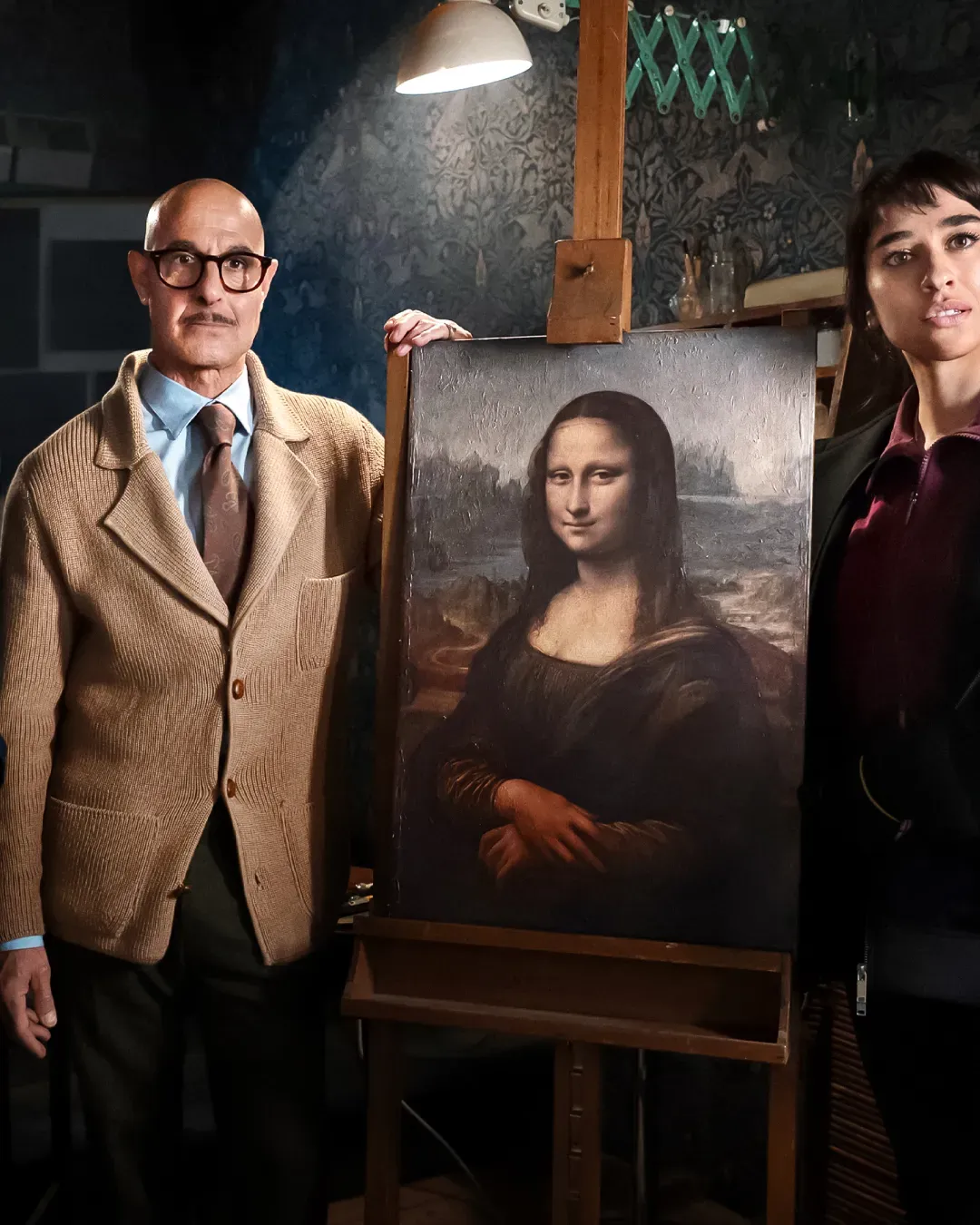
In Asghar Farhadi’s Histoires parallèles there is a lot of life and a lot of literature. Perhaps too much of both, especially when the narrative levels begin to mix with one another. But this is exactly the aim of his film in competition, presented as a premiere at the Cannes Film Festival, in which the Iranian director and screenwriter returns to working in French, choosing for the cast a roster of well-known names and exceptional cameos, as when he calls upon the diva Catherine Deneuve for just one scene.
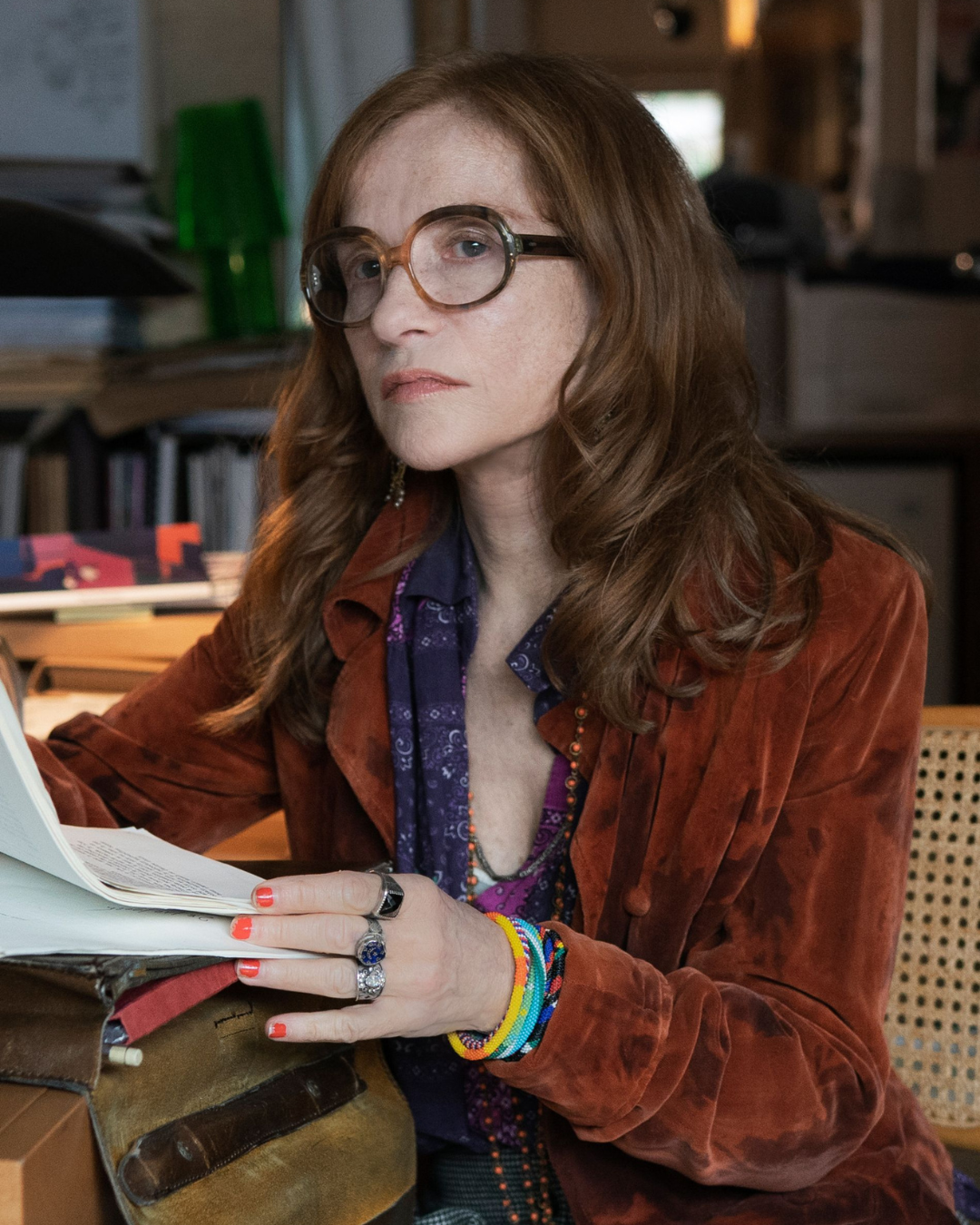
The story, the beating heart of the various branches that will then hang between the real and the imagined, sees the writer Sylvie (Isabelle Huppert) grappling with a novel that, according to her editor, is not suited to today’s audience. It has no grip, it is very melodramatic; far from the rationality people increasingly rely on today and which, apparently, is also preferred in reading.
What the character (played precisely by Deneuve) does not know, however, is that, in order to write it, Sylvie took from the ordinariness of a trio spied on through a window, whose dynamics she then fictionalized. Much simpler, in fact, than the woman’s imagination, but they will trigger a strange spell the moment the three people become aware of what has been written.
It is a mechanism that aims to lead the viewer to question what conditions what: whether it is life that we insert into art, or whether it is the latter that influences the directions taken by our existence. The writer’s act of spying through glass is among the devices that have long accompanied cinematic storytelling, with the eye of the lens turning into the telescope through which the woman enters the apartment where the characters played by Virginia Efira, Vincent Cassel and Pierre Niney work.
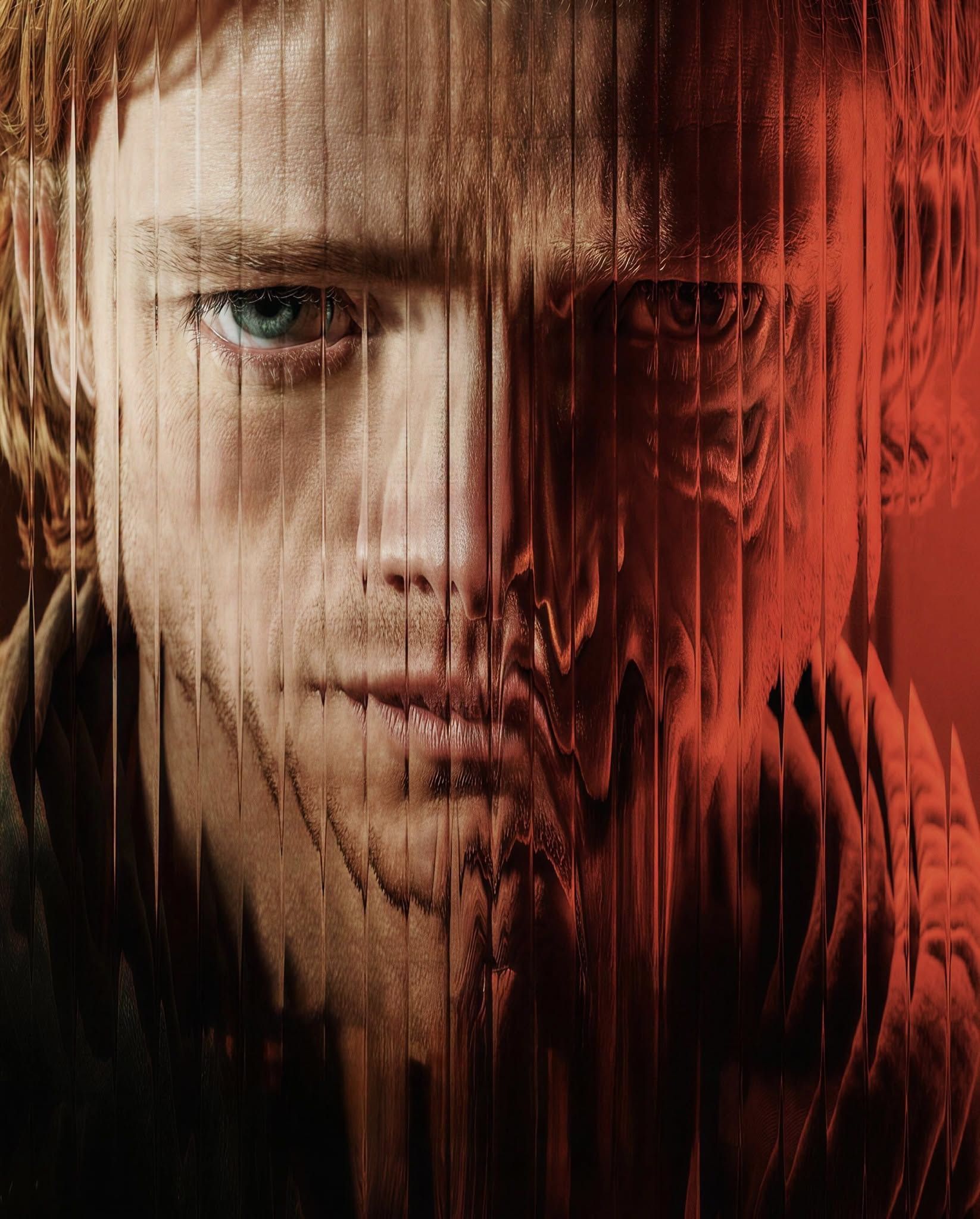
Not only inside the house: it is on the private sphere that the woman’s gaze lingers, as someone whose profession is to extract whatever may be most intriguing for a potential reader. Believing she is merely observing, the woman will alter the balance by becoming part of it, just as happens with even greater interference with the young Adam (Adam Bessa), who in turn will appropriate the writer’s text, adding a further layer to the narrative complexity of Histoires parallèles.
The presence of Bessa’s character, however, is not merely lateral, but contributes to the theory of art as something that always takes away from existence. The young man, a handyman who will help around the house of a careless and neglected Sylvie, is in fact a thief and will end up behaving like one: he does not steal only objects but intellectual property, merging real life with his own imagination.
Thus he does not escape the rhetoric that every genius, in order to define themselves as such, must be capable of knowing how to steal and then transform what they have taken into something other and personal. Which is exactly what Farhadi does, basing Histoires parallèles on Krzysztof Kieślowski’s Decalogue 6 , revisiting it to the point of changing it almost radically together with co-screenwriter Massoumeh Lahidji and filling it with layers and melodrama.
Histoires parallèles établit 1 zone grise où réalité souvenir fiction se confondent. Sylvie écrit ses voisins, Adam les lit comme des personnages, on ne sait plus qui manipule qui. La frontière floue devient sujet : jusqu’où nos histoires intérieures influencent‑elles nos vies ? pic.twitter.com/SQ5BXNwotr
— edouardvertigo3 (@edouardvertigo1) May 17, 2026
In this way Histoires parallèles seems to become more of a long anecdote that someone is there to report to us, in which things are drawn out too much and in which increasingly numerous and distracting details are inserted, diluting the story until we see it dissolve. This leads one to believe that, perhaps, editor Deneuve is right to be a little bored while Huppert reads her manuscript to her, since the character is essentially recounting what we observe happening in the film and which, in part, also weighs down us viewers.
What to read next
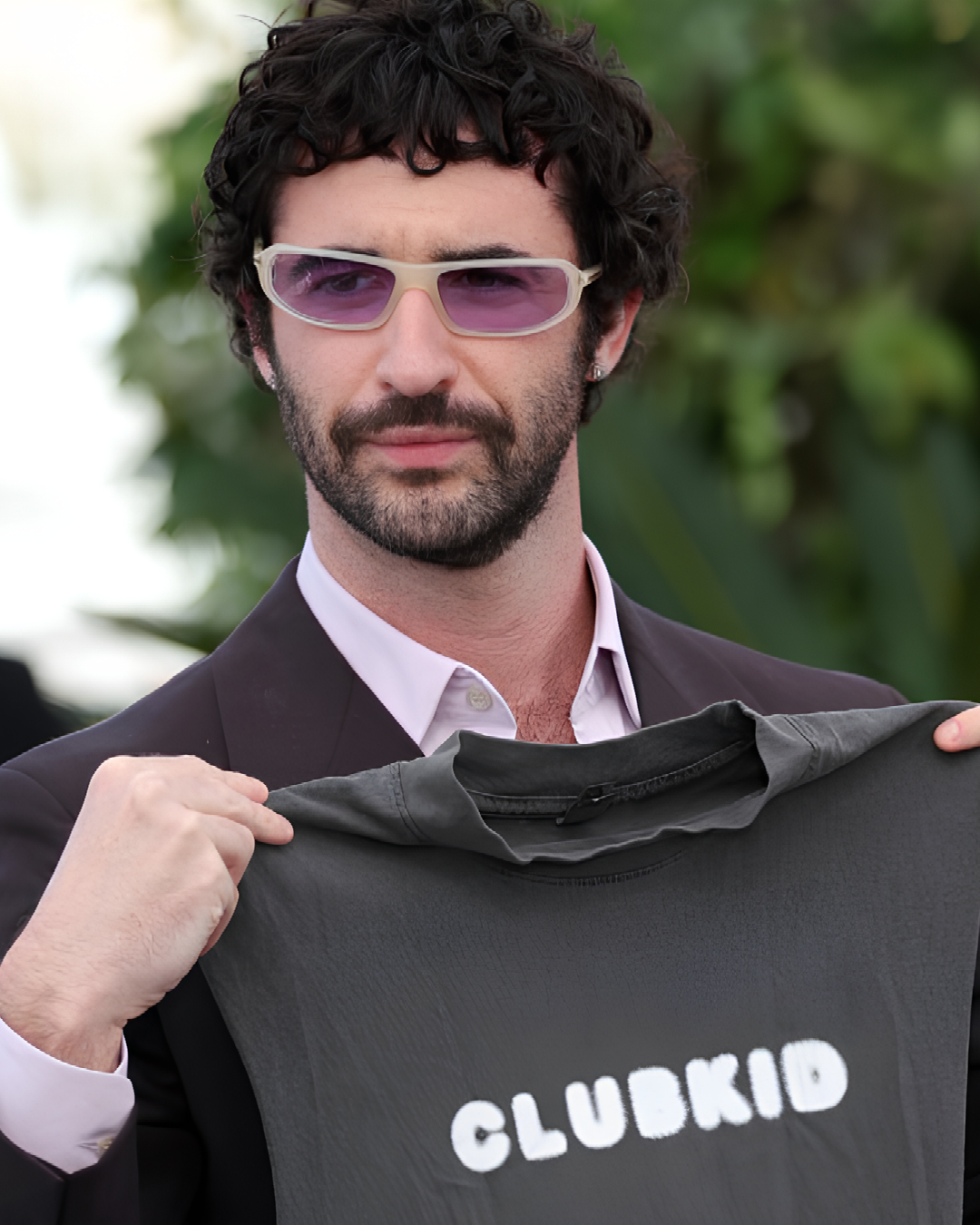
«Club Kid is a once-in-a-lifetime opportunity», interview with Jordan Firstman
Everything about the directorial debut of the American actor and screenwriter
"Cambogia" teaches actors that you have to care about your own characters
Valerio Lundini's directorial debut premiered at the Rome Film Festival
In "The Debut" Julianne Moore gives a masterclass in acting
The film, premiering at the Rome Film Fest, hits theaters on January 1, 2027