































Zara has reopened its historic Palazzo Bocconi store in Rome The Via del Corso flagship store returns with a concept closer to luxury than fast fashion
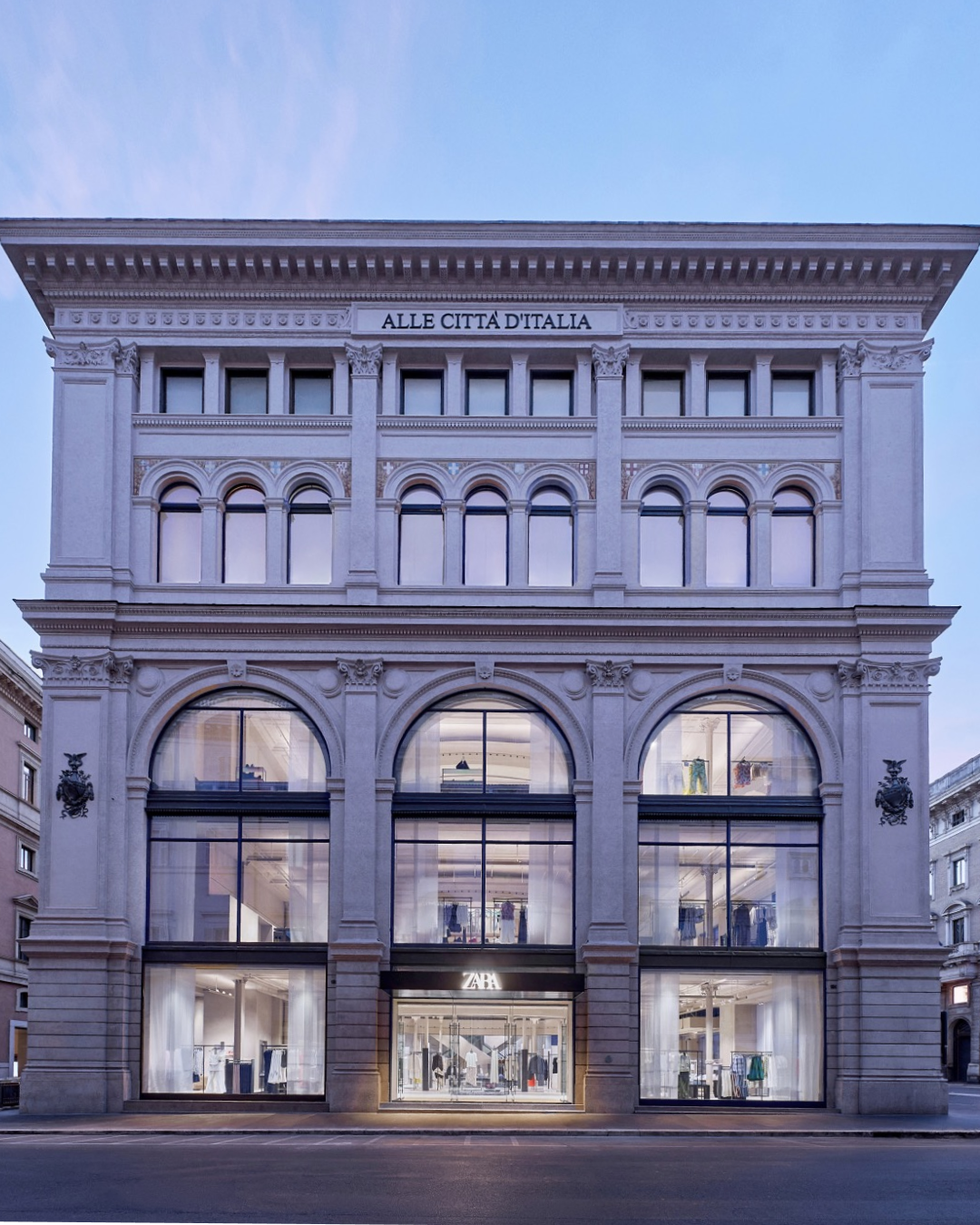
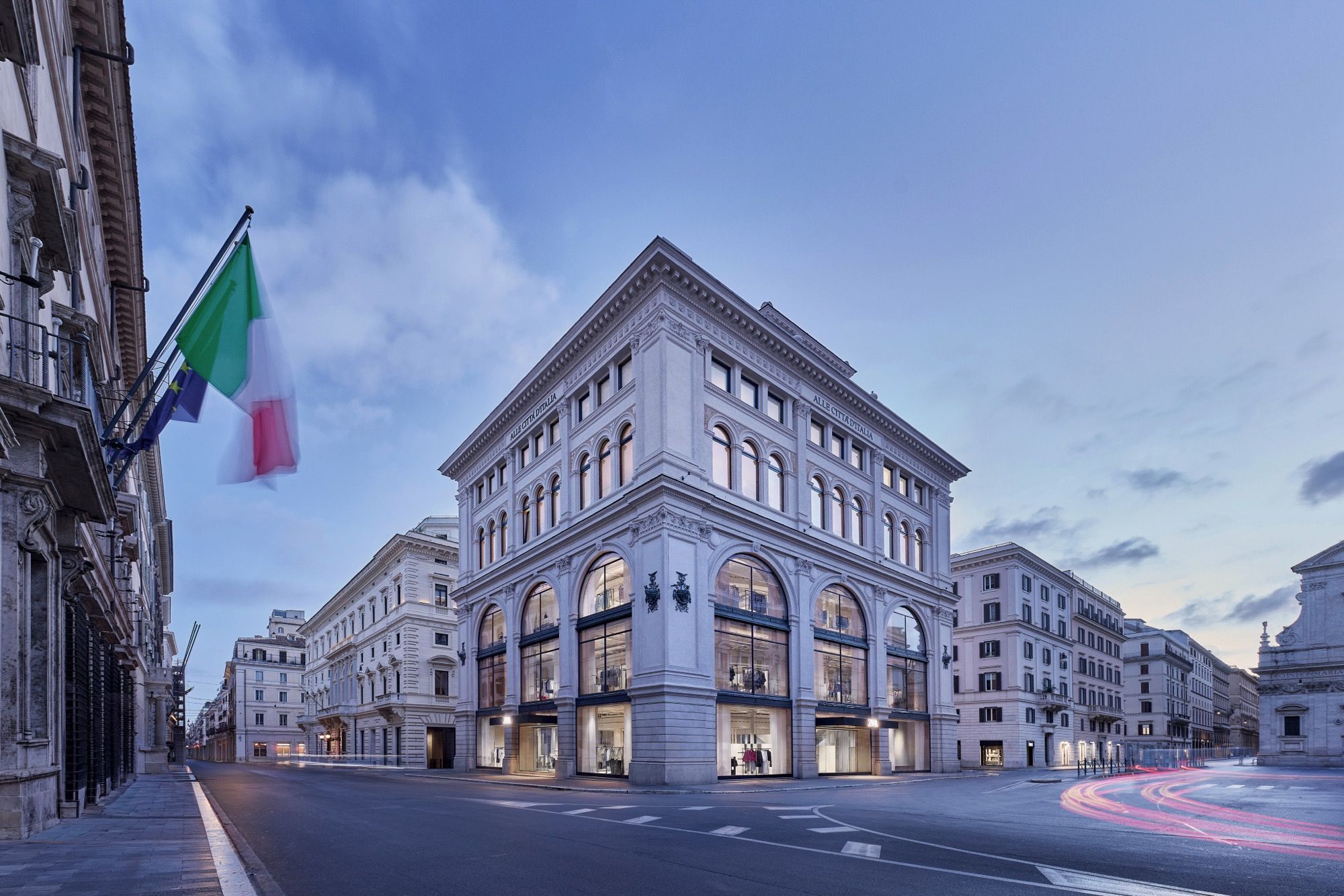
After months of renovation work, Zara has reopened its historic store at Palazzo Bocconi, number 189 on Via del Corso, in the heart of Rome. The space, spread across five floors of the neo-Renaissance building, is back in operation with a completely revamped concept dedicated to the Women's and Children's lines. The reopening comes just a few months after the launch of the new Zara Man at Palazzo Verospi, confirming that the brand continues to invest in large experiential flagships in locations of strong symbolic and architectural significance.
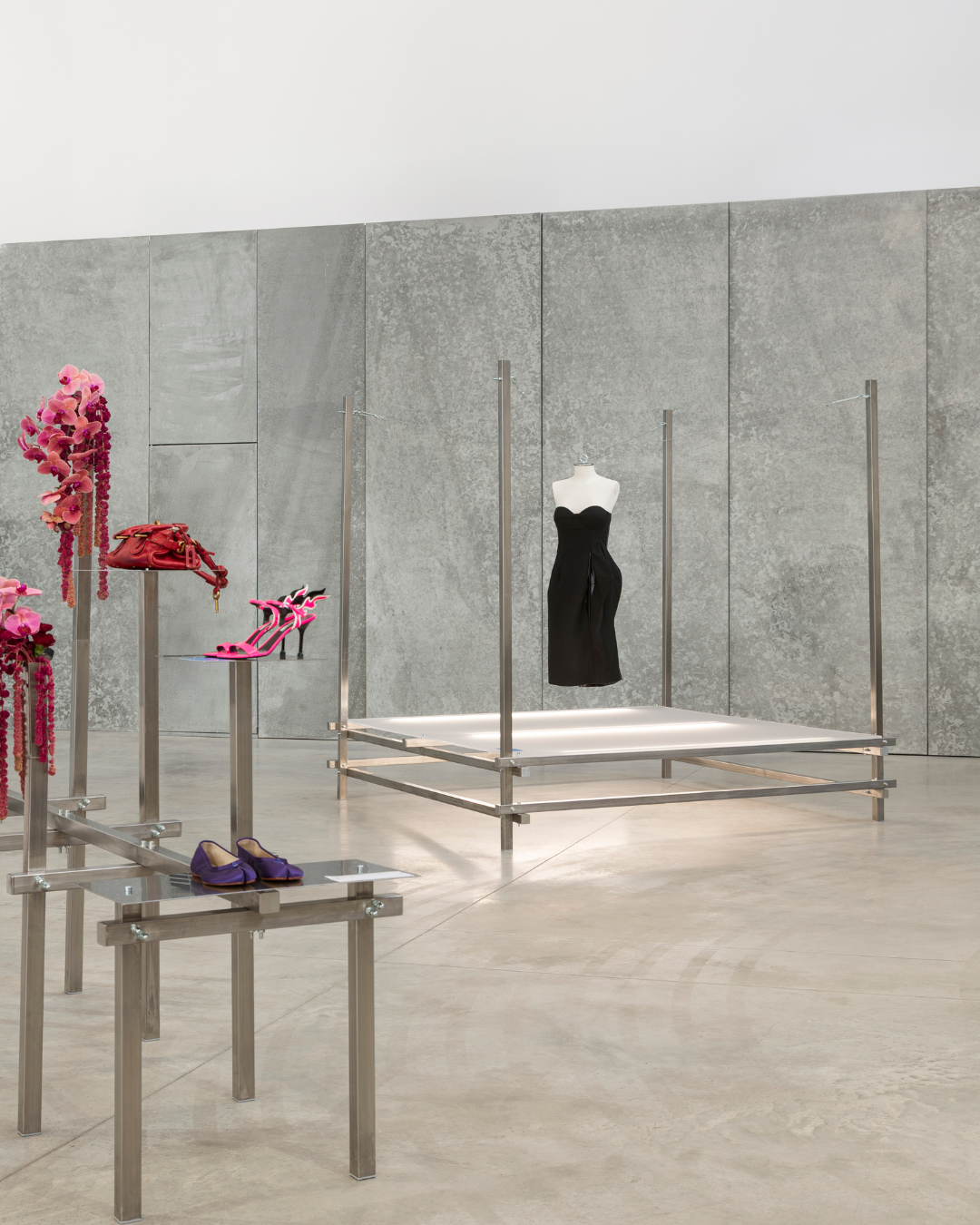
The work carried out at Palazzo Bocconi reflects Zara's new aesthetic and commercial direction, increasingly oriented towards spaces that resemble high-end boutiques rather than the classic fast fashion megastore. The store retains many of the building's original features, including columns, decorated ceilings, wooden details and historic mouldings, integrating them with contemporary furnishings, antique pieces and a carefully considered colour palette designed to guide visitors through the various floors.
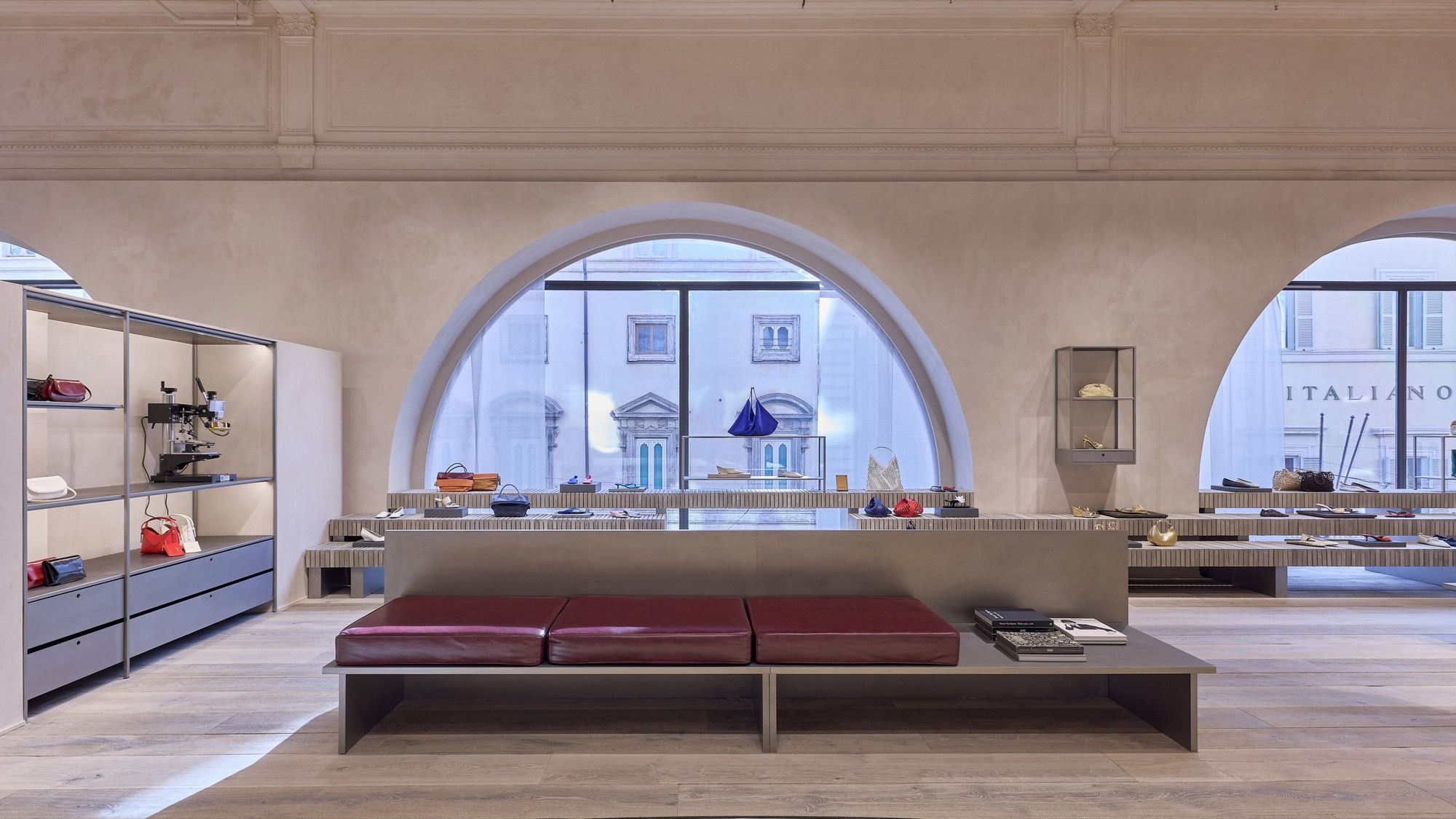
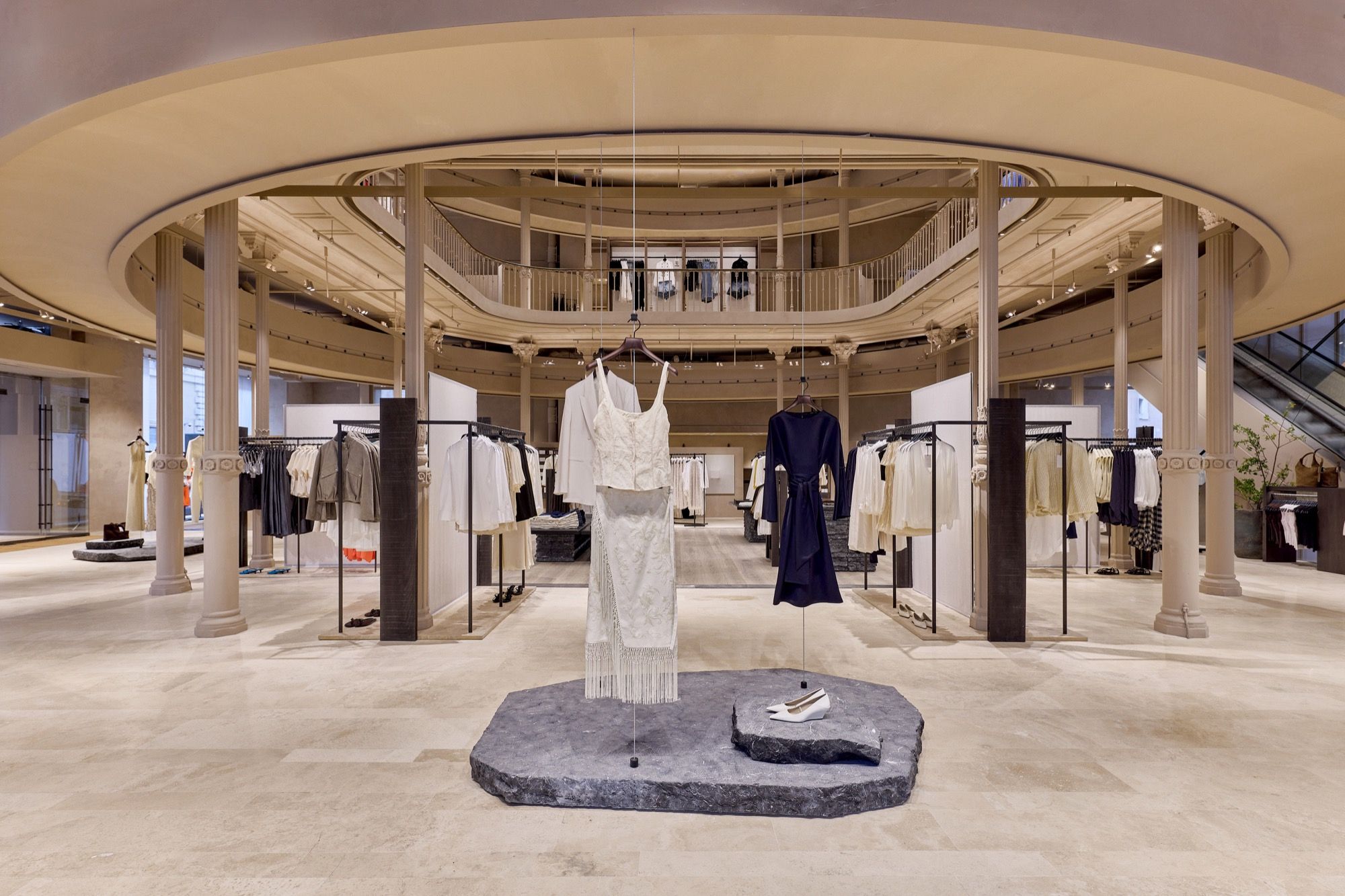
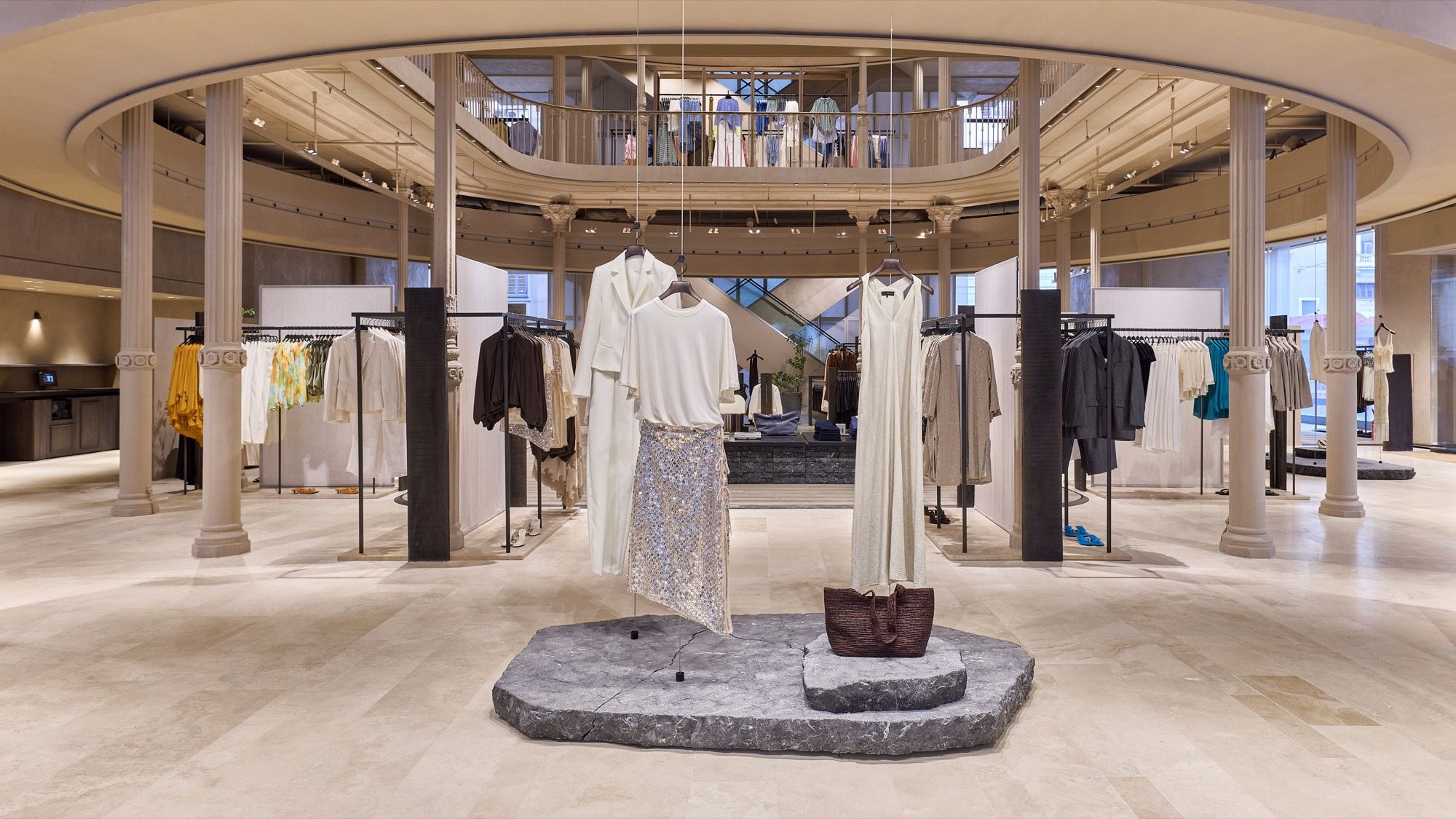
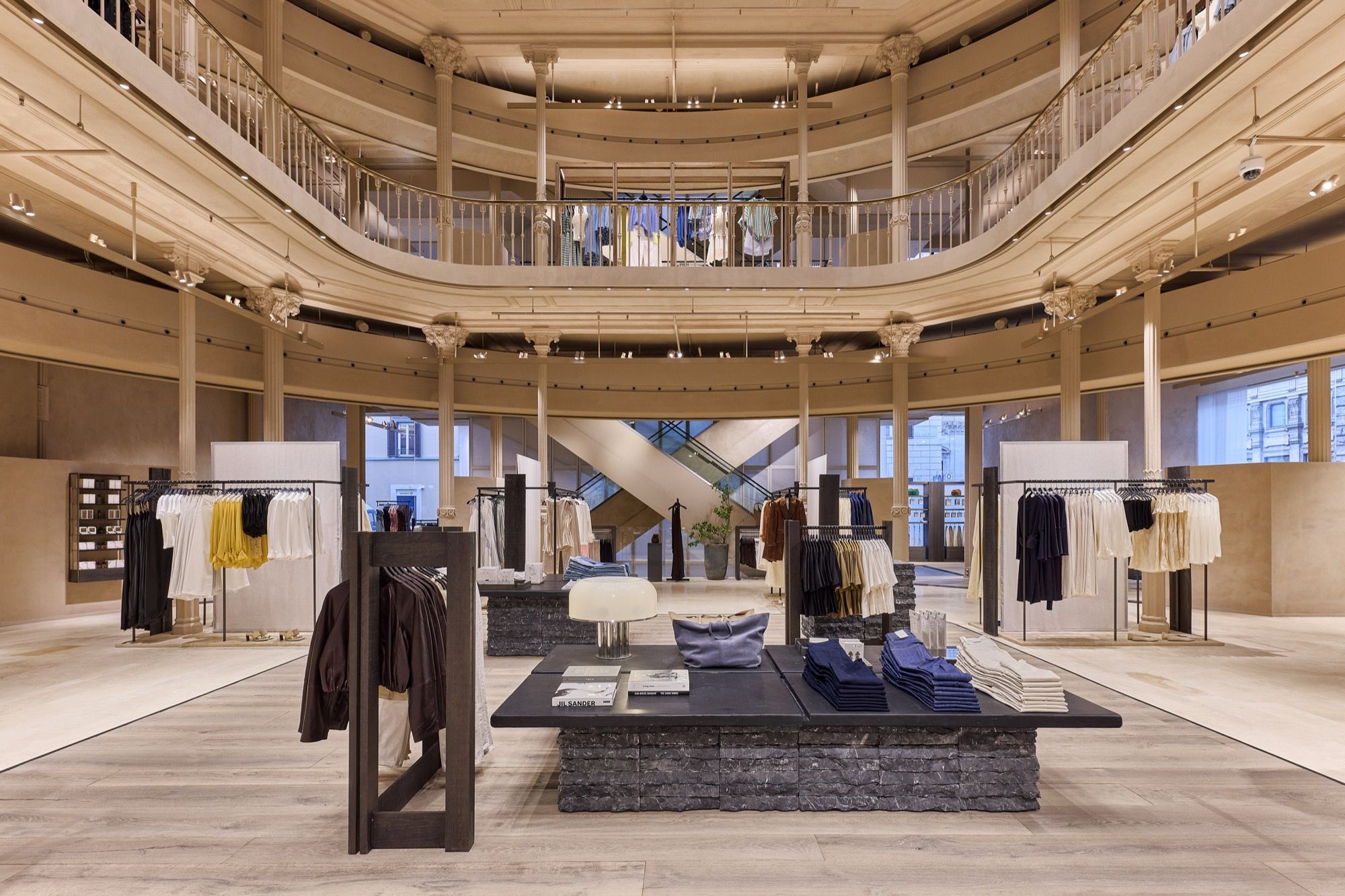
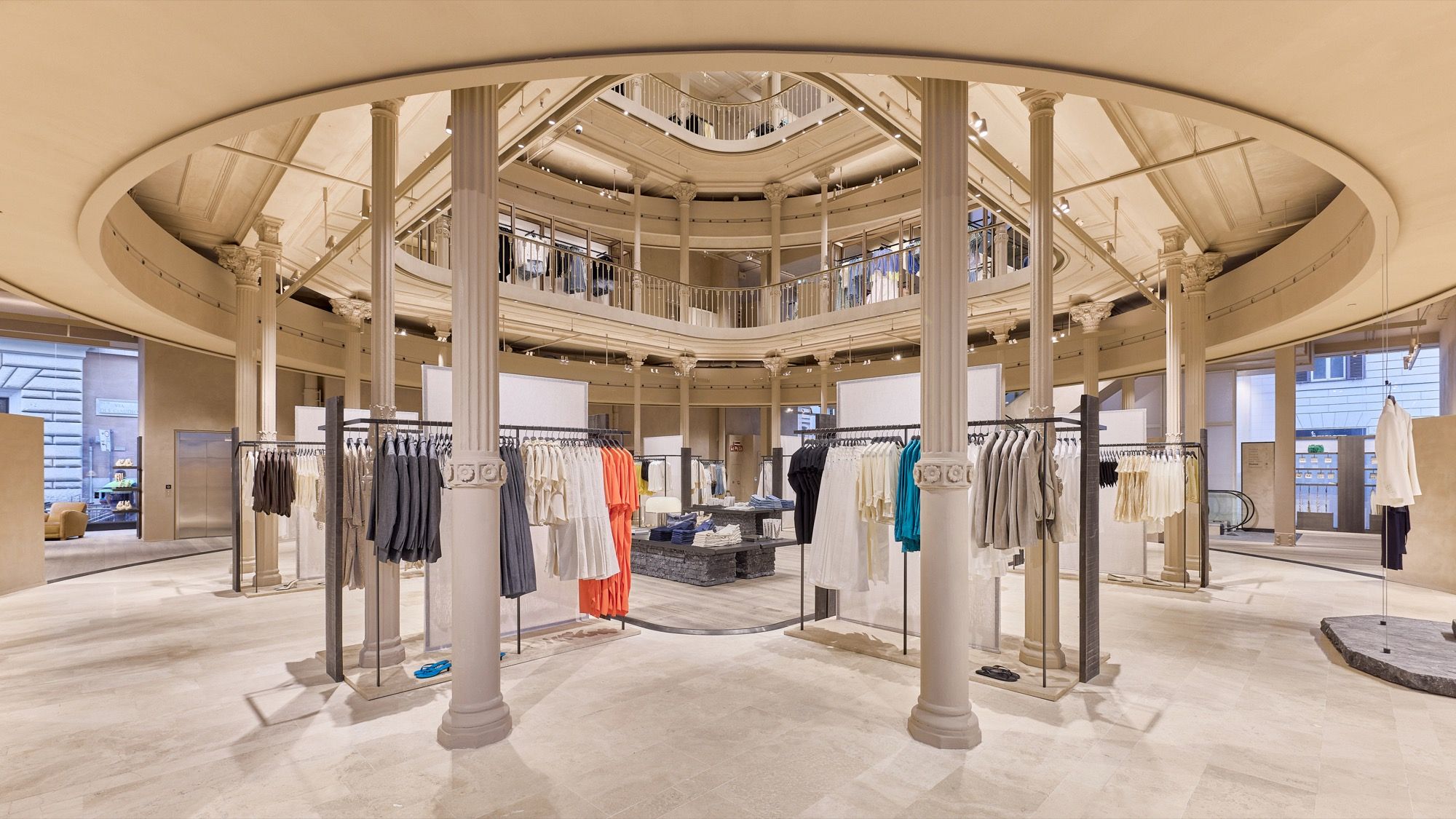
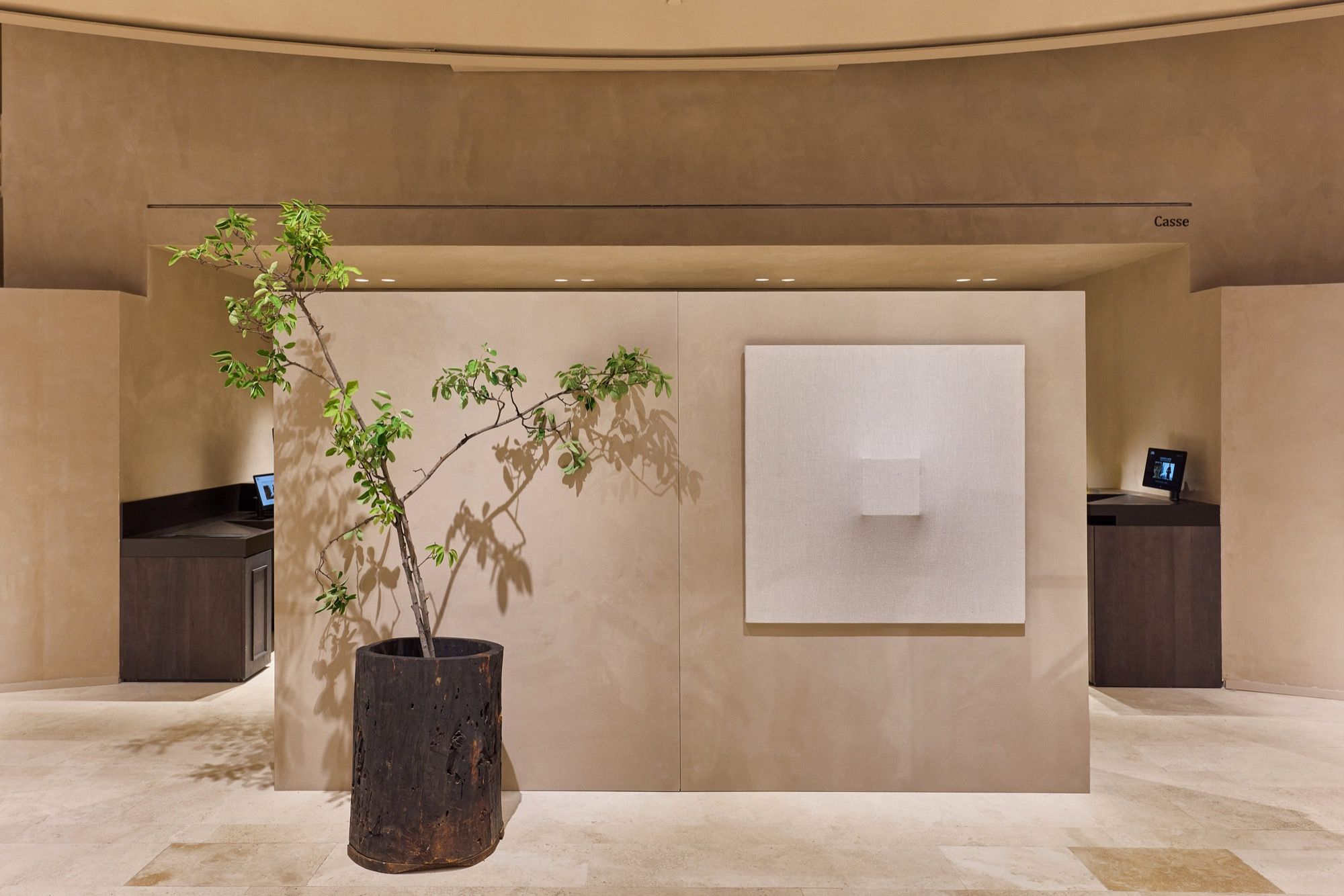
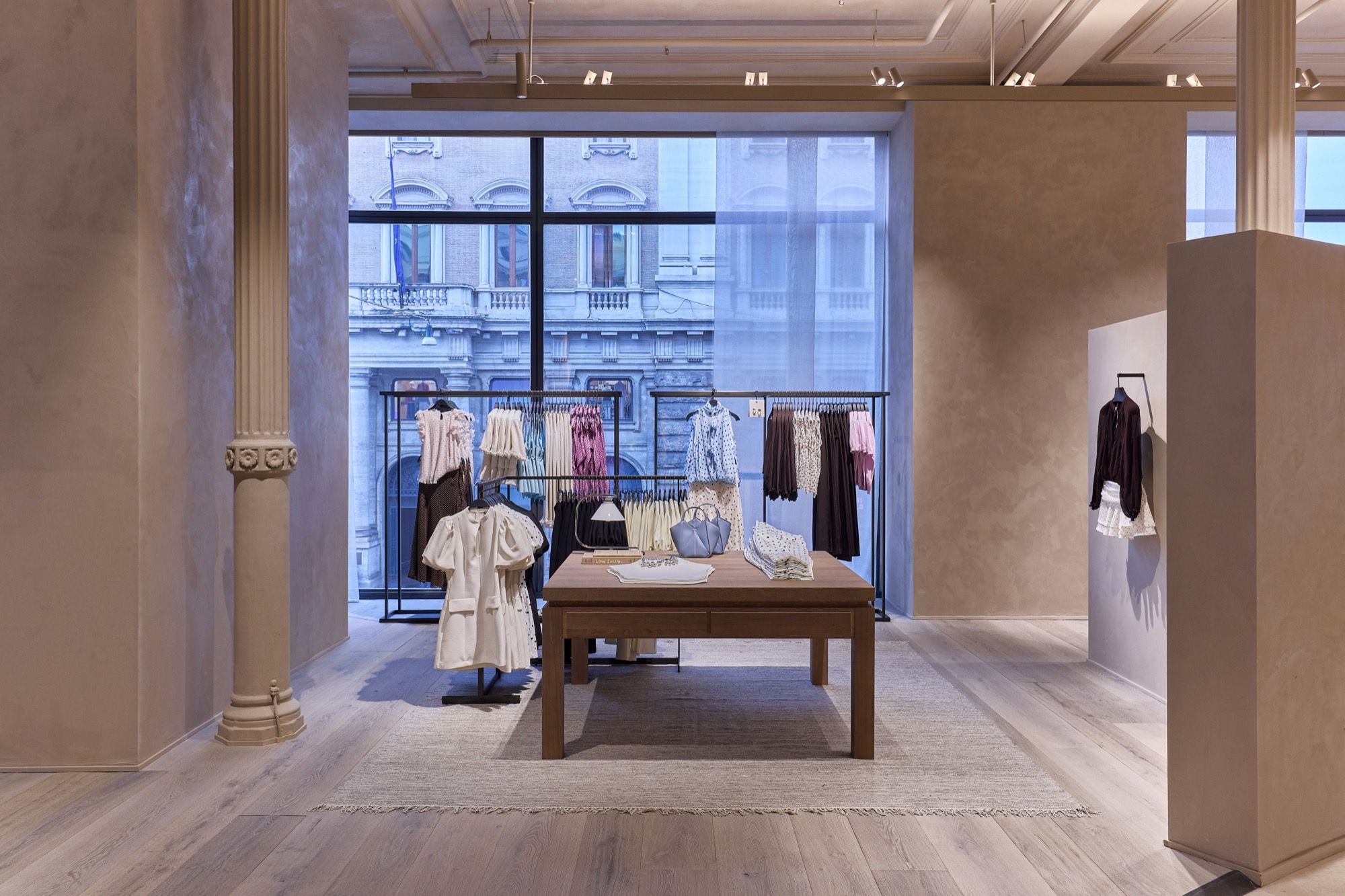
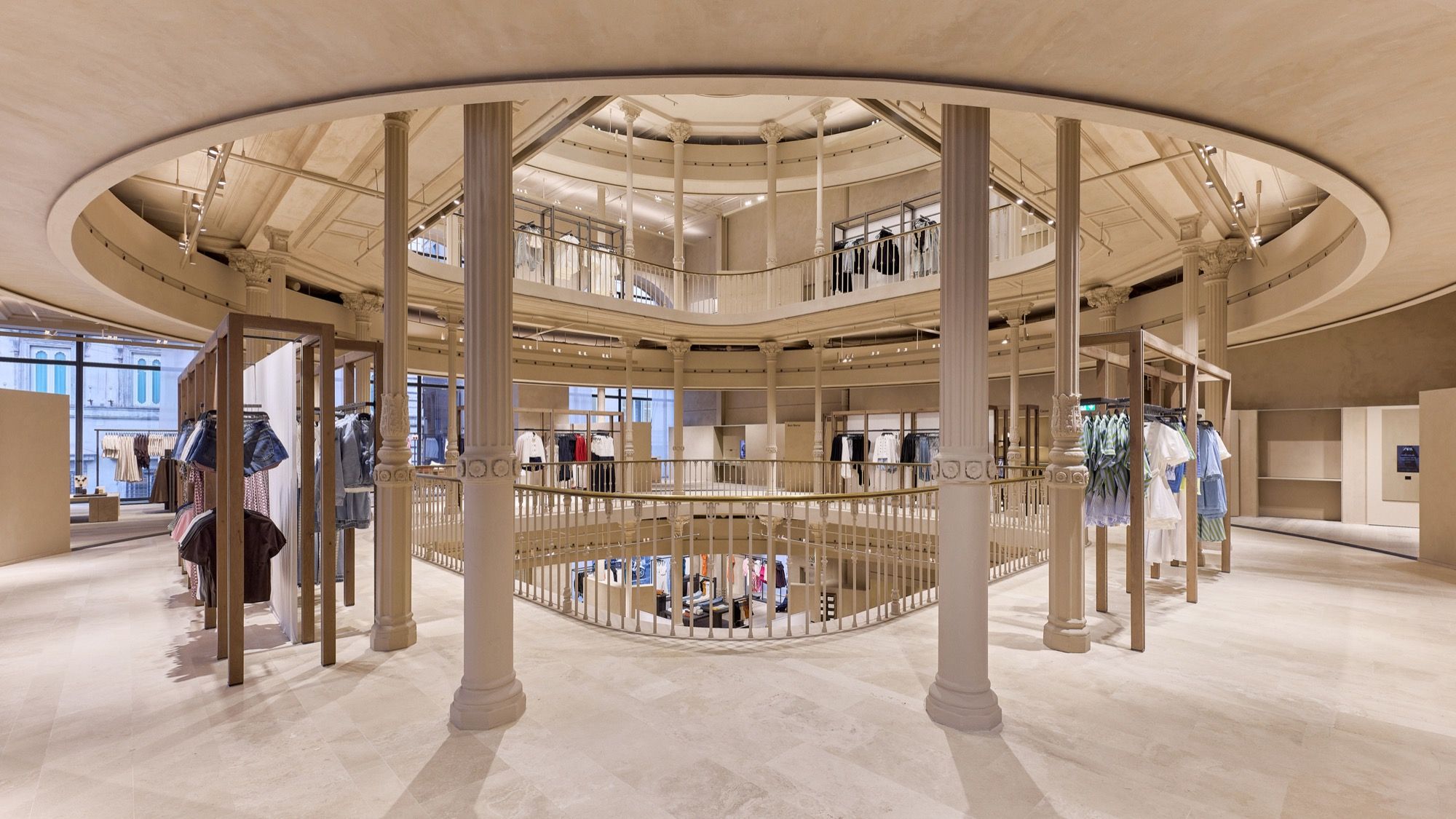
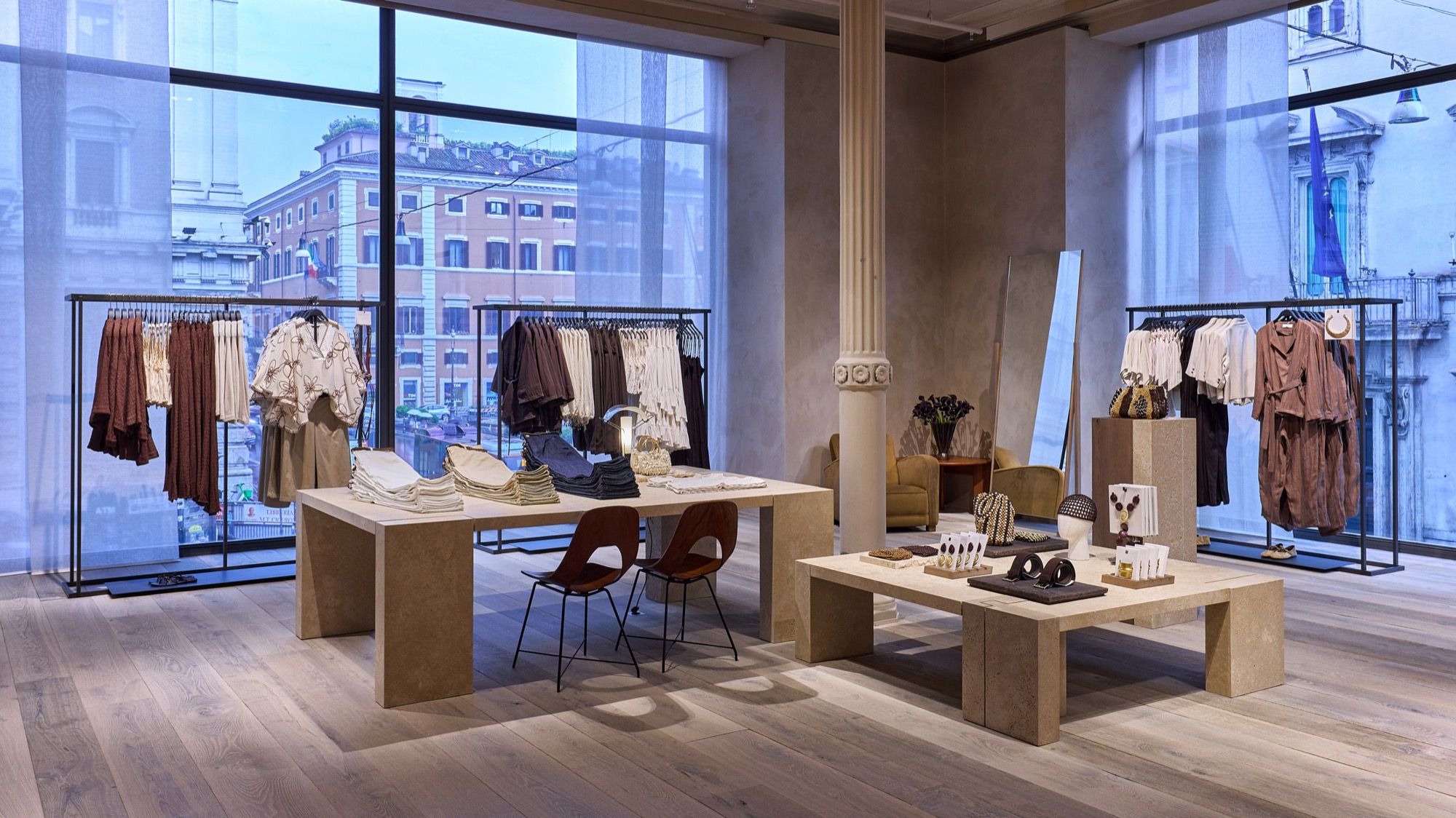
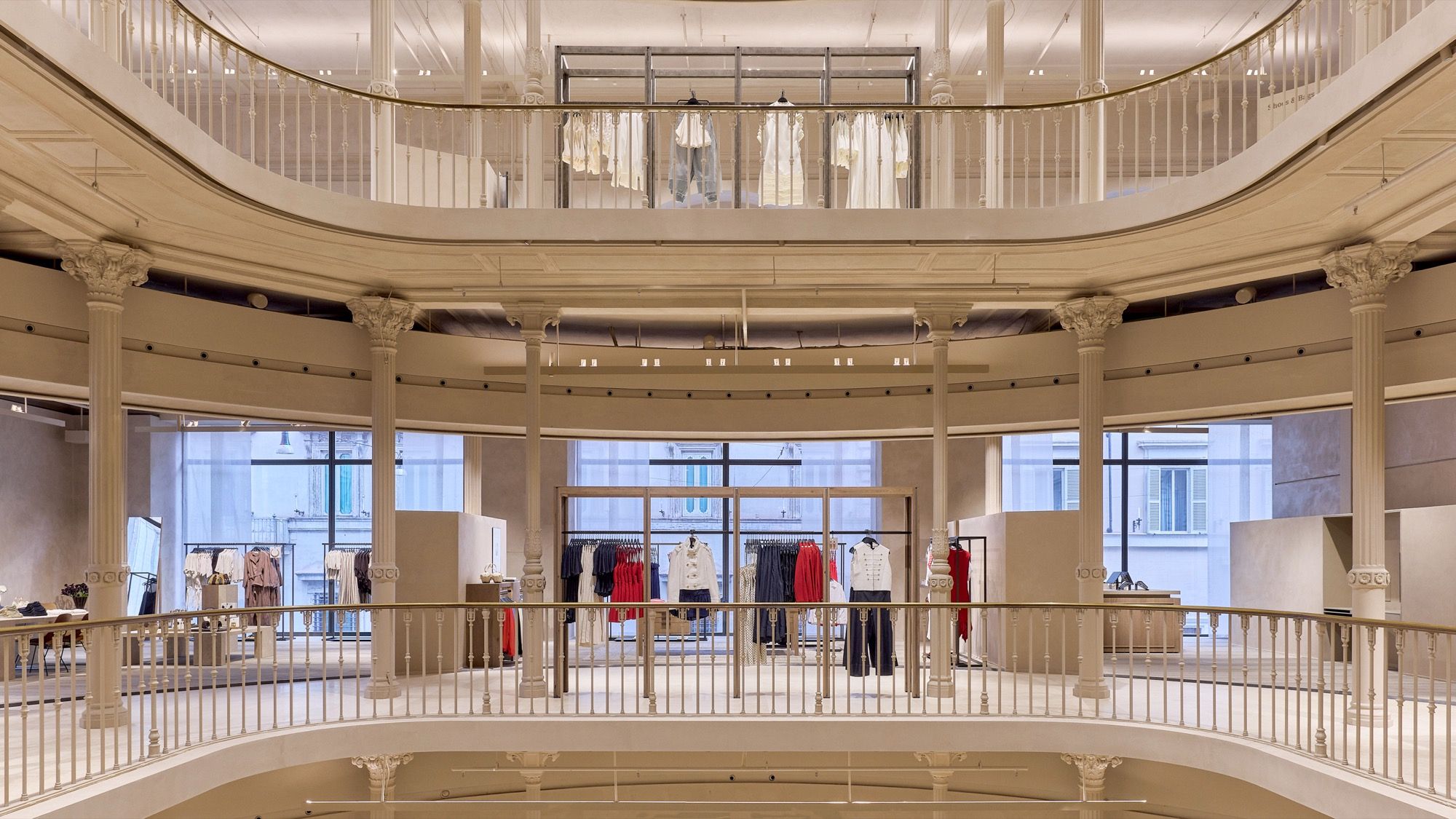
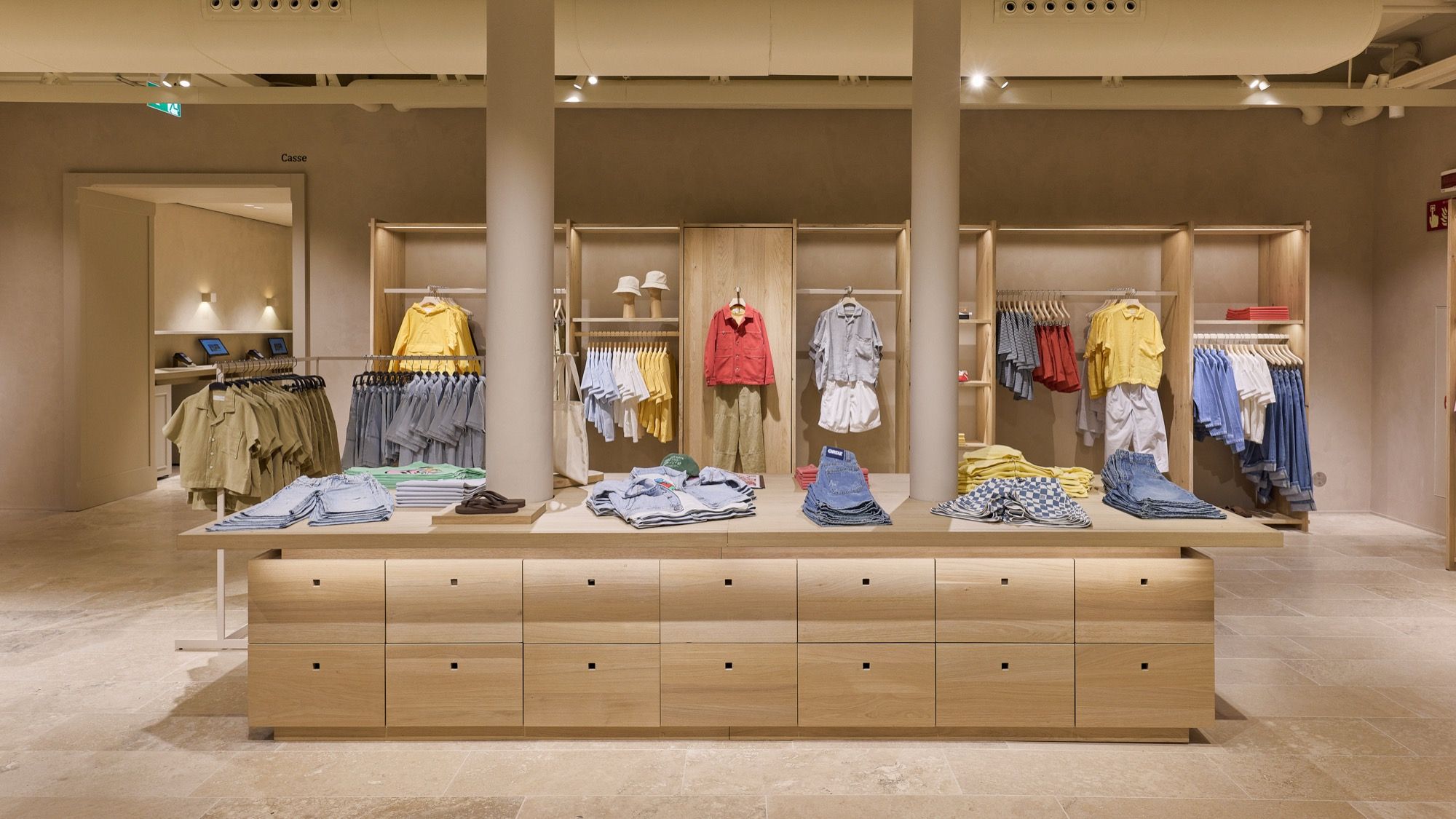
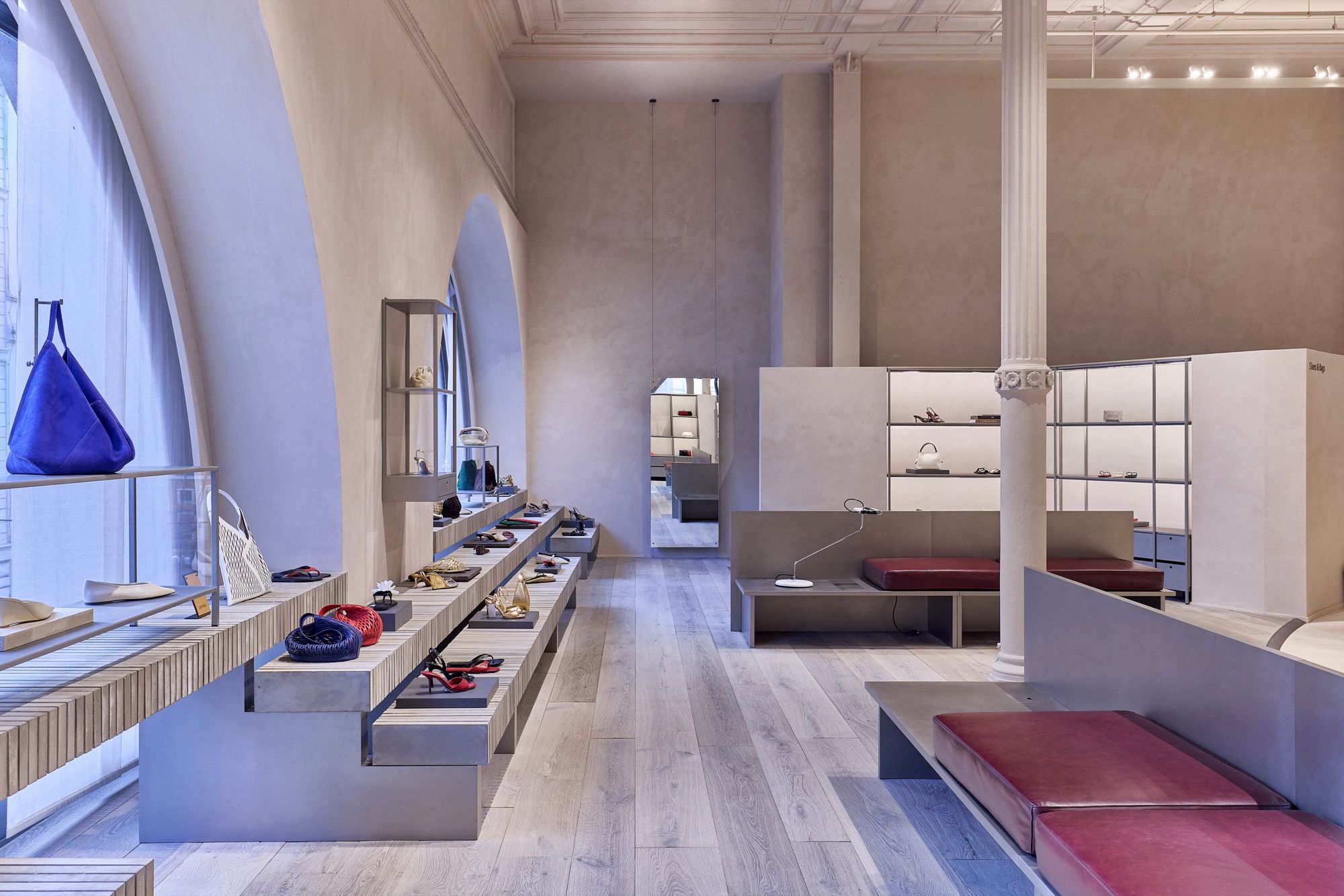
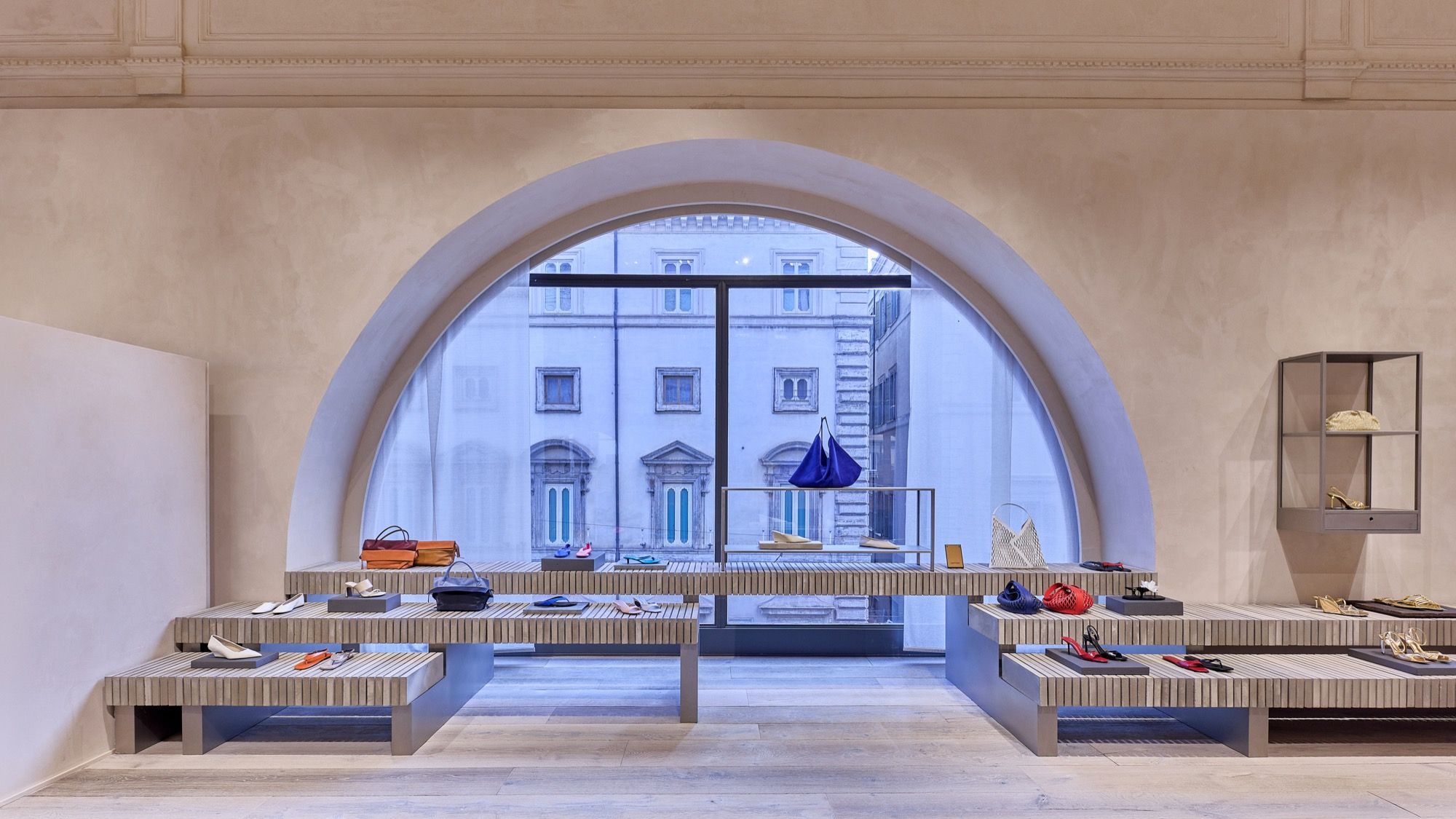
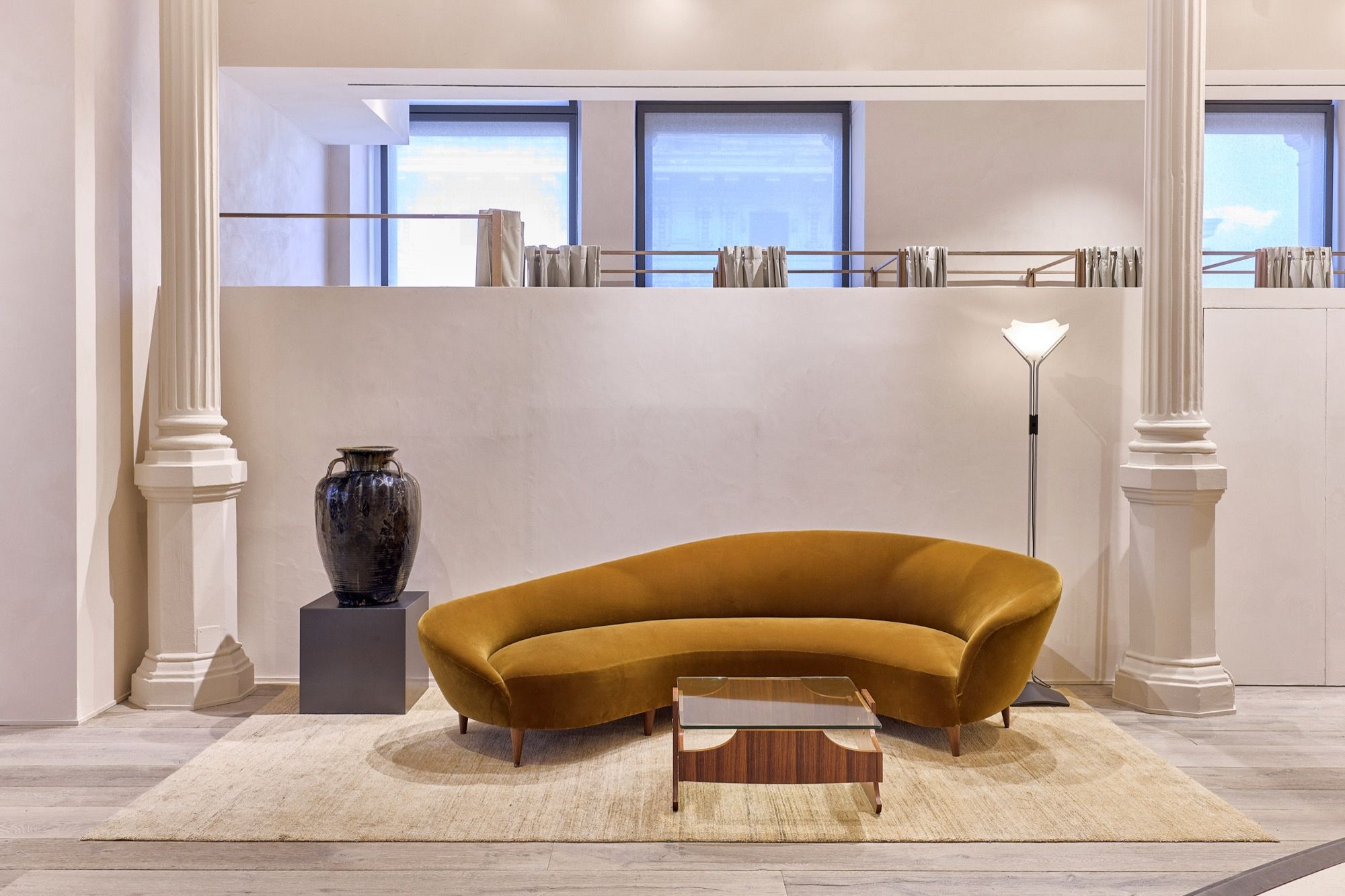
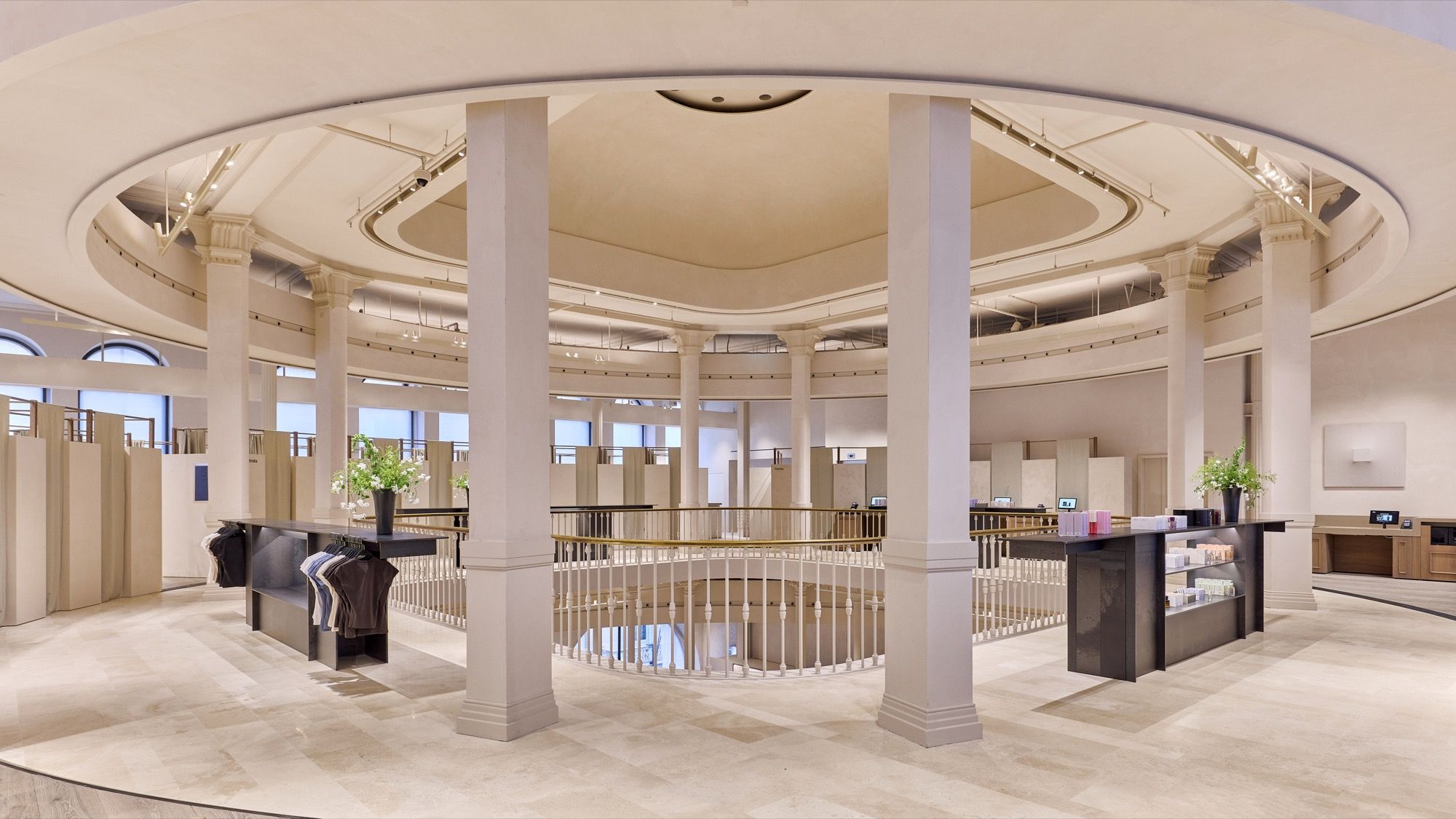
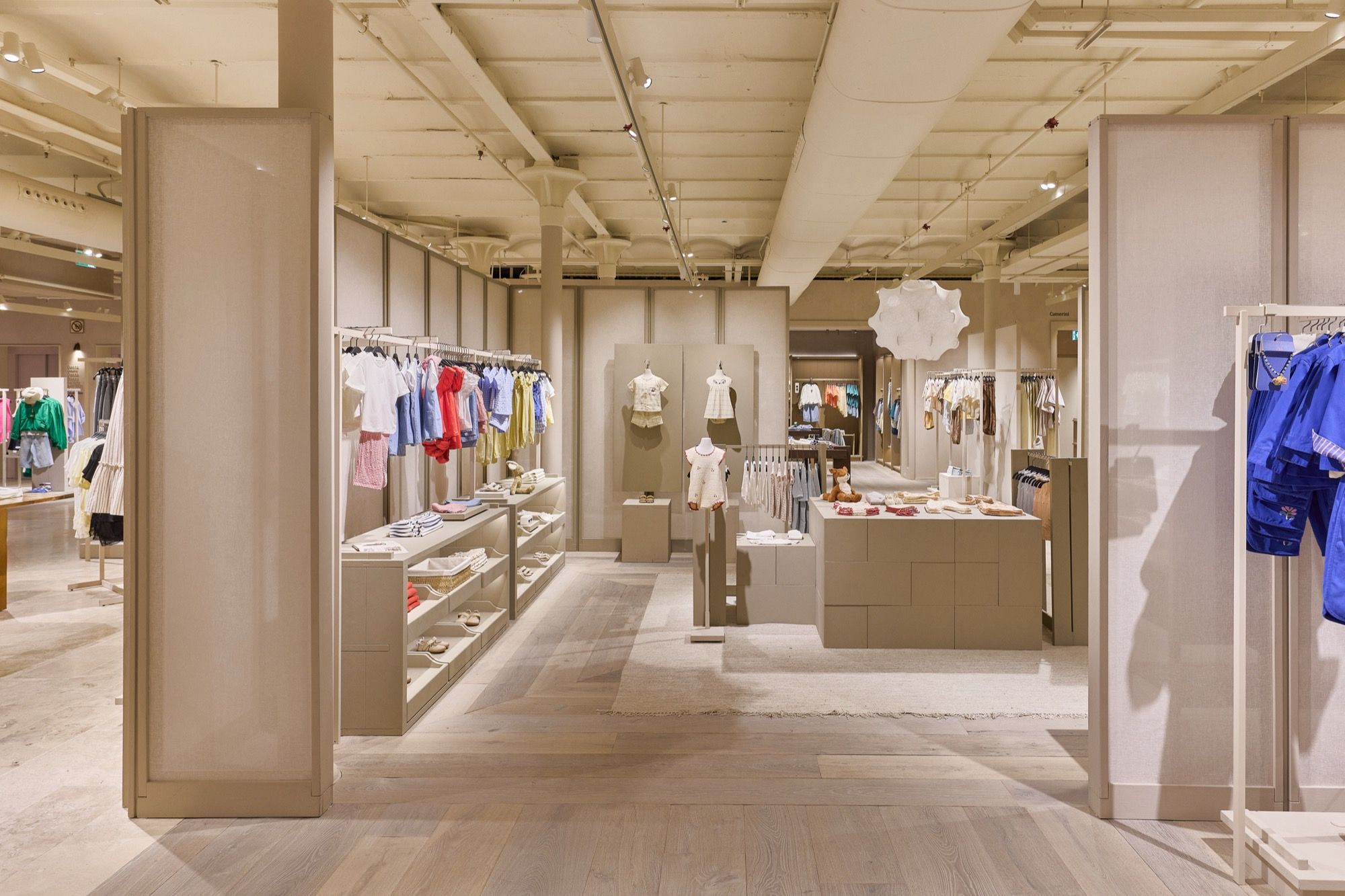
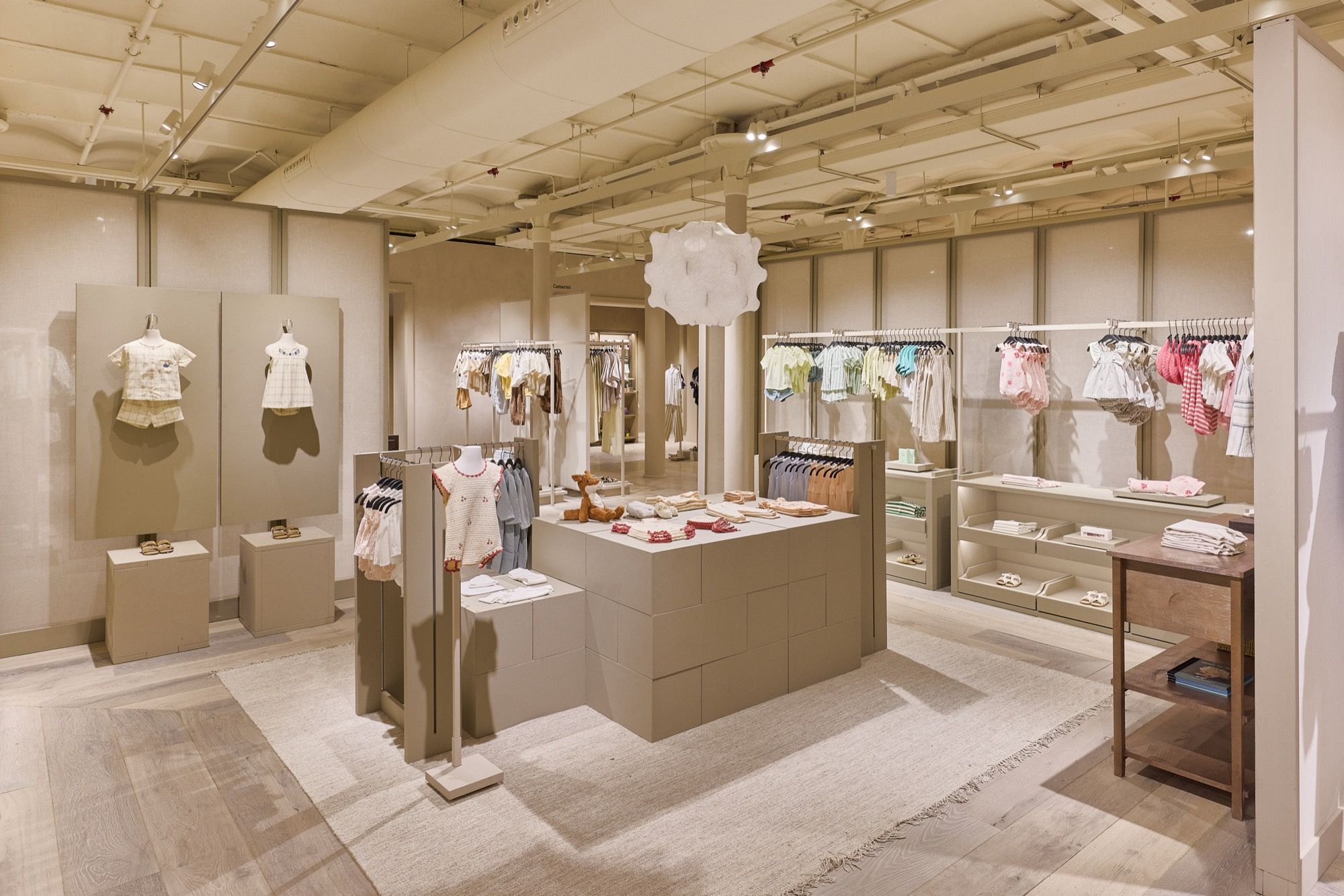
The shopping experience is also changing. In addition to new technological solutions integrated throughout the retail journey, the store introduces areas dedicated to specific collections and exclusive services. On the second floor, for instance, the Shoes & Bags section is joined by "Edited", a service that allows customers to personalise selected bags with custom text and details. Also on offer is a special "Roma Palazzo Bocconi" collection, created exclusively for this opening and comprising Women's and Children's clothing and accessories inspired by the store's architectural identity.
In recent years, Zara has progressively transformed its most important stores into increasingly immersive and carefully curated environments, reducing the number of traditional shops in order to focus on large-scale flagships that are highly technological and designed as experiential spaces. The reopening of Palazzo Bocconi appears to fit perfectly within this strategy.