























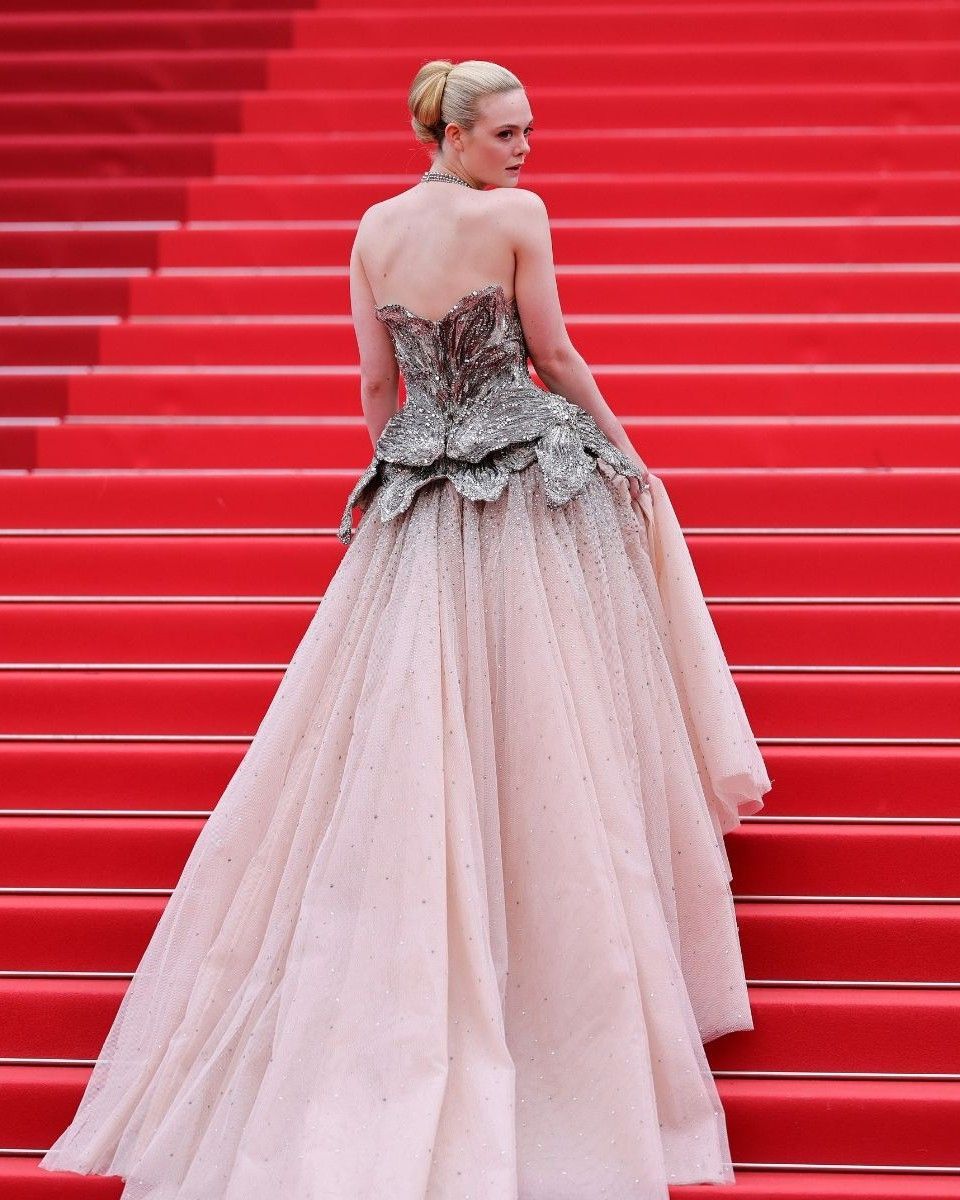
Is the Cannes Film Festival still attractive to fashion? On the eve of the 2026 edition, large investments seem to be destined for lifestyle
Anyone who is terminally online or cultivates a passion for celebrities today knows that a very popular actor is on a red carpet every other day. Between the thousand awards and the thousand ceremonies that have multiplied in recent years, between the first traveling films in the world and the events outside the cinema, the looks of celebrities on the red carpet have become almost a daily occurrence, they have nothing special anymore. And the problem seems to have arrived on the Cannes red carpet where, this year, the luxury lifestyle industry seems to have taken the reins of the many marketing initiatives that will dominate the Croisette.
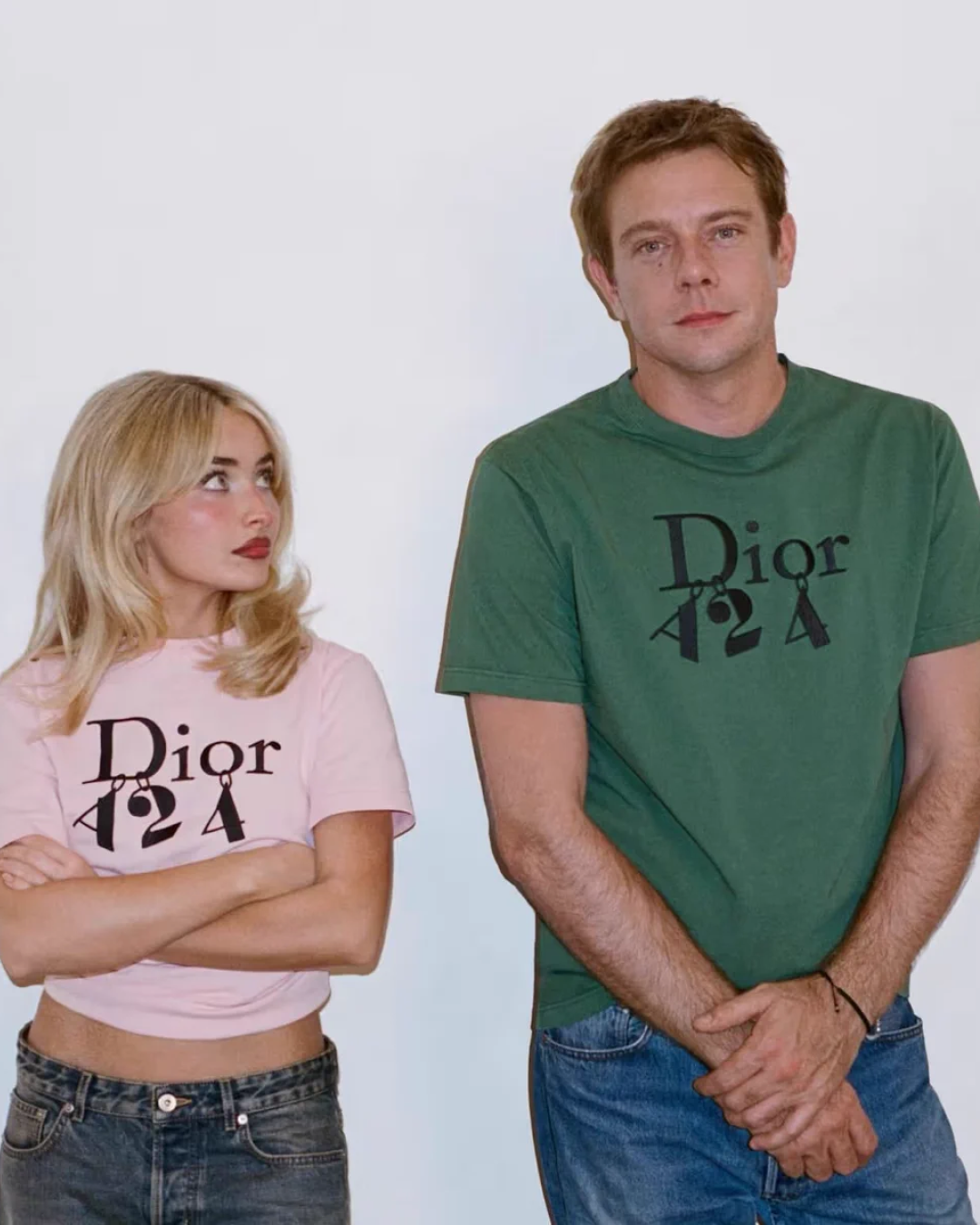
Dior has installed a monumental spa on the sixth floor of the Hôtel Barrière Le Majestic, Alo Yogahas opened stores and organized a series of takeovers that will begin today at the Hotel Martinez; in Cap d'Antibes, Burberry has redecorated the swimming pool of the Hôtel Belles Rives whileChrome Hearts, Fendi Casa and even Autry have opened stores a stone's throw from the Croisette. Magnum (yes, ice cream) will organize a fashion show directed by Law Roach and with costumes by Victor Weinsanto as well as the branding of a bathhouse while the Raspoutine nightclub, in Paris, will open a new location in the city. What do these events have in common? In many cases, even if they use fashion and want to promote it, they are not about fashion but about experiences.
Luxury is a lifestyle
Cannes and, by extension, the French Riviera are a kind of hive for the rich on vacation, celebrities or not, so much so that they will be the backdrop of the next The White Lotus. This is why luxury brands are unusually concentrated between there, Saint Tropez and Cap d'Antibes, often with relevant restaurants and spas and with various strategic alliances with hotels. The insistence on mixing the world of lifestyle (ranging from beach resorts to bars, to even “experiential” stores) lies in the fact that the rich ecosystem of luxury hotels and restaurants, as recently explained by an analysis by PwC published in MF Fashion, has become a profitable and separate line of business almost as separate as luxury stores in airports.
According to economic data, the fashion business sold in hotels was worth 15.3 billion euros in 2024 and, by 2033, is expected to grow by 8.3% to over 31 billion. Which is also the reason why brands invest so much in luxury residences in places like Marbella or Miami that almost always include integrated boutiques. In short, the ultra-rich in pursuit of luxury are increasingly moving within a sort of closed circuit of hotels, spas and restaurants that fashion wants to fill more and more.
But the basis of all this is lifestyle, the motivation for final purchases in boutiques is a matter of proximity and osmosis since, to go to a classic boutique, an active initiative on the part of customers would be needed while it is easier to make someone who happens to buy something in the boutique. In short, it is much easier to go and get customers between spas for millionaires, art fairs, horse riding and running events and so on. It also helps that all these exclusive locations are precisely the place where you can conceivably wear these luxury products. But this shift towards lifestyle causes us to lose interest in the red carpet.
The overcrowding of the red carpet
@hotsy.magazine #cannesfilmfestival #cannes #redcarpet #looks Vídeo: @maximsap original sound - Runway walksss
The question of how much it is worth investing in red carpet fashion emerged today on WWD, in an article where several industry executives evaluated what type of initiative would guarantee the best return on their investments in addition to the classic dress on the red carpet. The problem, in short, is that the festival's marketing landscape is so full of brands that want to be seen and collateral initiatives that, in the chaos that is generated, visibility is lowered for everyone or in any case does not translate to sales. As with fashion weeks, in short, there is a big problem of saturation.
According to data from Launchmetrics, last year's edition generated more than 1 billion dollars in Media Impact Value (MIV), surpassing the combined visibility of the New York, London, Milan and Paris fashion weeks during just 12 days of red carpet. The CEO of Launchmetrics, however, said that it is not automatic for visibility to “translate into brand equity” since “there is a chain that goes from visibility to memorability, preference, purchase intention and loyalty.” The problem, emerges from the article, is that even the best look on the red carpet is seen for a few seconds since not only is the red carpet itself full of influencers, tiktokers, various micro-celebrities, but also of side events and activations and, in general, it is located in a social context where ceremonies, events and awards are the order of the day and will be forgotten tomorrow.
Interviewed by WWD, Lucy Robertson, global head of brand marketing at the influencer agency Buttermilk, said that brands are now monitoring the increase in searches, traffic on sites, retail signals and long-term engagement. For example, Bella Hadid's Schiaparelli and Chopard look in 2021 has become a bit of a modern classic and continues to emerge and re-emerge while many other looks from past editions lie in oblivion. Some brands such as Chopard himself or Saint Laurent, becoming permanent partners or working in the first person in the cinema, have managed to “escape” the ephemerality of the Croisette, but they are exceptions. And that's why attention is shifting to lifestyle.
Faire de l'expérience le levier de la vente
So sad to see the death of Cannes Film Festival. Most of these are not even actors or have any film showing at Cannes. Films are replaced with fashion. Actors with SM influencers. Film Journalism with… you know what…
— Vivek Ranjan Agnihotri (@vivekagnihotri) May 22, 2023
And FILMMAKERS… who cares about them?
Om Shanti! pic.twitter.com/fBMdWF1sSE
Who wouldn't want to book an appointment at the Dior spa with the cream of the world's experts? Why do Benedetta Petruzzo and Roberta Benaglia, CEO of Alo Yoga and Autry respectively, talk about the new stores as' destinations'? And why is the new Chrome Hearts store located inside the luxury citadel Palm Beach Cannes (among the partners behind the location there are obviously also the Arnaults) and offers private shopping appointments and tailor-made evening dresses? Lifestyle is the explanation.
Now that Ultra-Ricchi's customer base is so small and customers have to be “caught” practically one by one, almost like an alpaca to shear, the promotional power of looks on the red carpet has become ineffective: a network that is too large and generic for an audience of real customers who may not even look at them on social networks, but are happy to pay a fortune for an afternoon at the Dior spa, for a custom-made jewel signed by Chrome Hearts or a few hours of comfort on Burberry's sunbeds in a legendary hotel.
The point is precisely the transition from a logic of pure visibility to one of lasting equity and integrated storytelling. A good experience is unforgettable, one of those things you tell your friends, which creates trust as well as the idea of having the best of the best at your disposal. The step from experience to purchase intention is much shorter and more agile than the step that, on the other hand, starts from an Instagram post. If only this preference given to quality over quantity were also extended to the expensive products found in the store, we would live in an ideal world.