




















If Coach is growing by the day, it’s because people can afford it On Wall Street, Tapestry’s share price outperformed Kering’s
Compared to the major fashion groups (and not just in luxury), Tapestry Inc. is small, consisting of only two brands: Coach and Kate Spade. This does not mean the group is weak, especially since last year a legal issue blocked its acquisition of Capri Holdings for 8.5 billion dollars. The deal did not go through, but it was no great loss: Tapestry Inc. saw rising sales and excellent growth rates in the following months and, after the latest quarterly results, the “small” group is now growing faster than Kering, thanks entirely to Coach.
For the third time this fiscal year, the company has raised its annual guidance, beating analysts’ estimates with revenue of $1.92 billion against expectations of $1.79 billion, and adjusted earnings of $1.66 per share, well above forecasts. Growth has now continued for six consecutive quarters and full-year revenue guidance now stands at around $7.95 billion. But why this success in a moment of general weakness for the fashion industry worldwide? Economists always give structured answers, but to put it more honestly, there is only one reason: people can afford Coach products and therefore they buy them.
Accessibility or luxury?
The official explanation for this growth concerns sustained demand for the brand’s products among a young audience of Millennials and Gen Z. The Tabby bag appears to be the most successful item, along with leather charms and constant product innovation. But the key point is that the company has adopted a strategy that prioritizes accessibility compared to the rest of the luxury sector, leveraging the spending power of the American public (playing at home is undoubtedly an advantage) and especially riding the wave of that Gen Z clientele that everyone wants to attract with marketing, but no one with prices.
On the stock performance side, the most surprising fact is that Tapestry’s market capitalization has come very close to that of Kering, with the gap between the two companies becoming increasingly narrow even though the scale of the two groups is radically different — Kering has ten brands and an eyewear company compared to Tapestry’s two brands alone. Five years ago, in the Alessandro Michele era, Kering was worth more than ten times Tapestry. Two years ago, three times. Today, there is a difference of ten billion: Tapestry’s market cap is around $27 billion while Kering stands at $36 billion. It is hard not to read this as a sign of the times.
The problem is literally the prices
@thegreatkc decorating my @Coach empire carryall 48 in loved leather #coachbag #bagcharms #janebirkin #versatilefashion #nyc Beautiful Minimal Tech House - Yuki Takasaki
So one thing needs to be understood. Unlike Kering’s brands, and especially Gucci which still accounts for 40% of revenue, the “small” Coach has had the same creative director since 2013, does not enjoy the same worldwide recognition (in Europe, for example, it is not very widespread), and does not have the massive industrial and promotional apparatus of the French mega-group. Yet 2025 sales grew 14% compared to 2022, with a 29% surge in the last quarter. The truth behind this growth is of disarming simplicity: when people can actually afford a brand, they go and buy it.
As BoF explains, between 2020 and 2023 almost all European fashion brands raised prices by an average of 36% without introducing new designs, often relying on nostalgia-bait. The result, as nss magazine has noted several times over the years, is that the aspirational clientele has shifted its fashion spending toward newer and less expensive brands, while traditional fashion fought to divide up a global elite of the rich that is growing, but is necessarily a micro-minority compared to the rest of the aspirational audience. And Coach gave that aspirational audience something it could actually buy.
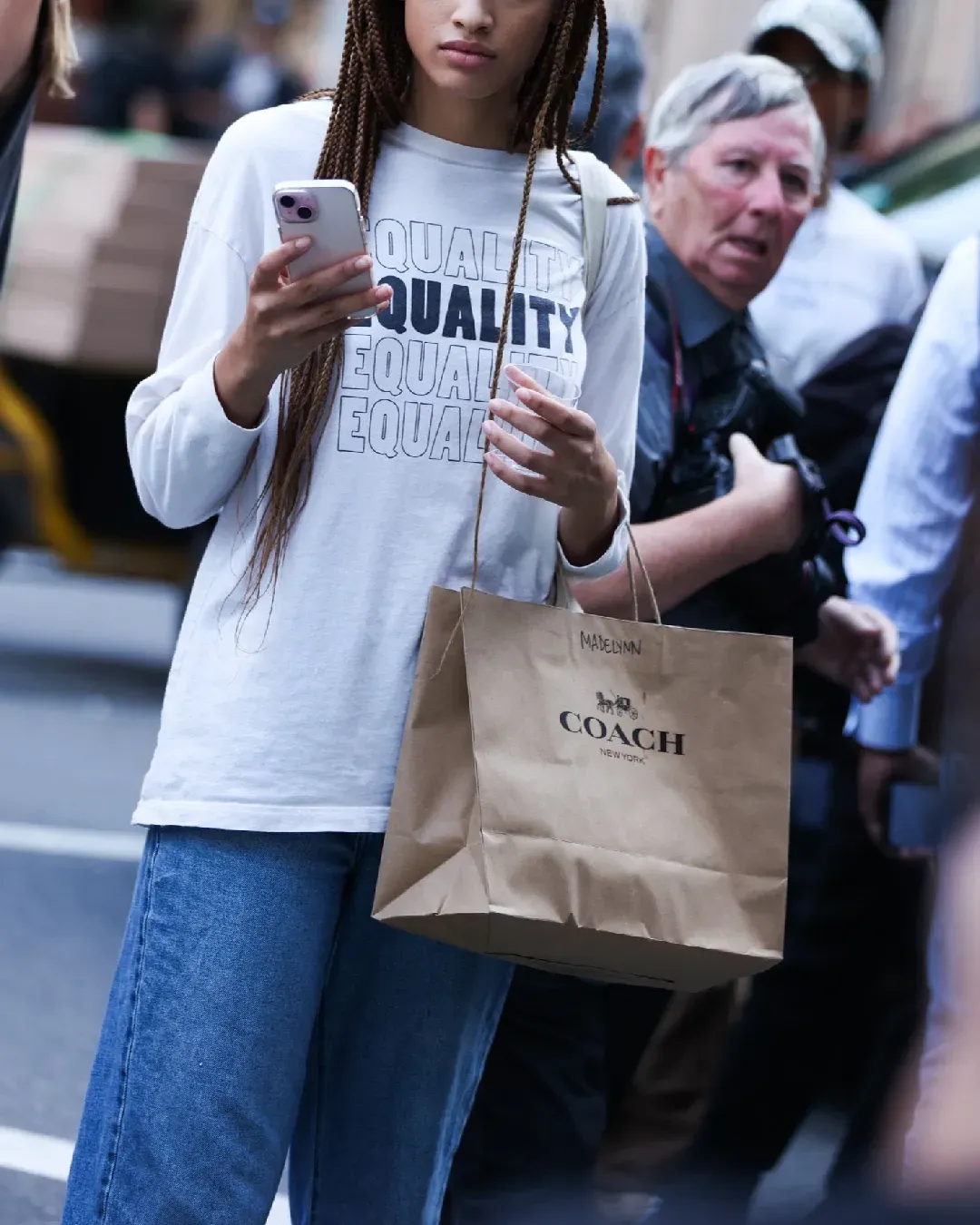
The most expensive Coach Brooklyn bag does not exceed €500, while the most expensive overall stays under €1,000. In many cases the most expensive bags are basic models decorated with dozens of charms. The real trick behind the brand’s rising sales is that you can buy a more affordable bag and decorate it with charms and accessories over time, returning to the store again and again. The most expensive Coach charm still costs less than the cheapest bag charm from any luxury brand (no need to name names), and this is the entire “magic formula” behind the brand’s success. Obviously another key element is the image the brand has cultivated.
A brand for the young
charli xcx carrying the coach brooklyn bag…an it girl bag for a true it girl!!! pic.twitter.com/eOWTKbIrIn
— corinne (@MIUCClAMUSE) May 12, 2025
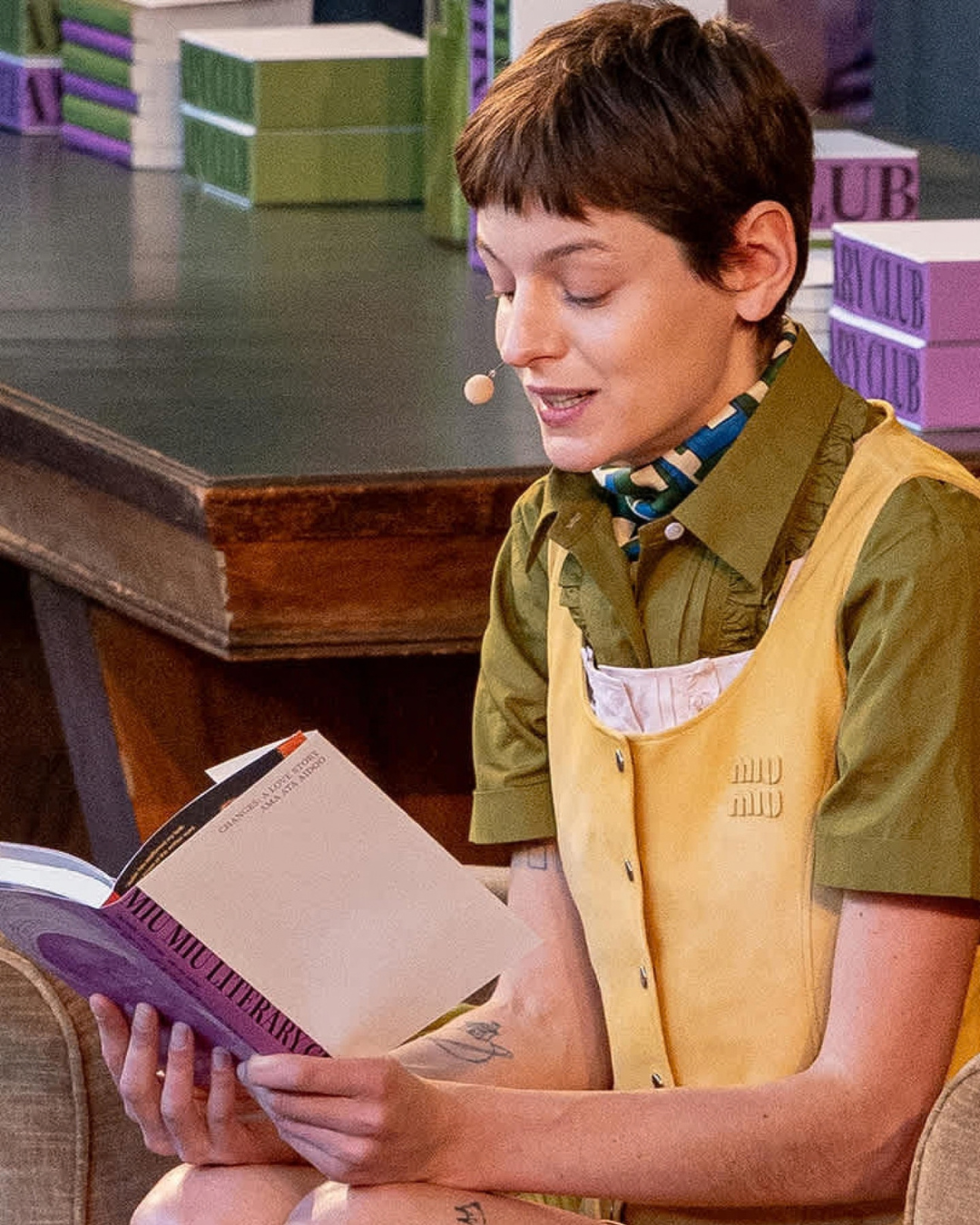
If Coach has become so strong, especially in America, it is also because it has managed to attract younger customers. The photo of Elle Fanning reading the micro-book on the subway went around the world (there was also an official campaign that included Storm Reid and SOYEON among others) and that micro-book could actually be purchased — there were 12 different ones. There were also collaborations with universities, American and Asian bookstores, as well as the most famous reading podcasts like Reese Witherspoon’s book club. When was the last time a luxury brand did something like that?
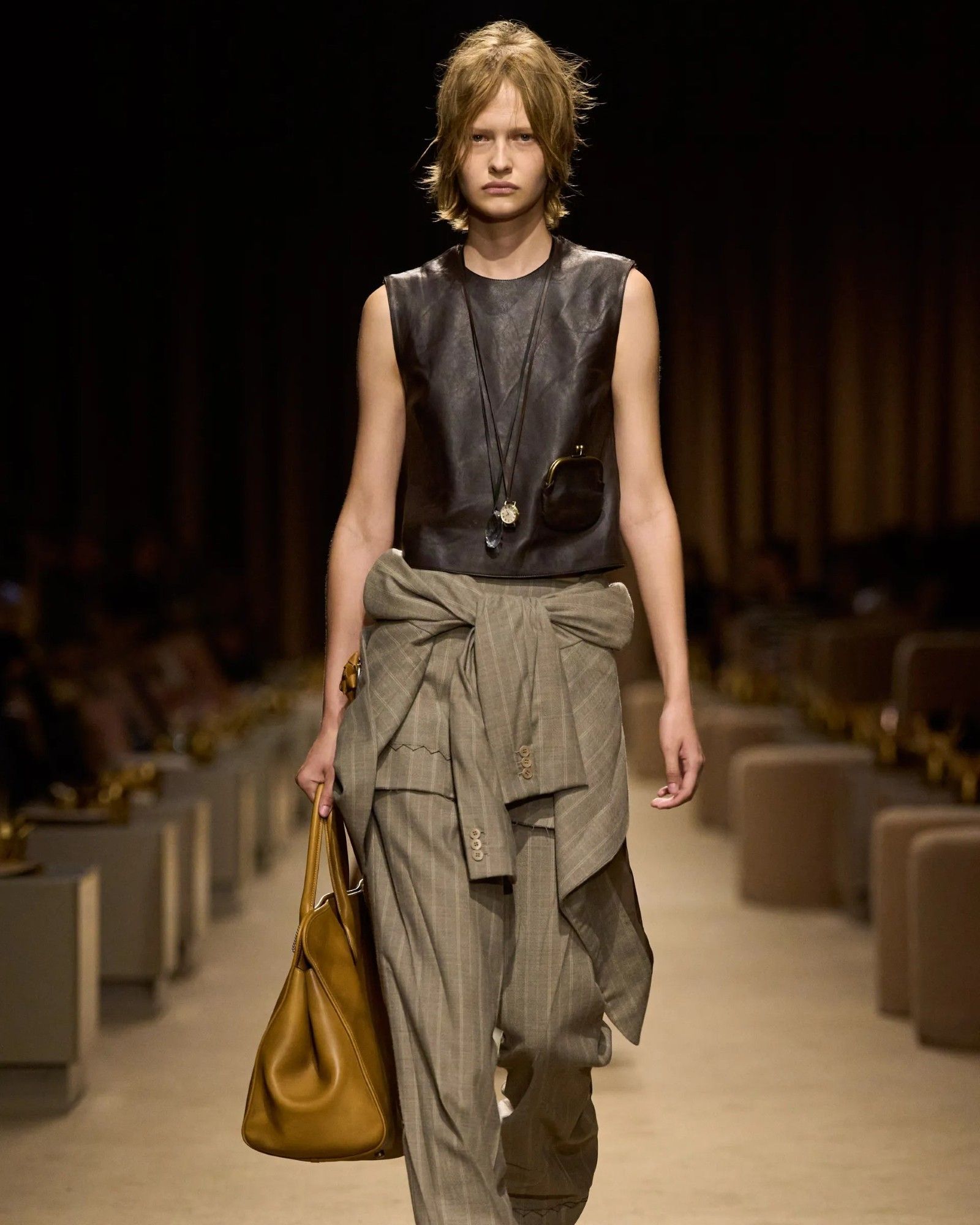
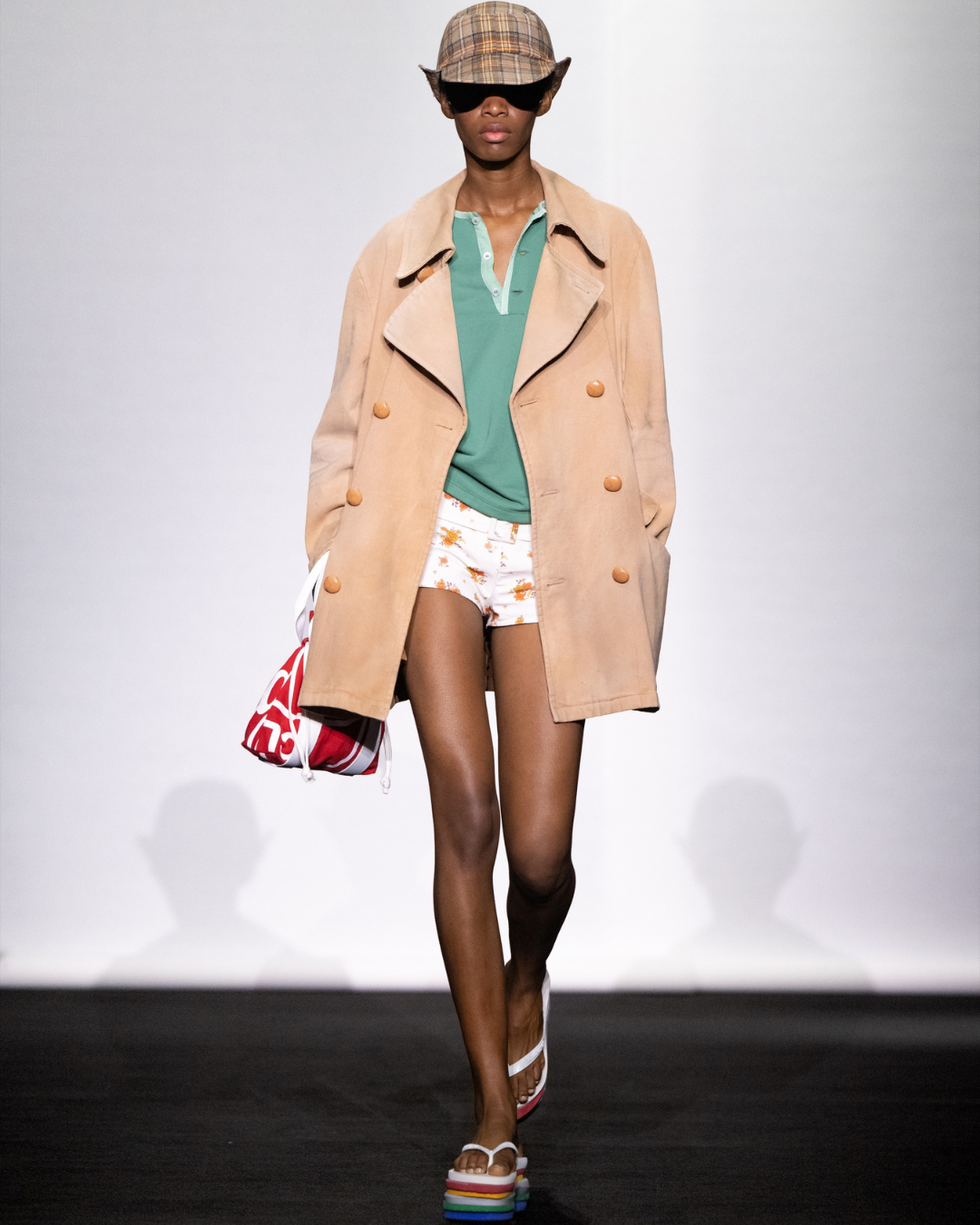
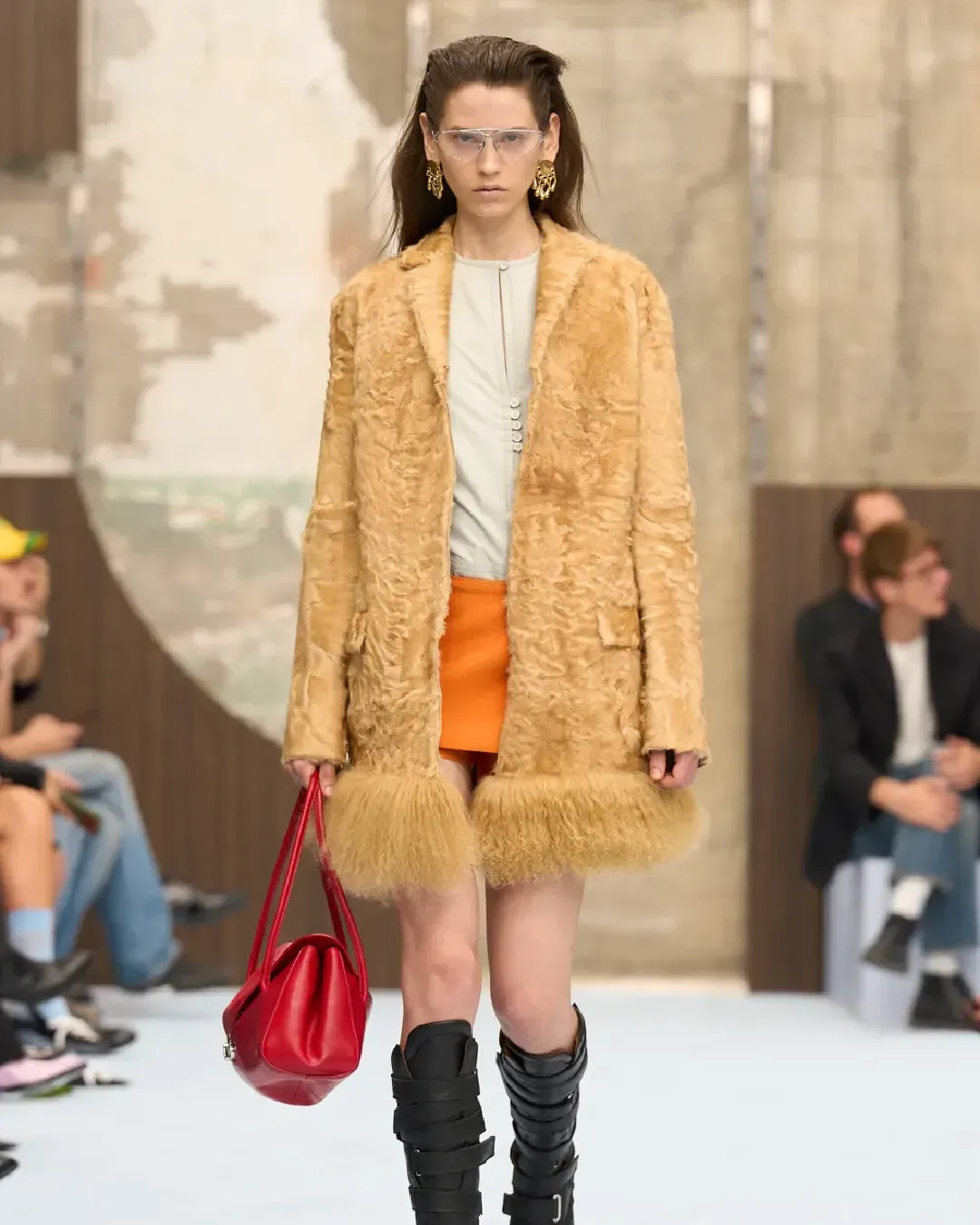
In general, the brand has increased its marketing spend, but it has also relied heavily on organic coverage from its own customers, for example posting TikToks on how to personalize their bags. Another unquantifiable factor in this success is the brand’s aesthetic shift. Starting roughly from FW22, Coach’s runway collections became a bit edgier, featuring cropped leather jackets, distressing, and punk elements that gave the brand a distinct flavor while keeping its aesthetic narrative “open”.
The greater exposure at competitive prices has allowed not only an increase in volume but also a rise in average selling price and an expansion of operating margins. Today Coach’s margins are at the level of the best European luxury players, despite a more accessible positioning. Moreover, over 80% of sales come from the high-margin category of bags and leather goods. In short, while European luxury invests in new creative directors and tries to better structure a very complicated price pyramid, Tapestry follows a pragmatic strategy and meets its customers where they are. Of course, it will now have to remain desirable without selling out or diluting itself, but Coach’s case is further proof that the old luxury model no longer works as it once did.