.gif 2000w)

























Zegna at the Biennale and the new role of patronage in fashion There is no luxury without culture, nor culture without luxury
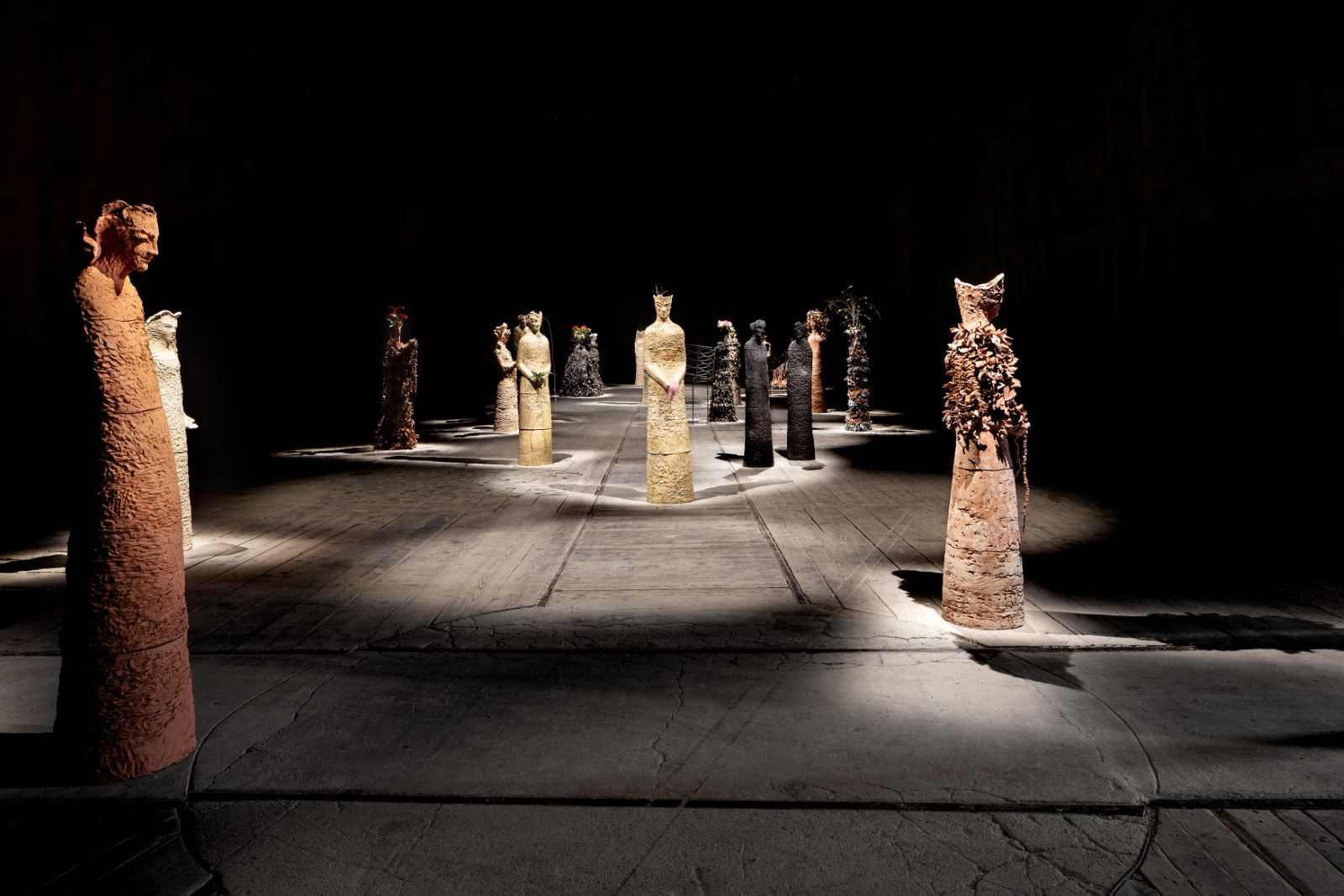
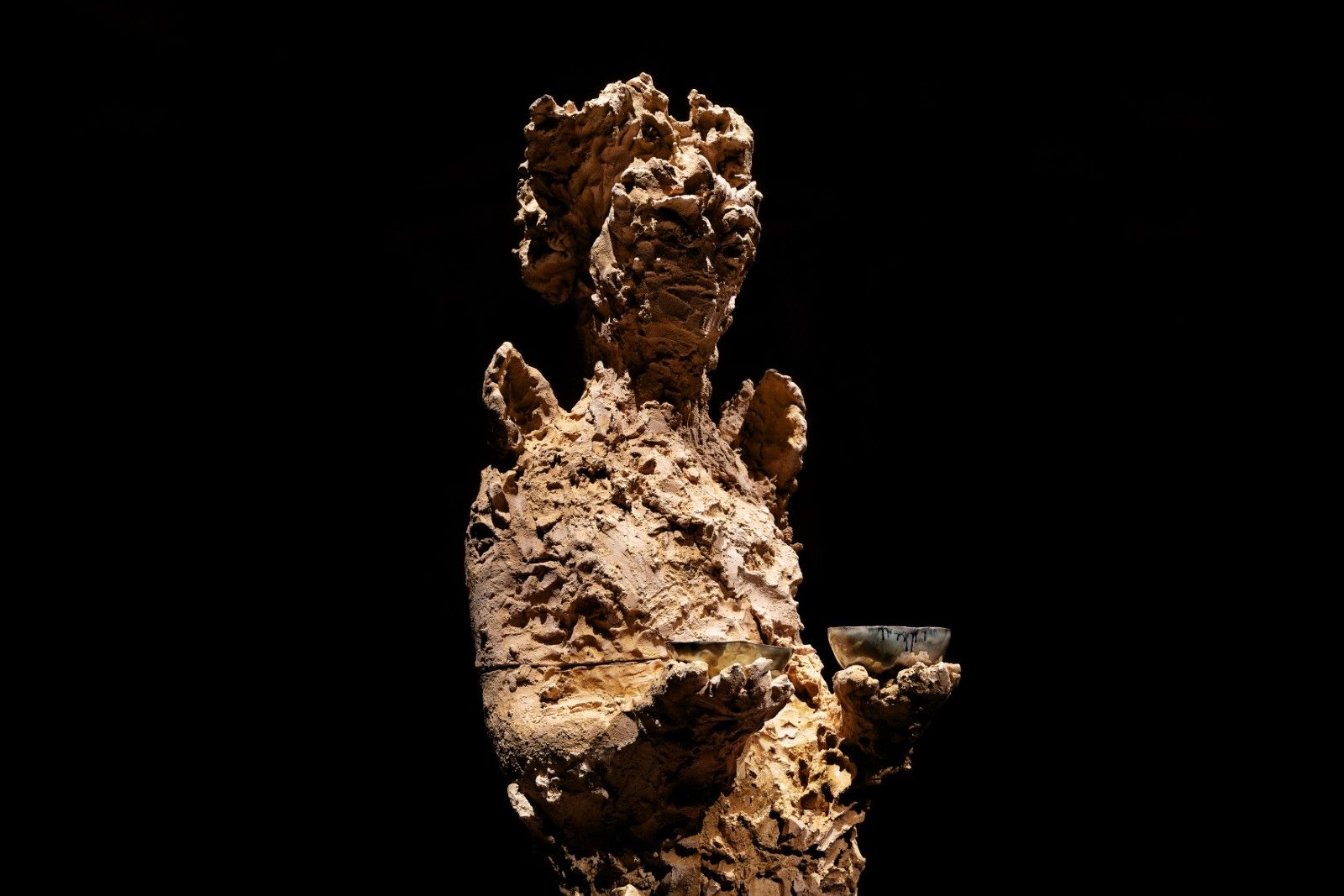
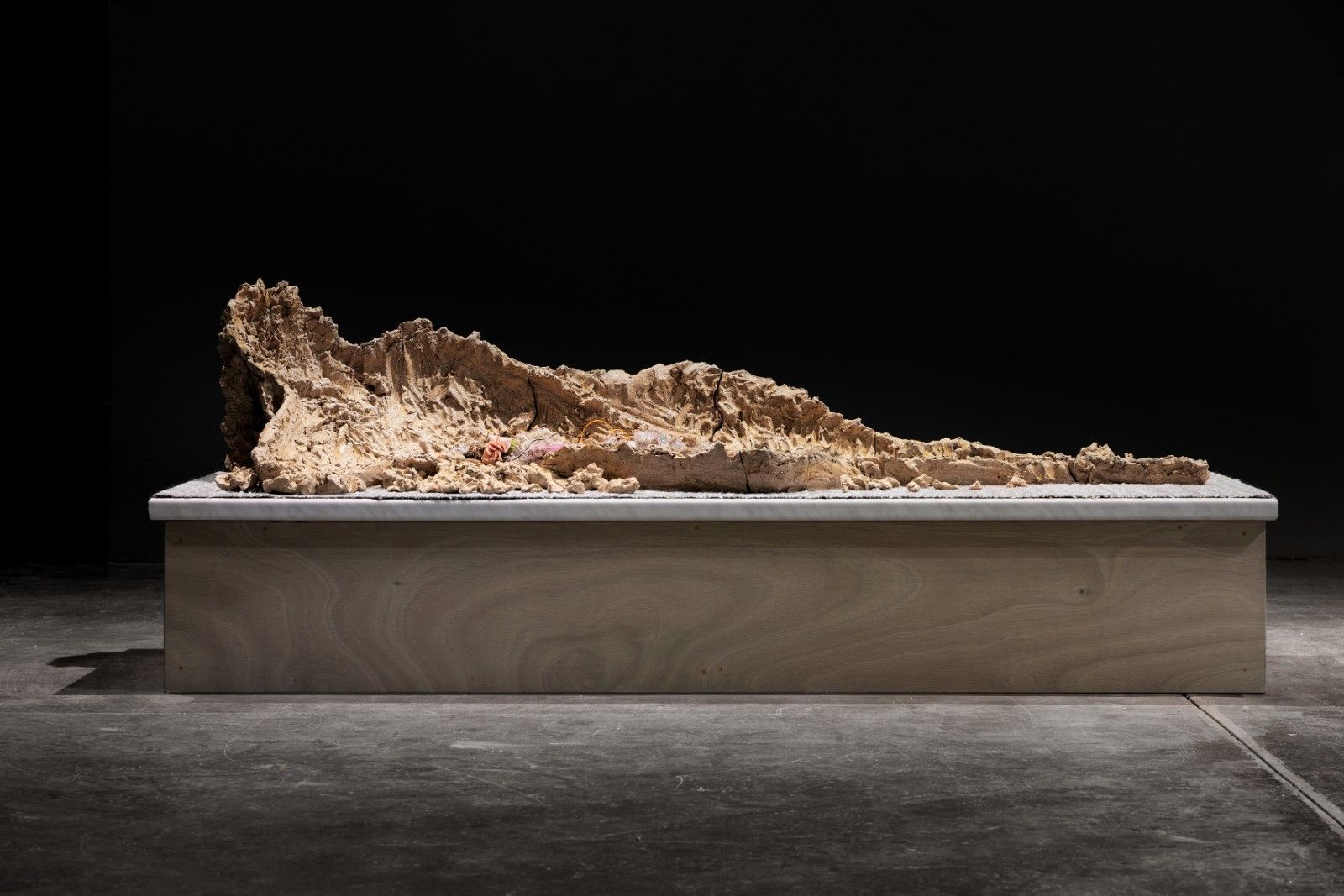
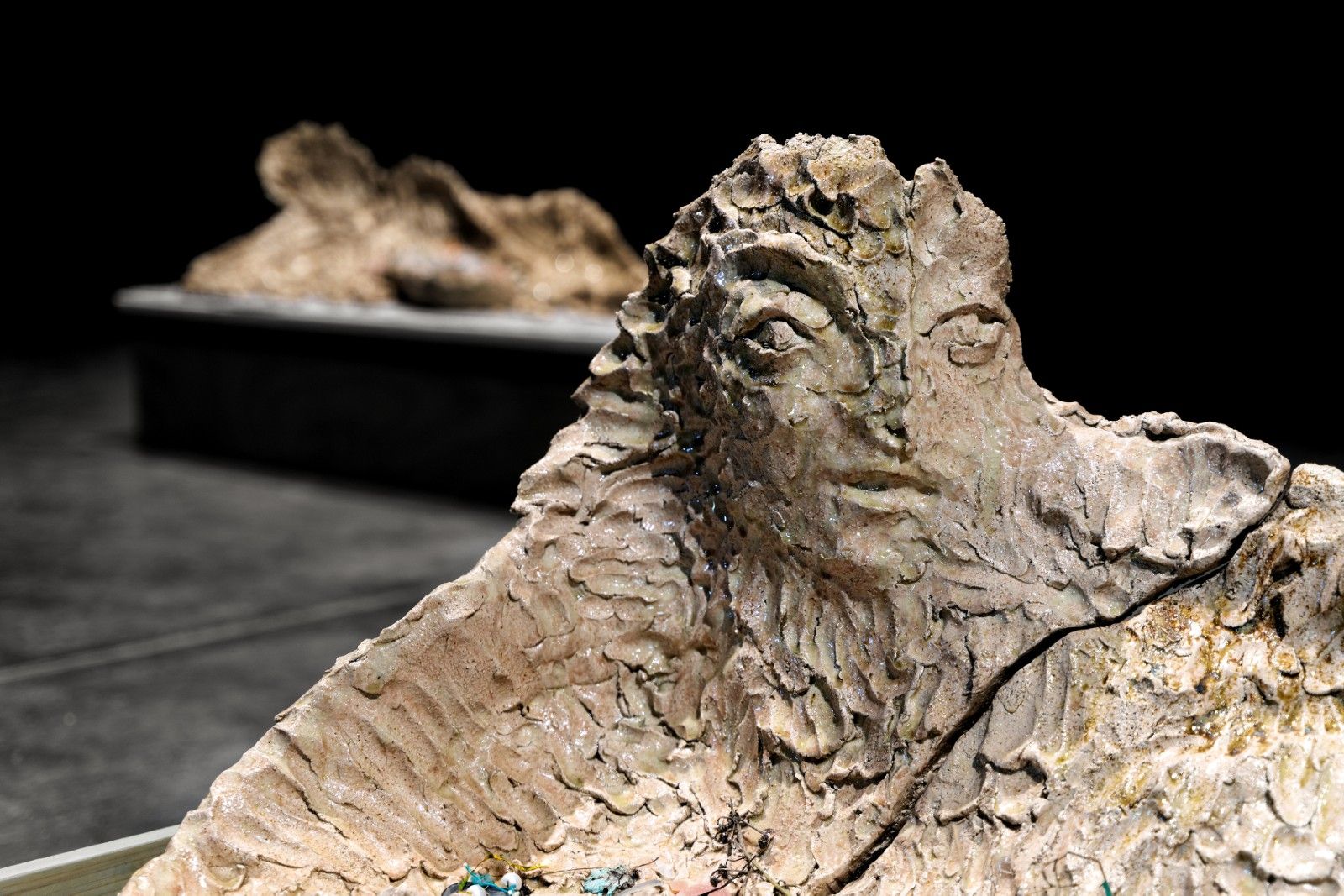
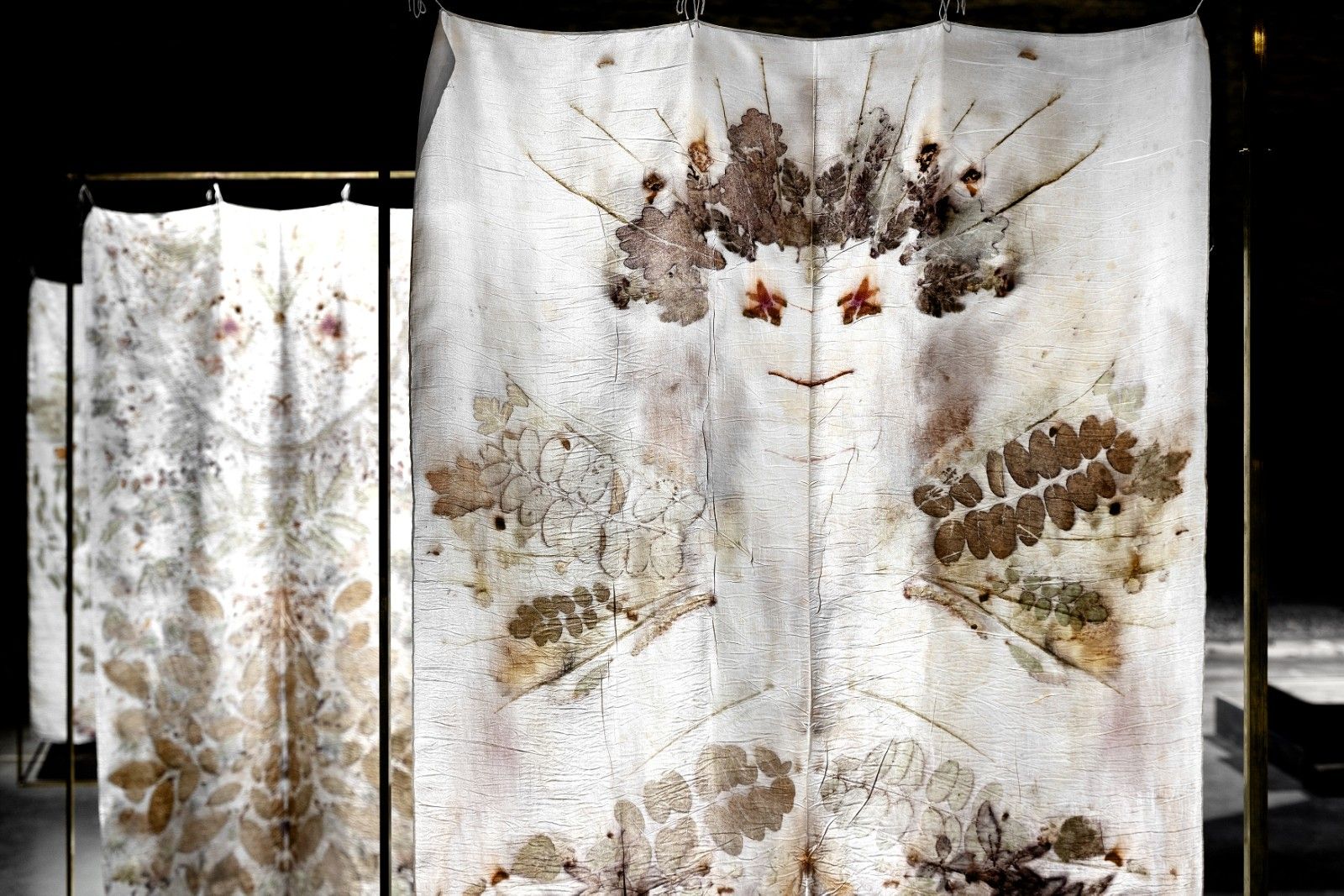
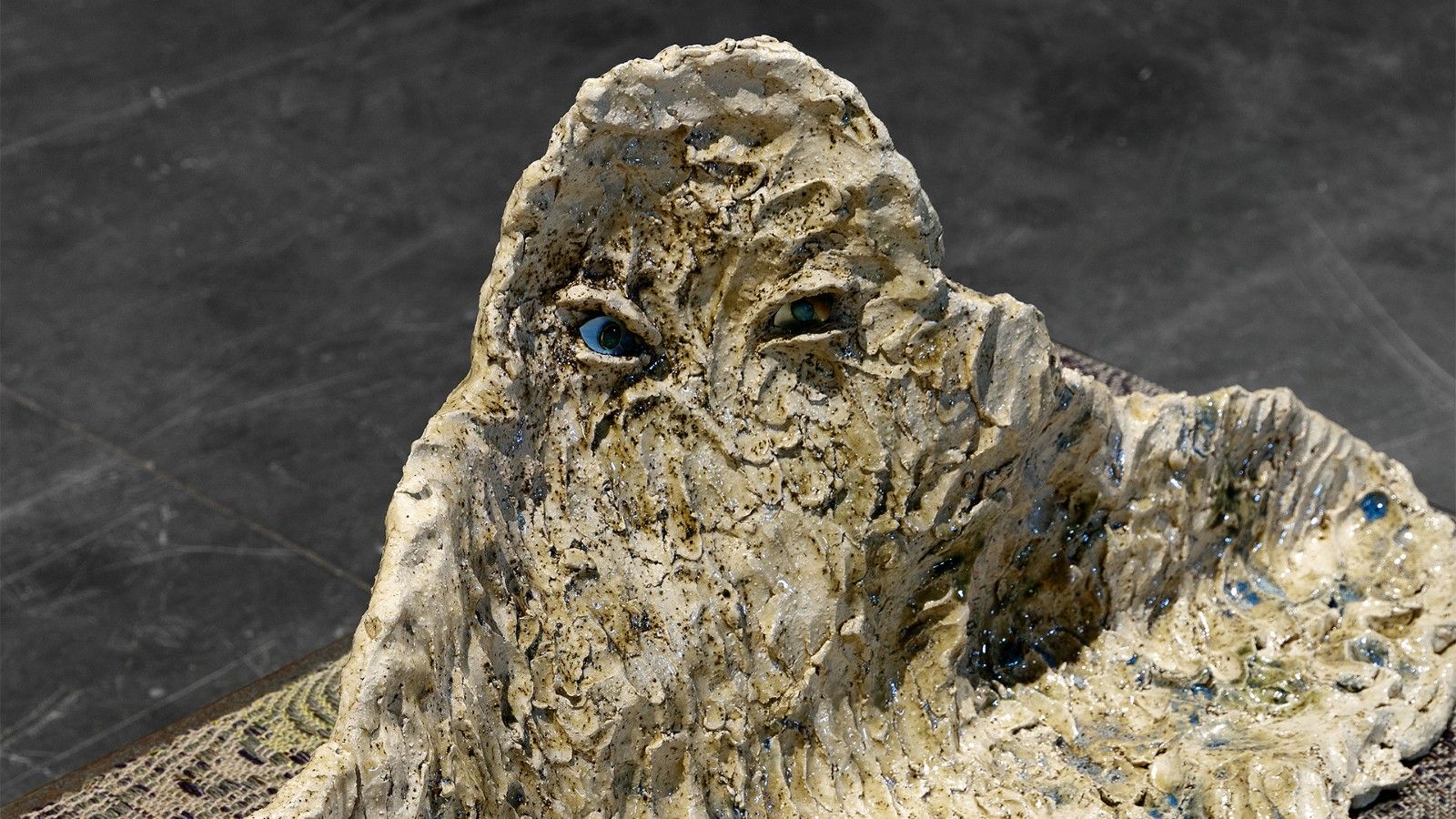
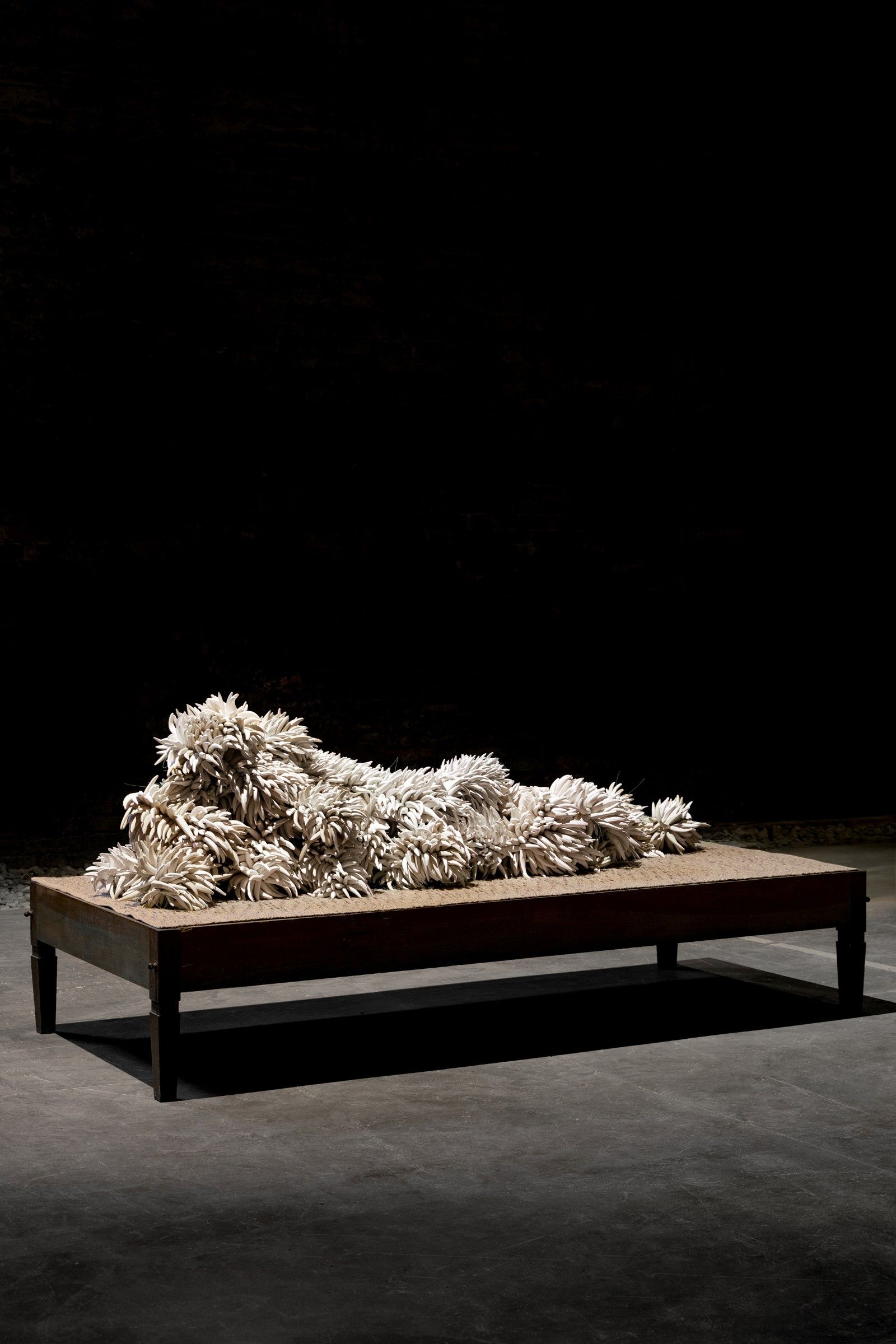
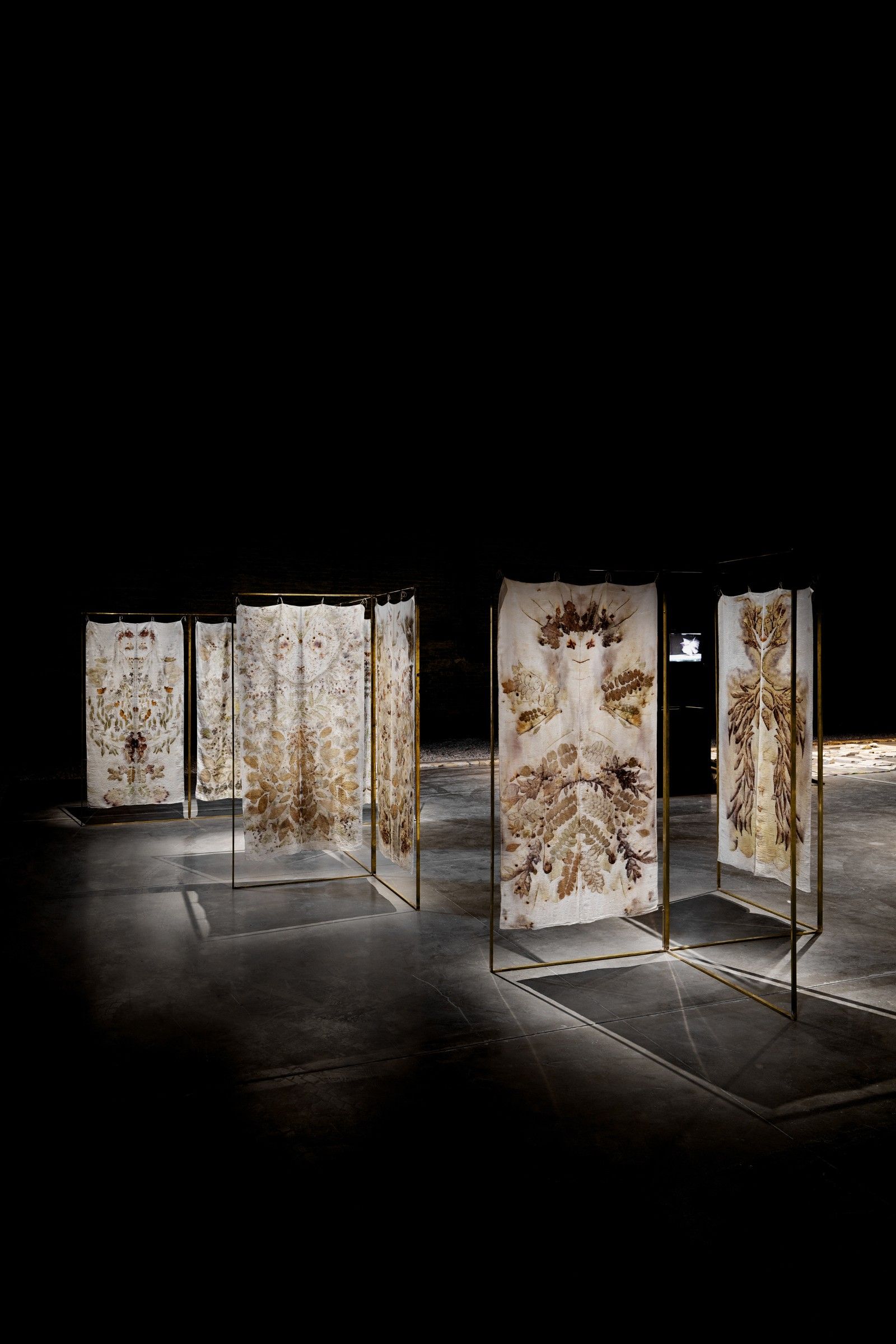
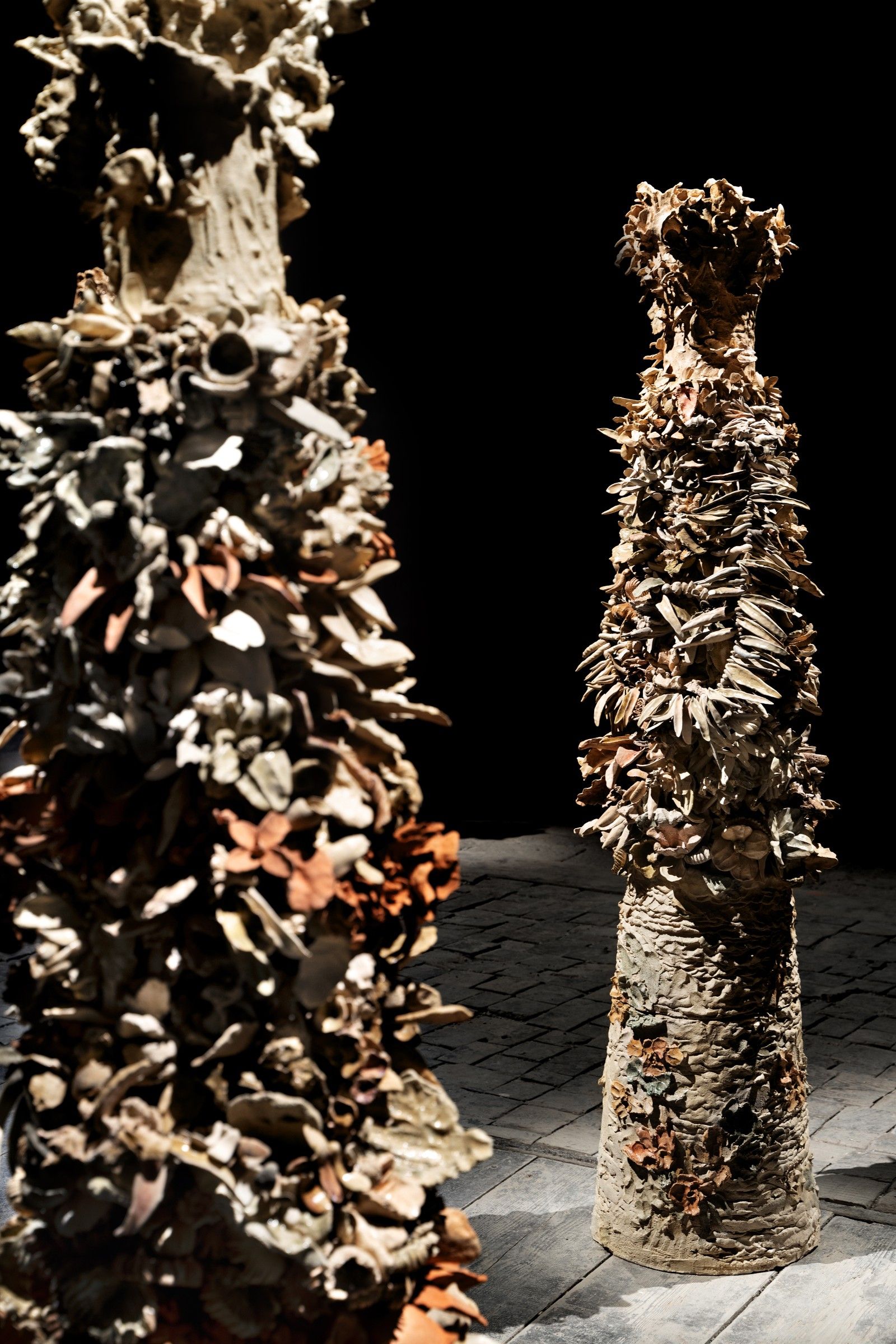
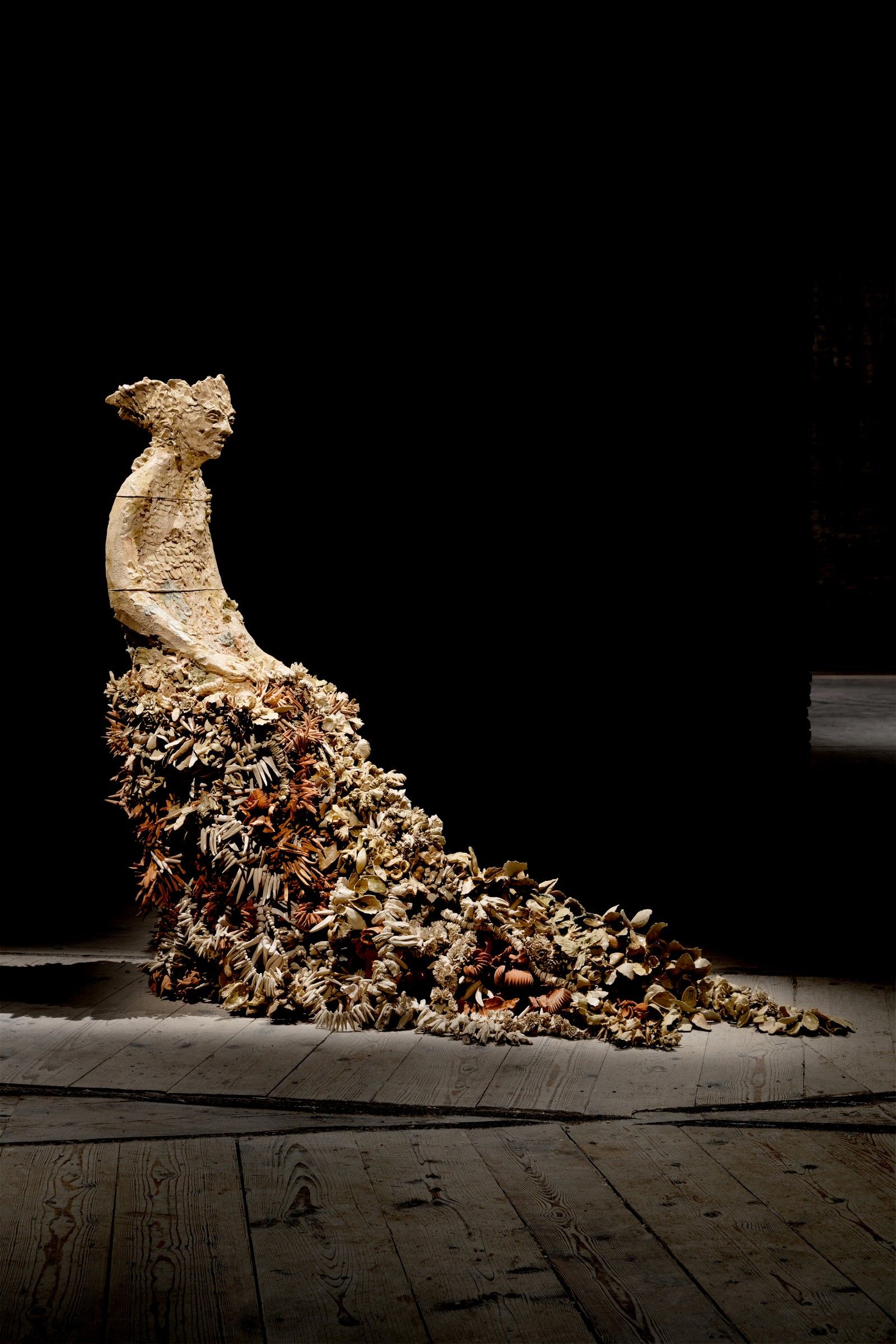
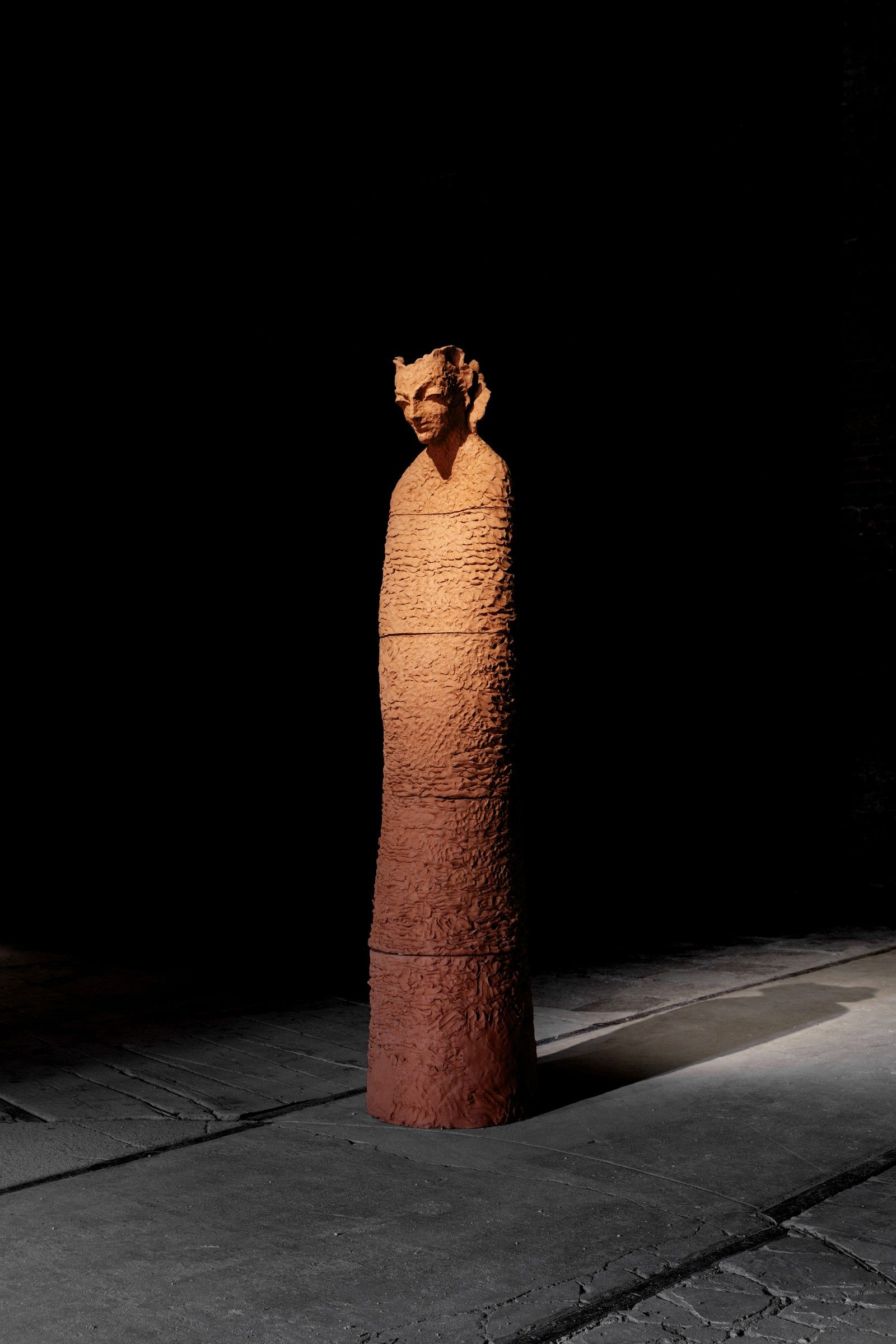
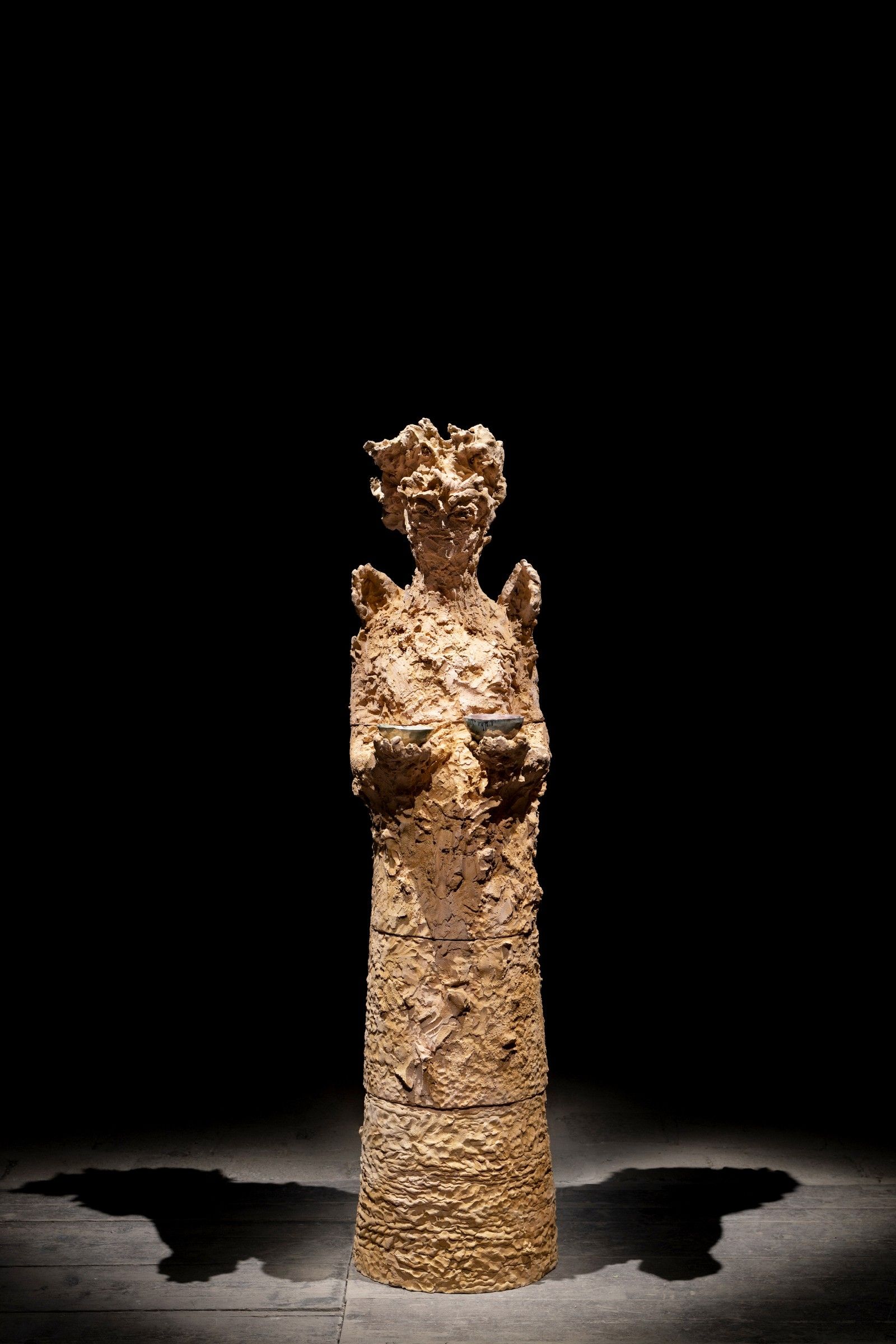
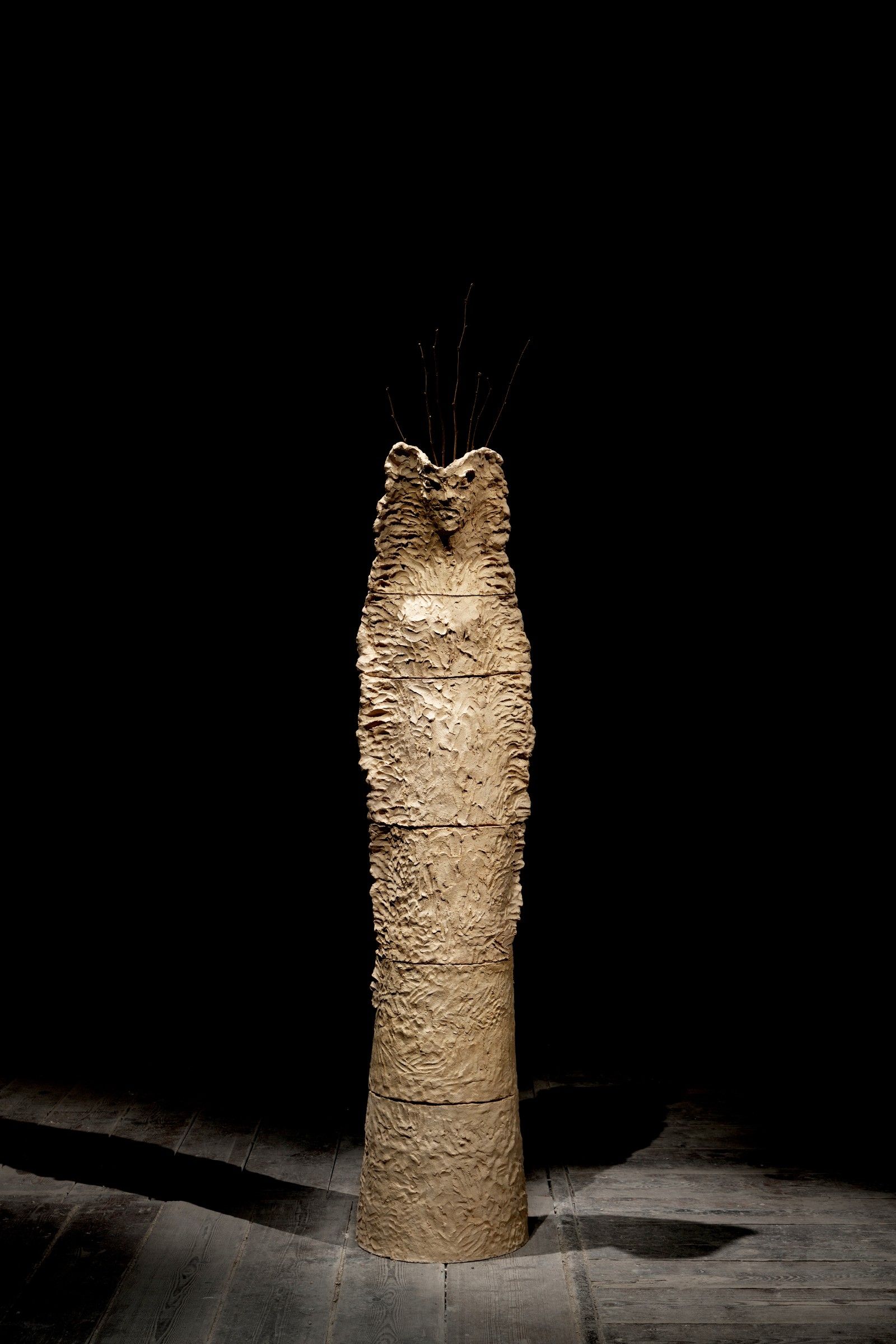
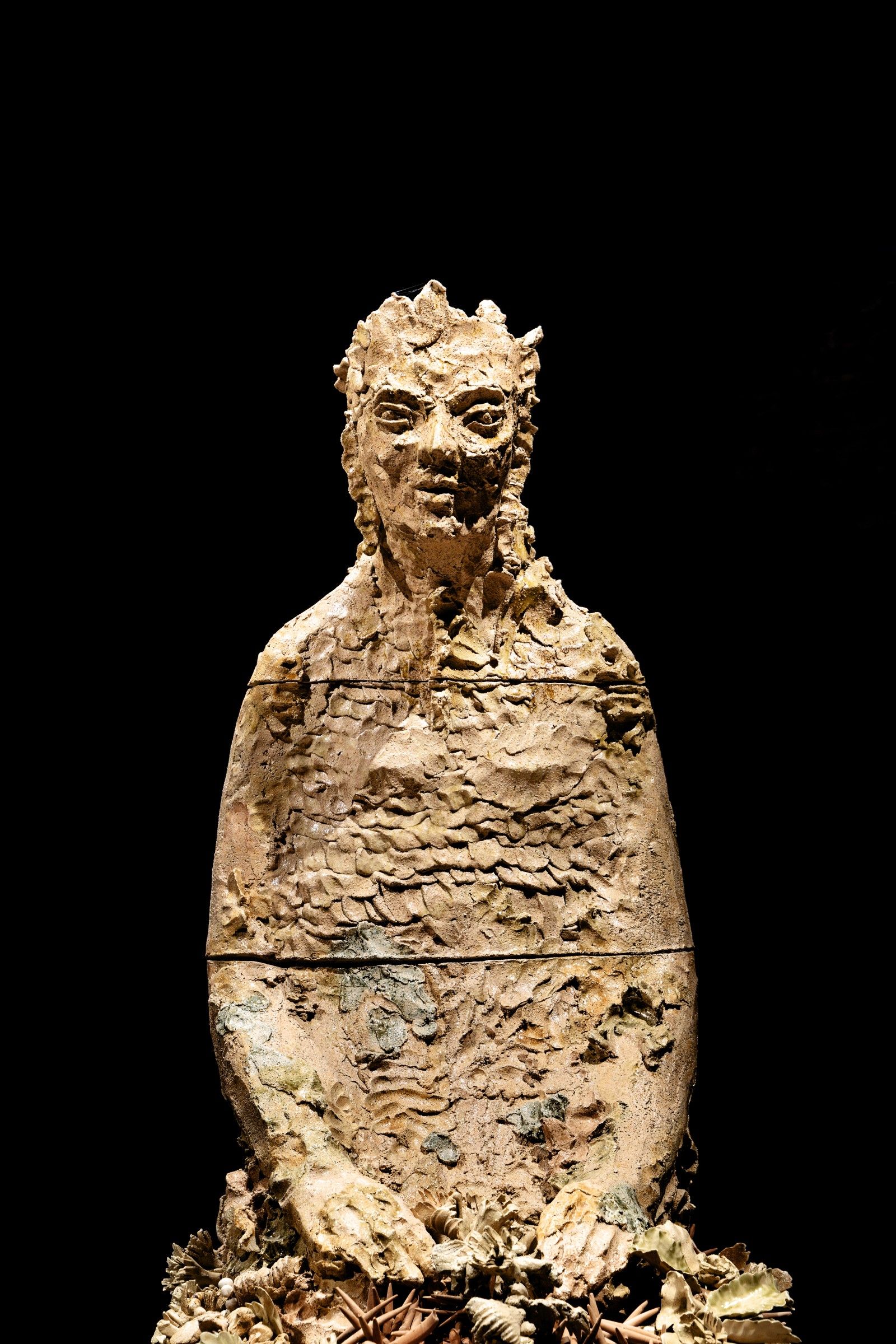
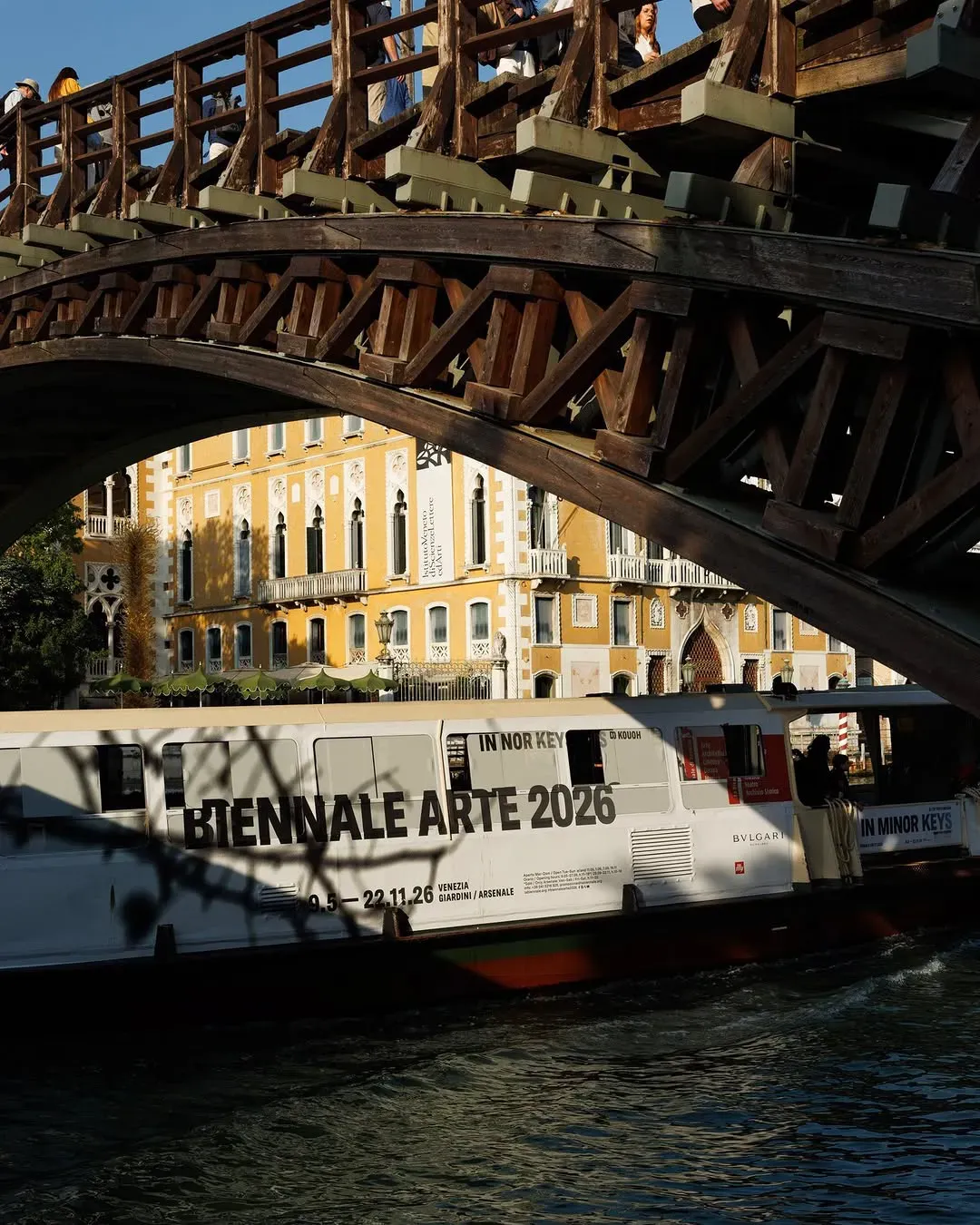
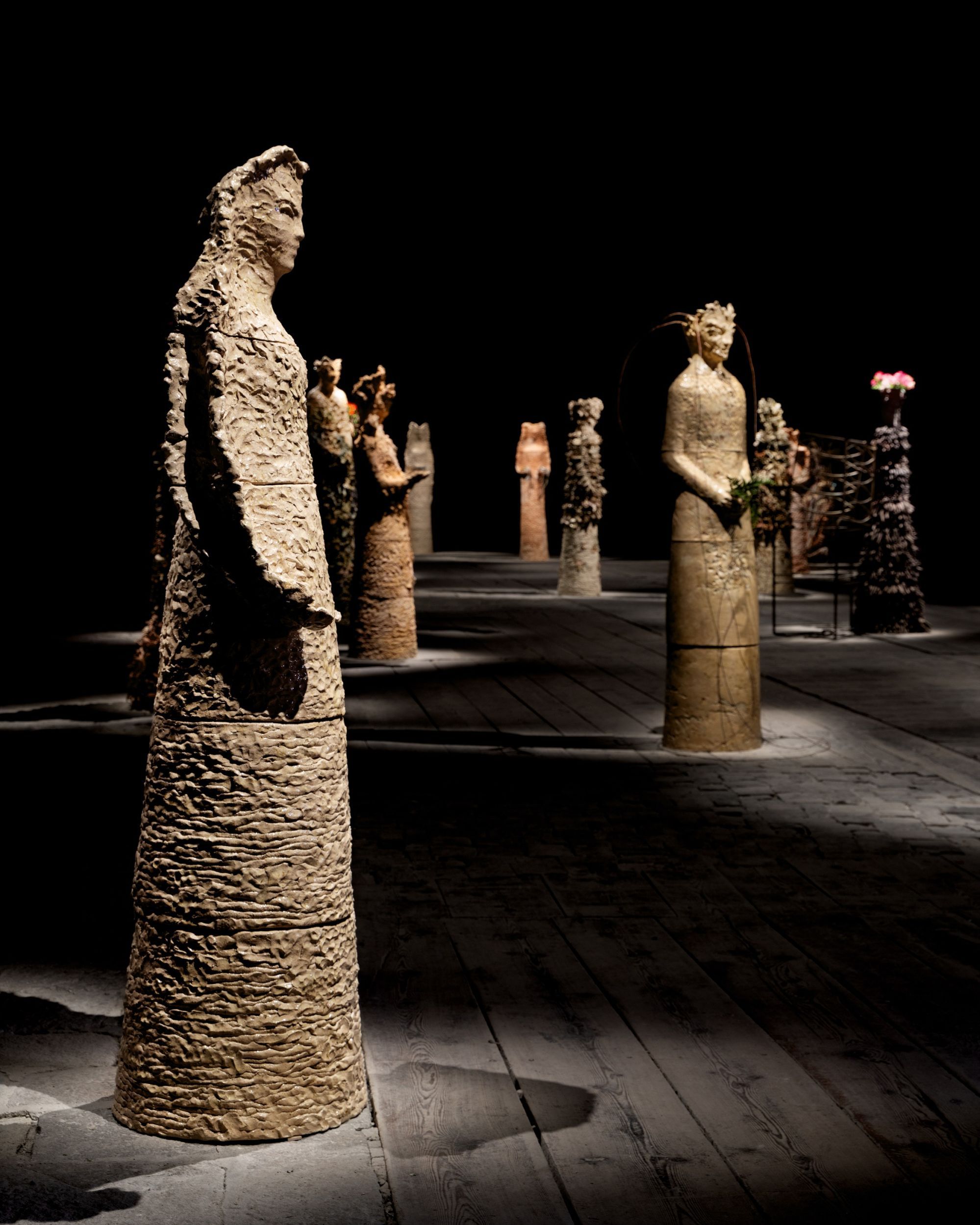
Yesterday in Venice the Biennale opened. This year’s edition has been quite turbulent due to the many controversies that involved the Russian pavilion, which led to the mass resignation of the entire jury and also the revocation of a two-million-euro grant from the EU. All this turmoil has not generated enough discussion around a very interesting aspect, namely that this year Zegna was the Main Sponsor of the Italian Pavilion, reaffirming an unofficial tradition that in recent years has seen several fashion brands sponsor the Italian presence at this important event. As Exclusive Partner of the entire Biennale, this year there is Bvlgari.
The tradition is unofficial because it is not formally codified, yet since 2019 the Italian Pavilion has always been supported by fashion: the first brand, in 2019, was Gucci; followed by Valentino in 2022, and then by Bottega Veneta in 2023, which was one of the sponsors of the Architecture Biennale, while in 2024 it was Tod’s that appeared among the partners of the Italian pavilion. A practice that then spread with Burberry’s sponsorship of the British pavilion in 2022 and that of the Chanel Culture Fund for the French pavilion starting from 2024. But Zegna’s role as Main Sponsor this year has something different.
The patronage of the arts as a form of soft power
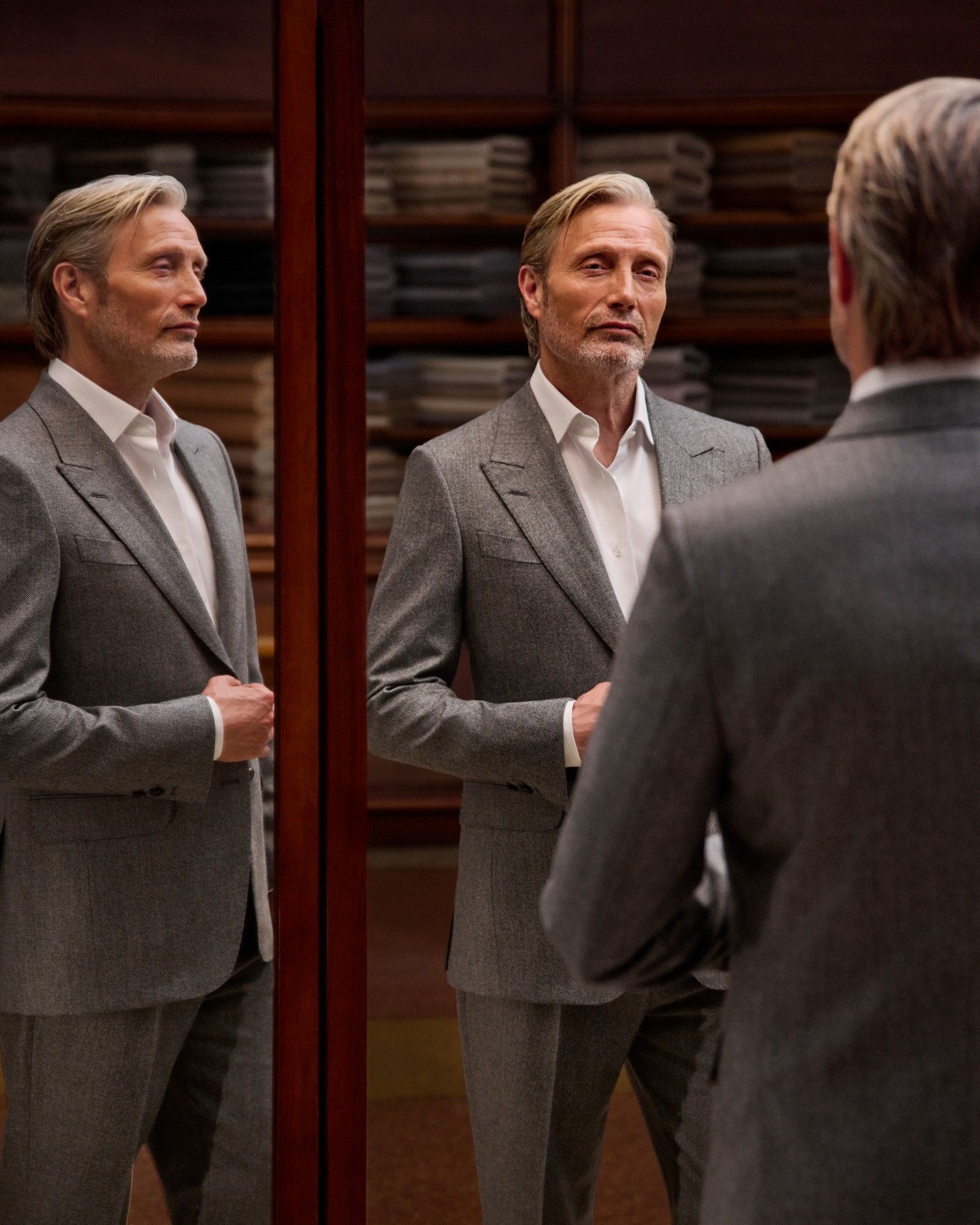
The role Zegna is playing this year is actually the culmination of a long-standing relationship of artistic commissioning and patronage that is as old as the brand itself, since the famous wool mill in Trivero and the Oasi Zegna that surrounds it have seen, since the 1920s, important artistic works commissioned by the original Ermenegildo Zegna to artists such as Ettore Pistoletto, Olivero and Otto Maraini, as well as to the landscape architect Pietro Porcinai. Zegna’s industrial, cultural, and even naturalistic system have never been separate from each other but are the branches of a single coherent system that over the years has built a form of soft power for the brand.
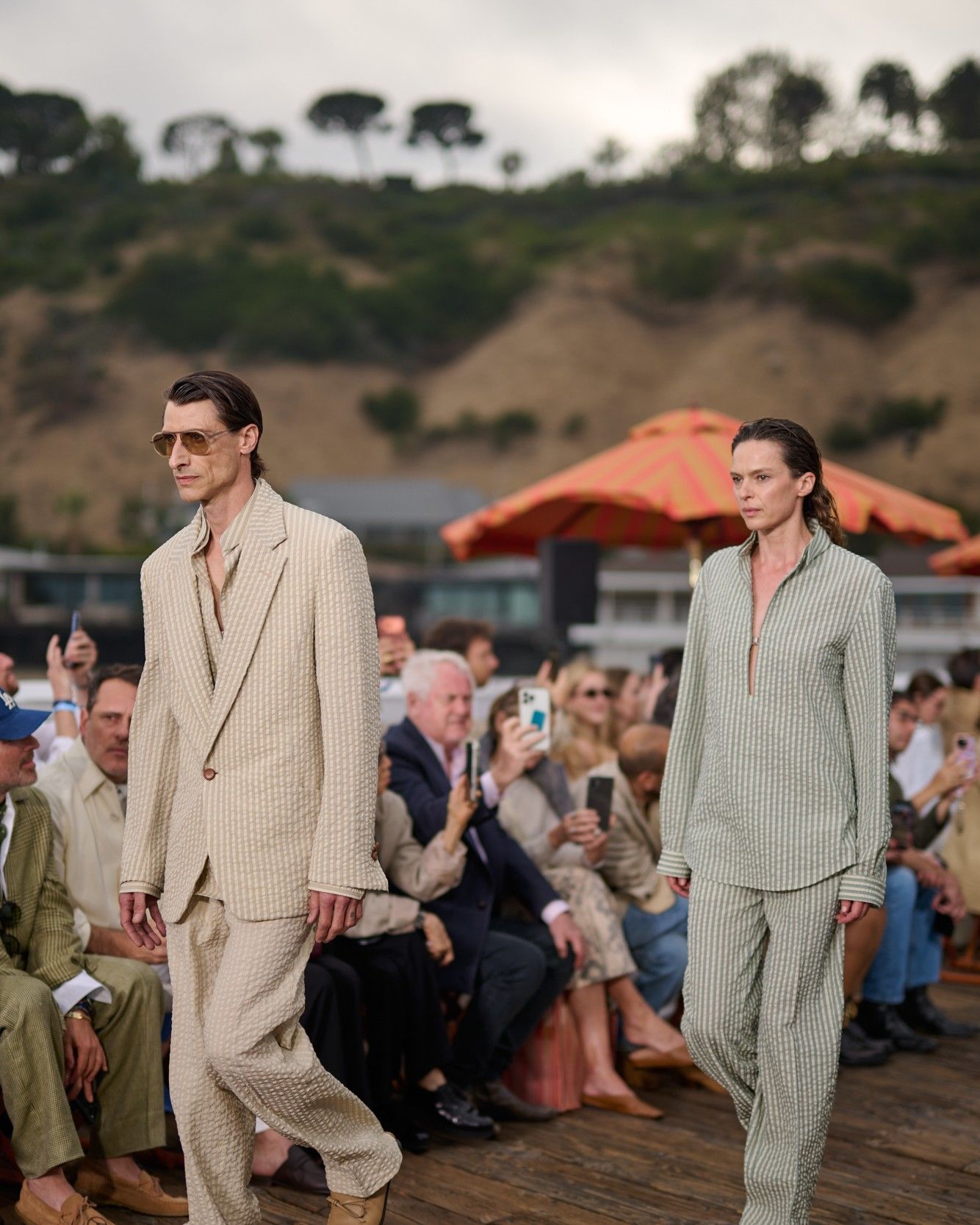
Like many other fashion houses, Zegna has developed over the years a long series of collaborations with numerous artists, especially with Michelangelo Pistoletto, which this year have been grouped under the conceptual framework of ZEGNART and include both site-specific commissions in the Oasi Zegna and in the brand’s offices, as well as exhibitions and installations around the world linked to the global partnership signed last year with Art Basel. An entire patronage policy that has its roots in the relationship between the luxury industry, collecting, and art commissioning that began in the distant past with figures such as Elsa Schiaparelli, Jacques Doucet and, later, Yves Saint Laurent, but which took on the form we know with the birth, in 1984, of the Fondation Cartier pour l’Art Contemporain, the first to be completely independent from the brand. The first of many fashion foundations.
The president and founder of the Cartier Foundation, Alain Dominique Perrin, worked on the approval of the Léotard Law in 1987, which established corporate patronage practices in France and left a model for all future initiatives of this kind. And it was precisely that foundation that gave the first exhibition space to figures such as Herb Ritts and Philipp Starck. Just under ten years later, in 1993, the Fondazione Prada was born in Milan, and in 2000 it was the turn of the Fondazione Zegna, which, in addition to art, focused on philanthropy and nature preservation. But why does this connection seem to have become increasingly important in recent years?
Luxury as an unofficial institution
@artsy Venice Biennale 2026: Must See Exhibitions Discover a preview of all the unmissable exhibitions outside of beyond the Arsenale and Giardini including: * Anish Kapoor at Palazzo Manfrin * Marina Abramovic at Gallerie dell’Accademia * Amoako Boafo at Museo di Palazzo Grimani * Matthew Wong at Palazzo Tiepolo * Erwin Wurm at Fortuny * Giangiacomo Rossetti at Palazzetto Tito * Lorna Simpson at Punta Della Dogana * Michael Armitage at Palazzo Grassi * Jenny Saville at Ca’ Pesaro * Gabrielle Goliath at Chiesa di Sant’Antonin * Eva & Franco Mattes at Palazzo Franchetti * Su Yu-Xin at Lo Studio * Lee Ufan at SMAC #venicebiennale #venicebiennale2026 #biennalearte2026 original sound - artsy
After 2000, initiatives of patronage and collaboration with art multiplied, sometimes with the opening of simple museums and collections and sometimes with the production of works and initiatives closer in spirit to marketing. All these initiatives arose from natural dialogues between fashion and art, in an era in which great private commissioners and supporters such as Peggy Guggenheim, John and Dominique de Menil, and Eli and Edythe Broad were becoming increasingly rare.
Today, in a much more insular art world that often lacks support from either the billionaires of the past or state bodies, the point of contact between the general public and contemporary art is often precisely fashion. Precisely because of the luxury/art equivalence and thanks to its nature as a multi-disciplinary and interconnected creative ecosystem, it is the luxury industry that takes on a role of cultural promotion that much of society has abandoned and which has also become a channel for building intangible value. Today, with the Biennale and the Italian Pavilion, we see that bond becoming, if not more institutional, certainly more continuous and recognized.
Precisely with Zegna’s sponsorship this year, the tradition of fashion’s public support for the arts has been re-established which, given the specific national importance that the Biennale has for Italy, has created a unique, if not para-institutional, point of connection between the Italian fashion industry (besides Tod’s, all the other Main Sponsors were owned by French groups) and its artistic scene. And it is precisely this edition, which saw the European Commission revoke its two-million-euro grant to the Biennale, that has made this type of initiative even more essential as it fills the gaps in funding and resources that public administration often leaves in the creative world. So the question is: could this be a model for the future?
Art serves luxury, luxury serves art
Luxury fashion houses, such as Ferragamo, Hermes, Prada, and Louis Vuitton, have invested aggressively in art in recent years. Are they the great art patrons of our time or are they simply burnishing their own brands?https://t.co/qh6yD7ULgo#stylish #instastyle pic.twitter.com/CqWwxk3199
— milkconceptboutique (@milkboutique) April 25, 2019
Even though all national pavilions have more or less historic sponsors (a famous one for Italy is Illy, for example), the existence of large corporate entities whose support for the arts is programmatic and systematic, and which act as connecting tissue between the practical world of commerce and the more abstract one of pure creativity, points to a future in which the luxury industry could find in patronage a refuge from the crisis of its own reasons for being — a crisis that this year has also become, due to other more practical factors, a crisis of sales. Is it a coincidence that the brands most involved in patronage are also the ones resisting the crisis best? In a stagnant luxury market, the Prada and Zegna groups are in fact among the few that are growing, as are Hermès, Chanel and Cartier and even Brunello Cucinelli, whose patronage manifests itself through projects more dedicated to antiquity and Italian history.
The patronage of the arts represents for brands, particularly luxury ones, a far from insignificant strategic tool for developing their equity, provided it is disinterested. A 2008 study on Louis Vuitton and the America’s Cup showed that, if there is congruence between sponsor and event, both public sentiment towards the sponsor and purchase intentions increase. As explained by the study L’Art Pour l’Art published in 2022 in the Journal of Consumer Research, an “authentic” artistic experience activates in the consumer a state called self-transcendence, which pushes worldly concerns into the background. When art is found in a retail context, this mechanism competes with status-driven purchase desire, dampening it.
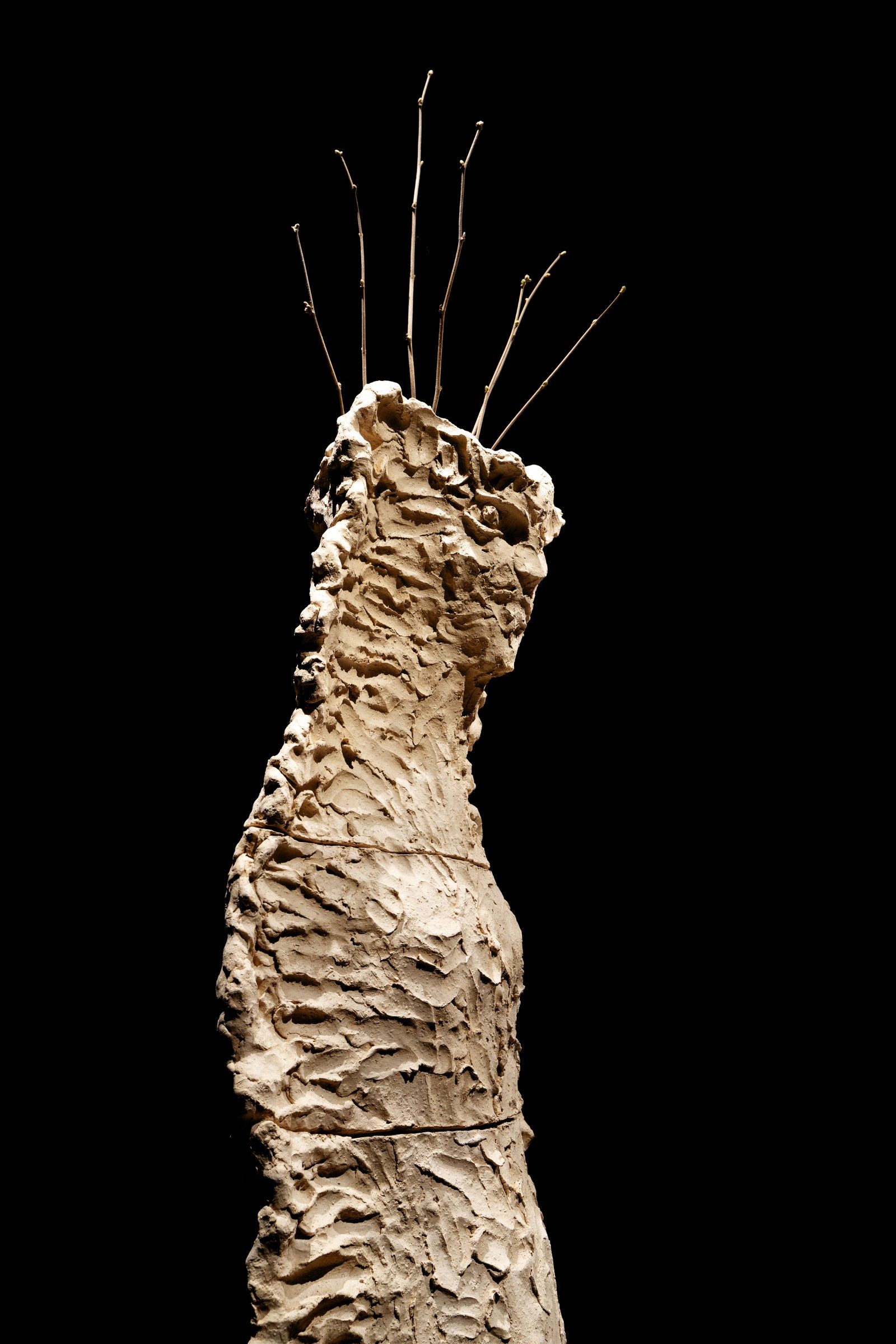
But in cultural patronage, self-transcendence, being detached from the product, becomes a pure positive association between the brand and a valuable experience. It is exactly the model on which the Cartier and Prada foundations are based, detached from the reference brand, and which Zegna has adopted with the sponsorship of the Italian Pavilion, where the brand’s products present are only the earthy and textile materials from the Oasi Zegna and the Wool Mill integrated into the works. The separation from a commercial context is the condition that makes the transfer of symbolic capital not only possible, but credible: a coherence that the consumer perceives as disinterested, and precisely for this reason authentic.