.gif 2000w)

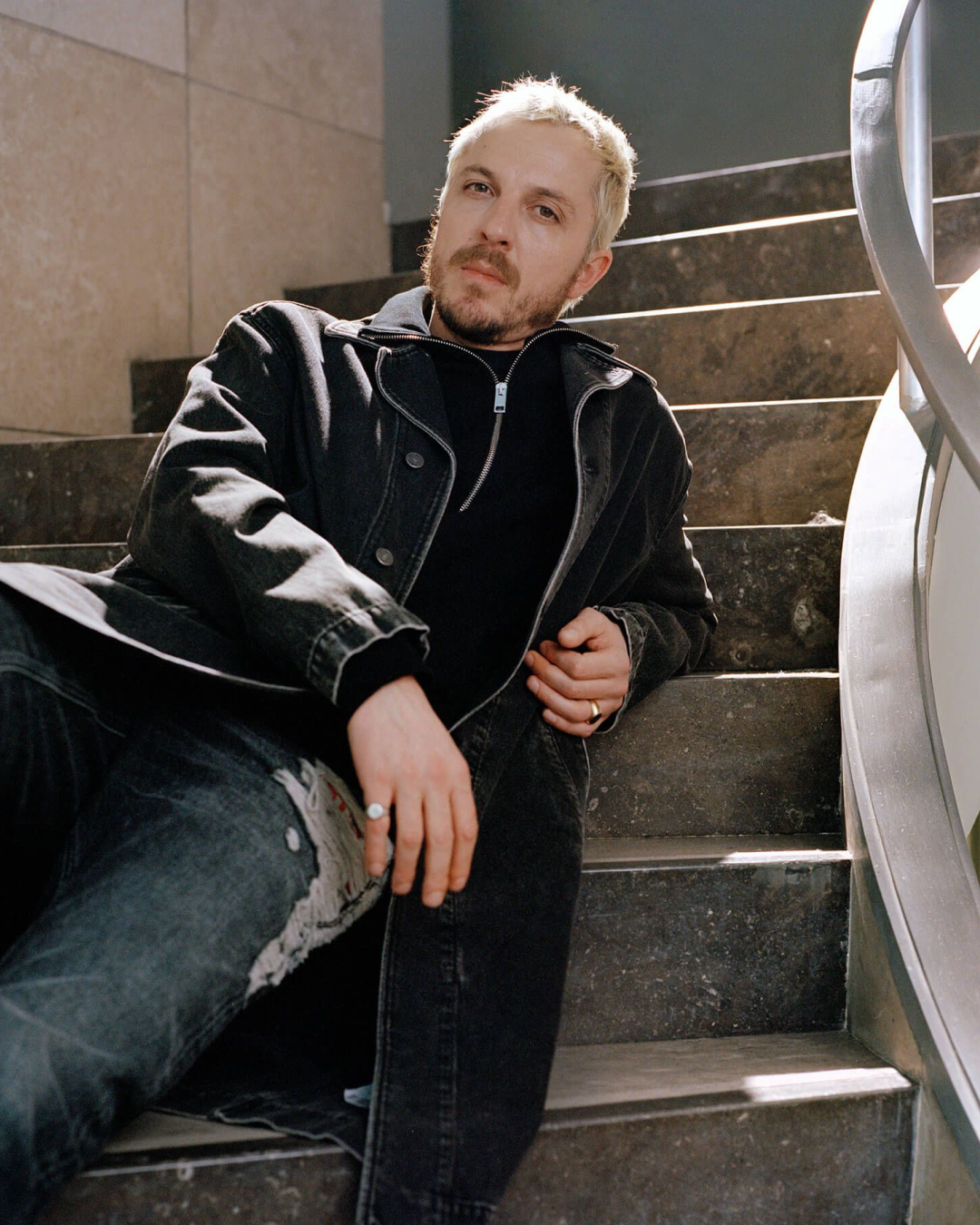






















The evolution of mural art according to Federico “Iena Cruz” Massa As the practice doesn't just tell stories and starts acting
For years city walls have told stories. Identities, conflicts, belongings. Urban muralism has always been one of the most direct languages of public space, capable of transforming anonymous surfaces into visual narration without mediation, without filters, often without permission. Today, however, something is shifting, and it is perceived before it can even be precisely defined. Some walls are no longer just looked at. They do something. But above all - and this is the point - they continue to tell stories.
In recent years, a new type of intervention has emerged that combines aesthetics and function, taking muralism in an unexpected direction. Photocatalytic paints, surfaces treated to absorb pollutants, works designed not only to communicate but to have a real impact on the environment. It is no longer just image, but active matter. No longer just presence, but action. And yet, thinking this means moving away from visual language would be a mistake.
The evolution of muralism
As Federico “Iena Cruz” Massa explains, muralism is not losing its nature as an artwork. Rather, it is expanding its field. «In my opinion, I do not believe muralism is moving away from visual language, otherwise it would lose its nature as an artwork. However, it is evident that in some cases it is also evolving into an “active surface”, thanks to the use of paints capable, for example, of purifying the air». It is precisely in this tension that everything is played out. Not a replacement, but an overlap. Not a before and after, but a broader field in which image and function begin to coexist.
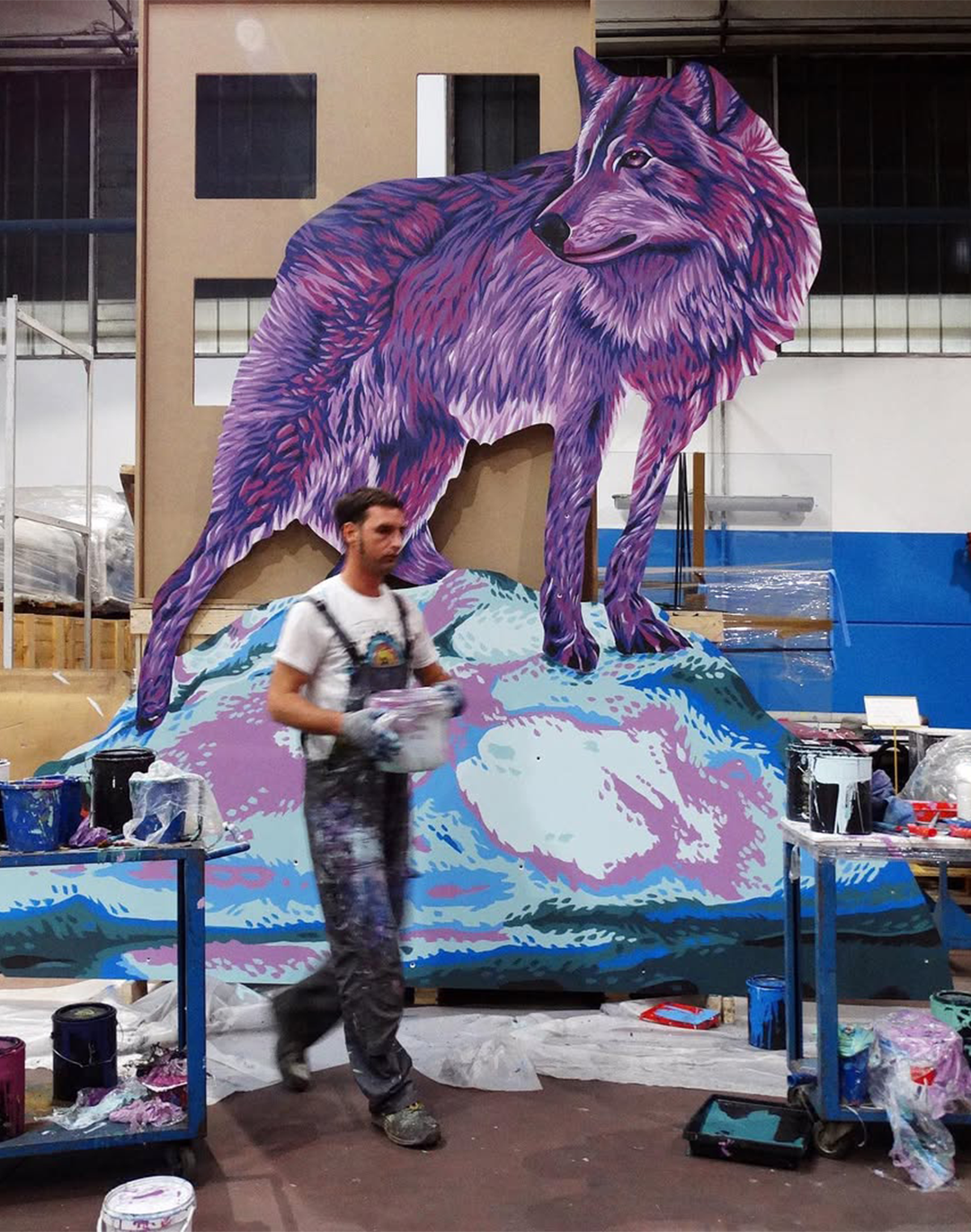
The work of Iena Cruz is one of the points where this transformation becomes visible. Born in Milan and raised between graffiti and skate culture, he has moved through the evolution of writing to build a language that today holds together aesthetics, urban scale and environmental awareness. In his murals, dominated by animals and references to nature, the visual component is never decorative, but always charged with meaning. Works such as Hunting Pollution in Rome or Anthropoceano in Milan mark a clear shift: the wall is no longer just a support, but a device.
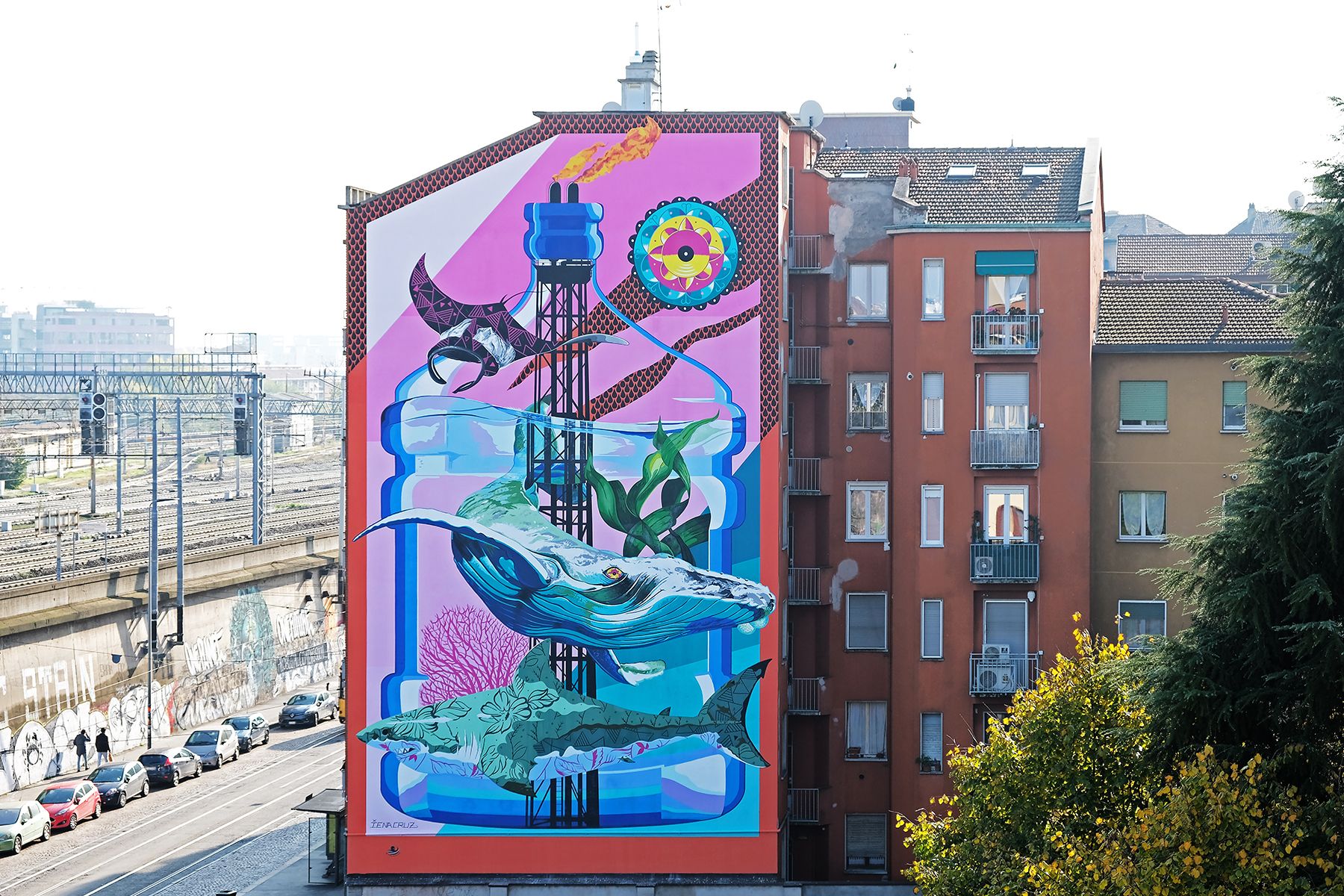
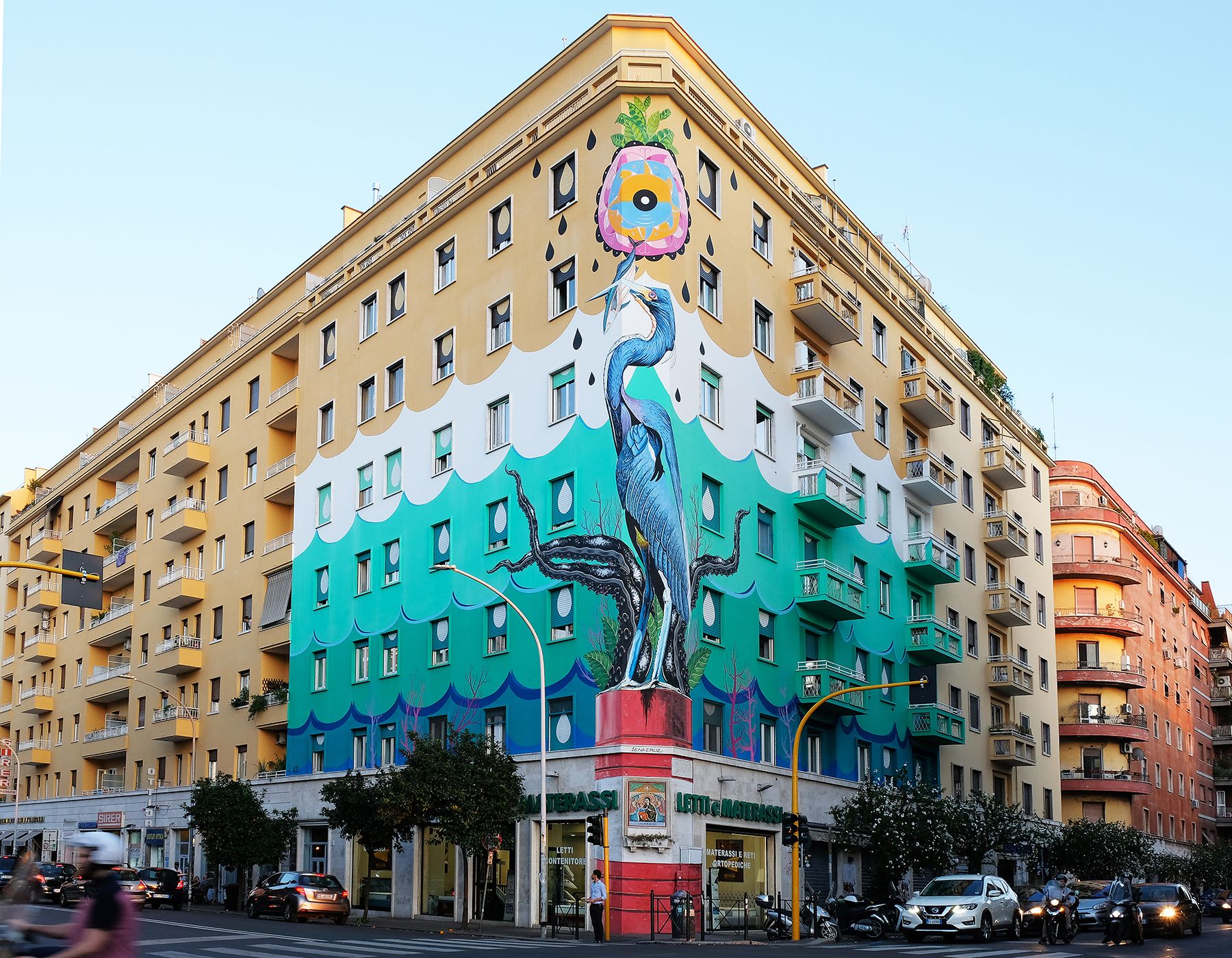
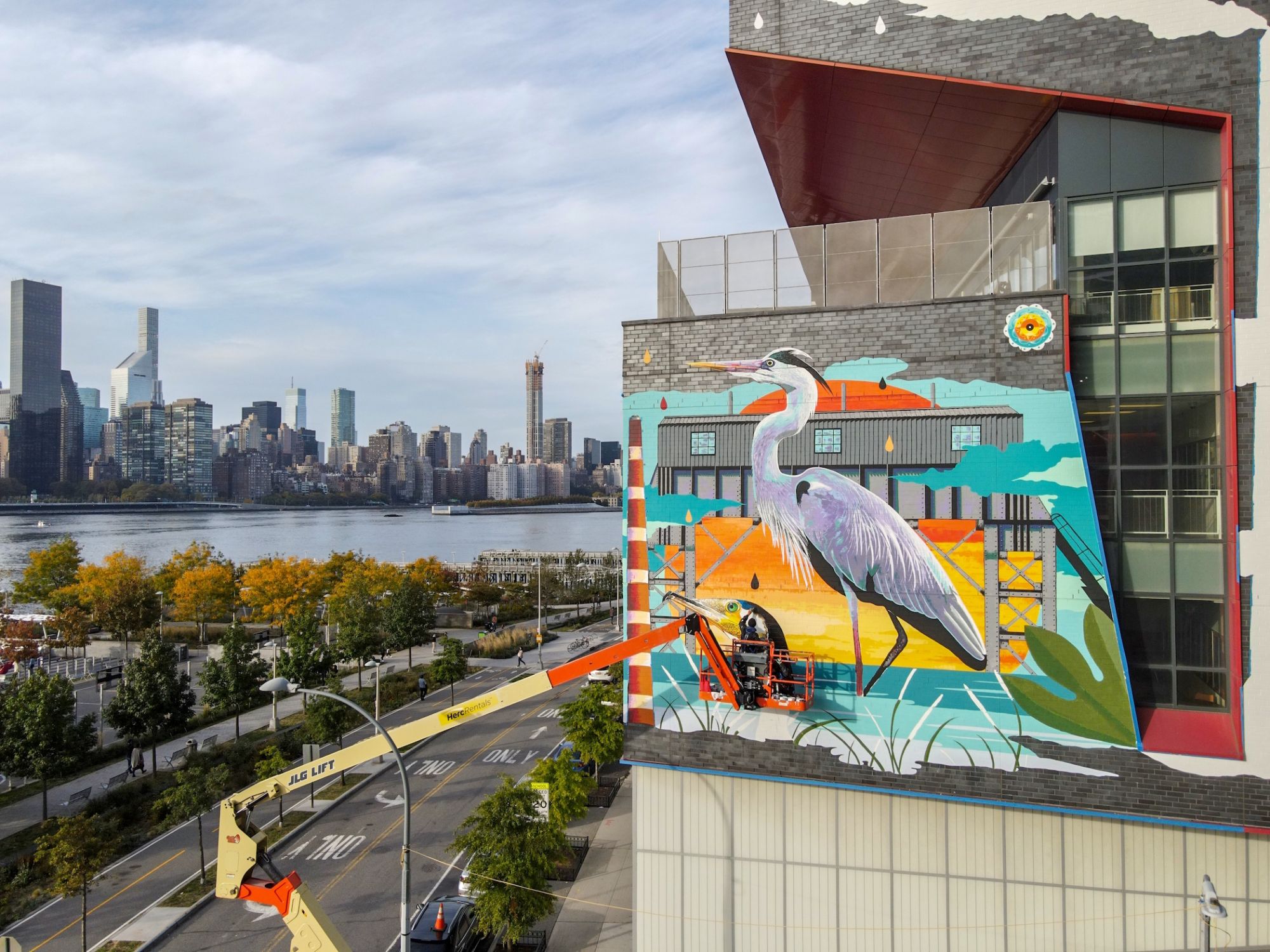
Created with paints such as Airlite, these interventions contribute to the reduction of atmospheric pollutants, transforming the urban surface into a distributed filter. The image remains central, but acquires an additional function. Yet here too, the point is not the technology itself. It is the way it is used. «For me it is essential that people, when they find themselves in front of a work of art, stop, breathe and reflect. This is the purpose of art in general».
«An anti-smog paint can certainly help the environment, but without an adequate visual message it risks not stimulating real reflection. It is precisely in this space that my work comes into play». This sentence completely shifts the perspective. Because it brings the discourse back where it belongs: on experience. On the fact that impact is not only environmental, but also mental, perceptual, cultural.
Between symbolism and reality
The theme of impact is inevitable. How real is it? How symbolic? The answer, once again, is not binary: «In my opinion, the value is both real and symbolic. From a concrete point of view, these paints have an environmental effectiveness independent from their artistic use. For example, if an entire building were painted with photocatalytic paints, the ability of that surface to absorb fine particles would be real. Extending this intervention on a large urban scale, the benefits would be significant. From a symbolic point of view, instead, the need for a visual representation capable of telling a story and stimulating public reflection comes into play».
Here emerges one of the most interesting points of the entire discourse: the possibility that two systems, the technical and the artistic, function separately, but become stronger when they meet. «A nanotechnological paint capable of absorbing pollution is an effective innovation even without figurative art. At the same time, a work of art is powerful and communicative even without technological support. However, when these two dimensions meet, they reinforce each other».
@helpsavethemedcrew Did you know some street art can literally clean the air? In cities like Marseille and Valencia, artists are transforming polluted walls into lungs for the neighborhood. They’re using air-purifying paint that reacts with sunlight to break down toxic particles from traffic, factories, and smog. Each mural cleans as much pollution as a small grove of trees — all while celebrating local color and culture. It’s not just art for art’s sake. It’s art that fights back. Would you paint your city clean? Follow for more wild eco solutions as we travel to Help Save The Mediterranean in 1000 days #southfrance #ecotravel #hiddengems Blade Runner 2049 - Synthwave Goose
Because muralism, historically, comes from elsewhere. It emerges as a spontaneous gesture, often illegal, far from institutions and systems. What happens then when it enters into dialogue with technology, commissions, sustainability? «What changes, in my opinion, is mainly the artist’s language. The real challenge is to be able to maintain a recognizable and coherent identity, regardless of context».
@streetartmankind SUSTAINABLE PLASTIC PRACTICES WIP Hudson Yards - Crossing of W 35th St. and 11th Ave. #miraculousladybug #plasticpollution #streetartmankind #actforclimate #climateaction #climateactionmurals #artforsocialchange original sound - Street Art For Mankind
And then there is another element that runs through all his work: the constant presence of nature. Animals, ecosystems, endangered species. Not as aesthetic elements, but as positioning: «I chose to include extinct or endangered species within my murals to “give voice to those who do not have one”. It is a way to make visible what often remains unseen or ignored».
«This path began as a personal need to inform myself and become more aware of these issues, and over time it has helped shape my way of thinking towards an increasingly conscious and sustainable direction. At the same time, through my work, I try to stimulate this same awareness in others».
An alternative language
In this sense, contemporary muralism finds itself in a new position. It remains one of the most accessible languages of urban space, but at the same time opens up to a more complex dimension, where aesthetics, technology and responsibility begin to intertwine. It is not yet a defined direction. It is a territory under construction. But perhaps this is precisely the point.
Not so much to establish whether these interventions truly work on a large scale, but to recognize the shift in perspective they introduce. The idea that even an artistic gesture can be thought of as an active part of a broader urban system. Muralism does not stop telling stories. But it also starts to act. And in a city increasingly designed, controlled, optimized, this shift opens something new: the possibility that a wall is not only a surface, but a presence. Not only image, but action.