



















Paper's persistence Extracted from "Edicola Italiana", the first free press by nss edicola
For those who work as journalists, reading print newspapers in the morning is almost inevitably accompanied by another word: the “bundle”, that is, the stack of newspapers delivered at dawn to flip through. Of course, for obvious practical and technological reasons, both have become increasingly rare, but there are still contexts where you might find yourself in front of a dozen daily papers and a few weeklies. It happened to me during an intense year spent waking up at four in the morning to prepare the press review for a major national radio station.
Every morning the newsstand would drop off the bundle in the newsroom, and within that gesture there was a whole world: the smell, the physical contact with the papers, the feeling of handling an object that felt old yet still perfectly functional. The supplier had been carefully selected, because alongside national dailies we also used a few foreign newspapers, and it is not that easy to find someone who sells them, not even in Rome: tourists, after all, are like any other readers and buy less and less. So, despite having been born at the end of the twentieth century, I found myself for months immersed in the most twentieth-century combination imaginable.
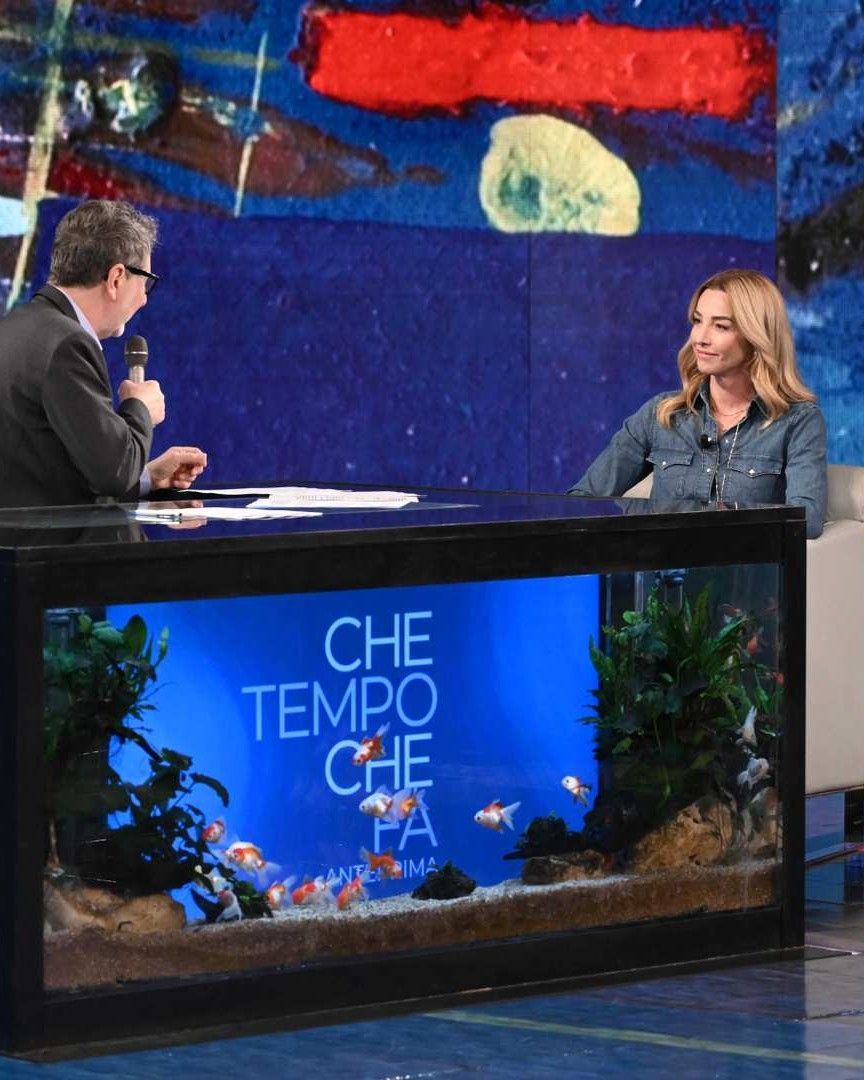
In our case, digital would not have been a real alternative. The press review had to be prepared for the host, not exactly a digital native, who on her own was unable to navigate through the pages of different newspapers, even though they were carefully marked with post-its and accompanied by a detailed rundown printed in 16-point Times New Roman. So she had forced one of the editors to turn the pages for her live on air, with rather grotesque consequences: my colleague would sit next to her and had to switch pages with perfect timing to avoid those dead moments that are fatal on radio, often resulting in silent yet very visible complaints whenever the timing was off, either too early or too late.
After a few weeks I suggested a change and took it upon myself to cut out the highlighted pages and arrange them in order, one on top of the other, to simplify the process and restore a bit of dignity to my colleague. There was, in that morning cut-and-paste ritual, also a kind of craft satisfaction: the pleasure of putting the news back into order, replicating on a small scale what a print newspaper has always done, and what online platforms do far worse, namely establishing a hierarchy, deciding what matters most, and assigning each piece of news a position, therefore a meaning. Despite this improvement, my colleague still left the program after the first month, but that is another story.
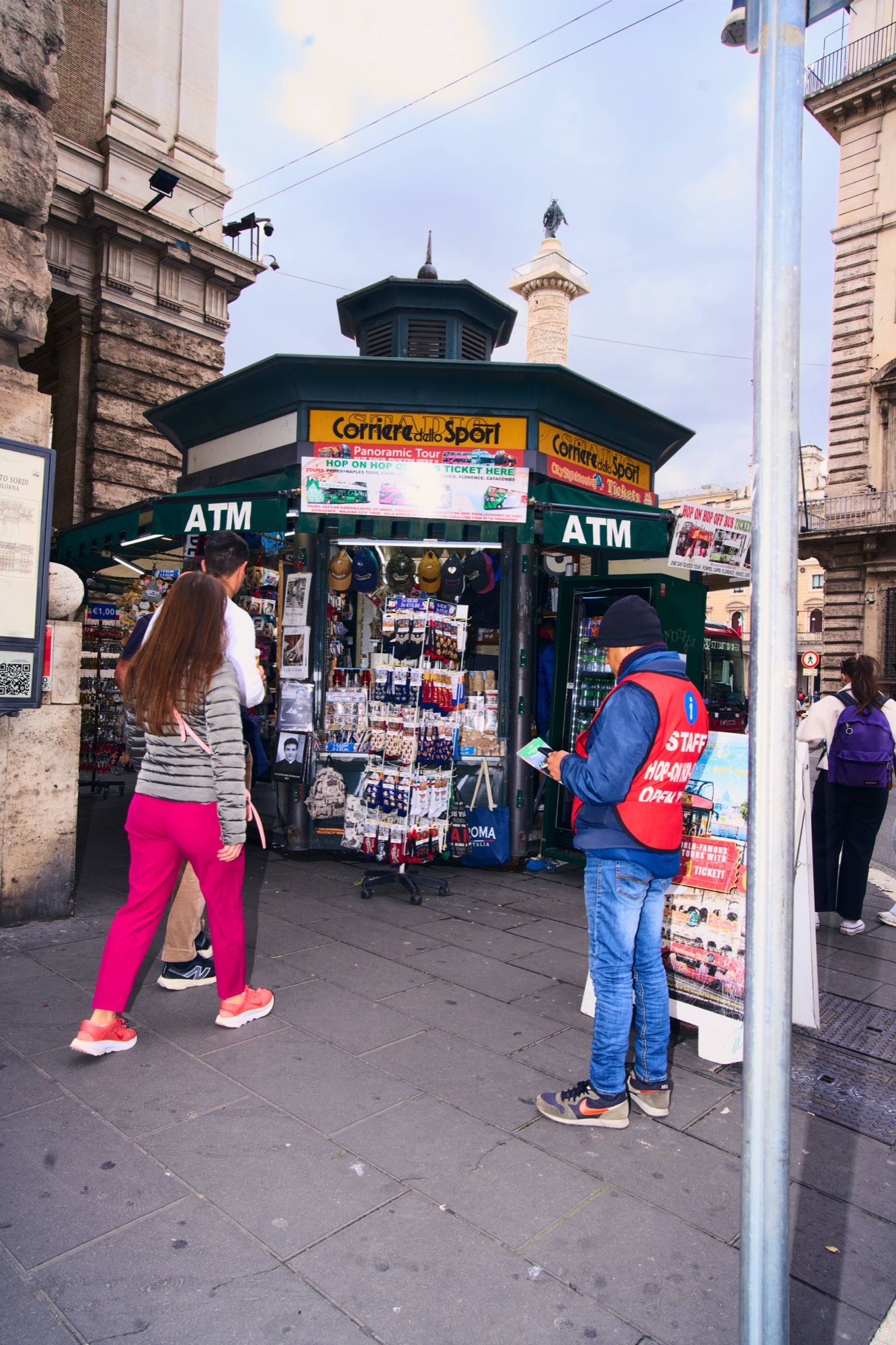
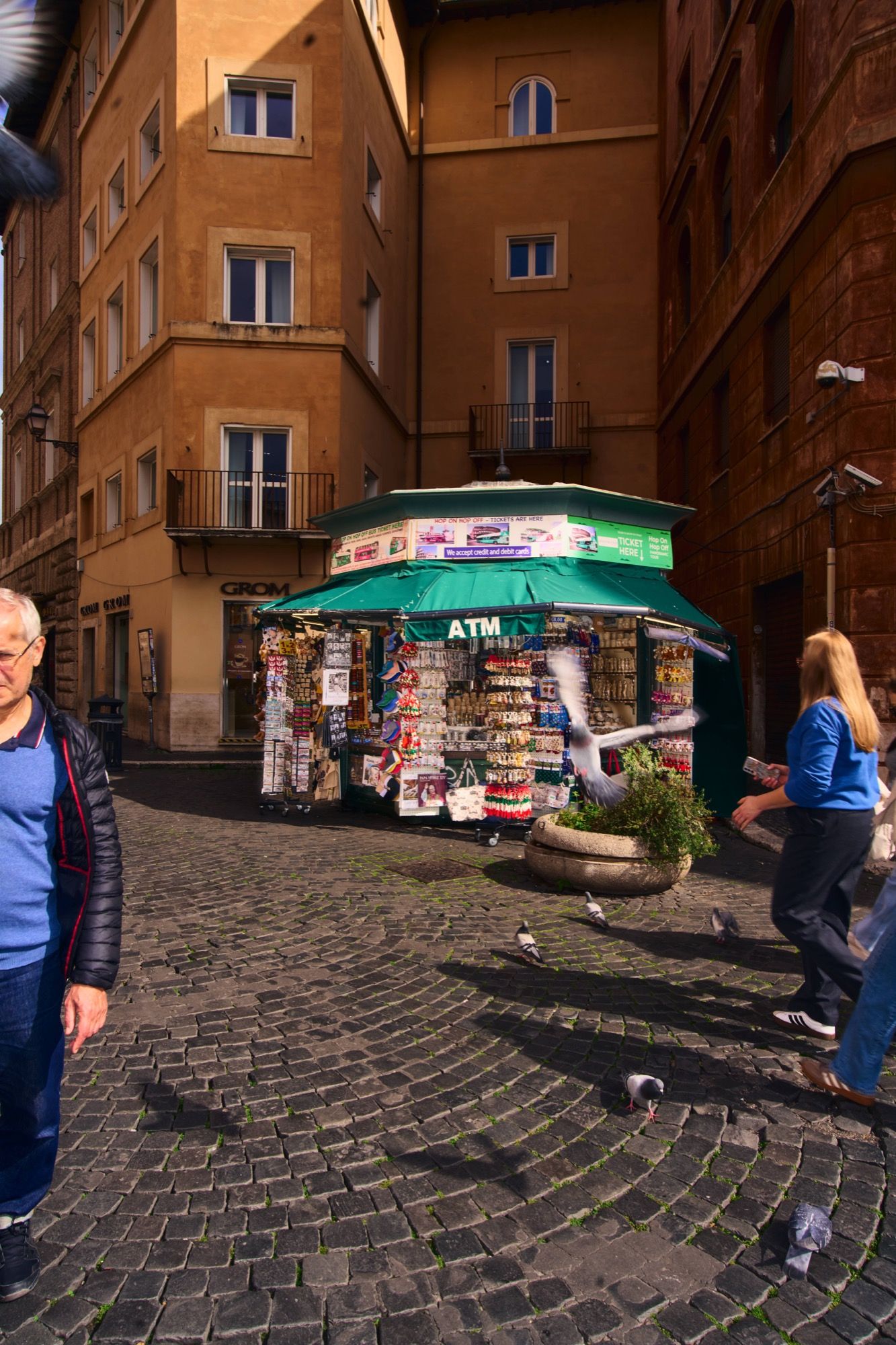
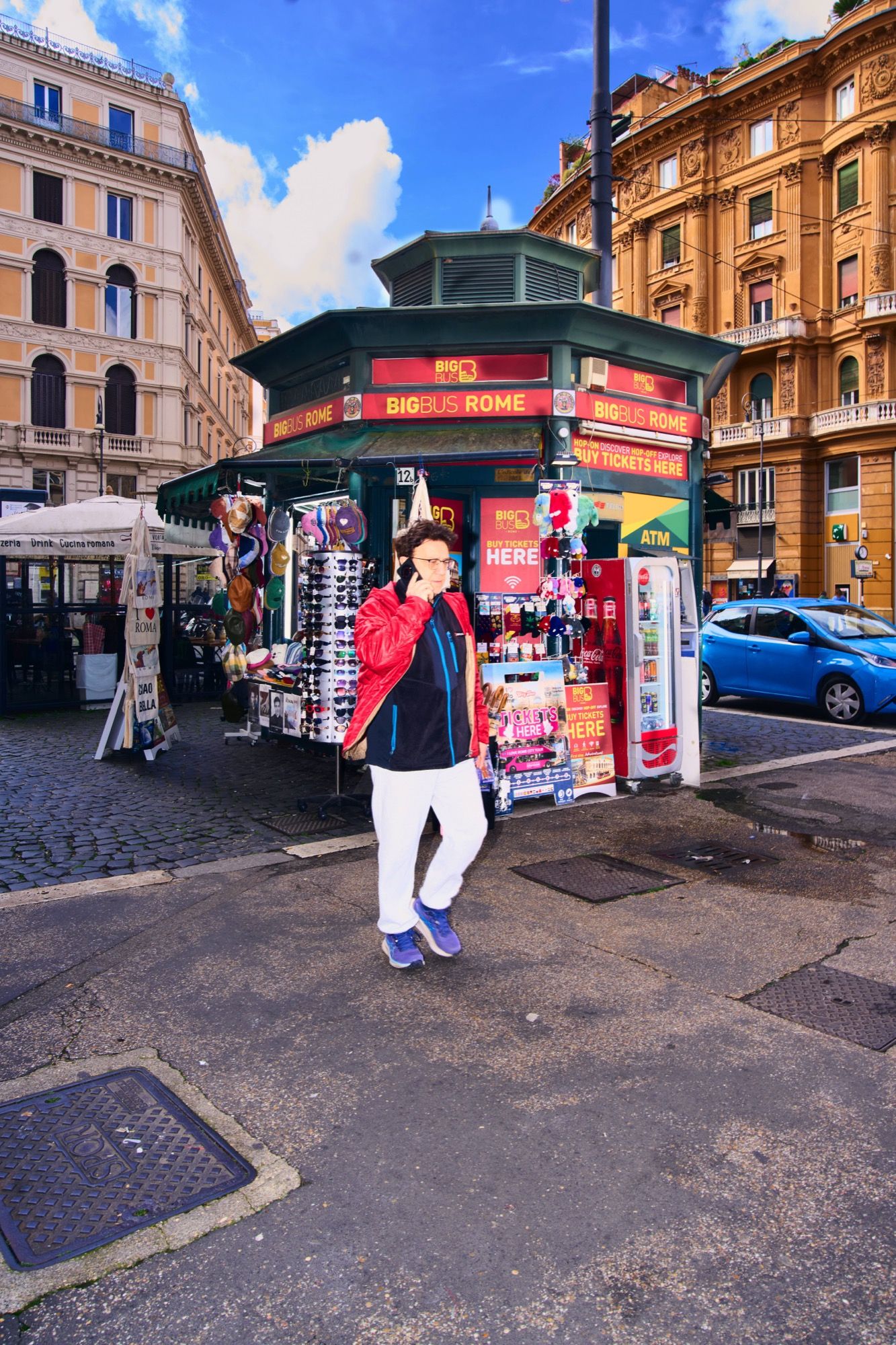
That bundle delivered to the newsroom was already, back then, a small luxury: putting together all that material cost more than forty euros a day, much to the great delight of the newsstand owner. An expense that only made sense within an institution and within a very specific professional ritual; for everyone else, it is now too inconvenient, too expensive, too slow. And in fact the crisis of newspapers and that of newsstands have come to resemble each other: the former lose readers and copies, the latter lose customers and centrality.
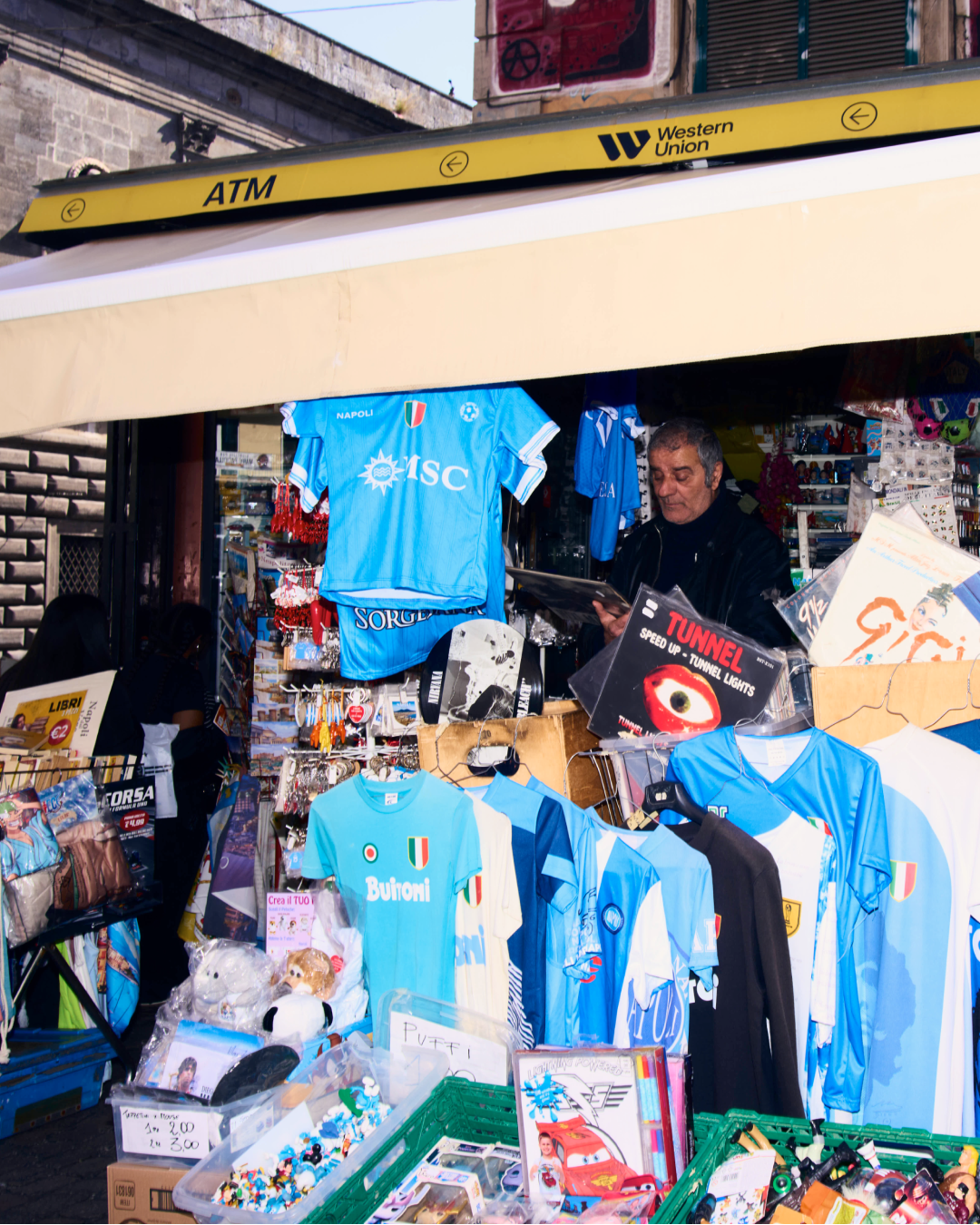
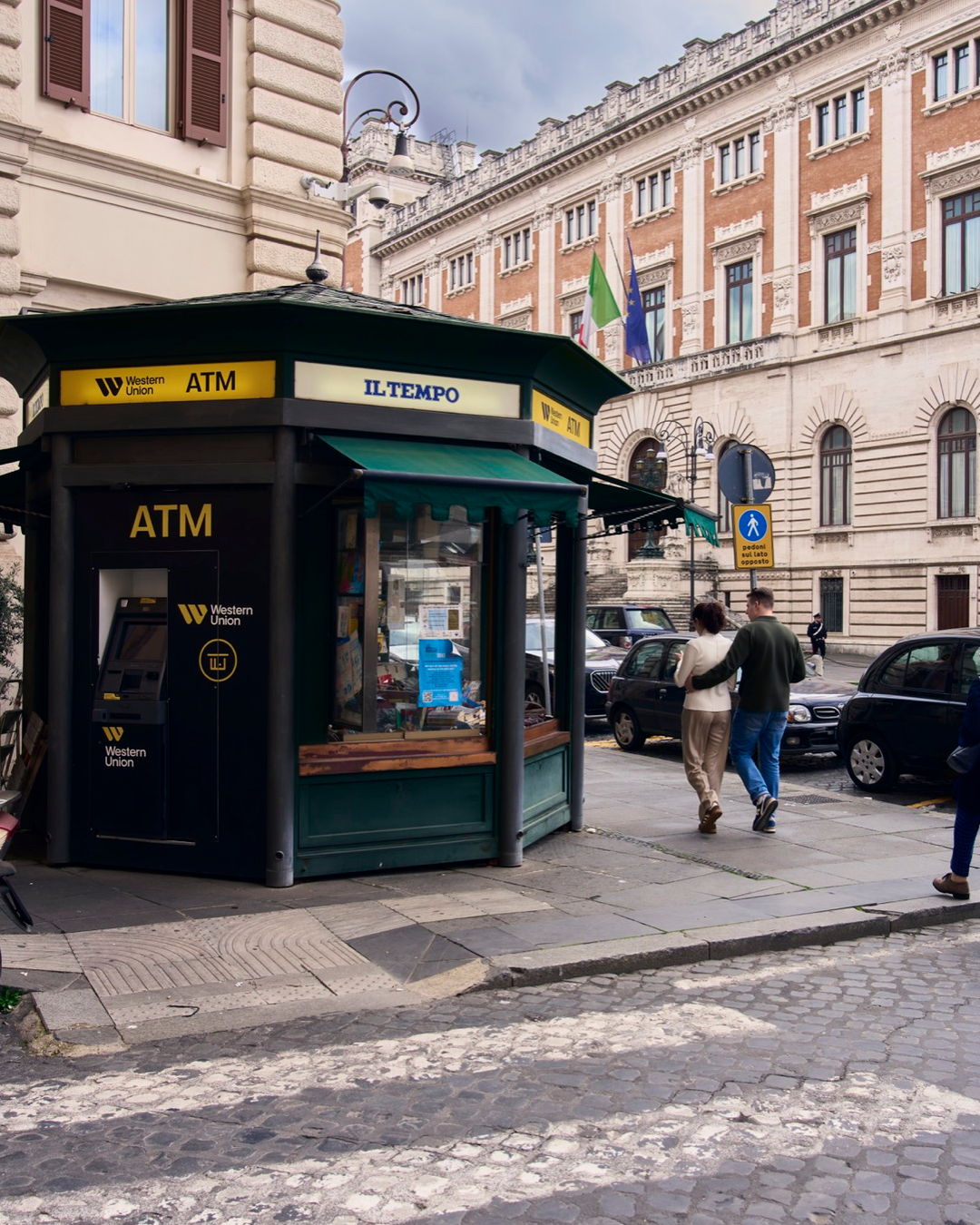
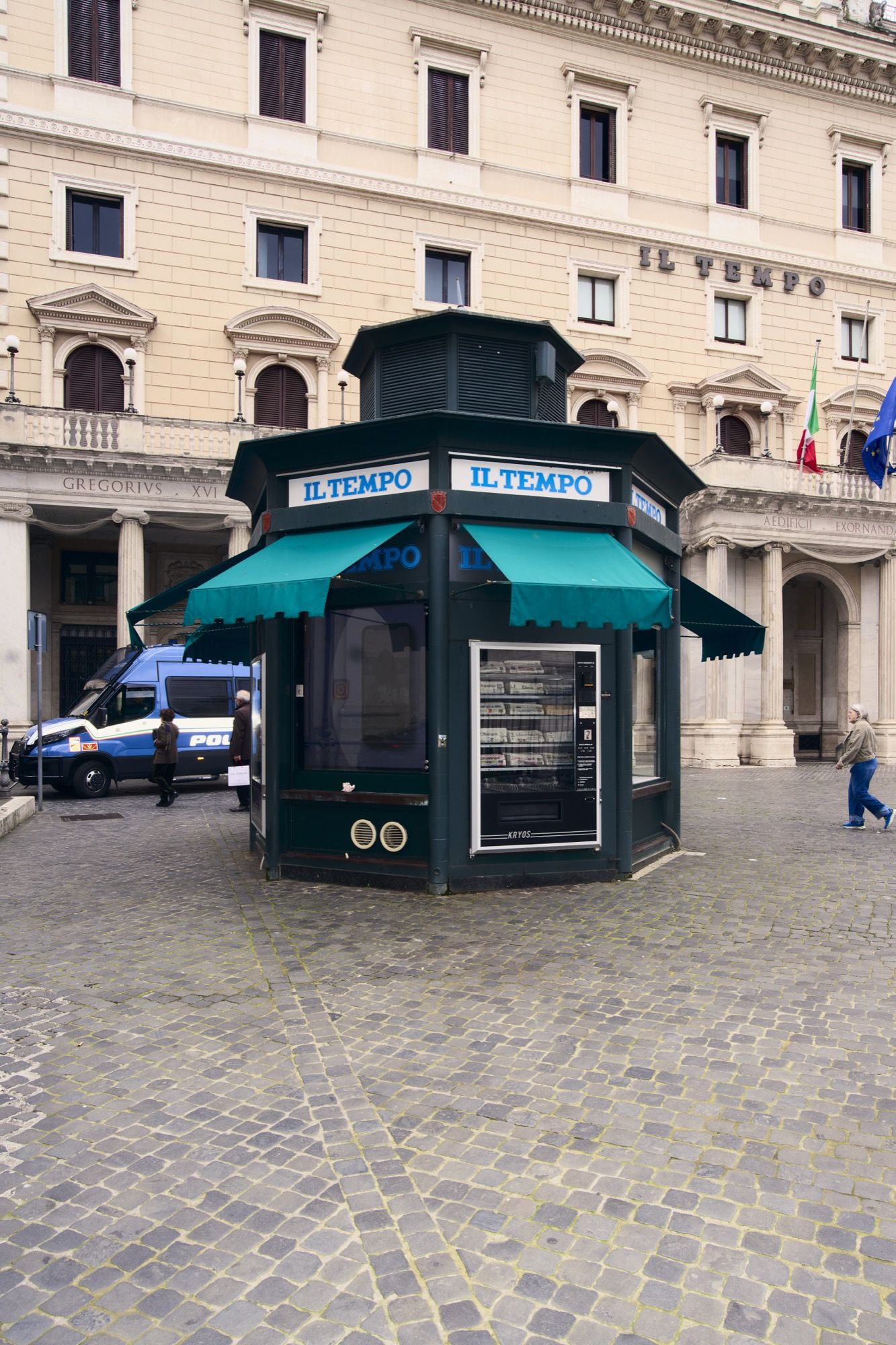
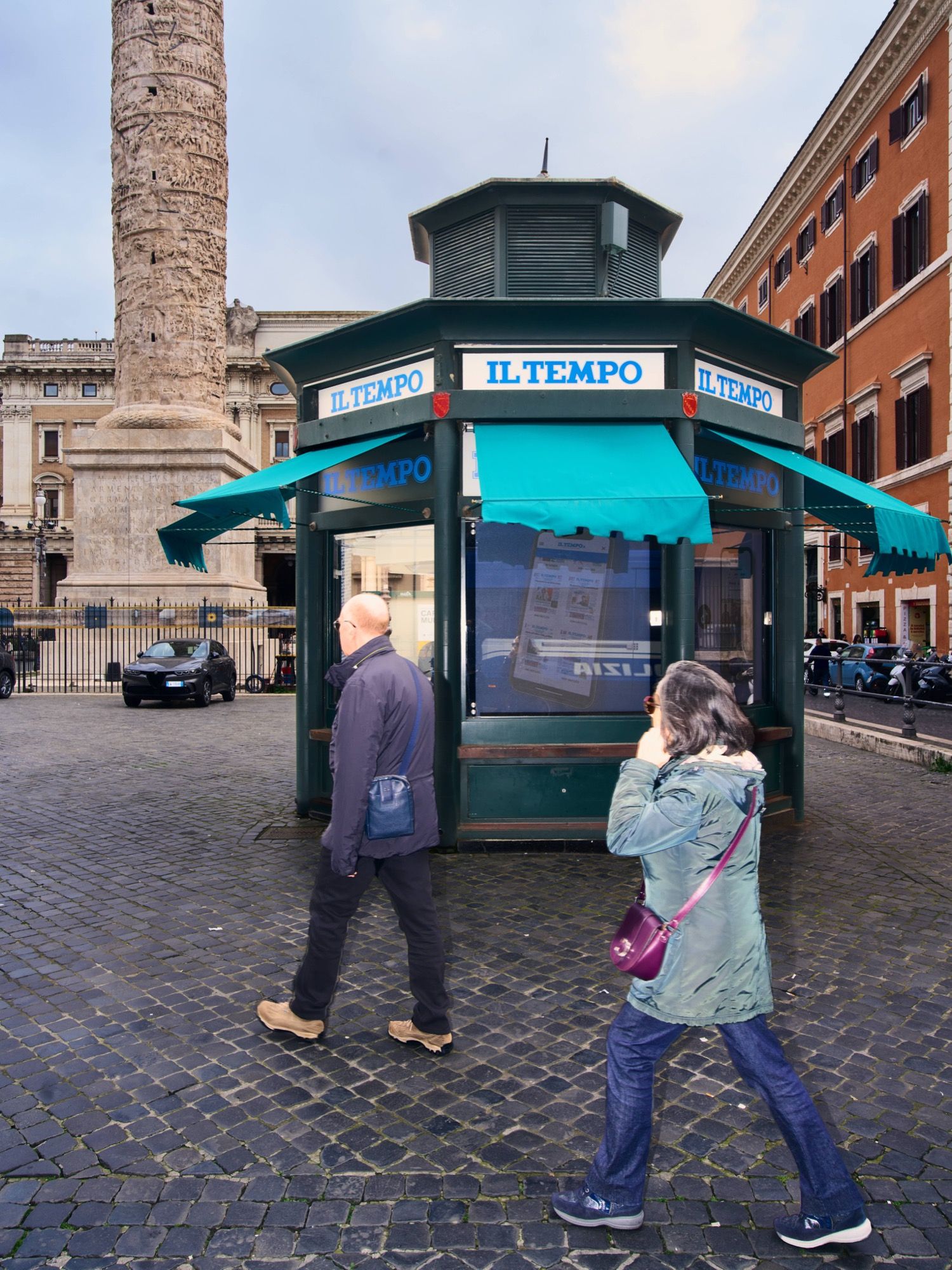
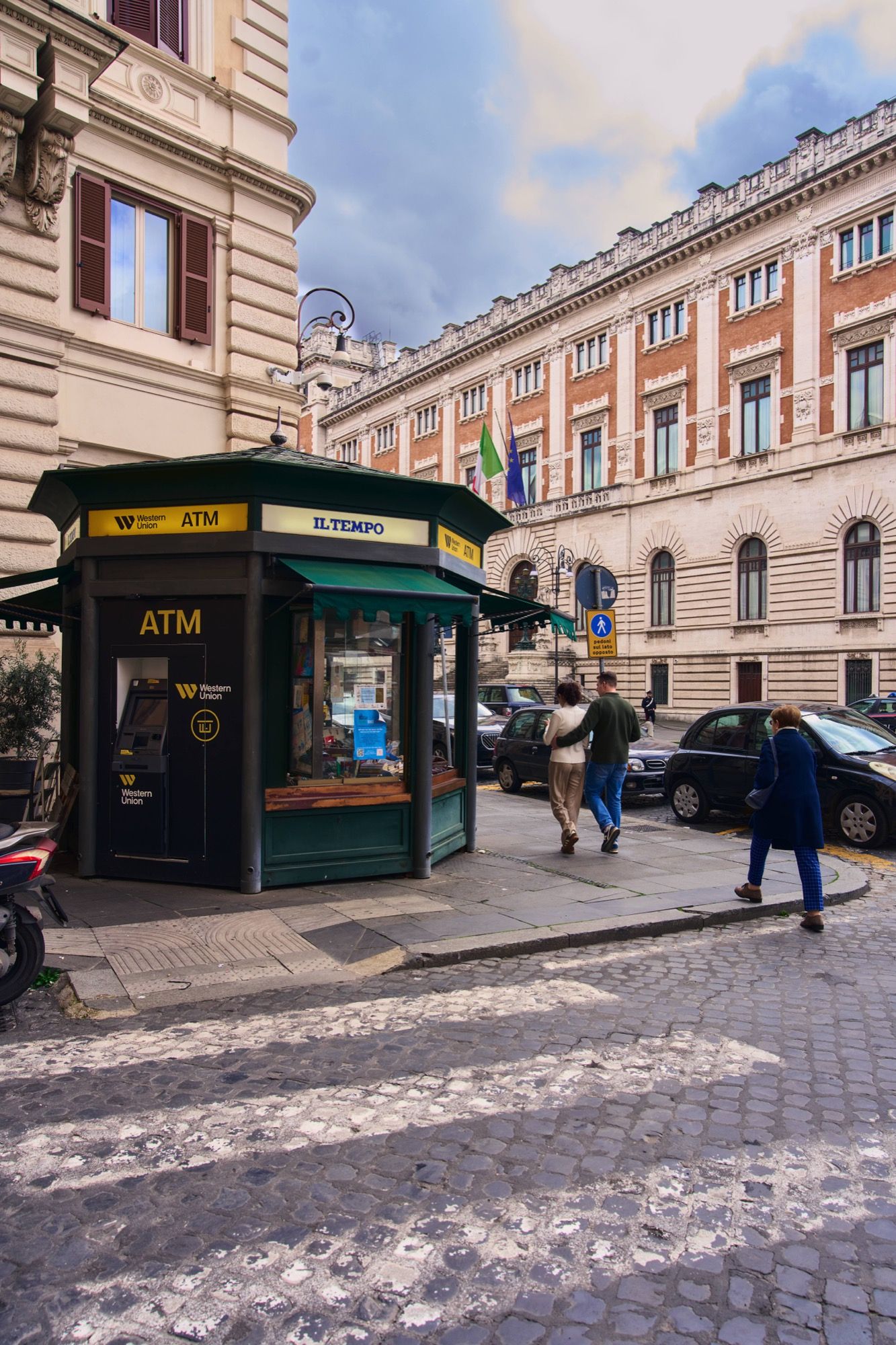
Between the two, however, there is a fundamental difference: newsstands, being physical places, can at least attempt a transformation and become something else, whether connected to their original function or not. Perhaps the most telling example is the newsstand in Piazza Colonna, in front of Palazzo Chigi. Il Post has reported well on how this kiosk, for decades a material and symbolic node of Roman politics, has been relaunched by Il Tempo with a vending machine and a space for podcasts: a small somewhat melancholic modernization, yet effective. In the same account, anecdotes re-emerge that explain why print has never been just that: Paolo Bonaiuti, the longtime spokesperson of Silvio Berlusconi, when he wanted to leak a piece of information without giving it too much official weight, would suggest that journalists attribute it to officials “seen in passing in front of the Piazza Colonna newsstand”. It is an almost perfect detail, because it shows that the newsstand did not only sell newspapers: it also sold proximity to power, and sometimes even provided a convenient stage on which to display it.
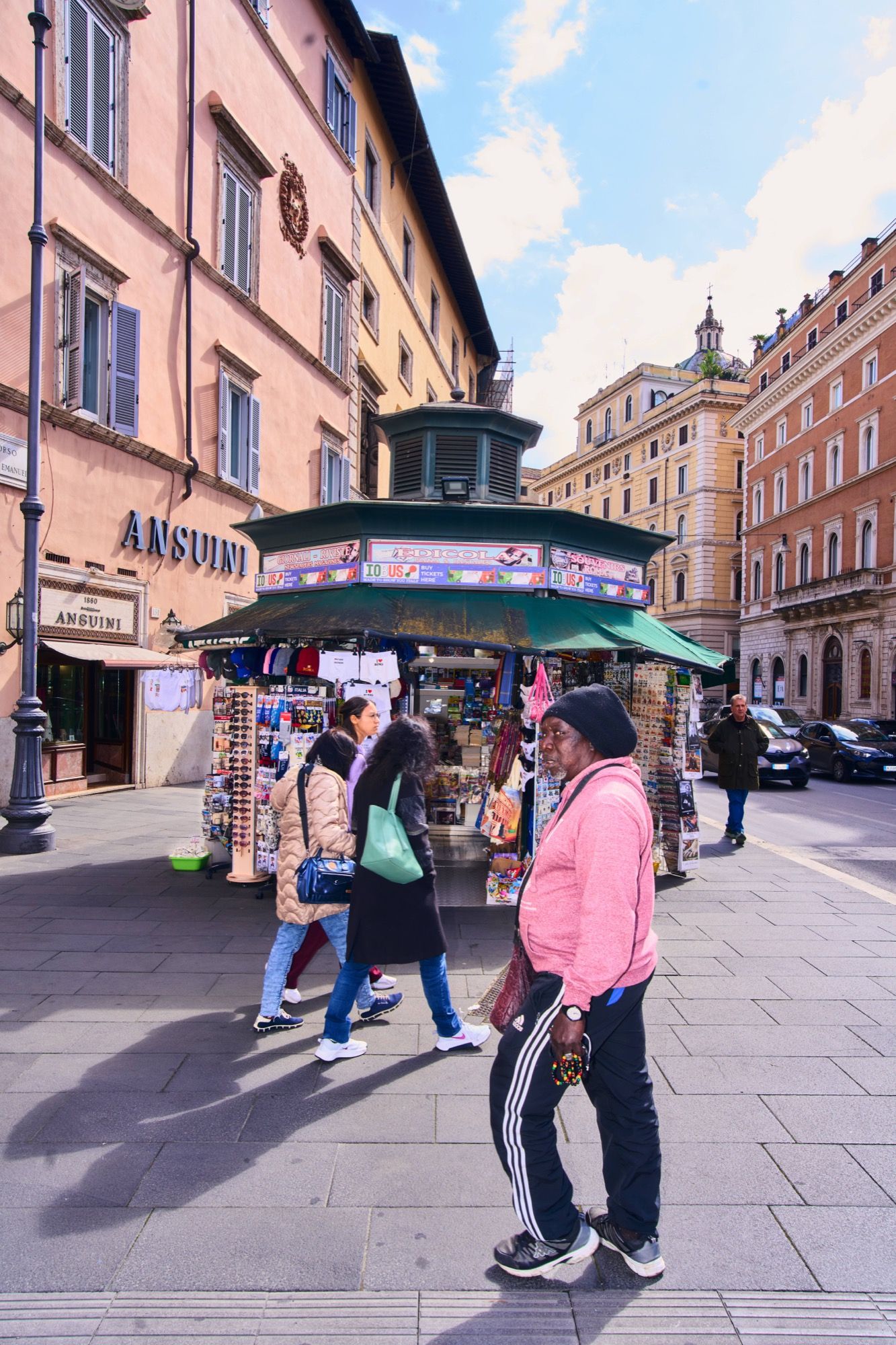
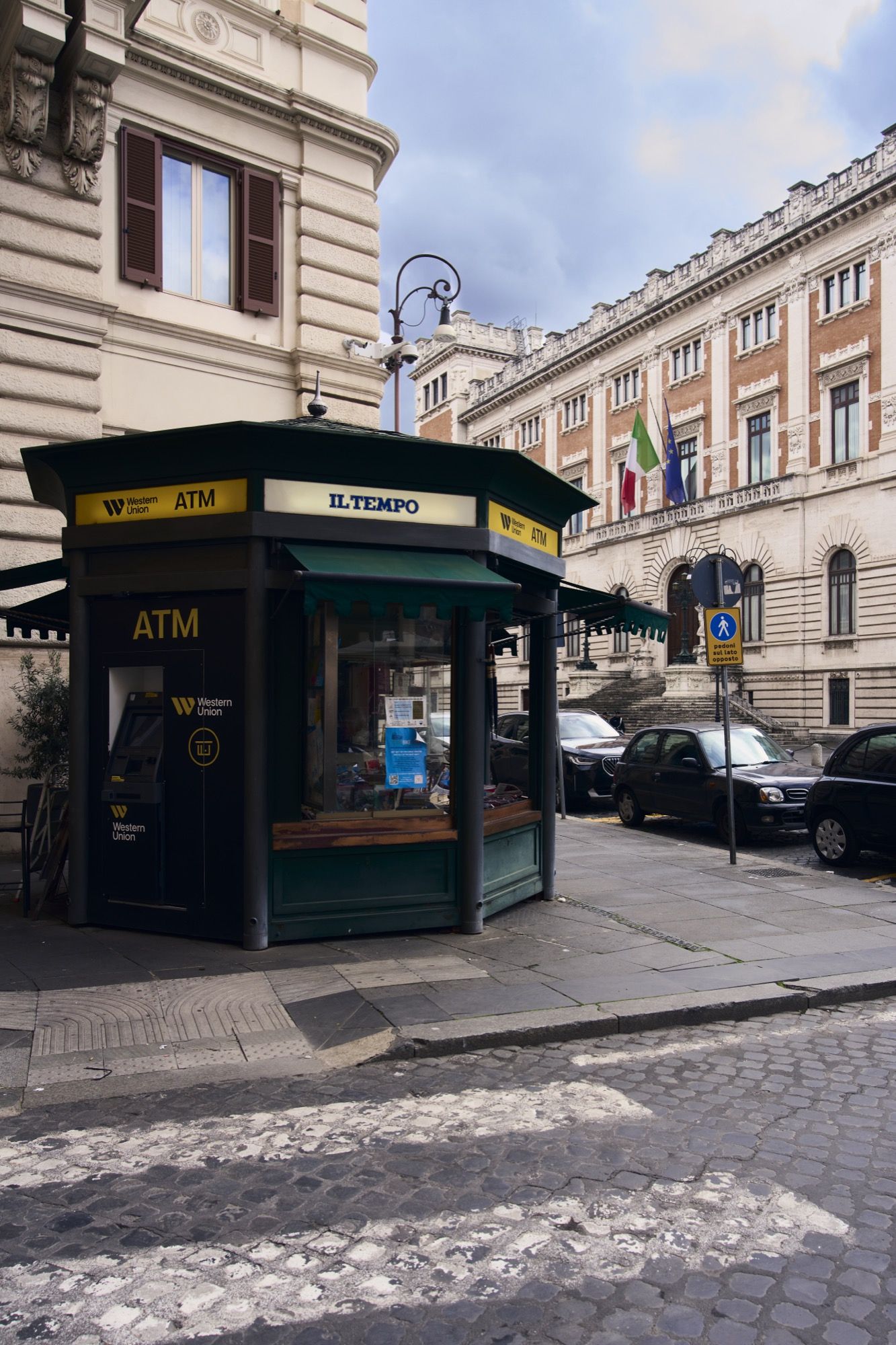
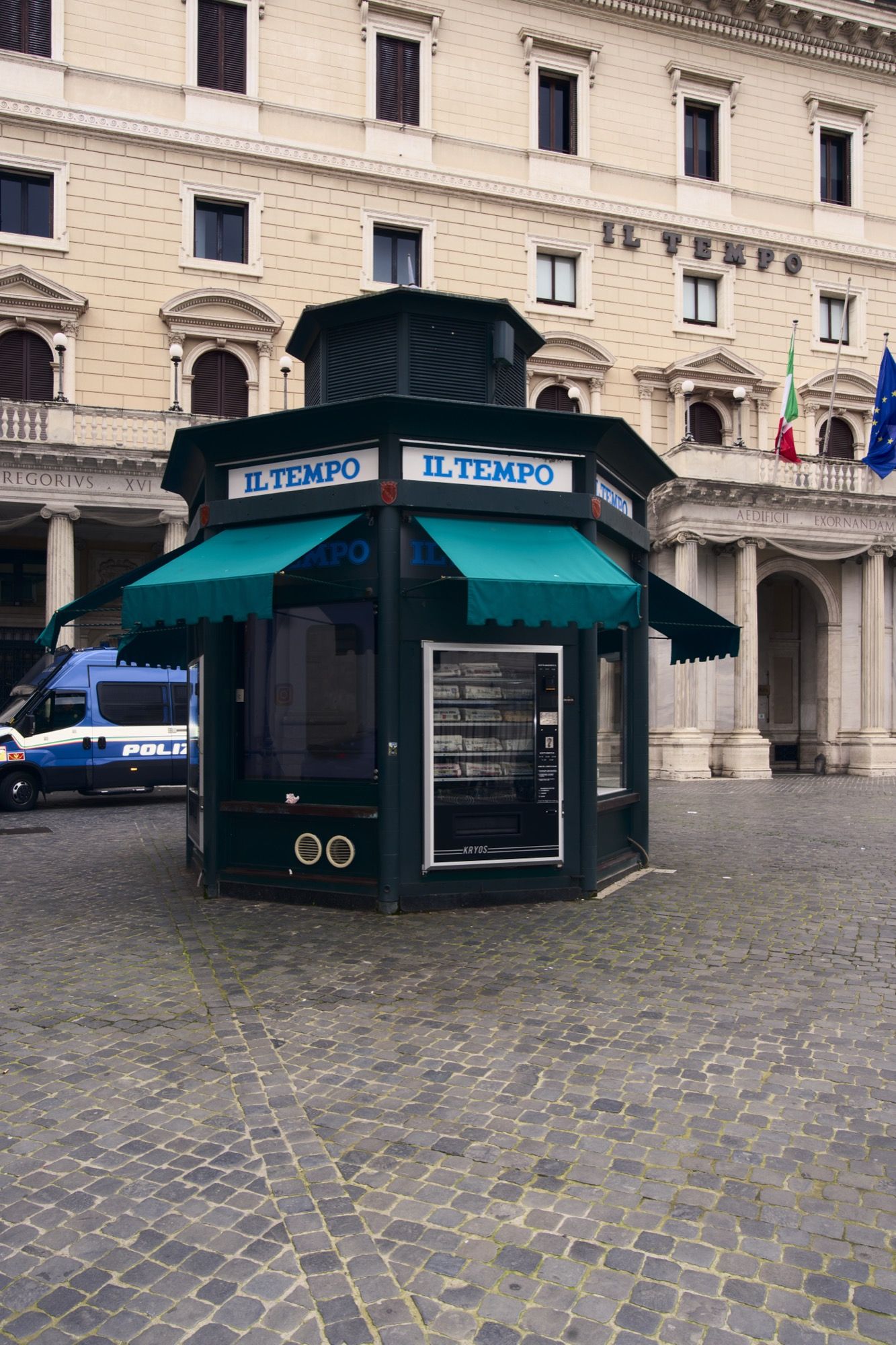
After all, if many newspapers still seek a physical presence on shelves, it is for reasons of status and legitimacy: “Print is influence”, my editor Nicolas Beytout likes to repeat. This is particularly evident in certain environments where a somewhat theatrical familiarity with newspapers still exists. At the Foreign Press Association headquarters in Palazzo Grazioli, in the former apartment used by Berlusconi when he was Prime Minister and where I now have my desk, there is a sort of open newsstand in one corridor: all the newspapers hanging on the wall, fixed with wooden holders. It is a small, old-fashioned display, almost a whim, since all correspondents have already read those papers online at home over breakfast, yet it still says something about their symbolic role. The same applies, in an opposite way, to the reading rooms of the Chamber of Deputies and the Senate, where copies of national and some foreign newspapers can still be found today.
But there are also those who are reinventing the relationship with the newsstand. Il Post and Linkiesta, two digital-native publications, have shown a particular interest in print. No longer bound to defend daily periodicity as an industrial obligation, they have chosen to use it differently: more freely, more intermittently, more like an editorial object than a consumer good. Il Post, with Cose Spiegate Bene, and Linkiesta, with its non-periodical Eccetera and other special projects, including collaborations with the New York Times, have focused on releases without a fixed schedule, appearing only when they truly have something to add. It reminds me of a line from Gandalf in The Lord of the Rings: “A wizard is never late, nor is he early, he arrives precisely when he means to.” Today, print is starting to feel exactly like that: it appears when it wants, not when it has to.