

























Why do we forget about Michael Jackson's impact on fashion? The King of Pop and his signature style
The Michael biopic traces the rise of the King of Pop, born as a simple boy from Indiana with an angelic voice, caught between a stolen childhood and a visceral love for music. In one of the film’s most moving moments, Jackson, hospitalized after the serious accident during the Pepsi commercial, tearfully confides in his bodyguard his desire to perform again, quoting a verse dear to his mother: «Let your light shine before others». This biblical reference encapsulates the sacredness with which Michael Jackson shaped his inimitable aesthetic universe, which over time evolved into a precious stylistic legacy capable of influencing entire generations of artists. His myth-making process unfolded above all through precise stylistic choices that crafted a mysterious, controversial, untouchable persona that, even today, keeps us hypnotized in front of the screen.
From the Jackson Five to his solo debut
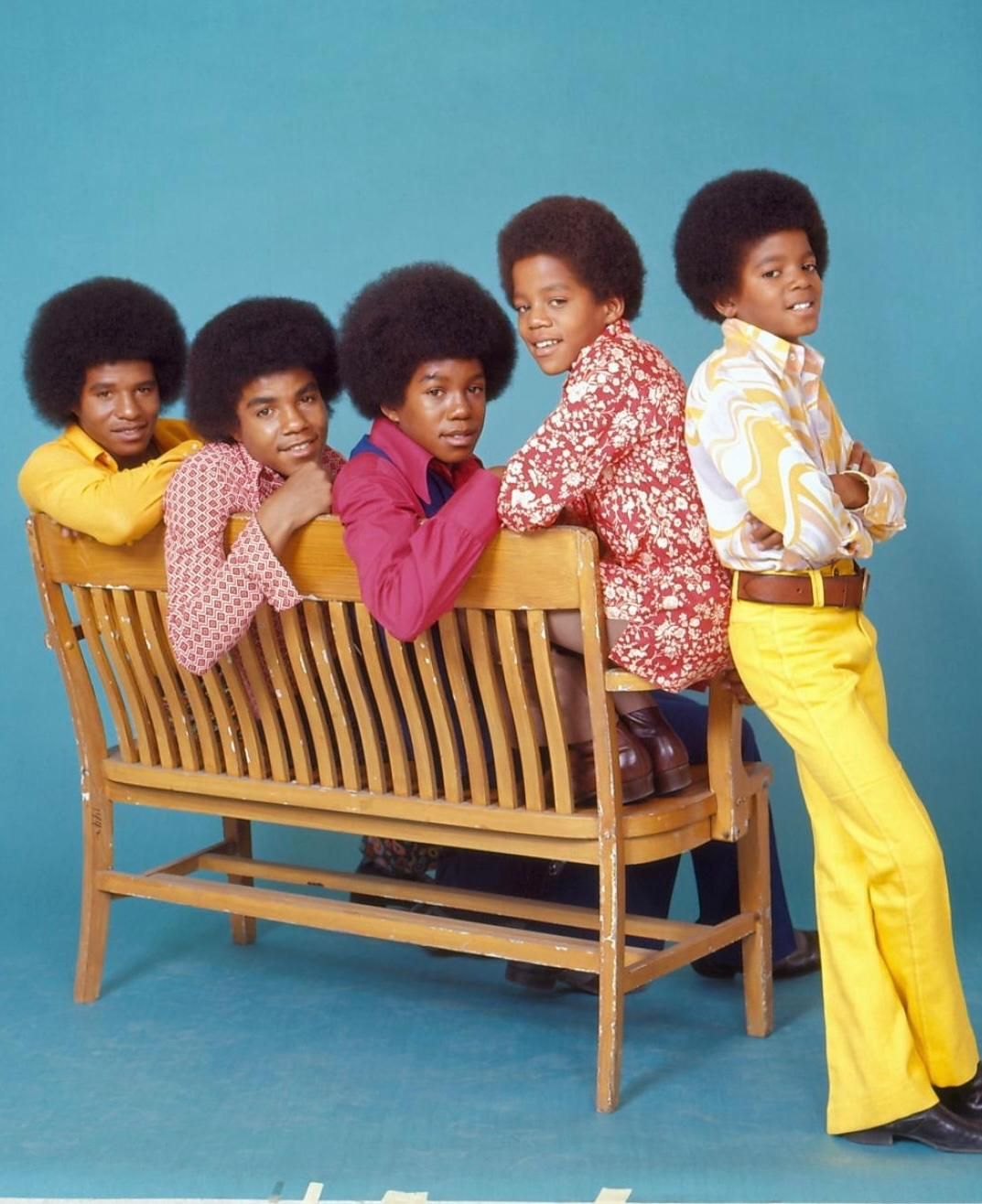
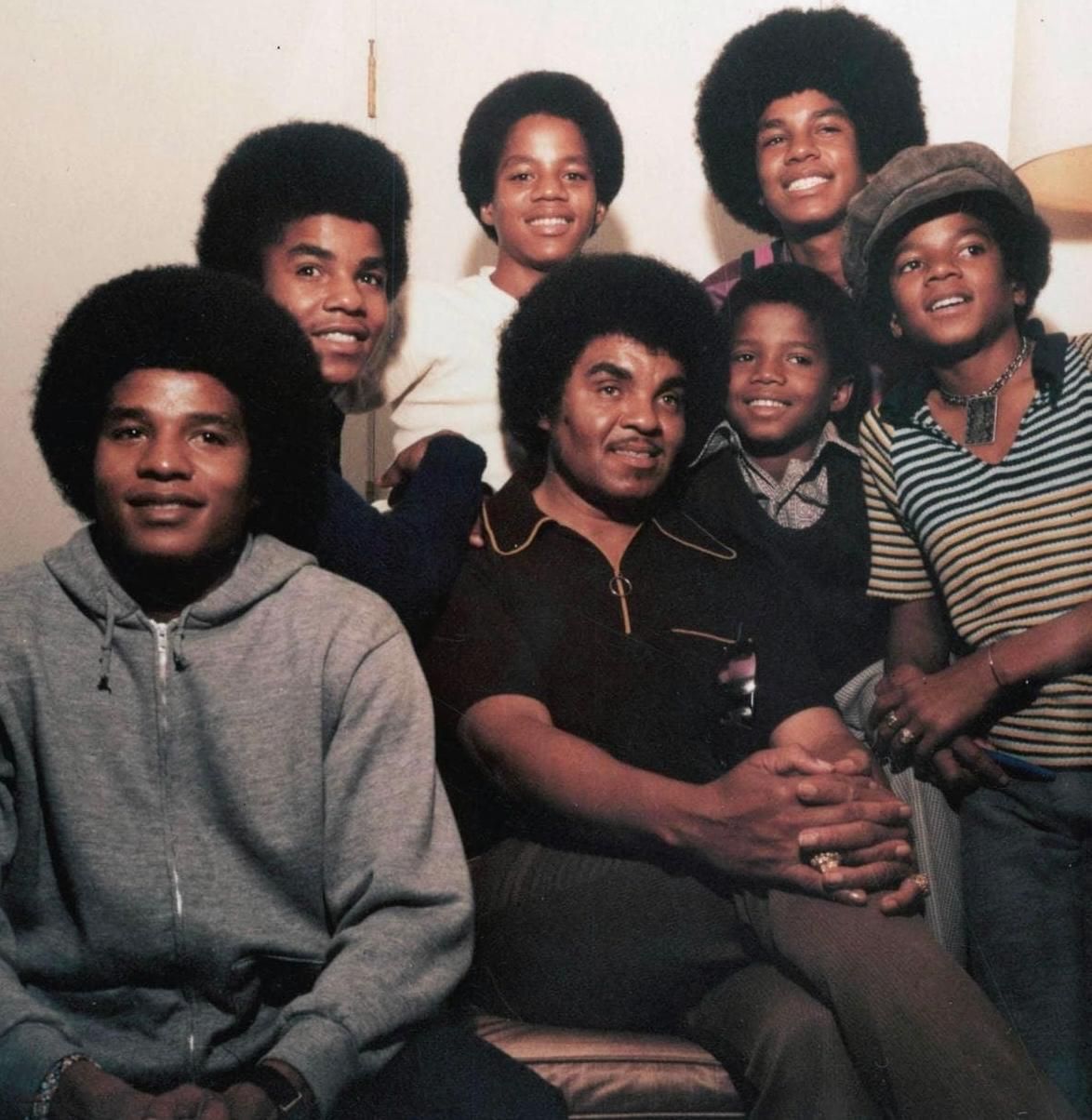
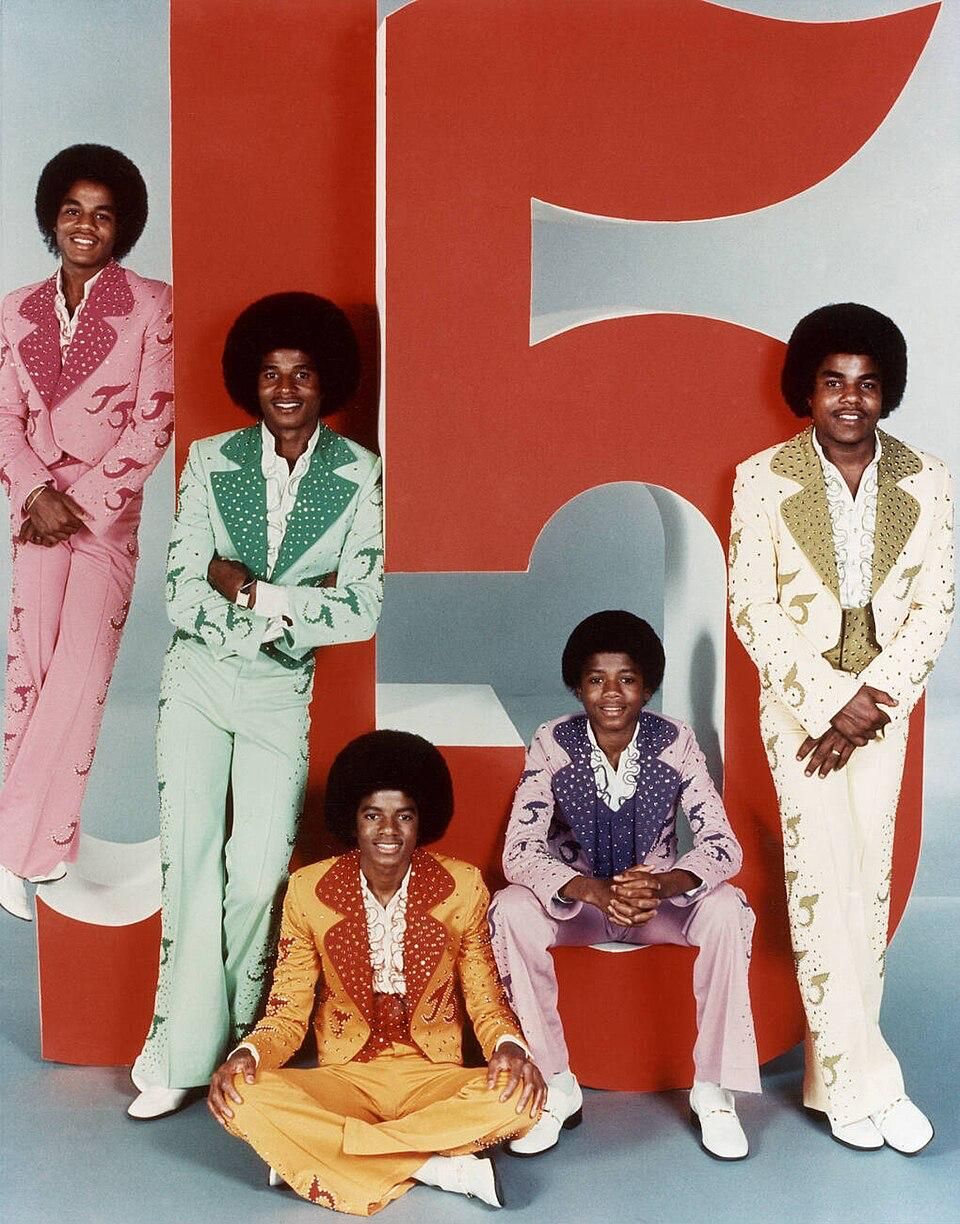
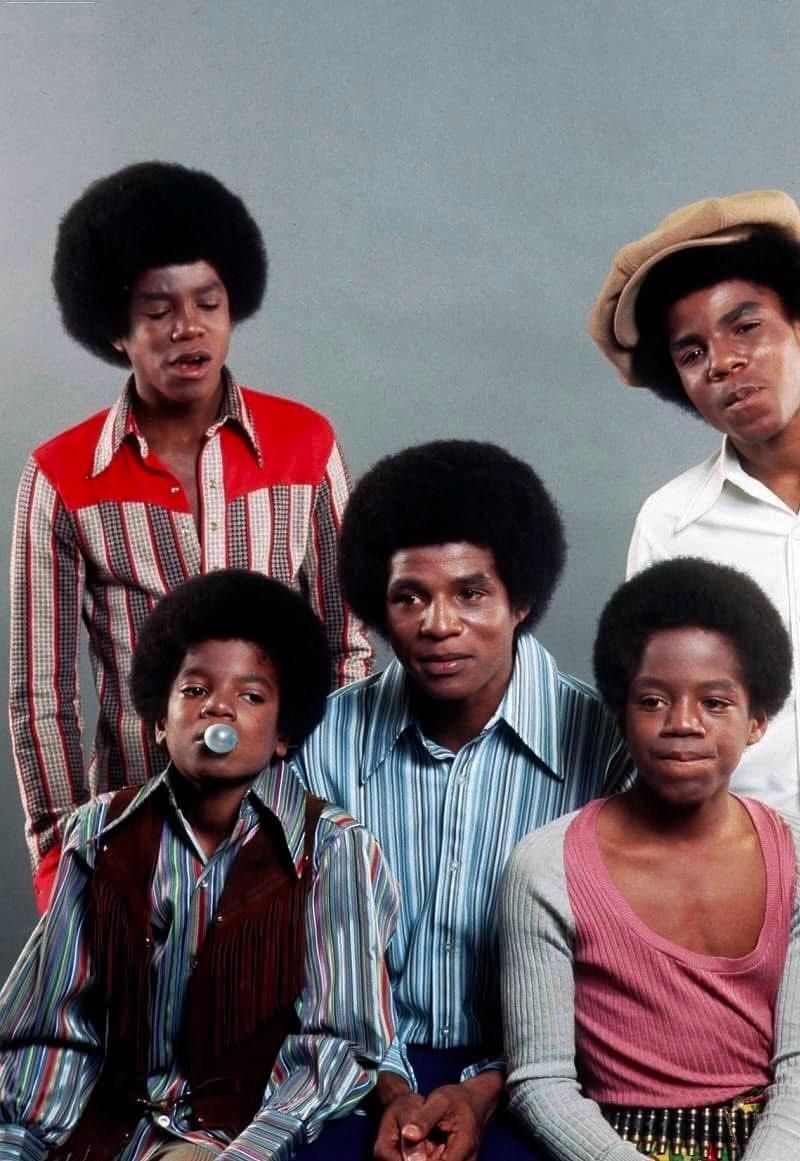
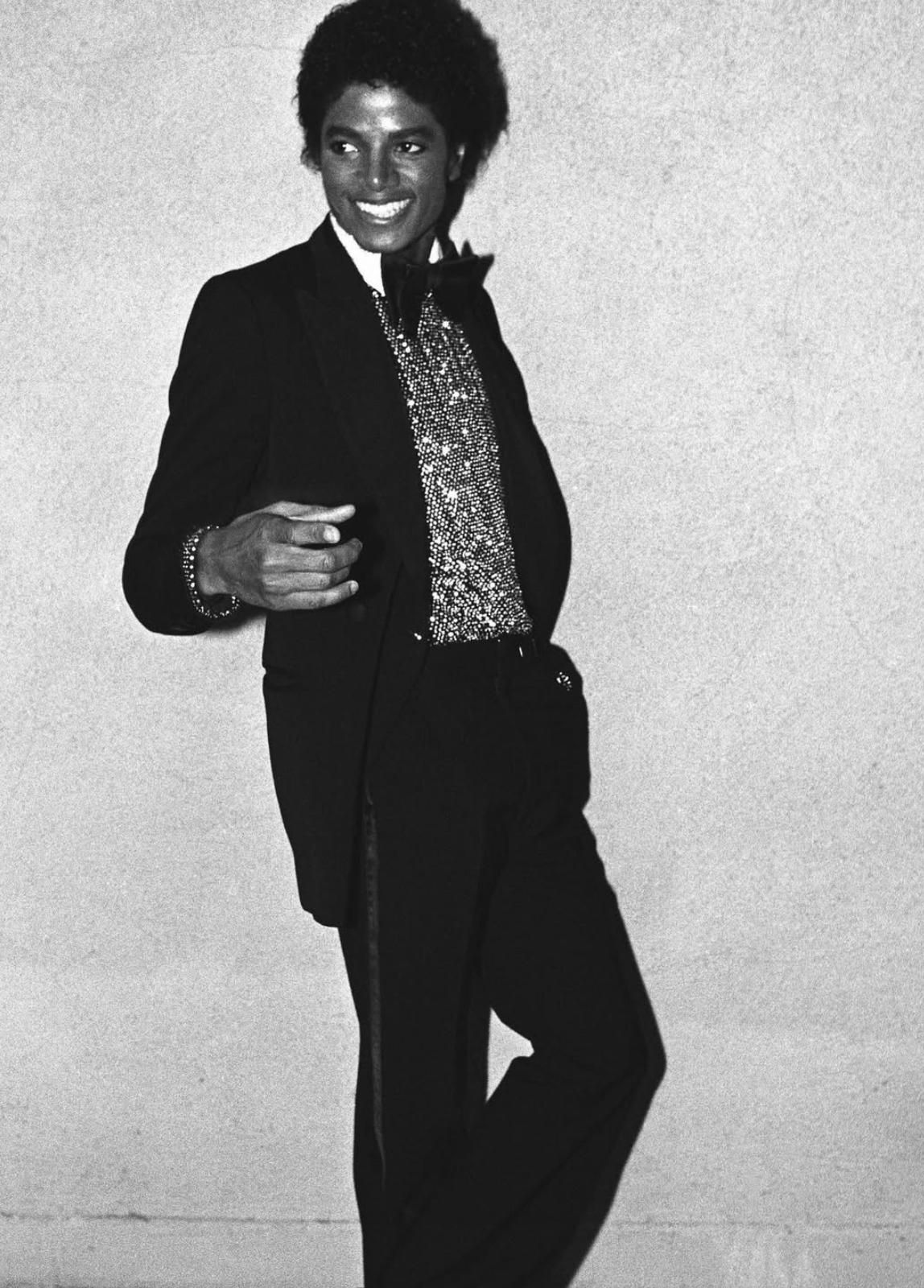
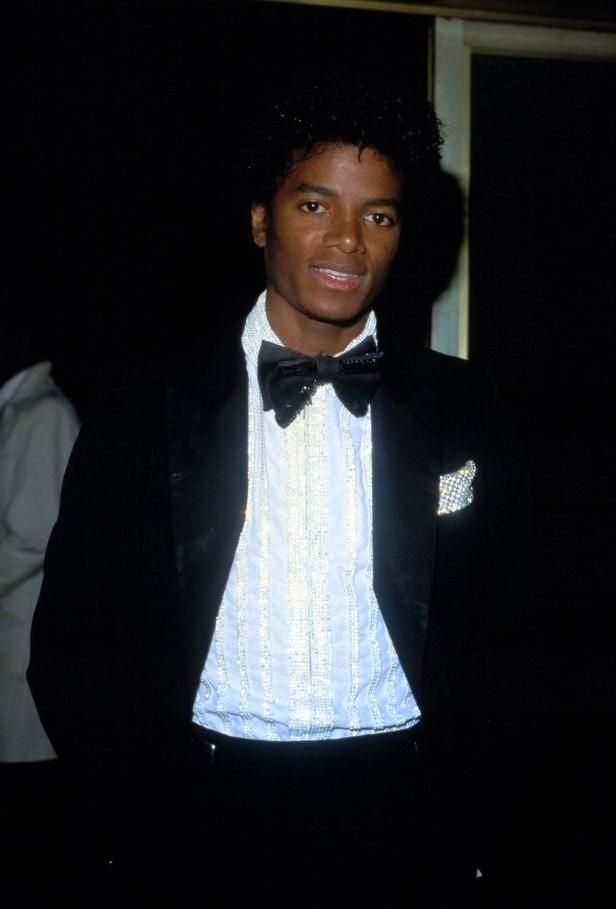
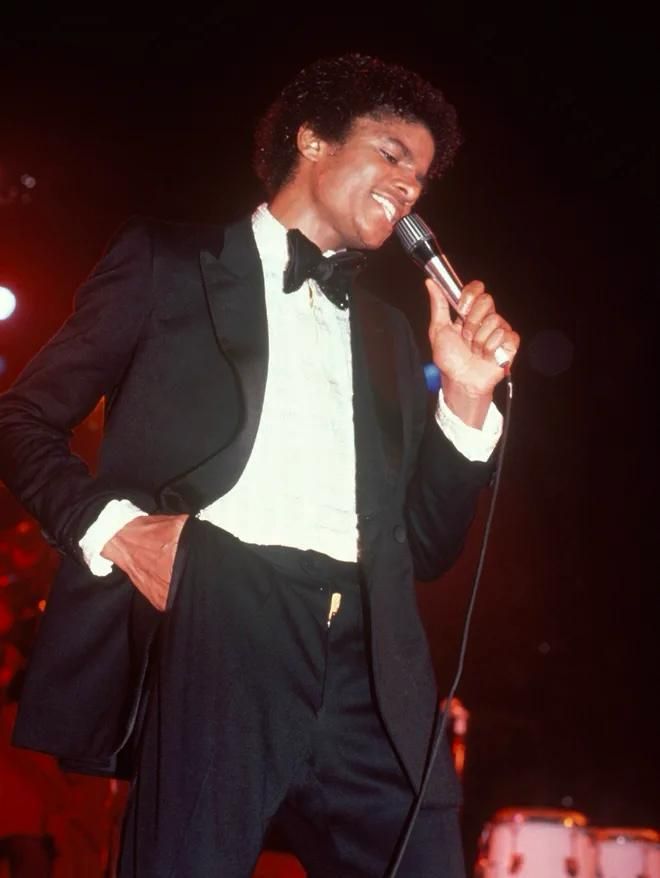
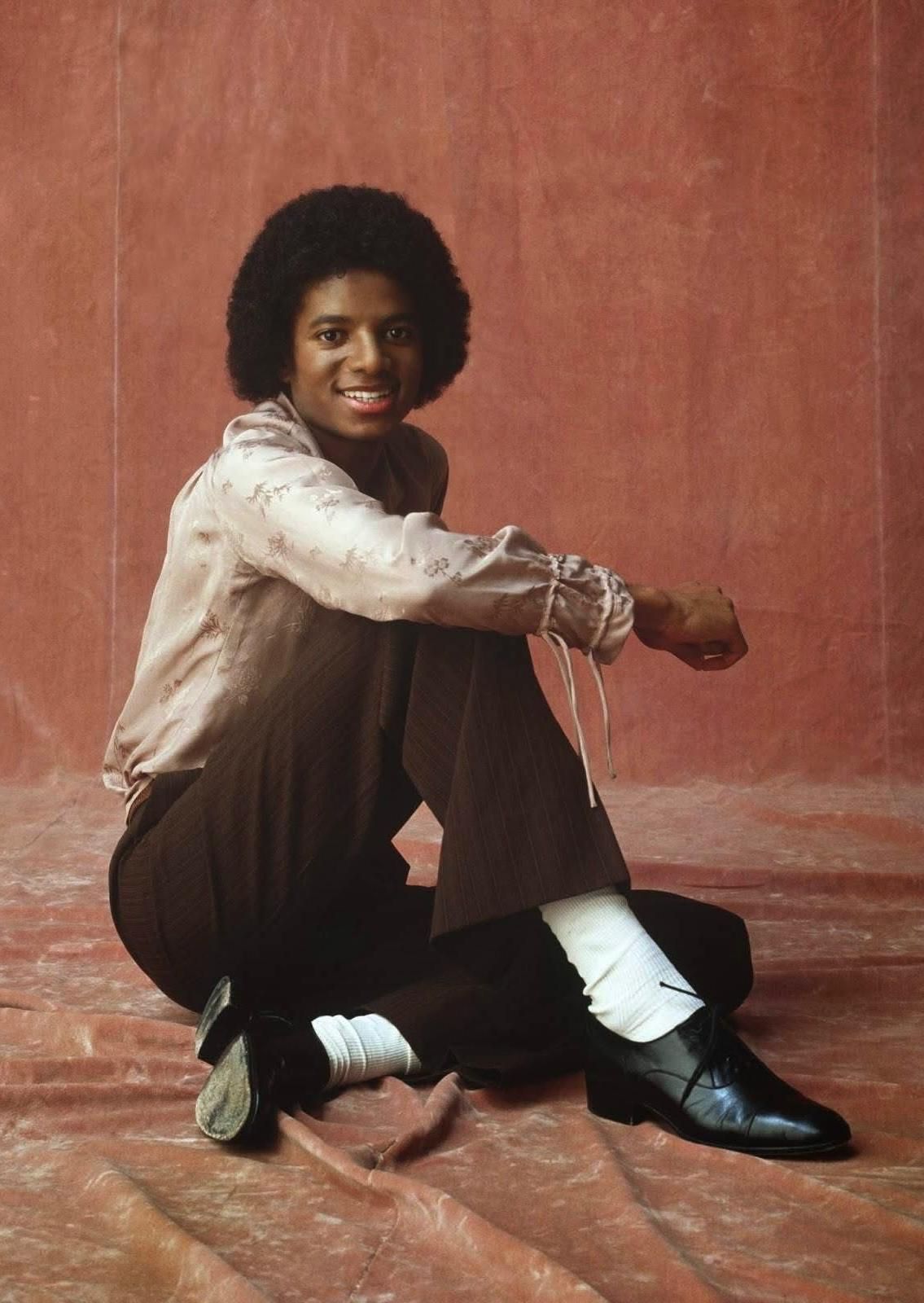
From an early age, Jackson’s genius emerged not only through his voice and stage presence, but also through a marked obsession with clothing. The Jackson Five’s first looks were handmade by their mother Katherine, but the turning point came in 1969 when the group signed their first contract with Motown Records. The Jackson Five often performed wearing satin vest suits and flared trousers, each in a different primary color. In this context, Michael quickly understood that if music was rhythm, clothing had to be the color that made him visible. In 1979, Michael began his first real transformation, leaving behind the crayola-like colors of the Jackson Five uniforms to embrace a more refined and adult sound and aesthetic.
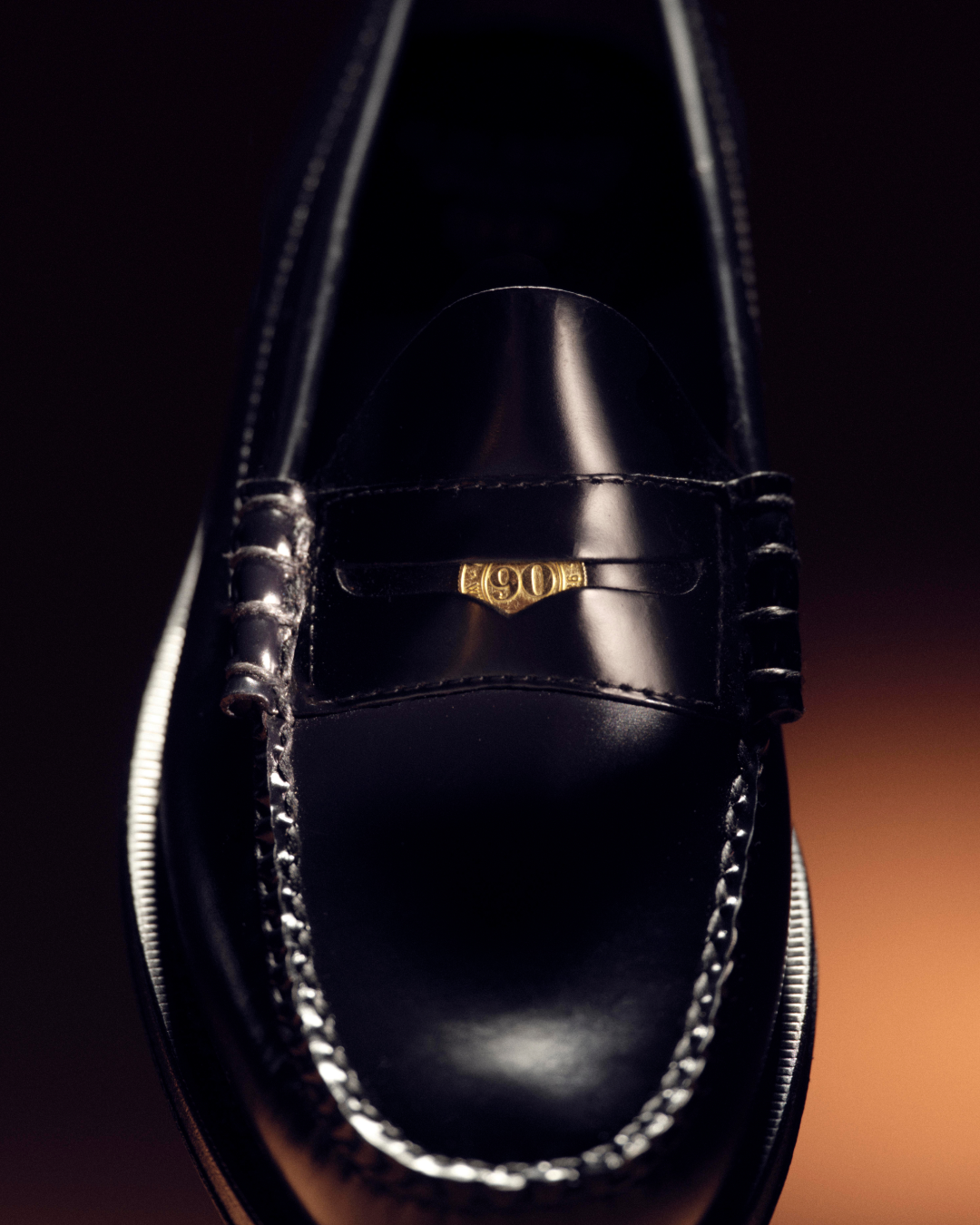
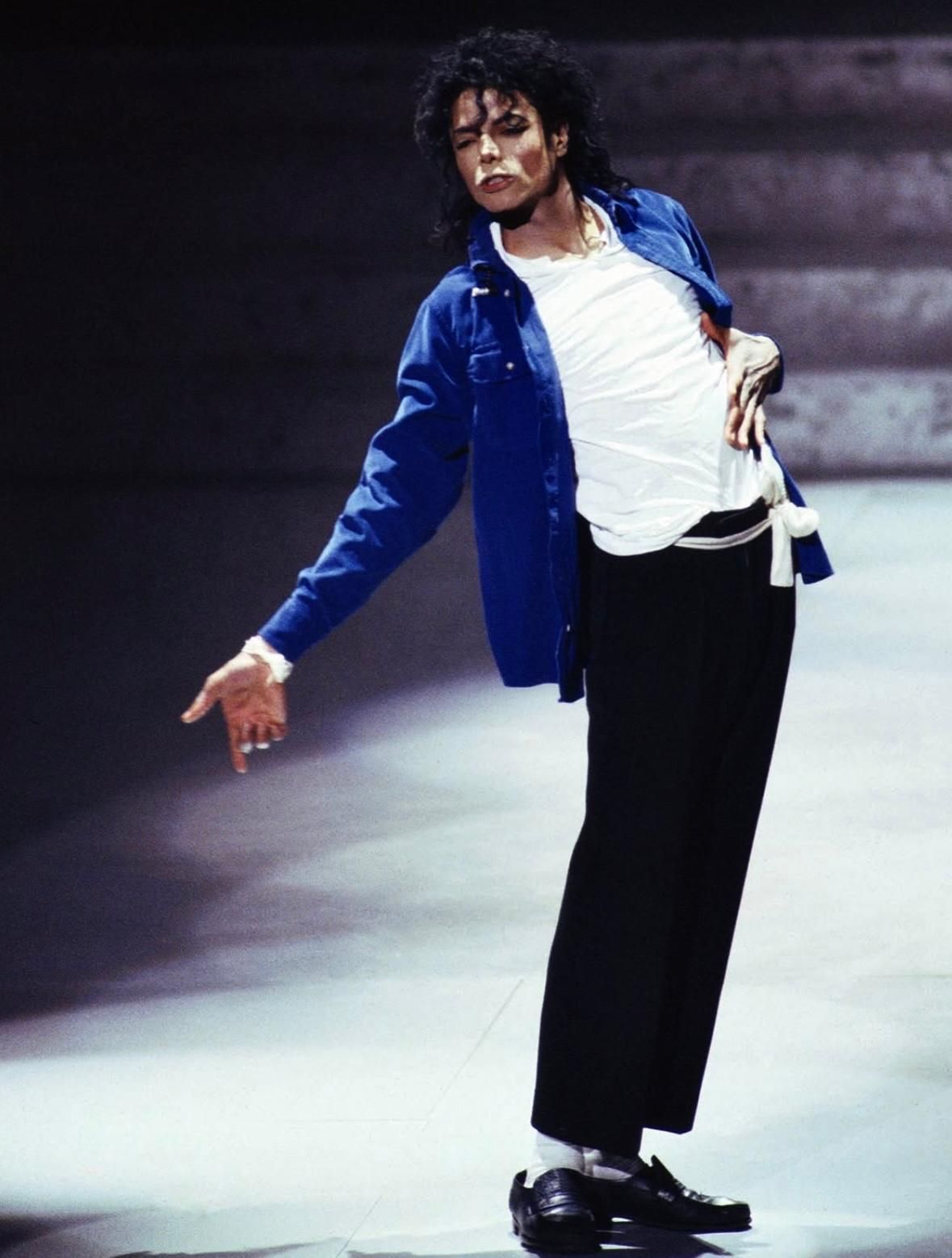
On the cover of Off the Wall, Jackson wore a classic black tuxedo inspired by the looks of Frank Sinatra, Gene Kelly, and Charlie Chaplin, a stylistic choice he used as a symbol of a rite of passage into a “new Michael”. It was during this phase that one of his trademarks was born, the pairing of white socks and black loafers, which proved to be functional before being aesthetic. Michael wanted the audience not to miss a single movement of his feet, and that luminous contrast allowed his dance to shine even in the darkness of the stage.
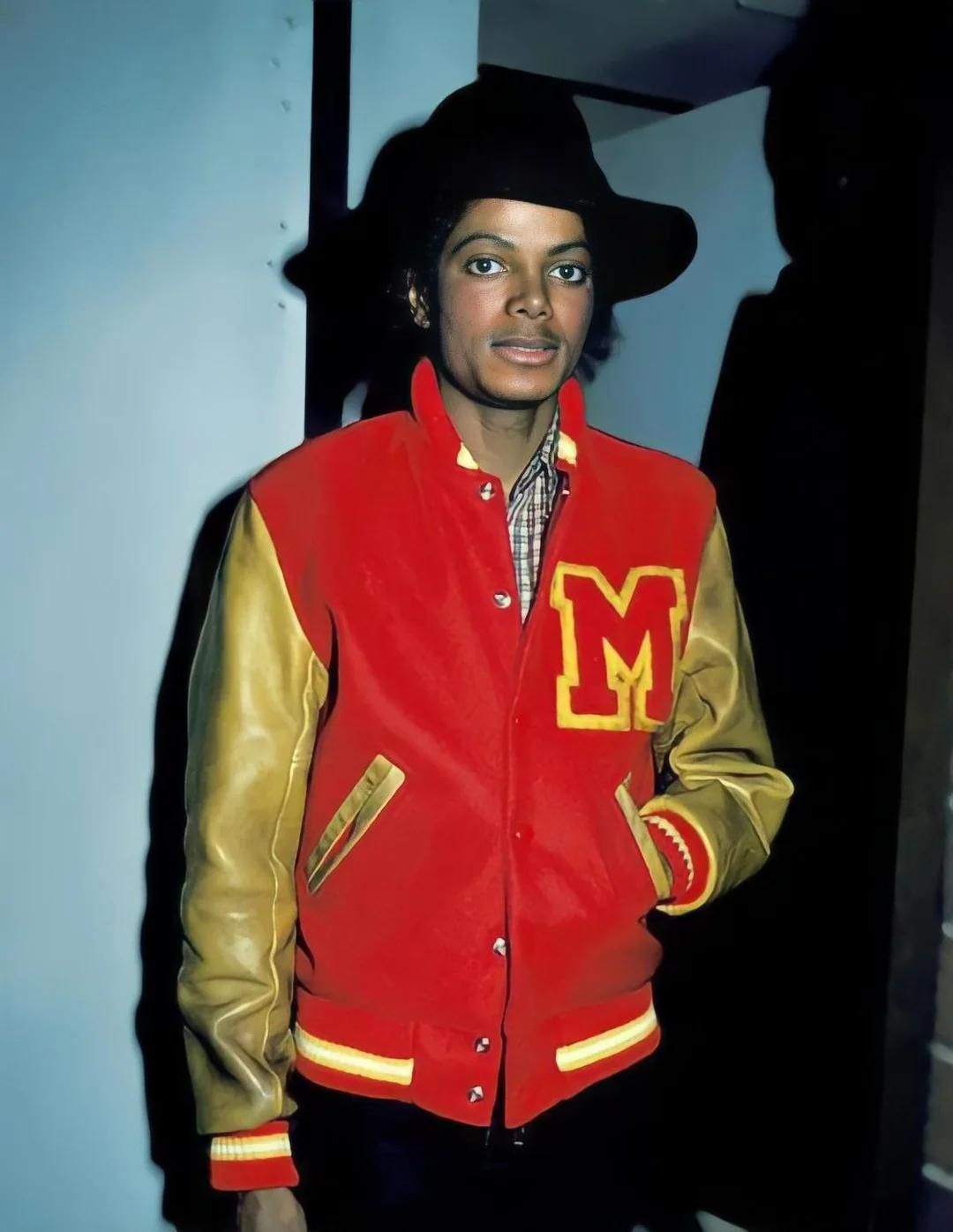
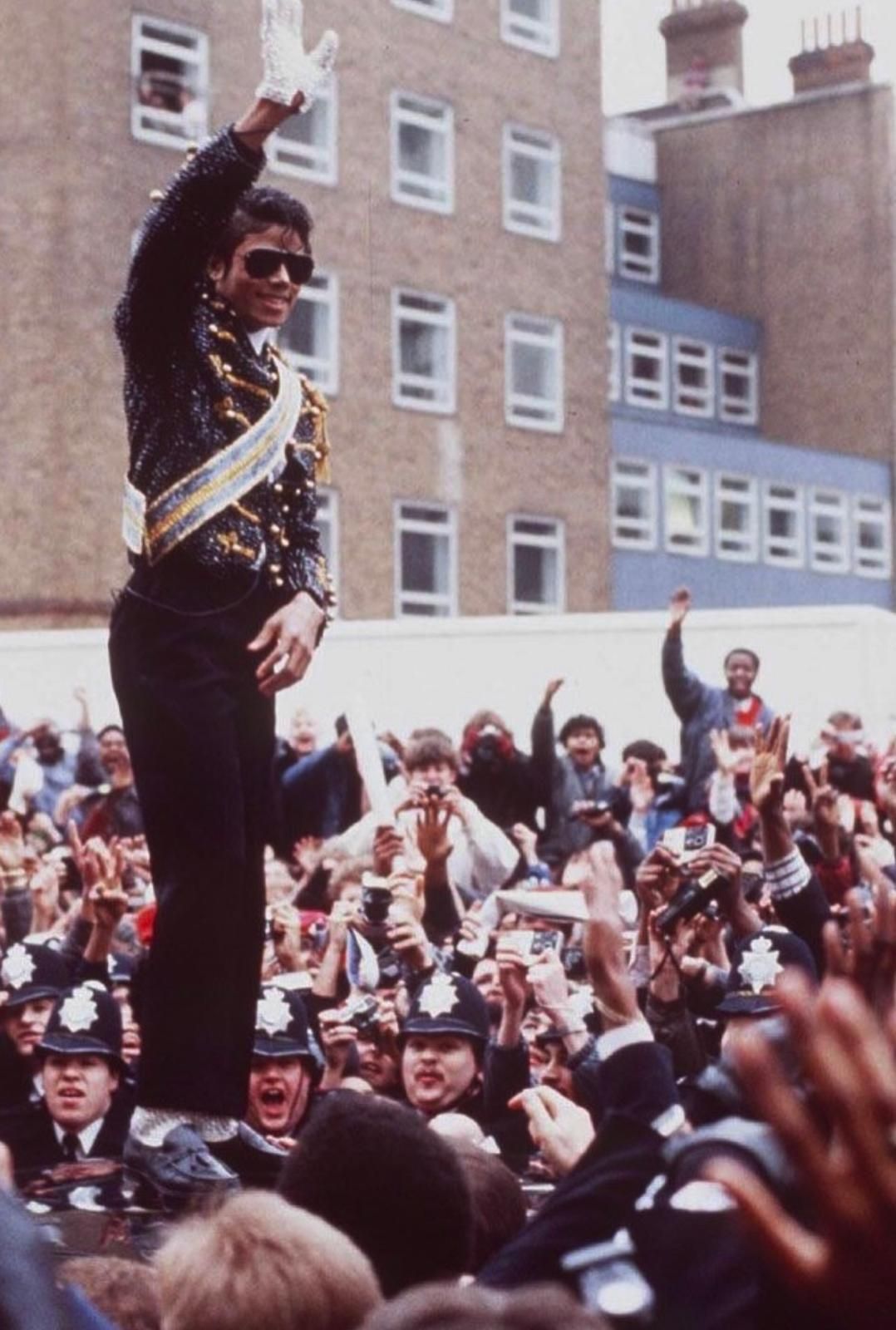
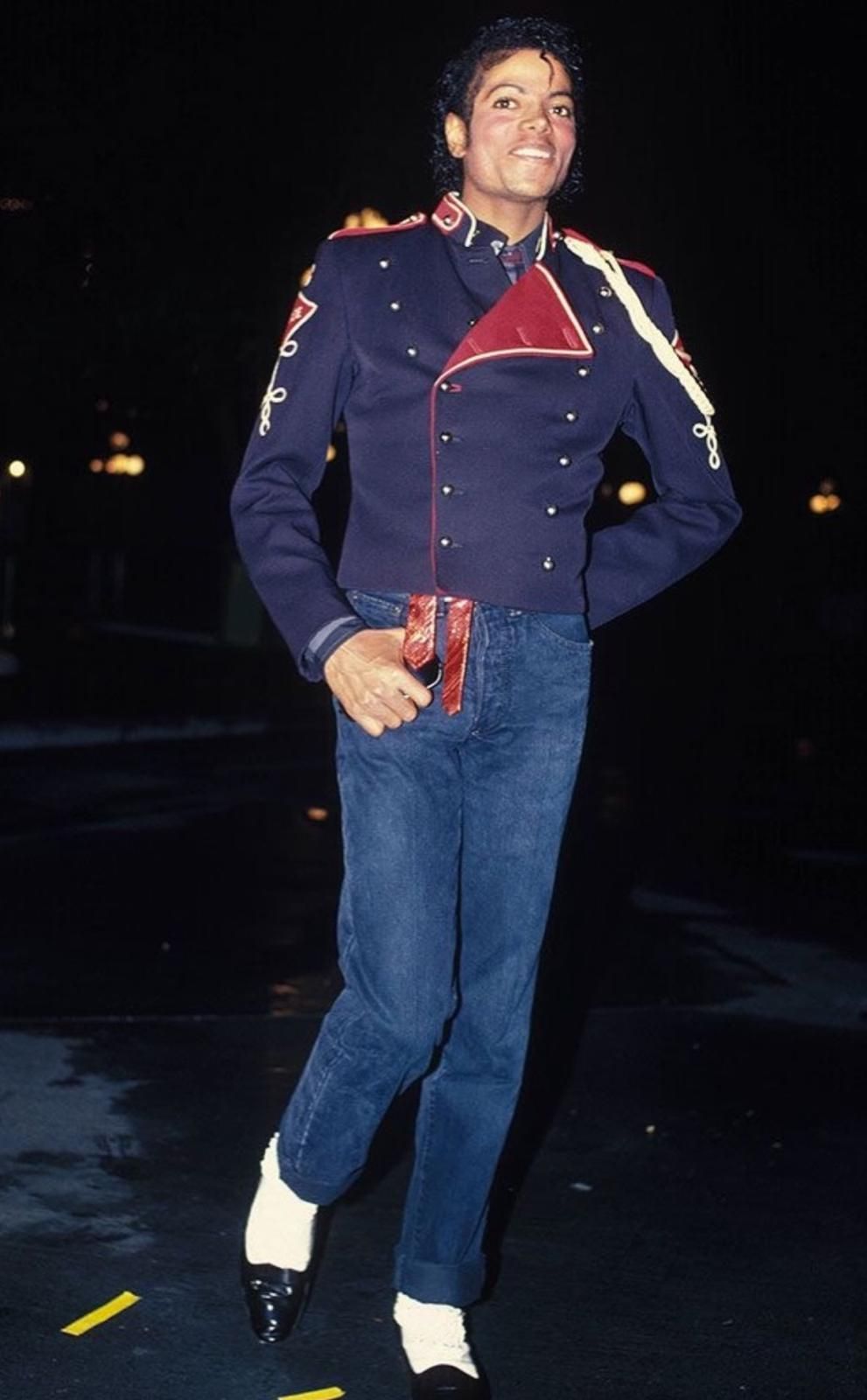
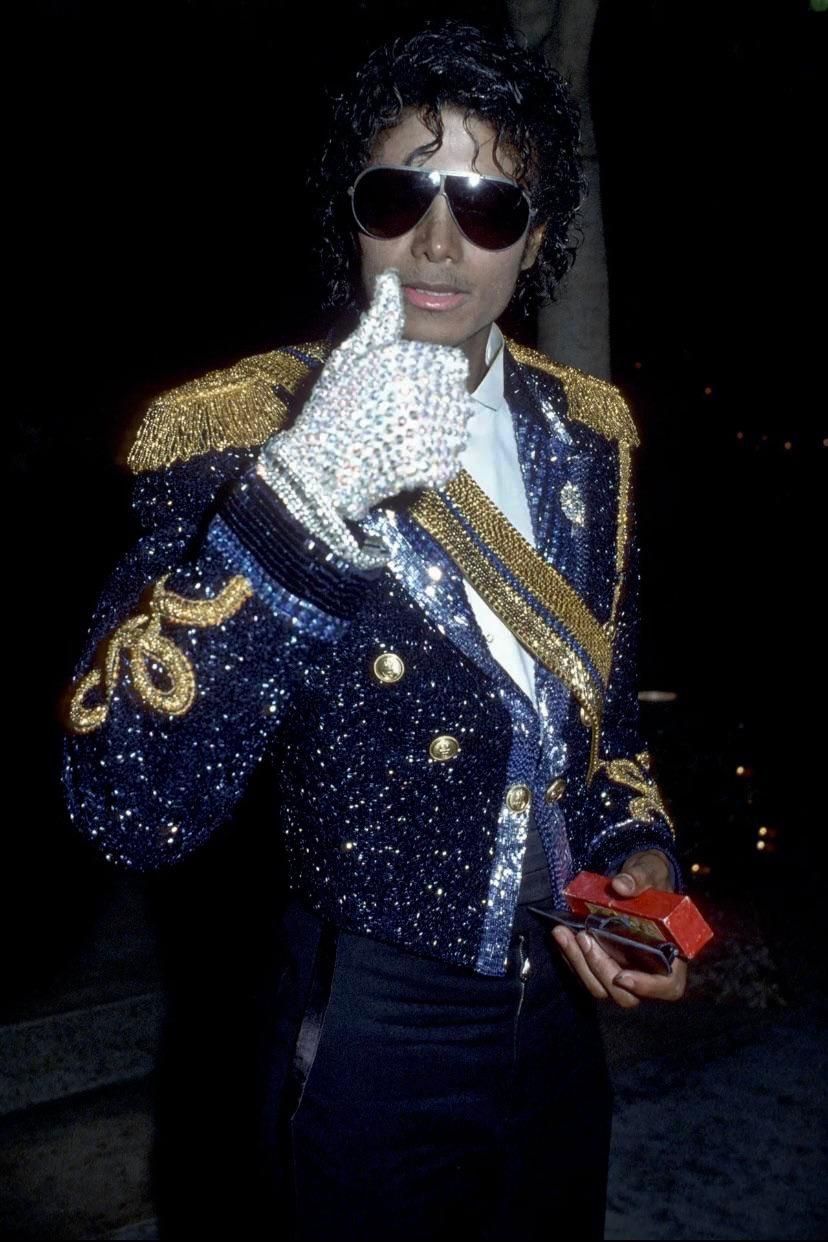
During this period, Michael increasingly refined his off-stage style, alternating vintage varsity jackets à la James Dean with striking Napoleonic jackets. Around the same time, his first nose surgeries began, and both to conceal bruises and to create an aura of mystery, he started wearing aviator sunglasses. Together with varsity jackets and rolled white socks, these became widespread fashion trends among younger generations of the time.
The story behind Michael Jackson’s glove
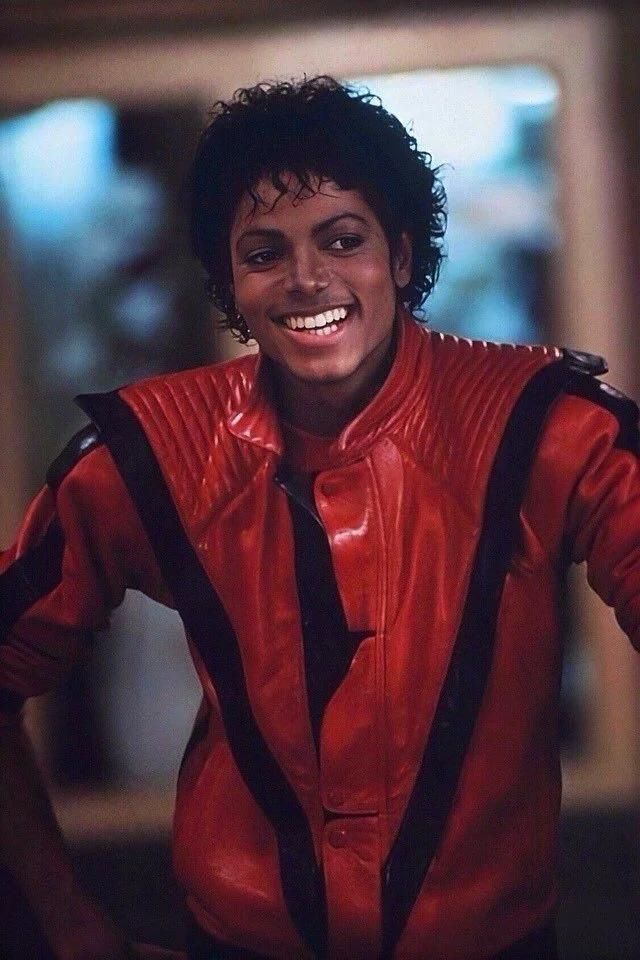
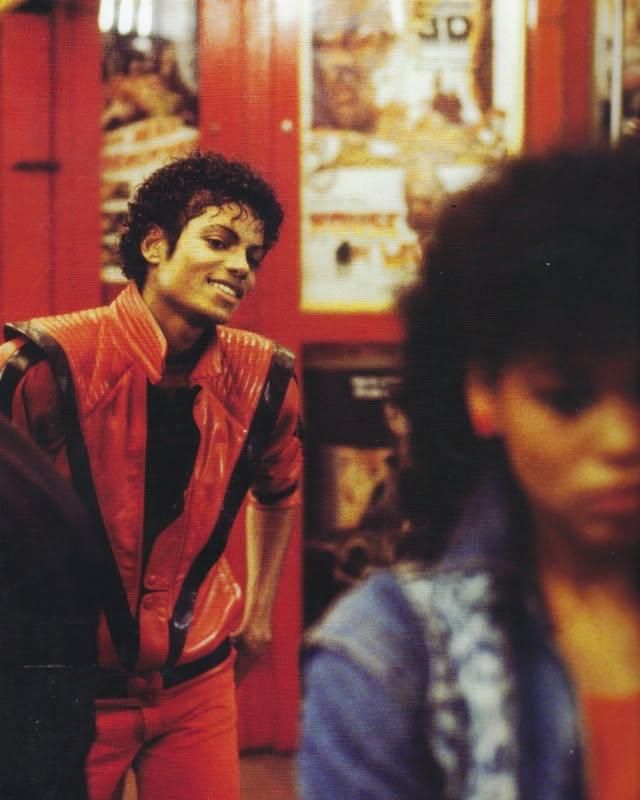
With the release of the album Thriller, Jackson’s style took on a cinematic dimension. Thanks to the monumental 13-minute music video directed by John Landis in 1983, Michael stopped being just a man and became, in the eyes of the public, a supernatural creature, a zombie dancing among graves. The iconic red leather jacket not only made him instantly recognizable but turned the garment into a cult object. In Beat It, the eerie aesthetic of the previous video gives way to a zip-covered jacket, where Jackson becomes a night-time outlaw who fights through dance.
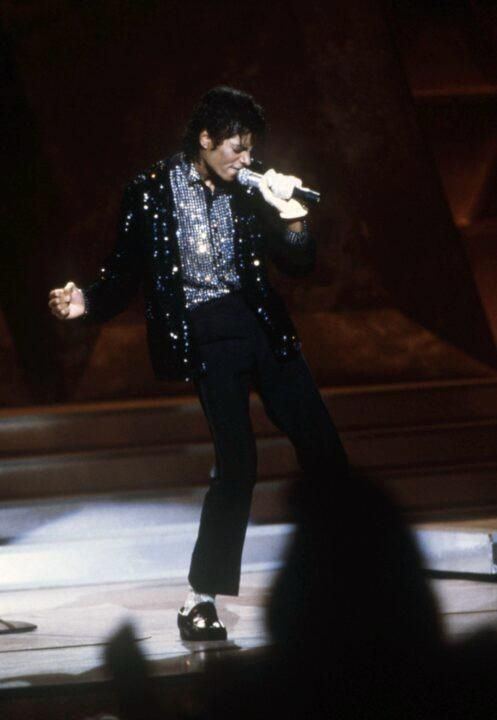
It was on March 25, 1983, during the Motown 25 TV special, that Michael sealed his myth. As he glided backward in his first Moonwalk, the audience was mesmerized by his crystal-studded outfit, from which emerged a white glove covered in Swarovski crystals. Initially created to conceal the early signs of vitiligo, this accessory became a symbol of his visual identity that would forever define his looks.
MJ’s style until his final days
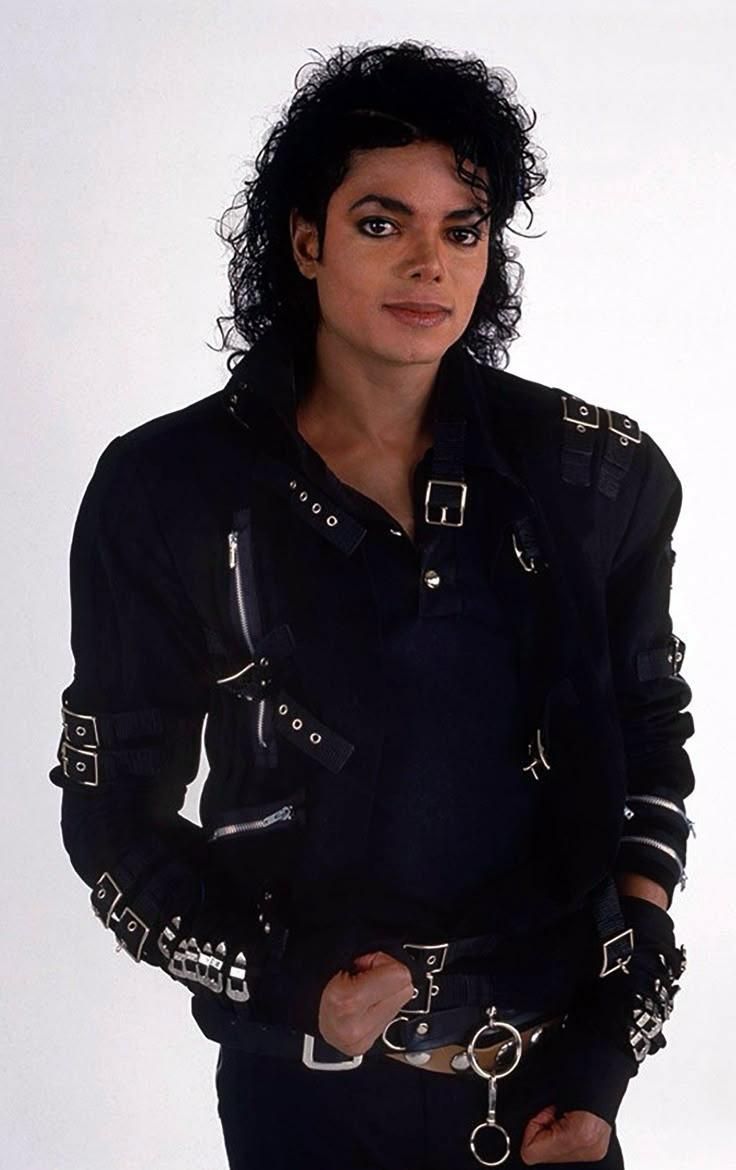
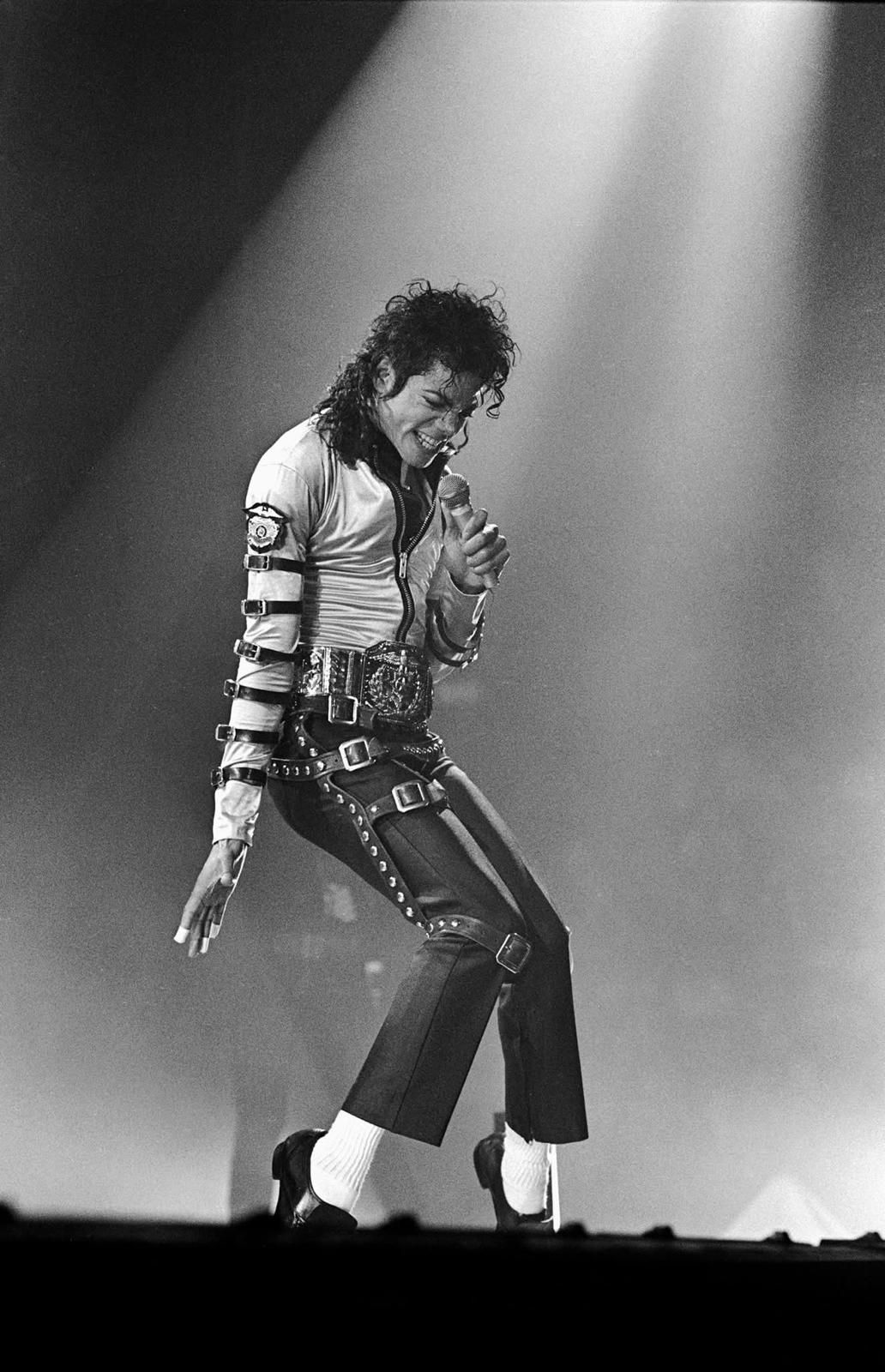
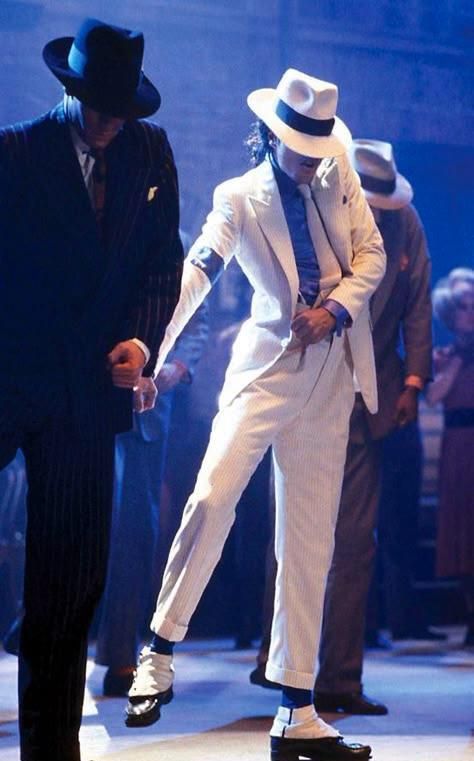
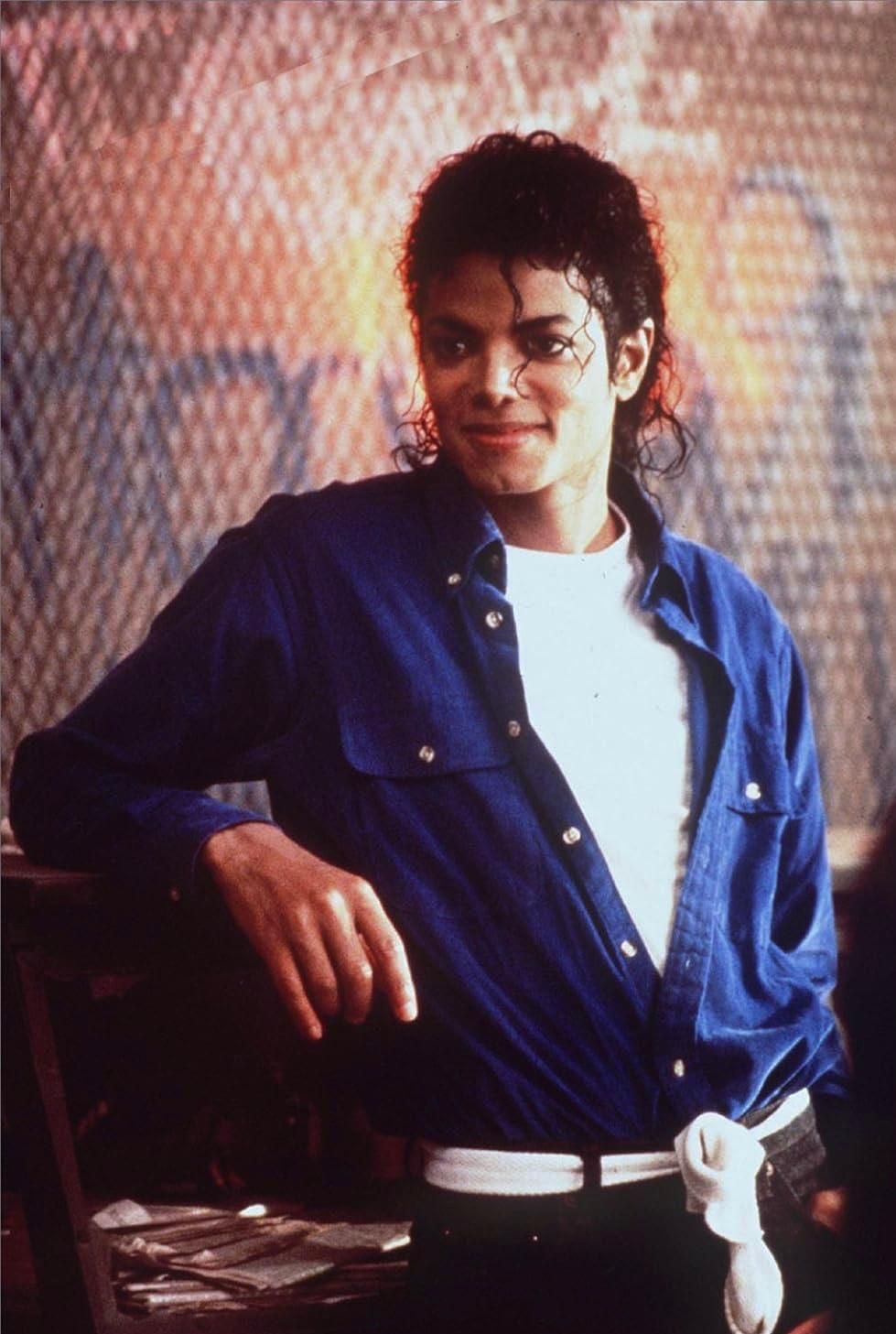
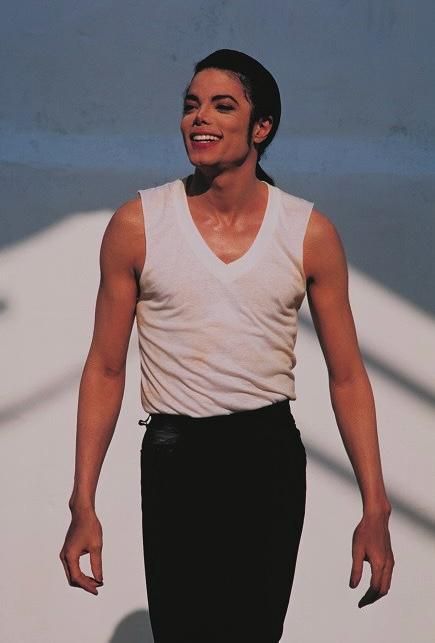
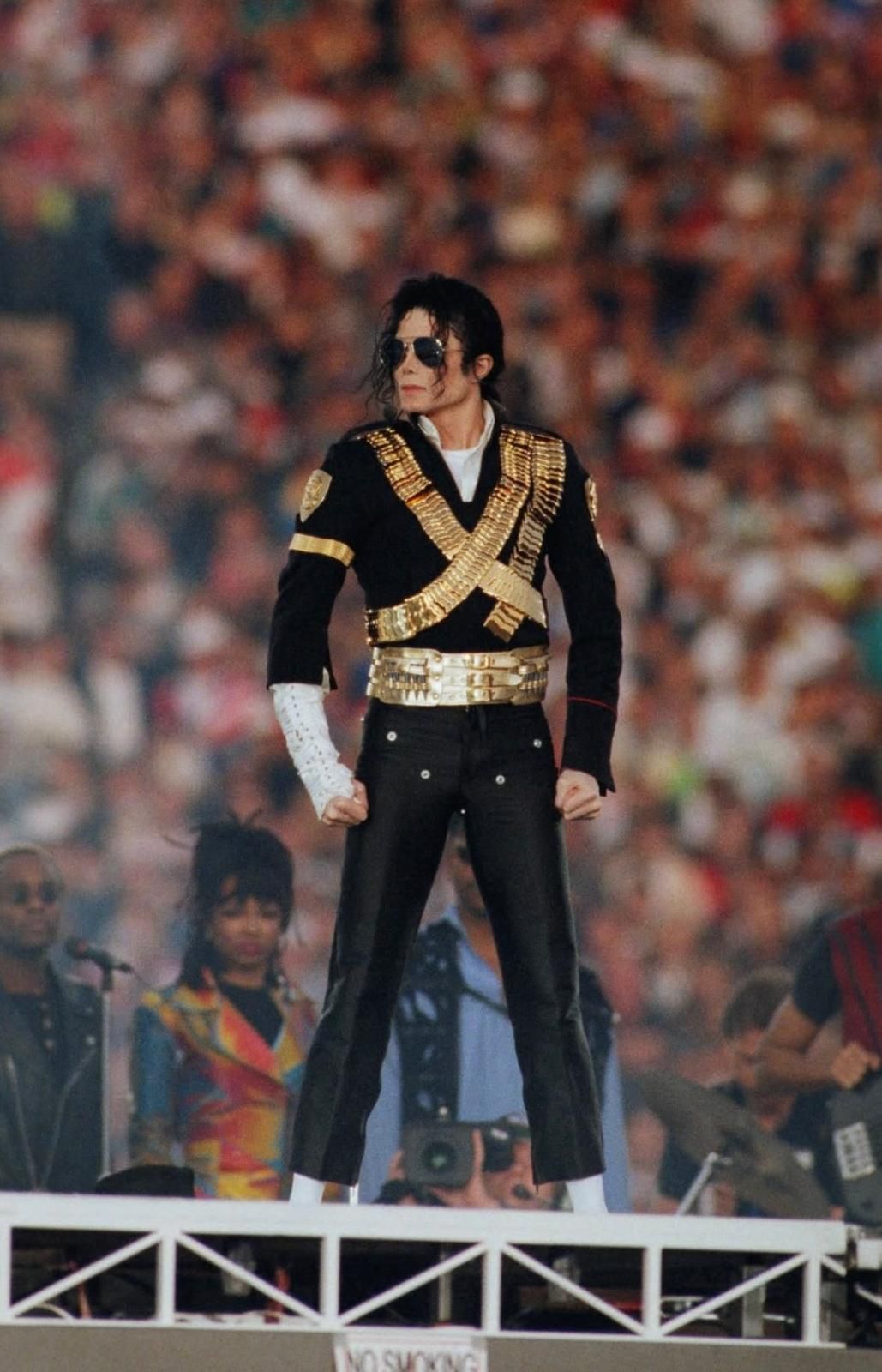
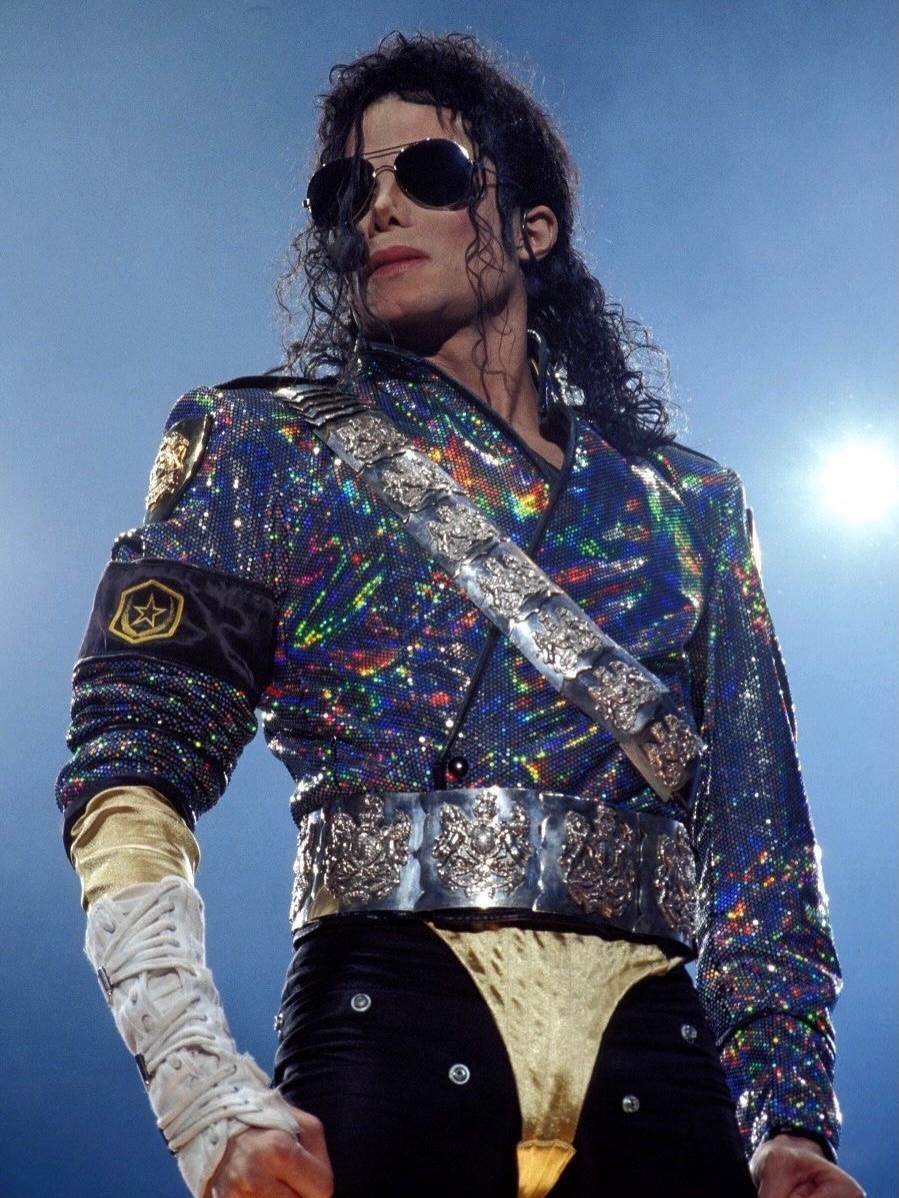
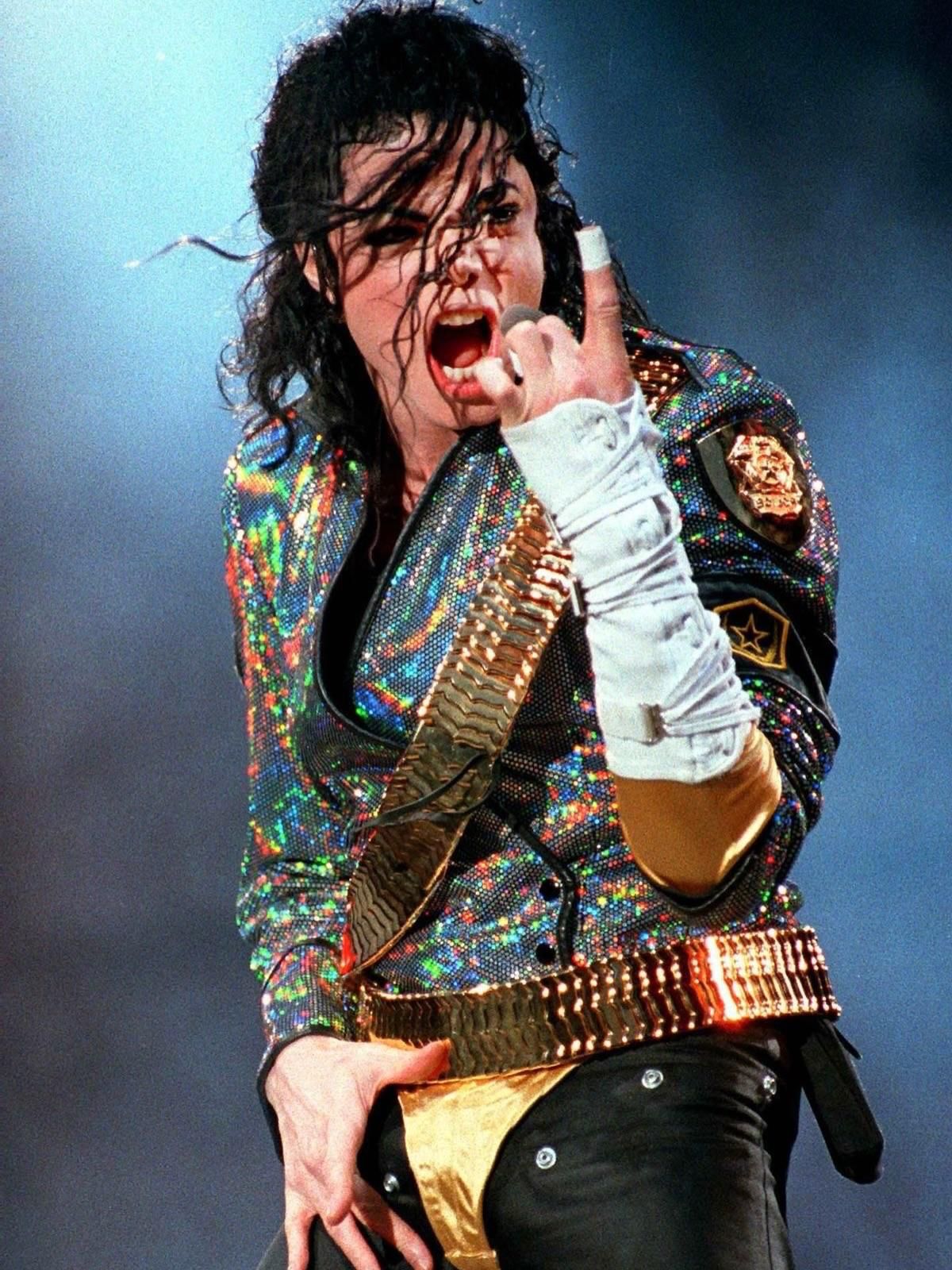
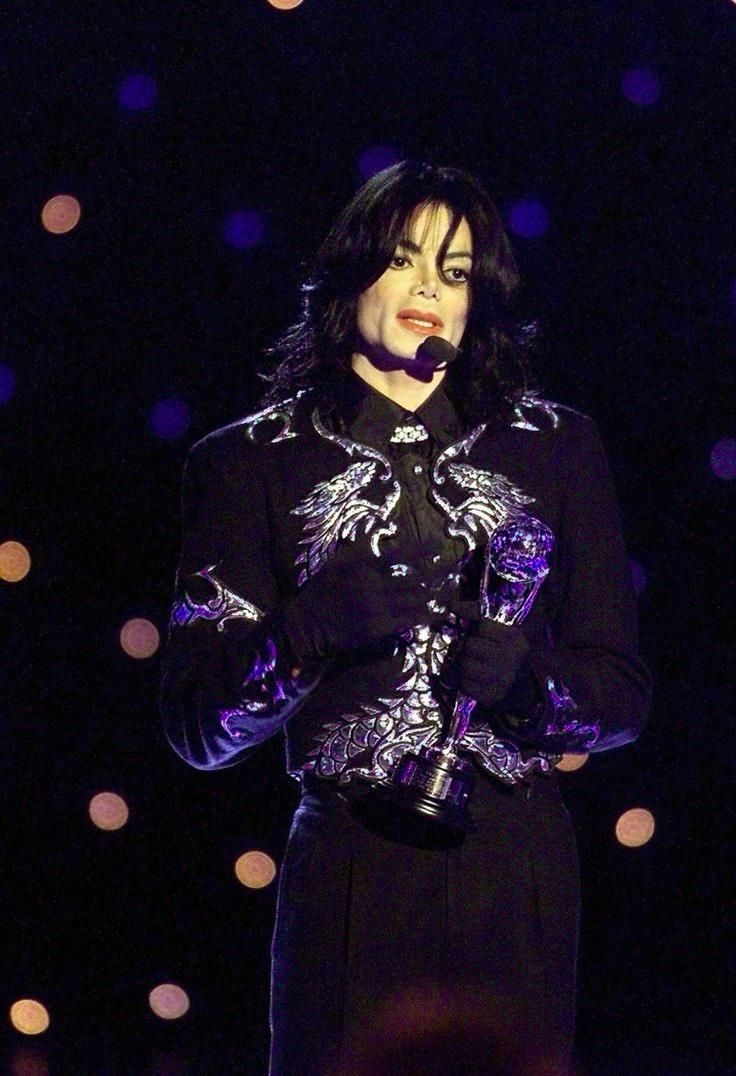
In 1985, on the set of the Disney short film Captain EO directed by Francis Ford Coppola, Jackson met Michael Bush and Dennis Tompkins for the first time, the tailors who would become the architects of his image for decades to come. This meticulous sartorial research reached its peak in the Bad Era, where Michael adopted sharper, detail-rich looks. Examples include the biker jacket on the cover of the album Bad and the crime suit worn in the video for Smooth Criminal, an impeccable white suit with a silk armband, completed by a classic wide-brimmed fedora that mysteriously cuts across his face.
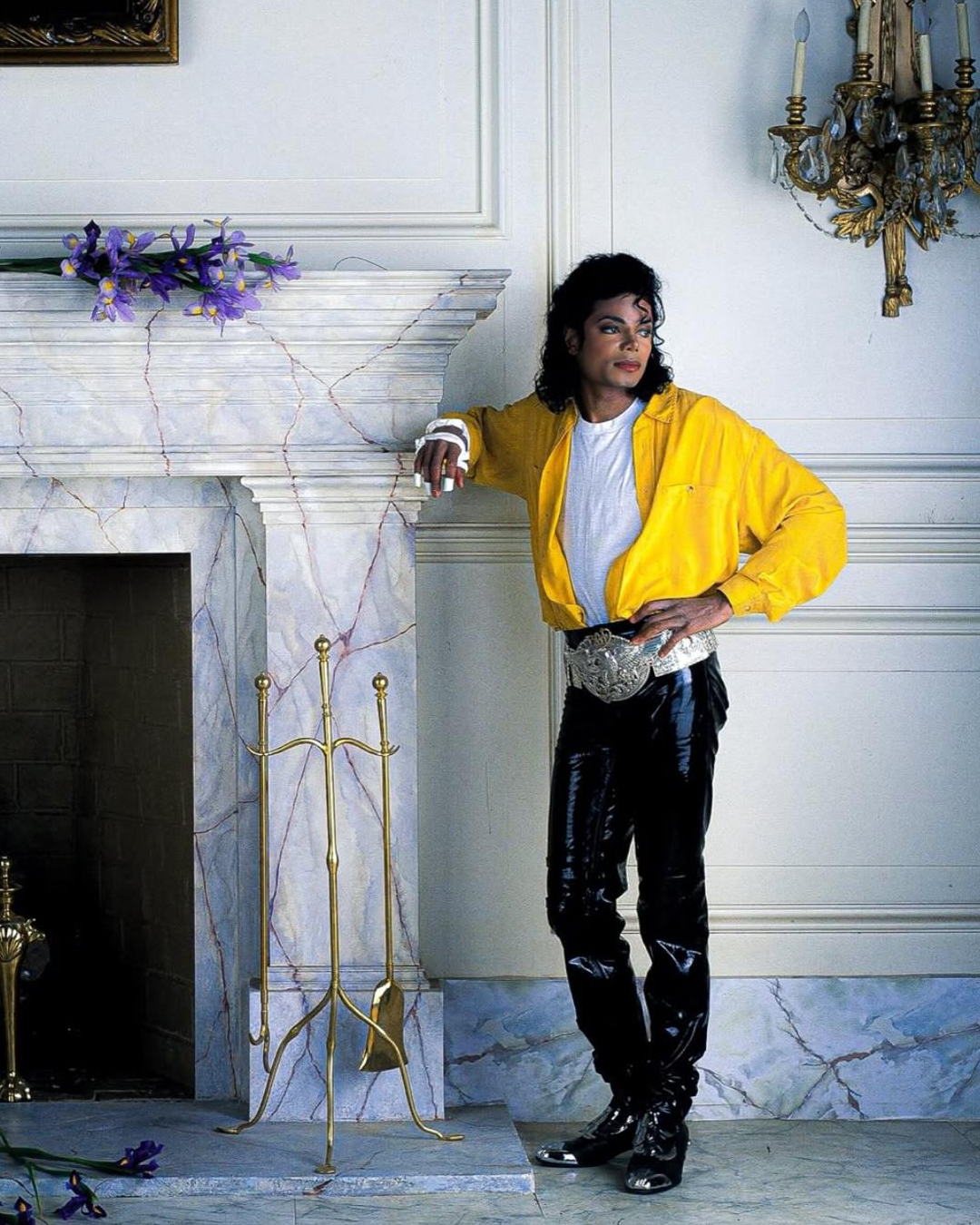
From that point on, Michael Jackson embarked on an aesthetic journey that led him to explore a more explicit physicality. In Dirty Diana and The Way You Make Me Feel, his style sheds structured jackets to reveal a rawer sex appeal, with tight white tank tops and shirts left open, completed by an intricate play of belts and metal buckles. This sensuality fully explodes in the visual of In the Closet with Naomi Campbell, celebrating a sculptural eroticism. It is during these years that Jackson released the album Dangerous, building an imagery that transcends the human.
For the artist, fashion became a tool to embody immortal archetypes, transforming him at different times into an Egyptian pharaoh, an angel, a futuristic cyborg, or a galactic general in golden armor. In his final years, despite the weight of speculation and scandals, his looks continued to capture public attention. As his appearances became increasingly rare, they ultimately consecrated him as a legendary being, an almost alien creature descended to Earth from other dimensions. It is no coincidence that the cover of the posthumous album Xscape portrays him immersed in a galaxy, a powerful image that suggests his universal and otherworldly nature.
Michael Jackson’s influence on fashion
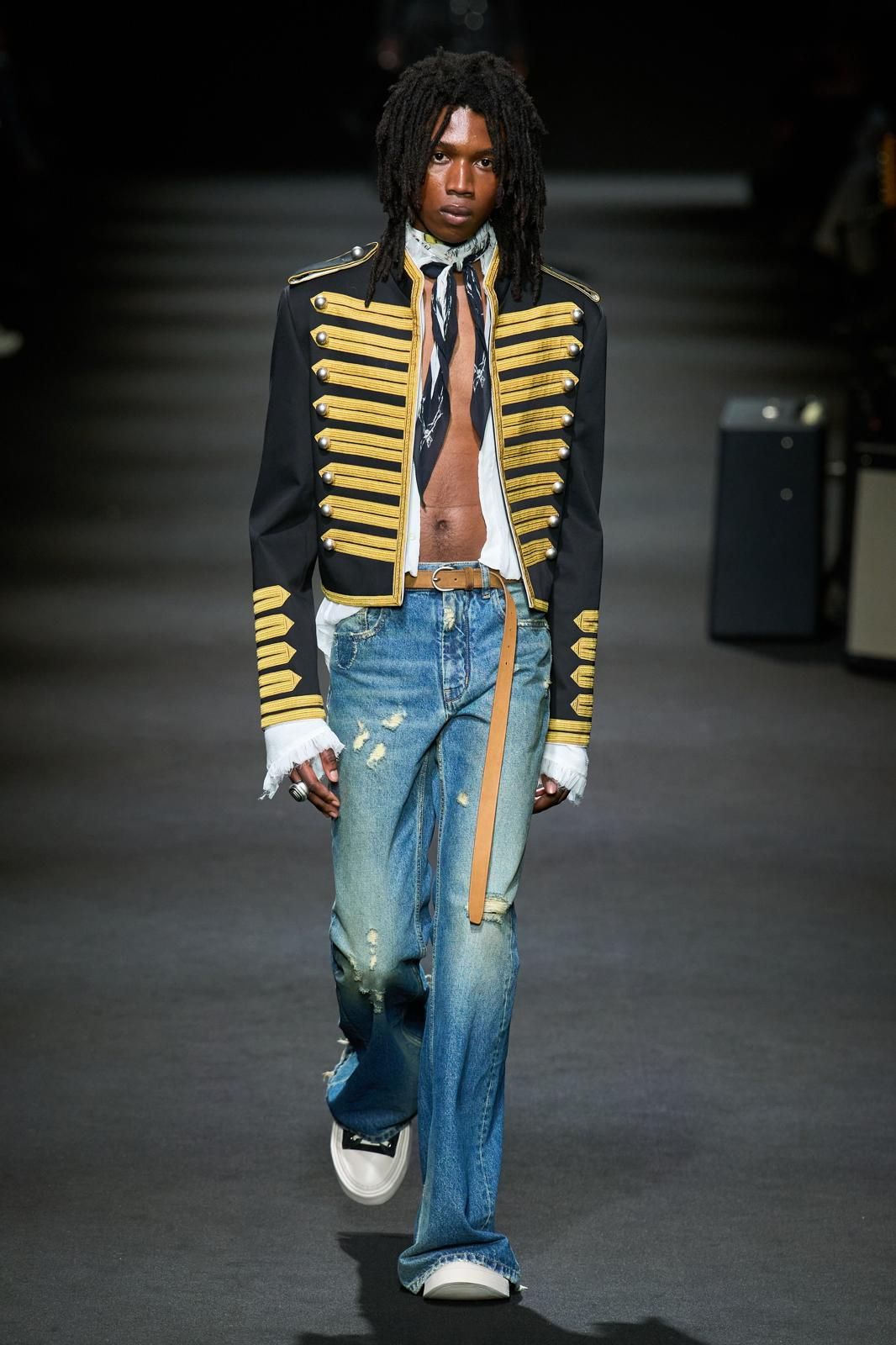
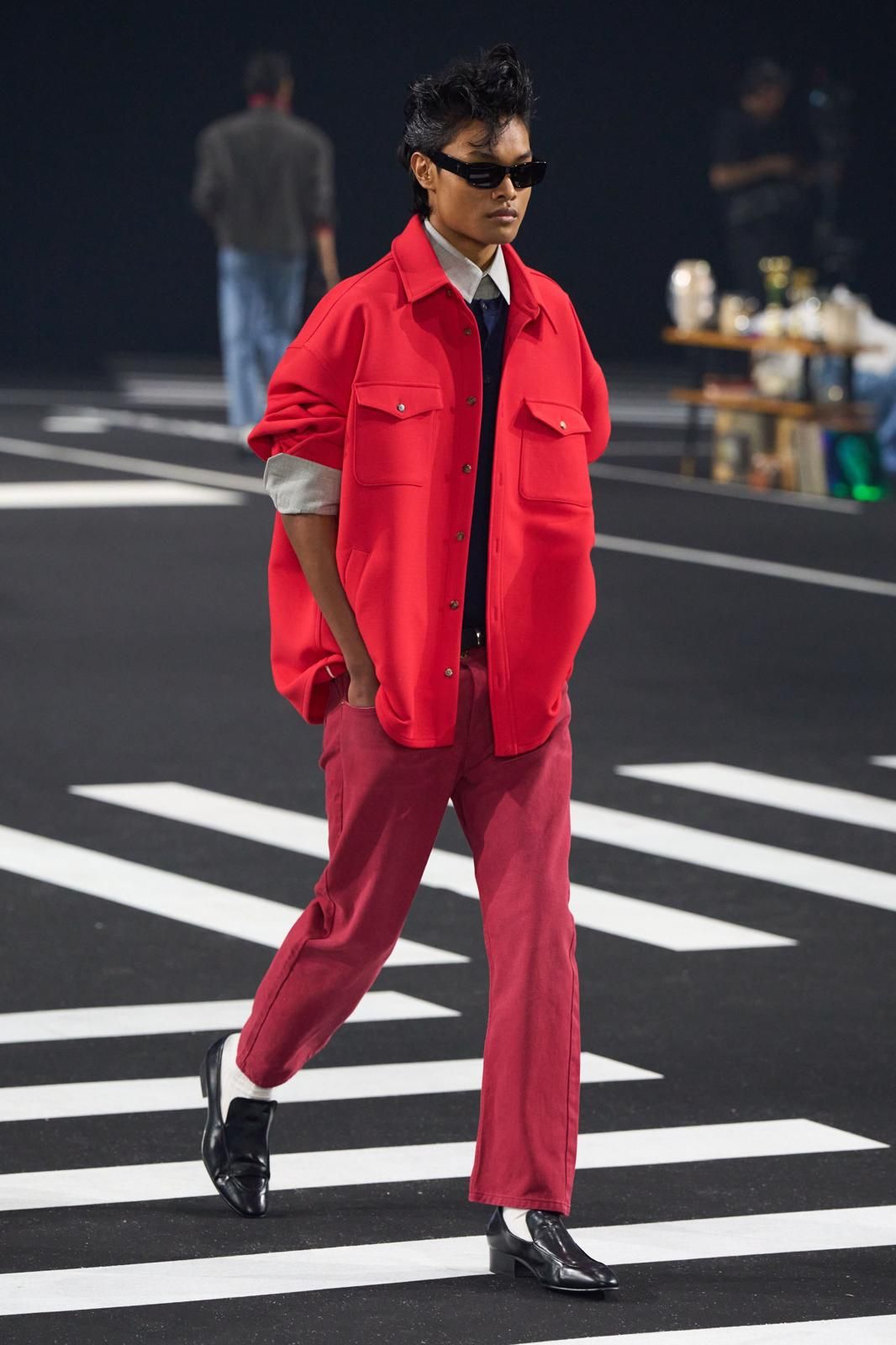
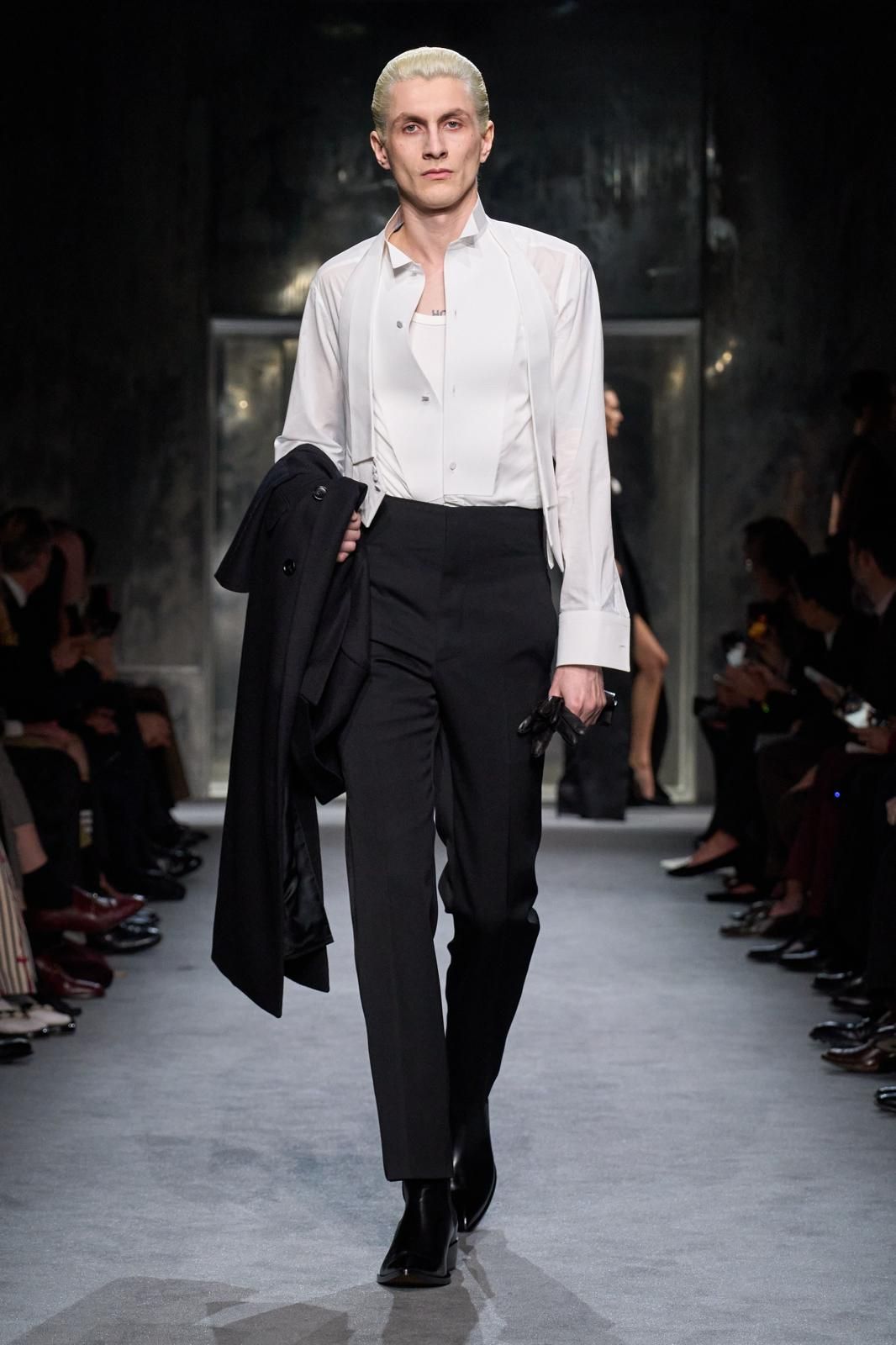
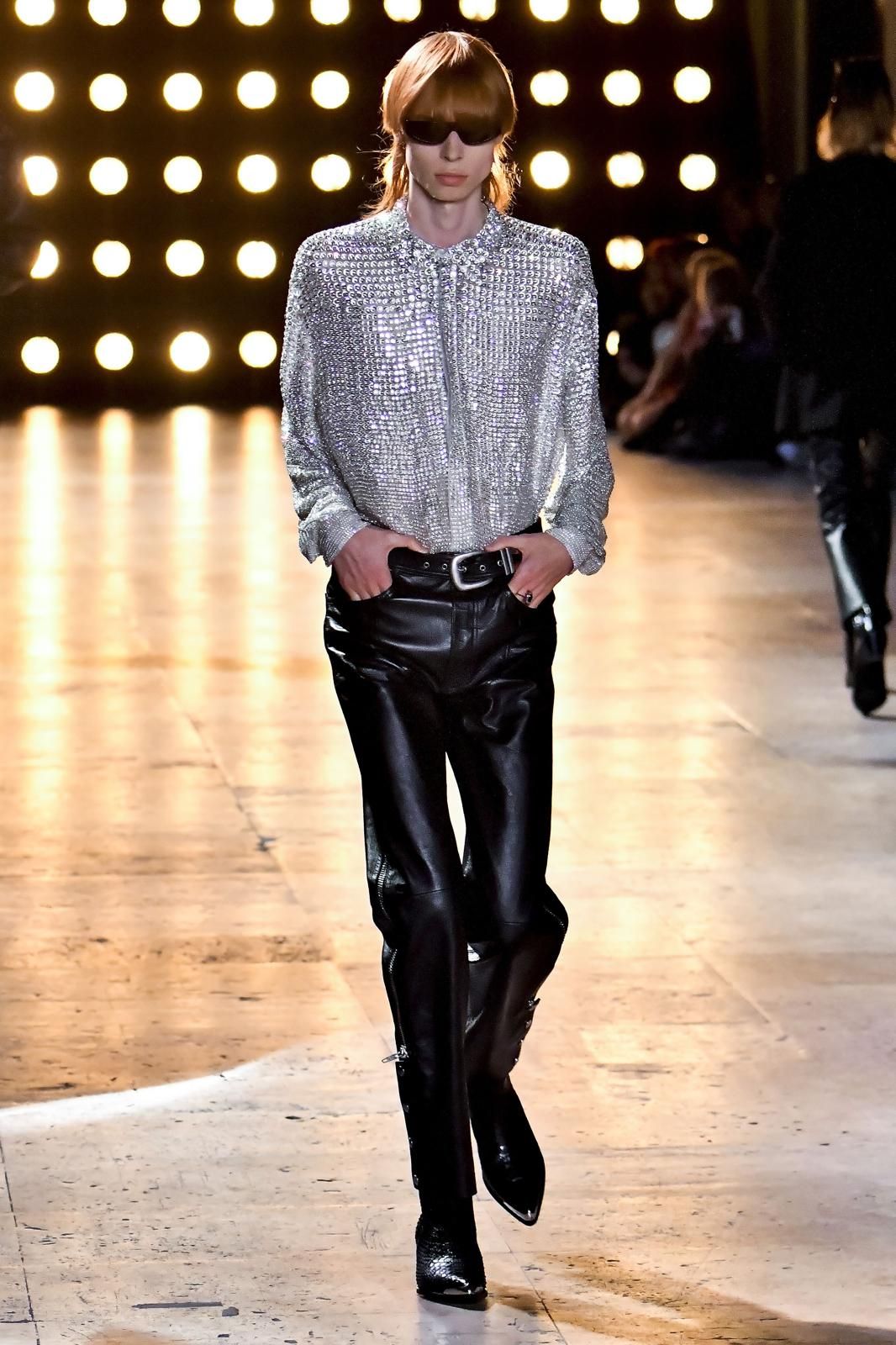
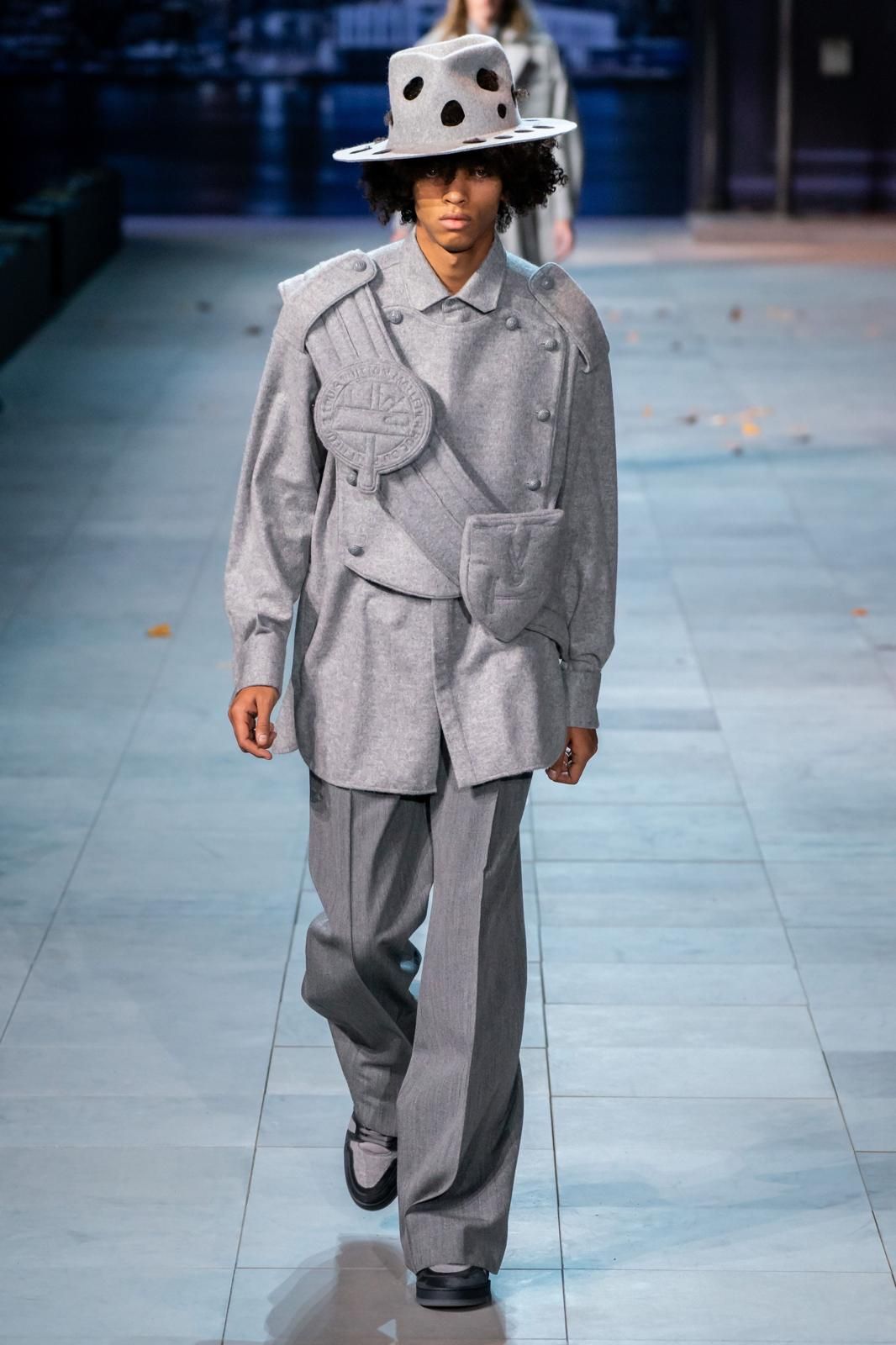
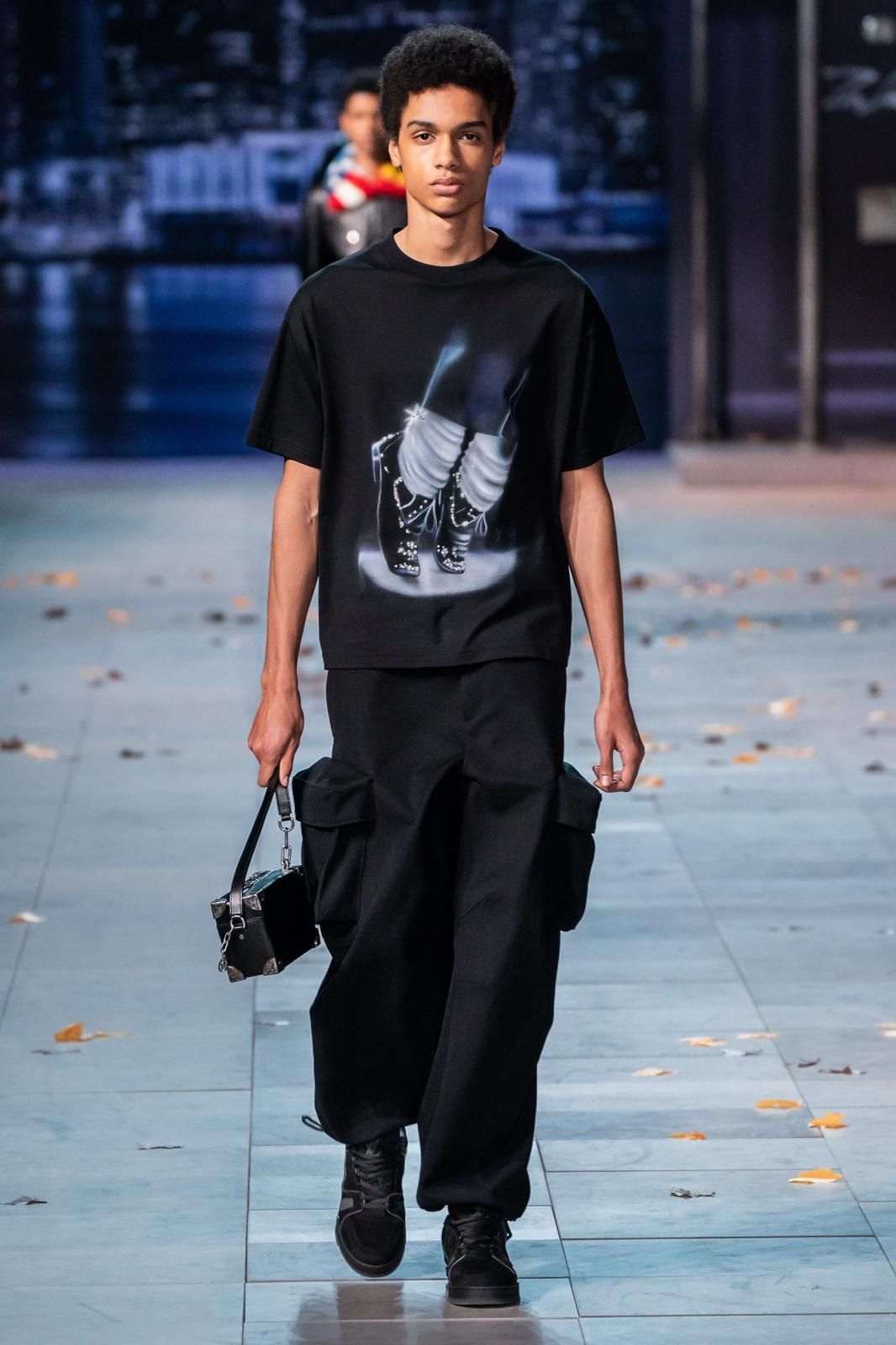
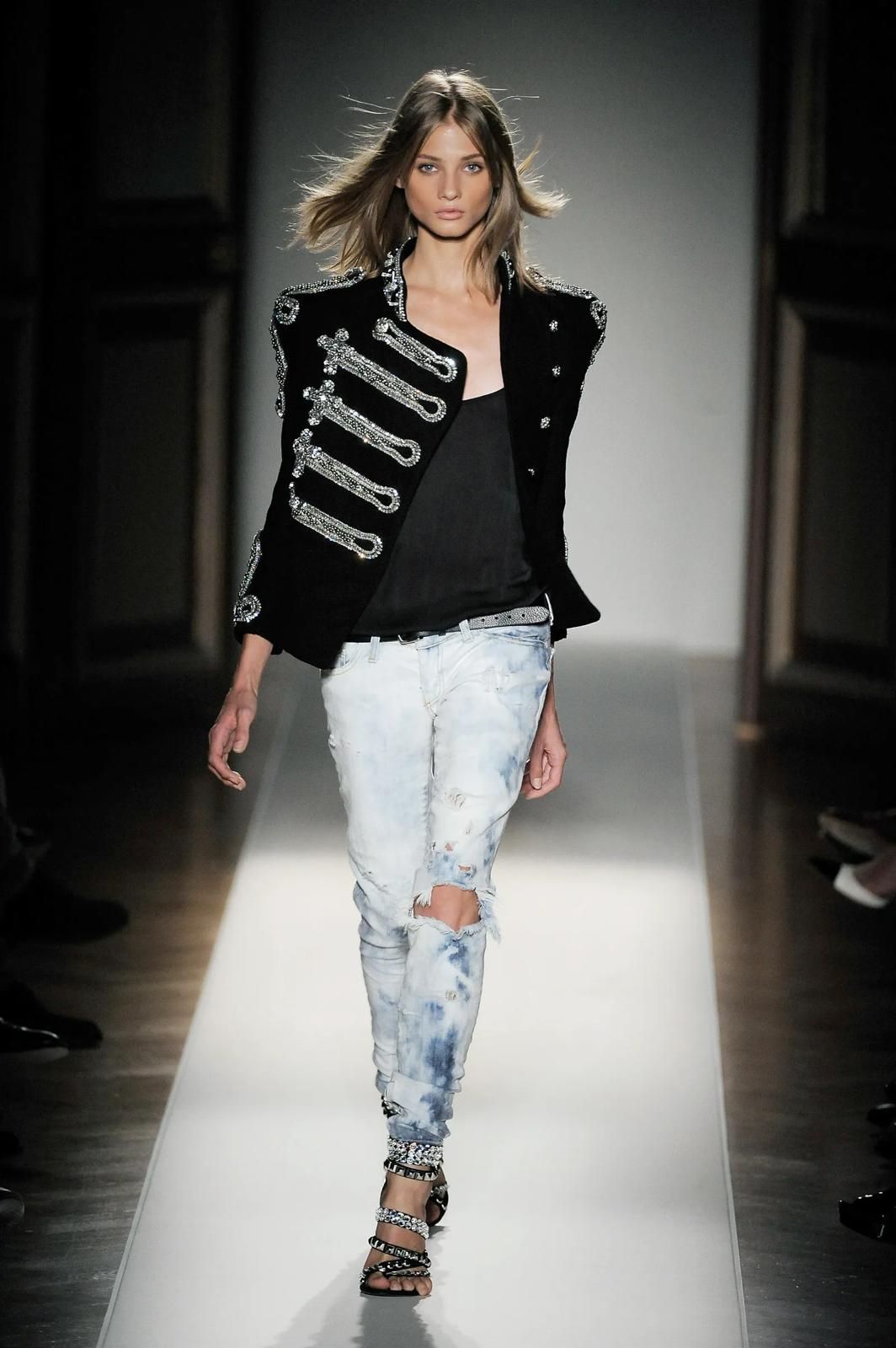
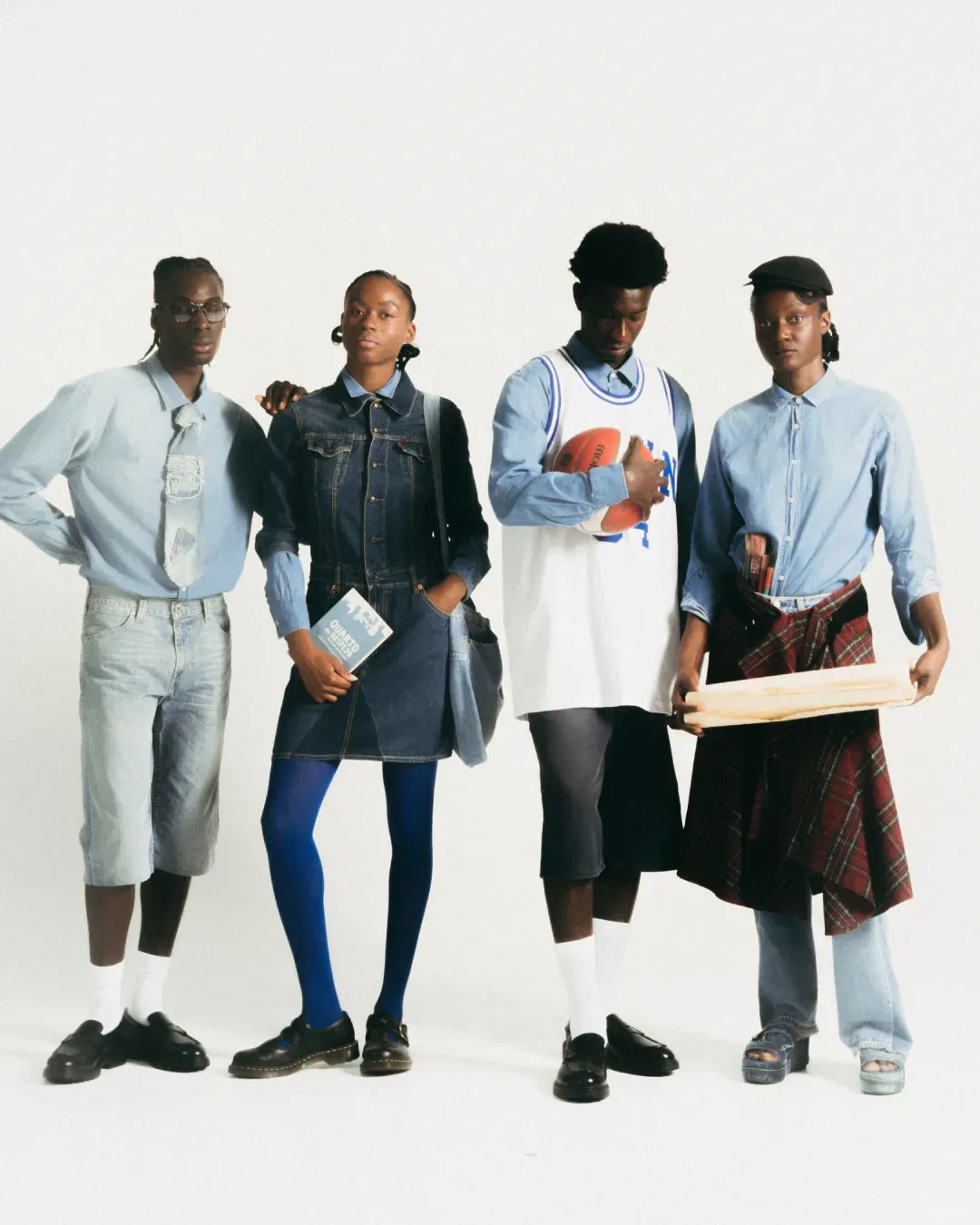
The legacy of Michael Jackson did not fade with him; on the contrary, it crystallized into an inexhaustible cultural movement. In music, his DNA can be found everywhere, but it is in fashion that his impact has left an indelible mark. Even during his lifetime, Jackson was a reference point for designers of the time, who looked to his style as something deeply innovative and personal. Despite being highly sought-after by the most prominent names in international fashion, Jackson remained almost always loyal to the custom-made costumes created specifically for him by Bush and Tompkins. This aesthetic language, which we might define as «Jacksonism», continues to be referenced, both implicitly and explicitly, by leading figures in fashion.
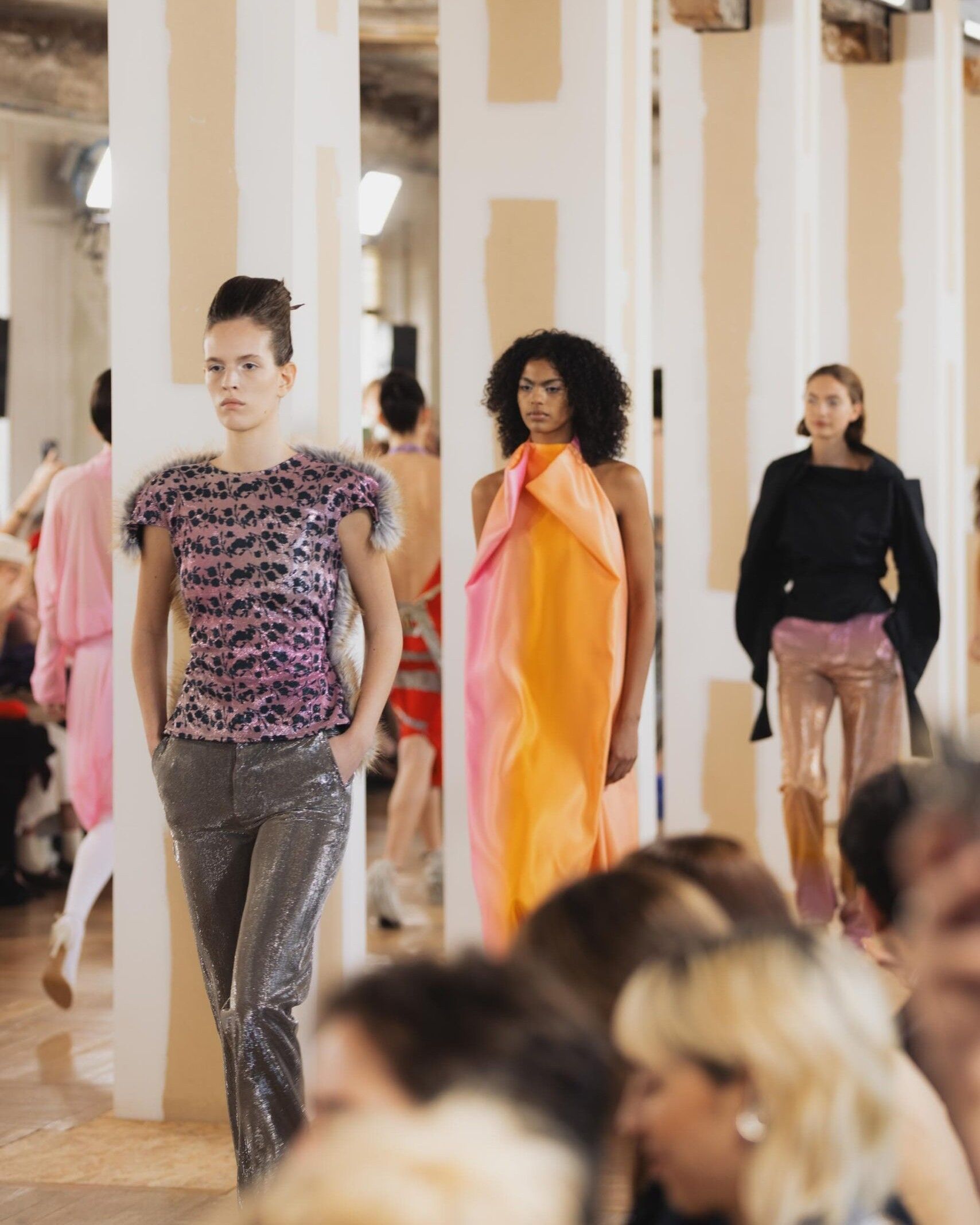
From Balmain, where Christophe Decarnin first and later Olivier Rousteing brought back the Napoleonic jackets so dear to the King of Pop, to Hedi Slimane, who at both Saint Laurent and Celine revived that skinny, androgynous male silhouette that is central to Michael’s iconography. Similarly, Virgil Abloh, during his tenure at Louis Vuitton, dedicated an entire collection to Jackson, celebrating the black dandy extravagance that always defined him. More recently, contemporary designers such as Willy Chavarria, Stefano Gallici at Ann Demeulemeester, and Haider Ackermann at Tom Ford have continued to reference Michael’s style, reworking aesthetic codes that, in truth, have never left the runway.
If the Michael biopic is achieving such success, it is because the «light» his mother Katherine spoke of has never stopped shining, filtered through the crystals of a glove or the cut of a jacket. Michael Bush, in fact, describes Michael Jackson’s style in the book The King of Style with these words: «His clothes had to be as spectacular as his music. Michael didn’t just want to keep up with the times; he wanted the entire world, by looking at him, to see something they would never forget».