




















Chanel-mania triumphs in The Lyst Index A coherent overview of the first quarter of 2026
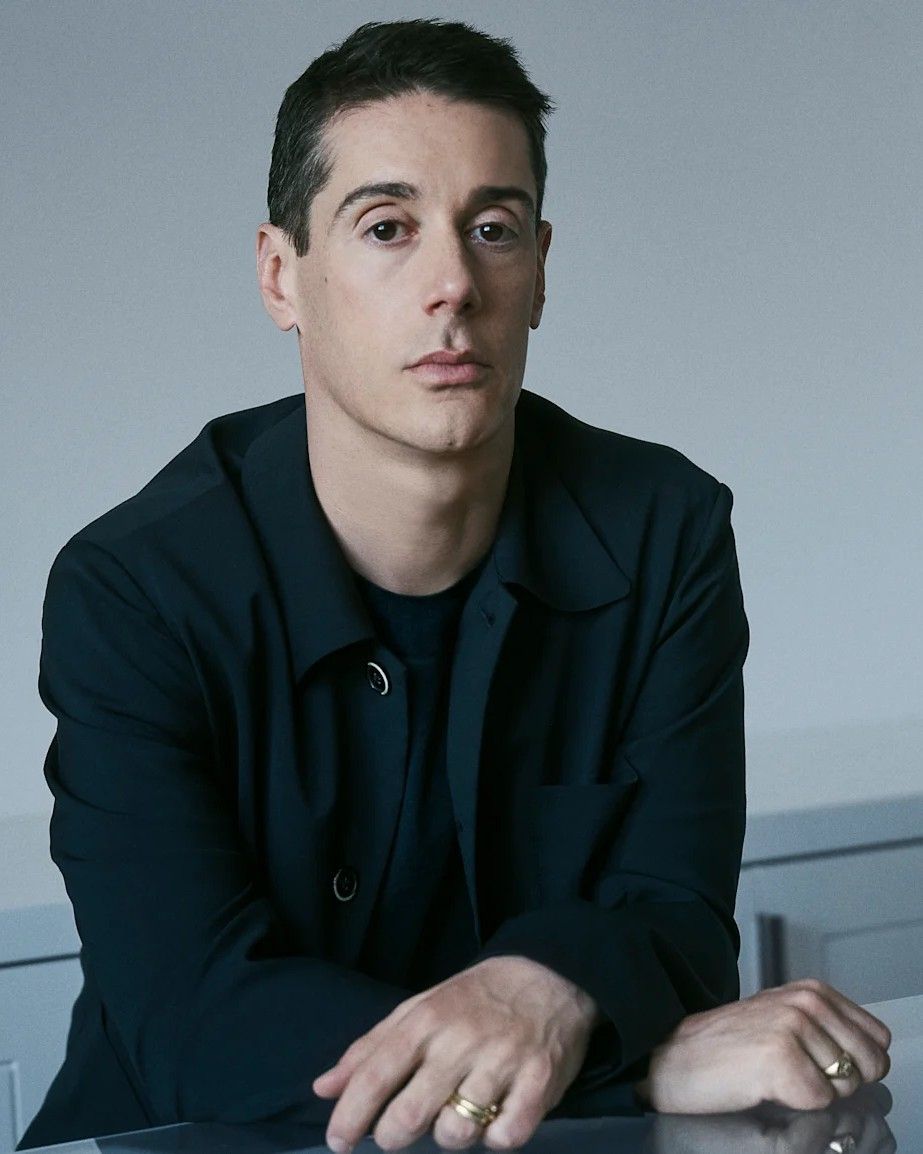
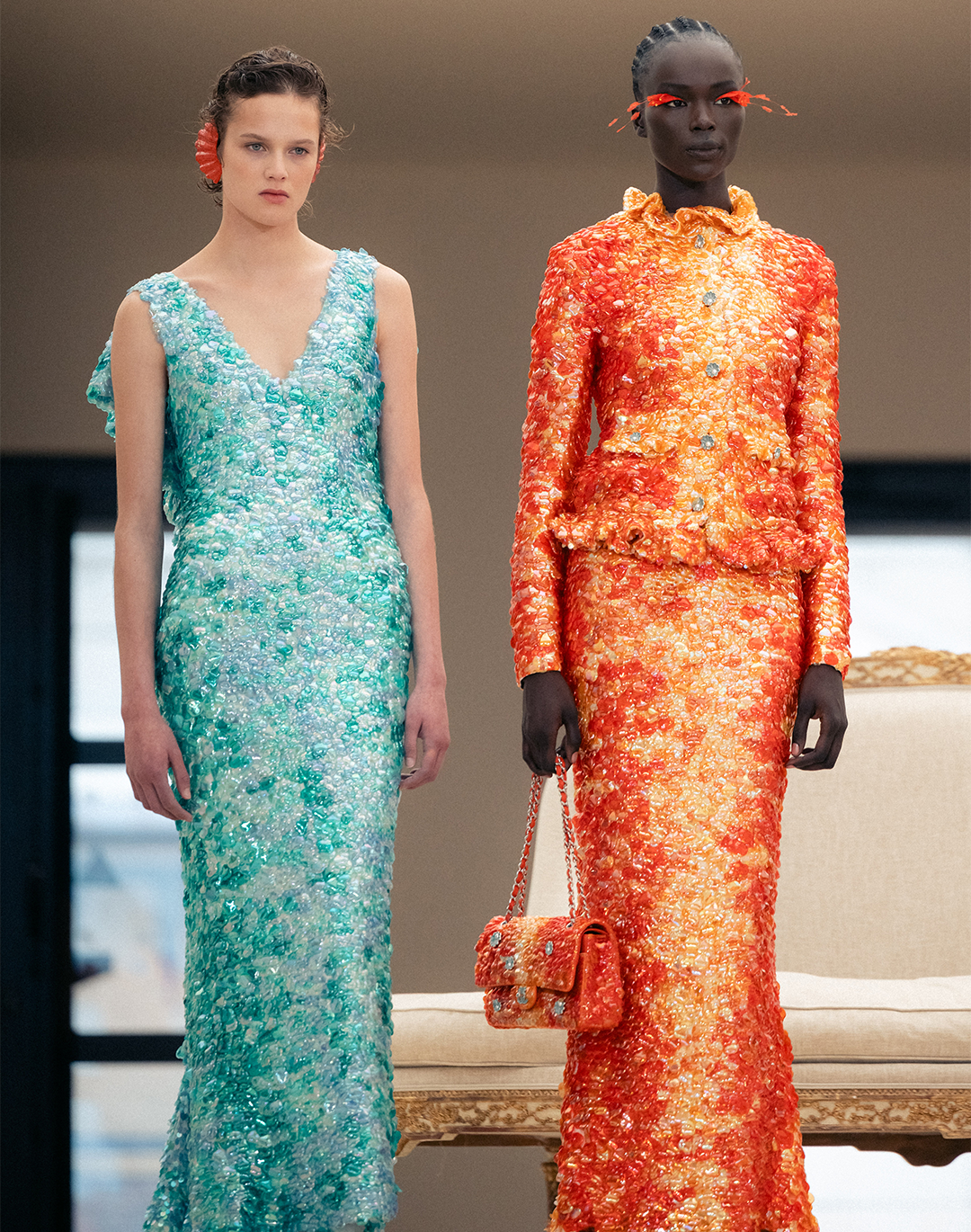
The new The Lyst Index for the first quarter of 2026 has just been released and, as expected, Chanel takes the top spot. The maison led by Matthieu Blazy surpasses Saint Laurent, which drops to second place, while Dior rises to third thanks to Jonathan Anderson’s new vision. Miu Miu instead loses two positions, while closing the top five is Gucci by Demna, which climbs four places. Overall, the first quarter of 2026 proved to be quite dynamic.
But let’s take a closer look at what happened.
The battle between giants
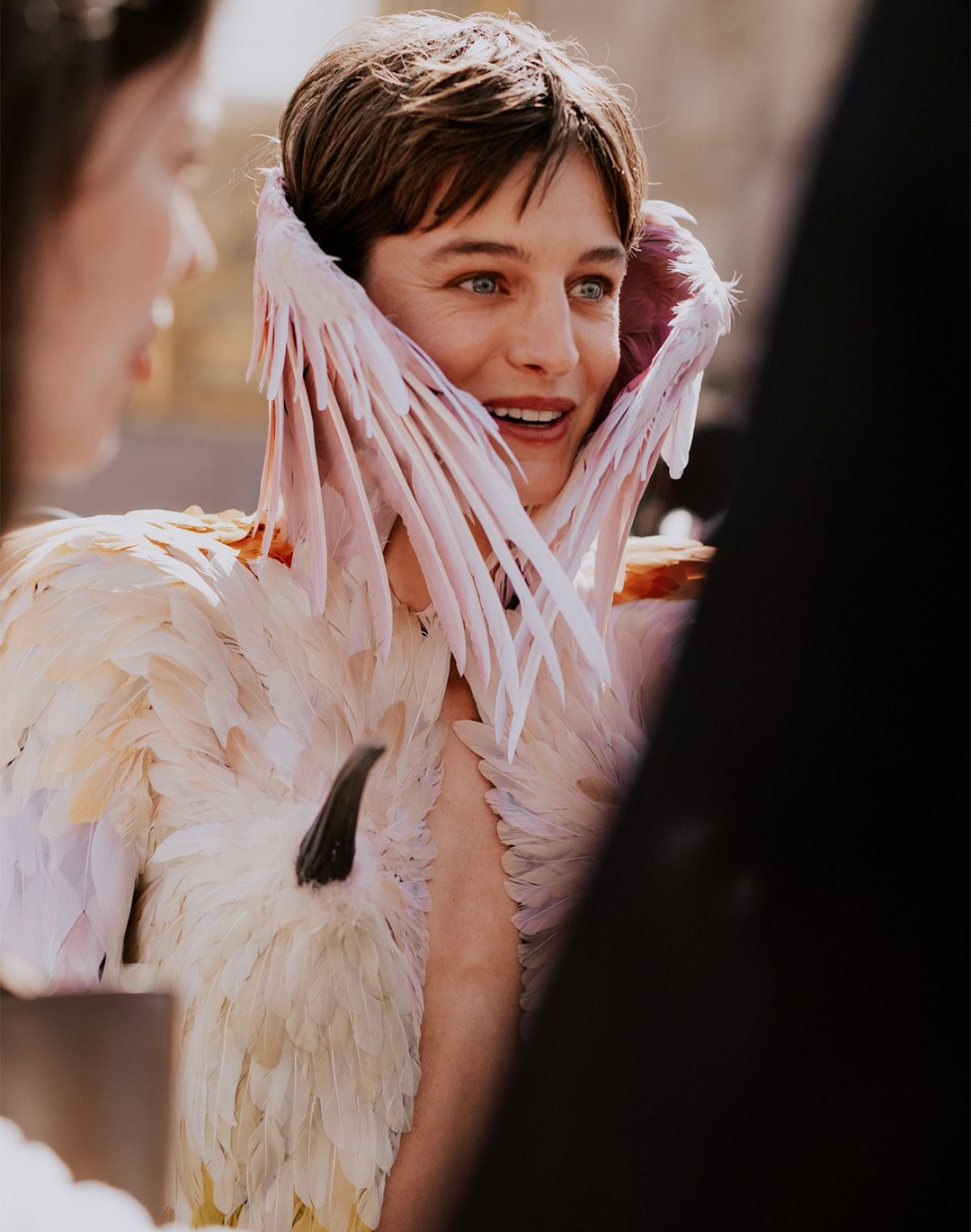
The philosophy governing Q1 of the The Lyst Index 2026 is clear: reward consistency over sudden spikes, coherence over noise. Generating a moment matters less than maintaining attention and converting it into desire. Chanel perfectly embodies this dynamic, which with the arrival of Matthieu Blazy has generated immediate enthusiasm but also concrete market results. This is demonstrated not only by the success of the new creative direction, but also by performance in two key categories: accessories and footwear. Two Chanel products appear among the ten hottest products of the quarter: crocodile effect leather pumps, which went viral on social media and are constantly sold out, and a reinterpretation of the classic Maxi Flap Bag, offered in smooth leather, whose quilting, now almost immaterial, is reimagined with a more minimal aesthetic and a focus on material quality, always central in Blazy’s language.
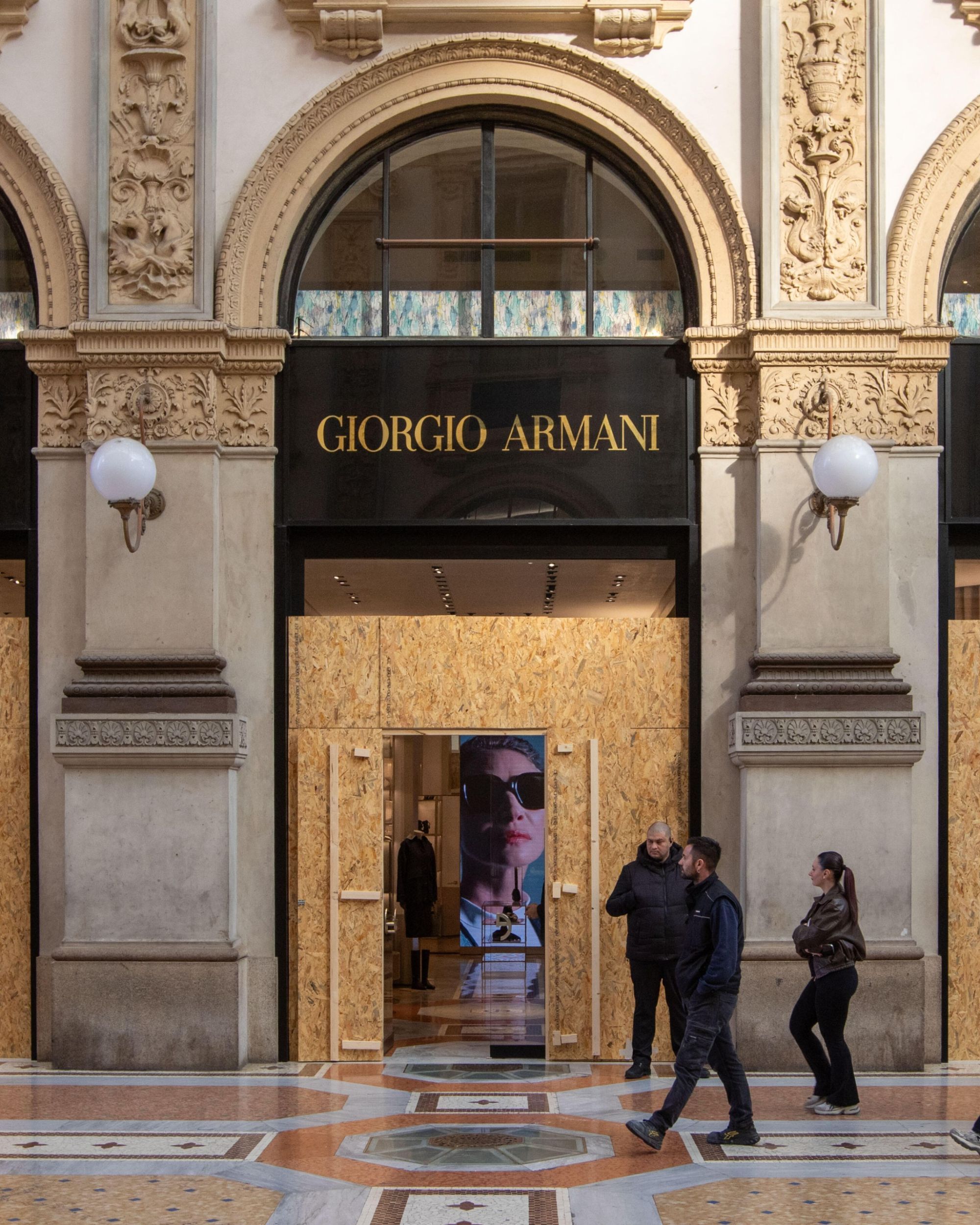
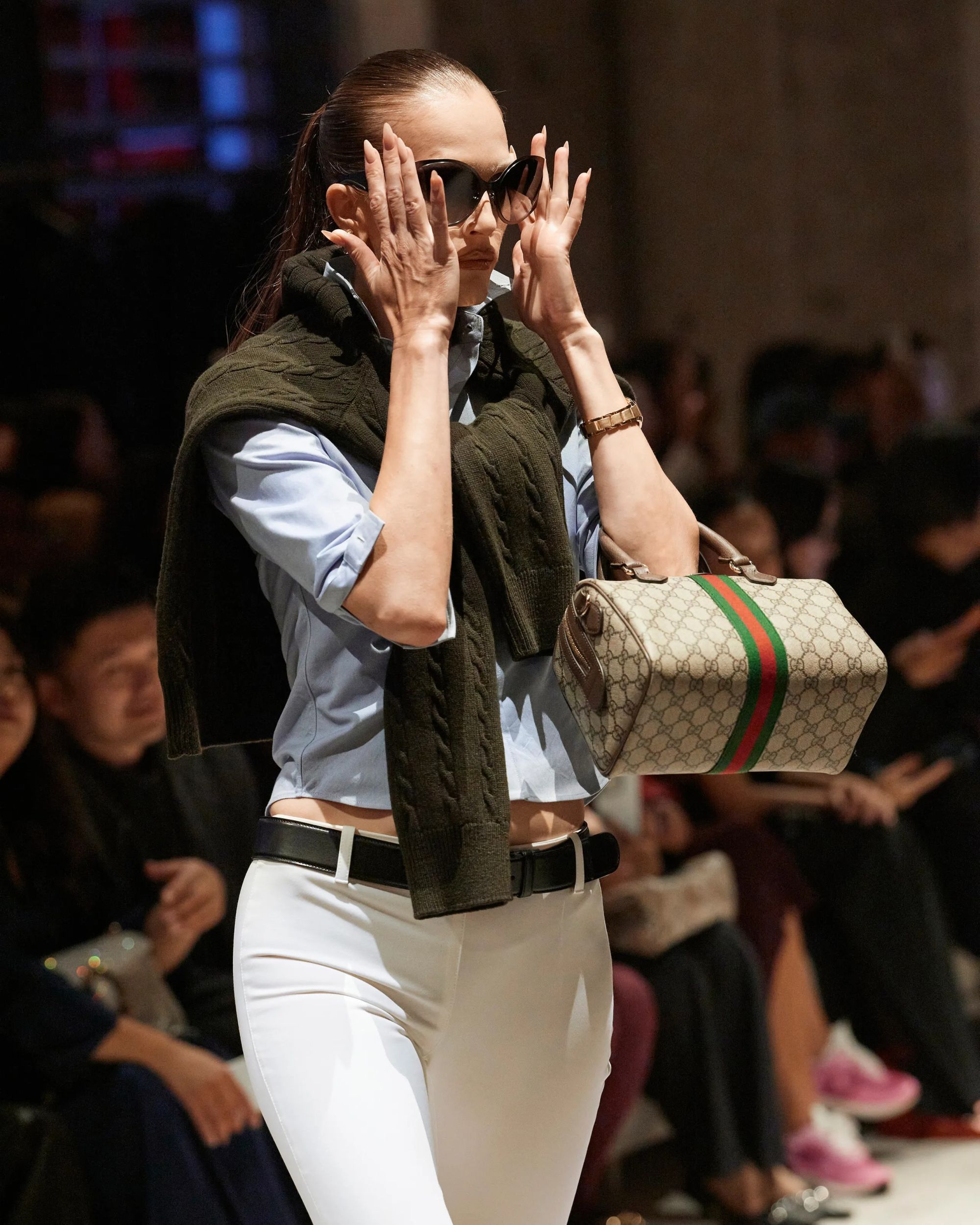
The rise of Dior to third place fits naturally into the same context. The brand operates with a similar strategic clarity: its strength lies in a universe built on imagery, narrative, and coherence. In this scenario, the creative and experimental vision of Jonathan Anderson once again proves to be a winning formula for the brands he works with, capable of turning every project into gold. Gucci is instead the brand that grows the most this quarter, climbing four positions. The momentum around Demna’s debut is evident: +12% day on day after the show and the highest demand among brands that showed in Milan in February. Between looksmaxxing and the Buy Now, Wear Now strategy, Gucci reclaims not only commercial relevance but also cultural relevance.
The calm before the storm
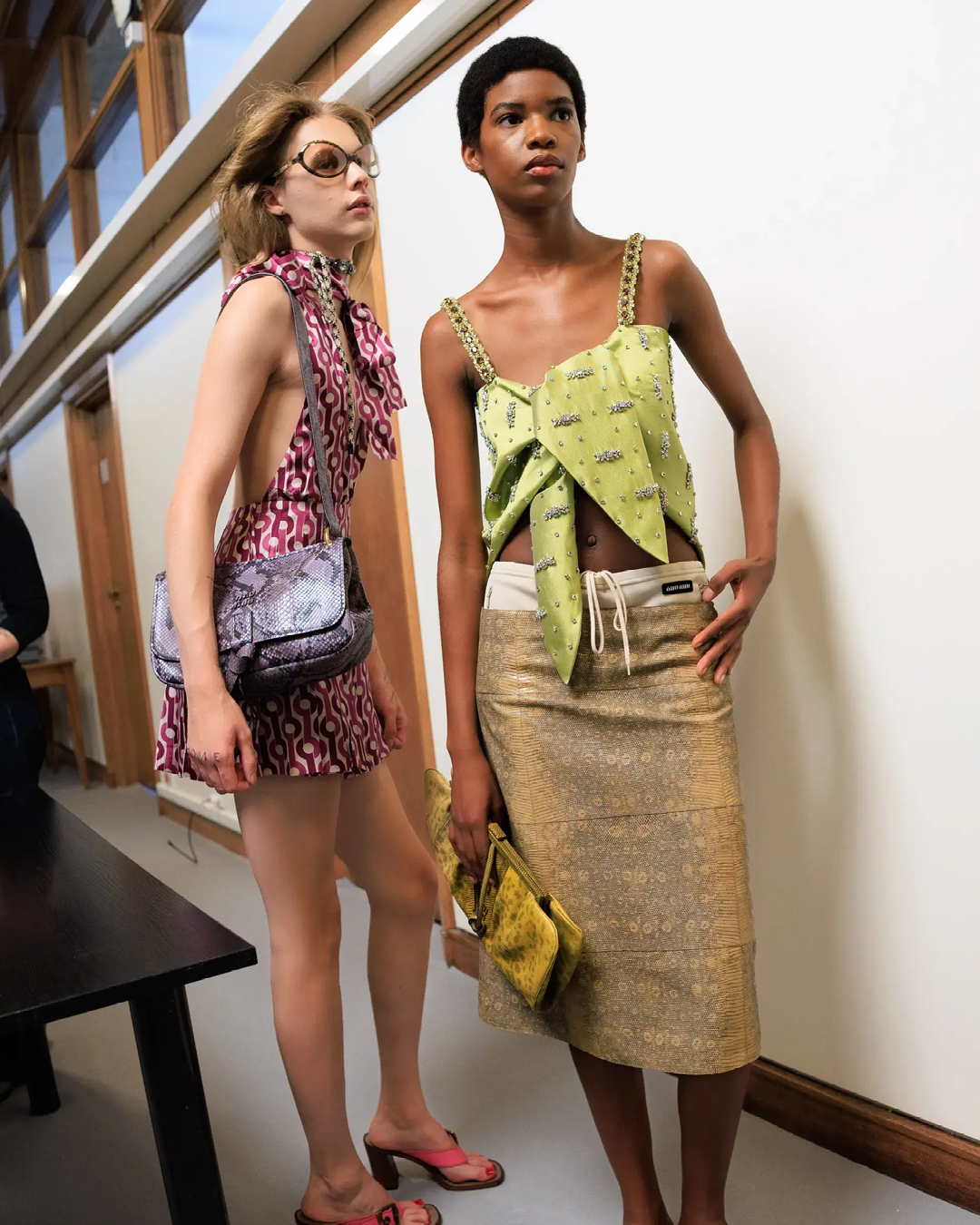
For the Prada group the quarter represents a phase of transition. Following the recent acquisition of Versace and the appointment of Pieter Mulier, succeeding the enfant terrible Dario Vitale, the brand gains two positions and settles at twelfth place. A signal of enthusiasm from a more general audience toward what appears to be an initially turbulent rebranding, but one that is beginning to show signs of stabilization. As for Prada and Miu Miu, both lose two positions, showing how the intellectual fashion of the two brands has given space to the momentum of rising competitors, while remaining in a comfortable position. Saint Laurent also reconfirms second place and its solidity by focusing on iconic pieces that still nod to gorpcore, a formula already successful in the Q4 2025 Index, such as the Stand Collar Jacket.
Signs of a crisis for fast fashion?
With the end of the winter season, the balance of fast fashion also shifts. COS, which had secured third place thanks to its sweaters inspired by The Row’s viral pieces, drops seven positions and lands in tenth place. Massimo Dutti also falls, losing two places and settling at eighteenth. Among fast fashion brands, the winner is Zara, which proves it can effectively leverage its cultural capital. This positioning has also been amplified by external cultural moments: Bad Bunny’s performance at the Super Bowl, where he appeared in a Zara suit in front of 128.2 million viewers; and the creative collaboration with Willy Chavarria, presented with a fashion film by Glen Luchford. Together, these events have led to a full integration of the brand into contemporary culture, exceeding expectations suggested by its price point.
The influence of cinema on the ranking
The clearest signal of the quarter is the increasingly central role of cinema and television series in the market, directly influencing the ranking of the most searched products. Leading this phenomenon is the return of 1990s minimalism, driven by Love Story and renewed interest in the style of Carolyn Bessette Kennedy. The impact is measurable: searches for black turtleneck knits rise by +217% after the first episode, while demand for straight leg denim steadily increases on Lyst and Calvin Klein, recording +43% week on week after the finale. In parallel, products linked to gorpcore aesthetics emerge, such as the flat cap by Kangol, which ranks tenth among the hottest products and records a +14% in menswear during the show’s broadcast. The same pattern is confirmed by the growing demand for the satin dress by Vivienne Westwood, up by around 890%, driven by the release and press tour of "Wuthering Heights".
The new Index clearly shows how these three levels influence each other: visibility, desire, and demand. Visibility generates desire, desire creates demand, and demand brings new visibility. Today brands can no longer rely solely on heritage or products, but must become part of a broader cultural ecosystem, where image, storytelling, and creative vision work together.
What to read next
In what sense is blue the Xanax of fashion?
We are so stressed that we have started dressing in blue again