
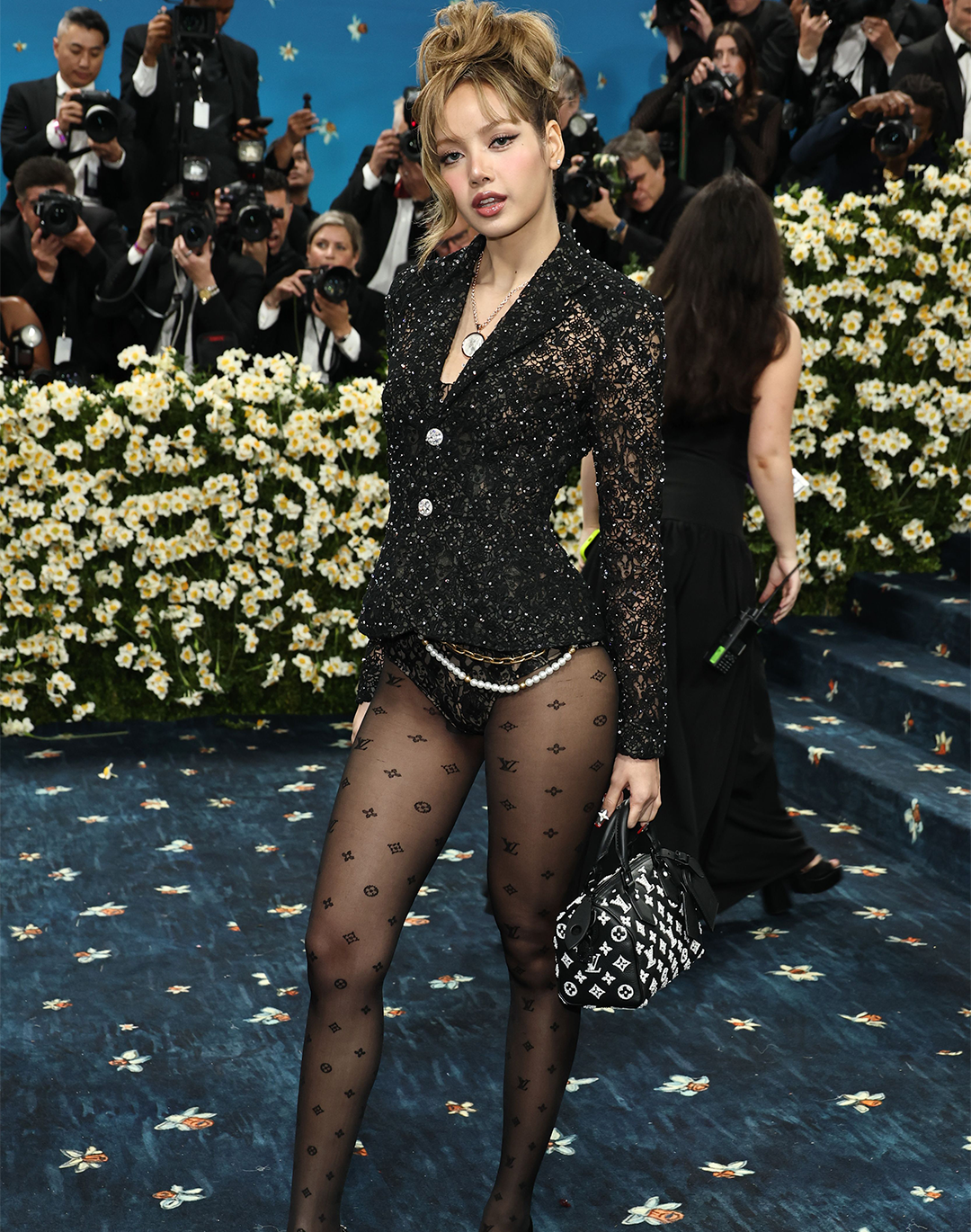
Are visible logos still appealing to Gen Z? Logomania 2.0 and Niche Merch
For many, logomania seemed like a trend of the past, yet its legacy remains hard to ignore: from the identity and cultural value embodied by Dapper Dan in the ’80s and ’90s, to the rise of hypebeast culture, which in 2016 even found its place in the world of luxury brands, Gucci, Louis Vuitton, or Prada, and in collaborations with streetwear, from Supreme to Nike and Adidas.
Today, wrongly assumed dead, it is a movement that has managed to transform and adapt to Gen Z: those logos that once dominated entire looks have been downsized, made less visible, and graphically more minimal. One might wonder whether this change was driven by the diktat of quiet luxury or, rather, a new awareness among Gen Z consumers.
Why talk about Logomania 2.0?
In the past, logomania appeared across entire outfits, but with the rise of quiet luxury, logos are now applied to accessories or in subtle placements, becoming a tool to communicate a brand's heritage while avoiding overbranding. Indeed, the core of Logomania 2.0 is the “if you know, you know” element. It lies in the quality of craftsmanship or decorative details, which complement—or replace—the contemporary logo: think of Bottega Veneta’s intrecciato, its signature touch of green or the new royal blue, Margiela’s stitches, or Prada’s triangle.
The new logomania is more discreet yet still very present. As noted by BoF, brands like Alex Eagle, a London designer offering a selection of minimalist essentials, capture the attention of new generations. One of Eagle’s best-known products is a baseball cap with the phrase "Alex Eagle Sporting Club" printed across the front. The designer said she started selling the caps after opening fitness studios in her stores in 2020, highlighting how these accessories have become increasingly common on London streets, especially after Paul Mescal was spotted wearing one last year.
The logo as a tool of identity and belonging
To talk about Logomania 2.0 and understand the shift—not just market-driven but cultural—it is necessary to take a step back to when the logo was not merely a trend, but a real cultural phenomenon, capable of revealing much about consumerism, identity, and social values. The logo was, and still is in a different form, a powerful tool to communicate and convey a specific aura, also thanks to its imprint on the collective imagination.
In the ’80s, Dapper Dan, designer and legendary figure of Harlem’s pop aesthetic, would take logoed fabrics, often counterfeit, from Gucci, Louis Vuitton, and Fendi and transform them into something completely new: tracksuits with oversized monograms, tailored jackets, hats, and custom sneakers. In his workshop on 125th Street, frequented by artists such as LL Cool J, Salt‑n‑Pepa, and Big Daddy Kane, luxury, the monogram being its ultimate emblem, became a tool for cultural, political, and creative rebellion.
Logomania and status in the era of hype
By 2016, luxury as status reached its peak within hypebeast culture. Brands like Supreme, Off-White, BAPE, and Yeezy became global icons: hoodies and T-shirts with conspicuous logos, collectible sneakers, hats, and accessories released in limited quantities. Being hypebeast meant queuing for hours, following online drops, and reselling rare pieces at outrageous prices. Luxury was no longer appropriation but a trophy, a way to be seen and recognized by the group. Hypebeasts formed a privileged circle with access to exorbitantly priced items—a wave that swept through both traditional luxury brands and emerging or niche streetwear labels.
The sense of community and belonging was confirmed by gatherings where hypebeasts, sneakerheads, and collectors met and “traded.” These were not casual events but conventions dedicated to streetwear and sneaker culture. The most notable was ComplexCon, a festival launched in 2016 in Long Beach, combining fashion, music, art, panels, concerts, and brand and reseller booths, quickly becoming a central hub for those following the hype scene and collecting exclusive pieces.
Two different moments, two opposite ways of displaying luxury and belonging, which today find their polar opposite in quiet luxury: almost invisible logos, fine materials, coded details, whispered luxury recognizable only to those who know how to look. But condemning the logo is hypocritical, as brands like Gucci, Prada, or Louis Vuitton continue to sell logoed clothing, often more expensive than before, which remain key pieces for aspirational clients.
The future of logomania
“2026 is the new 2016” pic.twitter.com/BoUVzfX31c
— ໊ (@user0000O0) January 7, 2026
Logomania is not dead: it has transformed without losing its most authentic essence. Today, beyond merely signifying social and economic status, the logo represents the experiential value of an object, conveying narratives and values through what we wear and choose to display. So why did the logo, even if briefly, scare us so much?
Contrary to common perception, which sees the logo as an emblem of homogenization, a partially true statement, as reproducibility and recognition are intrinsic to fashion, today it also represents a new way to connect people and narrate identity, creating connections through shared experiences and common values. In this sense, Logomania 2.0 preserves the spirit of the past: we may try to distance ourselves from it, but could 2026 really be the new 2016?
What to read next

Kartik Kumra is the second guest designer of Pitti Uomo 111
Indian craftsmanship and modernity come together for the next edition of the event
Fashion Graduate Italia presents “Speak Up”
A new edition dedicated to young future professionals in the fashion world
The PUMA Suede Forever proves that classics never go out of style
Three new colorways and a silhouette spanning nearly sixty years of history — the latest chapter of Never Not Suede goes back to its roots