




















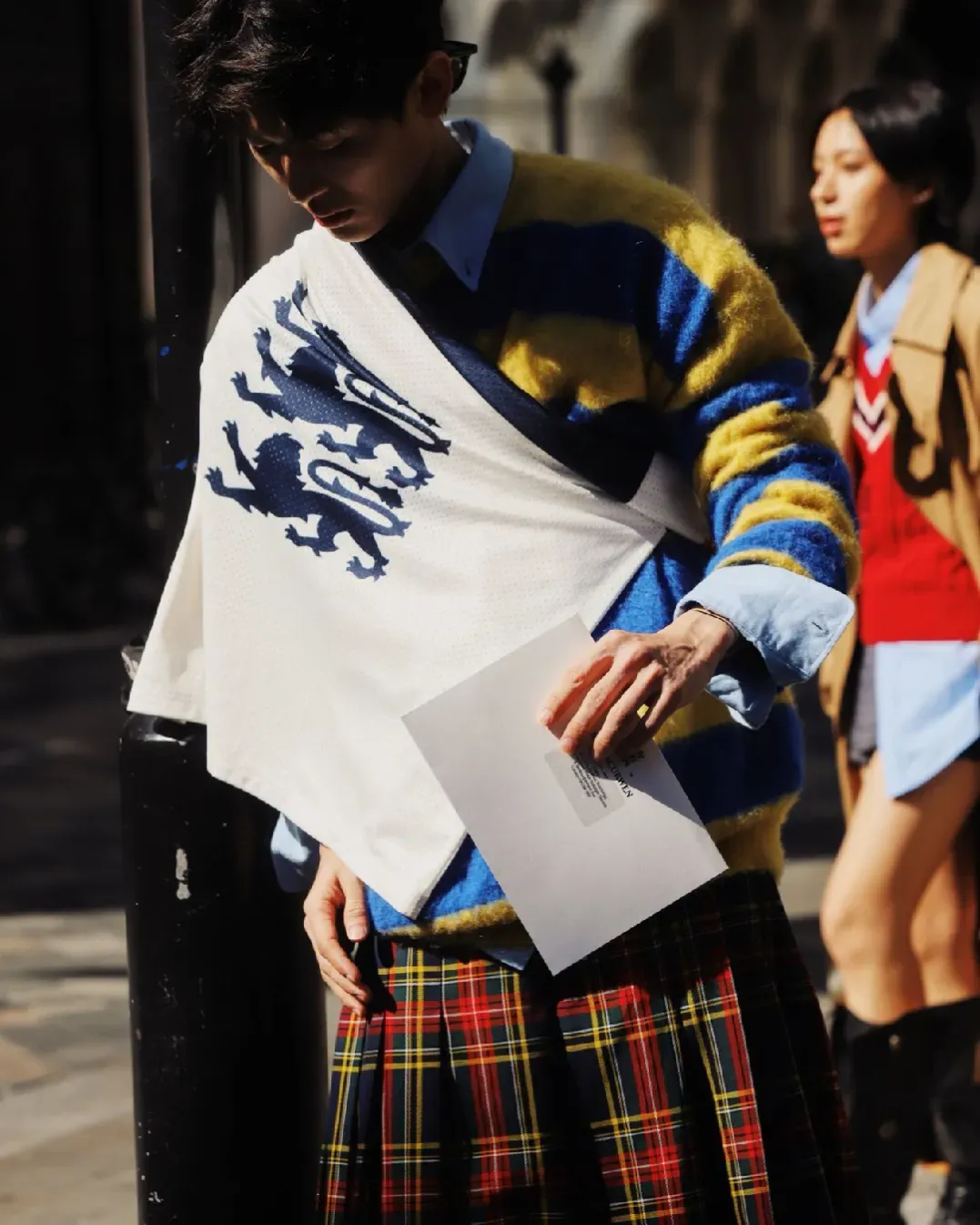
5 things to expect from London Fashion Week FW26 An edition where the real interest lies in the new features
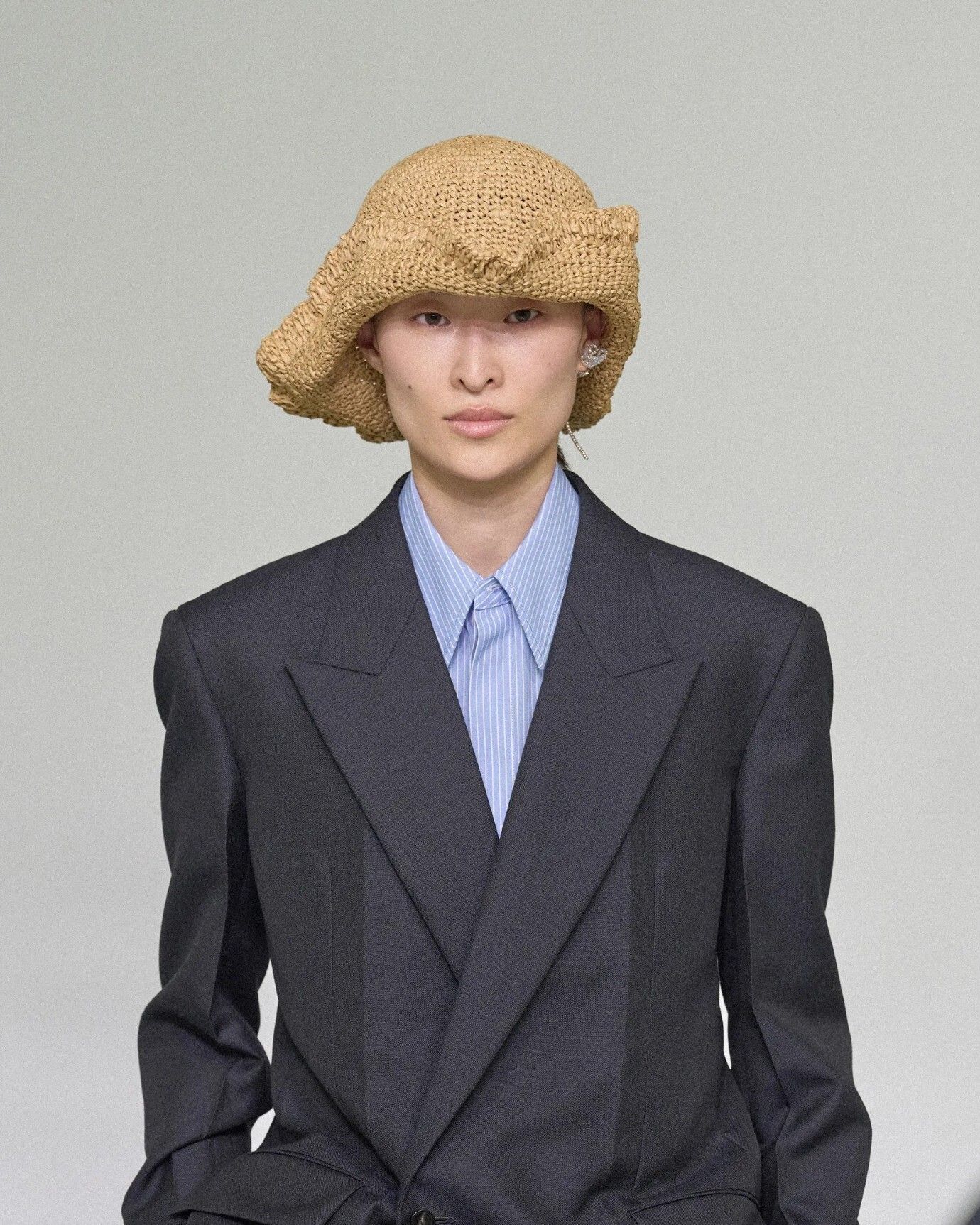
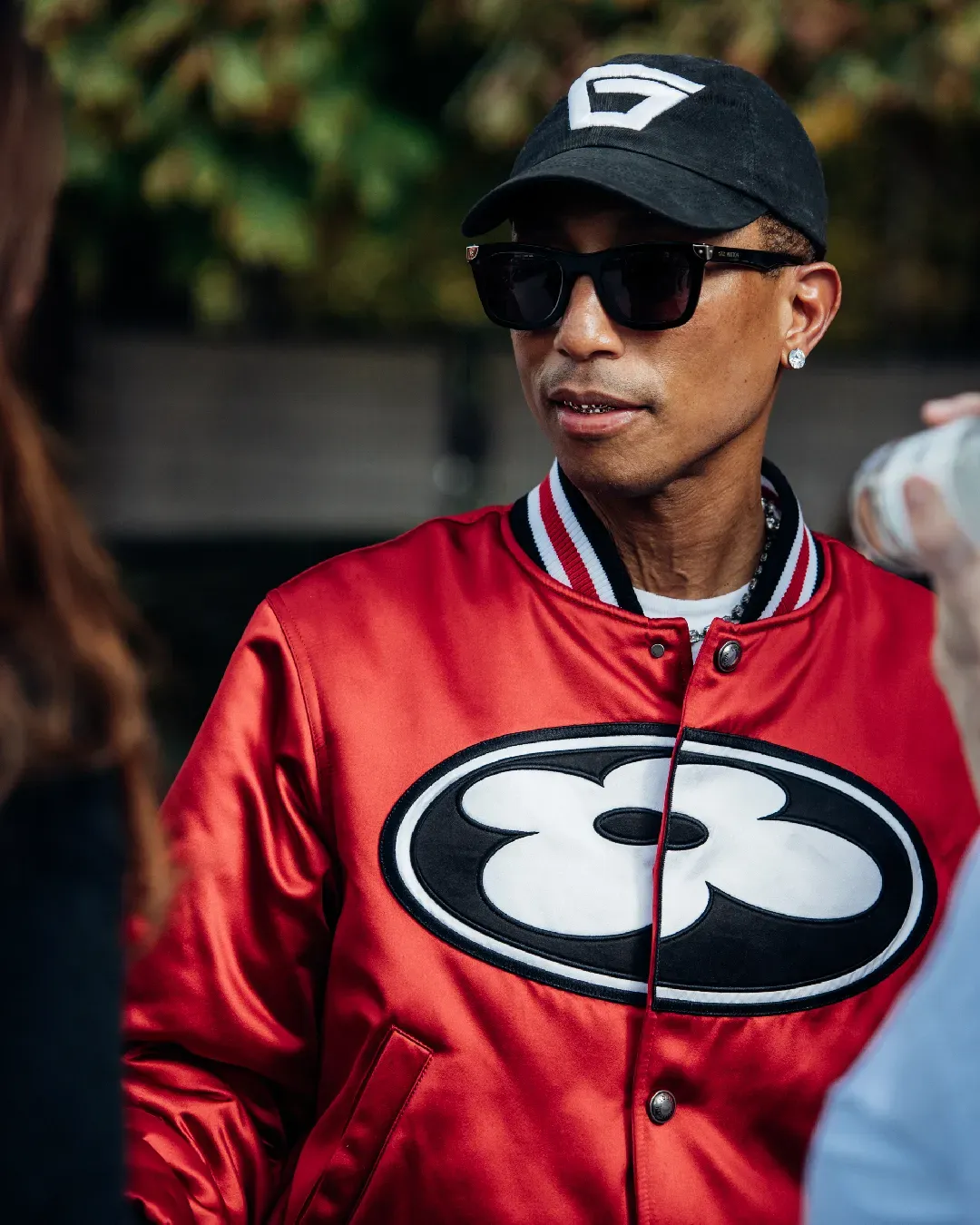
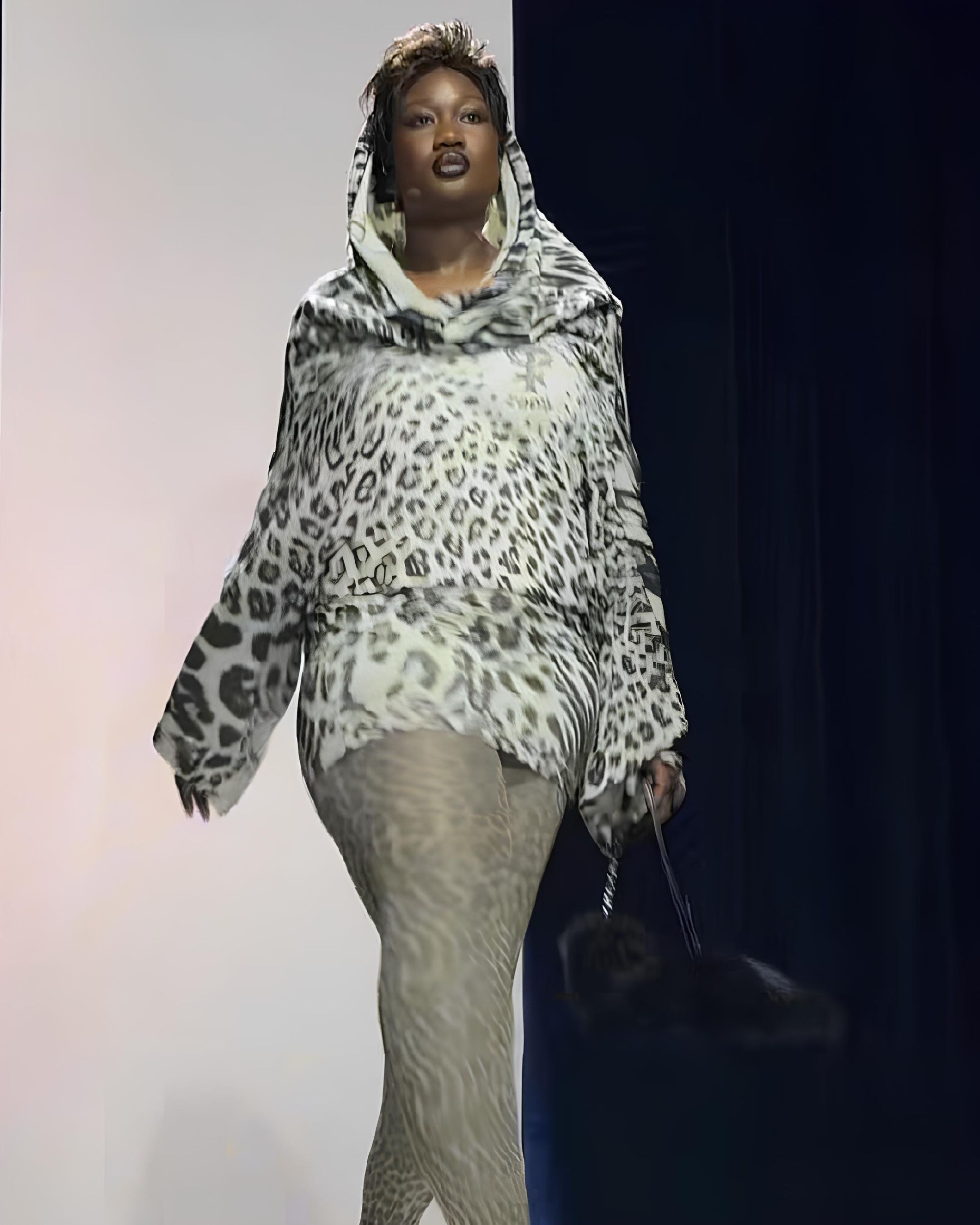
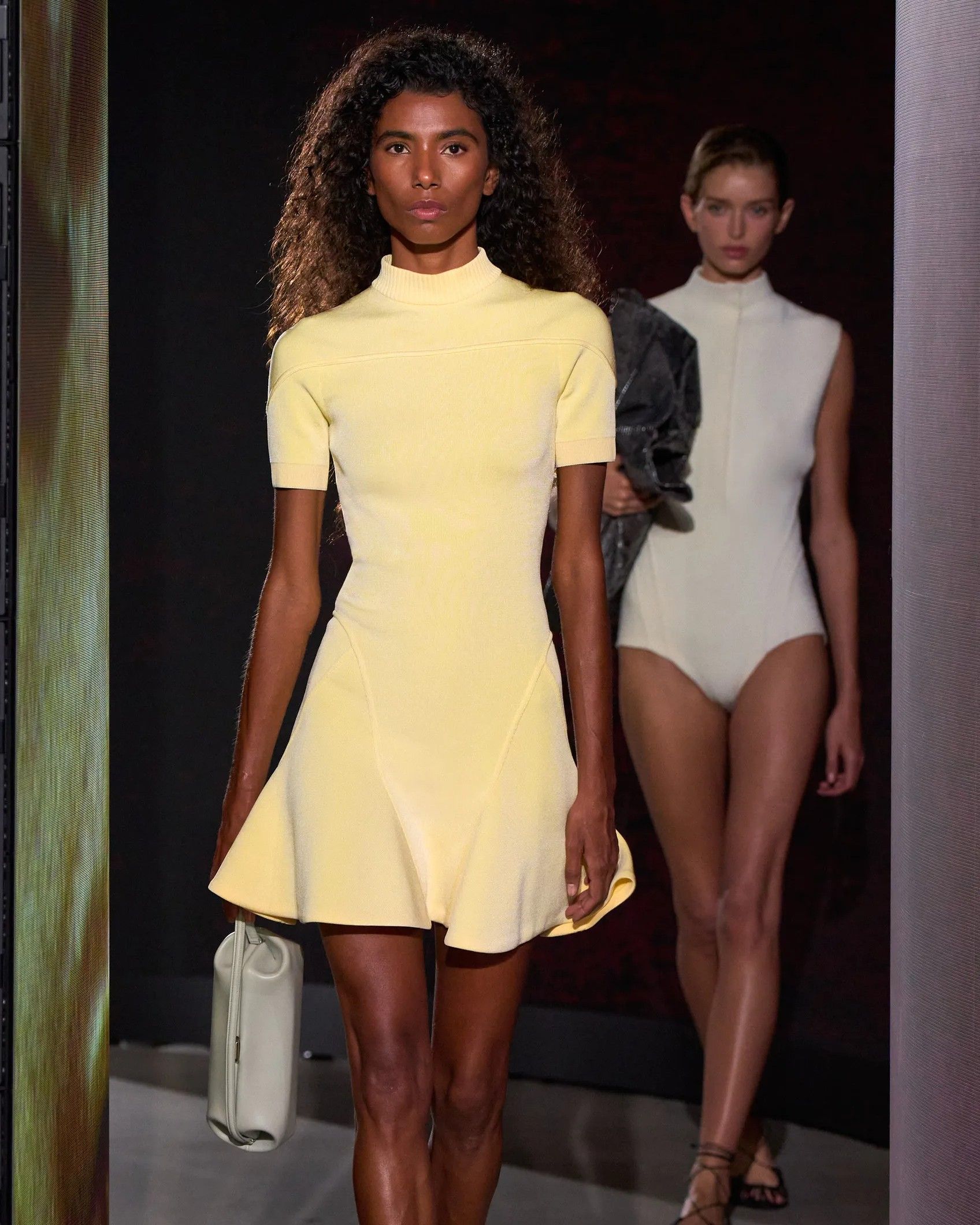
Shrinking has done wonders for London Fashion Week. The edition opening today features 41 runway shows and 20 presentations, a significant increase from the overly sparse calendars of recent seasons. But what matters most about London is its sheer amount of novelty. Only one heritage brand dominates the schedule: Burberry, while all the other most exciting appointments revolve around new, very young designers. Alongside them are a series of independent yet now-established names that still carry the full allure of an authorial voice.
Here are the 5 things to expect from London Fashion Week FW26.
The Fashion East show
For several years, Fashion East has been one of the most spot-on platforms for discovering emerging talents. This year, the lineup includes the return of Jacek Gleba with a collection titled Diary, inspired by the diary of dancer Vaslav Nijinsky; Mayhew, the eponymous brand of Louis Mayhew, presenting a collection blending gorpcore with experimental aesthetics; and the absolute catwalk debut of Traiceline Pratt with the brand GOYAGOMA, launched in April 2025, which focuses on the idea of an everyday yet cerebral wardrobe made of altered proportions and intriguing contrasts of materials and colors.
The new guard: Conner Ives, DiPetsa, Paolo Carzana
@elillanger Conner Ives SS26
Leather Forever - Miss Kittin & The Hacker
The list of names in the new guard of London designers is longer than the trio highlighted in the title. Yet these three designers have managed in the past year to expand their presence and cultural weight across the entire fashion bubble. Conner Ives has been riding high since his already iconic FW25 show, and his next one is eagerly anticipated; DiPetsa, meanwhile, was in her bad-girl phase last season and has been expanding a technique - the wet-look fabric effect - that is now indisputably hers and inseparable from her name; finally, Paolo Carzana stands out as one of the new authors with the most defined and confident signature.
Indian luxury from Raw Mango
We have already discussed the importance of the Indian market on the global commercial chessboard, especially for fashion. Between trade agreements and cultural influences, it feels as though a new bridge has opened between the Indian subcontinent and Europe. Crossing that bridge to London is the brand Raw Mango, which we cannot call a debutant since it has enjoyed huge success in India since 2008. Founded by the talented Sanjay Garg, it blends all the wonders of Indian textile art with a very modern and sophisticated sense of dressing. Its various designs are firmly rooted in tradition, yet their sensibility is completely contemporary. An arrival in London that marks a new era of cosmopolitanism for European fashion.
The debut of Liberowe and Selasi
Two brands debuting this season, both focused on womenswear but with quite different approaches and aesthetics - and in common, a fascinating work on tailoring and silhouette. The first is Liberowe by designer Talia Loubaton, whose aesthetic is very bon-ton and “clean” but never dull. On the contrary, it is damnably alluring: with carefully selected fabrics, impeccable constructions, and a playful yet severe sense of femininity, the brand defines “less but better.” Then there is the stunning Selasi, the project of stylist, photographer, curator, and artist Ronan Mckenzie, who offers a minimalism very different from what is usually seen on the runway, marked by great intentionality and thought, as well as extensive research into materials.
The NewGen shows
This season’s Newgen program from the British Fashion Council dots the entire week’s calendar, fulfilling its essential role of supporting local talents (debutants or otherwise) with funding, visibility, and dedicated platforms. Among the notable names we highlight this season are Lueder by Marie Lueder, who blends sportswear, tailoring, and medieval silhouettes into hybrid collections often presented in immersive spaces; Tolu Coker with her structured tailoring rendered in earthy and vibrant tones; Karoline Vitto with the sculptural sense of her garments that accentuate body folds and volumes through elastic draping; then Derrick by Luke Derrick, one of the LVMH Prize finalists, who creates rigorous menswear with soft, thin fabrics - truly innovative in conception; and finally Charlie Costantinou with his gorpcore infused with sword-and-sorcery tones, which surely deserves more resonance than it already has in indie fashion circles.