




















Mid-range brands have won over Gen Z How the market is changing now that fast fashion brands are unstoppable
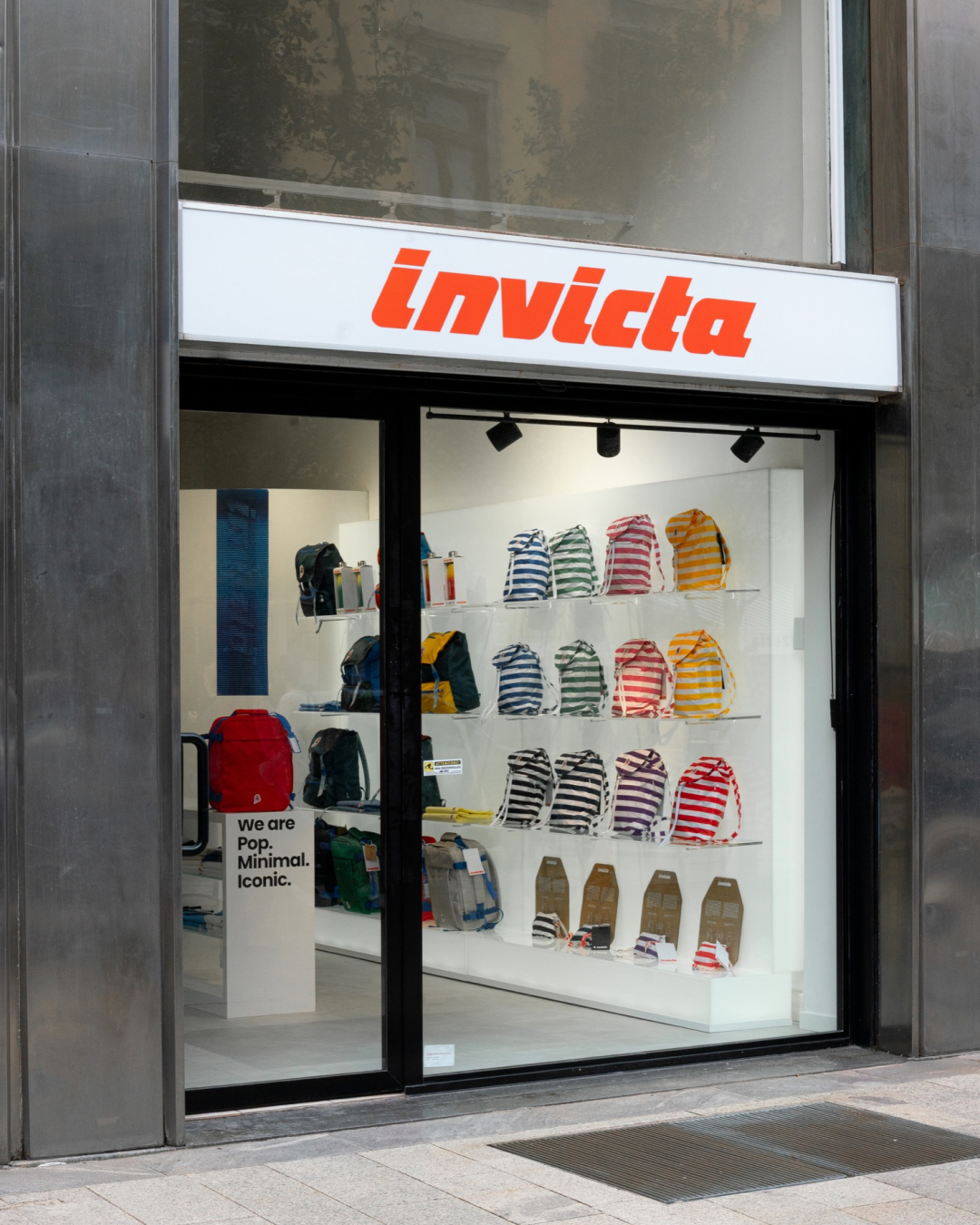
As already anticipated by the Lyst Index, the last quarter has seen the rise and entry into the fashion pantheon of more accessible brands, now able to share top positions with the major luxury players. The ranking shows that while major luxury brands still make up the majority of the 20 most desired labels on Lyst, they no longer capture attention like they used to. Today they occupy 13 positions in the latest list, compared to 18 at the beginning of 2022. Lyst’s data analyzes user purchasing behavior alongside mentions and engagement on social media, and in the latest report for the fourth quarter of 2025, five of the ten most desired items come from sub-luxury brands: these include a quarter-zip sweatshirt from Ralph Lauren and a puffer jacket from Massimo Dutti, a “sister” brand of Zara.
Just two years ago, the only puffer on the list was the padded bomber by Loewe. What makes the difference is not only the designs offered by these brands, often similar in silhouette and allure to high-end fashion, but above all the prices, which are considerably lower. The continuous price increases registered in recent years by the most renowned luxury brands have gradually discouraged a significant portion of buyers. In light of these developments, how much longer can the luxury giants remain at the top? Perhaps the Gen Z no longer cares about luxury fashion?
The Bag That Started the Trend
@uniqloeurope No, you’re not dreaming…Your fave Nylon Shoulder Bag is back!#UNIQLO #shoulderbag #tiktokmademebuyit #bestbag #viralbag #bagtok #paris Makeba - Remix - Ian Bauer
The relentless price increases in the luxury sector have progressively disillusioned a significant portion of buyers, favoring the growth of the more accessible market segment. The nylon crossbody bag by Uniqlo, which took first place in the first quarter of 2023, represented a true symbolic turning point. At the same time, interaction with contemporary and premium brands, with an average order value exceeding $100 to $400, has grown dramatically, quadrupling from 2022 to today. However, the longevity of this trend is ensured not only by price, but by the broader system in which fashion operates today: the power of social media, the spread of direct-to-consumer distribution, and the emergence of new cultural values tied to the democratization of style.
The reason for this abrupt change in consumer behavior is what BoF calls a “restructuring of aspiration.” In the past, the allure of luxury was the main driver through which people searched for, desired, and discussed fashion. Today, attention seems to be shifting from the brand to the product itself. «There is a difference today: buyers desire the cult status of an item more than the prestige of a brand, and this levels the playing field for premium and contemporary brands, which in many cases can enter the conversation simply by excelling in a specific product, like Ugg with boots or Khaite with jeans» explained Katy Lubin, Lyst’s VP of Communications, to Business of Fashion.
The Rise of Mid-Tier Brands
@jaychoycetibbitts The Lyst index is here! The fashion nerds love this thing… I am the fashion nerds. #lyst #fashiontok original sound - Jay Choyce Tibbitts
Although the cracks in the luxury market have been forming for years, it is now evident that these brands are not only losing customers, but also their dominance in the “attention economy.” Quality and design no longer appear so distant from what the luxury segment offers, and this phenomenon is reflected in a broader shift in consumer behavior and purchasing priorities. The rise of upper-mid-tier brands is no coincidence; it is a reflection of how our relationship with fashion and its products is changing.
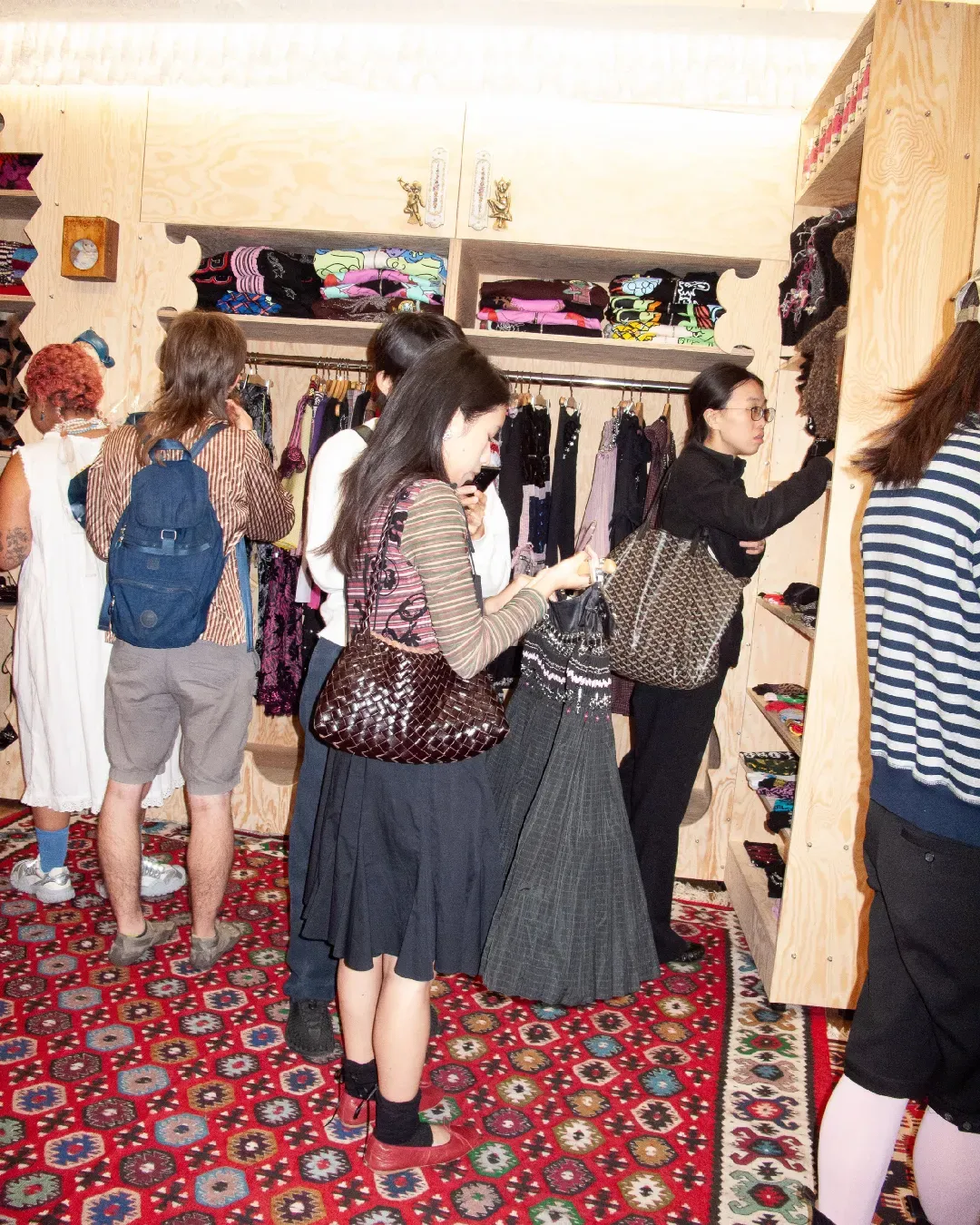
At a time when the luxury market is subject to continuous price hikes, sometimes semi-annual, objects of desire, once associated with exclusivity not only in terms of imagery but also in quality and accessibility, are gradually losing desirability. This is evidenced by the gradual rise of vintage, which has played a decisive role in this market shift: it is not only more sustainable, but also more accessible, with platforms like Vinted and Vestiaire Collective, allowing buyers, through supply dynamics, to lower prices and acquire a desirable item within reach of many more pockets, making the second-hand market one of the most democratic buying pools.
For this reason, the quality of the past – something many luxury houses can no longer guarantee – comes to the aid of a now disillusioned clientele. Even the lack of truly impactful new releases in the luxury handbag segment, despite still being items of strong symbolic and aspirational value for new consumers, shows that there is no longer the same excitement for new designs, also due to a decline in manufacturing quality.
The Popularity of Normcore
@coldestjoel Why luxury fashion brands are struggling to convince you to buy their products #marketing #luxuryfashion #luxurymarketing #socialmediamarketing #socialmediastrategy #fashionmarketing #luxurymarket #china #recessioncore @LOEW@LOEWEee Smale @Odd Muse London Chopin Nocturne No. 2 Piano Mono - moshimo sound design
Another factor contributing to the rise of upper-mid-tier brands is functionality. In the latest Lyst Index, the most desired products fall under what could be called normcore: immediately wearable and familiar pieces. The Arc’teryx toque hat, now ubiquitous, is the most sought-after beanie of the moment, with a 1058% increase in searches on Lyst in the fourth quarter. Or the UGG Zora Ballet Flats, whose ambiguous design represents an effective compromise between aesthetics and comfort, a distinctive feature of many footwear items that promise comfort and functionality while staying aligned with seasonal trends.
UGG has moved out of its original comfort zone among Australian surfers to be worn by models in metropolitan cities, while sales of Birkenstock Boston have risen by 16% despite price increases, and Crocs continues collaborating with brands like Simone Rocha. This is not the first year that we have witnessed the desirability of “comfortable and functional” shoes; these categories have remained central for several quarters and, unlike many luxury brands, show continuous innovation in terms of design, functionality, and versatility.
On Phia, an AI-based shopping app that allows users to compare prices for specific products, the most frequent searches concern accessible and contemporary brands that combine aesthetics and functionality, such as Alo, Coach, Lululemon, Longchamp, UGG, and Aritzia. Among the most searched items in the past week are a COS coat, a Set Active sports bra, and sweaters by J.Crew and Quince.
A New Value Universe
@oldloserinbrooklyn Forecasting the next 5-10 years of fashion trends. Utility, purpose/value added, wearable wellness and multifunctionality are my key predictions for what’s next. #fashionjob #trendpredictions #fashiontrends original sound -
It can be said that the market has been influenced by the emergence of a new value universe, which no longer concerns only the polished imagery offered by high-end brands, but a hybrid – and more “raw” – imagery rooted in the need for practicality in new designs, increasingly inspired by everyday life rather than solely by the designer’s vision. In the past, the compromise justifying a sky-high price was quality; new buyers are no longer willing to invest in overly seasonal, impractical, and disproportionately expensive items. «It’s about feeling part of something», said Lubin. «That’s where symbolic value arises, and many contemporary brands have been able to increase their visibility by promoting a successful product».
The ostentation of wealth is gradually giving way to the construction of an individual aesthetic language, more authentic and less dependent on traditional status symbols. However, this shift should not be interpreted as a neutralization of luxury in purchasing dynamics: it could be a cyclical phenomenon, a promise, or simply a symptom of an ongoing transformation, in which the drivers are no longer only brands but buyers themselves, who place their needs first in the name of a new awareness that permeates how we experience contemporary life.