
























We remembered Emily Brontë’s “Wuthering Heights” differently And that’s exactly what an adaptation is supposed to do
Quotation marks or not, Emerald Fennell adapted Wuthering Heights by Emily Brontë and did so the way everyone should think about a cinematic adaptation. Over the presumed faithfulness to the text, the big screen has always preferred the director’s style and its own internal coherence, which goes beyond the adherence or not to the novel, but must remain faithful only and exclusively to the personal signature of the one who takes the responsibility of re-presenting a story, abandoning mere words and turning them into images.
That Fennell, who has drawn both criticism and admiration since her debut Promising Young Woman (2020) and the subsequent Saltburn (2023), felt compelled to add those quotation marks to the title is as much a sign of the times—in which it is wise not to anger a certain fandom (already quite angry)—as it is the need to stress that what we would see in theaters was not a pedestrian remake of Brontë’s nineteenth-century pages, but rather the way she had always wished to see them shot and told on screen.
How do you make an adaptation?
That she should have changed the title, some said. That she should have made her own story. But since when did we forget that writing is rewriting, and that this also applies to classics brought to both small and big screens? That adapting does not mean simply relying on someone else’s creation, but allowing oneself to be imbued and inspired by its artistic lifeblood, the primary engine that lets us, in turn, dare to generate something new, something potentially beautiful?
The same story had to be endured by Suspiria by Luca Guadagnino: unable to understand the reverence the filmmaker felt and still feels for Dario Argento, some cried scandal at the will to affiliate in some way with the 1977 film while remaining true to oneself with the work released in 2018. And yet Argento’s Suspiria will never lose value or ground simply because, forty years later, someone decided to take it as a starting point for their own narrative, using the title as a conscious and emblematic choice of the cinematic operation—and not merely for marketing, as many might think.
The same happens with the book by Emily Brontë, which will not cease to exist nor to be purchased in bookstores, whether with the old or the new cover. It is unlikely that the writer would turn in her grave, as Collider jokingly wrote; rather, we believe she might be far more pleased to know that centuries later her work continues to interest so many people, who may perhaps be fascinated by the film while continuing to deeply love her book.
A new narrative point of view
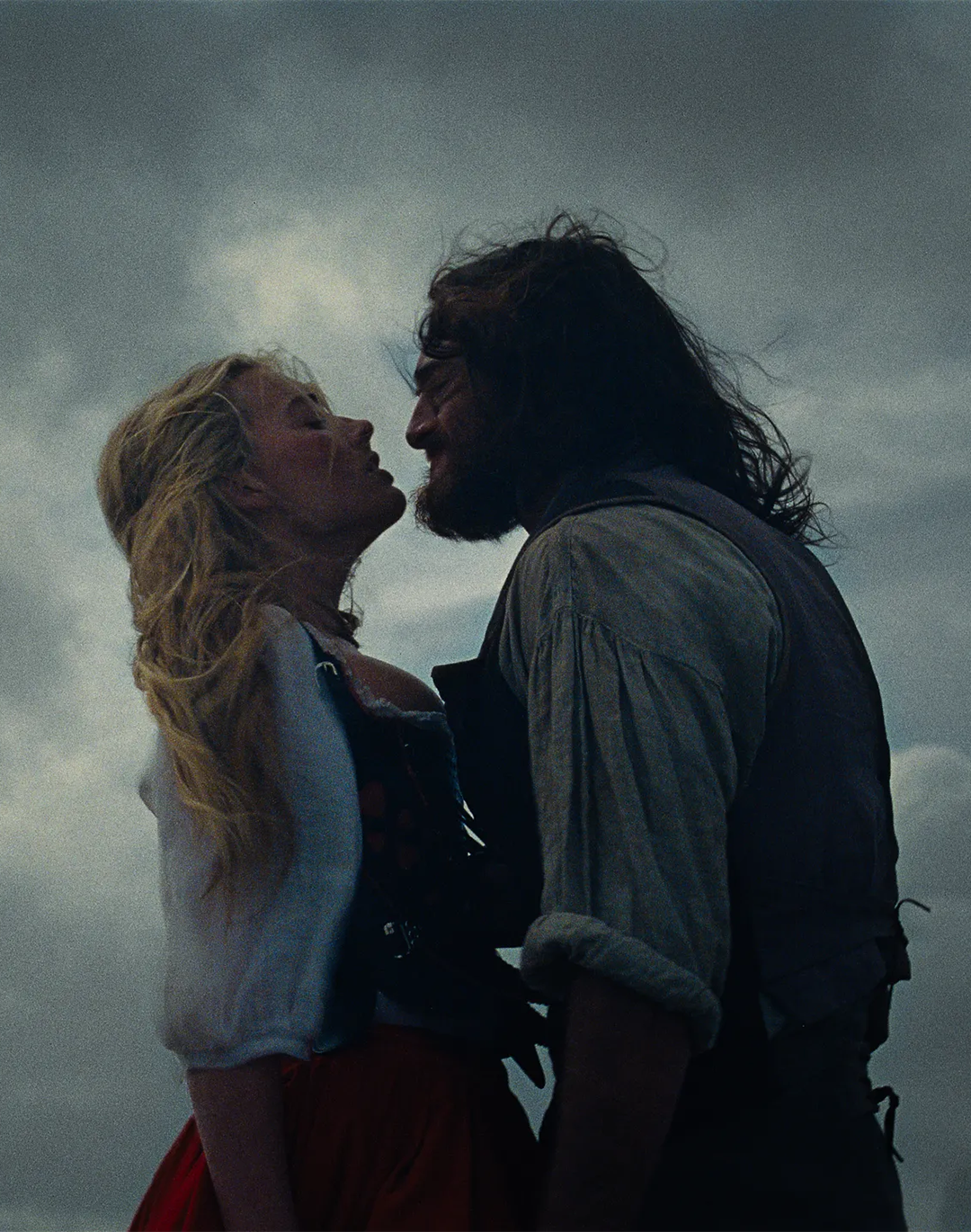
Thus Wuthering Heights—or rather “Wuthering Heights”—is, in every respect, the projected desire of Emerald Fennell onto the story of Catherine Earnshaw and Heathcliff. While it is true that the man’s ambiguous origins were important to the way he was raised and treated, the screenplay chooses to shift its gaze in order to base the relationship between the two primarily on class discrimination, advancing all the consequences of the era.
The conflict between what one wants and what one can have, between what ignites passion and what instead can guarantee a roof overhead, luxurious clothes, a secure future. Fennell focuses on the condition of women, as she had already done in a modern setting with Promising Young Woman, contextualizing it within a society where marriage is a contract, where love is sometimes an obstacle, and where one may regret one’s selfishness—especially when it is too late.
#WutheringHeights is an epic, yearning romance with a beautiful vision from Emerald Fennell.
— Jonathan Sim (@TheJonathanSim) February 3, 2026
Breathtaking cinematography, production design, and score, with two incredible performances from Margot Robbie and Jacob Elordi.
Steamy, emotional, and captivating. pic.twitter.com/u22RfqnLix
The passion of Catherine and Heathcliff consumes them without ever abandoning the recklessness of their spirits. They remain intolerable characters, capricious children, individuals incapable of communicating except through pranks and spite, softening without doubt the hatred that instead seeped and spread viscerally through the novel, allowing the director and screenwriter to achieve her own objective: crafting a grand Hollywood love story. The poster recalling Gone with the Wind is no coincidence. “Wuthering Heights” is a far more mitigated work than the novel, relinquishing revenge, schemes, and the toxicity of a relationship once written under the sign of the storm.
And yet it makes room for inner struggle alongside class struggle, for what should be versus what one wishes. Desire is a common red thread that, within Emerald Fennell’s filmography, connects Saltburn to “Wuthering Heights”, and watching the latter one realizes that the eroticism sold as bait is in truth only a minimal part of the protagonists’ burning and tragic torment. It is there, but it is only one of many specters. Fundamental, yet not central.
The enemy of cinema
That Emerald Fennell has become cinema’s number one enemy is increasingly evident. The intolerance toward a more distinctly “girly” taste—yet no less magniloquent than what even the most camp directors have managed to create—seems a certified fact even before it appears on screen. A prejudice because it anticipates any judgment before a work is even shown and, by the time it reaches theaters, it has already been irreparably tainted. And yet, with her third film, the author is already recognizable, something some colleagues spend a lifetime trying to achieve when it comes to distinctiveness.
A singularity the director poured into the mise-en-scène of “Wuthering Heights”, kitsch and lavish to the right degree in its pursuit of desire as the driving force behind the stories she favors—stories of love and revenge. A path into which Brontë’s adaptation fits perfectly, so much so that the ghosts haunting the characters have managed to cross the screen and torment viewers (and especially readers) most unwilling to yield. They will therefore not find Emily Brontë’s Wuthering Heights, but Emerald Fennell’s “Wuthering Heights”, whose greatest, most important, and most hoped-for difference lies entirely here.
What to read next
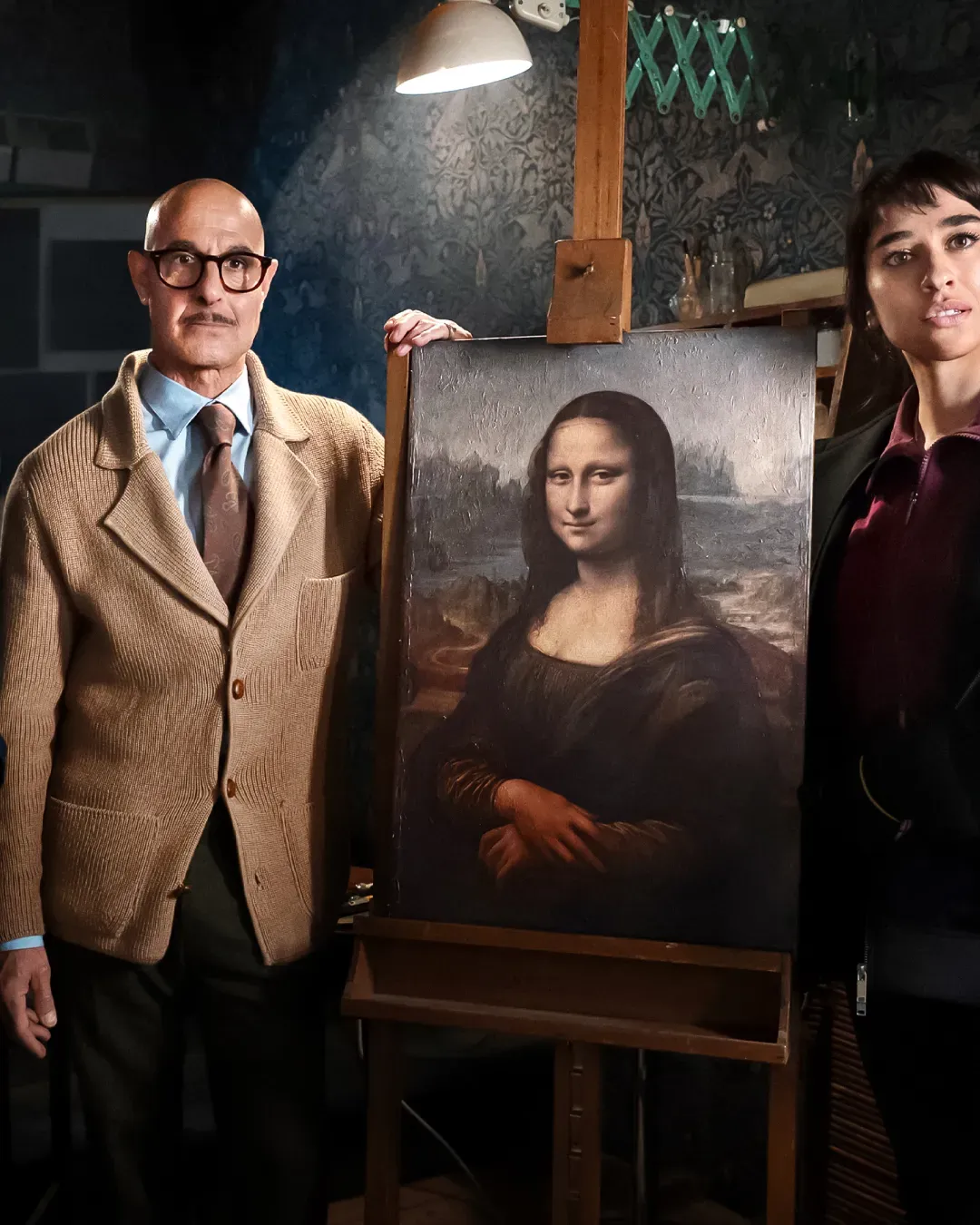
"Masterplan" is everything a heist movie shouldn't be
The film starring Stanley Tucci, Simona Tabasco and Victor Belmondo is available on Prime Video
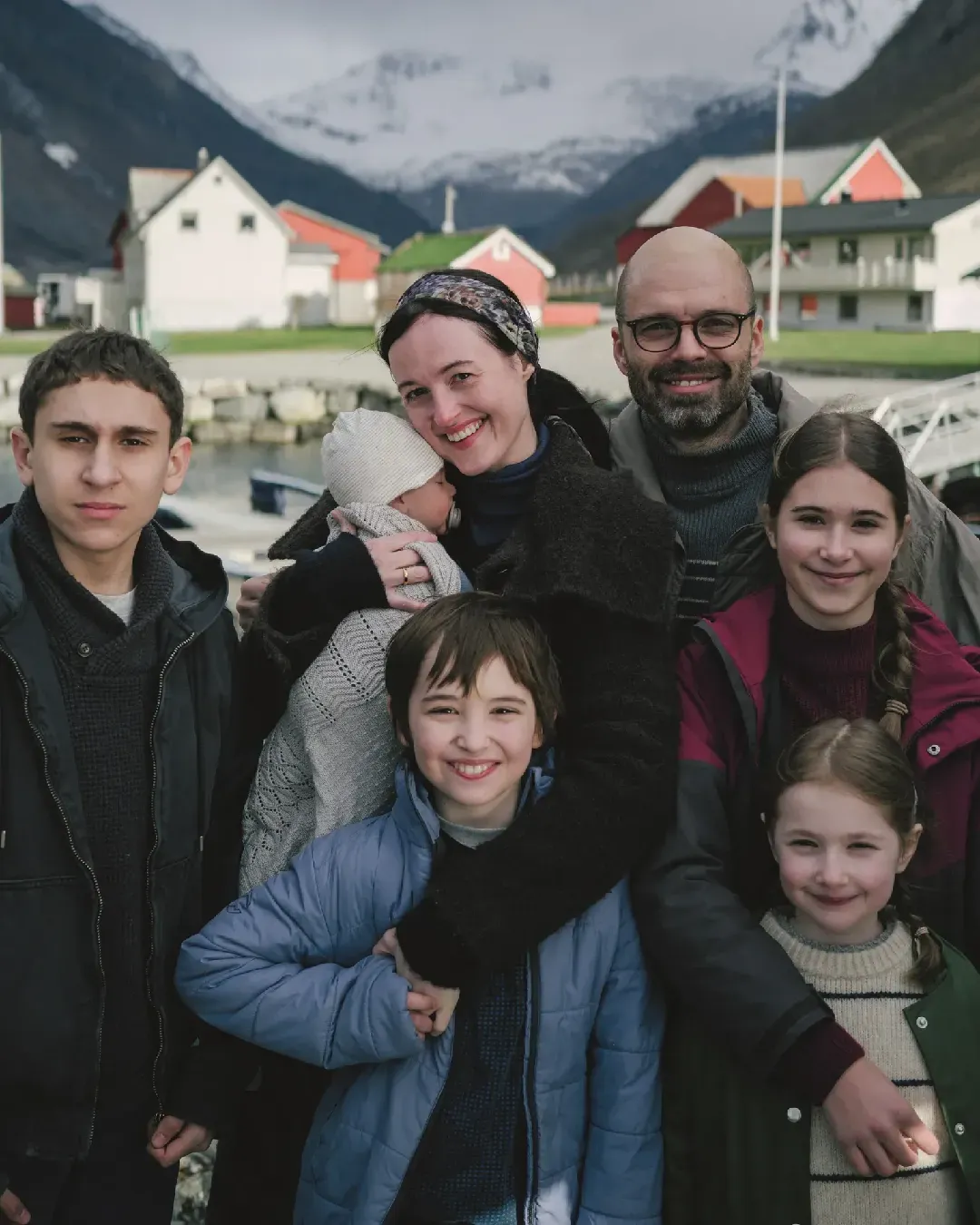
"Fjord" is an impressive piece of writing
Cristian Mungiu's film, winner of the Palme d'Or at Cannes, arrives in cinemas on November 19
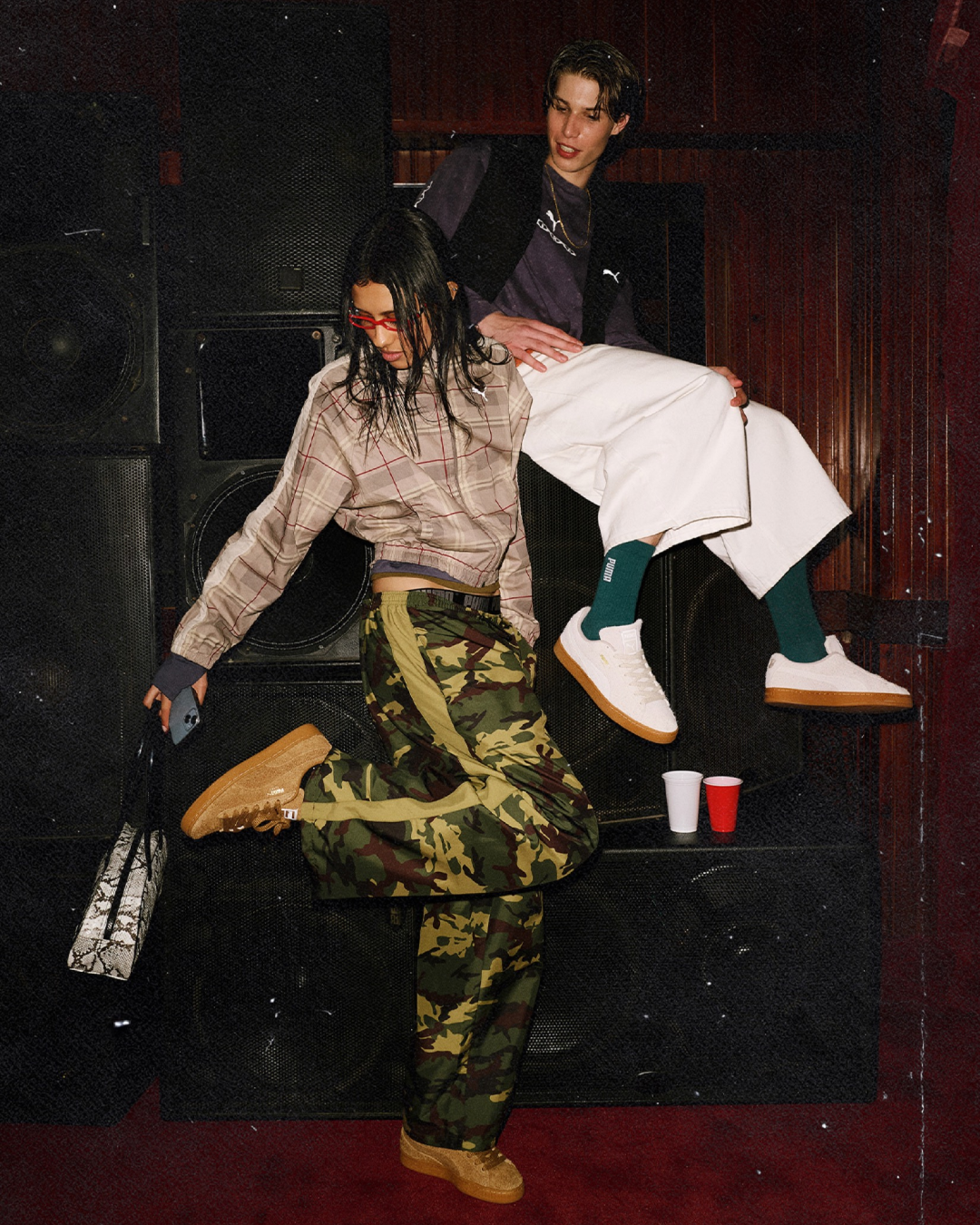
The PUMA Suede Forever proves that classics never go out of style
Three new colorways and a silhouette spanning nearly sixty years of history — the latest chapter of Never Not Suede goes back to its roots