


































The first AI-made series is terrible A great director tries to rely entirely on artificial intelligence: what could possibly go wrong?
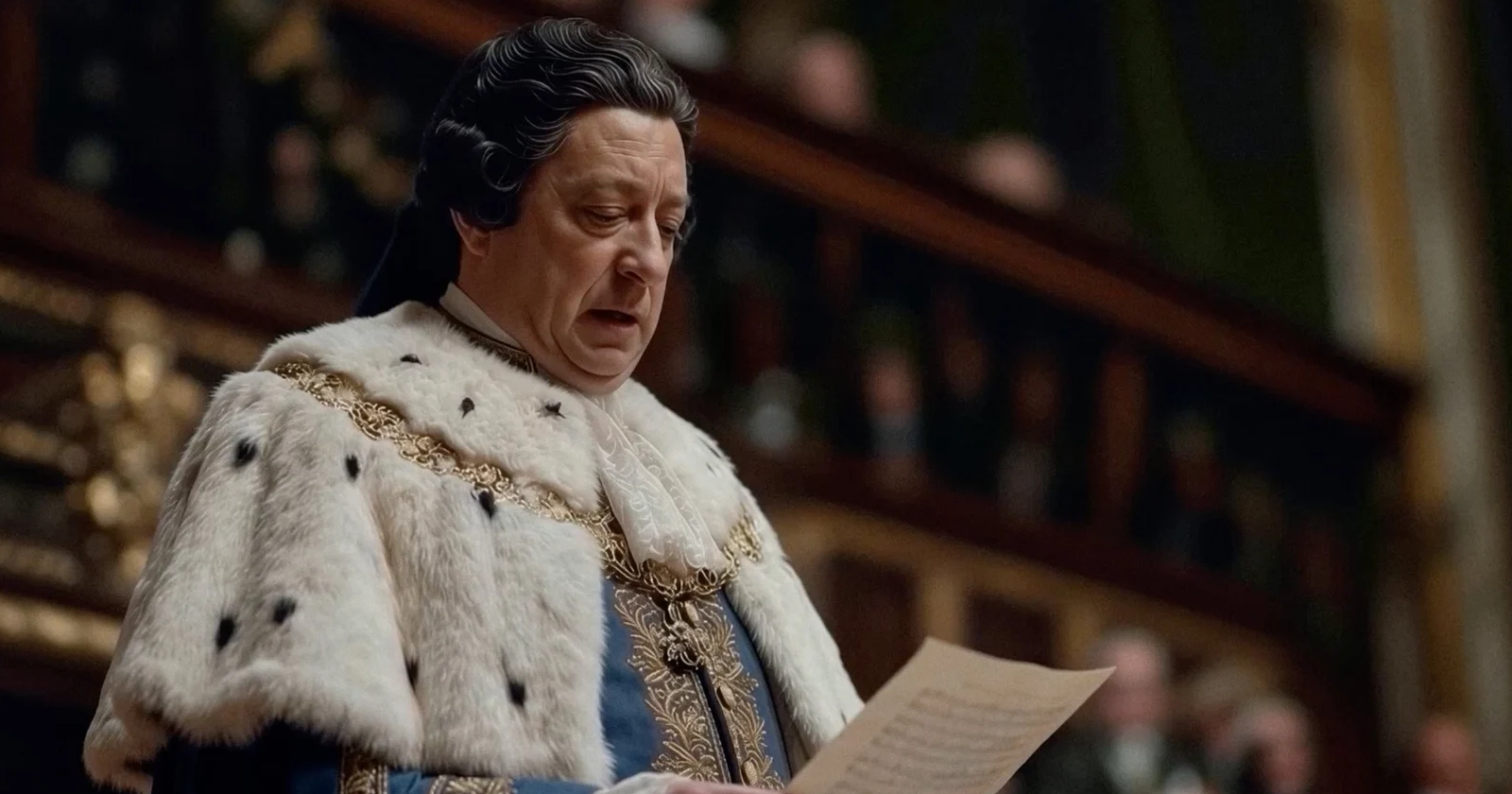
Recently, the first series made entirely with artificial intelligence and directed by an internationally renowned filmmaker, the American Darren Aronofsky, was presented. Over the course of his career, Aronofsky has signed works such as Requiem for a Dream (2000), Black Swan (2010), and The Whale (2022), becoming one of the most recognizable authors in contemporary cinema and helping Natalie Portman and Brendan Fraser win an Oscar.
Darren Aronofsky's On this day 1776 is a full AI generated film. Man is conducting and the machine is crunching. Appalled and awestruck at the same time pic.twitter.com/29UFYaGZRc
— Daniel SanMateo (@SanmateoDaniel) January 30, 2026
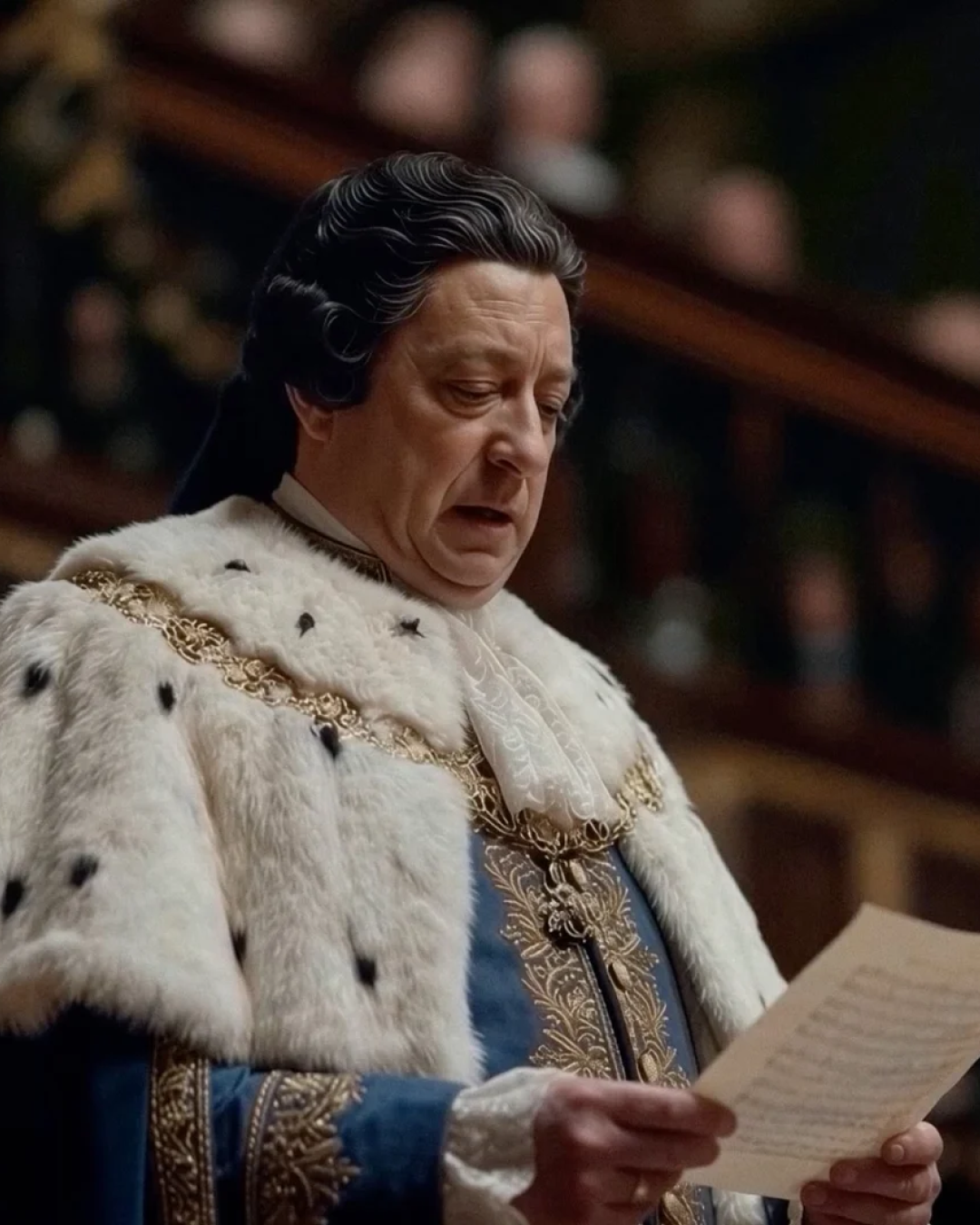
The series is titled On This Day…1776 and recounts the events related to the American Revolutionary War—the conflict that between 1775 and 1783 led the thirteen North American colonies to separate from the British Empire, giving rise to the United States. The project was produced, among others, by Aronofsky himself in collaboration with the Google division that focuses on artificial intelligence. The first two episodes were released on the YouTube channel of Time magazine, which is owned by the founder of the major tech company Salesforce, who also financed the project.
Ben Bitonti, head of Time’s video division, explained that On This Day…1776 aims to highlight how artificial intelligence can help expand the cinematic language. In this regard, Aronofsky emphasized how the film industry has always been closely tied to technological innovation and how this project represents yet another confirmation of that link. However, despite these premises, the series was heavily panned by both critics and audiences.
Why On This Day…1776 is considered terrible
The Guardian described On This Day…1776 as obscene as well as embarrassing, while The Hollywood Reporter even referred to it as slop, a term increasingly used online to describe AI-generated content perceived as low-quality, impersonal, and lacking creative value. Many online users also expressed strongly negative judgments about Aronofsky’s work, giving it the lowest ratings on major review platforms and emphasizing how poor-quality a product it is.
In particular, the series appears frighteningly artificial and flat, contributing to a sense of alienation in viewers. The same applies to the characters—devoid of expressiveness and marked by numerous unnatural details. For many critics, it is disappointing to note that, despite the rapid advances in artificial intelligence and the extensive media hype surrounding the topic, On This Day…1776 represents the highest level currently achievable by the sector. According to experts, the only truly convincing and authentic element of the entire production is the dialogue, which is not coincidentally performed by real actors.
What worries people about AI-made cinematic works
@afewrowsup First trailer for Darren Aranofsky's new AI animated series 'On This Day... 1776' // Tells short narrative stories about the Revolutionary War // Uses Gen AI tools, including tech made by Google DeepMind // Has SAG voice actors -@CultureCrave on X #ai #1776 #film #filmtok #fyp original sound - A Few Rows Up
Among the causes of the resounding failure of On This Day…1776 is the so-called “uncanny valley effect”, an English term that describes the impression one gets when faced with something artificial that nonetheless tries to appear natural: this subtle discrepancy generates discomfort and unease—sensations that, upon reflection, are often noticeable when watching videos made using AI, no matter how well-crafted and realistic they may be.
Yet among industry insiders there is concern that, over time, visually low-quality products like On This Day…1776, already widely circulated on social networks, could somehow contribute to lowering viewers’ standards of taste, eventually making them, so to speak, accustomed to the “uncanny valley” effect.
Artificial intelligence has already been used for some time in the production of films and TV series, but mainly in the post-production phase—at least until now. In fact, such an extensive use of these technologies for a work like On This Day…1776 (that is, potentially high-profile) had not been seen before. At present, these products have been rejected by audiences as well as critics, but within the film industry concern is growing that—regardless of the outcome—more and more films and TV series will be made this way, leading to serious economic consequences for workers in the sector, as well as an overall decline in quality.