
How far can content go? Falsissimo and the Italian code of conduct for influencers
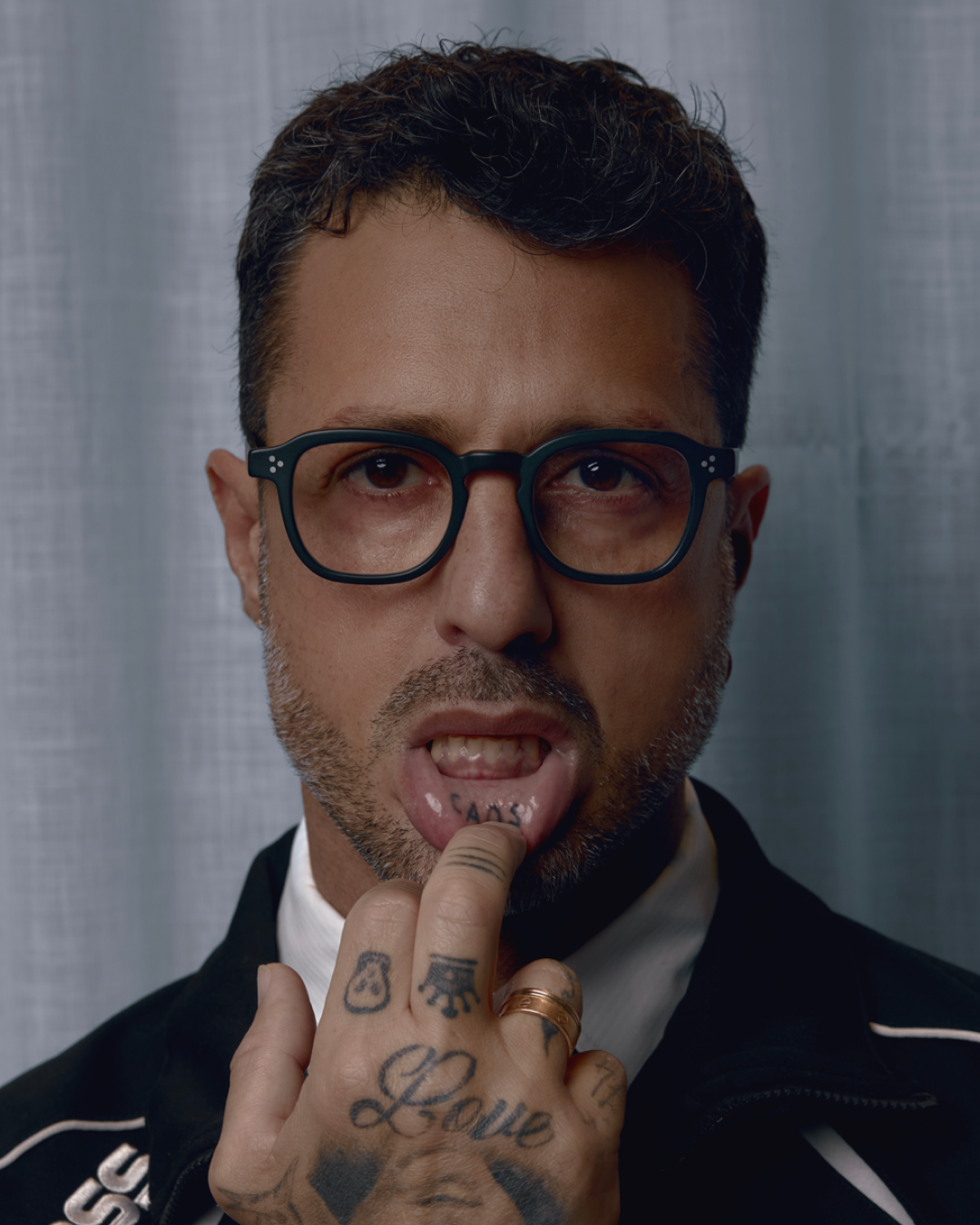
The fateful episode of Falsissimo about Alfonso Signorini is giving no one any peace, from the host to all of Mediaset, from Fabrizio Corona to all of YouTube, even involving Google. Since Signorini was accused of abuse of power against some aspiring contestants of Big Brother, a chain of blame has been set in motion with no clear end in sight. Among these, setting aside for a moment the investigation concerning Signorini, judging by the closure of Fabrizio Corona’s social media pages and the latest interventions by AGCOM, it seems that the whistleblower has gone too far. But who really knows where the boundary between content and information truly lies?
The Authority for Communications Guarantees (AGCOM) is applying the code of conduct for influencers to a content creator, in this case Fabrizio Corona. The code was created only over the past two years following the infamous Pandoro-gate of 2023, which involved Chiara Ferragni and concluded only recently with the digital entrepreneur’s settlement. The laws were developed because previously the work of influencers or content creators was not regulated in Italy, or rather it was controlled through laws on commercial communication and copyright, meaning those applied to television.
The new laws for Italian content creators
The code, which applies only to individuals who have at least 500,000 followers per platform or one million monthly views, includes obligations of advertising transparency, protection of minors, and non-discrimination, as well as the requirement to indicate the use of filters or digital alterations in content. A few months ago, all Italian influencers had to register with the AGCOM registry, news that significantly shook the content industry, which until then had lived comfortably in the shadow of laws that did not concern it all that much.
In light of the recent stance taken by the Order of Journalists and the National Federation of the Press, which defined Corona’s work as defamation and not information and Falsissimo as digital content rather than a journalistic outlet, AGCOM placed Corona in the category of significant influencer to investigate the creator of Falsissimo under these new laws. The Agency is now reportedly verifying that the program’s content complies with the code, which is being used for the first time in an investigation of this level of media impact.
Content or journalism?
AGCOM’s checks must determine whether the episodes of Falsissimo provided information, and not defamation, and therefore whether Fabrizio Corona is not prosecutable under the influencer code. But those under investigation in this affair also include Google, whose manager is under investigation, and YouTube, the platform where the program is published. Corona is also accused of handling stolen goods, revenge porn, and the unlawful dissemination of conversations and images shared online. The blame attributed to Google and YouTube, instead, is that they allowed the episodes to remain on the channel without intervening even after Alfonso Signorini’s lawyers repeatedly requested their removal.
Not just Falsissimo
@elisatruecrime Alle 18:00 sul canale yt #elisatruecrime original sound - Elisa De Marco
The real turning point the case is bringing does not concern so much the event itself, but the effects it will have on future digital content. If Fabrizio Corona’s episodes about Signorini and other television figures (AGCOM is also investigating episodes dedicated to the Garlasco case and some of the femicides that occurred in recent months) are indeed considered offensive rather than informative, how many other content creators will have to rethink their publications?
The firm stance of the Order of Journalists and AGCOM is truly tightening the grip on influencer work. Those involved in beauty and fashion now have to feel observed regarding advertising transparency, while those dealing with true crime, pop culture, or even self-produced documentaries/vlogs (podcasters fall into this category) may have to be careful about the topics they present on their channels and how they approach them. Online spaces are now a public place, therefore how we decide to behave from now on has consequences in real life as well. The only thing that perhaps protects us is whether we can be defined as «significant influencers» or not.