

























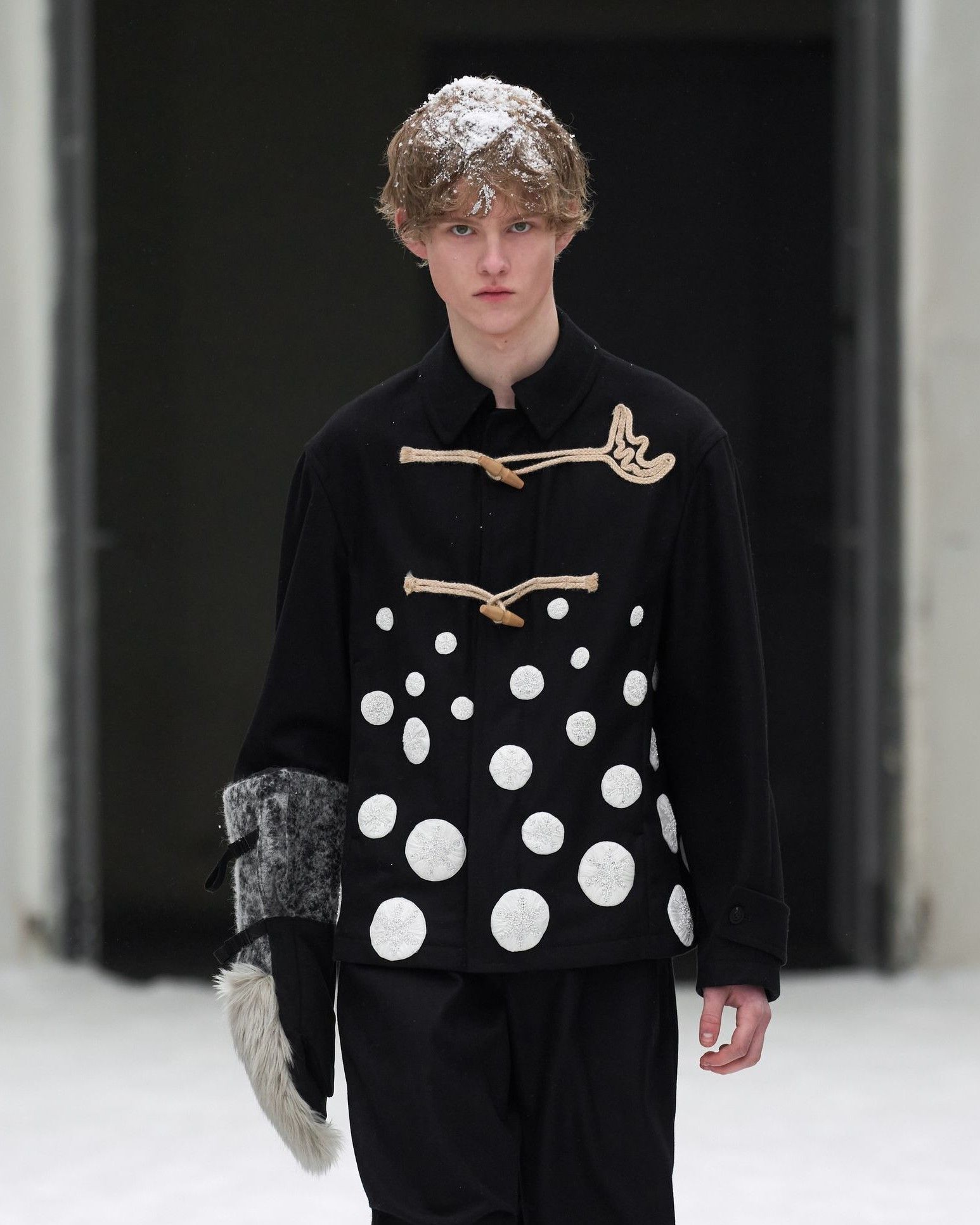
The duffle coat is making a comeback but not how you’d expect Did you think you had gotten rid of the sailor core?
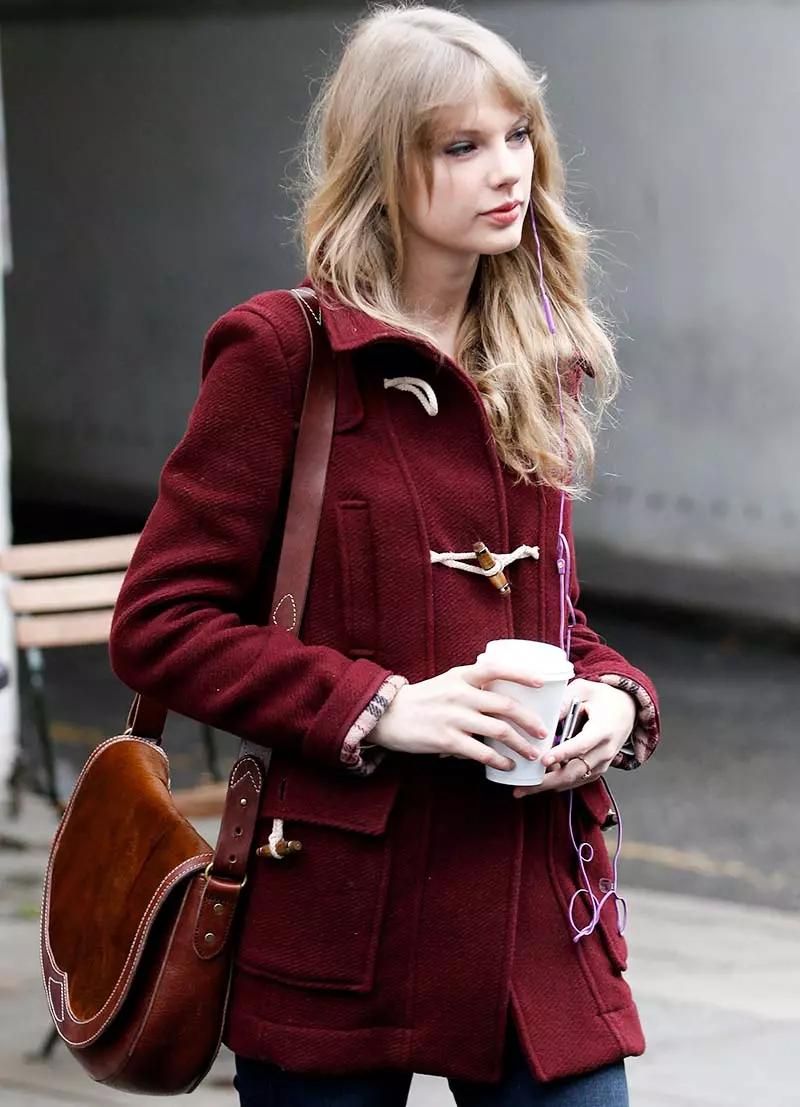
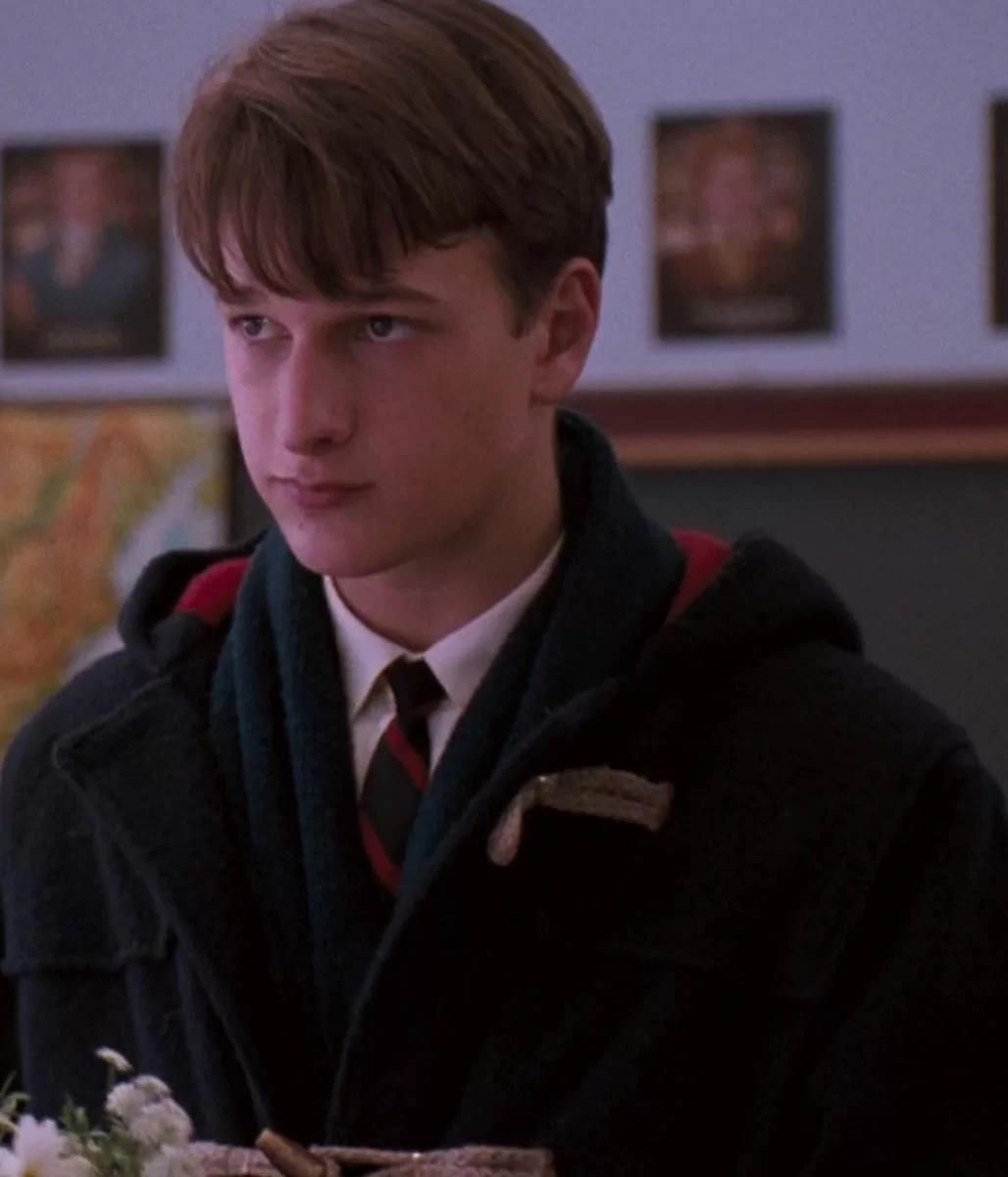

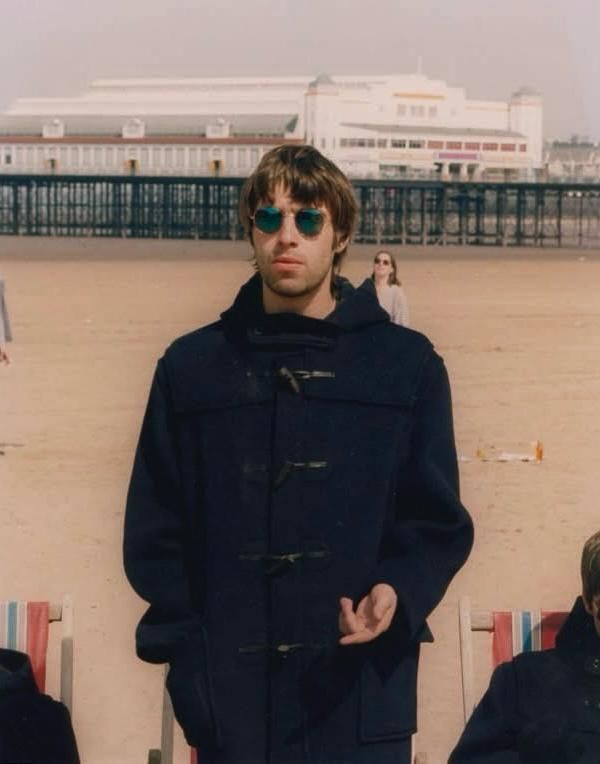
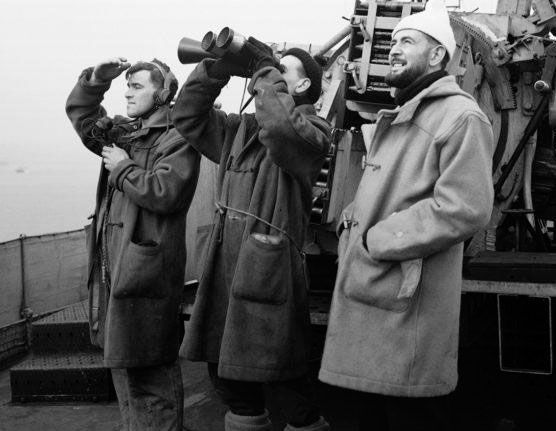
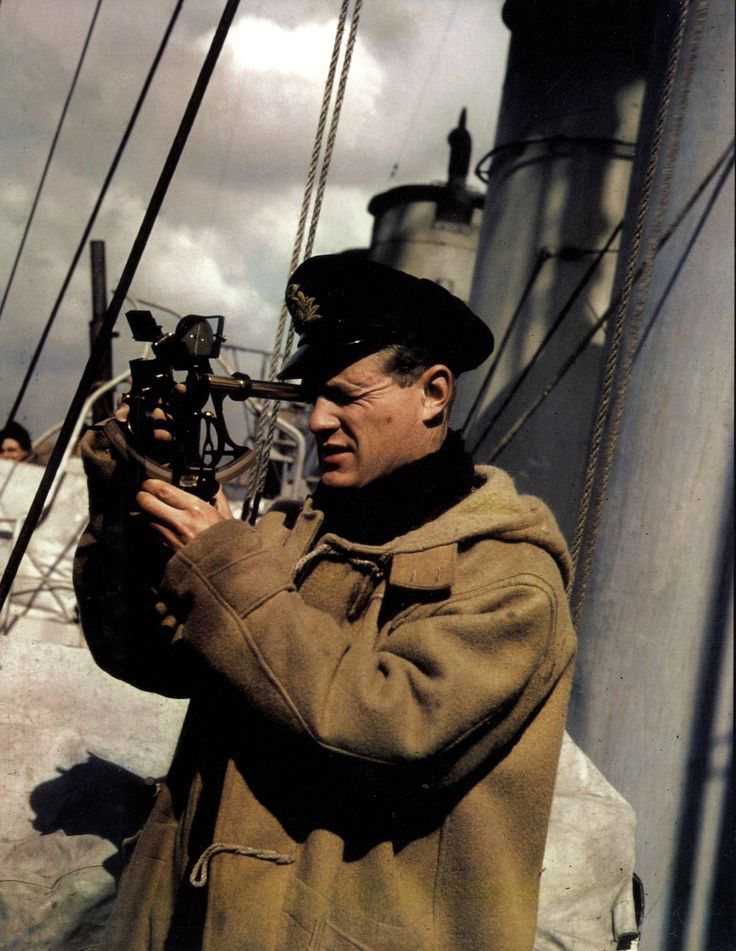
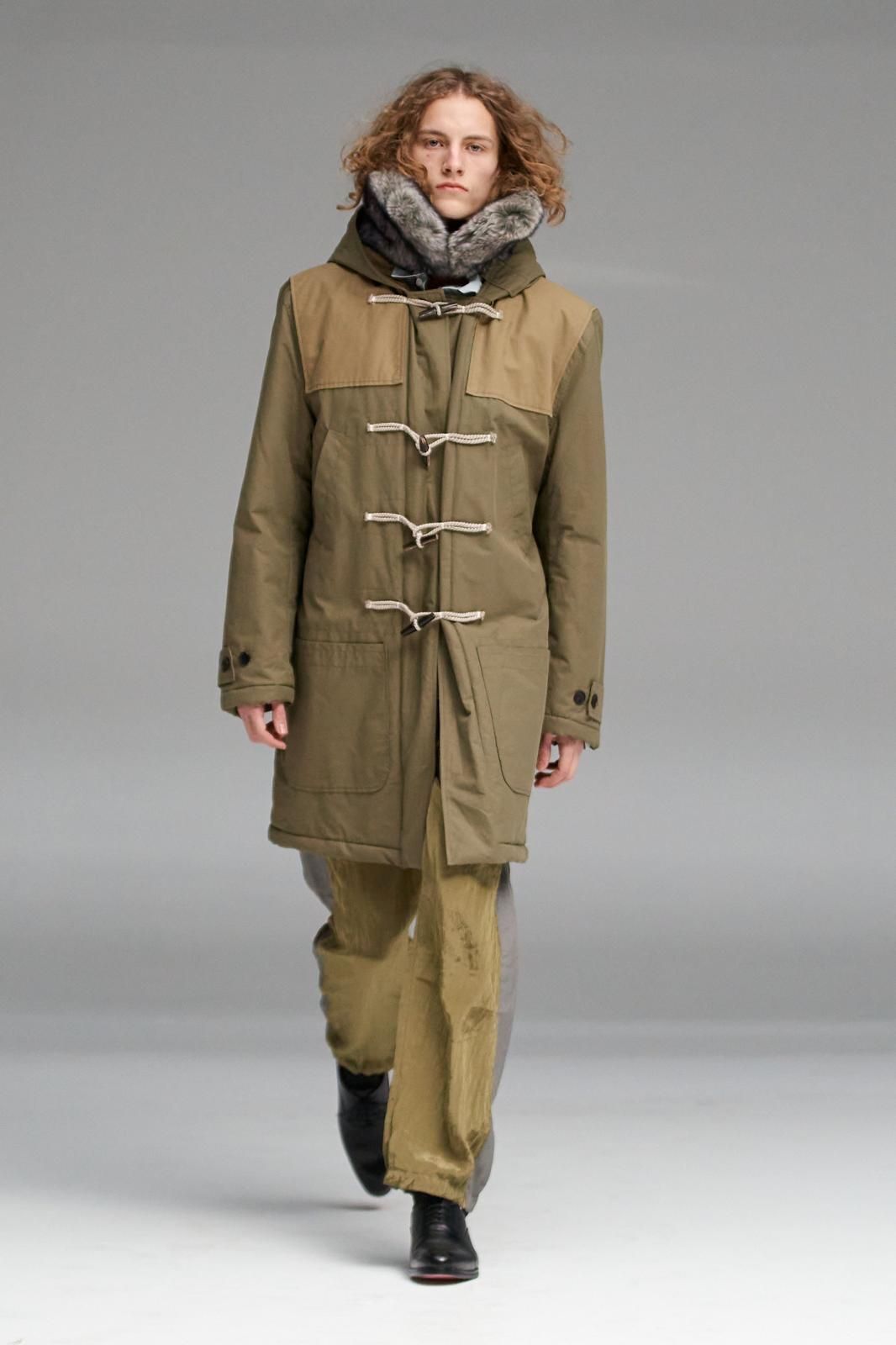
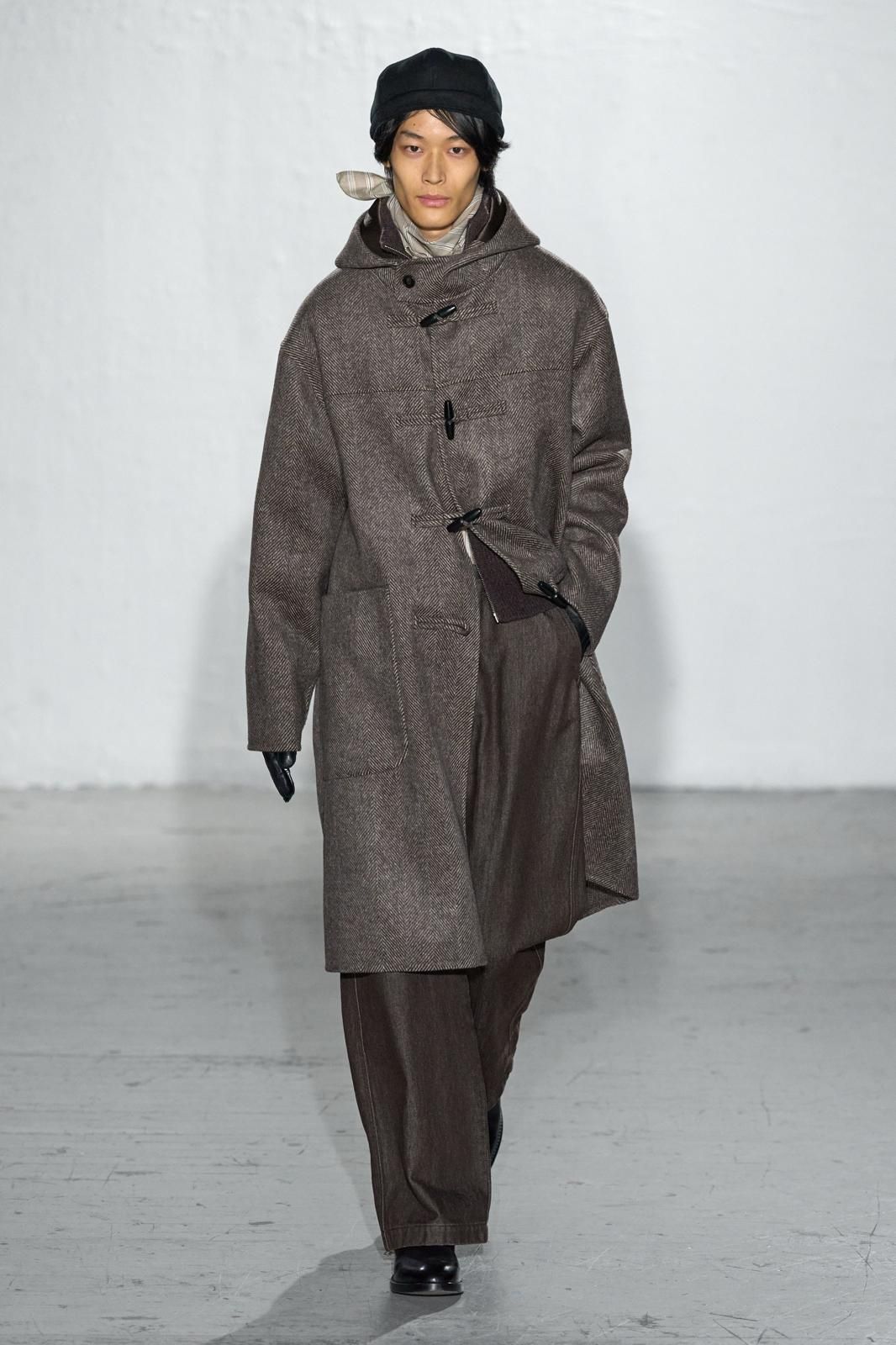
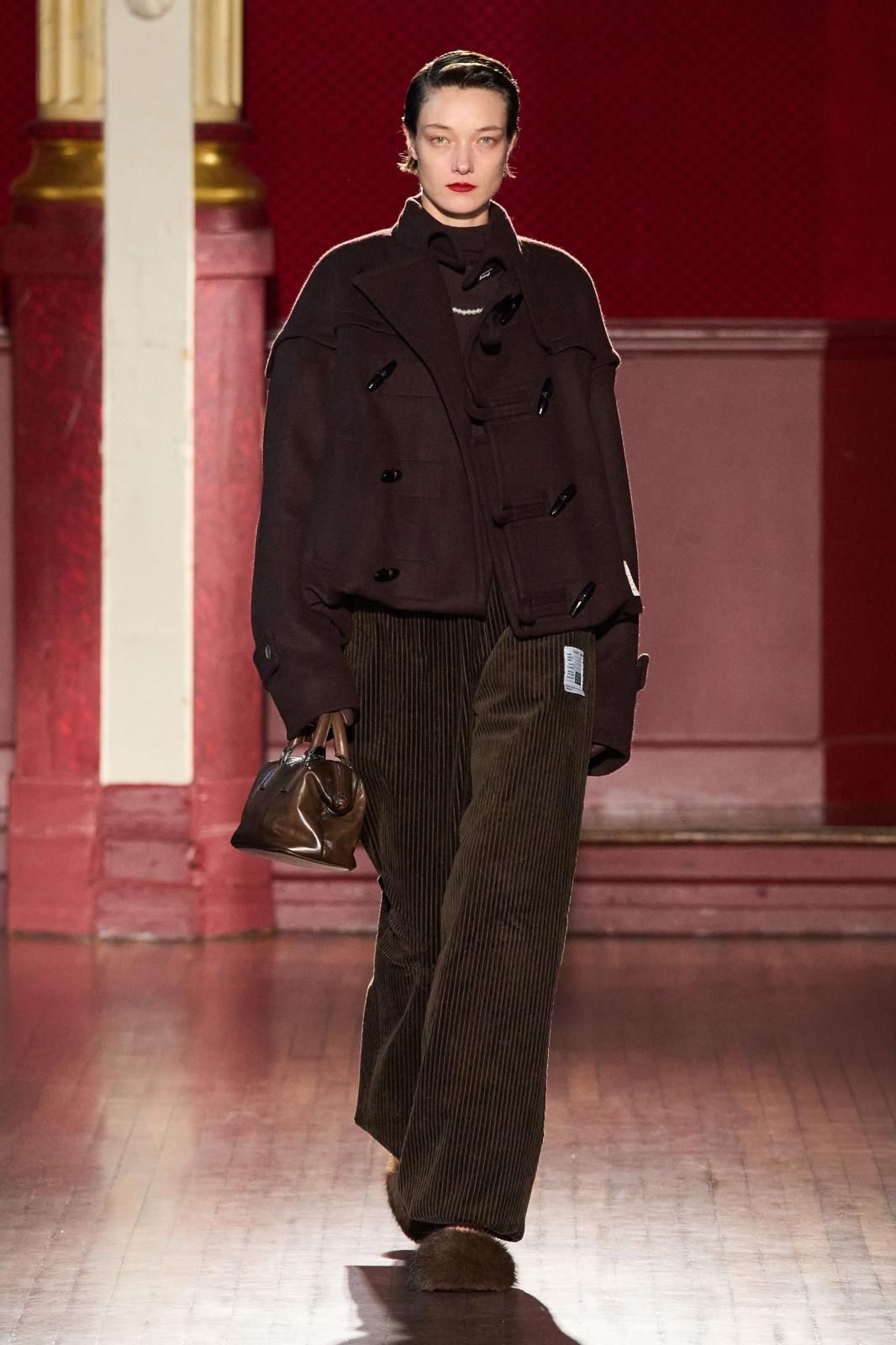
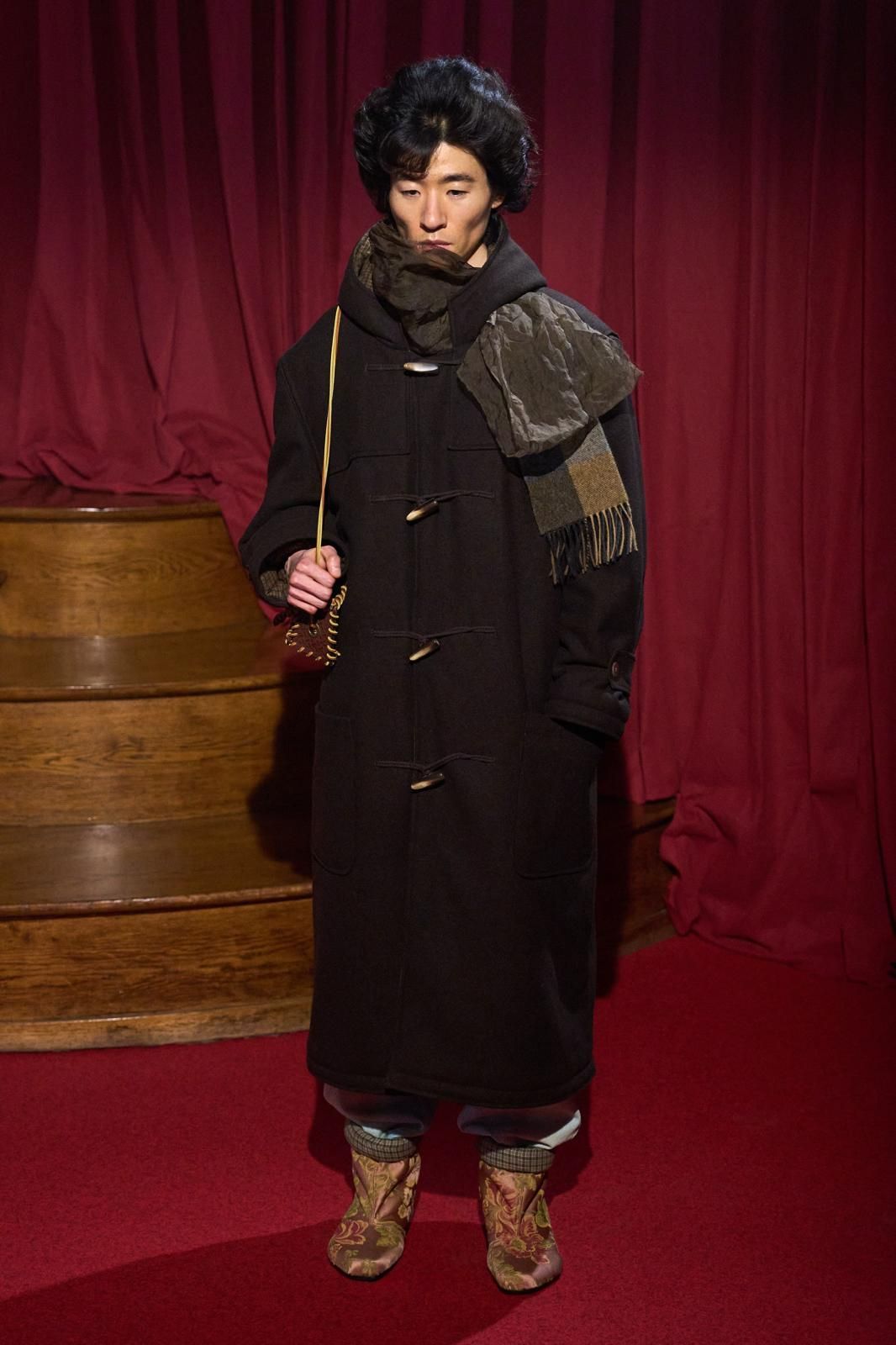
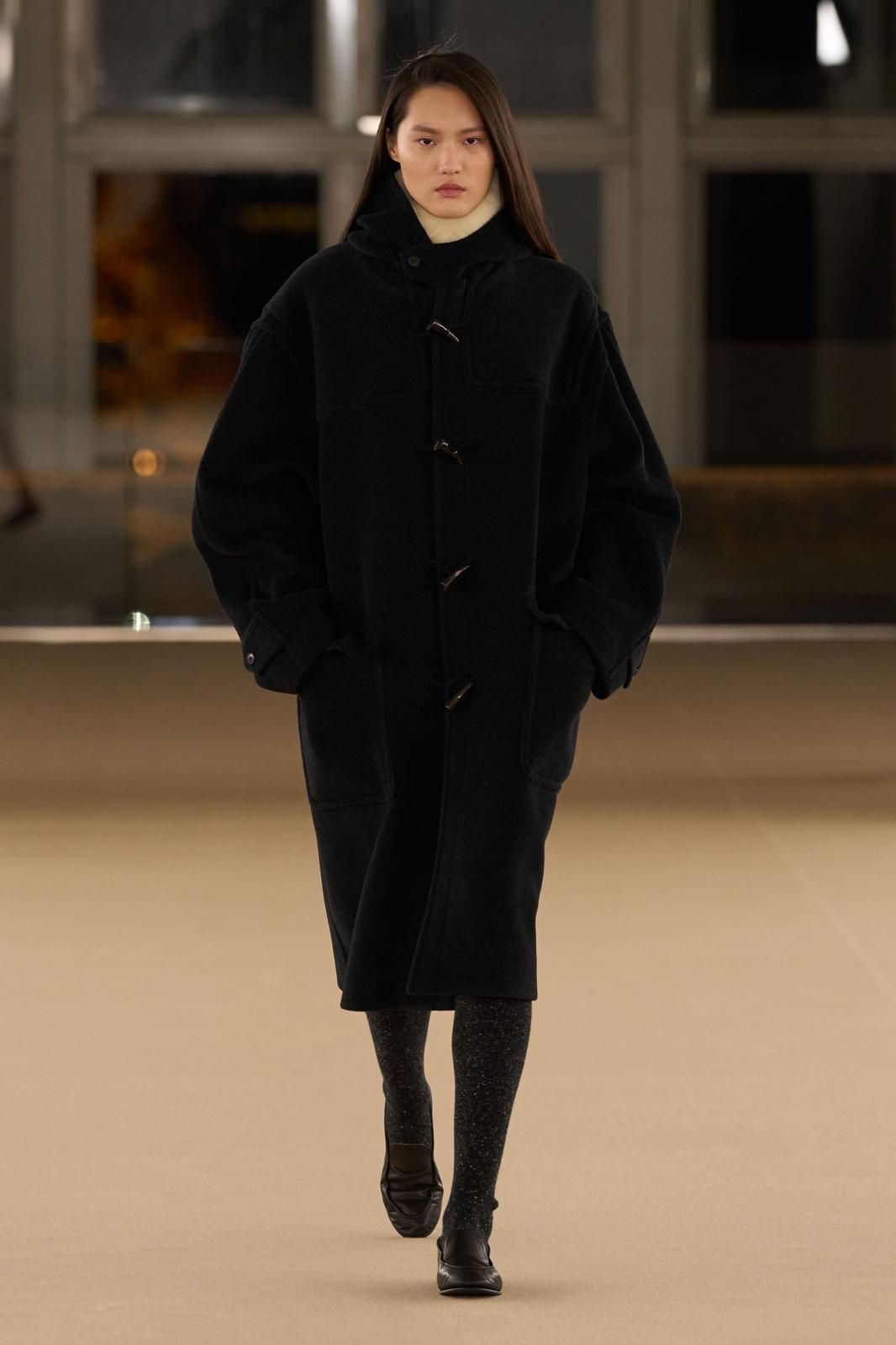
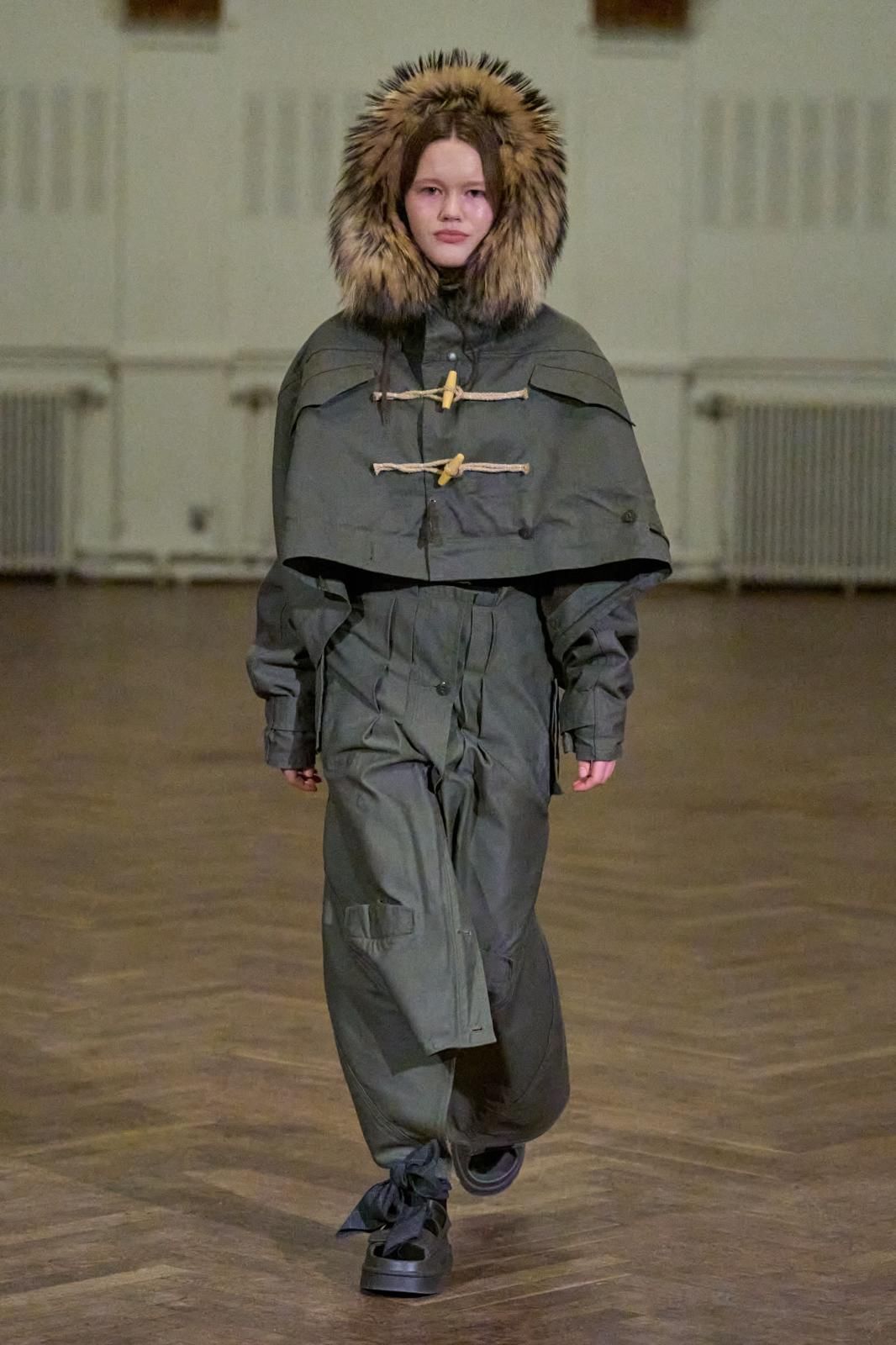
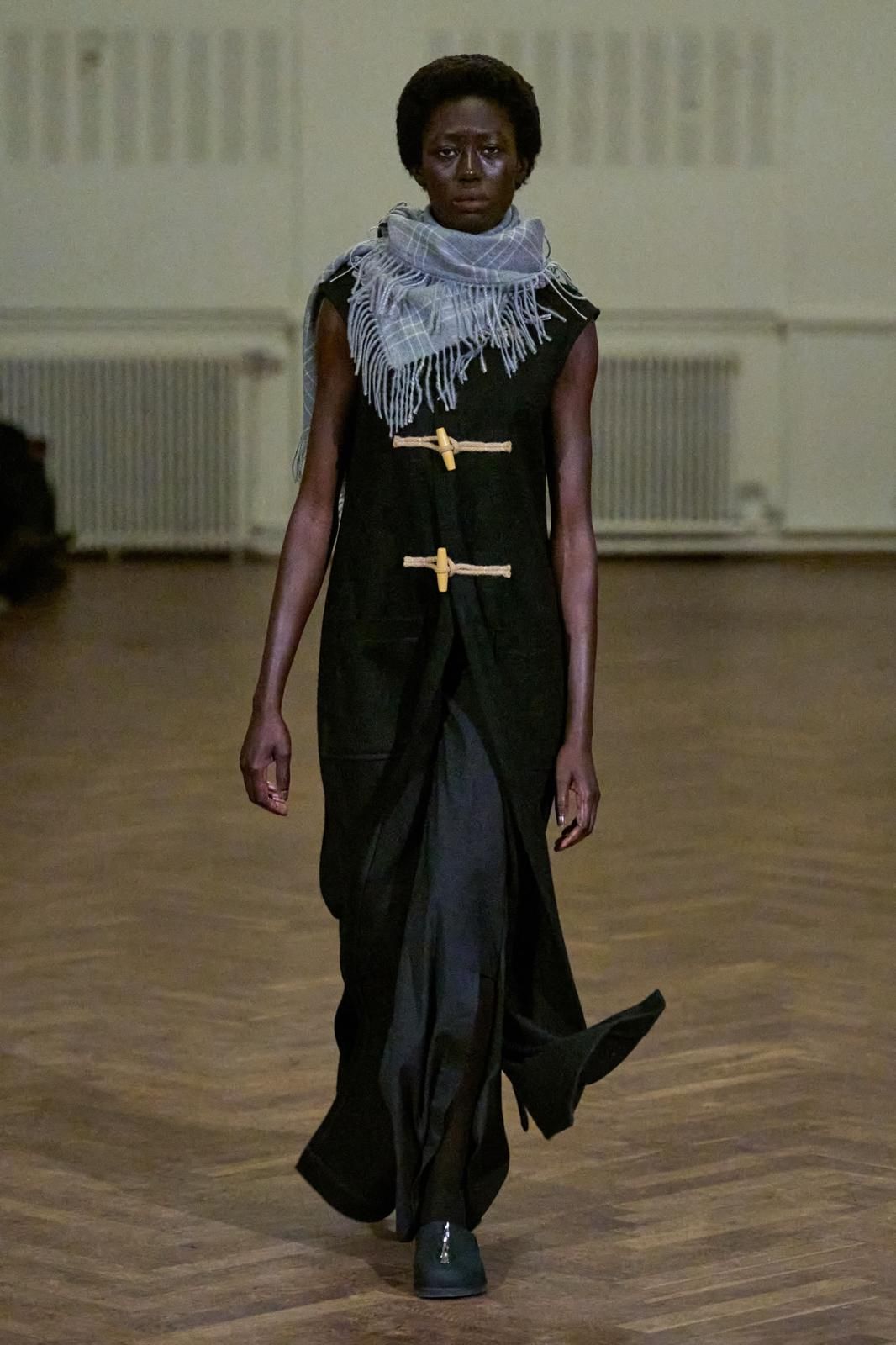
After the summer success of boat shoes and the timeless marinière, it was quite likely that the duffle coat would make a major comeback on the runways of men's fashion week. The sailor's winter uniform has reclaimed a place of honor in the contemporary male wardrobe, being reinterpreted in diverse and interesting ways during the latest European fashion weeks.
The history of the duffle coat
The story of the coat begins in the Belgian town of Duffle, known for producing a type of coarse and very heavy wool. It was the British entrepreneur John Partridge, around the 1850s, who recognized the need for a functional and durable outer garment for the sailors of the British Royal Navy. The first duffle coats were sand-colored, shorter and wider than modern versions and, according to some sources, inspired by early 19th-century Polish redingotes, from which Partridge would have borrowed the distinctive "bucket" hood shape and toggle closure system.
In its new form, the garment was reinforced with a throat closure and using wooden toggles instead of buttons, which could be easily fastened by sailors often wearing heavy wool gloves. It was during the First World War that this coat officially adopted its famous navy blue color to conceal frequent dirt, oil, and grease stains on ships. From there it spread everywhere: in the Anglo-Saxon world it retained the technical name duffle coat.
In the 1950s, the naval uniform became an everyday civilian garment thanks to Harold and Freda Morris, owners of the company Gloves and Overalls, who purchased huge stocks of unsold military surplus duffle coats, refinished them to make them lighter, and replaced the wooden toggles with small ox-horn toggles. During those years the coat became the uniform of French Left Bank intellectuals, university students in England and the United States, while in the early Seventies it began to be worn by some leaders of the Black Panther movement.
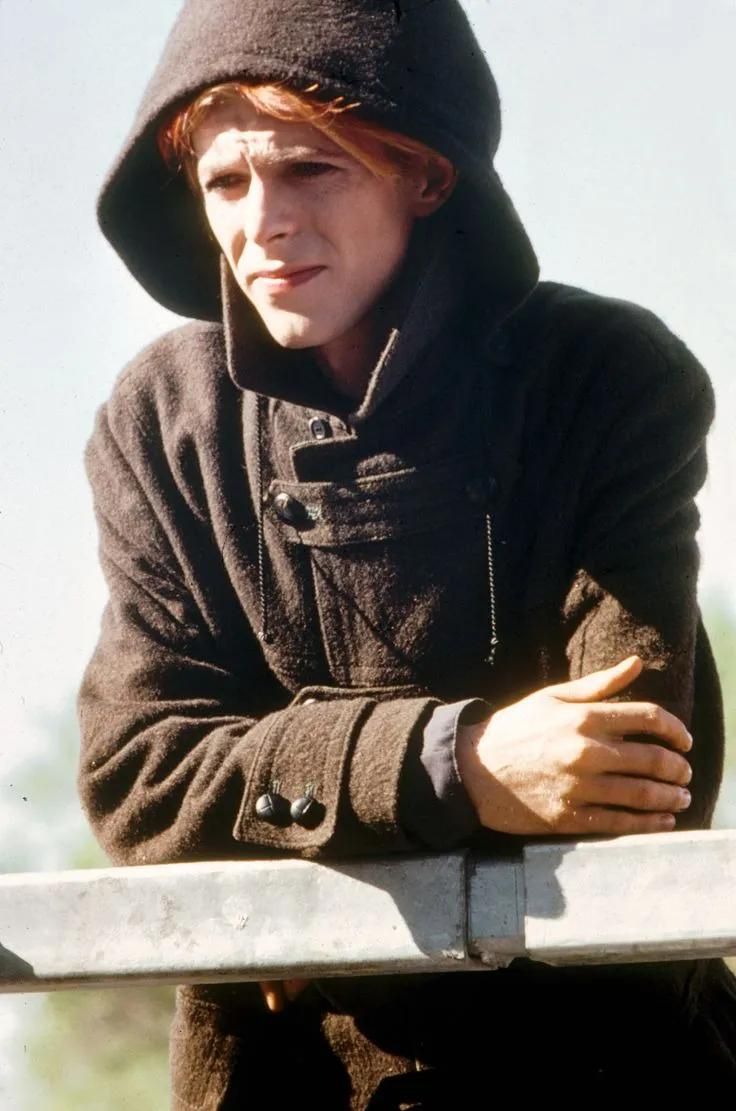
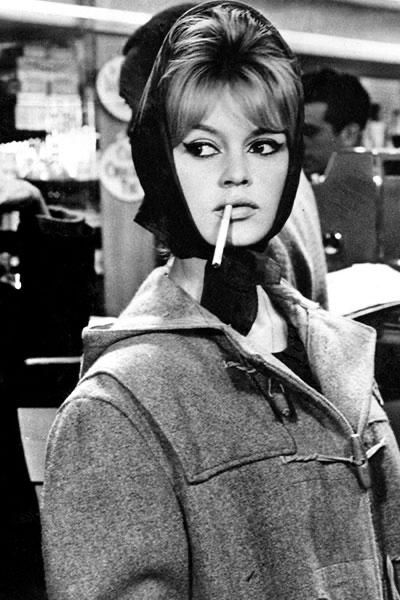
The fame of this piece is also due, above all, to the big screen: Brigitte Bardot wore one on the set of the film La Verità (1960), David Bowie wore it in The Man Who Fell to Earth (1976), in Dead Poets Society (1989) it is the uniform of the students of the Dead Poets Society while more recently the duffle coat has become the distinctive trait of Paddington (2014), the most famous bear in cinema. Even Paul McCartney was often photographed in this coat, helping to spread it among the young of the British "Youthquake", the Oasis even turned it into their uniform on the cover of the single Roll With It and in 2012 Taylor Swift, during her “Red Era”, made her burgundy duffle coat the signature look of the “girl next door”.
The duffle coat in recent fashion
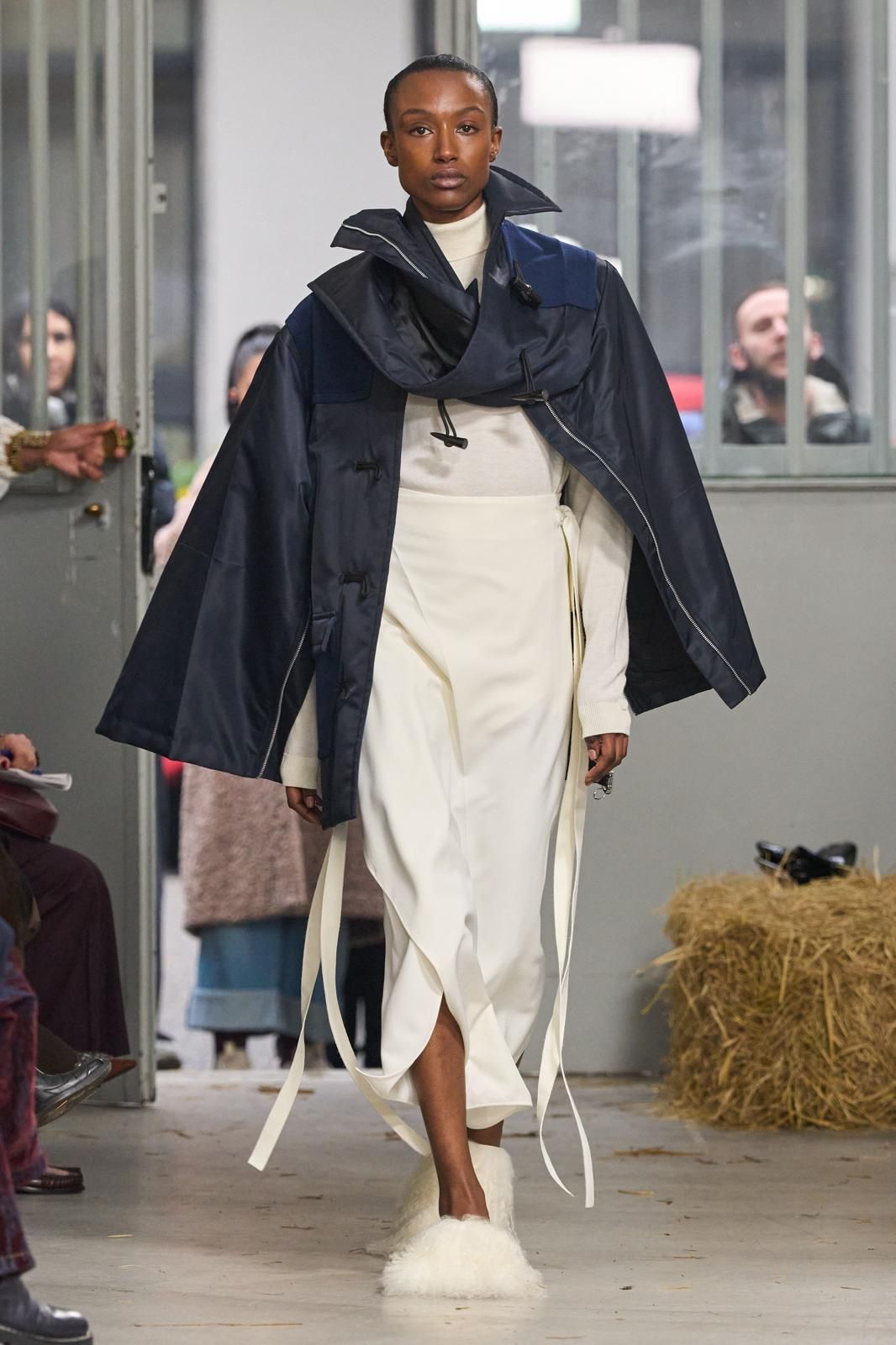
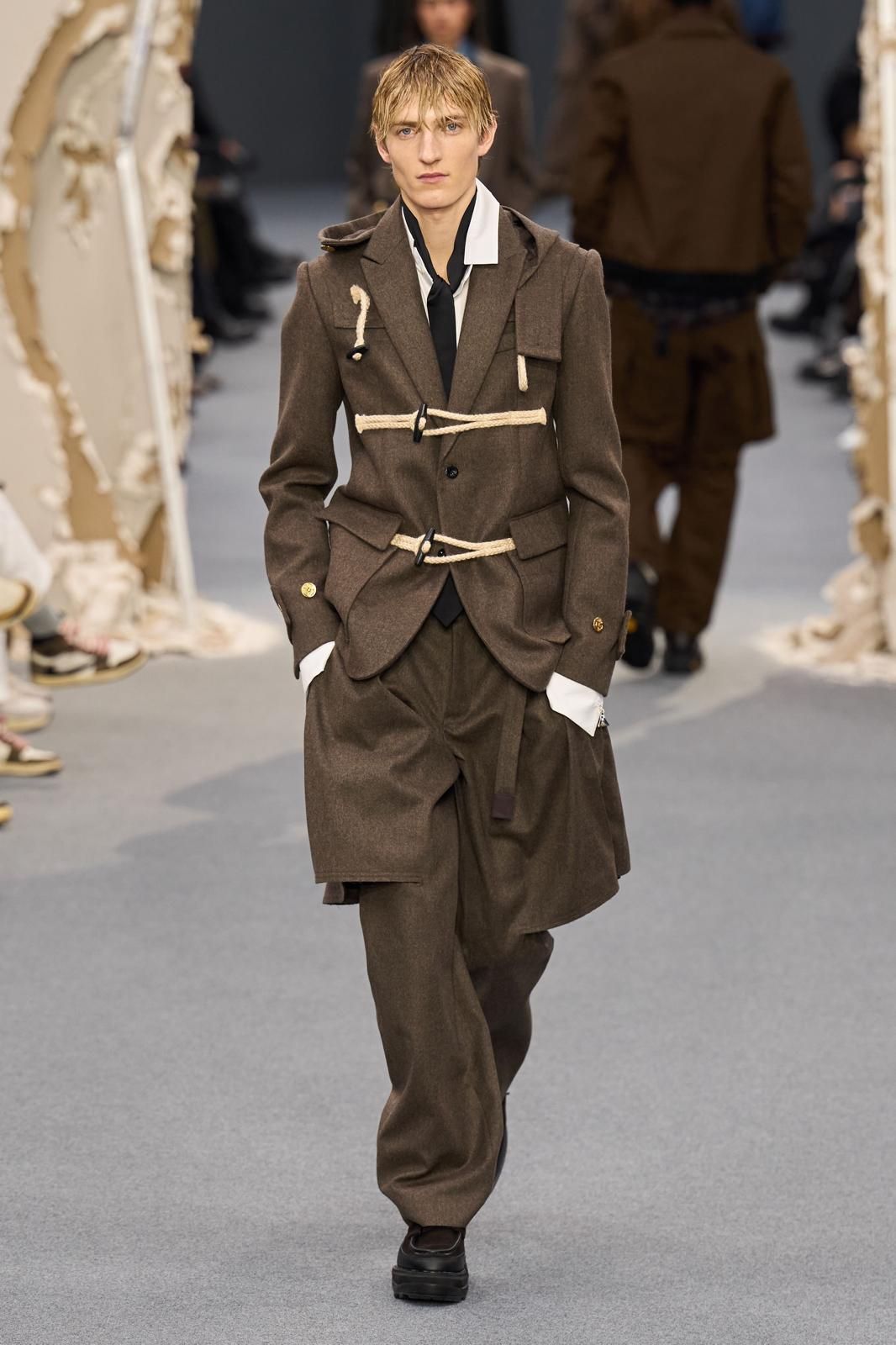
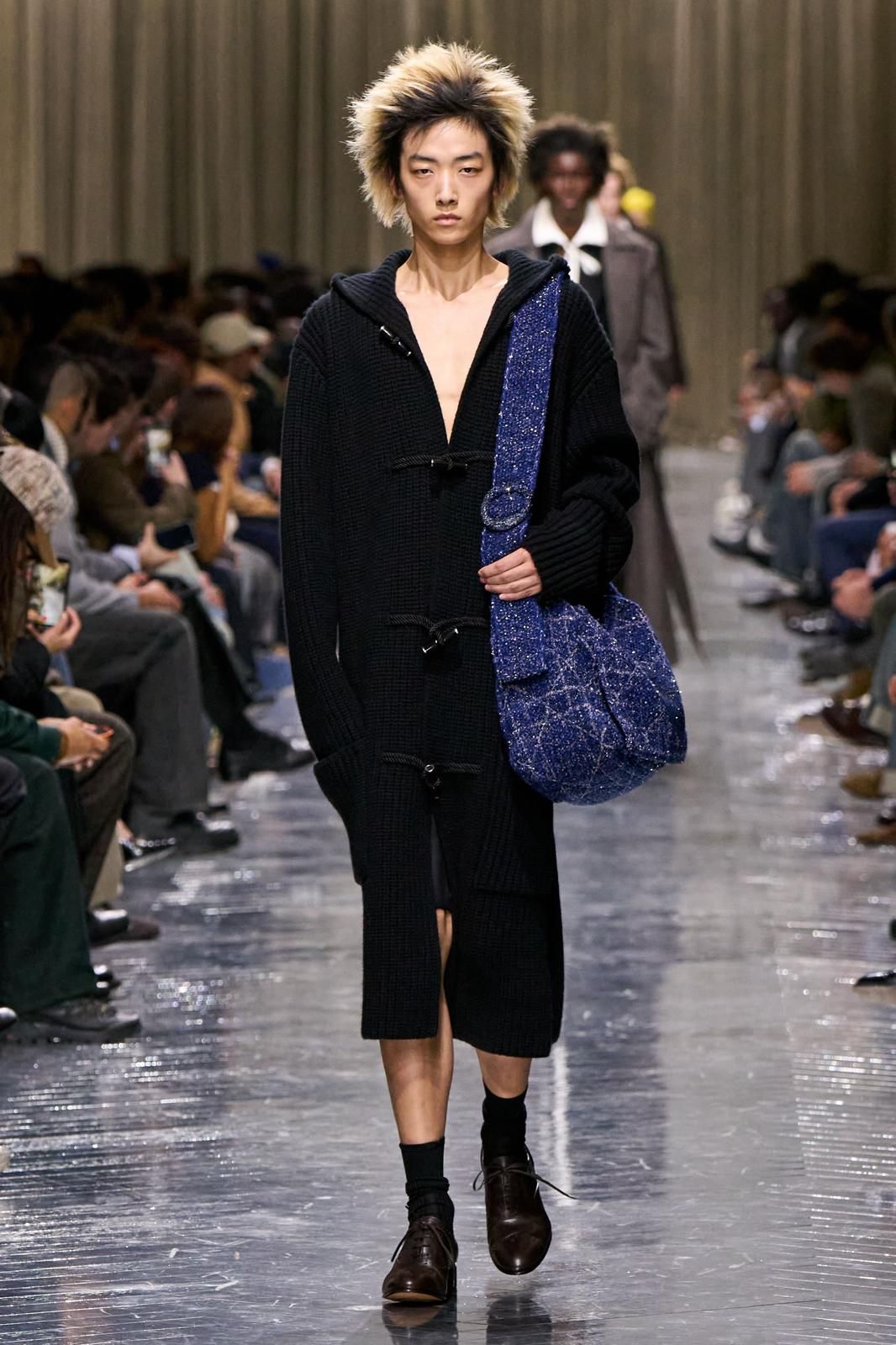
At Paris Fashion Week, the duffle coat re-emerged in several auteur interpretations. Magliano turned it almost into armor, while Jonathan Anderson at Dior Homme proposes, for his “young punk aristocrats”, a wool version almost like an oversized crochet sweater, and Anne Sofie Madsen created one that is a long sleeveless version and another hybrid that mixes the classic duffle coat with a parka, completed by a storm cape. At Setchu a deconstructed cape with toggles appeared, while at Sacai a blazer decorated with the typical toggle closure and the classic duffle coat hood stood out.
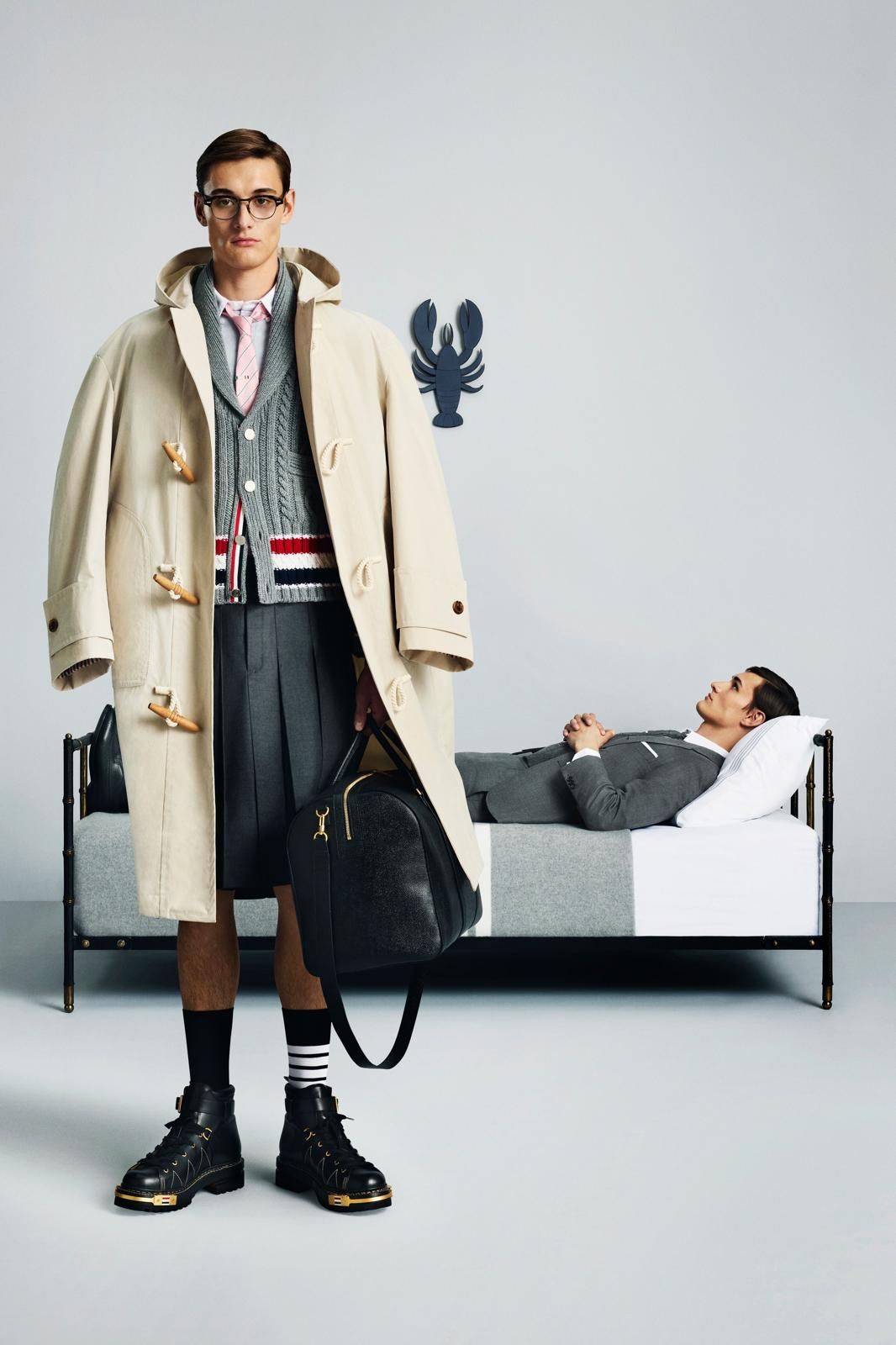
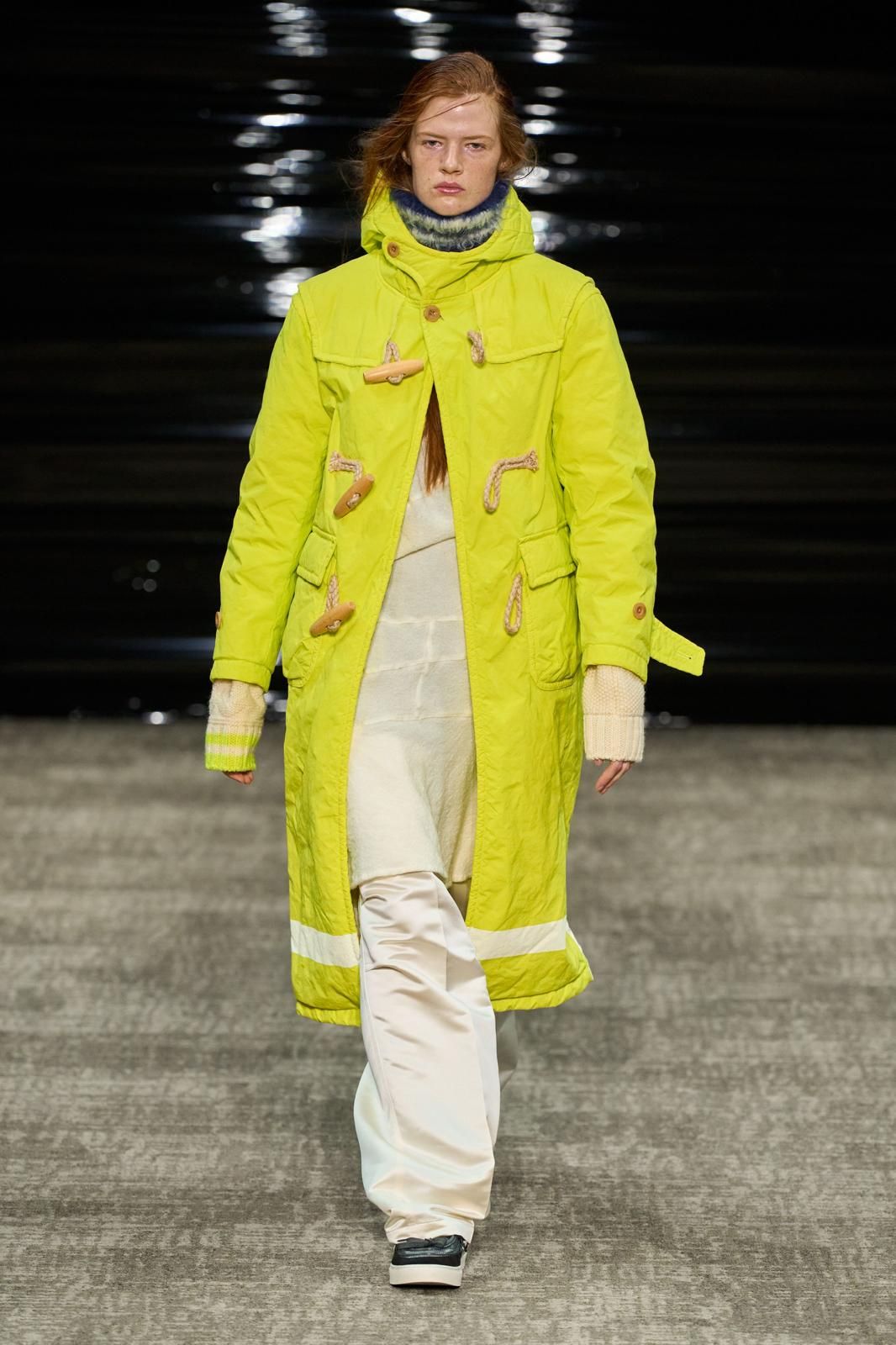
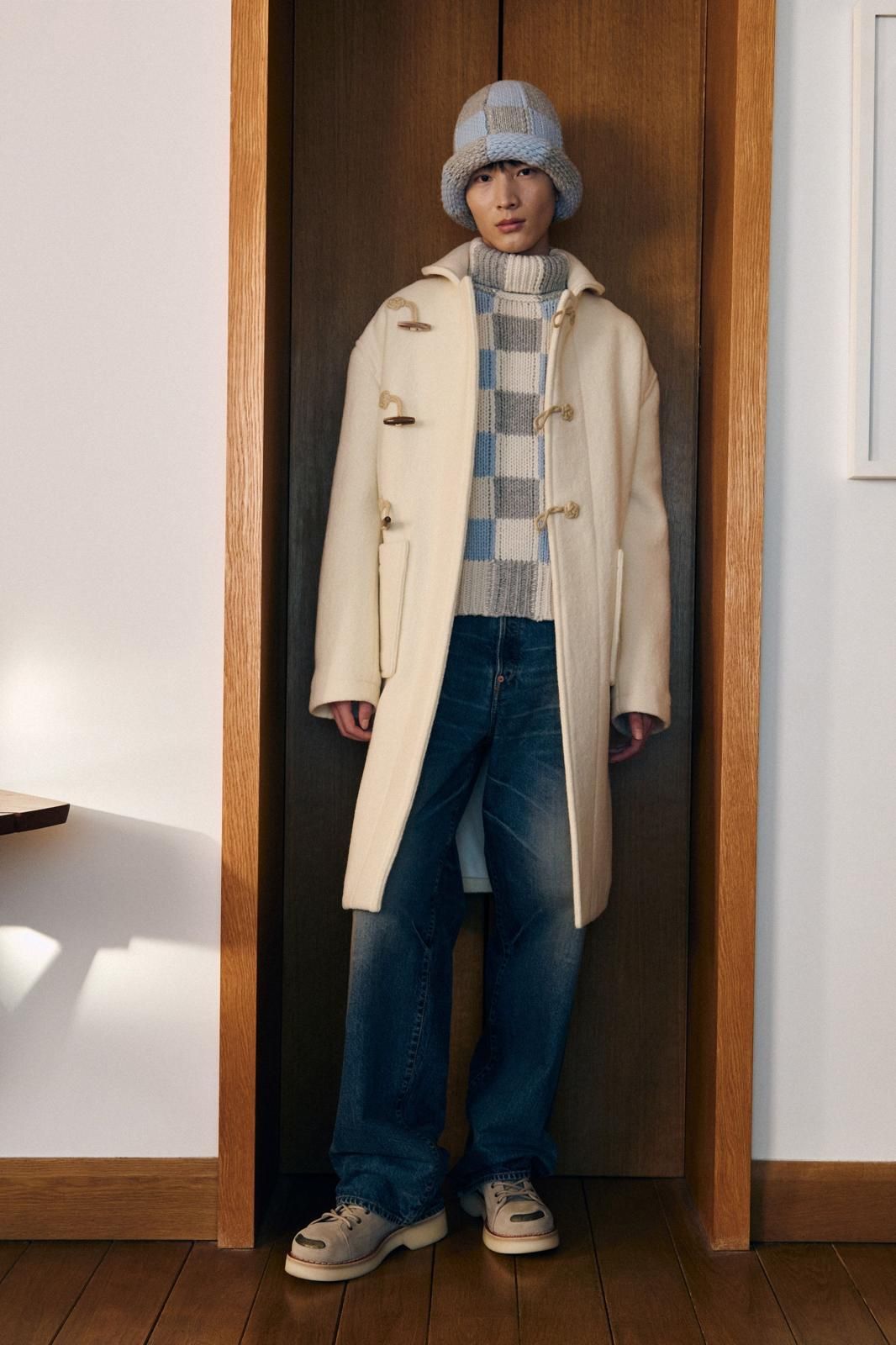
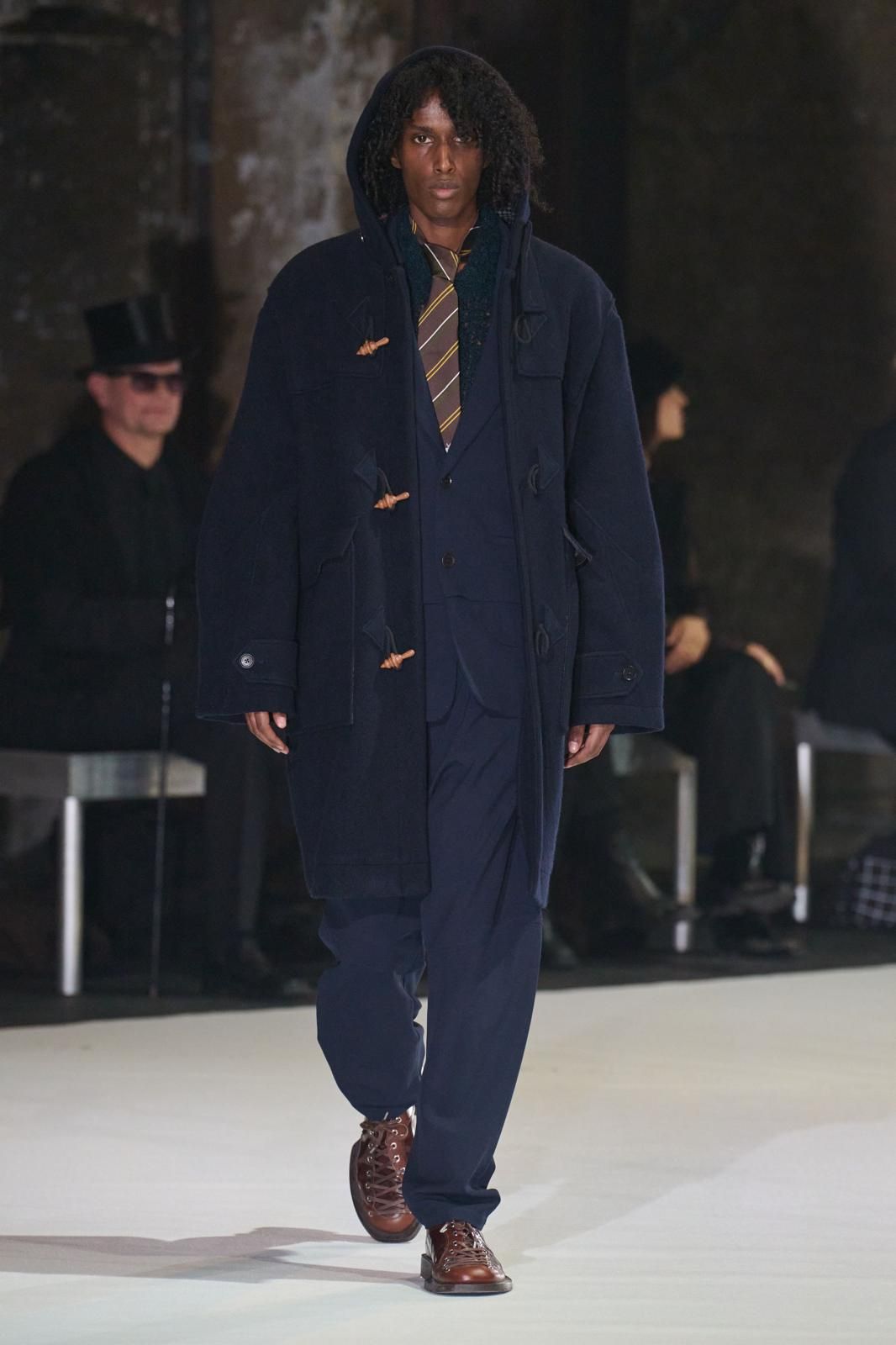
In some cases the duffle coat retains its preppy attitude: Kenzo pairs it with a checkered sweater, while in Thom Browne's FW26 we find the coat in gabardine in the color of the classic English trench, worn over a cable-knit cardigan and a pleated skirt. Still preppy, Auralee proposed one with an 80s silhouette, while at Officine Générale, Pierre Mahéo remade it in grey herringbone. Still in this vein, Henrik Vibskov signs one in classic navy blue, while at Maison Mihara Yasuhiro we find double-breasted “cropped” duffle coats that, with their short cut, recall the caban. Instead, Kolor presented long padded versions with a white stripe at the bottom, almost reminiscent of the reflective bands applied to firefighters' jackets.
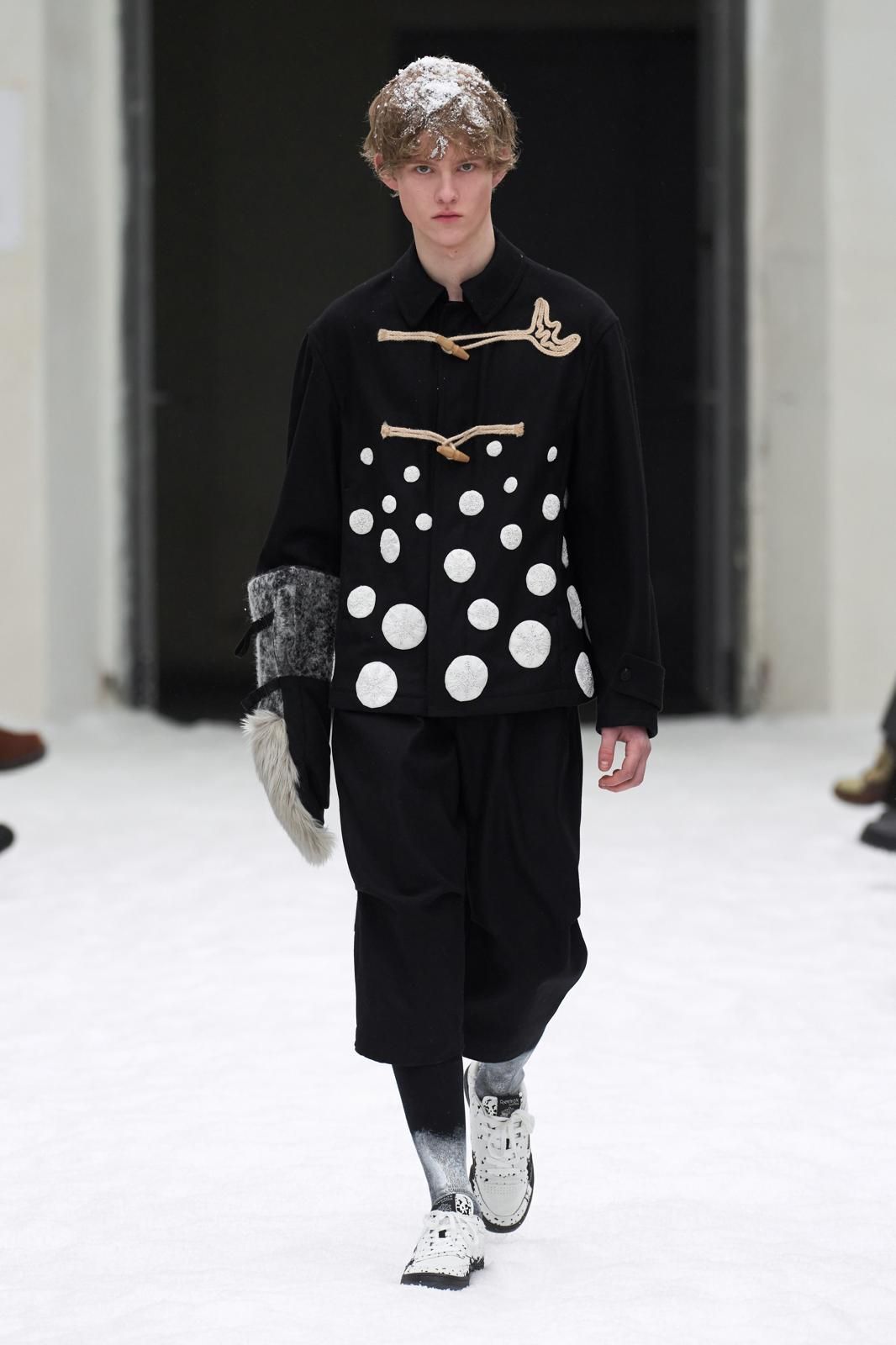
Outside the fashion capitals, Ranra presented duffle-parka hybrids with soft eco-fur collars emerging during the recent Copenhagen Fashion Week; at Pitti Immagine, Shinya Kozuka created one with raised snowflake applications. The aesthetic of the show in question is pushed to the extreme even in the beauty look, where disheveled hair and flushed faces evoke the feeling of someone who, like sailors, has just survived a storm.