
























Mathieu Blazy's birds of paradise for Chanel's SS26 Haute Couture collection A debut that was a true triumph of lightness and complexity
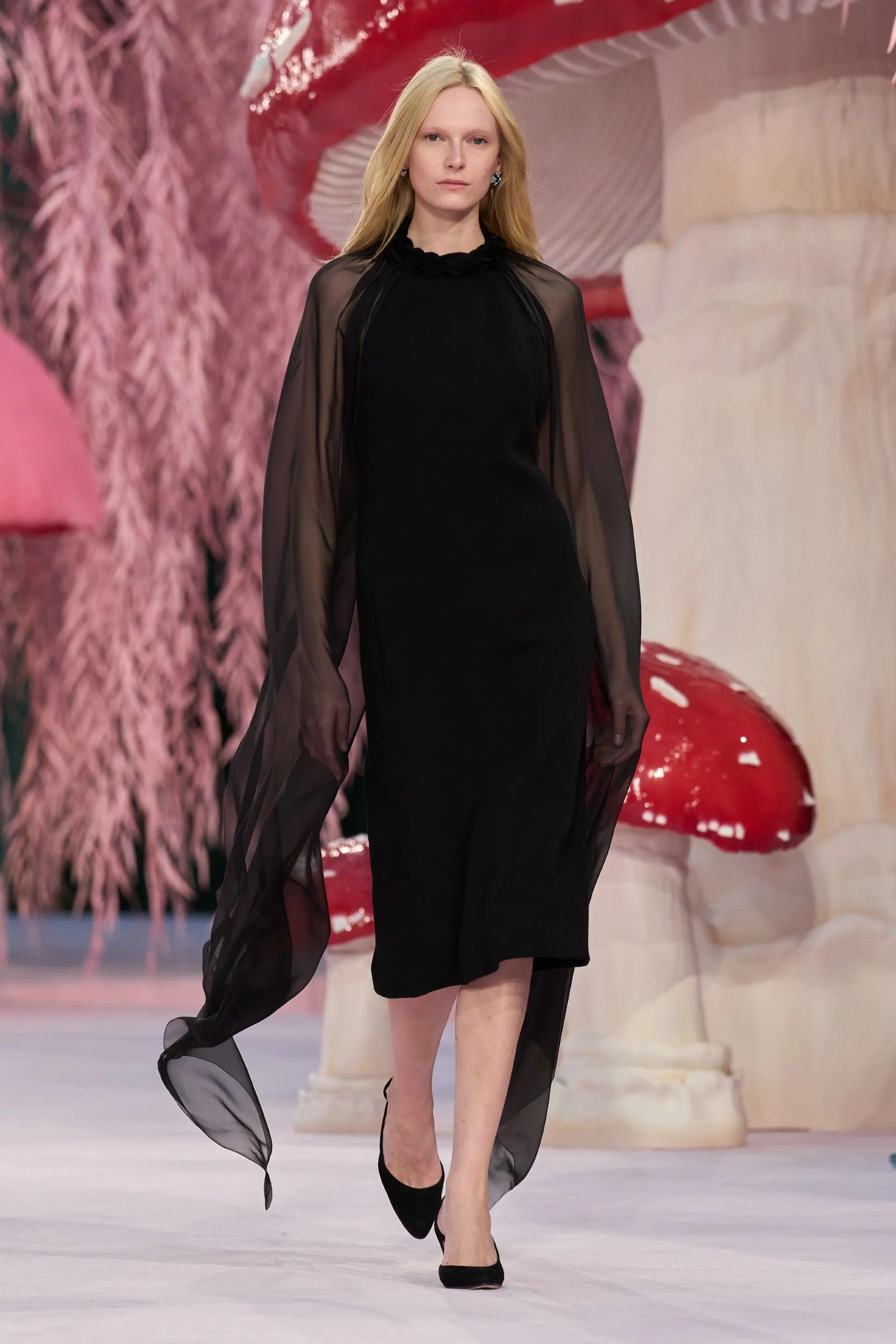
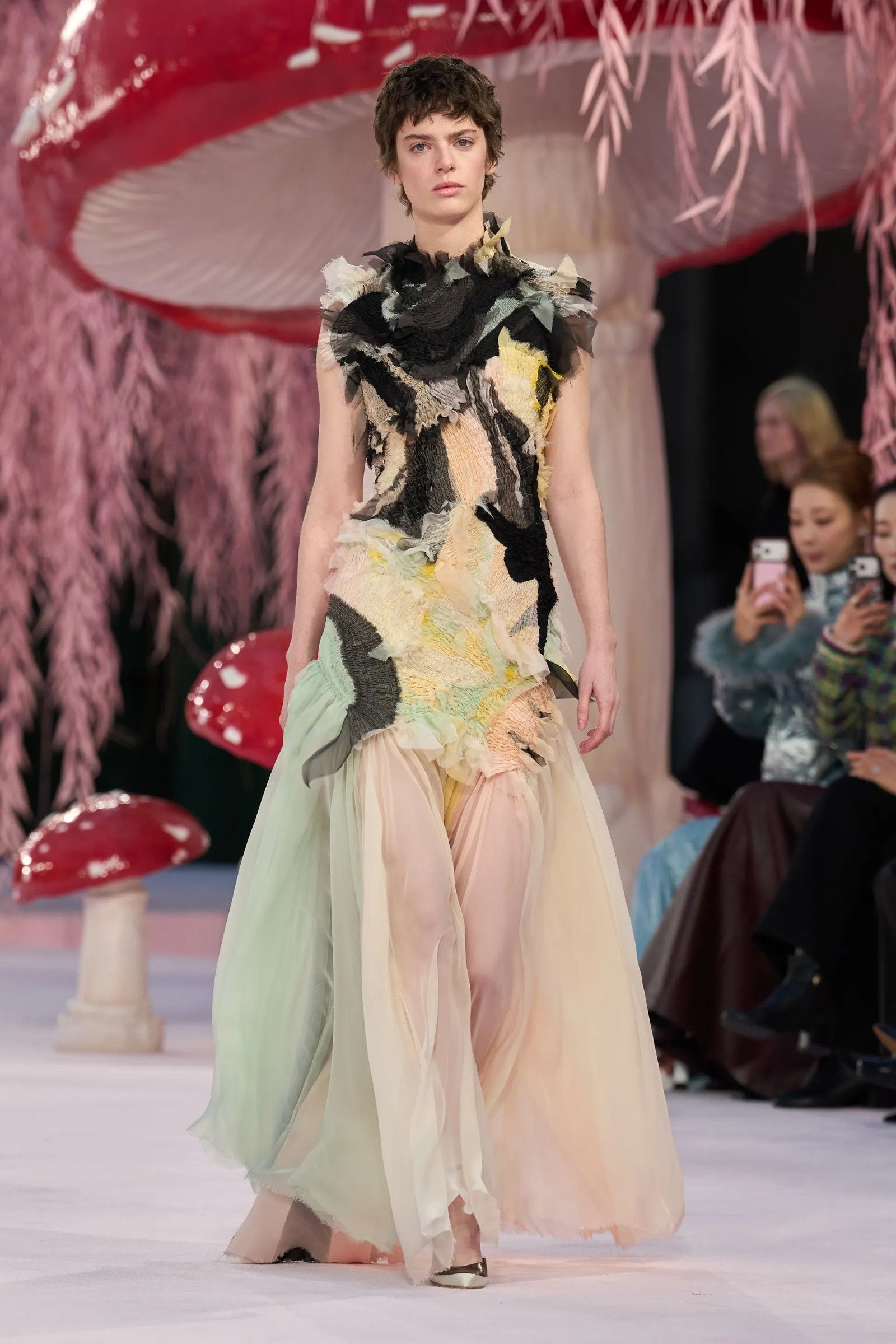
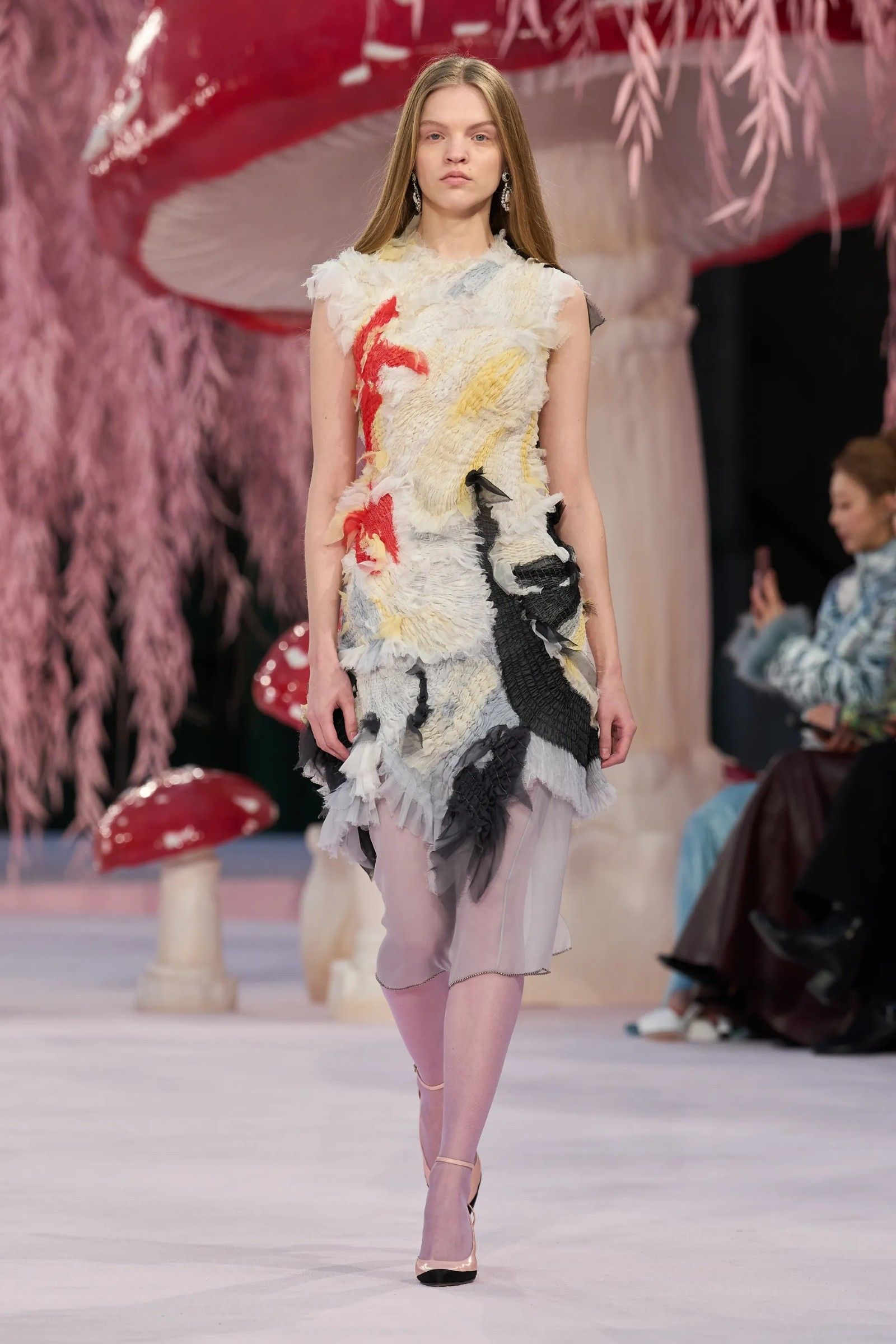
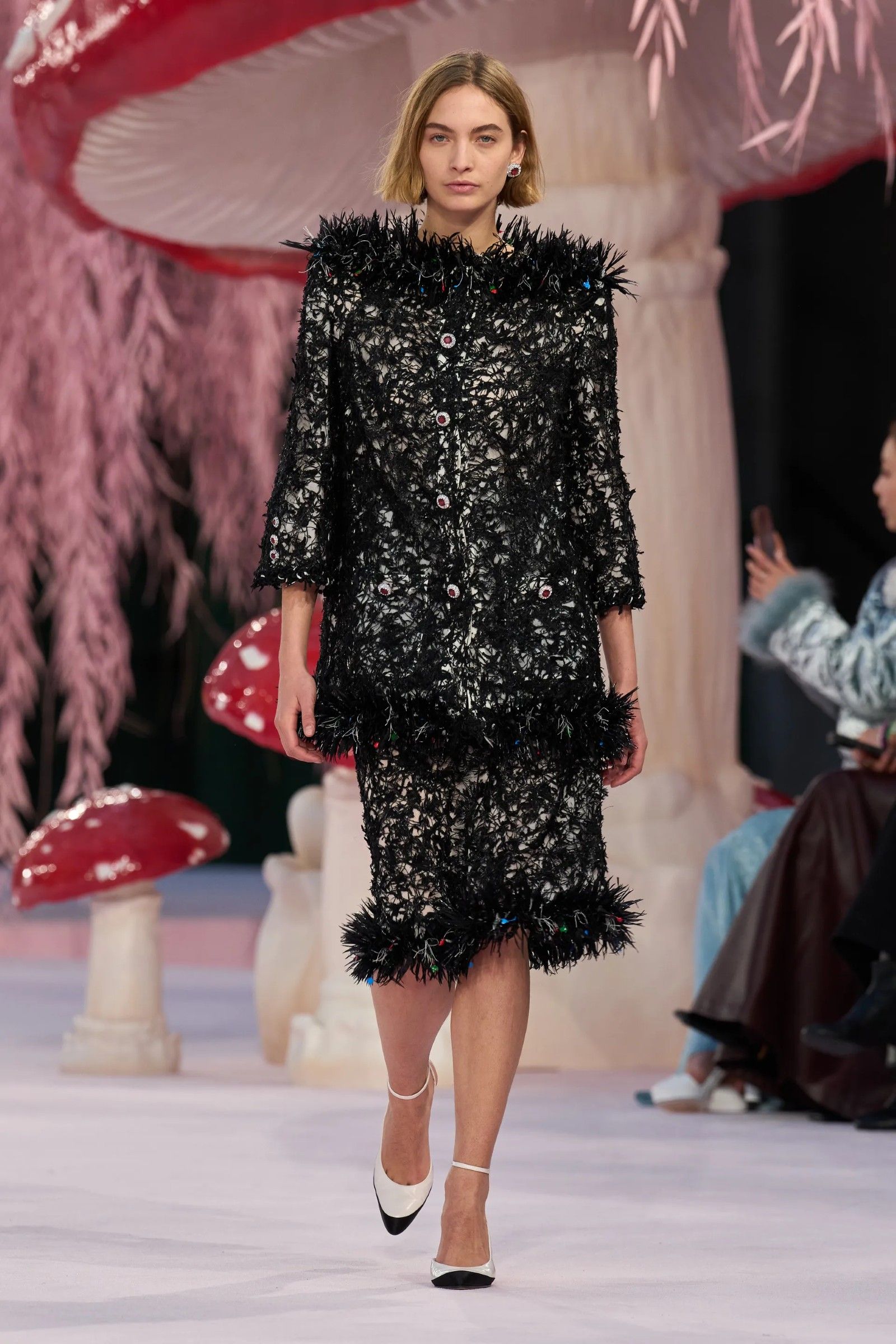
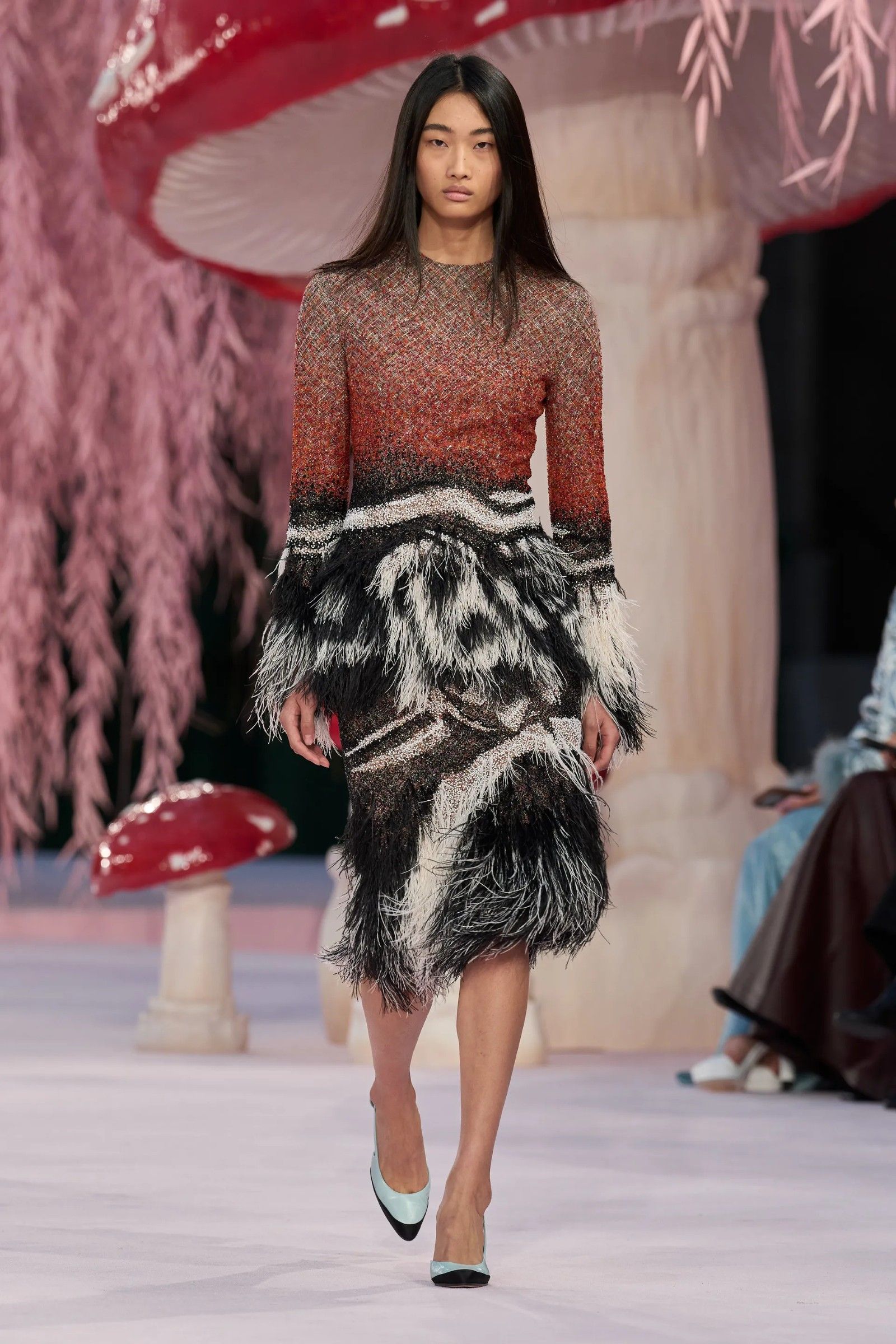
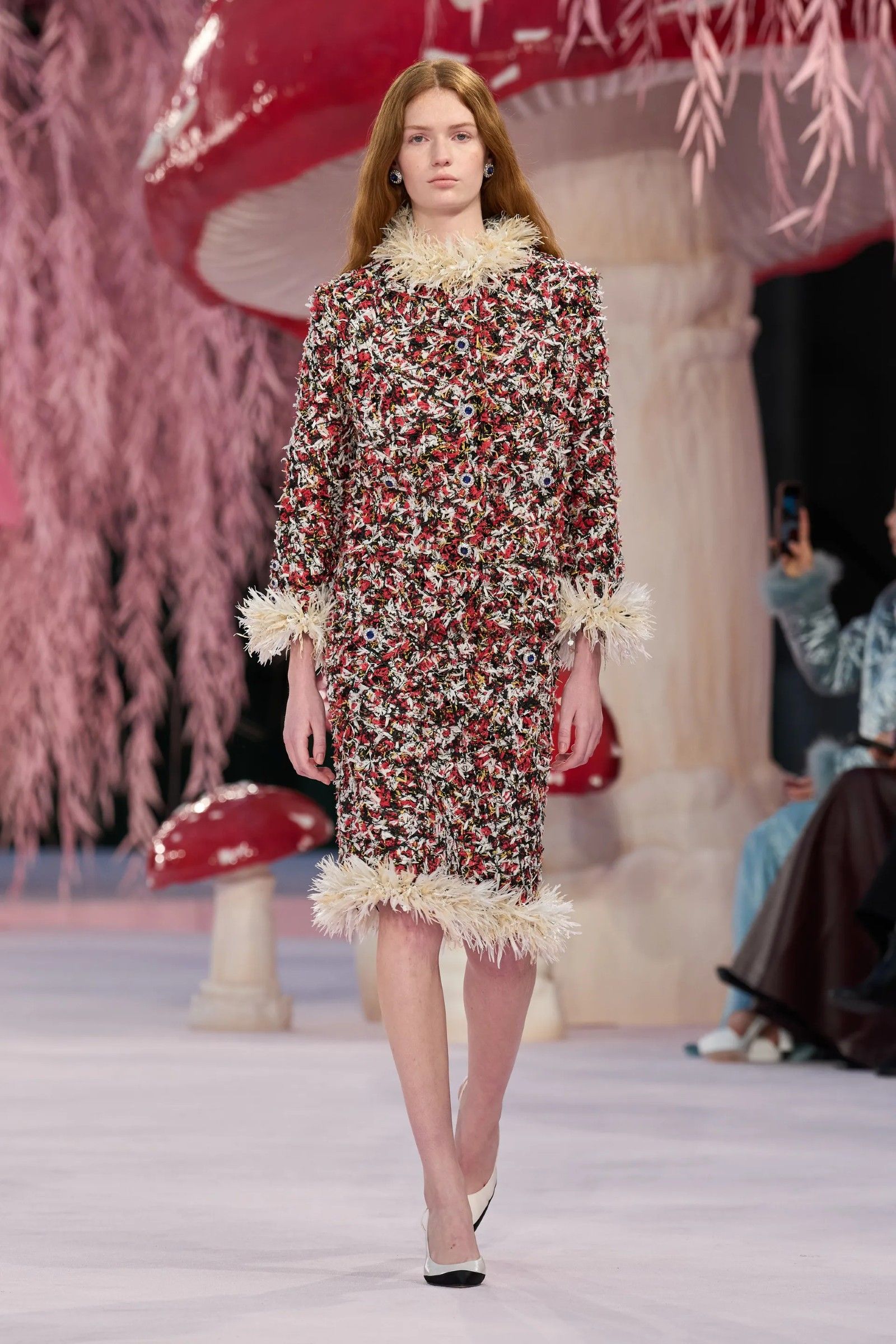
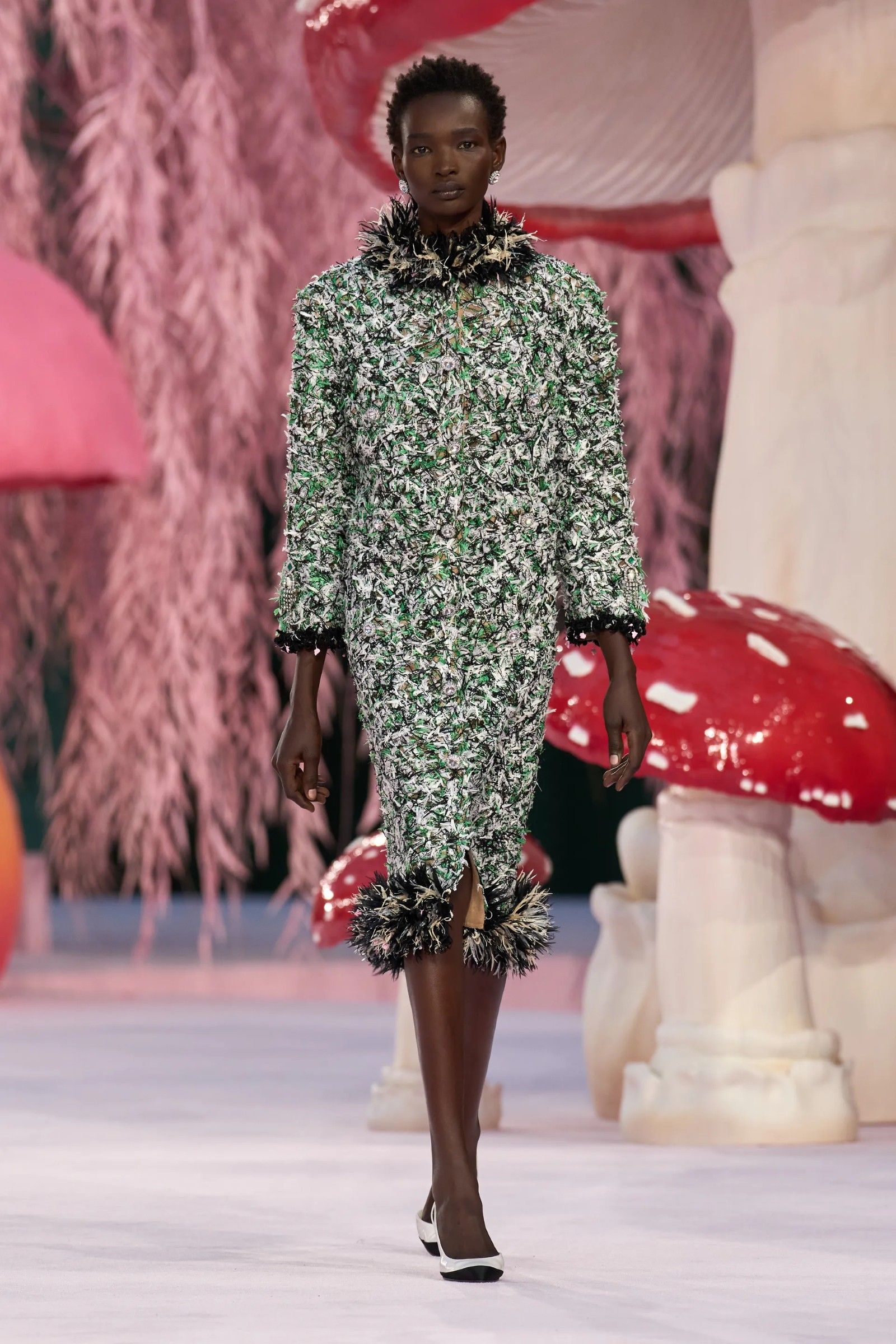
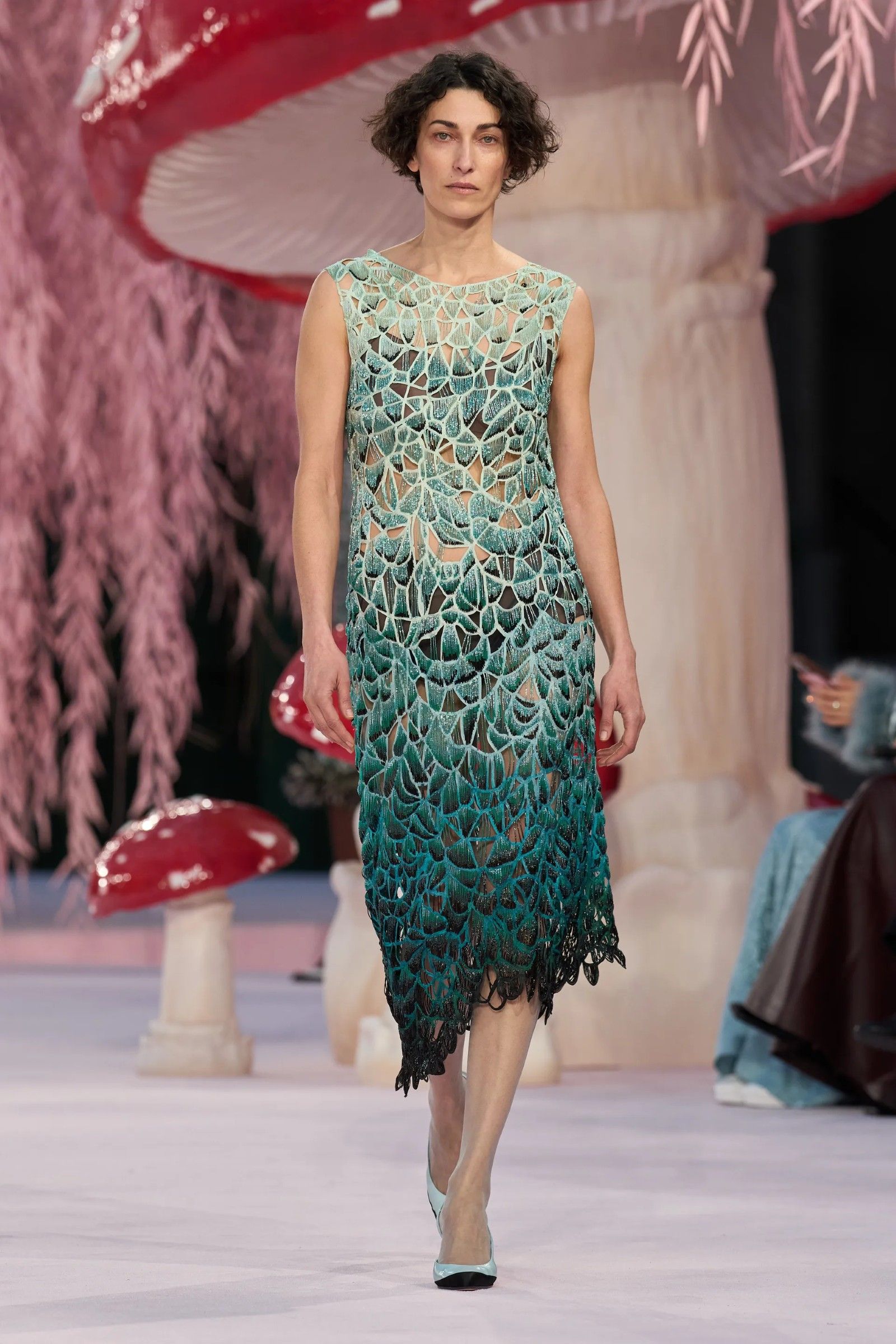
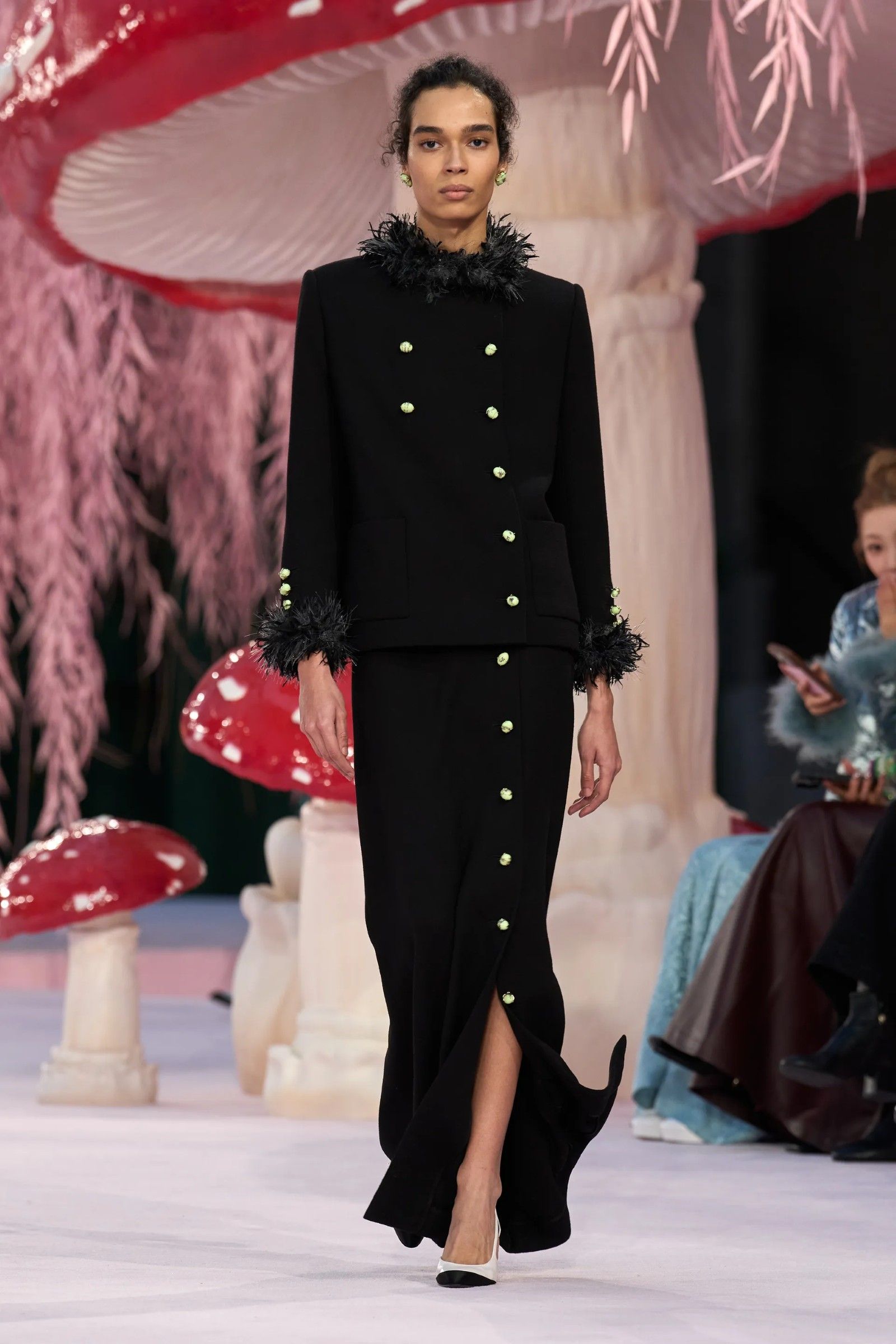
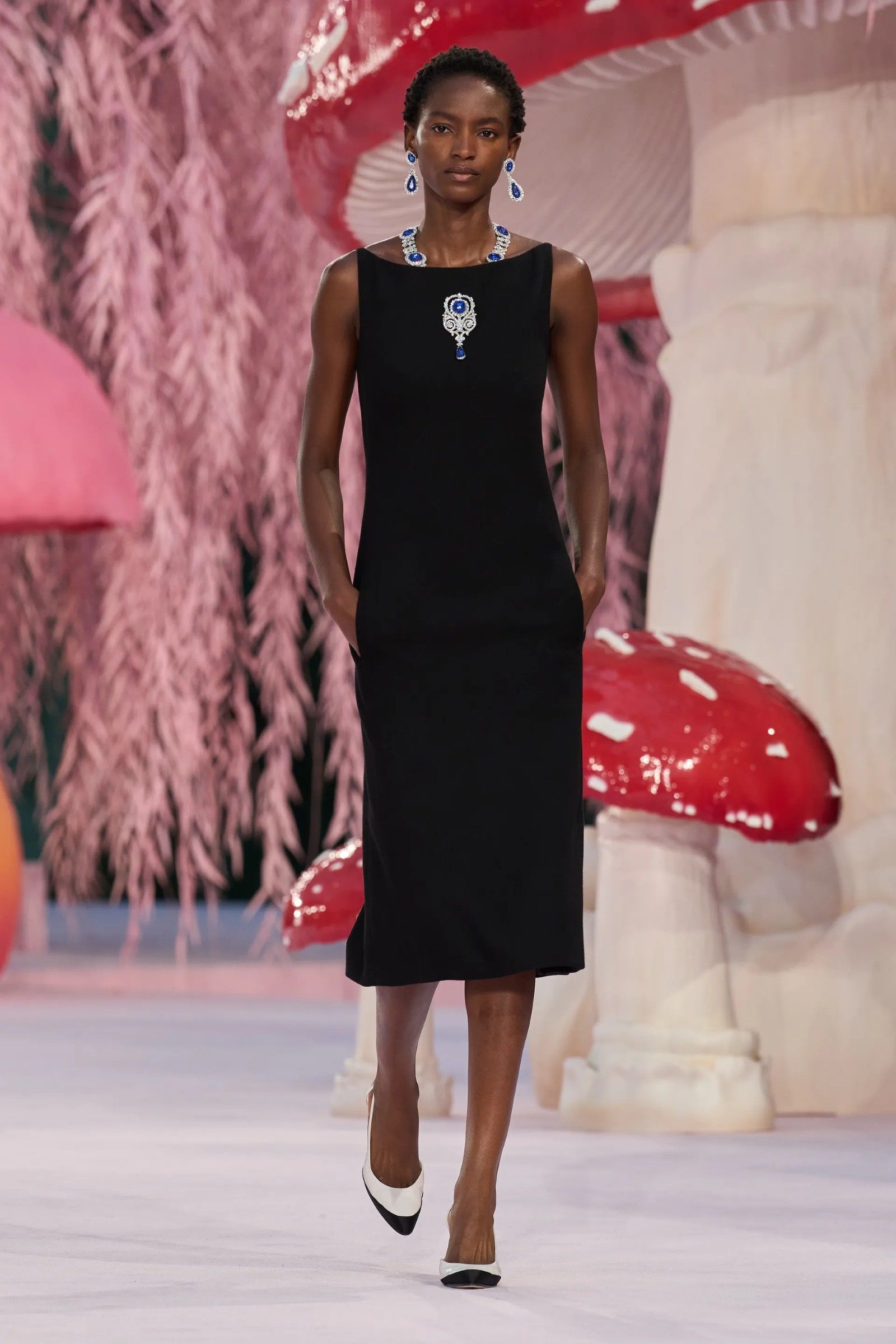
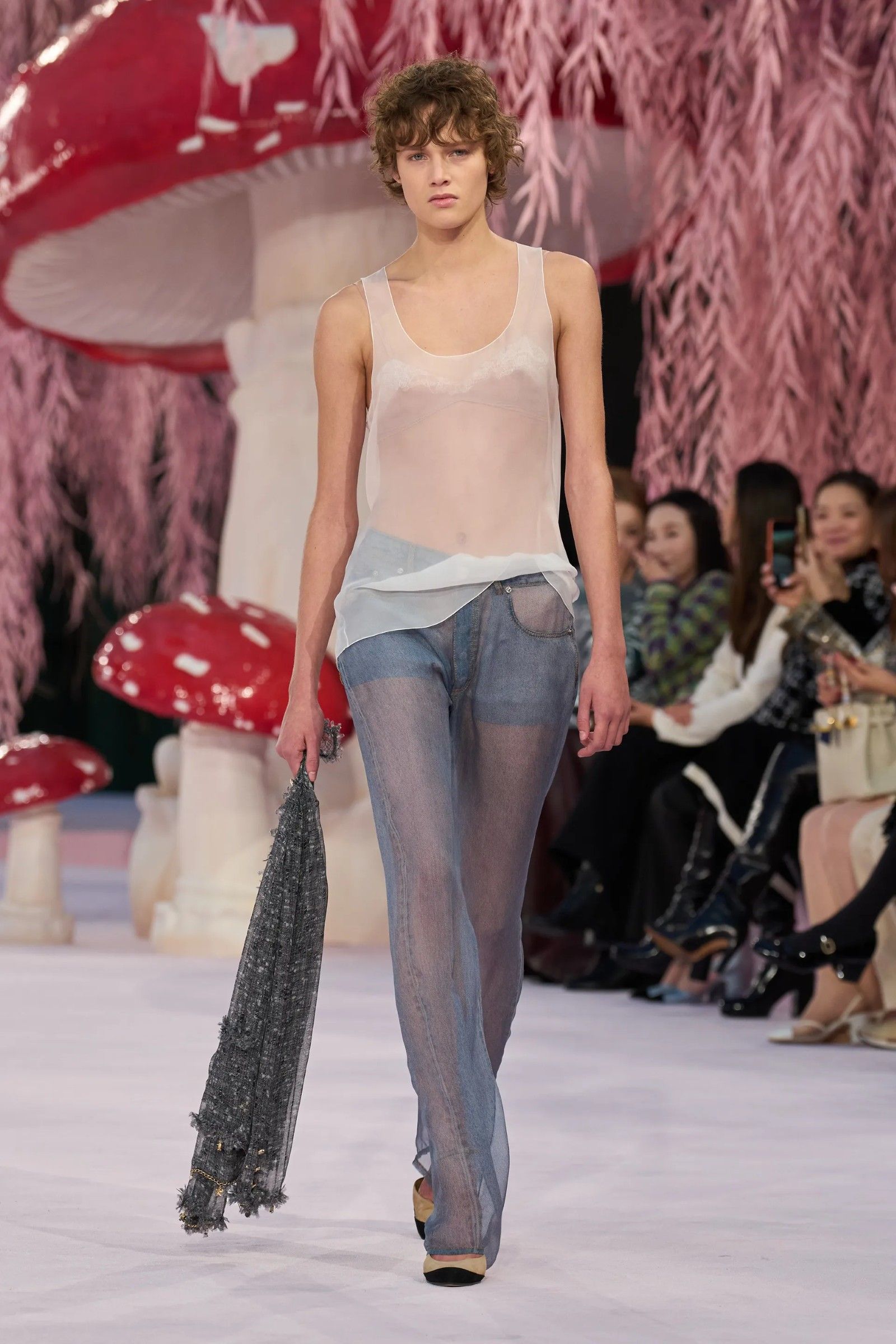
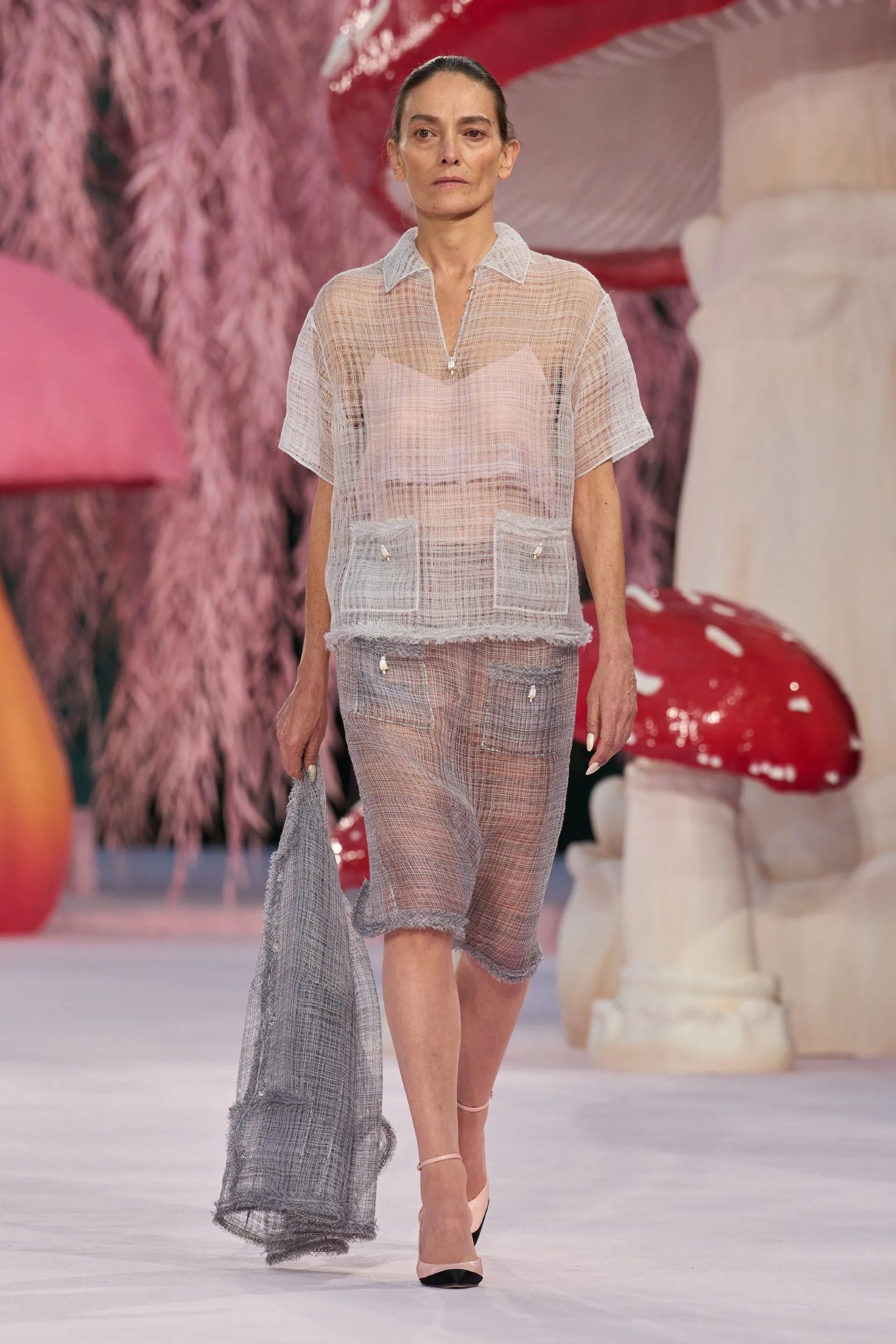
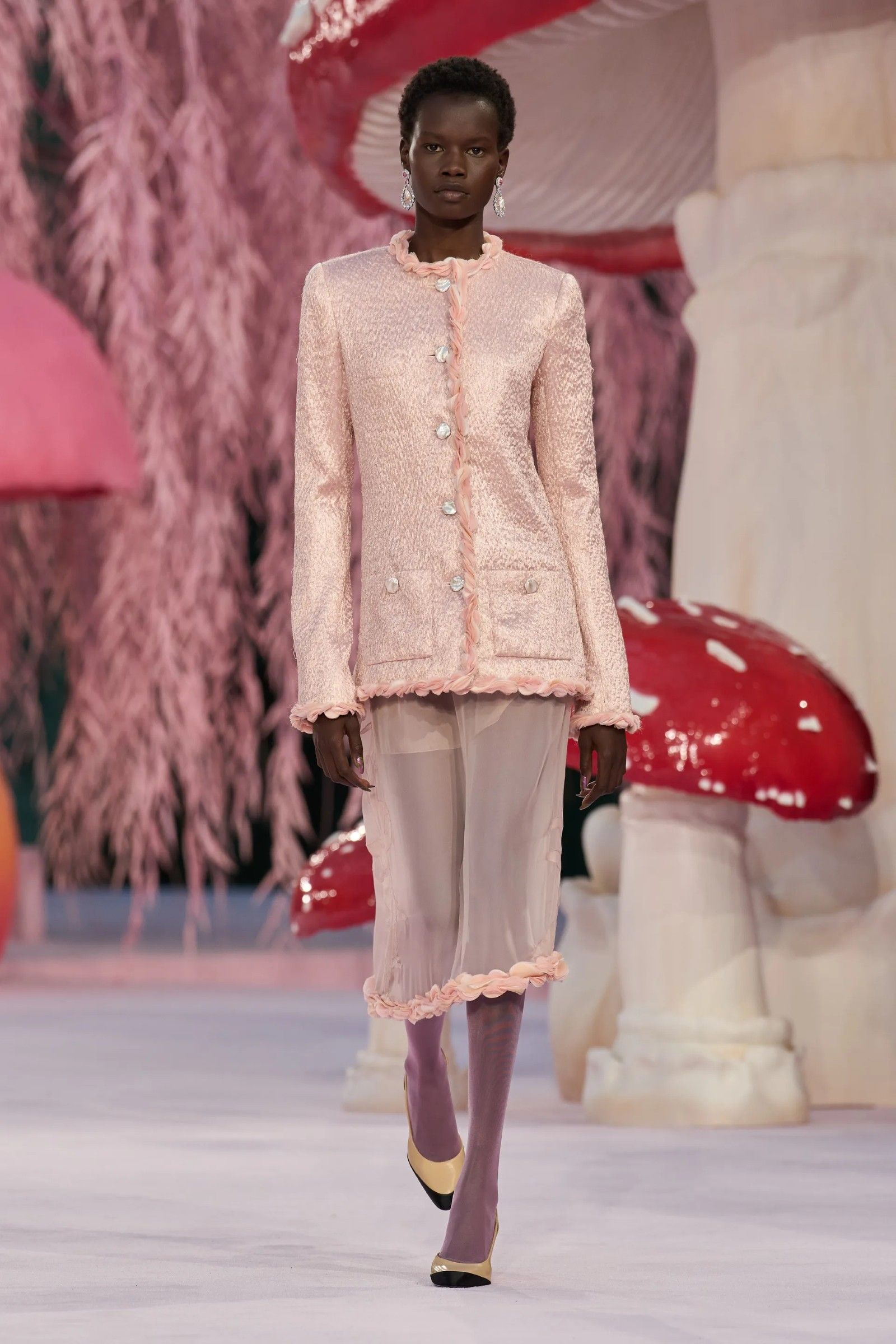
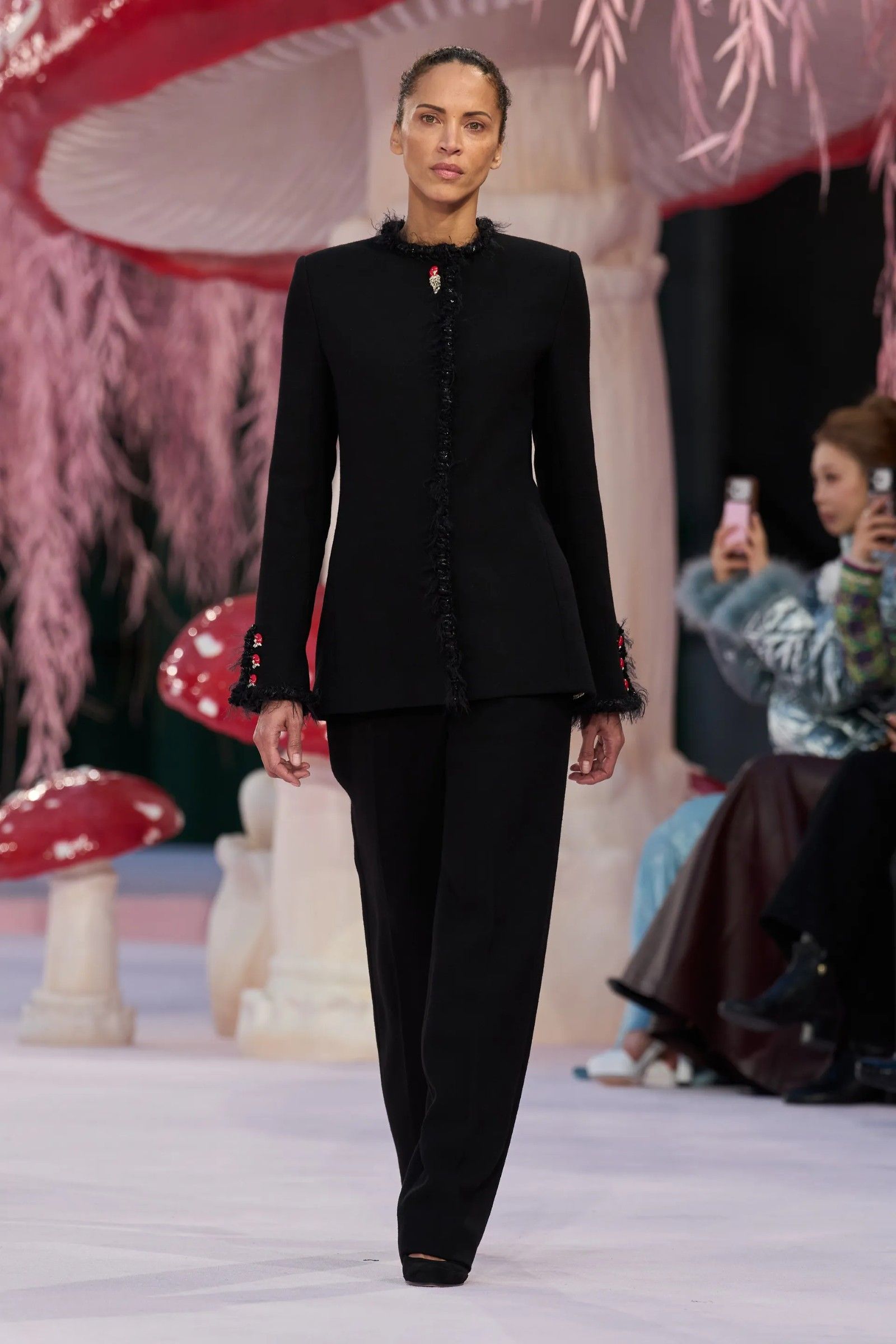
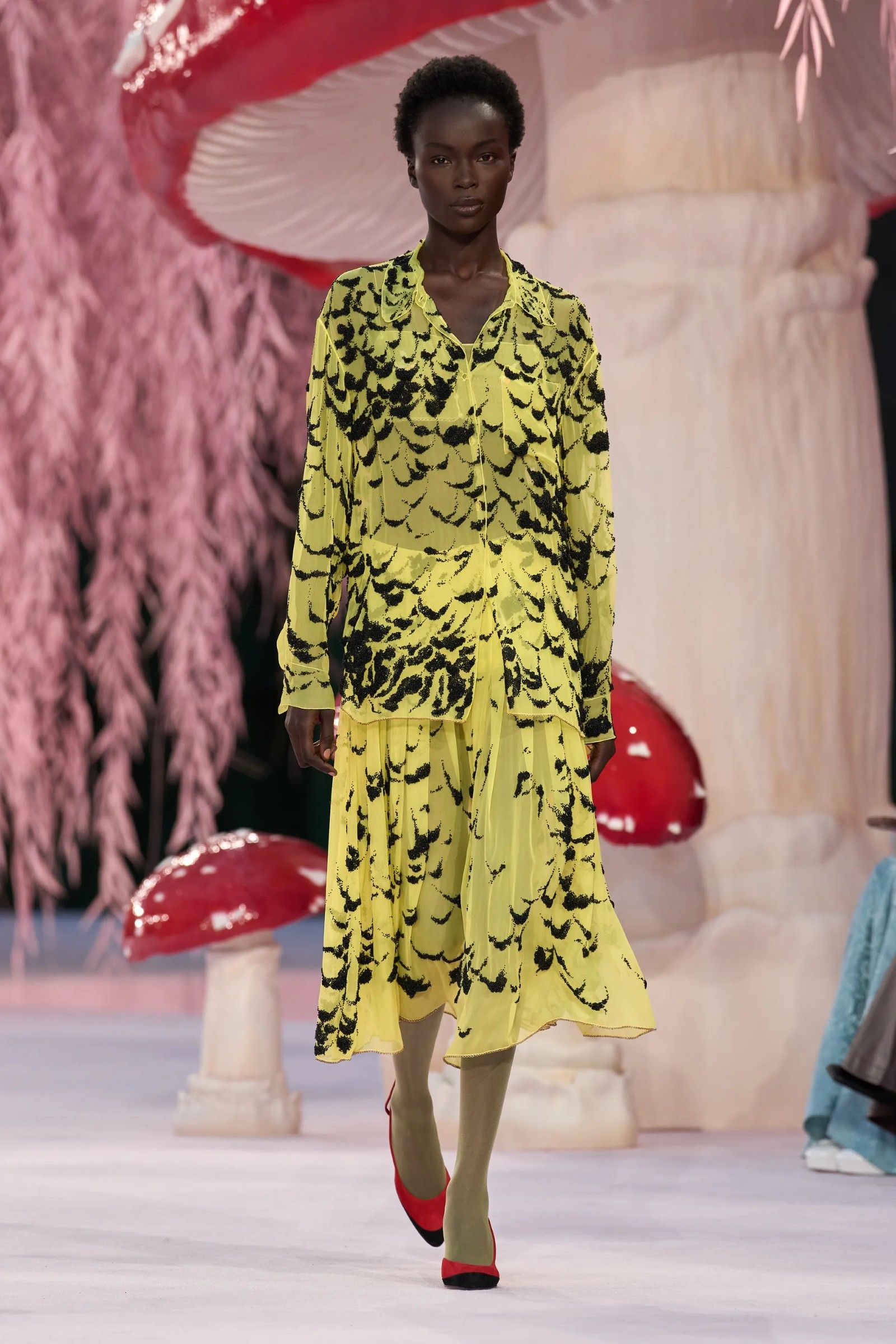
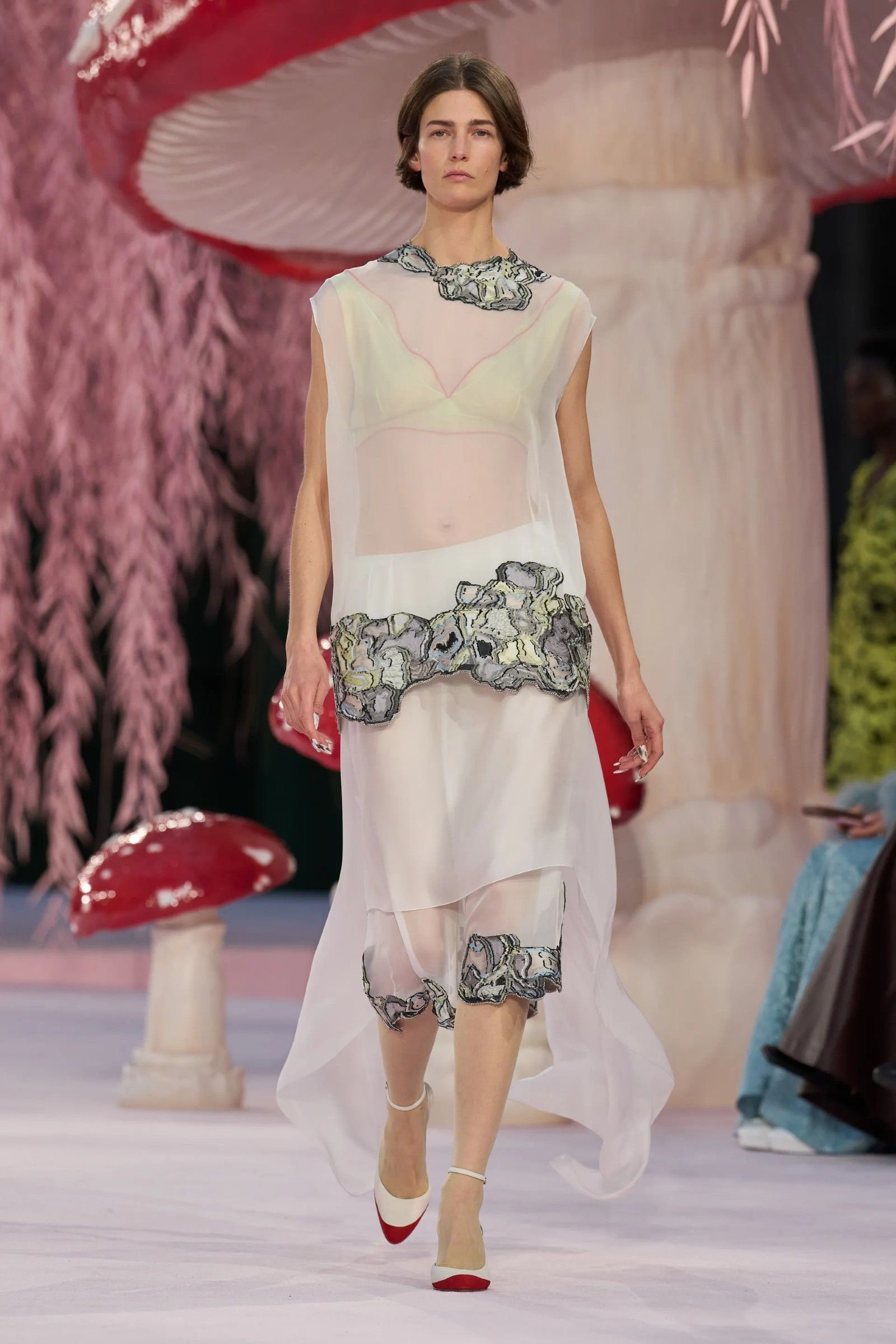
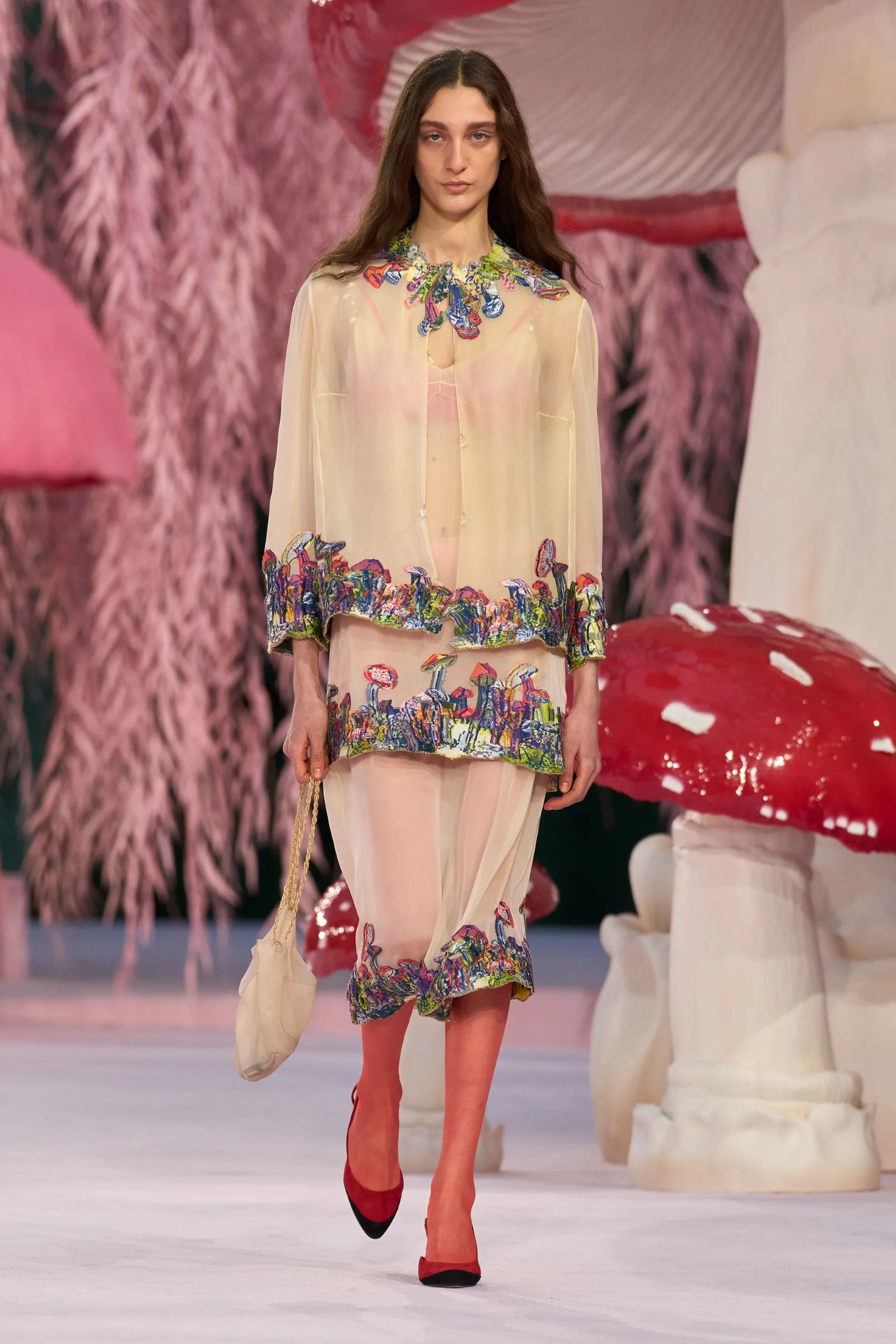
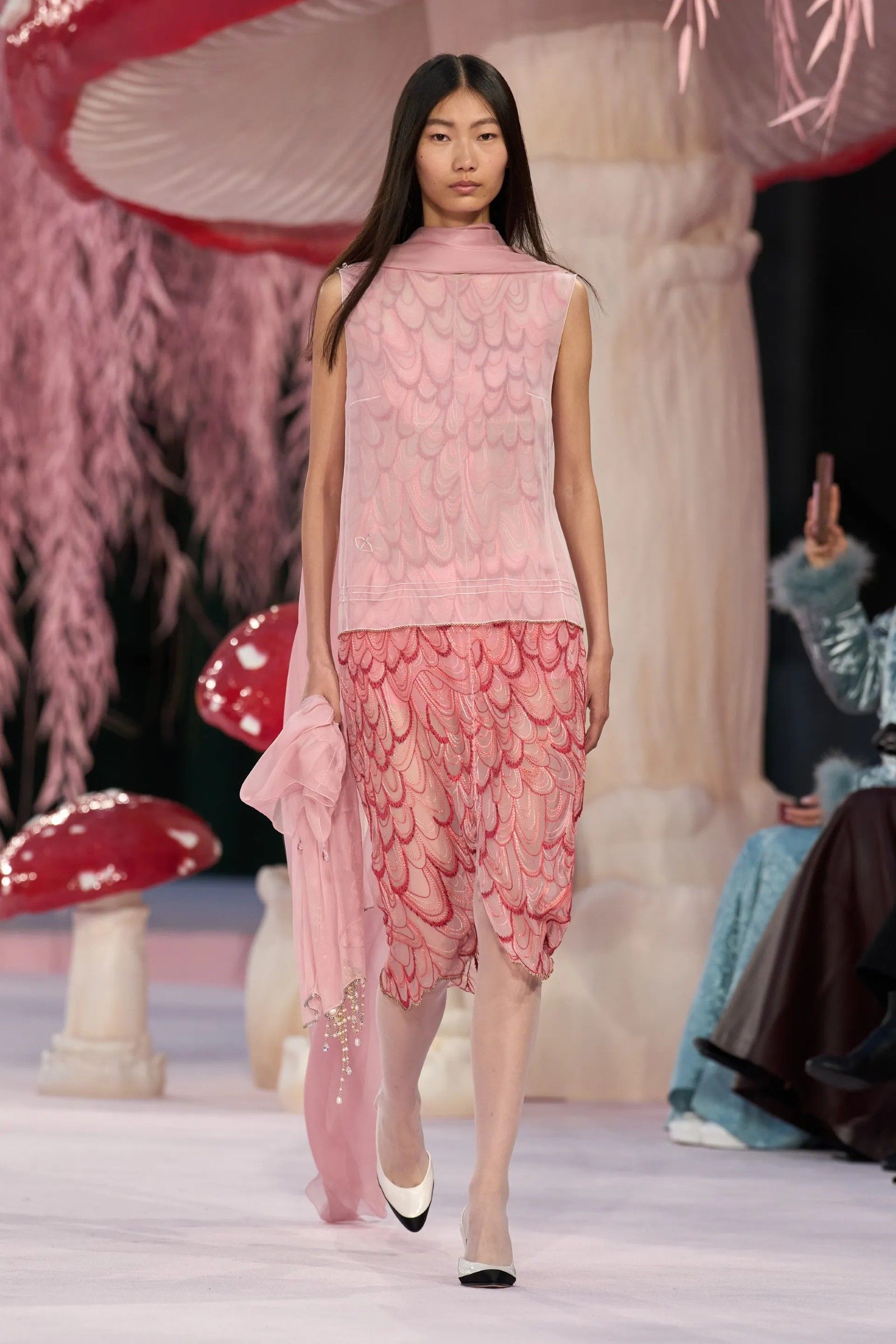
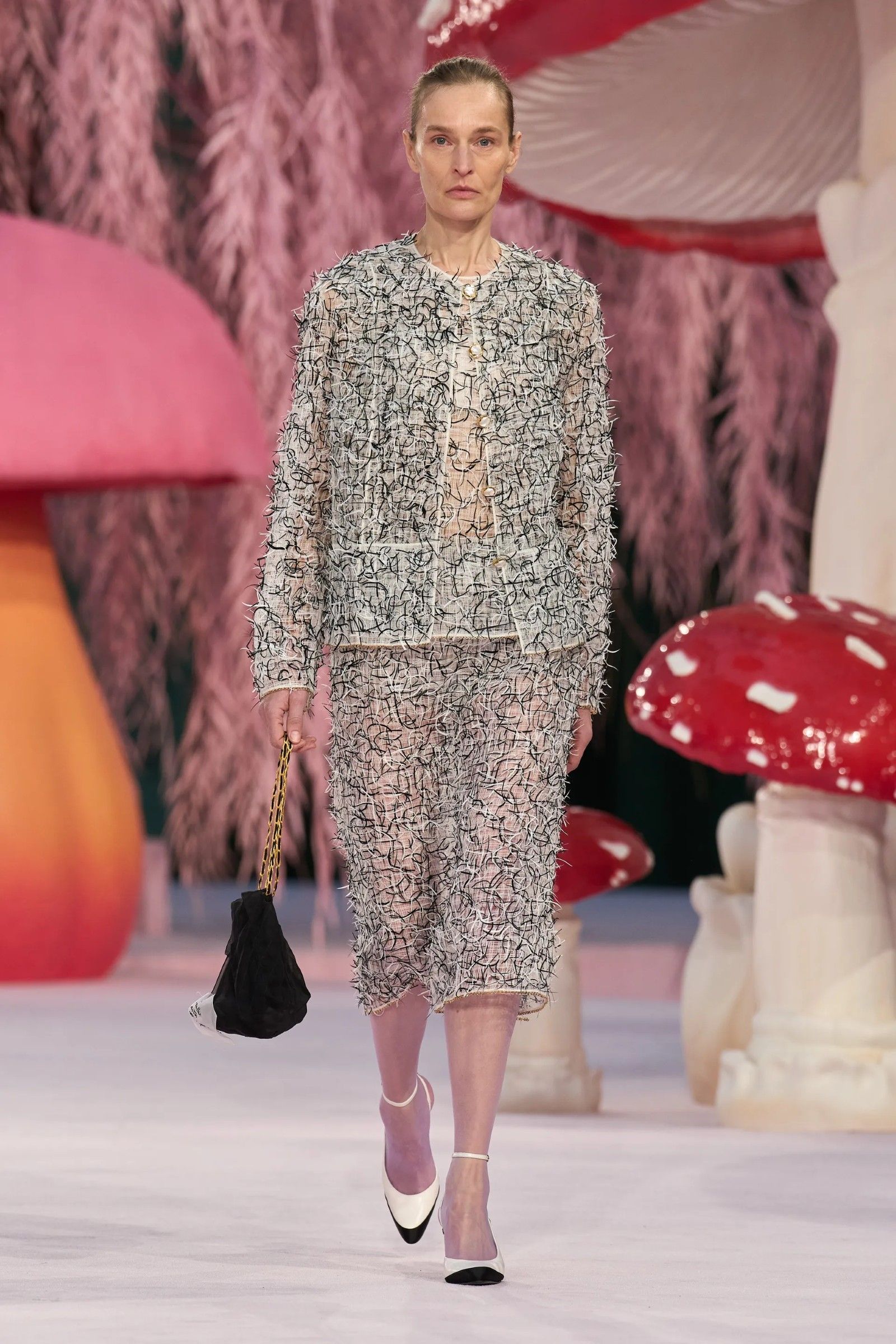
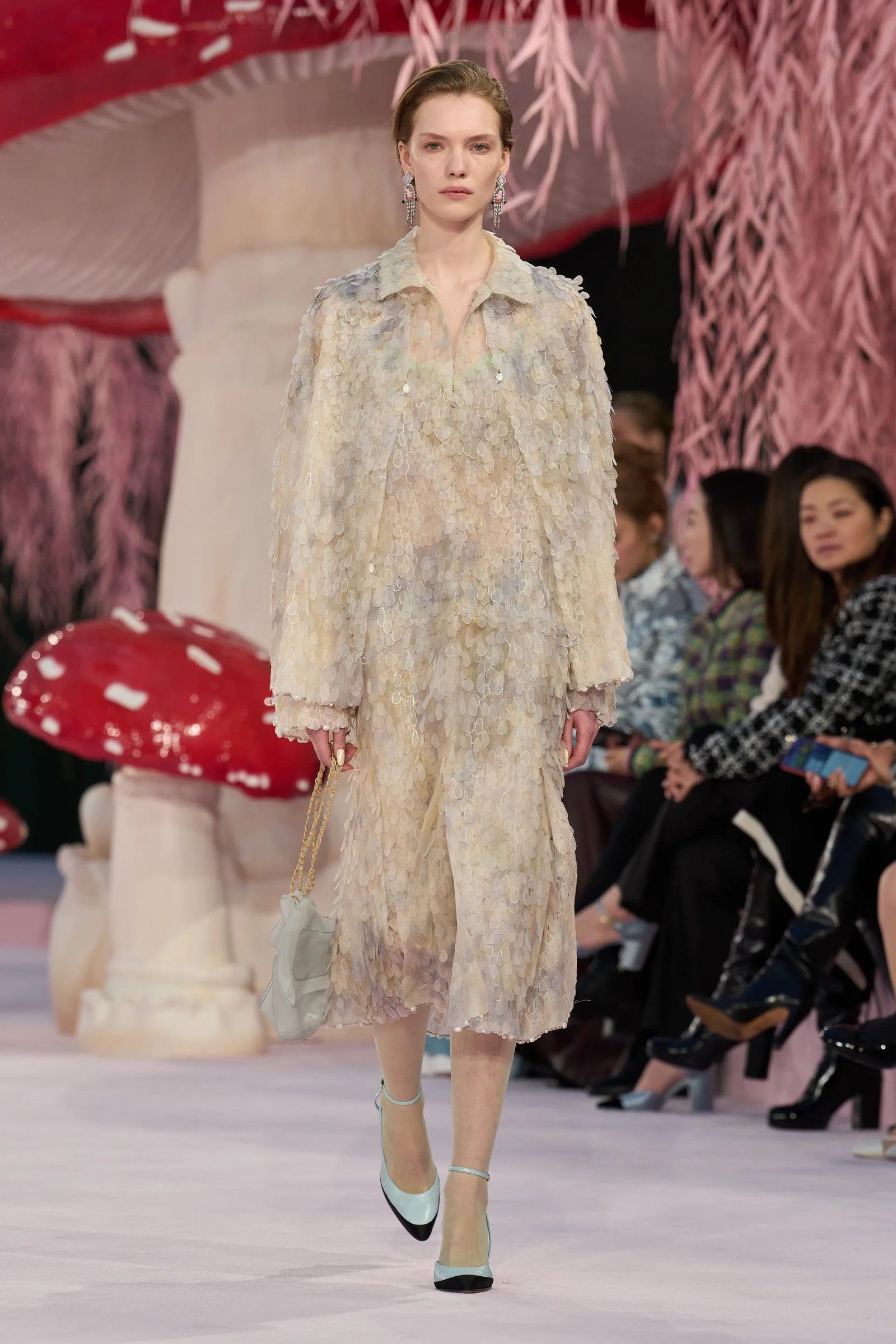
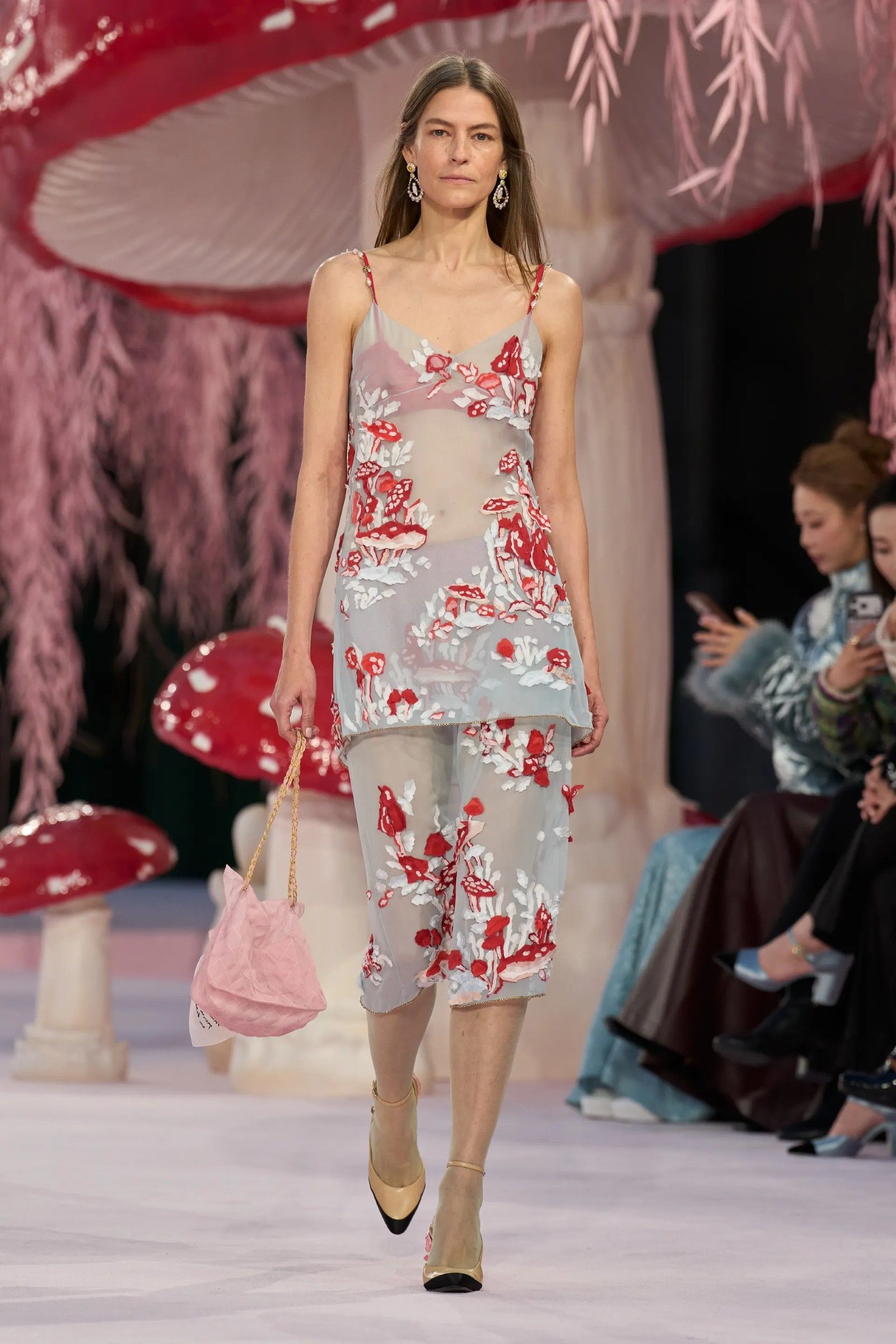
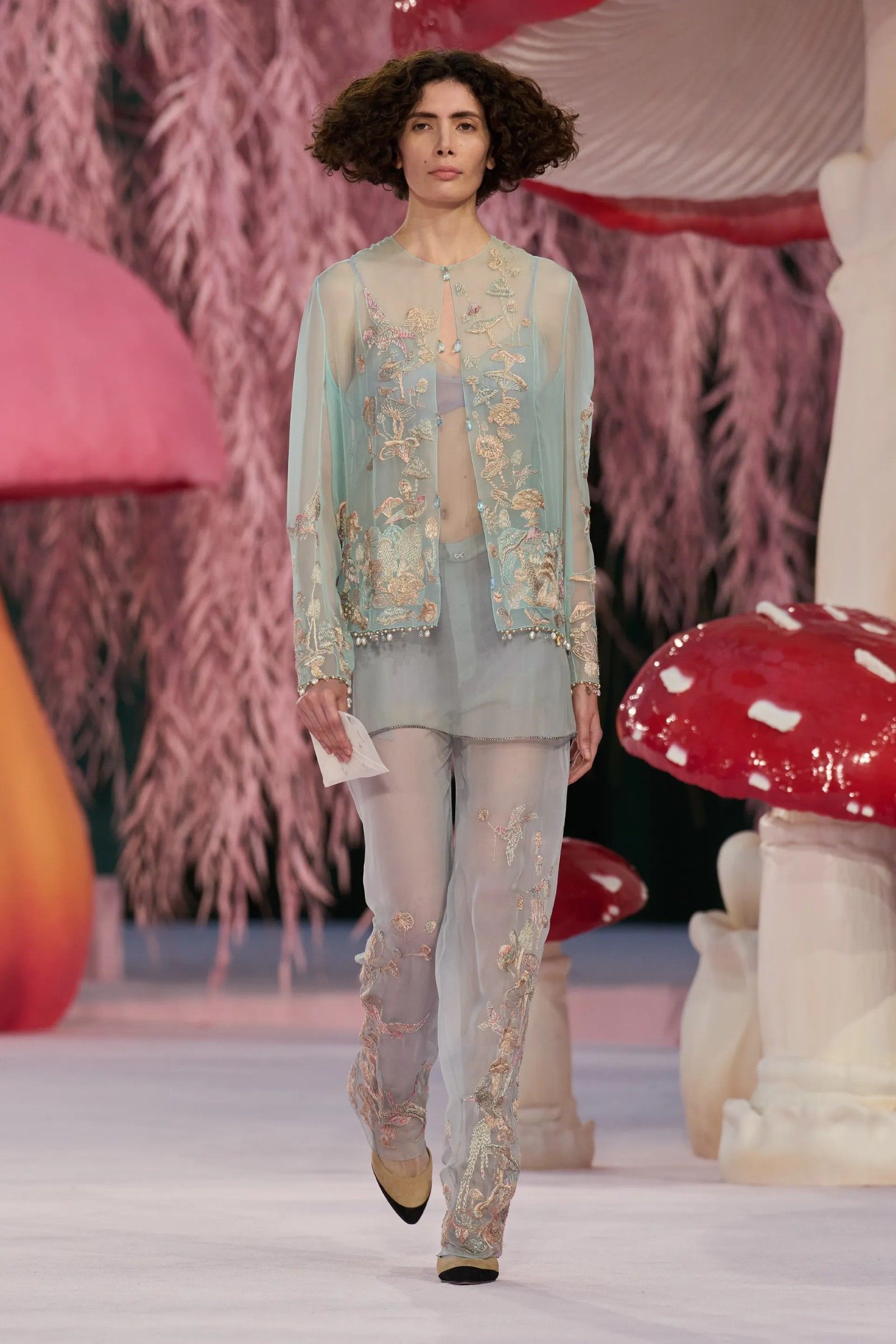
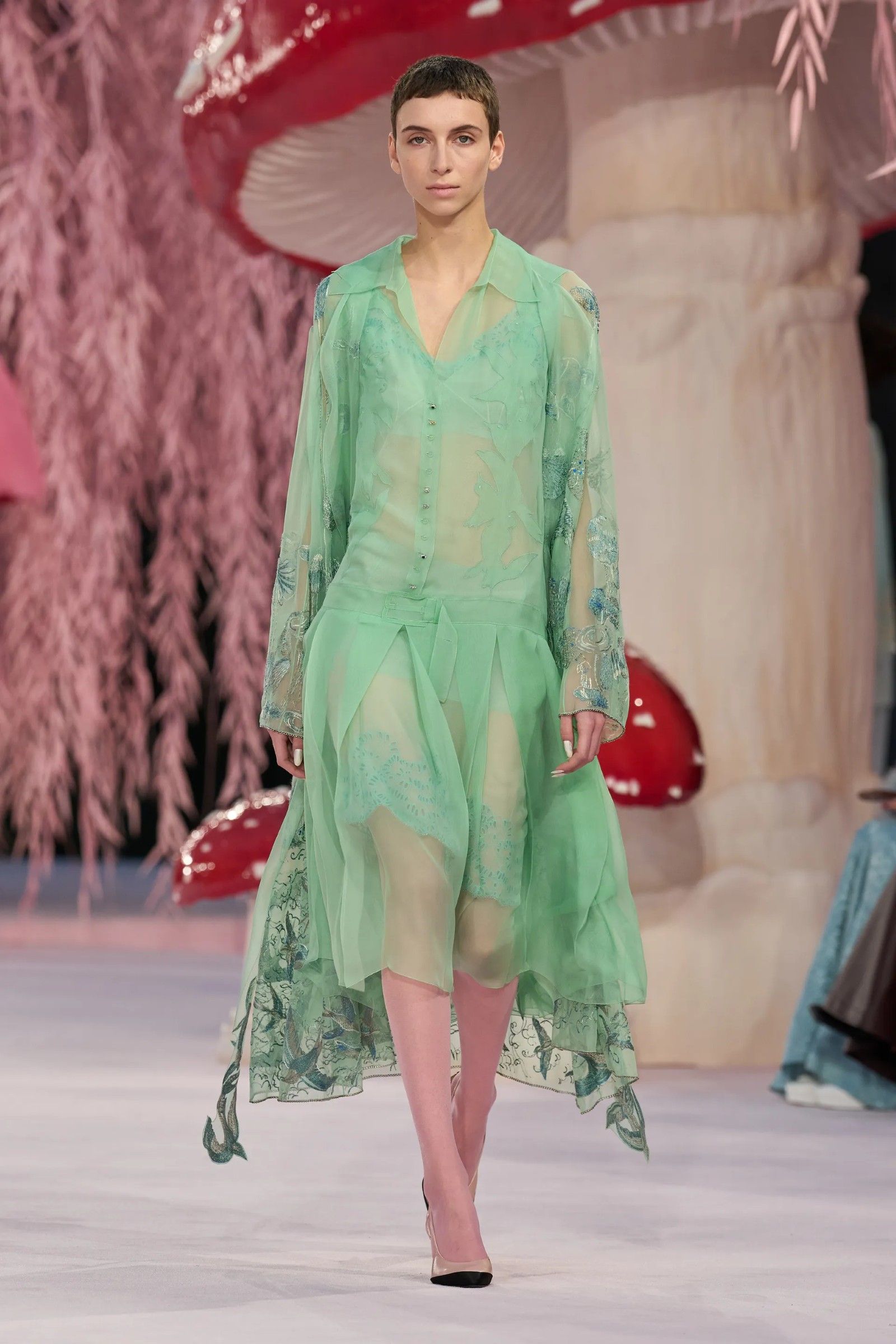
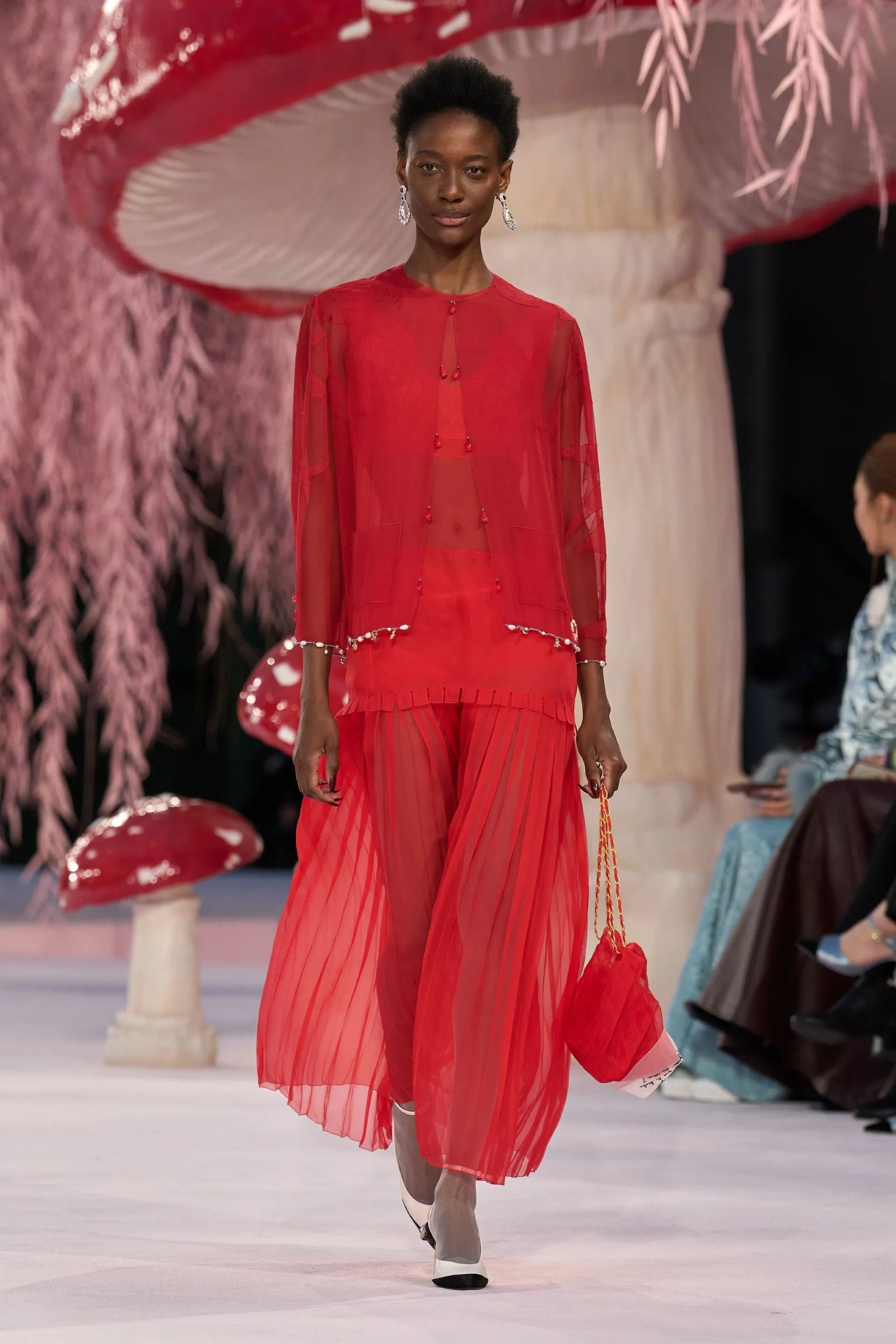
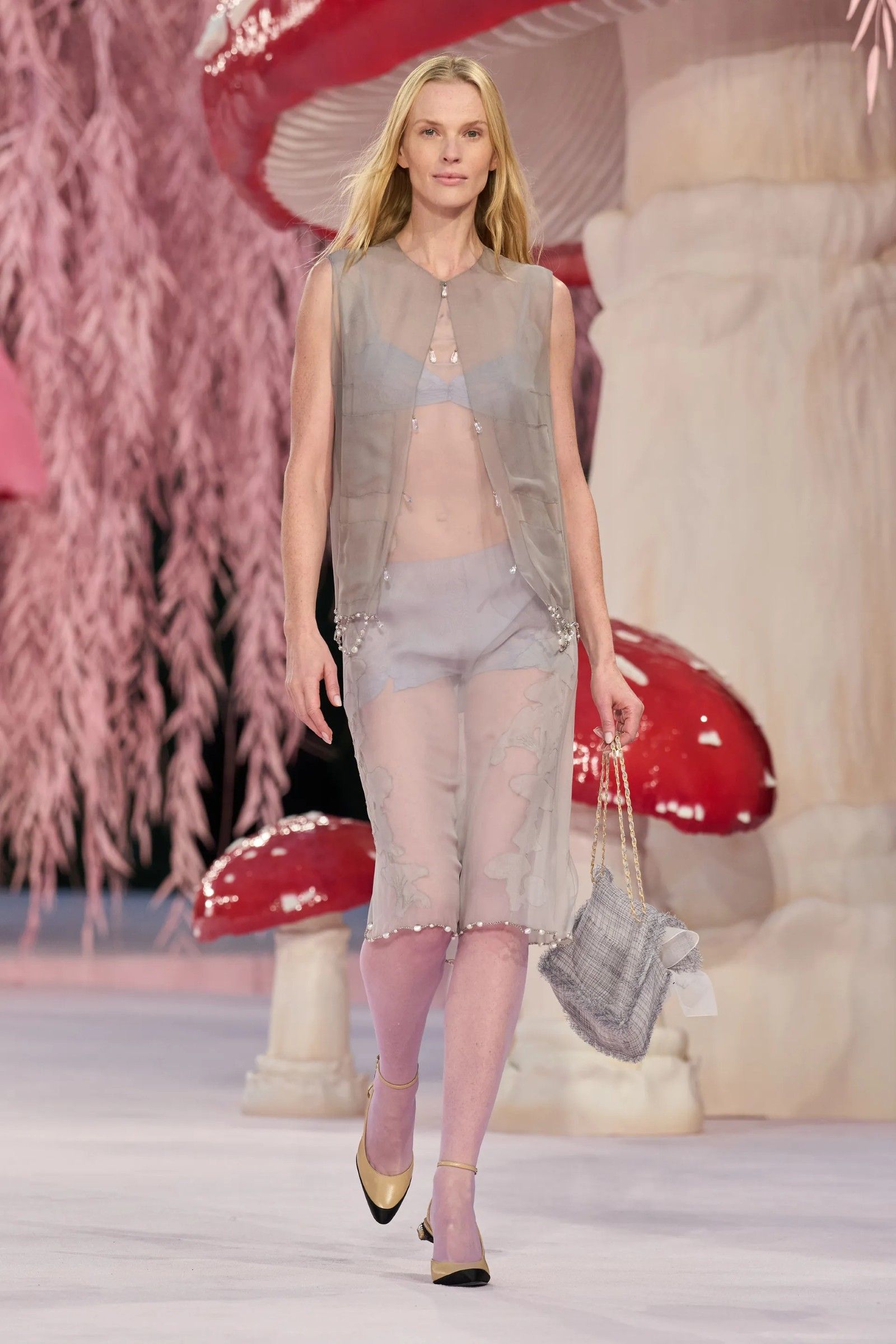
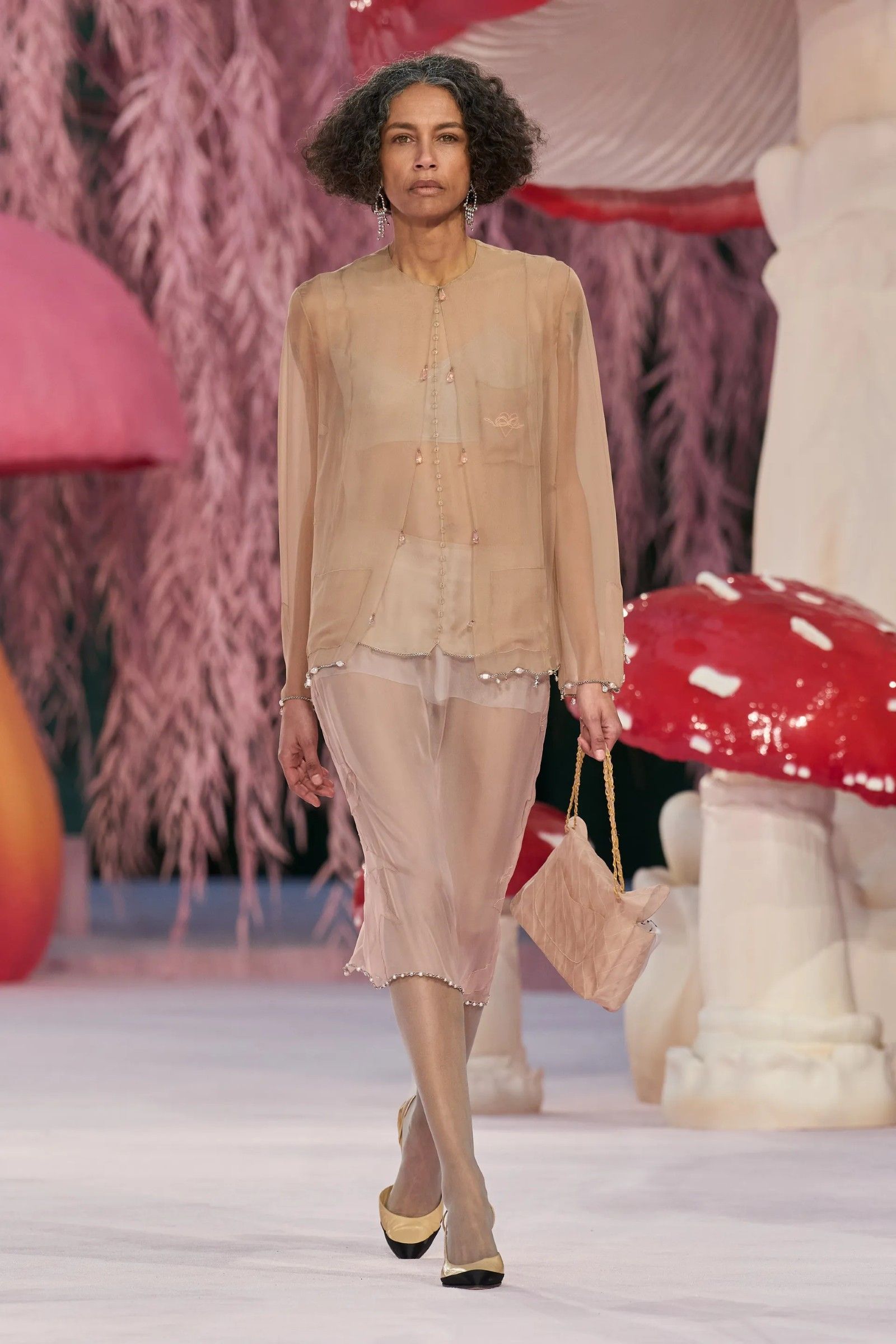
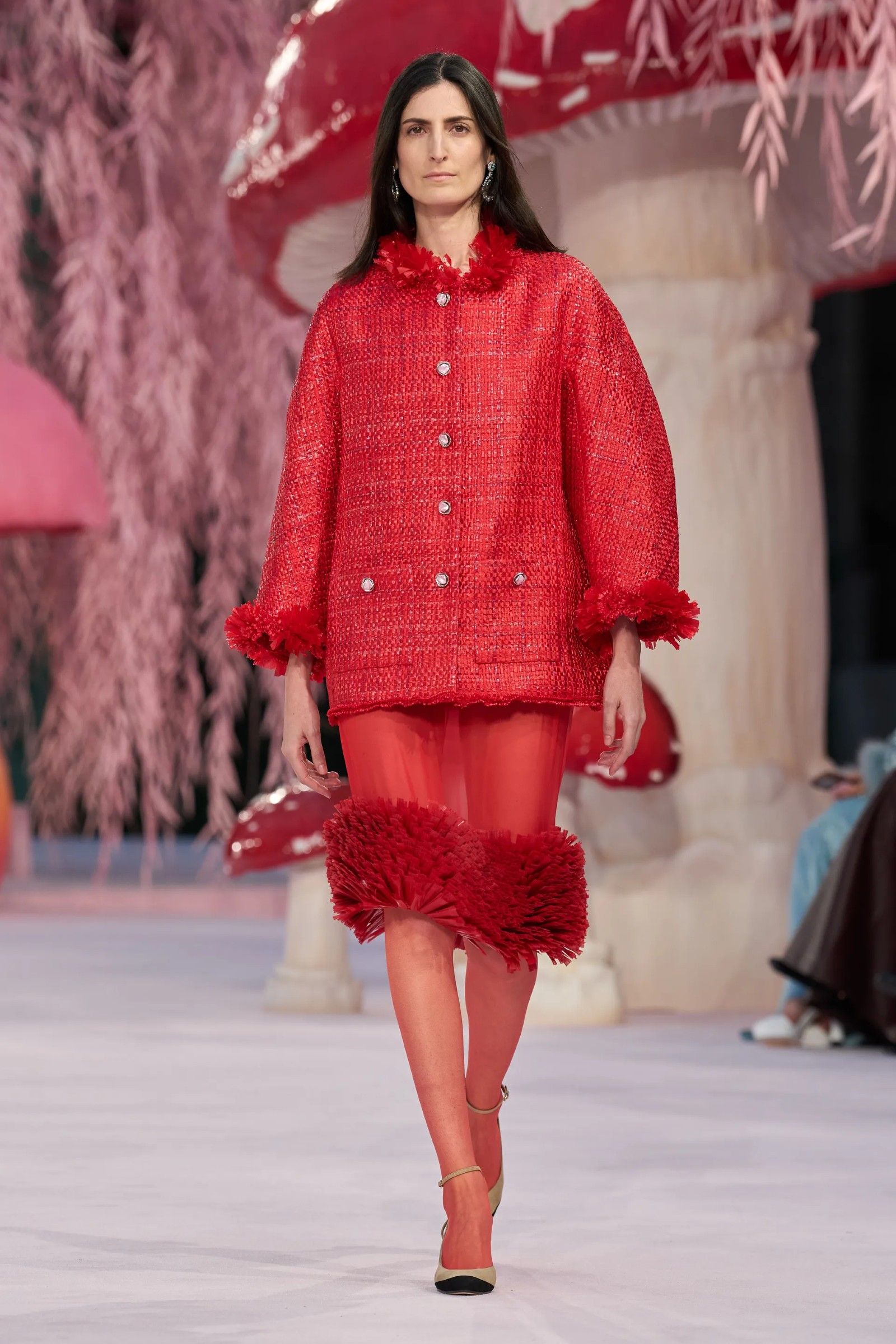
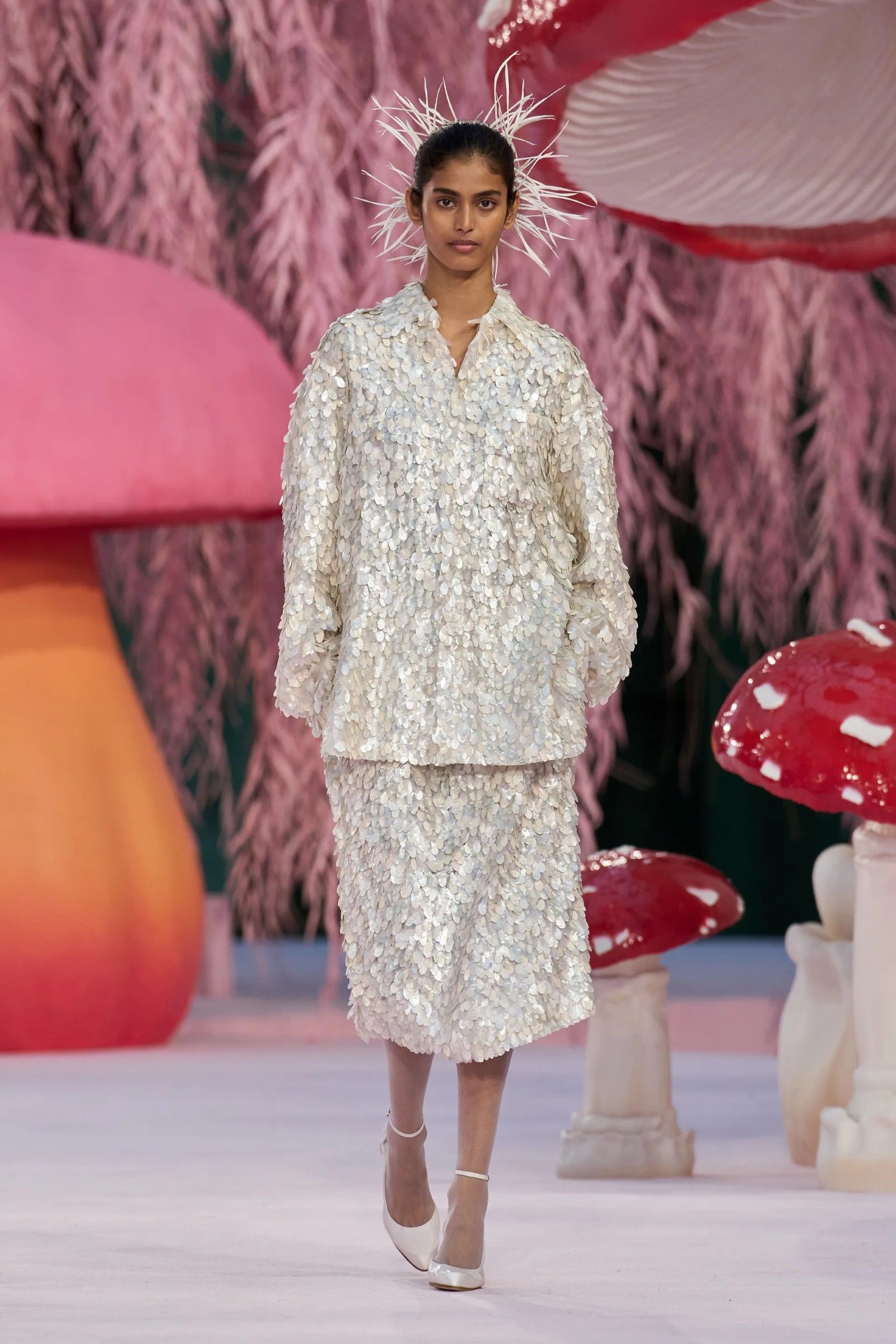
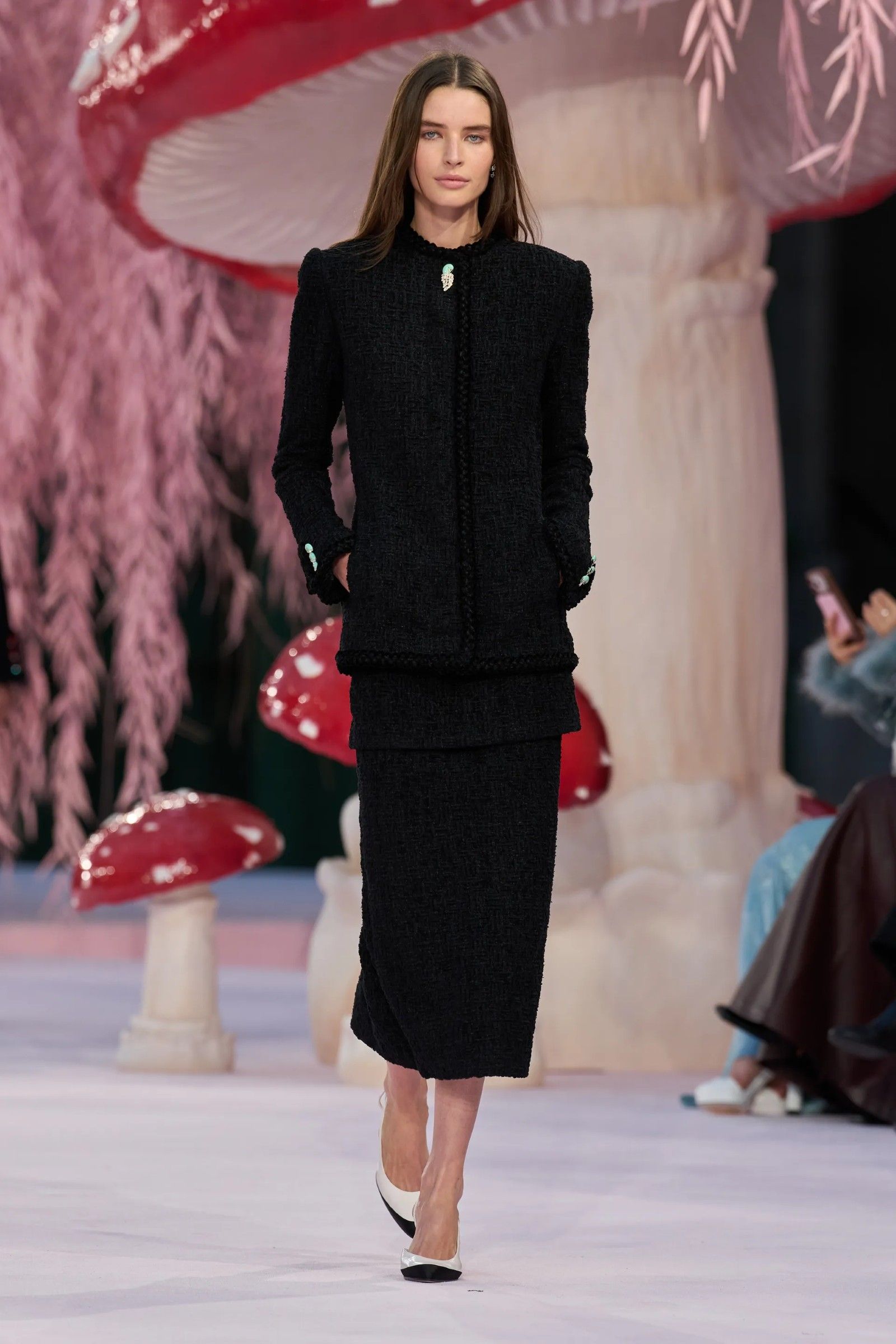
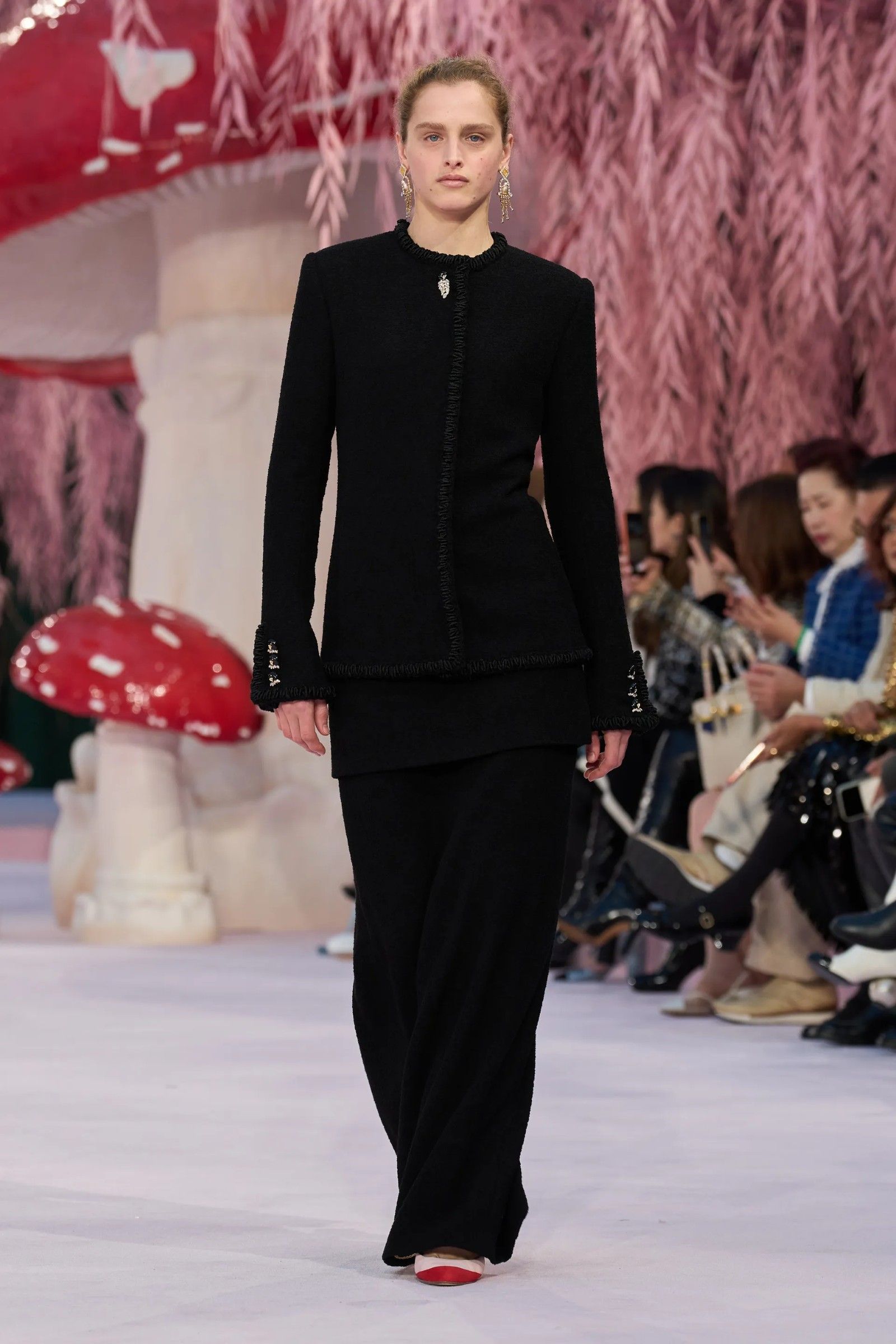
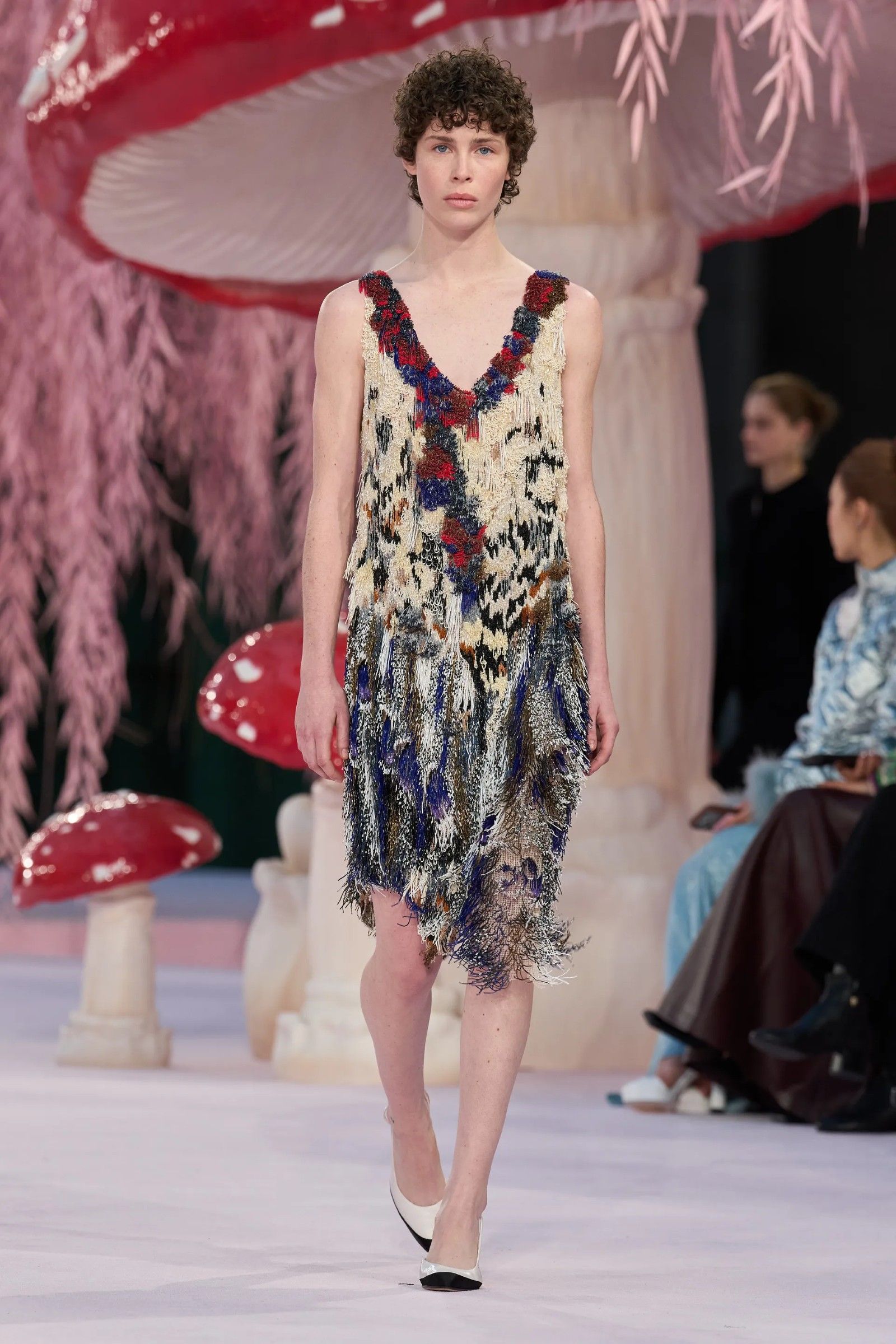
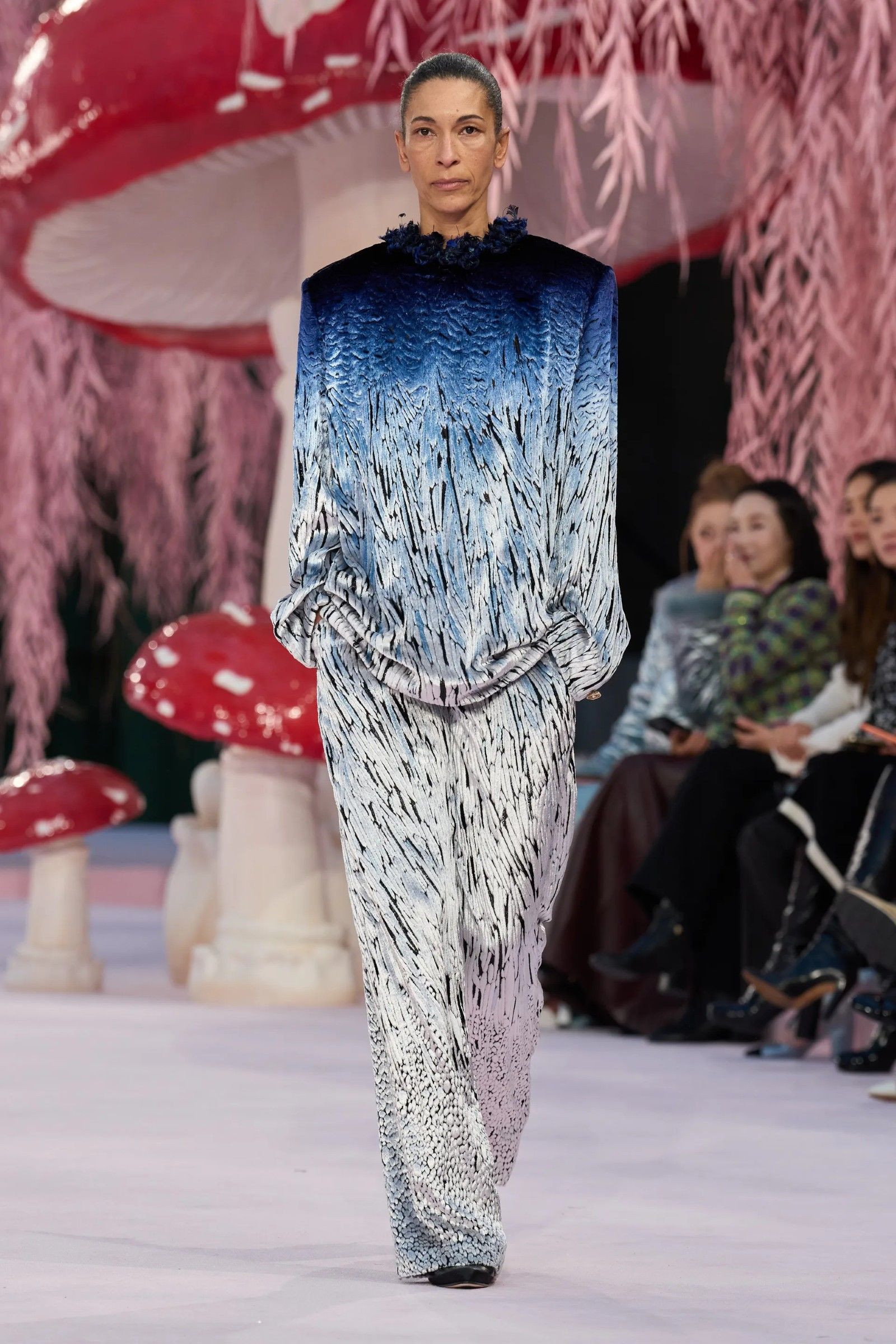
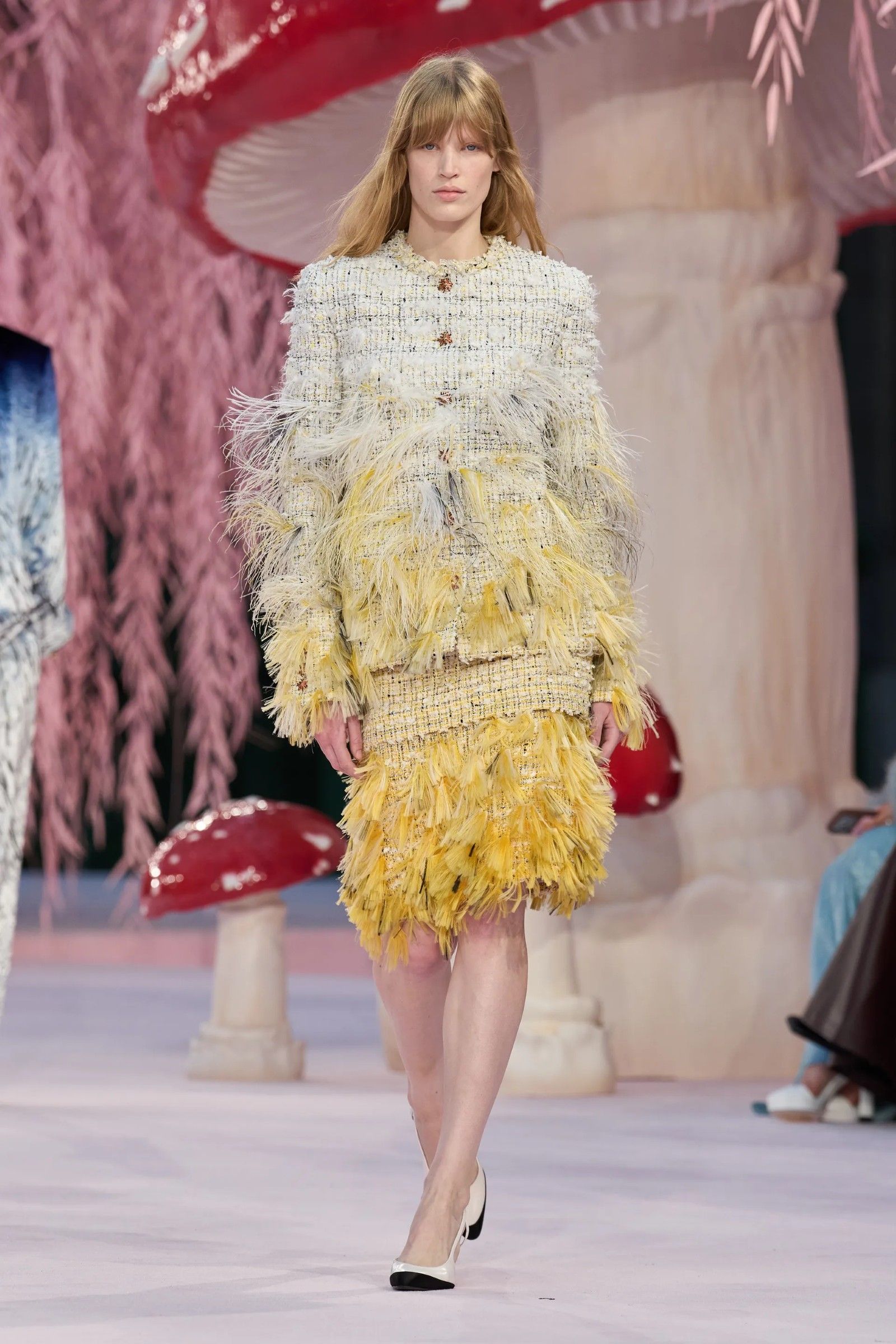
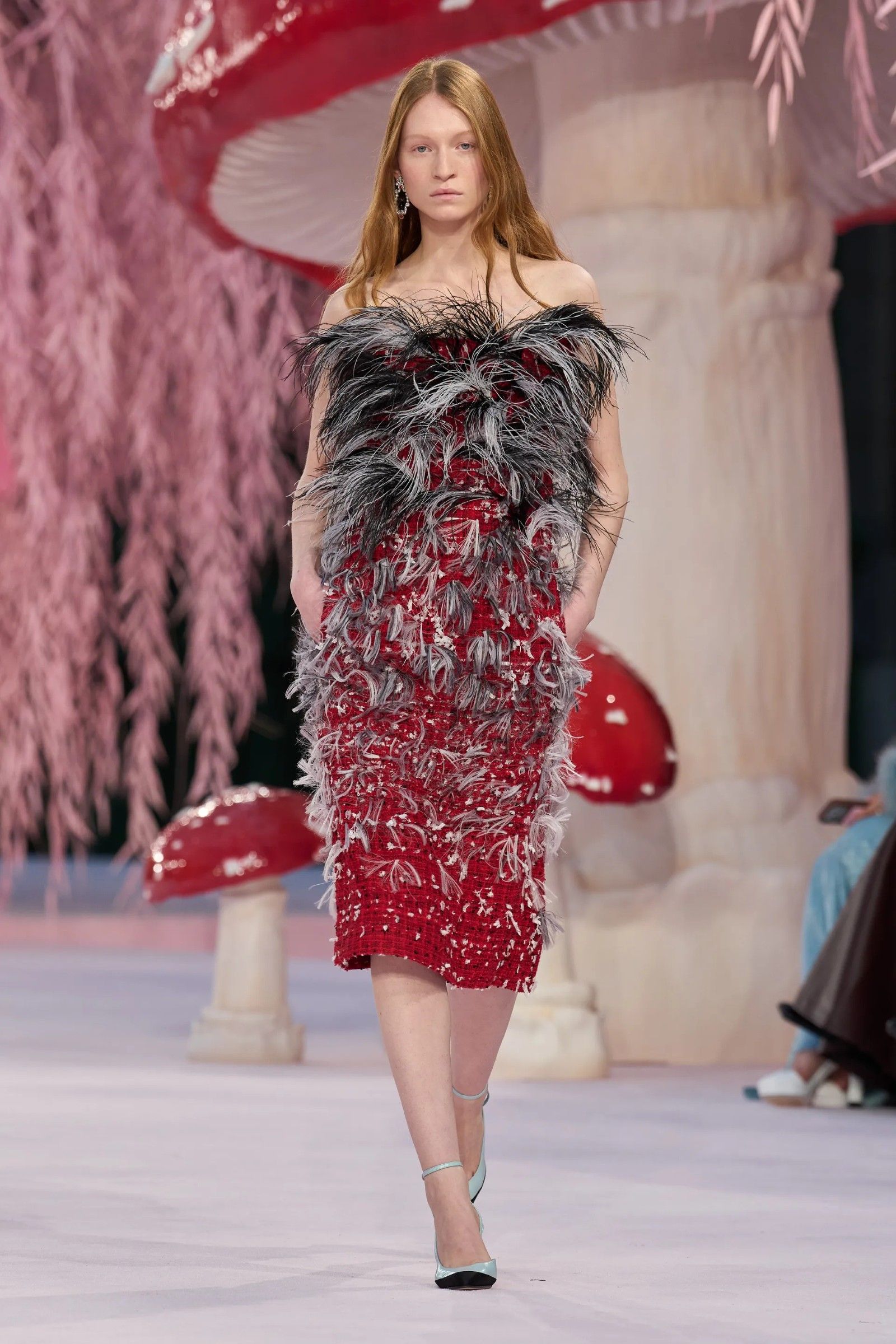
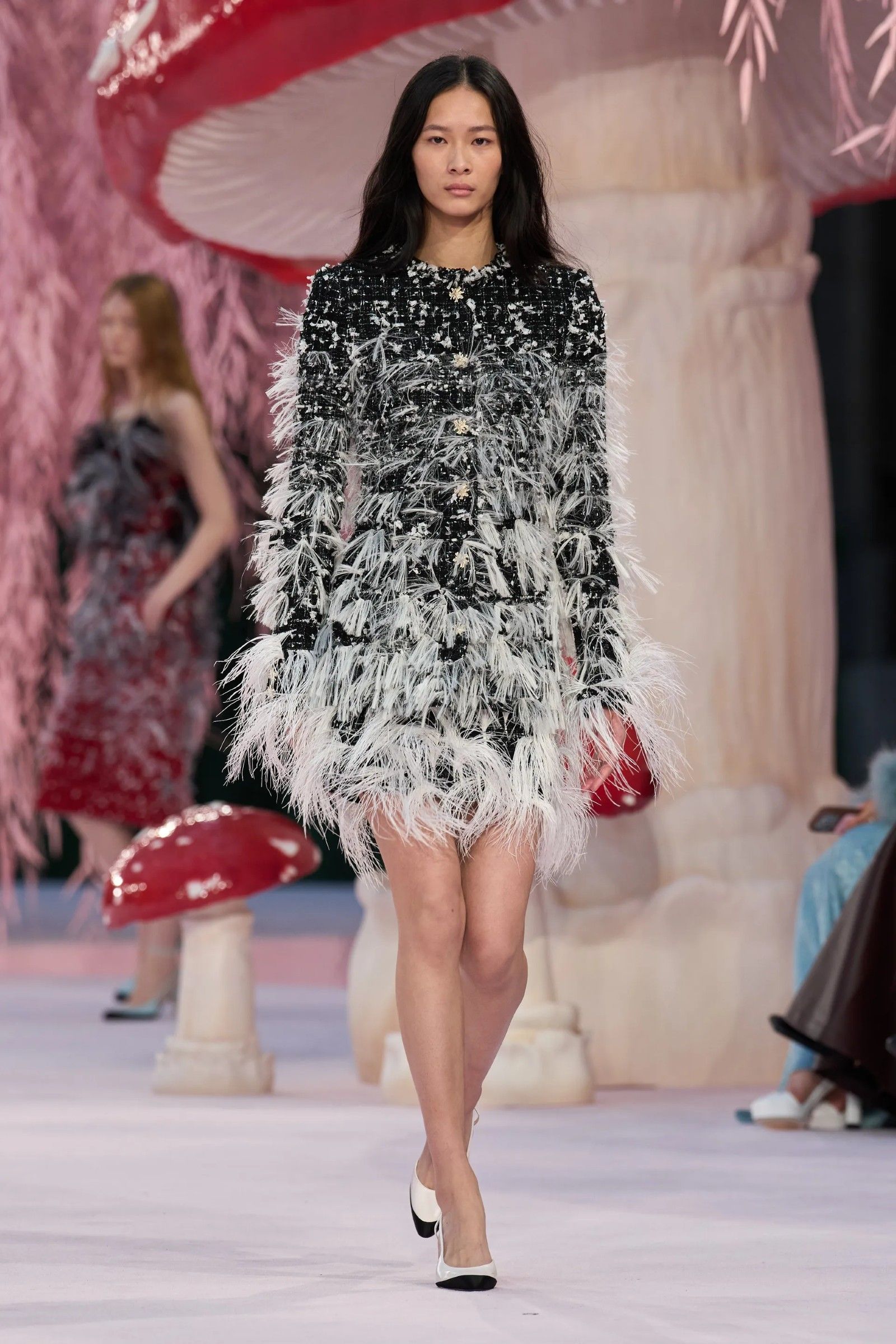
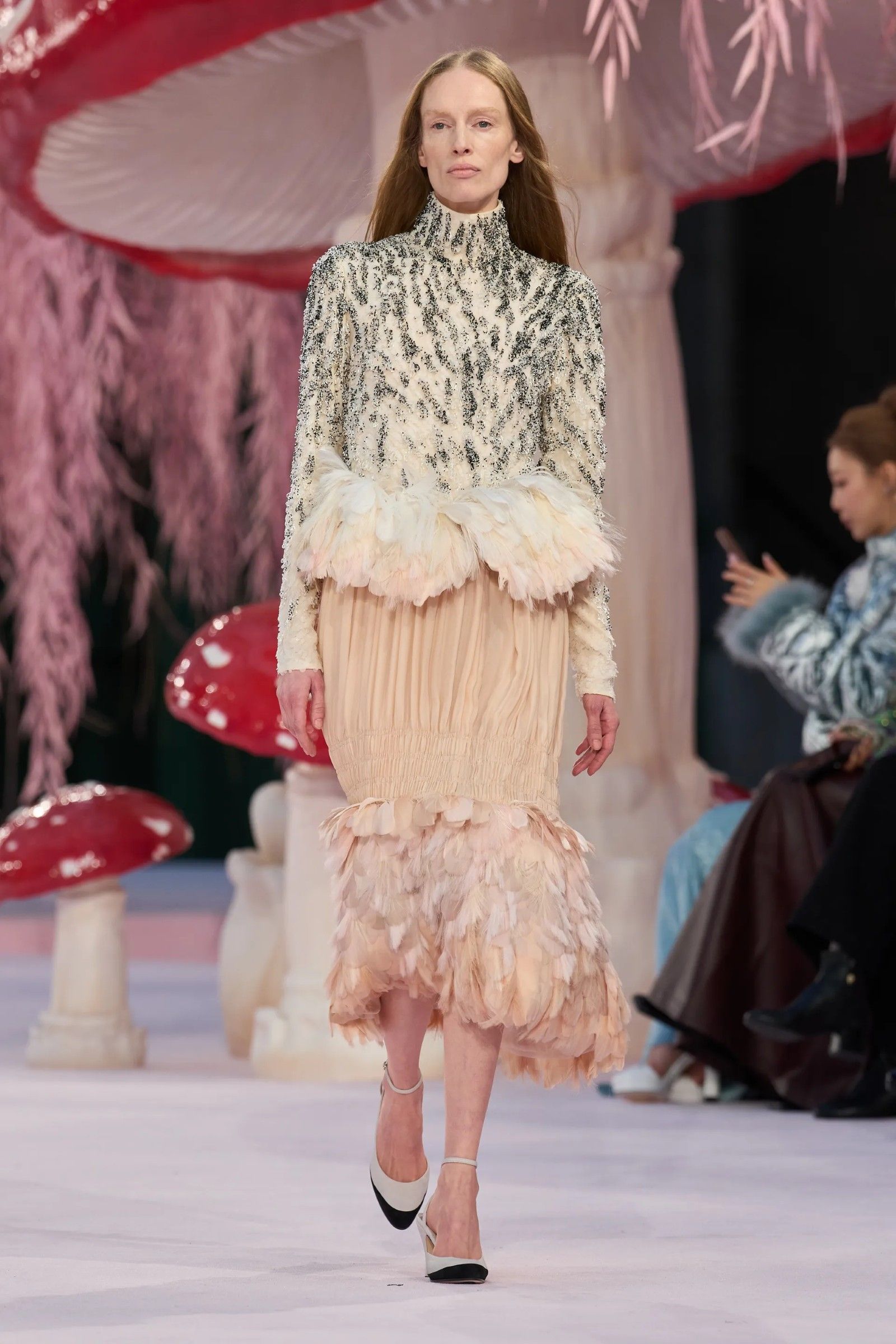
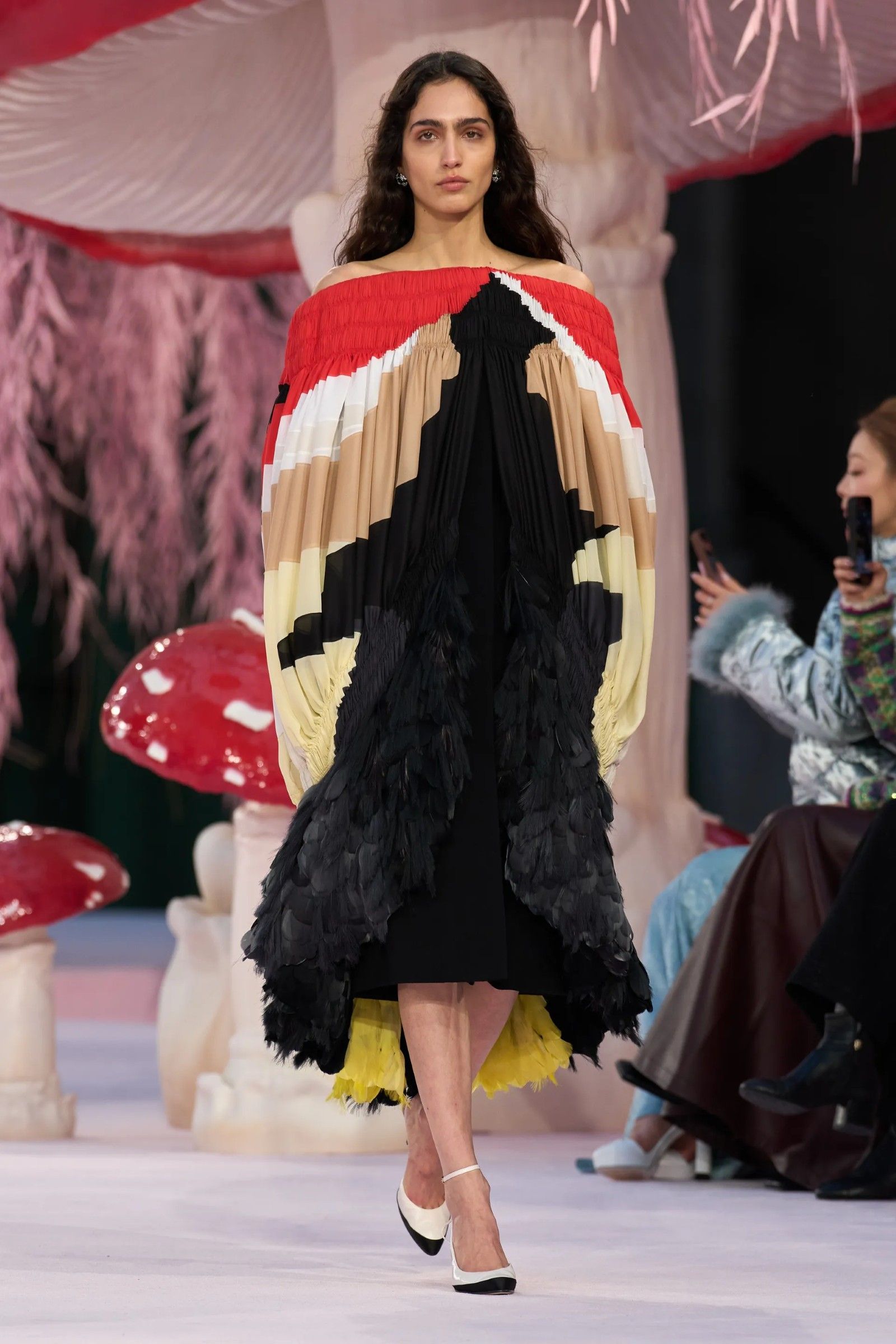
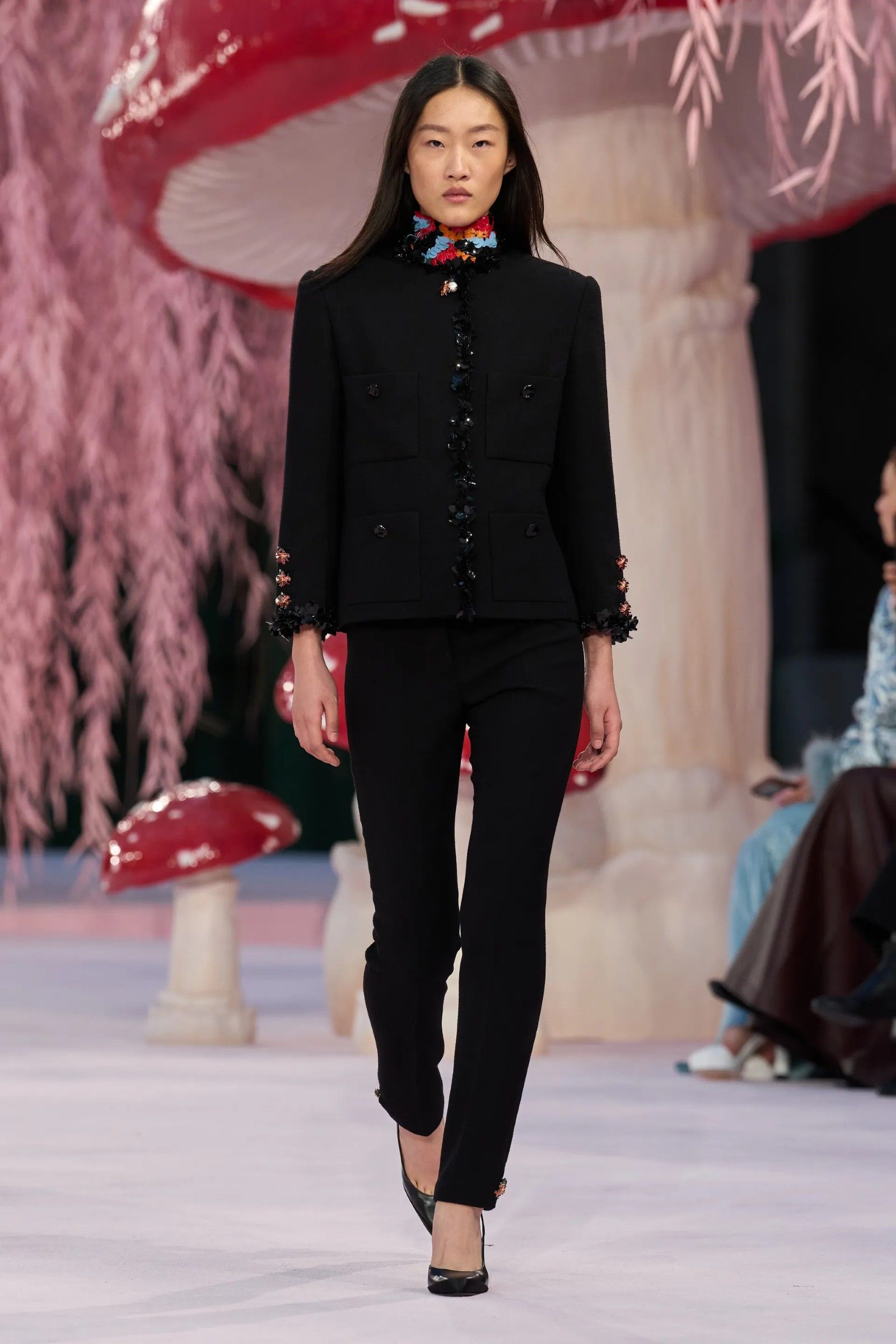
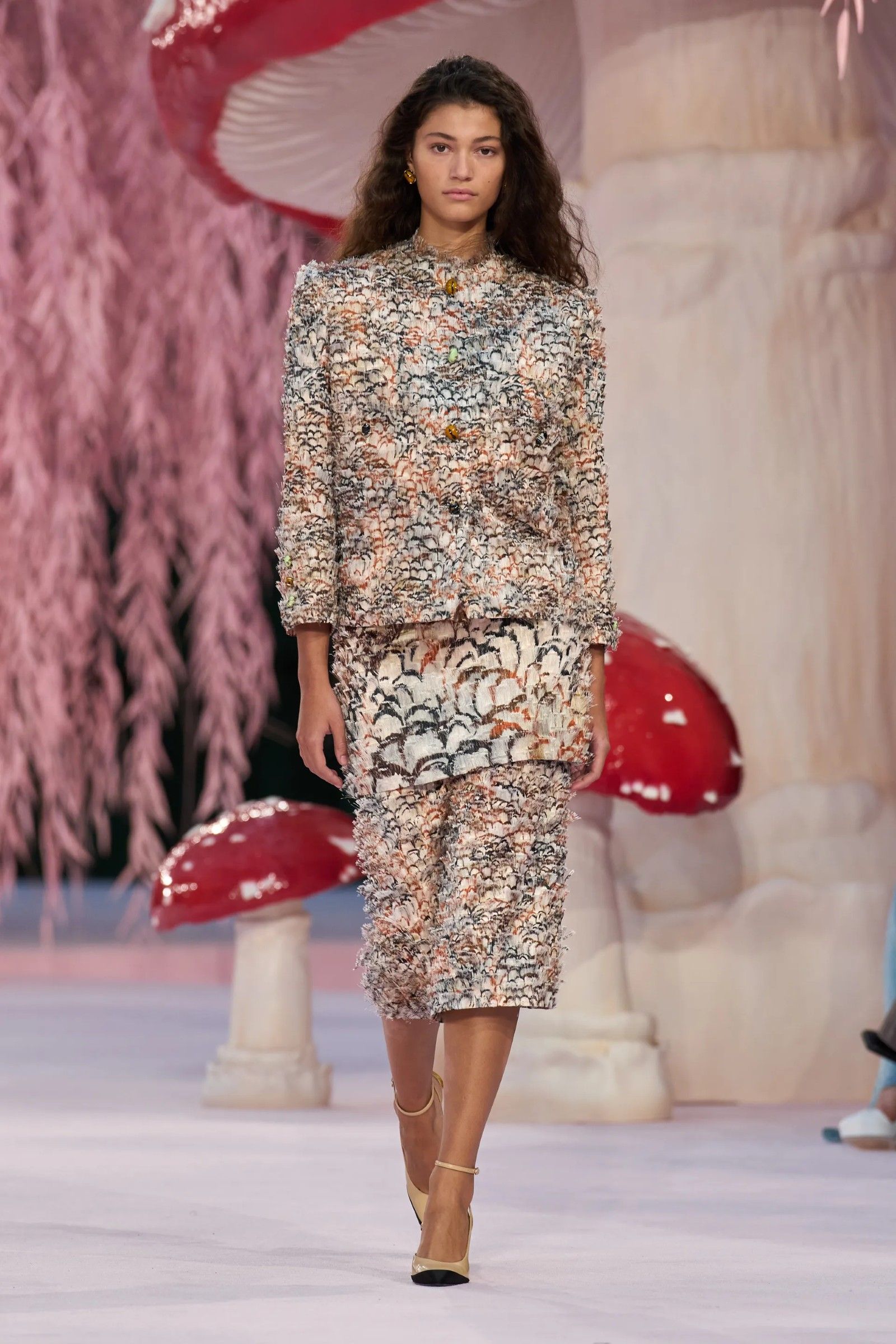
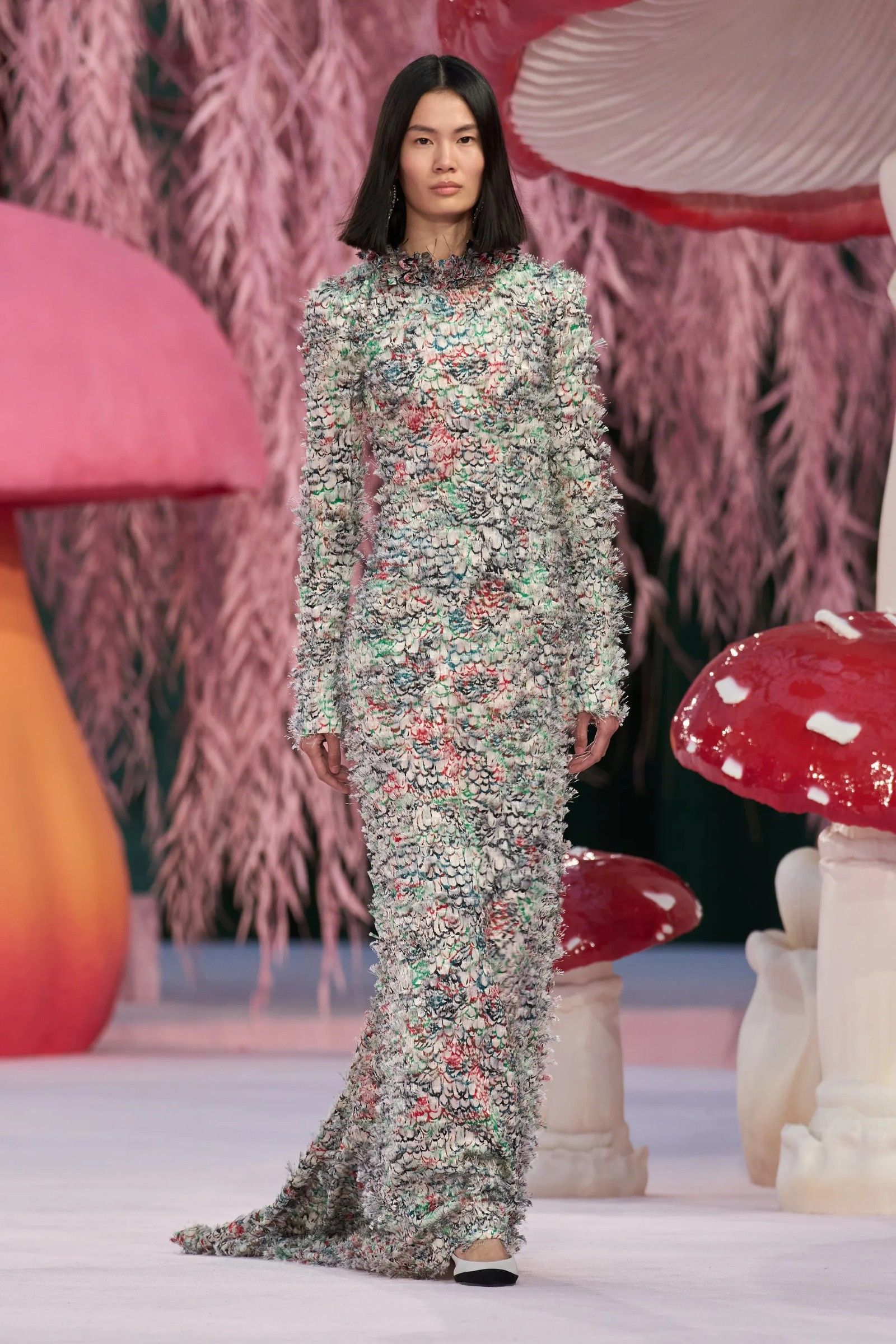
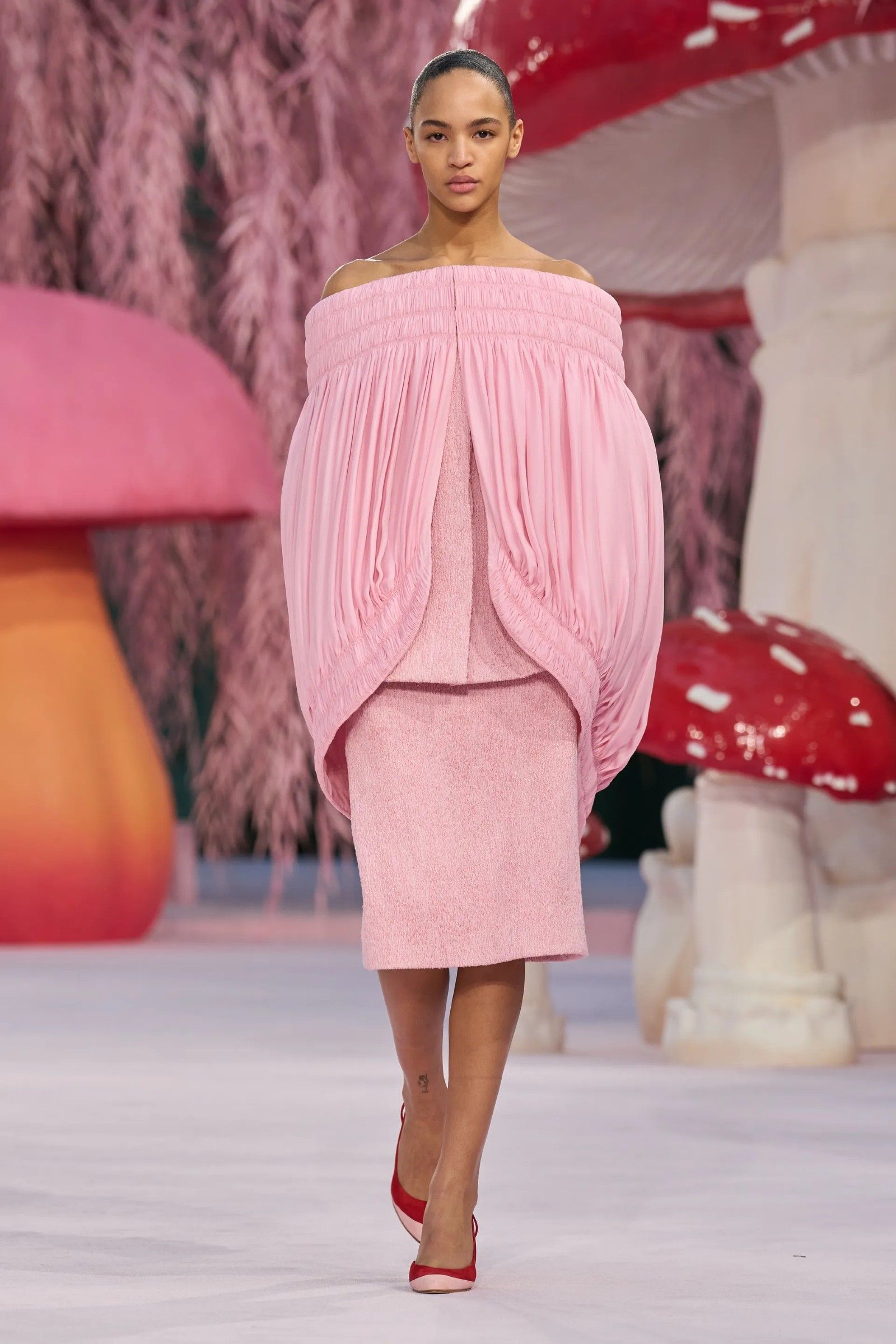
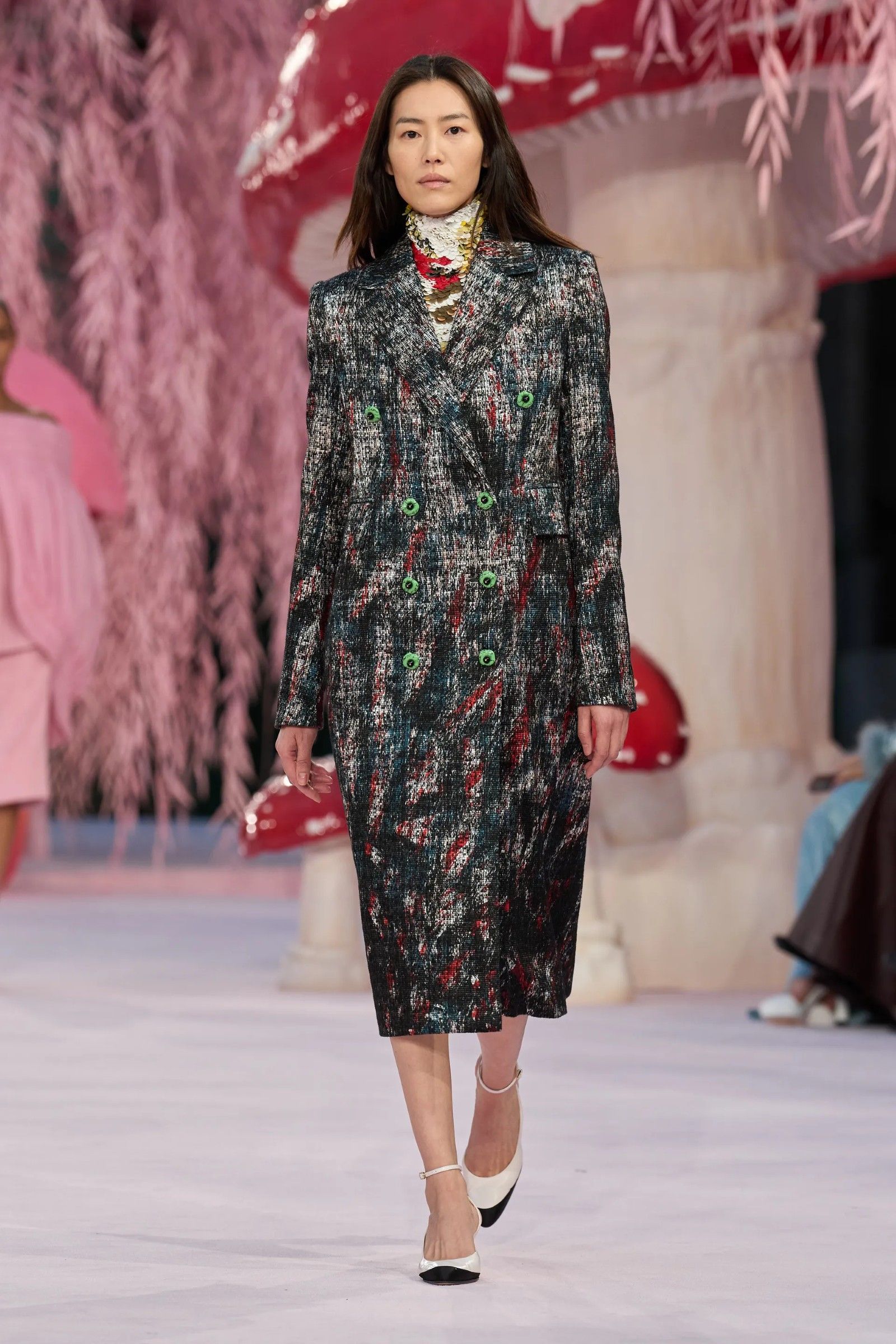
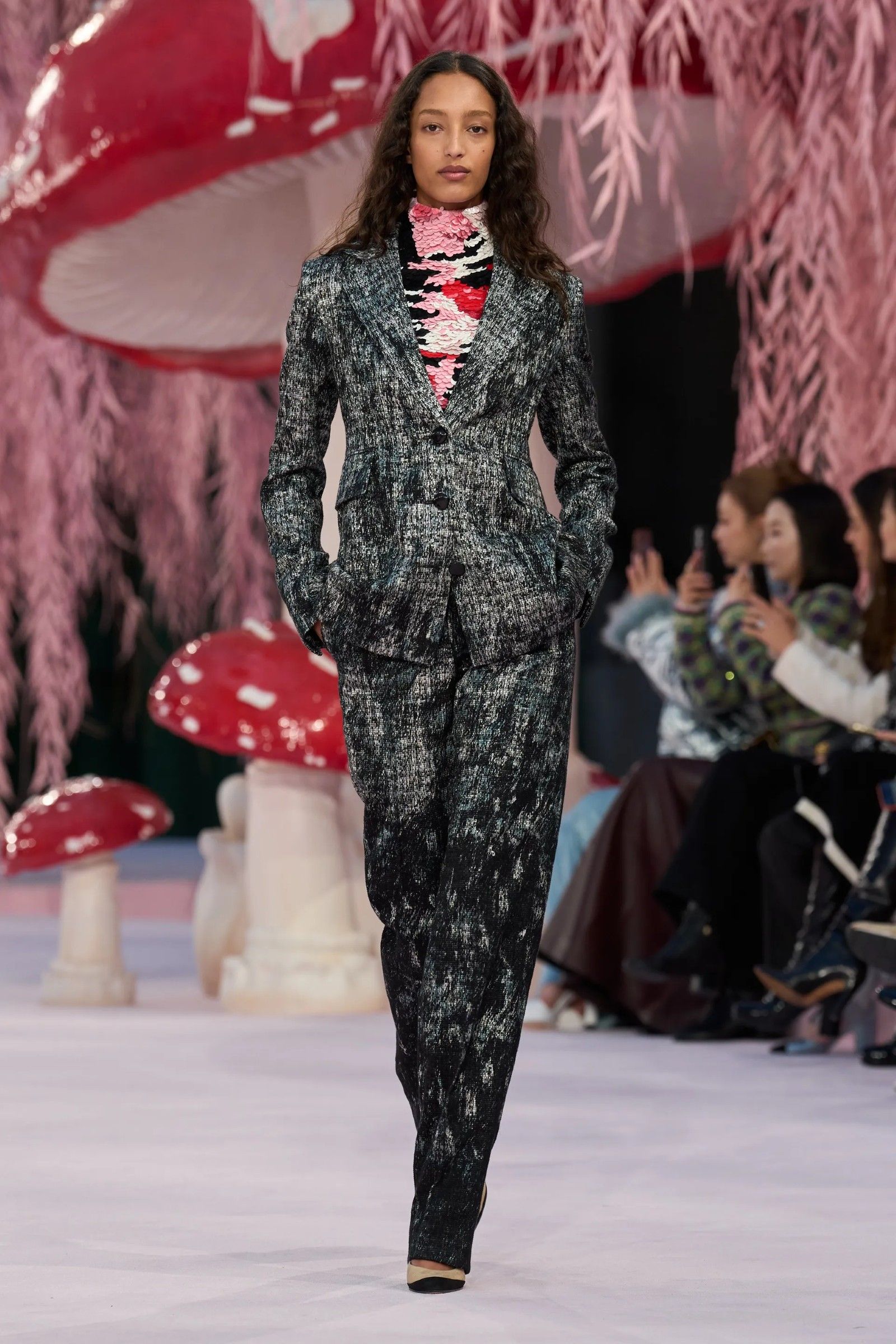
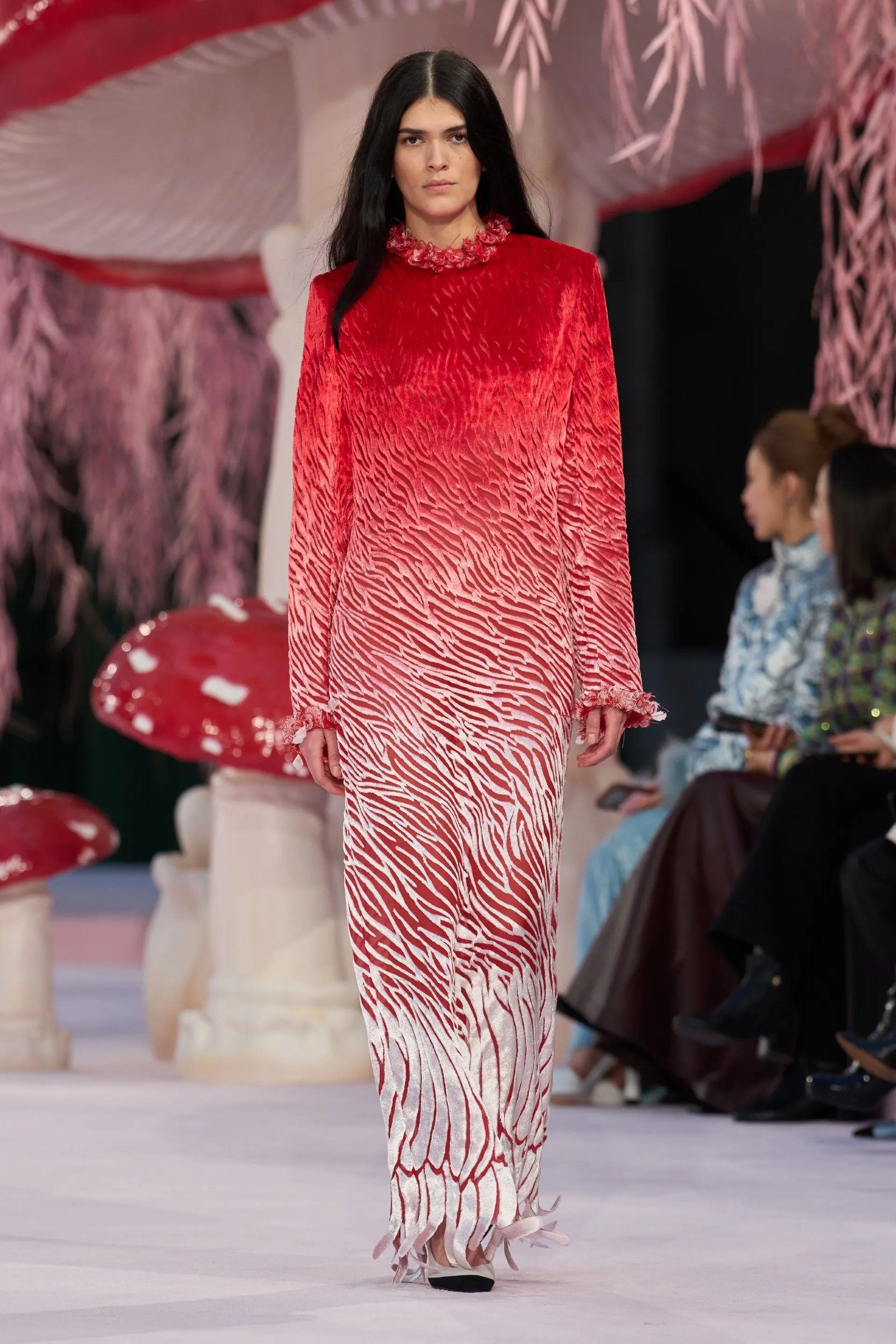
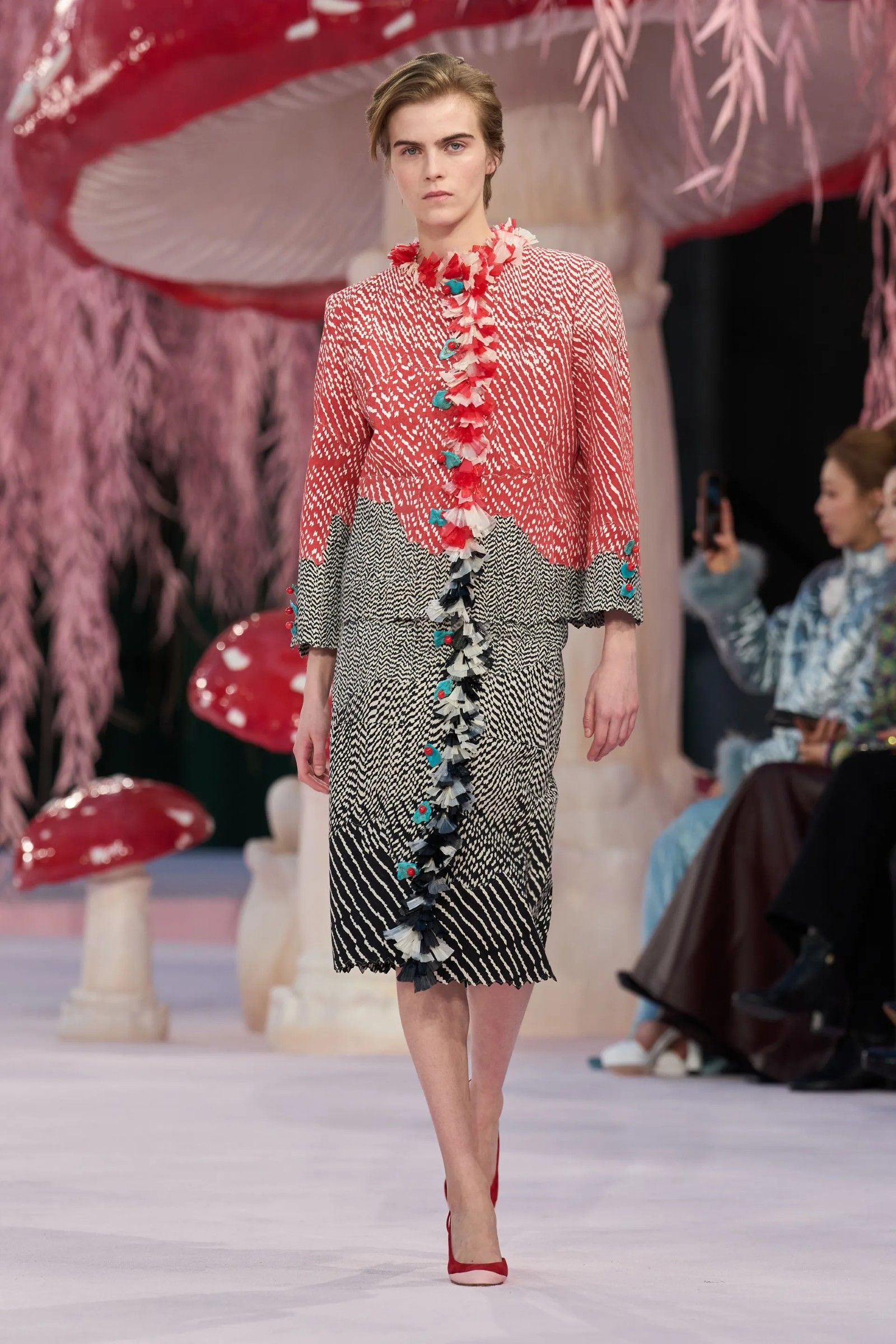
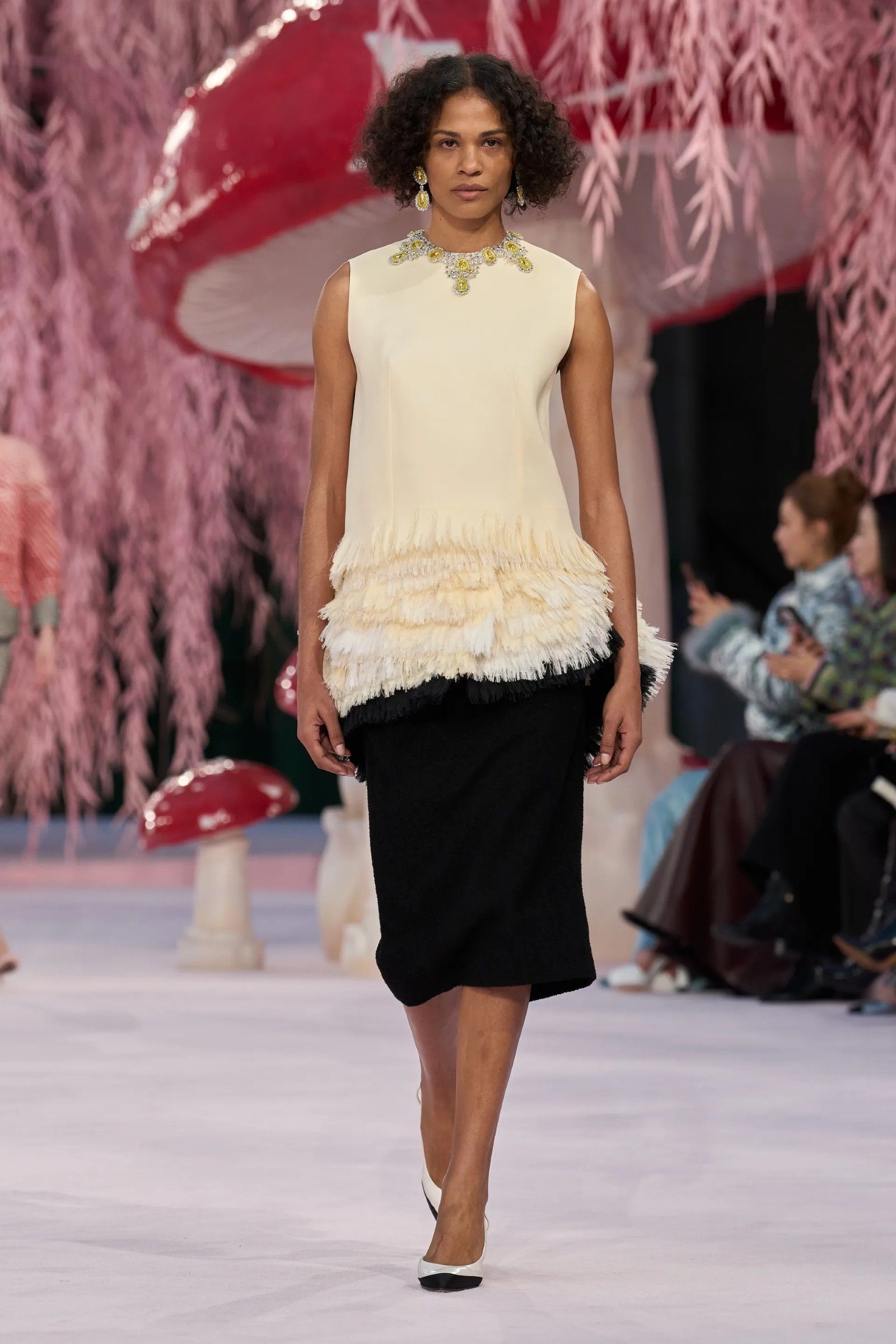
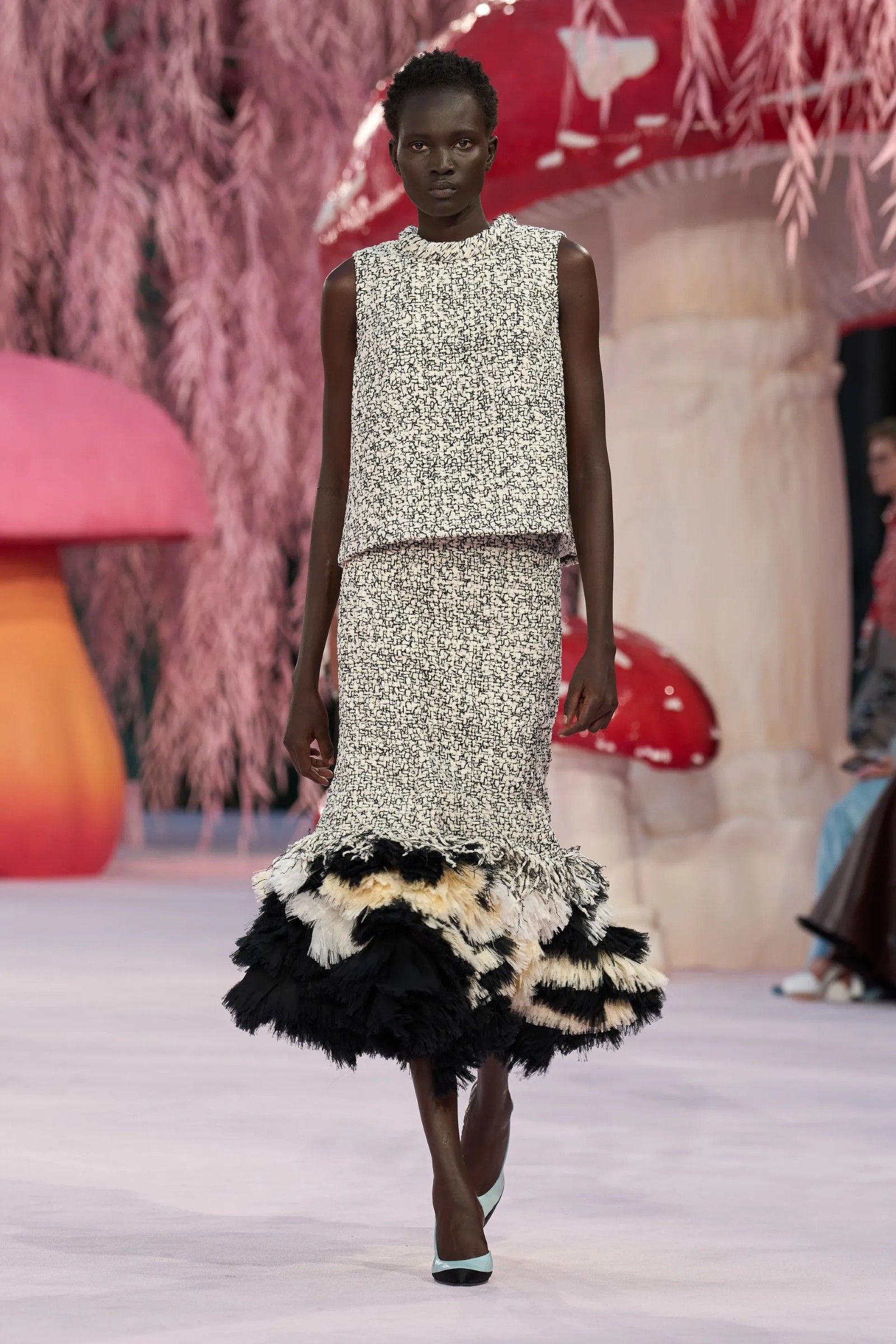
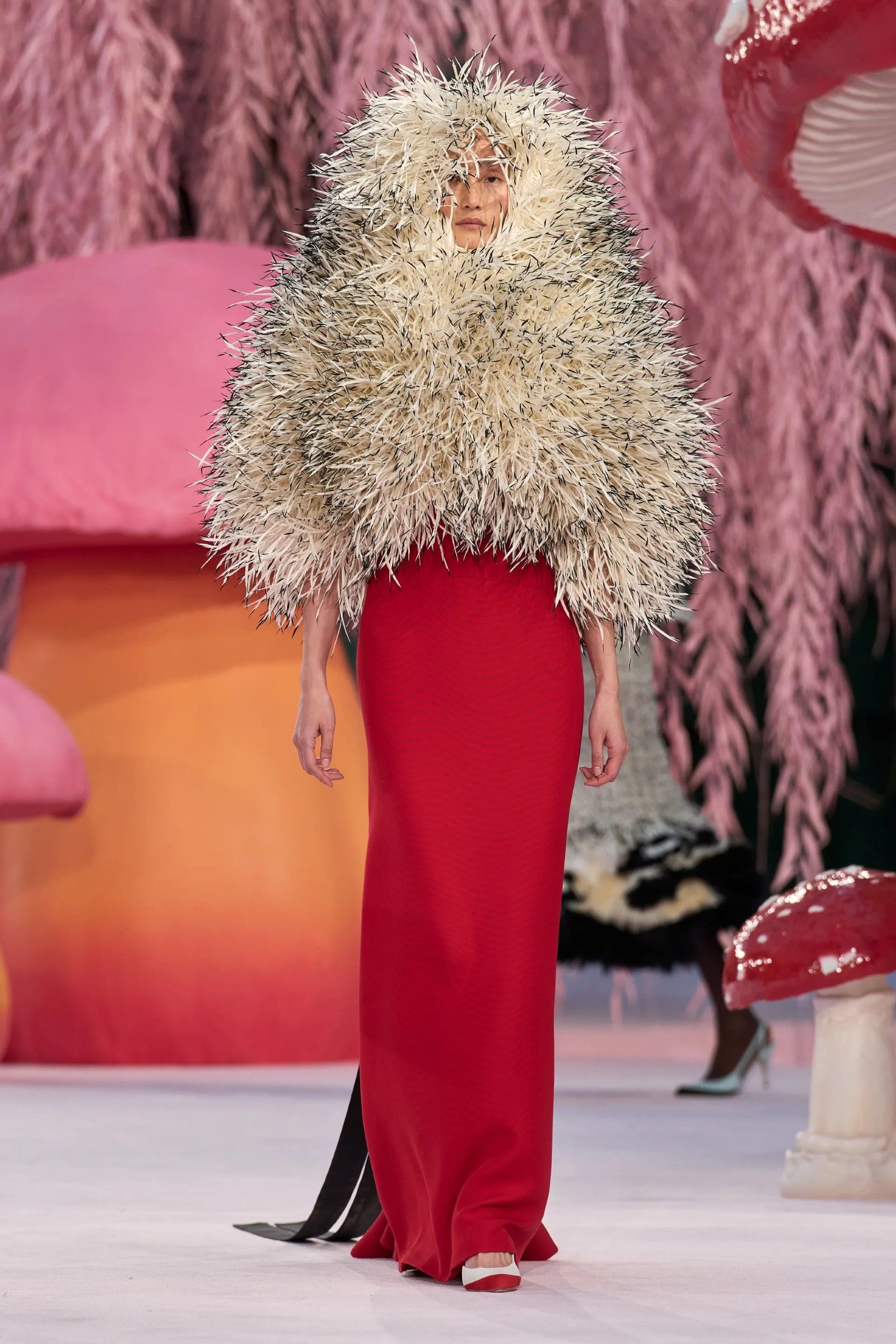
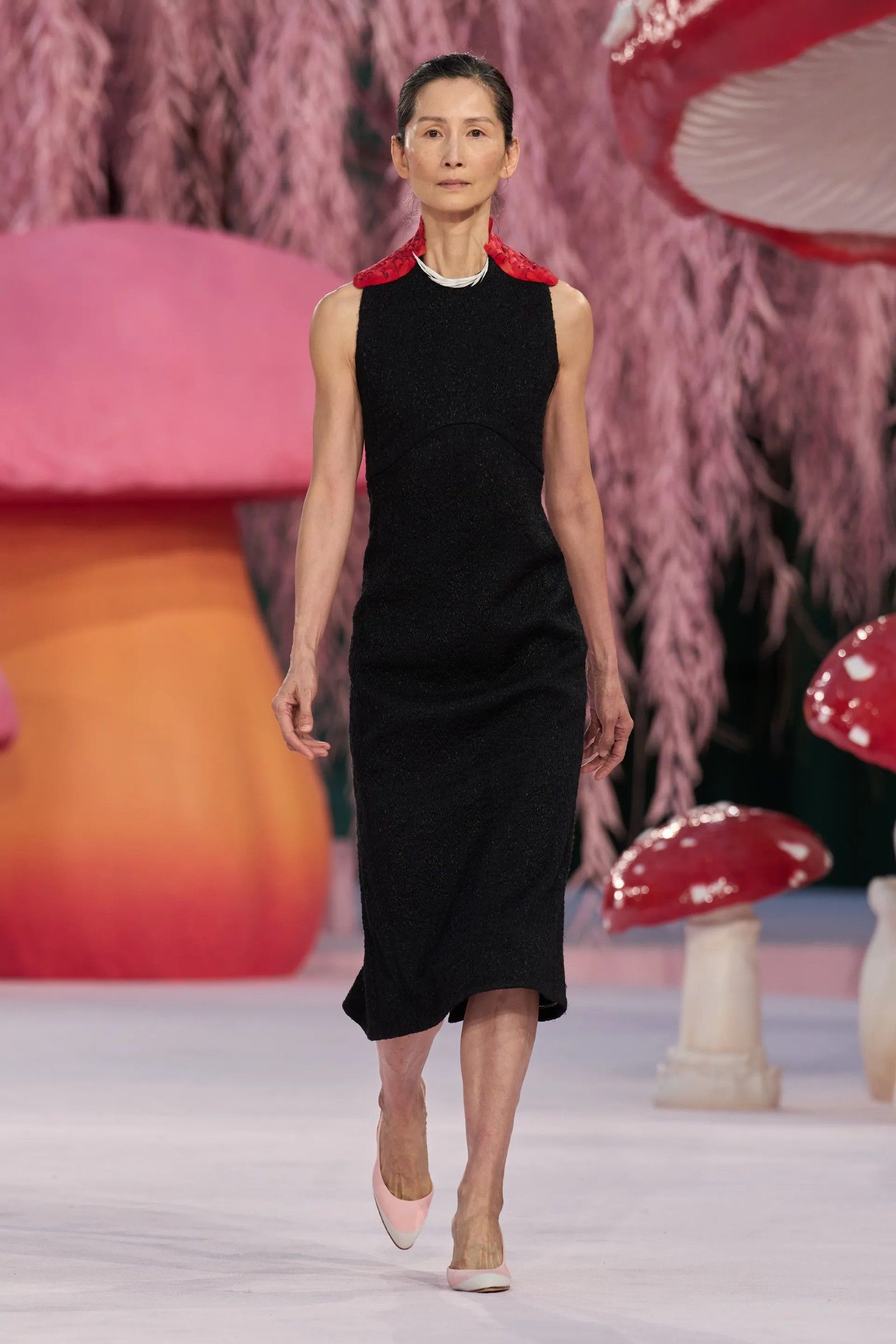
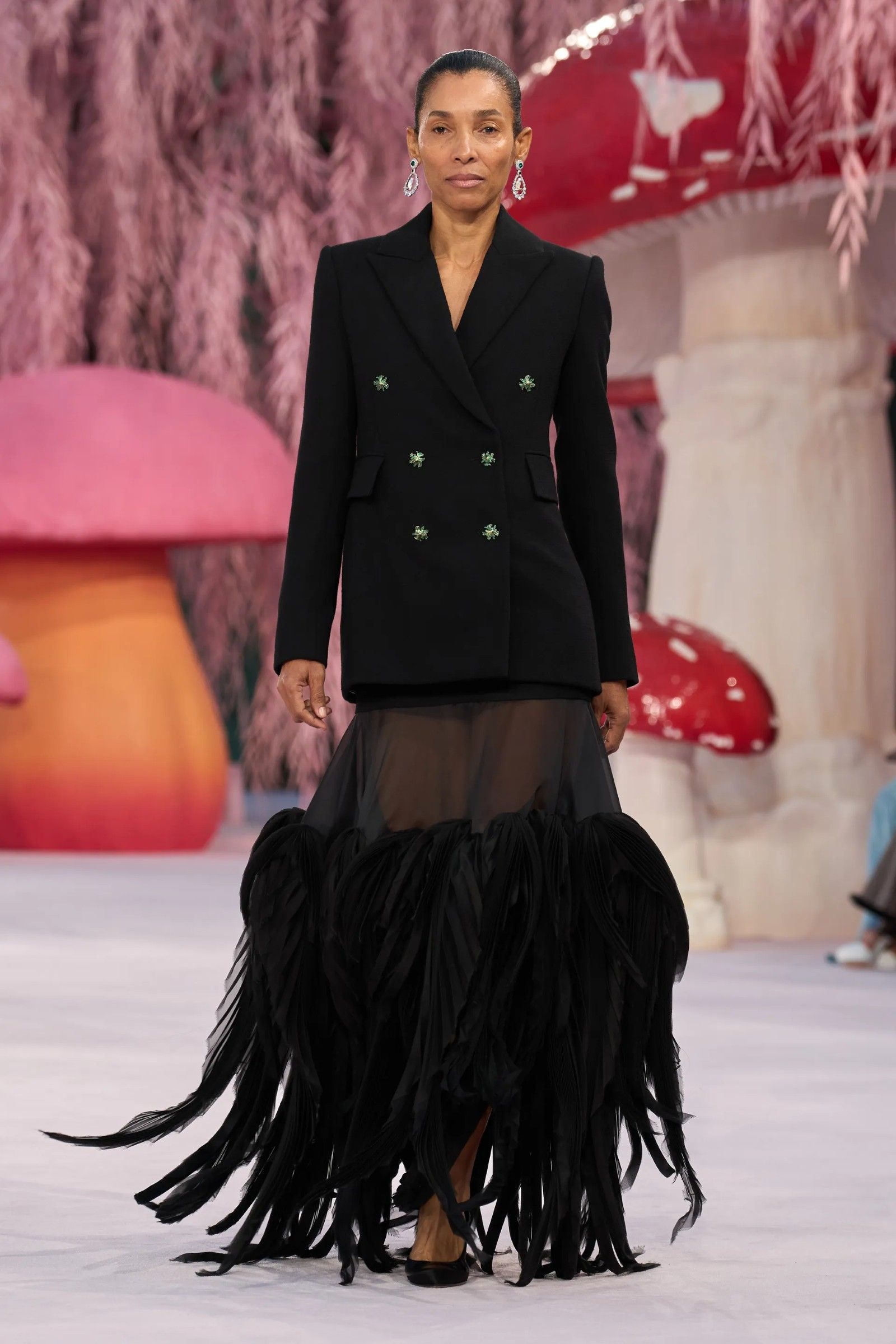
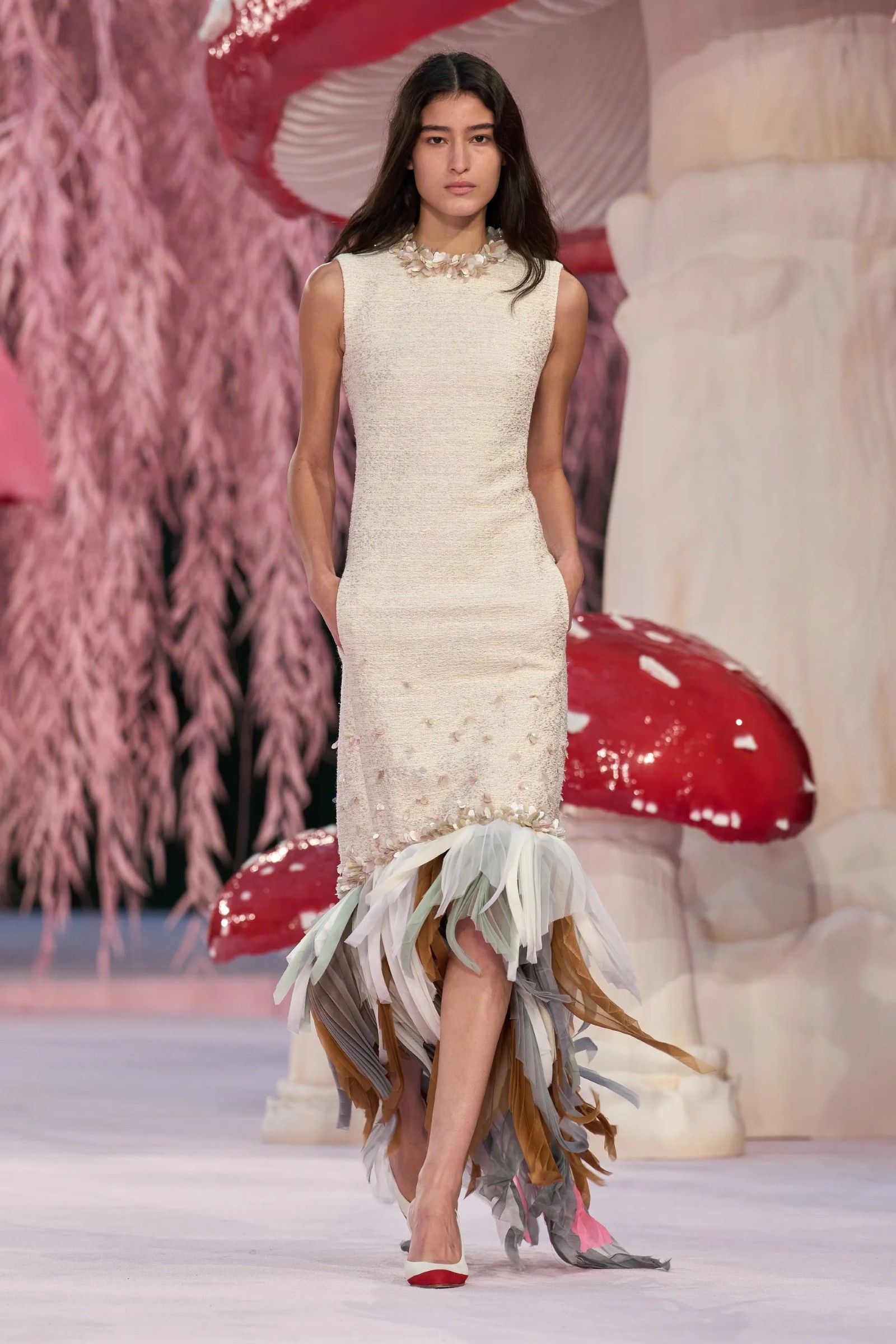
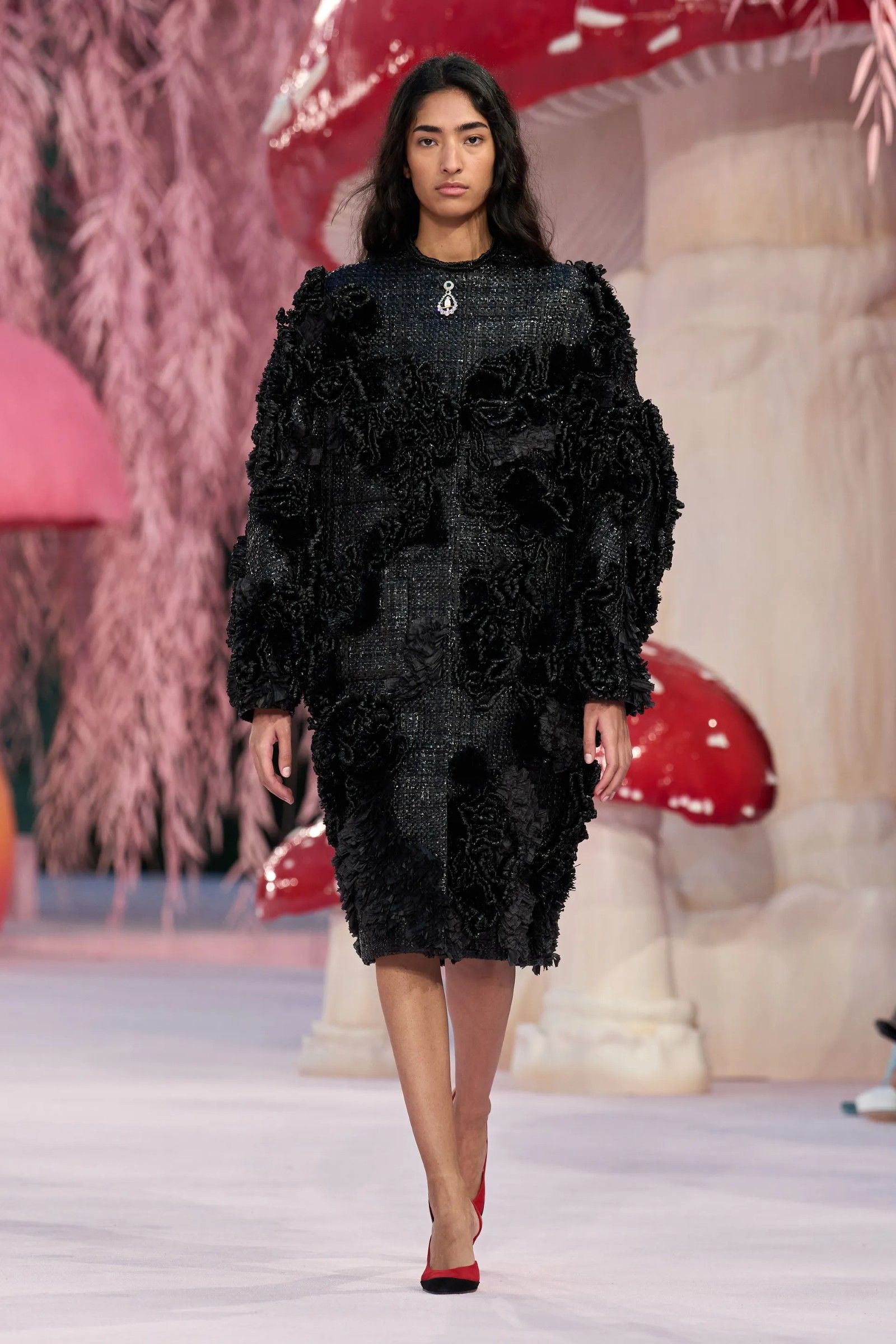
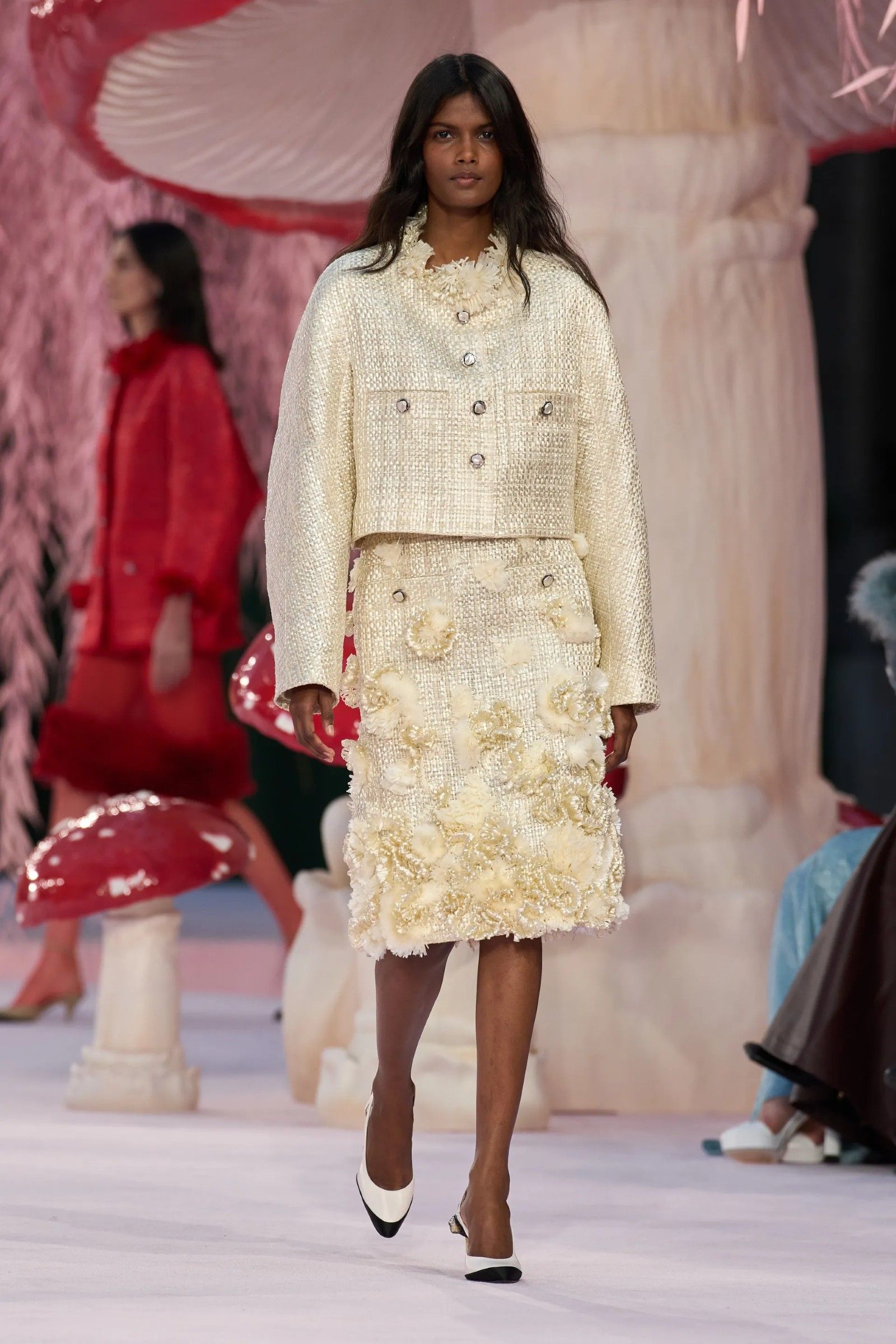
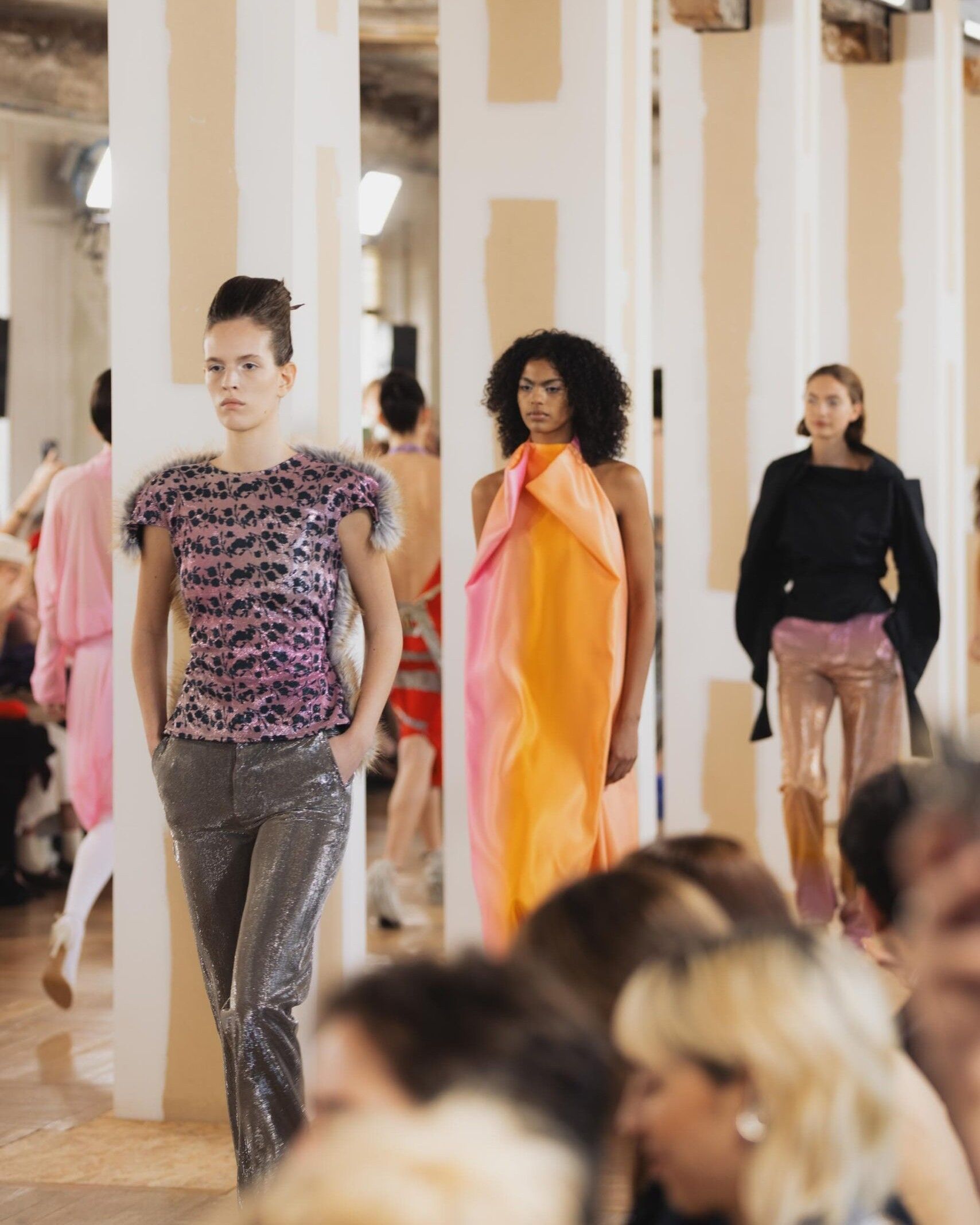
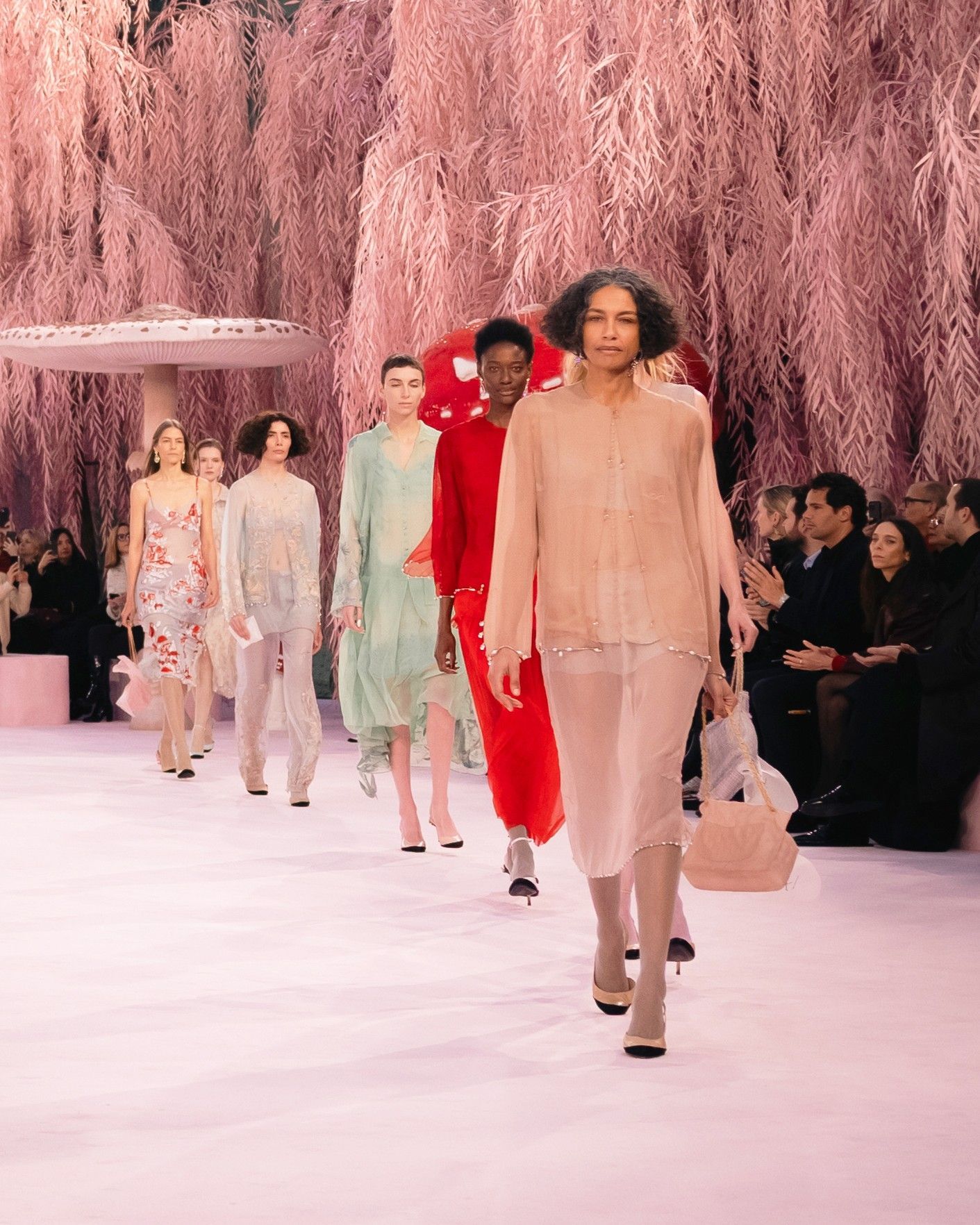
From earth to sky: this could be the hidden message within Chanel’s Haute Couture SS26 collection, presented yesterday at the Grand Palais in Paris. A collection that revisits the fundamentals of the brand’s universe, arranging them into a kind of thematic sequence and guided by a sense of lightness which, in practical terms, takes shape in the emphasis placed on the flou of the garments – a concept we could explain in simple terms as the elegance with which any fabric construction floats and interacts with the air according to the movement of the person wearing it.
This latter relationship we have highlighted is also one of the key interpretative lenses of the collection which, being spring-oriented and therefore rooted in the idea of lightness, relies heavily on the relationship built between garment and body. This is why the very first part of the collection opens with ensembles in silk mousseline. They are very simple at first, but gradually become more elaborate, following the trajectory of a metamorphosis that accompanies the show’s narrative, carrying it through a dual upward movement: from simplicity to complexity, from the bond with the earth to the freedom of the air.
From earth to sky
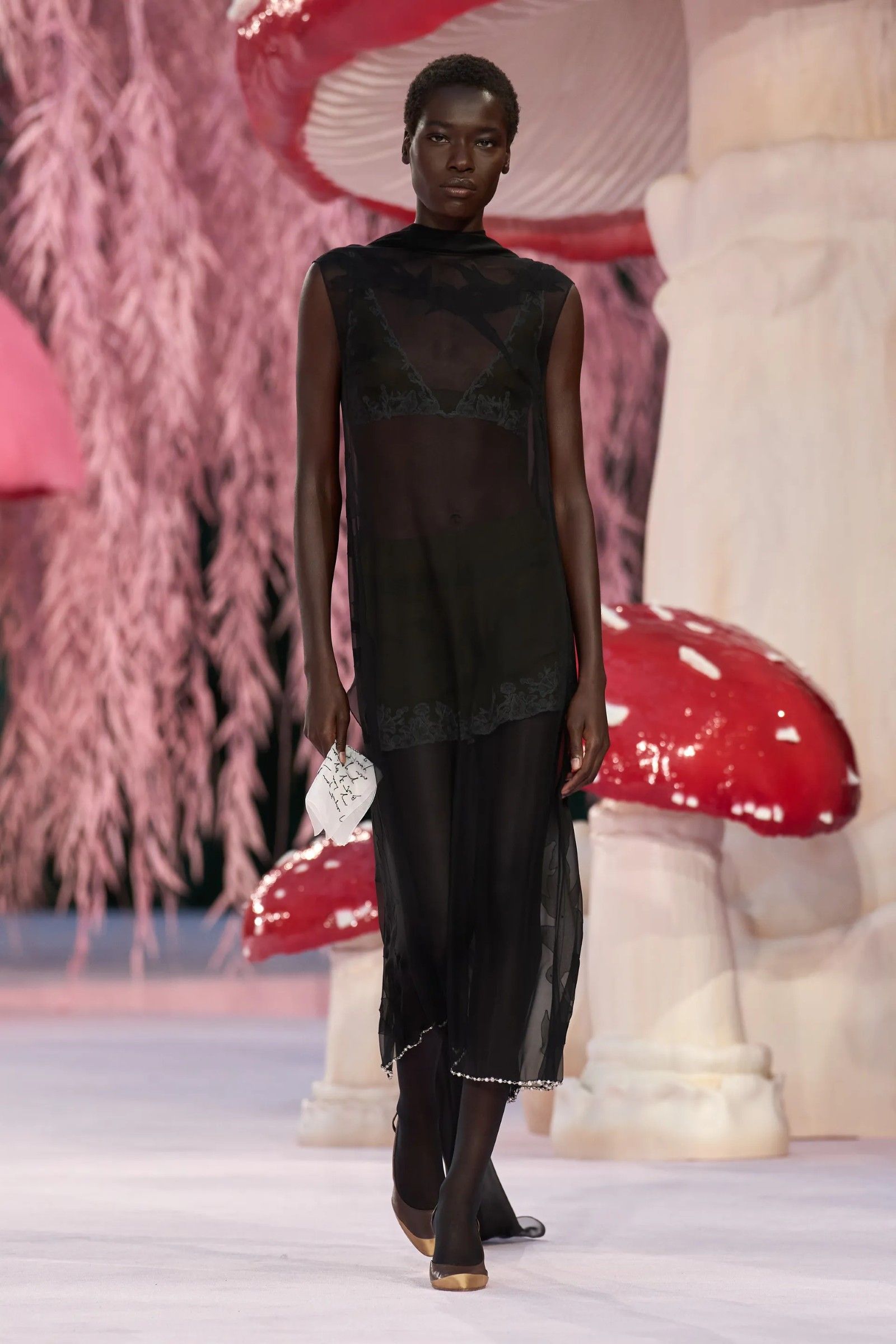
The show set took place in a garden populated by pink willows and enormous mushrooms. The inspiration, as explained in the show notes, comes from an anonymous Japanese haiku: «Bird on a mushroom / I saw beauty in a flash / Then it was gone, flown away». The poem contains, in miniature, the entire meaning of the show—namely, the attempt to capture or translate into fabric the idea of an intangible and fleeting beauty. The duality between the mushroom, which emerges from the earth, and the bird that rests upon it and then takes flight is what animates the collection.
From the very first looks, the mushroom theme begins to appear: initially in the form of mushroom-shaped inserts, which soon evolve into elaborate embroideries enriched by the figure of the bird as well. After what we might call the entrée, the garments become more complex. On the mousseline, various versions of scales and gills accumulate, directly recalling the morphology of mushrooms. Amid the transparencies, hidden yet exposed personal memories emerge: a love letter becomes a silk handkerchief; objects such as lipsticks and perfume bottles turn into jewels and accessories, in some cases sewn into garments or bags but revealed through their transparency.
The exploration of the motif is intriguing: not only had Blazy already shown his fascination with this natural realm in his previous role, but here certain hypnotic lines and patterns decorating the materials—as well as the almost metallic colors of an embroidery in the tenth look—seem to indirectly evoke imagery between psychedelia and Art Deco. Even the many transparencies bring to mind the invisible and almost intangible membrane of mycelium. The most “earthbound” looks, however, are also the lightest and most ethereal (which is why the “movement” animating the collection is dual), and as attention gradually shifts upward from the earth toward the sky and thus the birds, the looks instead accumulate increasing materiality.
From the ethereal to the material
After two illusionistic looks that are almost entirely transparent (including one—the sixteenth—in which Blazy offers a variation on the theme of everyday garments transfigured through materials), the show moves into its core. «The women at the center of the collection begin to transform into birds», the notes say. Pigeons, herons, roseate spoonbills, crows, magpies, and cockatoos: these are all birds mentioned in the notes, yet it is pleasing to imagine and seek out others. The forty-first look, toward the finale, resembles the plumage of a vulturine guineafowl; several others recalled the feathered crests of African hornbills, but also crowned cranes, Egyptian vultures, Cuban trogons, and parakeets.
Each ornithological inspiration is translated into different configurations of fabric, feathers, crystals, and jewelry. The theme of metamorphosis and the passage from the light to the material then recurs as a leitmotif across almost all the looks in the central section, which thus become a parade of dualities of fabrics, of opacity, of textures—garments that seem caught halfway through their process of transformation from one material to another, from one color to another. Were the final result not so modernist, so reminiscent of abstract artworks one might encounter at the Guggenheim or the Musée d'art moderne in Paris, one could think of Ovidian inspirations. Yet the spirit of the collection is truly and strikingly modern, while always remaining clear and legible.
Beyond the purity of the lines and the opulence of the craftsmanship (already when looking at the first look, the simplest one, one wonders how it was possible to sew tiny buttons onto a fabric as light as air), the meaning Blazy seems to give the collection is that of an implicit richness, one that does not merely aim to strike the eye but also intrigue the intelligence of the viewer. Beyond the precision of the execution, in fact, there is an immediate temptation to examine these garments up close, to investigate their minutiae in order to understand how they function to create the overall effect. This is particularly true of the red looks that appear toward the finale, starting from the thirty-sixth outing.
New Couture, New Chanel
If the purpose of Blazy’s appointment and the show’s grand staging is to connect this new era to the historic and long-standing reign of Karl Lagerfeld, the new vision of Chanel conceived by the Belgian creative director is decidedly more abstract and cerebral, though no less spectacular. The major step forward that Blazy is taking lies in interpreting the brand’s vast cultural heritage in a way that is not immediately literal.
The brand’s aesthetic was highly literal in the Lagerfeld era, so focused on a specific theme as to transfigure everyday objects into elements of the Chanel universe. Its driving force was a sense of camp, which sat alongside more serious garments and produced items that have remained in the collective memory, such as the hula-hoop bag, Moon Boots, ice skates, tennis rackets, lifebuoys, and so on. Blazy, instead, proceeds in reverse: he brings the ideal into the real, translates the abstract into the concrete and, rather than transforming it into another object, intellectualizes the classic Chanel bag by creating a version made of the most delicate, airy mousseline.
Rather than elevating the everyday to the level of Chanel, Blazy elevates Chanel toward a broader, more experimental artistic dimension. We have moved from estrangement to metaphor, from theater to poetry. A haiku, precisely. And Blazy seems to know quite a few poems—and to know them well. We cannot wait to experience new ones.