

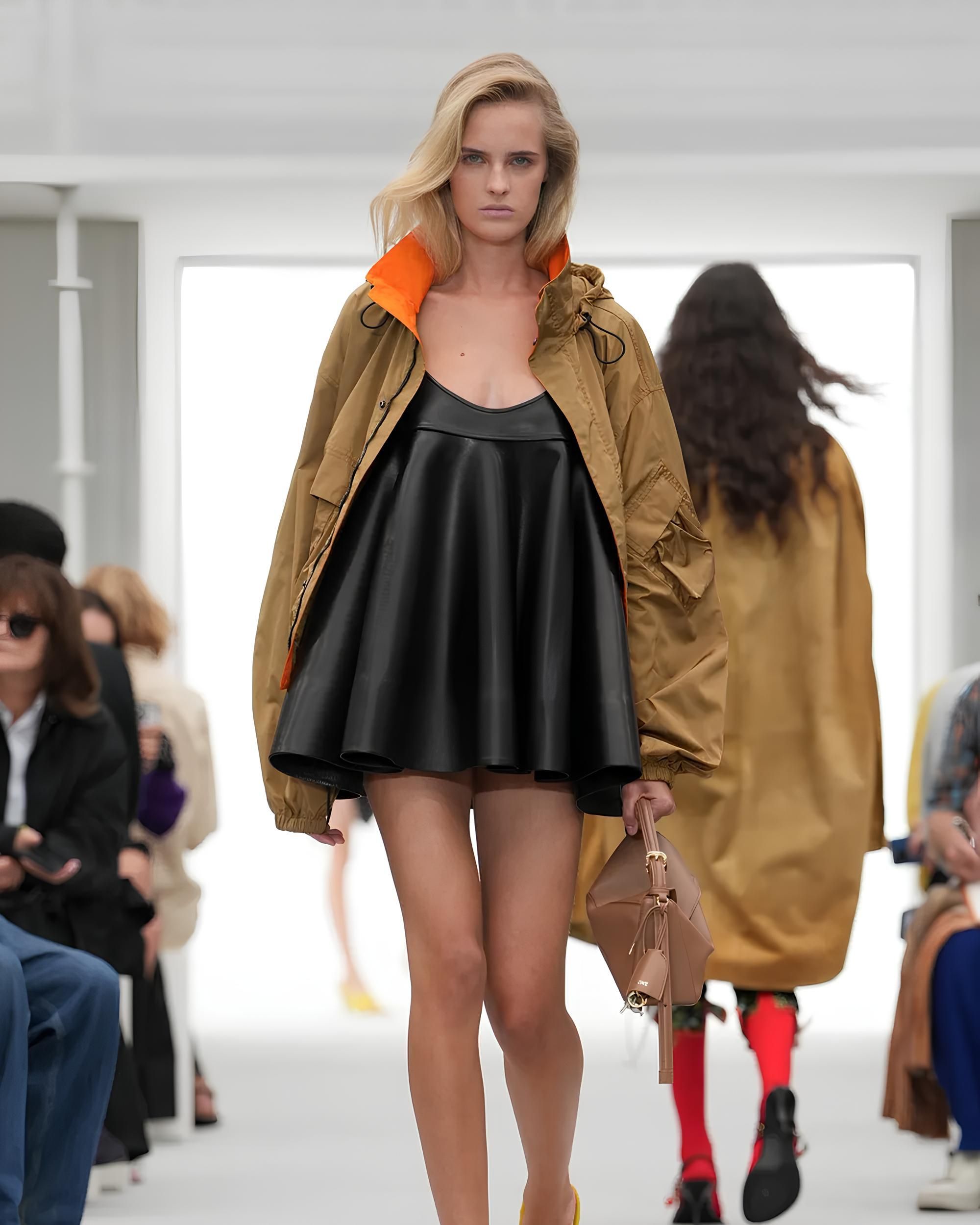
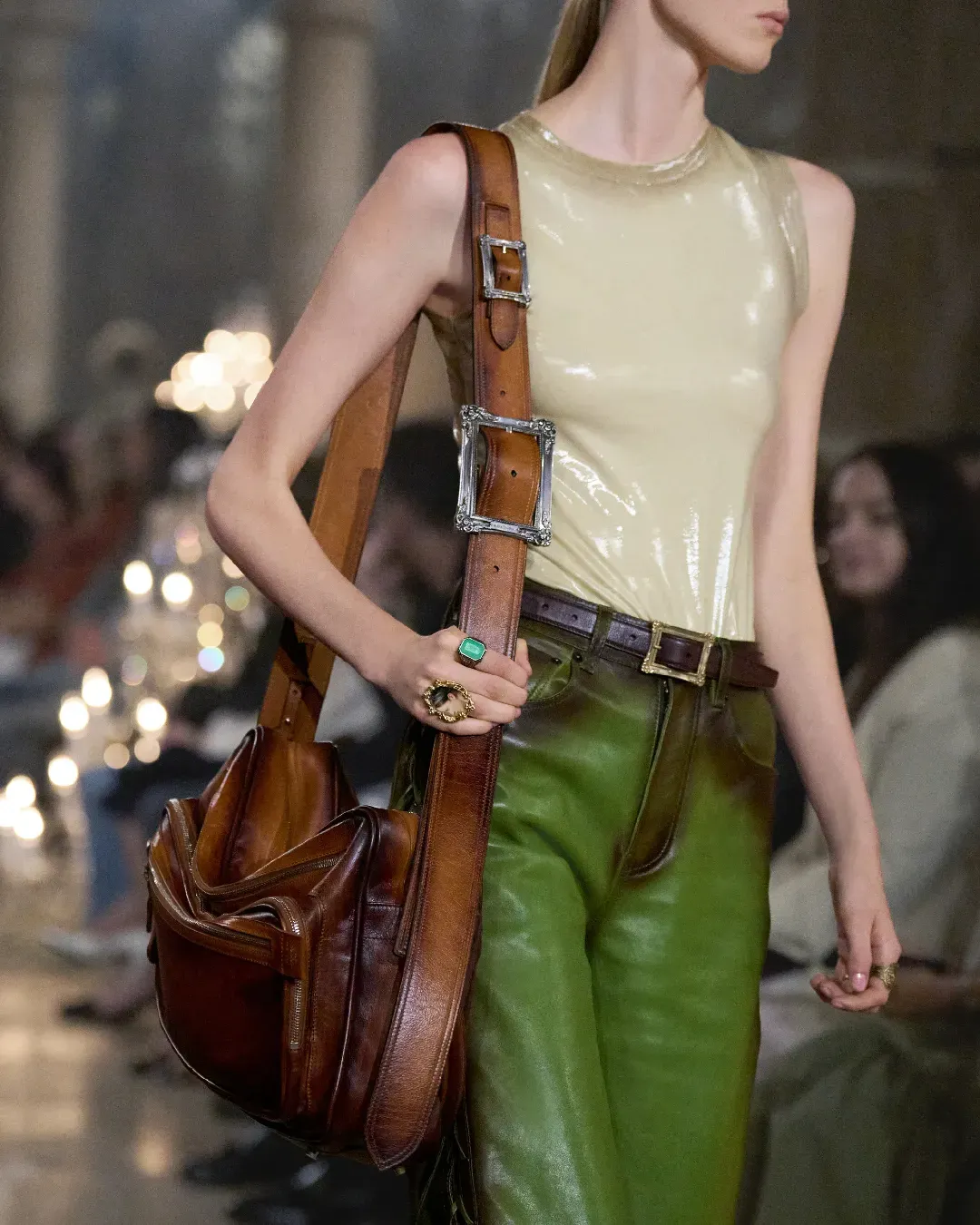
























Fifty years of MCM and a new concept of global luxury When fashion becomes movement, culture, and innovation
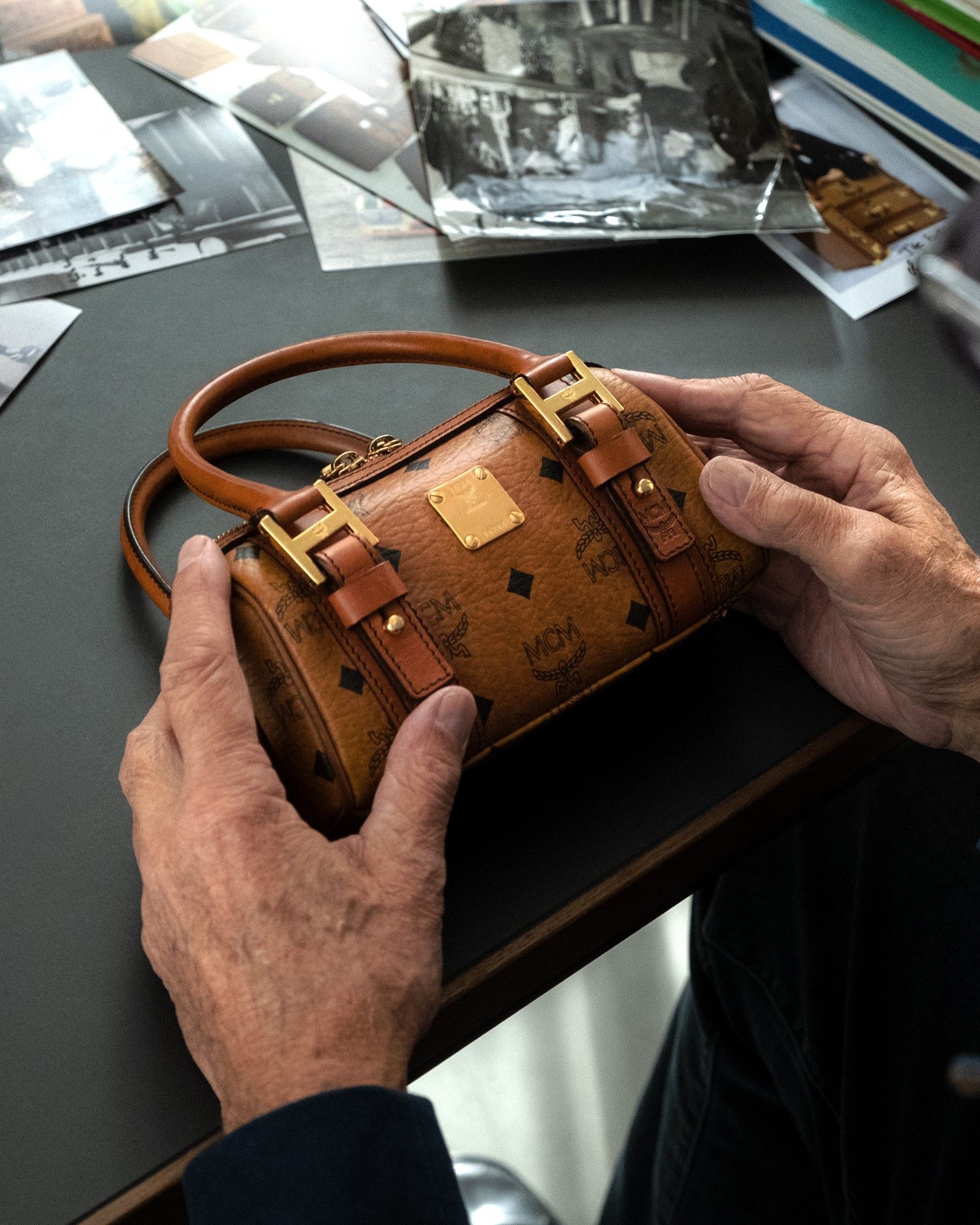
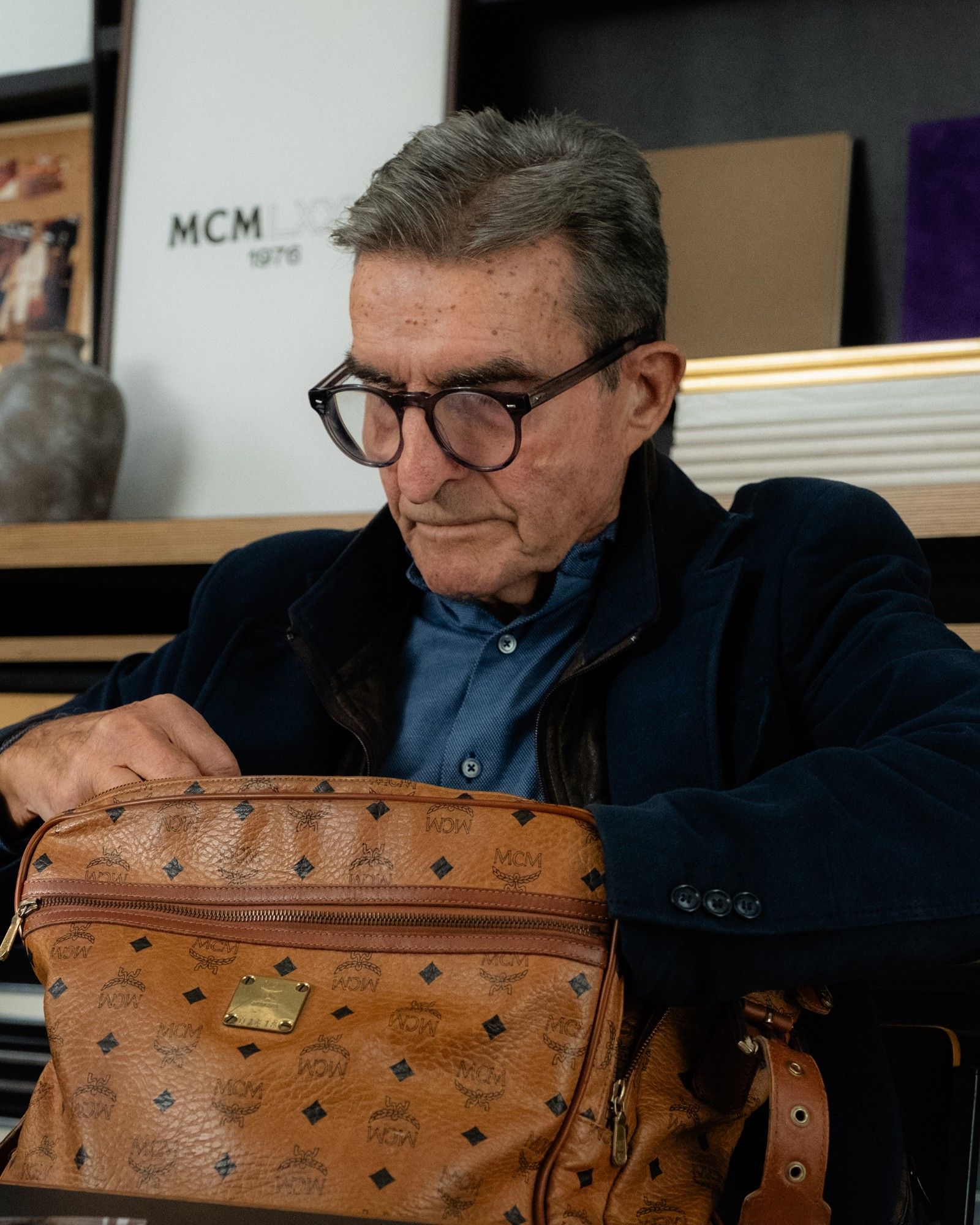
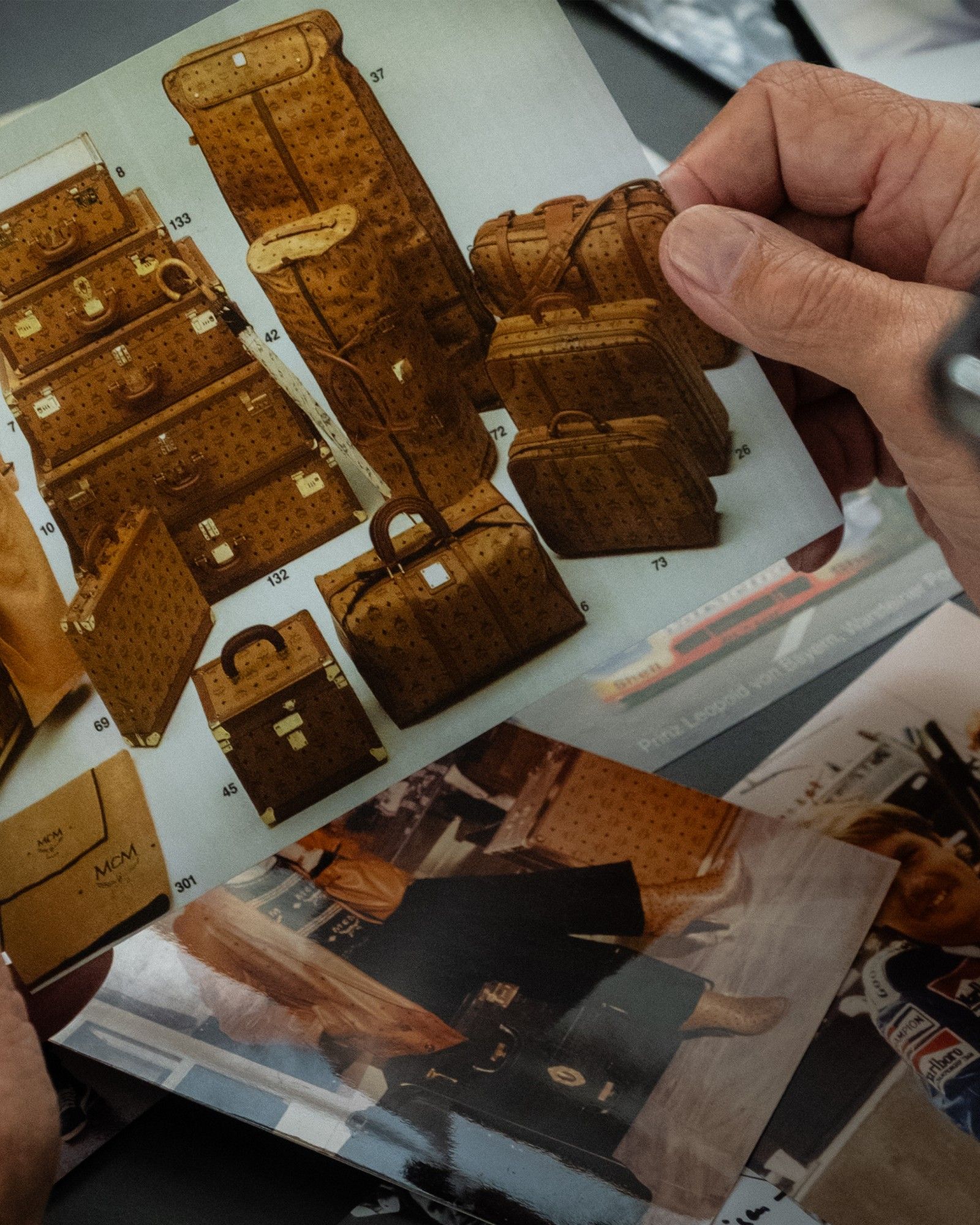
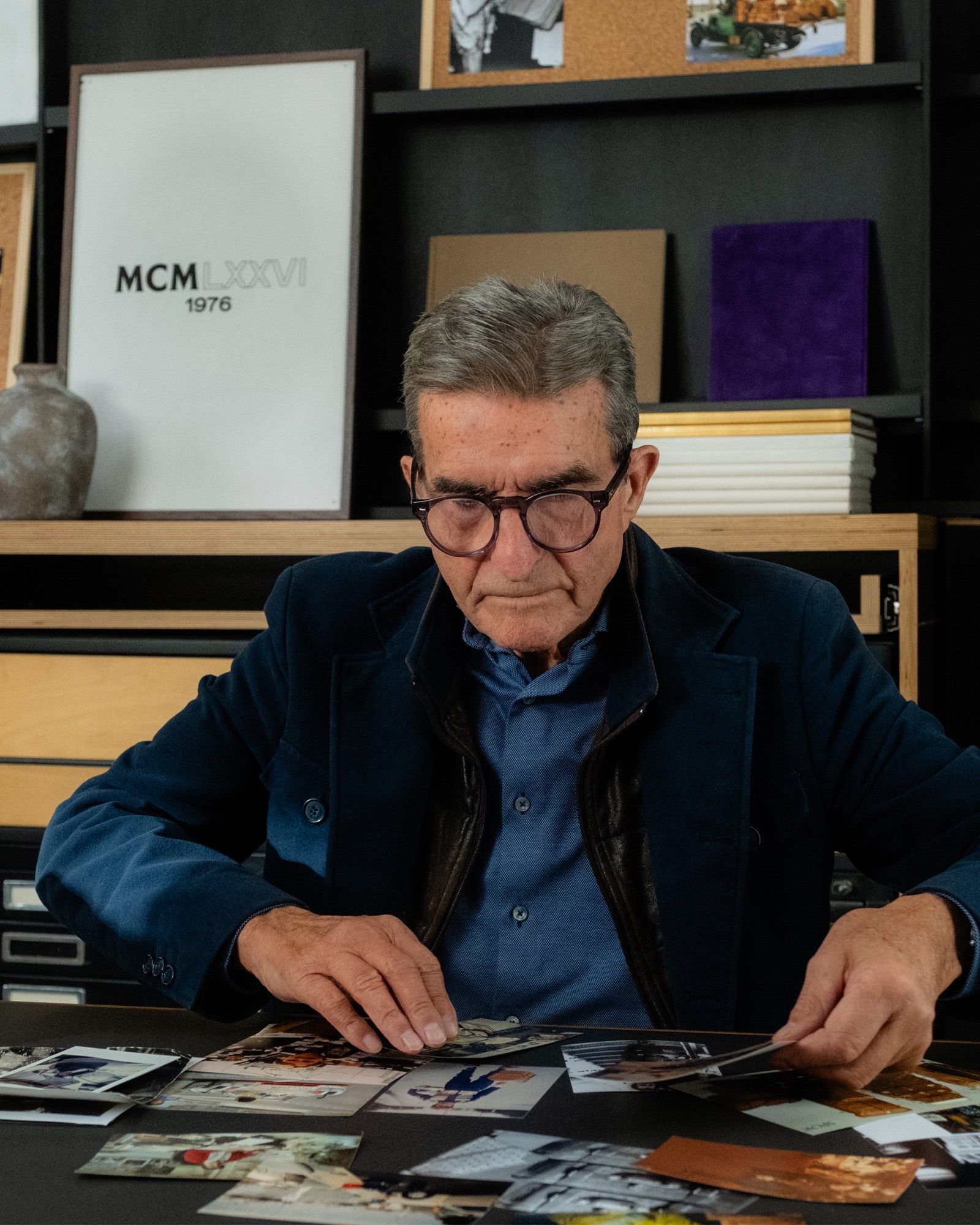
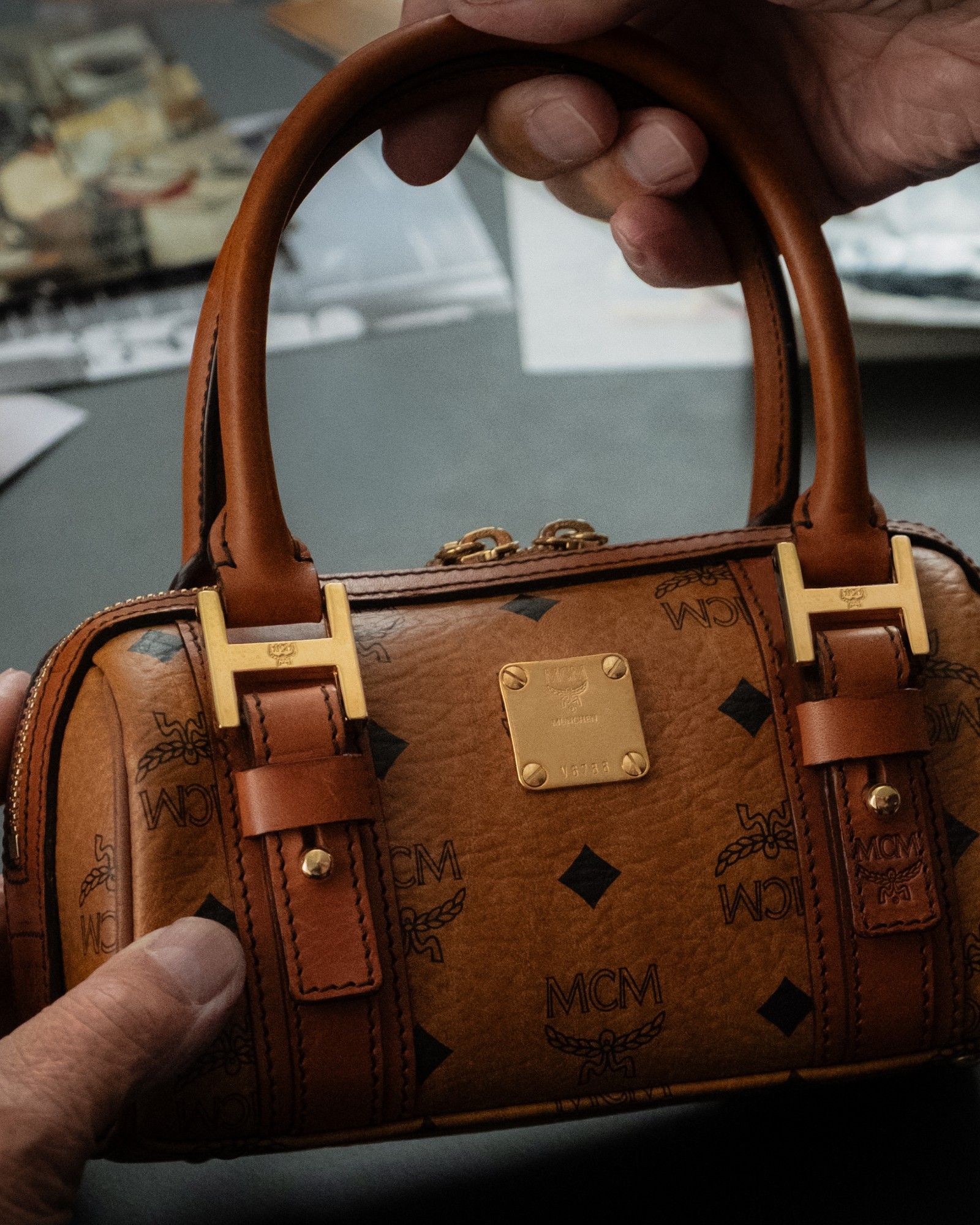
This year MCM celebrates its fiftieth anniversary. An important milestone for a brand that symbolizes a type of contemporary luxury which can no longer be defined solely by tradition or exclusivity, but must evolve alongside changes in society, technology, and new generations.
The evolution of MCM over the decades
Founded in 1976 in Munich, MCM was born in an era when the German city was one of the most dynamic centers in Europe, full of music, design, and nightlife. In that cosmopolitan atmosphere, brimming with experimentation and freedom, the brand emerged inspired by the Bauhaus principle that form must follow function. It also became a symbol of material success, dynamism, and above all international travel, thanks to its iconic suitcases. Today this heritage has evolved: if originally the design stemmed primarily from functional needs, today the brand’s creativity is mainly guided by culture and new global lifestyles.
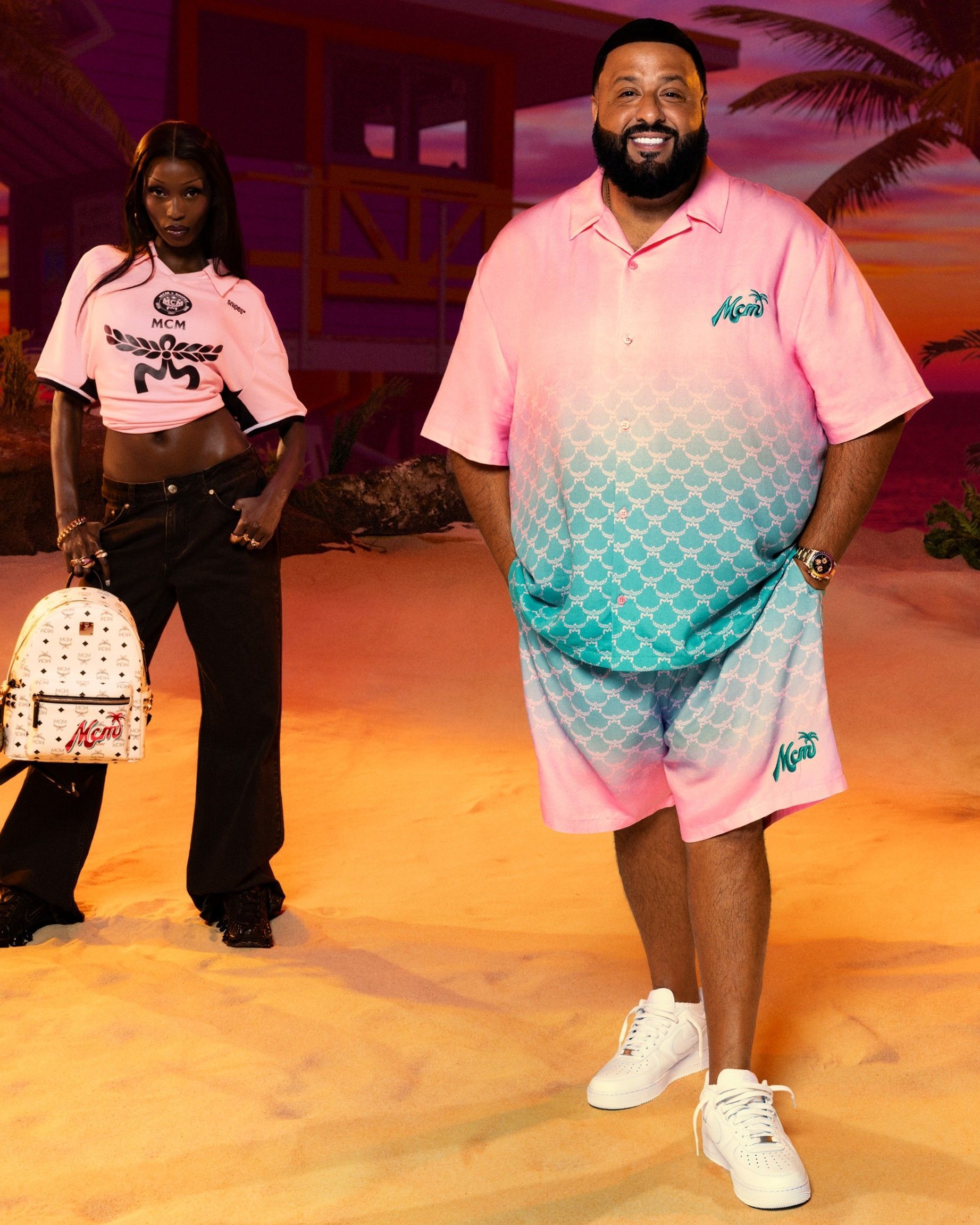
Over the decades, MCM has demonstrated a remarkable ability to intercept and interpret cultural changes. From the underground scene in Munich in the 1970s, the brand progressively forged new connections with international artistic and musical movements. In the 1980s and 1990s, for example, the brand’s aesthetic intersected with the energy of hip-hop culture in New York, while in the early 2000s it established a dialogue with the rising influence of Asian pop culture, particularly global phenomena such as K-pop. This continuous exchange with the worlds of music, art, and street culture has helped transform MCM from a simple luxury accessories brand into a true protagonist of contemporary culture.
A vision of “Smart Luxury”
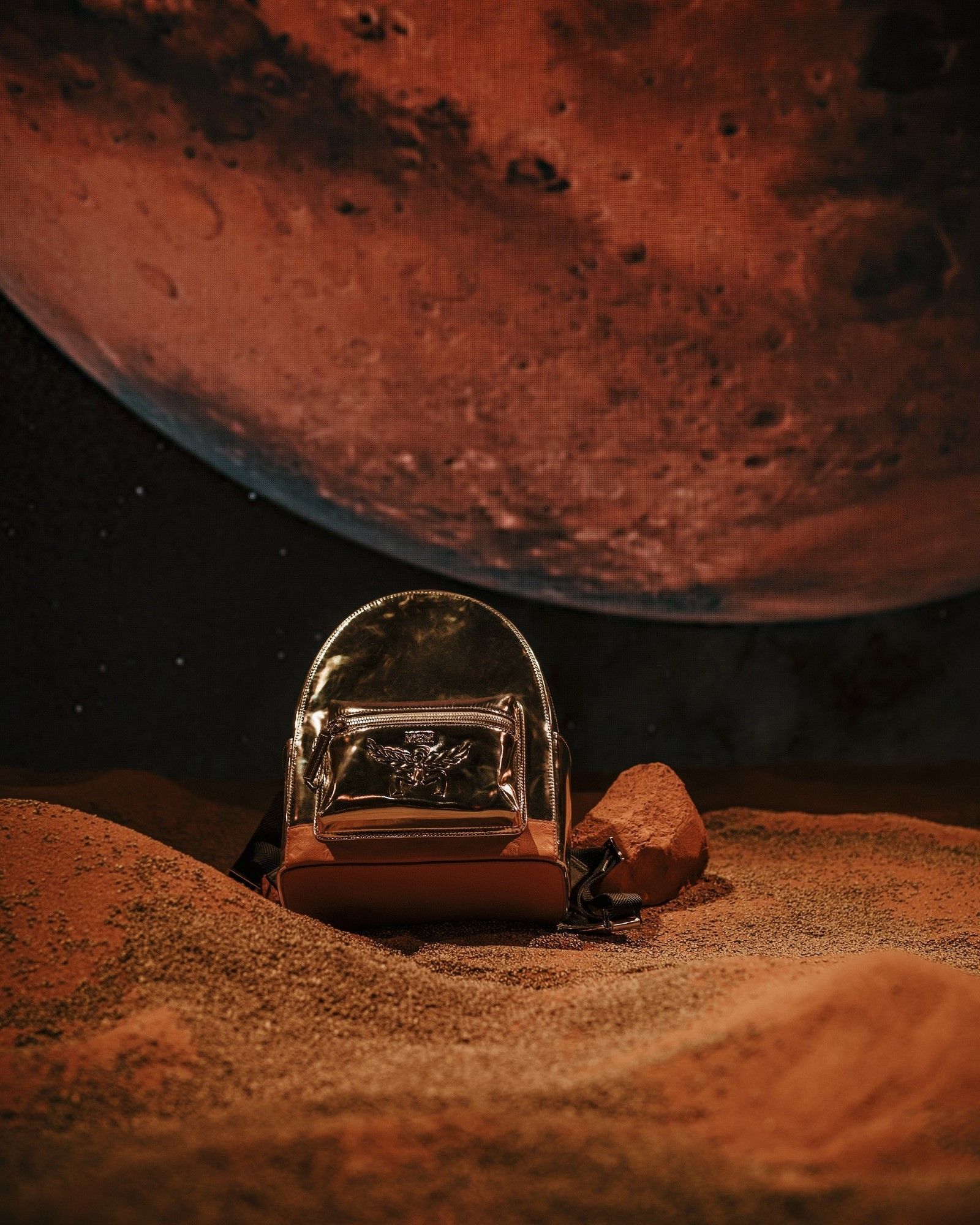
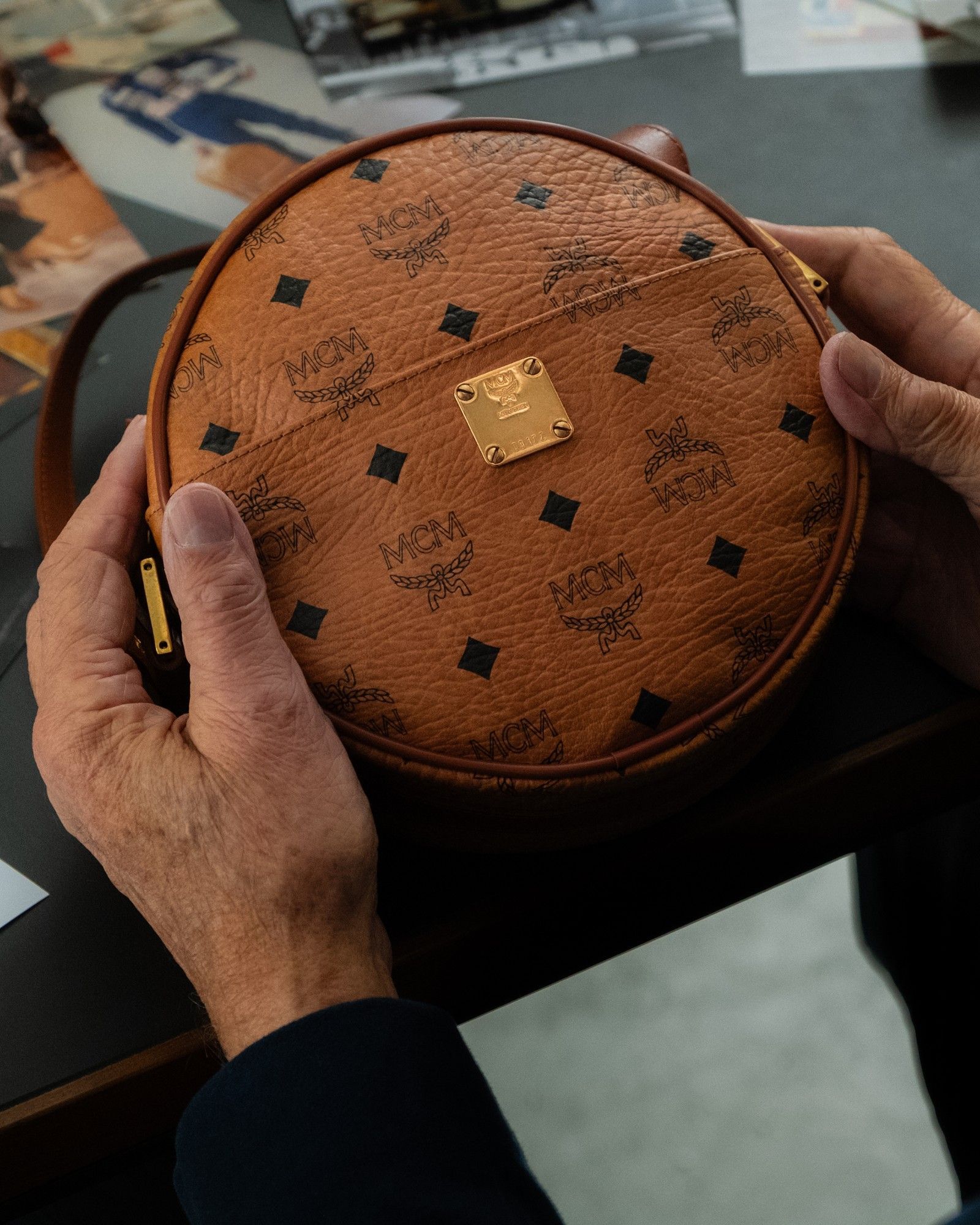
To celebrate its fiftieth anniversary, MCM has inaugurated a new phase with the global campaign Icons Reinvented, a project that reinterprets some of the maison’s most representative silhouettes. Among them are now-iconic models such as the Stark Backpack, the Liz Shopper, the Ella Boston Bag, and the Ottomar Weekender. The goal of the campaign is not simply to celebrate the brand’s past through nostalgia, but to use its historical heritage as a foundation for developing new design interpretations suited to contemporary life.
This is why the brand has developed the concept of Smart Luxury, a vision of luxury that places functionality, adaptability, and cultural relevance at its core. Products are designed with people in mind who live across different cities, time zones, and digital environments—a global audience for whom mobility and flexibility have become essential features of everyday life. The new creations therefore prioritize lightweight constructions, practical designs, and modular internal configurations, with shapes conceived to easily adapt to different contexts, from work to travel to leisure. Longevity and sustainability are not mere communication strategies, but elements integrated into the creative process.
According to Sungjoo Kim, Chief Visionary Officer of the brand, movement has always represented one of the fundamental values of MCM’s identity. Since its founding, the brand has sought to transform the cultural energies of its time into concrete objects, capable of accompanying a dynamic and cosmopolitan lifestyle. This attitude continues to inform the brand’s creativity today, at a historical moment when new generations demand products that combine aesthetics, utility, and responsibility.
What will the brand do for its anniversary?
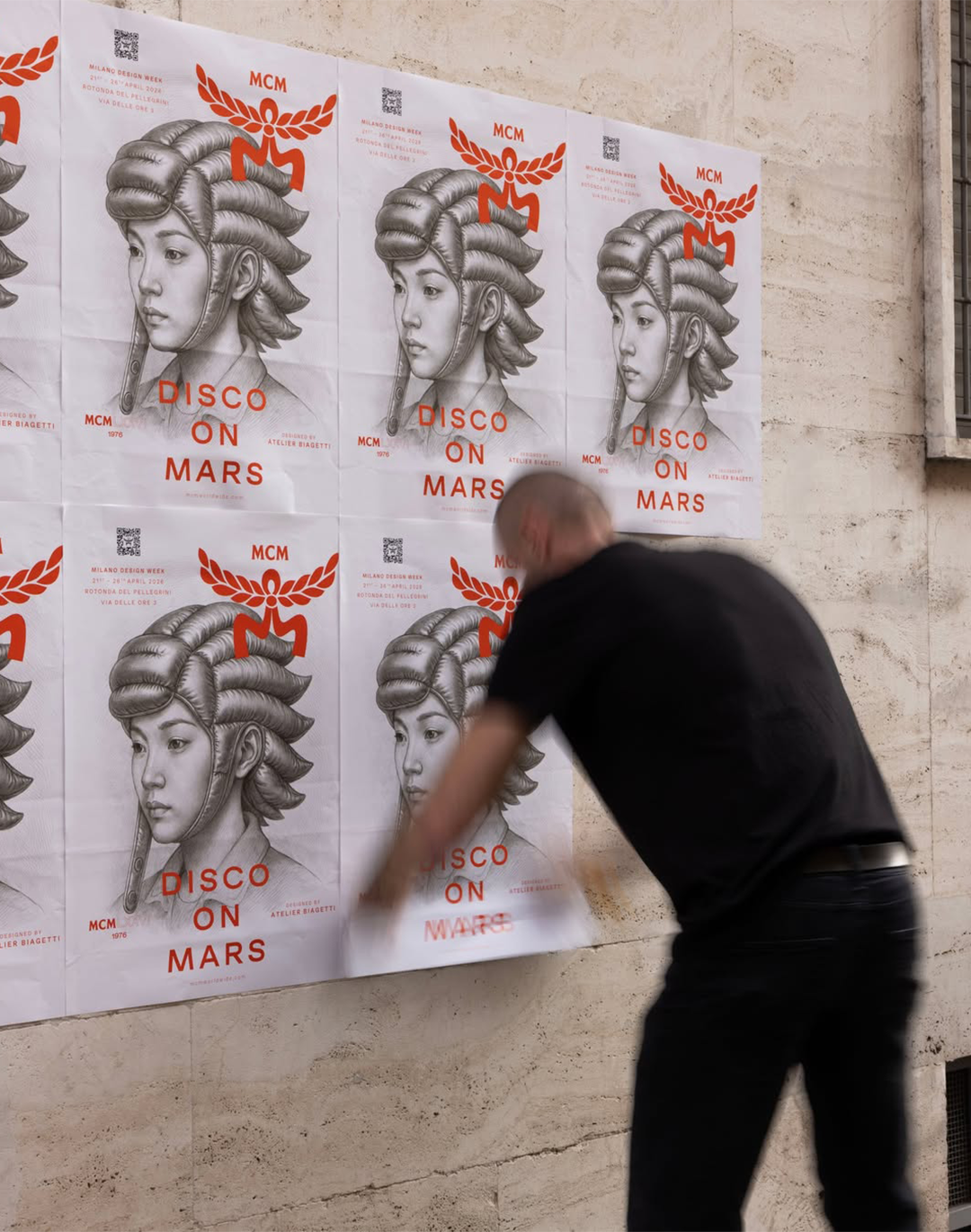
The fiftieth anniversary celebrations will unfold through a series of initiatives organized in Europe, the United States, and Asia, following the brand’s cross-disciplinary spirit across areas such as fashion, music, design, sport, and contemporary culture. The most symbolic moment of this journey, however, will be the return to Munich, where the celebrations will culminate during Oktoberfest 2026, a symbolic gesture to celebrate the brand’s origins.
On the occasion of the anniversary, a commemorative logo dedicated to the brand’s fiftieth year will also be presented, and an exclusive conversation with Herbert Lieb, long-time team member and current Heritage Brand Ambassador, will be published. The dialogue will offer a privileged look at MCM’s early years, recounting how the brand contributed not only to fashion but also to the evolution of design and visual culture of its time.
But this celebration is only the beginning of a new era for the brand. As Dirk Schönberger, Global Brand Officer, emphasizes, the next chapter in MCM’s history will be guided by the idea of progress and by listening to its global community. Designing with intention and responding to the needs of a society in constant motion will be the key to continuing to redefine the meaning of luxury.
Fifty years after its founding, MCM therefore demonstrates how a brand can transform its heritage into a tool for imagining the future. Rather than merely preserving the past, the brand positions itself as a cultural entity capable of interpreting the changes of the present and anticipating new directions in international fashion.