
Is the waistline getting lower than ever? What does the new trend tell us about how we perceive our bodies today?
Niccolò Pasqualetti FW26
Chanel FW26
Rabanne FW26
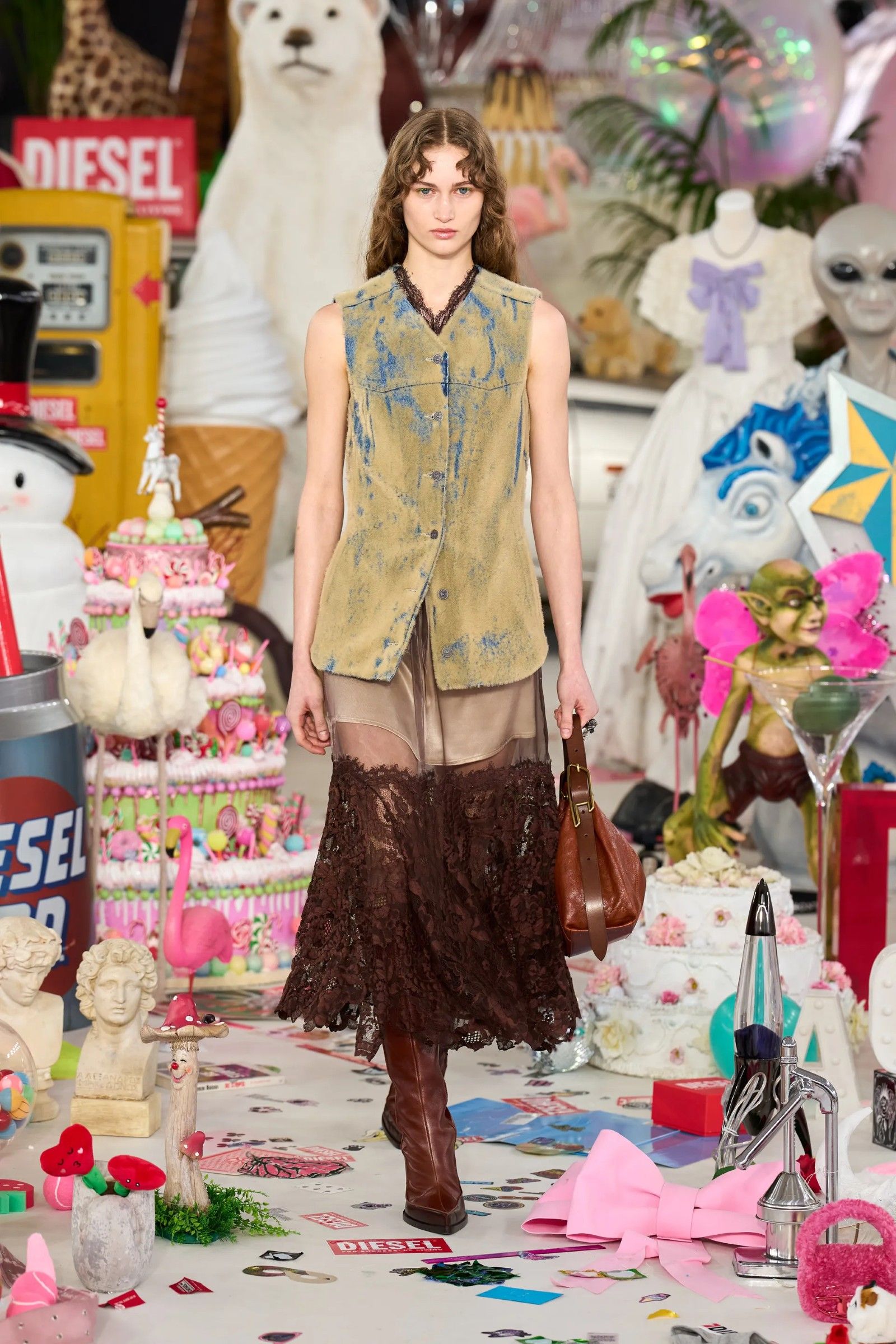
Diesel FW26
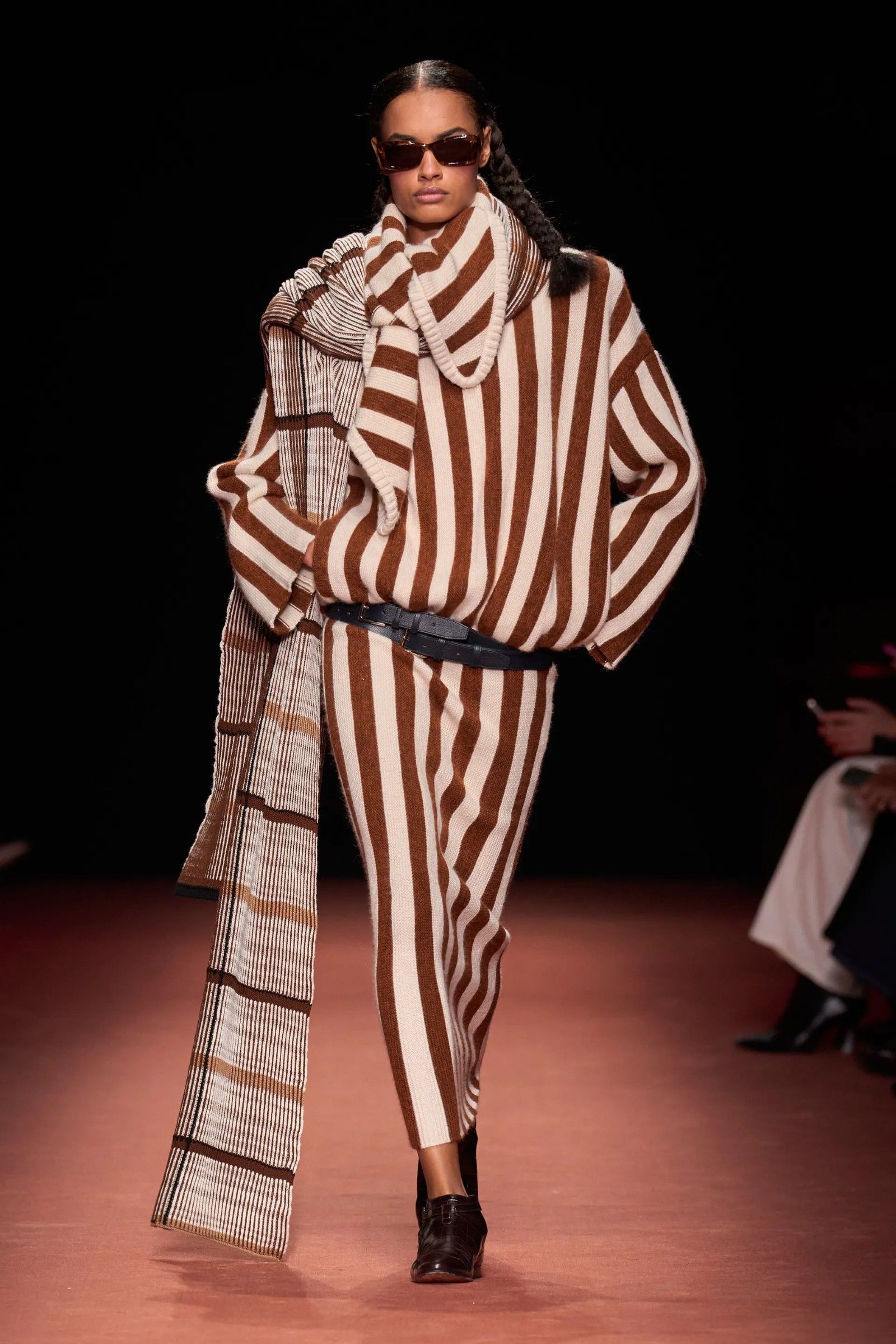
Missoni FW26
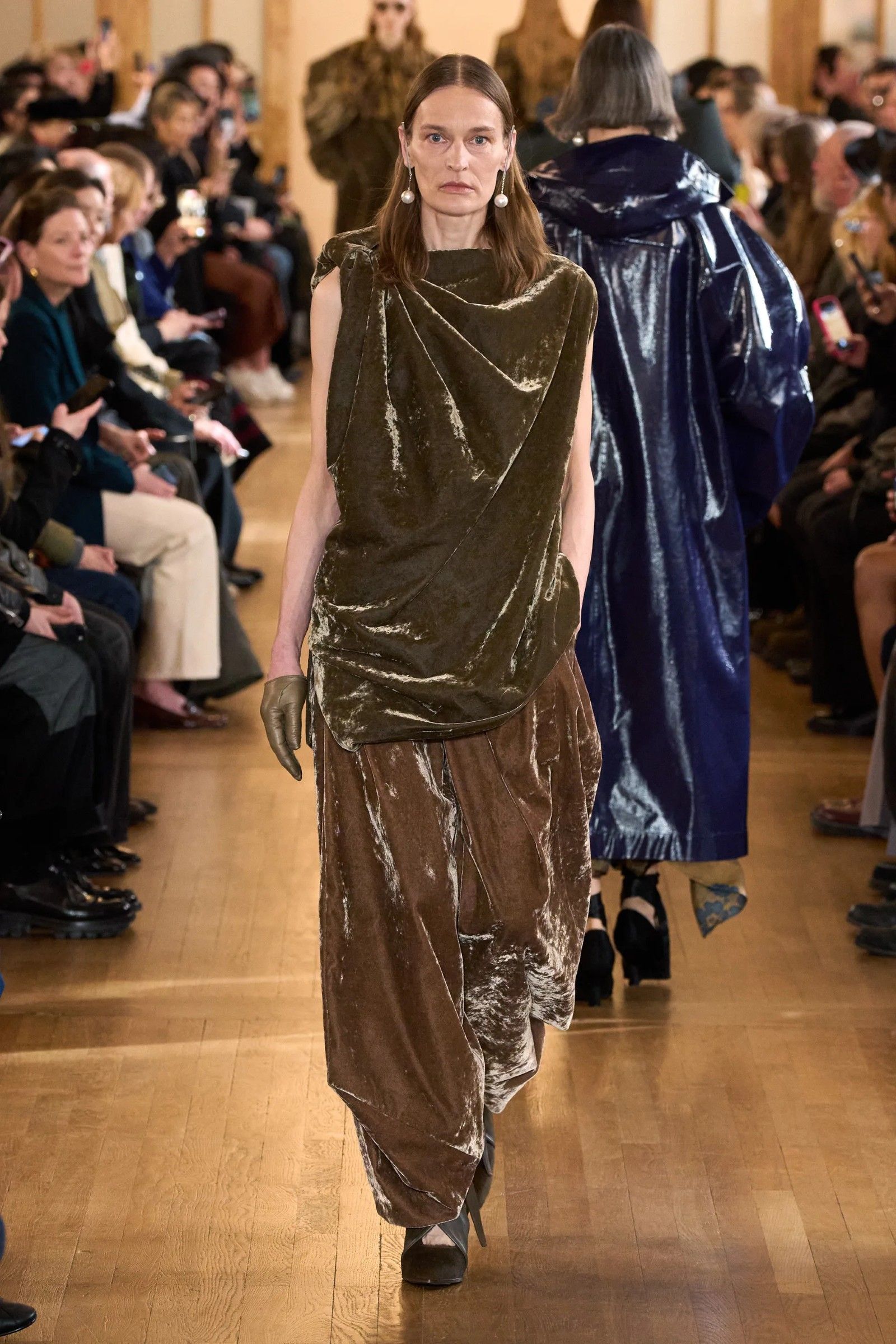
Uma Wang FW26
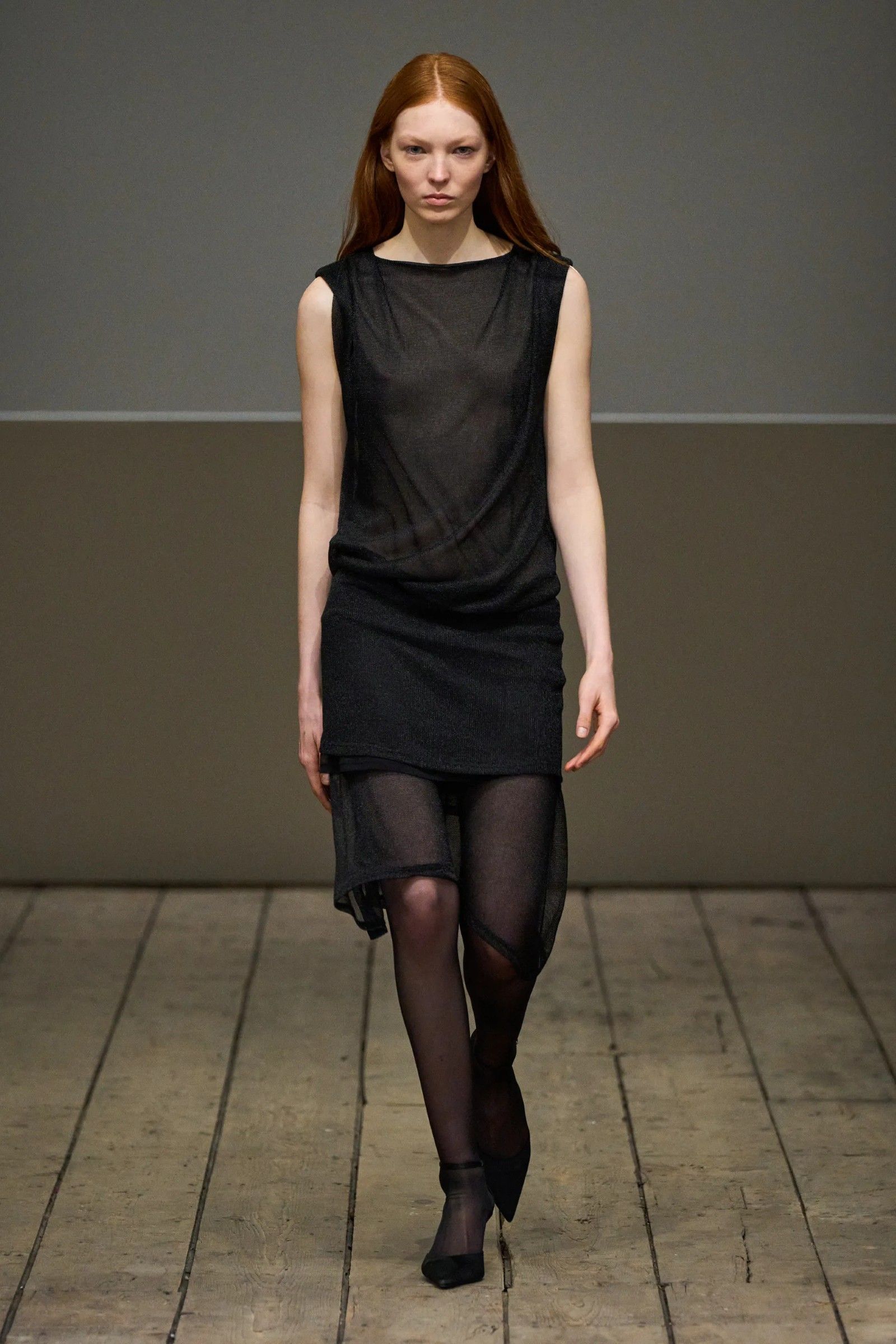
Eckhaus Latta FW26
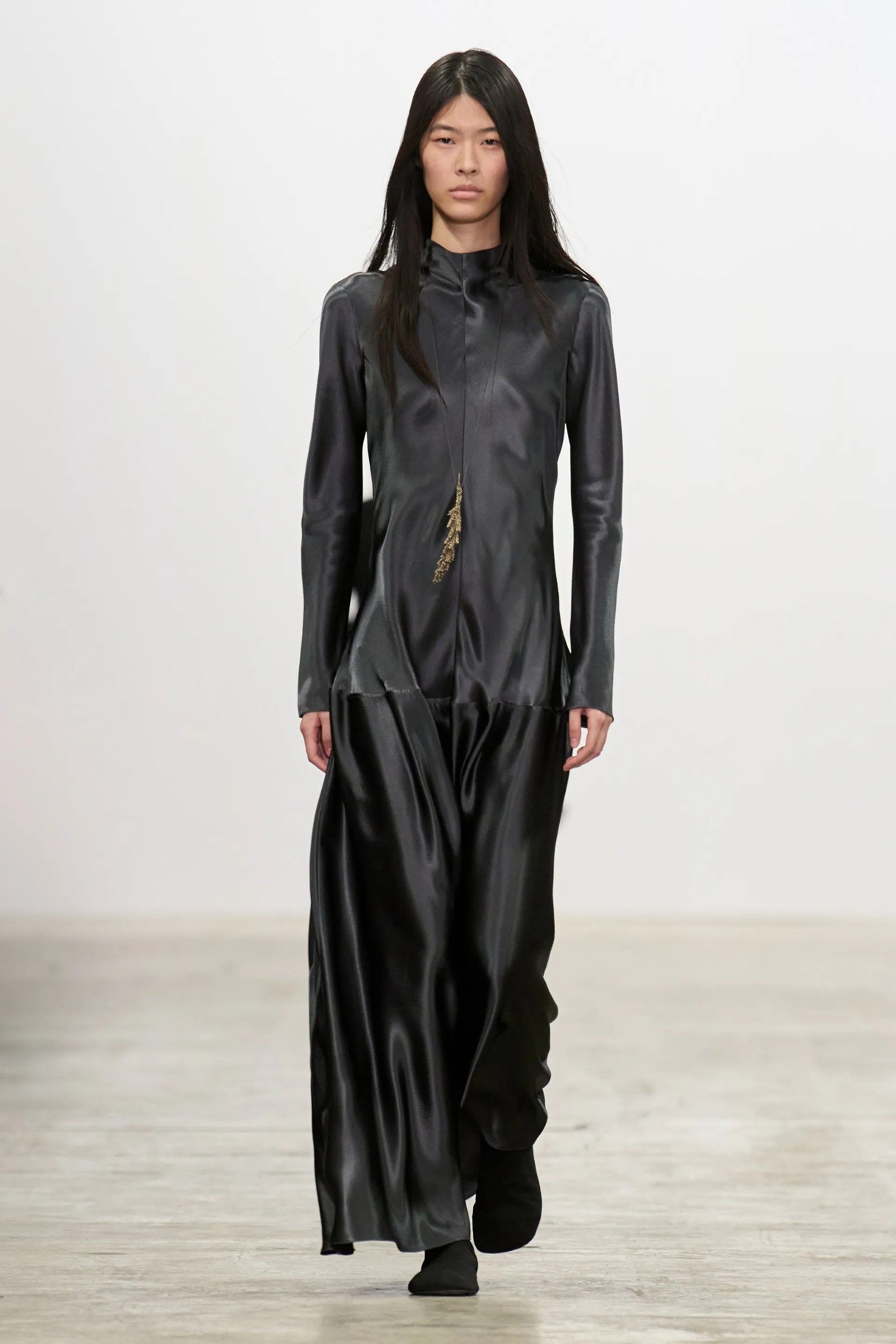
Fforme FW26
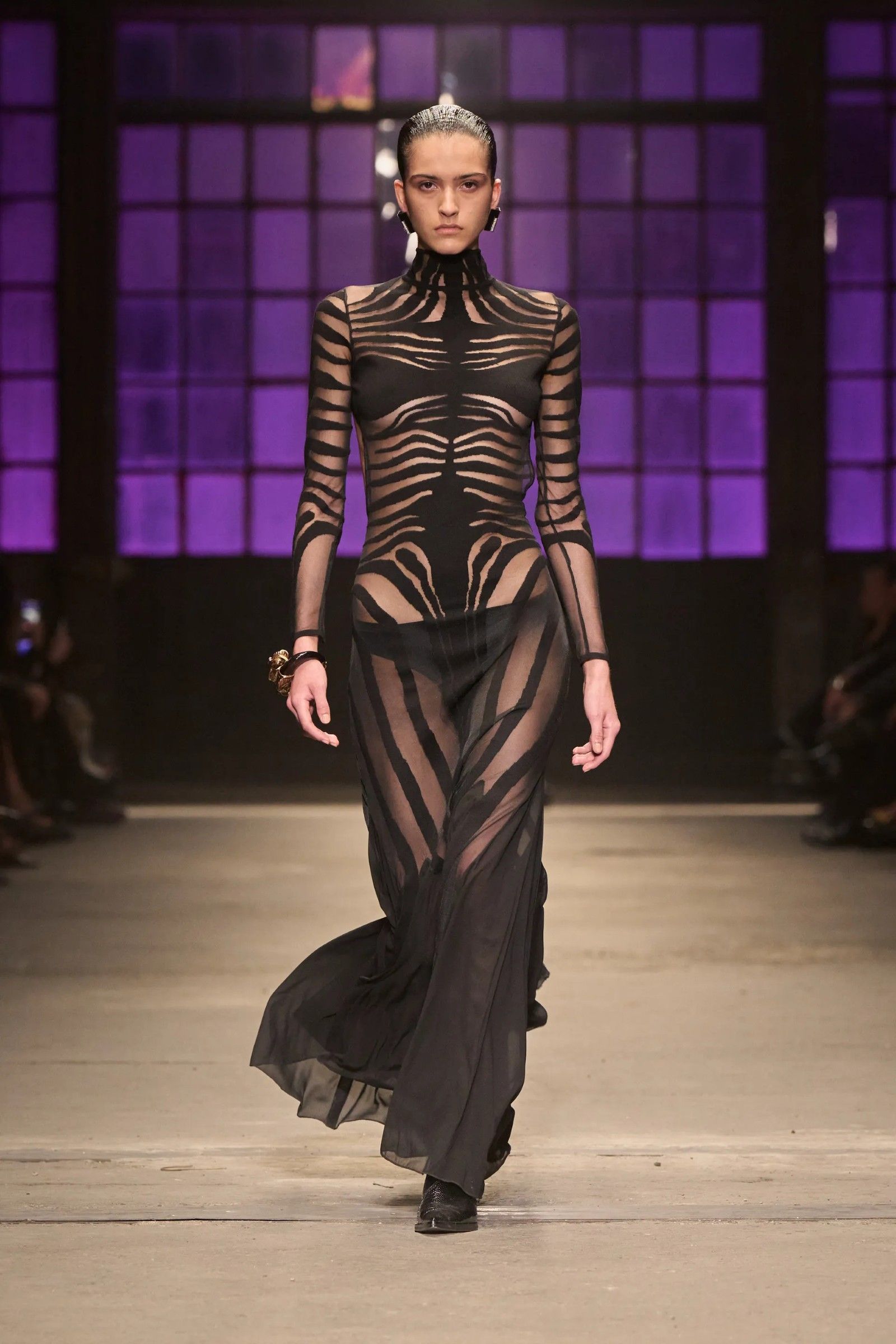
Roberto Cavalli FW26
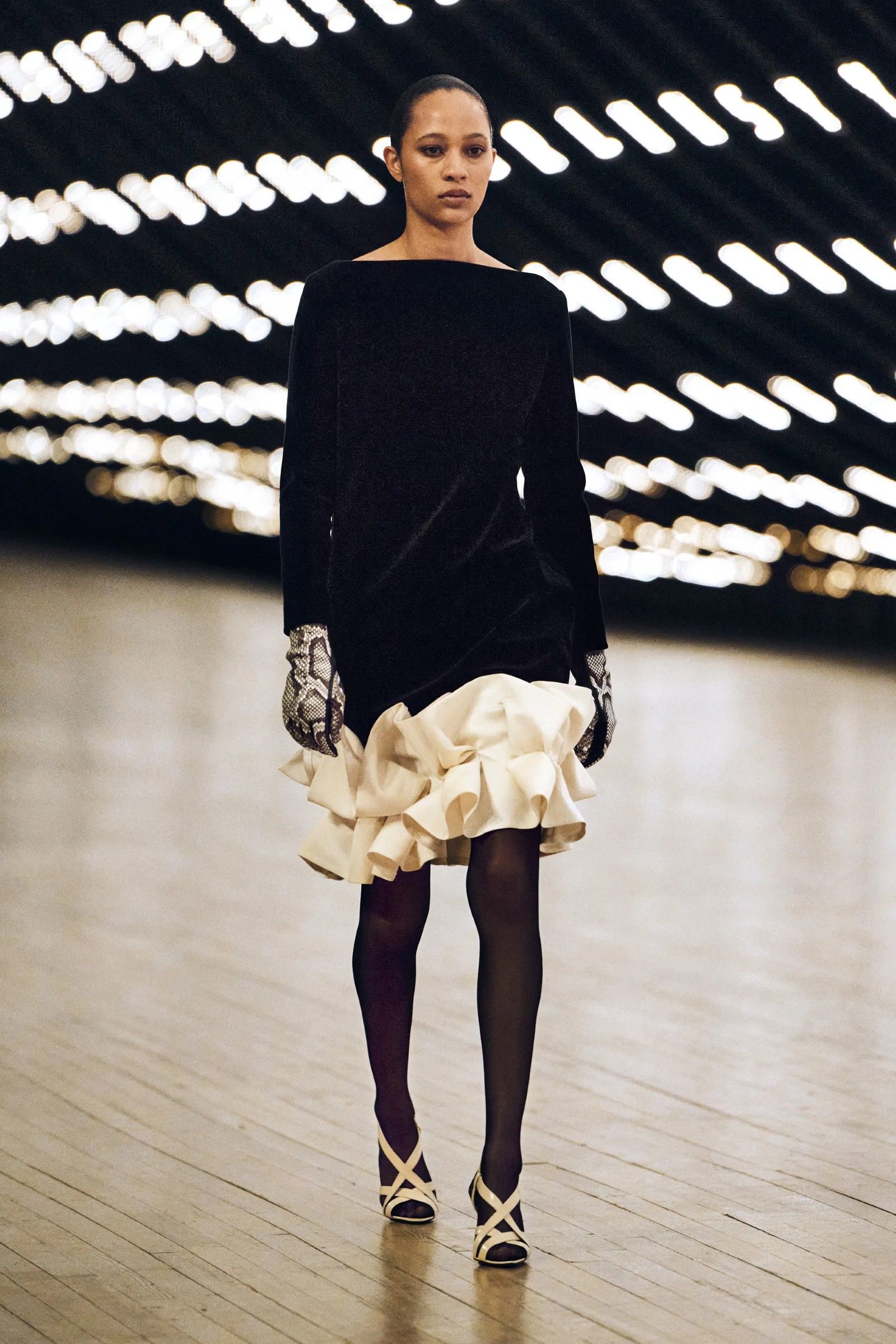
Khaite FW26
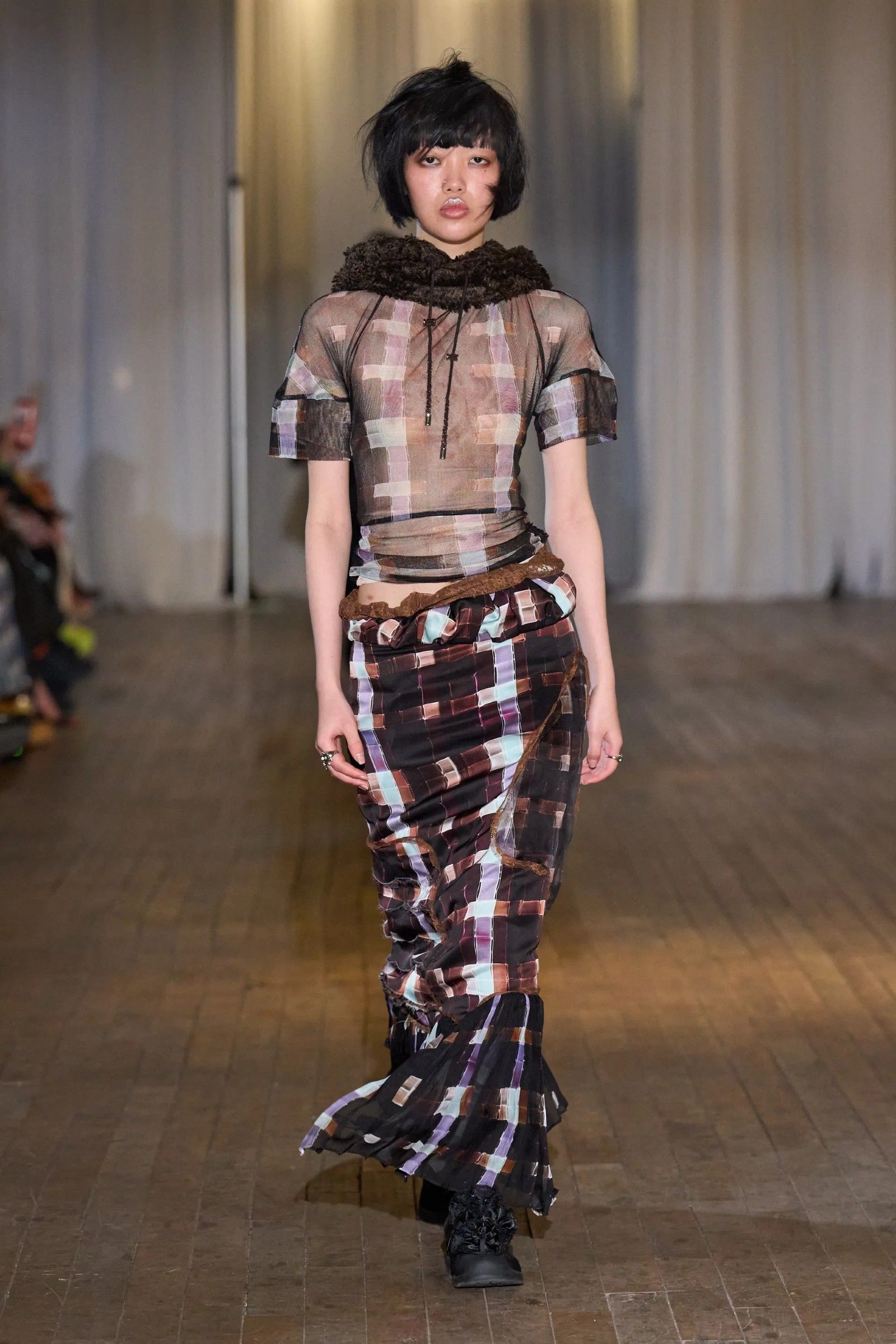
Collina Strada FW26
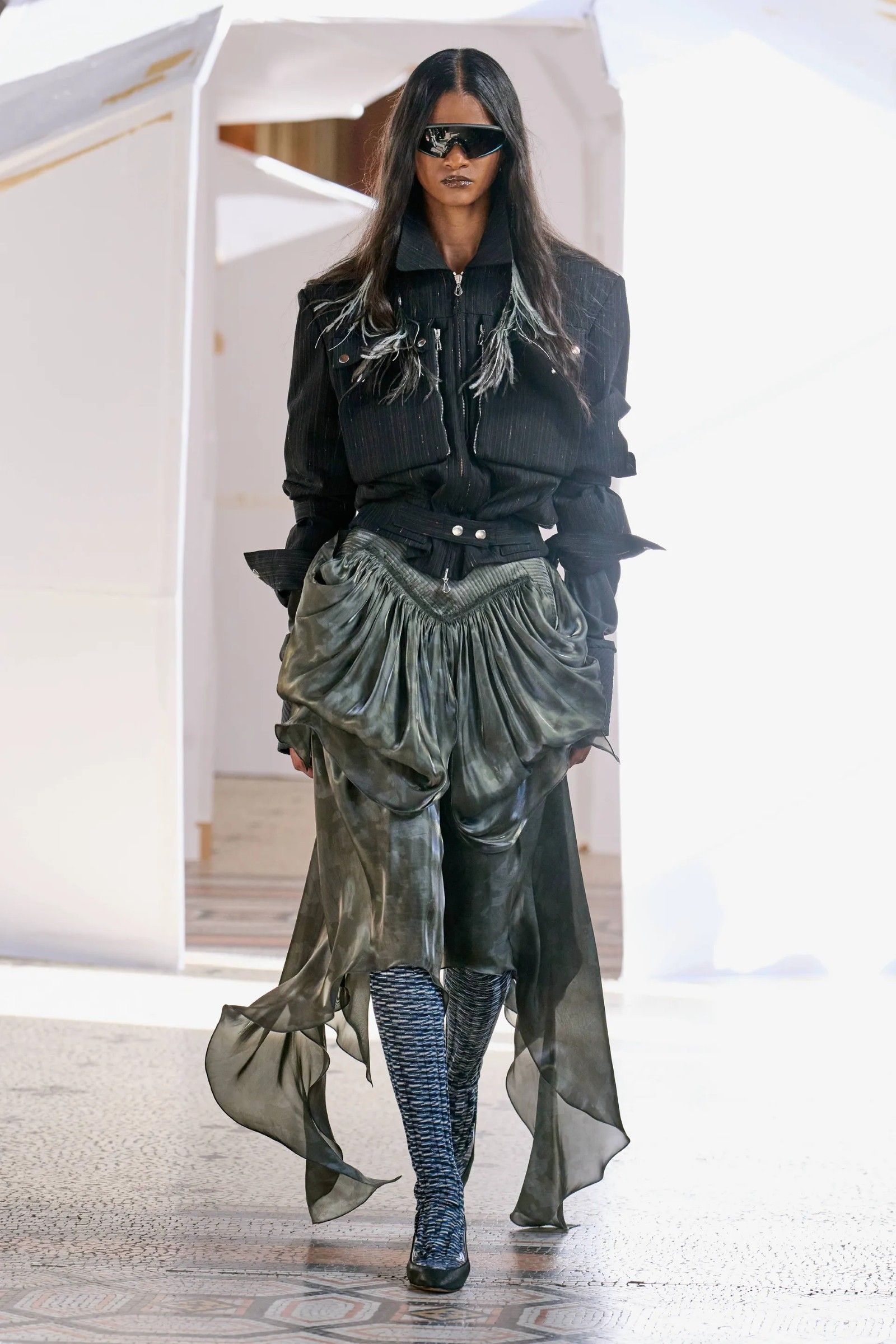
Kiko Kostadinov FW26
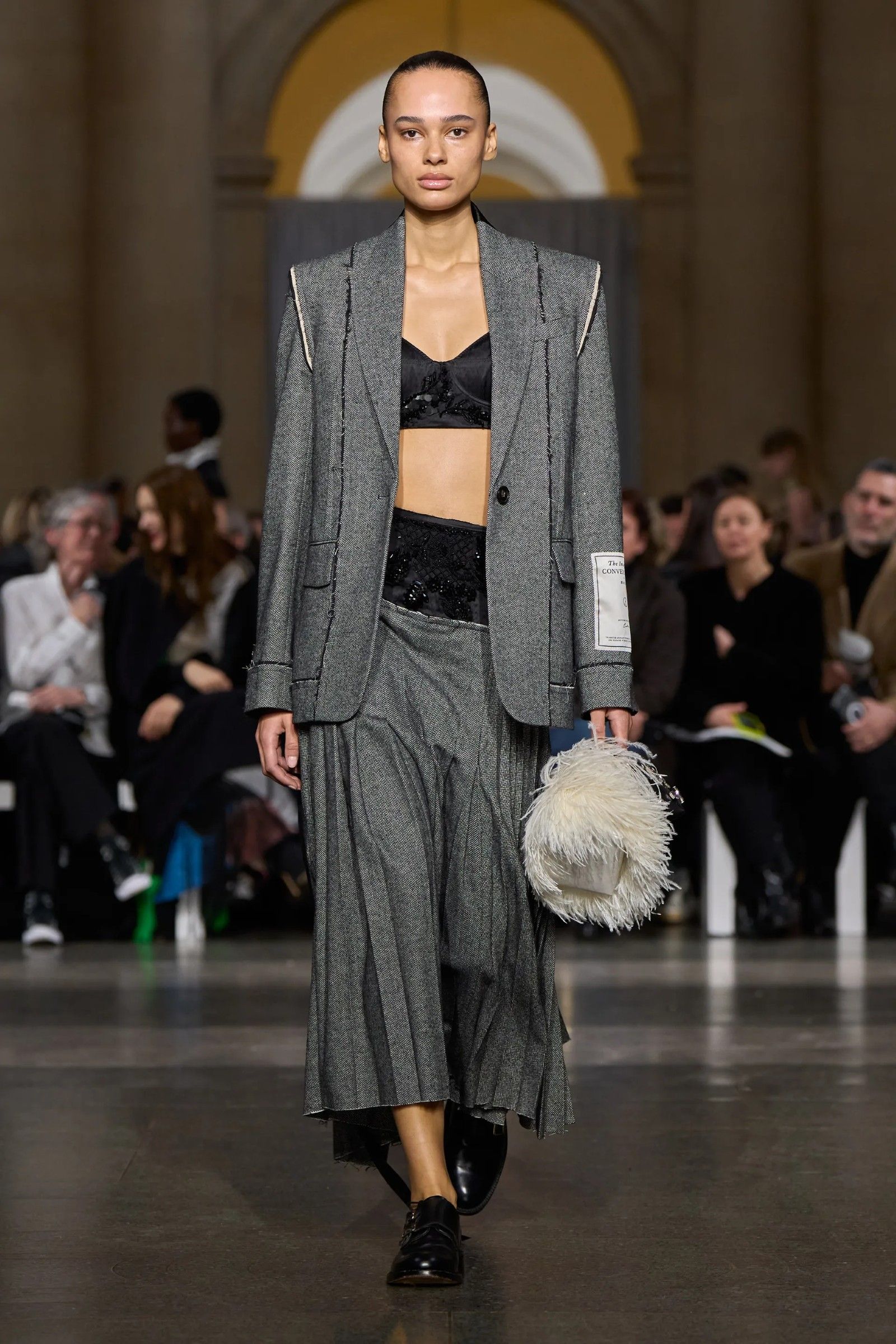
Erdem FW26
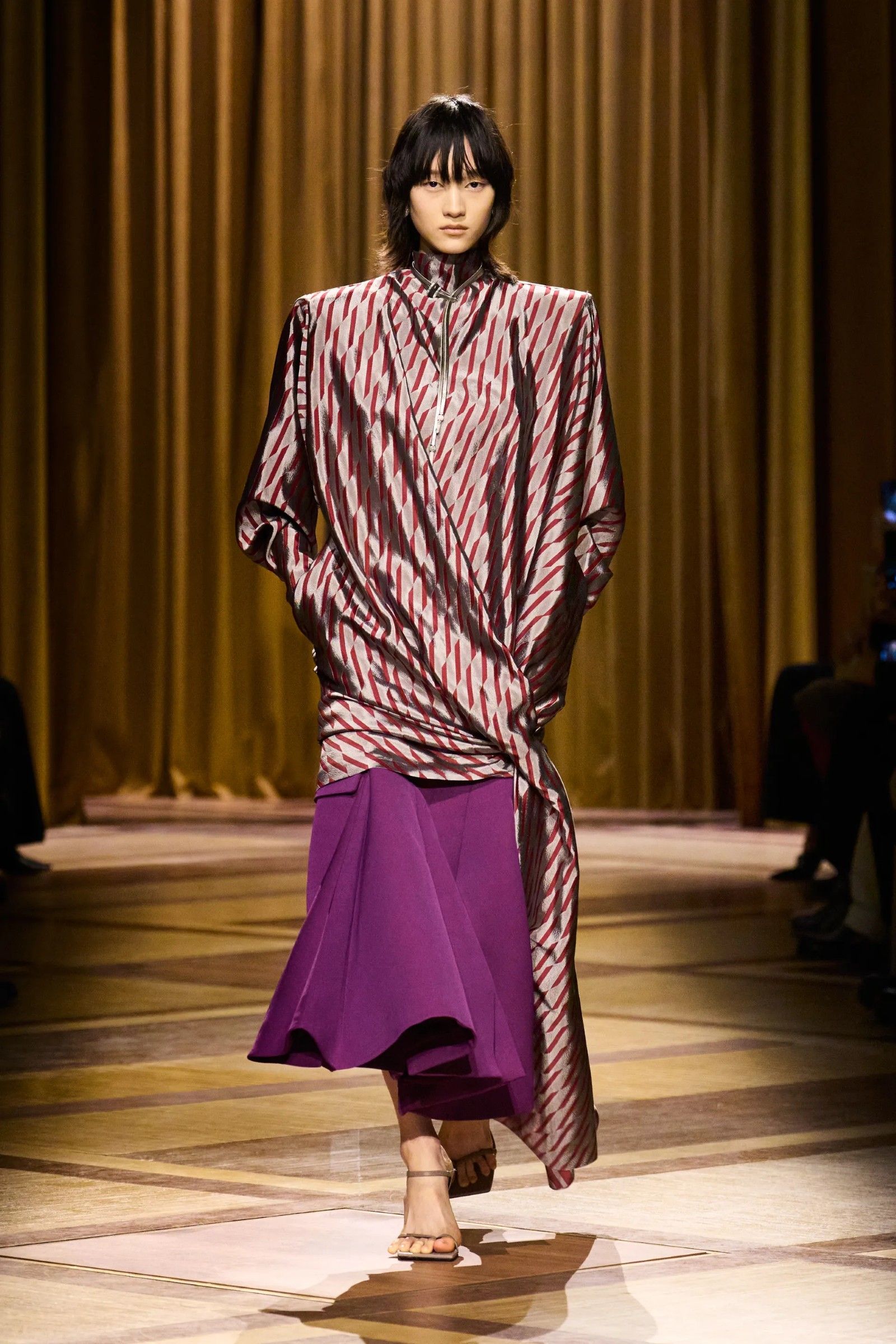
Mugler FW26
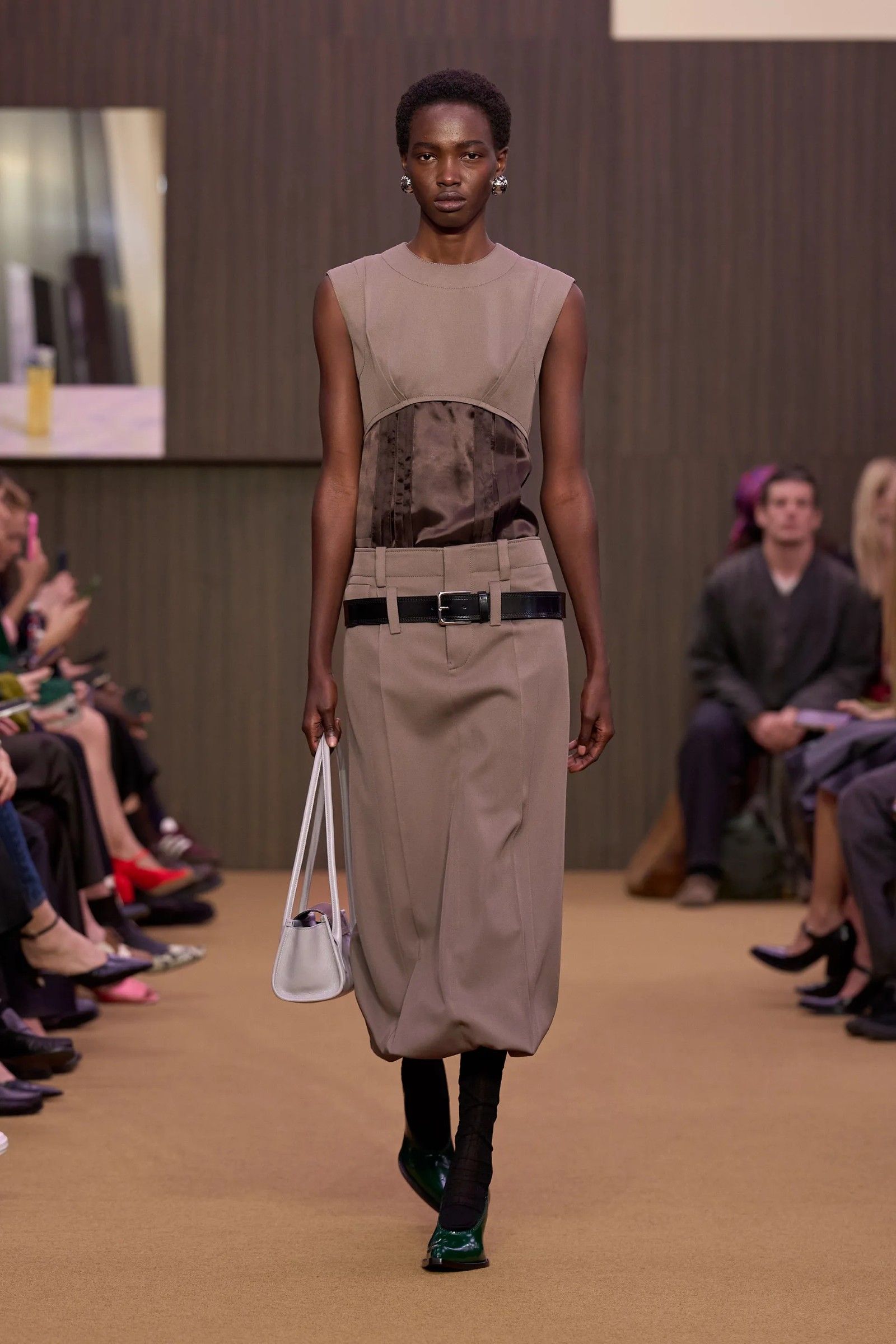
Marni FW26
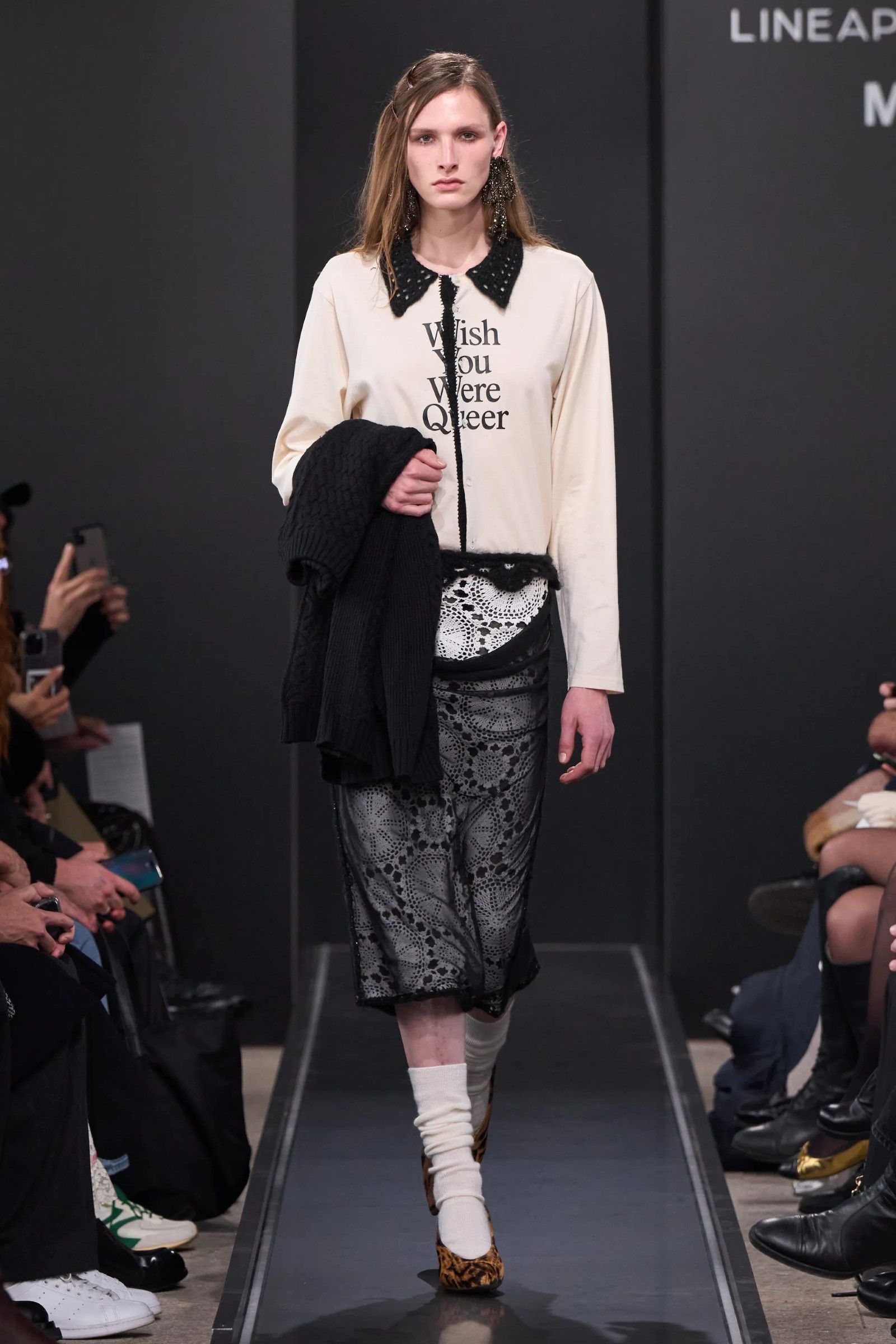
Marco Rambaldi FW26
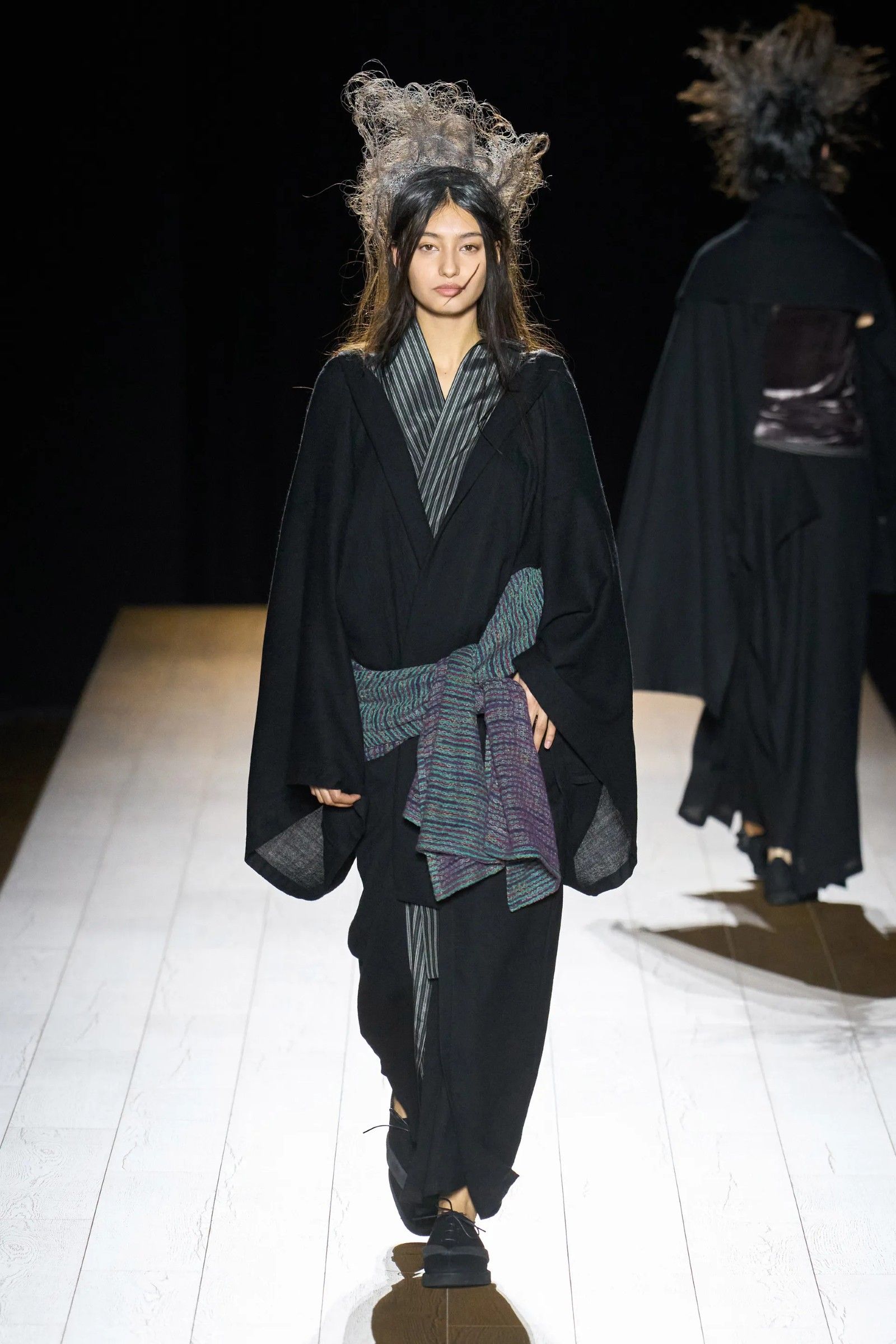
Yohji Yamamoto FW26
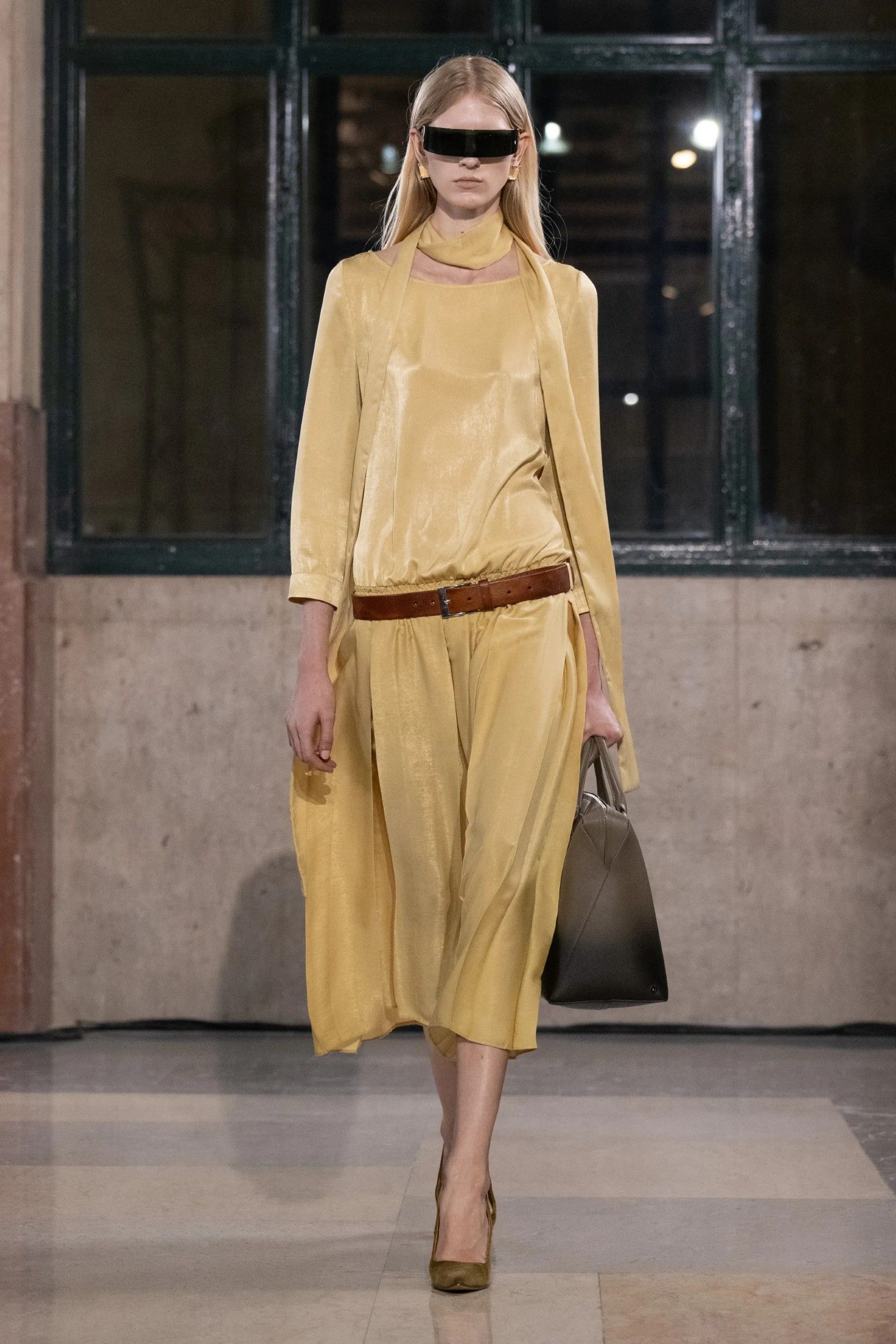
MM6 Maison Margiela FW26
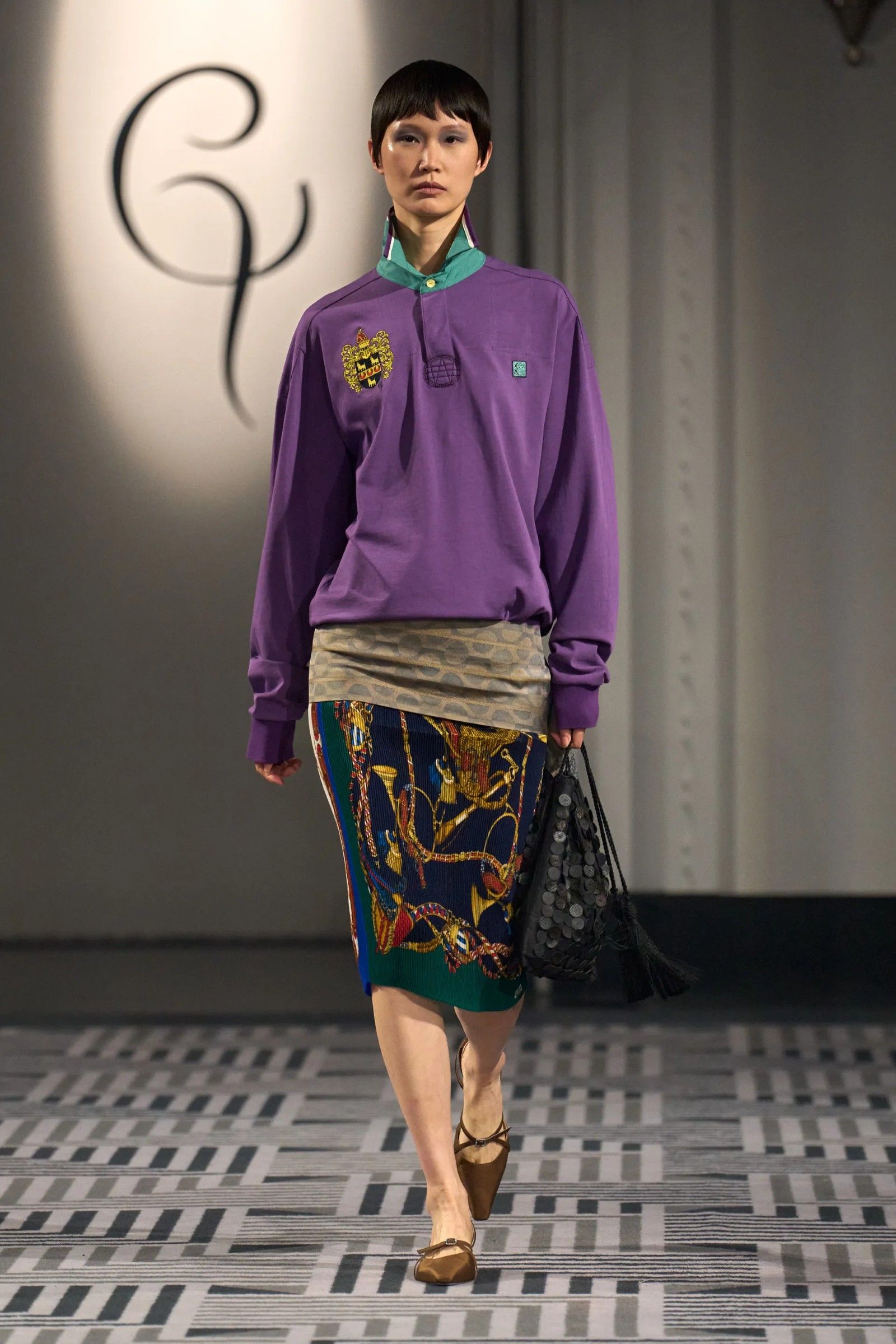
Conner Ives FW26
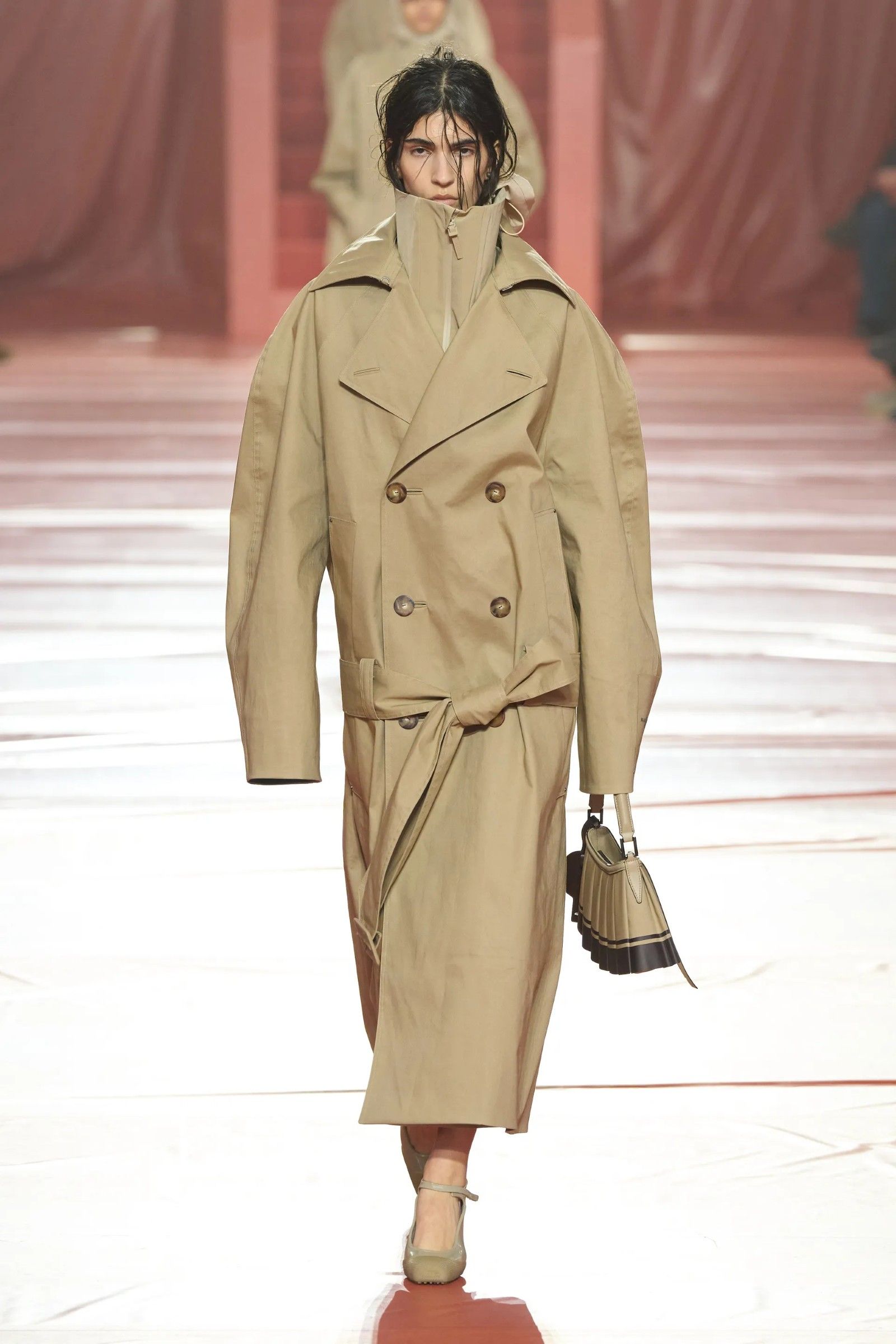
Lacoste FW26
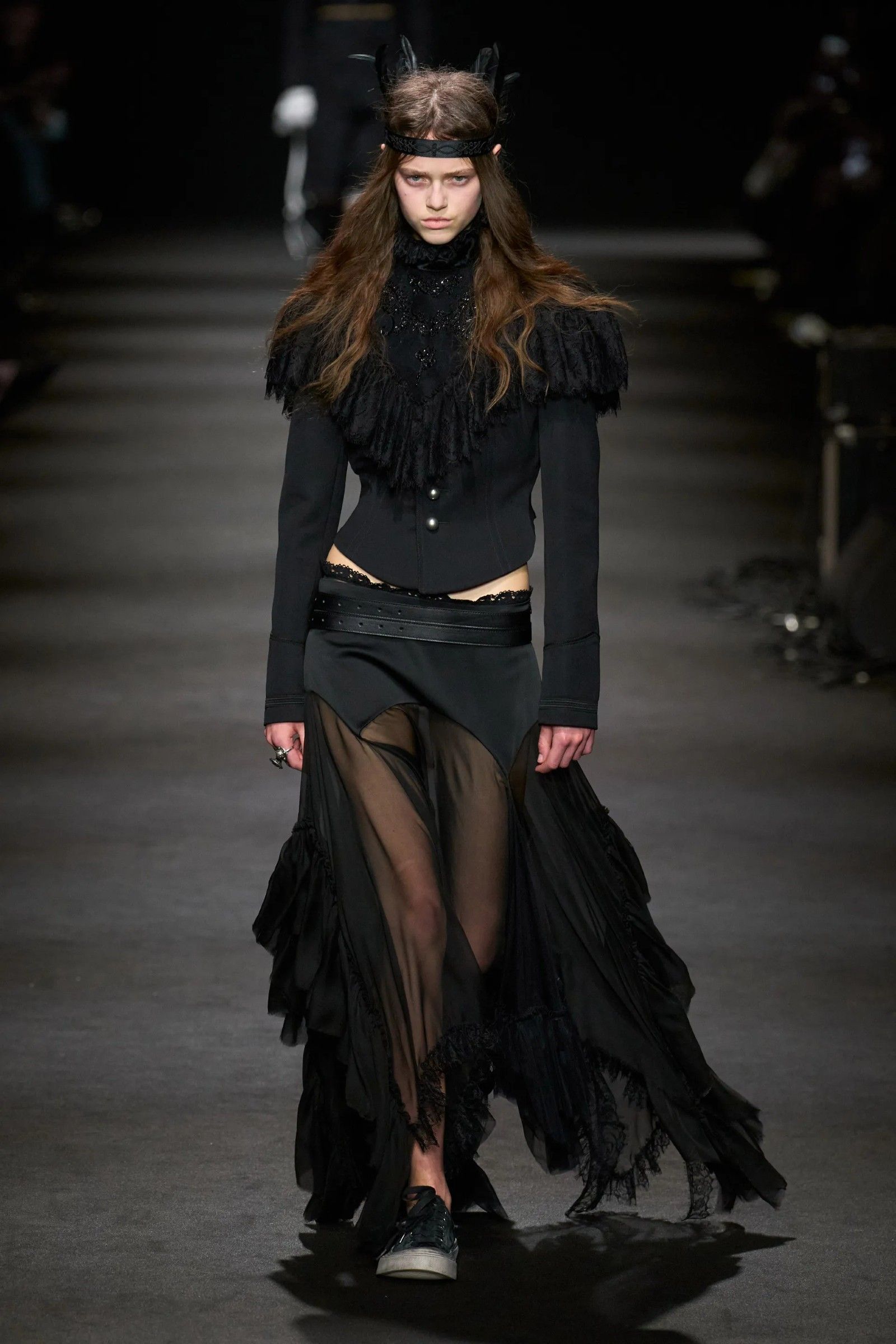
Ann Demeulemeester FW26
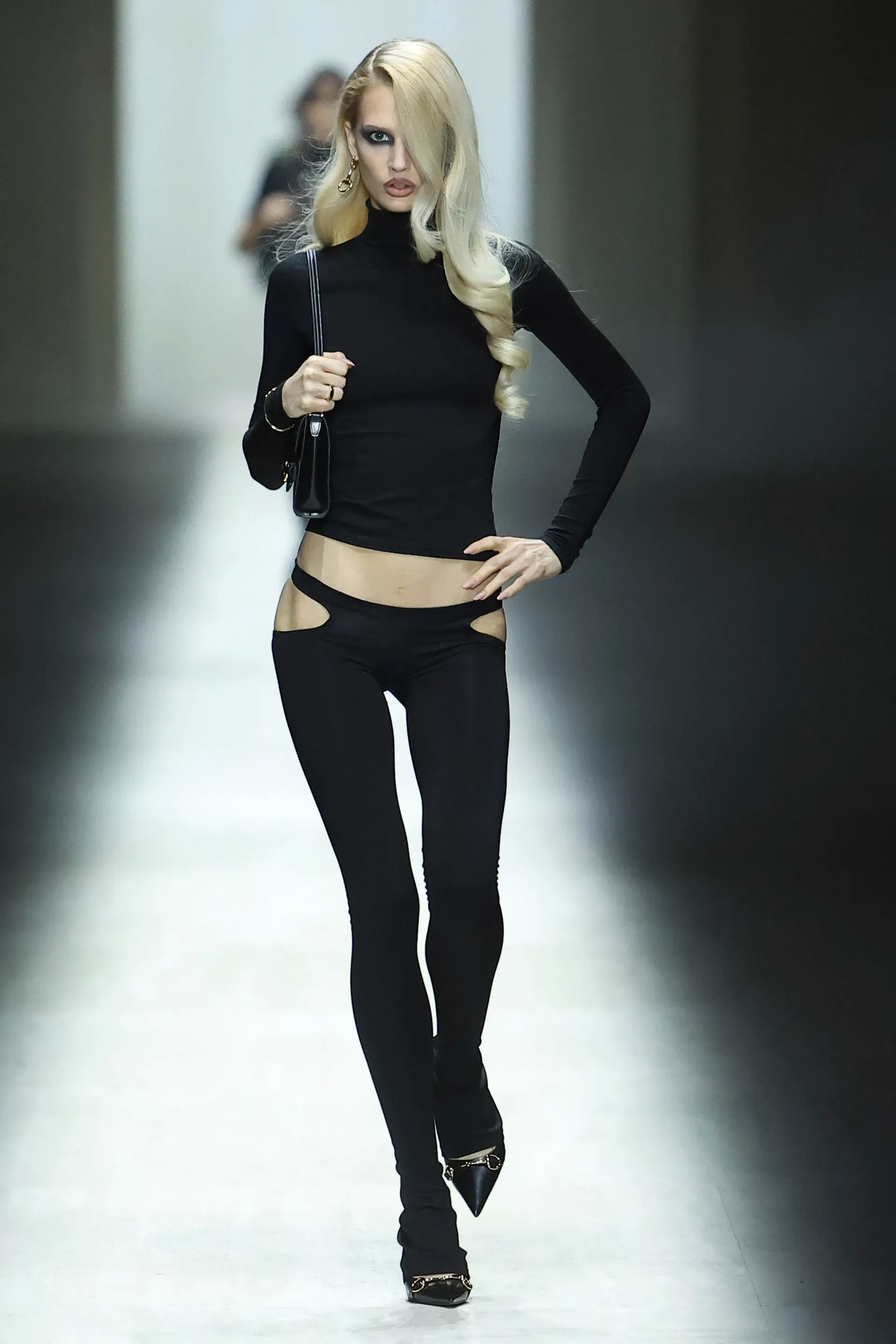
Gucci FW26
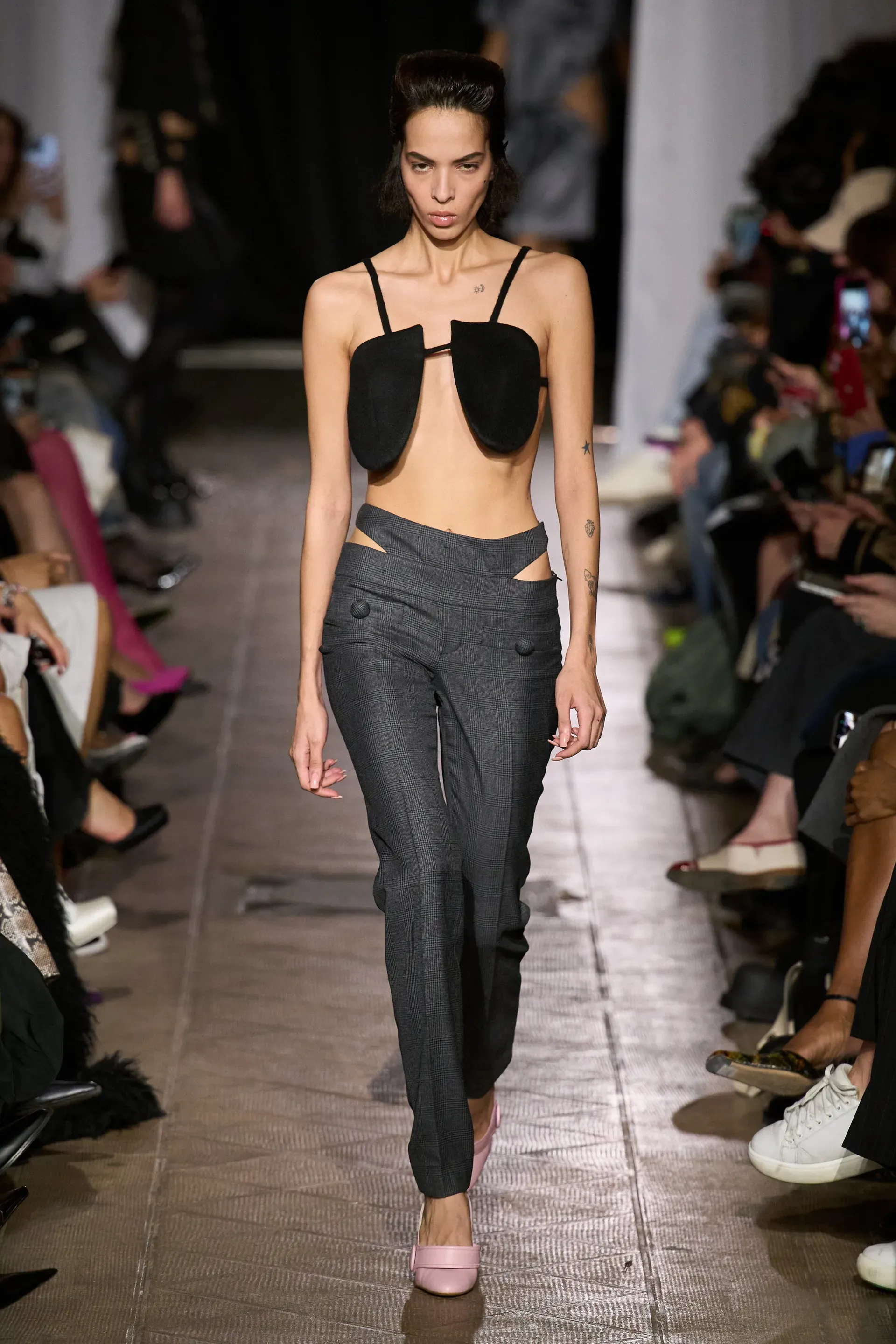
Vaquera FW26
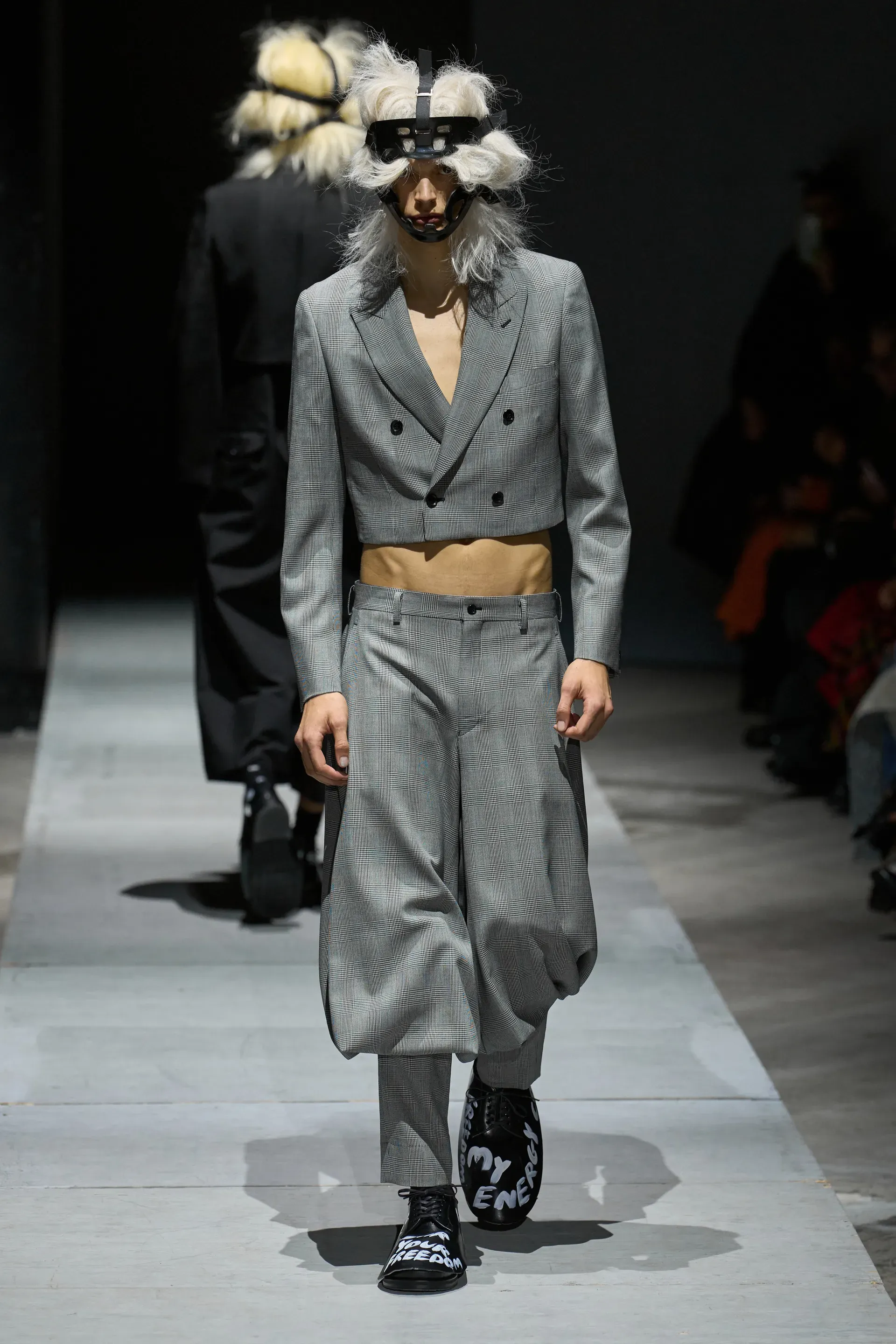
Comme des Garçons Homme Plus FW26
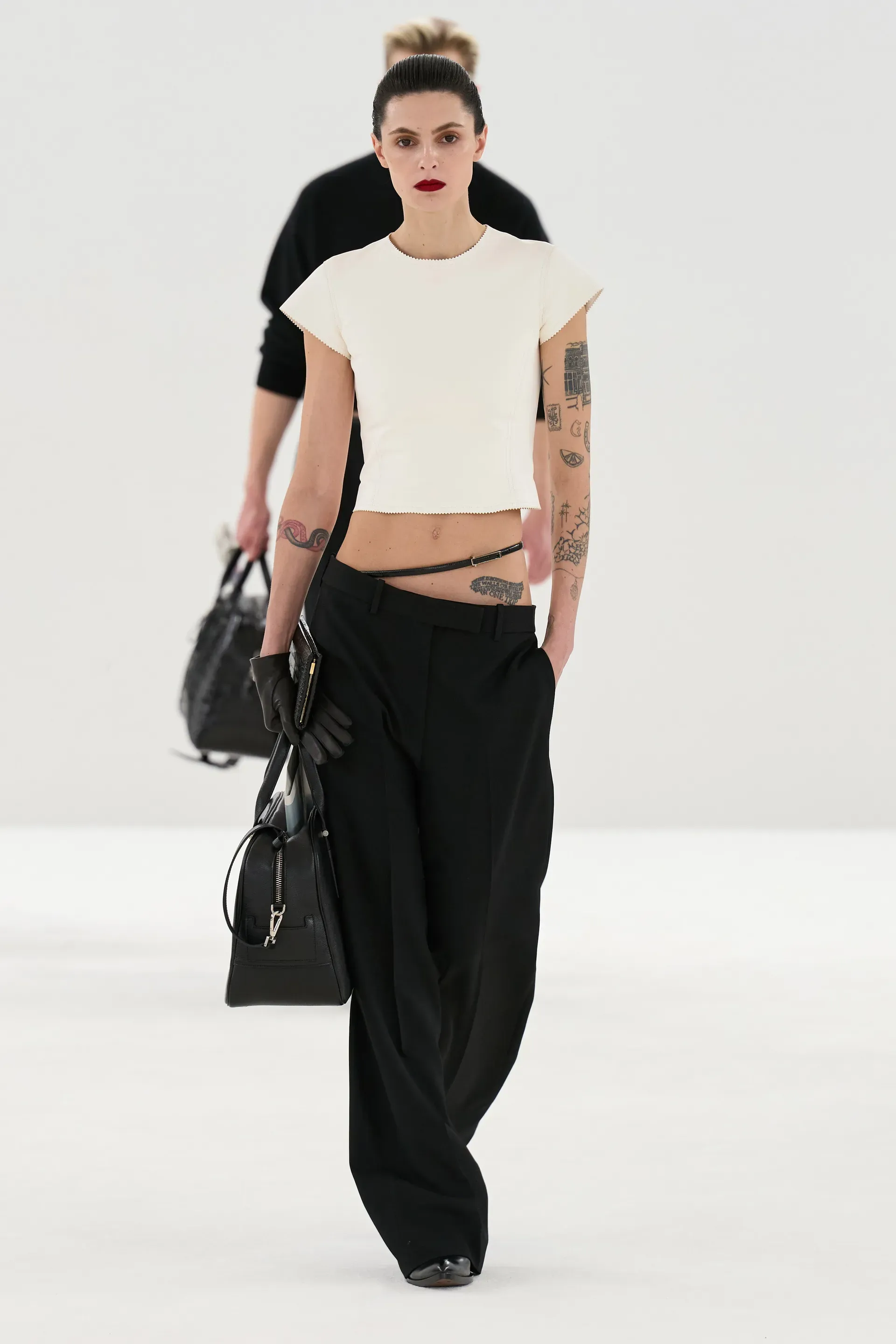
Tom Ford FW26
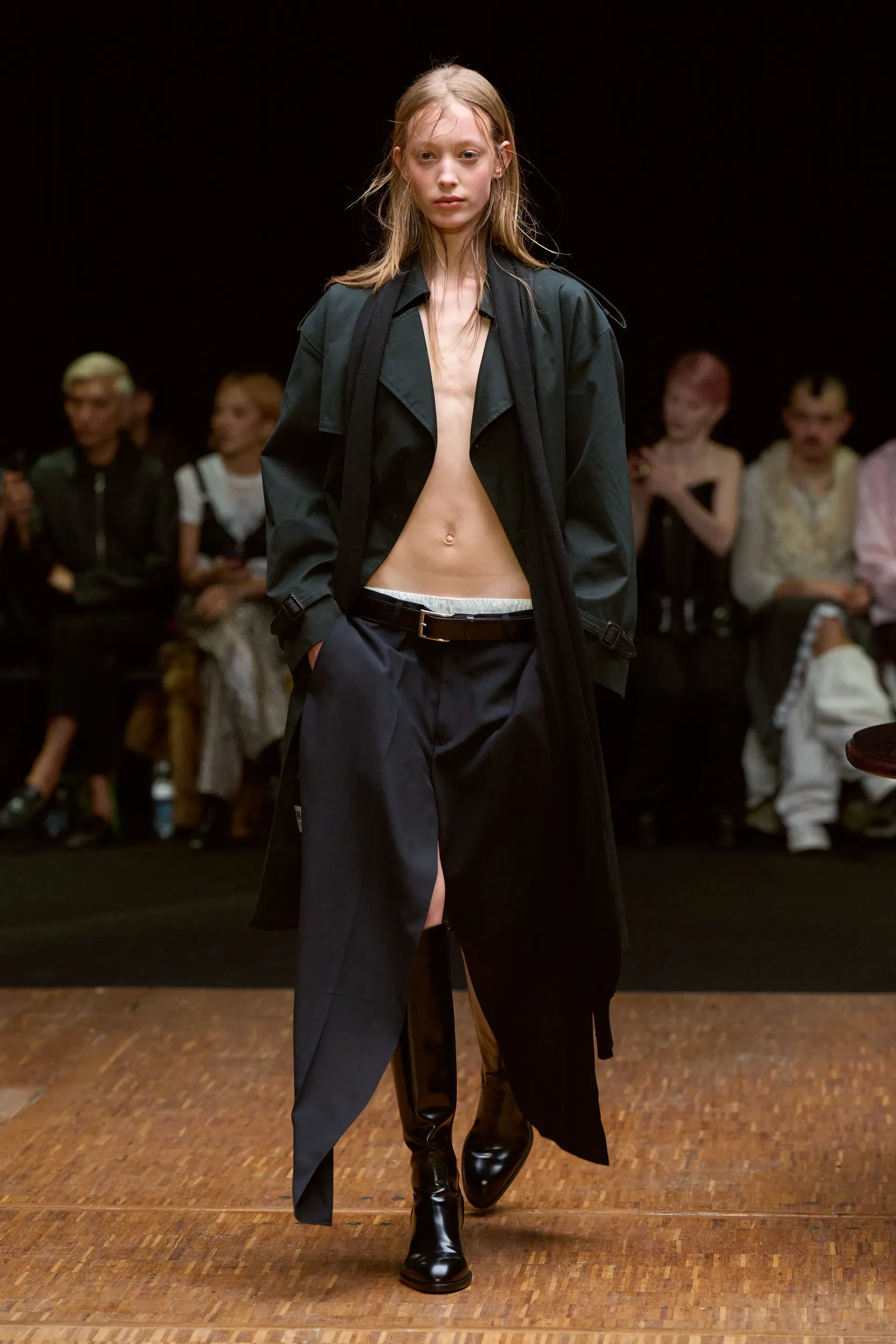
Hodakova FW26
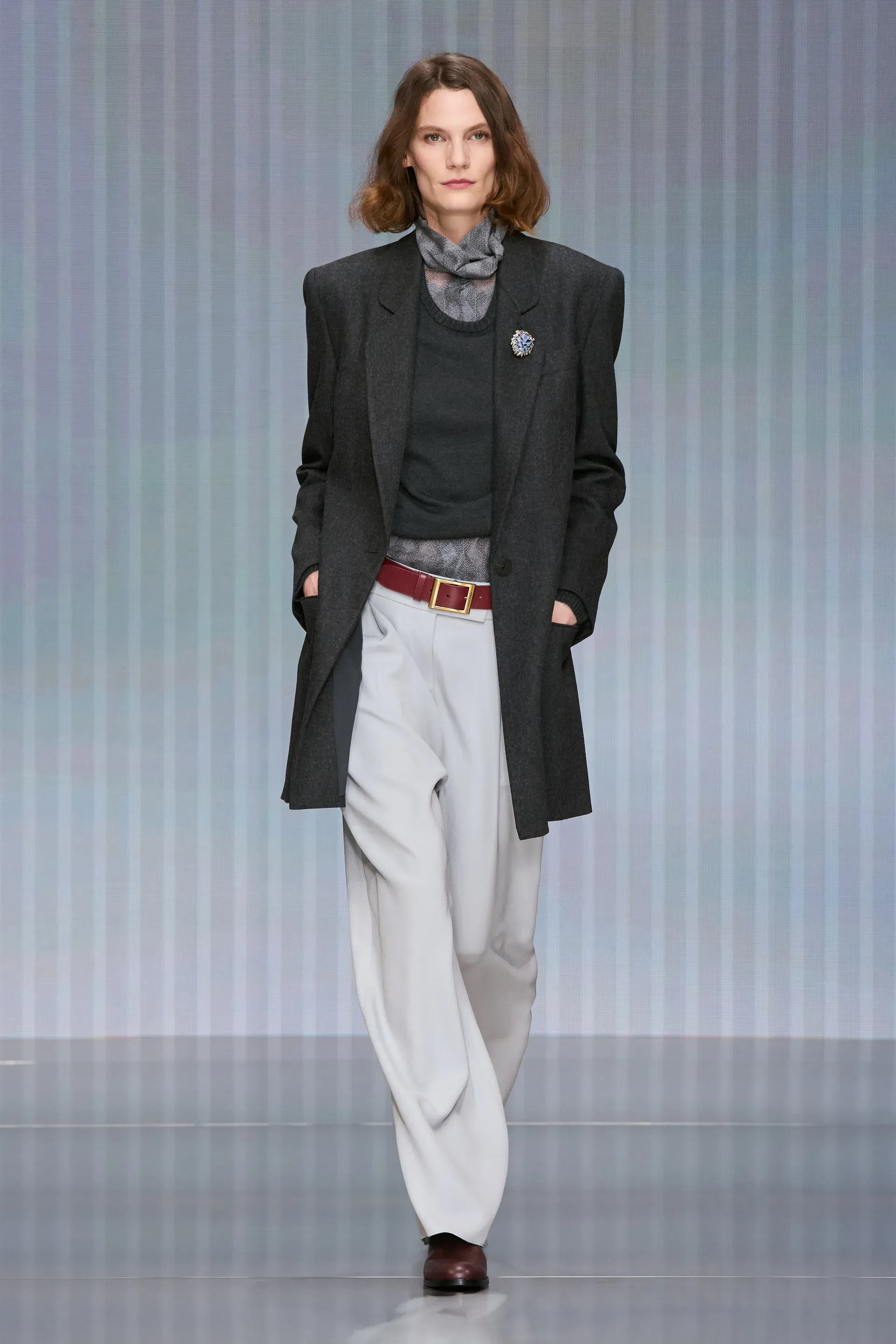
Giorgio Armani FW26
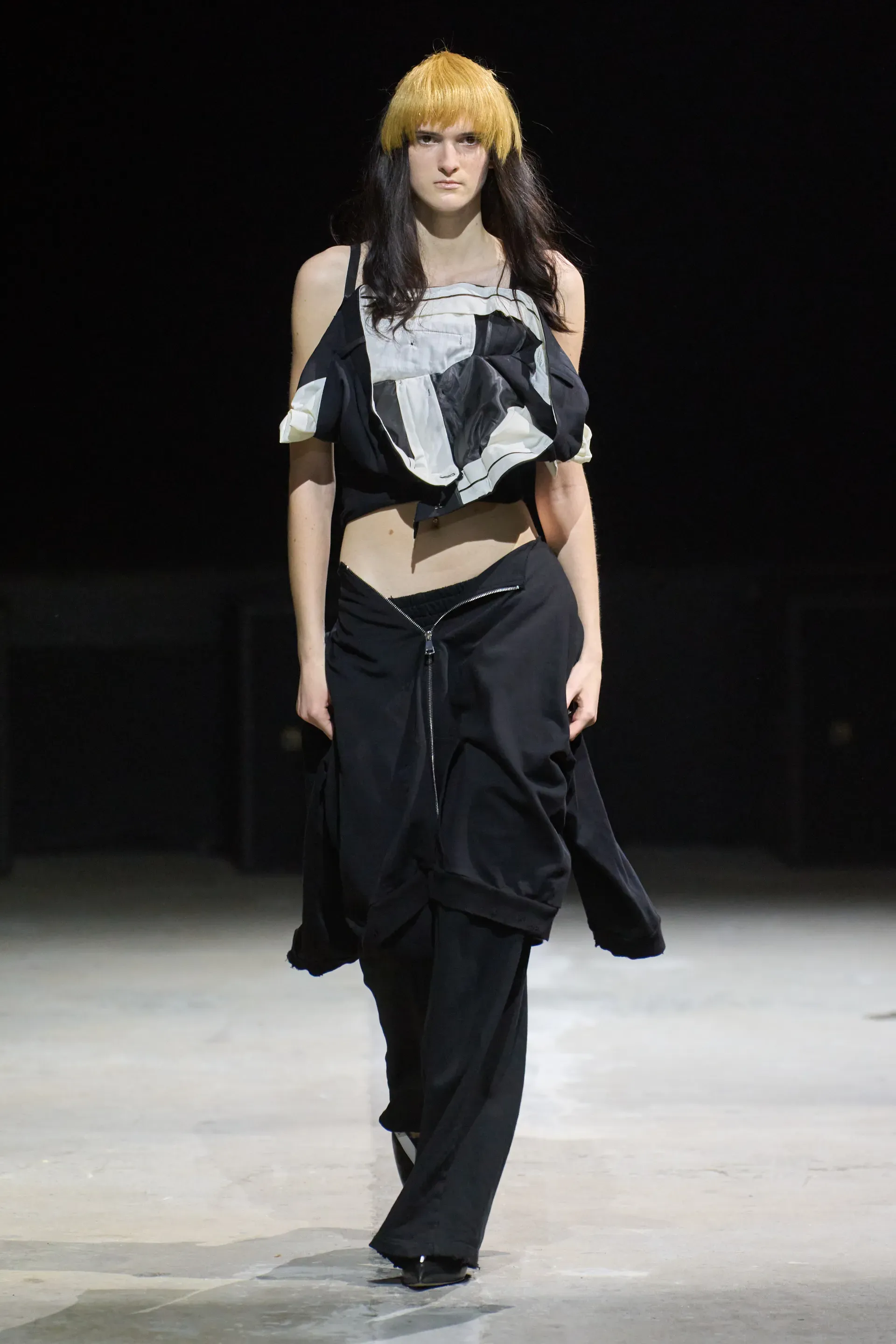
Natasha Zinko FW26
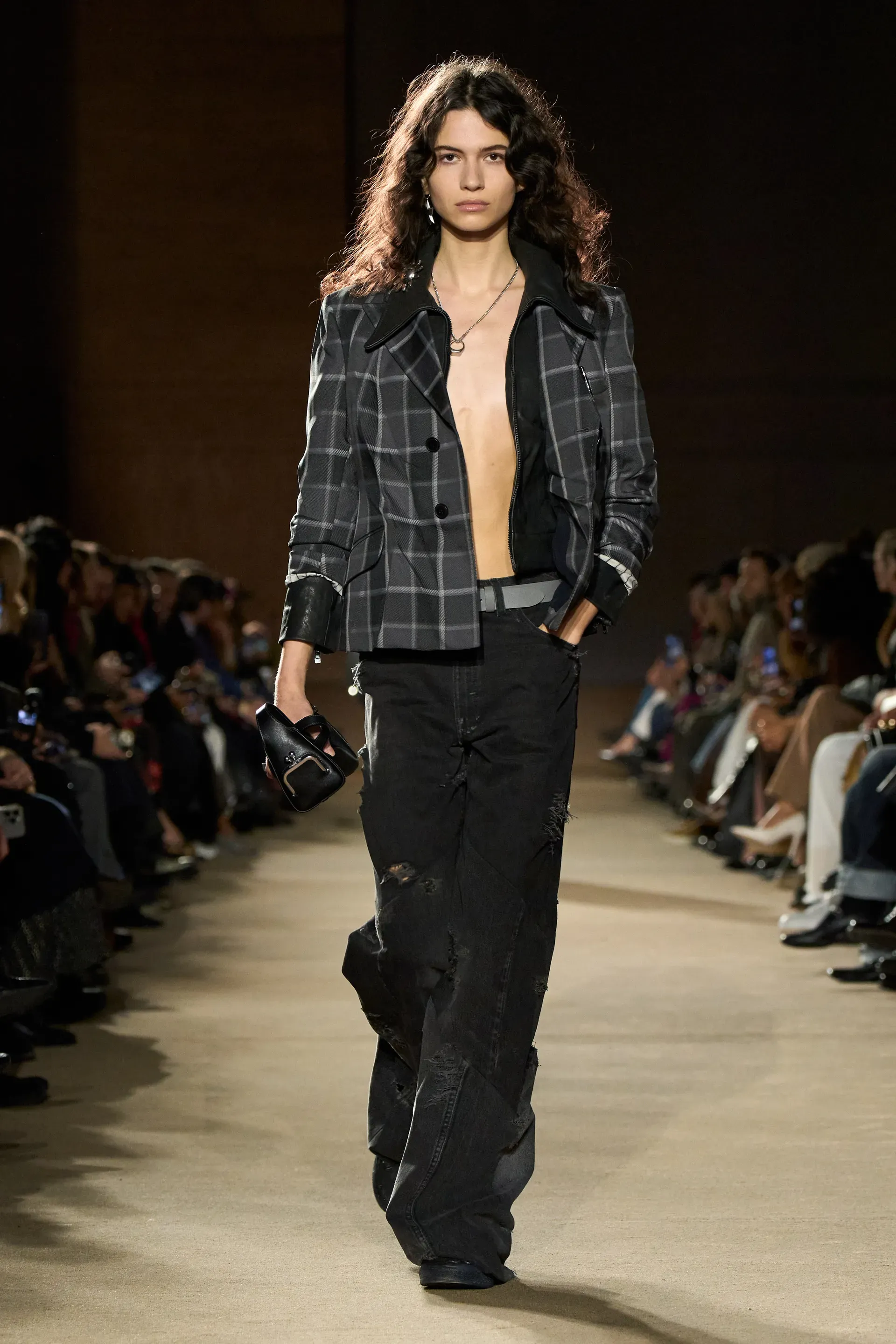
Coach FW26
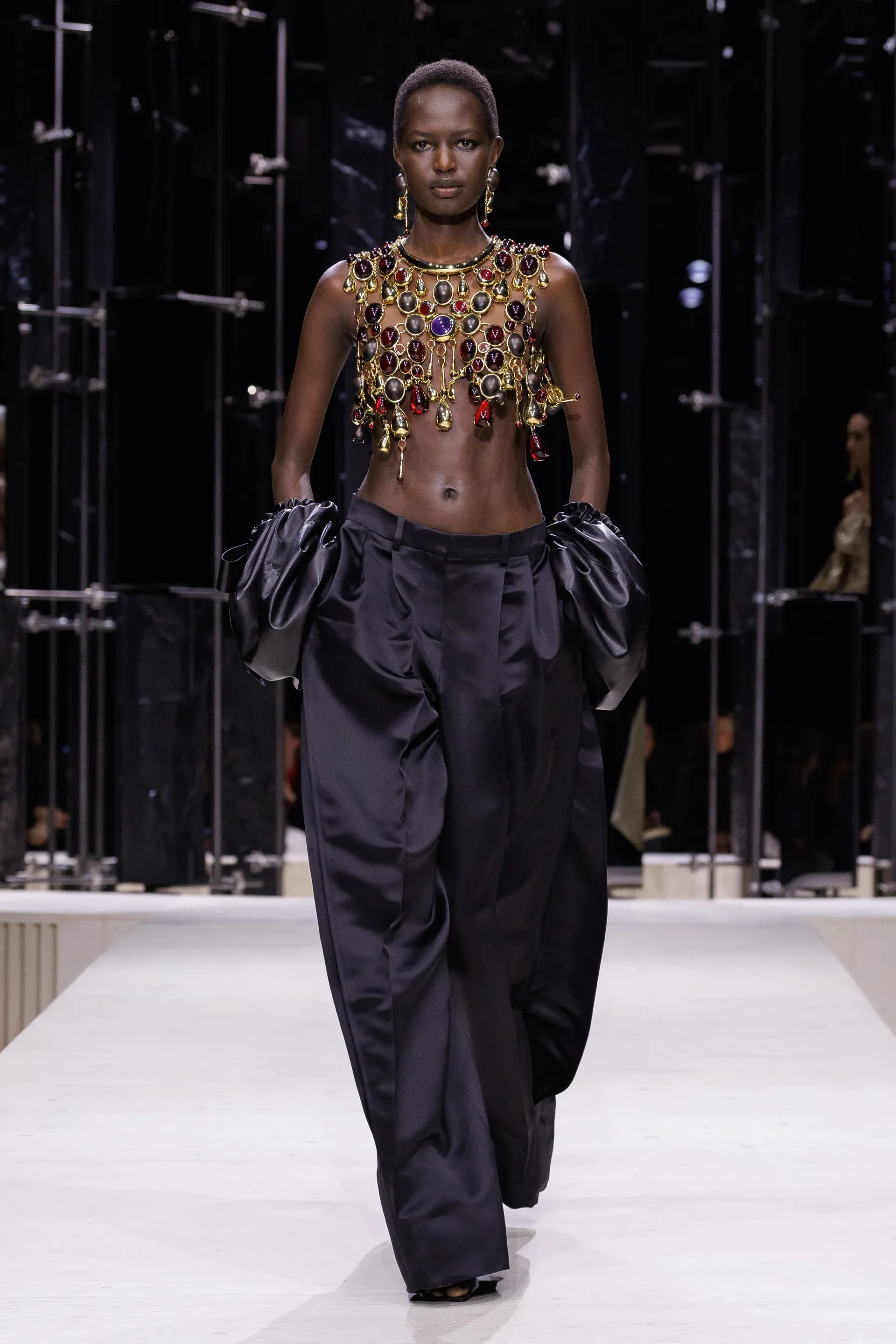
Givenchy FW26
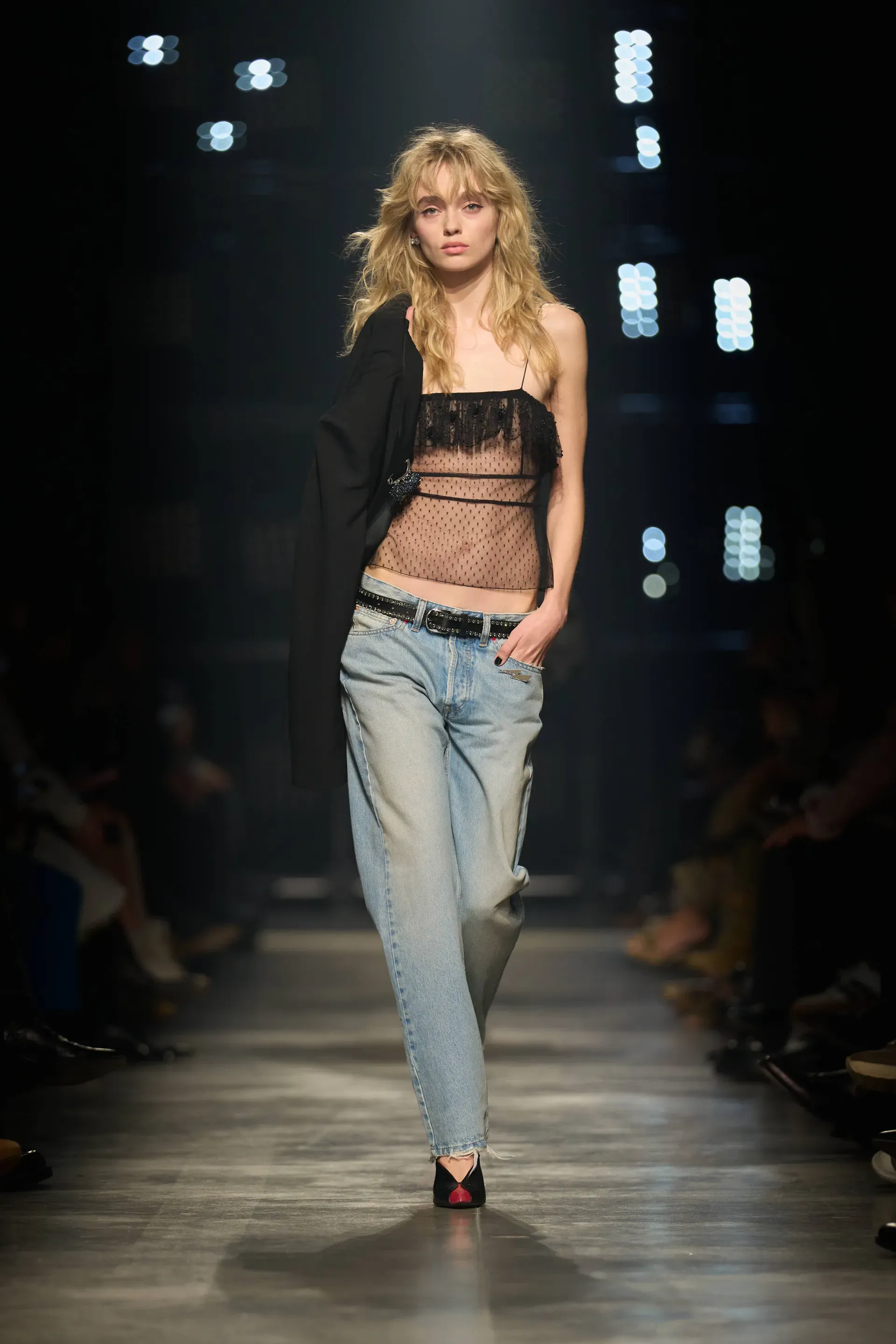
Isabel Marant FW26
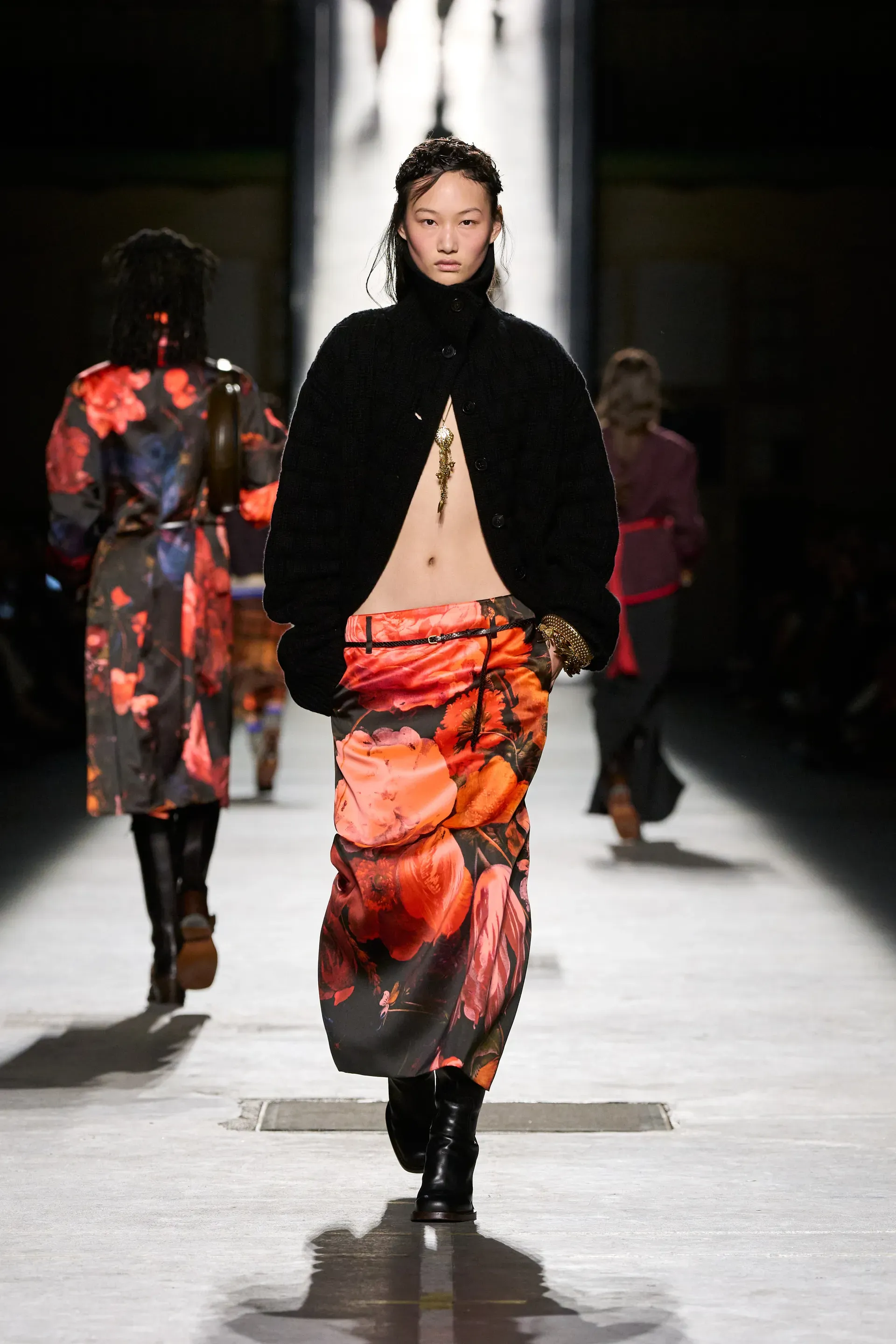
Dries Van Noten FW26
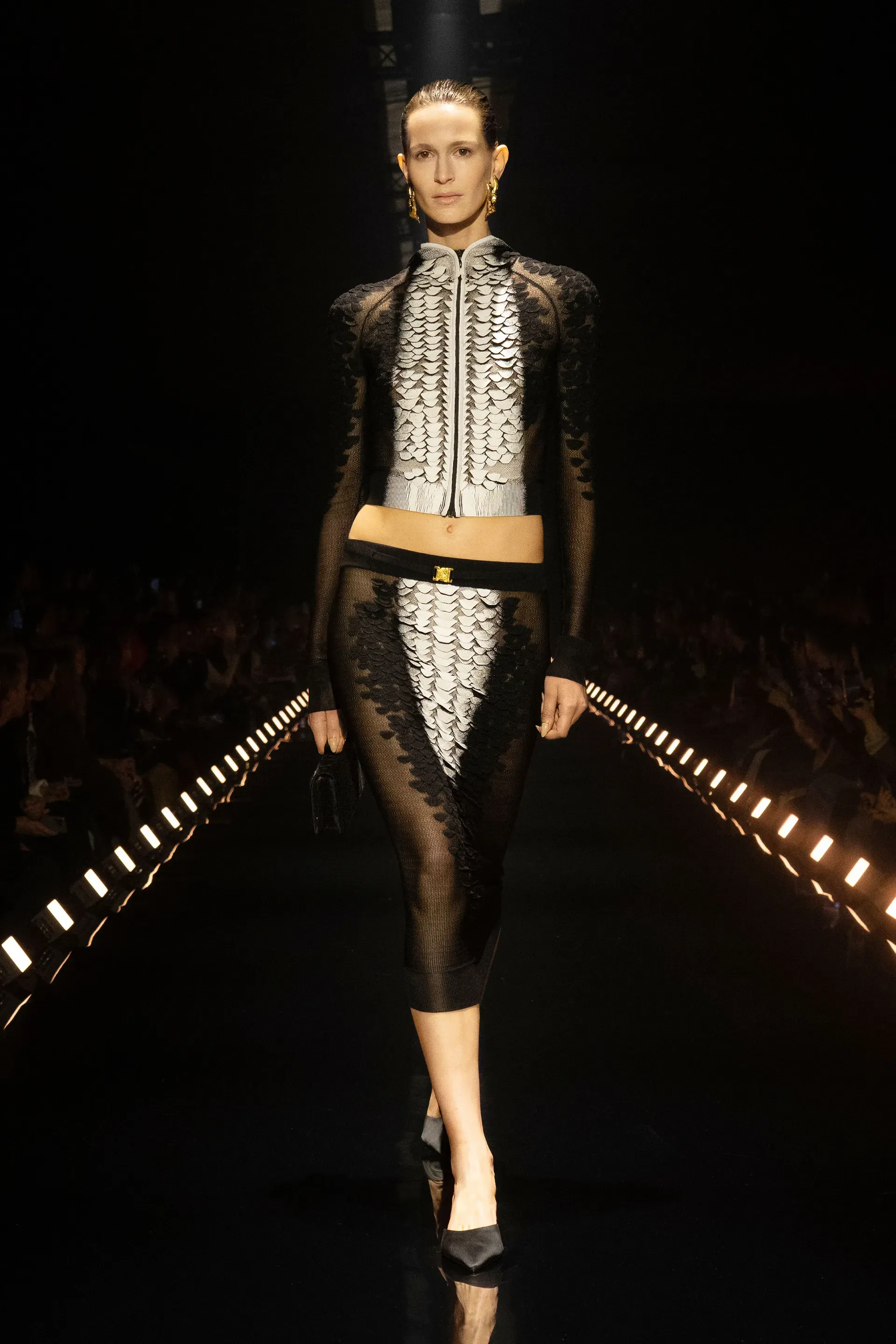
Schiaparelli FW26
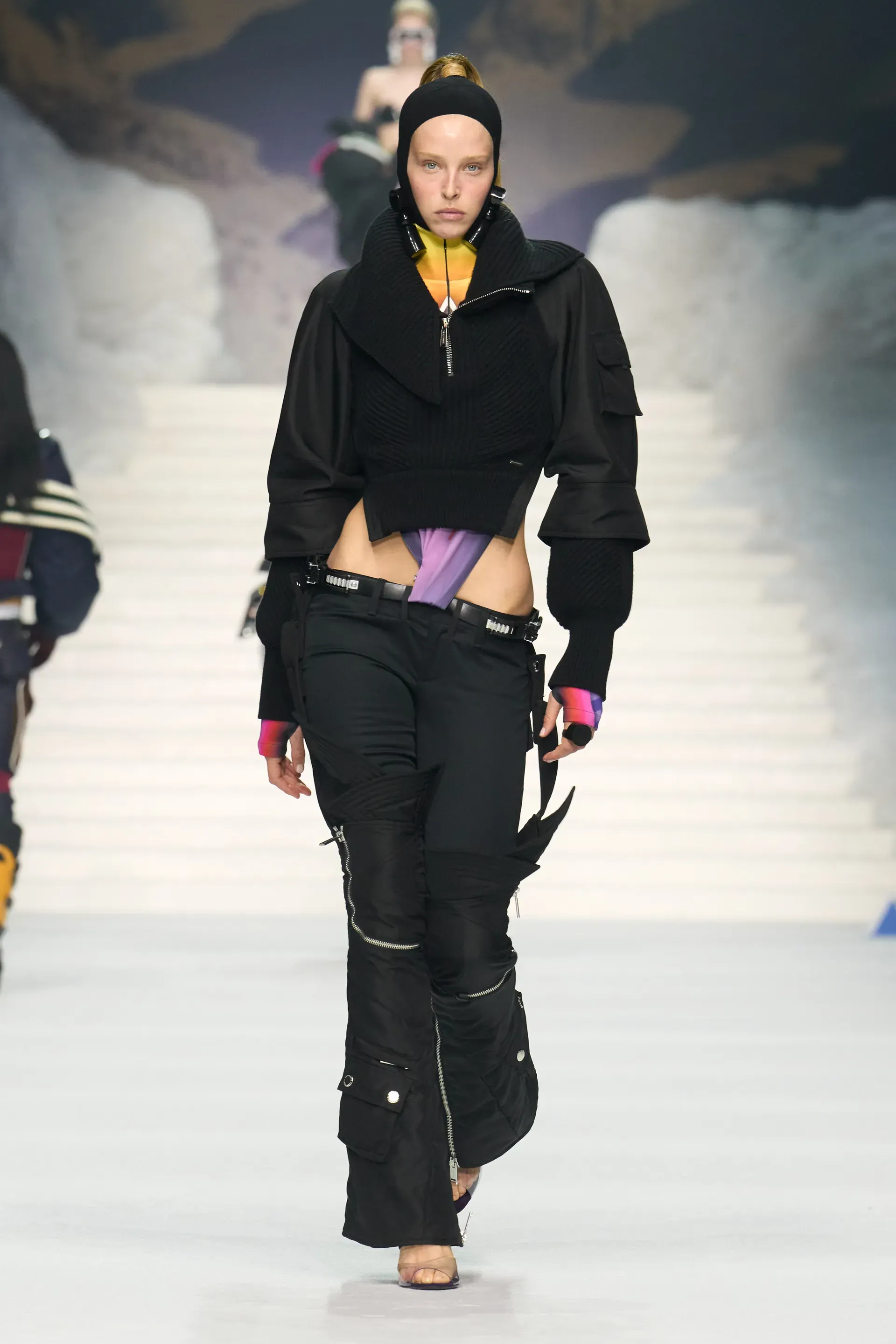
Dsquared2 FW26
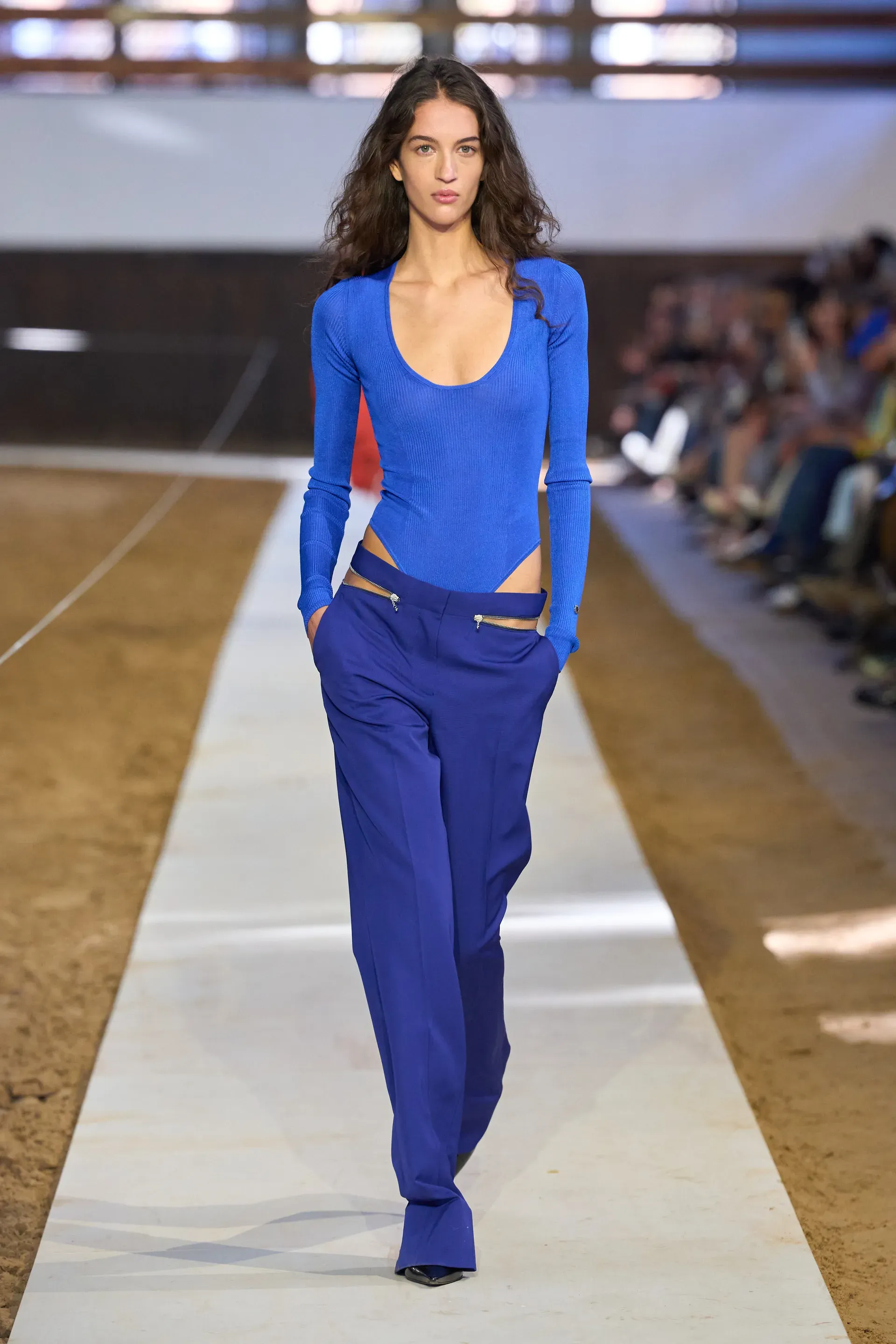
Stella McCartney FW26
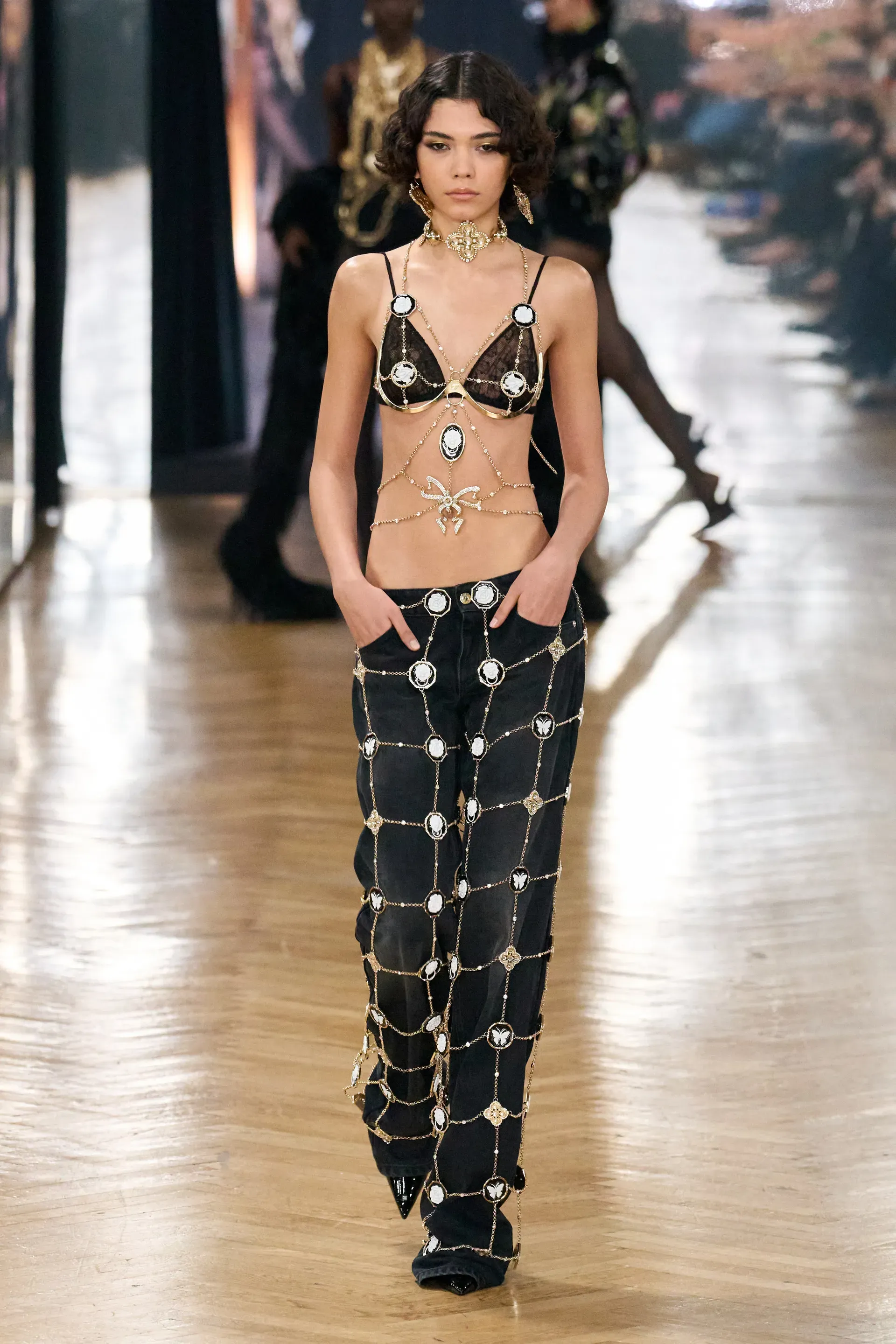
Blumarine FW26
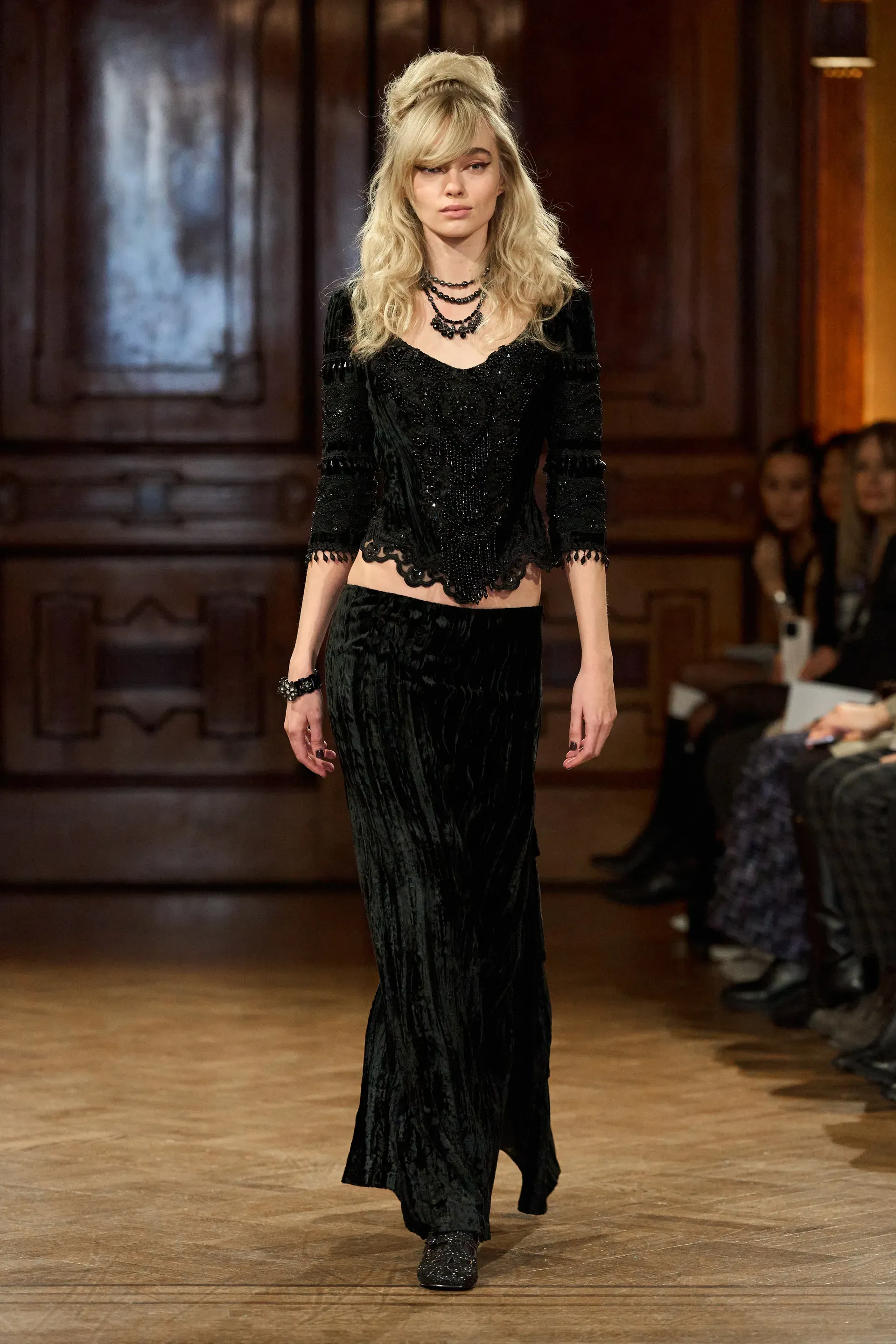
Anna Sui FW26
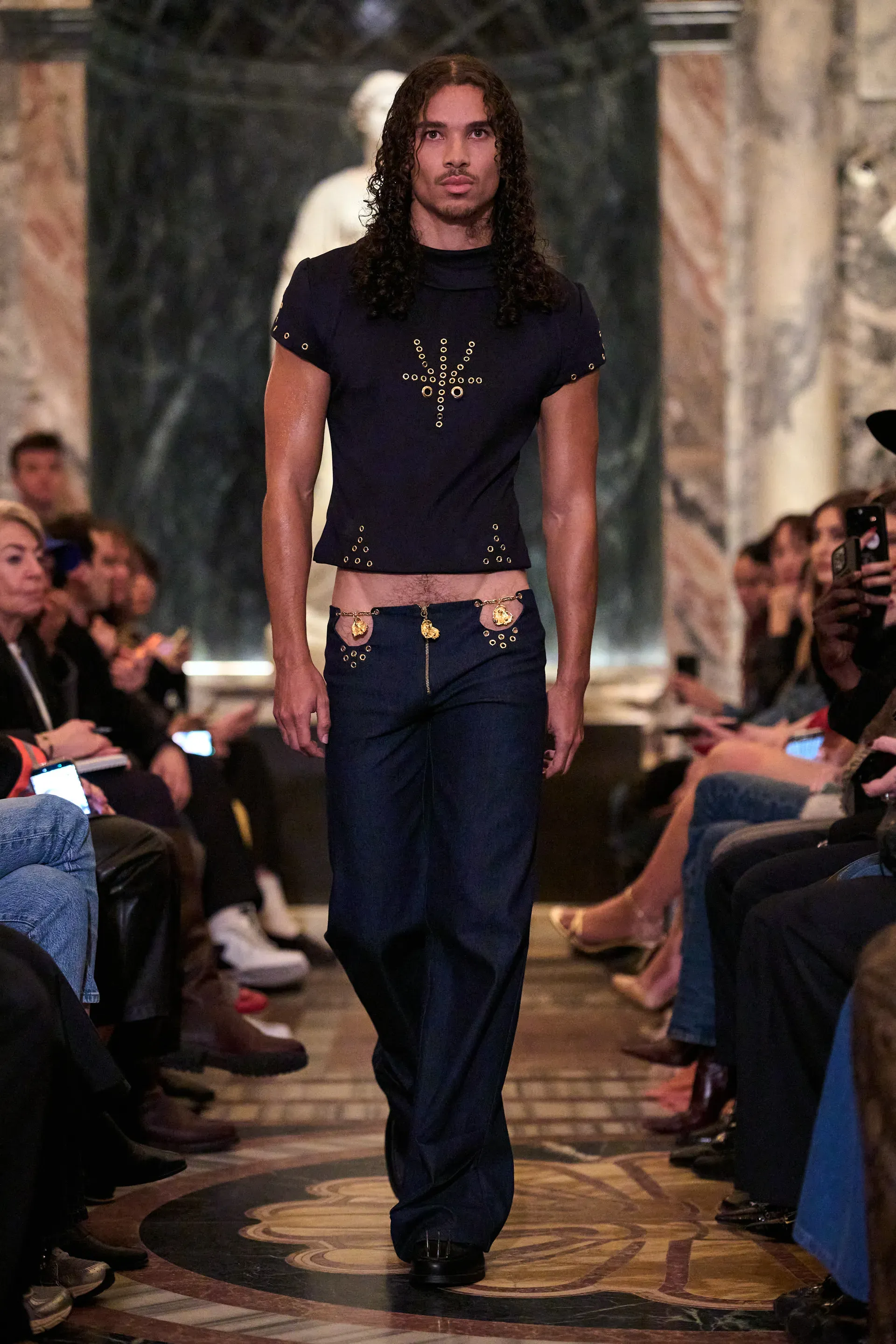
Di Petsa FW26
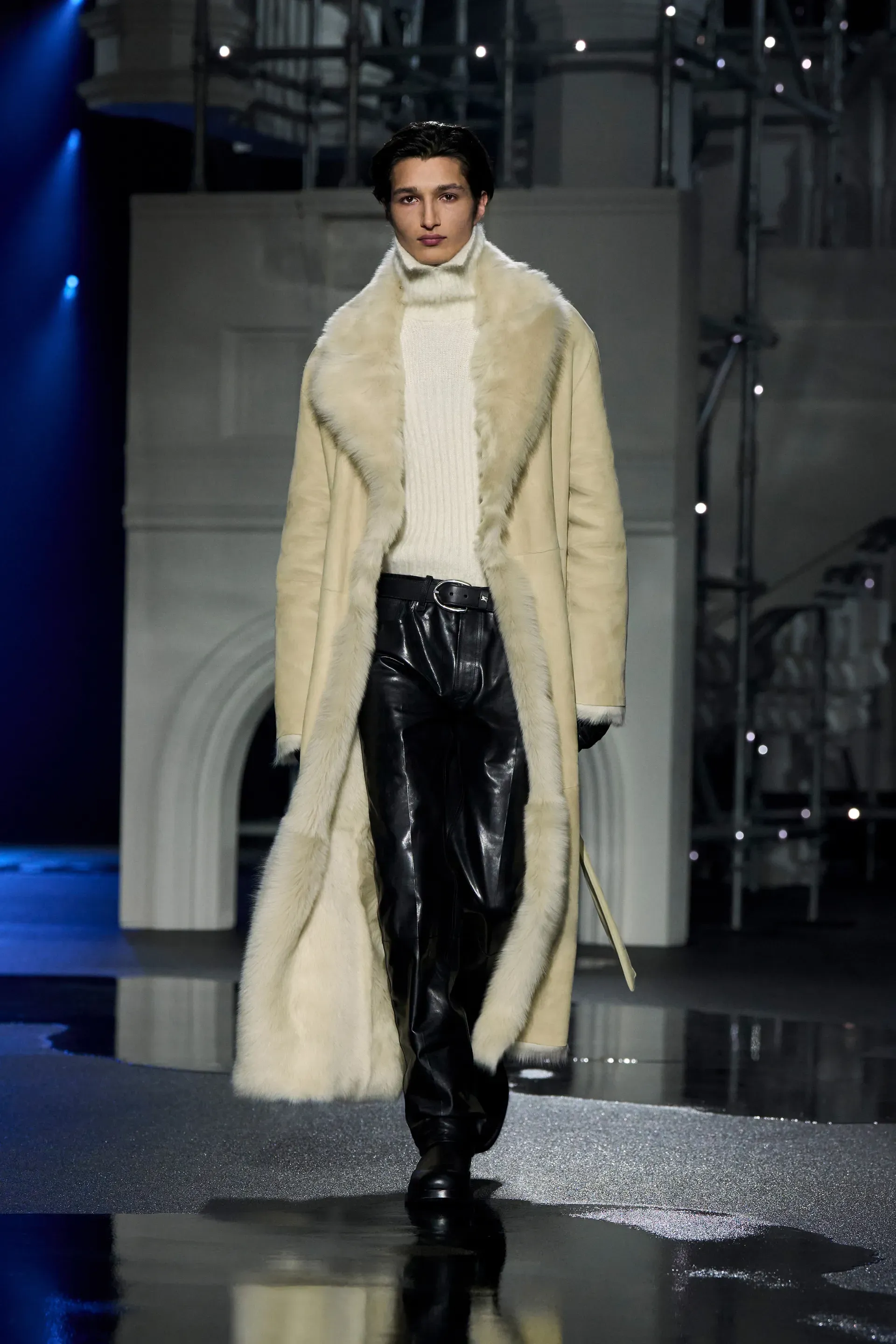
Burberry FW26
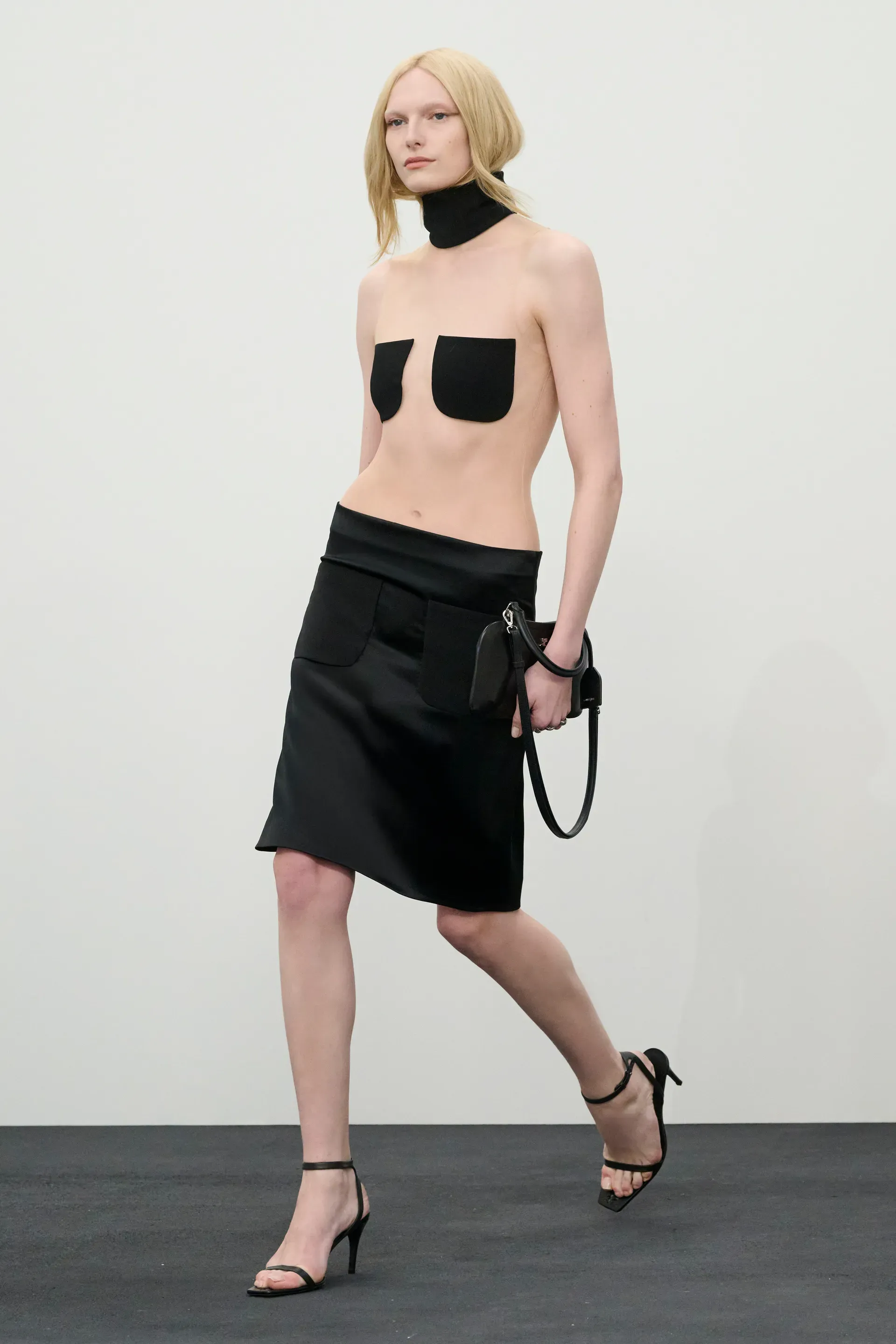
Courregès FW26
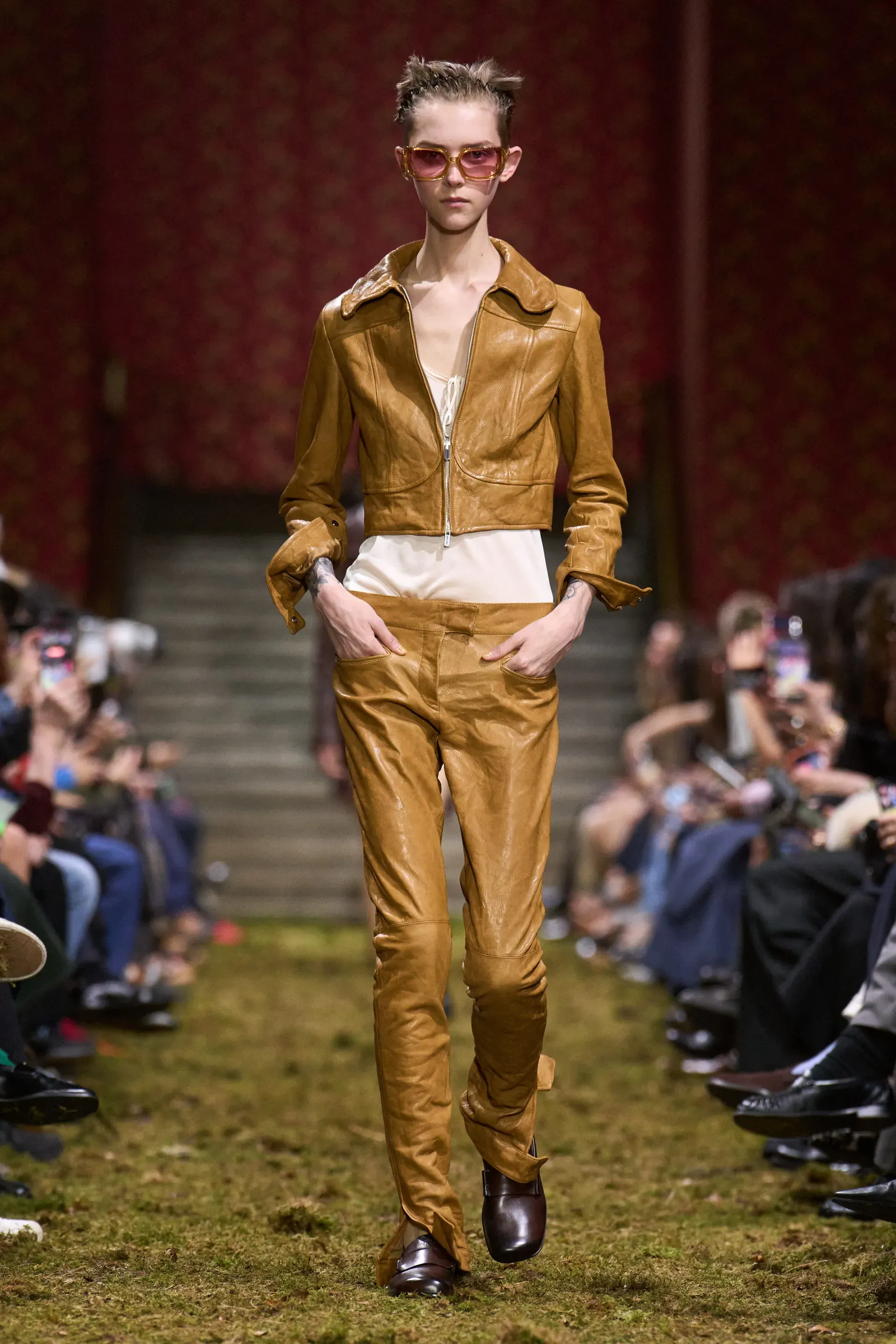
Miu Miu FW26
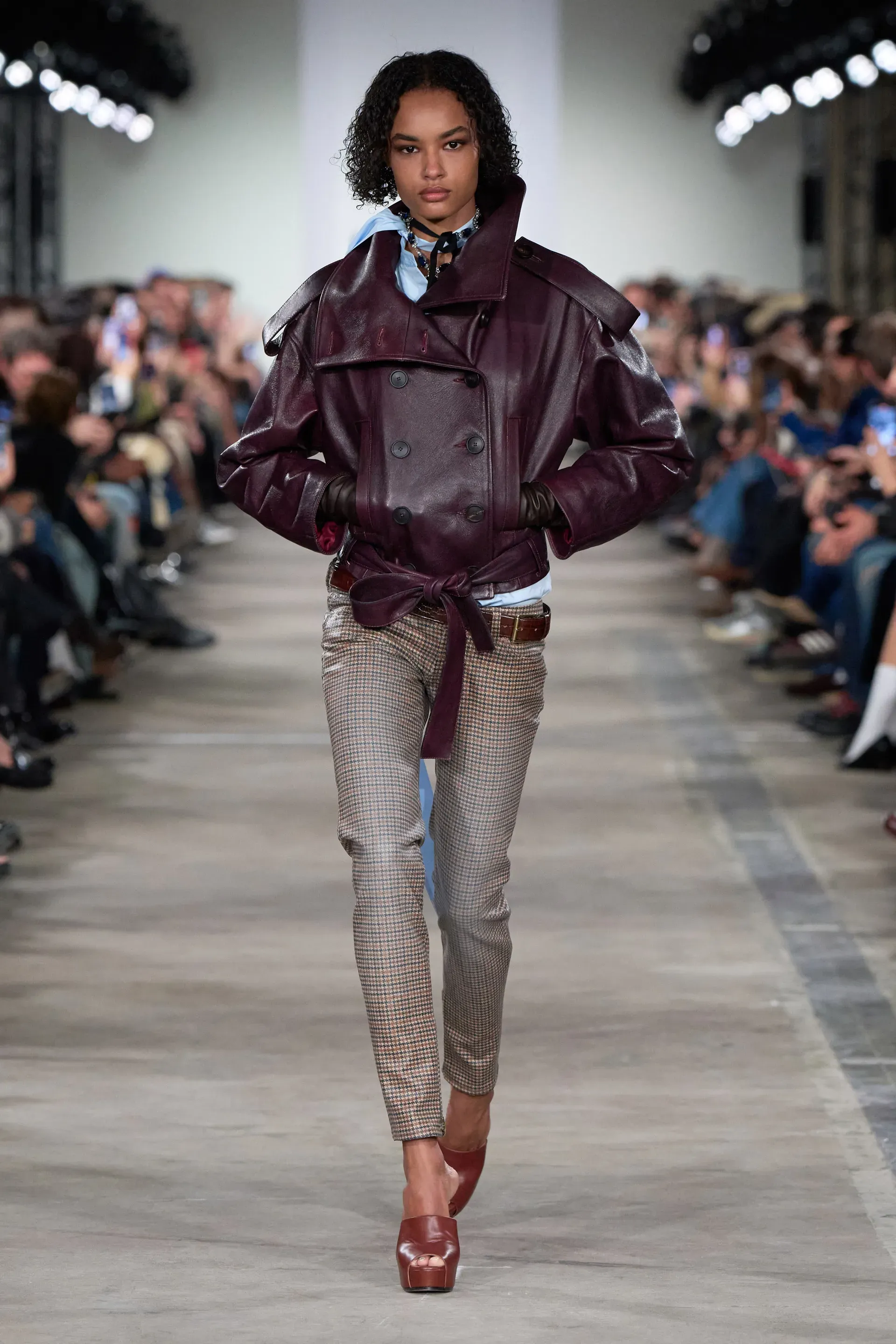
7 For All Manking FW26
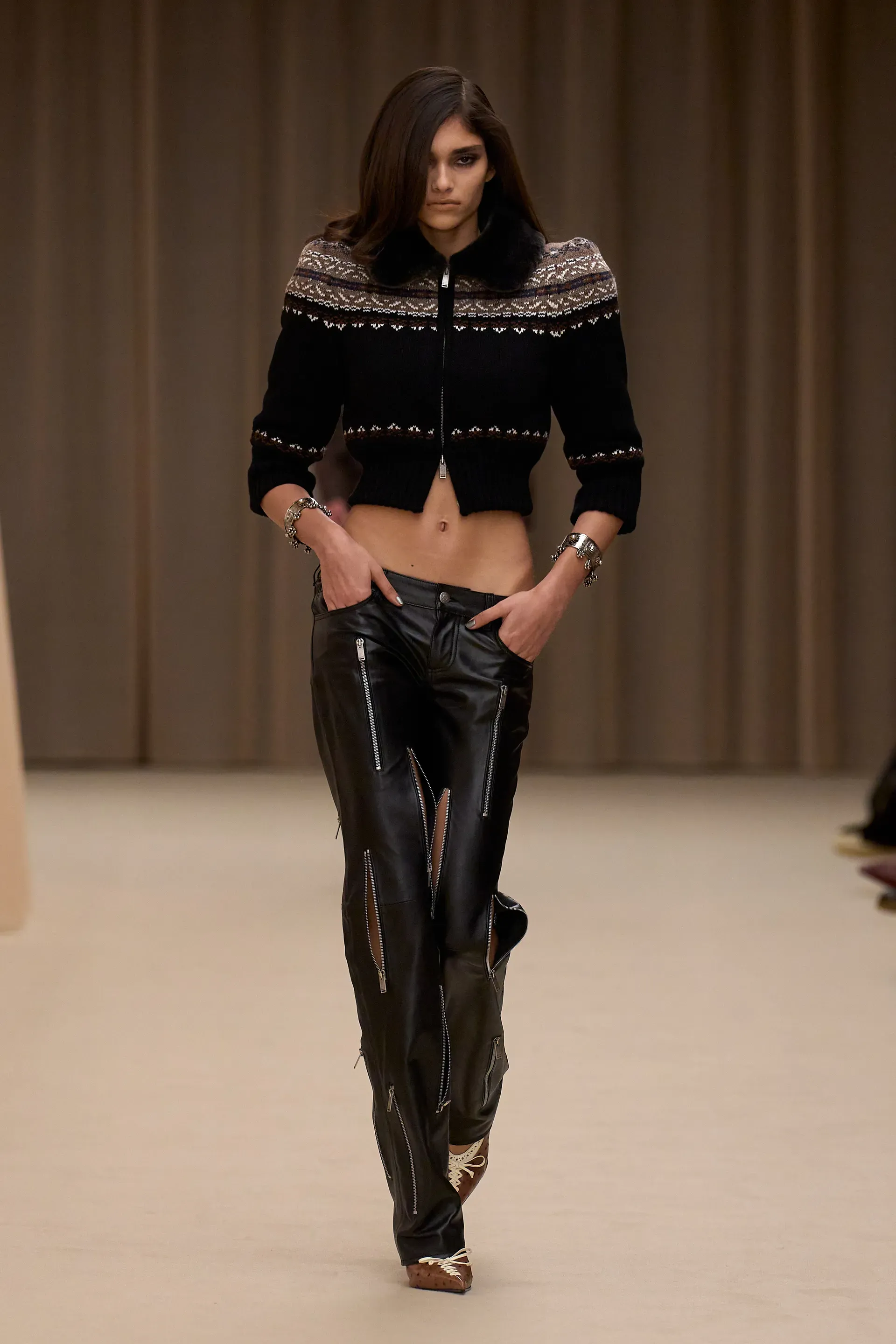
McQueen FW26
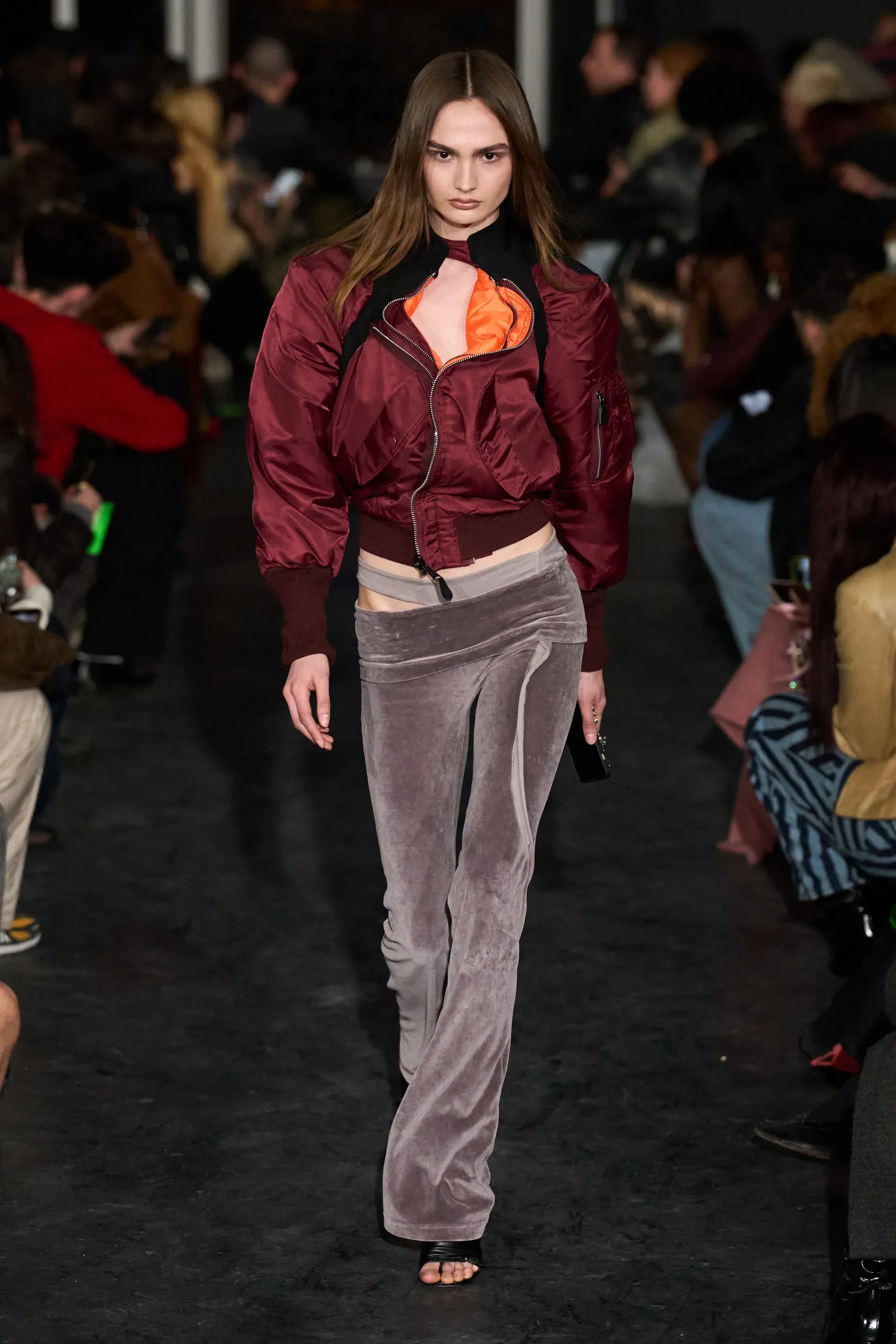
Ottolinger FW26
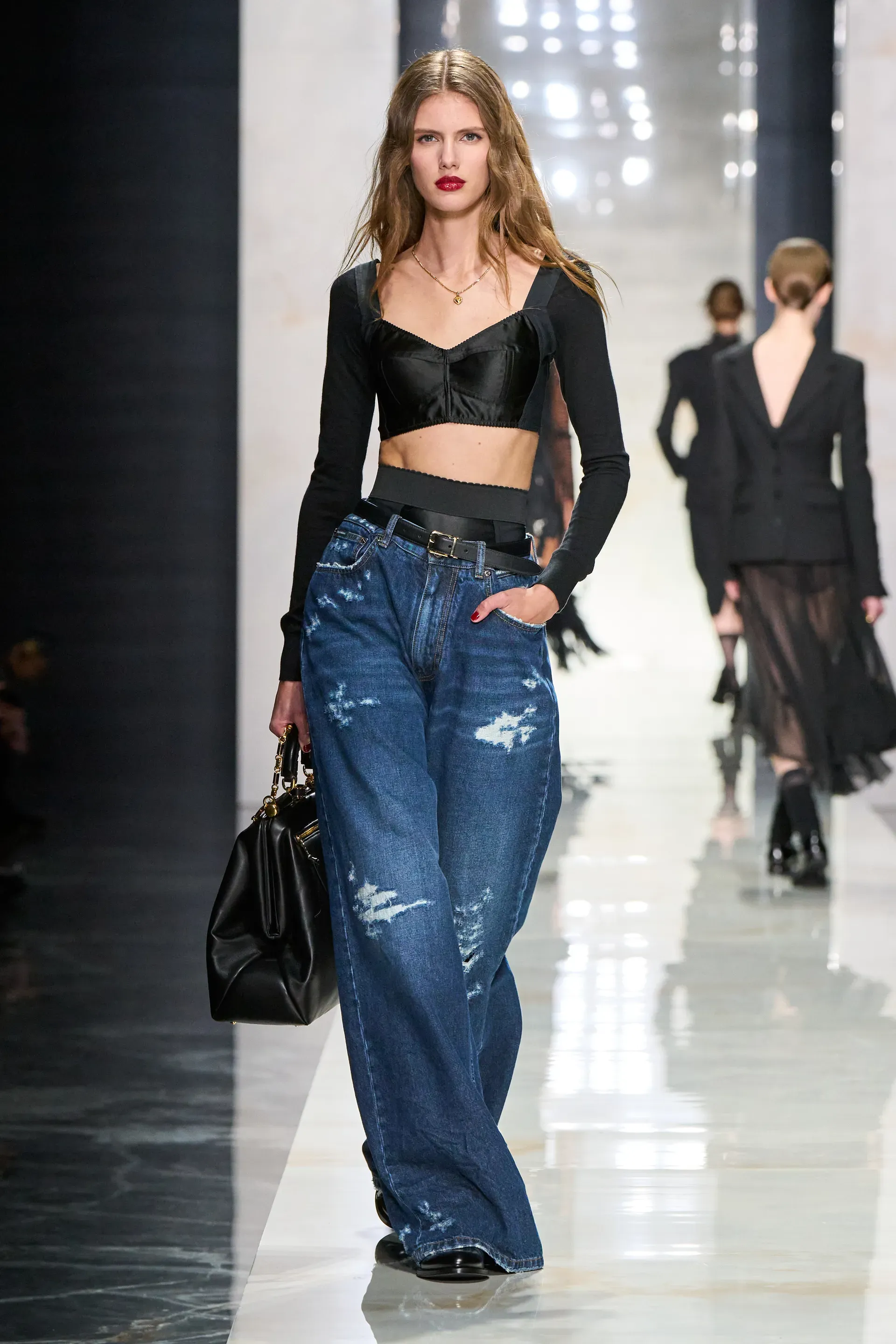
Dolce&Gabbana FW26
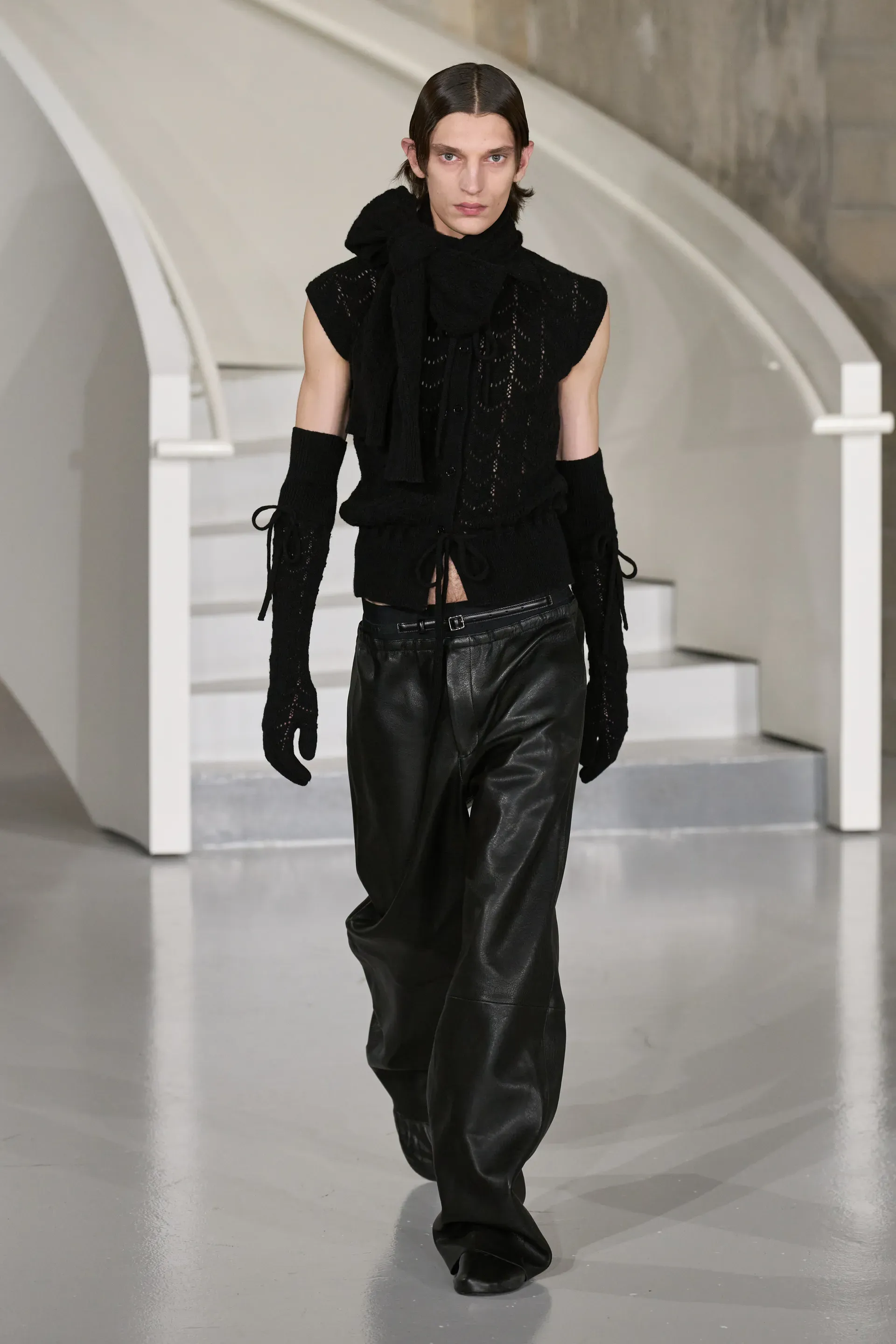
Alainpaul FW26
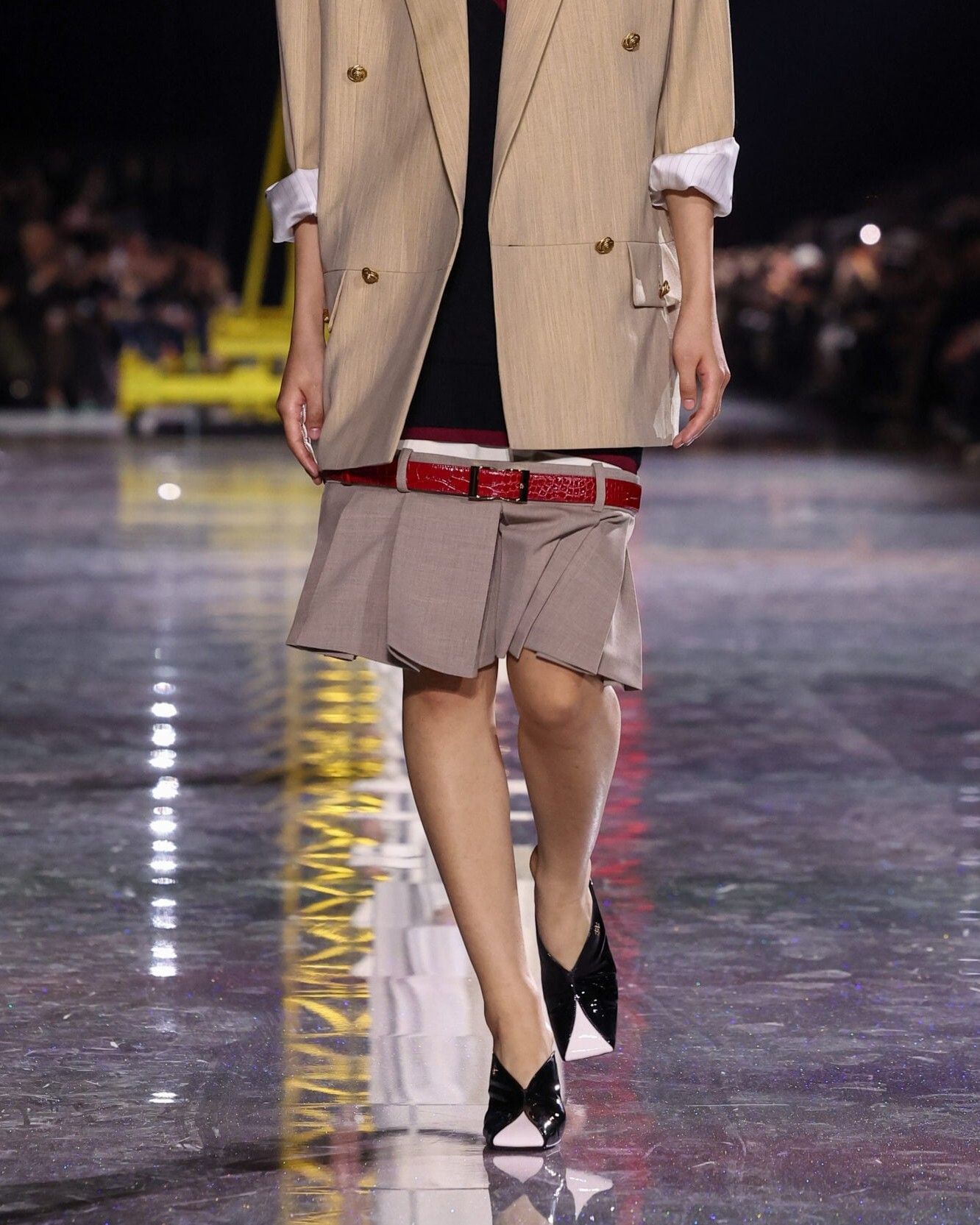
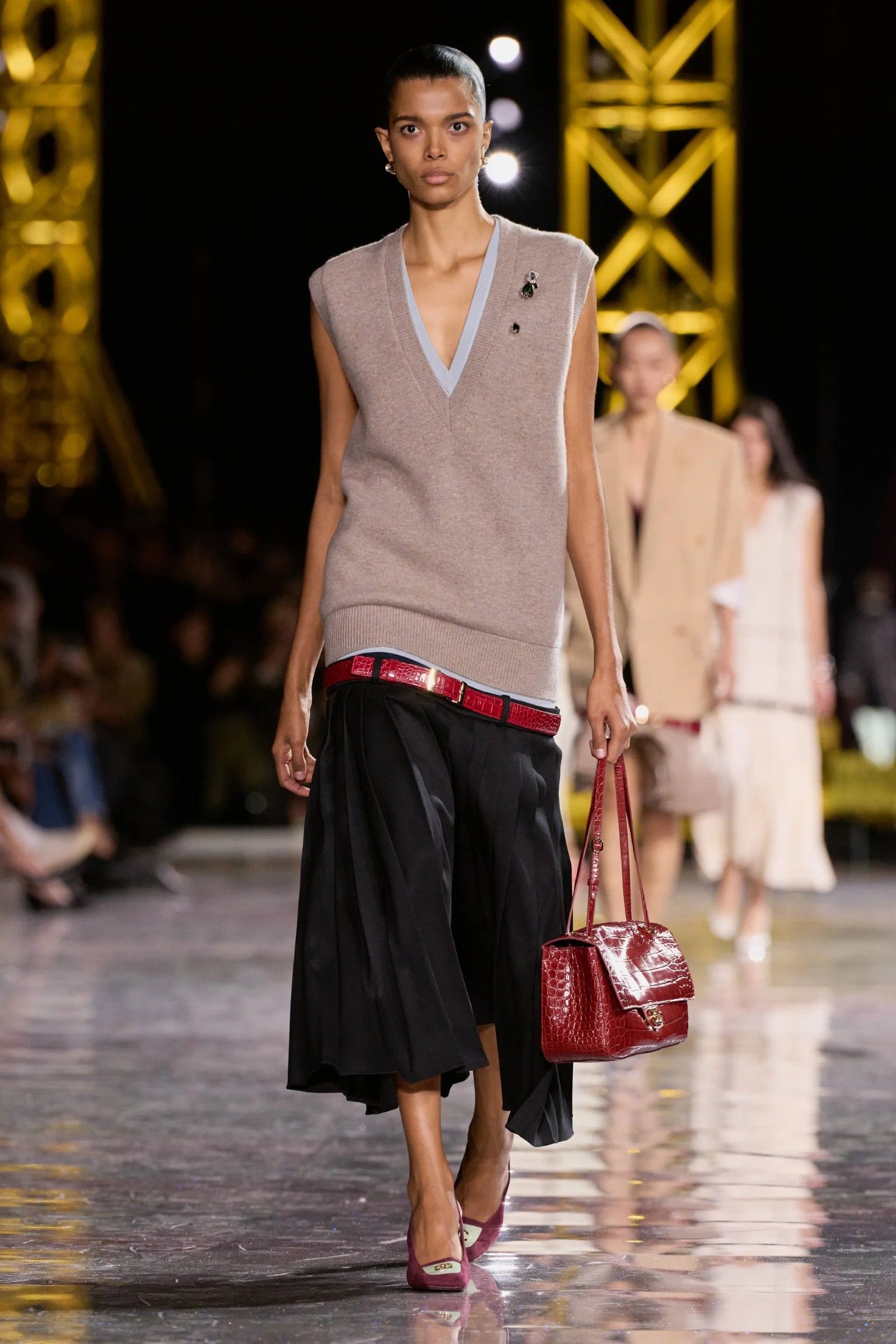
There are trends that conquer a single season. There are other trends, like the return of the dropped waist, that seem like more timid proposals from designers: they are somewhat everywhere, but they are not the main proposal and in general their diffusion is not uniform. The dropped waist proposal was timid until Mathieu Blazy made it the centerpiece of his FW26 collection for Chanel, entirely built on enveloping and vaguely covering shapes, but dominated by a series of midi dresses in which a belt marked an exaggeratedly low waist point, below which a skirt opened up.
They were not separate pieces but a single trompe-l’œil dress, perhaps the most curious silhouette proposed by Blazy so far. To describe the silhouette in question, it would be appropriate to distinguish between “dropped waist” and “low waist”: the waist is “dropped” when it concerns a garment worn on the upper part of the body, it is “low” when it concerns a garment worn on the lower part. In the first case we are talking about more bon-ton and elegant styles, in the second about more everyday and sexy garments.
But the distinction is ultimately partial because the function of lowering the waist always remains that of lengthening the torso and the back by highlighting them. A dropped-waist dress, in reality, can very well be fitted; the only requirement is that its flare starts from the hips, whether a bodice is present or not. But where does this style come from and why have we seen it spread on the runways?
Chanel and the politics of the dropped-waist dress
Chanel FW26
Collina Strada FW26
Ann Demeulemeester FW26
Lacoste FW26
Conner Ives FW26
MM6 Maison Margiela FW26
Yohji Yamamoto FW26
Marco Rambaldi FW26
Marni FW26
Mugler FW26
Erdem FW26
Kiko Kostadinov FW26
Niccolò Pasqualetti FW26
Khaite FW26
Roberto Cavalli FW26
Fforme FW26
Eckhaus Latta FW26
Uma Wang FW26
Missoni FW26
Diesel FW26
Rabanne FW26
As many have already pointed out, the work that Blazy is doing at Chanel concerns the exploration of the brand’s aesthetic around the 1920s, the era of Coco Chanel’s great success. The dropped-waist dress became the definitive style of the decade thanks to the women’s liberation movements of the time: the low waist eliminated the corset, both metaphorically and literally a tool of social oppression for women. Even if it’s hard to believe today, the straighter and less “hourglass” silhouette gave an impression of youth and athleticism (the alternative of the era was still clothing in which it was difficult to move) and was connected to the jazz and fox-trot culture since it allowed dancing.
The version proposed by Blazy is very modern: there is today’s taste for “illusory” fashion with the dress simulating the presence of a belt and a miniskirt; the mix of colors and textures for other dresses that have the same line. But the same idea of a dropped waist has been explored a lot during the last fashion month. We saw it at Khaite with a black boat-neck dress that, just above mid-thigh, opens into solid satin rouches; at Marni, Meryl Rogge created a low-waist skirt but with a fake belt marking the waist much lower.
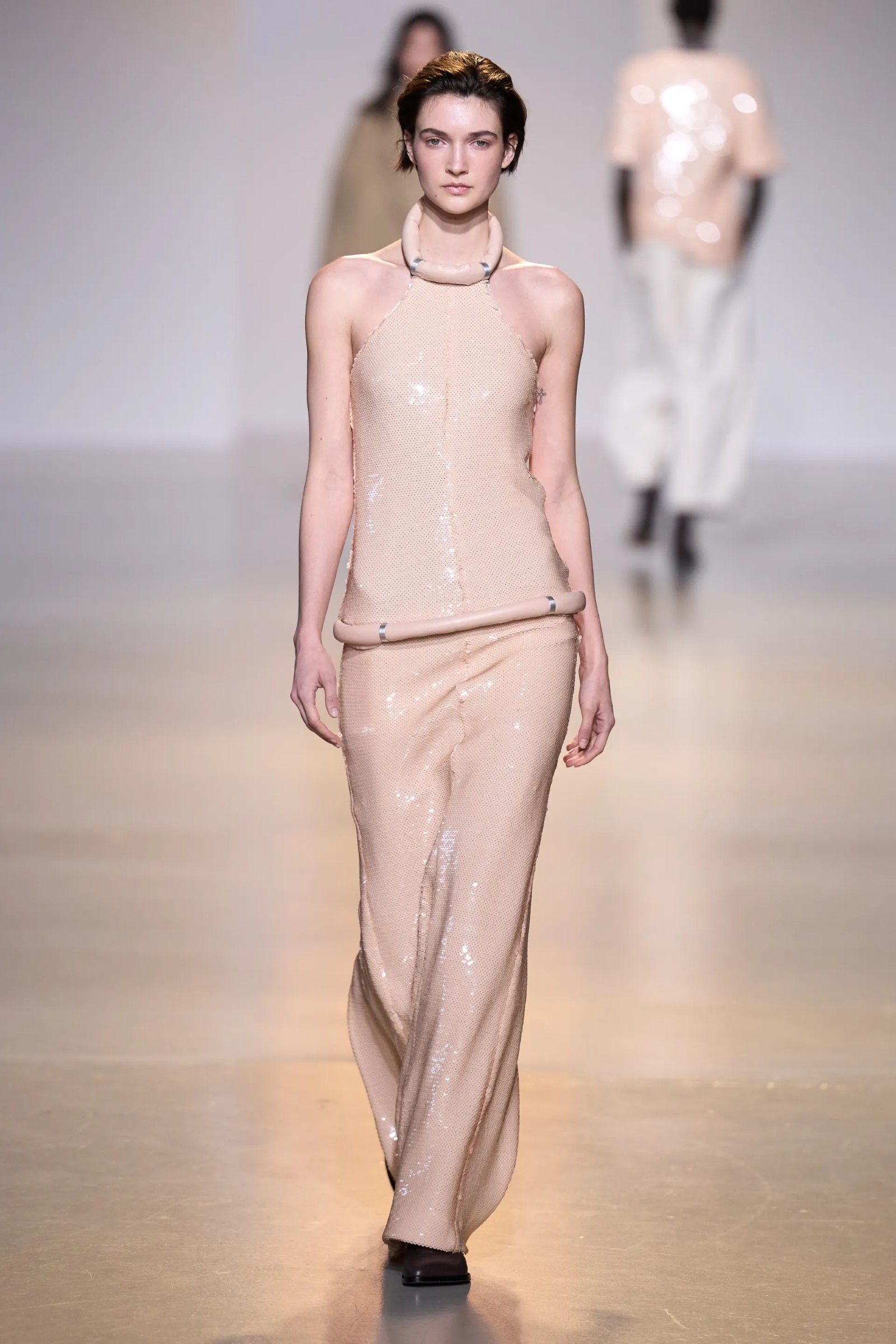
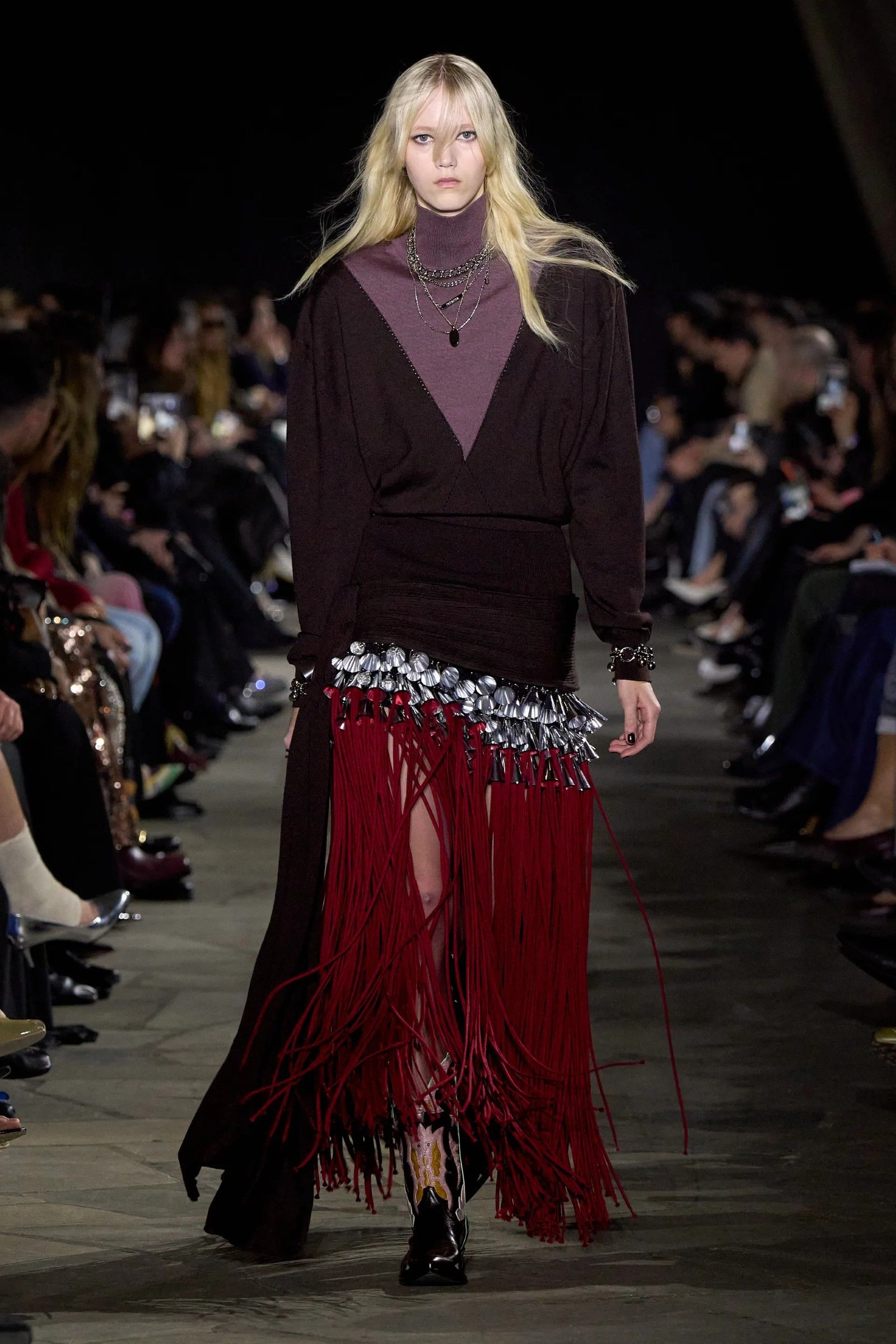
Always a belt marked the dropped waist in a skirt by MM6 Maison Margiela, in a trench by Lacoste, in a striped maxi dress by Missoni. At Niccolò Pasqualetti instead of the belt there was a very low tubular element, at Rabanne instead a skirt featured silver metallic cones at the waist from which red threads emerged that then became a skirt. Conner Ives and Erdem instead used a biparted skirt while at Mugler, Eckhaus Latta, Uma Wang, Ffforme and Roberto Cavalli the lower waist was marked by a draping of fabric or even a simple seam. More original, Diesel and Marco Rambaldi entrusted the fabric conformations with the task of manipulating the proportions.
Same party girl, different era
Miu Miu FW26
Giorgio Armani FW26
Givenchy FW26
Dries Van Noten FW26
Tom Ford FW26
Dolce&Gabbana FW26
Comme des Garçons Homme Plus FW26
Gucci FW26
Dsquared2 FW26
Burberry FW26
Stella McCartney FW26
We said earlier that in the 1920s the dropped waist of dresses was linked, in addition to the political climate of the times, also to the new and more dynamic dances arriving from America, with all the attached lifestyle. Today, strangely, low-waist pants and skirts say, in a different way, the same thing. The return of the low waist in both womenswear and menswear collections corresponds to a call to nightlife. Nicola Brognano built his entire debut at 7 For All Mankind on an Indie Sleaze-era party girl and indeed low-waist jeans were on almost every look. At Gucci there was the same vibe as well as at Di Petsa who made low pants with cut-outs for men.
But there are other examples. The sexiest is obviously Tom Ford where both women and men wore low-waist black pants whose belt was only halfway through the loops while the other half rose on the skin and around the hips creating almost the illusion of a thong or a harness. At McQueen, needless to say, the famous bumster was reproposed as well as at Miu Miu a series of leather jacket and pants sets was made to leave the entire belly area exposed.
Even at Giorgio Armani there was a low-waist pant but without leaving too much skin exposed since a high-neck lace bodysuit fully sheathed the model under her tailored suit. But overall, the brands that included low waists in pants and skirts leaving a suggestive strip of skin emerging just below the navel are about twenty-five. Enough to be able to talk about a return of the low waist but not enough to talk about its total conquest of the zeitgeist. But what is the difference between the use of the low waist and that of the dropped waist?
Cover and uncover
Hodakova FW26
Natasha Zinko FW26
Coach FW26
Isabel Marant FW26
Schiaparelli FW26
Blumarine FW26
Anna Sui FW26
Di Petsa FW26
Courregès FW26
7 For All Manking FW26
McQueen FW26
Ottolinger FW26
Alainpaul FW26
Vaquera FW26
Same lowering of the waist, two different categories of garment to wear, two diametrically opposed uses. As we said, dropped-waist garments are more bon-ton because they tend to conceal the body and remove emphasis from the true waist point. Low-waist bottoms instead expose the body plenty. A division that also greatly reflects the bipartition of the target audience of fashion brands: dropped-waist dresses make imperfections disappear, pants and skirts with low waist instead do not allow them. The former are dedicated to more mature and high-spending audiences while the latter to segments of the public.
There are obviously exceptions: Ann Demeulemeester and Diesel, for example, but also Cavalli, have made dropped-waist dresses that are actually very revealing; just as Burberry, Dries Van Noten and Givenchy have made low-waist skirts and pants but not excessively provocative, as have Dolce&Gabbana. In all these cases, in the fashion month just concluded, these styles coexisted with very high waist points (think of Dior but also Miu Miu itself where the two styles coexisted) showing how there is no clearly dominant proposition.
Perhaps what can be drawn from it is that such a low waist marks the closure by saturation of a cycle, that of the mega-pant with micro-top, and the opening of a new phase where, in light of the Ozempic phenomenon and protein-chic, the body has returned to being a marker of social status more than political and thus must be used and flaunted, and that perhaps it becomes a playground as described by Daniel Roseberry in Vanity Fair who compared Kylie Jenner's look changes to the work of a music producer «raising the bass, lowering the treble, raising the volume at this point, adding distortion at this moment».
What to read next

"Maxxing" has been named the word of 2026
The announcement was made by Dictionary.com, which every year draws up a ranking of the latest linguistic trends
Now Phoebe Philo Wants You to Dress Avant-Garde
With Collection F, the designer plays with silhouettes in an entirely new way