























The missed opportunity with Design Week merchandise A reality check that an industry struggling to grow could use
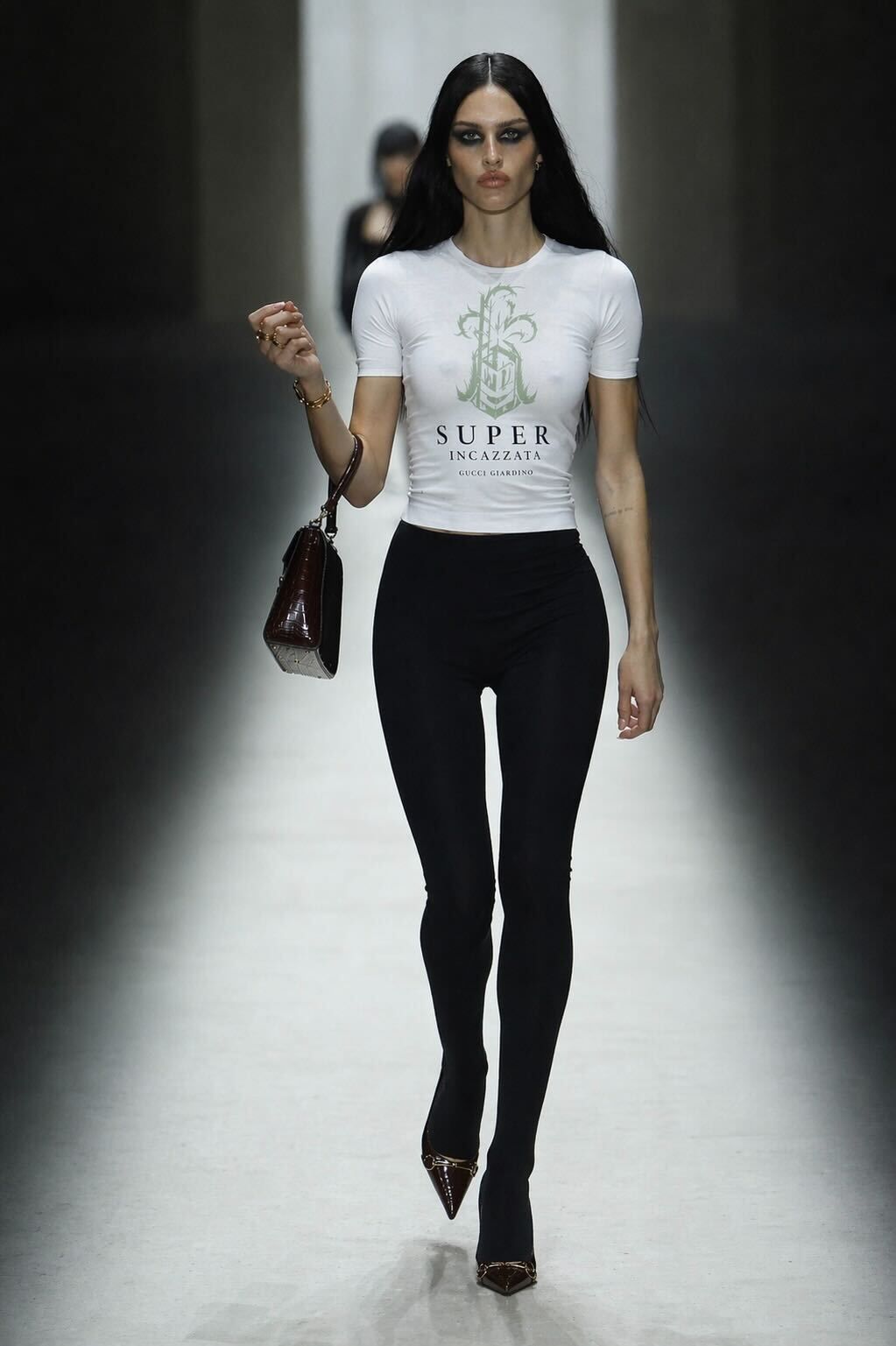
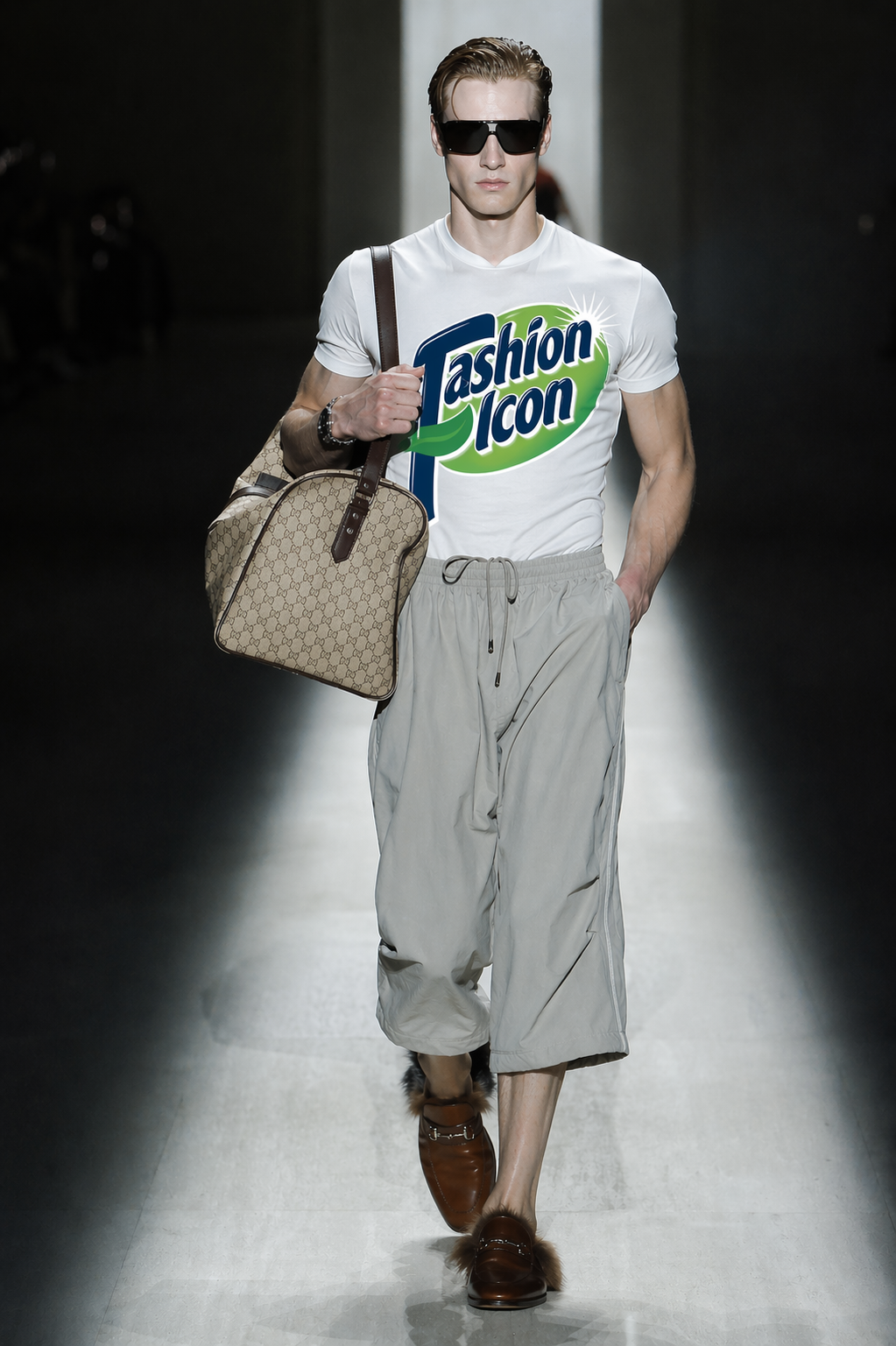
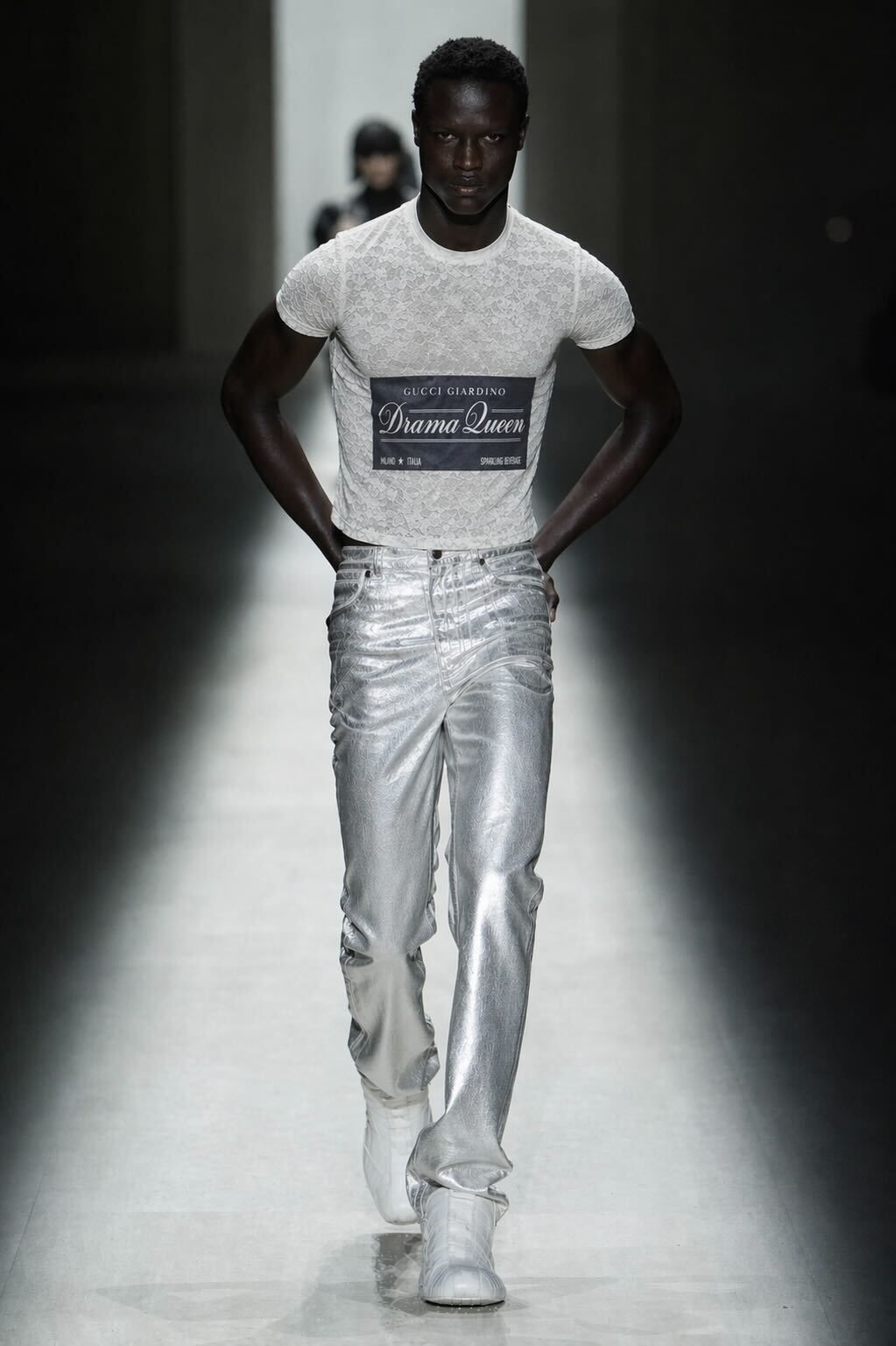
We are midway through Milano Design Week and we can already say with absolute certainty that the most viral product of this edition is the cans distributed by Gucci, which are already appearing on Vinted at relatively insane prices. Every year at Fuorisalone an accessory goes viral: from Loro Piana's sponge cake to Zegna's tote bag, passing through the now infamous Etro stool. Now that the dynamics of the event have made clear to everyone both the appeal of fashion brands, which for one week reveal themselves to the world of "outsiders"; and the large crowd that shows up to their activations, one wonders whether fashion needs to take a further step. Can Fuorisalone traffic translate into a reality check for luxury brands?
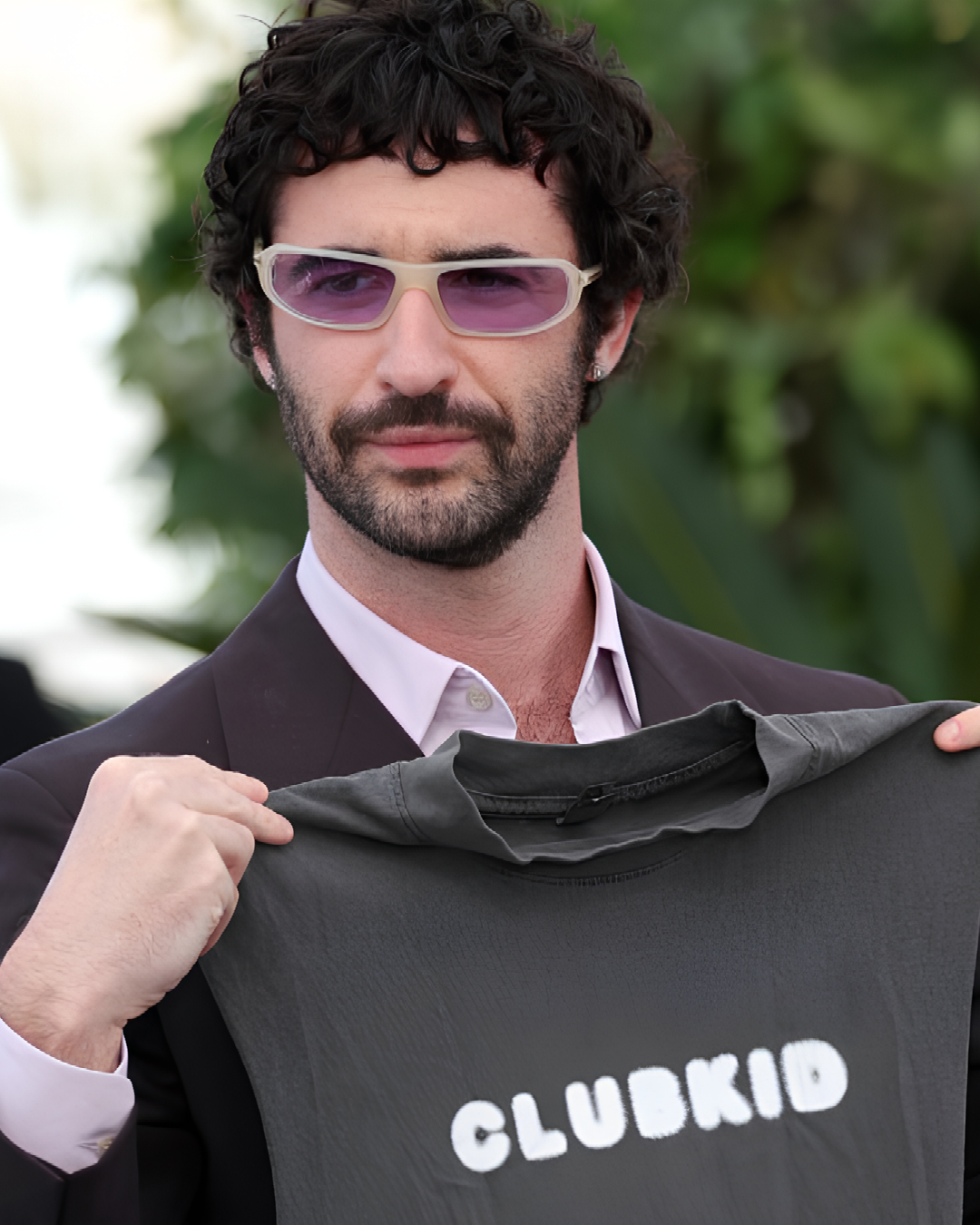
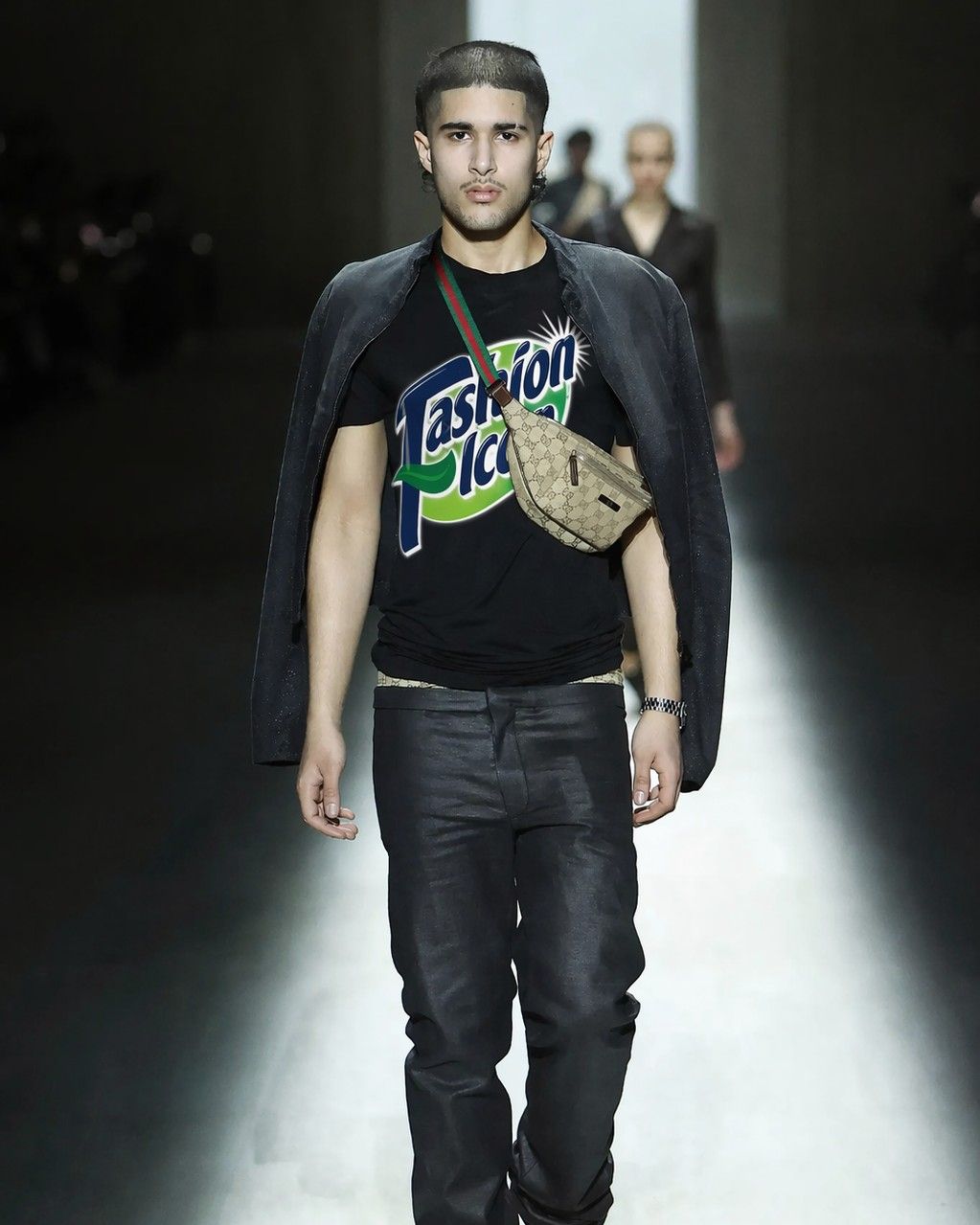
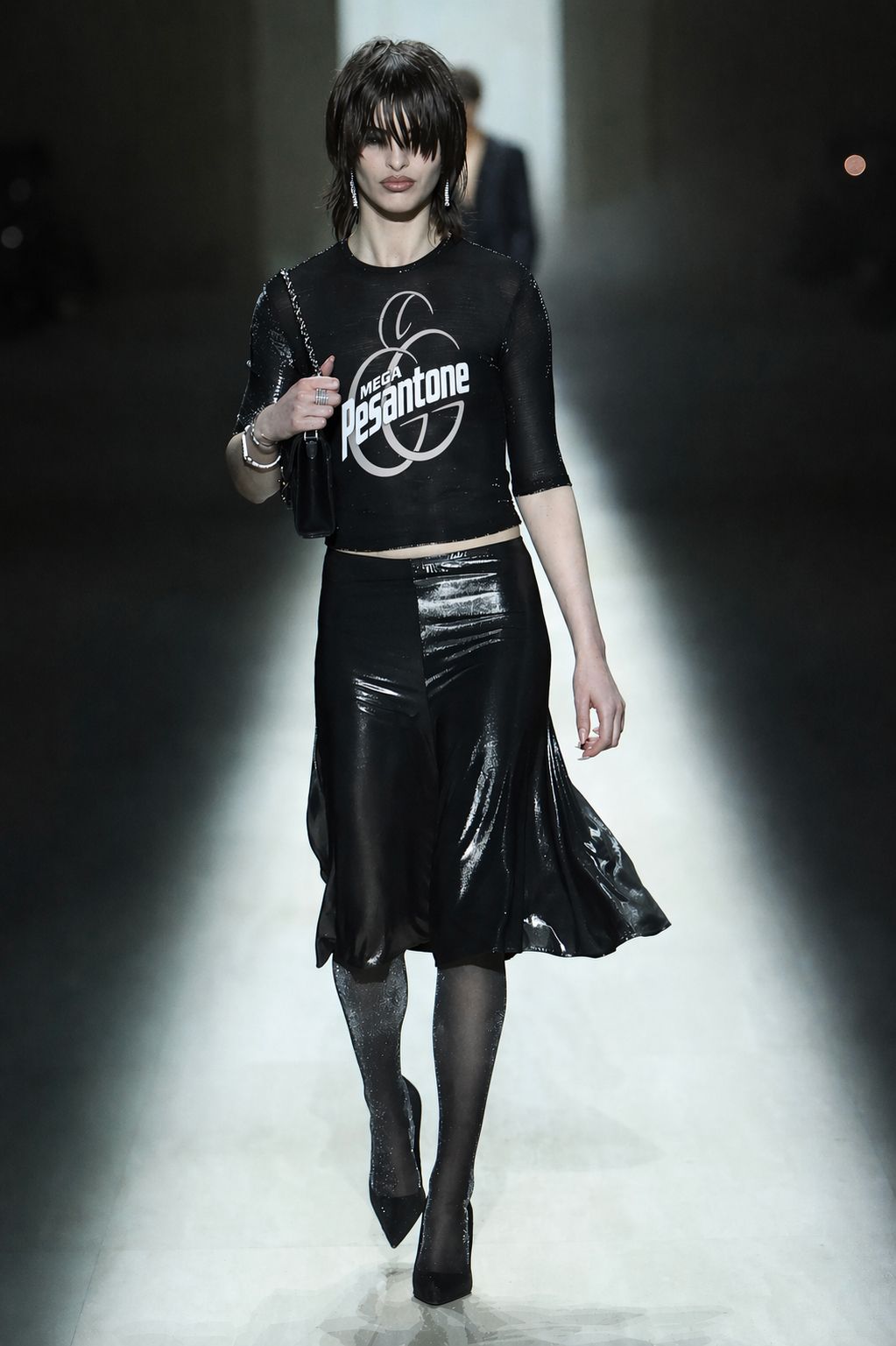
The public's hunger for branded products and Fuorisalone memorabilia could represent an opportunity for several luxury brands which, taking advantage of the atmosphere of accessibility that animates the week, could plan an in-store landing of their artistic activations. Simply put, if the graphic design of Gucci's cans were transferred onto a t-shirt or some small accessory sold exceptionally at a democratic price (say a two hundred euros — a lot for a t-shirt but very little compared to normal prices) and in limited edition, the media longevity and the gain in terms of goodwill would be enormous. Could it be said, then, that merch at Design Week is a missed opportunity for brands?
My kingdom for a t-shirt
At the beginning of the week, Lauren Sherman opened her article on Kering's Capital Markets Day with an (unconfirmed) anecdote about Luca De Meo. The new CEO allegedly brought some Kering executives inside a Zara store, asking them whether one of the t-shirts produced by the Spanish giant through its now famous vertically integrated production model was in any way different from the branded t-shirts that luxury brands sell for hundreds of euros. Indeed, Sherman reasons, wouldn't it be better to lower the prices of these t-shirts produced and sold in bulk in order to increase profits?
The question of the so-called "pricing mix" has in fact been widely discussed in the wake of the three most important designer debuts of the last two years: Anderson at Dior, Blazy at Chanel and Demna at Gucci. In all three cases, industry publications explained that the new price pyramid would include more lower-priced products while also reaching new heights.
In short: selling more basic items at more democratic prices while maintaining absolute exclusivity for the most exclusive and luxurious products. Andrea Guerra, CEO of Prada, also said last year that one of fashion's biggest mistakes had been raising prices across all product ranges, making even entry-level items inaccessible — the ones that generate the most volume.
De Meo's t-shirt example doesn't come out of nowhere: in recent years, branded t-shirts have become the symbolic protagonist of the criticism that insiders level at fashion brands. It has almost become a cliché to hear someone say they have a Zara or H&M t-shirt bought years ago that is still perfect, indistinguishable from a branded t-shirt with an average price tag of €500. With the implicit message that, all things considered, the only difference between the luxury t-shirt and the regular one is an absurd price gap determined by the presence of a logo.
Limited editions as an antidote to the crisis?
The only real elephant in fashion's metaphorical room is pricing. It is a problem that in industry reports and analyses is barely mentioned, yet it is the first thing that comes up when talking to retail experts: not only do products with ridiculous price tags completely exclude aspirational customers, but they also end up eroding the trust of genuinely wealthy customers who, faced with a €1,400 tailored trouser or a €500 cap, begin to wonder whether the product they are buying, logo or not, is actually worth that amount. It is no secret that the ultra-rich are investing in jewellery, with its solid value, rather than in ready-to-wear.
At the same time, fashion cannot lower prices too much, at least not openly: between outlets, sample sales and parallel sales in China and worldwide, prices are being cut — and significantly. The industry has good reason: in 2023, the total value of LVMH's unsold goods amounted to 3.2 billion euros, or 4% of the group's revenue that year. Kering was sitting on 1.5 billion euros of unsold inventory. Meanwhile, the collapse in sales has prompted a search for causes everywhere except the absurd price of products.
Despite the prestige of a brand seemingly being "polluted" the moment a key item ceases to be exclusive, a culturally pop t-shirt available for one week only and therefore sold as memorabilia could instead revive its fortunes. Given the crowds that fashion is capable of attracting, it is clear that selling a more accessible t-shirt could show the industry that a public to grow into still exists. The only real obstacle to this reality check is a stubborn refusal, on the part of the big names, to question the vexata quaestio of pricing. It is perhaps for this reason that the anecdote of De Meo showing his executives a Zara t-shirt sounds so revolutionary: someone is finally willing to face the real problems.
What to read next

adidas Originals opens a new store in Rome on Via del Babuino
Here's what went down at the opening event
Can Gen Z Really Get Rich with Vinted?
A new business model is emerging, tax-free and learnable through an online course