






































There is a humanoid robot on sale for €4,000 on AliExpress Robotics is becoming increasingly accessible, but at what cost?
The Chinese robotics company Unitree Robotics, one of the major players in the sector, announced that it will make one of its most affordable products available for purchase, the Unitree R1 robot, through the online store of the Alibaba group. The South China Morning Post, an authoritative English-language newspaper based in Hong Kong, reports that the product will soon be available for order at a total cost of €3700 also in Europe, as well as in North America and Japan.
The news is quite significant because it represents «a symbolic step even before a commercial one», writes journalist Marco Trabucchi on Wired, who described Unitree Robotics’ announcement as «a step toward normalization» of humanoid robotics, with the aim of making it a more accessible and desirable product – «something to add to the cart», in short.
What the Unitree Robotics robot is like
@theautomaticaddison The $5,900 Fighter That Changes Robot Economics Unitree's R1 throws punches and performs flips for just $5,900, capabilities that cost millions just years ago. This price breakthrough means humanoid robots aren't just for labs anymore; they're ready for developers, schools, and eventually our homes. I saw this at IREX 2025 in Tokyo, Japan. #robotics #unitree #affordabletech #humanoidrobot #humanoid #innovation #technology #futuretech #ai #irex2025 original sound - automaticaddison
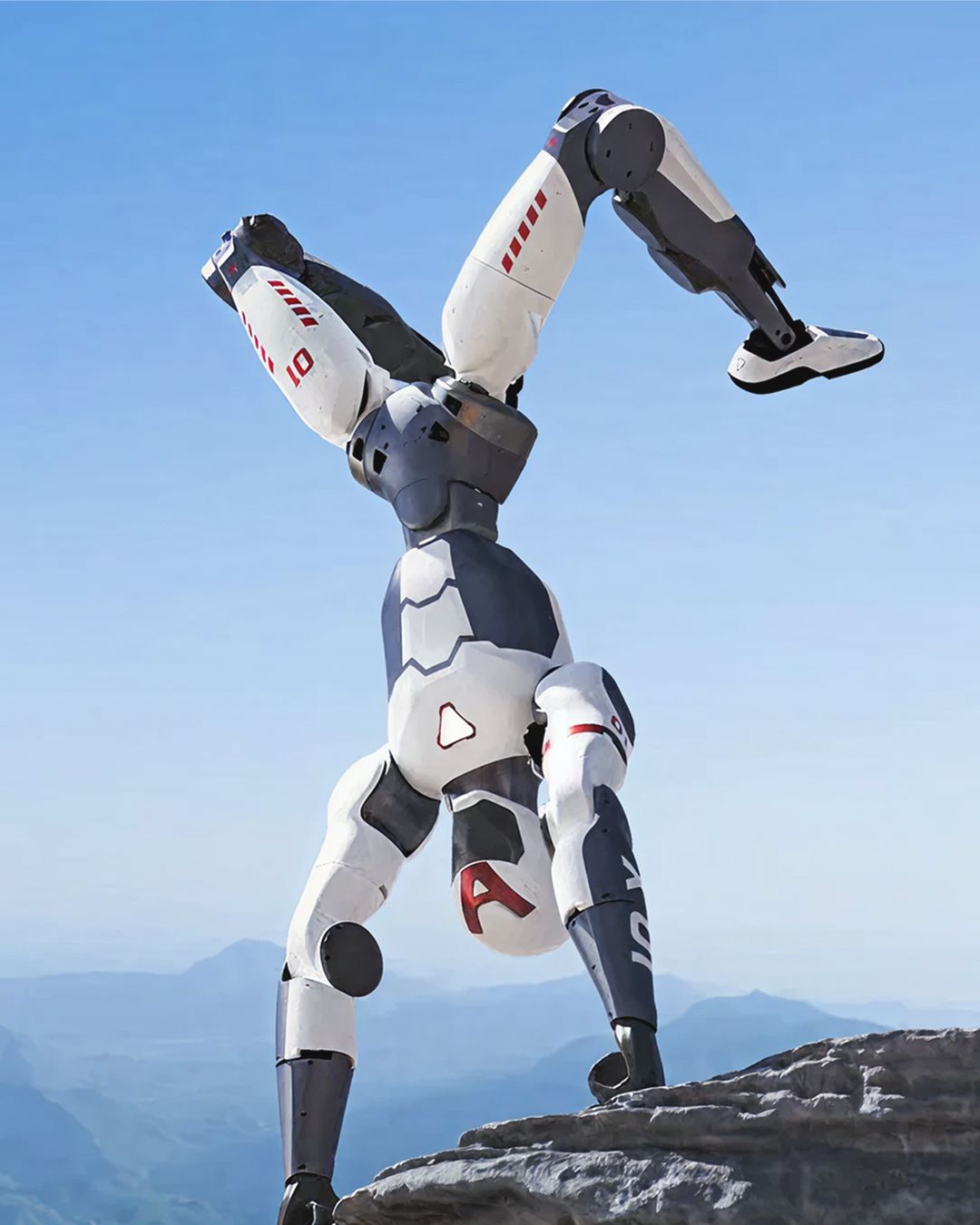
The Unitree Robotics R1 model is just over 120 centimeters tall, weighs about 25 kilograms, and is equipped with voice and visual recognition systems; it can also perform fairly complex movements with a certain fluidity (for example, it is capable of doing a cartwheel), but it is not fully designed to serve as a domestic assistant.
The company presents the product as an “intelligent companion”, designed for interaction and for software research and development activities; in practice, its use is more suitable for laboratories and universities as a platform for testing certain commands and operations, especially in the computing field. «Bringing a humanoid [...] to global markets at this price significantly lowers the entry barrier for developers, researchers, and enthusiasts», Trabucchi notes.
How the robotics sector is evolving
In the robotics sector, three major trends are emerging: humanoid robots, animal-inspired machines, and increasingly advanced domestic devices. Thanks to greater computing power and progress in artificial intelligence, the sector could accelerate further in the coming years. A clear example is the half marathon recently held in Beijing, which featured both humans and in a separate lane Chinese-made humanoid robots. The race was won by a robot produced by the company Honor, which ran 21 kilometers in 50 minutes. The robot not only outperformed all human runners but also broke the current men’s world record for the same distance. This is a remarkable achievement: last year, for instance, in a similar event, the fastest robot took almost three hours to complete the course.
However, several experts suggest changing the approach to humanoid robots: instead of designing them to resemble humans, some argue it would make more sense to develop machines that do not necessarily replicate human appearance, while still being designed to operate as assistants. In domestic contexts, for example, the idea is to evolve existing home appliances, making them more autonomous and capable of performing increasingly complex tasks. Not coincidentally, when Tesla presented Optimus in 2022, a robot with arms, legs, and a head, several experts pointed out precisely this issue: for many tasks, especially in the increasingly important industrial sector of robotics, it is not necessary for these machines to resemble us.