





































Is the European textile industry disappearing? According to Euratex, yes, and the sector is in serious crisis
The European textile and apparel industry is going through one of the most difficult phases in its recent history. According to the latest data released by Euratex, the European confederation of the sector, the decline is now structural and has been ongoing for at least three consecutive years. According to the report, bluntly titled Europe is losing its textile industry, the closures of textile factories across Europe are now happening on a daily basis, wiping out entire regional economic ecosystems.
The sector, which employs around 1.3 million people across more than 200,000 small and medium-sized enterprises, has been in sharp decline on every front (production, turnover, and employment) since at least 2022. Last year, employment hit its lowest level in recent years, with job losses accelerating by 4.6%. In the clothing sector, there was a temporary 5% increase in turnover during 2023, but this was due to inflation and that effect too has vanished in the following two years due to the collapse in real demand.
Why this decline?
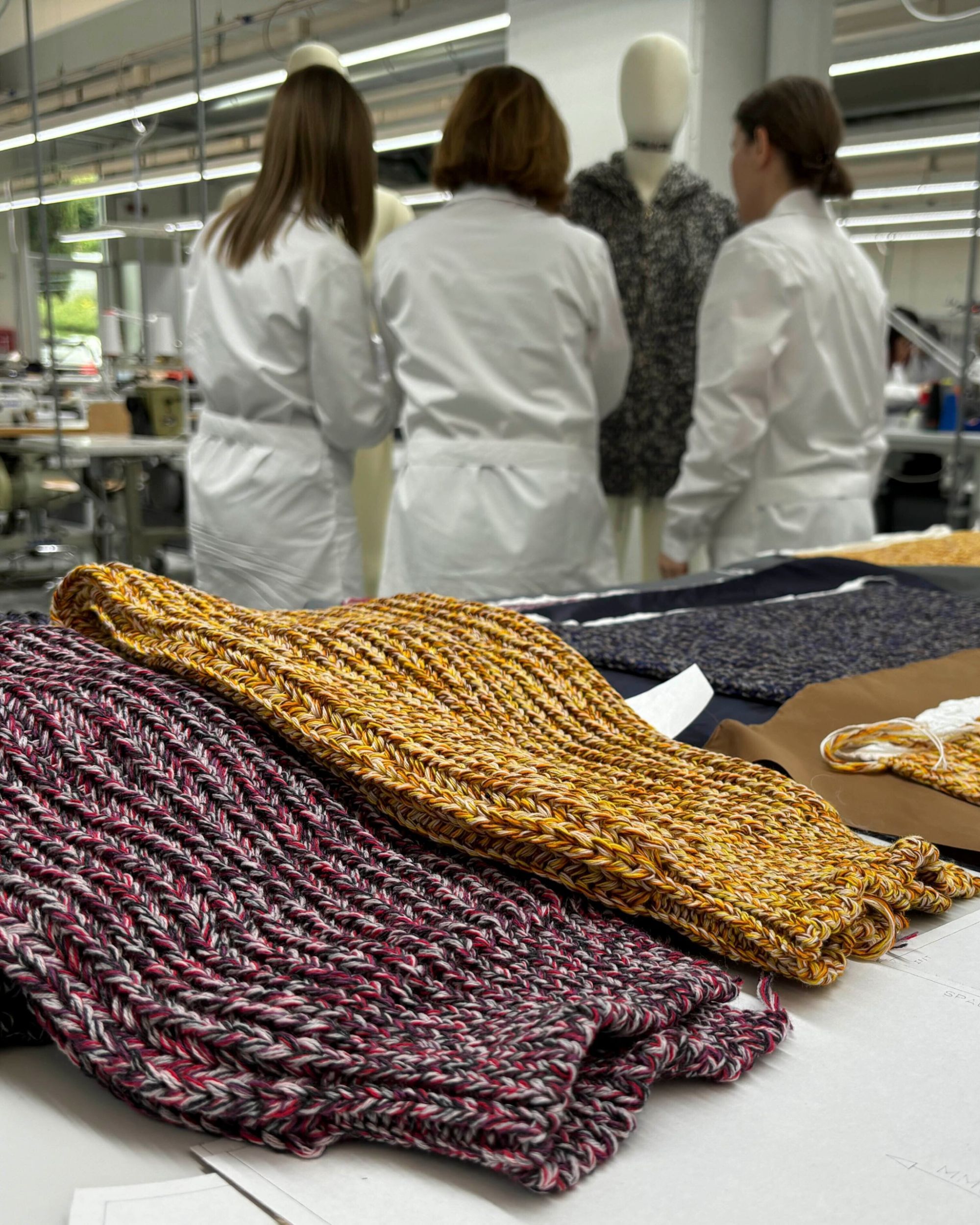
@nssmagazine We had the opportunity to visit the Italian factory where Nike created the “Every Stitch Considered” collection, a project that combines the focus on Swoosh’s technical materials with the meticulousness of Made in Italy craftsmanship. Observing closely the production process, we can only be optimistic about the future of luxury sportswear. @Nike #NikeESC #nike #factory #swoosh #sportswear #madeinitaly #process #knitwear #italia #italy original sound - nss magazine
According to the report, the decline affecting the sector is a combination of factors that is eroding European competitiveness. The main problem is energy costs, which are structurally higher than those faced by international competitors. There is also weak domestic demand, due to the reduction in consumption, the boom in the second-hand market, and the rise in prices that has affected both luxury and mid-range brands.
And then, of course, there is the issue of Asian imports which, on one hand, have grown thanks to regulatory loopholes such as the customs exemption for parcels under 150 euros, on which, from the first of July, a duty of 3 euros will be applied for each product category they contain. But the damage is done: in recent years both Shein and Temu have benefited from these favourable policies, while European textile producers had to face additional costs from environmental, safety, and sustainability regulations.
In the field of pure clothing, the success of Shein and Temu shows that demand, physiologically, exists, but looking at the bigger picture, cuts will have to be made somewhere: either the industry shrinks, getting smaller and creating job and financial losses; or the public will have ethically produced textiles with fair wages, but they will cost more. Supporting the textile industry while still expecting Shein and Temu prices is simply not possible: one or the other.
What has the European Union done?
To put it briefly, not much. The reform of the customs code is the equivalent of a band-aid on a haemorrhage; the fact that it will only come into effect on the first of July this year demonstrates all the bureaucratic slowness Brussels is capable of. There is also the consolidation of the European energy market (we will see how it goes in the midst of the entire energy crisis) and the Industrial Accelerator Act, which promotes the purchase of “Made in Europe” products, although it remains to be seen how this will be implemented.
Another important reform is that of the “deemed importer”, under which the importer of the goods, and therefore responsible for paying the related costs, will no longer be the final consumer but the company shipping the products — i.e. Shein or Temu. The idea is to prevent a single citizen from being the importer of many small parcels and to make the company calculate and collect customs duties and VAT at the time of purchase, submit the relevant declarations, guarantee product compliance, and pay the duties and VAT to the European authorities. But, barring unforeseen events, this will only be discussed in March 2028.
The president of Euratex, Mario Jorge Machado, said: «If Europe really wants to maintain its manufacturing base, it must act faster and with greater determination. Every week textile companies are closing. Production moves elsewhere, dependency increases and the overall carbon footprint worsens. This is exactly the opposite of what Europe claims to want to achieve».
What could happen?
The deindustrialization of Europe continues.
— Hubert Łępicki (@hubertlepicki) April 5, 2024
The company my wife works for is in the textile industry too, and similar to Levi Strauss they moved the production away already completely.
The cost of electricity + gas + wages was just too high to make it profitable.
Good job https://t.co/dvRlhQzAkQ
For this reason Euratex is calling for the reduction of energy costs, the simplification of bureaucracy, the strengthening of controls on safety and environmental standards for non-EU products, and the obligation for large Chinese or other foreign platforms to appoint a legal representative on European territory. Clearly, when we talk about textiles we are also referring to sectors such as healthcare, defence, automotive, construction and agriculture, not just fashion.
Moreover, Europe’s ambition to create a circular economy in textiles, central to the Green Deal, is impossible without a local industrial base. According to a study by Boston Consulting Group and ReHubs, 11 billion euros in initial investments and up to 6.5 billion annually in recurring costs would be needed just to develop recycling. Without European factories, the infrastructure needed to reuse and recycle textiles would also disappear. The risk is therefore also strategic and environmental. But what impact will all the chaos brought by the conflict in the Middle East have on a sector already in crisis?