




























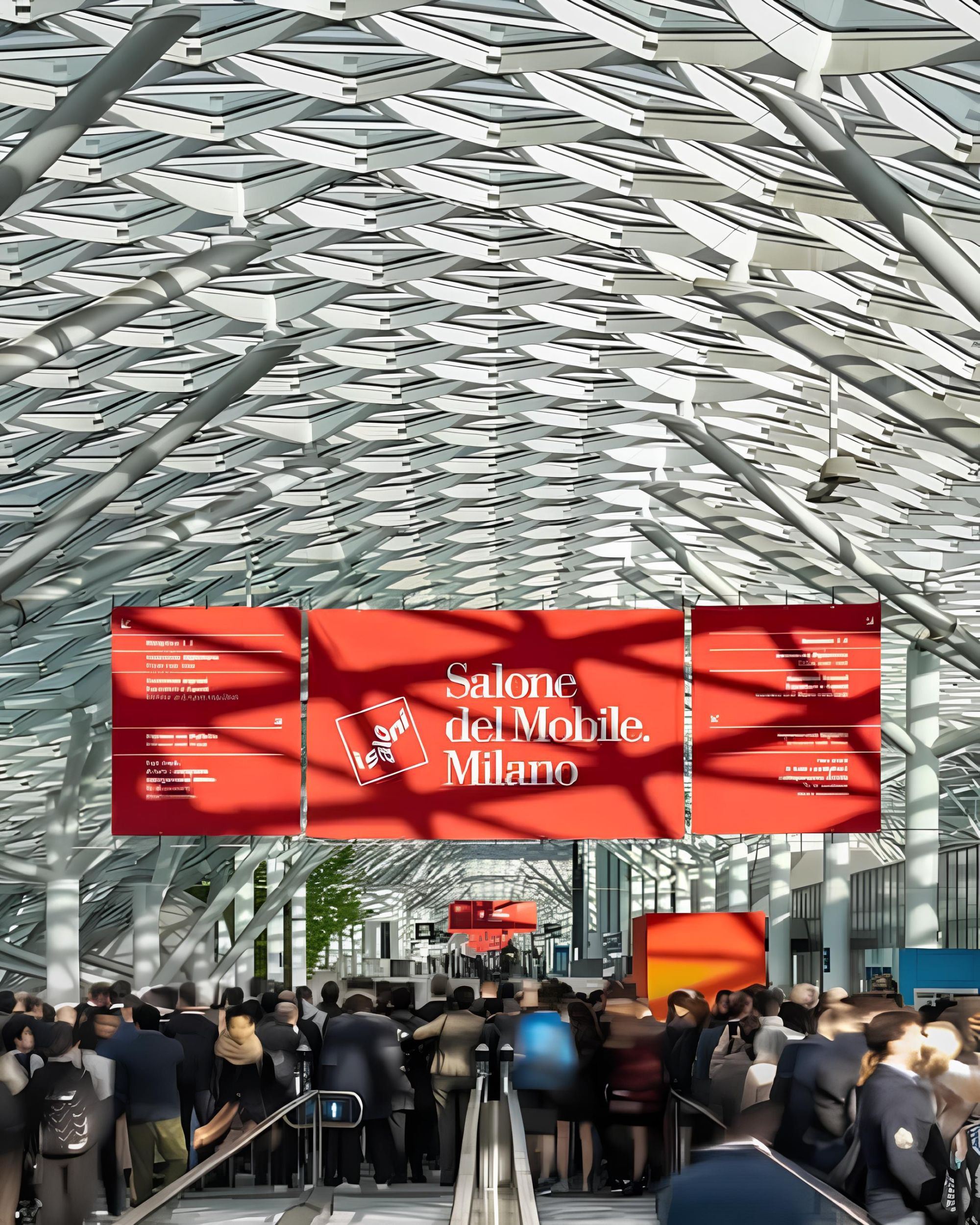
What will this year's Salone del Mobile reveal about Milan? While the world shifts, the city moves faster
Milan, for one week, speeds up. The streets fill up, spaces multiply, every door becomes an event, every event becomes content. The Salone del Mobile continues to grow, to expand, to occupy the city until it transforms it into a temporary system made of installations and encounters. And yet, outside of this concentrated intensity, the world moves at a different pace. Slower, more uncertain, marked by crises that are not resolved in a week.
This is where the first paradox emerges. The Salone does not stop because it cannot. It is an economic, cultural, and productive machine too large to truly slow down, a system that feeds on its own continuity. Brands, studios, companies, media: everything is built to be present, not to lose space. Stopping would mean stepping out of a flow that waits for no one.
If everything is temporary, what remains?
As the Salone del Mobile prepares for its return, year after year it changes. Not in a radical way, not in a declared way, but through small shifts that, taken together, tell a deeper transformation. Less self-serving display, more control over image, greater attention to narrative construction. Design no longer simply presents itself, but increasingly works on how it is perceived. This is not necessarily a negative sign, but it is a shift in balance. The object is no longer just an object - it is communication, positioning, content.
The format follows this logic as well. The Salone is no longer just the fair; it is a distributed ecosystem that extends far beyond official spaces. The Fuorisalone, temporary activations, and hybrid installations between physical and digital build a parallel city, active only for a few days. Milan becomes a platform, an infrastructure that hosts and amplifies. In this sense, the Salone is already a concrete example of the transformation of spaces that we now call temporariness: no longer fixed places, but adaptive systems capable of existing intensely but for a limited time.
And yet, within this perfectly oiled machine, a question remains that cannot be avoided. What role does design play today? Can it still limit itself to aesthetics, form, the construction of images, or is it called to engage with a more complex, more unstable, more demanding context? It is not a moral issue, but one of relevance. The world around us is changing rapidly, and the risk is that design continues to produce responses for a context that no longer exists.
Salone and Fuorisalone as a mirror of the times
@hellohuman.us SALONE DECODE Pt. 1 Milan Design Week 101 It’s April, which means one thing in the design world: Salone del Mobile / Milan Design Week is nearly here (April 20–26). If you’re new to it—this is the largest design event in the world, where furniture brands, interior designers, architects, fashion houses, and even tech companies take over the entire city of Milan. Think: – historic palazzos – abandoned factories – hidden courtyards and gardens – private homes you’d never otherwise see All transformed into immersive exhibitions, installations, and talks across the city (what you’ll hear called Fuorisalone), alongside the main fair at Rho Fiera. It’s open to the public, but press and industry insiders arrive early for previews, and by midweek the city is at full capacity. If you’ve been, you know. If you haven’t—we’re bringing you along. Follow along for more from Milan Design Week. #milandesignweek #salonedelmobile #salonedecode #designweek #furnituredesign Ddoje Facce - Nu Genea
The point is not to ask design to solve crises, but to understand how much it manages to stay within the present, while the real risk is not that design stops, but that it continues without truly questioning what it is producing. When everything becomes image, even reality risks being filtered, simplified, made more readable than it actually is. The Salone, in this sense, is the place where everything works: spaces are curated, narratives coherent, experiences designed to be understood and shared. But precisely for this reason, it risks becoming a bubble, a self-referential system that moves according to its own rules.
Perhaps the most interesting function of the Salone del Mobile lies exactly here: not so much in anticipating what will come, but in returning a precise image of the present. Reading how an entire system reacts to a changing context, without ever truly stopping. Milan accelerates while the world slows down, and in this distance a space for observation opens up. The Salone is not outside the world, but neither is it fully within it. It stands in between, and precisely for this reason it becomes a thermometer.
What to read next
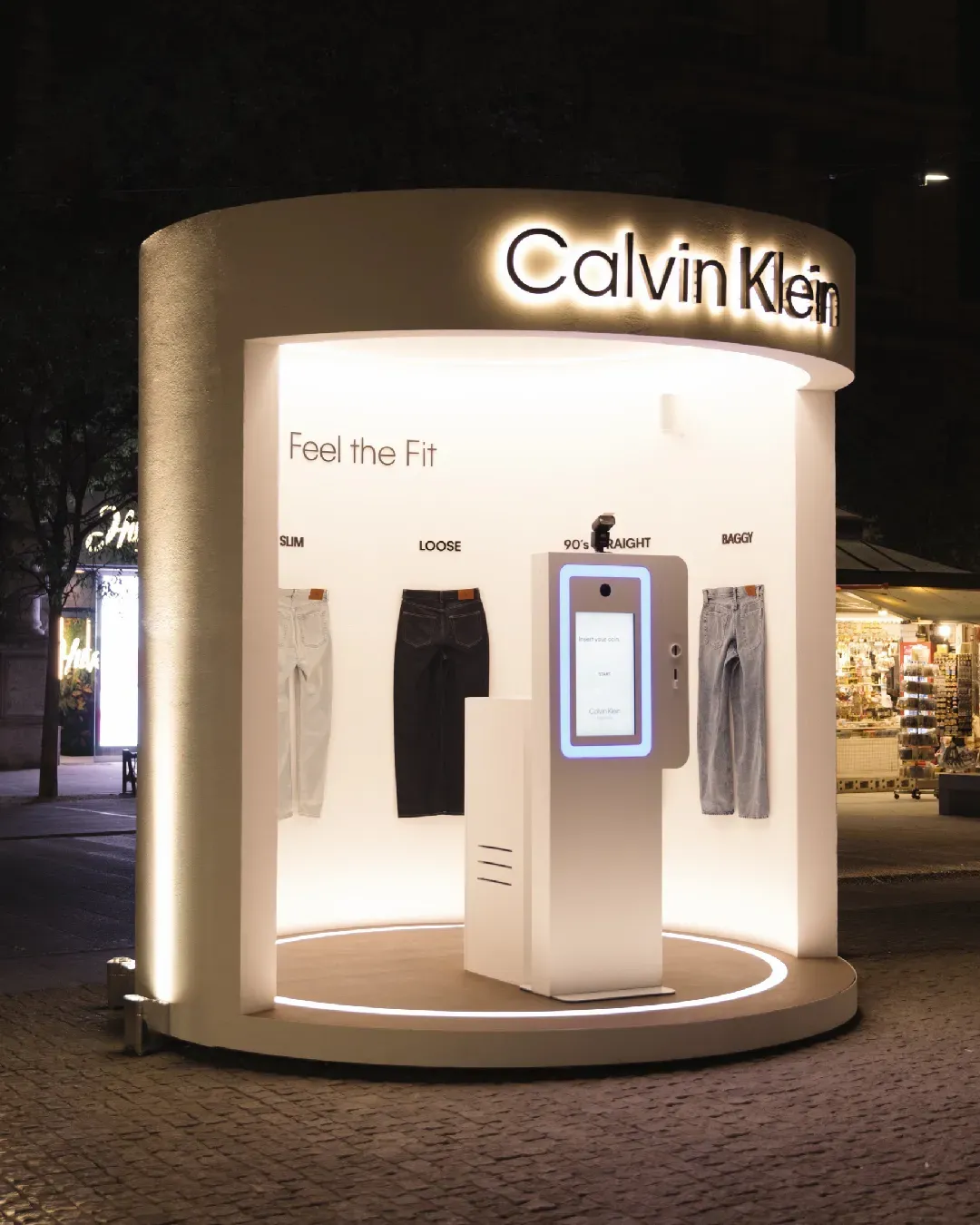
Calvin Klein has opened a Denim Kiosk in Piazza Castello in Milan
Here is what went down at the opening event
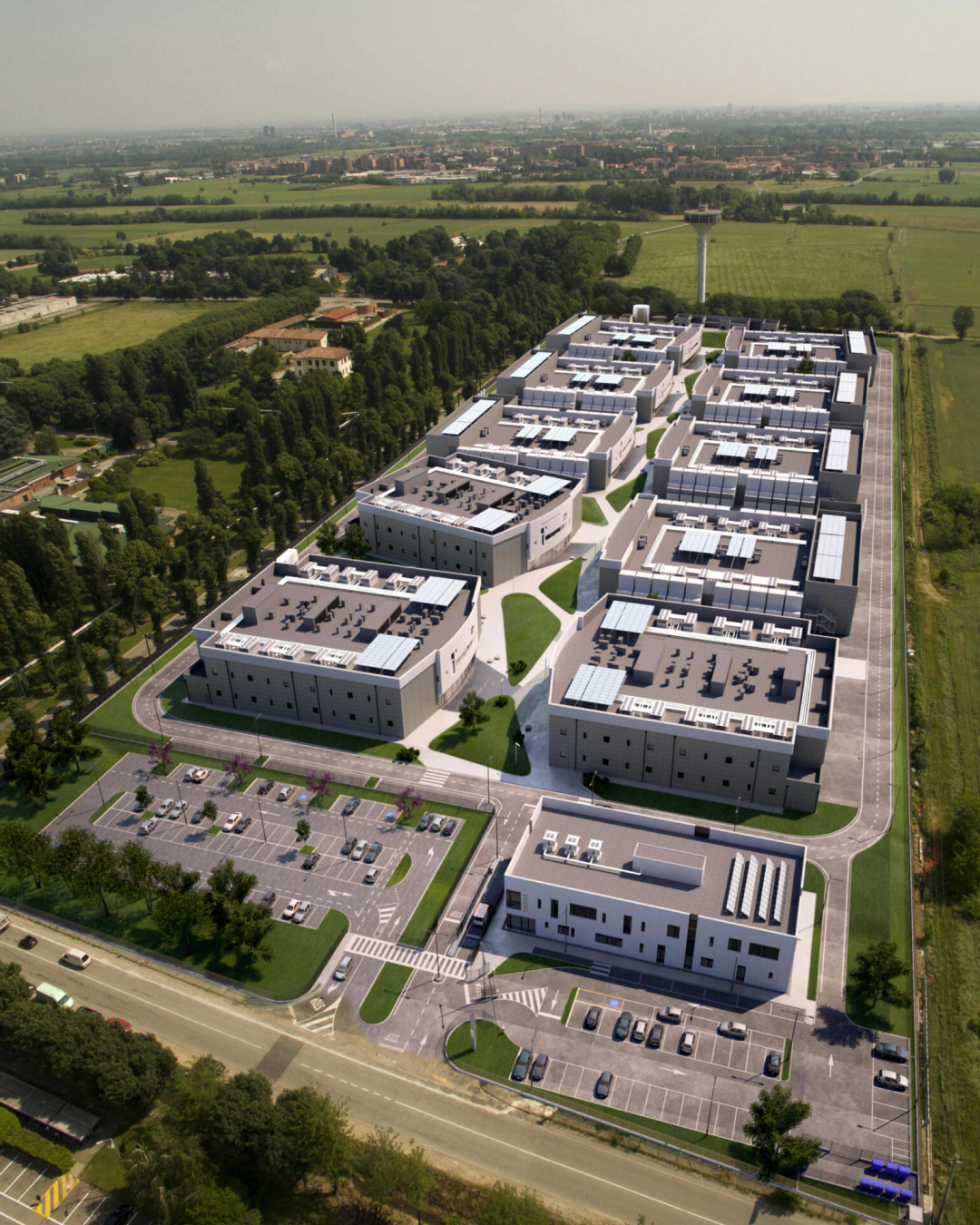
Data centers are invading our cities
The more demand for artificial intelligence grows, the more everything needed to make it work grows too

Salomon brings the race back to Milan
The September 2nd conference, between what remains of the Winter Games and an app for women to run alone safely